
Coin Encyclopedia
Search and identify coins from around the world — with country, denomination, metal, mint, history, and how to tell them apart.
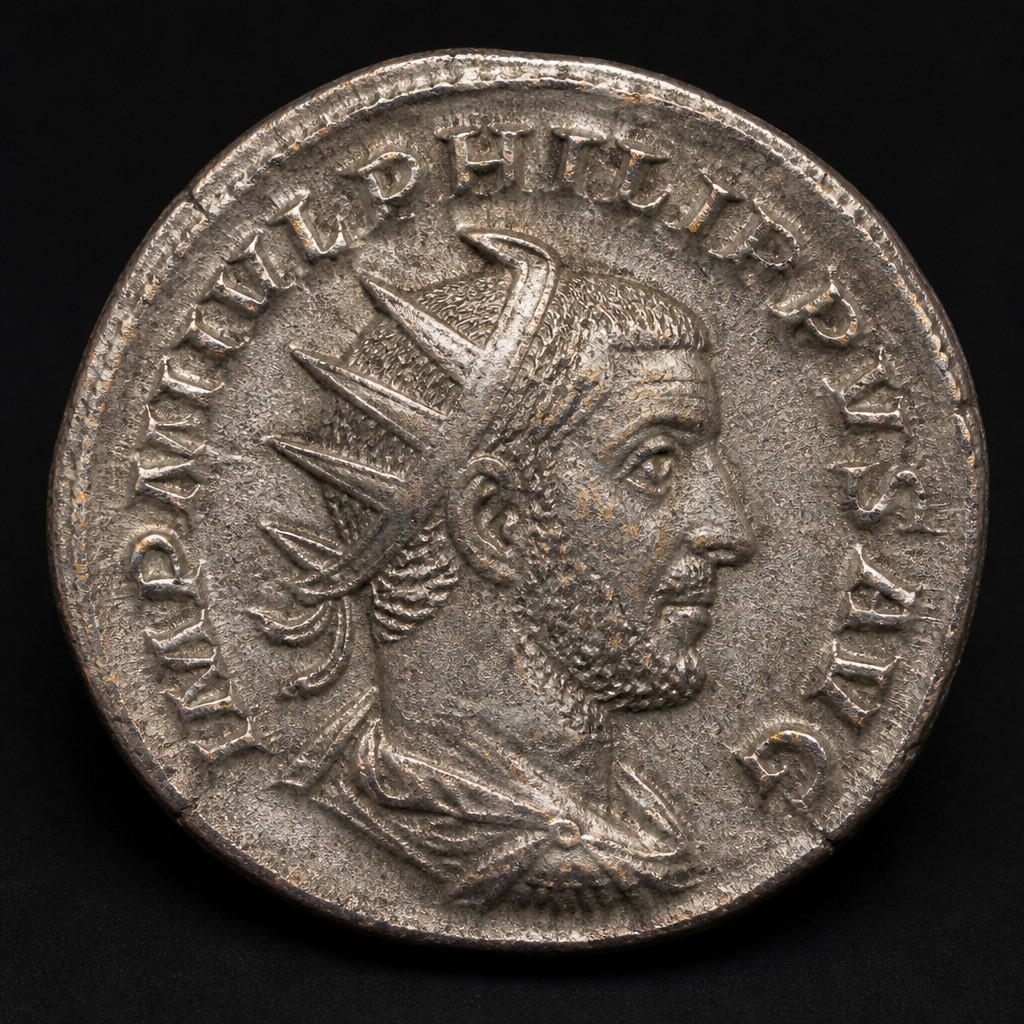
Philip the Arab Antoninianus
Radiate coin of Philip the Arab, notable for celebrating Rome's 1,000th anniversary in 248 AD with a memorable series of animal-themed 'Saecular Games' reverse types.
Ancient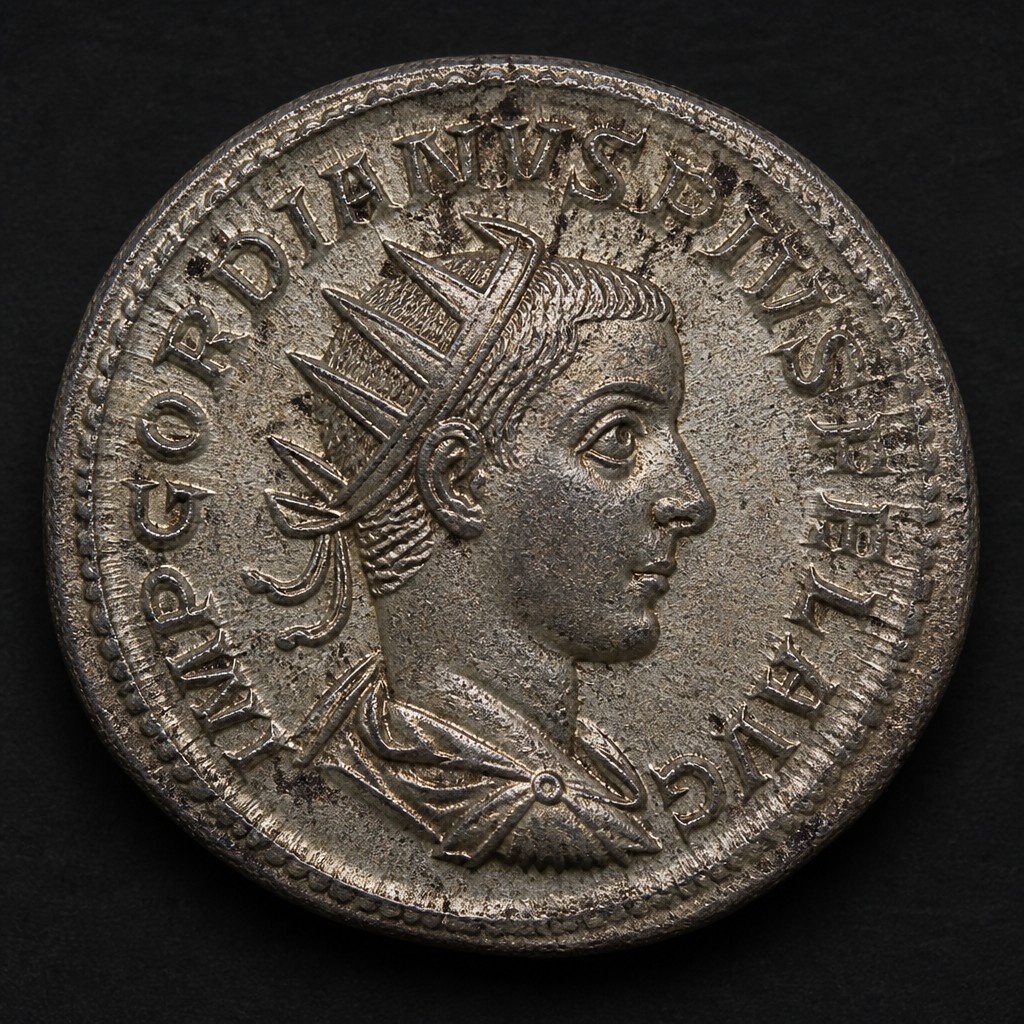
Gordian III Antoninianus
Radiate silver coin of Gordian III, who became sole emperor at about thirteen years old and reigned through Rome's costly war with Sassanid Persia.
Ancient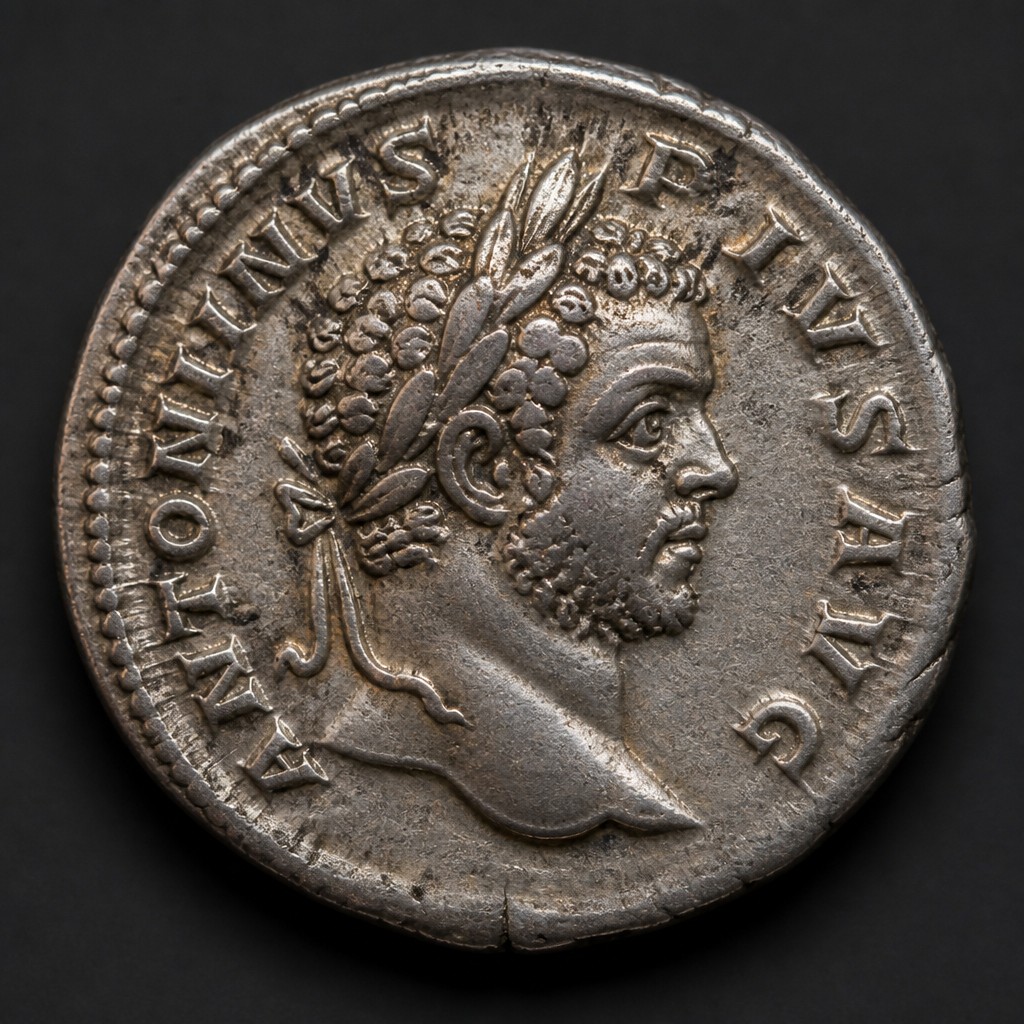
Caracalla Denarius
Silver denarius of Caracalla, son of Septimius Severus, remembered for extending Roman citizenship empire-wide and for murdering his brother Geta.
Ancient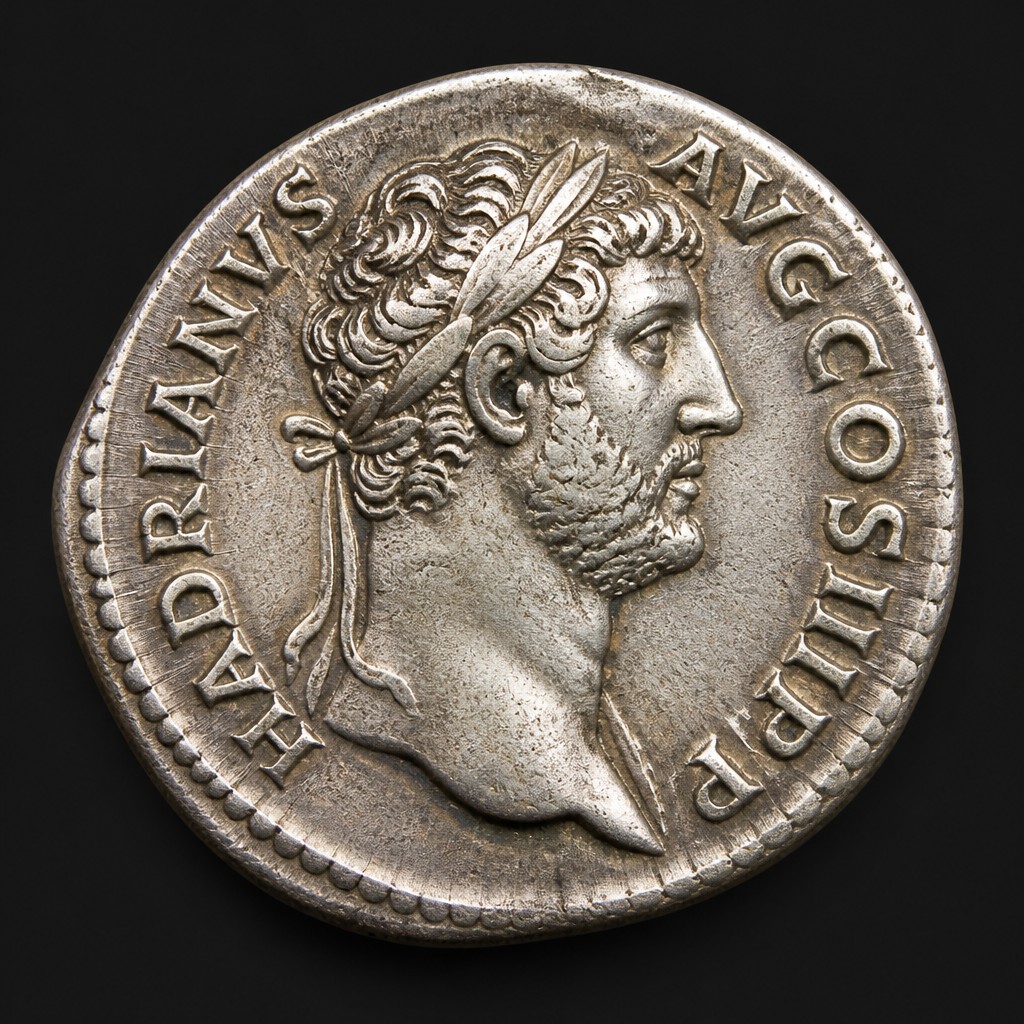
Hadrian Travel Series Denarius
A celebrated series of silver denarii issued late in Hadrian's reign, personifying the many provinces he famously toured throughout the Roman Empire.
Ancient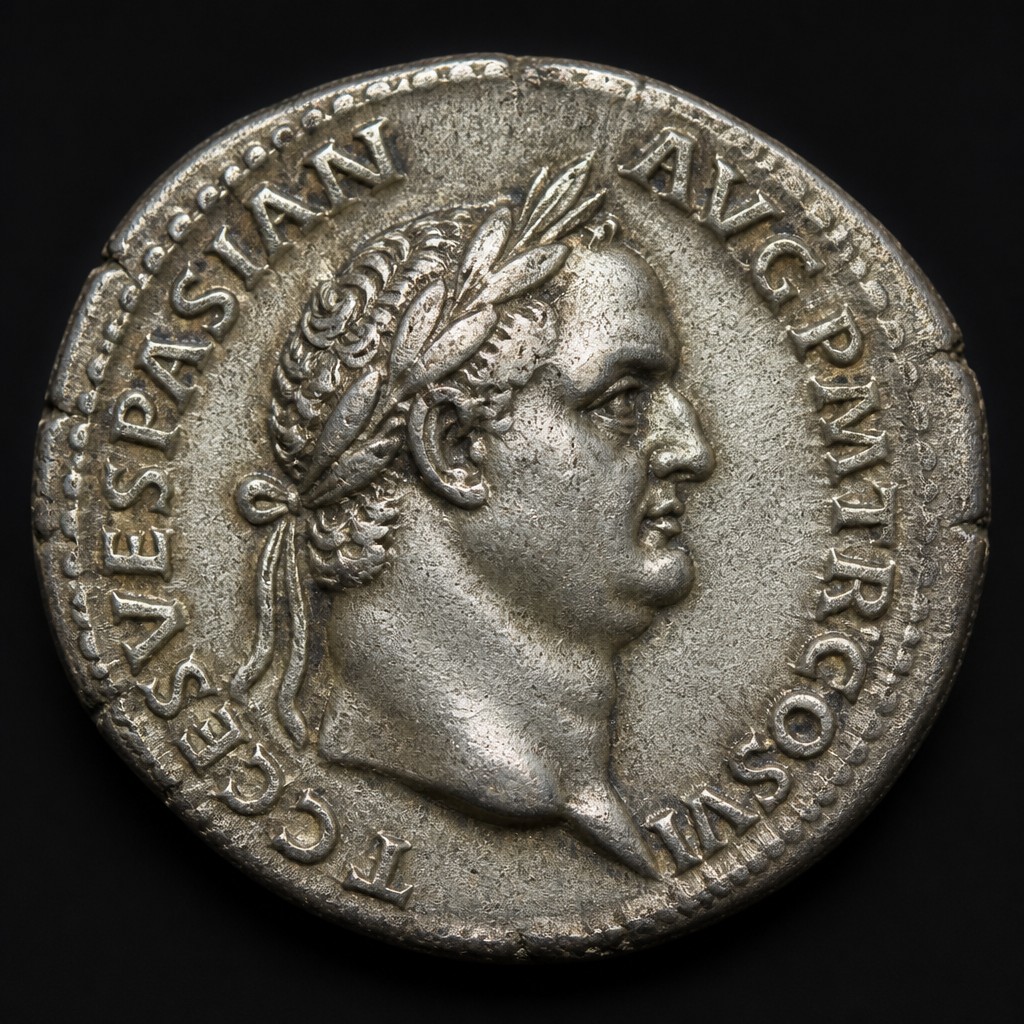
Titus Denarius
The silver denarius of Emperor Titus, second Flavian ruler, celebrated for completing the Colosseum and for a short, well-regarded reign.
Ancient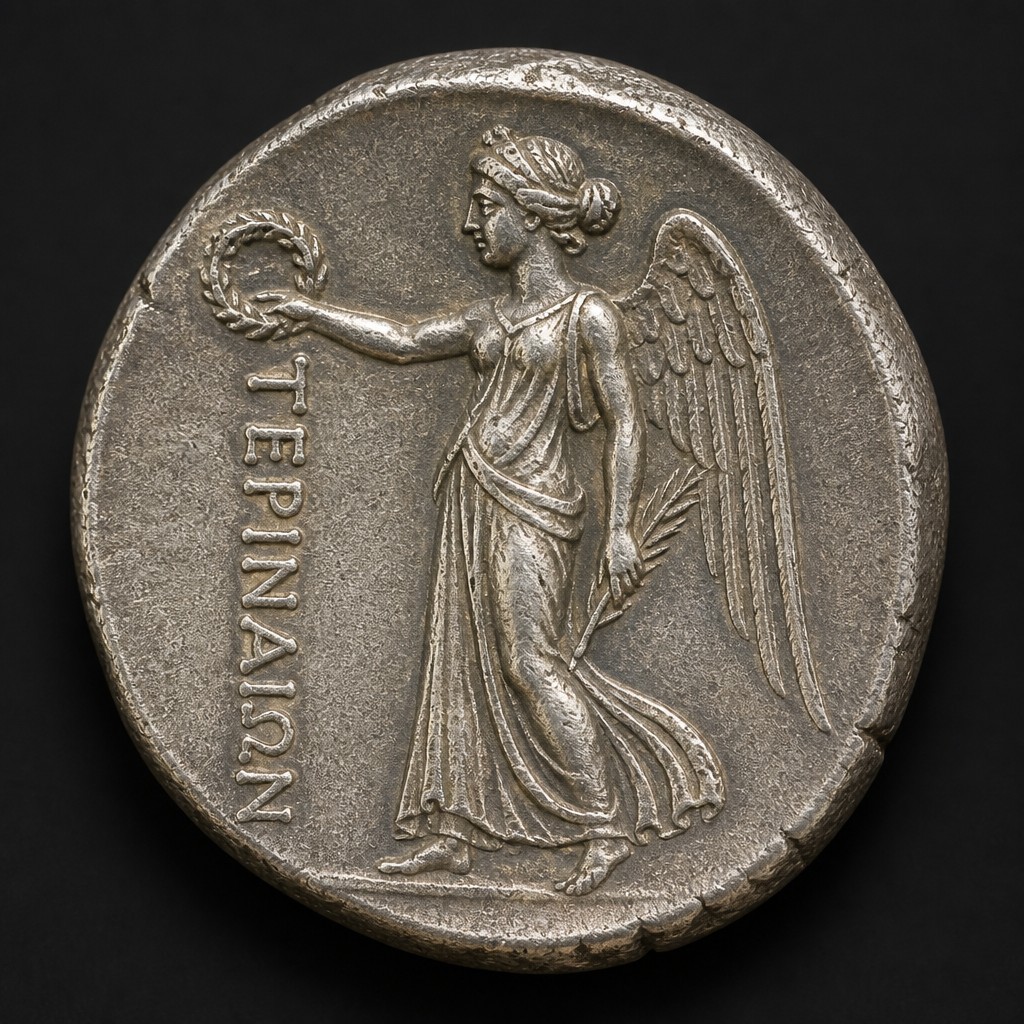
Terina Nike Nomos
A silver nomos from the South Italian city of Terina, celebrated among collectors for its graceful depictions of Nike, the winged goddess of victory, on the reverse.
Ancient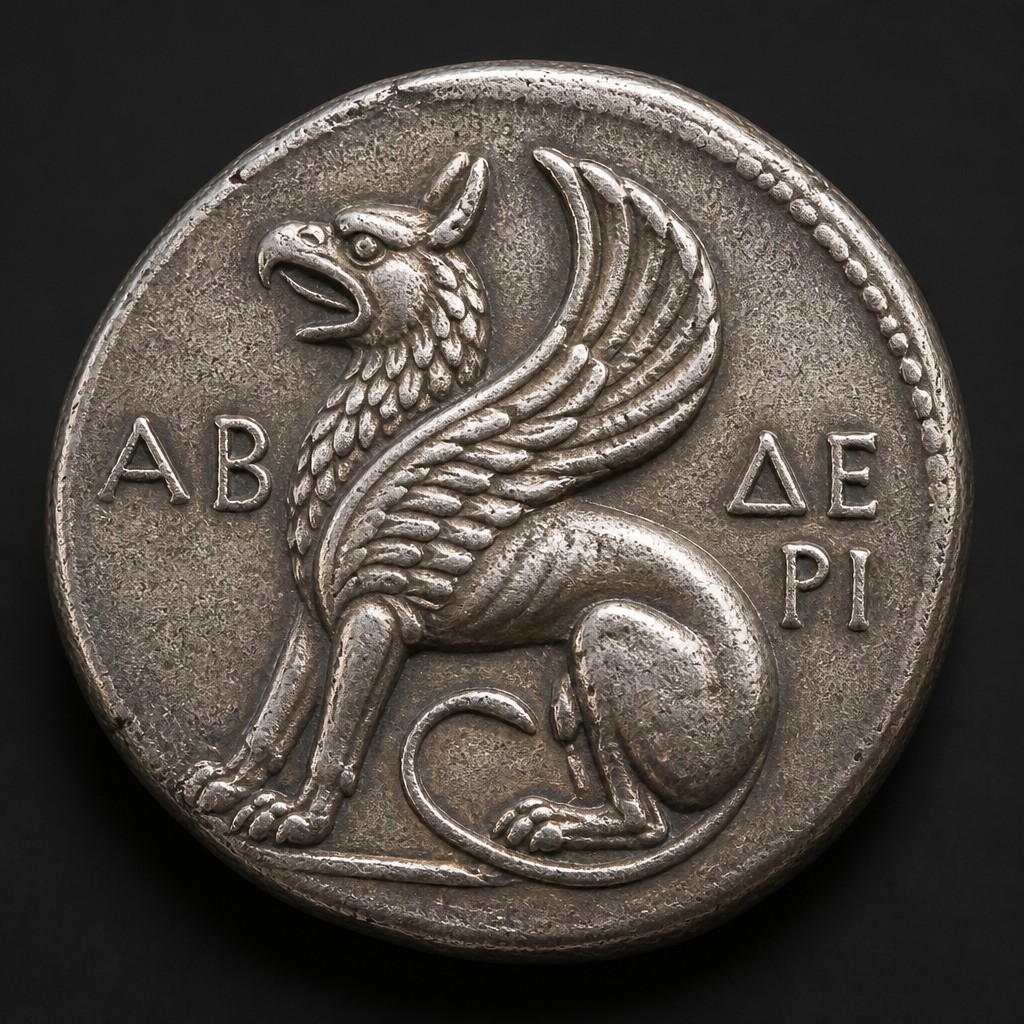
Abdera Griffin Tetradrachm
Silver tetradrachm of the Thracian city of Abdera, featuring the mythical griffin inherited from its mother-city Teos, with magistrates' names on the reverse.
Ancient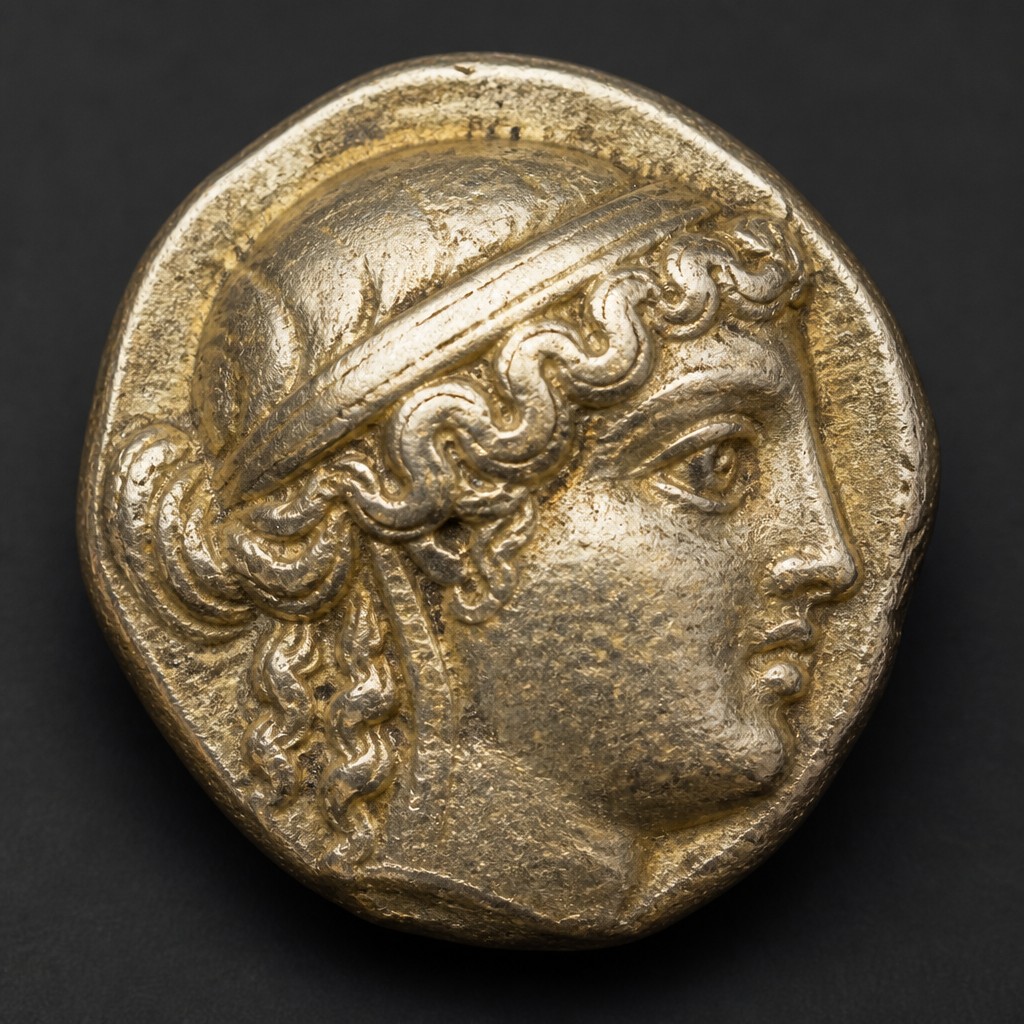
Lampsakos Electrum Stater
An electrum stater from Lampsakos on the Hellespont, another important early precious-metal trade coinage of Asia Minor, often featuring a winged horse or janiform head.
Ancient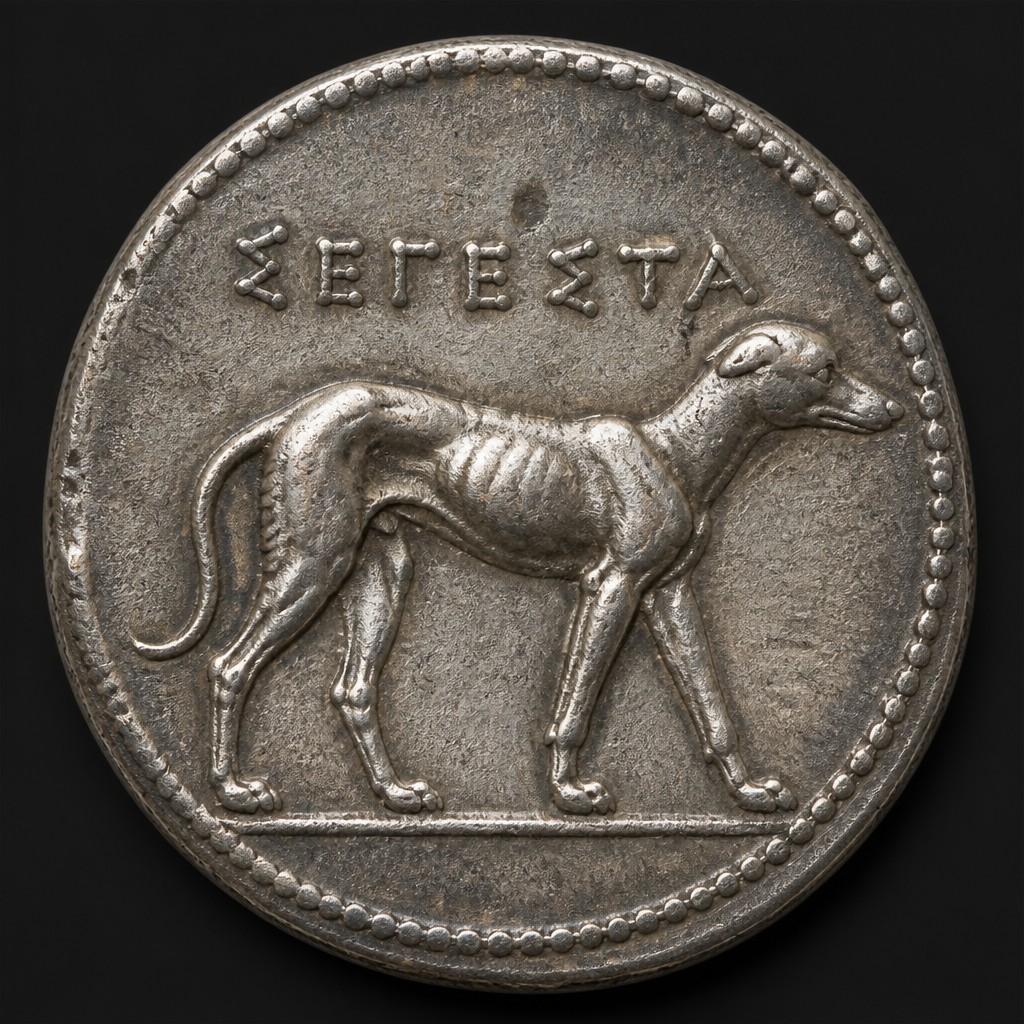
Segesta Hound Tetradrachm
Silver coin of Segesta in western Sicily, an Elymian city whose coinage features a hunting hound, linked to local legend of the river god Krimisos.
Ancient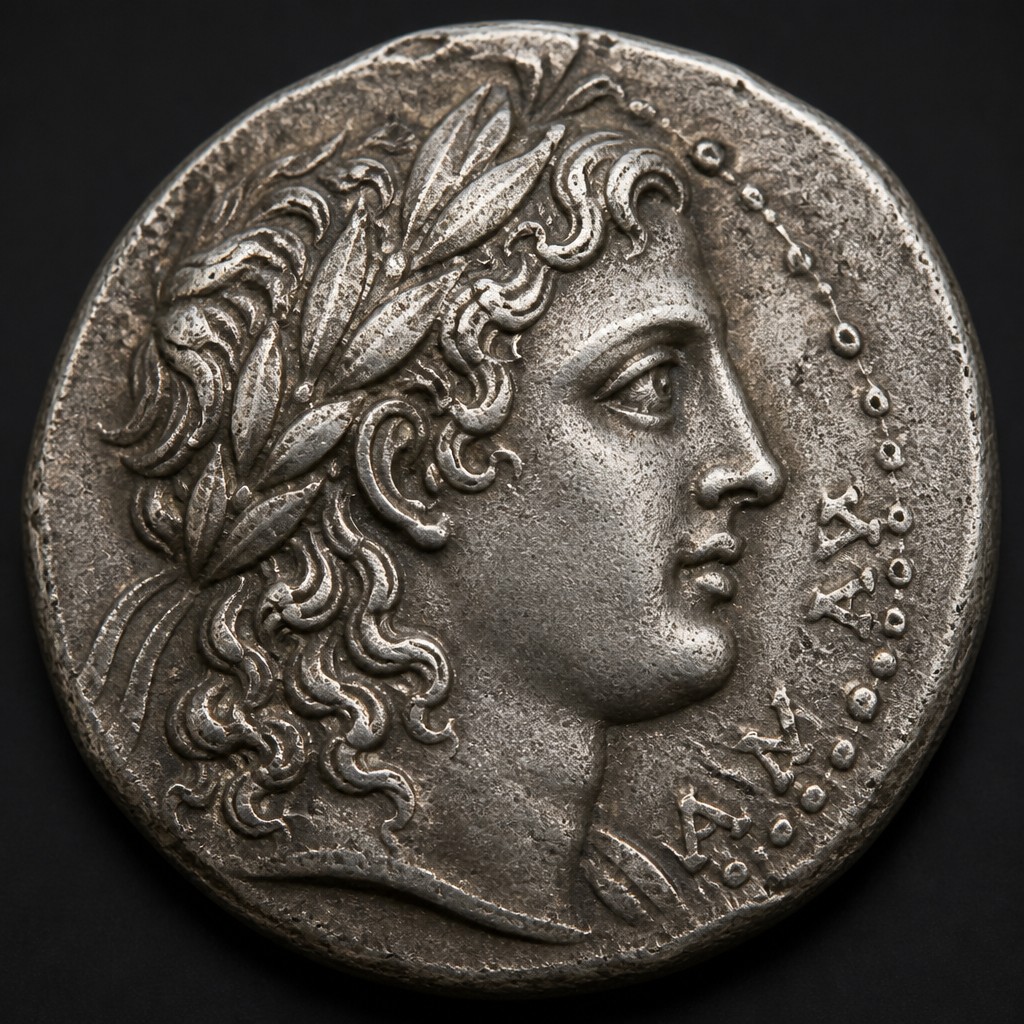
Chalkidian League Apollo Tetradrachm
Silver tetradrachm issued by the Chalkidian League of northern Greek cities, showing the laureate head of Apollo and a lyre, minted at Olynthus.
Ancient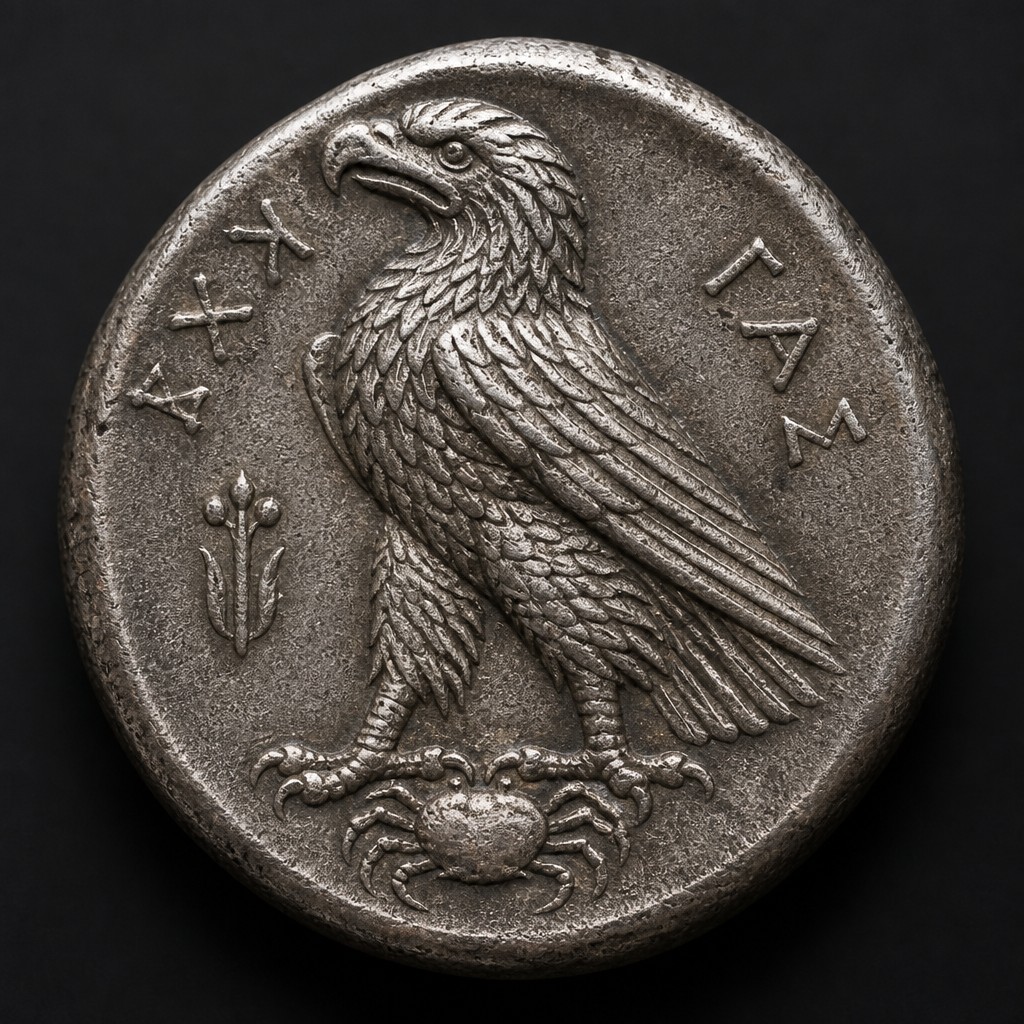
Akragas (Agrigentum) Eagle and Crab Tetradrachm
A silver tetradrachm from the wealthy Sicilian city of Akragas, pairing an eagle, symbol of Zeus, with a river crab representing the city's local waterways.
Ancient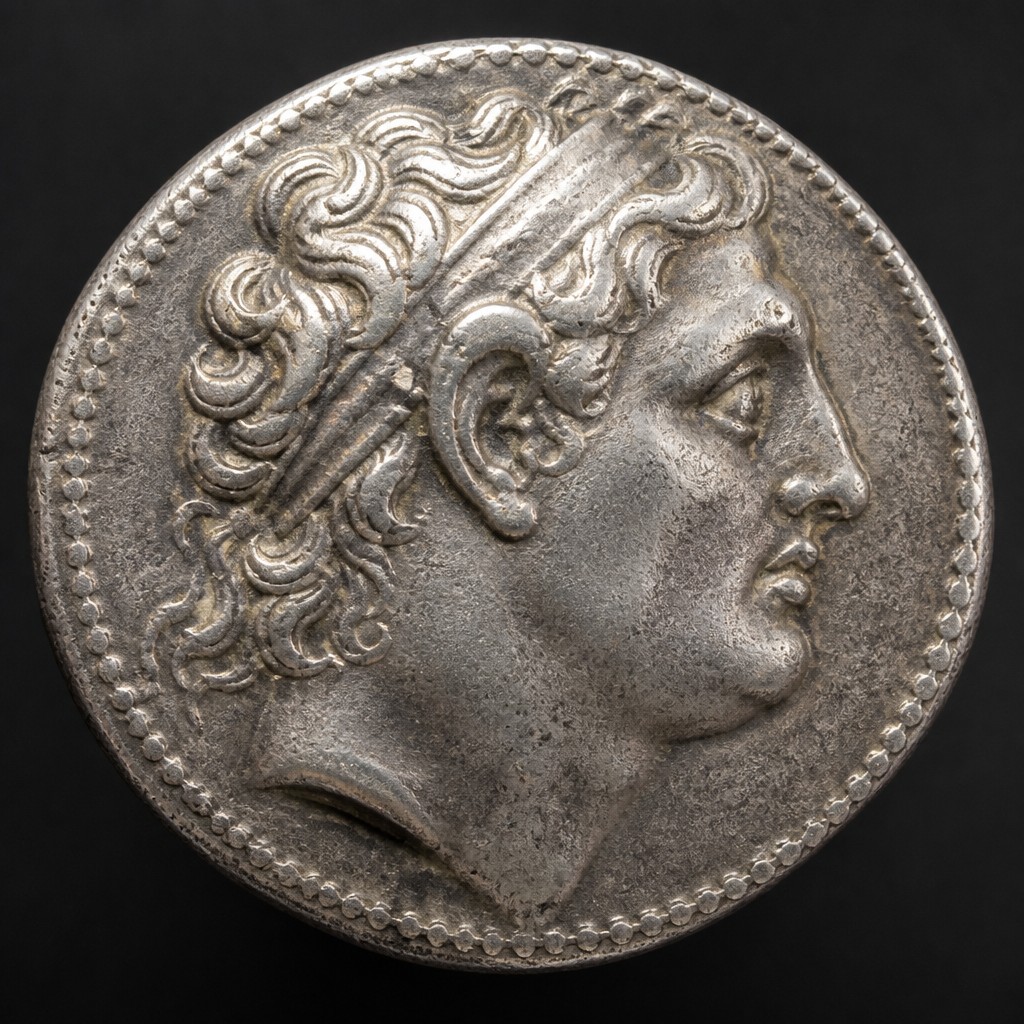
Lysimachos Tetradrachm (Alexander/Athena)
A silver tetradrachm struck by King Lysimachos, one of Alexander the Great's successors, showing the deified Alexander with a ram's horn and a seated Athena on the reverse.
Ancient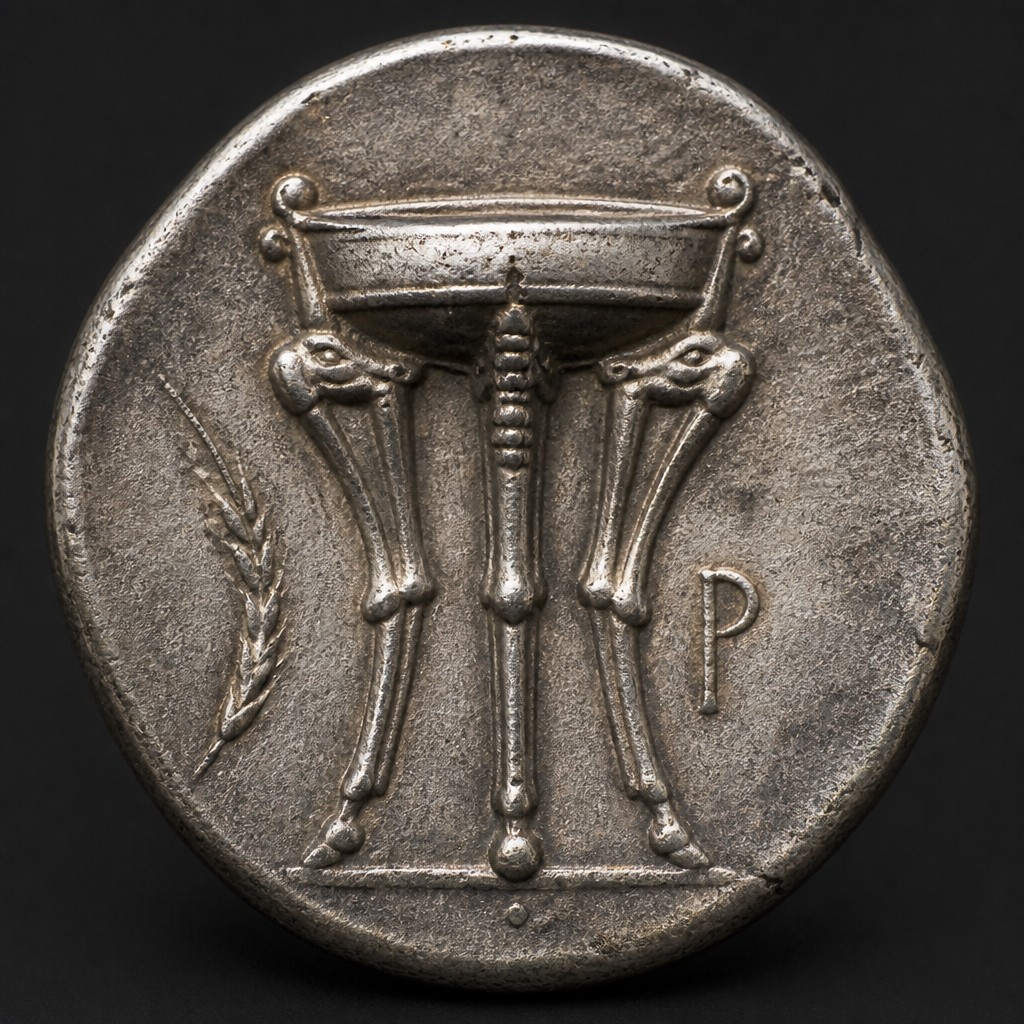
Kroton Tripod Stater
A silver stater from the Greek colony of Kroton in southern Italy, depicting Apollo's sacred tripod, among the finest examples of the early incuse coinage style.
Ancient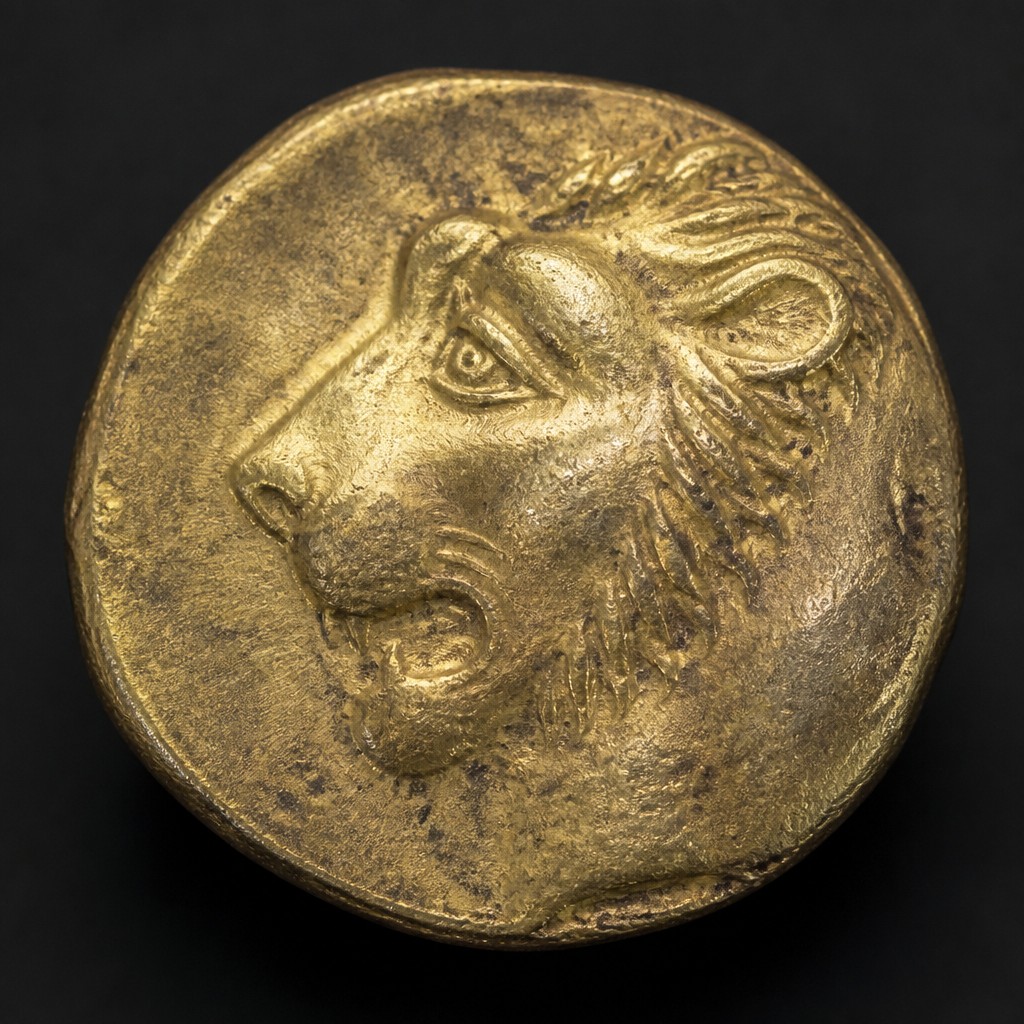
Cyzicus Electrum Stater
An electrum stater from the trading city of Cyzicus on the Sea of Marmara, part of one of the most important and long-lived precious-metal trade currencies of the ancient world.
Ancient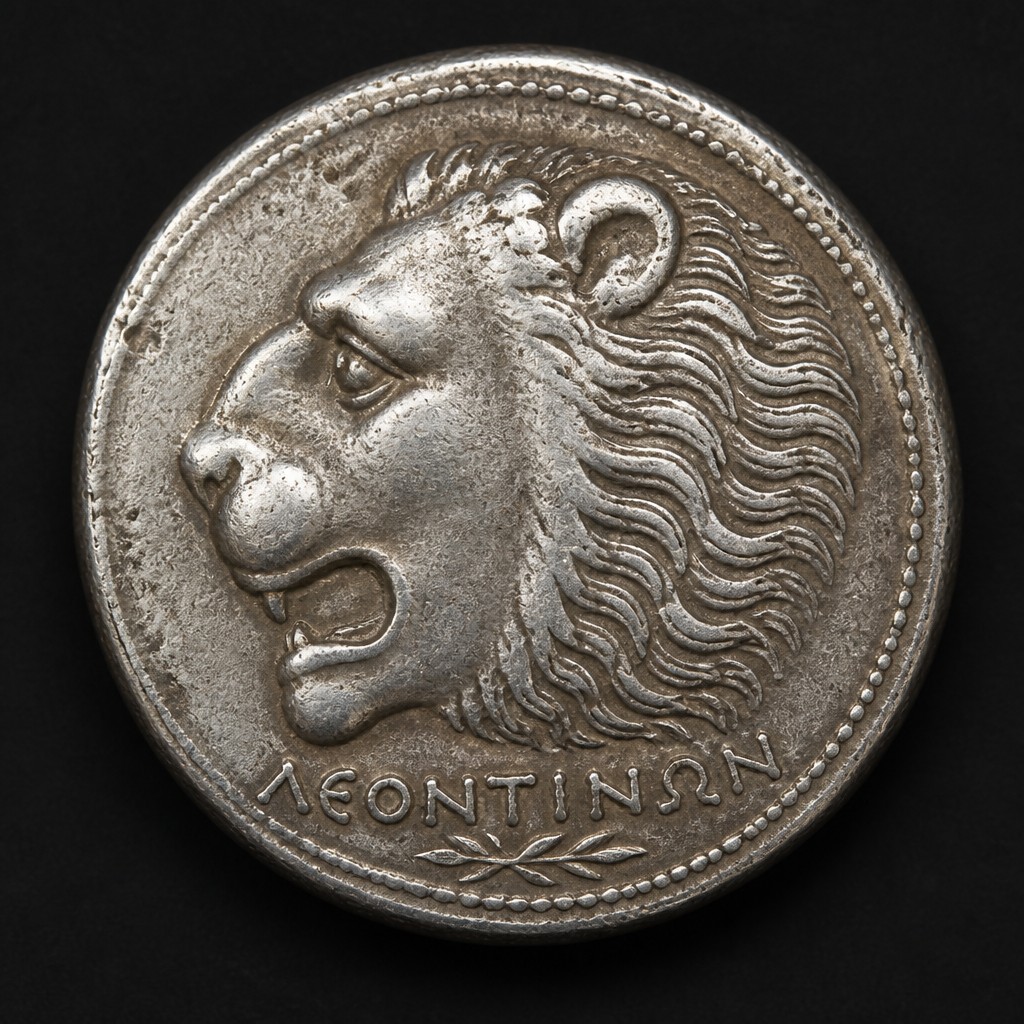
Leontini Lion Tetradrachm
Silver tetradrachm of the Sicilian city of Leontini, showing the laureate head of Apollo and a lion's head or lion with barley grains, alluding to the city's wheat production.
Ancient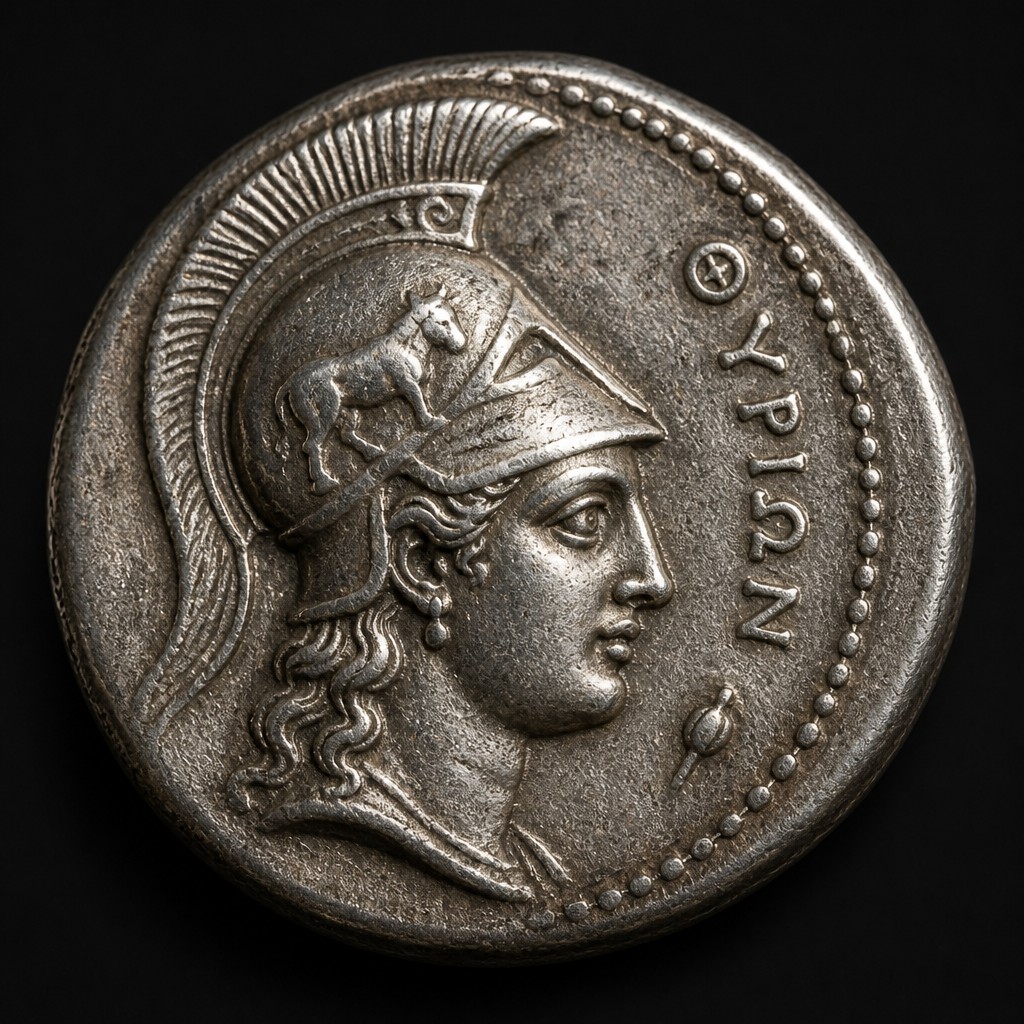
Thurium (Thurii) Athena and Bull Nomos
Silver nomos of the Greek colony of Thurii in southern Italy, showing a helmeted Athena obverse and a butting bull reverse, a classic Magna Graecia type.
Ancient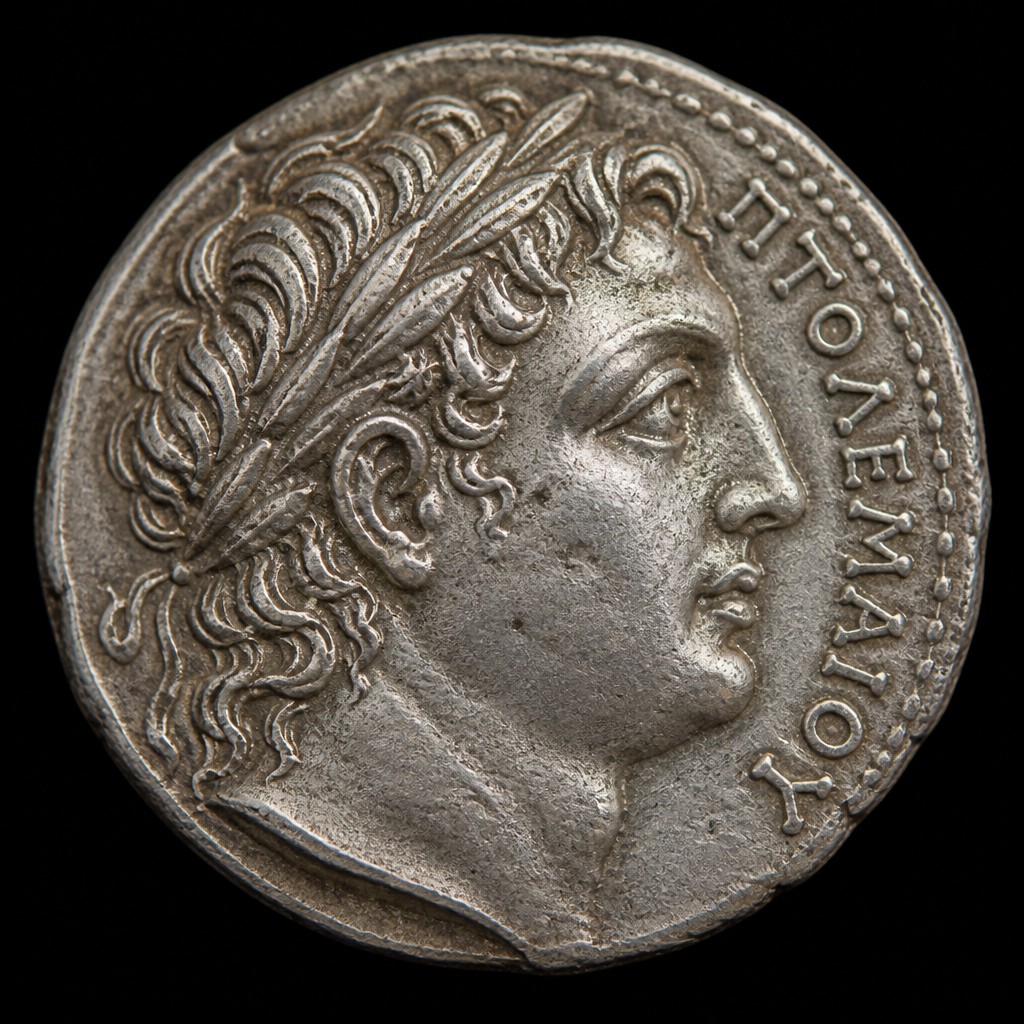
Ptolemy I Soter Tetradrachm
A silver tetradrachm bearing the realistic portrait of Ptolemy I Soter, founder of the Ptolemaic dynasty of Egypt, whose eagle-on-thunderbolt reverse became the enduring badge of Ptolemaic coinage.
Ancient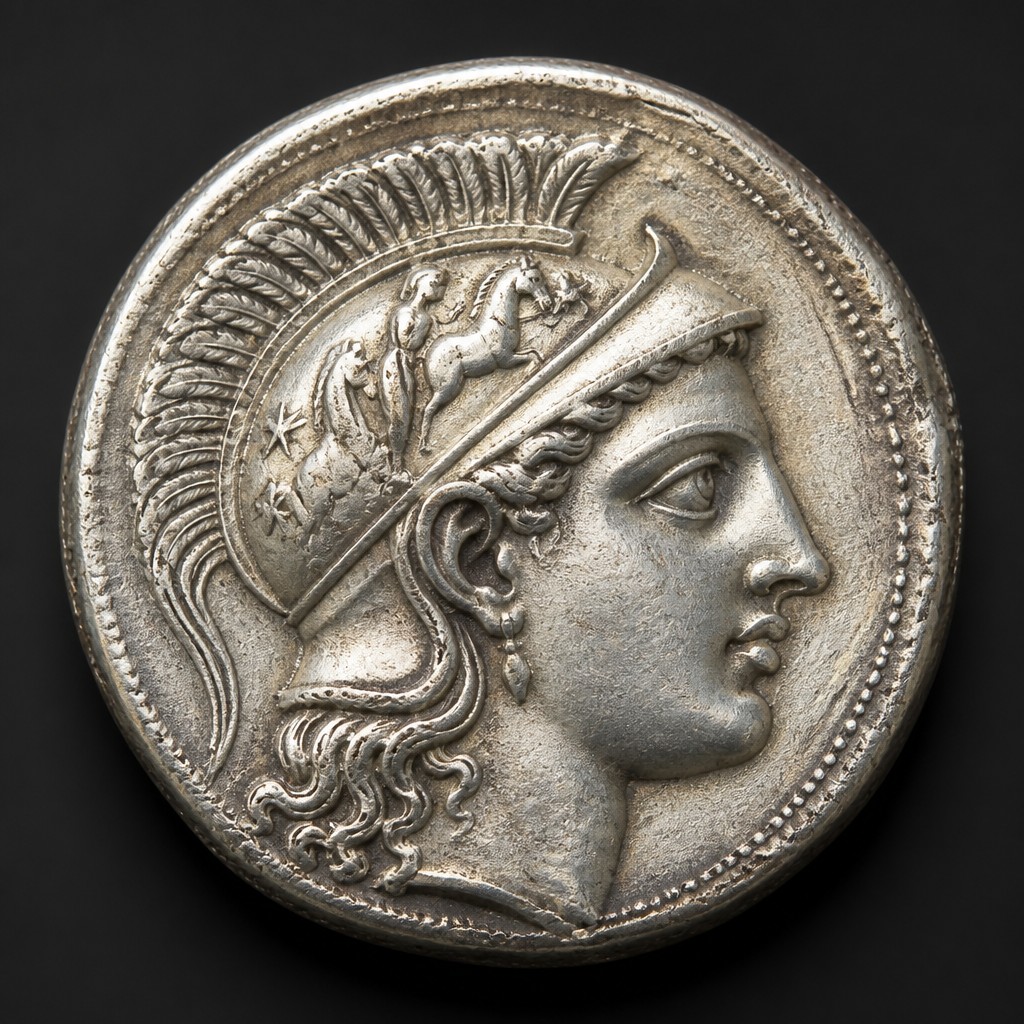
Syracuse Decadrachm
A large, exquisitely engraved silver coin from the Greek city of Syracuse, celebrated as one of the finest achievements of ancient Greek numismatic art, featuring the nymph Arethusa and a victorious chariot.
Ancient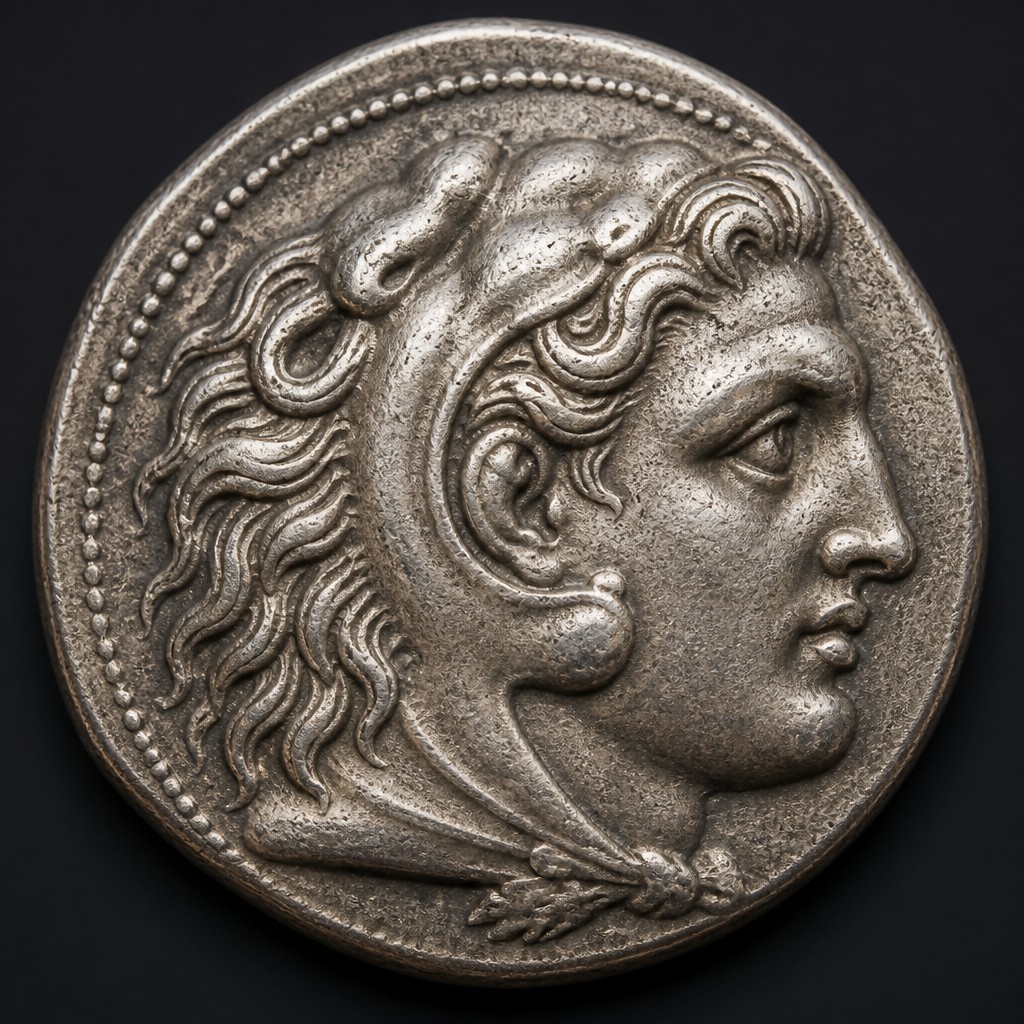
Alexander the Great Tetradrachm
The widely circulated silver coin of Alexander the Great, showing Herakles wearing a lion skin on the obverse and an enthroned Zeus on the reverse, struck across his empire and for generations after his death.
Ancient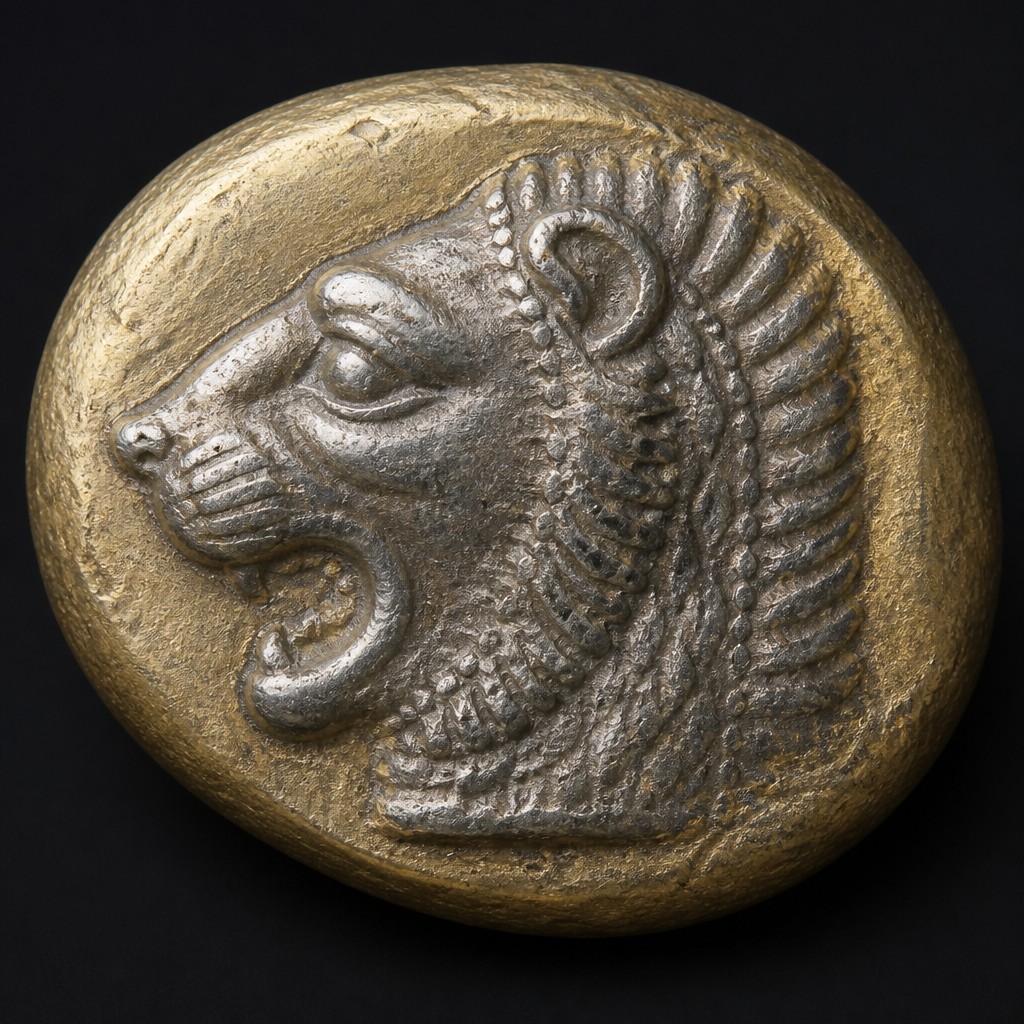
Lydian Croeseid (Croesus Stater)
One of history's earliest bimetallic coinages, struck under the legendary King Croesus of Lydia, featuring the confronting foreparts of a lion and a bull.
Ancient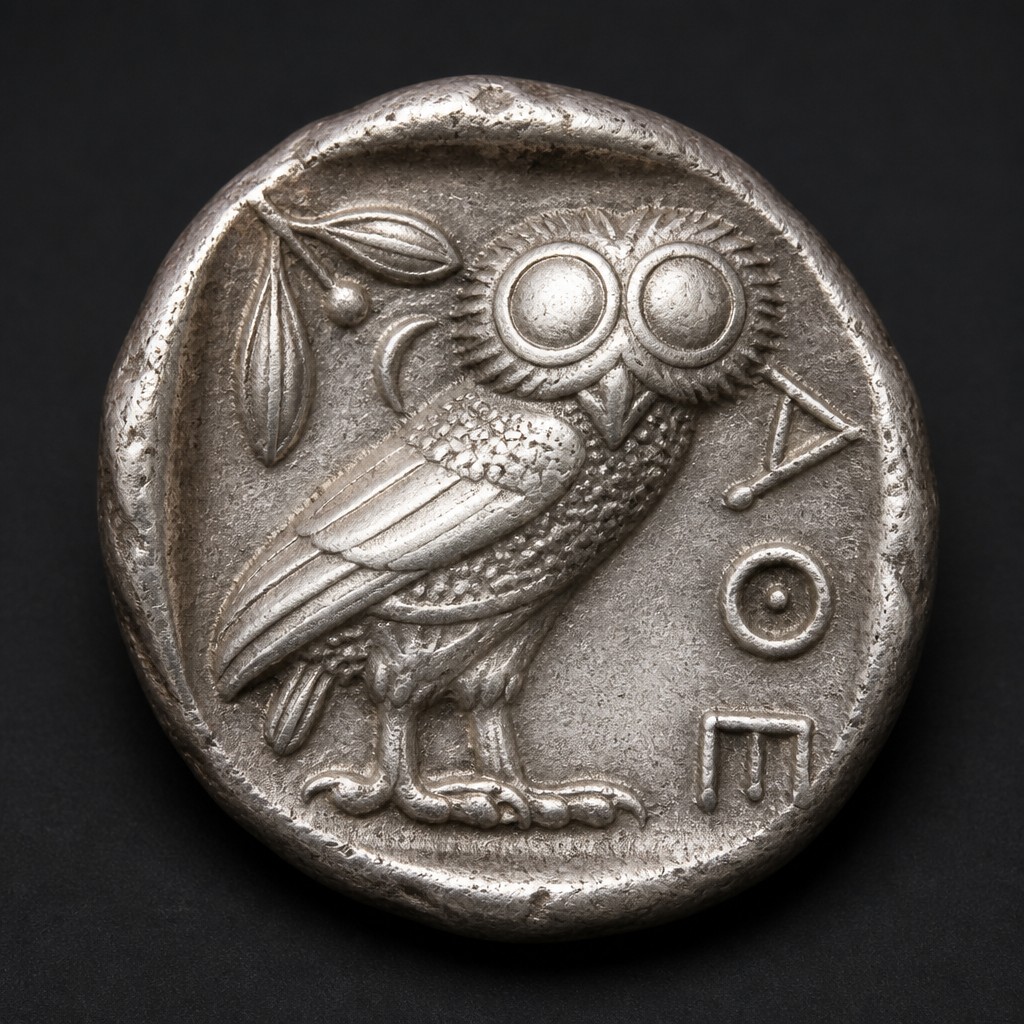
Athenian Owl Tetradrachm
Classical Athenian silver coin depicting Athena and her sacred owl, one of the most recognizable and widely circulated coinages of the ancient Mediterranean world.
Ancient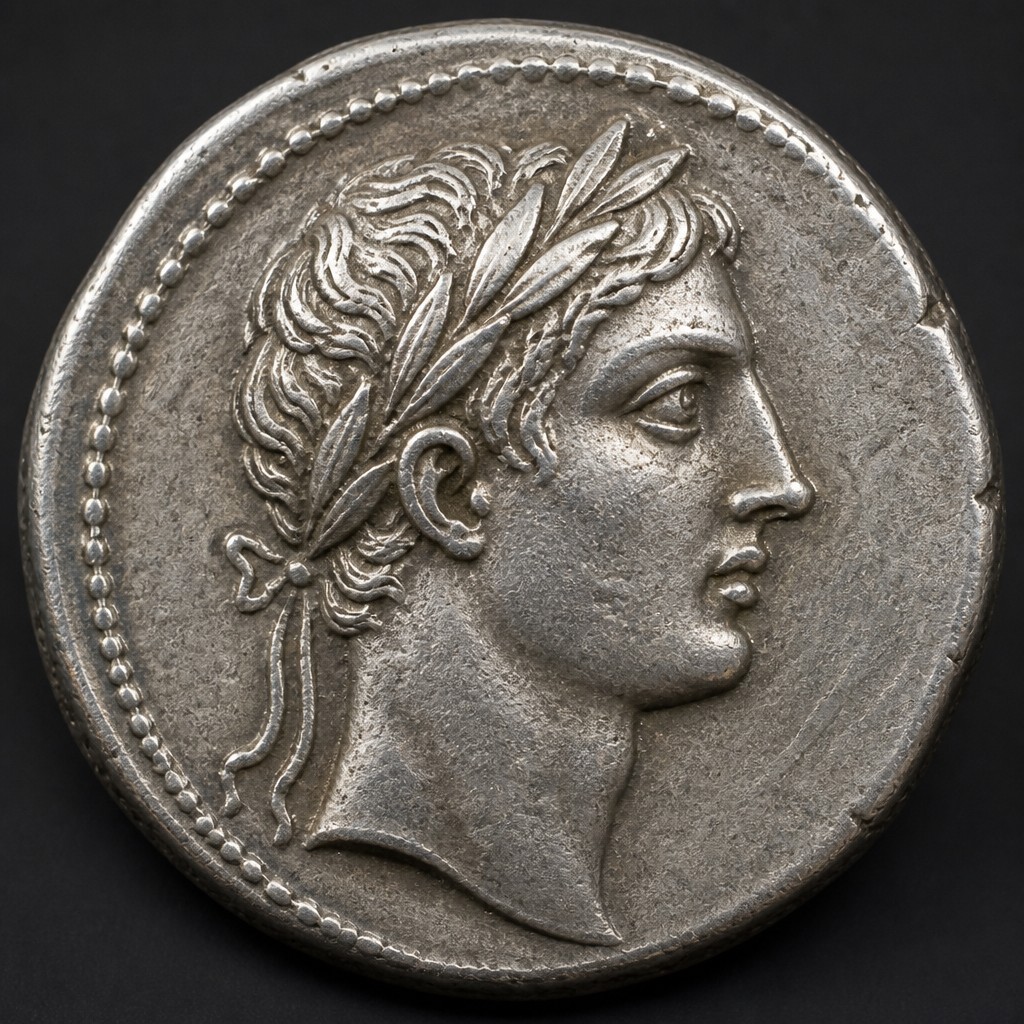
Ides of March Denarius (EID MAR)
A denarius struck by Brutus in 42 BC commemorating Julius Caesar's assassination, showing daggers and a liberty cap — one of the most famous and valuable ancient coins ever made.
Ancient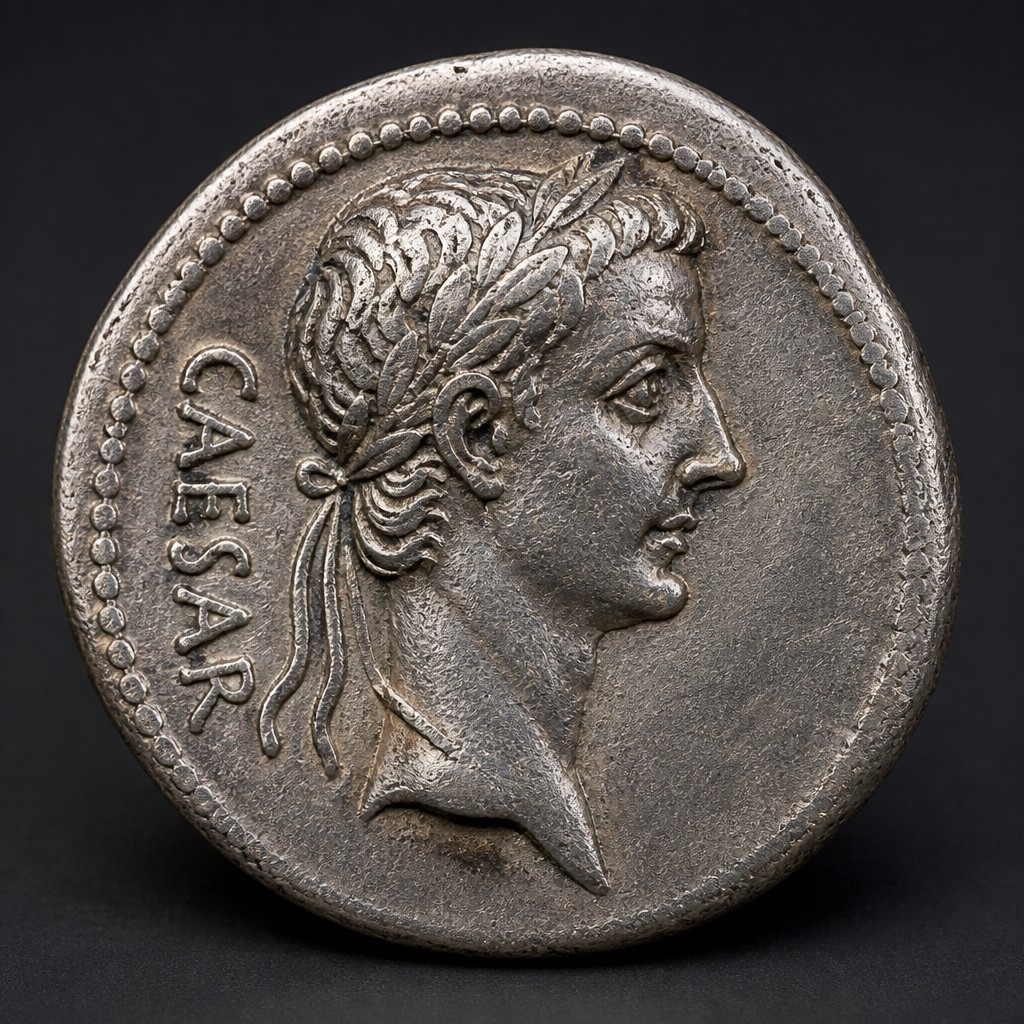
Julius Caesar Elephant Denarius
One of the most widely recognized ancient Roman coins, struck under Julius Caesar's authority and depicting an elephant trampling a serpent, likely a symbolic image tied to Caesar's political struggles.
Ancient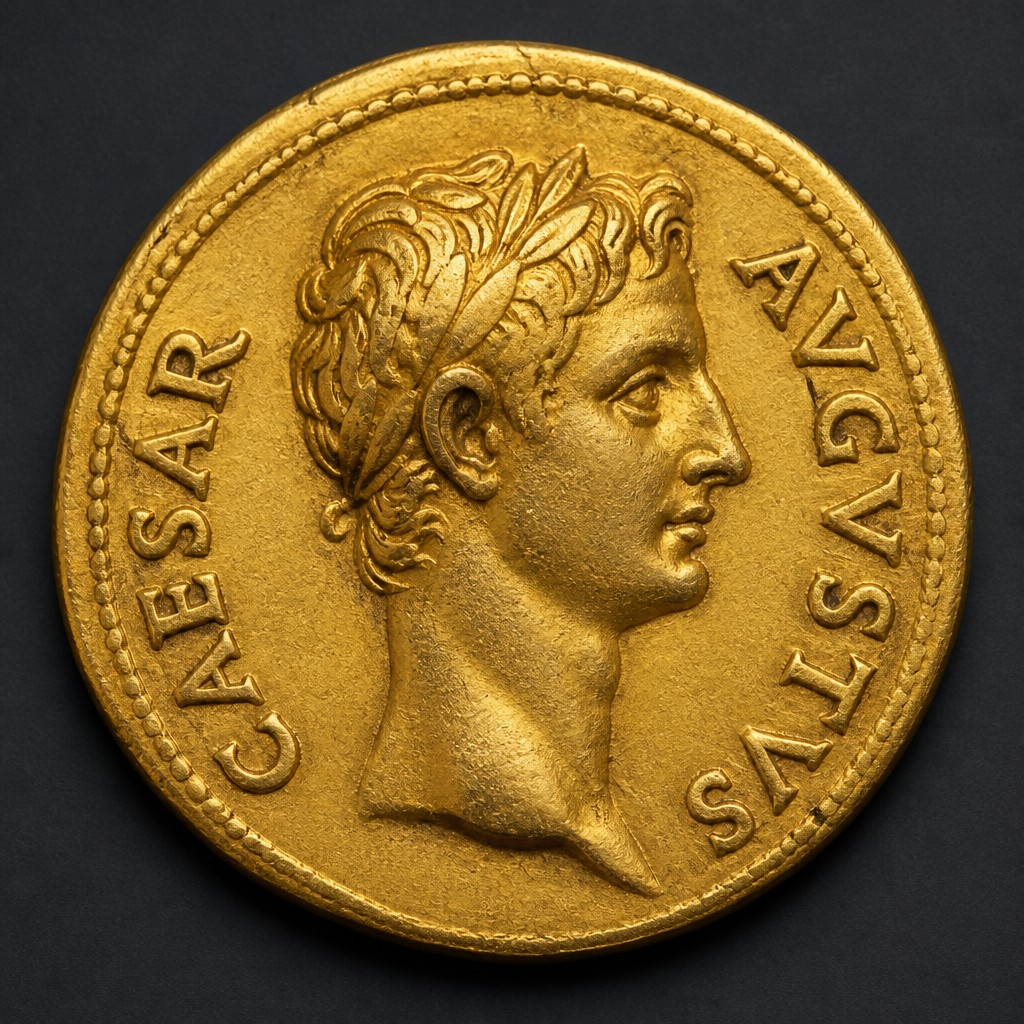
Roman Aureus of Augustus
A gold coin struck under Rome's first emperor, Augustus, marking the establishment of a stable imperial gold coinage that funded and symbolized the new Roman Empire.
Ancient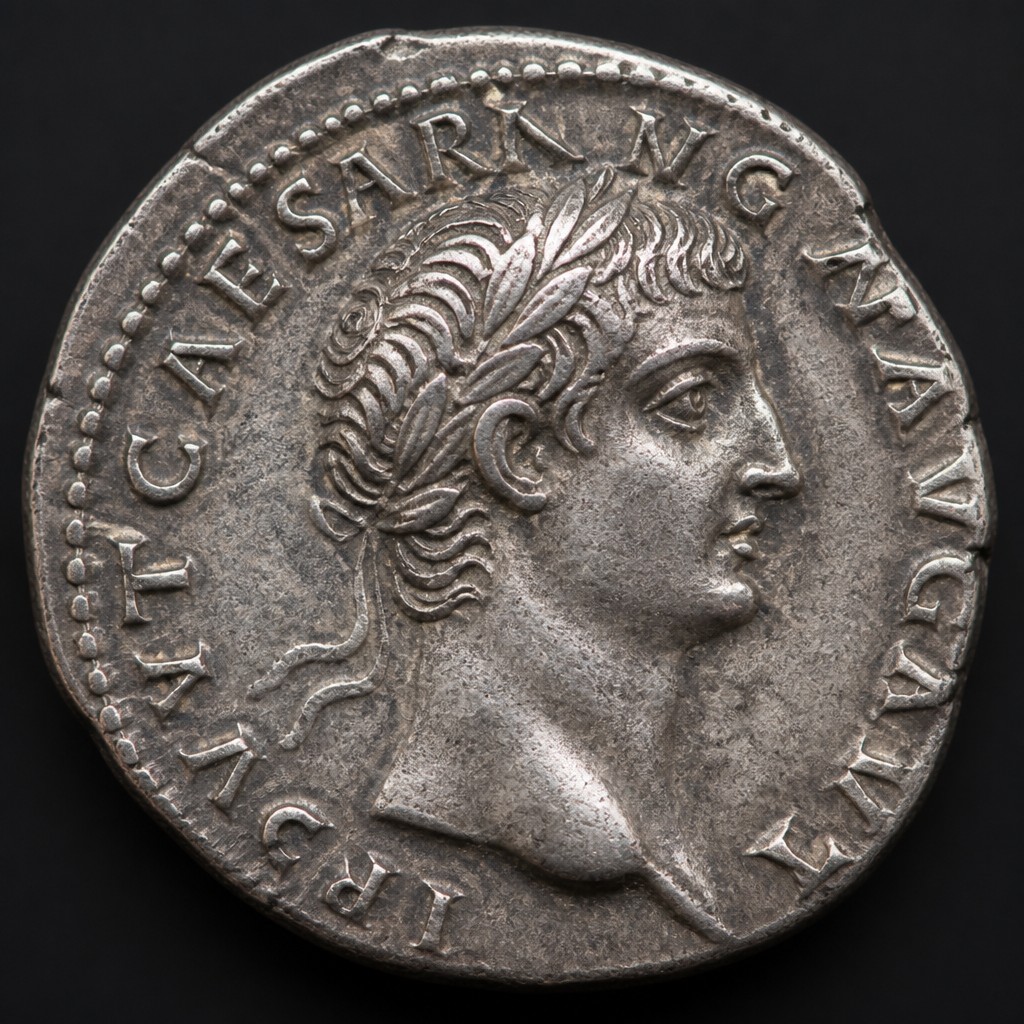
Roman Denarius
The workhorse silver coin of ancient Rome for over four centuries, used across the Republic and Empire and one of the most widely collected categories of ancient coinage today.
Ancient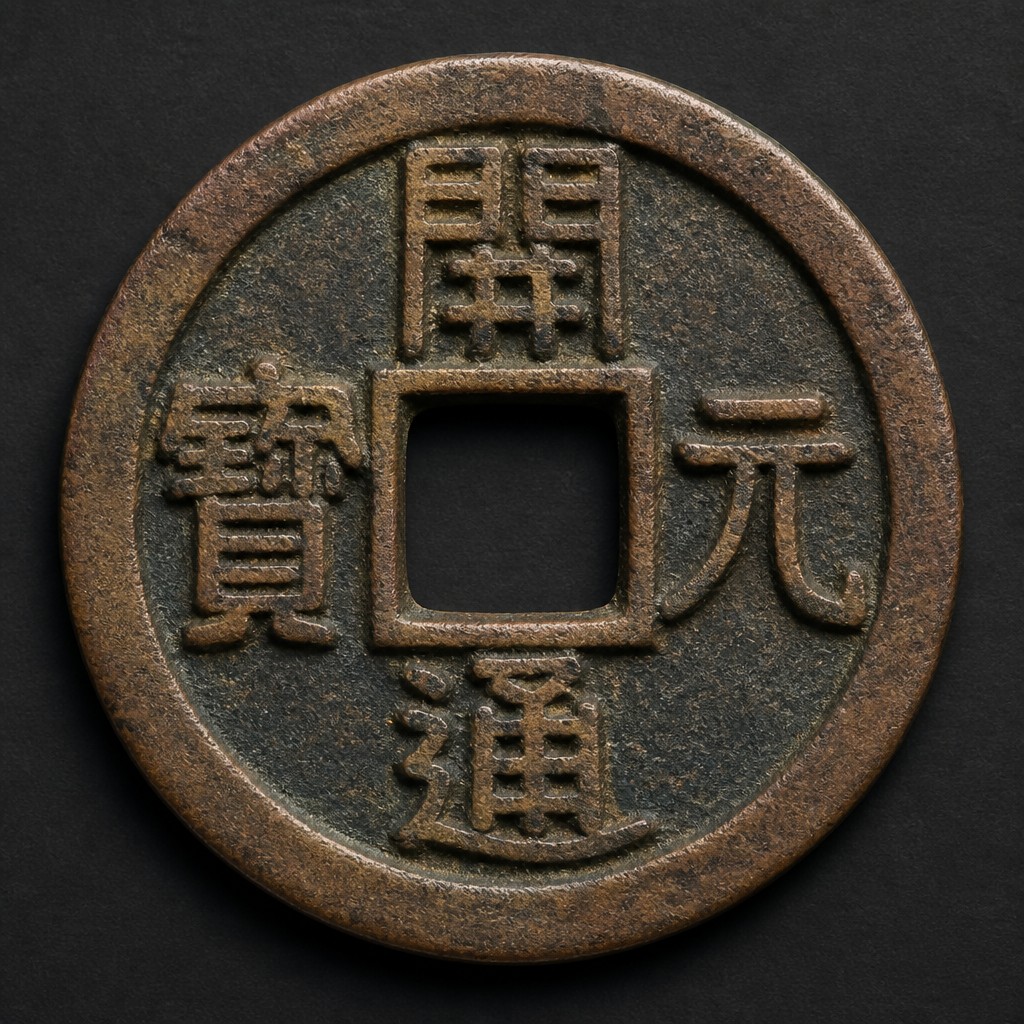
Kai Yuan Tong Bao Cash
A landmark Tang dynasty cash coin whose four-character reign-title inscription became the standard template for Chinese, and much of East Asian, coinage for the next 1,300 years.
Ancient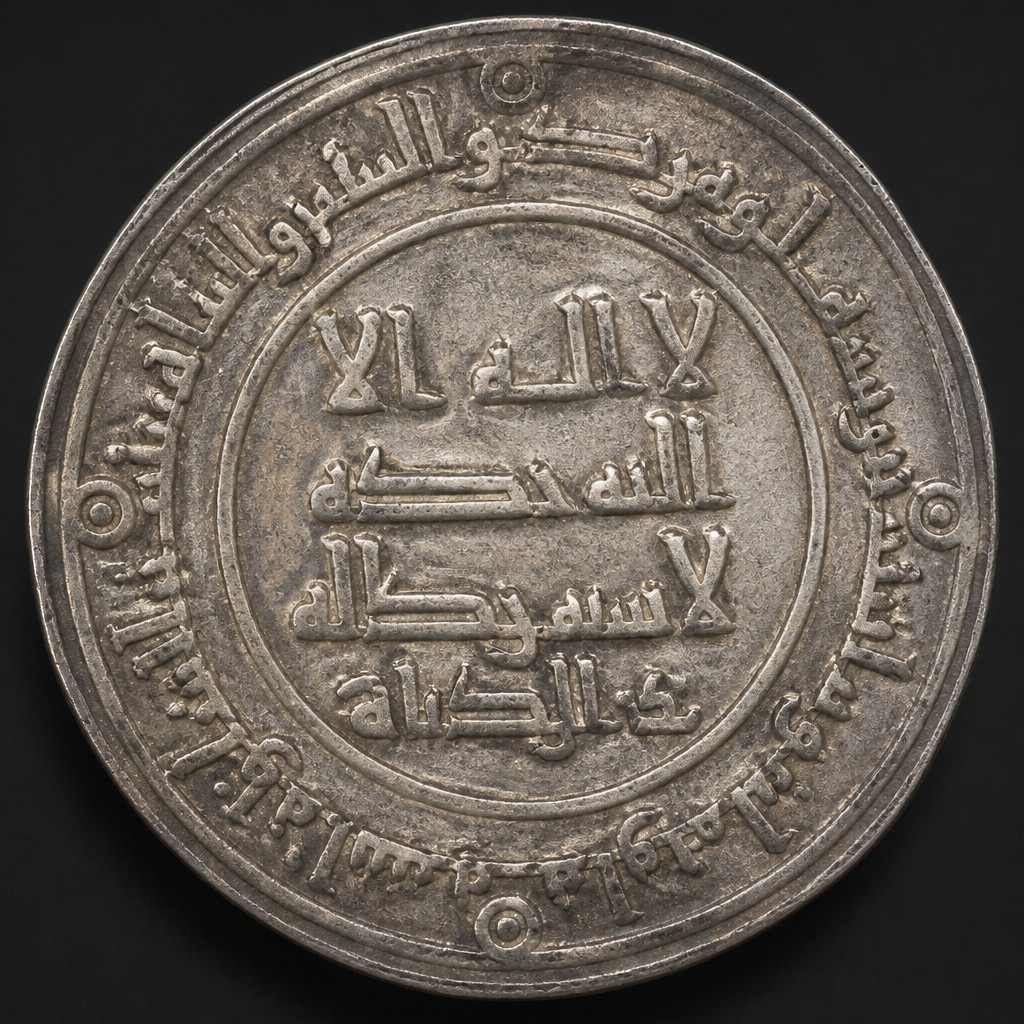
Islamic Silver Dirham (Abbasid)
The standard silver coin of the Abbasid Caliphate, continuing the text-only Kufic script tradition and widely used across a vast medieval trade network stretching from Europe to Central Asia.
Ancient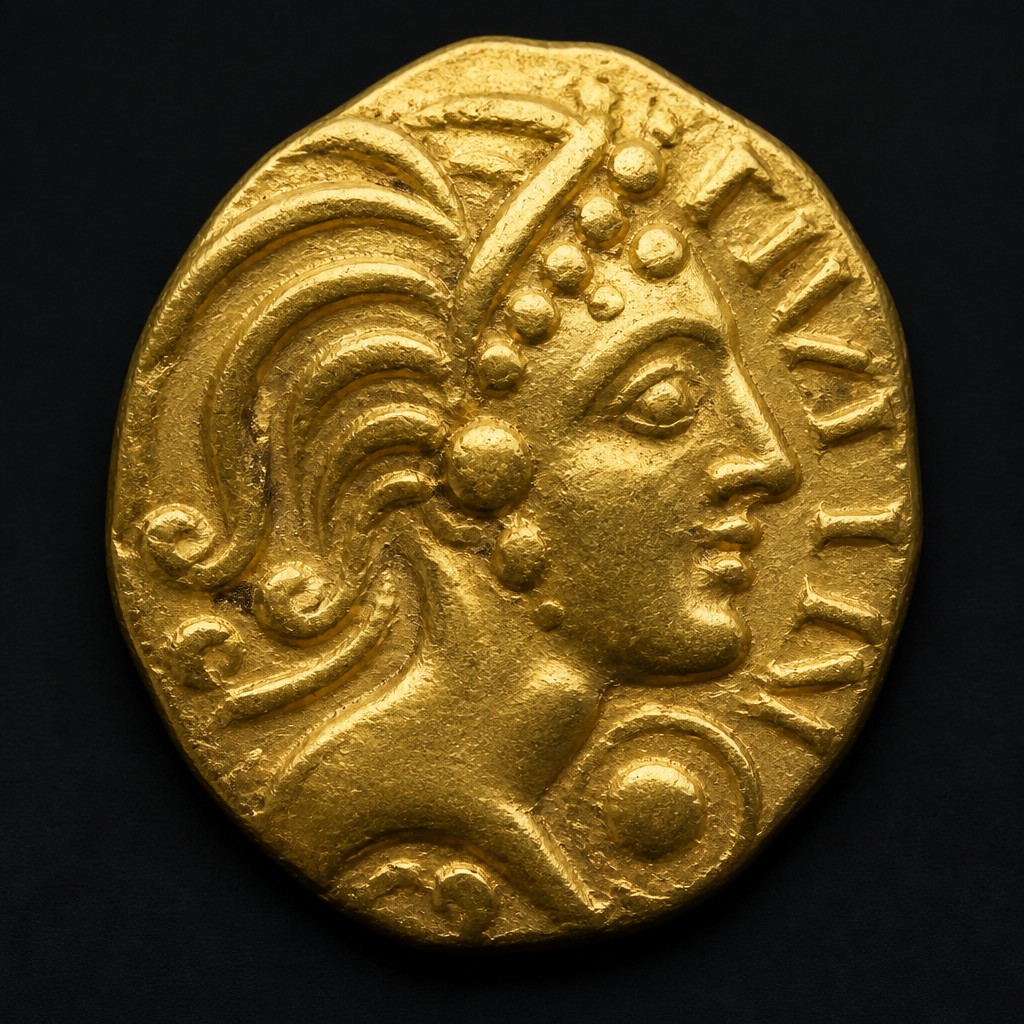
Ancient British Gold Stater (Cunobelin)
A gold stater of Cunobelin, the powerful pre-Roman British king later immortalized by Shakespeare as Cymbeline, notable for its ear-of-corn and horse reverse types.
Ancient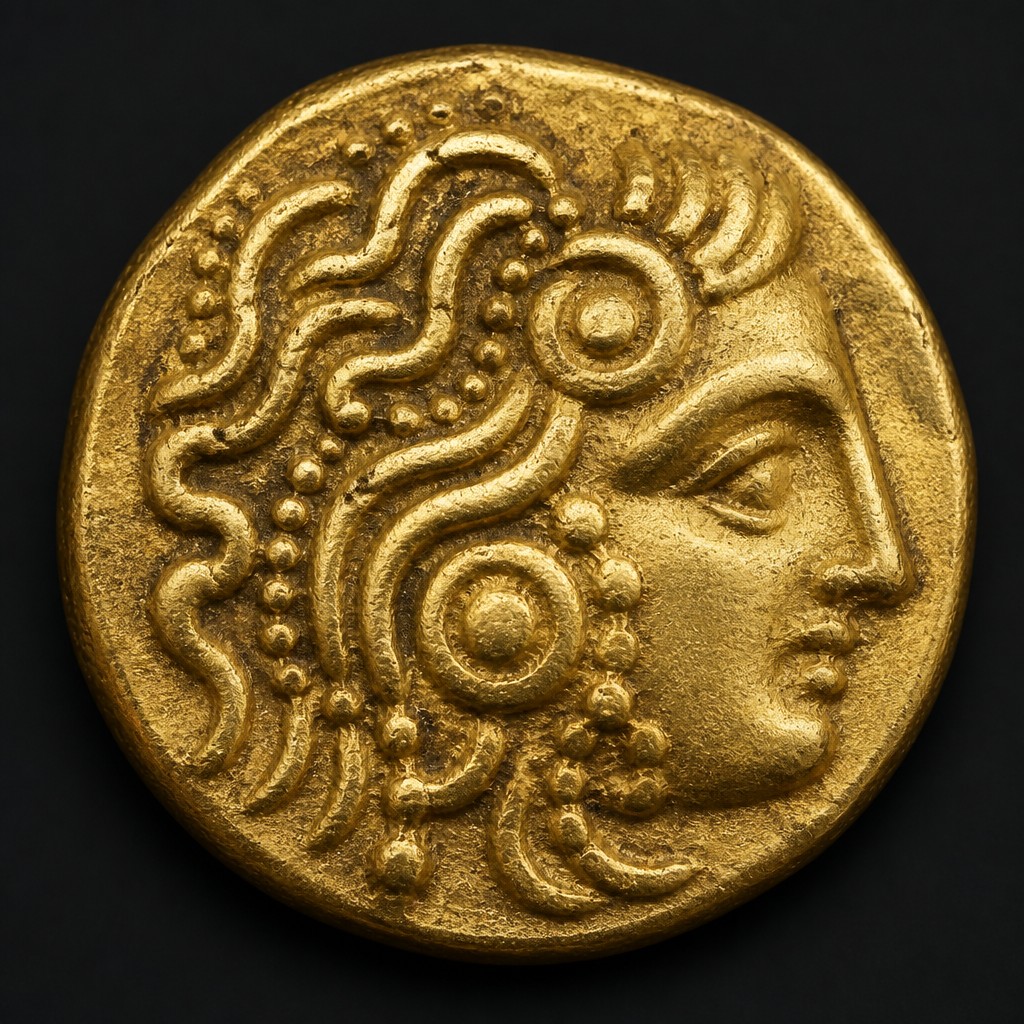
Celtic Gold Stater of the Parisii
A gold stater struck by the Parisii, the Gallic tribe that gave its name to Paris, showing highly abstracted, stylized versions of Greek prototype designs.
Ancient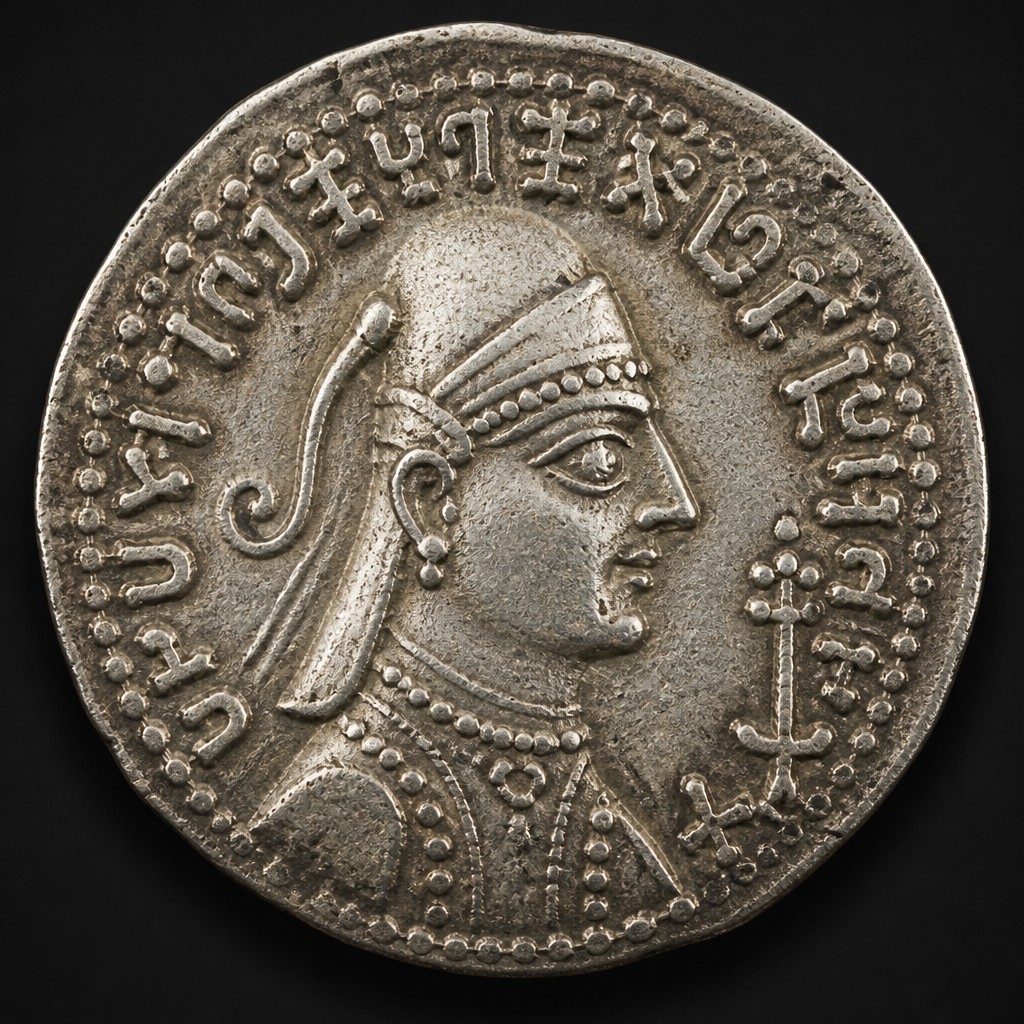
Western Satrap Silver Drachm
A silver drachm of the Western Satraps, Saka rulers of western India, easily identified by a crude Greek-style portrait obverse and a three-arched hill reverse.
Ancient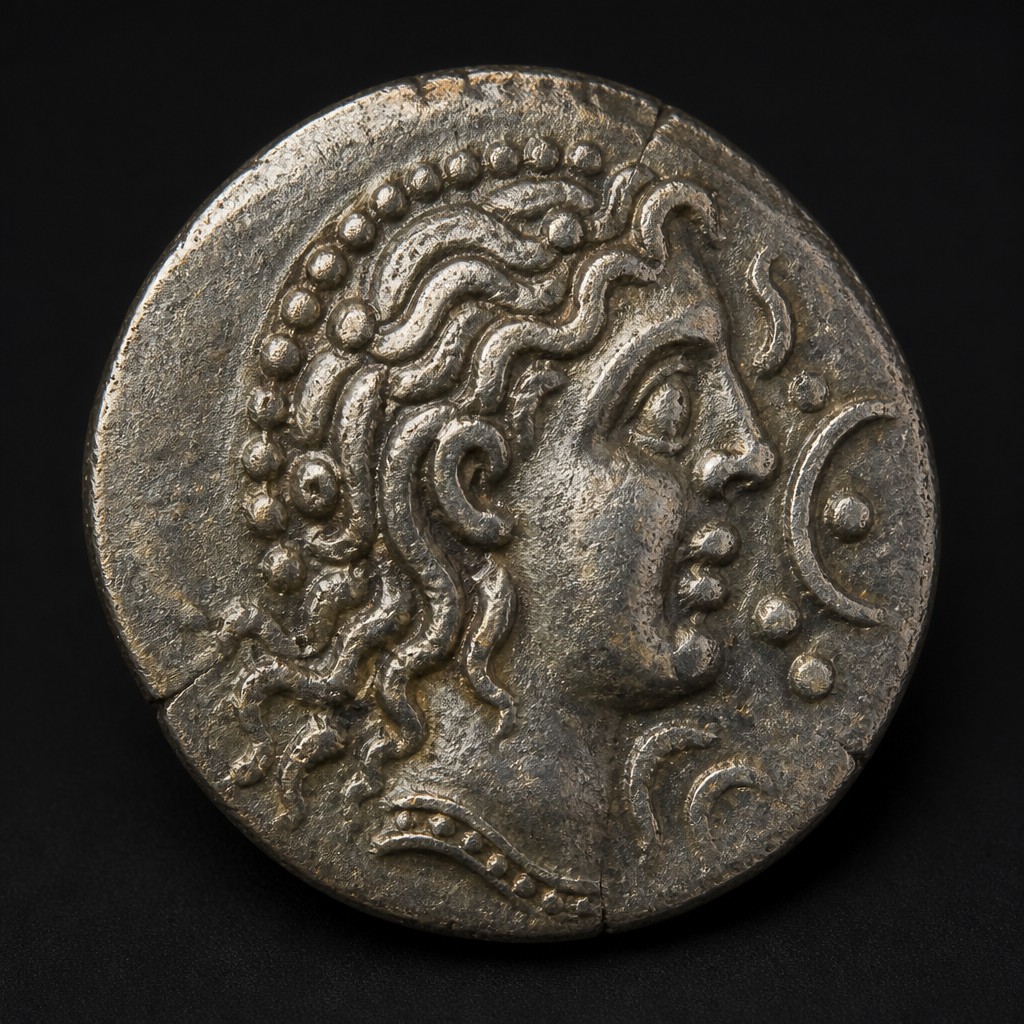
Armorican Billon Stater
A debased silver-alloy stater struck by Celtic tribes of Armorica (modern Brittany), showing wildly abstracted horse and head designs derived from Greek prototypes.
Ancient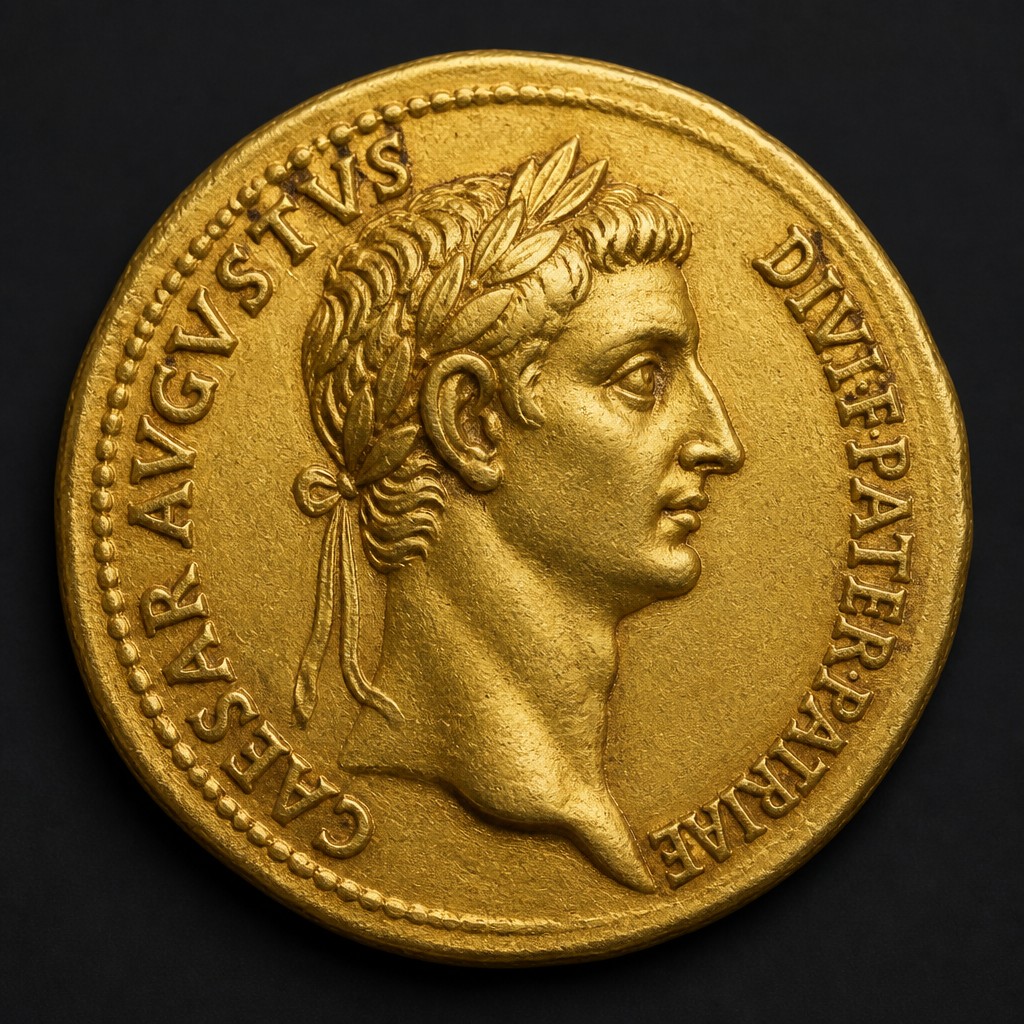
Aureus of Augustus
The gold coin of Rome's first emperor, Augustus, who standardized the aureus at roughly 1/40 of a Roman pound and set the gold standard for the empire.
Ancient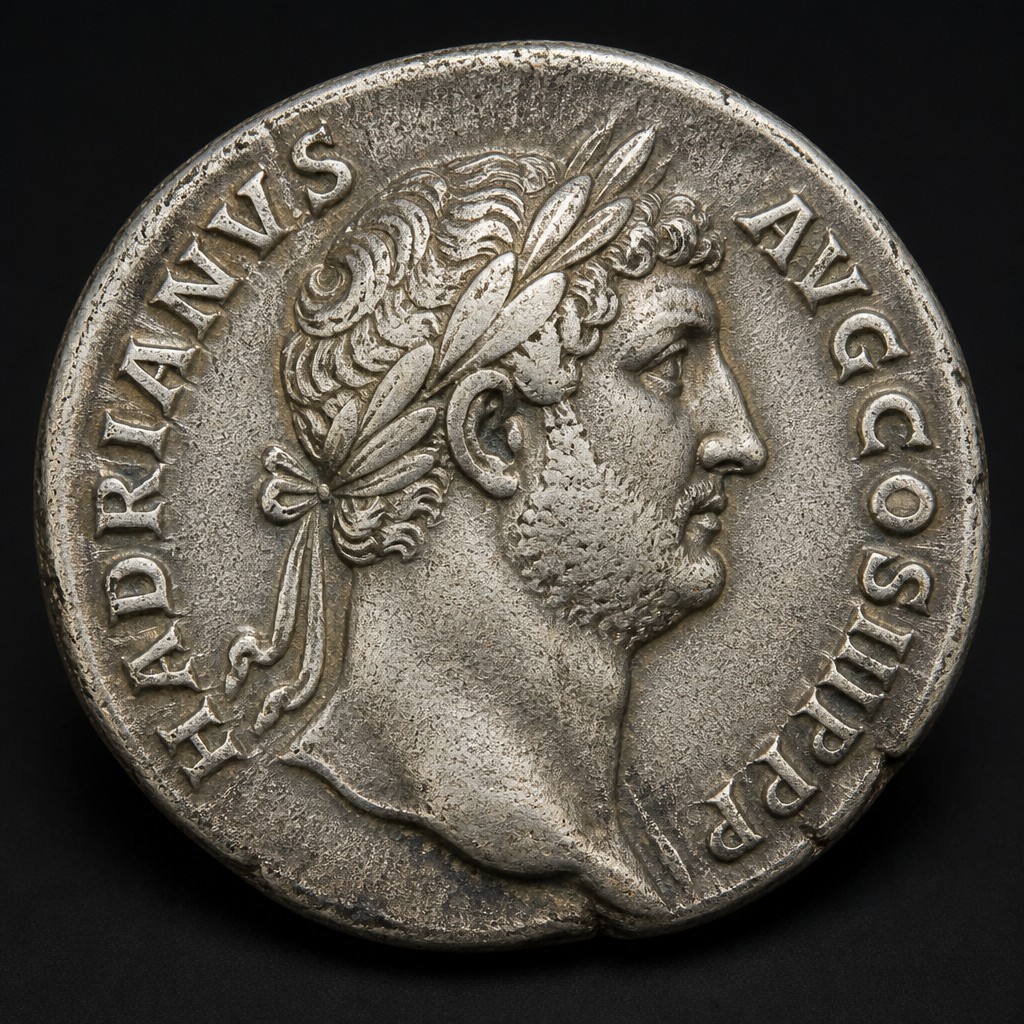
Hadrian Denarius
The silver coin of Emperor Hadrian, famous for its extensive 'travel series' honoring the provinces he visited during his unusually extensive tours of the empire.
Ancient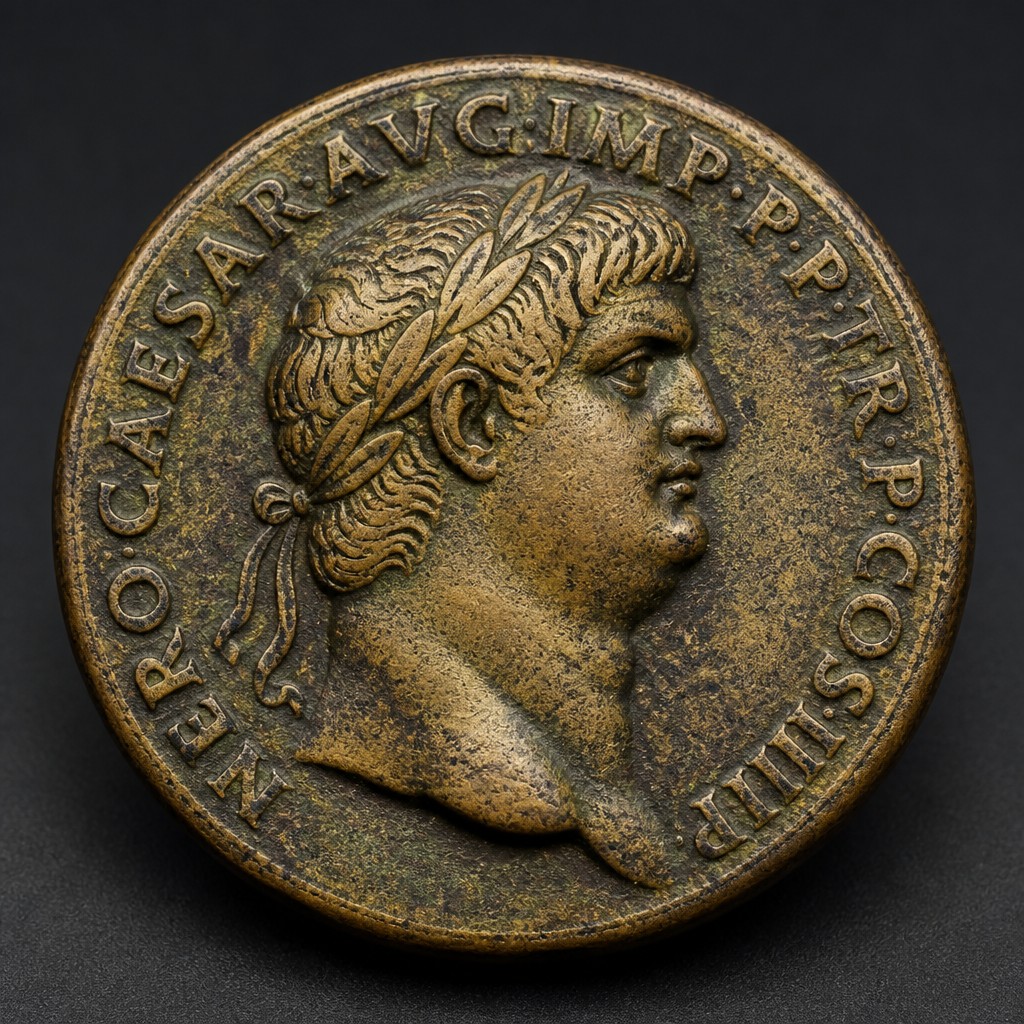
Nero Sestertius
A large bronze/brass coin of Nero widely admired for exceptional artistry, including famous reverse scenes of the Port of Ostia and the closed Temple of Janus.
Ancient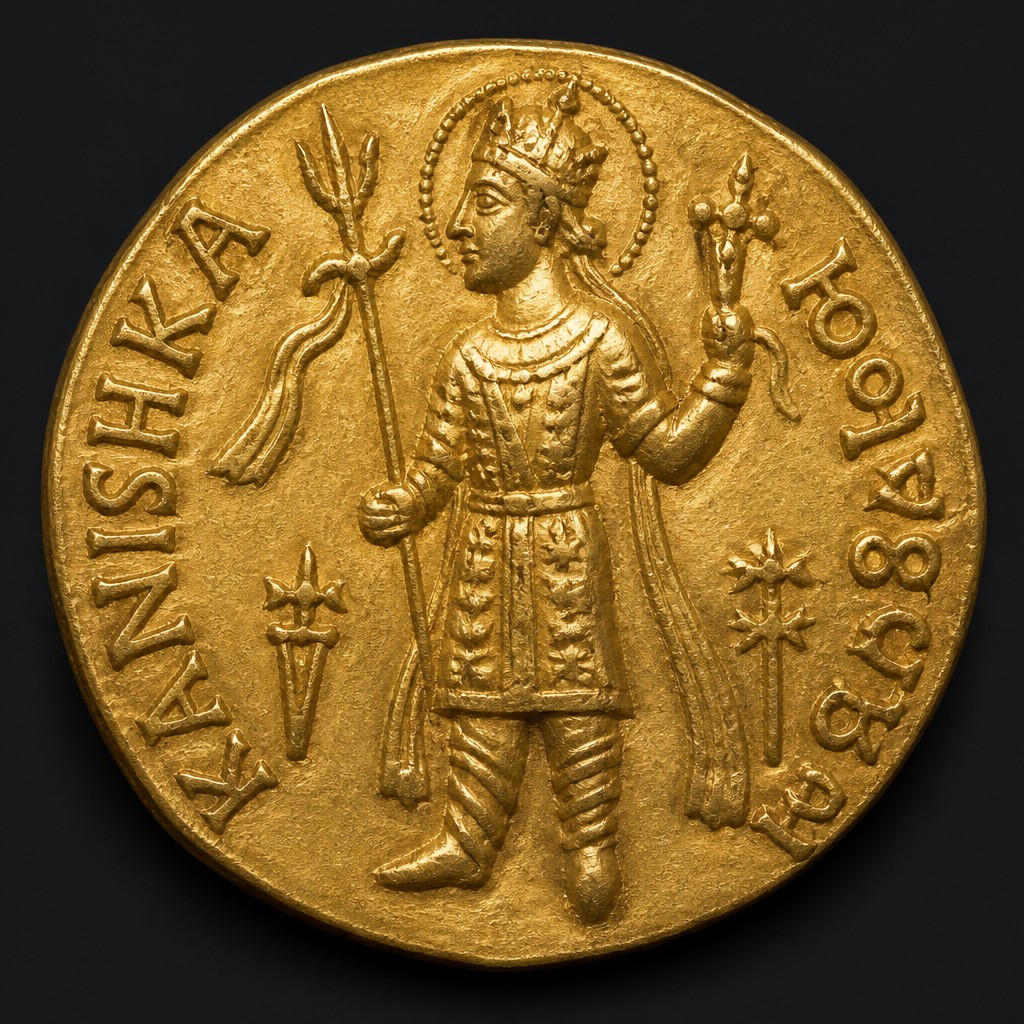
Kushan Gold Dinar of Kanishka
A gold dinar of the great Kushan emperor Kanishka I, famous for its rich mix of Greek, Iranian, Indian, and Buddhist deities depicted on the reverse.
Ancient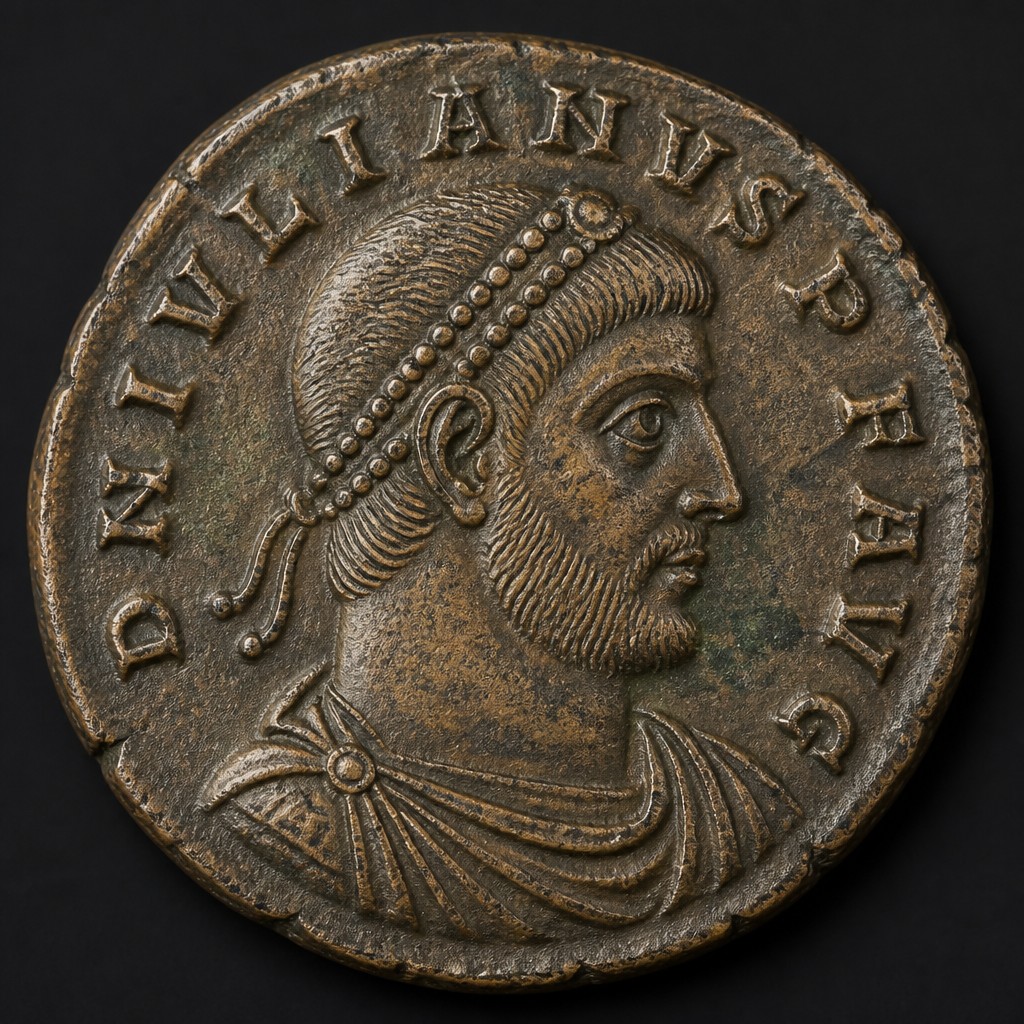
Julian II Bull Bronze
A large bronze maiorina of Julian the Apostate with a bull reverse, associated with his brief attempt to revive traditional pagan worship in Rome.
Ancient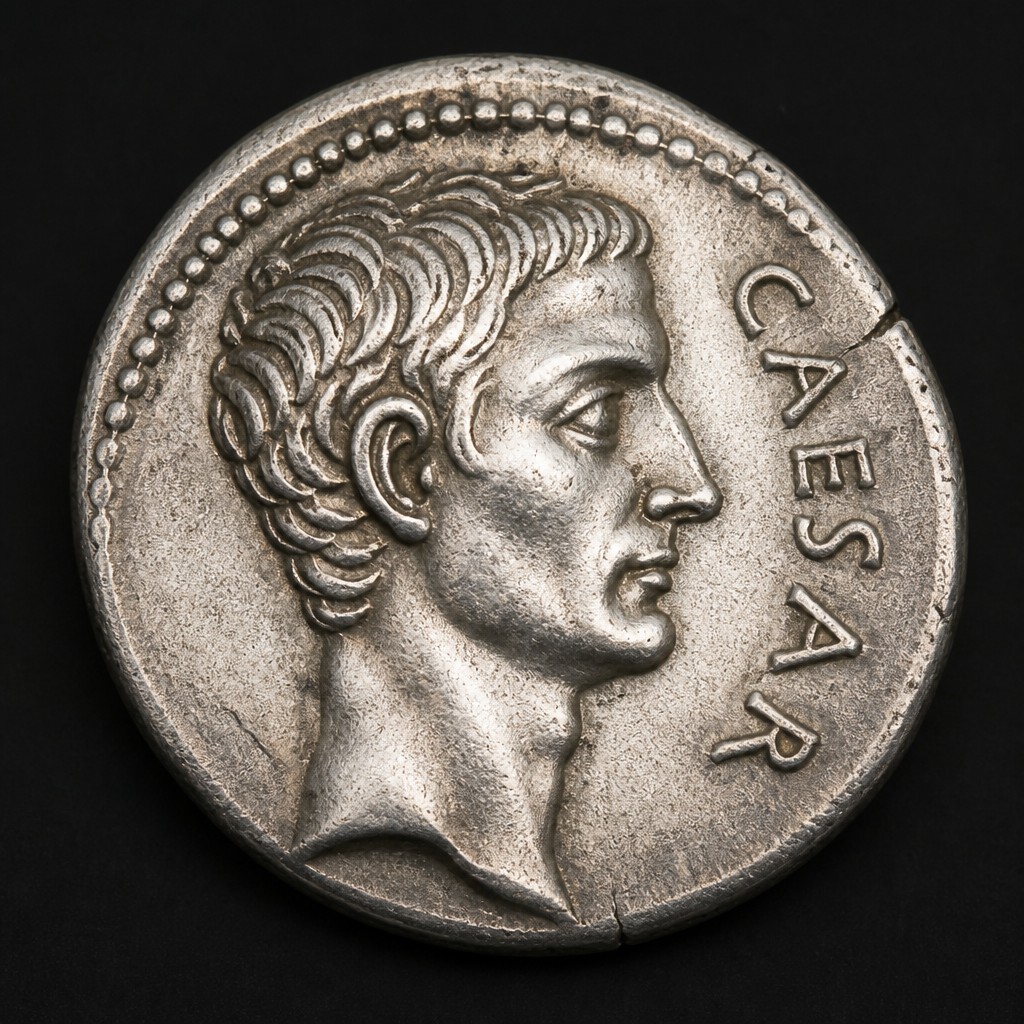
Julius Caesar Portrait Denarius
A landmark Roman coin struck in 44 BC bearing the portrait of Julius Caesar during his lifetime, the first time a living Roman had appeared on state coinage.
Ancient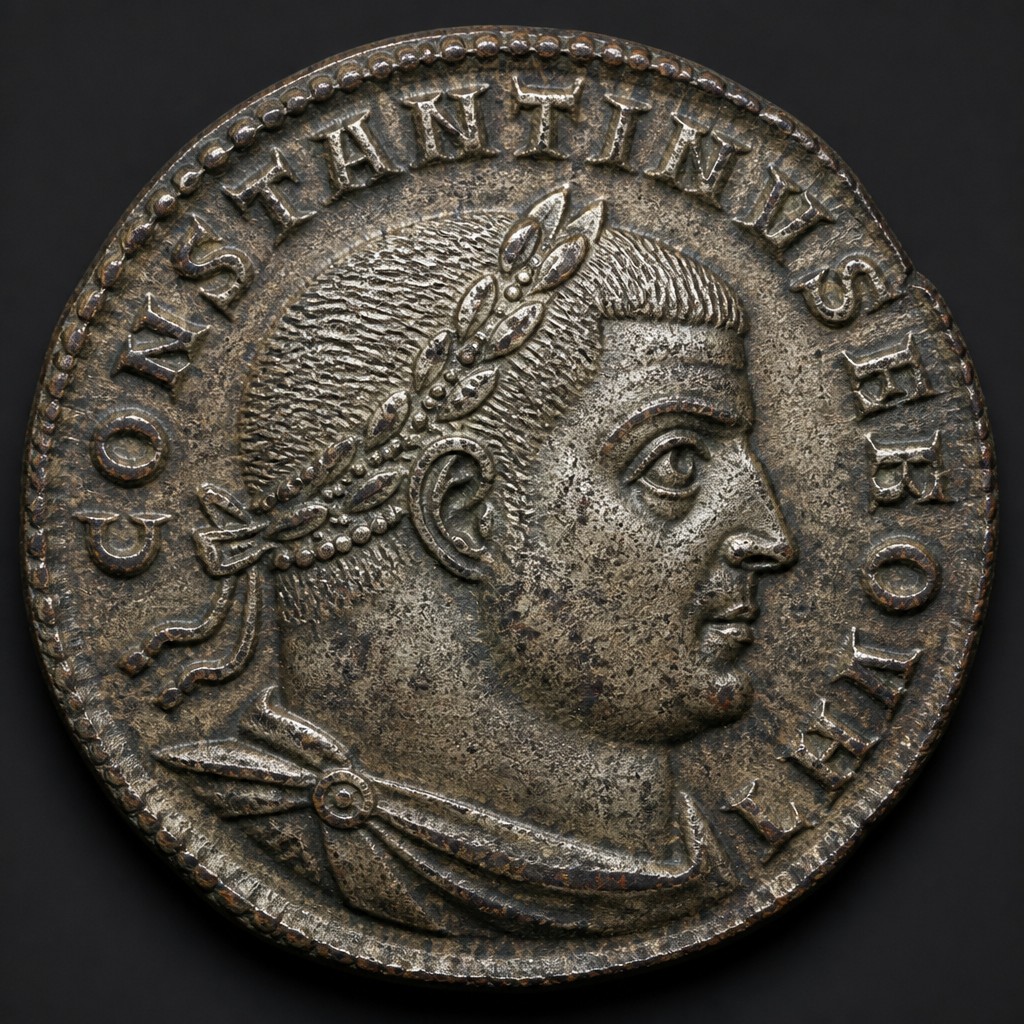
Constantine Sol Invictus Follis
A common bronze follis of Constantine the Great honoring Sol Invictus, the radiate sun god, struck empire-wide before his turn toward Christianity.
Ancient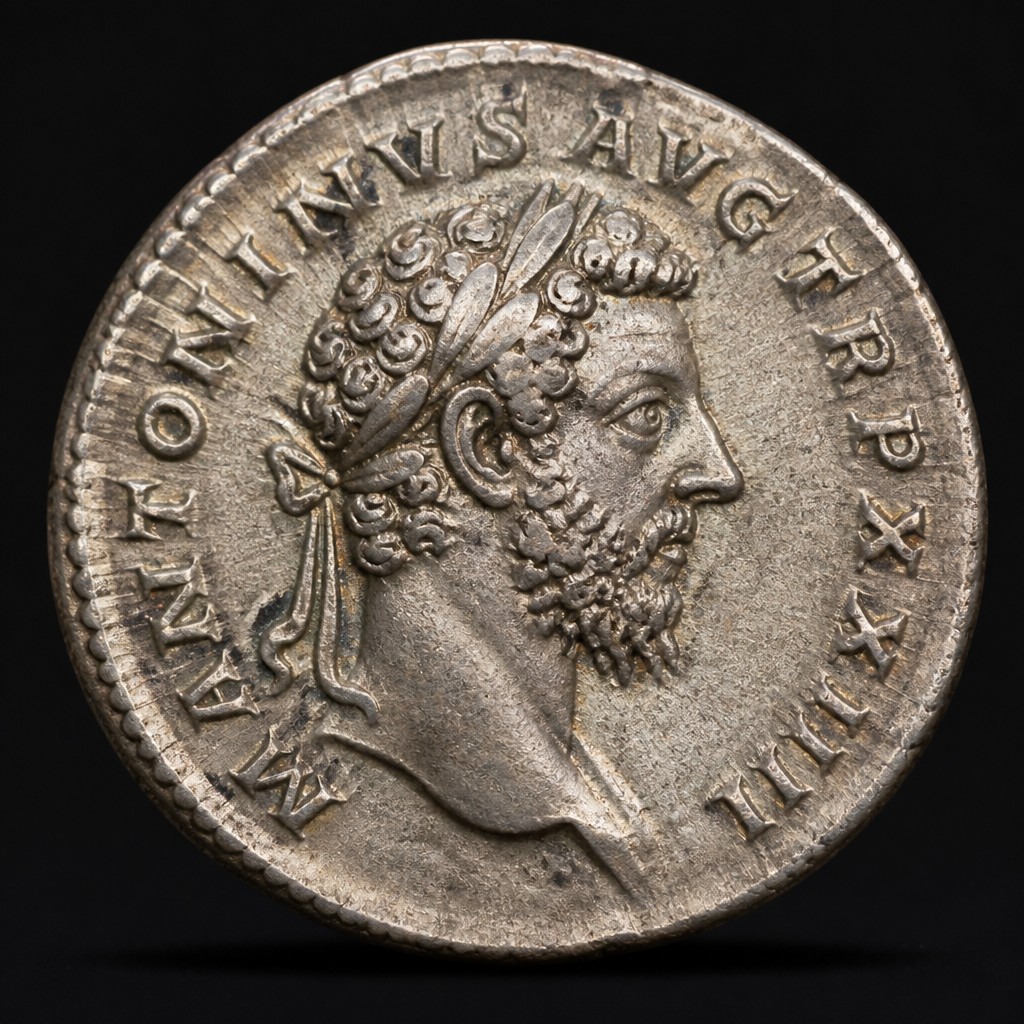
Marcus Aurelius Denarius
The silver coin of the philosopher-emperor Marcus Aurelius, struck during years of war and plague, reflecting a reign celebrated for its Stoic ideals amid crisis.
Ancient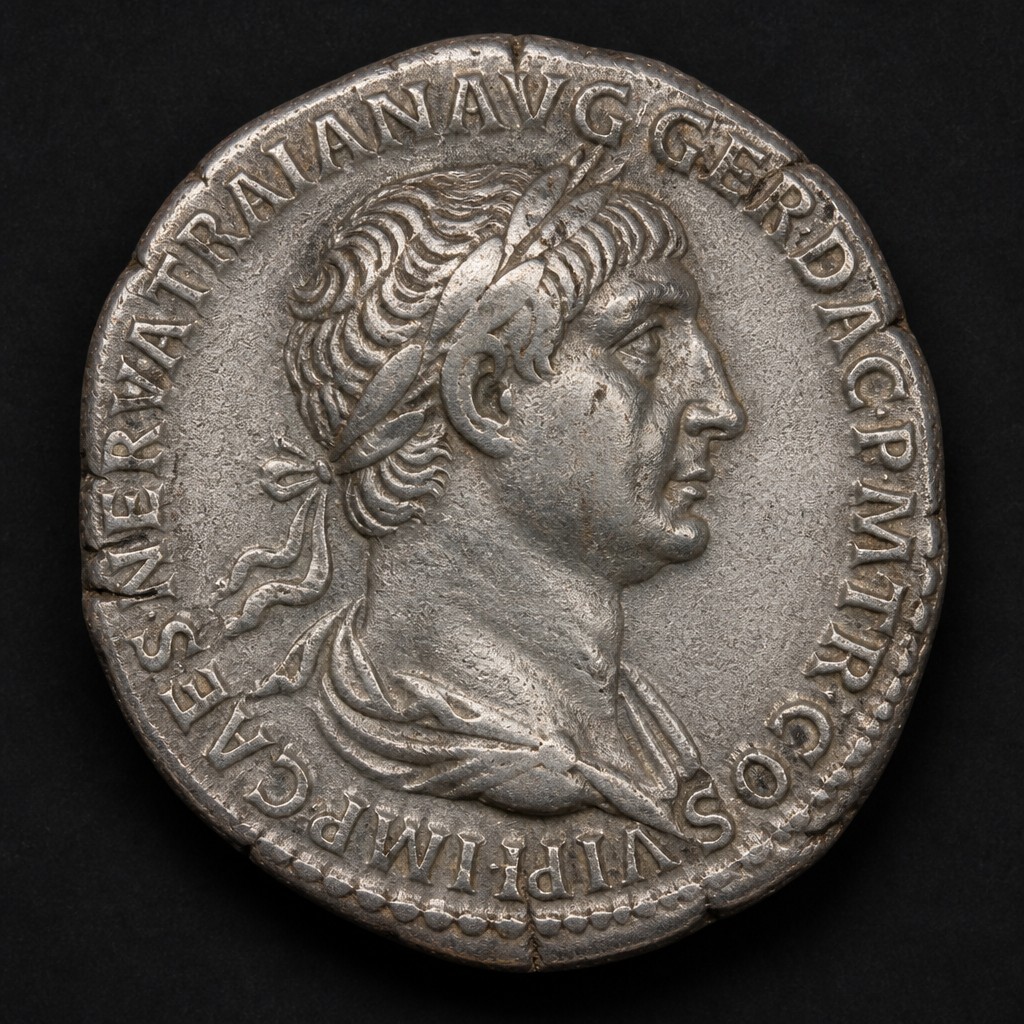
Trajan Denarius
The silver coin of Emperor Trajan, whose reign marked the Roman Empire's greatest territorial extent, with coin types celebrating his Dacian conquests and vast building program.
Ancient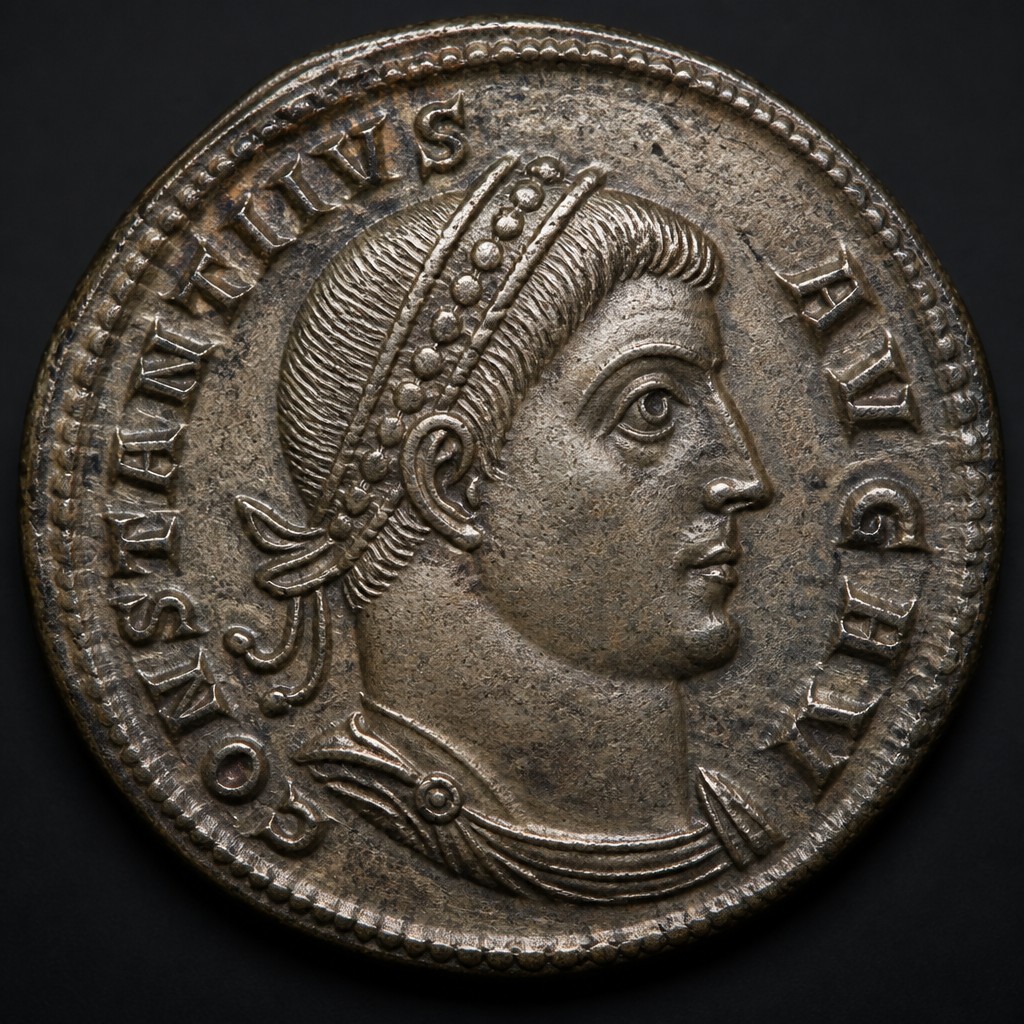
Constantine the Great Follis
A bronze coin of Constantine the Great, the emperor who legalized Christianity and founded Constantinople, struck at numerous mints across a transforming empire.
Ancient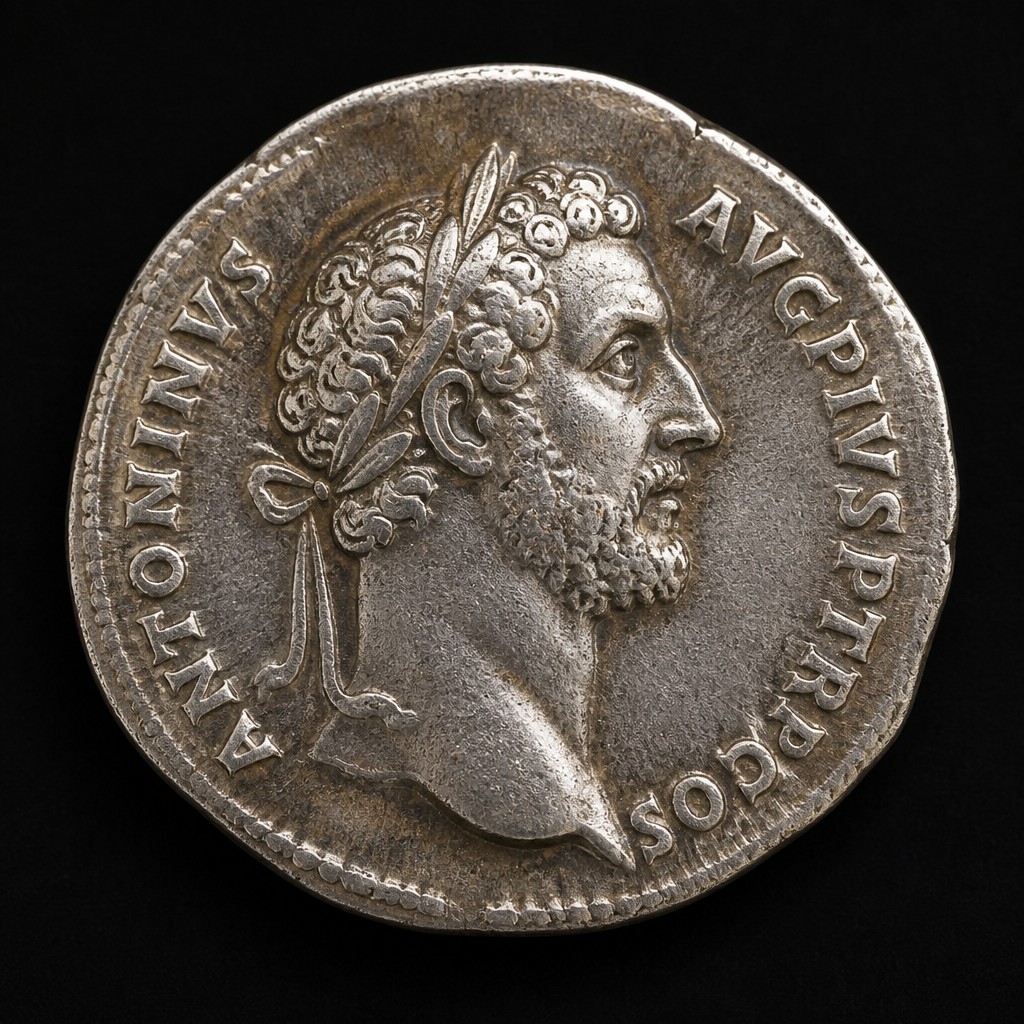
Antoninus Pius Denarius
Silver denarius of Antoninus Pius, whose long, peaceful reign is remembered for stability and prosperity, including coins marking Rome's 900th anniversary.
Ancient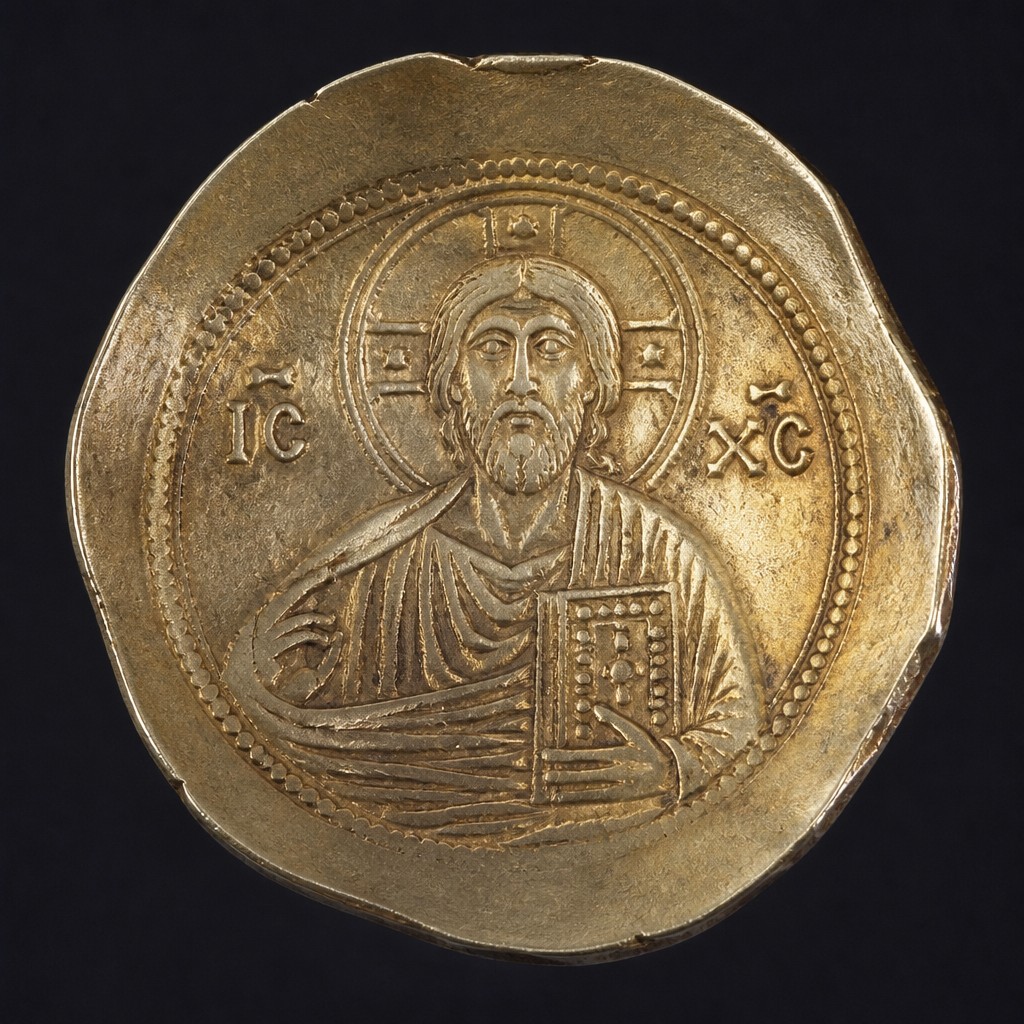
Byzantine Electrum Aspron Trachy (Scyphate)
A distinctive cup-shaped Byzantine coin struck in electrum after Alexios I Komnenos's currency reform, featuring religious imagery and a concave scyphate flan.
Ancient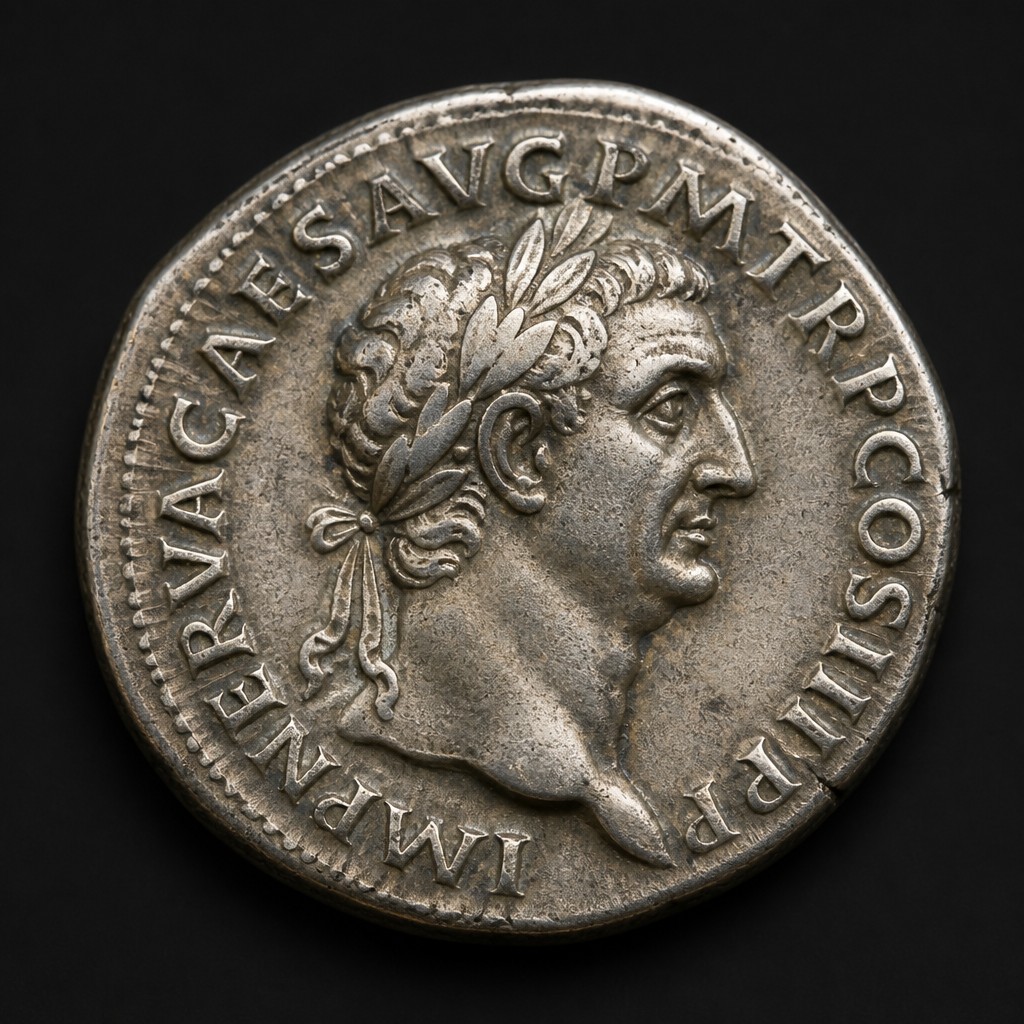
Nerva Denarius
Silver denarius of the elderly senator Nerva, first of Rome's "Five Good Emperors," whose brief reign is best remembered for adopting Trajan as his successor.
Ancient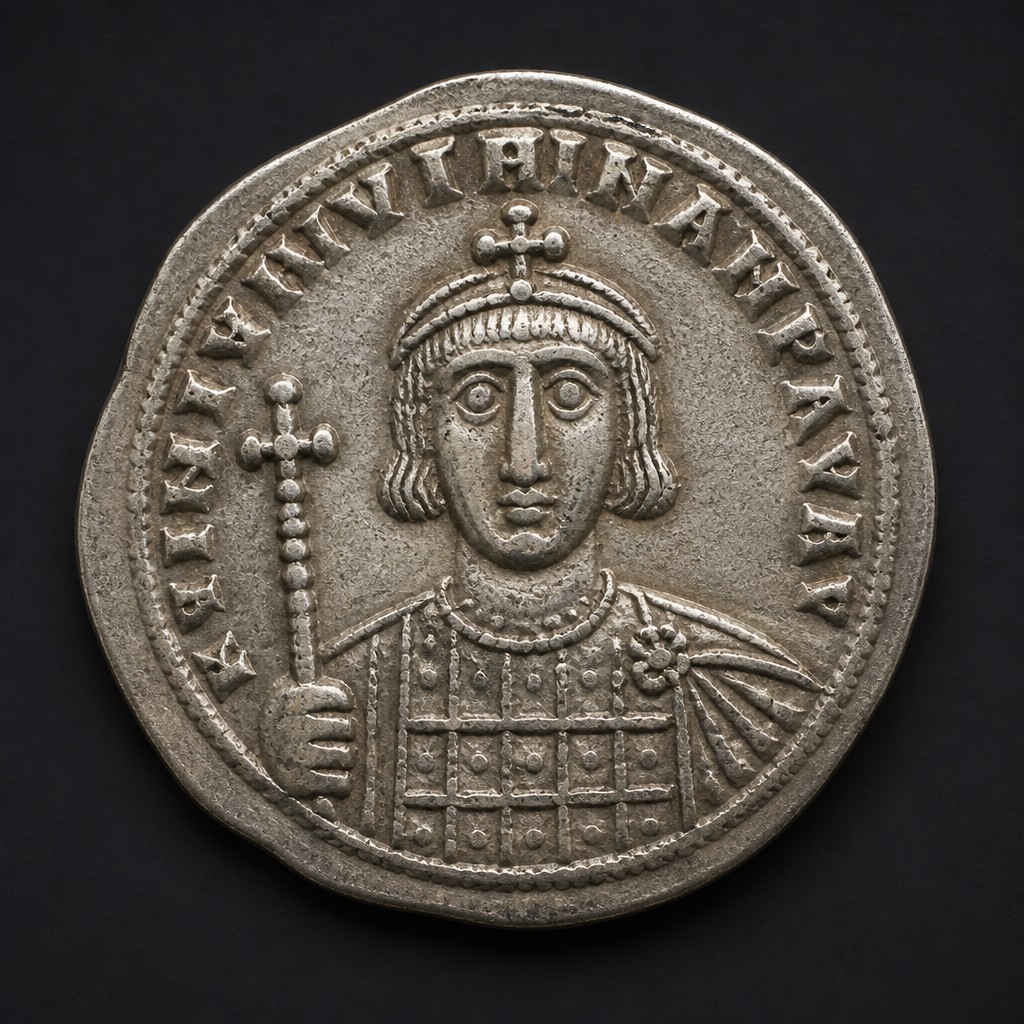
Byzantine Miliaresion
The main large silver coin of the middle Byzantine Empire, introduced in the 8th century and typically featuring a plain cross on steps, reflecting the era's Iconoclast religious tensions.
Ancient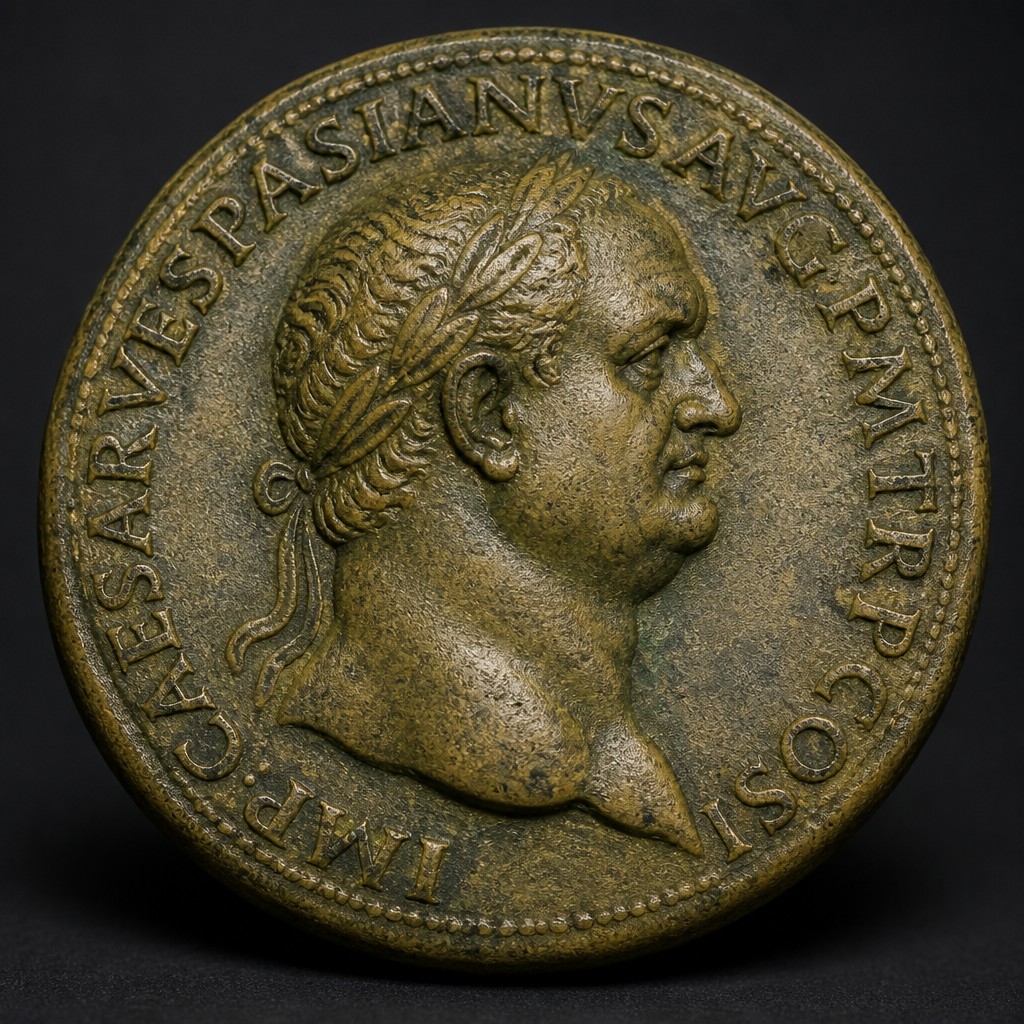
Vespasian Judaea Capta Sestertius
A large bronze coin of Emperor Vespasian commemorating Rome's suppression of the Jewish Revolt, showing a mourning captive beneath a palm tree with the legend IVDAEA CAPTA.
Ancient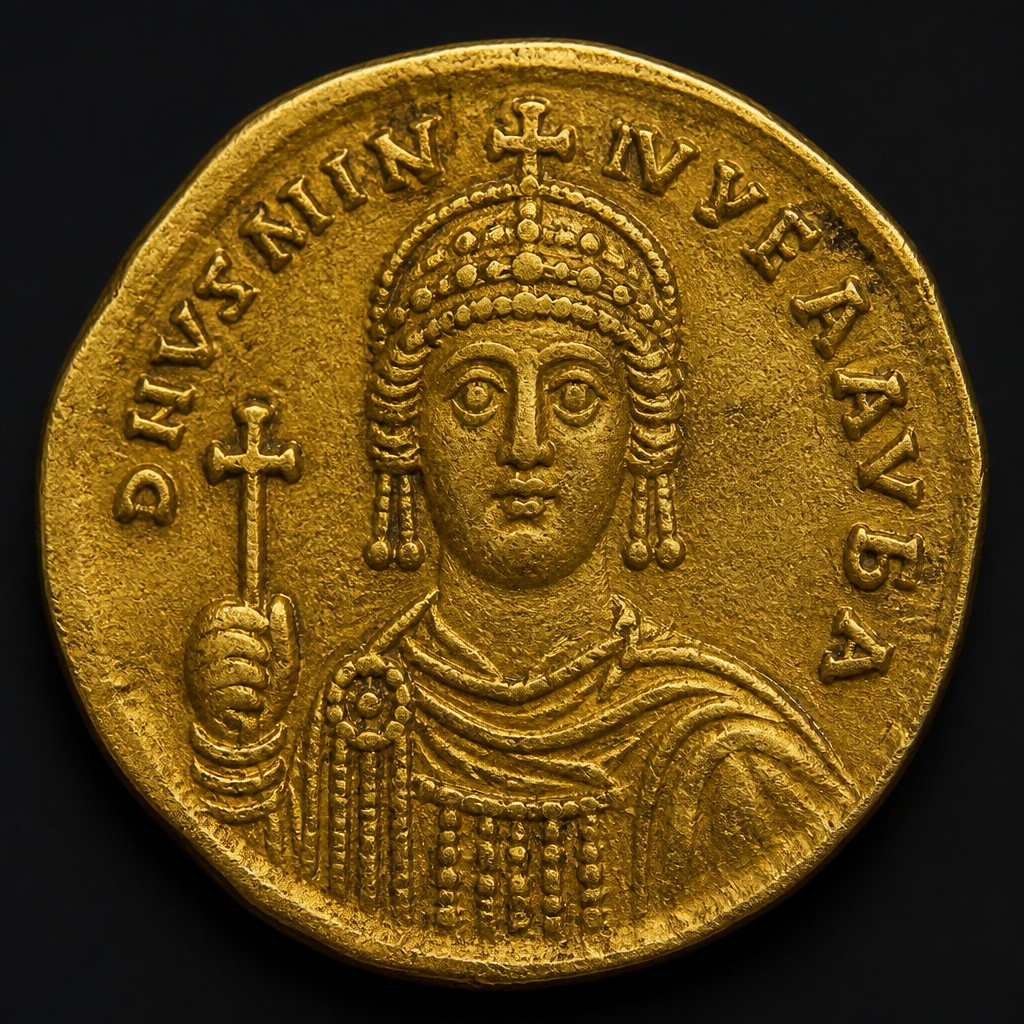
Byzantine Gold Semissis
A scarce half-value gold fraction of the Byzantine solidus, struck in smaller numbers than the tremissis and often associated with ceremonial or donative purposes.
Ancient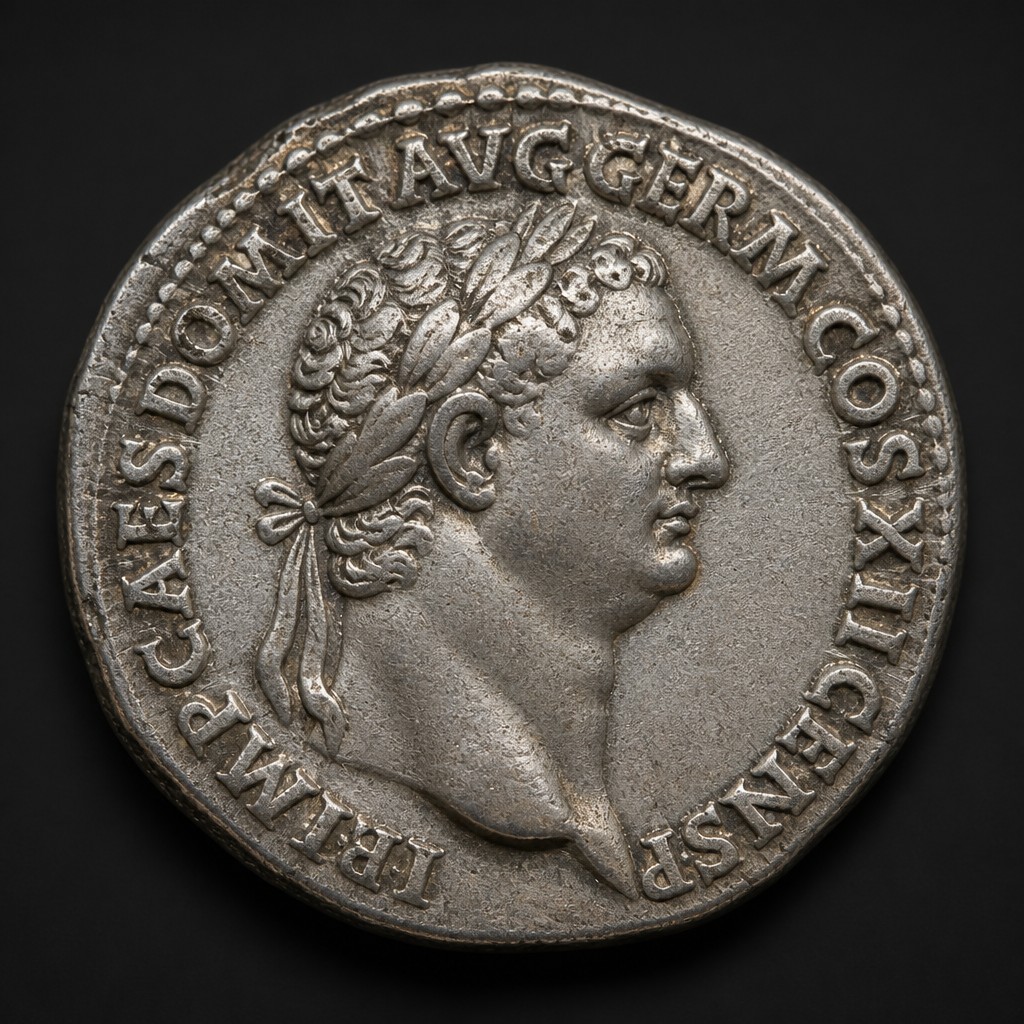
Domitian Denarius
Silver coin of the last Flavian emperor, Domitian, whose lengthy autocratic reign produced abundant, well-struck denarii before his assassination and damnatio memoriae.
Ancient