
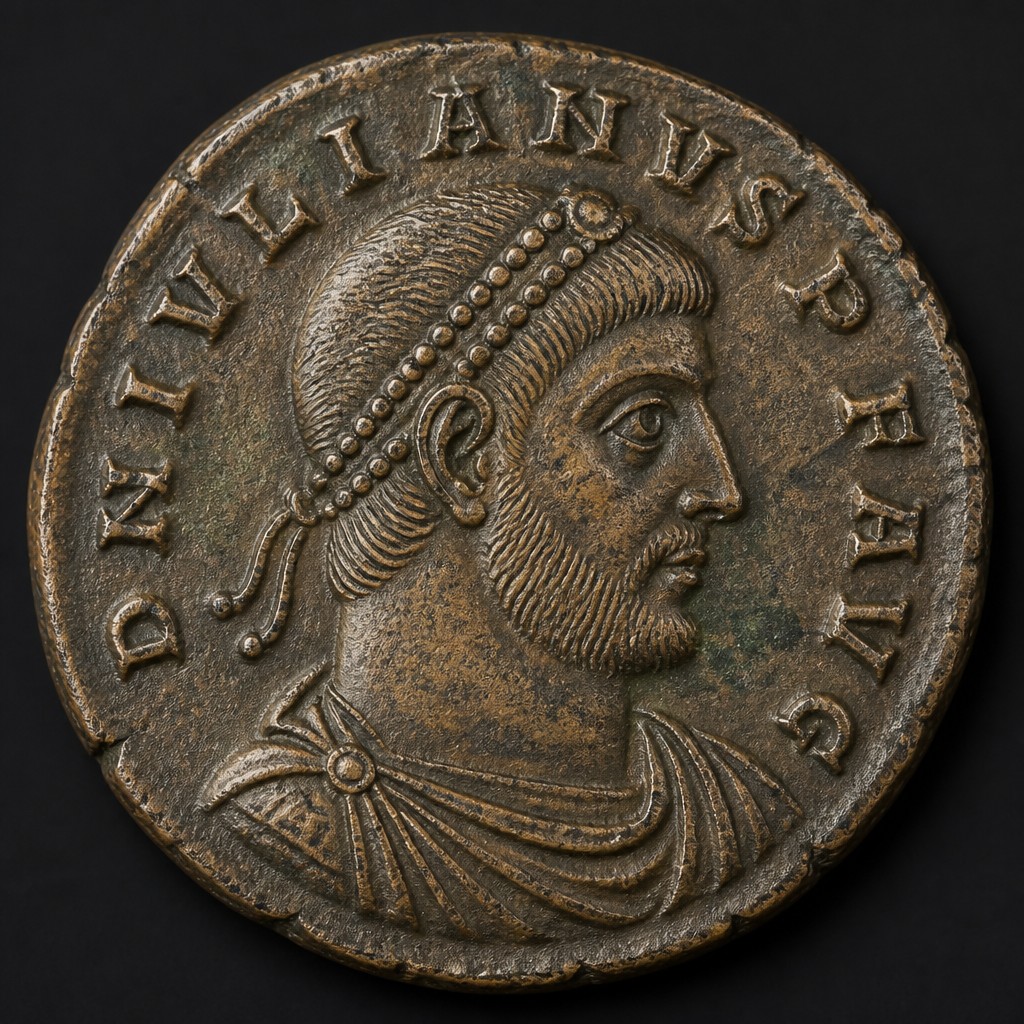
Julian II Bull Bronze
A large bronze maiorina of Julian the Apostate with a bull reverse, associated with his brief attempt to revive traditional pagan worship in Rome.
- Country
- Ancient Rome
- Denomination
- Maiorina (AE1 large bronze)
- Metal
- Bronze
Got a coin like this?
Identify any coin from a photo, free.
Overview
This large bronze coin was issued during the short reign of Julian II, nephew of Constantine the Great and the last pagan emperor of Rome, famous for his attempt to reverse the empire's turn toward Christianity. Its unusual and striking bull reverse has made it one of the most discussed and sought-after coin types of the 4th century.
Collectors are drawn to the coin both for its bold, uncommon imagery and for its close association with Julian's brief but historically significant reign, during which he openly promoted a return to traditional Greco-Roman religious practice before his early death in battle against Persia.
History & Background
Julian II became sole emperor in 361 AD after the death of his cousin Constantius II, and he quickly moved to publicly reject the Christianity he had been raised in, earning him the later epithet "the Apostate." As part of his broader program to restore traditional Roman religion, his coinage introduced new imagery distinct from the Christian symbolism that had begun creeping into Late Roman coin design.
The bull reverse, struck primarily at eastern mints, has been interpreted by scholars in various ways, including as a reference to sacrificial ritual or broader themes of strength and stability, though its precise meaning remains debated. Julian's reign and this coinage ended abruptly with his death in 363 AD during a campaign against the Sassanid Persian Empire, after which his religious reforms were quickly reversed by his successors.
How to Identify
The obverse shows a bearded, diademed bust of Julian II facing right, notably depicted with a philosopher's beard reflecting his personal embrace of classical intellectual culture, with a legend such as D N FL CL IVLIANVS P F AVG. The reverse depicts a bull standing right, usually with two stars above, and the legend SECVRITAS REI PVBLICAE ("the security of the state").
The coin is a large bronze module, often called a maiorina or AE1, typically 27–30mm, making it noticeably larger than the smaller centenionalis-type bronzes common in this period. The bearded portrait alone helps distinguish Julian's coinage from that of clean-shaven predecessors and successors, and the bull reverse is unique enough among Late Roman types to be readily identifiable.
Value & Collectibility
This type is more sought after than many contemporary Late Roman bronzes because of Julian's historical notoriety and the coin's distinctive design, commanding a premium over typical fallen-horseman or Sol Invictus types of similar size. Well-centered examples with a clear, detailed bull and a sharp portrait of the bearded emperor are especially desirable.
While not among the rarest ancient coins, demand from collectors interested in Julian's unusual reign and religious program keeps prices for nice examples noticeably higher than for more common contemporary bronzes, and exceptional strikes can bring strong prices at auction.
Frequently asked questions
Why does Julian II have a beard on his coins?
He deliberately grew a philosopher's beard as part of his embrace of traditional Greco-Roman intellectual and religious culture, breaking from the clean-shaven imperial image common in his era.
What does the bull represent?
Scholars debate its exact meaning, with interpretations ranging from sacrificial ritual imagery to broader symbolism of strength, though its precise significance remains uncertain.
Why is Julian called 'the Apostate'?
He was raised Christian but renounced it as emperor and tried to restore traditional pagan worship, earning later Christian writers' hostile nickname.
Is this coin valuable compared to other Late Roman bronzes?
It generally commands a premium over more common contemporary types due to Julian's historical significance and the design's relative rarity.
Other coins you may enjoy
Theodosius I Solidus
379–395 AD
Republican Victoriatus
c. 211–170 BC
Islamic Gold Dinar (Umayyad)
c. 696–750 AD
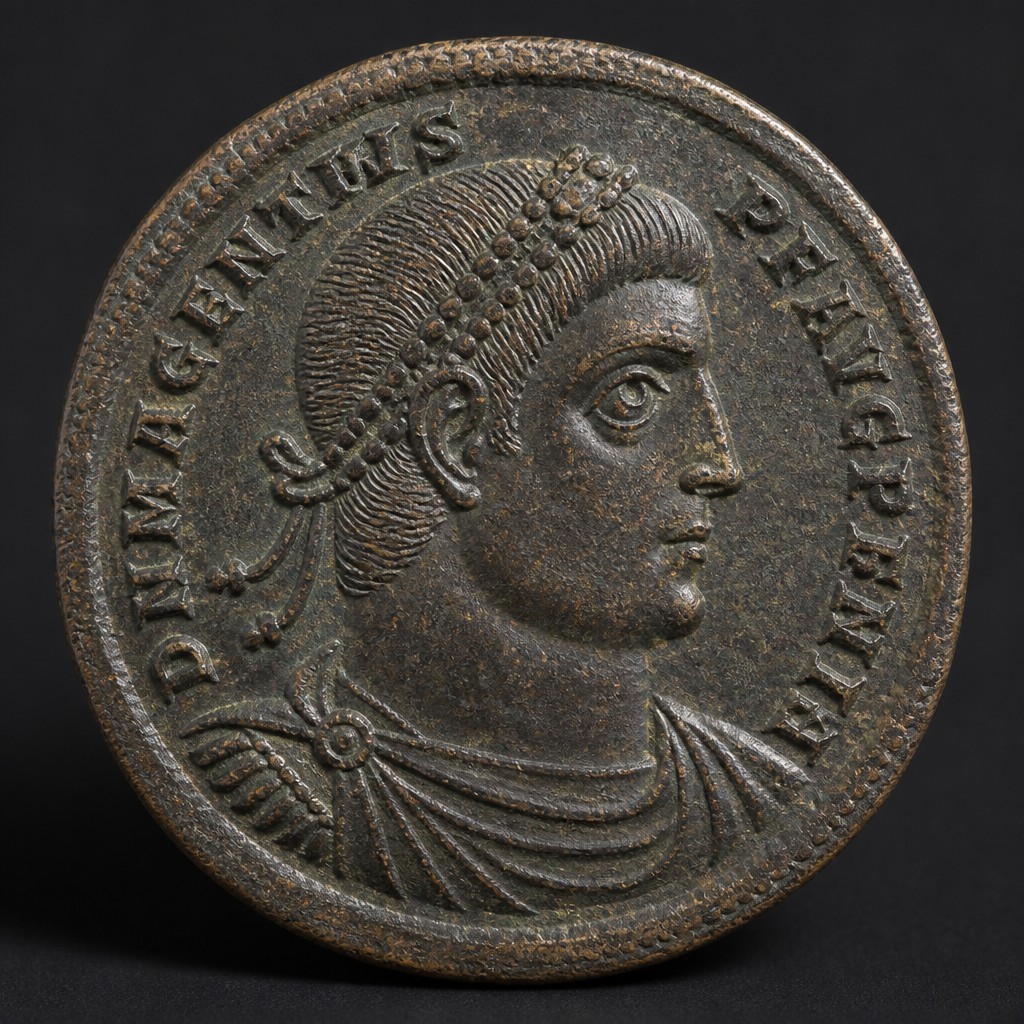
Magnentius Double Centenionalis
350–353 AD
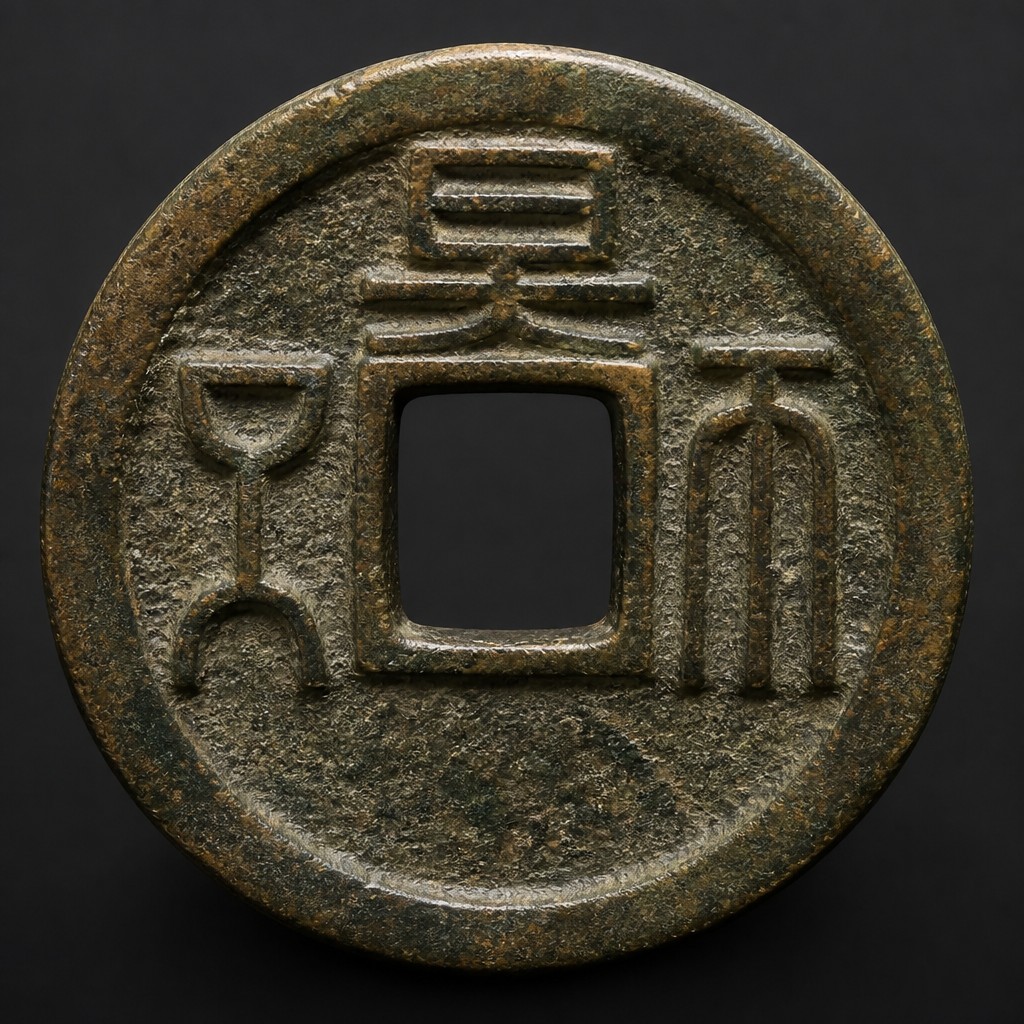
Chinese Wu Zhu Cash
118 BC – 618 AD
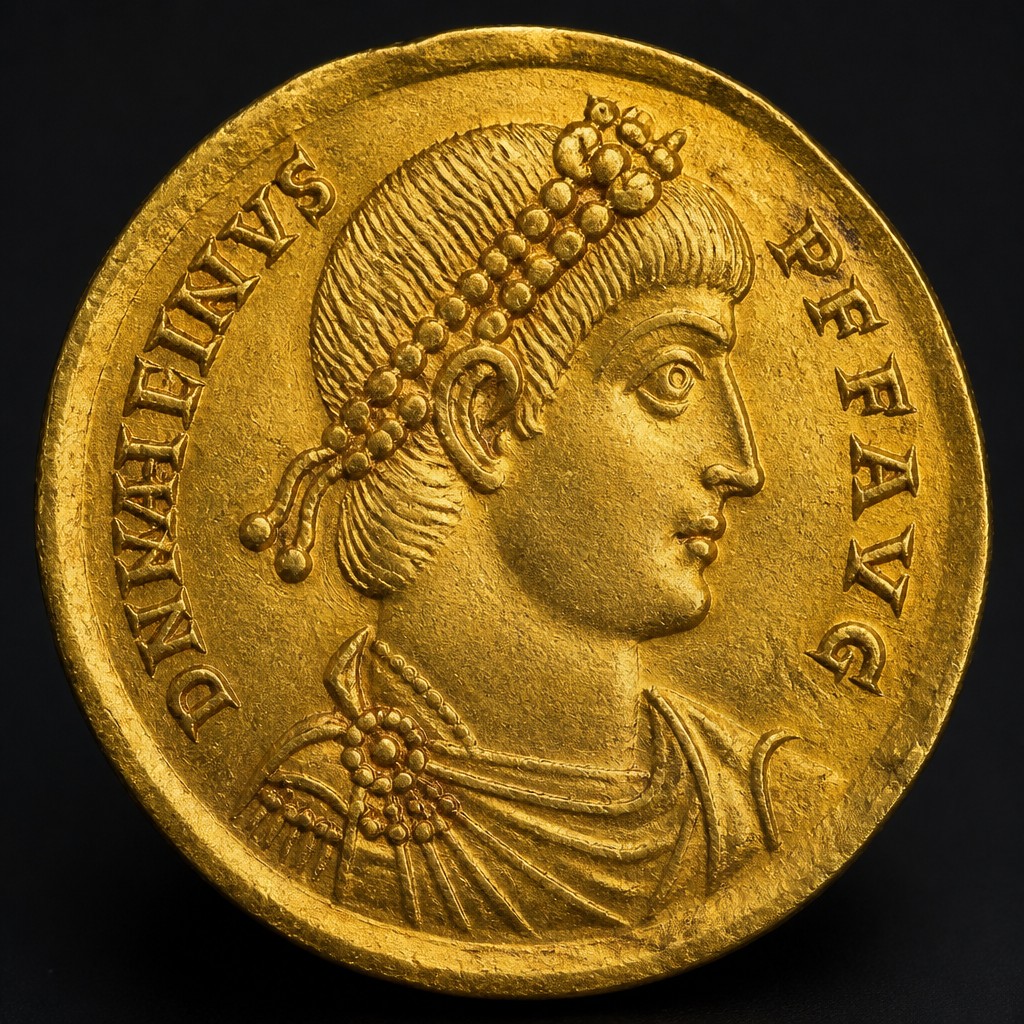
Valentinian I Solidus
364–375 AD
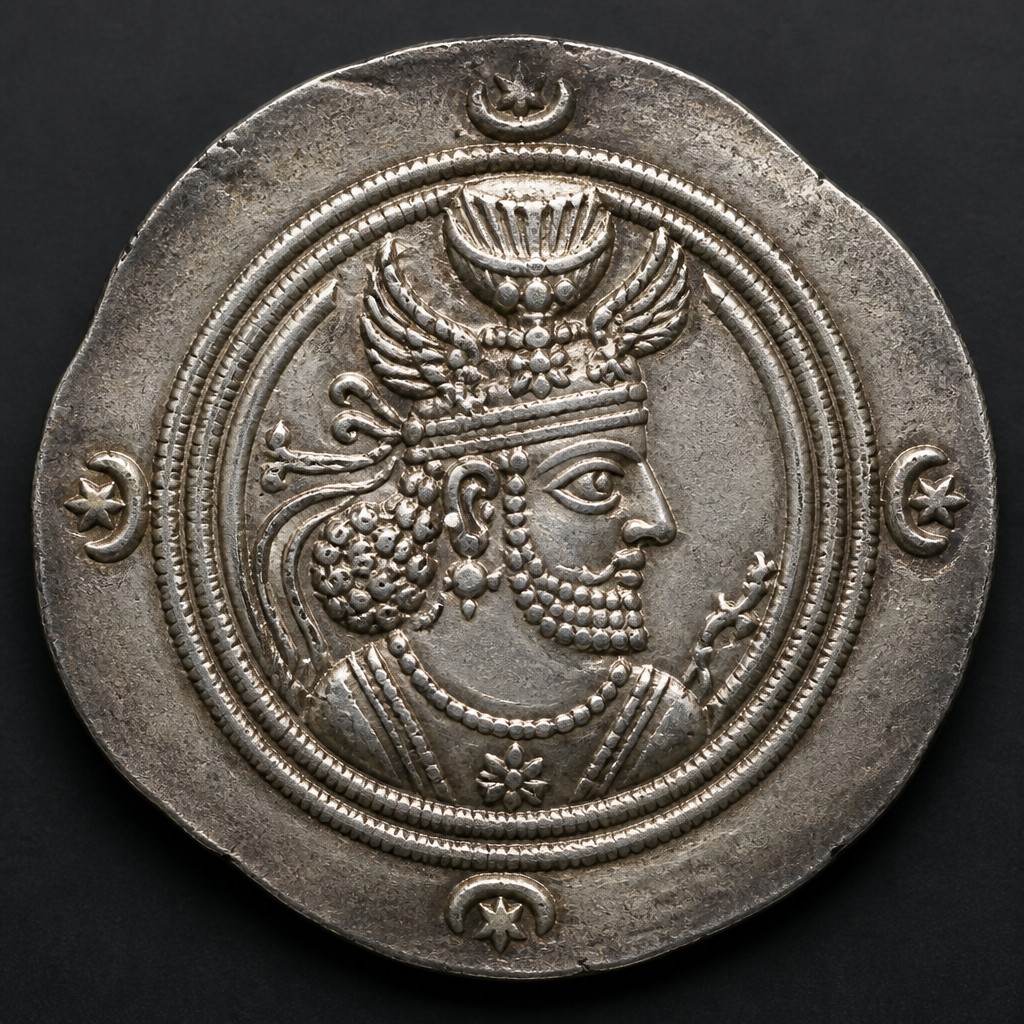
Sassanian Silver Drachm
c. 224–651 AD
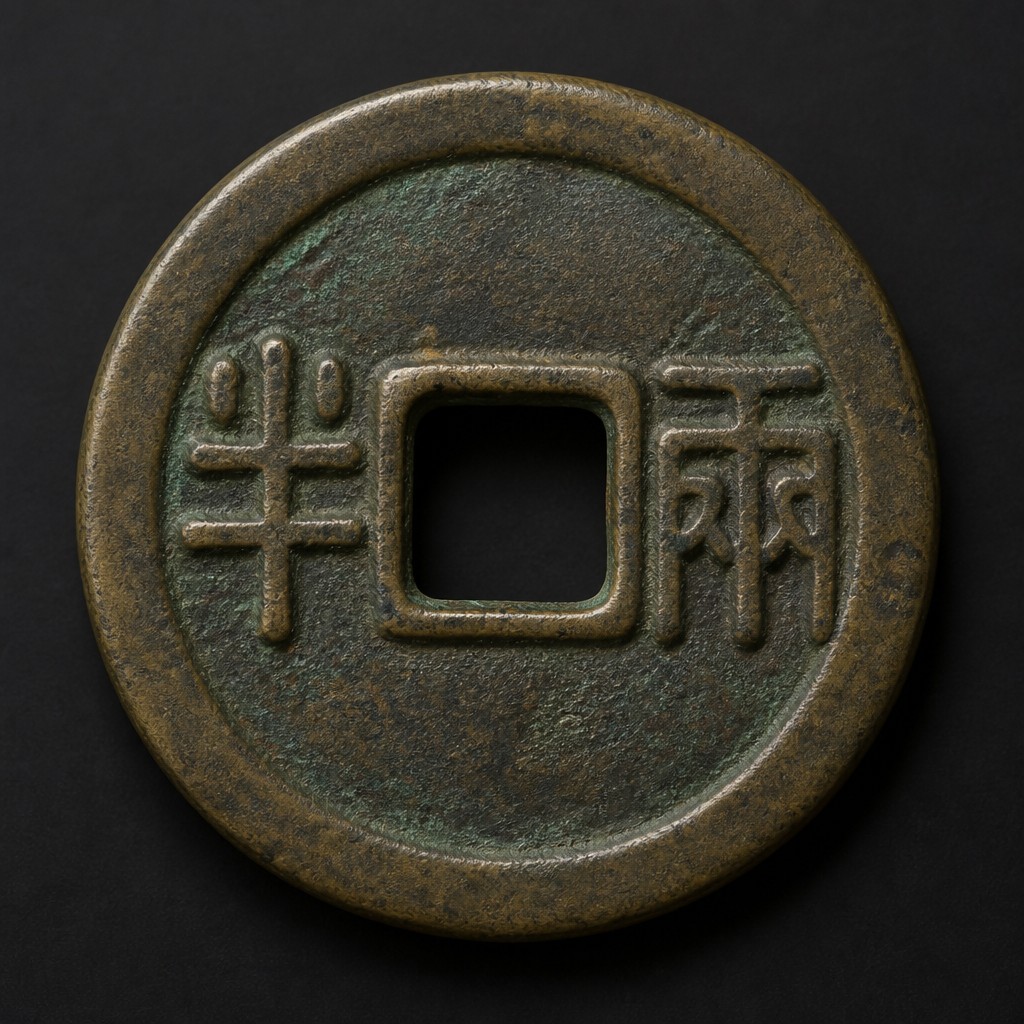
Chinese Ban Liang Cash
c. 221–118 BC
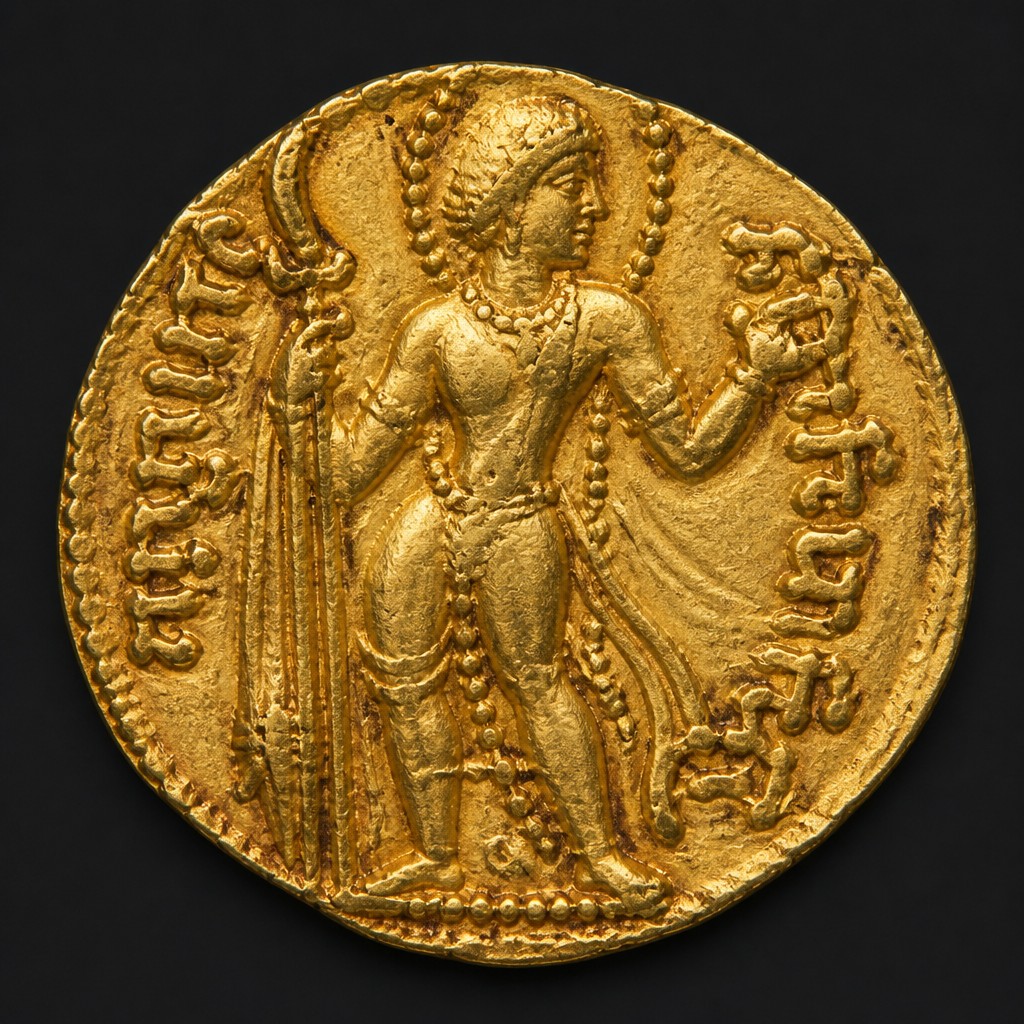
Gupta Empire Gold Dinar
c. 320–550 AD
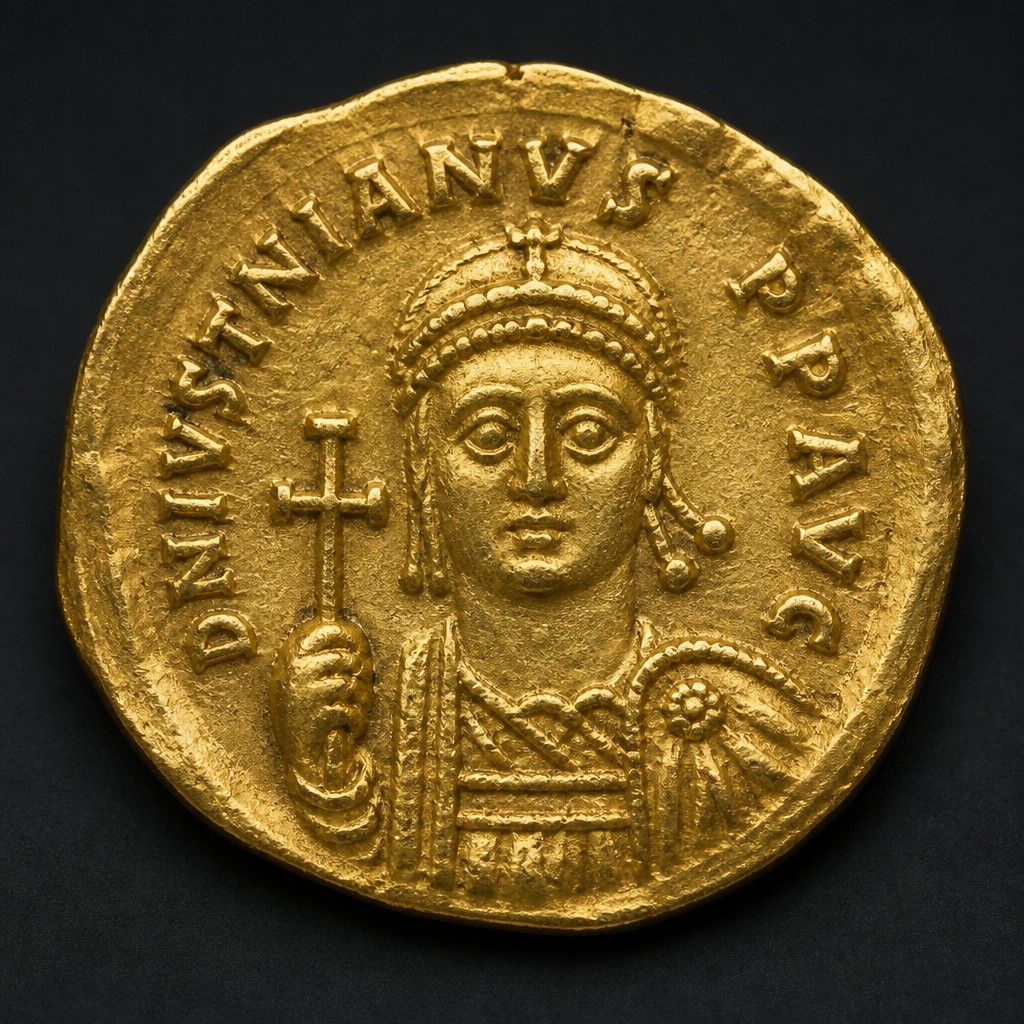
Byzantine Gold Tremissis
c. 4th–7th century AD
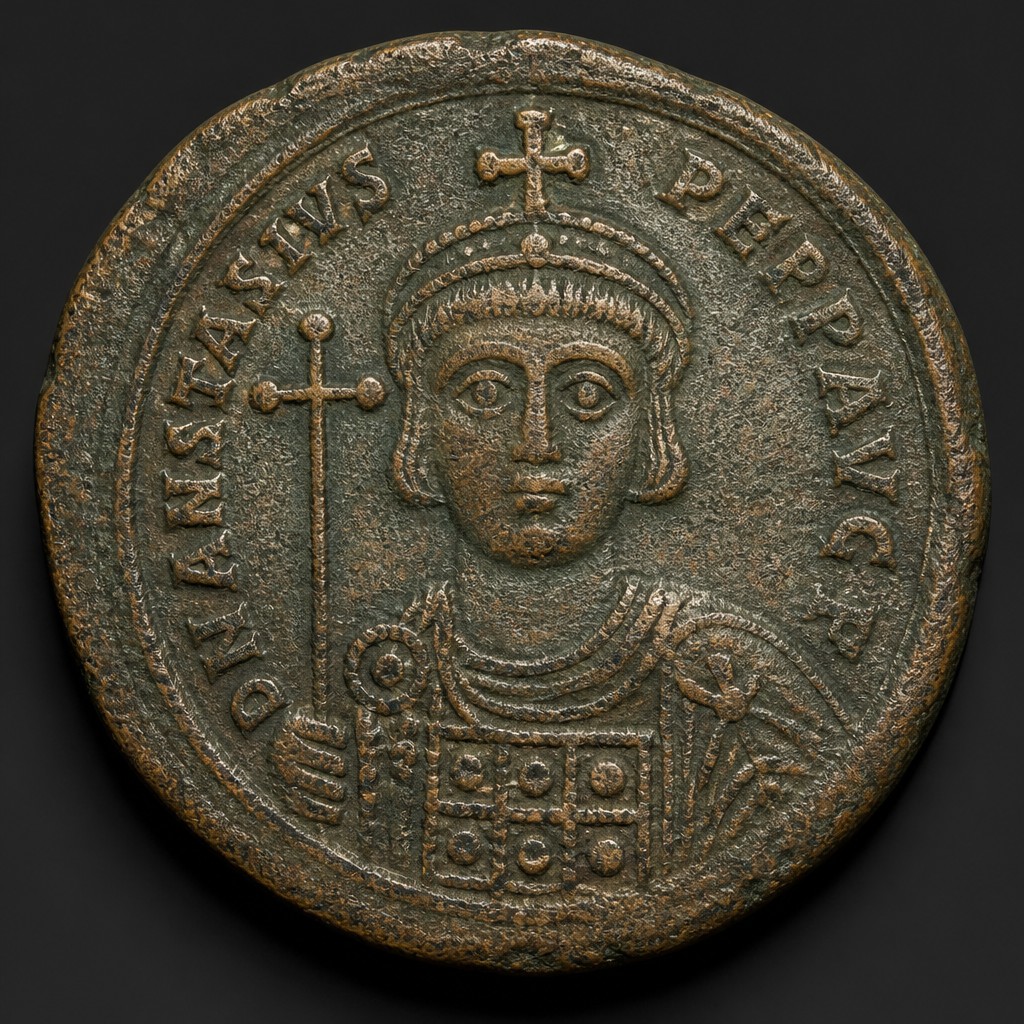
Byzantine Follis
498–c. 11th century AD
Celtic Gold Stater
c. 3rd century BC – 1st century AD