
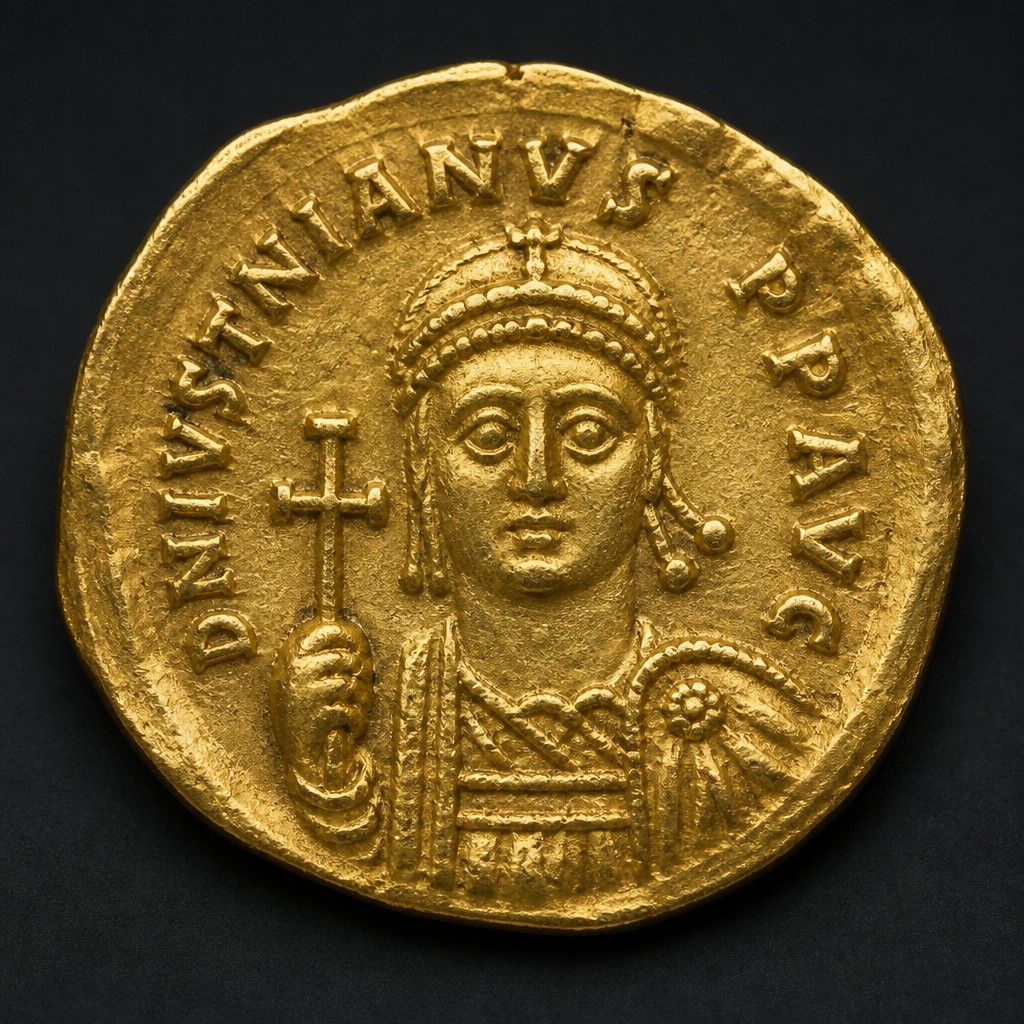
Byzantine Gold Tremissis
A small gold fractional coin worth one-third of a solidus, widely struck across the early Byzantine world and imitated by Germanic successor kingdoms in the former Western Roman Empire.
- Country
- Byzantine Empire (and successor Germanic kingdoms)
- Denomination
- Tremissis (one-third solidus)
- Metal
- Gold
Got a coin like this?
Identify any coin from a photo, free.
Overview
The tremissis served as a practical, lower-value gold coin for everyday high-value transactions where a full solidus would have been unwieldy, filling an important gap in the late Roman and early Byzantine monetary system. Its small, thick form and vivid gold color make it an appealing and manageable ancient gold coin for collectors.
Beyond the Byzantine Empire itself, the tremissis is historically significant because it was closely imitated by numerous Germanic successor states that arose in the territories of the former Western Roman Empire, including the Ostrogoths, Vandals, Lombards, and Merovingian Franks, making the denomination a useful lens for studying the political transition from Rome to early medieval Europe.
History & Background
The tremissis, meaning "one-third," was introduced in the late Roman period as a fractional gold coin worth exactly one-third of the standard solidus established by Constantine I. It continued to be struck through the transition from the Western Roman Empire's collapse into the fully Byzantine period centered on Constantinople.
As the Western Roman Empire fragmented in the 5th century, various Germanic kingdoms that inherited former Roman territory, including the Ostrogoths in Italy, the Vandals in North Africa, the Visigoths in Spain, and later the Merovingian Franks in Gaul and the Lombards in Italy, continued striking tremisses that closely imitated Byzantine imperial types, often in the name of the reigning Byzantine emperor even when local kings held actual power, reflecting the enduring prestige of Byzantine gold coinage as a symbol of legitimacy.
Within the Byzantine Empire proper, the tremissis gradually declined in importance and largely disappeared from regular circulation by the 8th century, though it remained in occasional ceremonial or specialized use somewhat longer in the West.
How to Identify
Byzantine tremisses typically show a diademed, draped imperial bust in profile on the obverse, similar in style to the larger solidus but smaller in scale, with a Latin legend naming the emperor. The reverse commonly depicts a cross, sometimes within a wreath, or a small facing Victory figure, with a Latin legend and often a mint mark in the exergue.
The coin is notably small, typically around 12 to 15mm in diameter, but retains a relatively thick, dense feel due to its gold content, weighing roughly 1.5 grams, one-third the weight of a solidus. Its diminutive size relative to the solidus is the primary way to distinguish it at a glance, though careful weighing confirms the denomination.
Germanic imitative tremisses can be trickier to identify, since they often copy Byzantine imperial types closely, sometimes with garbled or pseudo-legends that do not form coherent Latin text, or with subtle stylistic differences in the portrait and cross designs; some later Merovingian issues do name a local moneyer or place instead of an emperor, which helps distinguish them as Western, non-Byzantine issues.
Value & Collectibility
Byzantine tremisses are generally more affordable than full solidi due to their smaller gold content, while still offering genuine ancient gold coin ownership, often available in the low hundreds of dollars for common types in decent condition. Their small size makes strike quality and centering especially important to overall eye appeal.
Germanic imitative tremisses, particularly well-attributed Merovingian, Visigothic, or Lombard issues naming specific moneyers or mints, can be more specialized and sometimes more valuable due to strong collector interest in early medieval Western European coinage. As always, rarity of the specific ruler or issuing authority, condition, and legend clarity are the primary value drivers.
Frequently asked questions
What is a tremissis worth compared to a solidus?
The tremissis was struck at exactly one-third the weight and value of the standard gold solidus, functioning as a smaller-denomination gold coin for everyday high-value use.
Why did Germanic kingdoms strike coins imitating Byzantine emperors?
Byzantine gold coinage carried enormous prestige and trust, so Germanic successor kingdoms in the former Western Roman Empire often struck tremisses in the emperor's name to lend legitimacy to their own rule, even after Byzantine political authority in the West had ended.
How can I tell a tremissis from a solidus just by looking?
The tremissis is noticeably smaller in diameter, roughly 12 to 15mm compared to about 20mm for a solidus, and weighs about one-third as much.
When did the tremissis stop being used?
It largely disappeared from Byzantine circulation by around the 8th century, though some Western successor states continued related fractional gold issues somewhat longer.
Are all tremisses Byzantine?
No, many surviving tremisses were struck by Germanic successor kingdoms such as the Ostrogoths, Vandals, Merovingian Franks, and Lombards, closely imitating Byzantine designs.
Other coins you may enjoy
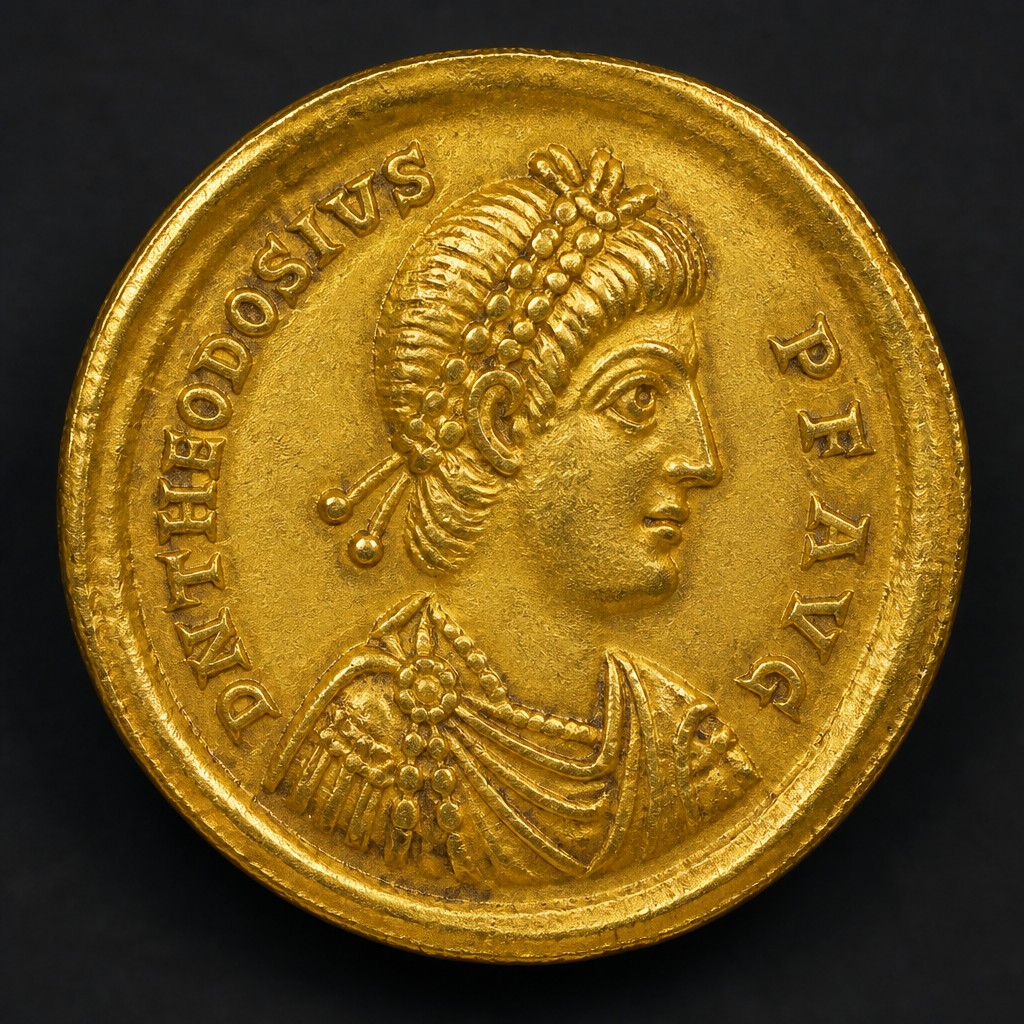
Theodosius I Solidus
379–395 AD
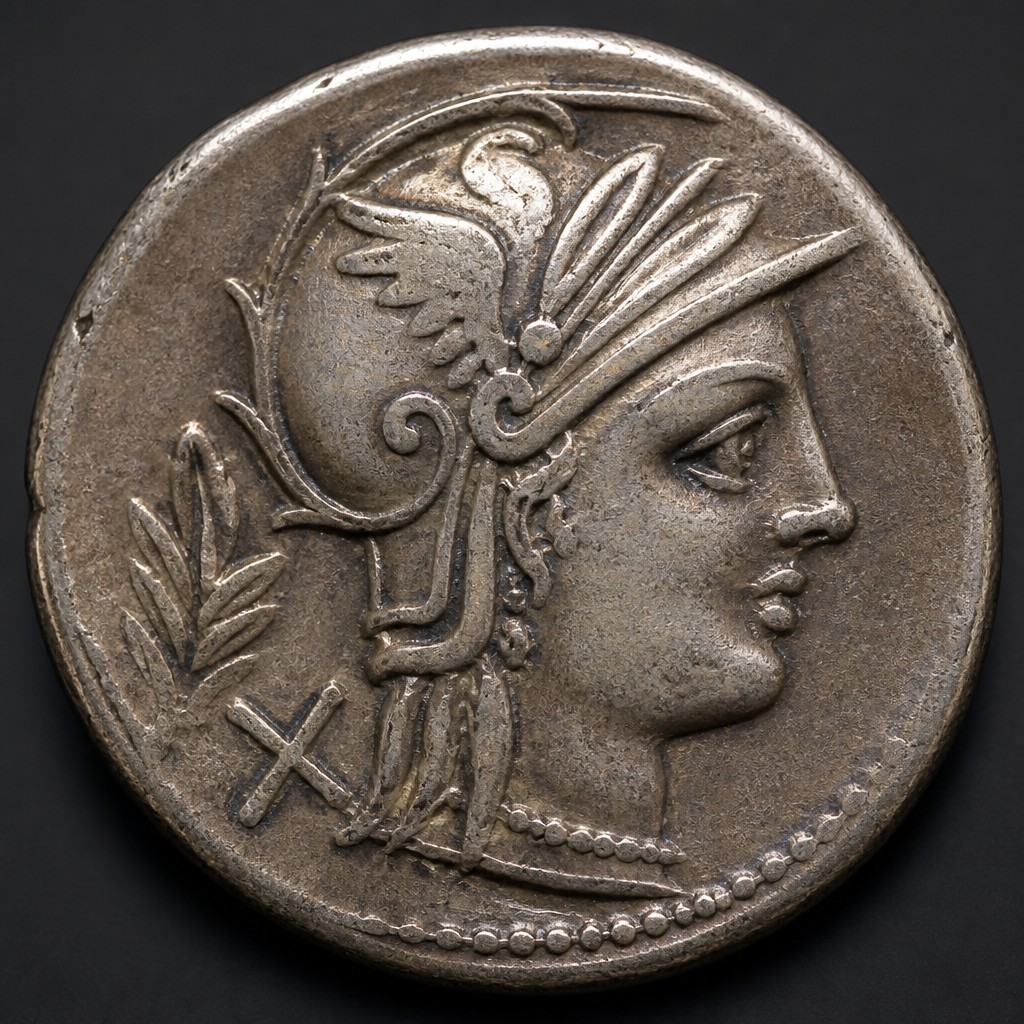
Republican Victoriatus
c. 211–170 BC
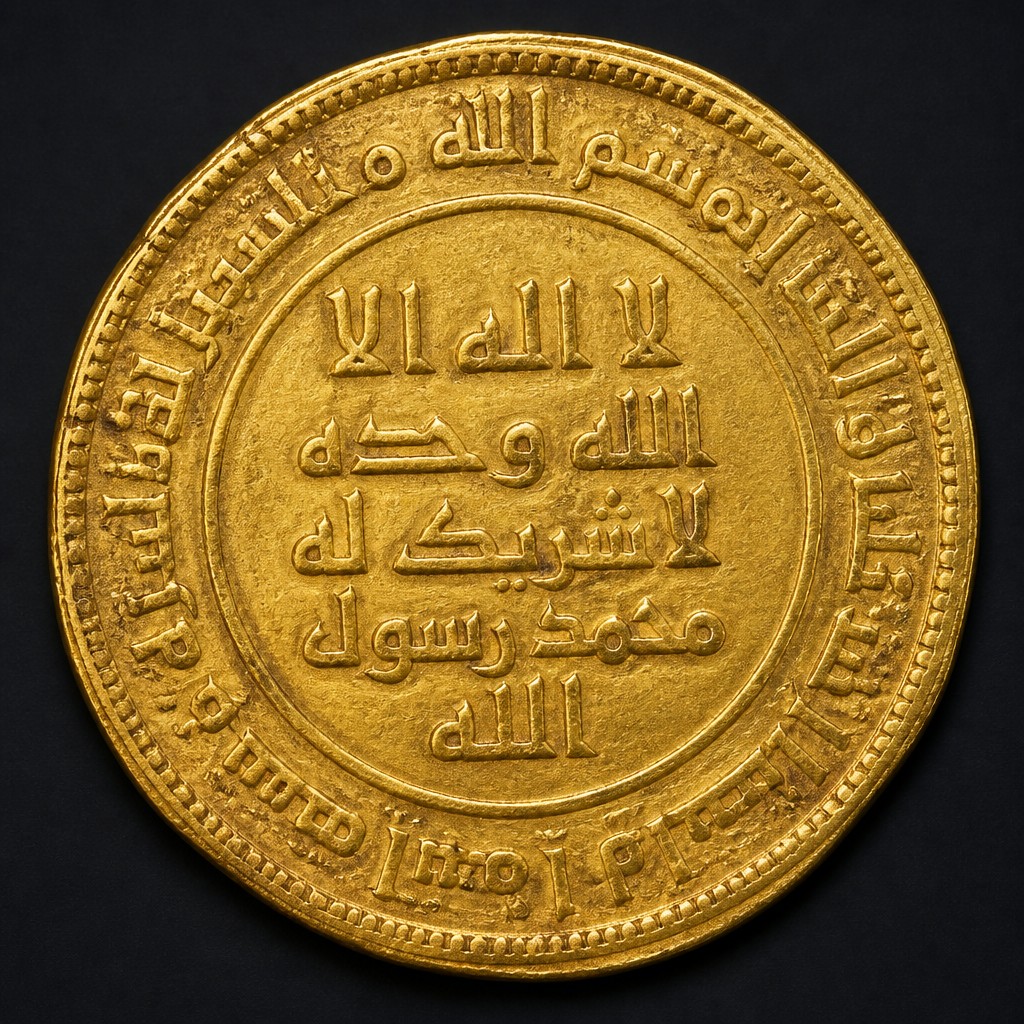
Islamic Gold Dinar (Umayyad)
c. 696–750 AD
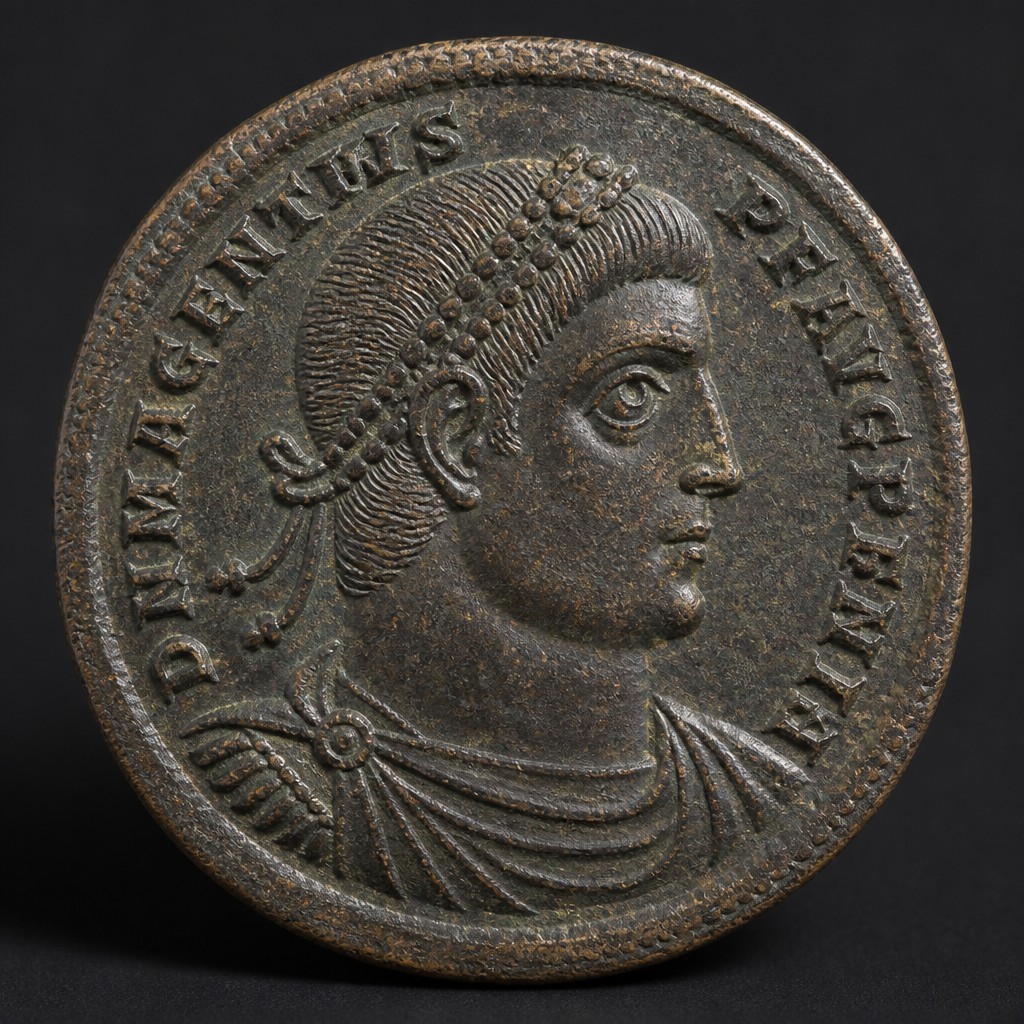
Magnentius Double Centenionalis
350–353 AD
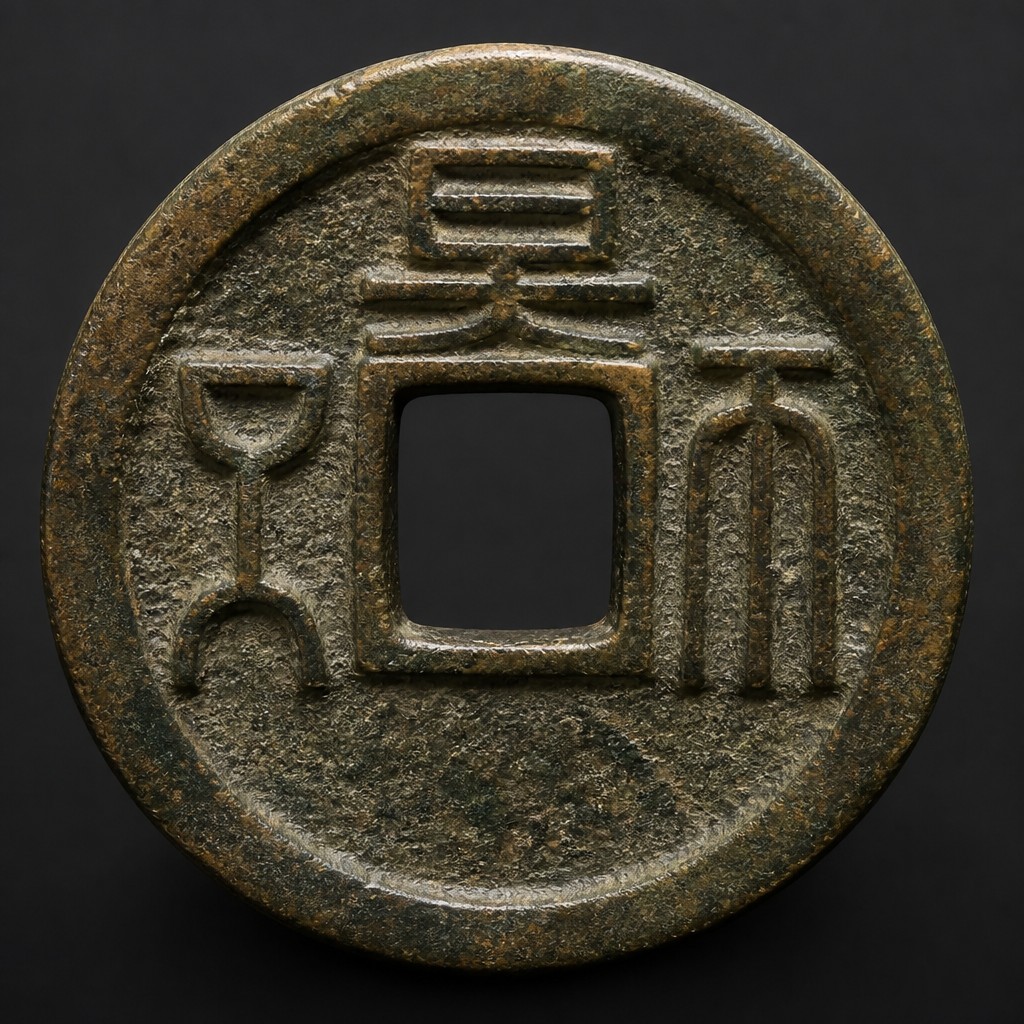
Chinese Wu Zhu Cash
118 BC – 618 AD
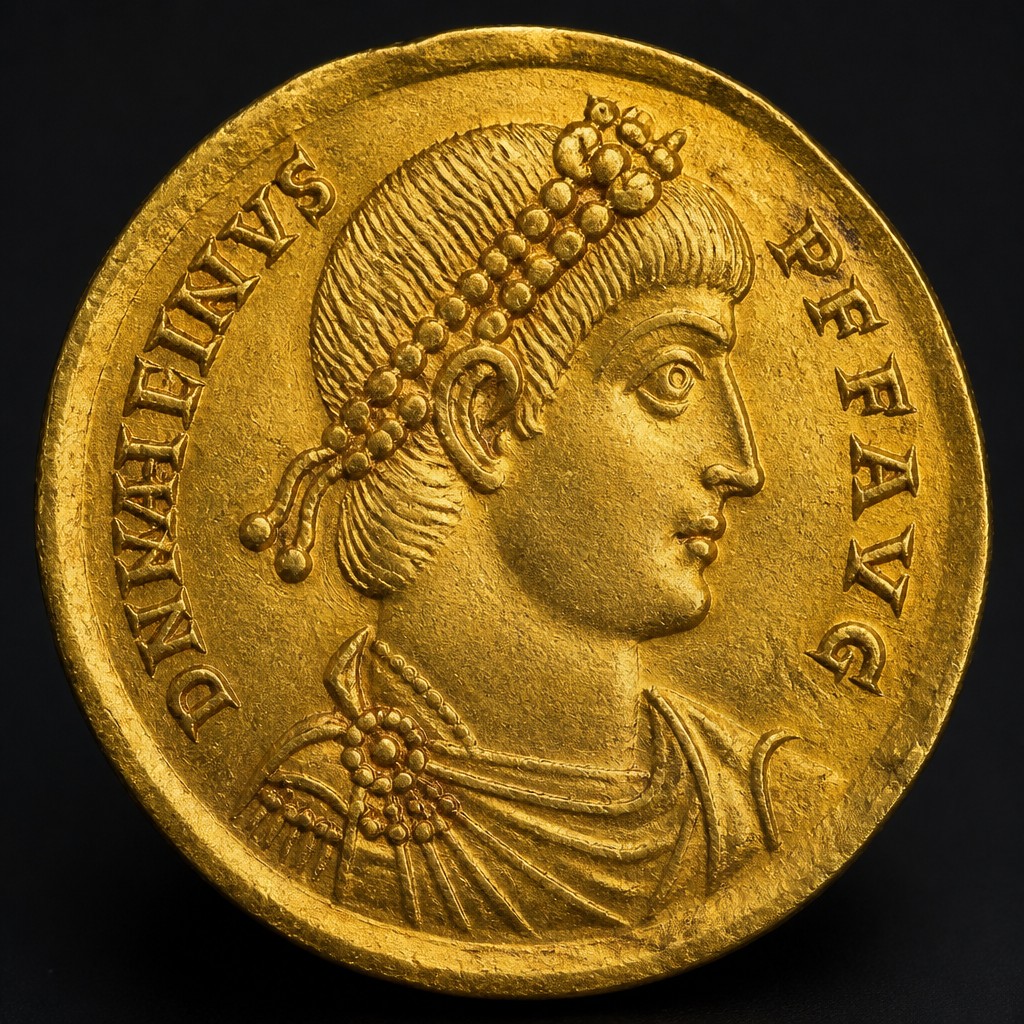
Valentinian I Solidus
364–375 AD
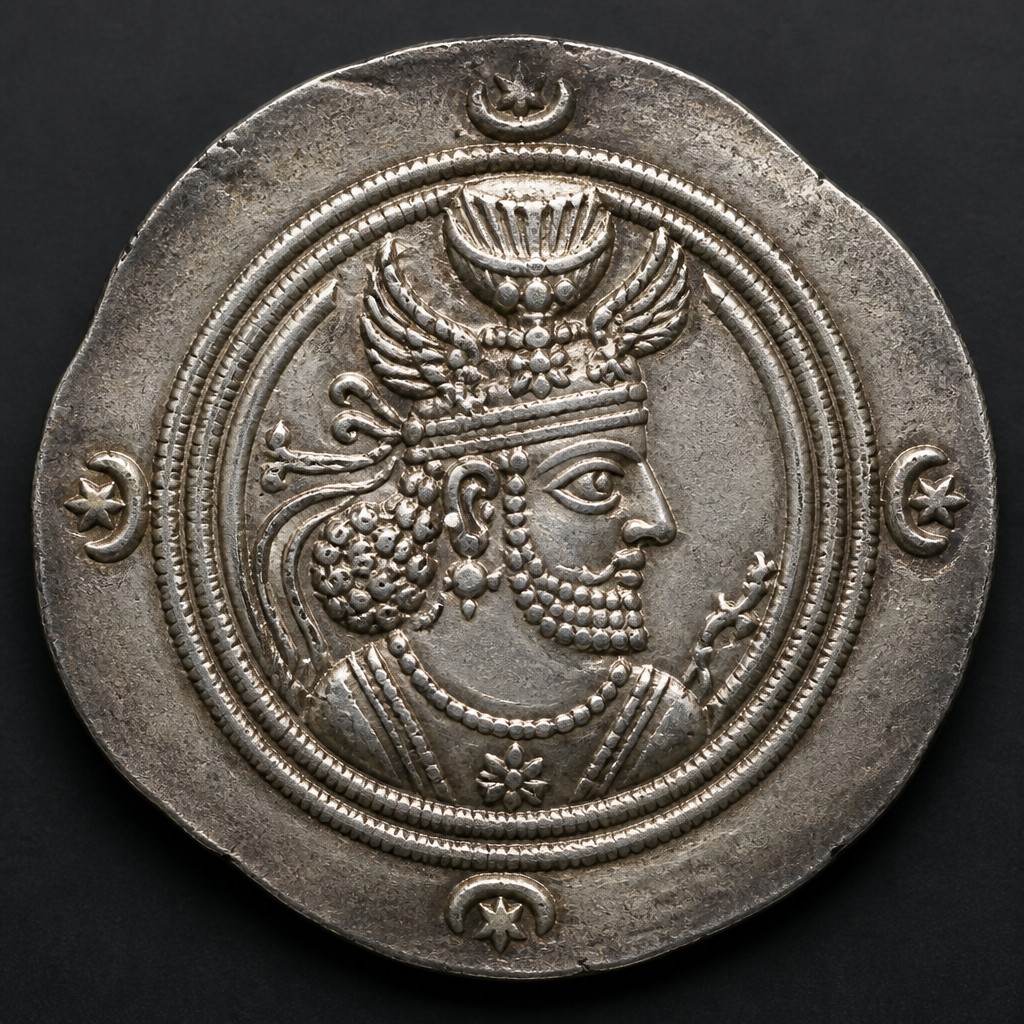
Sassanian Silver Drachm
c. 224–651 AD
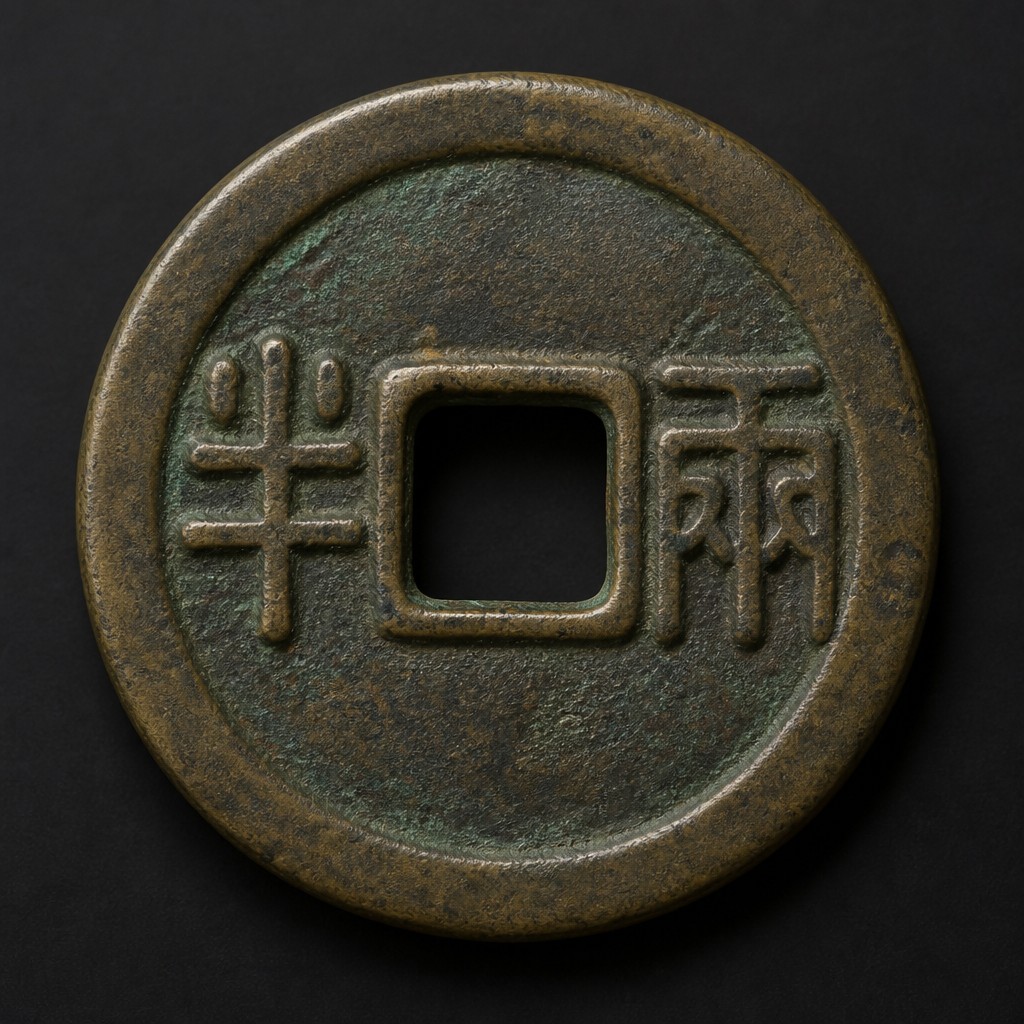
Chinese Ban Liang Cash
c. 221–118 BC
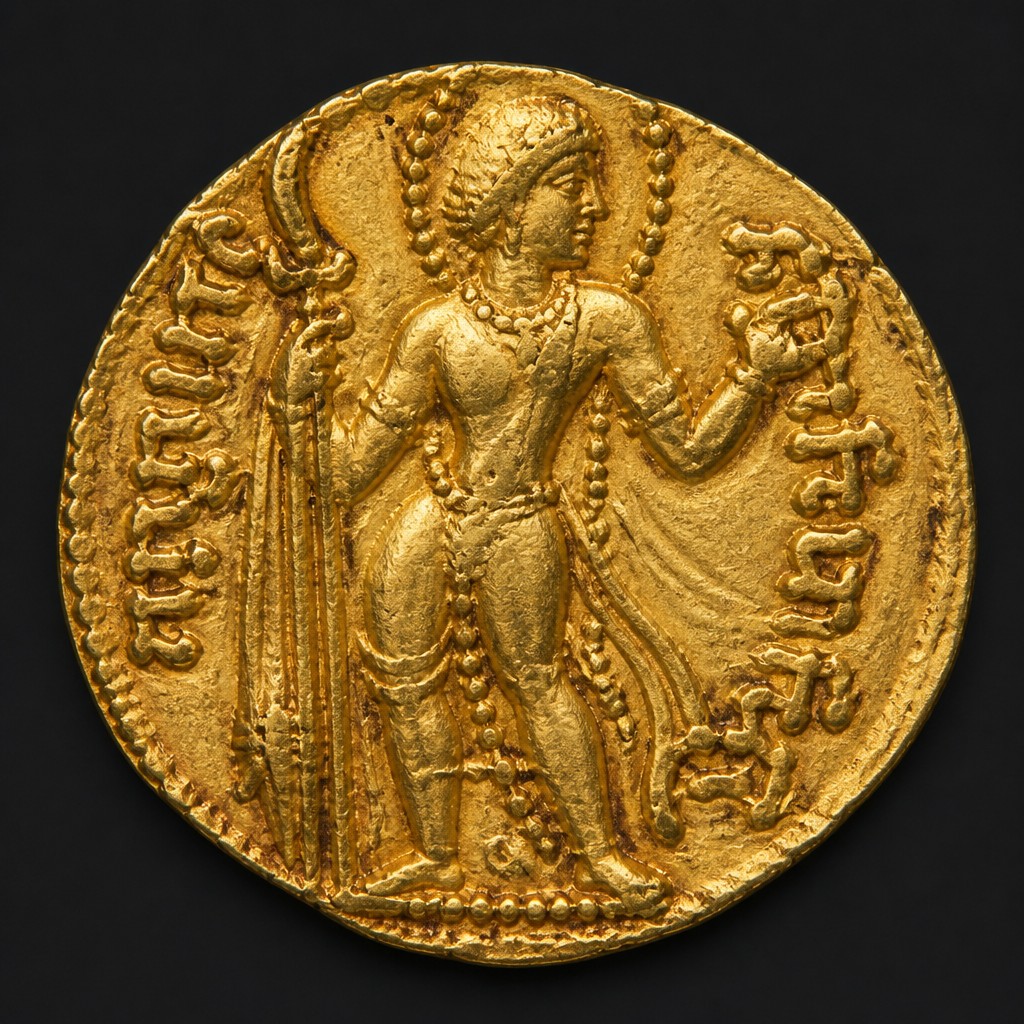
Gupta Empire Gold Dinar
c. 320–550 AD
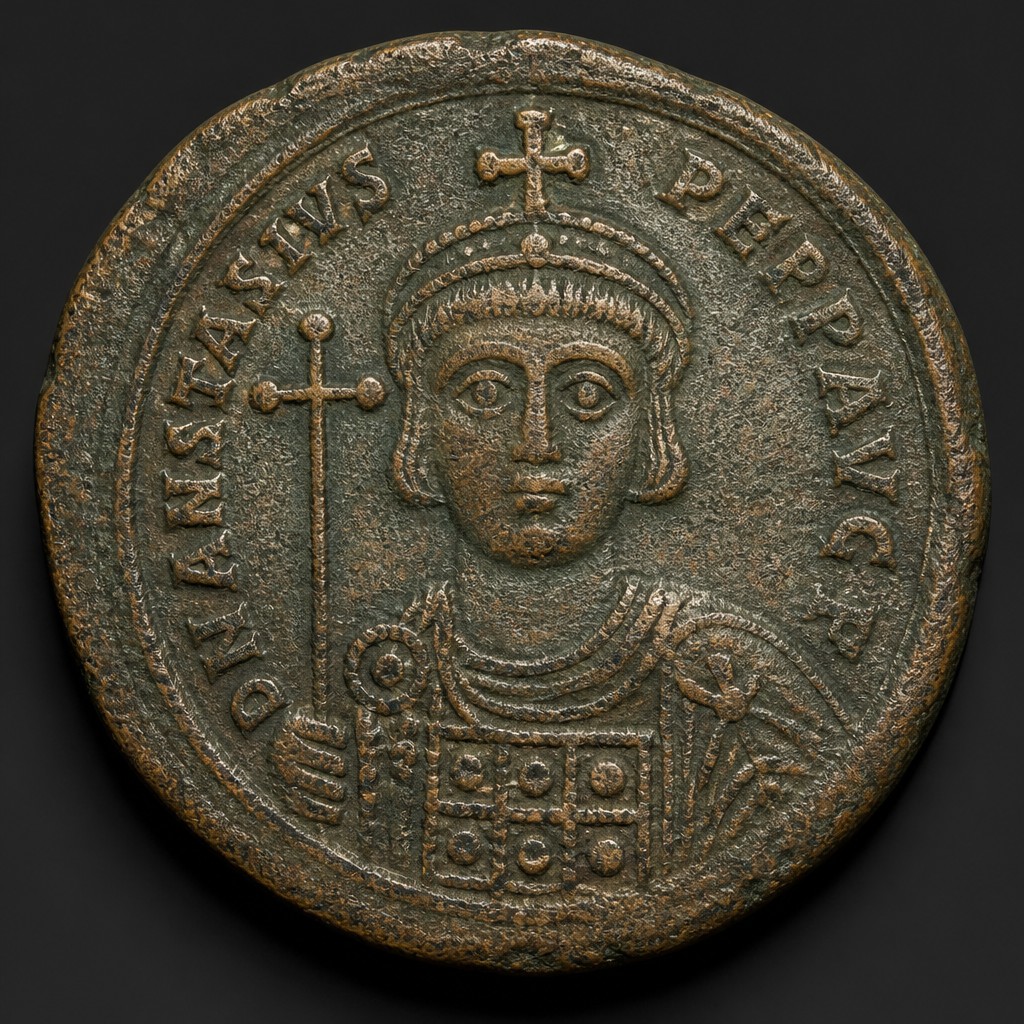
Byzantine Follis
498–c. 11th century AD
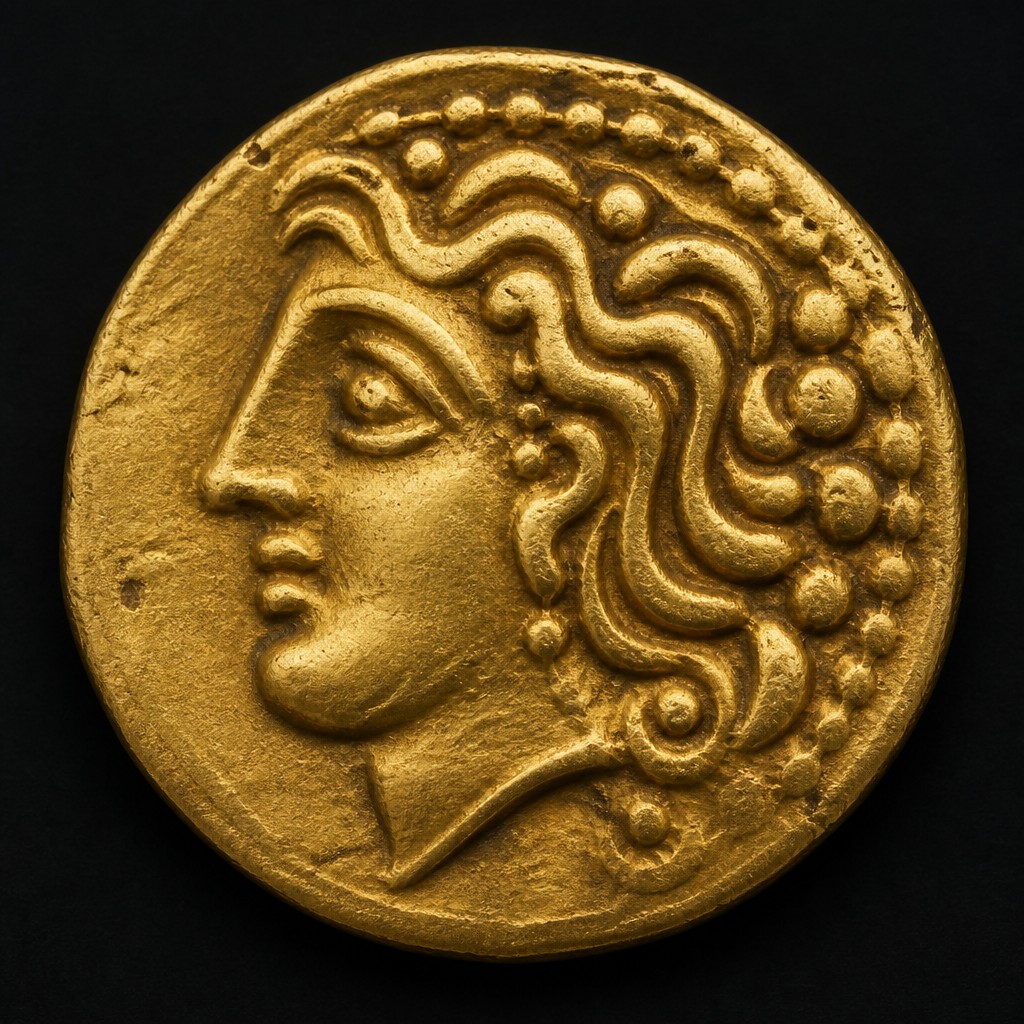
Celtic Gold Stater
c. 3rd century BC – 1st century AD
Indo-Greek Silver Drachm (Menander)
c. 165/155–130 BC