
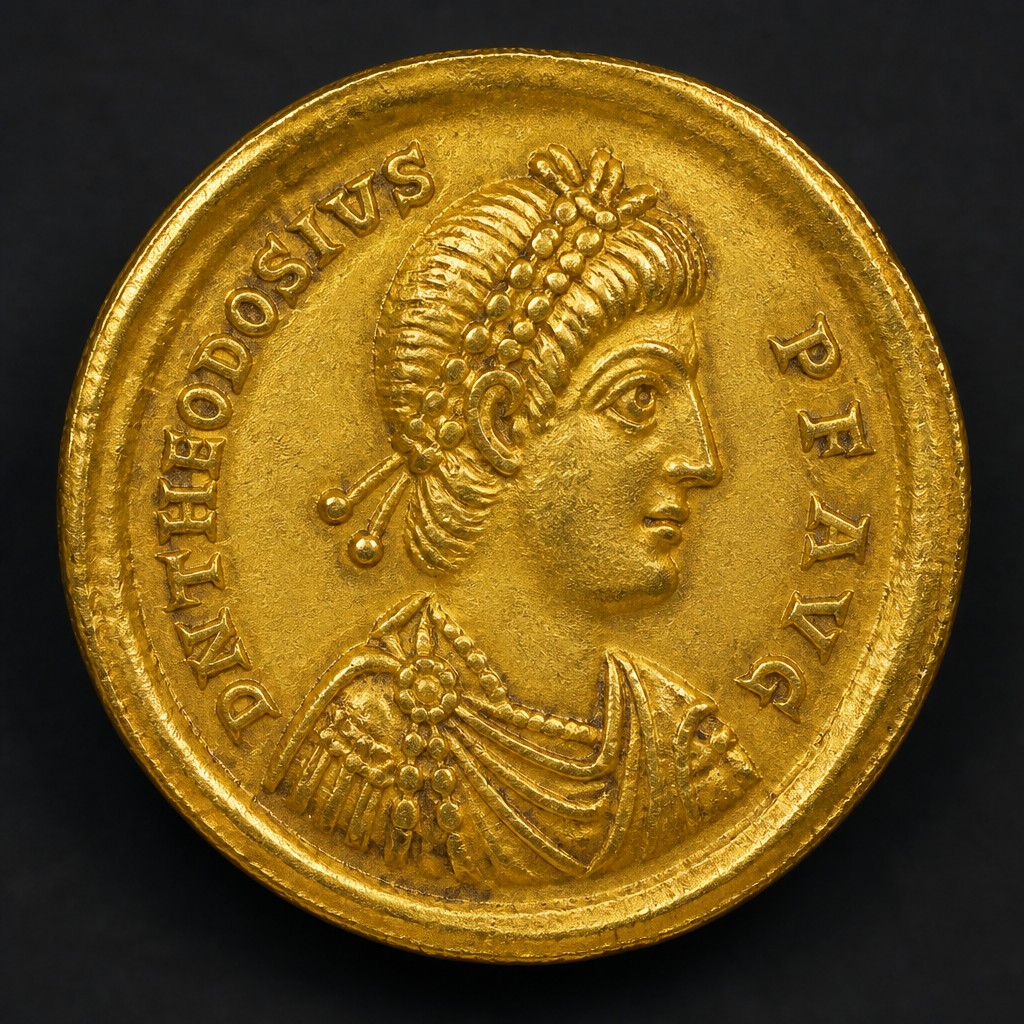
Theodosius I Solidus
A gold solidus of Theodosius I, the last emperor to rule a united Roman Empire and the ruler who made Nicene Christianity the state religion.
- Country
- Ancient Rome
- Denomination
- Solidus
- Metal
- Gold (high purity)
Got a coin like this?
Identify any coin from a photo, free.
Overview
This gold solidus was struck under Theodosius I, remembered as "the Great" and as the final emperor to preside over a genuinely unified Roman Empire, East and West, before its permanent division between his sons. His coinage reflects both the continued strength of the Constantinian gold standard and the era's deepening entanglement of empire and church.
Collectors prize Theodosius I's solidi for their historical weight, marking the effective end of the united Roman state, as well as for their fine gold content and well-executed portraiture typical of late 4th-century imperial coin die engraving.
History & Background
Theodosius I rose to become eastern emperor in 379 AD following the disaster at Adrianople and went on to reunify the empire under his sole rule after defeating several rivals and usurpers in the west. He is best known for his religious policies, including the Edict of Thessalonica in 380 AD, which established Nicene Christianity as the empire's official religion, and later measures curbing traditional pagan worship.
Upon his death in 395 AD, Theodosius divided the empire between his two sons, Arcadius in the east and Honorius in the west, a division that in practice became permanent and set the eastern and western halves of the Roman world on increasingly separate historical paths. His solidi, struck at major mints across his reunified empire, capture the coinage of this last moment of formal imperial unity.
How to Identify
The obverse shows a diademed, draped, and cuirassed bust of Theodosius I facing right, with the legend D N THEODOSIVS P F AVG. Reverse types commonly include two or three emperors seated together holding a globe, with the legend CONCORDIA AVGGG (reflecting harmony among multiple co-emperors), or a personification of Constantinopolis enthroned holding a scepter and globe.
As a high-purity gold coin of standard solidus weight, it shares the bright color and careful die-engraved portraiture typical of late 4th-century imperial gold. The multi-figure reverse types, referencing Theodosius's co-emperors (including his sons and colleagues), help date and identify specific issues, while the obverse legend confirms the ruling emperor depicted.
Value & Collectibility
Solidi of Theodosius I are available to collectors in reasonable numbers given the coin's importance and the relatively large-scale gold coinage production of the late 4th century, though prices remain solidly above simple bullion value due to strong collector demand. Sharp strikes with clear multi-figure reverse detail and well-preserved portraits are especially sought after.
The coin's direct connection to the effective end of a unified Roman Empire adds significant historical appeal, and well-graded examples with interesting reverse types can command strong prices relative to more common contemporary gold issues.
Frequently asked questions
Why is Theodosius I called 'the Great'?
He is remembered for reunifying the Roman Empire under his sole rule and for establishing Nicene Christianity as the empire's official state religion.
What happened to the empire after his death?
Theodosius divided it between his sons Arcadius and Honorius in 395 AD; this division became permanent, marking the effective start of separate eastern and western Roman histories.
What does the multi-figure reverse represent?
It typically shows co-emperors seated together holding a globe, symbolizing concord among the multiple rulers who shared imperial authority during this period.
Are these solidi rare?
They are less common than base-metal coinage of the era but were struck in significant quantities at major mints, making well-preserved examples obtainable, if priced above simple gold bullion value.
Other coins you may enjoy
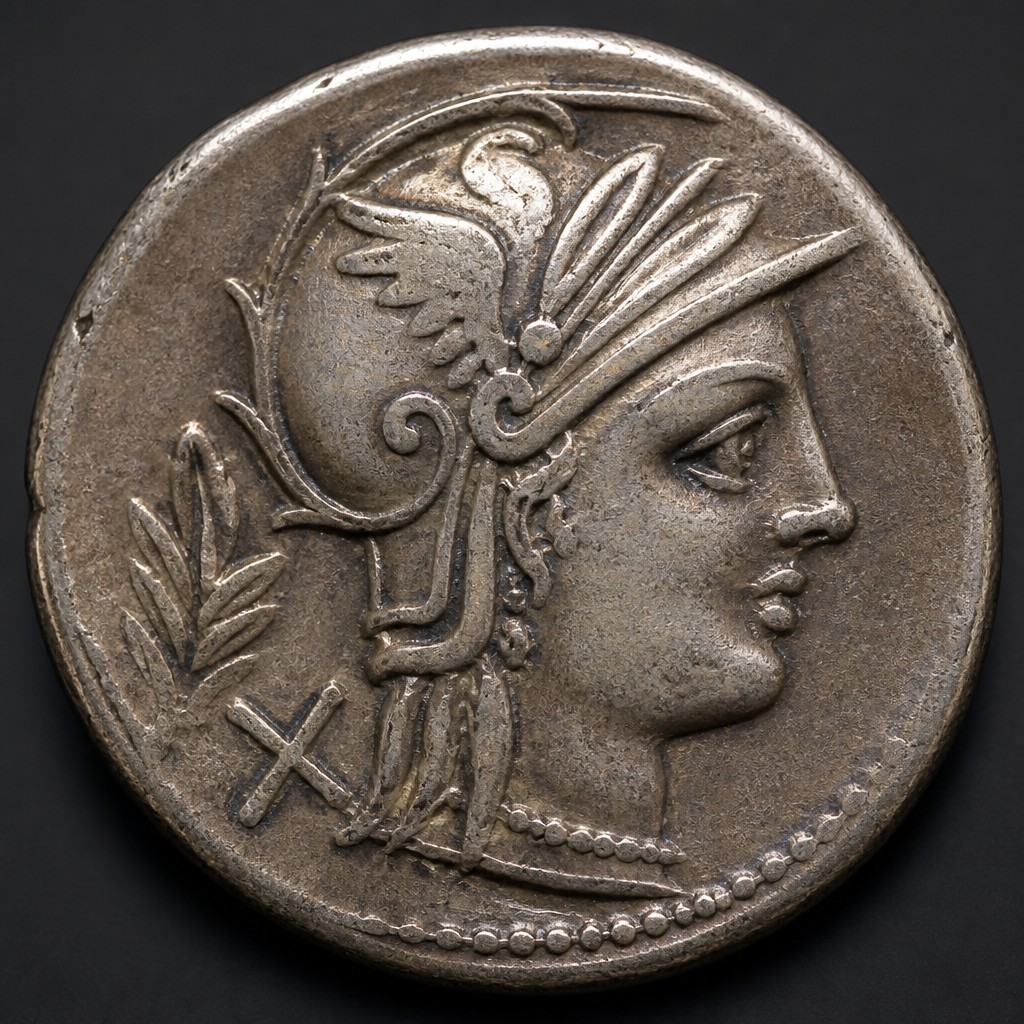
Republican Victoriatus
c. 211–170 BC
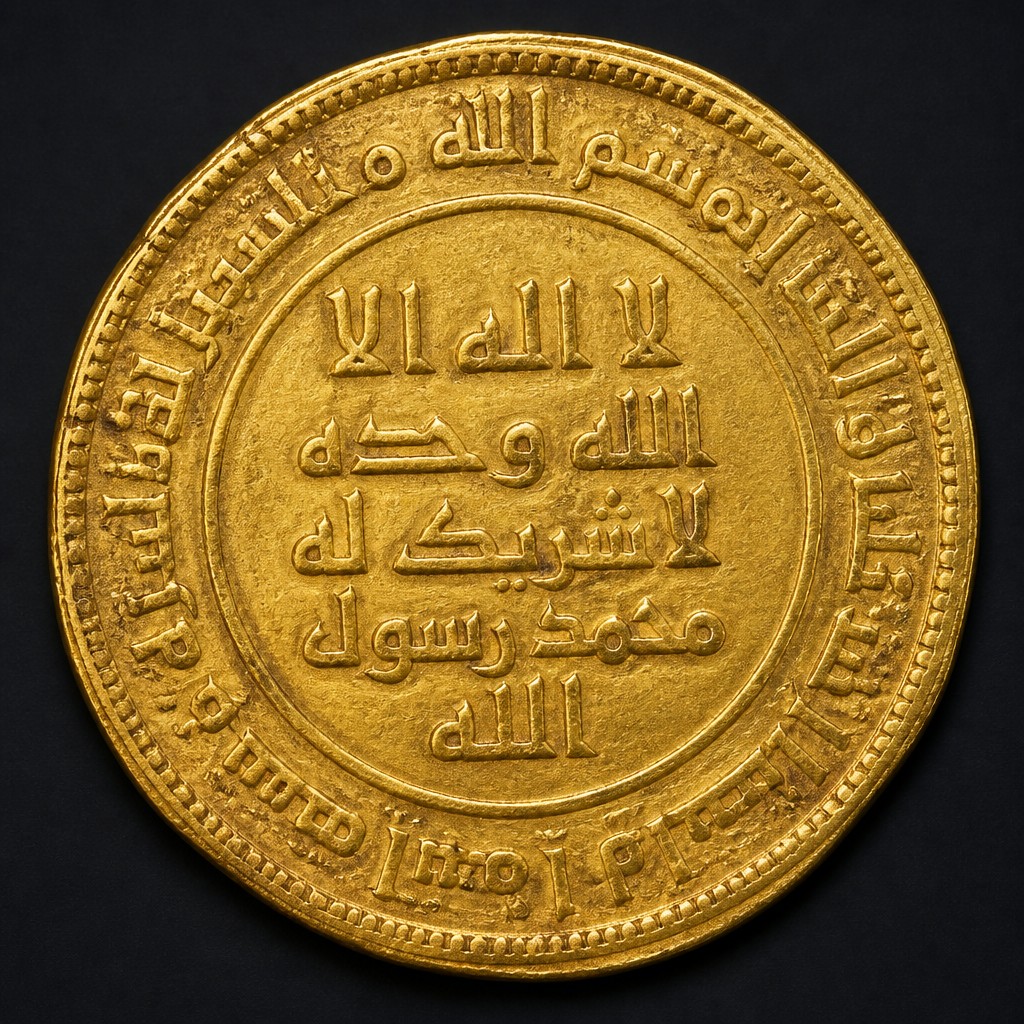
Islamic Gold Dinar (Umayyad)
c. 696–750 AD
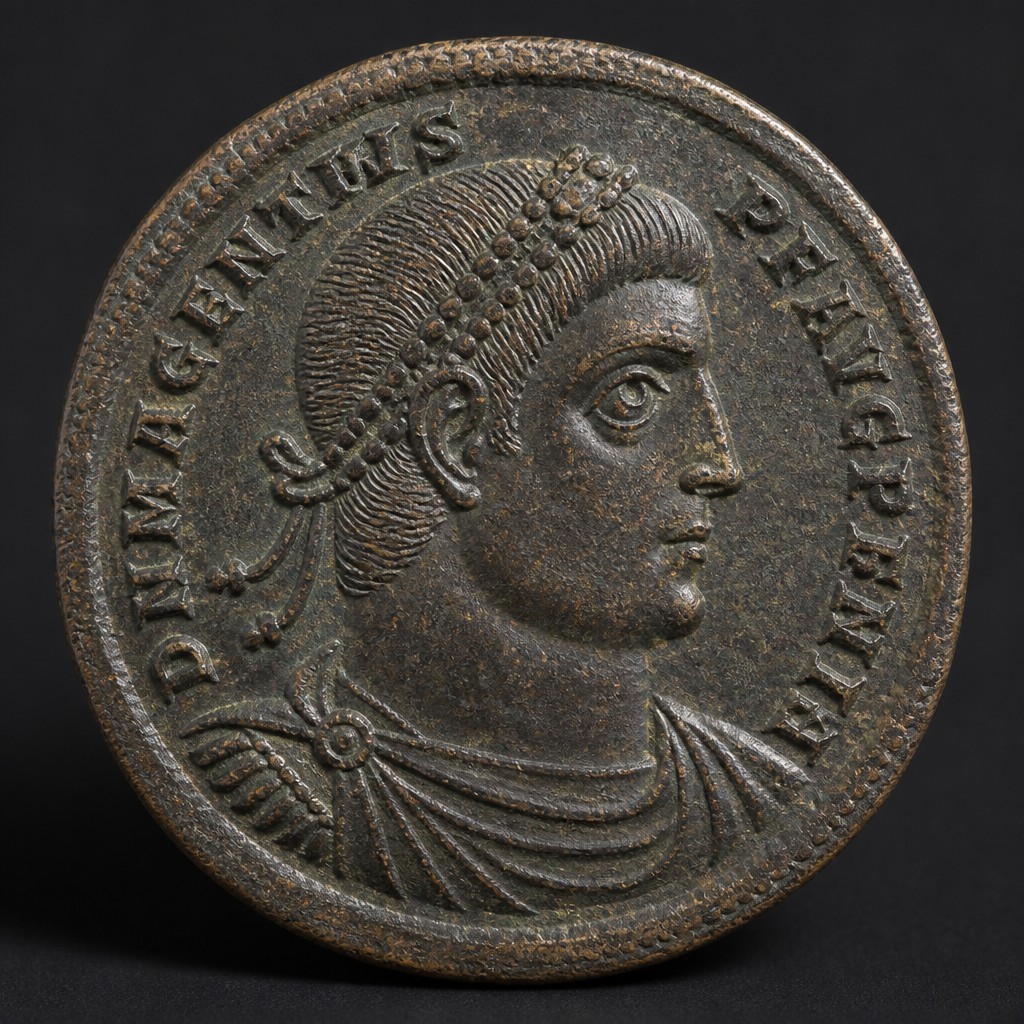
Magnentius Double Centenionalis
350–353 AD
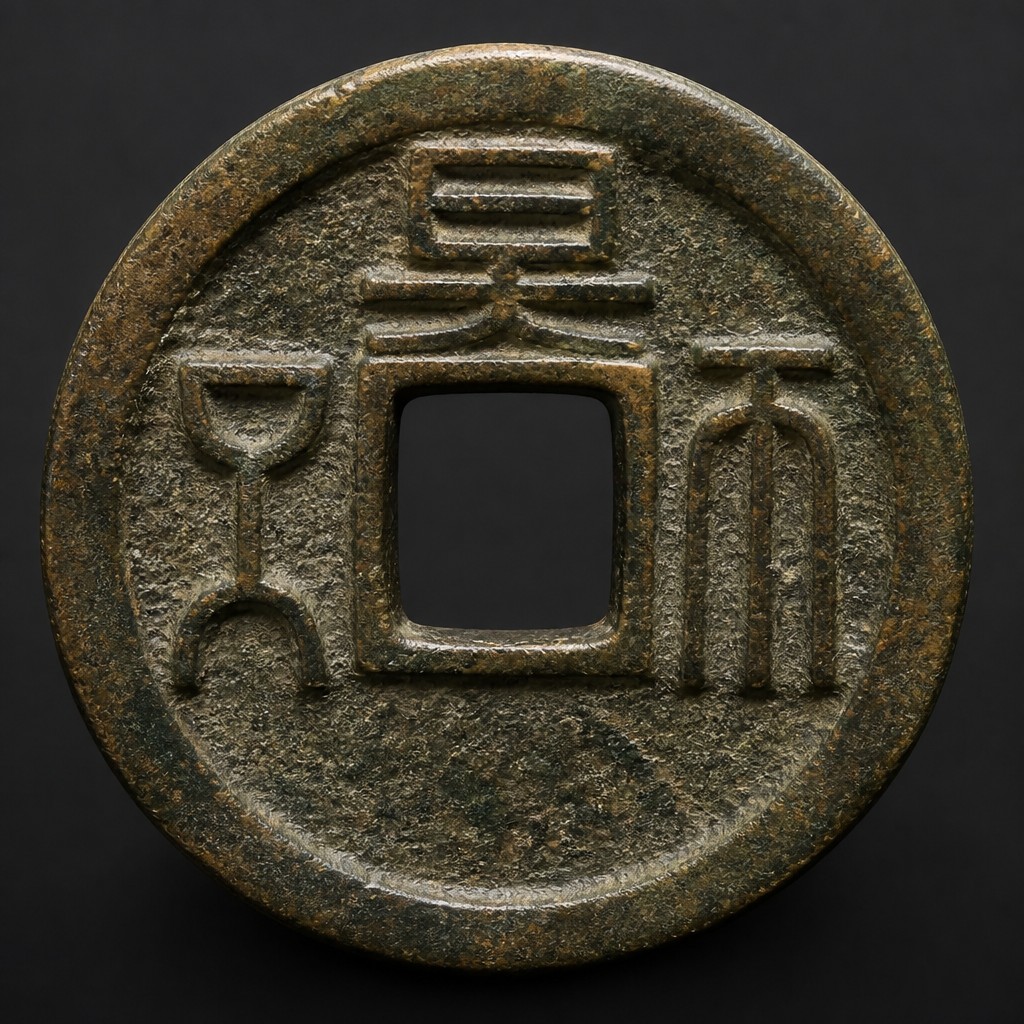
Chinese Wu Zhu Cash
118 BC – 618 AD
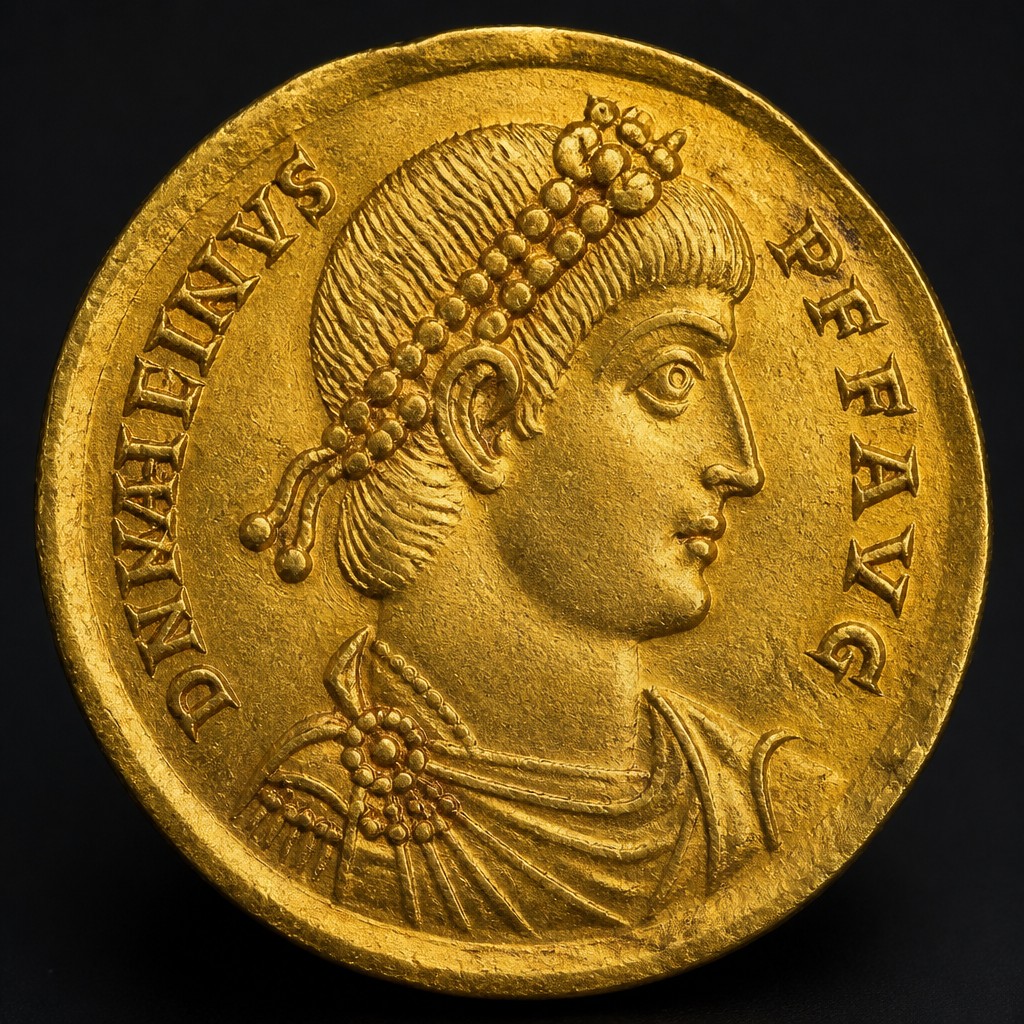
Valentinian I Solidus
364–375 AD
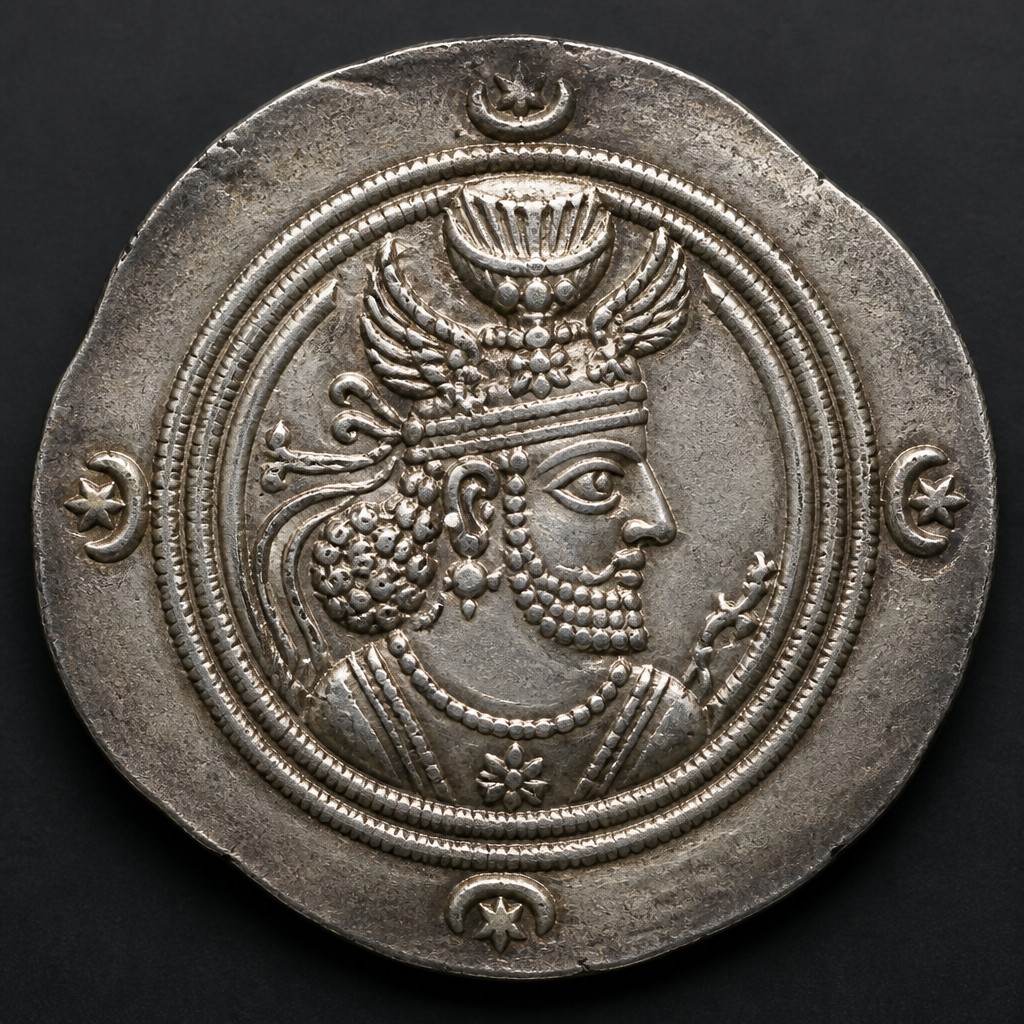
Sassanian Silver Drachm
c. 224–651 AD
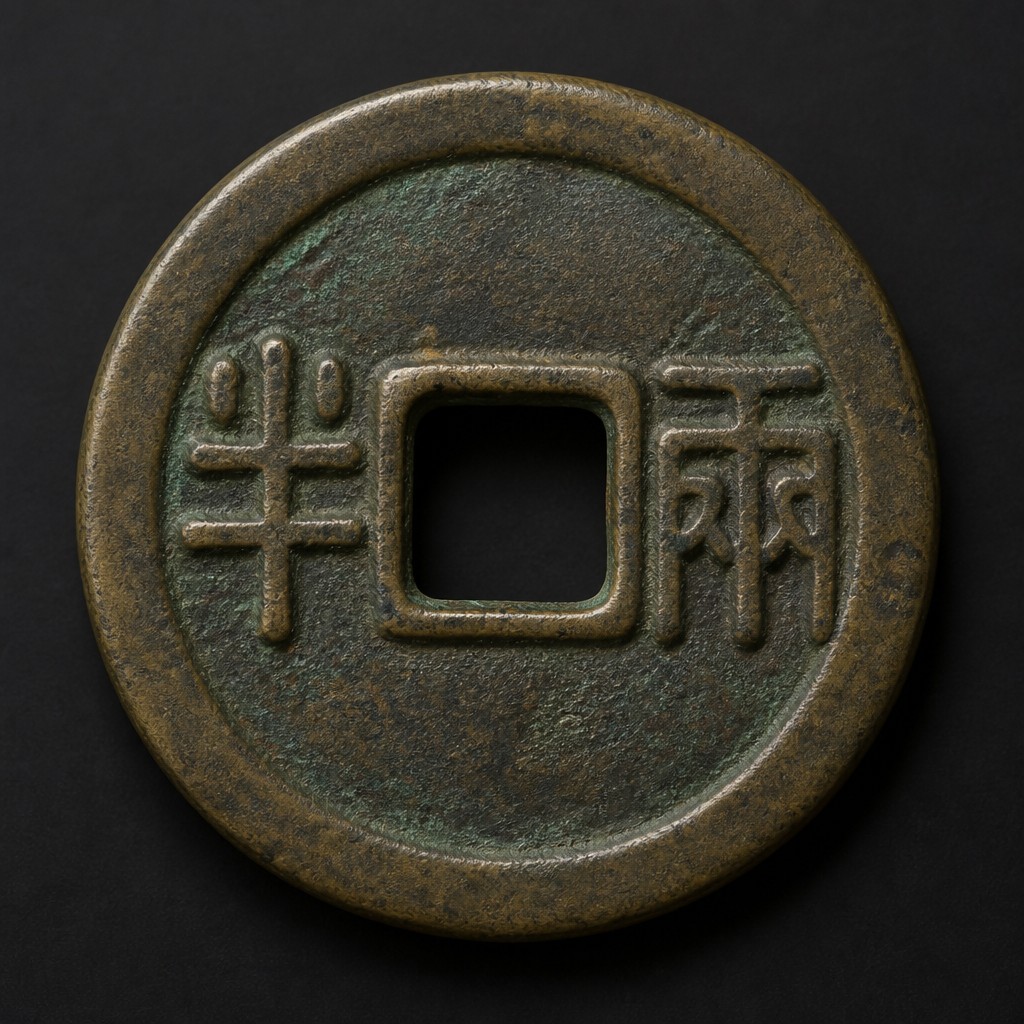
Chinese Ban Liang Cash
c. 221–118 BC
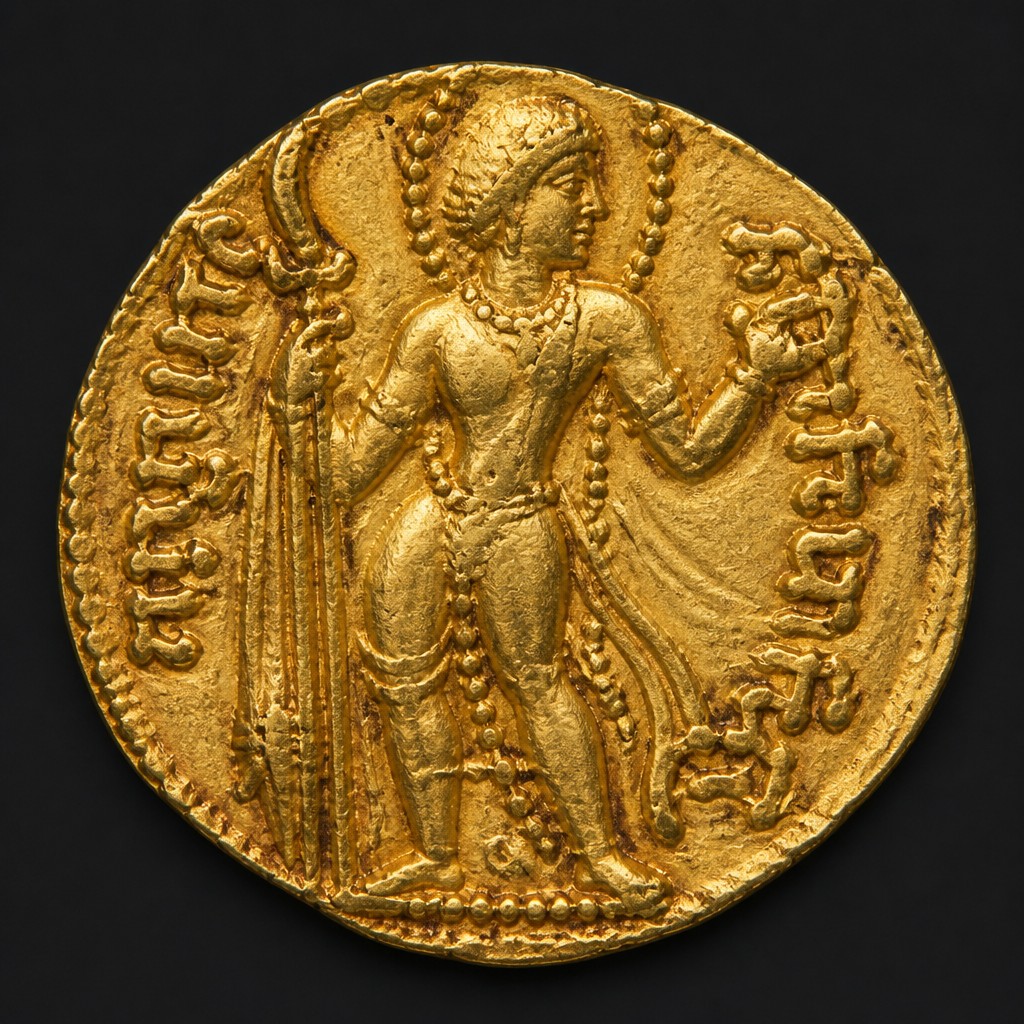
Gupta Empire Gold Dinar
c. 320–550 AD
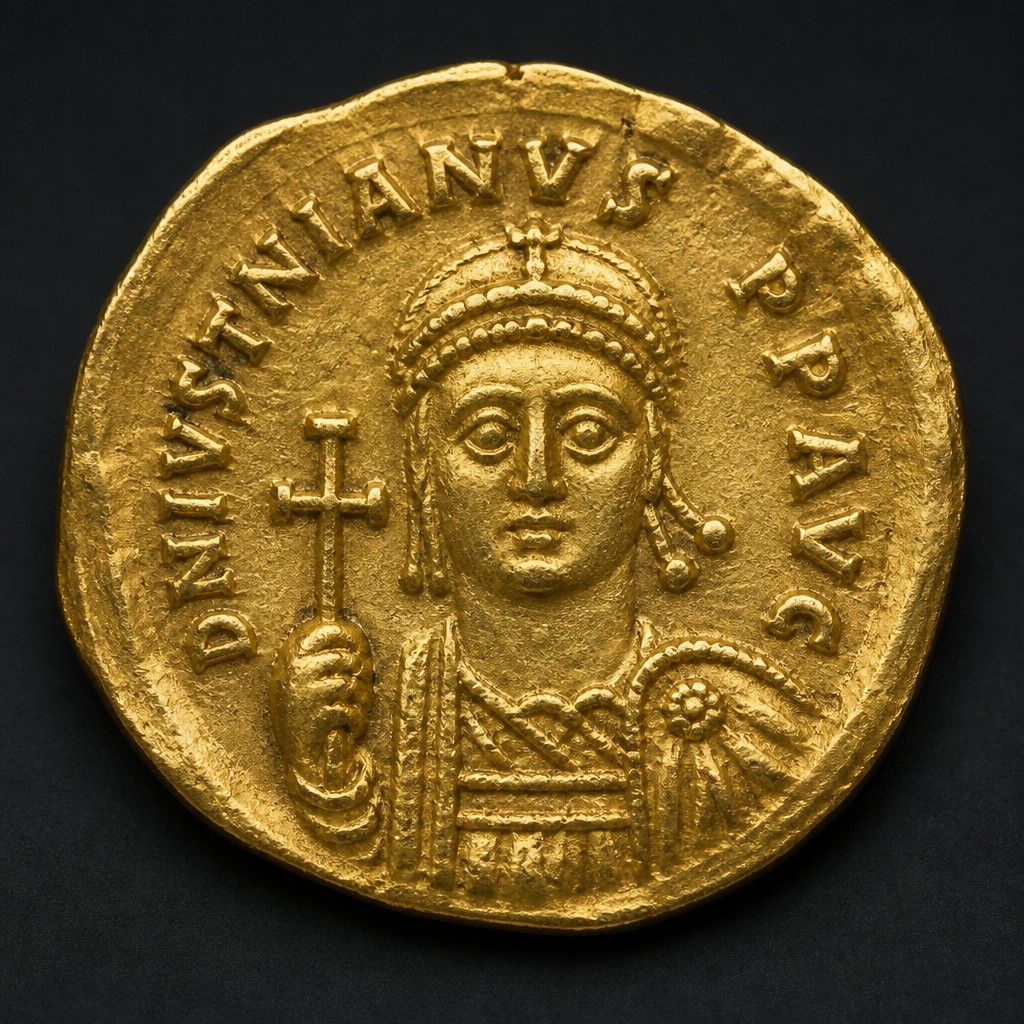
Byzantine Gold Tremissis
c. 4th–7th century AD
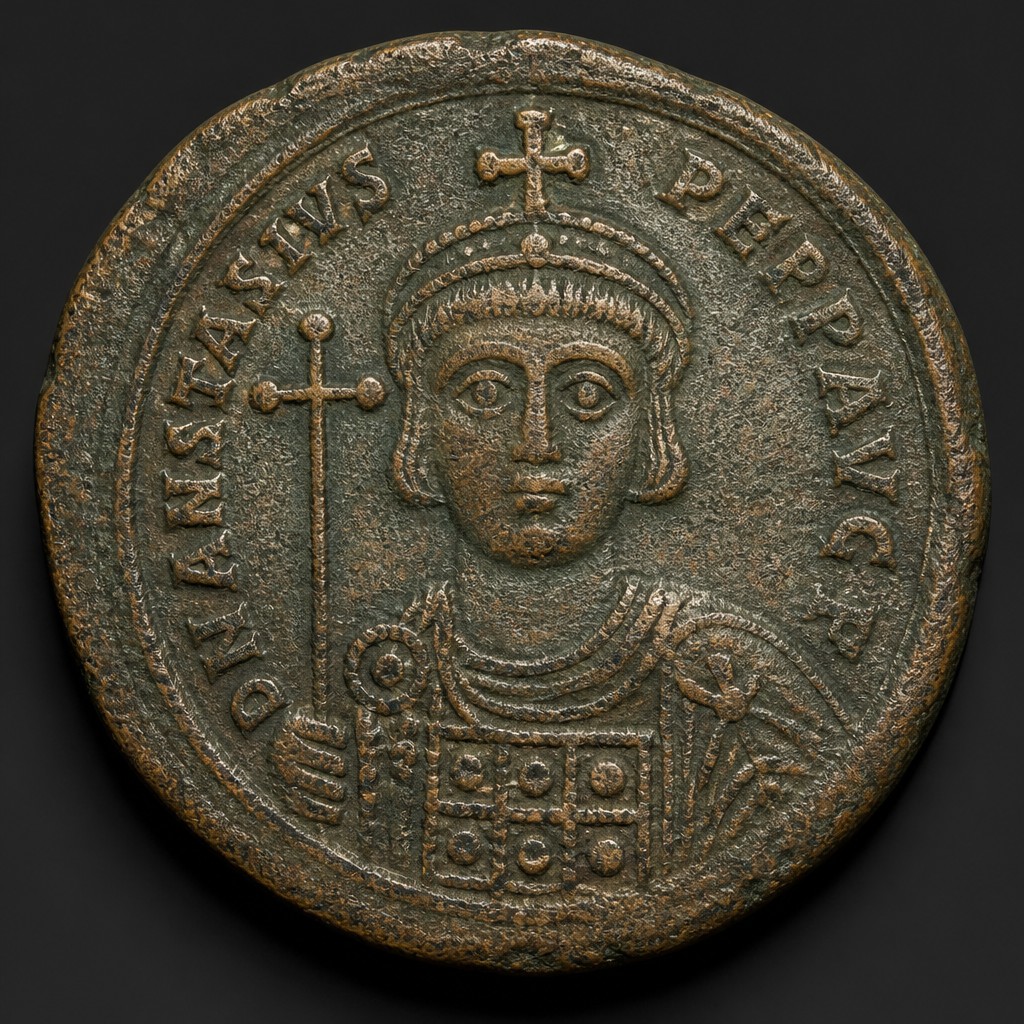
Byzantine Follis
498–c. 11th century AD
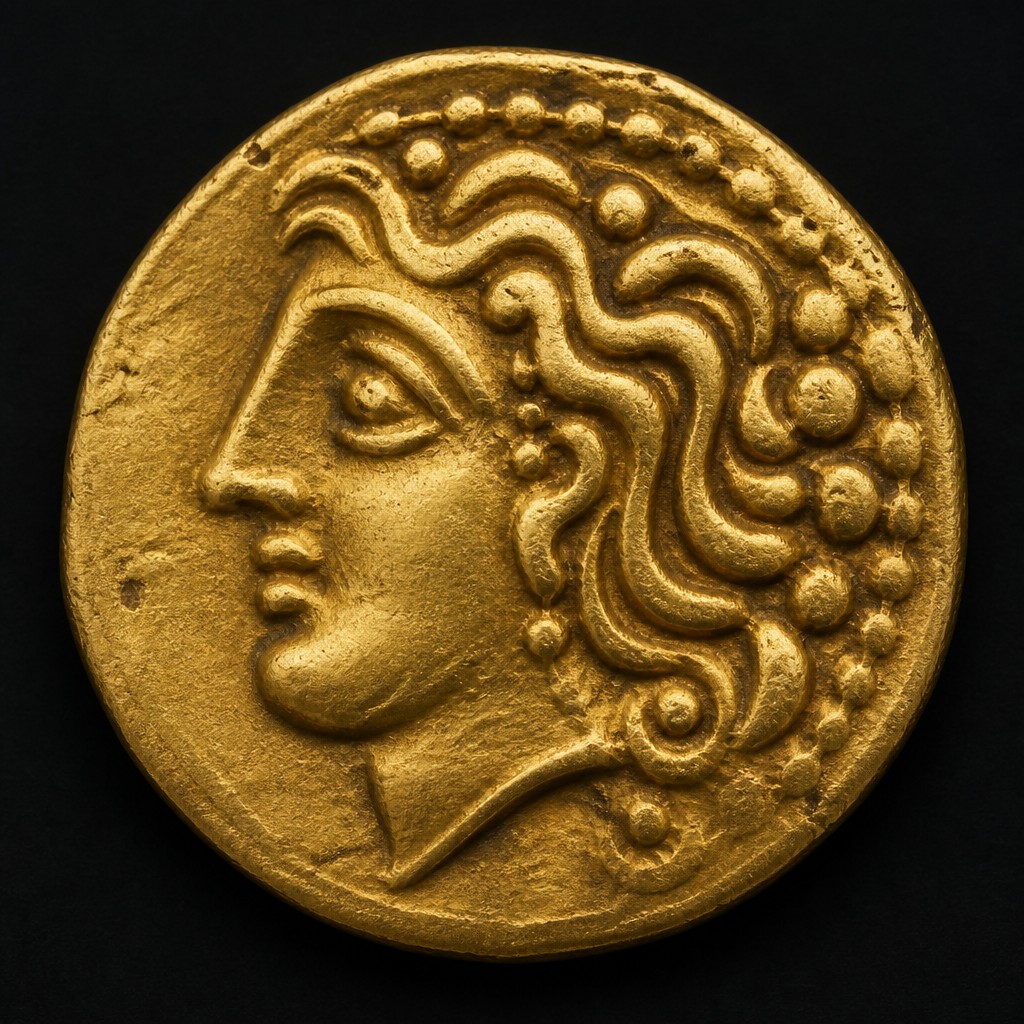
Celtic Gold Stater
c. 3rd century BC – 1st century AD
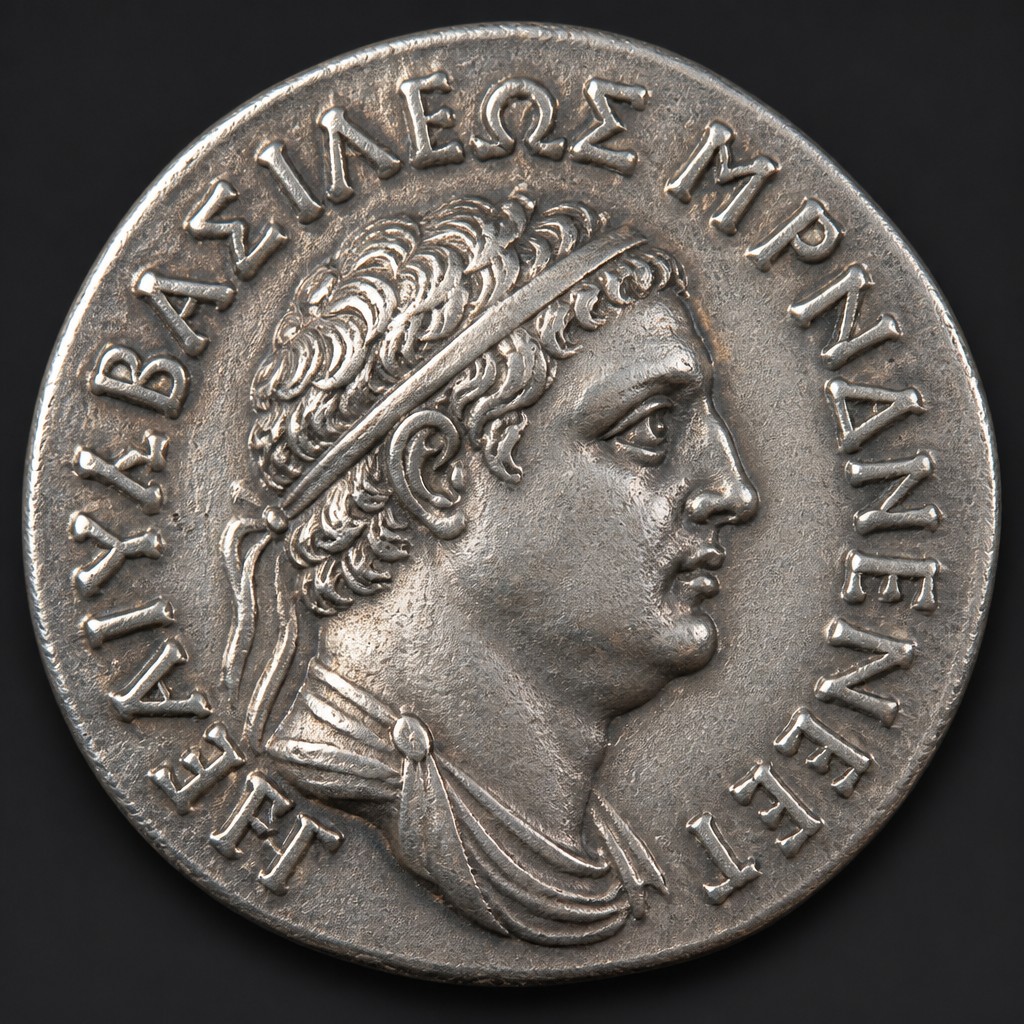
Indo-Greek Silver Drachm (Menander)
c. 165/155–130 BC