
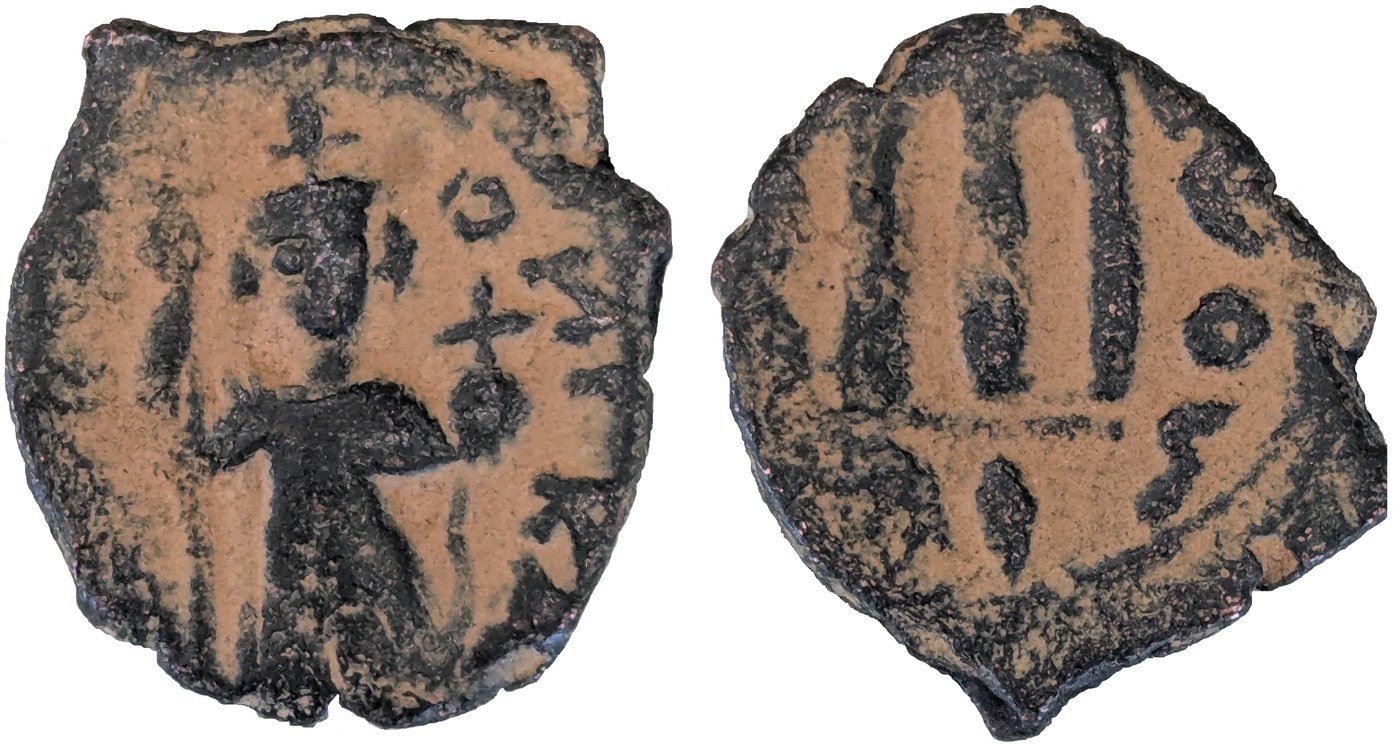
Byzantine Follis
Large bronze follis of the Byzantine Empire, this example under Constans II (from 641 AD), with an imperial portrait and a big M value mark topped by a cross.
- Country
- Byzantine Empire
- Denomination
- Follis
- Metal
- Bronze
Got a coin like this?
Identify any coin from a photo, free.
Overview
The Byzantine follis was the large bronze denomination that served as everyday small change across the Eastern Roman world. This example belongs to the reign of Constans II, whose rule began in 641 AD, and it carries the standard follis design of an imperial bust on one side and a bold value mark on the other.
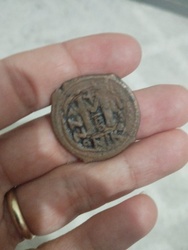
The defining feature of the reverse is the large letter M, the Greek numeral for 40, showing that the coin was worth forty nummi. Above the M sits a cross, the unmistakable Christian emblem that runs through Byzantine coinage. Together the crowned or diademed portrait and the big M make the follis one of the most recognizable coin types of the medieval Mediterranean.
As a heavy bronze piece rather than a precious-metal coin, the follis was struck in enormous quantity and circulated hard. Surviving examples are common but usually show real wear, crude striking, and irregular flans, which is entirely normal for the type and part of its appeal as an affordable, tangible piece of Byzantine history.
History & Background
The follis had been the backbone of Byzantine bronze coinage since the currency reform of Anastasius I in 498 AD, which introduced clearly marked multiples of the tiny nummus. The large M denoting forty nummi became the signature of the denomination and stayed in use for centuries. By the seventh century the follis was smaller and cruder than its sixth-century predecessors, reflecting the empire's military and economic strains.
Constans II came to the throne in 641 AD as a boy, in a turbulent year that saw the deaths of Heraclius and short-lived successors. His long reign, which lasted until 668 AD, unfolded during the early Arab conquests that stripped away Byzantine Syria, Egypt, and North Africa. Folles struck in his name were produced at Constantinople and other imperial mints to keep low-value coin in circulation despite these upheavals.
Over the course of the reign the follis portrait changed, sometimes showing the emperor alone and later adding his sons as co-rulers. The bronze coinage of this period is often roughly struck and overstruck on older coins, a direct reflection of a hard-pressed state economizing on the base-metal money that ordinary people used every day.
How to Identify
Look first at the reverse, which is the quickest way to confirm a follis. It is dominated by a large letter M, the mark of value for forty nummi, with a cross above it. Small letters or symbols often flank the M, and a mint signature and officina letter may appear below, identifying where and in which workshop the coin was struck. This big central M topped by a cross is the core diagnostic of the type.
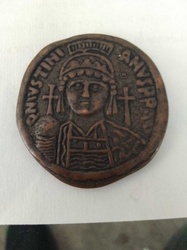
The obverse shows the imperial portrait, here Constans II, typically a facing or bust figure wearing a crown and holding imperial regalia, surrounded by a Greek and Latin blundered legend. Seventh-century folles frequently have crude, off-center strikes, so parts of the legend and portrait may be weak or missing, which is normal and does not by itself indicate a fake.
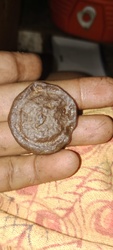
Physically the coin is bronze, brown to green in patina, and fairly thick and heavy for its size, usually irregular rather than perfectly round. Sizes and weights vary considerably across the seventh century as the follis shrank, so a somewhat ragged, uneven flan is expected. The combination of a facing imperial bust, the large M, and the cross above it, all on a worn bronze flan, points firmly to a Byzantine follis of this era.
Value & Collectibility
Byzantine folles are among the more affordable ancient and medieval coins because they were struck in huge numbers. Typical circulated examples of common reigns, including many Constans II folles, trade in the range of a modest handful to a few tens of dollars, depending on wear, strike, and how much of the design is legible.
Condition and clarity drive the price. A follis with a sharp portrait, a full readable M, and an identifiable mint mark is worth more than a heavily worn or corroded piece where the details have faded into the patina. Attractive green or brown surfaces, good centering, and a clear cross all add to desirability, while pitting, cleaning damage, or an unidentifiable design pull value down.
Because exact prices swing with grade, eye appeal, and the specific mint and variety, treat these as general ranges rather than fixed quotes. Rarer mints, unusual overstrikes, or exceptionally well-preserved examples can bring meaningful premiums, but the ordinary follis remains an accessible entry point into Byzantine coinage.
Frequently asked questions
What does the large M on the follis mean?
The M is the Greek numeral for 40, marking the coin as worth forty nummi. It is the standard value mark of the follis and the fastest way to recognize the denomination.
Who is on this follis?
This example carries the portrait of Constans II, the Byzantine emperor whose reign began in 641 AD. The obverse shows his imperial bust with a surrounding legend.
Why is the coin so crudely struck?
Seventh-century folles were mass-produced base-metal coins, often struck quickly or overstruck on older pieces during a period of military and economic strain, so irregular flans and weak legends are normal.
Is the follis made of silver or gold?
Neither. The follis is a bronze coin, the empire's everyday small change. Precious-metal Byzantine coins, like the gold solidus, are separate and much higher-value denominations.
Are Byzantine folles valuable?
Most are affordable because they are common, typically ranging from a few dollars to a few tens of dollars. Clear, well-preserved examples with readable mint marks bring higher prices.
Byzantine Follis guides
In-depth guides for identifying, valuing, and collecting Byzantine Follis.
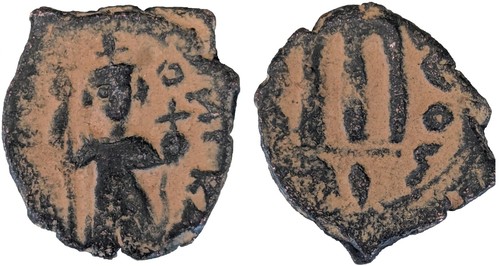
Byzantine Follis identified by the community
Real coins identified with Coin Identifier.
Other coins you may enjoy
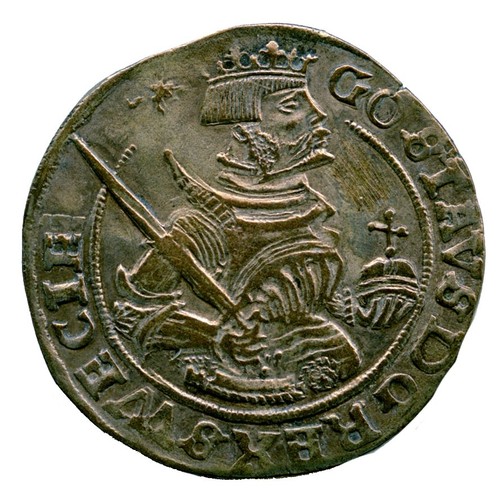
Gustav I Silver Coin
c. 1521–1560
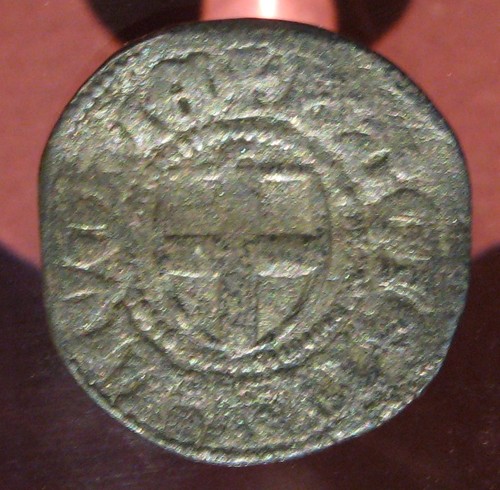
Livonian Order Schilling
c. 1410–1415
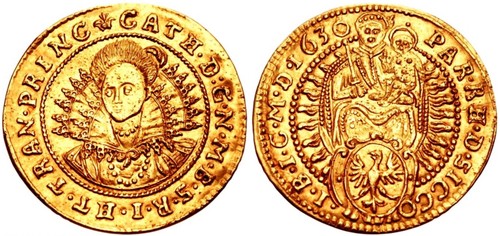
Transylvanian Ducat of Catherine of Brandenburg
1630
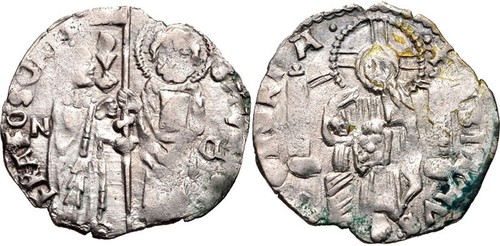
Venetian Grosso (Matapan)
c. 1193–1350s (13th–14th century)
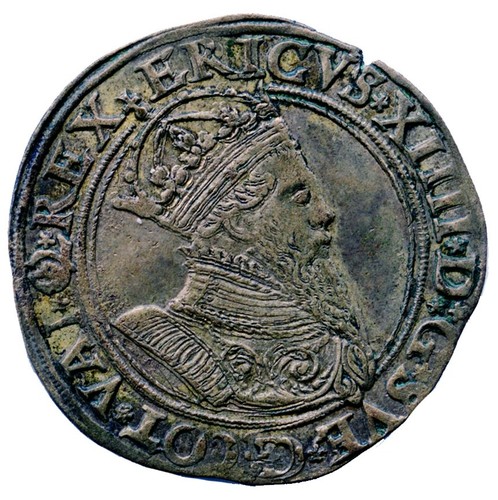
Eric XIV Silver Coin
c. 1560–1568 (this example c. 1565)
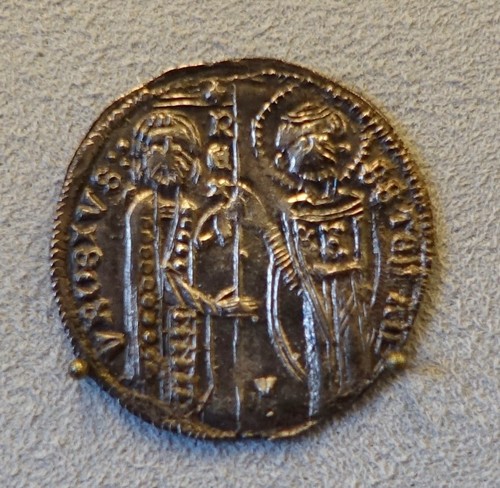
Matapan (Serbian imitation)
1243-1276
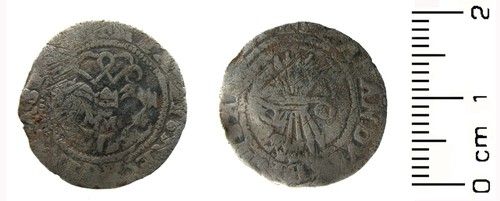
Real (Medieval)
13th–14th century
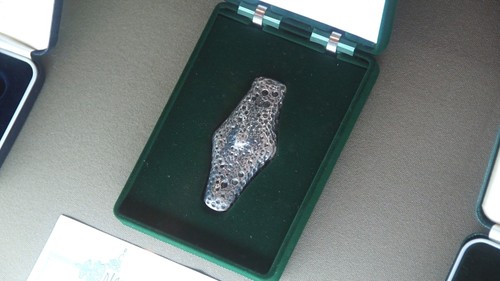
Hryvnia
Medieval (c. 11th-13th century)
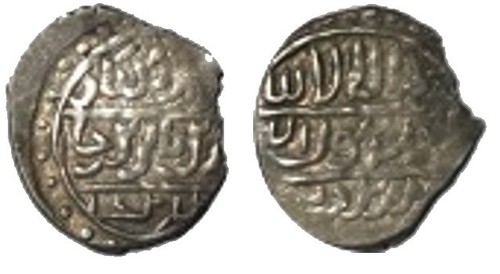
Akçe
Late 14th-Early 15th century
Venetian Ducat
Medieval (c. 1284 onward)
Denier of Charles the Bald
c. 840–877
Denier of Charlemagne
c. 790–814 AD