
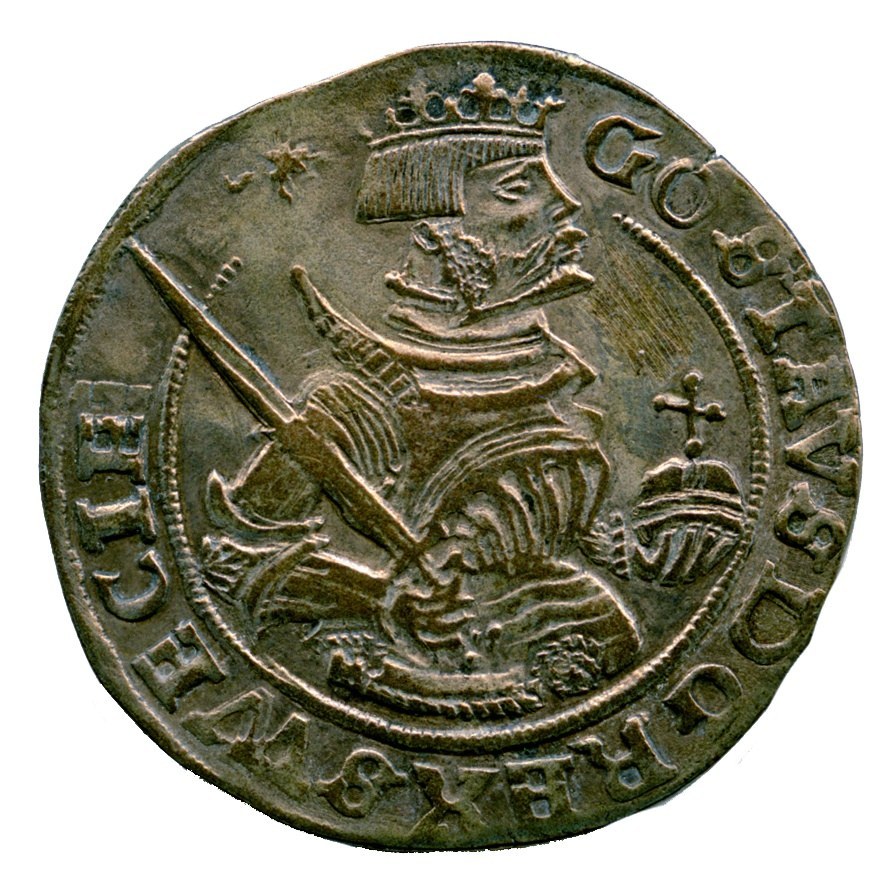
Gustav I Silver Coin
Early-Renaissance Swedish silver of Gustav I Vasa (r. 1523–1560), pairing a crowned armored royal bust with a crowned heraldic lion.
- Country
- Sweden
- Denomination
- Unknown
- Metal
- Silver
Got a coin like this?
Identify any coin from a photo, free.
Overview
The Gustav I Silver Coin belongs to the coinage of Gustav I Vasa, the king who reigned over Sweden from 1523 to 1560 and is regarded as the founder of the modern Swedish state. The example shown here, dated to roughly 1530, carries a right-facing profile portrait of the king in crown and armor on the obverse and a crowned heraldic lion rampant with royal insignia on the reverse.
Struck in silver, coins of this reign span several denominations — including the mark, öre, and (from 1534) the large silver daler. Because the specific denomination of this piece is recorded as unknown, it is best described by its physical and stylistic traits rather than a fixed face value. What is certain is that it is a genuine product of Gustav Vasa's monetary reforms, which reorganized Swedish coinage after the country's break from the Kalmar Union.
History & Background
Gustav Eriksson Vasa was elected King of Sweden in 1523 after leading the revolt that ended Danish-dominated Kalmar Union rule. His reign brought sweeping changes to Swedish government, church, and money. To finance the new state and pay off wartime debts to Lübeck, the crown reorganized its mints and issued silver coinage in growing volume.
The portrait style seen on this coin reflects the arrival of Renaissance ideas in Scandinavia. Earlier Swedish medieval coins were small, thin bracteates and penningar bearing simple symbols; Gustav I's issues instead show a recognizable individual royal portrait, a hallmark of 16th-century European coin design. The crowned lion on the reverse draws on long-established Swedish and Götaland heraldry.
Minting under Gustav I took place principally at Stockholm, with activity also recorded at Svartsjö and other centers over the reign. Types, legends, and weights varied year to year as the coinage was repeatedly adjusted.
How to Identify
Look first at the obverse portrait: a crowned bust of Gustav I in profile, facing right, shown in armor. This armored, crowned profile is the key diagnostic linking the coin to Gustav Vasa's portrait coinage of the late 1520s–1530s.
The reverse shows a crowned lion rampant surrounded by royal insignia — a heraldic device rather than a religious scene. Surrounding Latin legends typically name the king and his title. On the piece pictured, the visible date corresponds to about 1530.
The coin is silver and hand-struck, so expect slightly irregular flans, off-center strikes, and legends that may run partly off the edge. Denomination on Gustav I silver is judged from diameter and weight (mark, öre, and related units), so measuring the coin is essential before assigning any face value.
Value & Collectibility
Gustav I silver coins are collectible as historically important early-Renaissance Scandinavian issues. Value depends heavily on denomination, exact type, date, mint, and condition, none of which can be assumed from images alone. Larger denominations such as the silver daler command far more than smaller marks or öre.
As a general guide, worn but genuine smaller silver pieces of this reign trade in the modest-to-mid range on the collector market, while well-preserved examples, scarce dates, or the large dalers can reach substantially higher figures. Precise figures should come from recent auction records and a specialist's in-hand grading rather than any single quoted price.
Because 16th-century Swedish silver is imitated and because worn hammered coins are hard to attribute, obtain professional authentication and a proper denomination/type determination before buying, selling, or insuring a piece.
Frequently asked questions
Who was Gustav I?
Gustav I Vasa reigned as King of Sweden from 1523 to 1560. He led the revolt that ended Kalmar Union rule and is considered the founder of the modern Swedish state, reforming its government, church, and coinage.
What denomination is this coin?
It is recorded as unknown. Gustav I struck several silver denominations — the mark, öre, and from 1534 the large daler. The exact face value must be determined from the coin's measured diameter and weight.
Is it made of real silver?
Yes, coins of this type are silver. Fineness varied across the reign as the coinage was repeatedly adjusted, so the precise silver content depends on the specific issue and date.
What is on the reverse?
A crowned heraldic lion rampant accompanied by royal insignia, drawn from Swedish and Götaland heraldry, rather than a religious image. Surrounding legends typically give the king's name and title.
How old is the coin shown?
The pictured example dates to about 1530, placing it early in Gustav Vasa's reign. His silver coinage as a whole spans roughly 1521–1560.
Gustav I Silver Coin guides
In-depth guides for identifying, valuing, and collecting Gustav I Silver Coin.
Other coins you may enjoy
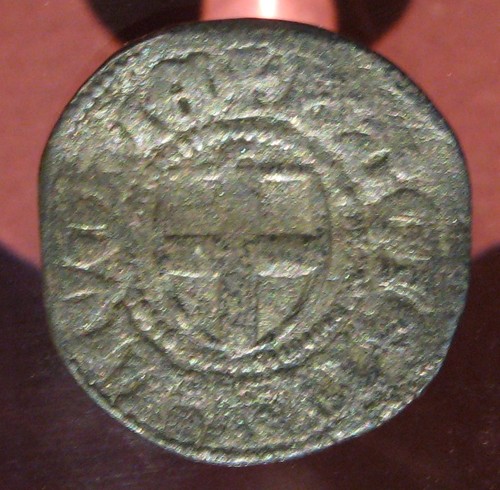
Livonian Order Schilling
c. 1410–1415
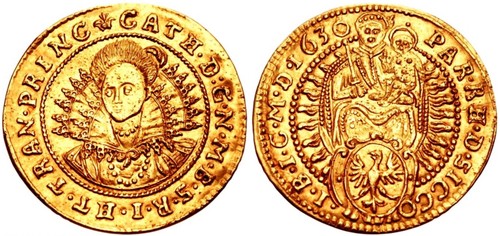
Transylvanian Ducat of Catherine of Brandenburg
1630
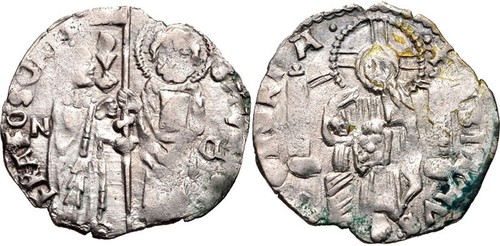
Venetian Grosso (Matapan)
c. 1193–1350s (13th–14th century)
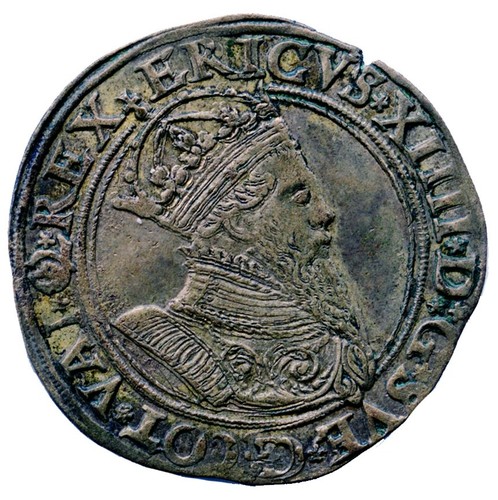
Eric XIV Silver Coin
c. 1560–1568 (this example c. 1565)
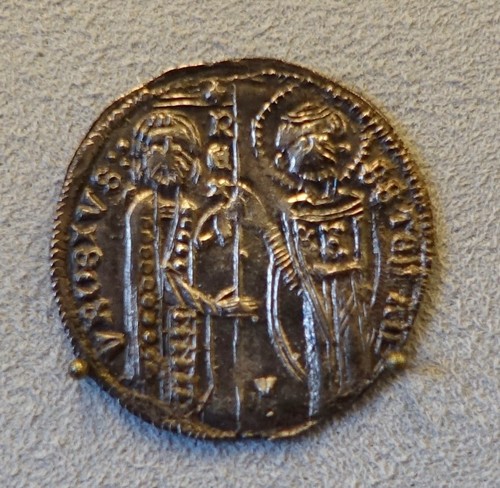
Matapan (Serbian imitation)
1243-1276
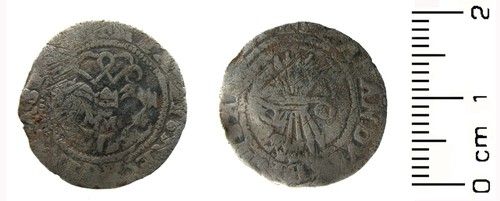
Real (Medieval)
13th–14th century
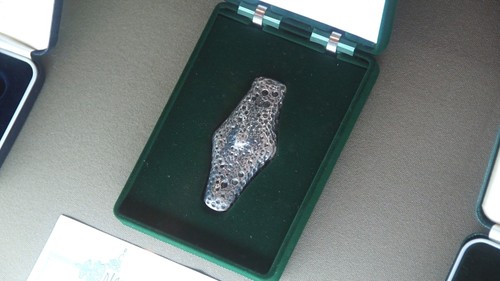
Hryvnia
Medieval (c. 11th-13th century)
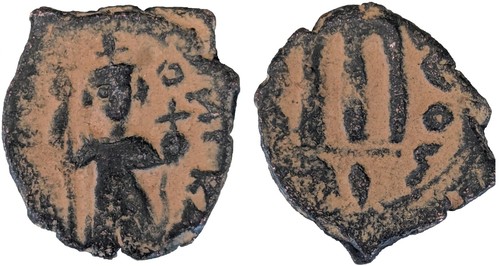
Byzantine Follis
641 AD
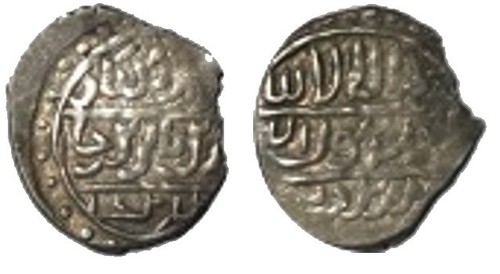
Akçe
Late 14th-Early 15th century
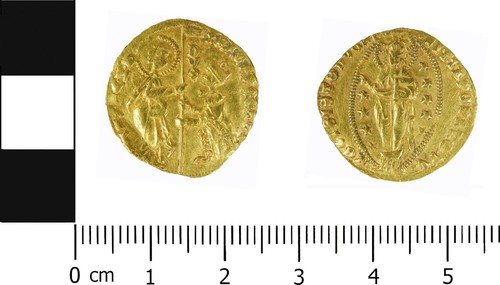
Venetian Ducat
Medieval (c. 1284 onward)
Denier of Charles the Bald
c. 840–877
Denier of Charlemagne
c. 790–814 AD