
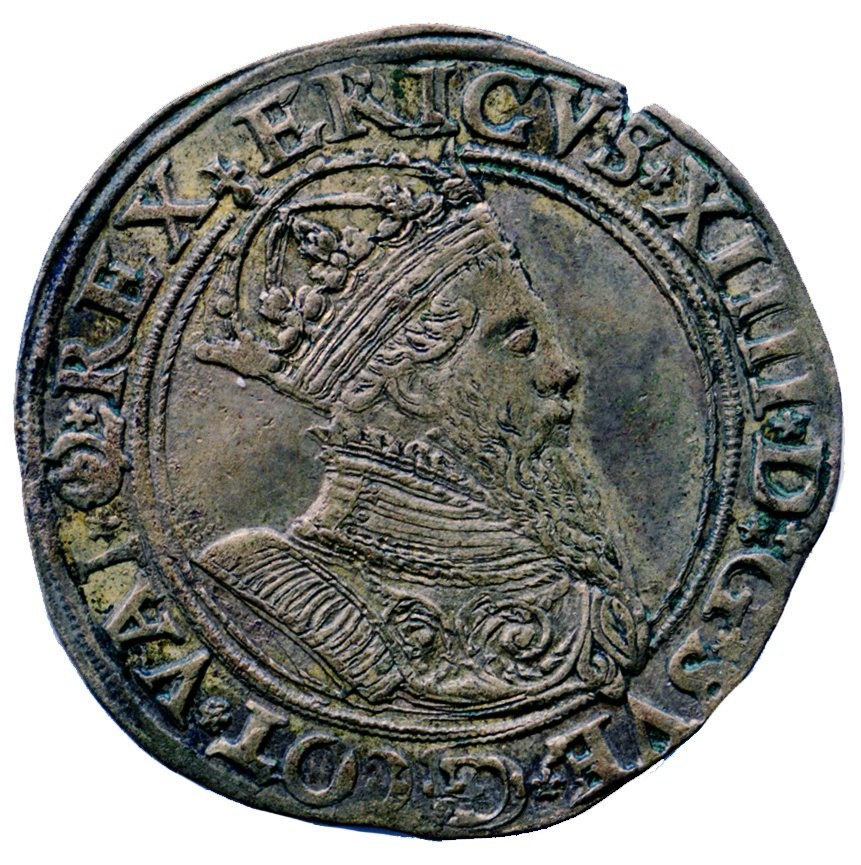
Eric XIV Silver Coin
Silver coin of Eric XIV of Sweden (r. 1560–1568), showing his crowned profile portrait and a heraldic Vasa/Three Crowns reverse, struck c. 1565.
- Country
- Sweden
- Denomination
- Unknown
- Metal
- Silver
Got a coin like this?
Identify any coin from a photo, free.
Overview
This is a silver coin of Eric XIV (Erik XIV), King of Sweden from 1560 to 1568 and the eldest son of Gustav Vasa. The piece pictured shows the king in right-facing profile wearing an ornate plumed hat and decorated collar, paired with a heraldic reverse bearing royal arms and Latin inscriptions, and dates to around 1565.
Eric XIV's reign coincided with active silver striking at the Swedish royal mint, producing denominations such as the daler, mark, and öre. Because the exact denomination on any given example depends on its diameter, weight, and legends, this entry is filed under an unknown denomination and should be weighed and measured before being assigned to a specific series.
As a portrait coin of a well-documented 16th-century Vasa monarch, it sits at the boundary of late-medieval and Renaissance Swedish numismatics and is of interest both to collectors of Scandinavian coinage and to those following the House of Vasa.
History & Background
Eric XIV came to the throne in 1560 on the death of his father Gustav Vasa, who had rebuilt an independent Swedish state and reorganized its coinage. Eric continued minting in silver and is remembered for issuing large, artistically ambitious portrait coins that displayed the king in Renaissance dress rather than in purely symbolic imagery.
Much of his reign was consumed by the Northern Seven Years' War (1563–1570) against Denmark, Lübeck and Poland. The costs of that conflict strained the treasury and are reflected in Swedish coinage of the period, including emergency and lower-fineness issues struck to fund the war effort. A coin dated around 1565 falls squarely within these war years.
Eric XIV's rule ended in 1568 when he was deposed by his half-brothers, most prominently the future John III, and he later died in captivity. His coins therefore document a short, turbulent reign and remain a tangible record of the early Vasa dynasty.
How to Identify
The obverse shows Eric XIV in profile facing right, wearing an ornate feathered or plumed hat and a decorated collar. A Latin royal legend typically runs around the rim, based on forms such as ERICVS (or ERICVS XIIII) with the abbreviated title D G SVECORVM GOTORVM VANDALORVM REX — 'by the grace of God king of the Swedes, Goths and Wends.' Spelling and abbreviations vary between dies.
The reverse carries heraldry rather than a portrait: a shield or arrangement of shields combining the Swedish Three Crowns (Tre Kronor) and the Vasa family arms (a sheaf), often surrounded by a further Latin inscription and, on many issues, a date such as 1565. Small letters, symbols or privy marks near the arms can indicate mint or die control.
The metal is silver, and the fabric is hand-struck, so expect slightly irregular flans, off-center strikes and legends that run into the rim. Diameter and weight are the key measurements for pinning down the denomination, since a small öre and a broad daler look similar in design but differ greatly in size and mass.
Value & Collectibility
Genuine silver coins of Eric XIV are scarce, sought-after 16th-century pieces, and values vary widely with denomination, date, strike quality and condition rather than following a single fixed price. Small worn silver pieces trade for modest sums, while large, well-preserved portrait dalers of Eric XIV can command substantial premiums at specialist auctions.
Because the denomination here is undetermined, treat any valuation as provisional until the coin is weighed, measured and attributed. Eye appeal — a clear portrait, legible legends and a well-centered strike — has an outsized effect on price for hand-struck coinage of this era.
Given the age, value and existence of forgeries and cast copies, a formal attribution and, where the value warrants it, third-party authentication are strongly recommended before buying or selling. Treat undocumented 'bargain' examples with caution.
Frequently asked questions
Who was Eric XIV?
Eric XIV (Erik XIV) was King of Sweden from 1560 to 1568, the eldest son of Gustav Vasa and a member of the House of Vasa. He was deposed by his half-brothers and died in captivity.
What denomination is this coin?
The specific denomination is undetermined from the image alone. Eric XIV's silver coinage included daler, mark and öre pieces; identifying which one requires measuring the coin's diameter and weight and reading its legends.
What do the images on the coin mean?
The obverse portrait shows the king himself in Renaissance dress, asserting royal authority, while the reverse heraldry combines Sweden's Three Crowns with the Vasa family sheaf, identifying the dynasty and realm.
Is a coin dated around 1565 unusual?
A c. 1565 date places it during the Northern Seven Years' War (1563–1570), a period when Sweden struck silver heavily to fund the conflict. Such wartime-era coins are a normal part of Eric XIV's series.
Are these coins valuable?
Authentic Eric XIV silver coins are collectible and can be valuable, especially large well-preserved portrait dalers, but value depends heavily on denomination, condition and authentication. Have any example professionally attributed.
Eric XIV Silver Coin guides
In-depth guides for identifying, valuing, and collecting Eric XIV Silver Coin.
Other coins you may enjoy
Gustav I Silver Coin
c. 1521–1560
Livonian Order Schilling
c. 1410–1415
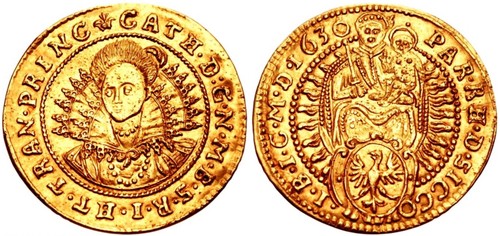
Transylvanian Ducat of Catherine of Brandenburg
1630
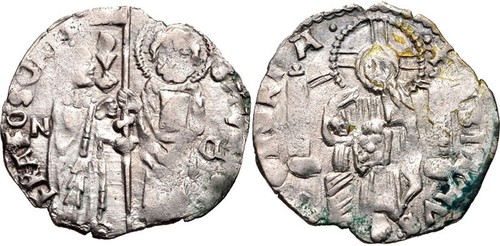
Venetian Grosso (Matapan)
c. 1193–1350s (13th–14th century)
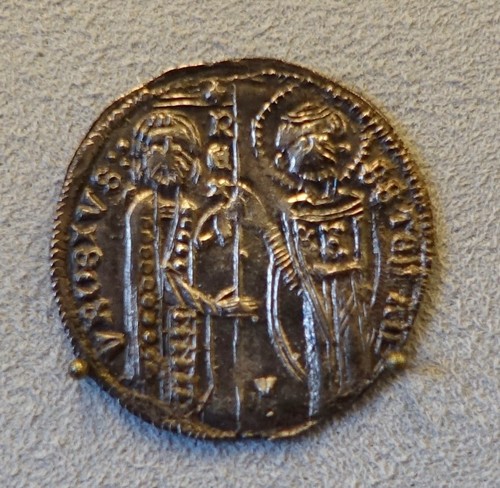
Matapan (Serbian imitation)
1243-1276
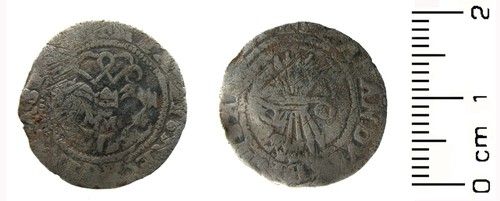
Real (Medieval)
13th–14th century
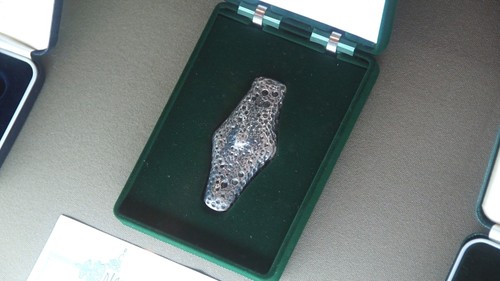
Hryvnia
Medieval (c. 11th-13th century)
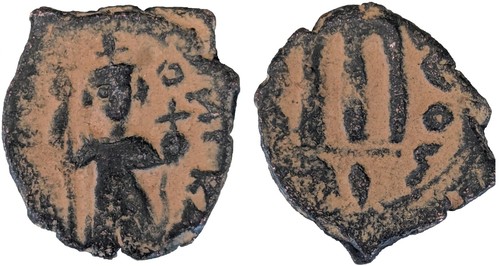
Byzantine Follis
641 AD
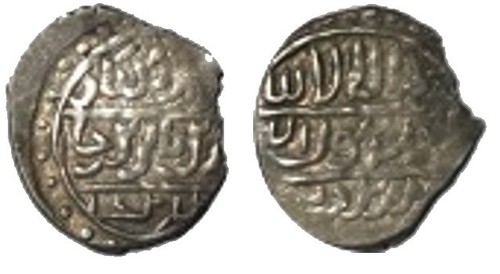
Akçe
Late 14th-Early 15th century
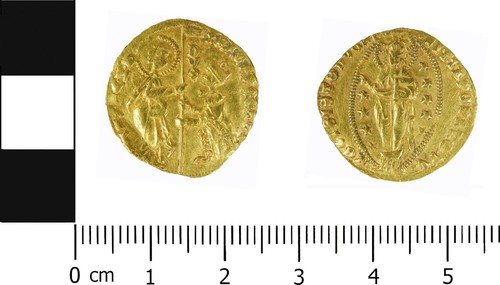
Venetian Ducat
Medieval (c. 1284 onward)
Denier of Charles the Bald
c. 840–877
Denier of Charlemagne
c. 790–814 AD