
Hryvnia
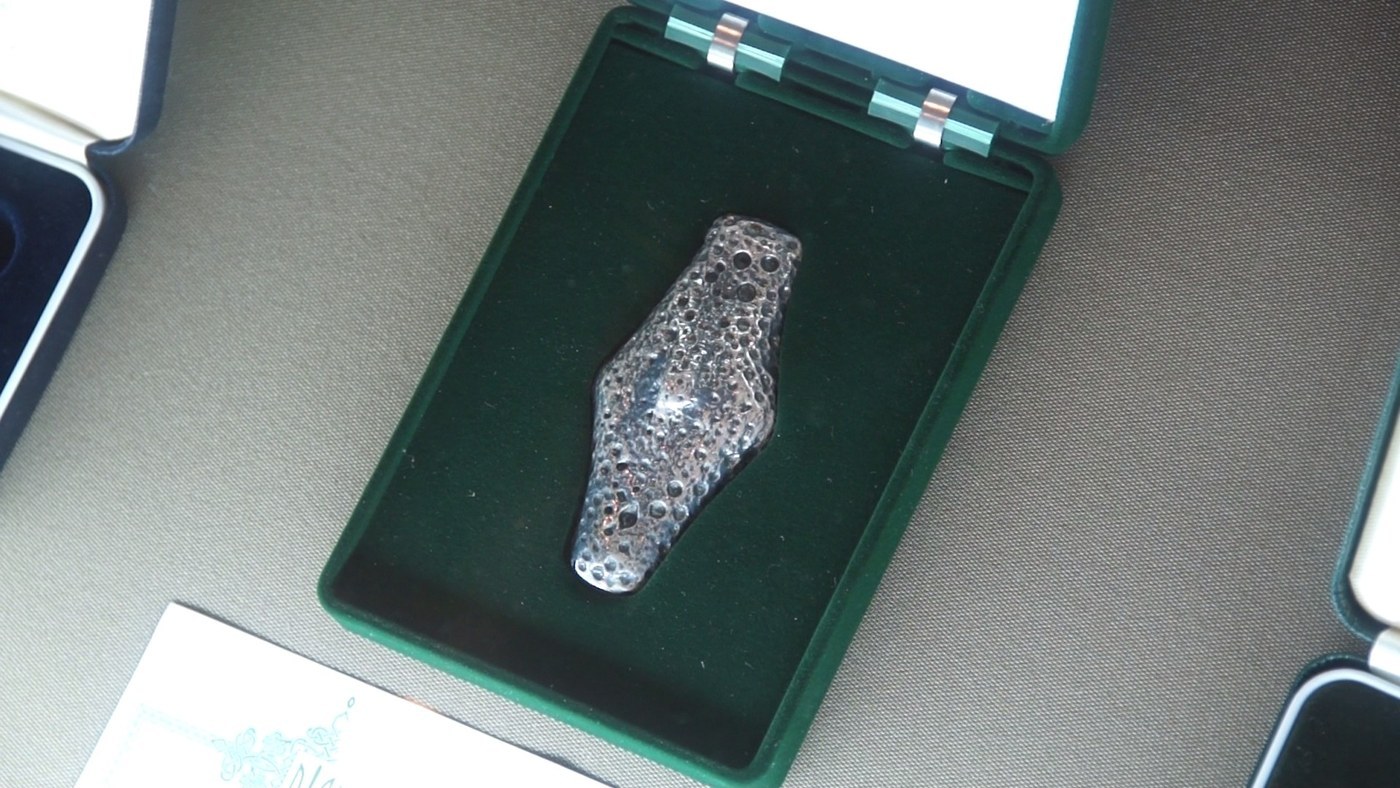
Medieval silver money unit of Kievan Rus, circulating as cast silver ingots and weight-money rather than as a struck, portrait-bearing coin.
- Country
- Kievan Rus
- Denomination
- Hryvnia
- Metal
- Silver
Got a coin like this?
Identify any coin from a photo, free.
Overview
The hryvnia (also rendered grivna) was the principal silver money unit of Kievan Rus, the medieval East Slavic state centered on Kyiv. Rather than a modern struck coin with fixed designs, it functioned primarily as weight-money: standardized units of silver, typically cast as ingots or bars, valued by their metal weight in trade.
The piece described here is a corroded, pitted silver object bearing only faint heraldic or emblematic traces, which is consistent with a medieval silver money unit that has spent centuries in the ground. On such items surfaces are typically rough and any devices are worn or obscured rather than crisp and coin-like.
Because the hryvnia belongs to the world of early medieval Rus commerce, it is of strong interest to collectors and historians of Eastern European numismatics. Its value and character rest on age, silver content, and regional type rather than on a dated, mint-marked circulating coinage.
History & Background
Kievan Rus arose in the 9th and 10th centuries as a federation of East Slavic and neighboring peoples along the Dnieper trade routes, with Kyiv as its principal center. It became a major medieval power linking the Baltic and Byzantine worlds, and its silver-based money systems reflected that long-distance trade.
For much of the 11th to 13th centuries, Rus operated largely without a regular struck coinage of its own, relying instead on foreign silver and, above all, on the hryvnia as a unit of weight-money. Silver hryvni were cast in recognizable regional forms, and the term simultaneously named both physical silver ingots and an abstract unit of account used to reckon larger sums.
This "coinless" or ingot-money period gave way over time to later principalities, the Mongol invasions of the 13th century, and eventually to struck coinages in the successor lands. The hryvnia name endured in the region's monetary vocabulary and is echoed today in the modern national currency of Ukraine, though the medieval silver unit is a distinct historical object.
How to Identify
A medieval Rus hryvnia does not look like a conventional round struck coin. Expect a heavier cast piece of silver, an ingot or bar form, or a corroded lump, with surfaces that are pitted, uneven, and often heavily patinated rather than sharply detailed. On the item here, the obverse shows a pitted silver surface with only faint heraldic devices and the reverse is heavily corroded with a shield-like emblem faintly visible.
Because these are weight-money units, weight and metal are central identifiers: the object should be genuine silver, dense for its size, and its mass and form matter more than any struck legend. There are typically no dates, no ruler portrait, and no clear mint mark of the kind found on later medieval and modern coins.
Key identifiers are therefore the cast (not struck) silver fabric, the ingot or irregular shape, the corroded and pitted surfaces, and the absence of a standard coin design. Any faint devices or shield-like emblems should be treated as worn or ambiguous traces rather than crisp heraldry, and attribution to a specific regional type is best confirmed by weight, form, and comparison with documented finds.
Value & Collectibility
The hryvnia is a scarce medieval silver object, and its value reflects age, authenticity, silver content, and condition rather than any catalog price for a common date. Genuine, well-documented pieces are of serious collector and museum interest, and prices can range widely depending on form, weight, and provenance.
Surface state matters greatly. Heavily corroded, pitted, or damaged pieces are worth less than sound examples with stable surfaces, and undocumented finds may face legal and market restrictions on sale or export in some countries. Provenance and legality of ownership can affect value as much as the metal itself.
Because of its rarity and the prevalence of misidentified or faked medieval silver, treat any valuation as a broad range that depends on expert assessment. This is a specialist item best evaluated in hand by someone versed in Rus numismatics, not priced from a simple grade or spot-silver calculation.
Frequently asked questions
Is the medieval hryvnia a coin?
Not in the usual sense. It was primarily silver weight-money, circulating as cast ingots or bars valued by weight, rather than a struck coin with a fixed portrait, date, and denomination.
Is the same as the modern Ukrainian hryvnia?
No. The modern hryvnia is Ukraine's present-day national currency and only borrows the historic name. The medieval Kievan Rus hryvnia is a distinct silver money unit from centuries earlier.
Why does it look corroded and pitted instead of shiny?
Medieval silver that has spent centuries buried typically develops rough, pitted, and heavily patinated surfaces. This corrosion is expected on genuine old silver and often obscures any faint devices.
Does it have a date or ruler's portrait?
Generally no. As weight-money of the coinless period of Rus, the hryvnia usually lacks dates, ruler portraits, and mint marks; it is identified by its silver metal, form, and weight instead.
How is its value determined?
By age, authenticity, silver content, form, and condition, and by legal provenance. It is a scarce specialist item best appraised in hand by an expert rather than priced from a simple grade.
Hryvnia guides
In-depth guides for identifying, valuing, and collecting Hryvnia.
Other coins you may enjoy
Gustav I Silver Coin
c. 1521–1560
Livonian Order Schilling
c. 1410–1415
Transylvanian Ducat of Catherine of Brandenburg
1630
Venetian Grosso (Matapan)
c. 1193–1350s (13th–14th century)
Eric XIV Silver Coin
c. 1560–1568 (this example c. 1565)
Matapan (Serbian imitation)
1243-1276
Real (Medieval)
13th–14th century
Byzantine Follis
641 AD
Akçe
Late 14th-Early 15th century
Venetian Ducat
Medieval (c. 1284 onward)
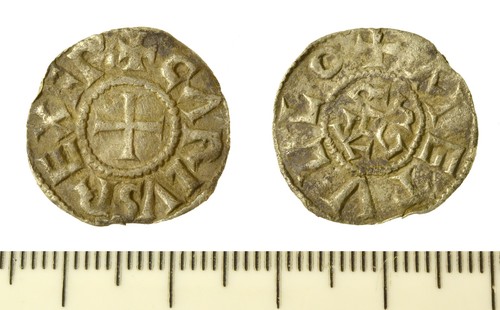
Denier of Charles the Bald
c. 840–877
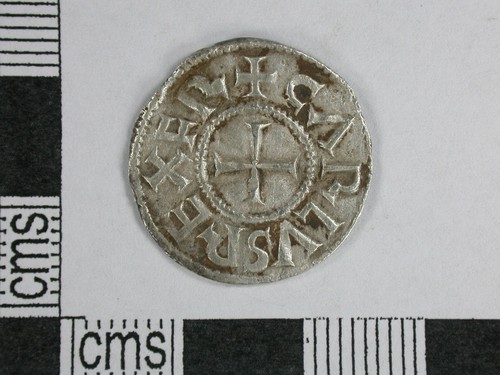
Denier of Charlemagne
c. 790–814 AD