
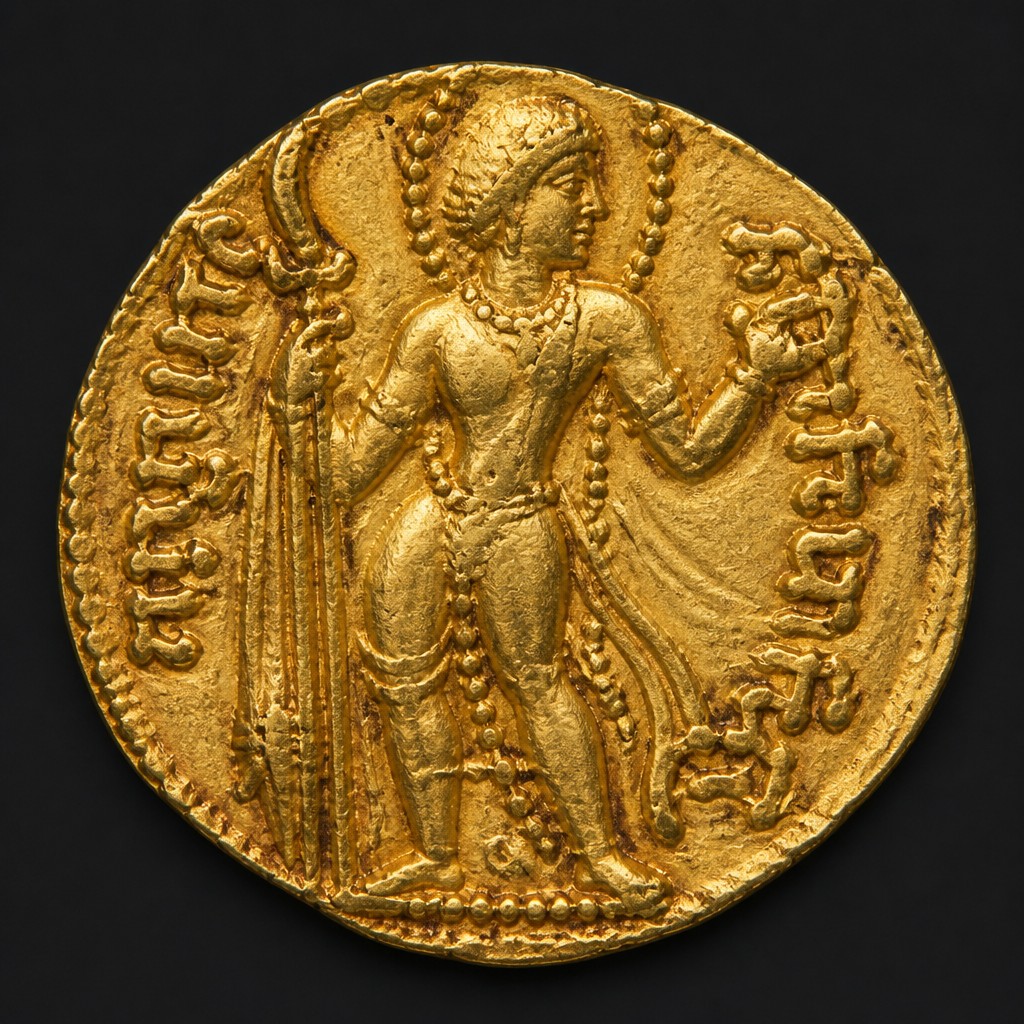
Gupta Empire Gold Dinar
Richly detailed gold coins of India's classical Gupta Empire, depicting kings as archers, horsemen, or lyrists, and often paired with a goddess on the reverse.
- Country
- Gupta Empire (India)
- Denomination
- Dinar (also called Suvarna)
- Metal
- Gold
Got a coin like this?
Identify any coin from a photo, free.
Overview
Gupta gold dinars are widely regarded as some of the artistic high points of ancient Indian coinage, produced during a period often described as a golden age of Indian art, literature, and science. The coins depict Gupta emperors engaged in varied symbolic activities, from hunting tigers to playing the veena, offering a uniquely personal and propagandistic view of royal self-image.
Collectors are drawn to the series for its combination of artistic sophistication, historical importance, and the relative rarity of genuine, well-preserved examples compared to more mass-produced ancient coinages, making fine Gupta dinars a prized centerpiece for collectors of ancient Indian numismatics.
History & Background
The Gupta Empire rose to dominance in northern India beginning around 320 AD under Chandragupta I, and reached its cultural and territorial height under his successors Samudragupta and Chandragupta II. Gupta gold coinage was directly inspired by earlier Kushan gold dinars, adopting a similar weight standard and general format while developing distinctly Indian iconography and Sanskrit legends in place of the Kushan's Greek-influenced inscriptions.
Each Gupta king issued a range of coin "types" showing himself performing different symbolic acts, such as the famous Archer type showing the king with a bow, the Horseman type, the Tiger-Slayer type commemorating royal hunting prowess, and the Lyrist type showing a king playing a stringed instrument, reflecting the breadth of qualities Gupta rulers wished to project, from martial valor to cultured refinement.
Gupta gold coinage gradually declined in purity and artistic quality in the empire's later years as it faced increasing pressure from Hunnic invasions in the 5th and 6th centuries, and effectively ended as the empire fragmented by the mid-6th century AD.
How to Identify
The obverse of a Gupta dinar typically shows the reigning king performing a specific symbolic act corresponding to the coin's "type," such as standing with a bow and arrow (Archer type), riding a horse, spearing a tiger underfoot, or seated playing a lyre-like instrument, usually accompanied by a Brahmi or Sanskrit legend naming the king and his titles, often composed in poetic meter.
The reverse commonly depicts a goddess, frequently identified as Lakshmi or Durga, seated or standing, sometimes on a lotus or a lion, with a legend that may include the king's name in a formulaic phrase praising his conquests or virtues. This reverse goddess format is a hallmark that distinguishes Gupta coinage from the more standardized reverse types found on Kushan or Roman coins.
The coin is typically a small, thick gold flan, comparable in general size to other ancient dinars, though weight standards shifted somewhat over the dynasty's history. Collectors distinguish specific Gupta rulers and coin types by the particular combination of obverse activity, legend wording, and reverse goddess depiction, since each king issued multiple distinct types during his reign.
Value & Collectibility
Gupta gold dinars are considered desirable and moderately scarce compared to many other ancient gold coinages, with values varying significantly by ruler, coin type, and condition. Common types from well-documented kings such as Chandragupta II or Kumaragupta I in decent condition can range from several hundred to a few thousand dollars.
Rarer types, particularly unusual or artistically significant designs, coins from less common rulers, or exceptionally well-struck and well-preserved examples, can command considerably higher prices reflecting both their rarity and cultural significance. As with all ancient gold, careful attention to authenticity and legend clarity is important given the value and desirability of this series.
Frequently asked questions
Why do Gupta coins show kings doing different activities?
Gupta rulers issued multiple coin "types" during their reigns, each depicting a different symbolic royal activity, such as archery, hunting, horsemanship, or music, to project a range of desirable royal qualities.
Who is the goddess shown on the reverse?
The reverse figure is generally identified as Lakshmi, the goddess of wealth and prosperity, or sometimes Durga, reinforcing themes of royal fortune and legitimacy.
What inspired the design of Gupta gold coins?
Gupta dinars were modeled on the earlier gold coinage of the Kushan Empire, adopting a similar format and weight standard while introducing Indian iconography and Sanskrit inscriptions.
What language is used in the coin's legends?
Gupta coin legends are typically in Sanskrit, written in the Brahmi script, often composed as short poetic verses praising the king.
When did Gupta gold coinage decline?
Quality and purity declined in the 5th and 6th centuries AD as the empire faced Hunnic invasions and internal fragmentation, eventually ending as Gupta power dissolved by the mid-6th century.
Other coins you may enjoy
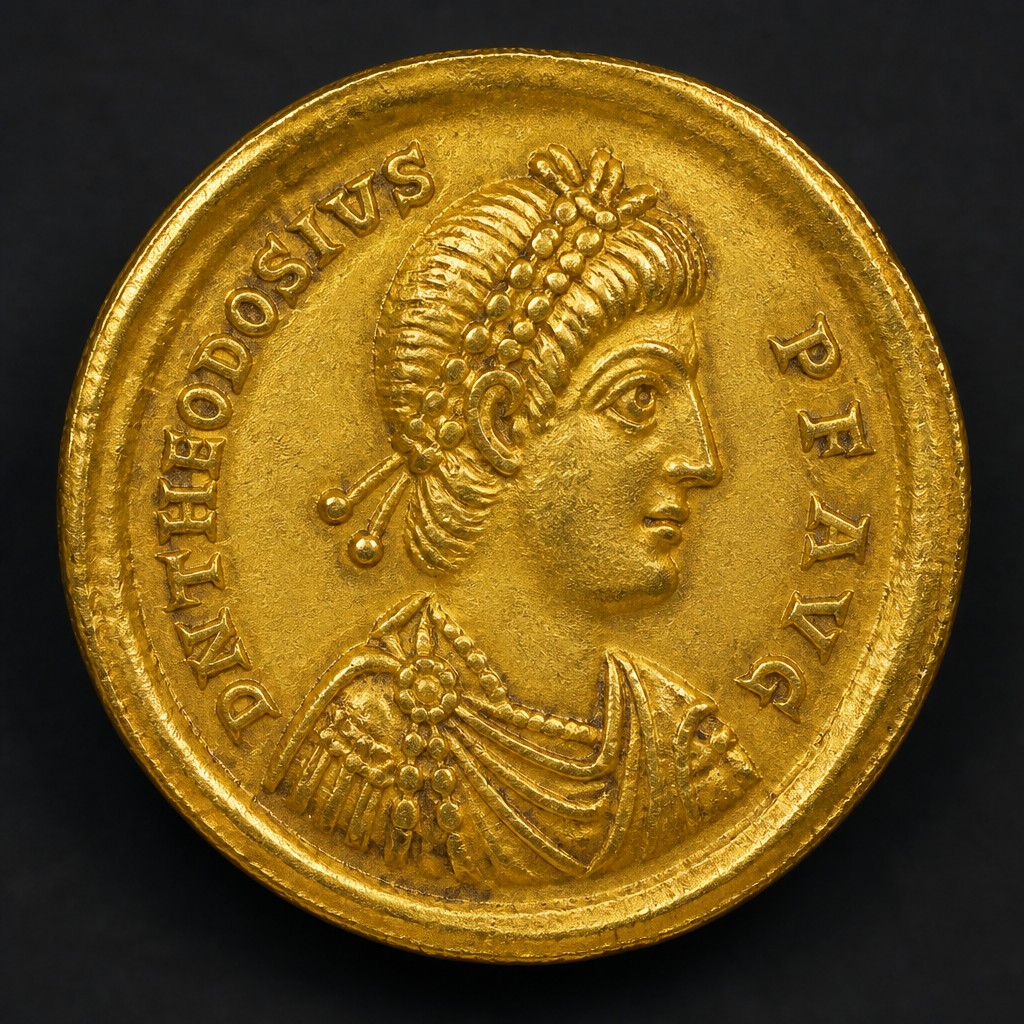
Theodosius I Solidus
379–395 AD
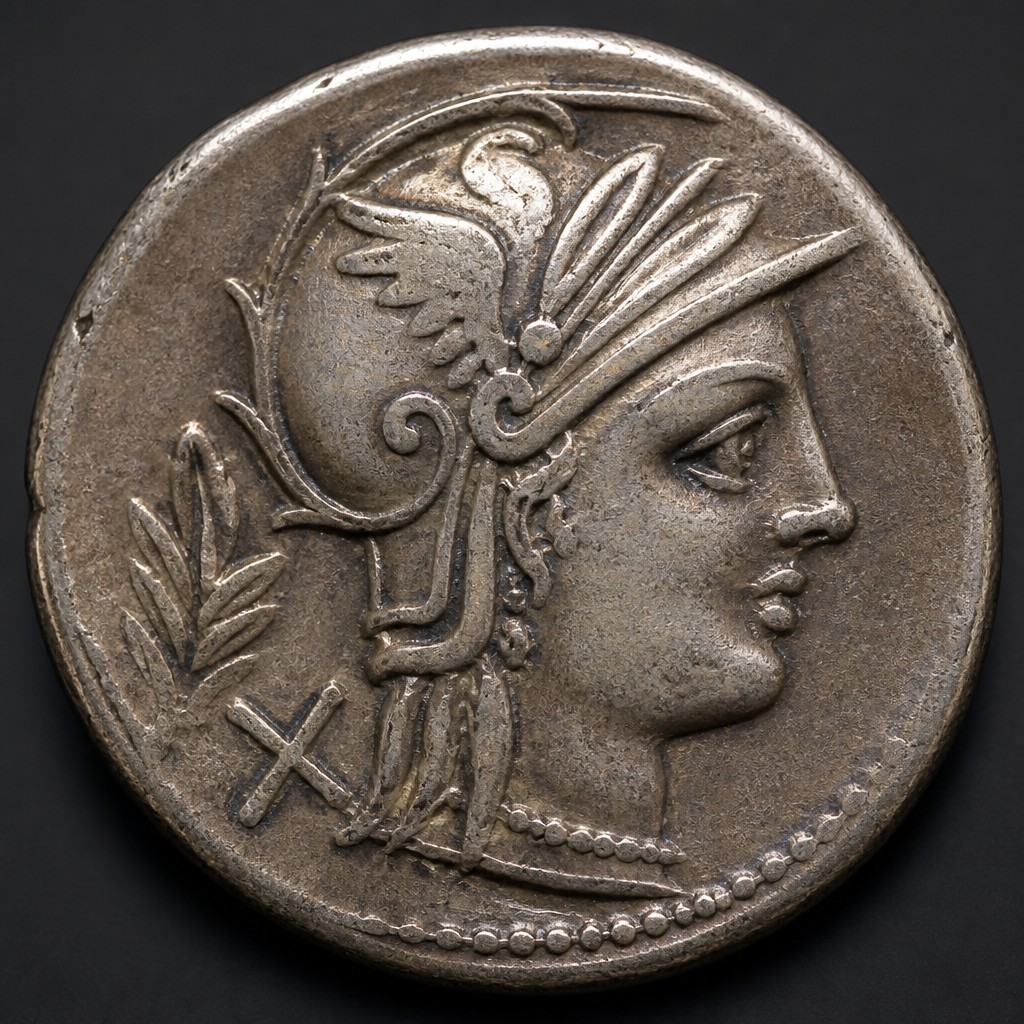
Republican Victoriatus
c. 211–170 BC
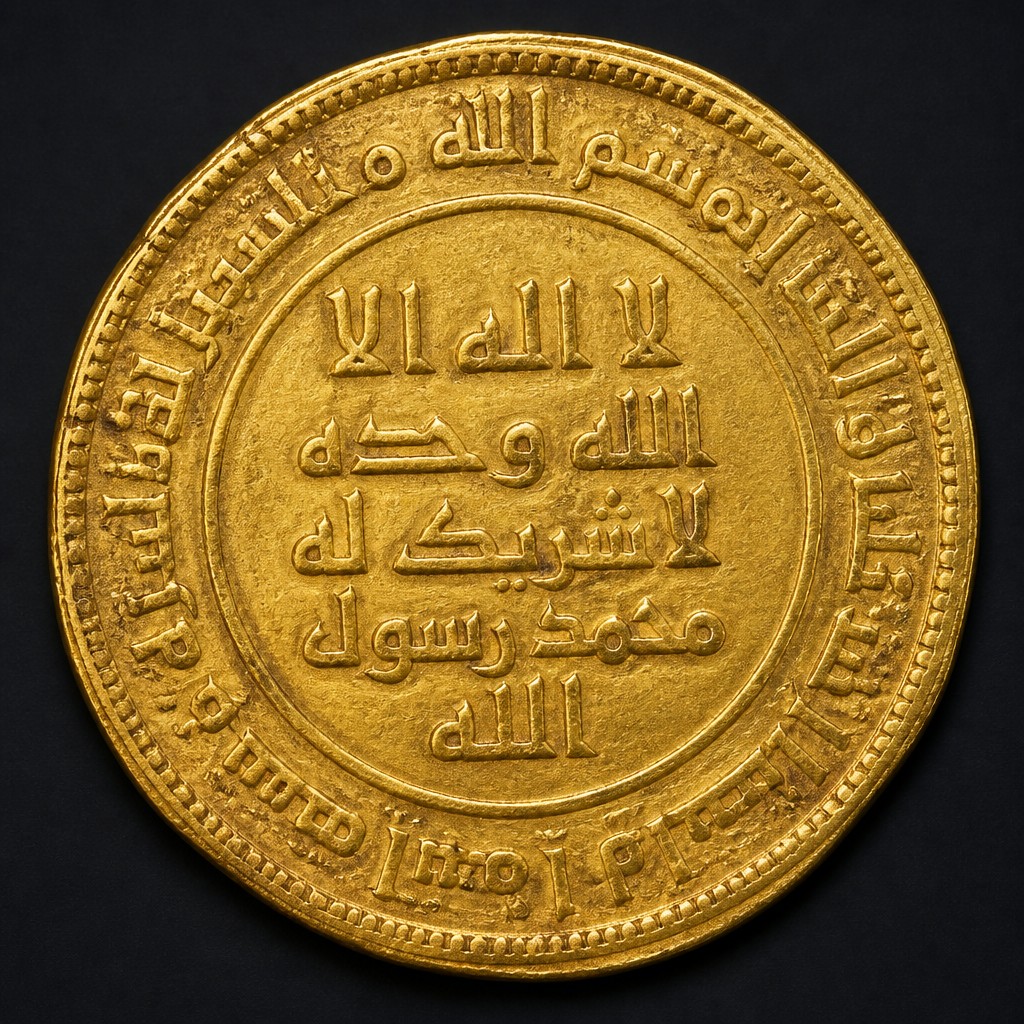
Islamic Gold Dinar (Umayyad)
c. 696–750 AD
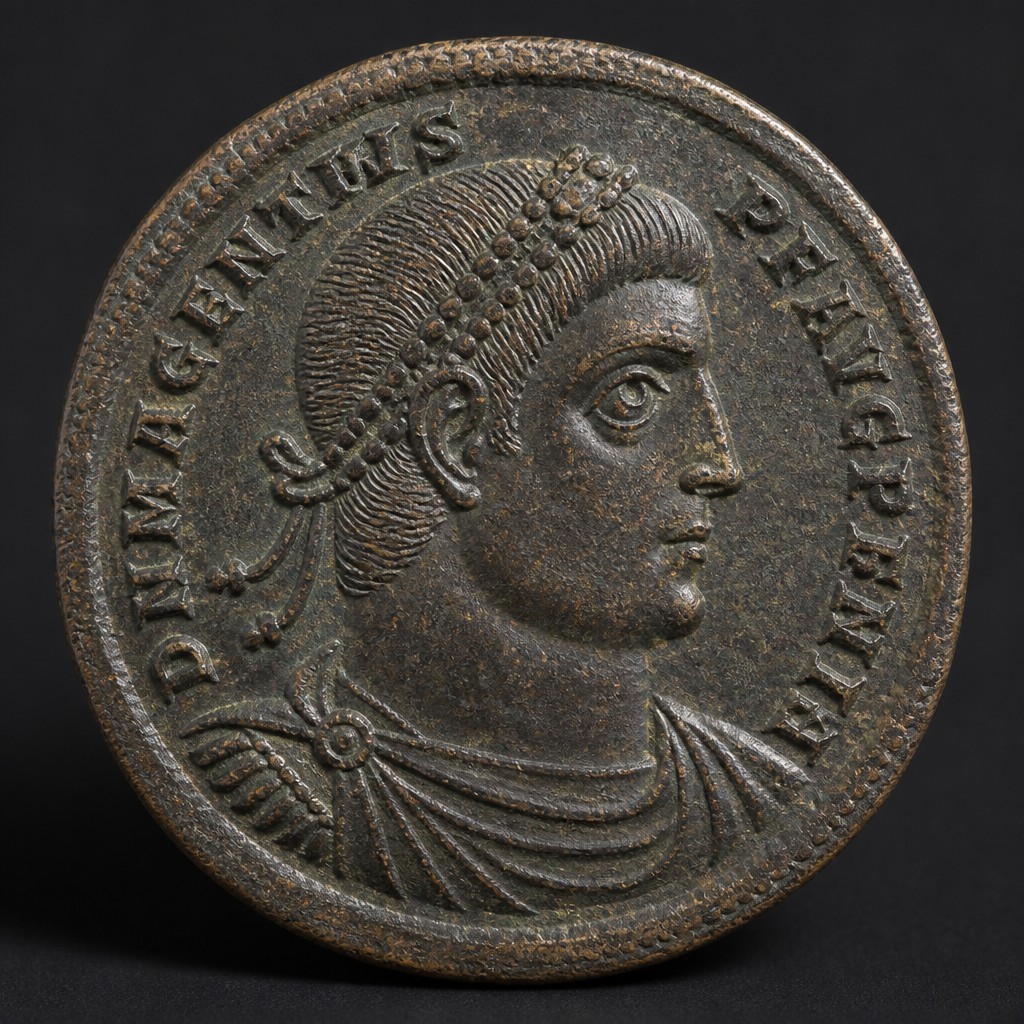
Magnentius Double Centenionalis
350–353 AD
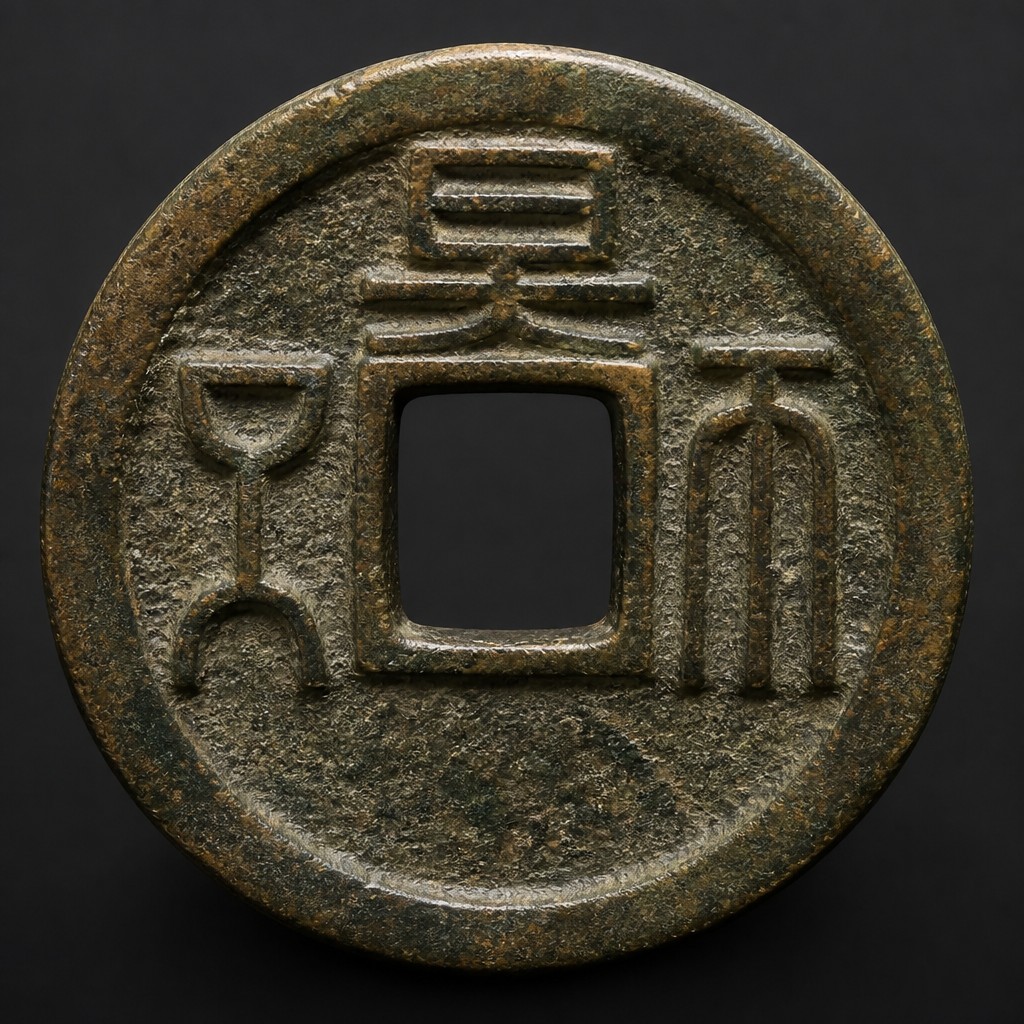
Chinese Wu Zhu Cash
118 BC – 618 AD
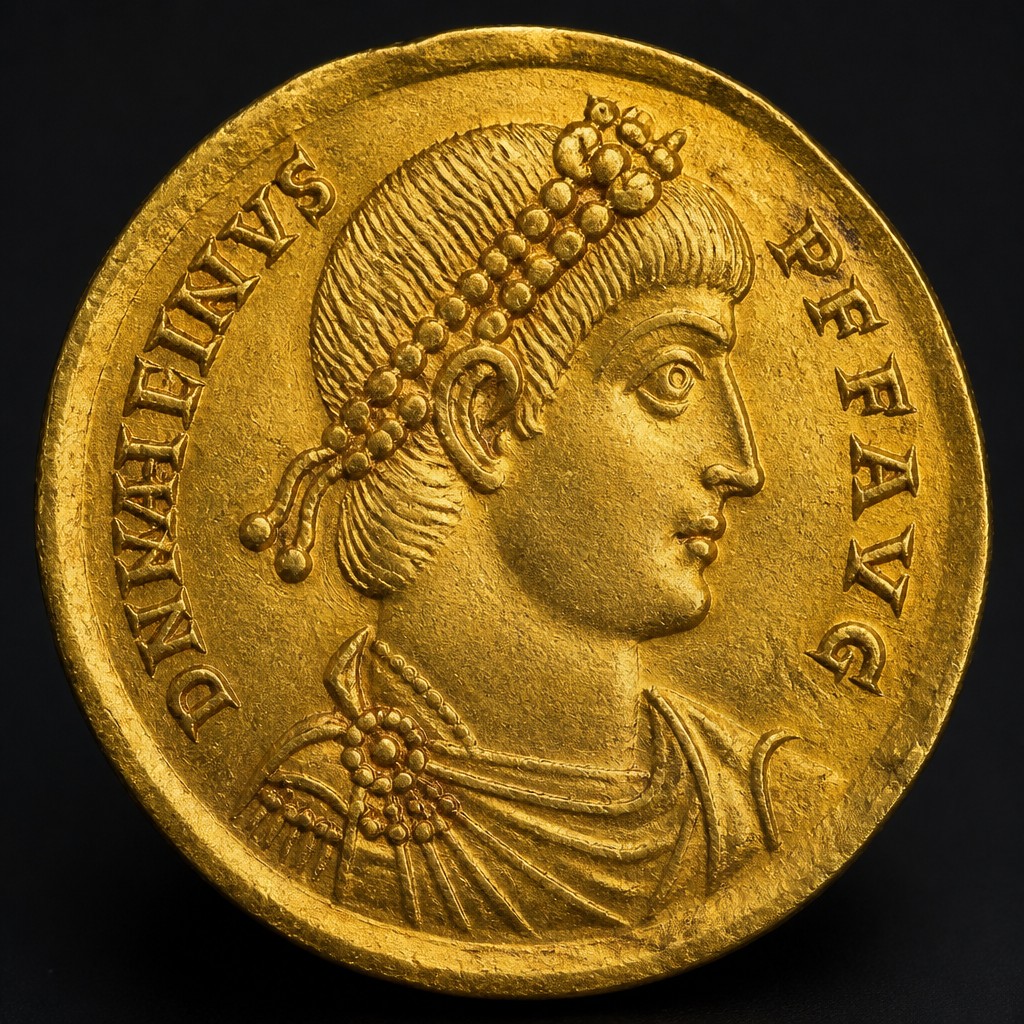
Valentinian I Solidus
364–375 AD
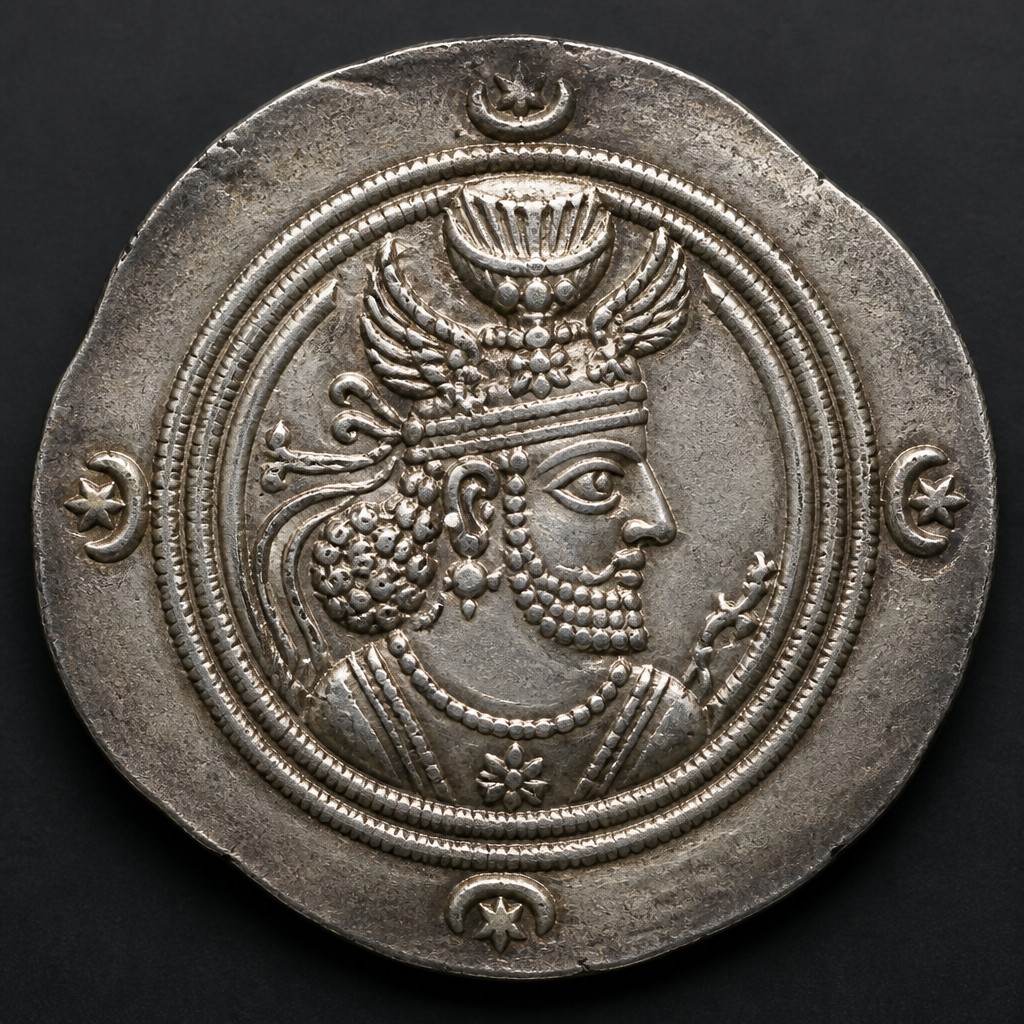
Sassanian Silver Drachm
c. 224–651 AD
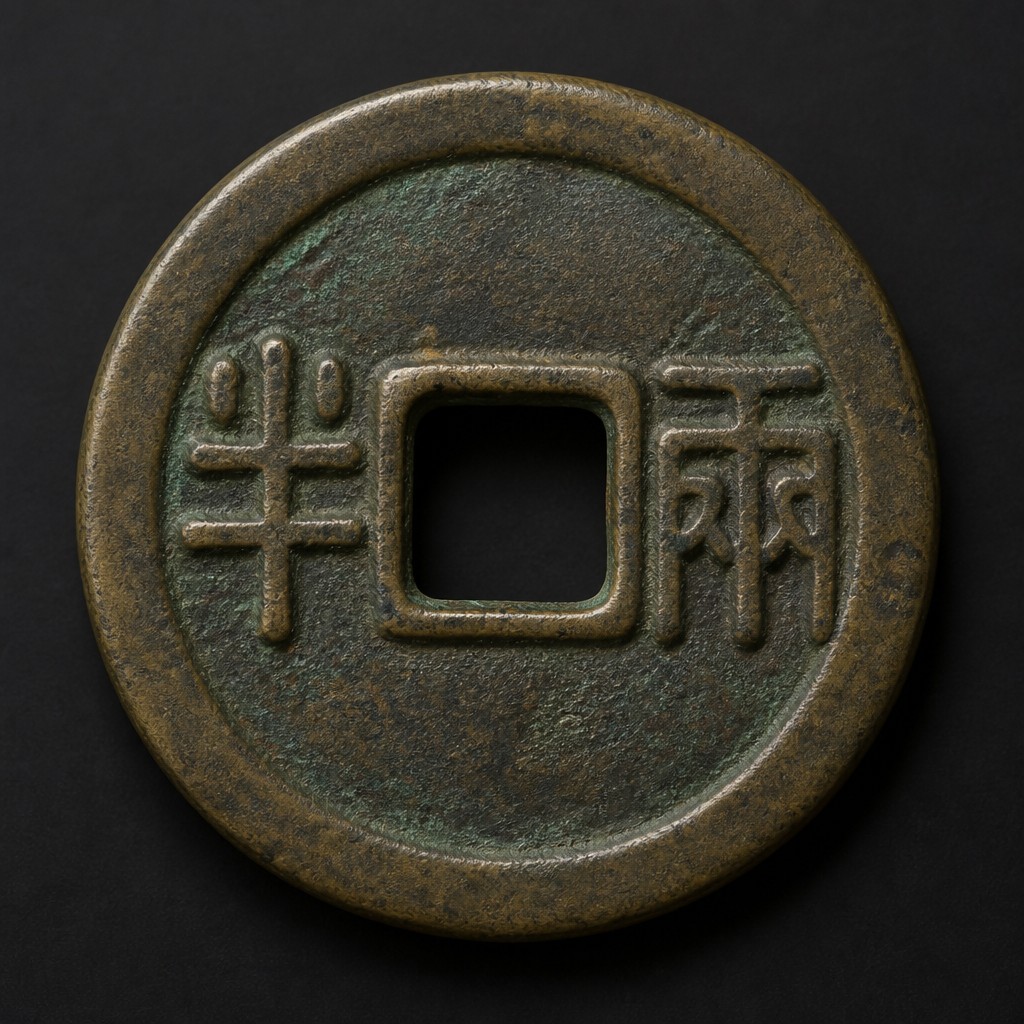
Chinese Ban Liang Cash
c. 221–118 BC
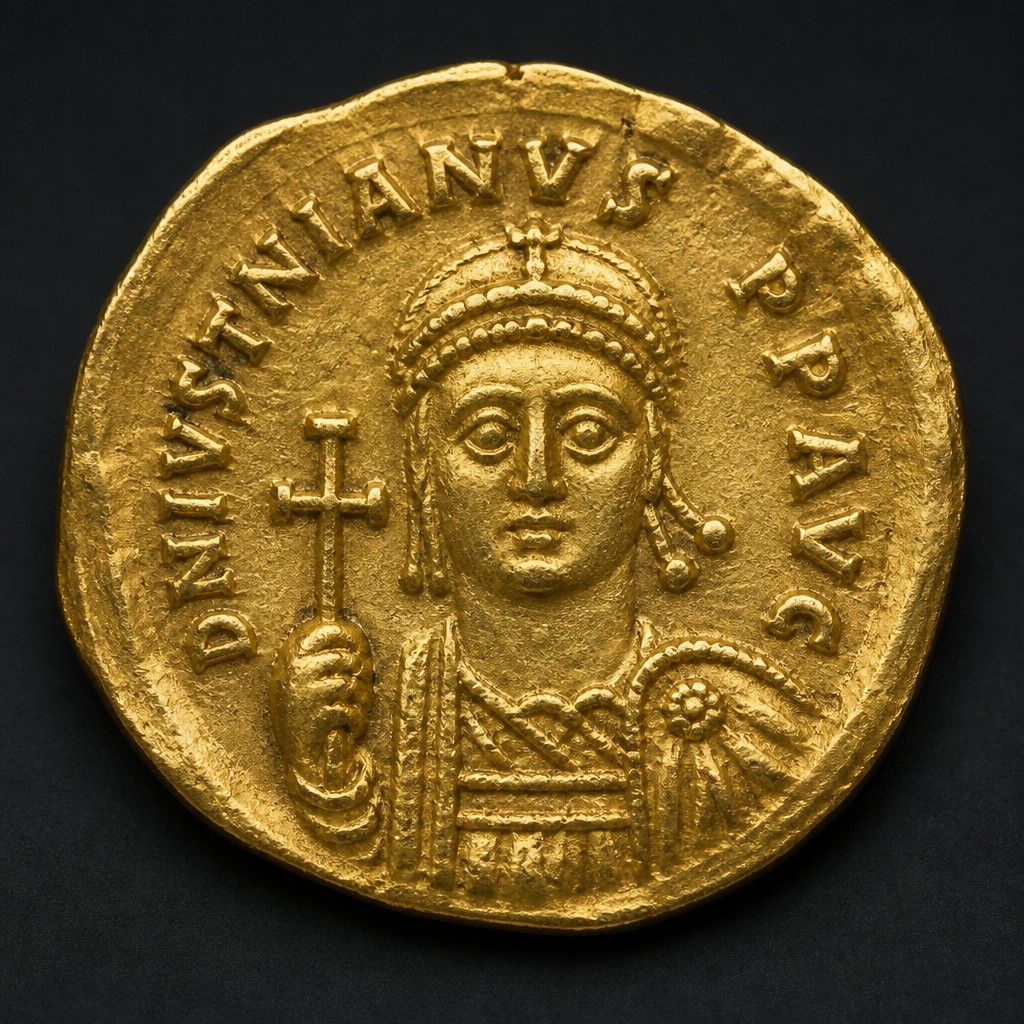
Byzantine Gold Tremissis
c. 4th–7th century AD
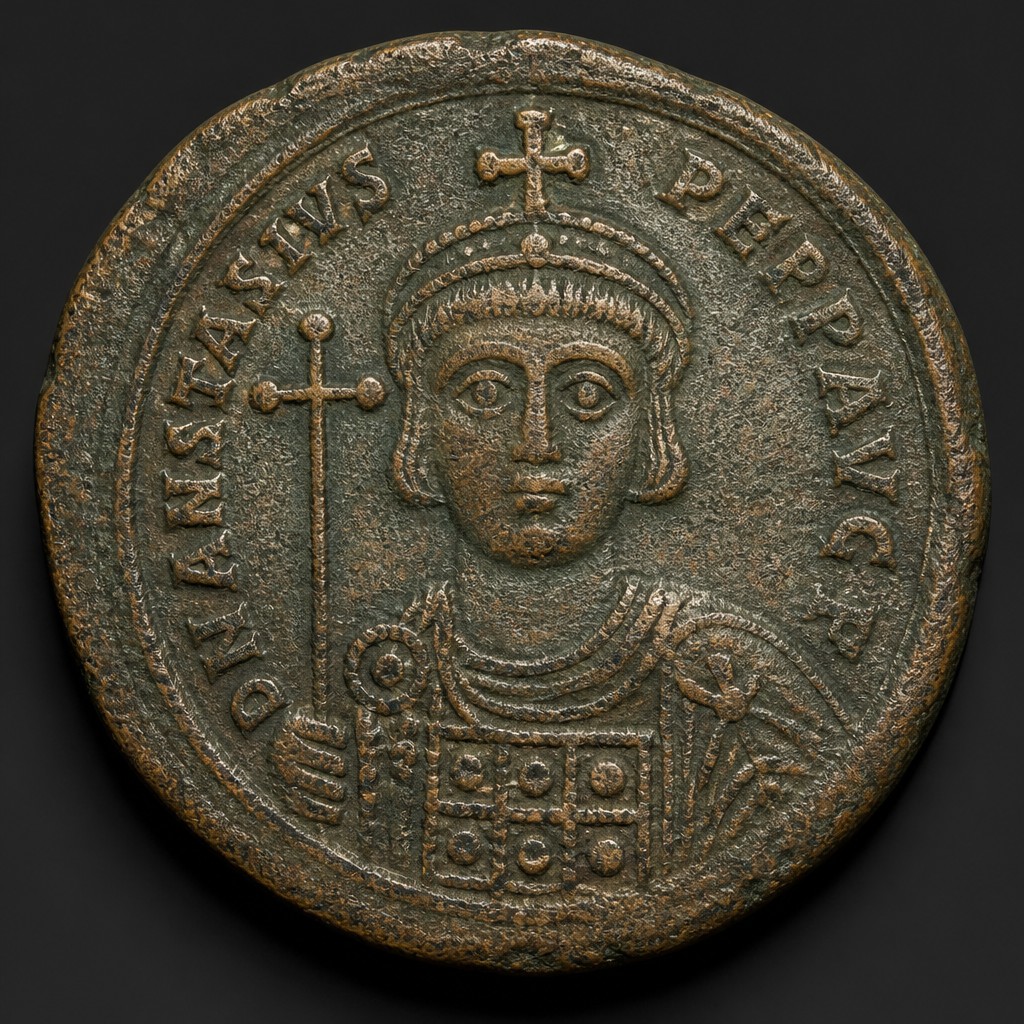
Byzantine Follis
498–c. 11th century AD
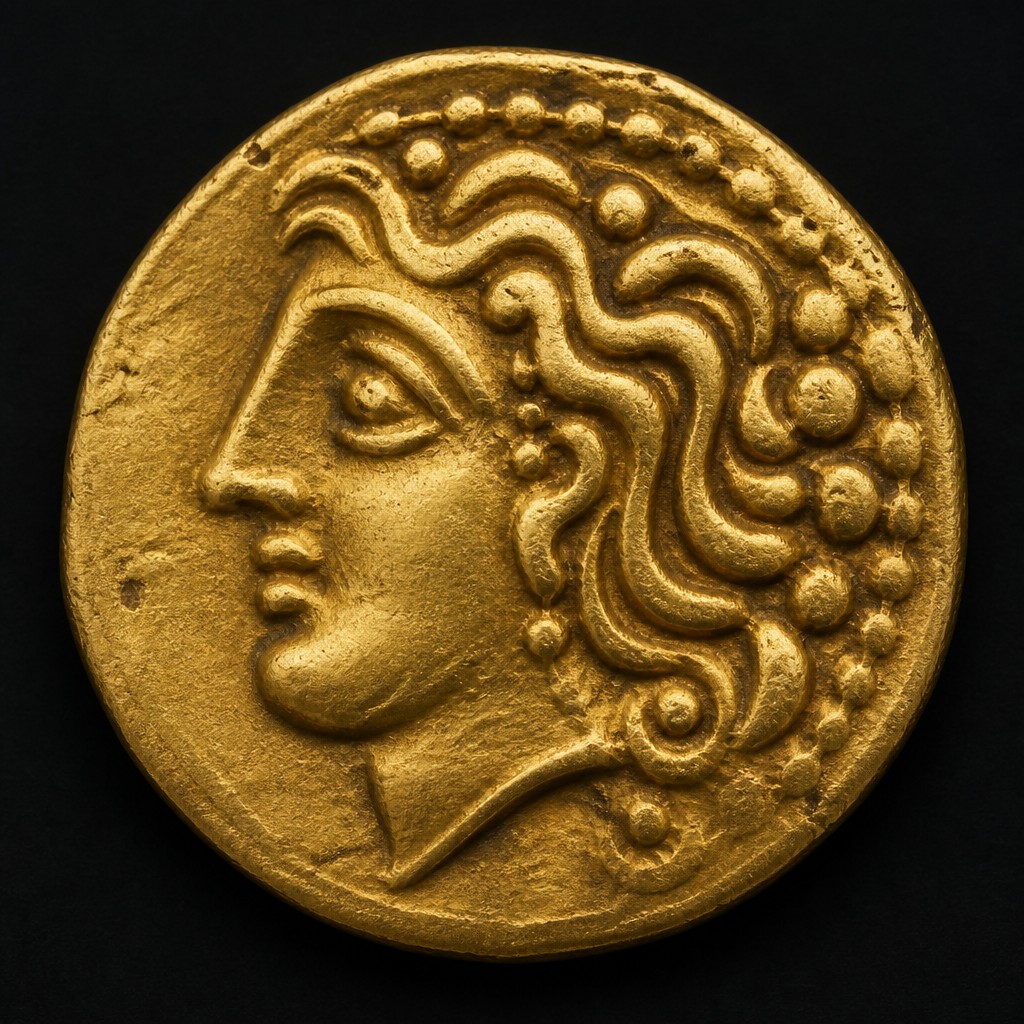
Celtic Gold Stater
c. 3rd century BC – 1st century AD
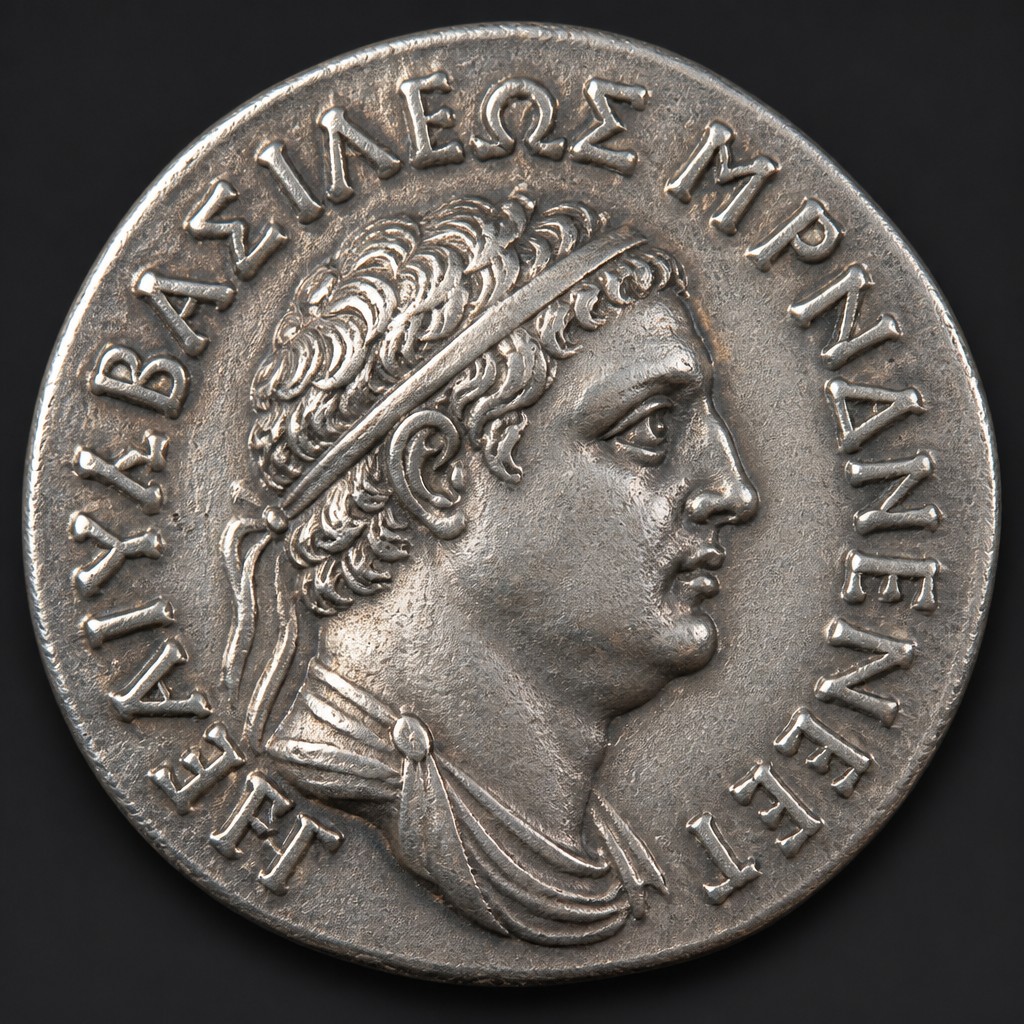
Indo-Greek Silver Drachm (Menander)
c. 165/155–130 BC