
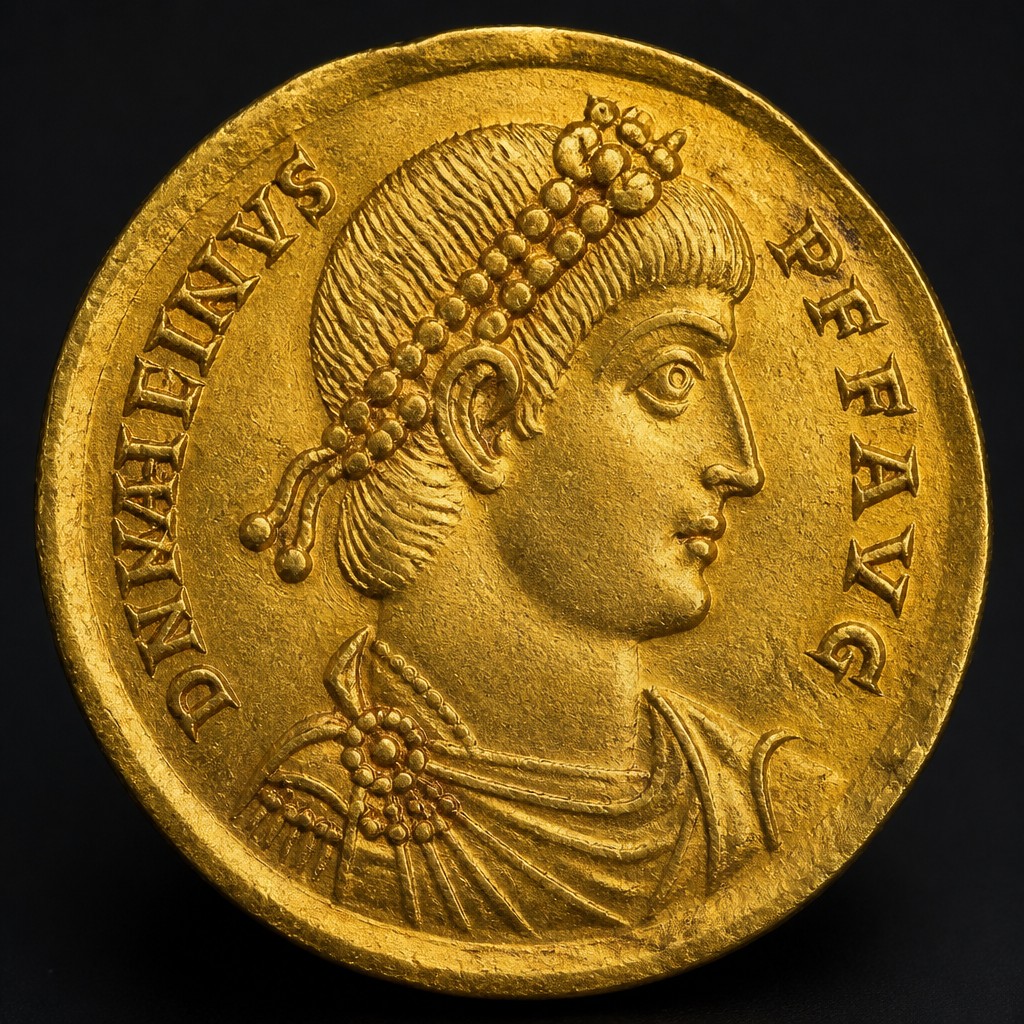
Valentinian I Solidus
A high-purity gold solidus of Valentinian I, founder of the Valentinianic dynasty, reflecting the stable gold standard established under Constantine.
- Country
- Ancient Rome
- Denomination
- Solidus
- Metal
- Gold (high purity, c. .955–.99 fine)
Got a coin like this?
Identify any coin from a photo, free.
Overview
This gold solidus was struck under Valentinian I, a capable soldier-emperor who founded the Valentinianic dynasty and worked to stabilize the western Roman Empire after decades of internal strife. As a solidus, it belongs to the high-purity gold denomination introduced by Constantine the Great, which would remain the backbone of Roman and later Byzantine coinage for centuries.
Collectors value Valentinian I's solidi for their fine gold content, attractive portraiture, and the coin's connection to a relatively strong and effective reign at a difficult time for the empire, as pressure mounted along the Rhine and Danube frontiers.
History & Background
Valentinian I was proclaimed emperor by the army in 364 AD and quickly elevated his brother Valens as co-emperor to rule the eastern half of the empire, while he himself focused on defending the west against Germanic incursions along the Rhine frontier. He proved to be an energetic and militarily capable ruler, spending much of his reign campaigning and reinforcing frontier defenses.
His solidi, struck at numerous mints across the empire, reflect the continued use of Constantine's stable gold standard, which helped underpin the Roman economy even as the bronze coinage suffered repeated debasements. Valentinian died in 375 AD, reportedly of a stroke brought on by rage during negotiations with a Germanic delegation, and was succeeded by his sons Gratian and Valentinian II.
How to Identify
The obverse shows a diademed, draped, and cuirassed bust of Valentinian I facing right, with the legend D N VALENTINIANVS P F AVG. Reverse types vary but commonly include RESTITVTOR REI PVBLICAE, showing the emperor standing facing, holding a labarum (military standard) and a small Victory on a globe, or similar standing-emperor compositions.
As a solidus, the coin is small but notably heavy for its size (originally struck at 1/72 of a Roman pound) and made of very high-purity gold, giving it a bright, warm color distinct from lower-purity gold issues of other periods. Mintmarks in the exergue identify the specific mint and officina, and the emperor's name in the legend distinguishes his coins from those of his brother Valens or son Gratian, whose portraits and reverse types can look similar at a glance.
Value & Collectibility
Gold solidi of Valentinian I are relatively available compared to earlier and later Roman gold issues, since the solidus was struck in large quantities at many mints throughout the 4th century, but they still carry significant value due to their gold content and collector demand. Prices are driven primarily by gold weight, condition, strike quality, and the desirability of specific mints or reverse types.
Well-preserved examples with sharp portraits and strong reverse detail command solid premiums over bullion value, while common mint and reverse combinations trade closer to gold value plus a modest numismatic premium. As with most ancient gold, buyers should expect prices well above equivalent-weight modern bullion coins due to historical and numismatic demand.
Frequently asked questions
What is a solidus?
It was the primary gold coin of the Late Roman and Byzantine Empire, introduced by Constantine the Great and struck at a very high, stable purity for centuries.
Was Valentinian I a strong ruler?
Historians generally regard him as an effective and energetic military emperor who successfully defended the western frontiers during a turbulent period.
How is this different from a coin of Valens?
Valens was Valentinian I's brother and co-emperor of the east; their coins share similar styles but carry different names in the obverse legend, so reading the inscription is the surest way to tell them apart.
Are Valentinian I solidi expensive?
They are valued for their gold content plus a numismatic premium, with better-preserved and more attractively struck examples commanding higher prices than average or worn pieces.
Other coins you may enjoy
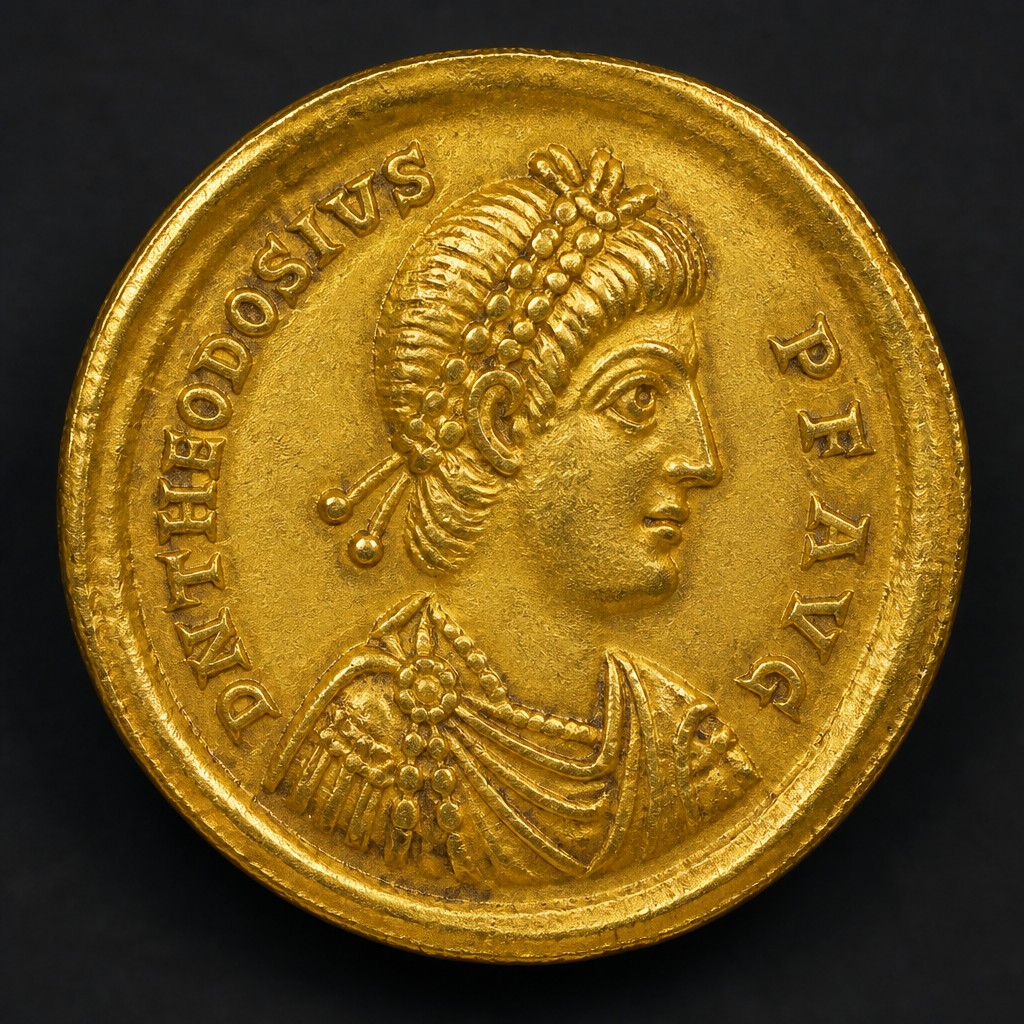
Theodosius I Solidus
379–395 AD
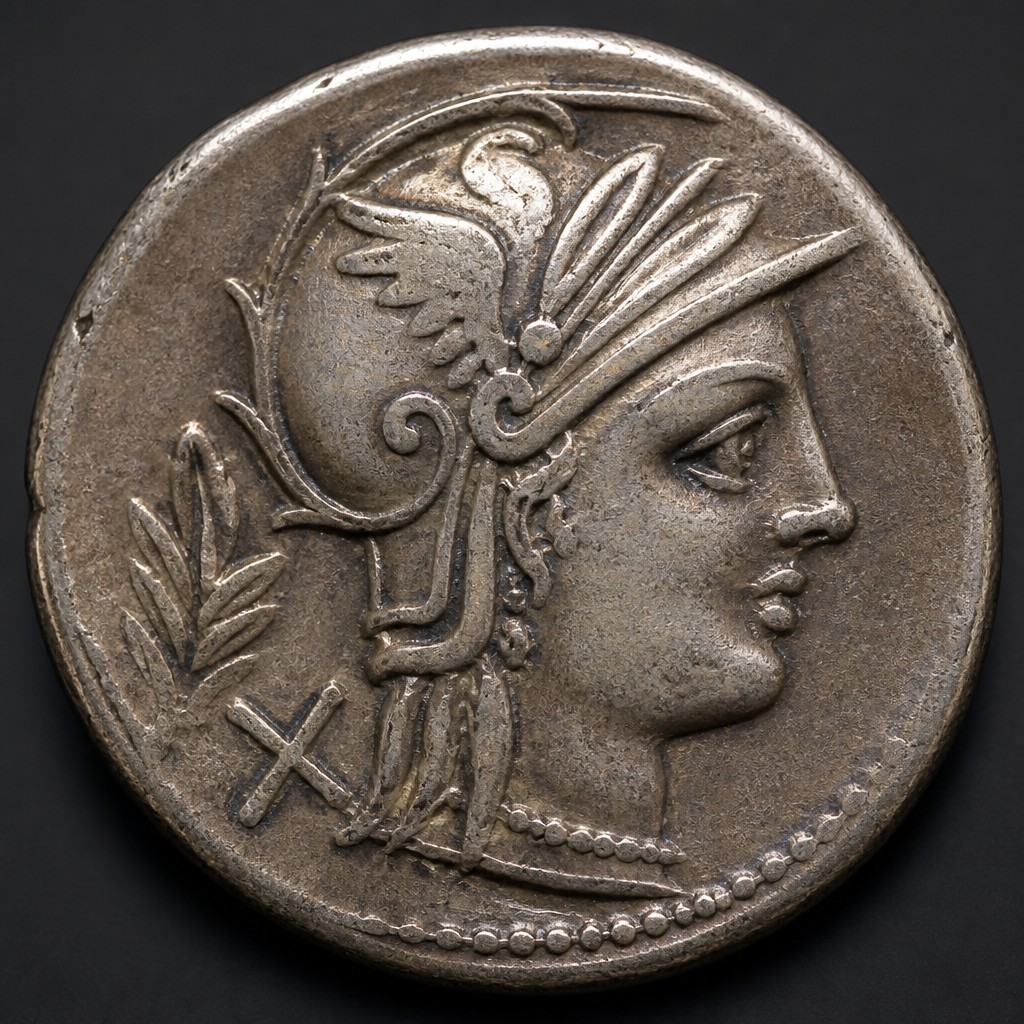
Republican Victoriatus
c. 211–170 BC
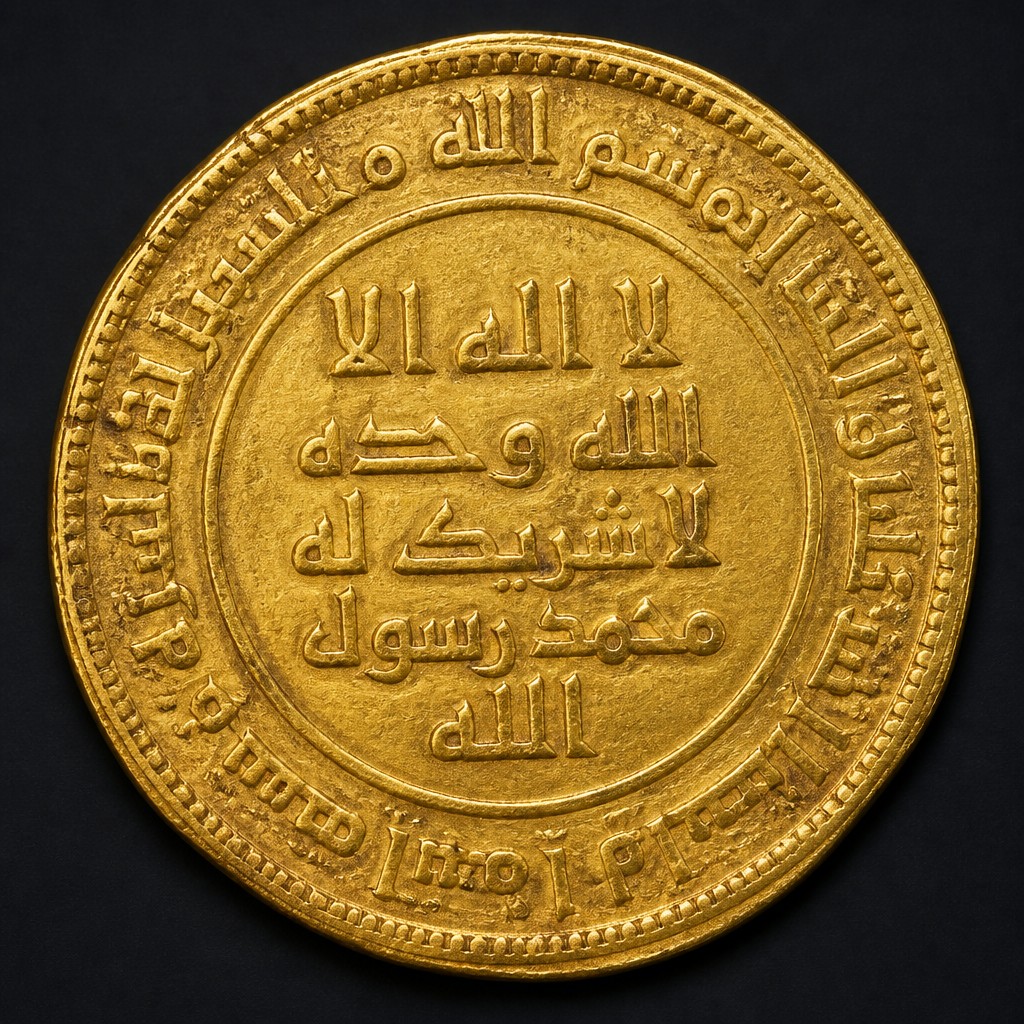
Islamic Gold Dinar (Umayyad)
c. 696–750 AD
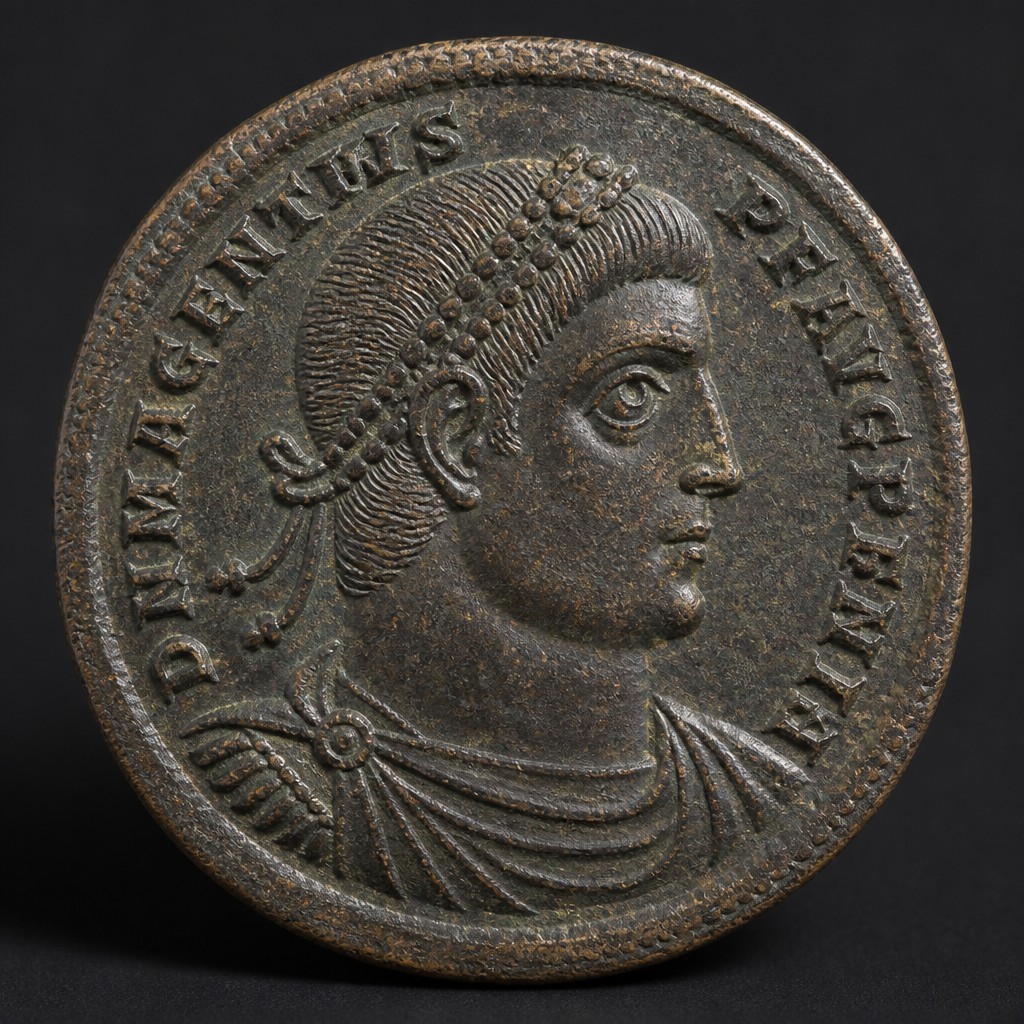
Magnentius Double Centenionalis
350–353 AD
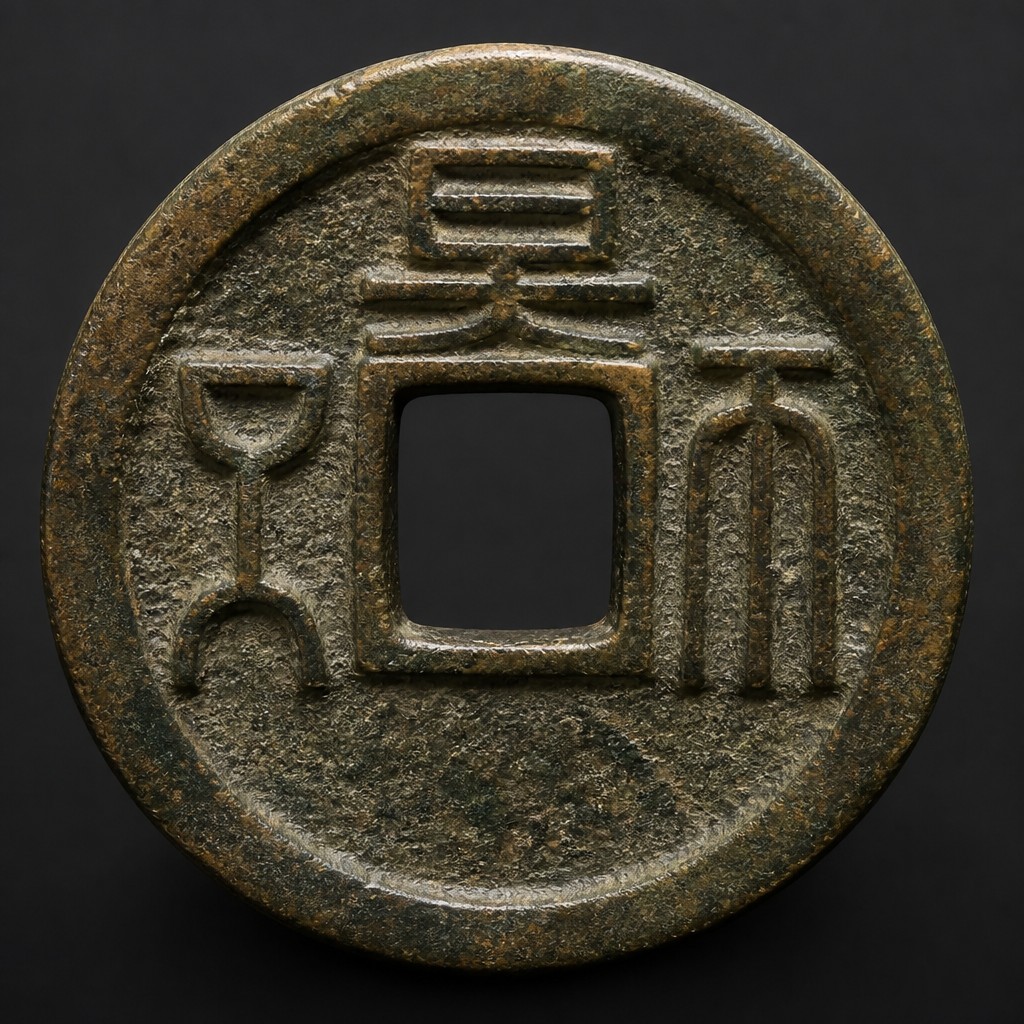
Chinese Wu Zhu Cash
118 BC – 618 AD
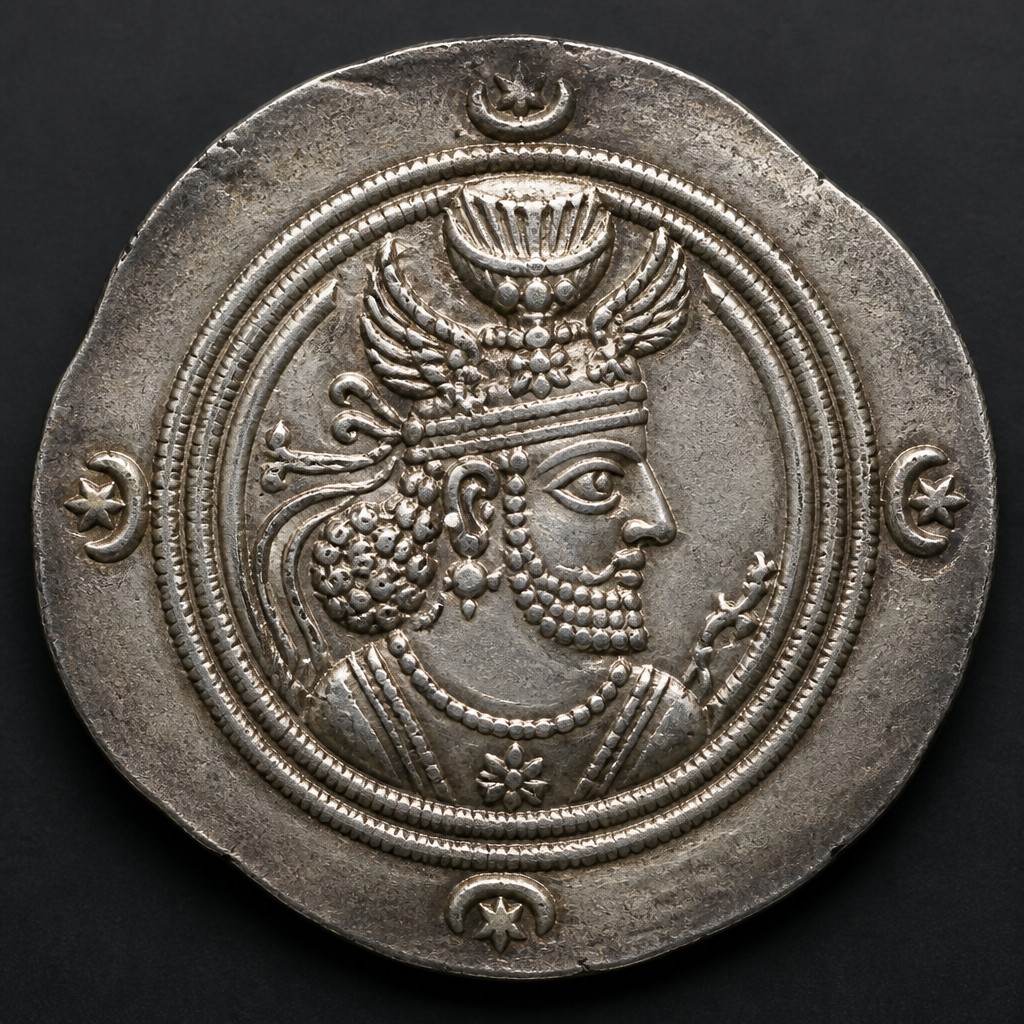
Sassanian Silver Drachm
c. 224–651 AD
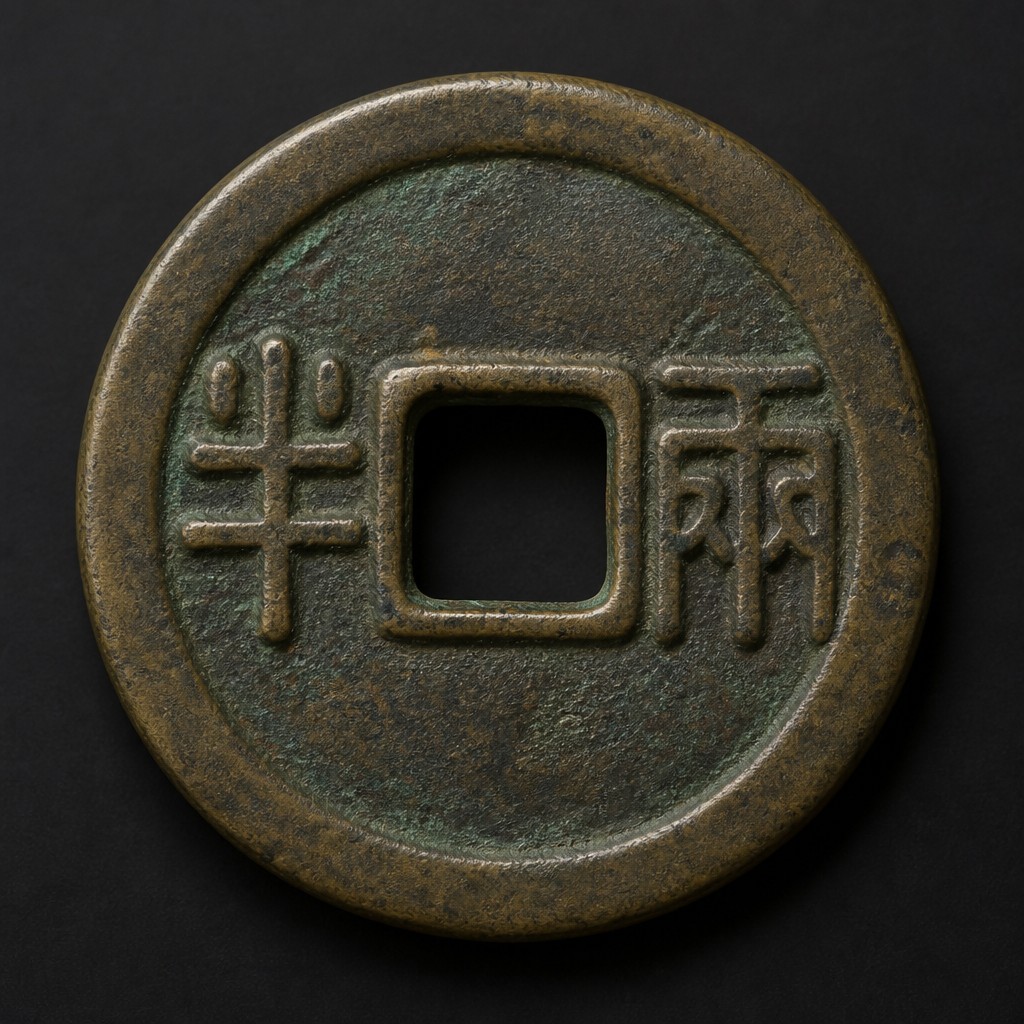
Chinese Ban Liang Cash
c. 221–118 BC
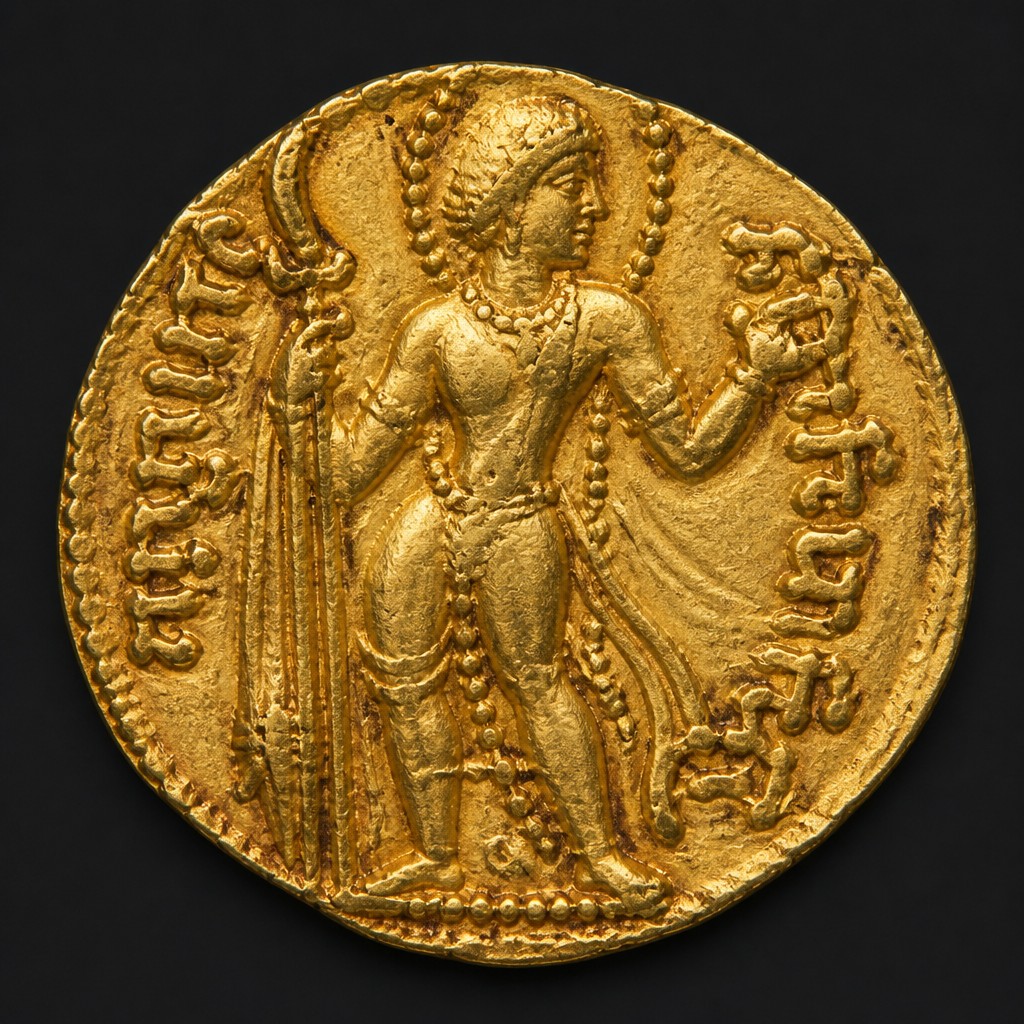
Gupta Empire Gold Dinar
c. 320–550 AD
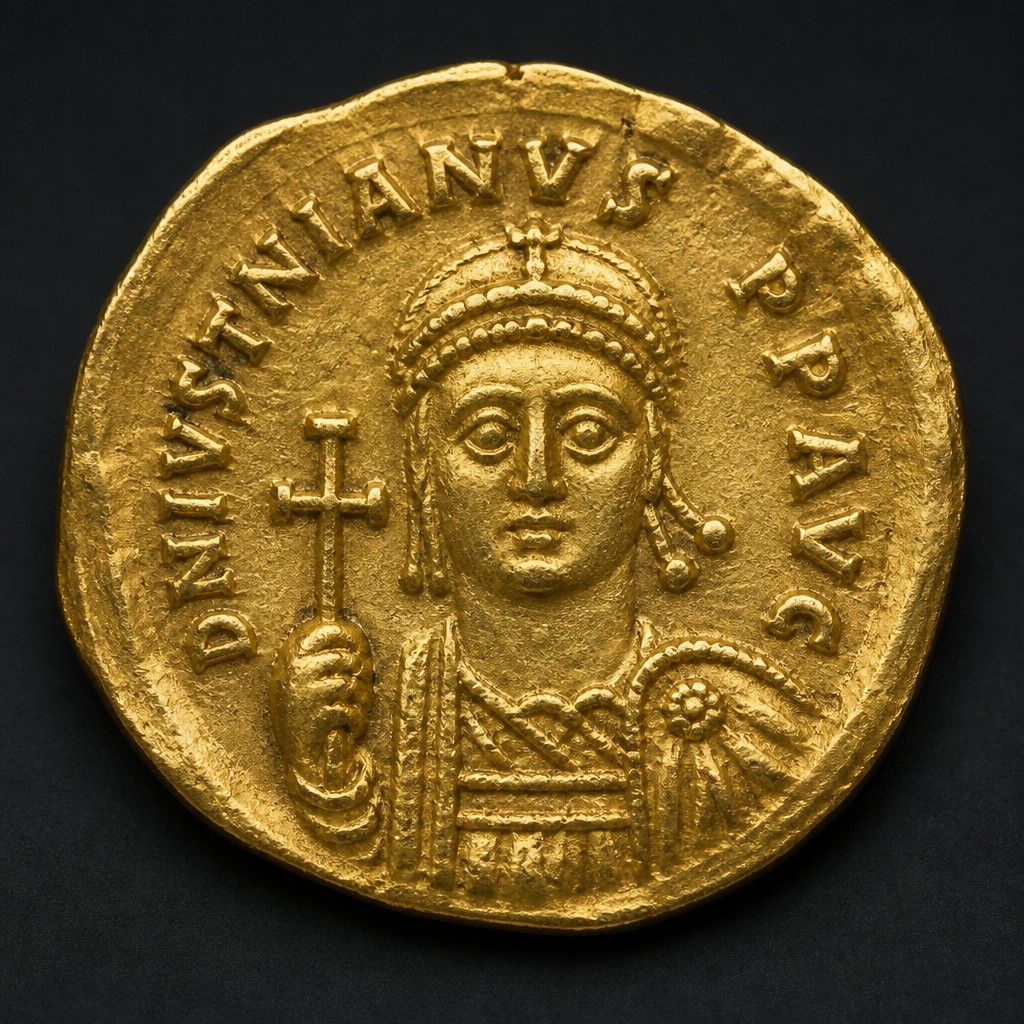
Byzantine Gold Tremissis
c. 4th–7th century AD
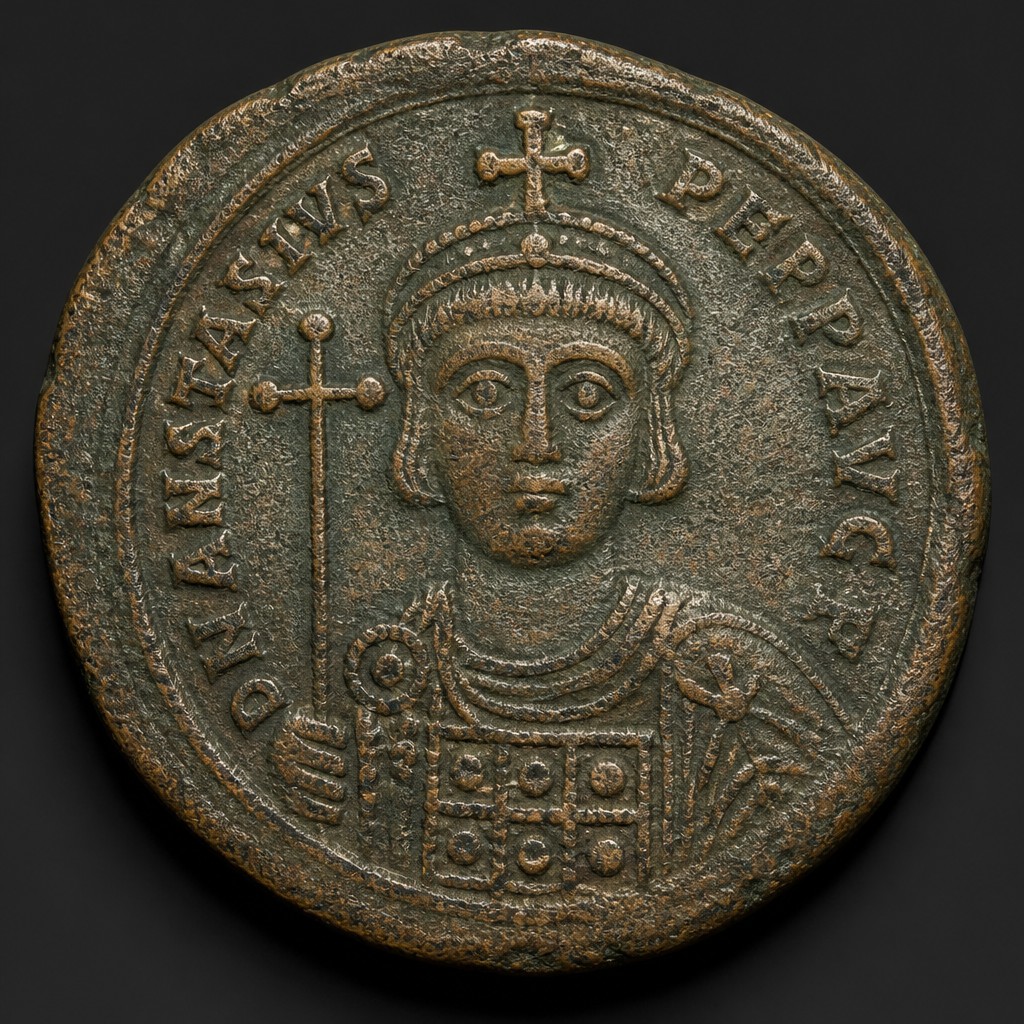
Byzantine Follis
498–c. 11th century AD
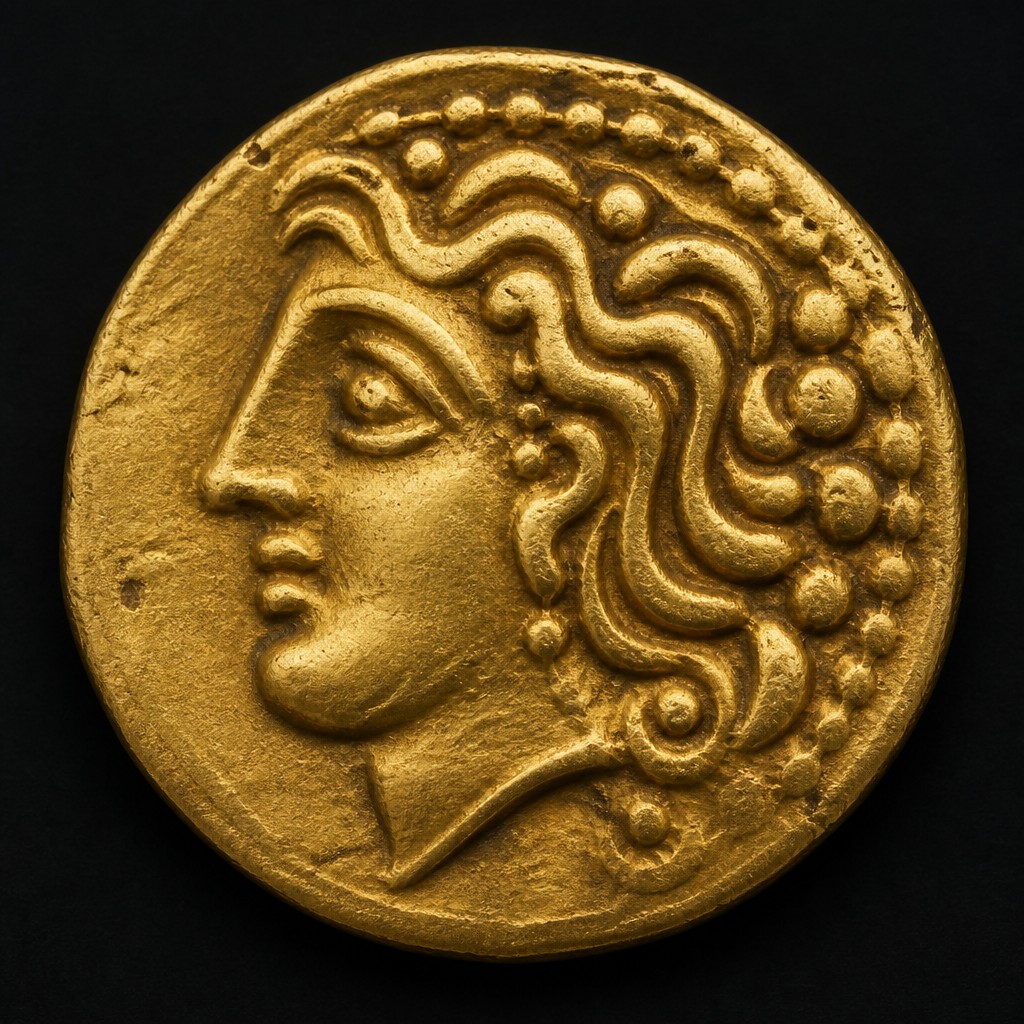
Celtic Gold Stater
c. 3rd century BC – 1st century AD
Indo-Greek Silver Drachm (Menander)
c. 165/155–130 BC