
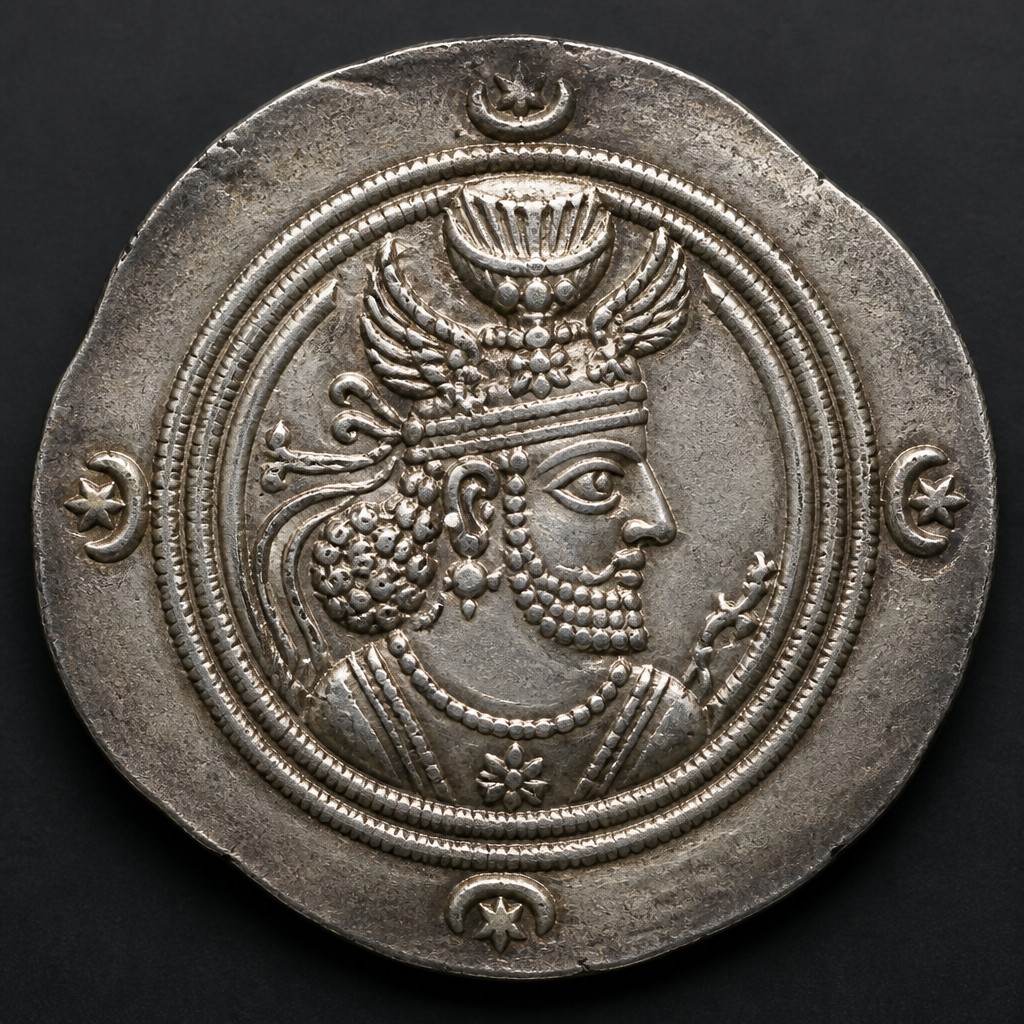
Sassanian Silver Drachm
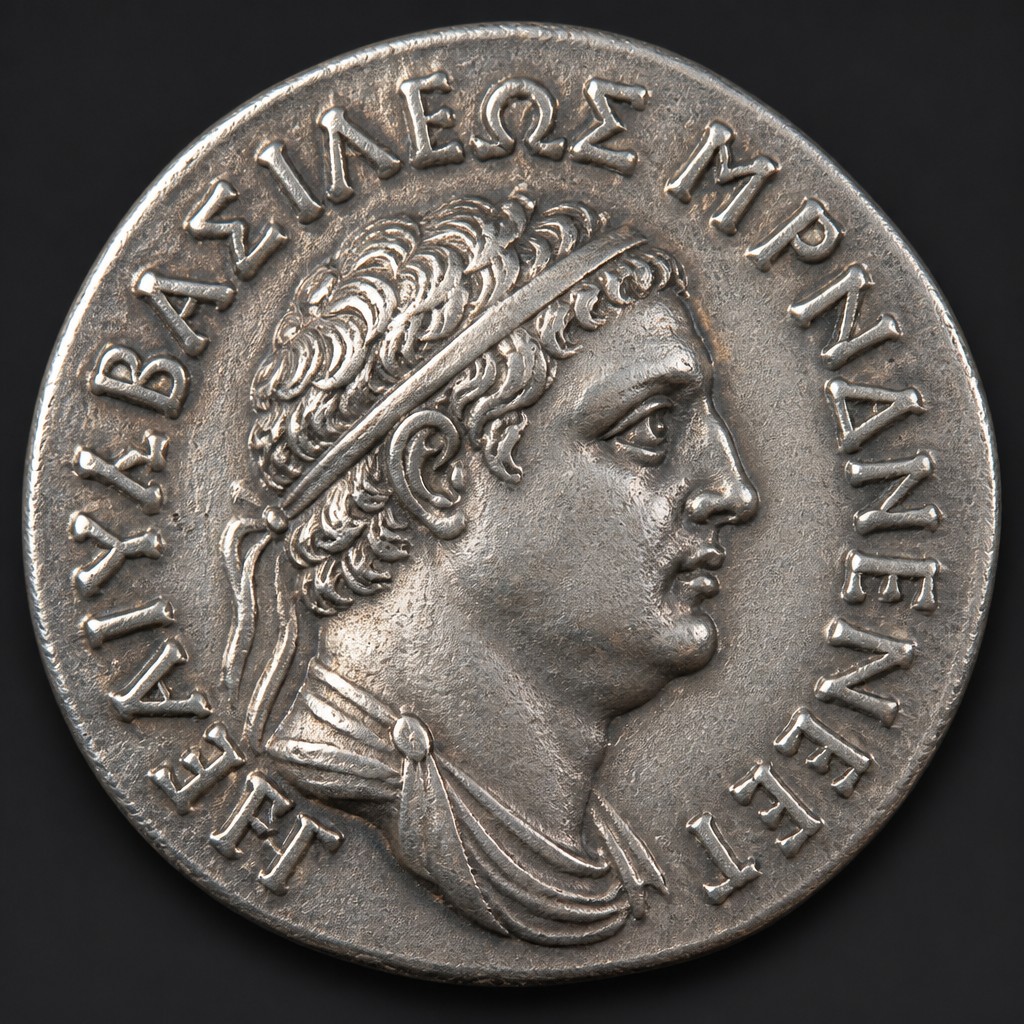
The standard silver coin of the Sasanian Persian Empire, featuring an elaborately crowned king's portrait and a Zoroastrian fire altar with attendants, struck for over four centuries.
- Country
- Sasanian Empire (Persia)
- Denomination
- Drachm
- Metal
- Silver
Got a coin like this?
Identify any coin from a photo, free.
Overview
The Sasanian silver drachm is among the most historically rich coinages of late antiquity, offering a continuous visual record of Persian royal iconography and Zoroastrian religious symbolism across more than 400 years of imperial rule. Each king typically wore a distinctive crown, making these coins a valuable tool for dating and identifying specific reigns.
Collectors are drawn to the series both for its artistic quality and for its broad availability; Sasanian drachms were struck in enormous quantities and remain some of the most accessible ancient silver coins on the market today, offering a relatively affordable way to own a coin over 1,300 years old.
History & Background
The Sasanian Empire arose in 224 AD when Ardashir I overthrew the Parthian Arsacid dynasty and established a new Persian empire that would rule for over four centuries, serving as Rome's and later Byzantium's chief eastern rival. Sasanian kings used coinage extensively as a tool of royal propaganda, and each ruler adopted a unique crown design incorporating symbols of religious and royal authority.
The drachm became the empire's standard silver denomination, struck at numerous mints across the vast Sasanian territory stretching from Mesopotamia to Central Asia, with mint names and regnal years often recorded in Pahlavi script on the reverse. This practice makes Sasanian coins unusually precise historical documents compared to many other ancient coinages.
The empire, and its coinage, came to an end in the mid-7th century following the Arab Islamic conquest of Persia, though Sasanian-style drachms continued to influence early Islamic coin designs for decades afterward.
How to Identify
The obverse of a Sasanian drachm depicts the king in profile wearing an elaborate, distinctive crown, often embellished with wings, crescents, stars, or korymbos (a globe held aloft on a stem), surrounded by a Pahlavi legend naming the ruler and his titles. Because crown styles were unique to each king, they serve as a reliable way to identify the issuing monarch.
The reverse universally shows a Zoroastrian fire altar flanked by two attendants, sometimes with a star and crescent above the flames, symbolizing the state religion of Zoroastrianism. Mint names and regnal dates in Pahlavi script typically appear in the margins.
The coin is a thin, broad silver flan, generally around 25 to 33mm in diameter depending on period, with a plain edge. Sasanian drachms are readily distinguished from other ancient silver coins by this consistent fire-altar reverse and the elaborate winged or beaded crowns on the obverse, which differ markedly from Greek, Roman, or Parthian portrait styles.
Value & Collectibility
Sasanian drachms are among the most affordable and widely available ancient silver coins, with common types from well-documented kings such as Shapur II or Khusrau II often available for modest sums in decent condition. This accessibility makes the series popular with newer collectors of ancient coins.
Rarer kings, unusual mint signatures, exceptionally well-centered strikes, or coins in high grade with strong detail command higher prices. As with all ancient issues, condition and clarity of the crown details and legends significantly affect desirability and value.
Frequently asked questions
Why does the crown matter so much on these coins?
Each Sasanian king wore a unique, identifiable crown design on his coinage, so the crown style is the primary way collectors and historians attribute a drachm to a specific ruler.
What does the fire altar on the reverse represent?
It symbolizes Zoroastrianism, the state religion of the Sasanian Empire, and appears on nearly every Sasanian silver coin.
Are Sasanian drachms rare?
No, they were struck in huge quantities over four centuries and are among the more common and affordable ancient silver coins available to collectors.
What script appears on Sasanian coins?
Pahlavi (Middle Persian) script is used for the royal legends, mint names, and regnal dates.
When did Sasanian coinage end?
It ended with the Arab Islamic conquest of Persia in the mid-7th century, though the drachm's style influenced early Islamic coinage afterward.
Other coins you may enjoy
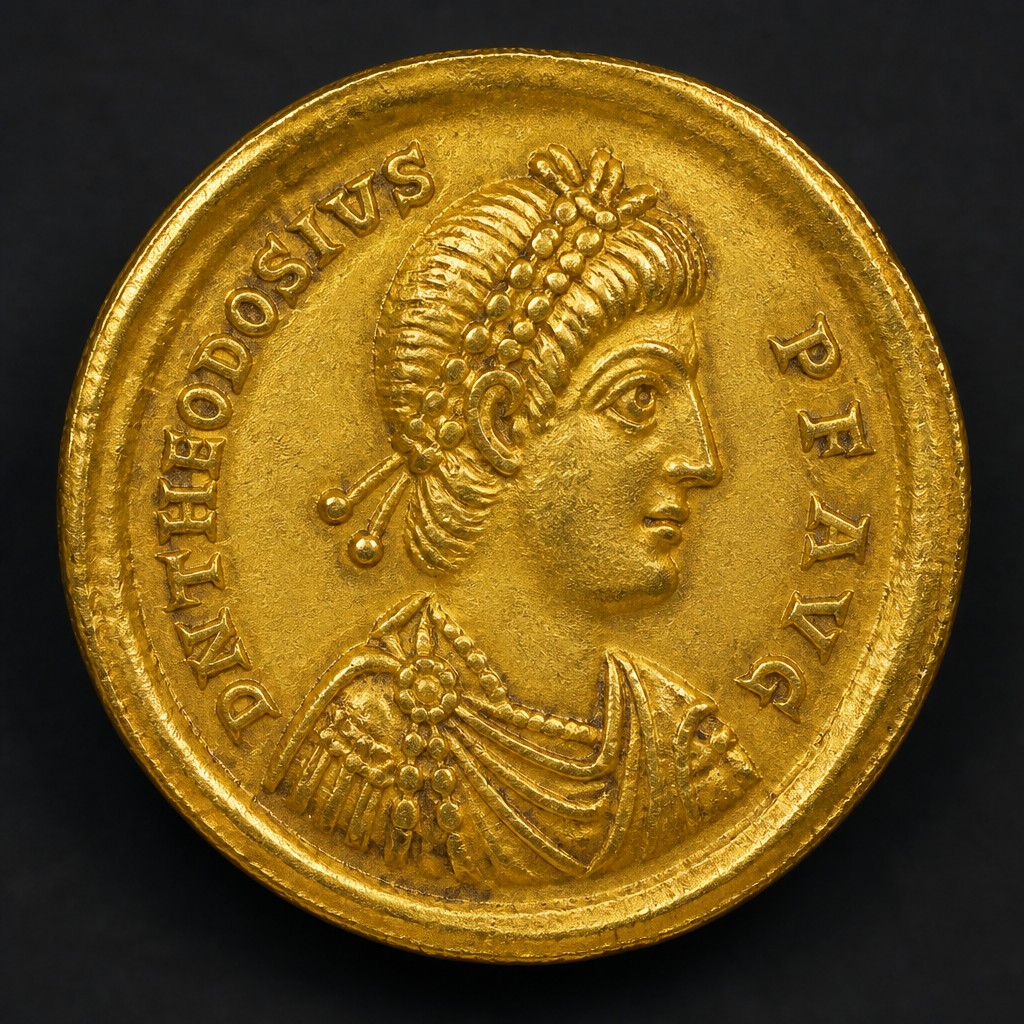
Theodosius I Solidus
379–395 AD
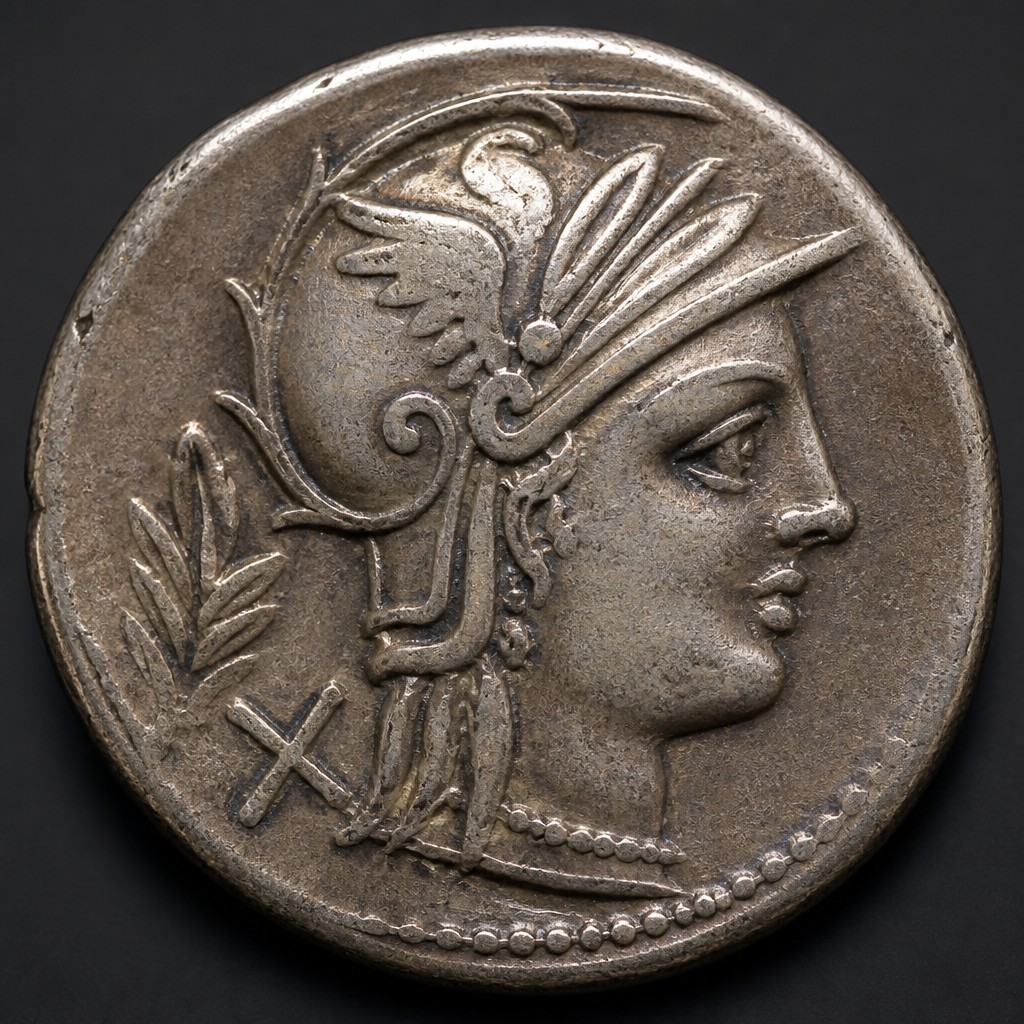
Republican Victoriatus
c. 211–170 BC
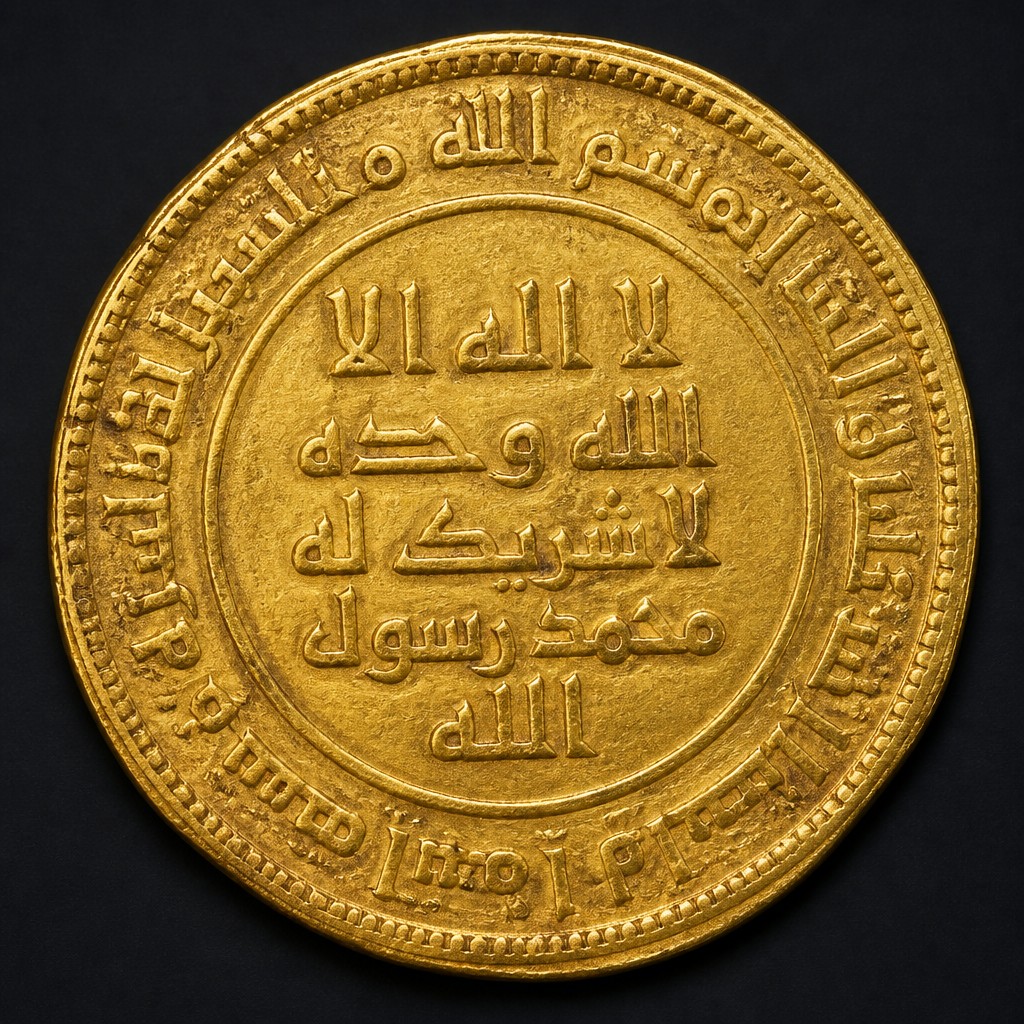
Islamic Gold Dinar (Umayyad)
c. 696–750 AD
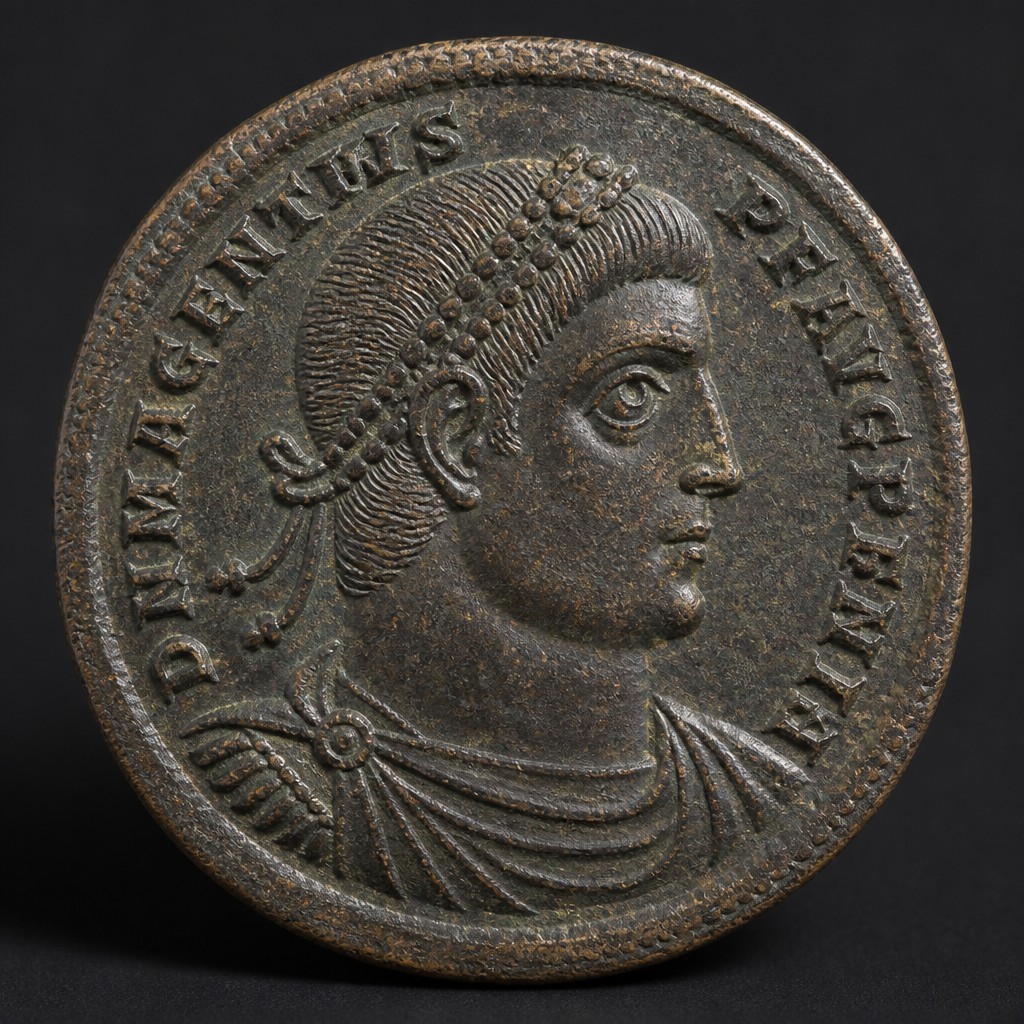
Magnentius Double Centenionalis
350–353 AD
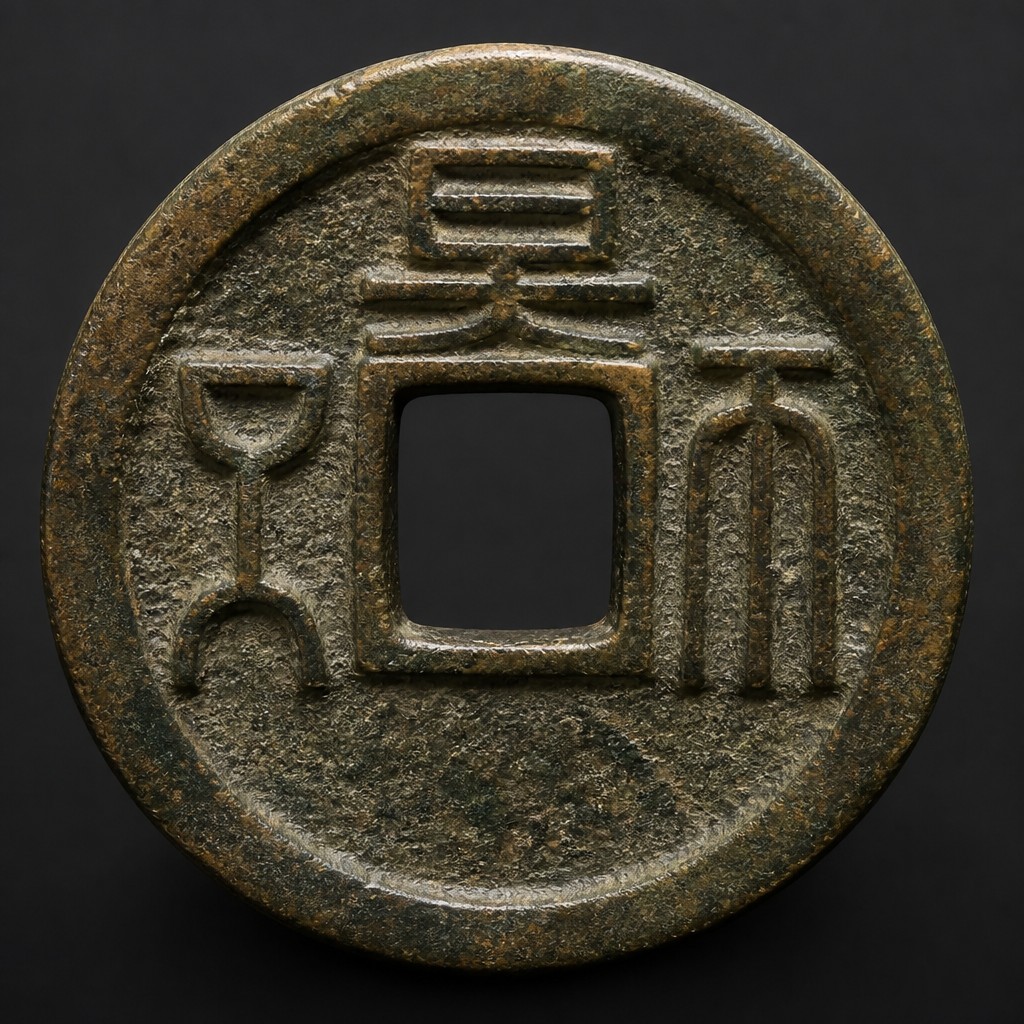
Chinese Wu Zhu Cash
118 BC – 618 AD
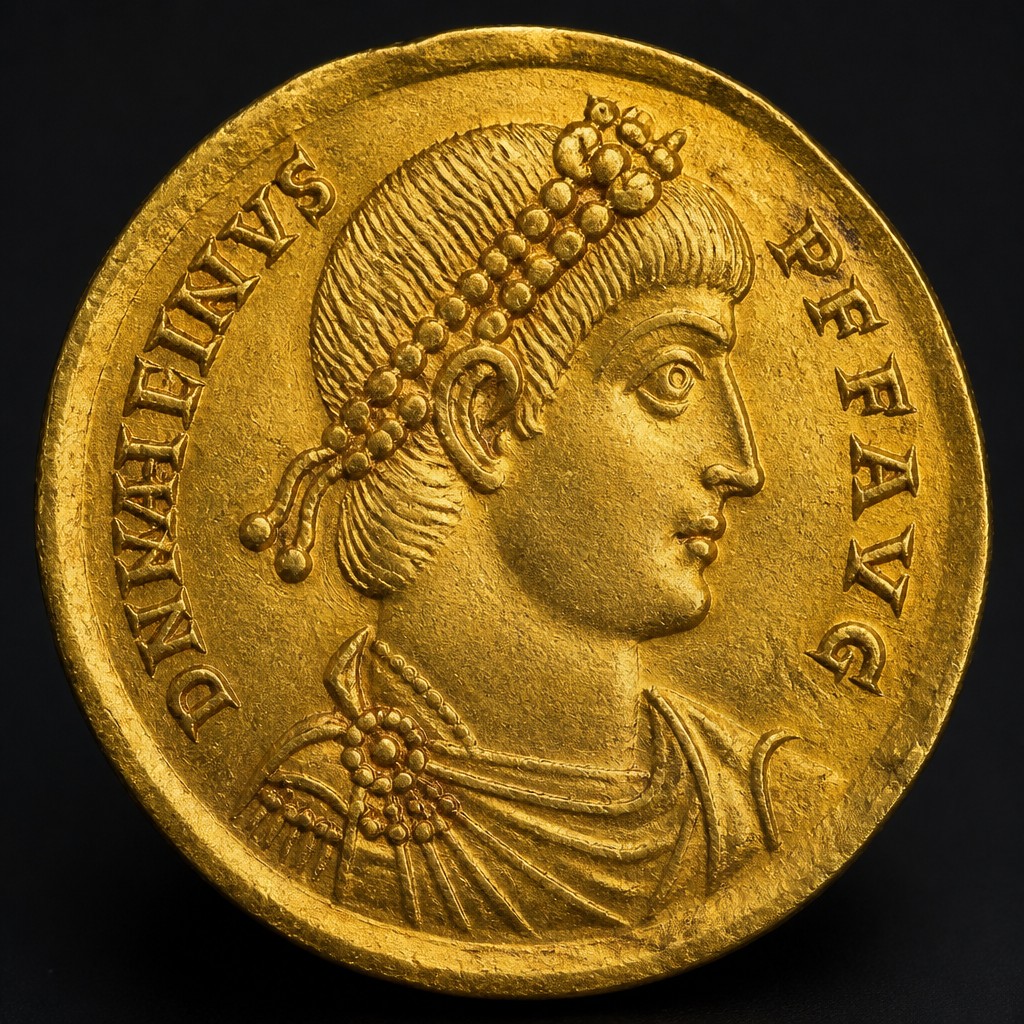
Valentinian I Solidus
364–375 AD
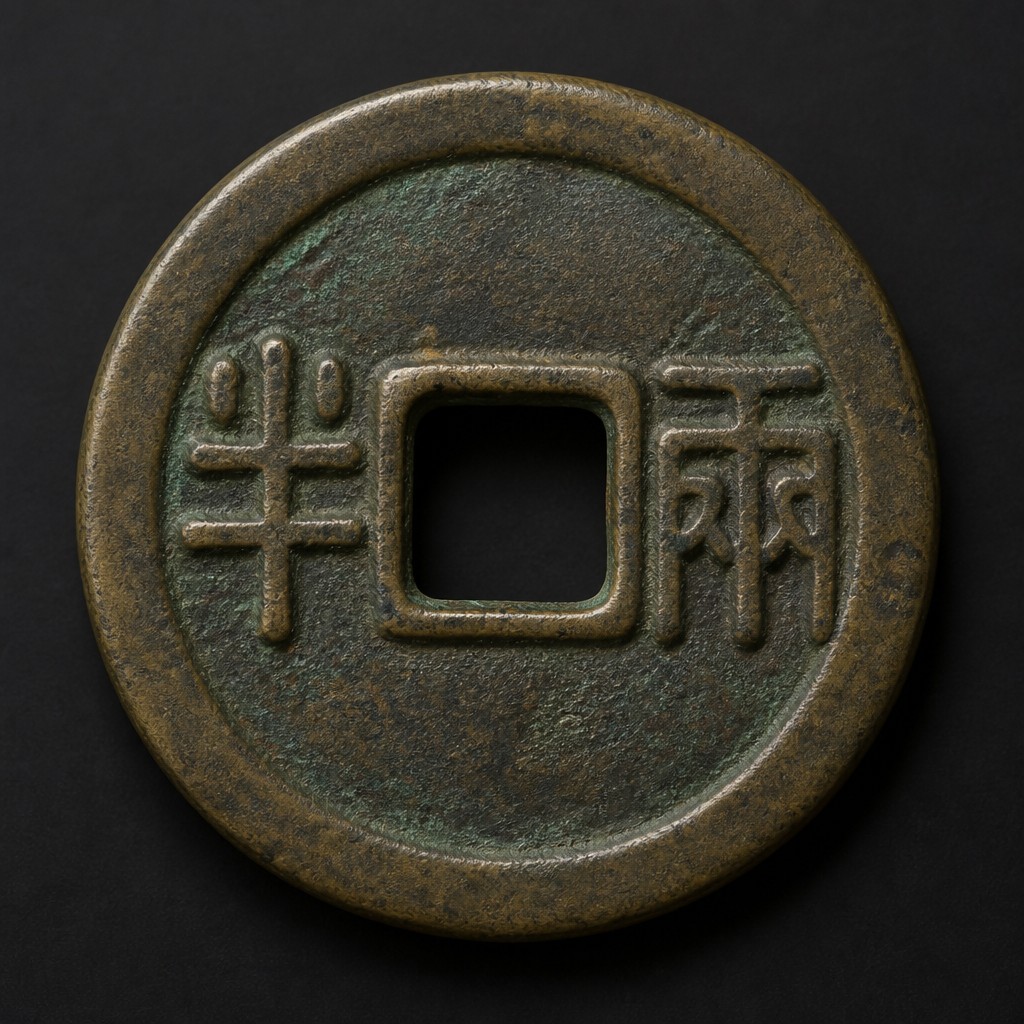
Chinese Ban Liang Cash
c. 221–118 BC
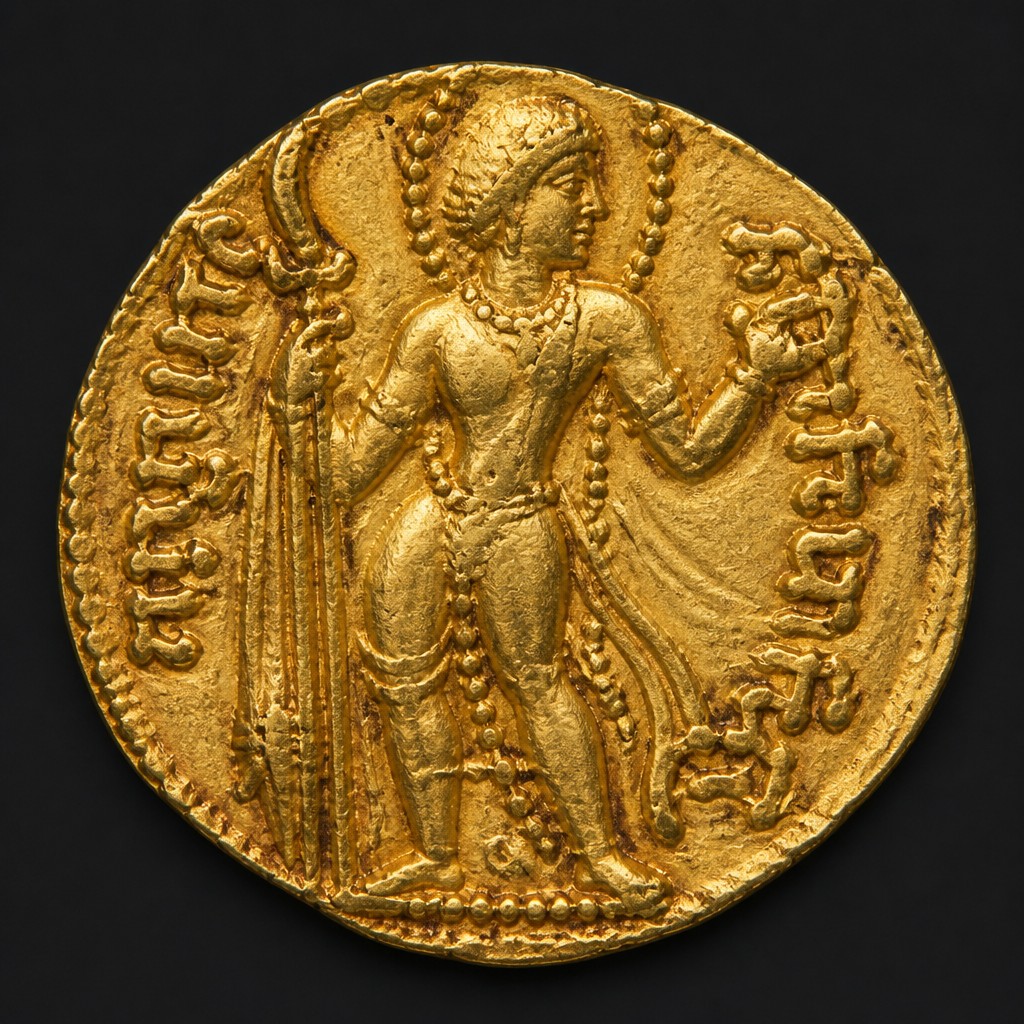
Gupta Empire Gold Dinar
c. 320–550 AD
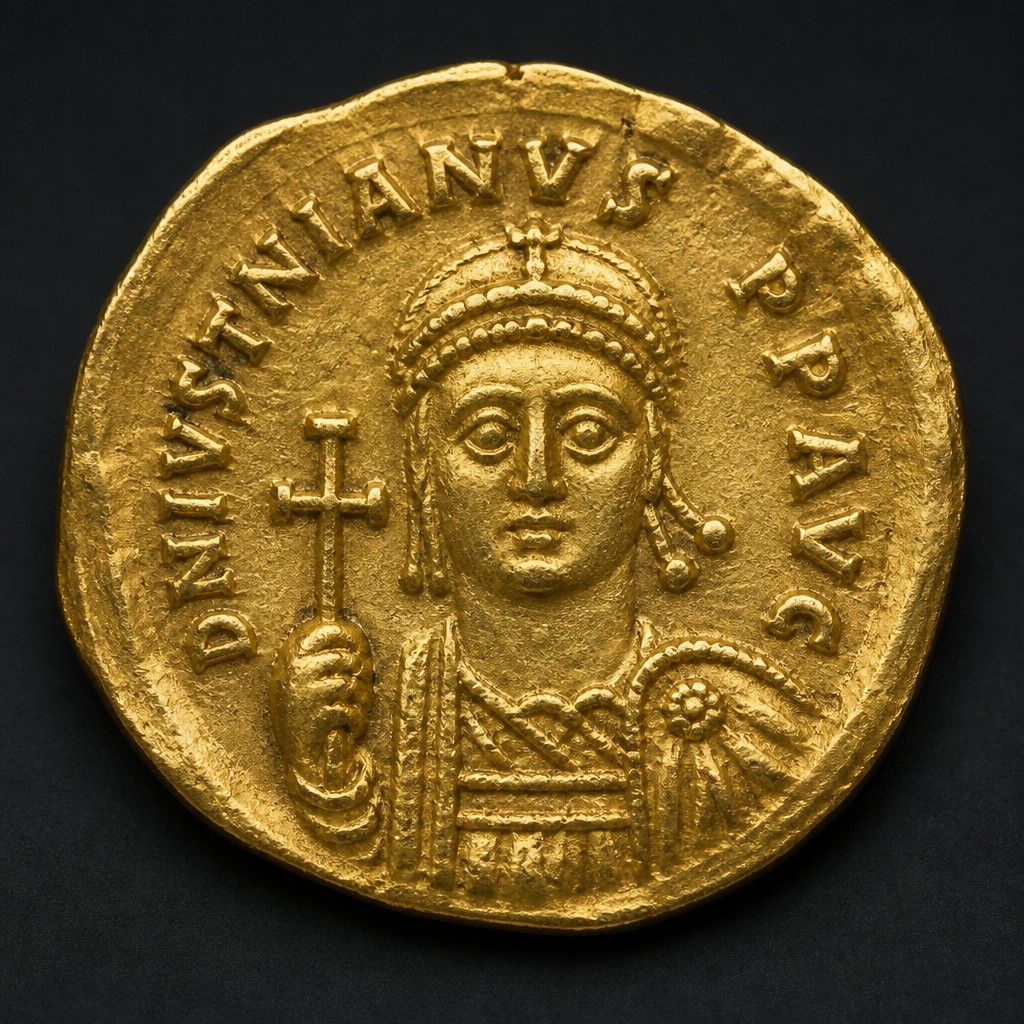
Byzantine Gold Tremissis
c. 4th–7th century AD
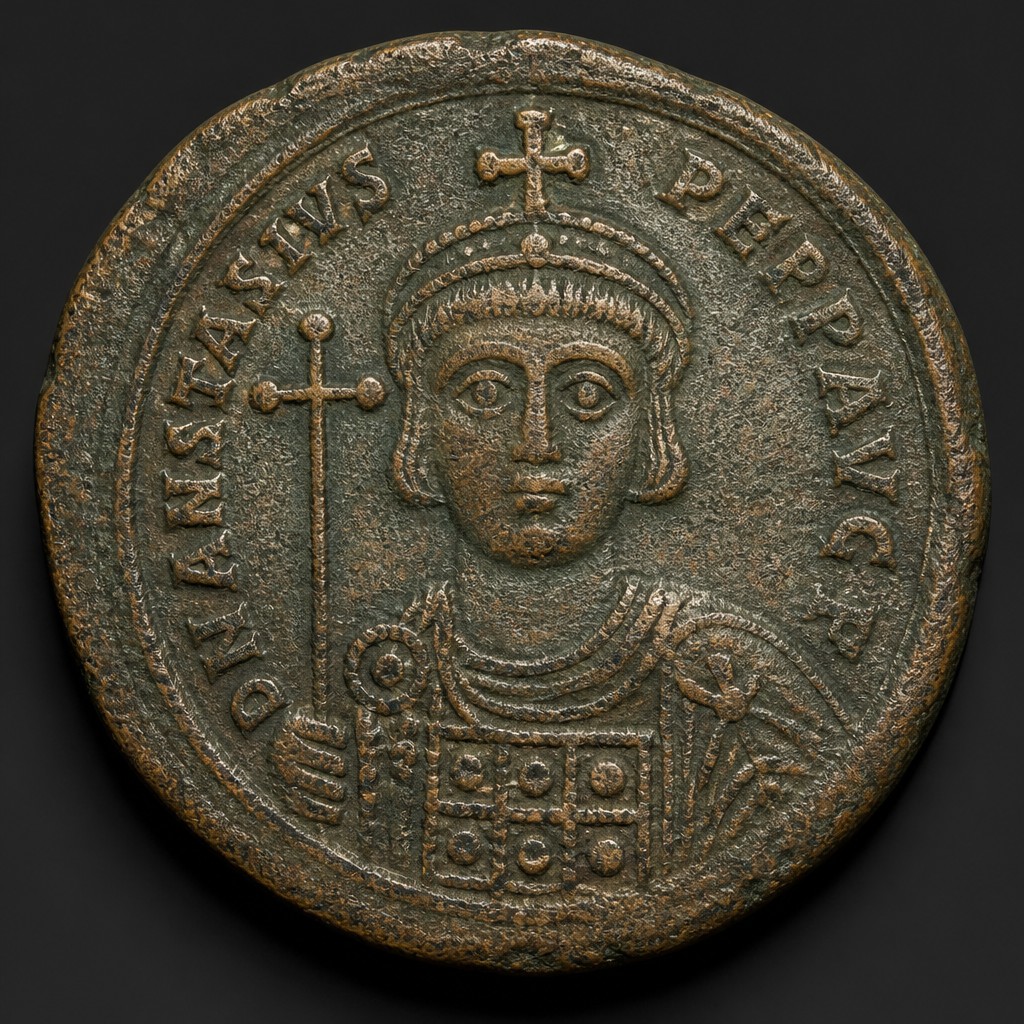
Byzantine Follis
498–c. 11th century AD
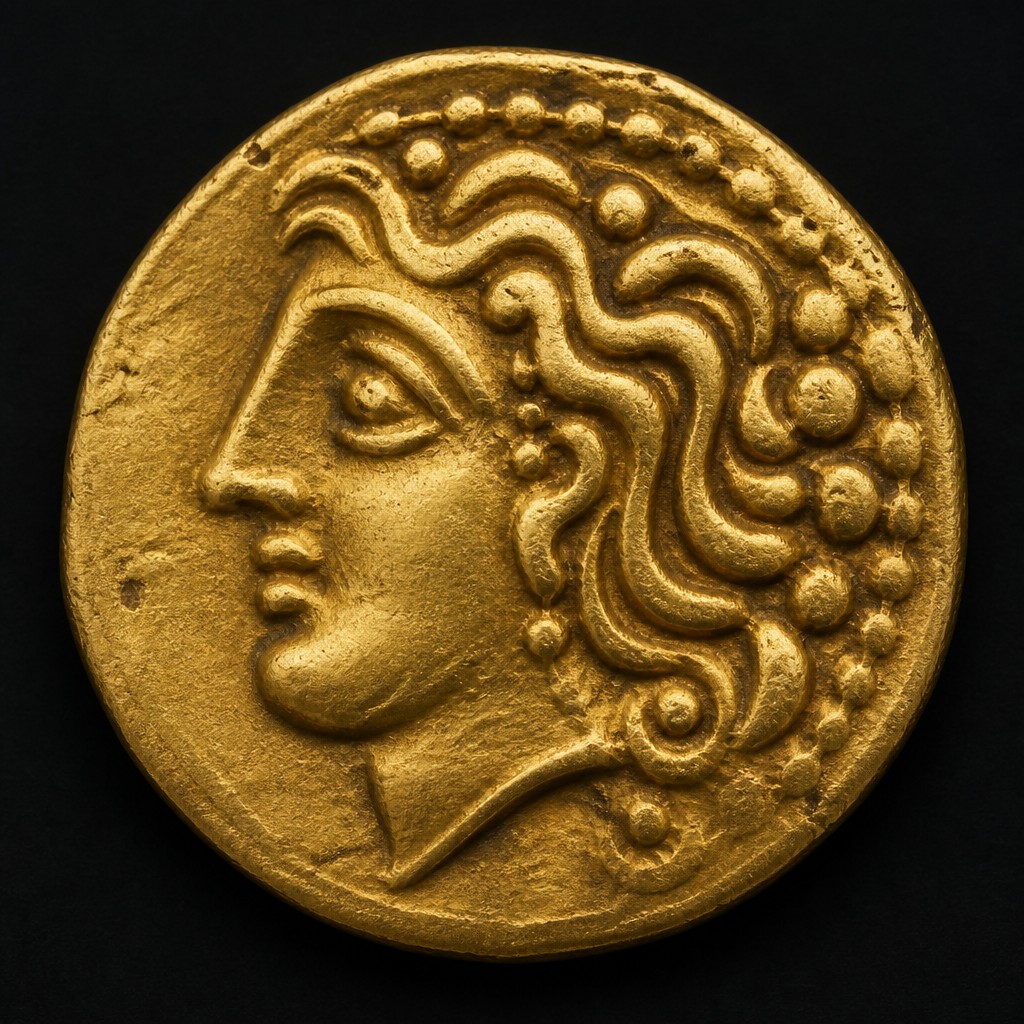
Celtic Gold Stater
c. 3rd century BC – 1st century AD
Indo-Greek Silver Drachm (Menander)
c. 165/155–130 BC