
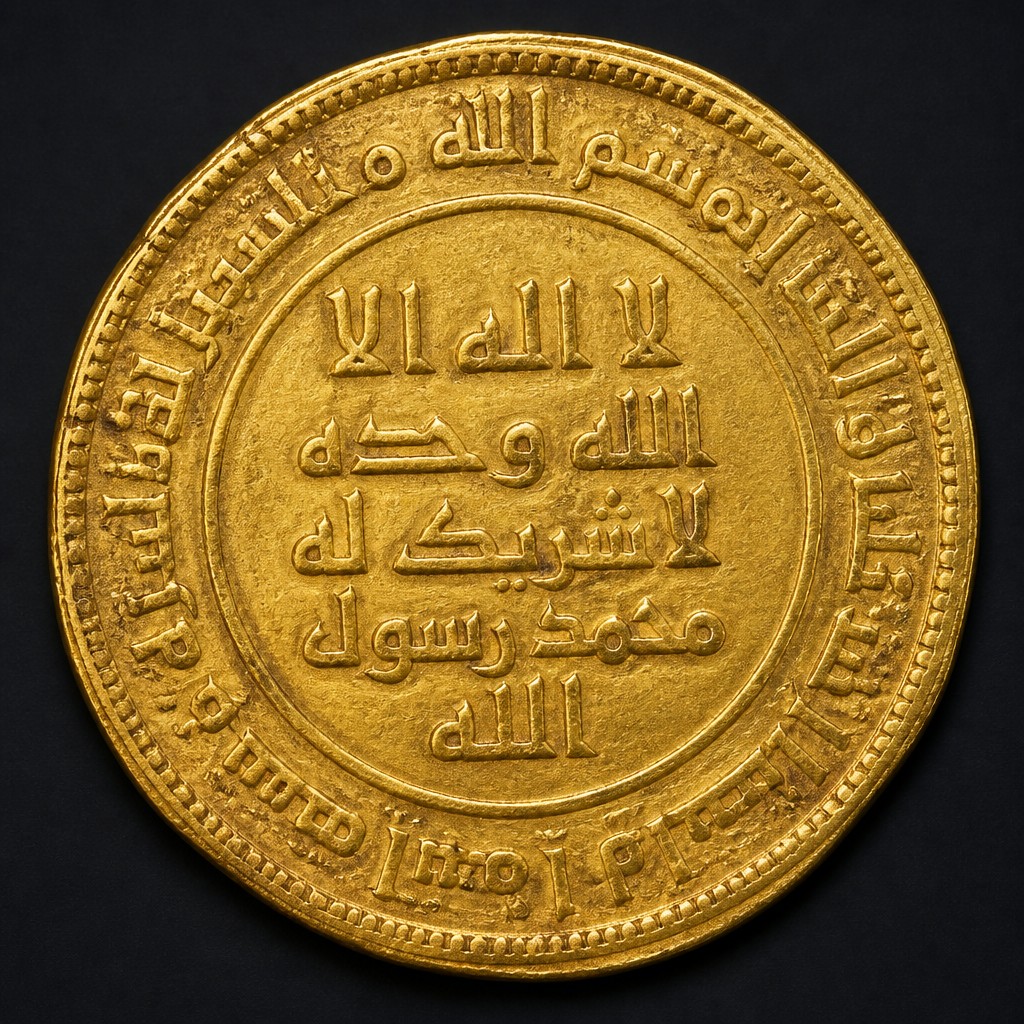
Islamic Gold Dinar (Umayyad)
The first purely epigraphic Islamic gold coin, introduced by Caliph Abd al-Malik around 696 AD, replacing figural Byzantine-style imagery with Quranic inscriptions.
- Country
- Umayyad Caliphate
- Denomination
- Dinar
- Metal
- Gold
Got a coin like this?
Identify any coin from a photo, free.
Overview
The Umayyad gold dinar marks a pivotal moment in the history of coinage: the deliberate rejection of human and animal imagery in favor of text-only religious and political inscriptions, a design choice that would define Islamic coinage for centuries afterward. It represents the establishment of a distinctly Islamic monetary identity separate from the Byzantine and Sasanian traditions it initially imitated.
Collectors and historians alike prize the Umayyad dinar for its role as a monumental turning point in numismatic art and its direct connection to early Islamic history, including the caliphate that first unified much of the Middle East and North Africa under Muslim rule.
History & Background
In the decades following the Arab conquests, the new Islamic state initially continued using or closely imitating Byzantine gold coinage and Sasanian silver coinage in the territories it controlled. Around 696–697 AD (77 AH), the Umayyad Caliph Abd al-Malik ibn Marwan introduced a sweeping monetary reform, striking a new gold dinar bearing only Arabic script, primarily Quranic phrases affirming the oneness of God and the prophethood of Muhammad, with no human or animal images.
This reform was as much political and religious as economic, asserting the caliphate's independence from Byzantine coinage conventions and reinforcing Islamic religious identity through everyday currency. The reformed dinar became the standard for gold coinage across the Umayyad Caliphate, which at its height stretched from Spain to Central Asia.
The design template established by Abd al-Malik's reform, featuring concentric circles of Arabic text with no imagery, remained the basic model for Islamic gold and silver coinage for many centuries after the Umayyads were overthrown by the Abbasids in 750 AD.
How to Identify
The Umayyad reformed dinar shows no images at all, a deliberate departure from earlier coinages. Instead, both sides are covered in concentric bands of Arabic Kufic script. The obverse center typically bears the Islamic declaration of faith (the shahada), while the margin includes a Quranic verse; the reverse center often names the date and often refers to the sending of the Prophet with guidance and true religion, with a further Quranic quotation in the margin.
The coin is small and thick, roughly 19 to 20mm in diameter, in high-purity gold, weighing close to 4.25 grams, following the weight standard of the earlier Byzantine solidus it was designed to replace in trade. There is no ruler's name or portrait, unlike almost all contemporary coinages, which is itself a distinguishing feature.
Collectors distinguish early transitional Umayyad coins, which still show Byzantine- or Sasanian-derived imagery such as a standing caliph figure, from the fully reformed, text-only dinars introduced by Abd al-Malik; the latter are the type most associated with the name "Umayyad reformed dinar."
Value & Collectibility
Umayyad reformed gold dinars are significant and desirable due to their historical importance, generally commanding higher prices than more common Byzantine or Sasanian silver issues of similar age. Even relatively common dated examples can be a meaningful investment for an ancient coin, often reaching into the thousands of dollars depending on date, mint, and condition.
Earlier transitional types with pictorial elements, and any dinars from unusual or early mints, can command significantly higher prices due to rarity and historical significance. As with all early Islamic gold, authenticity verification by a specialist is strongly recommended given the coin's value and the existence of imitations.
Frequently asked questions
Why does this coin have no pictures on it?
Caliph Abd al-Malik's coinage reform around 696 AD deliberately removed all human and animal imagery in favor of Arabic religious text, establishing a lasting aniconic tradition in Islamic coinage.
What is written on the coin?
The inscriptions are primarily Quranic phrases and the Islamic declaration of faith (shahada), along with the mint date recorded in the Islamic (Hijri) calendar.
Does the dinar name the caliph who issued it?
No, unlike most ancient coinages the reformed dinar does not name the ruling caliph; only the mint date and religious inscriptions appear.
How is the dinar's weight related to Byzantine coinage?
It was struck to a weight standard closely comparable to the Byzantine gold solidus, since it was intended to function within the same Mediterranean and Near Eastern gold trade network.
What came before the reformed dinar?
Early Arab-Islamic gold coinage initially imitated Byzantine solidi, sometimes with modified imagery, before Abd al-Malik's reform replaced these with the text-only design.
Other coins you may enjoy
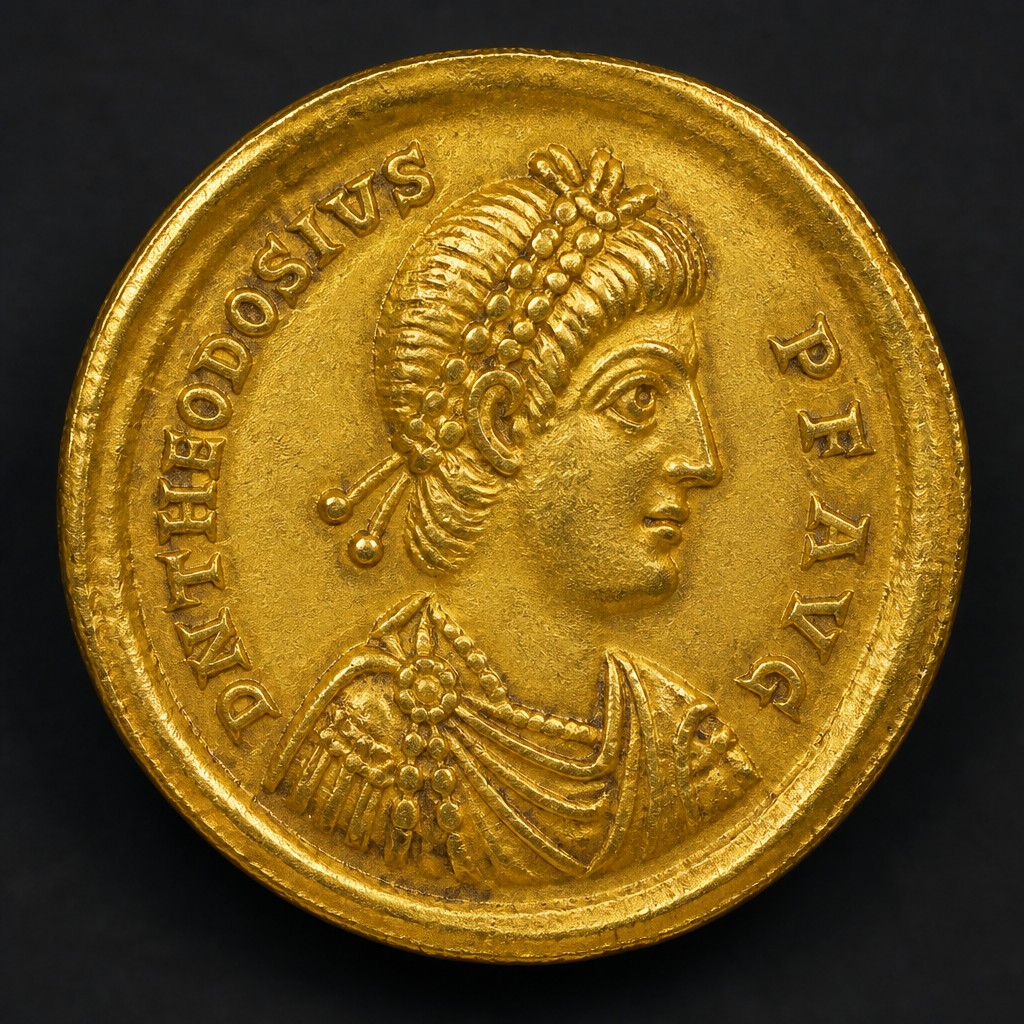
Theodosius I Solidus
379–395 AD
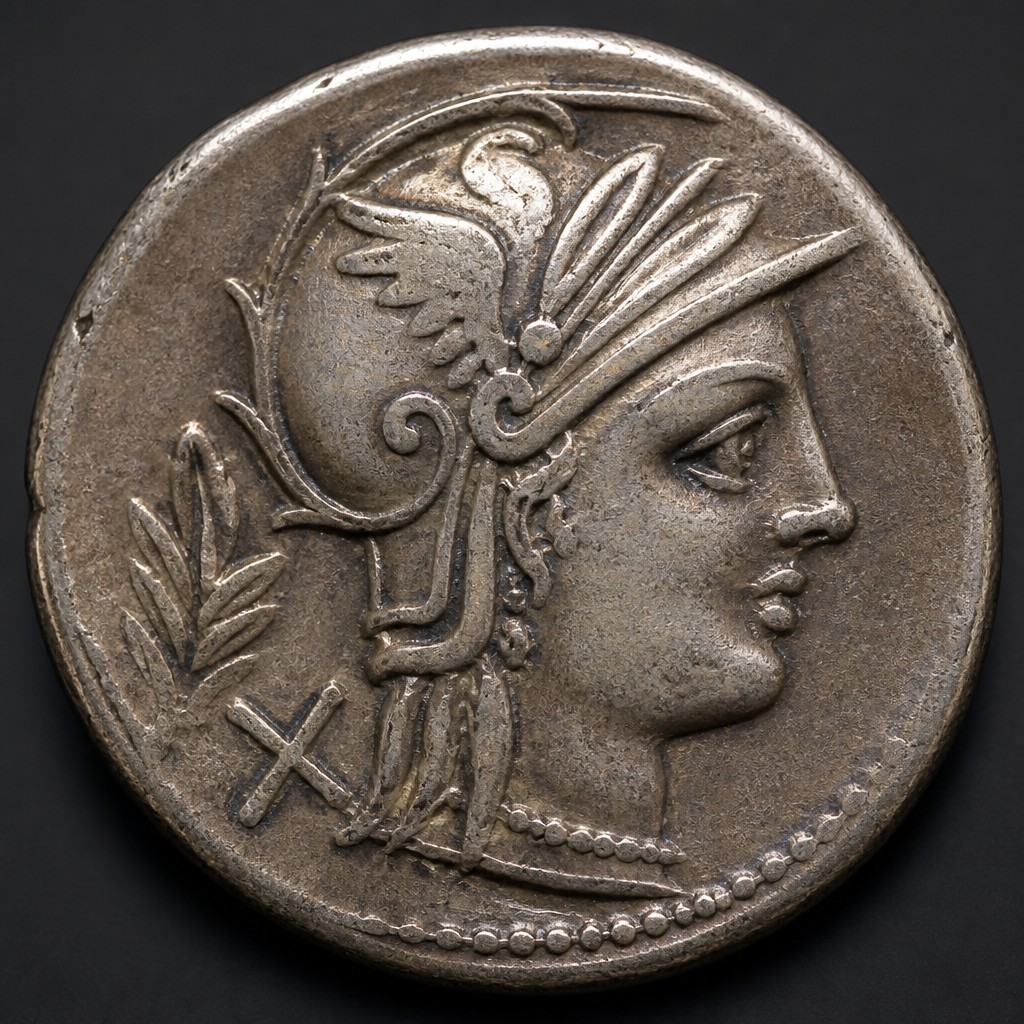
Republican Victoriatus
c. 211–170 BC
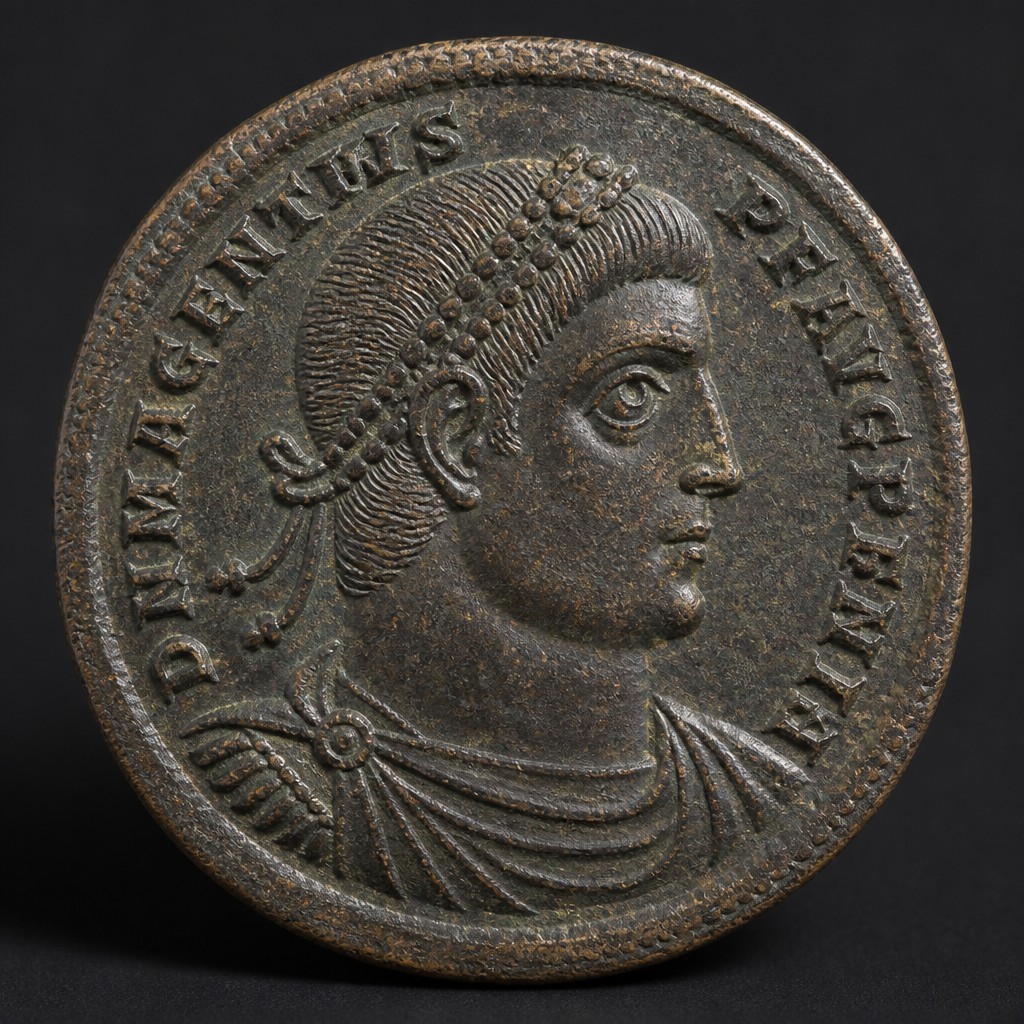
Magnentius Double Centenionalis
350–353 AD
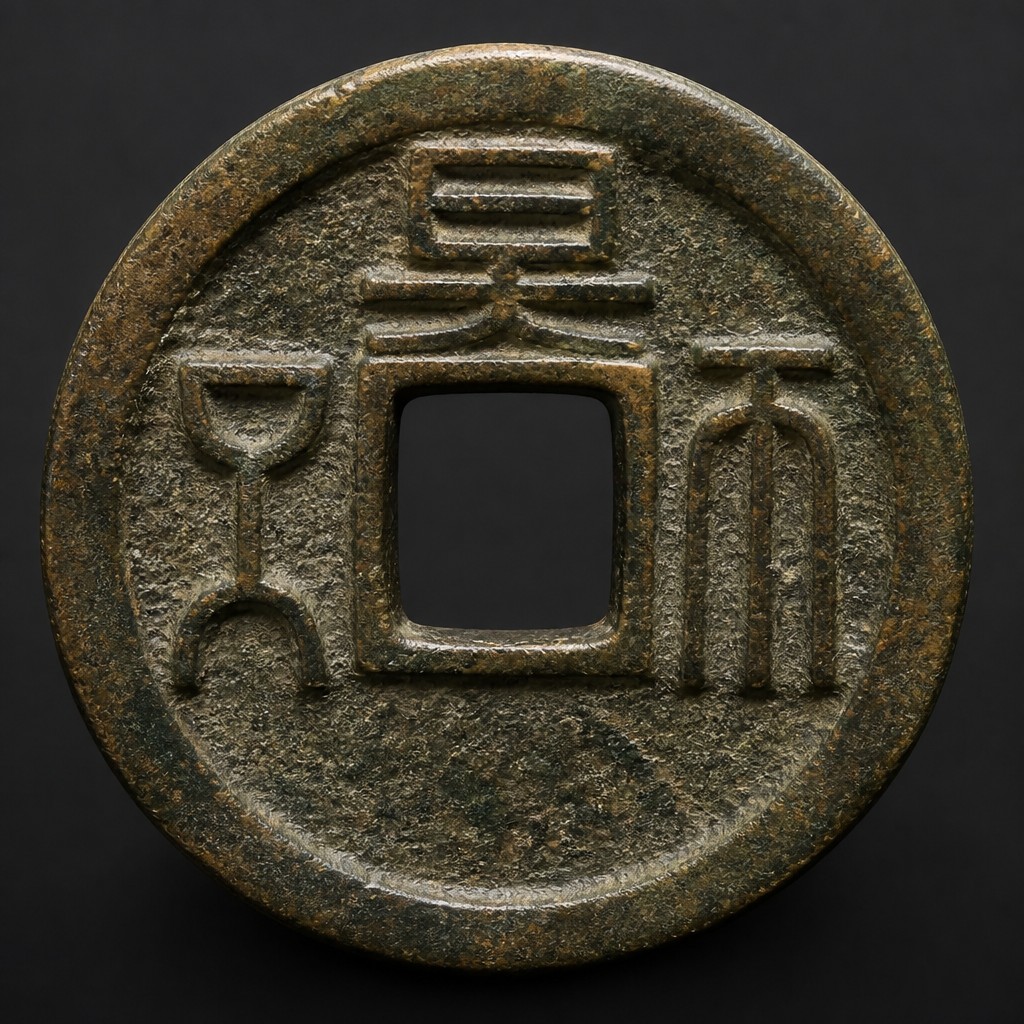
Chinese Wu Zhu Cash
118 BC – 618 AD
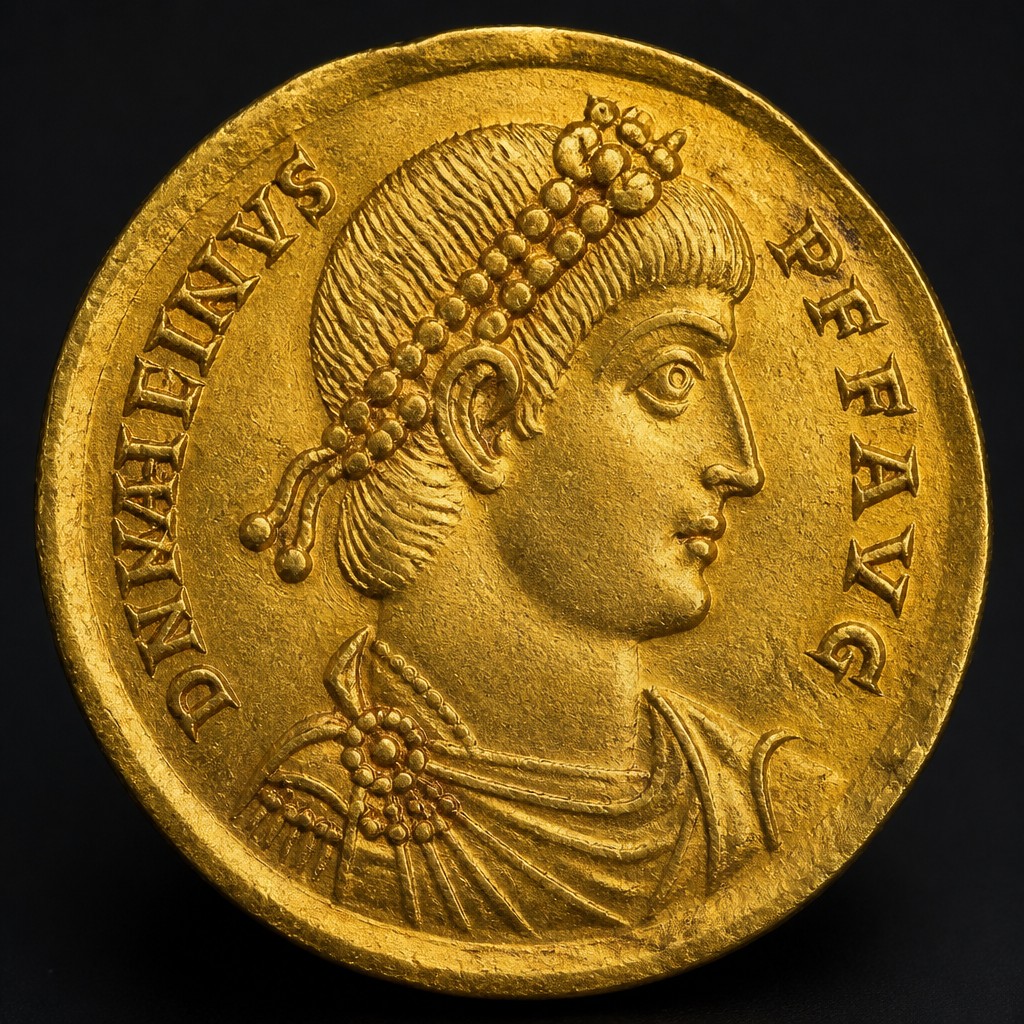
Valentinian I Solidus
364–375 AD
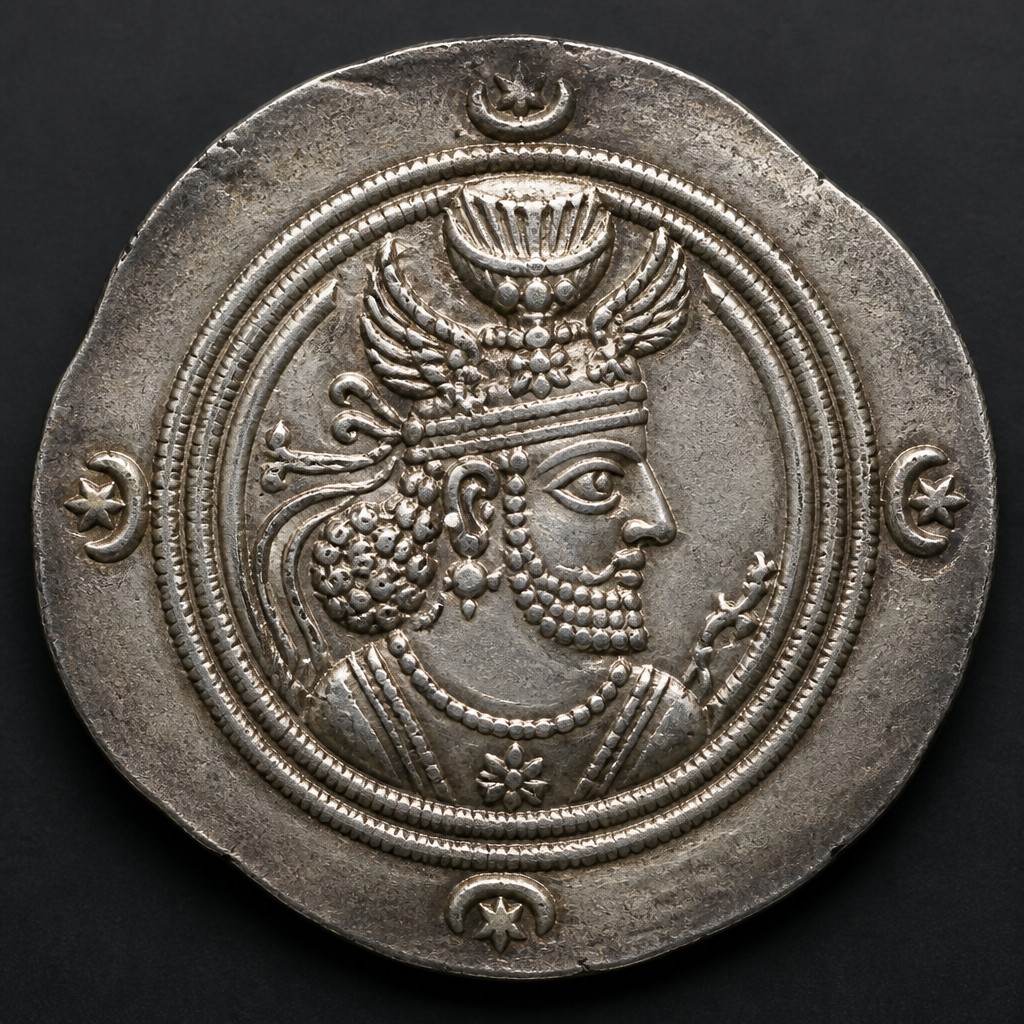
Sassanian Silver Drachm
c. 224–651 AD
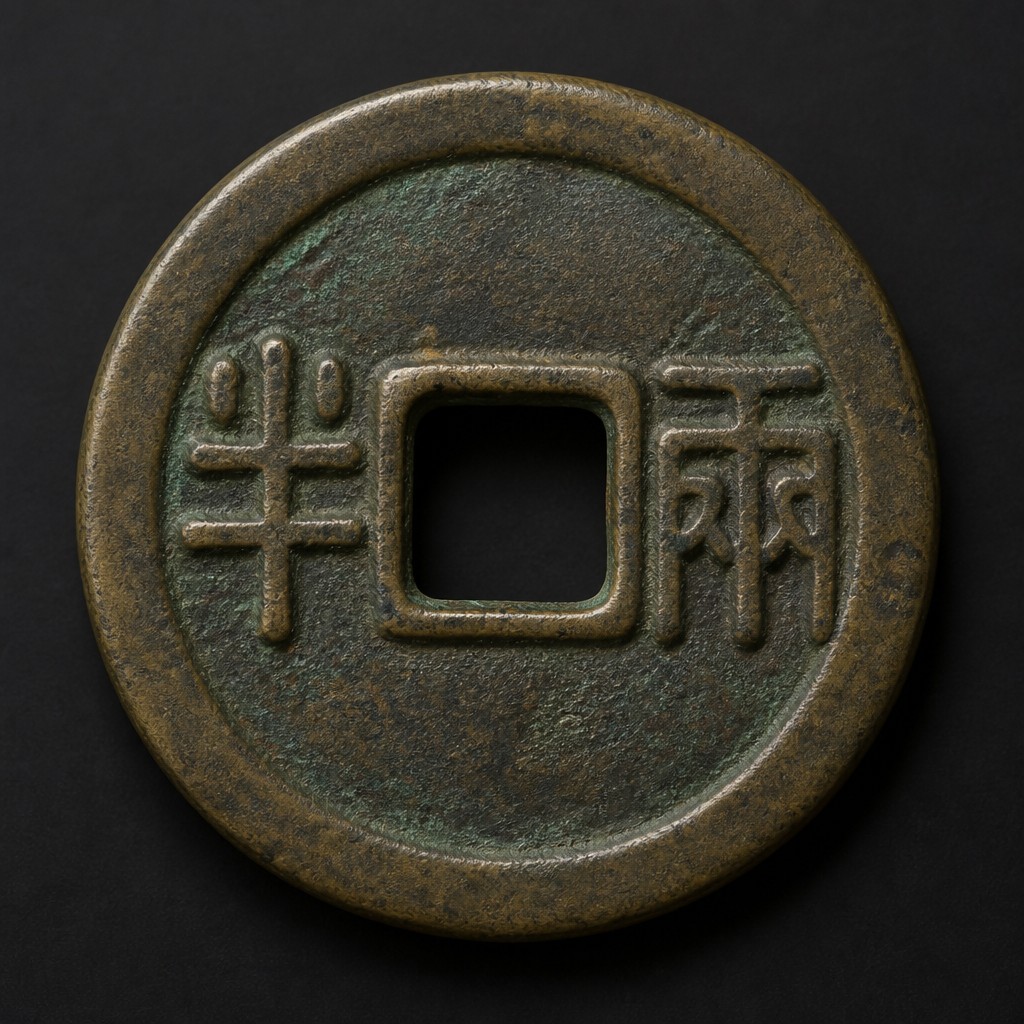
Chinese Ban Liang Cash
c. 221–118 BC
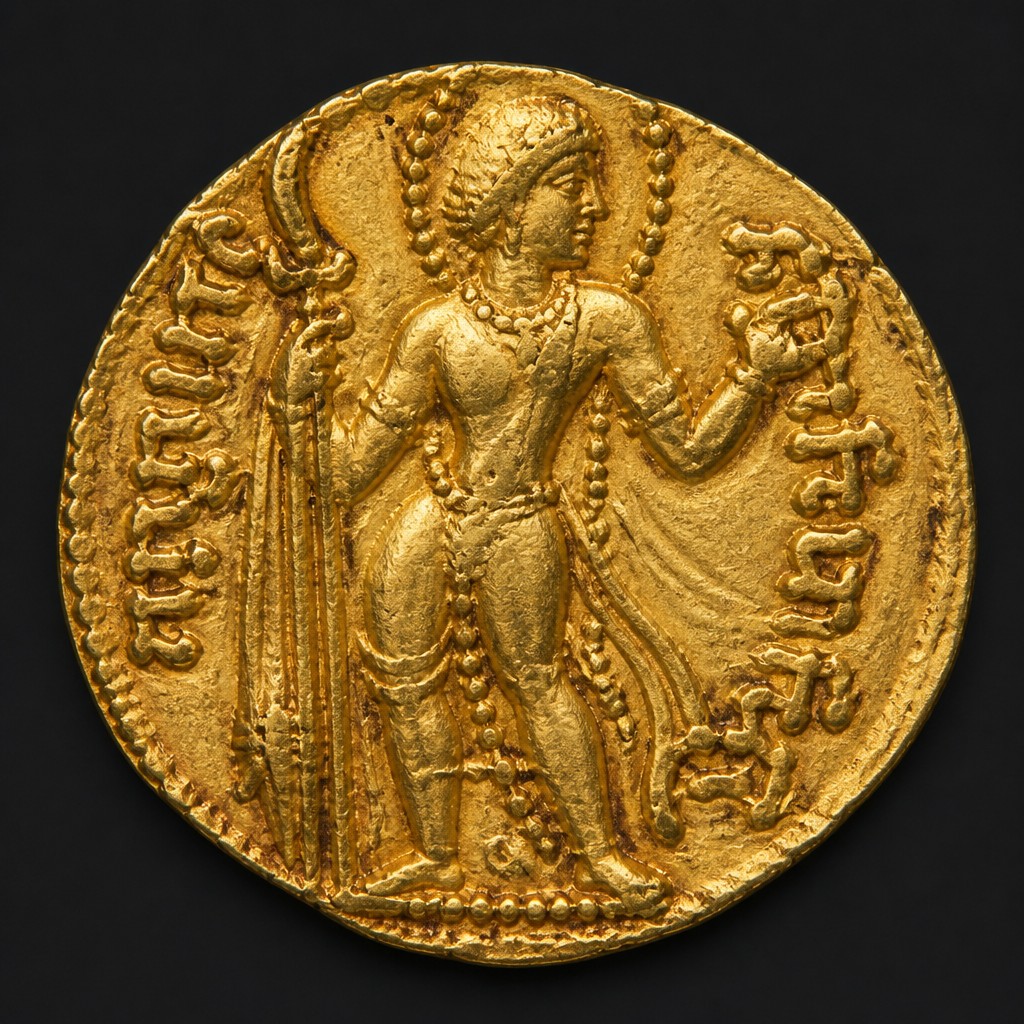
Gupta Empire Gold Dinar
c. 320–550 AD
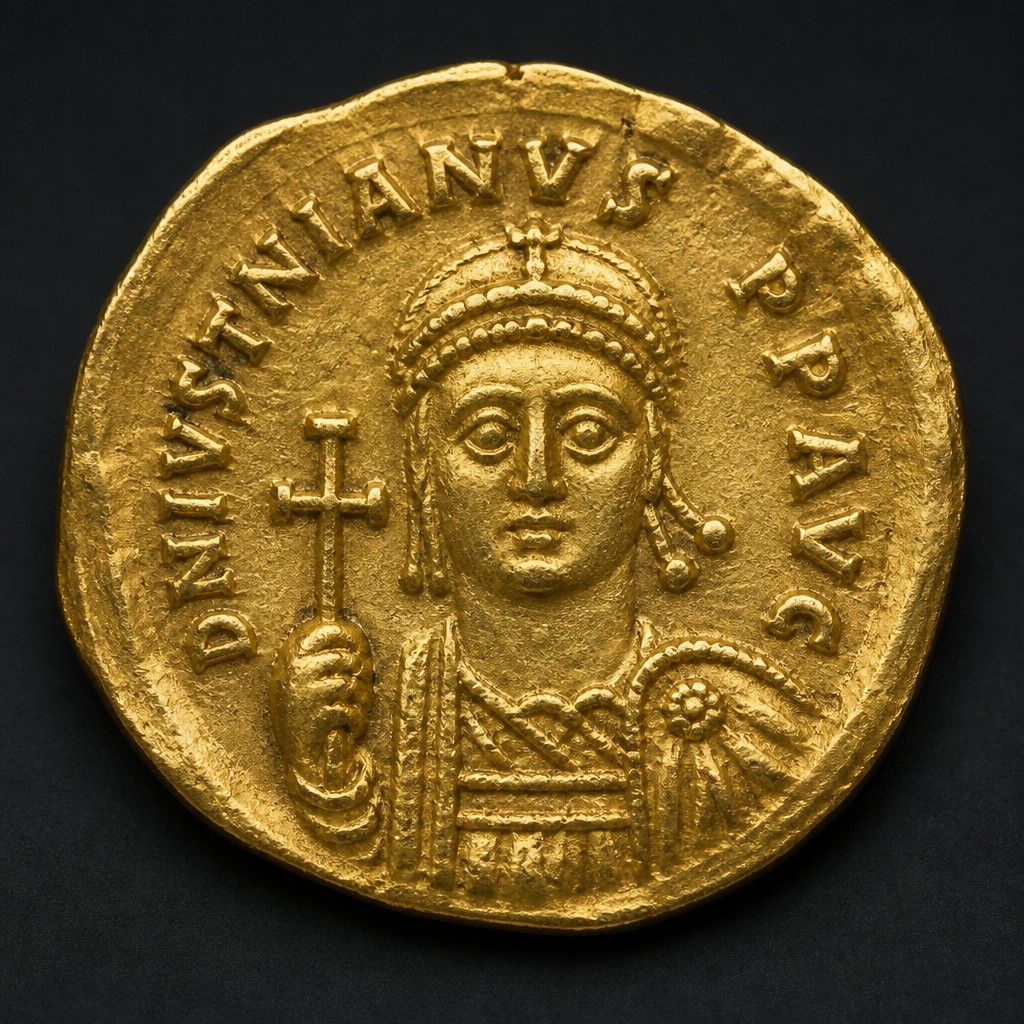
Byzantine Gold Tremissis
c. 4th–7th century AD
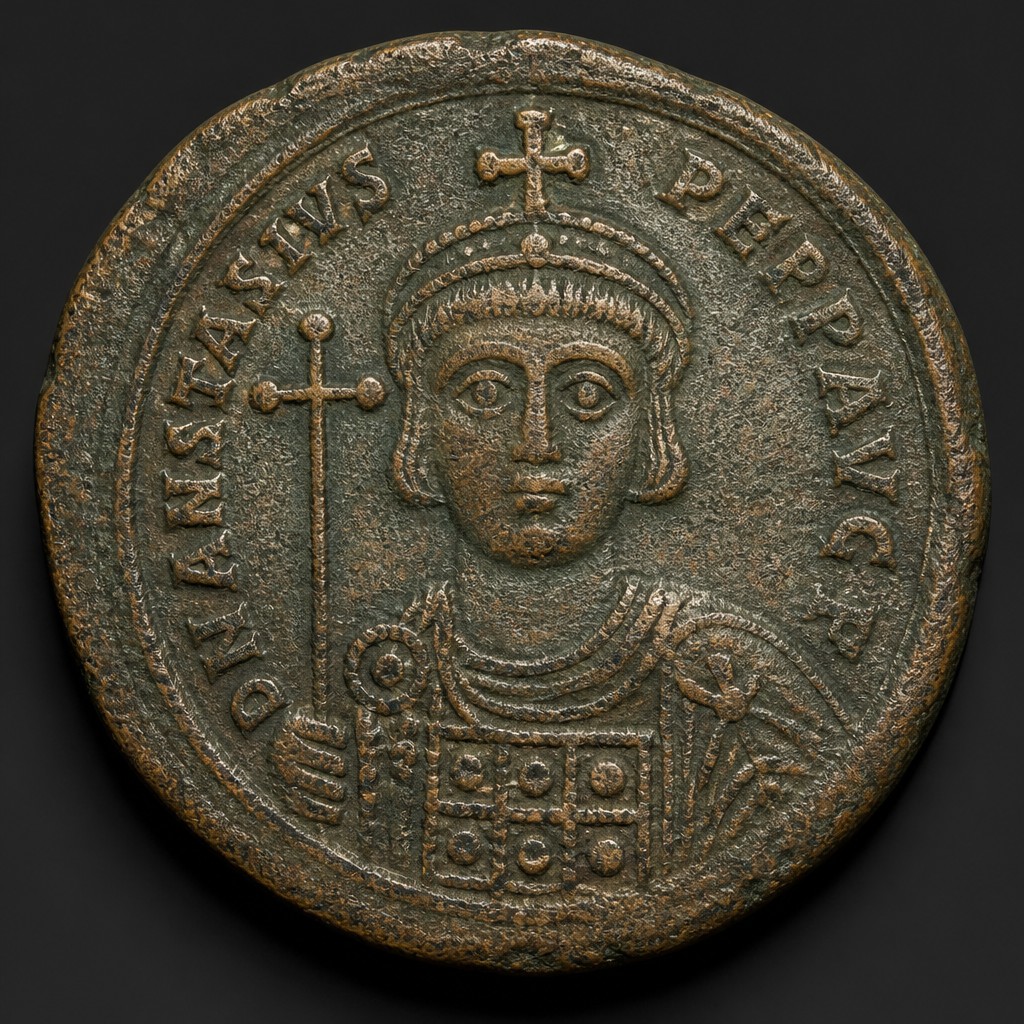
Byzantine Follis
498–c. 11th century AD
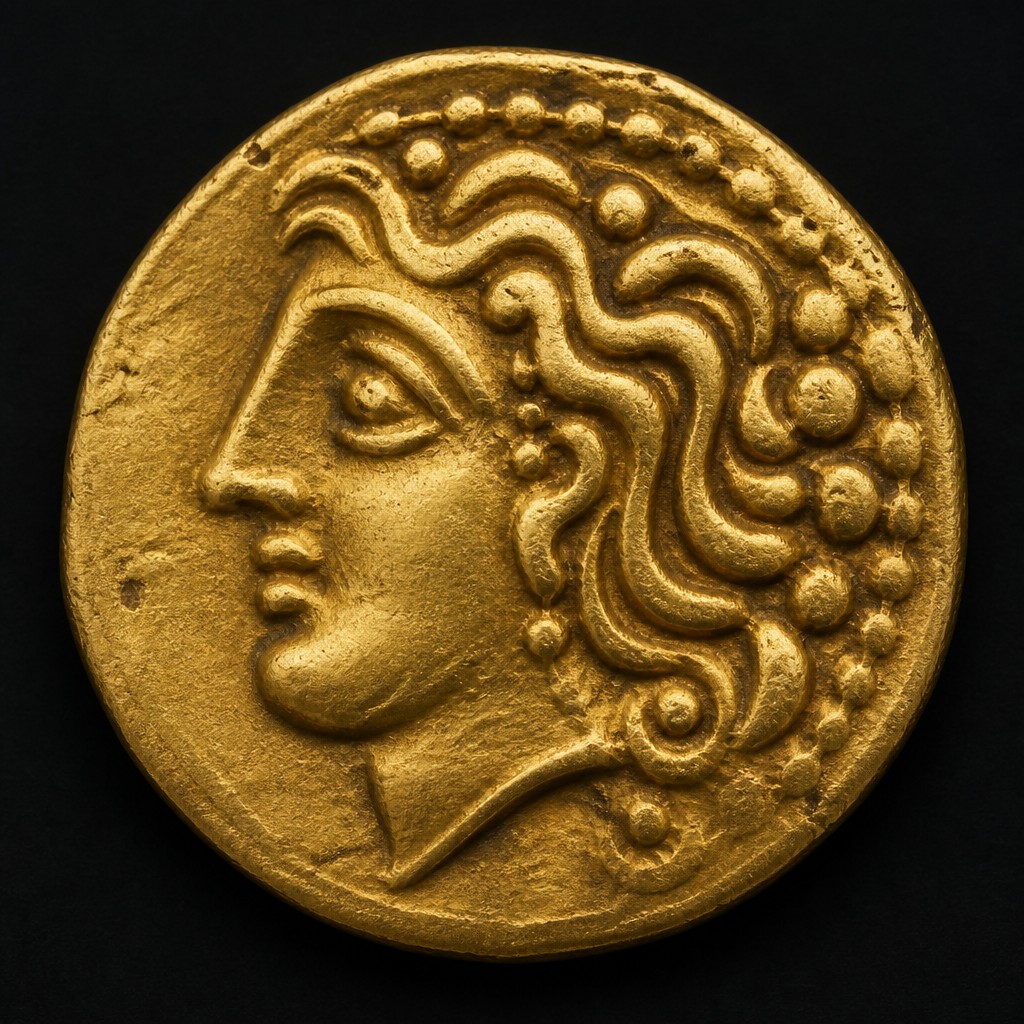
Celtic Gold Stater
c. 3rd century BC – 1st century AD
Indo-Greek Silver Drachm (Menander)
c. 165/155–130 BC