
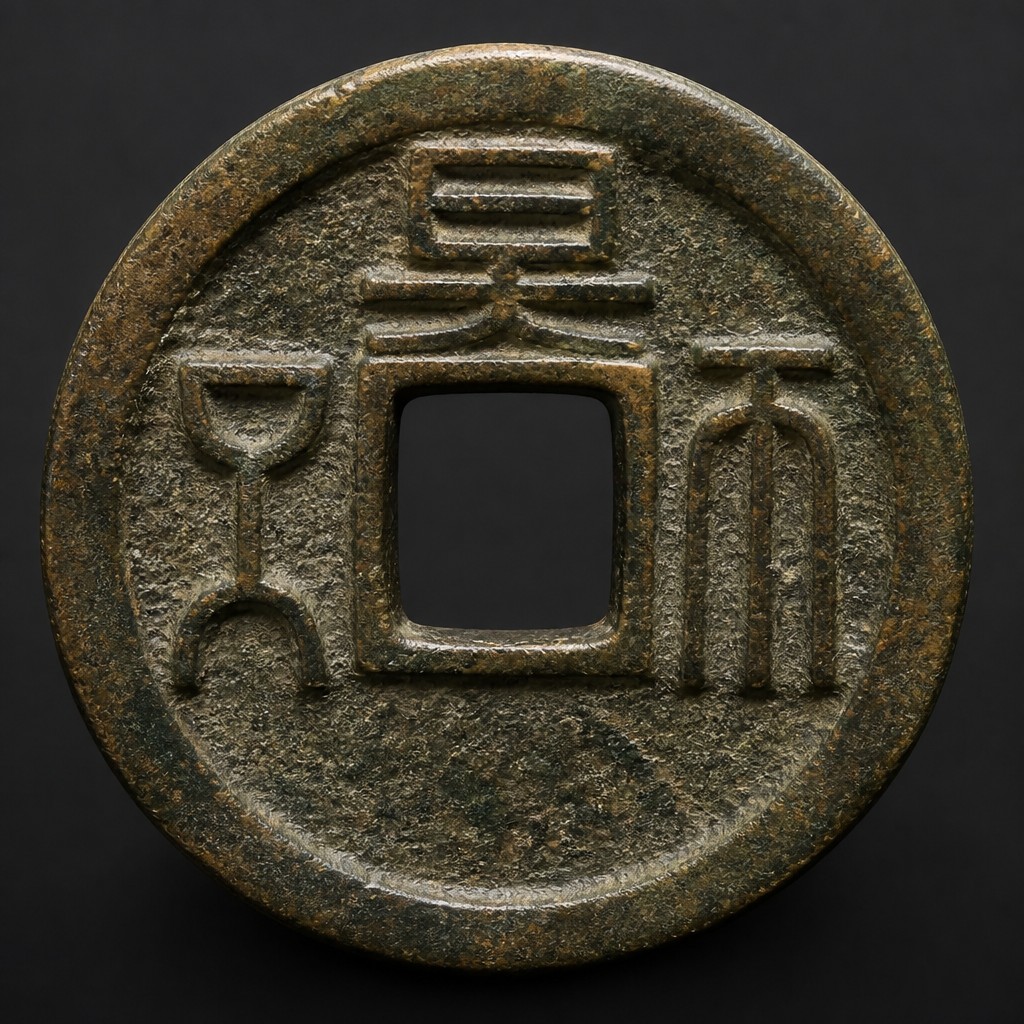
Chinese Wu Zhu Cash
One of history's longest-running coin types, cast continuously for over seven centuries across multiple Chinese dynasties after its introduction under Emperor Wu of Han.
- Country
- Ancient China (Han through early Tang dynasties)
- Denomination
- Wu Zhu ("five zhu")
- Metal
- Bronze
Got a coin like this?
Identify any coin from a photo, free.
Overview
The Wu Zhu holds the distinction of being one of the longest-produced coin types in world history, remaining in use with only minor interruptions from its introduction in 118 BC until the early 7th century AD, spanning the Han, Xin, and several subsequent dynasties through the Sui. Its remarkable longevity reflects the success of Emperor Wu's monetary reform in creating a stable, trusted standard.
For collectors, the Wu Zhu offers an accessible entry point into ancient Chinese numismatics, with abundant surviving examples from many different eras, mints, and even rebel or interim regimes, making it a rich series for studying the coin's stylistic evolution across centuries.
History & Background
Emperor Wu of the Han dynasty introduced the Wu Zhu coin in 118 BC to replace the fluctuating and often debased Ban Liang coinage, establishing a new standard weight of five zhu (an ancient Chinese unit of weight) that gave the coin its name. The reform succeeded in stabilizing Chinese currency for an unusually long period.
The Wu Zhu continued to be cast, with only a notable interruption during the brief Xin dynasty of Wang Mang (9–23 AD), who introduced his own experimental coinage before the Wu Zhu was restored under the Eastern Han. Production continued through the Three Kingdoms, Jin, and Northern and Southern Dynasties periods, with regional variations in weight, style, and quality reflecting the political fragmentation of China during much of this era.
The Sui dynasty, which reunified China in 589 AD, continued casting Wu Zhu coins until 618 AD, when the succeeding Tang dynasty replaced it with the Kai Yuan Tong Bao, ending the Wu Zhu's remarkable run of over seven centuries.
How to Identify
The Wu Zhu is a round bronze coin with a square center hole, following the format established by the earlier Ban Liang, but distinguished by its inscription reading "Wu" and "Zhu," positioned to the right and left of the hole. Unlike many Ban Liang coins, Wu Zhu coins typically feature raised rims around both the outer edge and the central square hole, a refinement that improved durability during casting and circulation.
Because the coin was produced for so long across many dynasties and regions, style, calligraphy, size, and weight vary considerably; some later and regional issues are notably smaller, thinner, or crudely cast compared to the well-made early Western Han examples. Certain variants have additional marks, such as small crescents, dots, or stars on the reverse, which numismatists use to help attribute specific mints or periods.
Collectors distinguish Wu Zhu coins from the earlier Ban Liang mainly by the different inscription and the presence of rims, and from the later Kai Yuan Tong Bao by the two-character weight-based inscription rather than the four-character reign-based inscription used from the Tang dynasty onward.
Value & Collectibility
Common Wu Zhu cash coins from the Han and later dynasties are widely available and generally inexpensive, making them one of the most accessible ancient coin types for collectors on any budget. Their extremely long production run across many dynasties means enormous quantities survive today.
Specific rarer variants, such as those from short-lived regimes, unusual mint marks, or exceptionally well-preserved and clearly struck examples, can command higher prices among specialist collectors of Chinese cash. As with most ancient Chinese coinage, value depends heavily on condition, clarity of the characters, and the specific historical period or variant represented.
Frequently asked questions
What does "Wu Zhu" mean?
It means "five zhu," referring to the coin's weight standard under an ancient Chinese unit of measure, a name that reflects the reformed weight introduced by Emperor Wu of Han.
How long was this coin produced?
The Wu Zhu was cast, with some interruptions, for roughly seven centuries, from 118 BC until 618 AD, making it one of the longest-running coin types in history.
Why did production stop briefly around 9–23 AD?
The usurper Wang Mang introduced his own experimental coinage during the short-lived Xin dynasty, but the Wu Zhu was restored once the Eastern Han was established.
How is a Wu Zhu different from a Ban Liang coin?
The Wu Zhu bears a different two-character inscription and typically has raised rims around the edge and central hole, features the earlier Ban Liang generally lacks.
What replaced the Wu Zhu?
In 618 AD, the newly founded Tang dynasty introduced the Kai Yuan Tong Bao, moving Chinese coinage from a weight-based inscription system to a reign-era-based one.
Other coins you may enjoy
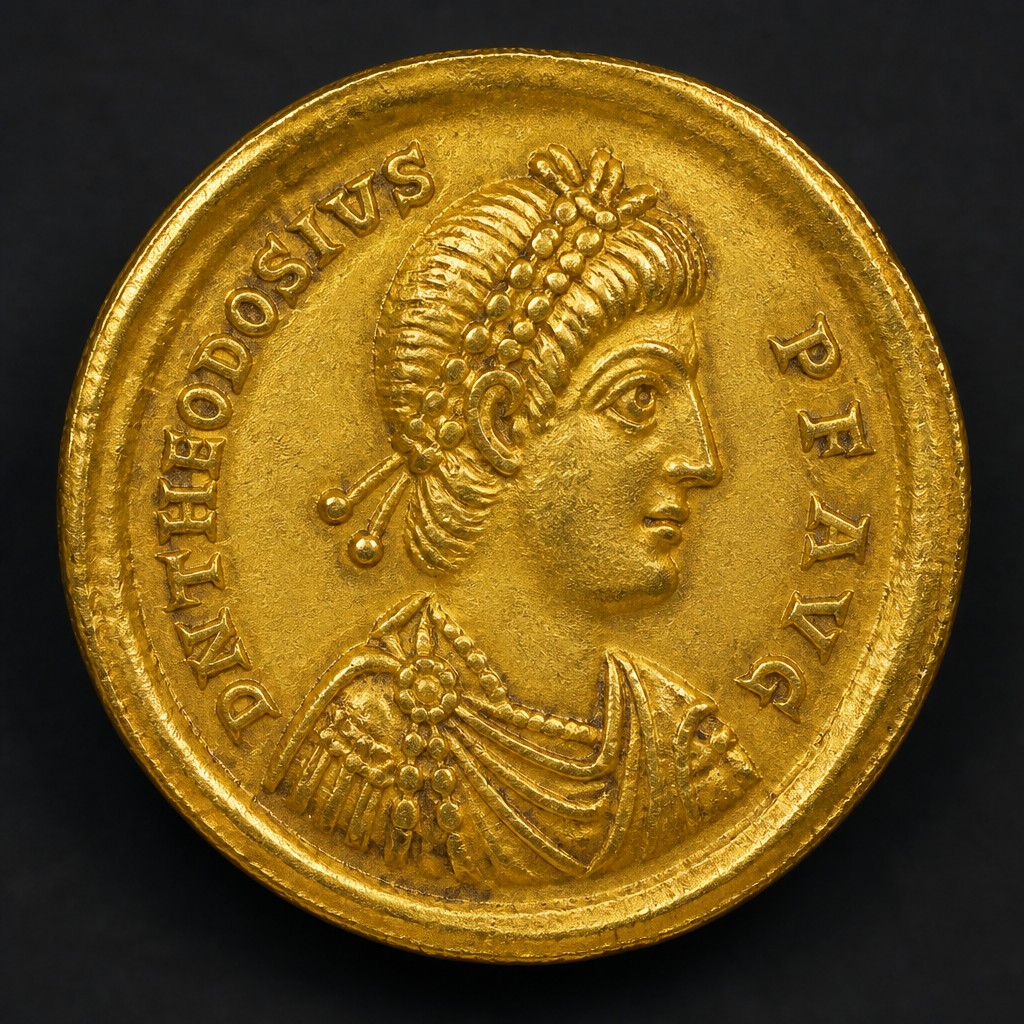
Theodosius I Solidus
379–395 AD
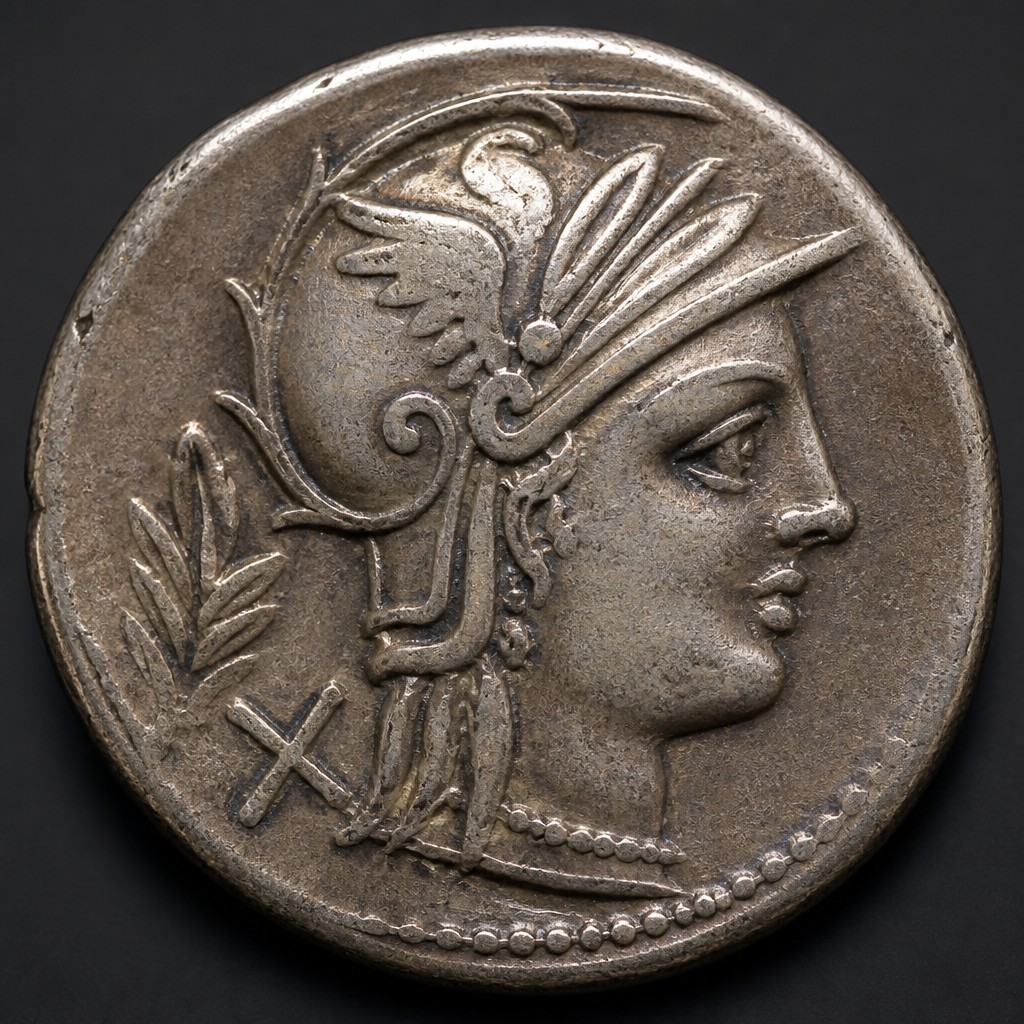
Republican Victoriatus
c. 211–170 BC
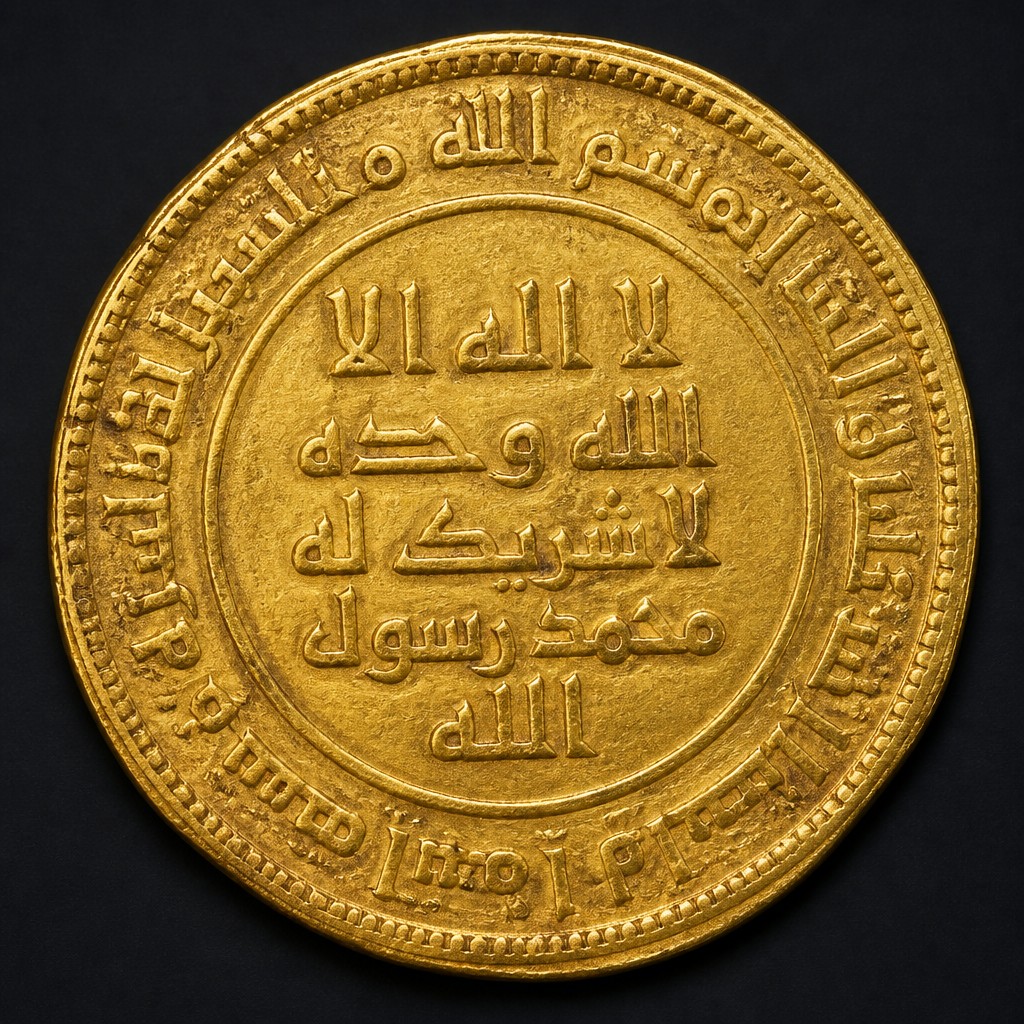
Islamic Gold Dinar (Umayyad)
c. 696–750 AD
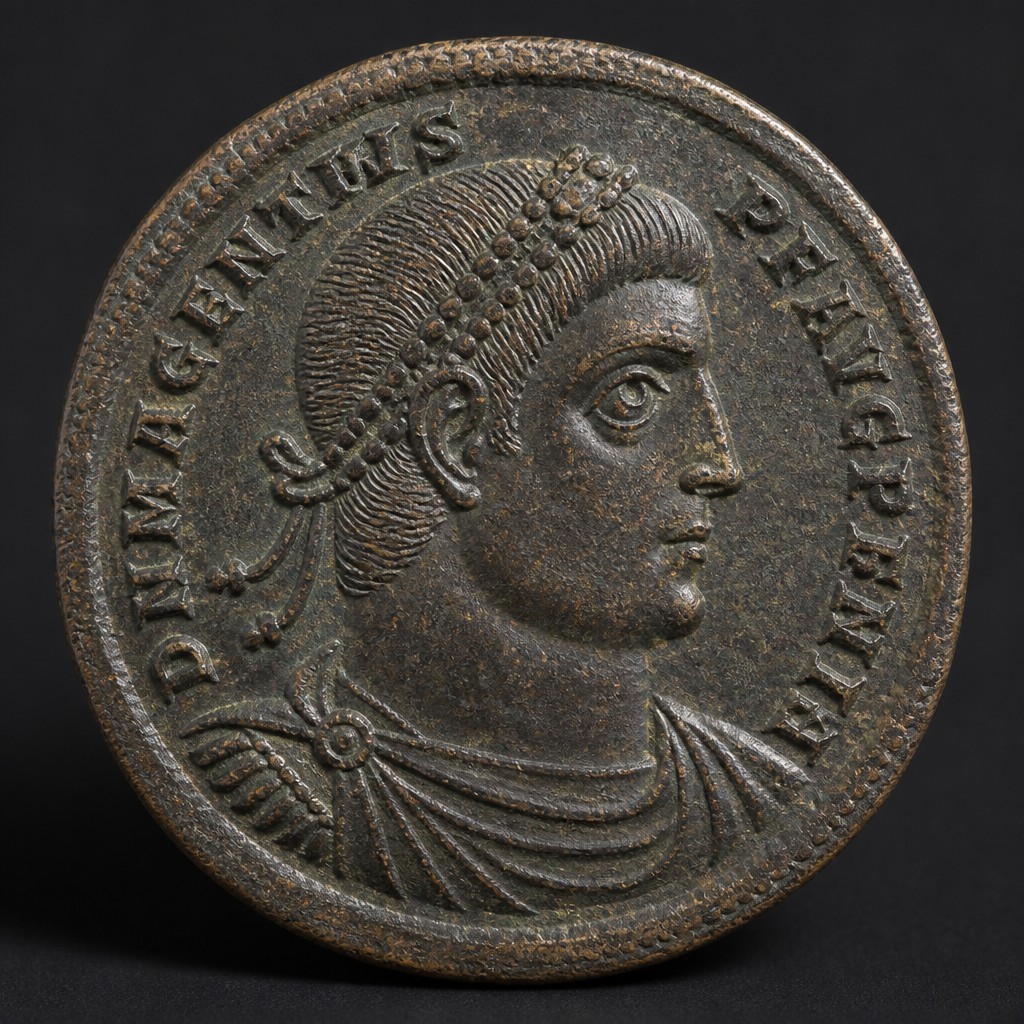
Magnentius Double Centenionalis
350–353 AD
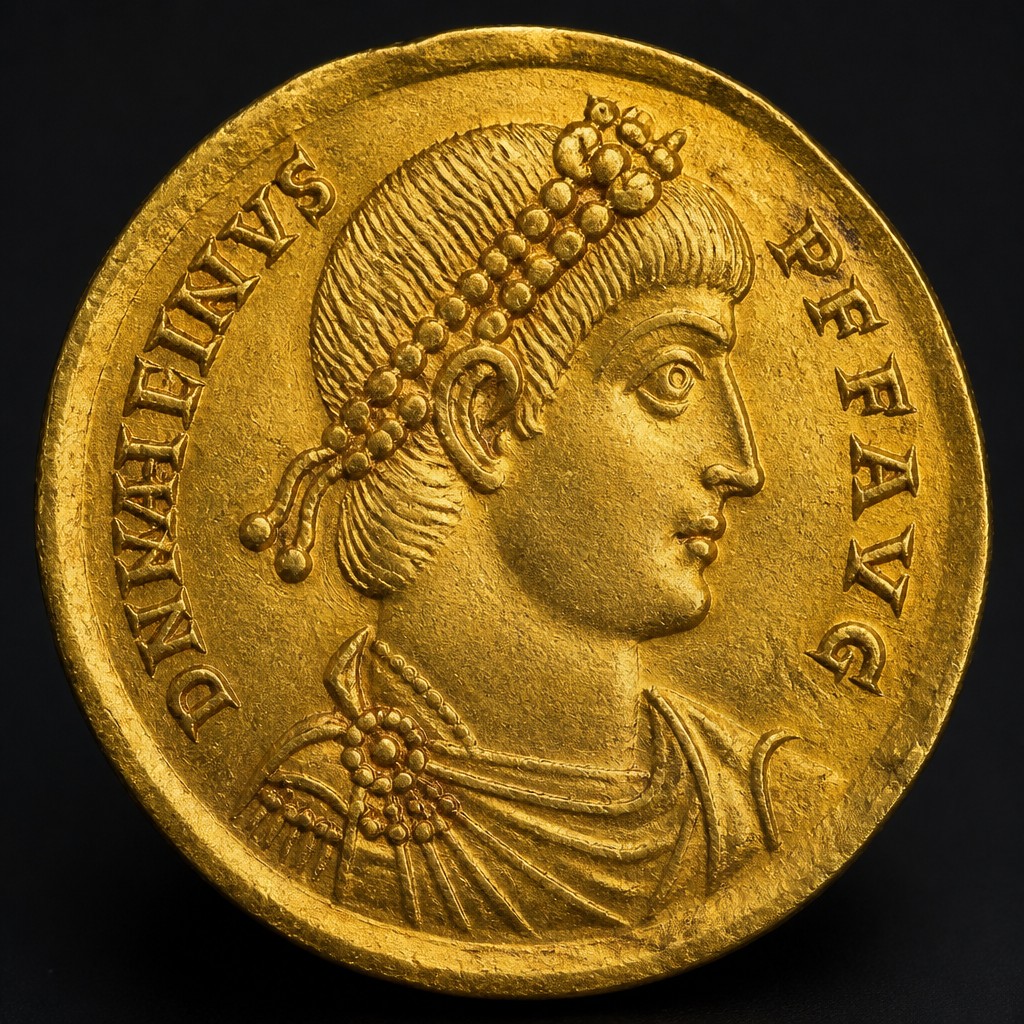
Valentinian I Solidus
364–375 AD
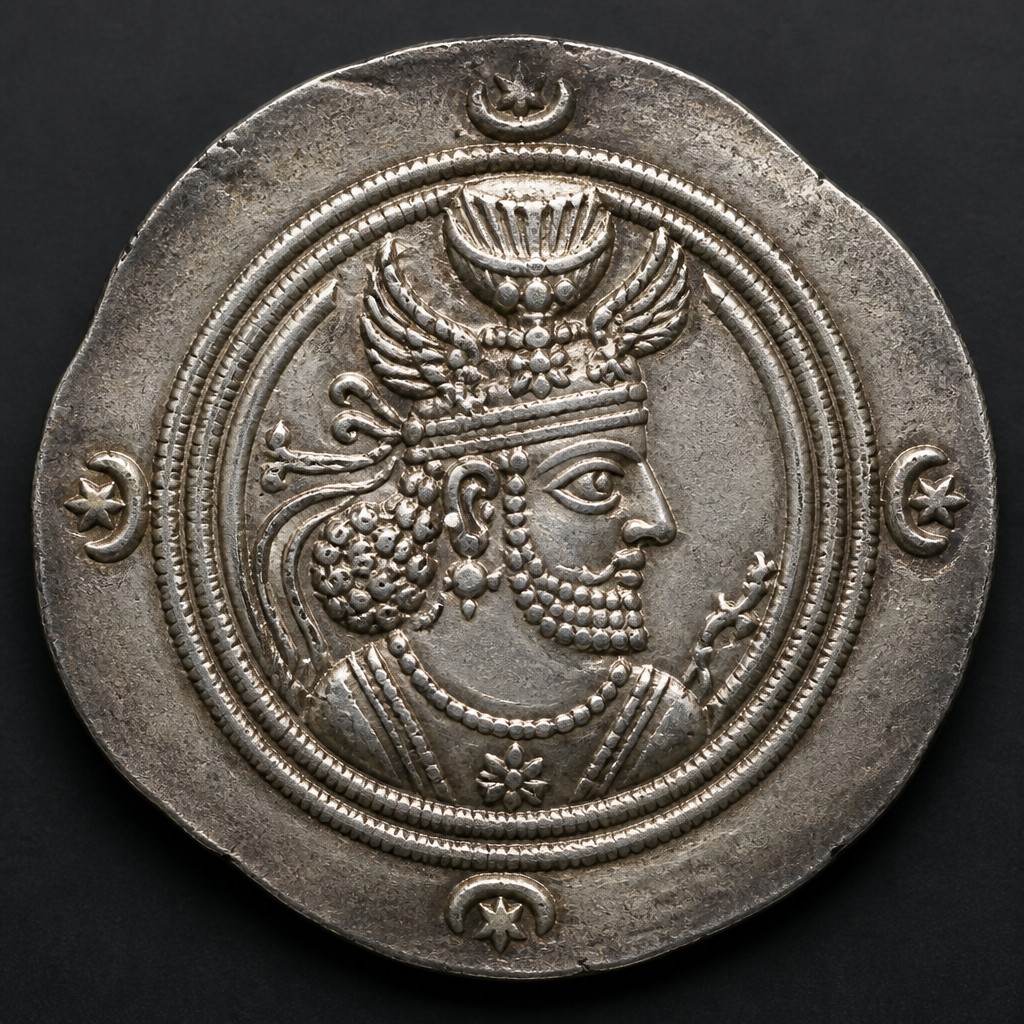
Sassanian Silver Drachm
c. 224–651 AD
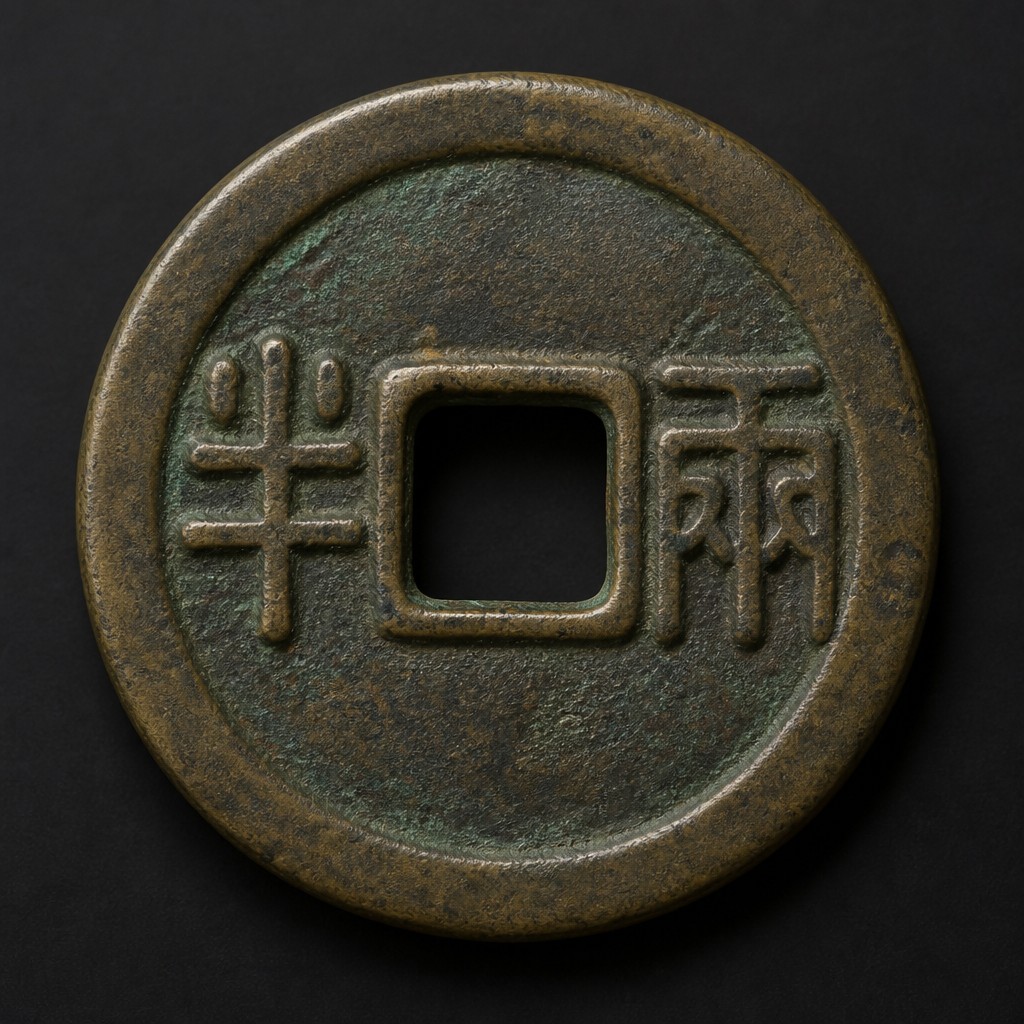
Chinese Ban Liang Cash
c. 221–118 BC
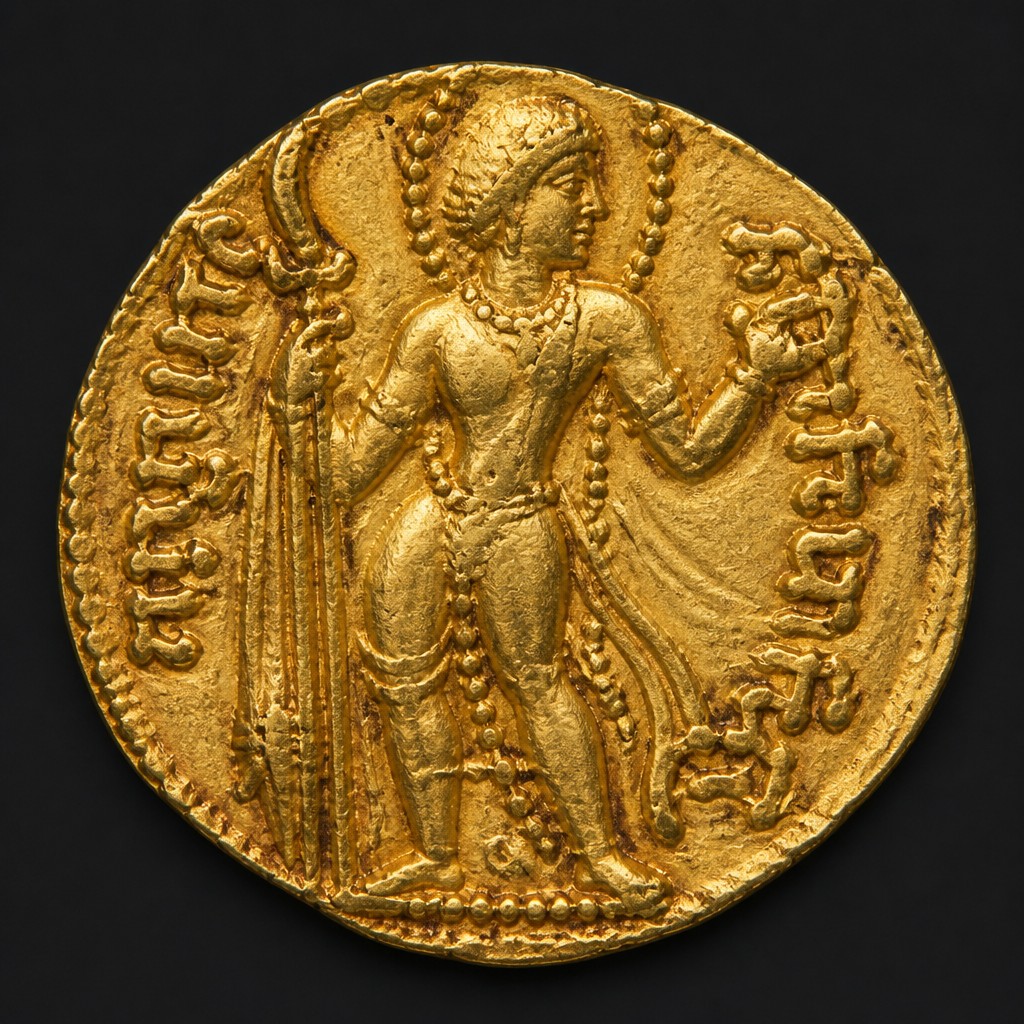
Gupta Empire Gold Dinar
c. 320–550 AD
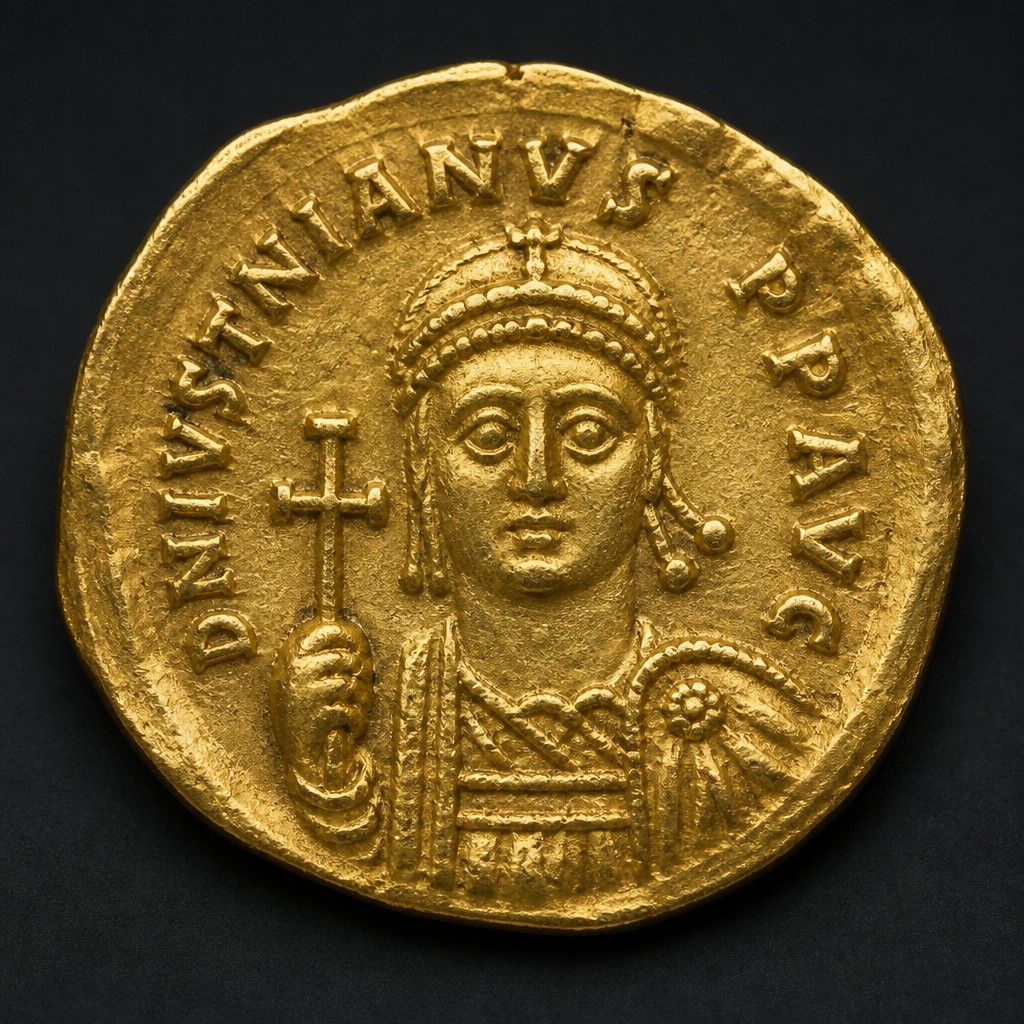
Byzantine Gold Tremissis
c. 4th–7th century AD
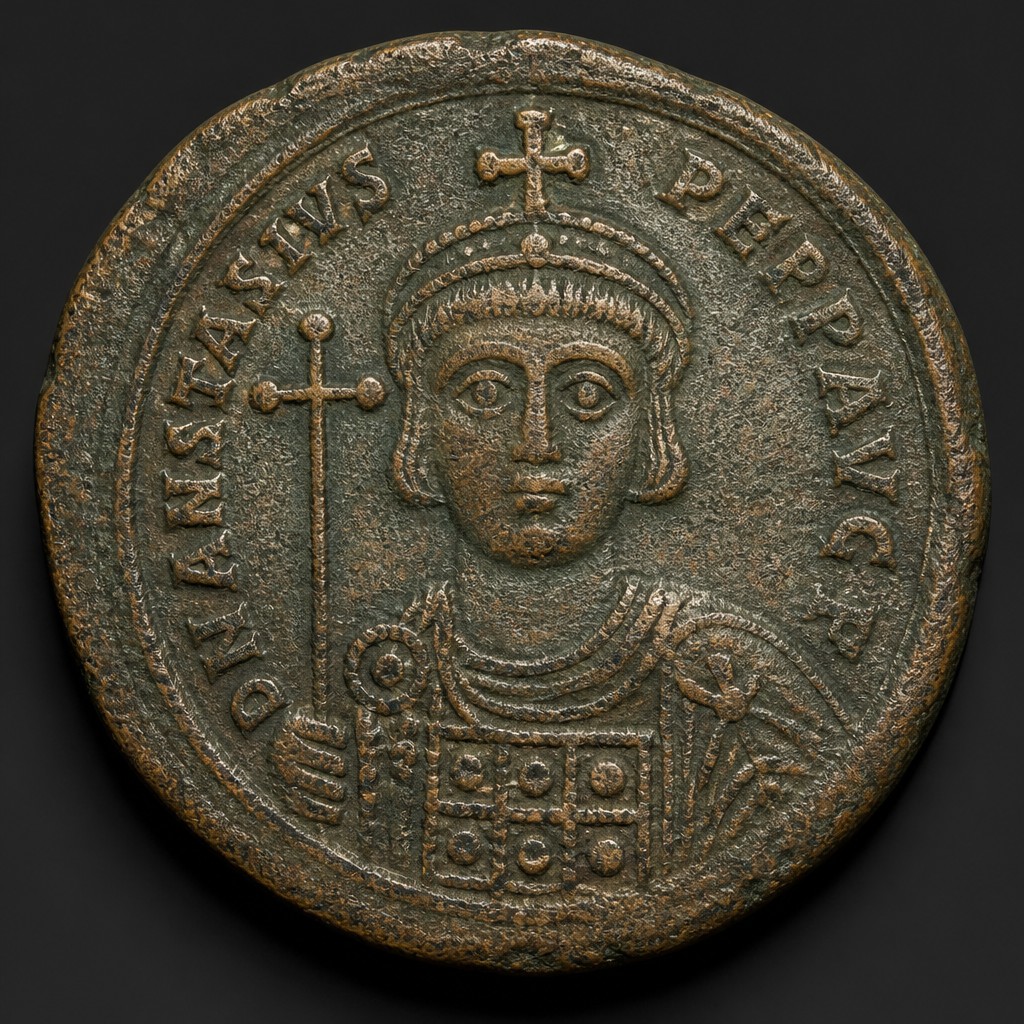
Byzantine Follis
498–c. 11th century AD
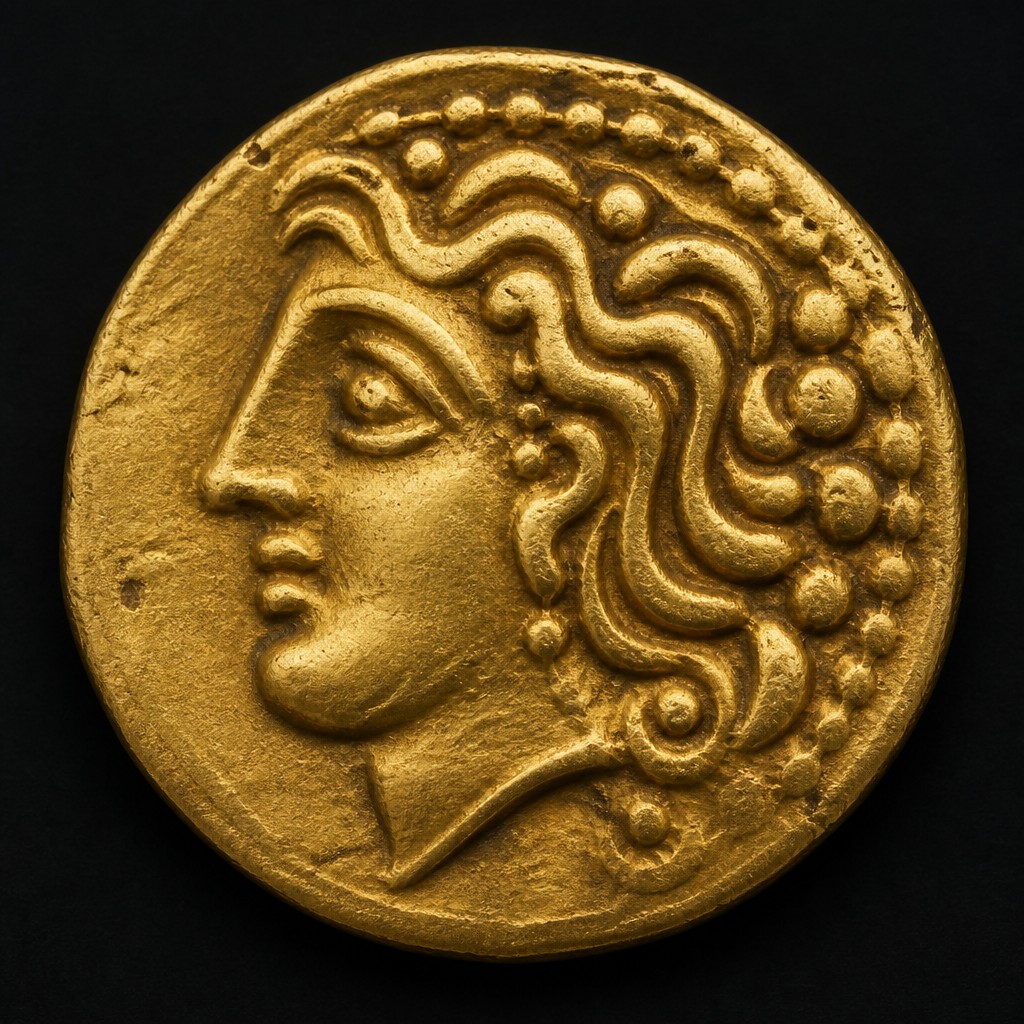
Celtic Gold Stater
c. 3rd century BC – 1st century AD
Indo-Greek Silver Drachm (Menander)
c. 165/155–130 BC