
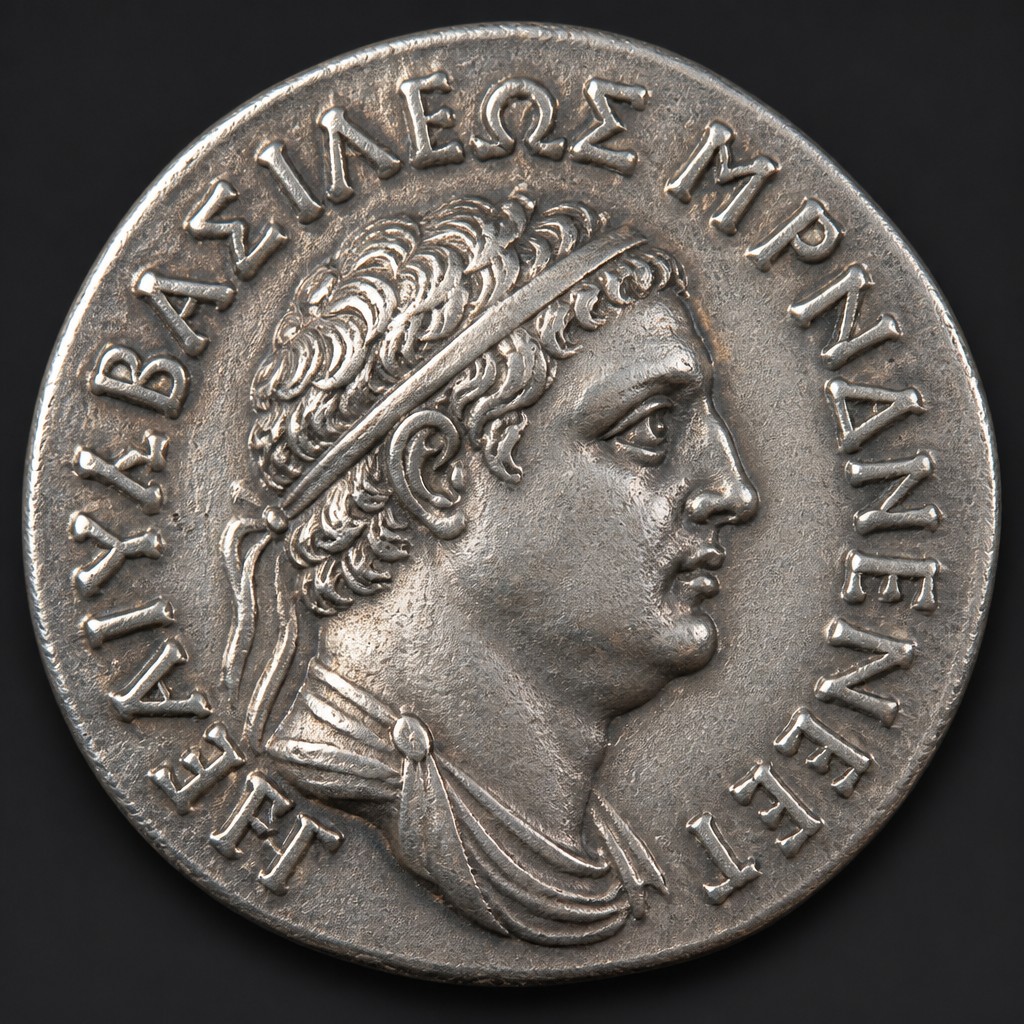
Indo-Greek Silver Drachm (Menander)
A silver drachm of Menander I, the most famous Indo-Greek king, known for bilingual Greek and Kharoshthi legends and a portrait bust with helmet.
- Country
- Indo-Greek Kingdom
- Denomination
- Drachm
- Metal
- Silver
Got a coin like this?
Identify any coin from a photo, free.
Overview
Menander I Soter was the most celebrated of the Indo-Greek kings who ruled parts of Afghanistan and northwestern India following the breakup of the Greco-Bactrian kingdom. His coinage is historically significant as an early and influential example of bilingual coin legends, combining Greek on the obverse with the local Kharoshthi script on the reverse.
Menander is also remembered in Buddhist tradition as "Milinda," a king said to have engaged in philosophical dialogue with a Buddhist monk, adding a layer of cultural fame to his coinage beyond its numismatic interest.
History & Background
Menander I ruled during the mid-to-late 2nd century BC, extending Indo-Greek control deep into the Indian subcontinent and presiding over a period often considered a high point of Indo-Greek power. His reign came after the earlier Greco-Bactrian kingdom fragmented, with various Greek rulers carving out territories in what is now Afghanistan, Pakistan, and northwestern India.
Menander's coinage helped cement the Indo-Greek practice, likely begun by earlier rulers such as Pantaleon and Agathokles, of issuing coins with legends in both Greek and local Indian scripts, a practical adaptation to ruling a multicultural population. This bilingual format became a hallmark of Indo-Greek coinage and influenced subsequent regional issuers.
Menander's later reputation as "Milinda" in the Buddhist text known as the Milinda Panha, a dialogue on Buddhist philosophy attributed to a conversation between the king and the monk Nagasena, has made him one of the best-documented Hellenistic-era rulers in Indian historical memory, lending extra interest to his surviving coinage.
How to Identify
The obverse of a Menander I drachm typically depicts the king's bust in profile wearing a crested Greek-style helmet, with a Greek legend reading "BASILEOS SOTEROS MENANDROU" ("of King Menander the Savior") around the border. Some types instead show a diademed portrait without a helmet.
The reverse commonly shows Athena Alkidemos, the warrior goddess, standing and brandishing a thunderbolt and shield, accompanied by a parallel legend in the Kharoshthi script giving the king's name and titles in Prakrit, mirroring the Greek obverse legend. A royal monogram is usually present in the field.
This bilingual, dual-script format distinguishes Indo-Greek coinage from purely Greek issues to the west and from later Indian coinages, and collectors identify specific rulers primarily by the portrait style and the exact wording of the Greek legend, since many Indo-Greek kings used similar reverse deity types.
Value & Collectibility
Menander I's silver drachms are among the most commonly available Indo-Greek coins on the market, reflecting his long and prosperous reign and extensive minting activity, which makes them a relatively accessible entry point into ancient Indian and Central Asian numismatics. Prices for typical, well-worn examples are generally modest compared to many other ancient silver issues.
Sharper strikes, better centering, and finer portrait detail increase value, and certain rarer monograms, mint variations, or unusual portrait styles attract stronger interest from specialists in Indo-Greek coinage. As with all ancient coins, purchasing from an established dealer familiar with the series helps ensure authenticity.
Frequently asked questions
Who was Menander I?
He was an Indo-Greek king who ruled parts of Afghanistan and northwestern India in the 2nd century BC, remembered as one of the most powerful and celebrated rulers of his dynasty.
Why do the coins have two different scripts?
Indo-Greek rulers used Greek for their Hellenistic subjects and Kharoshthi (a local Indian script) for their South Asian subjects, reflecting the multicultural nature of their kingdom.
Is Menander connected to Buddhism?
Later Buddhist tradition remembers him as King Milinda, who is said to have discussed Buddhist philosophy with the monk Nagasena in the text known as the Milinda Panha.
Are Menander's coins rare?
No, they are among the more commonly found Indo-Greek coins due to his long reign, though certain varieties and finer examples are scarcer and more valuable.
Other coins you may enjoy
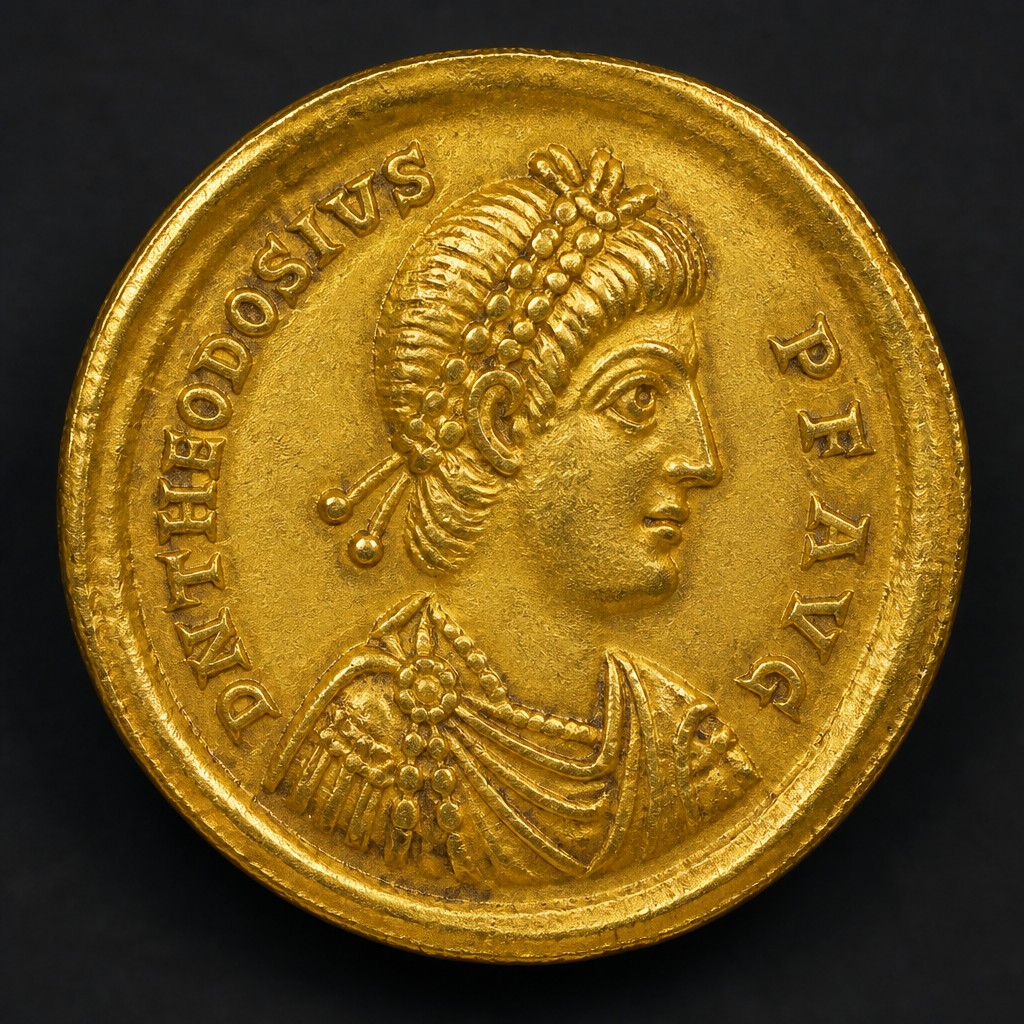
Theodosius I Solidus
379–395 AD
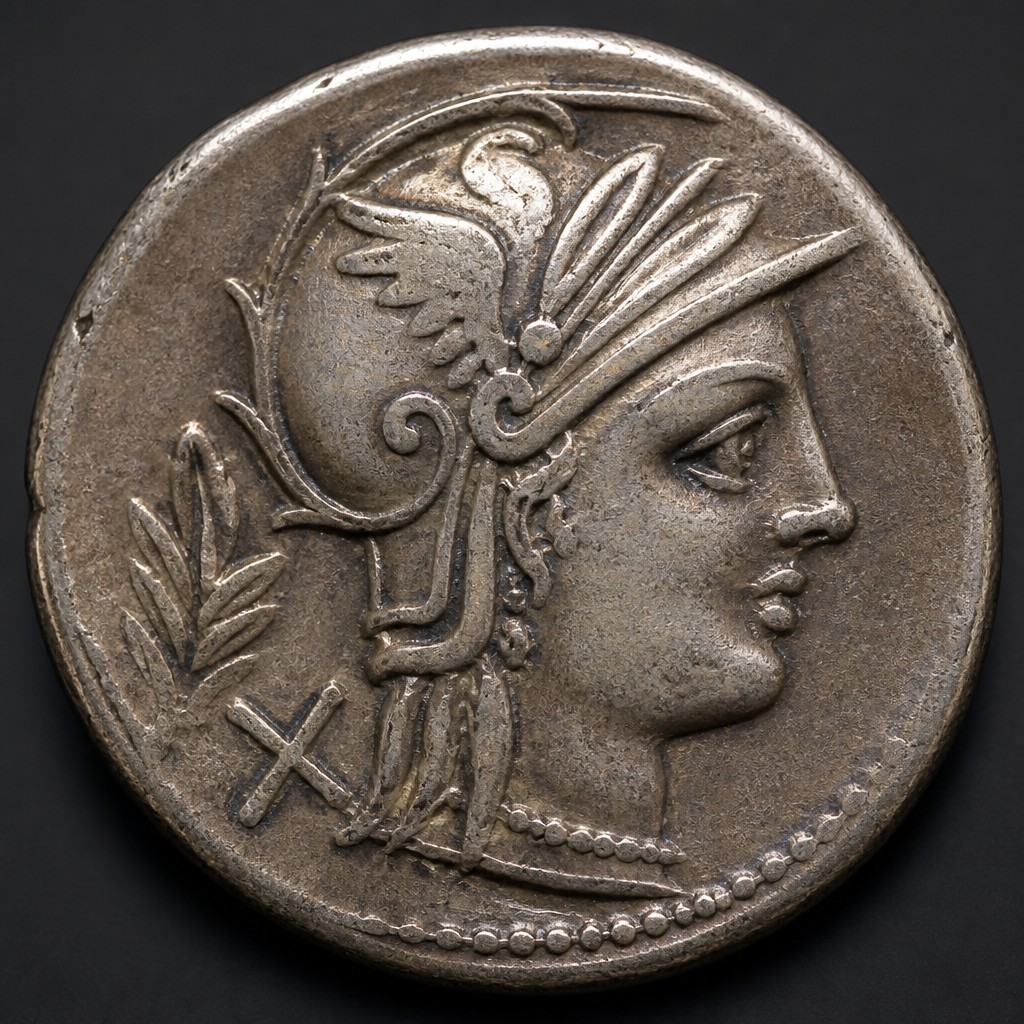
Republican Victoriatus
c. 211–170 BC
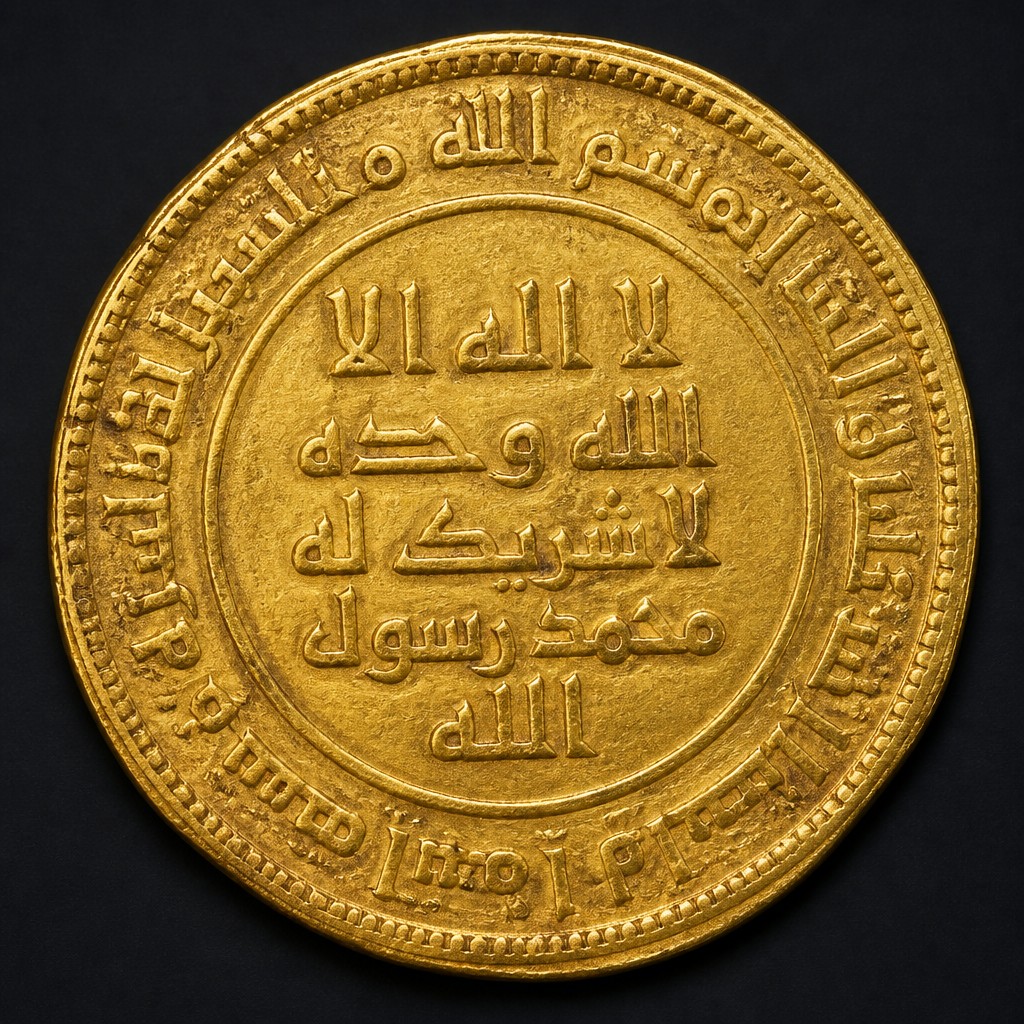
Islamic Gold Dinar (Umayyad)
c. 696–750 AD
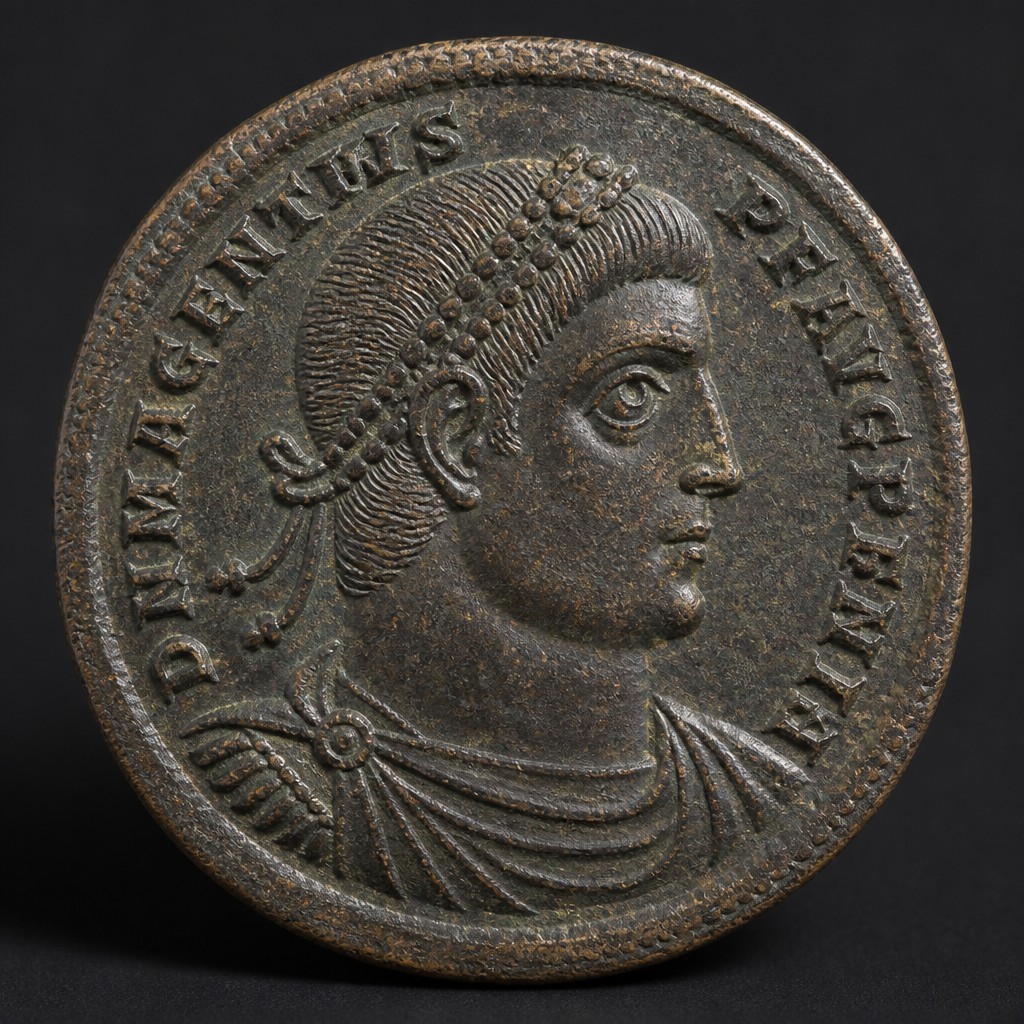
Magnentius Double Centenionalis
350–353 AD
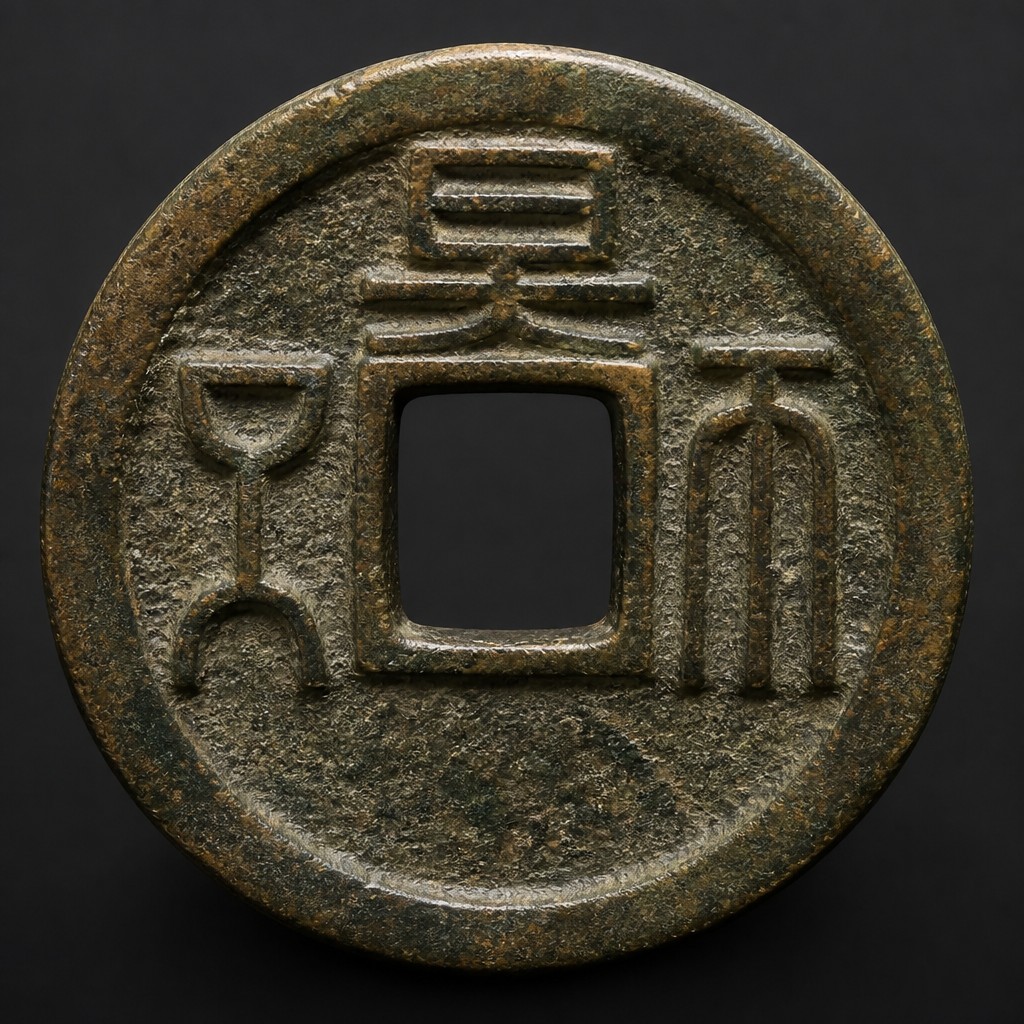
Chinese Wu Zhu Cash
118 BC – 618 AD
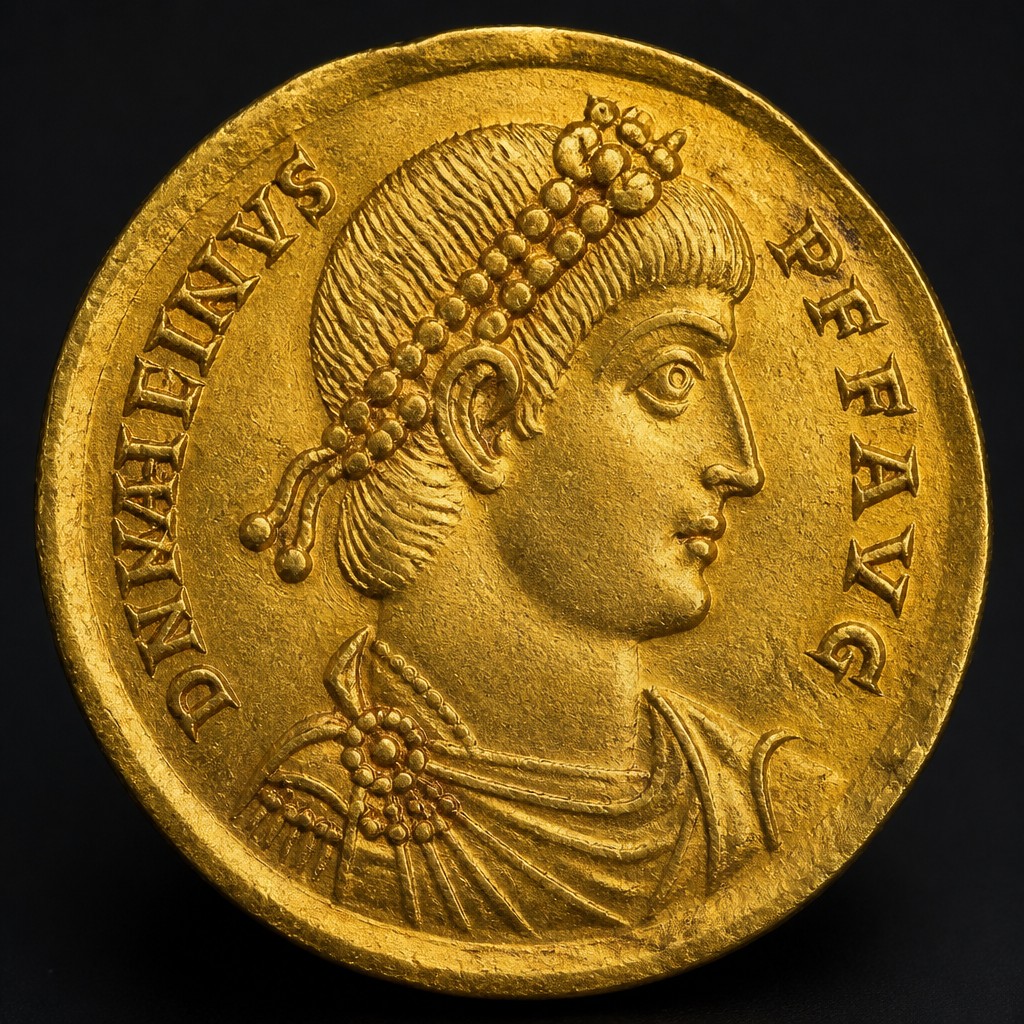
Valentinian I Solidus
364–375 AD
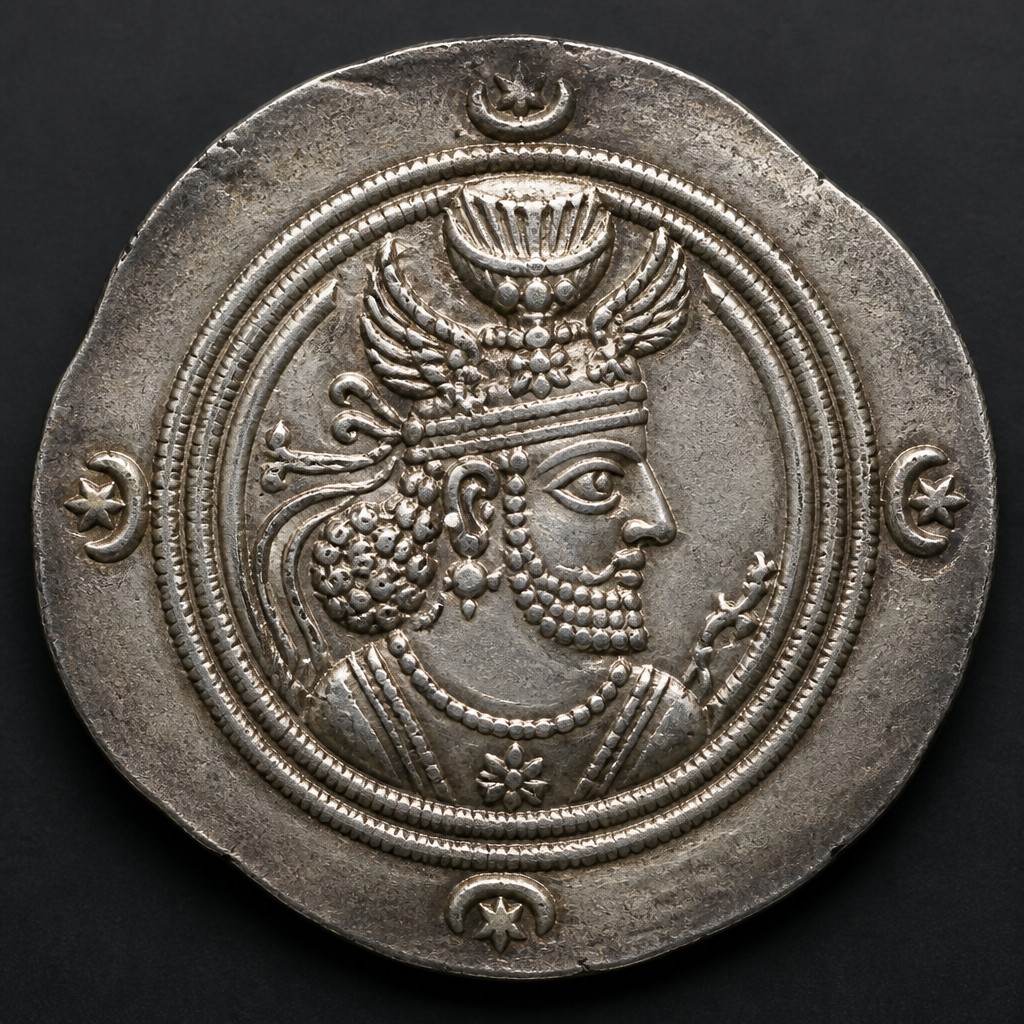
Sassanian Silver Drachm
c. 224–651 AD
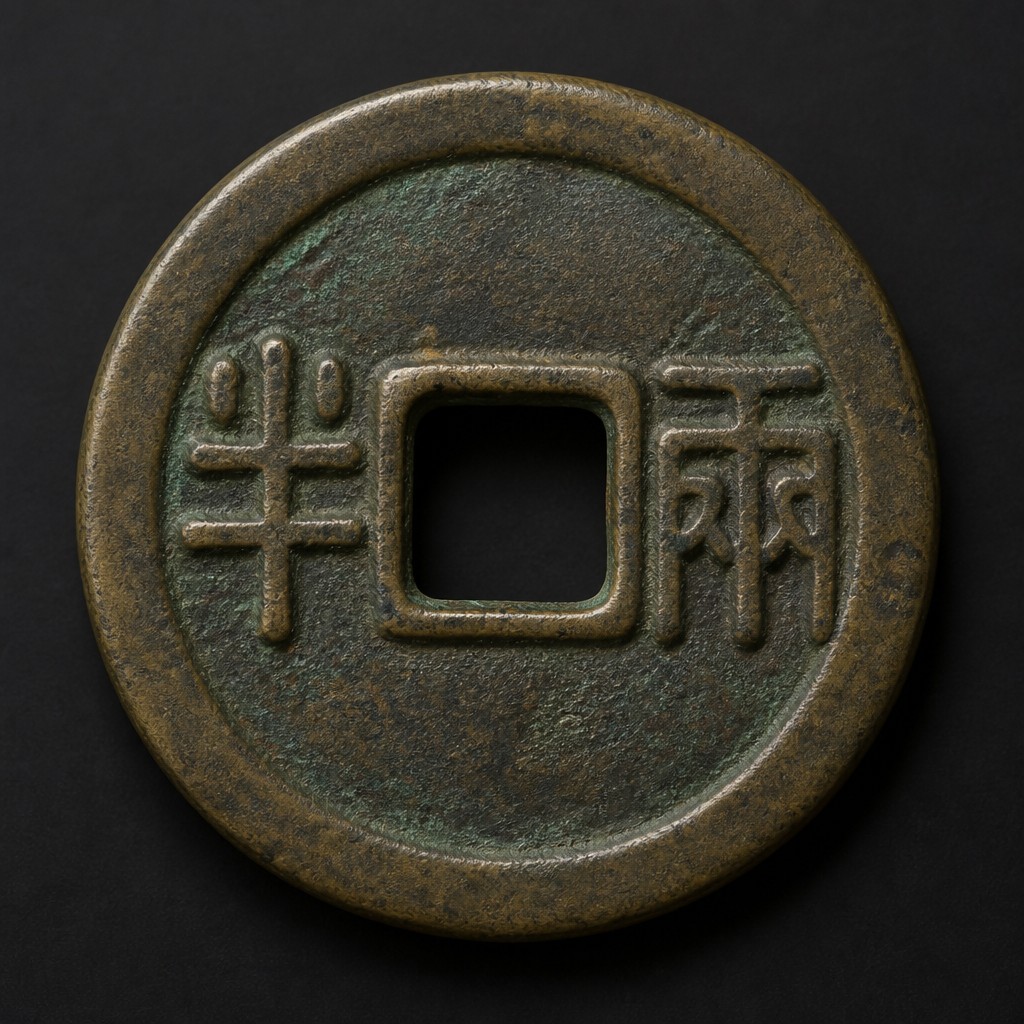
Chinese Ban Liang Cash
c. 221–118 BC
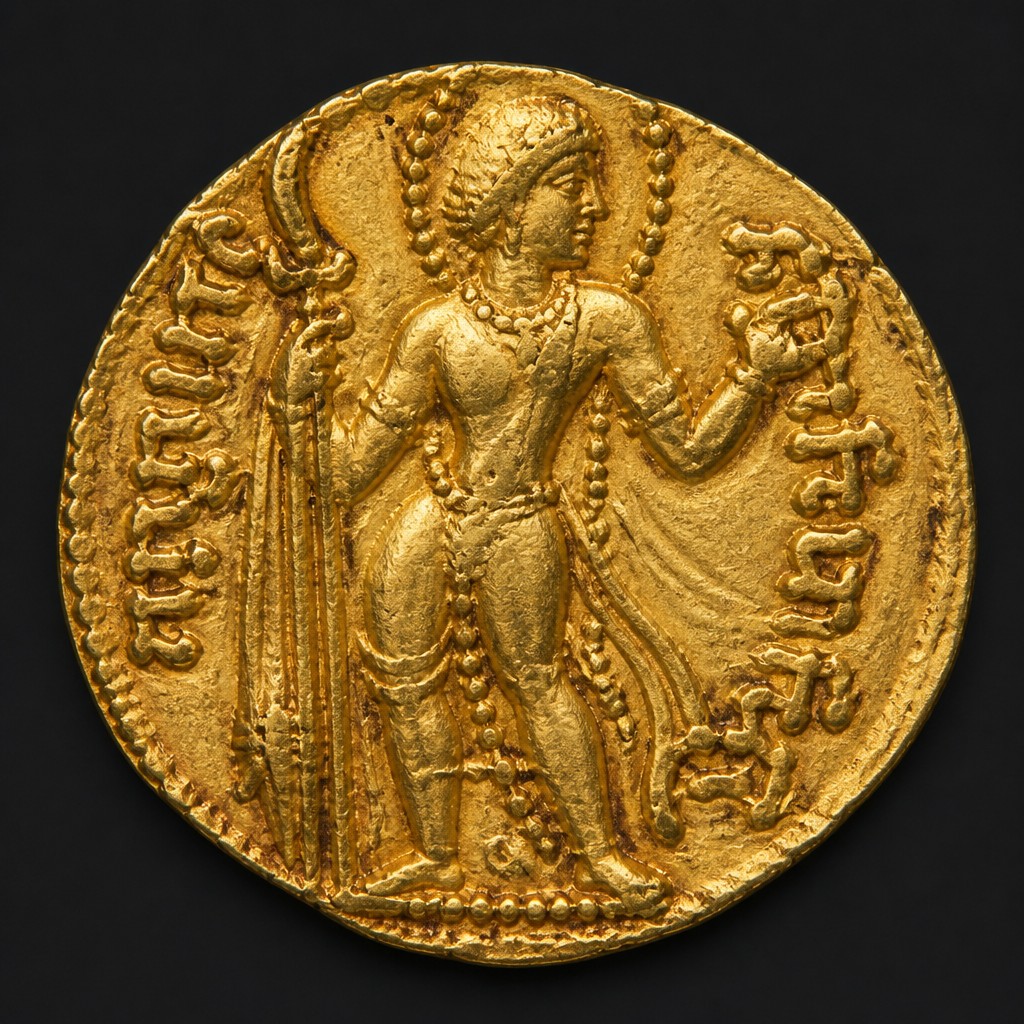
Gupta Empire Gold Dinar
c. 320–550 AD
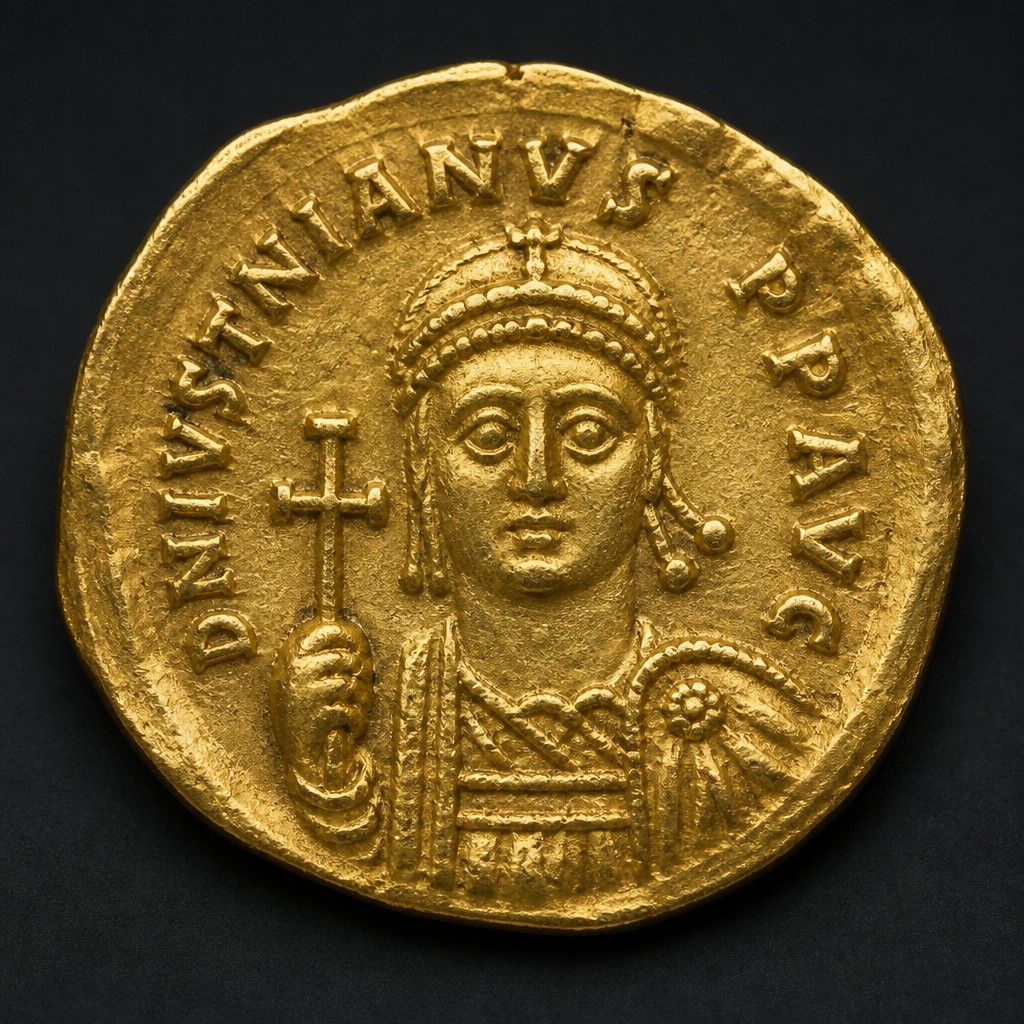
Byzantine Gold Tremissis
c. 4th–7th century AD
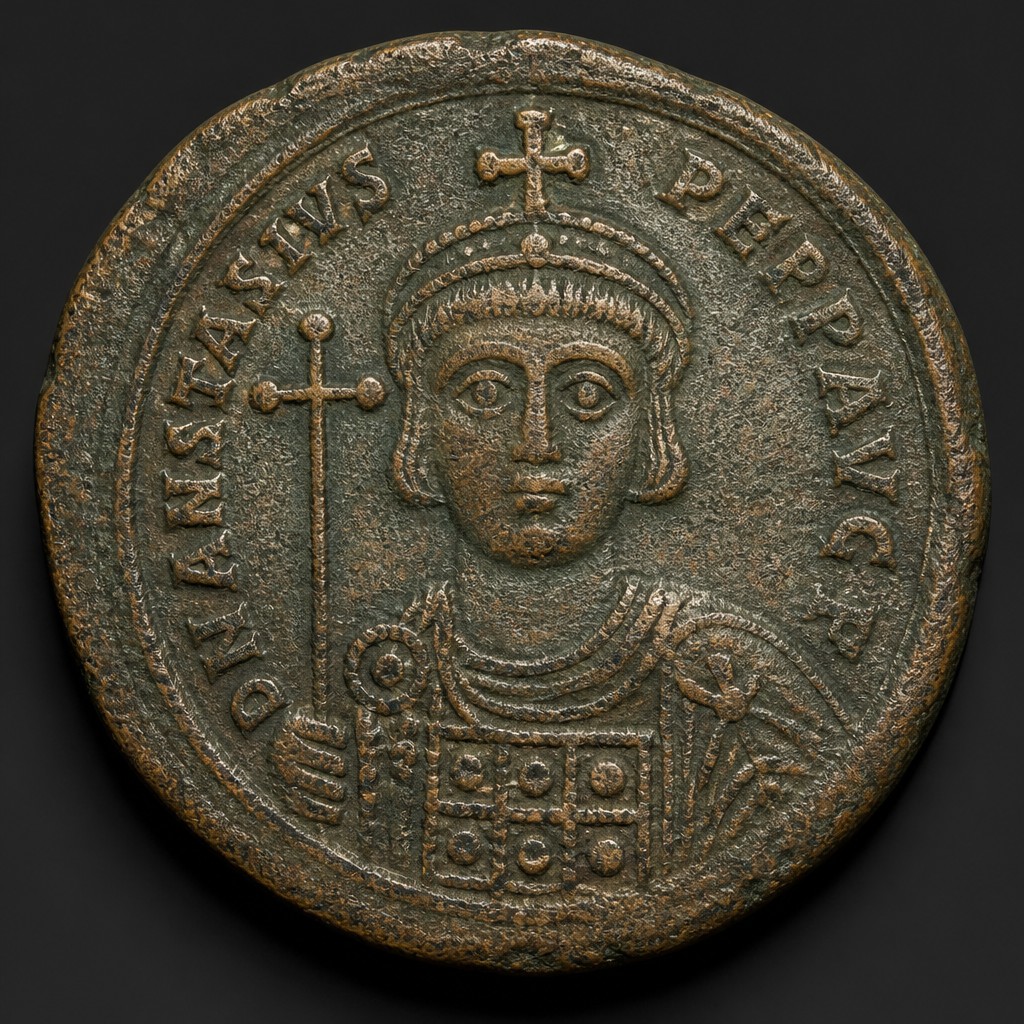
Byzantine Follis
498–c. 11th century AD
Celtic Gold Stater
c. 3rd century BC – 1st century AD