
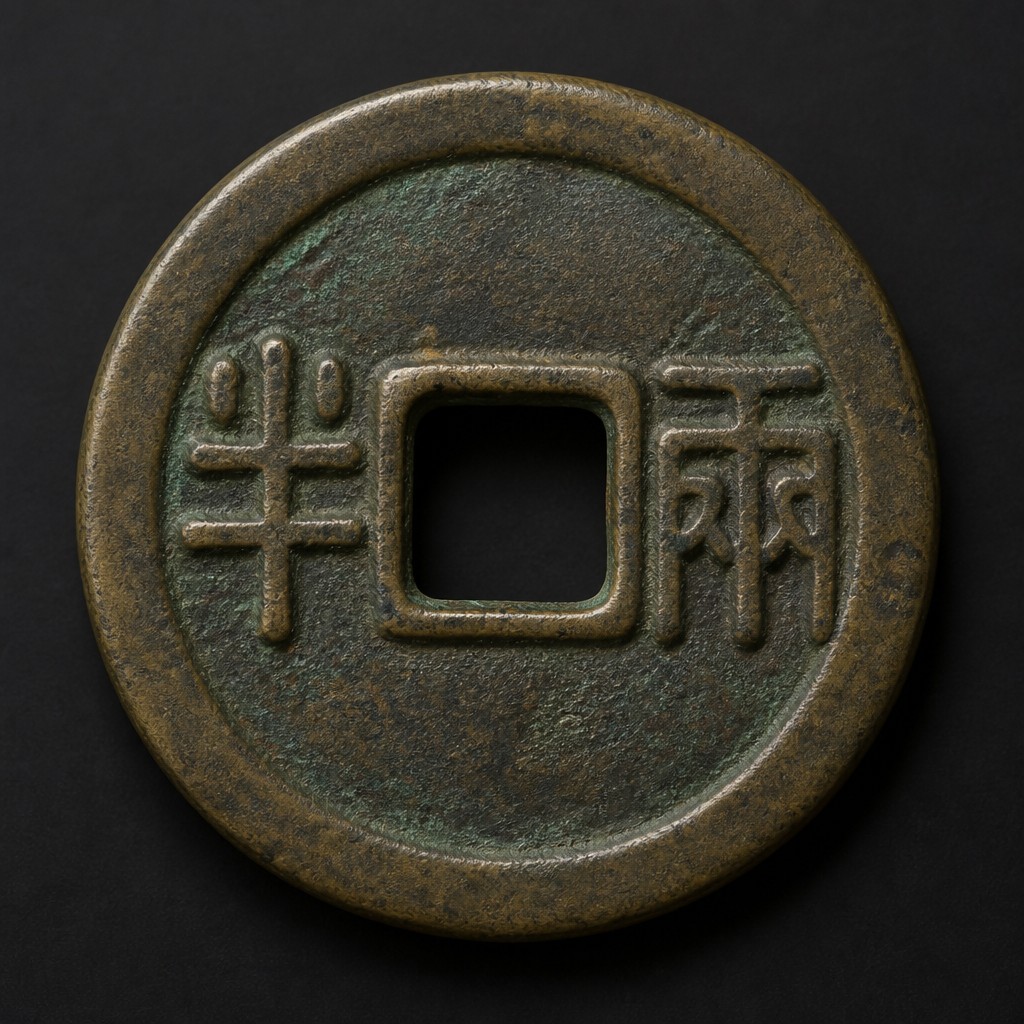
Chinese Ban Liang Cash
China's first standardized round coin with a square center hole, introduced under Qin Shi Huang to unify currency across the newly consolidated Chinese empire.
- Country
- Ancient China (Qin and early Han dynasties)
- Denomination
- Ban Liang ("half liang")
- Metal
- Bronze
Got a coin like this?
Identify any coin from a photo, free.
Overview
The Ban Liang is a landmark coin in world numismatic history, establishing the round-coin-with-square-hole format that would define Chinese cash coinage for the next two millennia. Its introduction was part of Qin Shi Huang's sweeping standardization of weights, measures, writing, and currency across a newly unified China.
Collectors value the Ban Liang both for its immense historical significance as the ancestor of the entire Chinese cash coin tradition and for the tangible connection it offers to the Qin dynasty, one of the most consequential and short-lived periods in Chinese history.
History & Background
Before China's unification under the Qin dynasty in 221 BC, various Chinese states used a confusing variety of coin shapes, including spade money, knife money, and round coins with round holes. As part of his broader unification reforms, Qin Shi Huang mandated a single standardized currency: a round bronze coin with a square center hole, inscribed with the characters "Ban Liang," meaning "half liang," referring to its nominal weight standard.
The coin's shape carried cosmological symbolism, with the round outer form representing heaven and the square hole representing earth, a concept that would remain embedded in Chinese cash coinage for millennia. Production continued into the early Western Han dynasty after the Qin collapsed in 206 BC, though actual weights of Ban Liang coins fluctuated considerably as different rulers adjusted the standard.
The Ban Liang was eventually replaced in 118 BC under Emperor Wu of Han by the Wu Zhu coin, which established an even more enduring standard, but the basic round-with-square-hole format the Ban Liang introduced persisted in Chinese coinage until the early 20th century.
How to Identify
The Ban Liang is a plain, cast bronze coin, round in shape with a square hole punched through the center, and no rim around either the outer edge or the central hole on most early examples. The obverse bears two Chinese characters, read as "Ban" and "Liang," positioned to the right and left of the square hole; the reverse is typically blank.
Size and weight vary considerably across the Qin and early Han periods, from larger, heavier issues under the Qin to progressively smaller, lighter, and cruder examples during periods of early Han monetary instability, including notorious extremely thin, lightweight versions sometimes called "elm-seed" cash due to their tiny size.
Collectors distinguish Ban Liang coins from the later Wu Zhu primarily by the inscription (Ban Liang versus Wu Zhu) and by the general absence of rims found on most Ban Liang types. Because casting quality and weight standards varied so much over the roughly century of production, size alone is not a reliable way to date a given example without expert reference.
Value & Collectibility
Ban Liang cash coins are generally affordable, especially the smaller, cruder early Han issues, which survive in large numbers and are commonly available to collectors for modest prices. Larger, well-cast Qin dynasty examples in good condition are more desirable and can command noticeably higher prices due to their direct connection to the Qin unification period.
Extremely large or unusually heavy Qin-period Ban Liang coins, and pieces with clear, well-struck characters and minimal corrosion, are the most sought after within the series. As with most ancient Chinese cash, value is driven more by condition, size variant, and historical period than by rarity alone, since huge quantities were cast over the coin's century of use.
Frequently asked questions
What does "Ban Liang" mean?
It translates to "half liang," referring to the coin's nominal weight standard under the ancient Chinese liang unit of weight.
Why is the coin round with a square hole?
The shape reflects ancient Chinese cosmology, with the round shape symbolizing heaven and the square hole symbolizing earth, a design concept that persisted in Chinese coinage for centuries.
Who introduced this coin?
Qin Shi Huang, the first emperor of a unified China, standardized the Ban Liang as part of his broader reforms after 221 BC.
Why do Ban Liang coins vary so much in size?
Weight standards fluctuated during the Qin and early Han periods, especially during times of economic instability, leading to a wide range of coin sizes and weights.
What replaced the Ban Liang?
In 118 BC, Emperor Wu of Han introduced the Wu Zhu coin, which established a more stable standard and eventually replaced the Ban Liang.
Other coins you may enjoy
Theodosius I Solidus
379–395 AD
Republican Victoriatus
c. 211–170 BC
Islamic Gold Dinar (Umayyad)
c. 696–750 AD
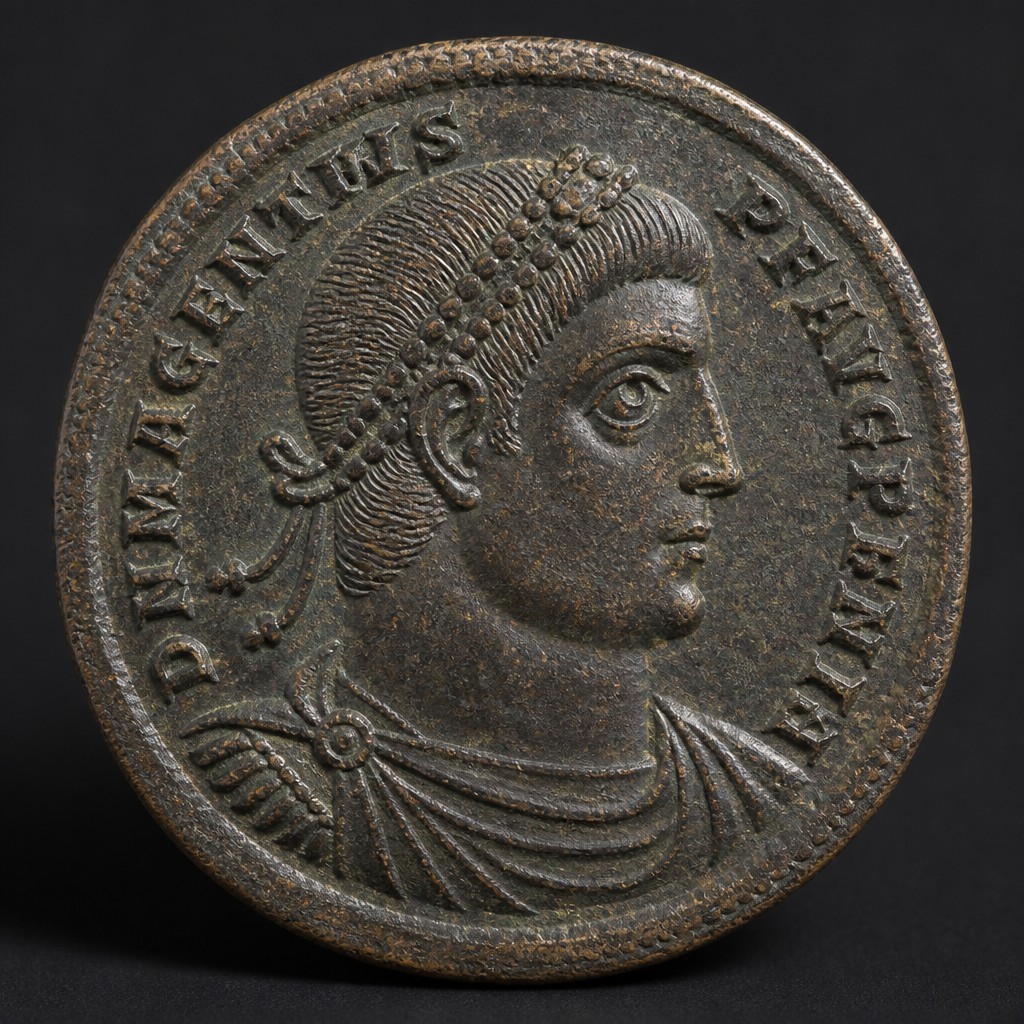
Magnentius Double Centenionalis
350–353 AD
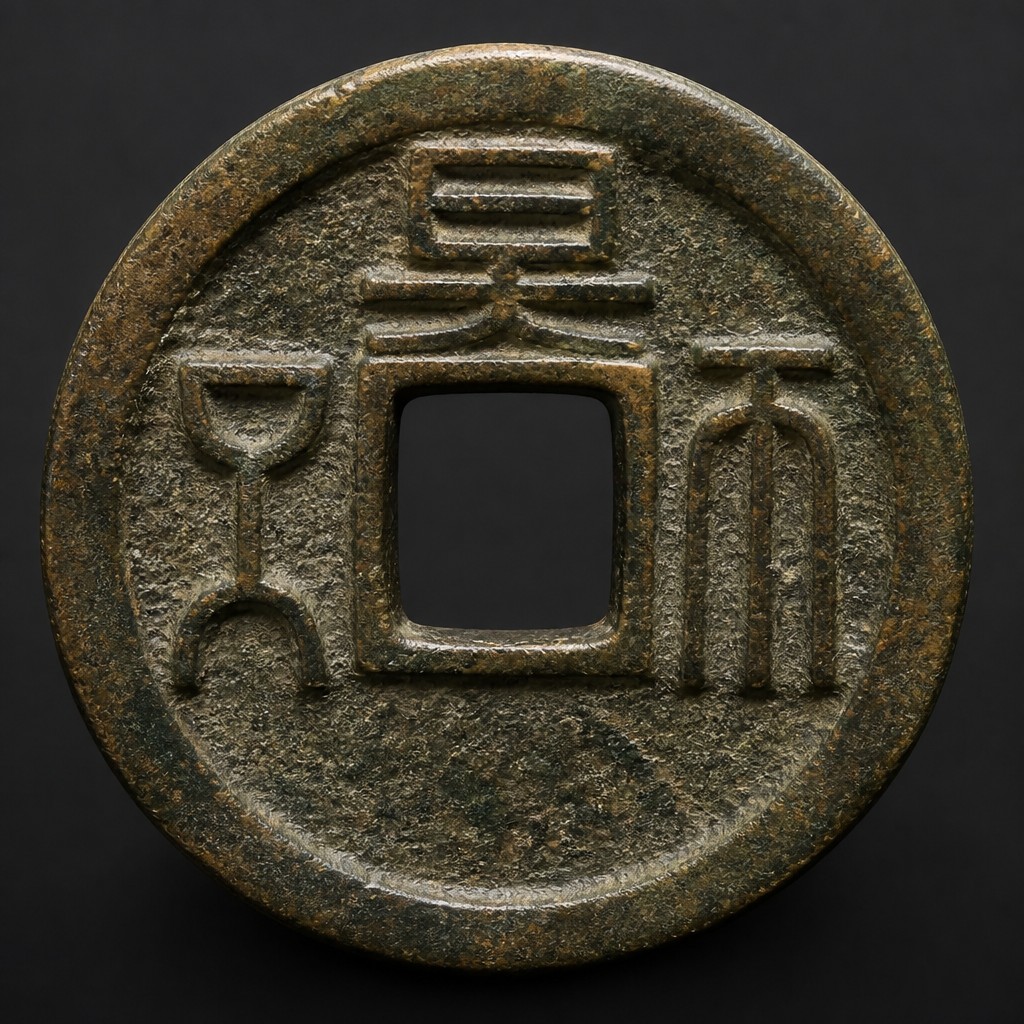
Chinese Wu Zhu Cash
118 BC – 618 AD
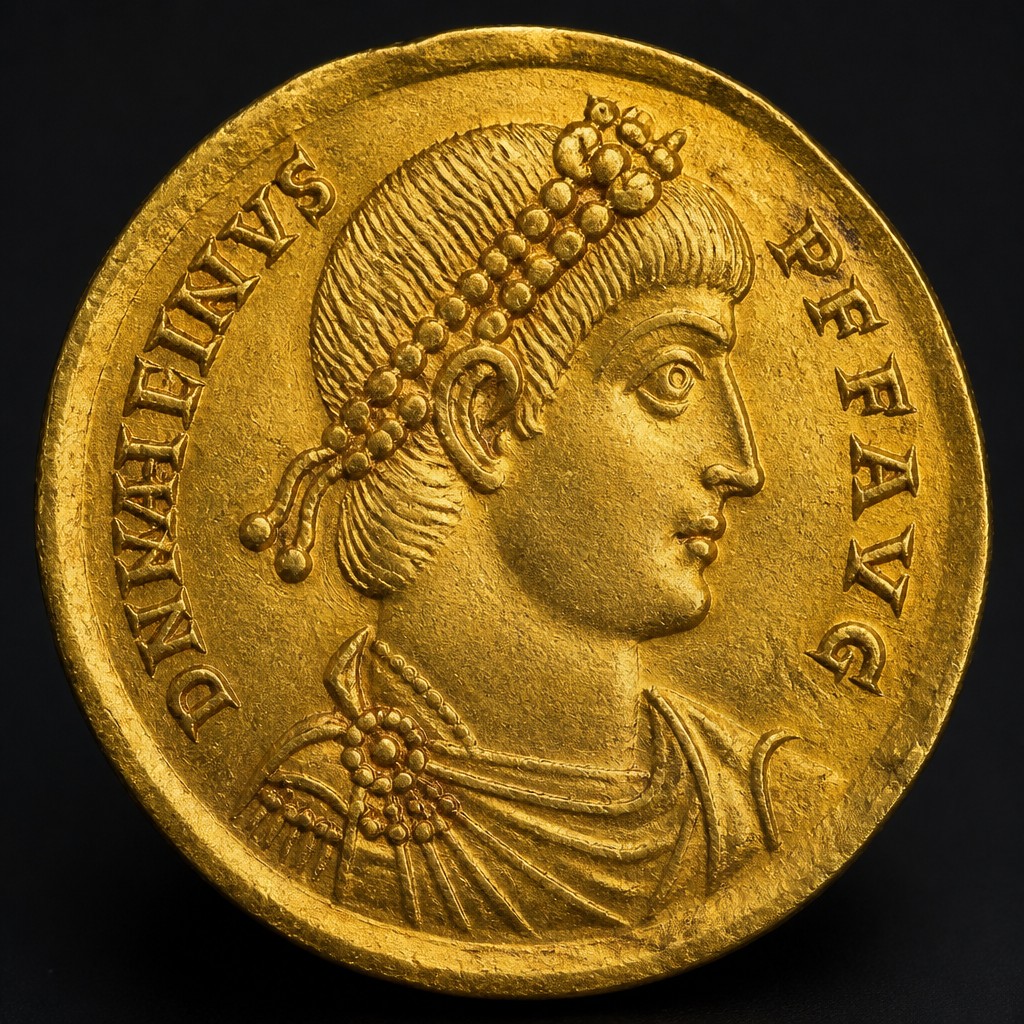
Valentinian I Solidus
364–375 AD
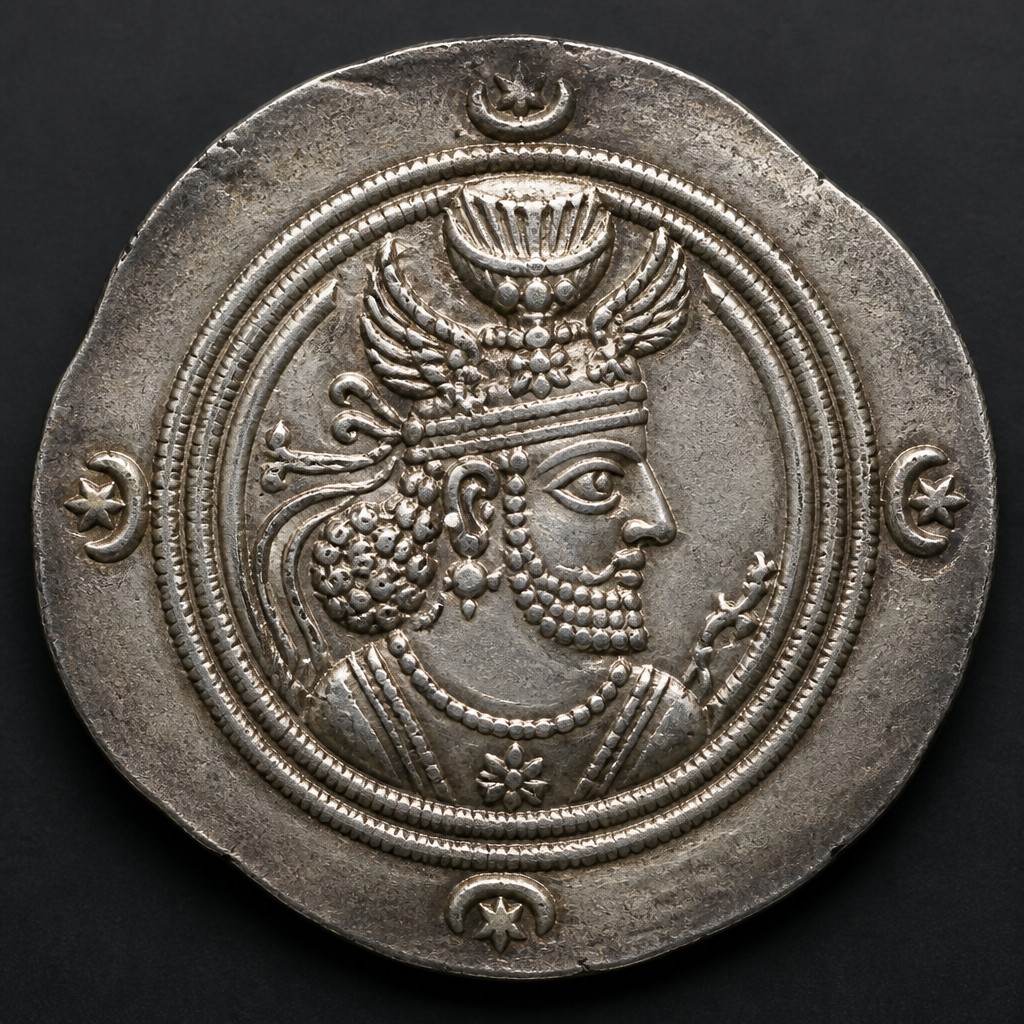
Sassanian Silver Drachm
c. 224–651 AD
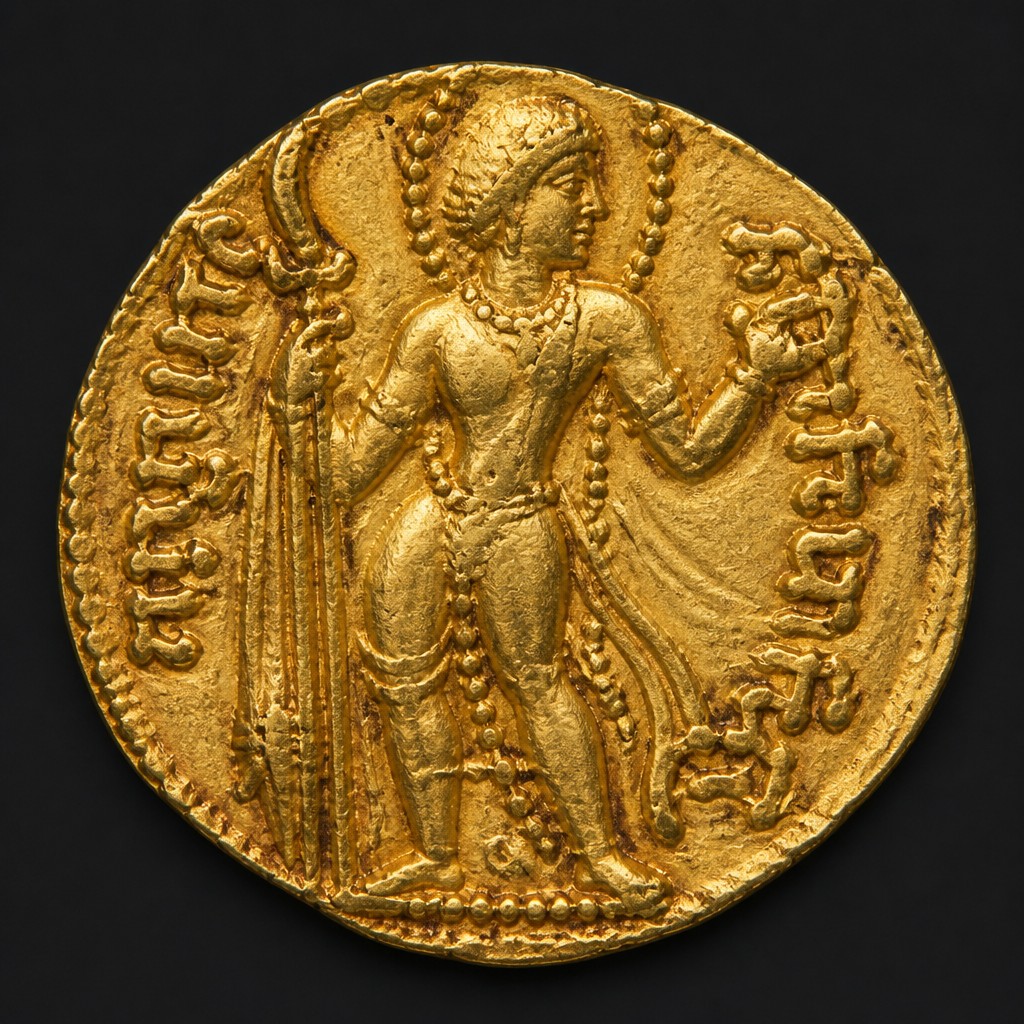
Gupta Empire Gold Dinar
c. 320–550 AD
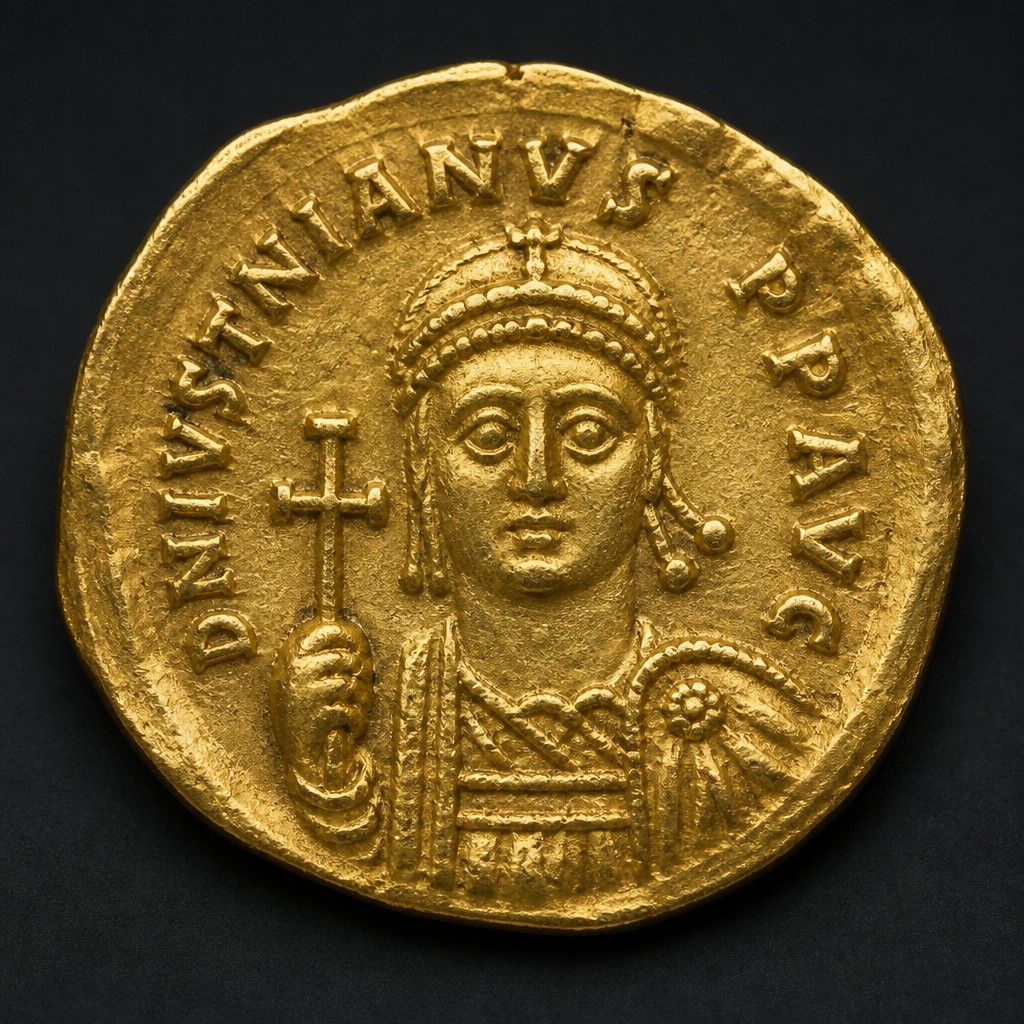
Byzantine Gold Tremissis
c. 4th–7th century AD
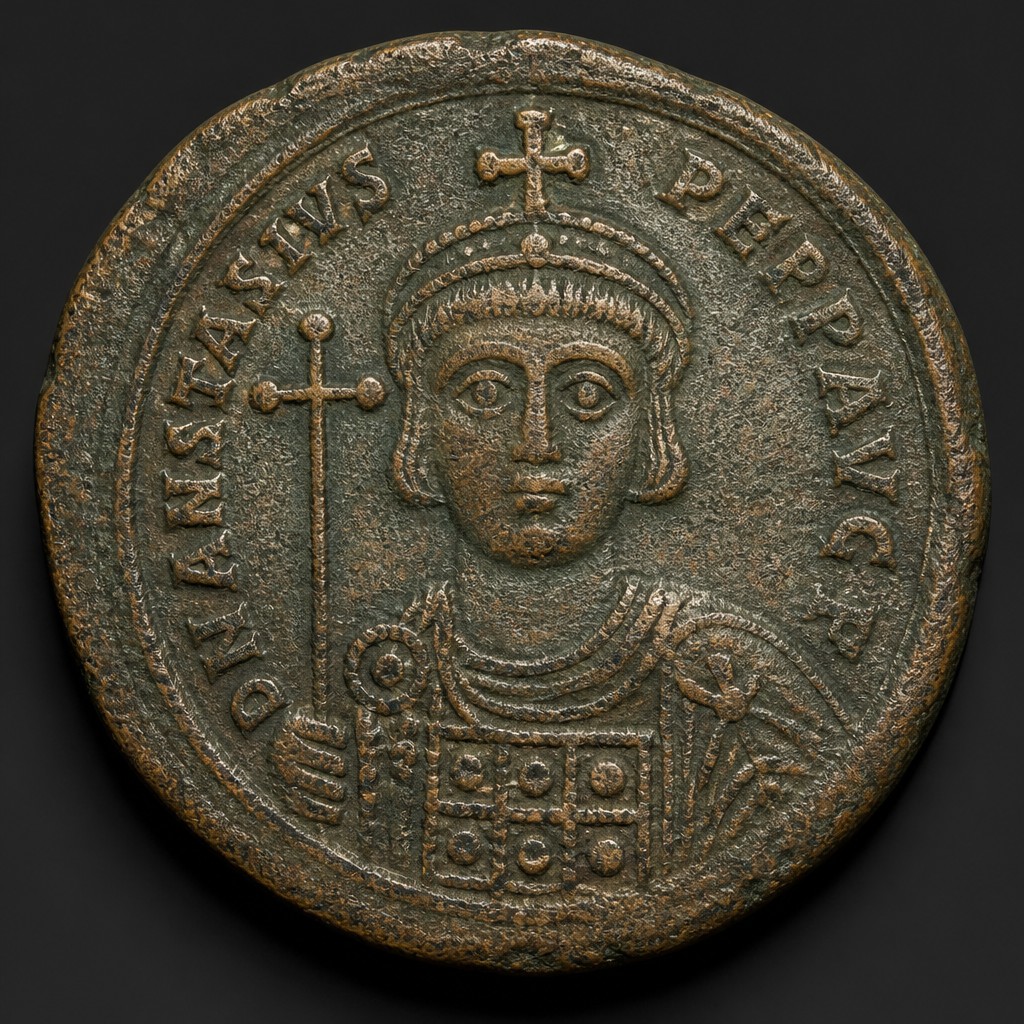
Byzantine Follis
498–c. 11th century AD
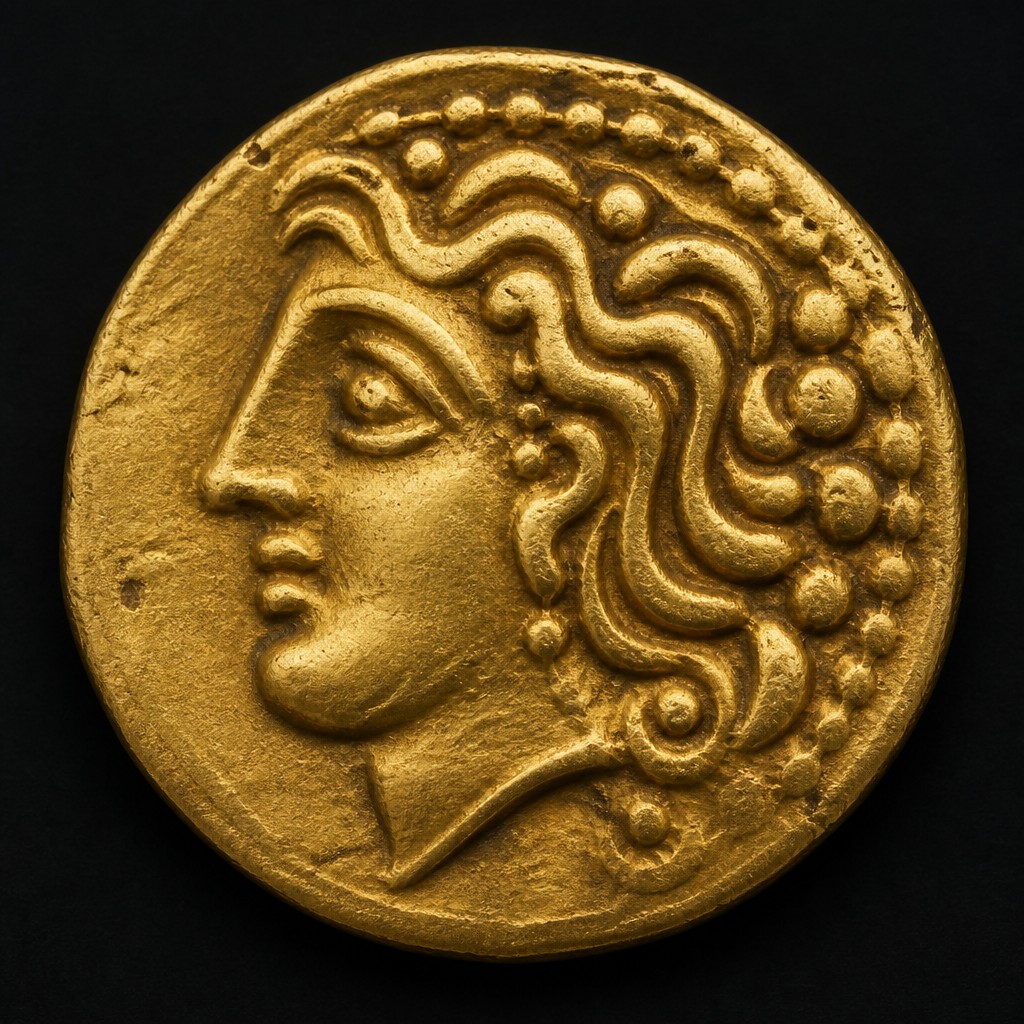
Celtic Gold Stater
c. 3rd century BC – 1st century AD
Indo-Greek Silver Drachm (Menander)
c. 165/155–130 BC