
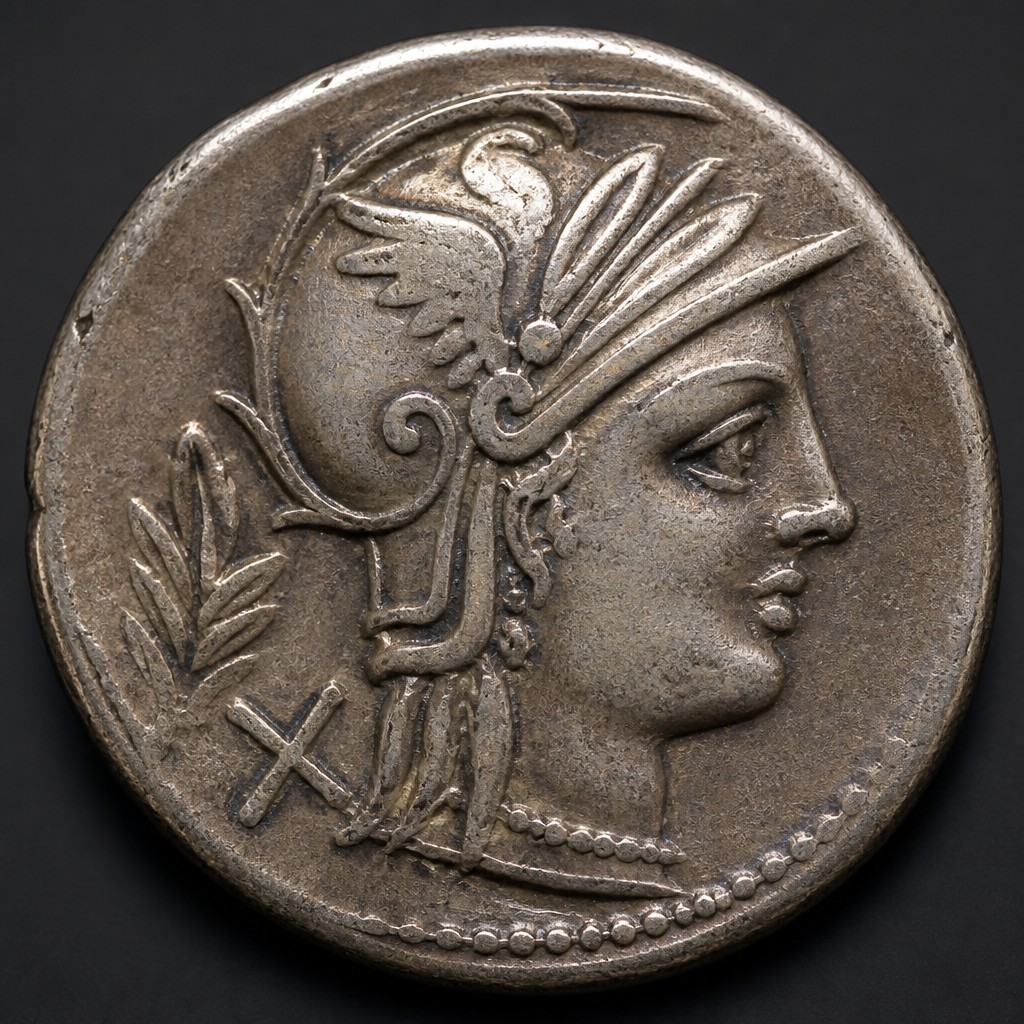
Republican Victoriatus
A lighter-weight Roman Republican silver coin depicting Jupiter and a Victory crowning a trophy, used largely for trade with the Greek-influenced south.
- Country
- Roman Republic
- Denomination
- Victoriatus
- Metal
- Silver
Got a coin like this?
Identify any coin from a photo, free.
Overview
The victoriatus was a silver denomination of the Roman Republic introduced alongside the denarius, but struck to a lighter weight standard and valued at a fraction of it. Its distinctive reverse, showing the goddess Victory crowning a military trophy, gave the coin its name and made it instantly recognizable.
Collectors of Roman Republican coinage value the victoriatus both as an important complement to the denarius in the early Republic's coinage reform and for its attractive, historically resonant imagery celebrating Roman military success during the wars of the 3rd and 2nd centuries BC.
History & Background
The victoriatus emerged during the major Roman coinage reform of the late 3rd century BC, which also introduced the denarius as Rome's principal silver coin. Struck to a lighter weight standard than the denarius, the victoriatus is thought to have circulated especially in areas with strong Greek monetary traditions, such as southern Italy and Sicily, where it could more easily interact with existing local silver currencies.
Its production spanned several decades during the Punic Wars and subsequent Roman expansion in the Mediterranean, a period marked by extensive Roman military campaigning that the coin's victory-themed reverse directly reflected. As the denarius system matured and became increasingly dominant, production of the victoriatus was eventually phased out in favor of a more unified silver coinage.
How to Identify
The obverse shows the laureate head of Jupiter facing right, a design shared with several other Republican silver issues of the period. The reverse depicts Victory standing right, crowning a military trophy of captured arms with a wreath, with the legend ROMA typically in the exergue.
The victoriatus is somewhat smaller and lighter than a full denarius, generally around 16–19mm and roughly 3 grams, reflecting its reduced value of about three-quarters of a denarius. Its Jupiter obverse and victory-and-trophy reverse combination is distinctive among Republican coinage and helps collectors distinguish it from denarii, which typically feature a helmeted Roma obverse and varied reverse types.
Value & Collectibility
Victoriati are collected as an important but often underappreciated part of early Roman Republican silver coinage, generally more affordable than denarii of comparable age due to somewhat lower collector demand for the type specifically. Condition, strike centering, and clarity of the trophy and Victory figure drive value most strongly.
While not as heavily collected as the denarius series, well-preserved victoriati with sharp detail and good metal quality can still bring solid prices, and the type offers an accessible way to own genuine Roman Republican silver from the era of the Punic Wars.
Frequently asked questions
How does a victoriatus differ from a denarius?
It was struck to a lighter weight standard, valued at about three-quarters of a denarius, and features a different obverse (Jupiter) and reverse (Victory crowning a trophy) design.
Why is it called a victoriatus?
The name derives from the reverse image of the goddess Victory crowning a military trophy, a common motif referencing Roman battlefield success.
Where did it mainly circulate?
It is thought to have circulated widely in southern Italy and Sicily, regions with strong pre-existing Greek monetary traditions.
Is the victoriatus rare?
It is less commonly encountered than the denarius but is not considered extremely rare; well-preserved examples are available to collectors of Republican coinage.
Other coins you may enjoy
Theodosius I Solidus
379–395 AD
Islamic Gold Dinar (Umayyad)
c. 696–750 AD
Magnentius Double Centenionalis
350–353 AD
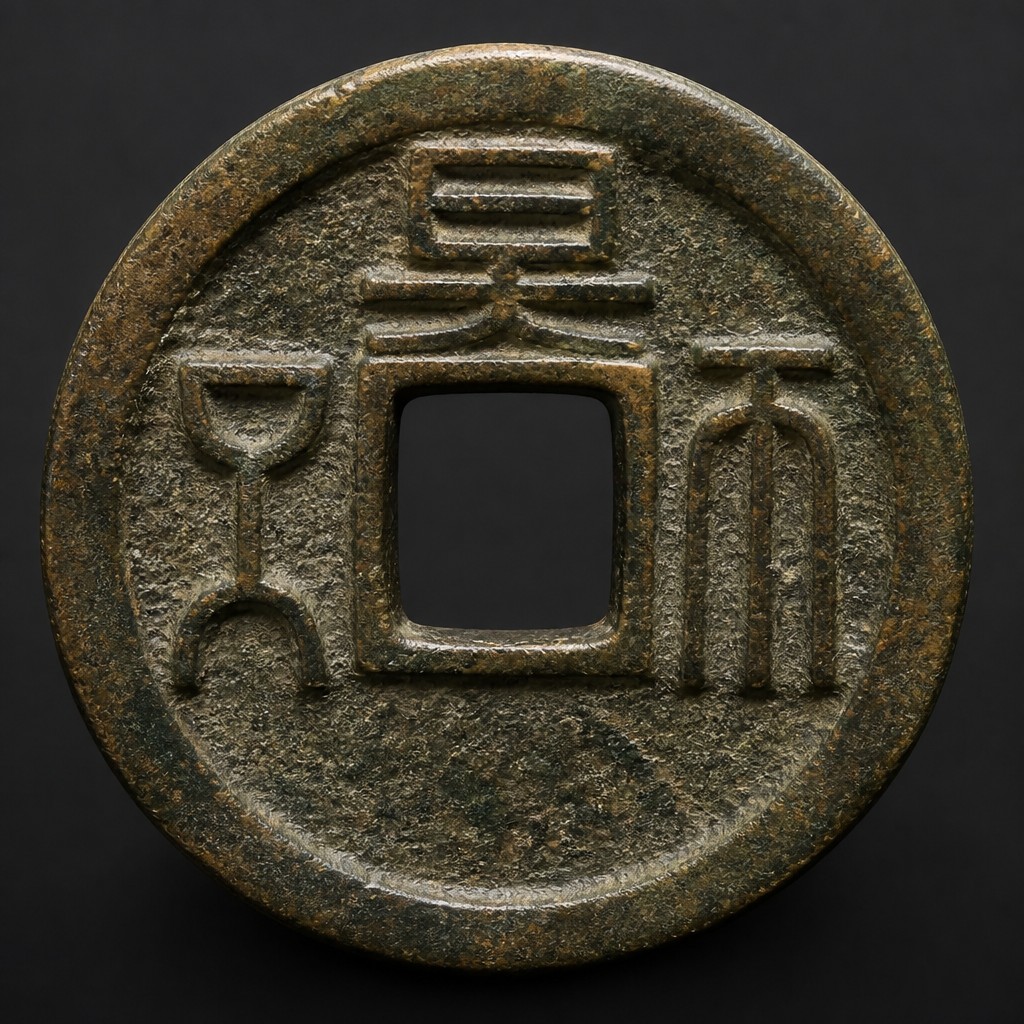
Chinese Wu Zhu Cash
118 BC – 618 AD
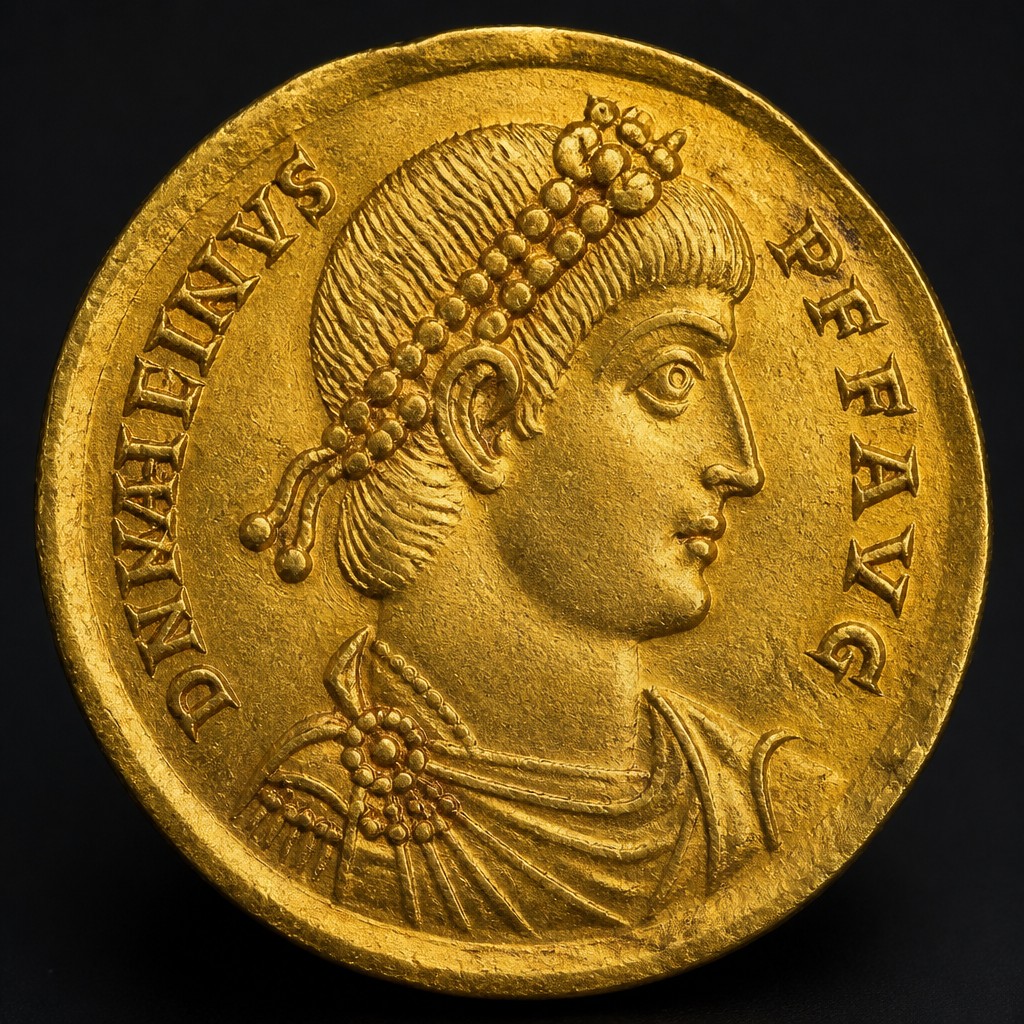
Valentinian I Solidus
364–375 AD
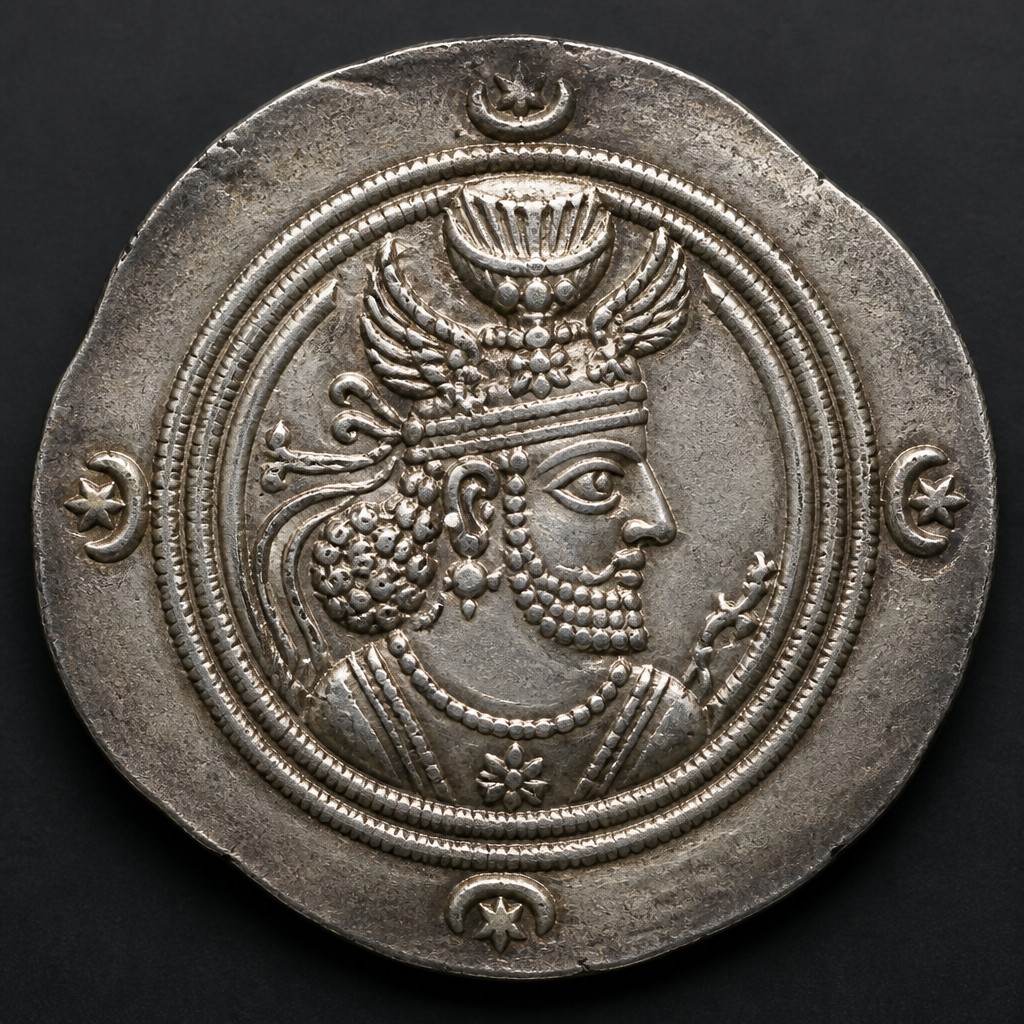
Sassanian Silver Drachm
c. 224–651 AD
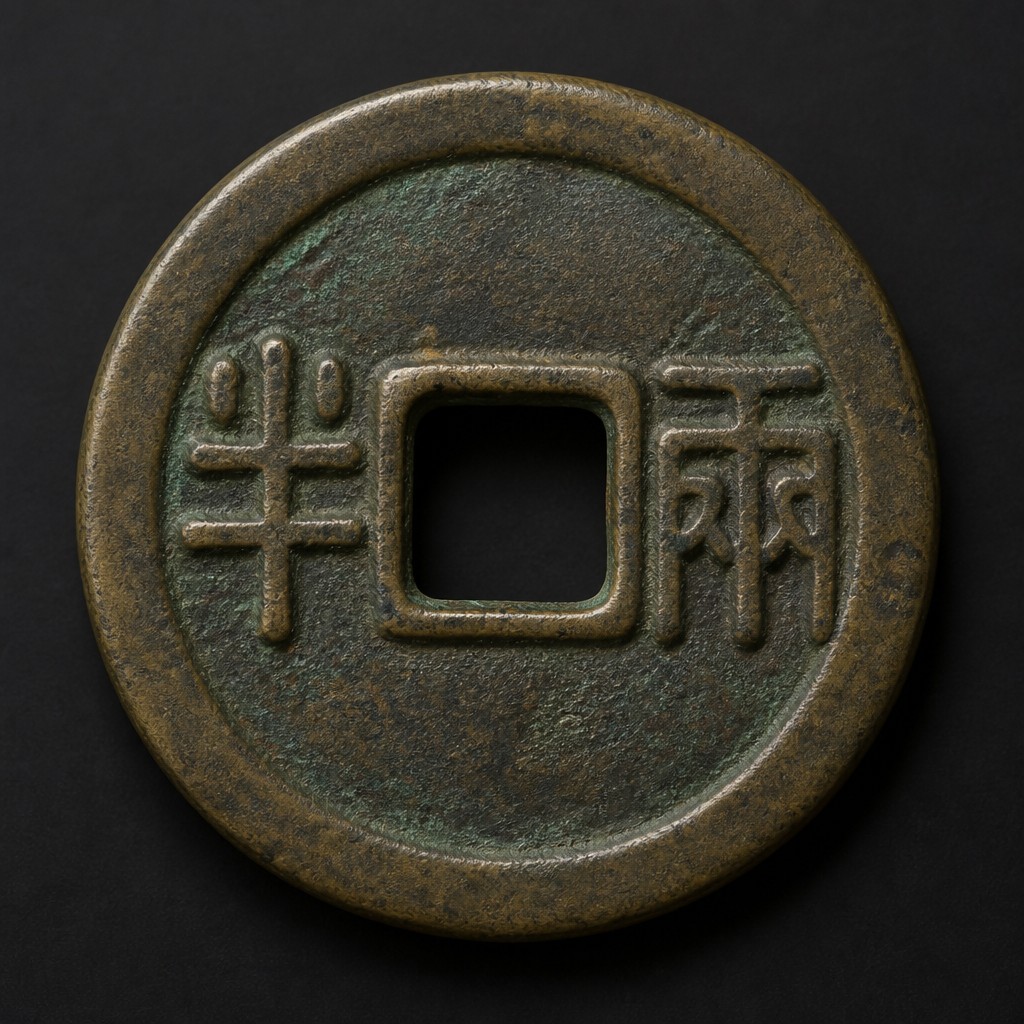
Chinese Ban Liang Cash
c. 221–118 BC
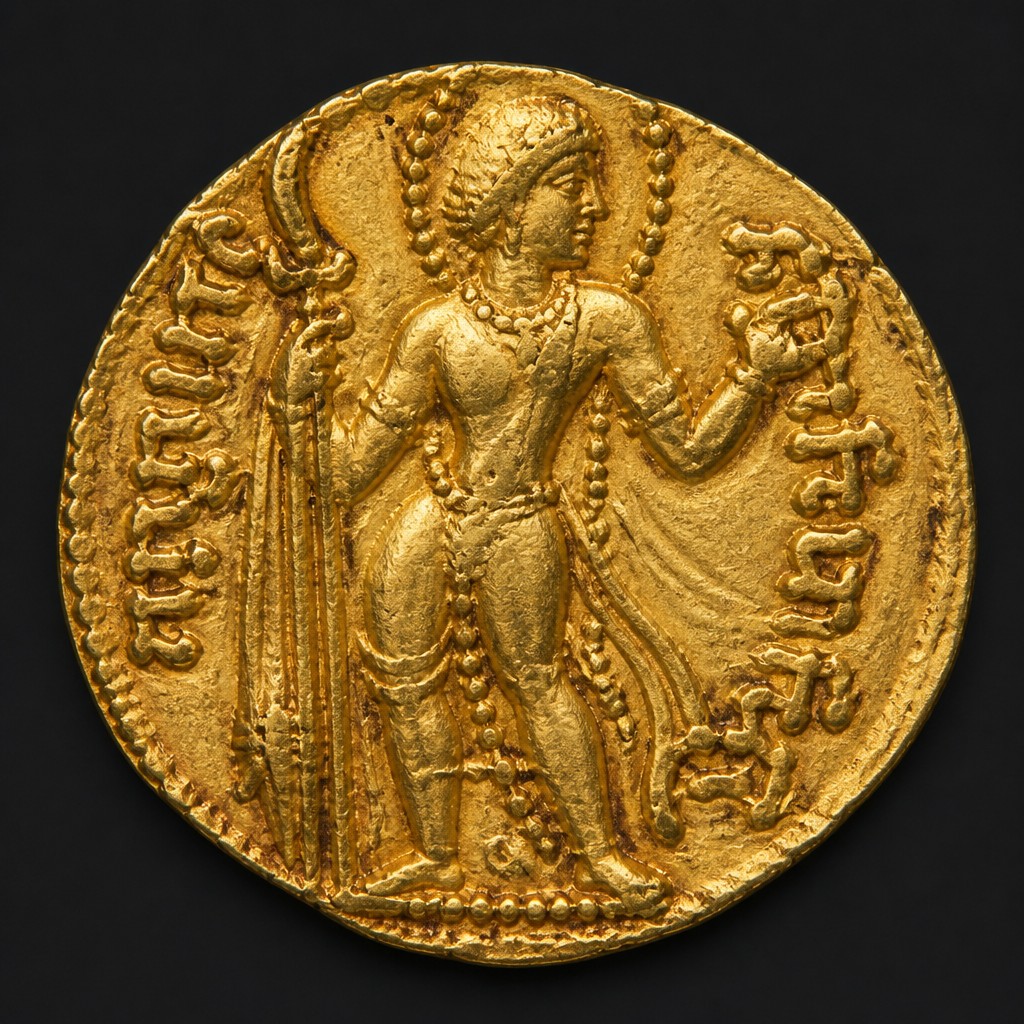
Gupta Empire Gold Dinar
c. 320–550 AD
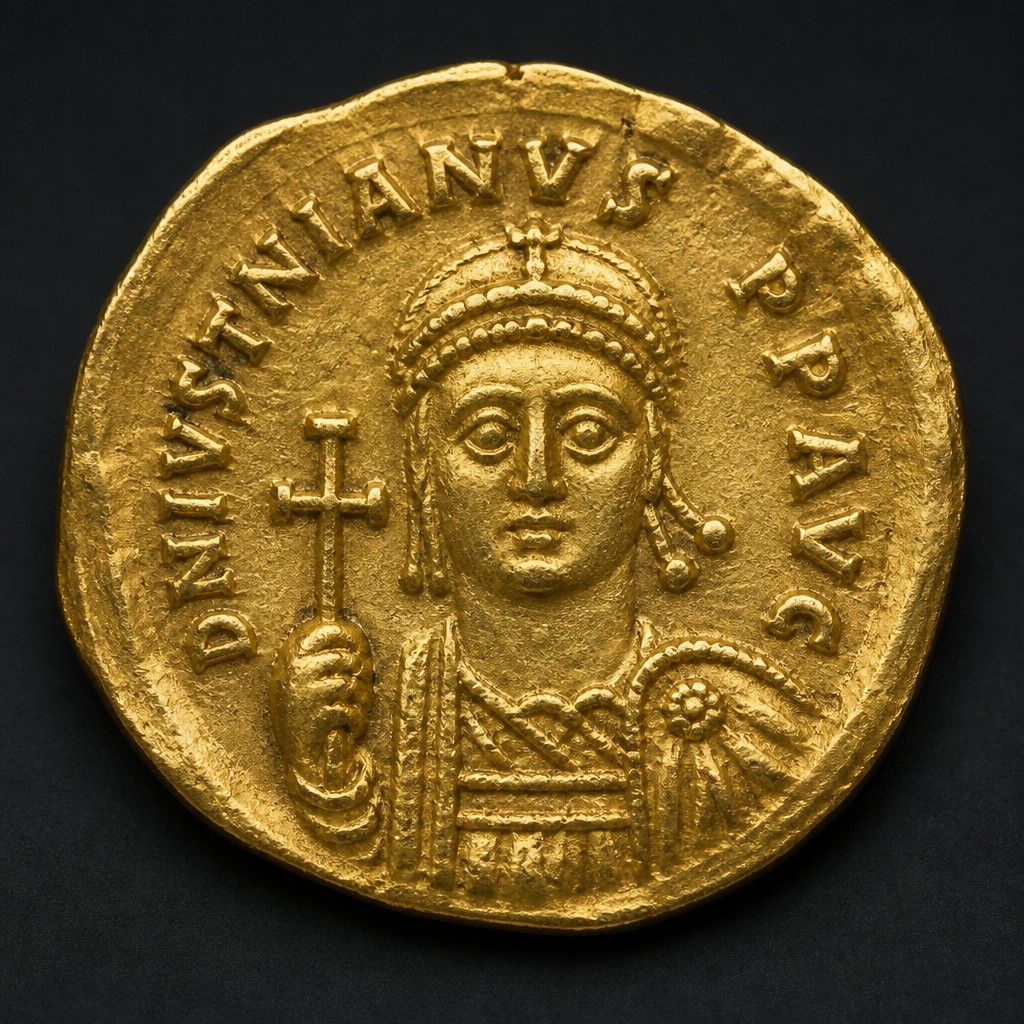
Byzantine Gold Tremissis
c. 4th–7th century AD
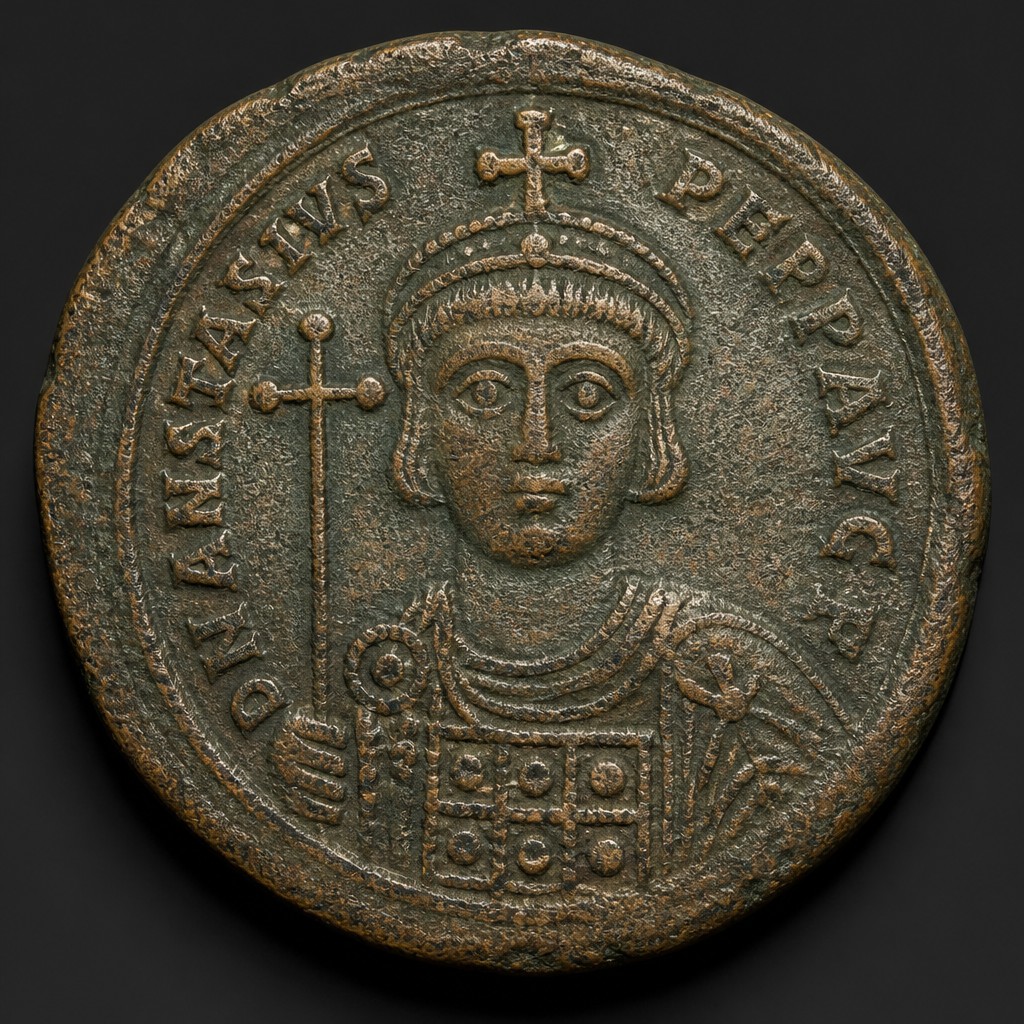
Byzantine Follis
498–c. 11th century AD
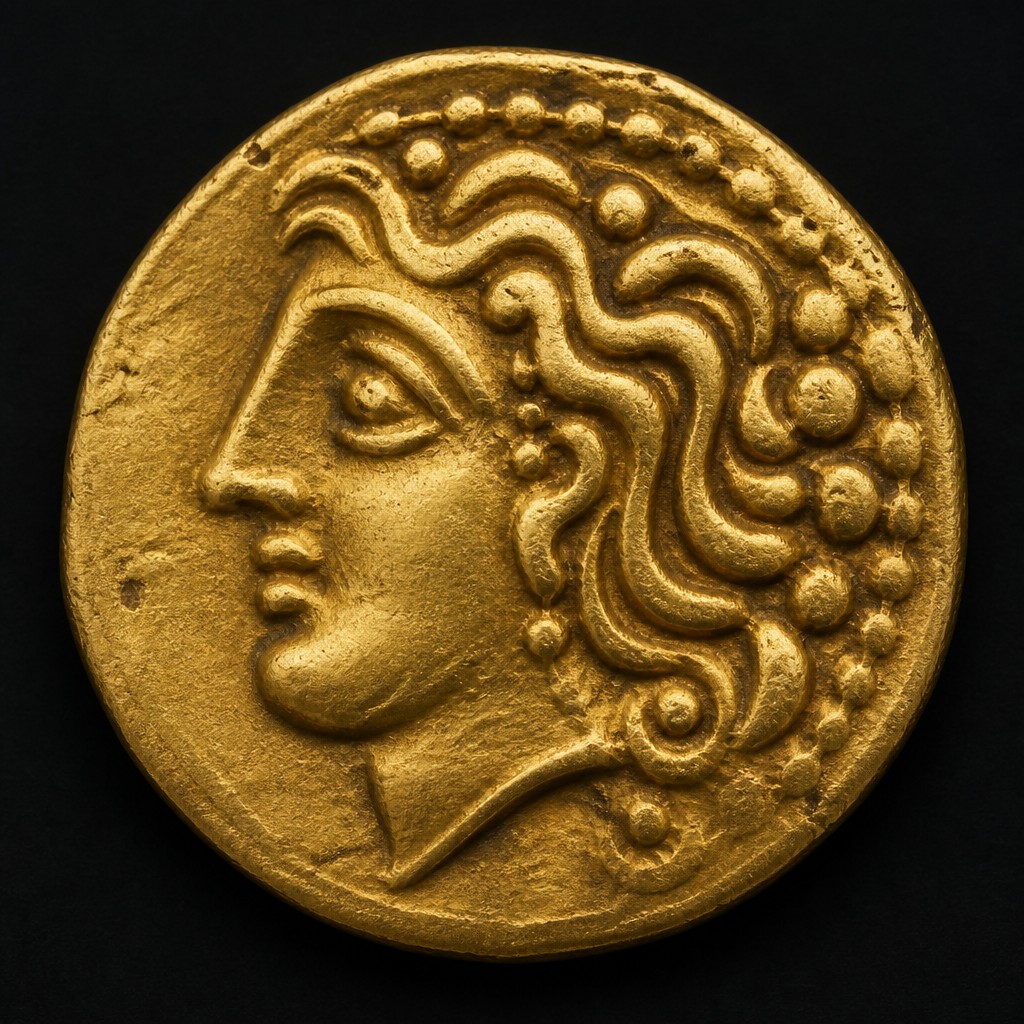
Celtic Gold Stater
c. 3rd century BC – 1st century AD
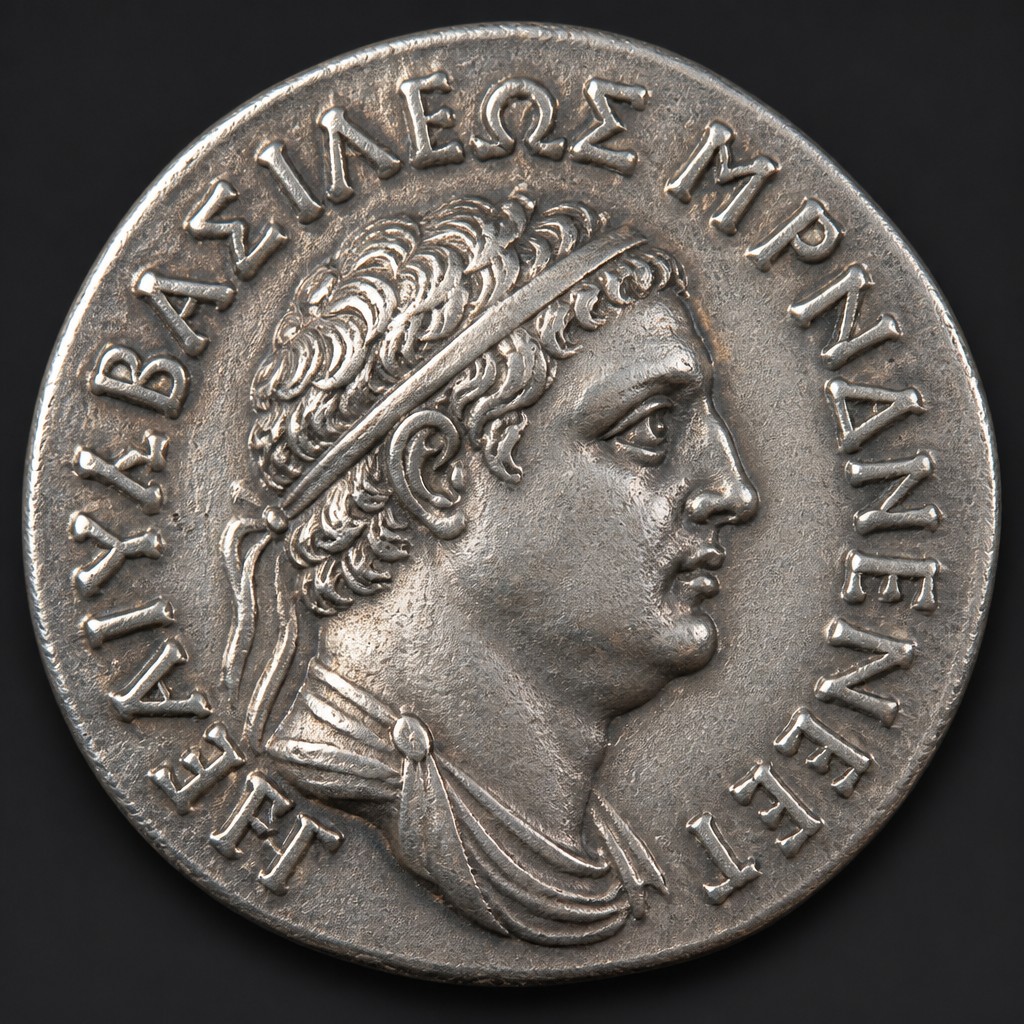
Indo-Greek Silver Drachm (Menander)
c. 165/155–130 BC