
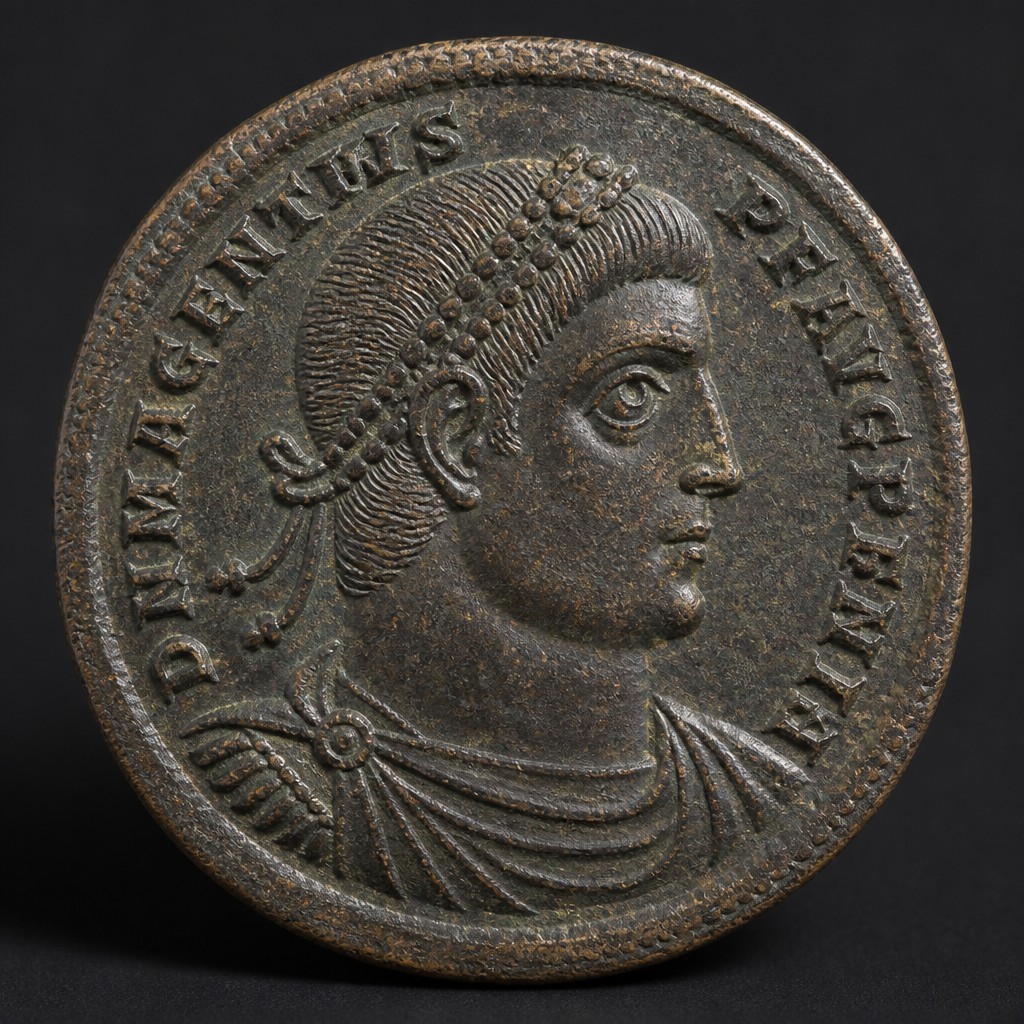
Magnentius Double Centenionalis
A large bronze coin of the usurper Magnentius featuring one of the earliest large Christian Chi-Rho symbols on Roman coinage.
- Country
- Ancient Rome
- Denomination
- Double Centenionalis (Maiorina)
- Metal
- Bronze
Got a coin like this?
Identify any coin from a photo, free.
Overview
Struck under the short-lived usurper Magnentius, this large bronze coin is famous for displaying one of the earliest and most prominent Chi-Rho Christograms on Roman coinage, flanked by the Greek letters alpha and omega. It stands out both for its unusually large size and for its striking, overtly Christian religious symbolism at a time when such imagery was still relatively new to imperial coin design.
Collectors value the coin for its historical significance as an early milestone in the visual Christianization of Roman coinage, as well as for its connection to Magnentius's dramatic but ultimately failed bid for imperial power.
History & Background
Magnentius was a military commander of Germanic origin who seized power in the western Roman Empire in 350 AD after the death of Constans, Constantine the Great's son. His usurpation triggered a civil war against the legitimate eastern emperor Constantius II, which culminated in Magnentius's defeat at the Battle of Mursa in 351 AD and his eventual suicide in 353 AD.
During his brief reign, Magnentius issued this unusually large bronze denomination, sometimes called a maiorina or double centenionalis, featuring bold Christian symbolism likely intended to appeal to the empire's growing Christian population and to project legitimacy despite his usurper status. The coin's large size and prominent religious imagery made it a notable departure from more typical mid-4th-century bronze issues.
How to Identify
The obverse shows a bare-headed, draped bust of Magnentius facing right, with the legend D N MAGNENTIVS P F AVG. The reverse displays a large Chi-Rho monogram (the Greek letters Chi and Rho superimposed, representing the first two letters of "Christ") flanked by the Greek letters alpha and omega, with the legend SALVS DD NN AVG ET CAES ("the safety/salvation of our lords the Augustus and Caesar").
This coin is notably large for a mid-4th-century bronze, often 24–28mm or more, reflecting a brief experiment with larger denominations during this period. The bold Chi-Rho reverse is distinctive and not easily confused with other contemporary types, making obverse portrait identification straightforward once the legend is read.
Value & Collectibility
This type is popular and moderately valued due to its unusual size and its status as an early, prominent example of Christian symbolism on Roman coinage, appealing both to ancient coin collectors and to those interested in early Christian history. Well-struck, well-centered examples with a clear Chi-Rho and full legends bring solid premiums.
Because Magnentius's reign was short and eventually suppressed, his coinage is somewhat less common than that of long-reigning legitimate emperors of the era, adding to collector interest, though the type is not considered extremely rare and is obtainable with some searching.
Frequently asked questions
What is the Chi-Rho symbol on the reverse?
It is a Christian monogram formed from the first two Greek letters of "Christ" (Chi and Rho) superimposed, one of the earliest Christian symbols to appear prominently on Roman coinage.
Who was Magnentius?
He was a Roman general who usurped imperial power in the western empire in 350 AD before being defeated by Constantius II and dying in 353 AD.
Why is this coin unusually large?
It represents a brief mid-4th-century experiment with a larger bronze denomination, sometimes called a maiorina or double centenionalis, before coin sizes were reduced again.
Is this coin considered rare?
It is scarcer than coinage of longer-reigning legitimate emperors of the period due to Magnentius's short usurpation, though it is not among the rarest ancient Roman coins.
Other coins you may enjoy
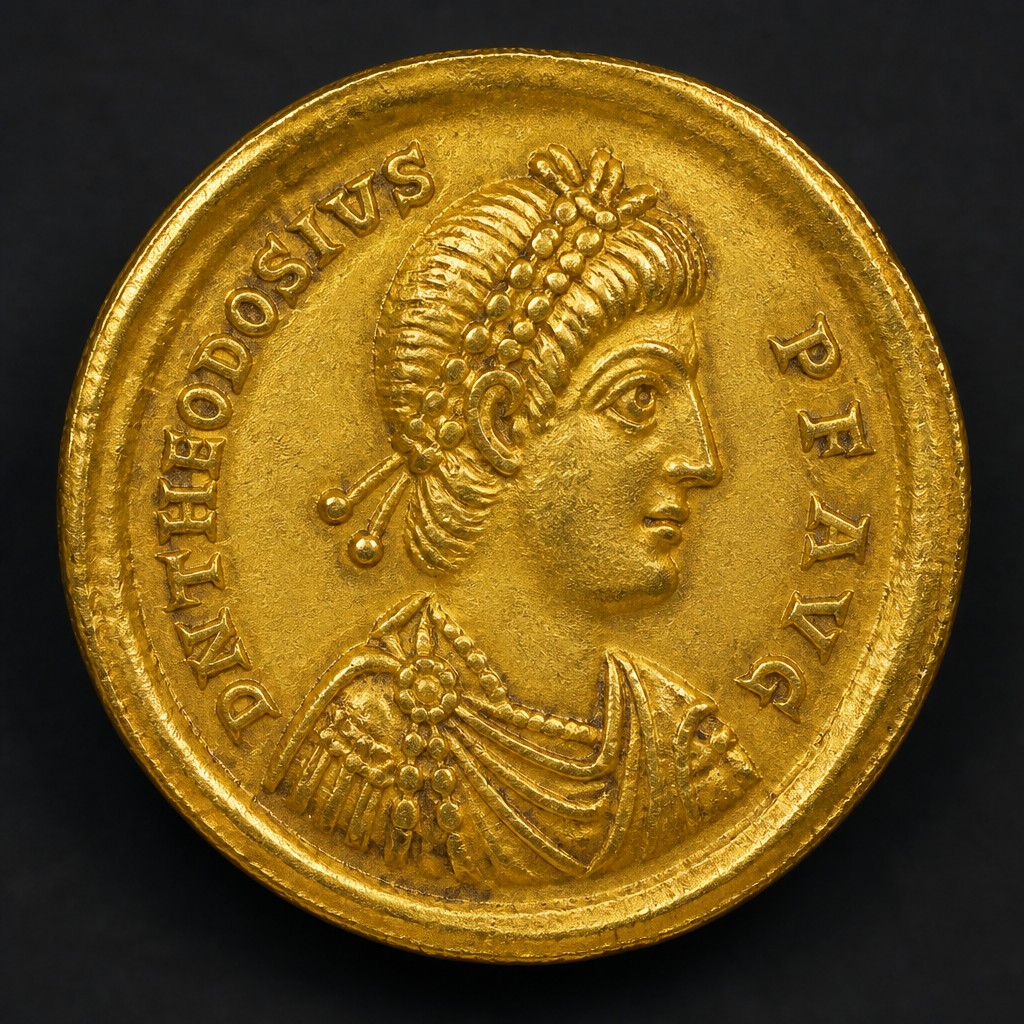
Theodosius I Solidus
379–395 AD
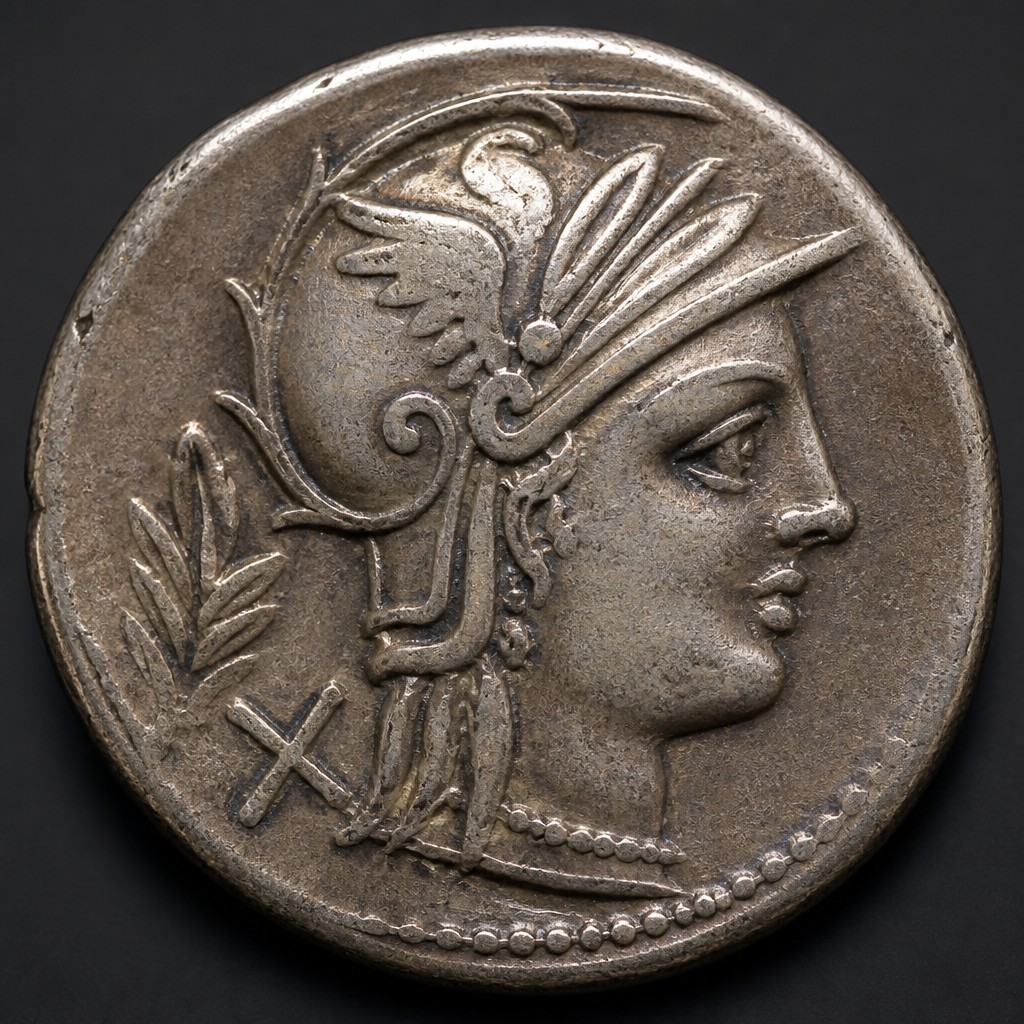
Republican Victoriatus
c. 211–170 BC
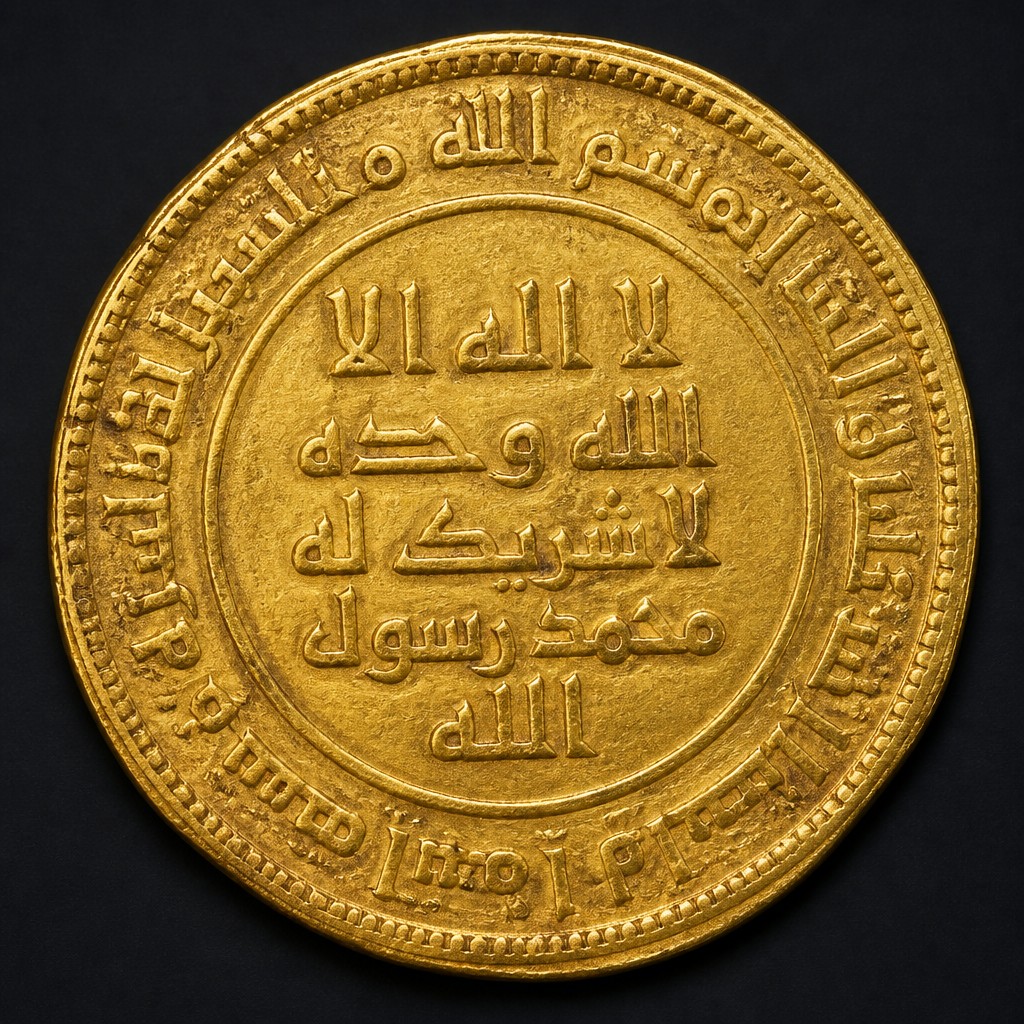
Islamic Gold Dinar (Umayyad)
c. 696–750 AD
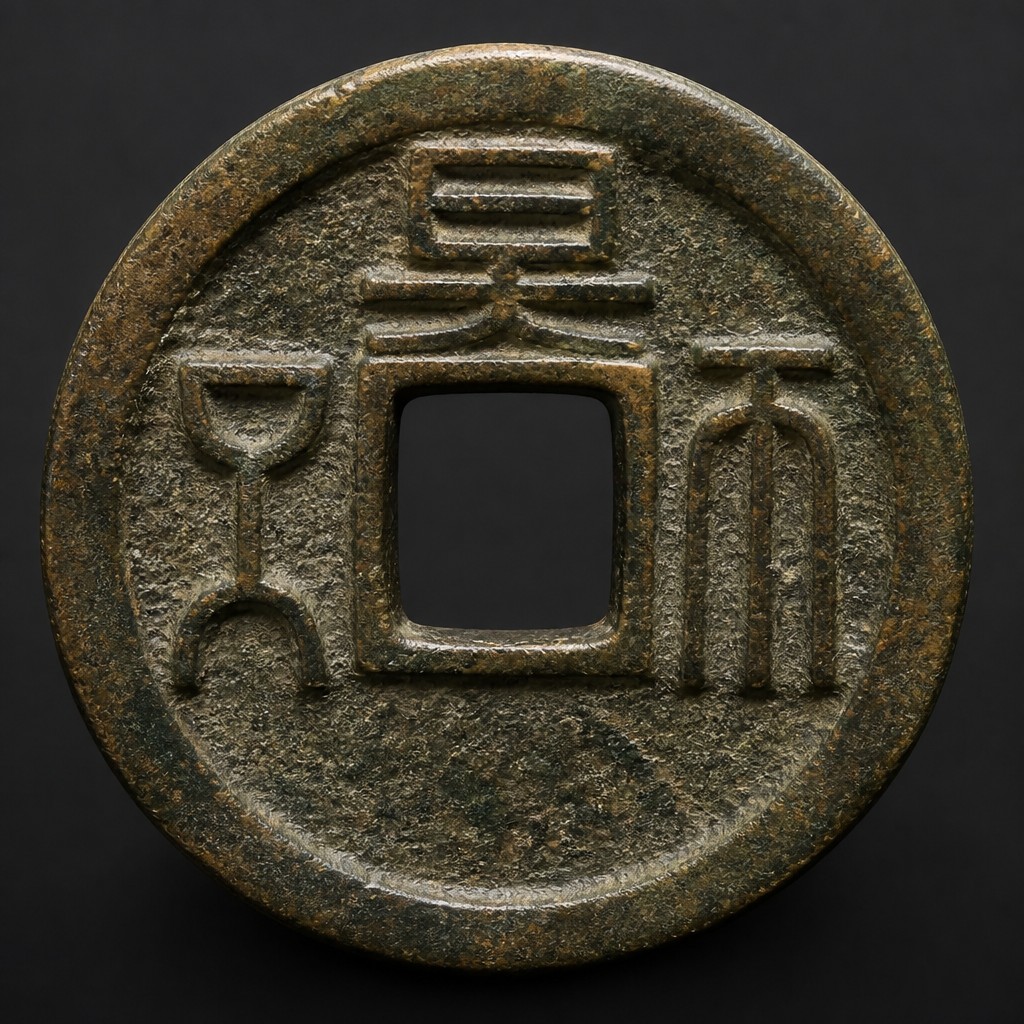
Chinese Wu Zhu Cash
118 BC – 618 AD
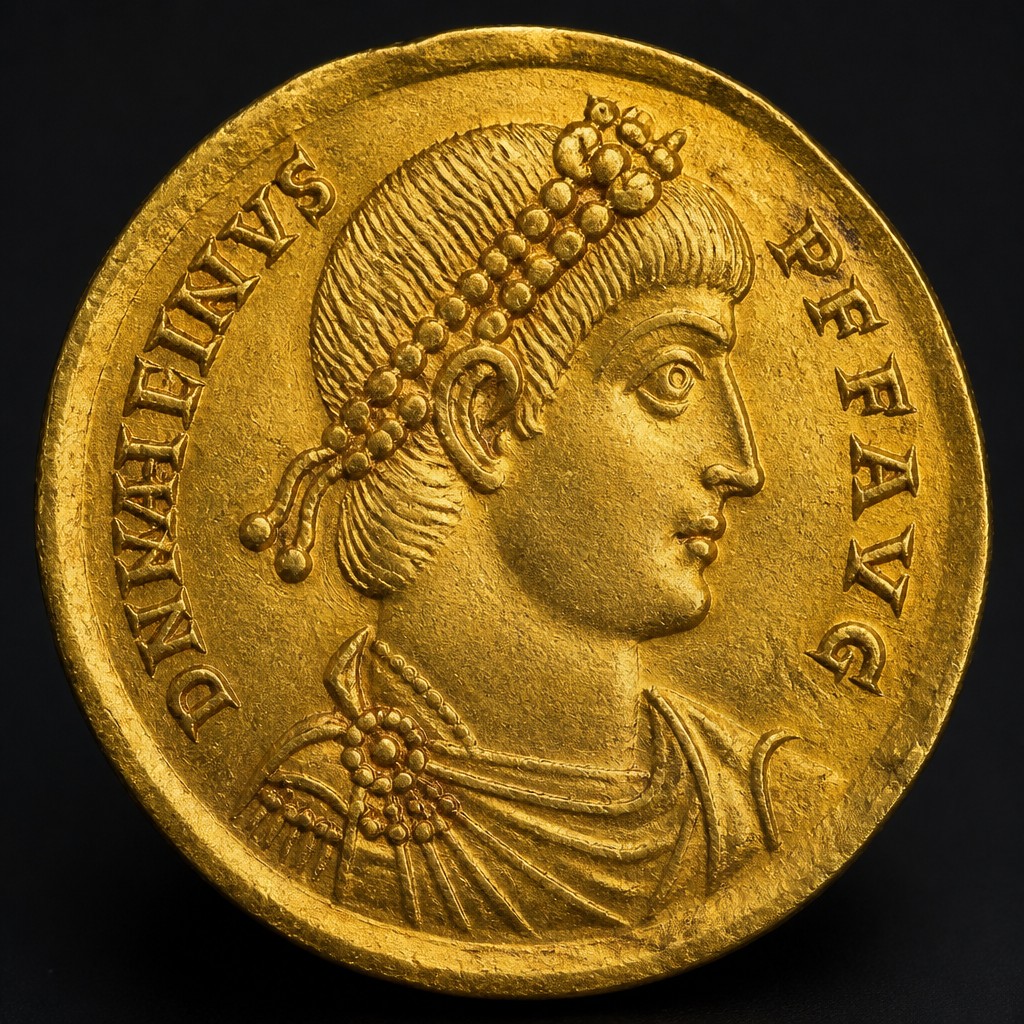
Valentinian I Solidus
364–375 AD
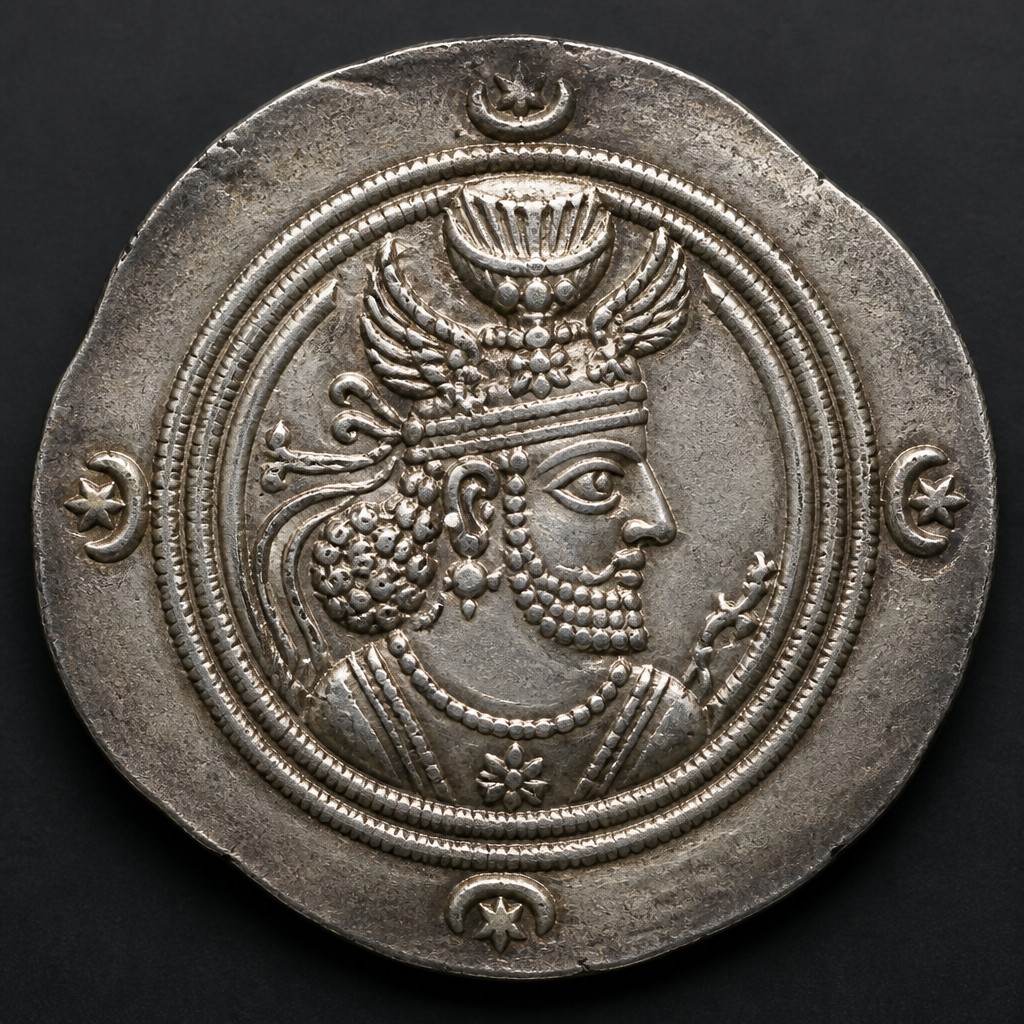
Sassanian Silver Drachm
c. 224–651 AD
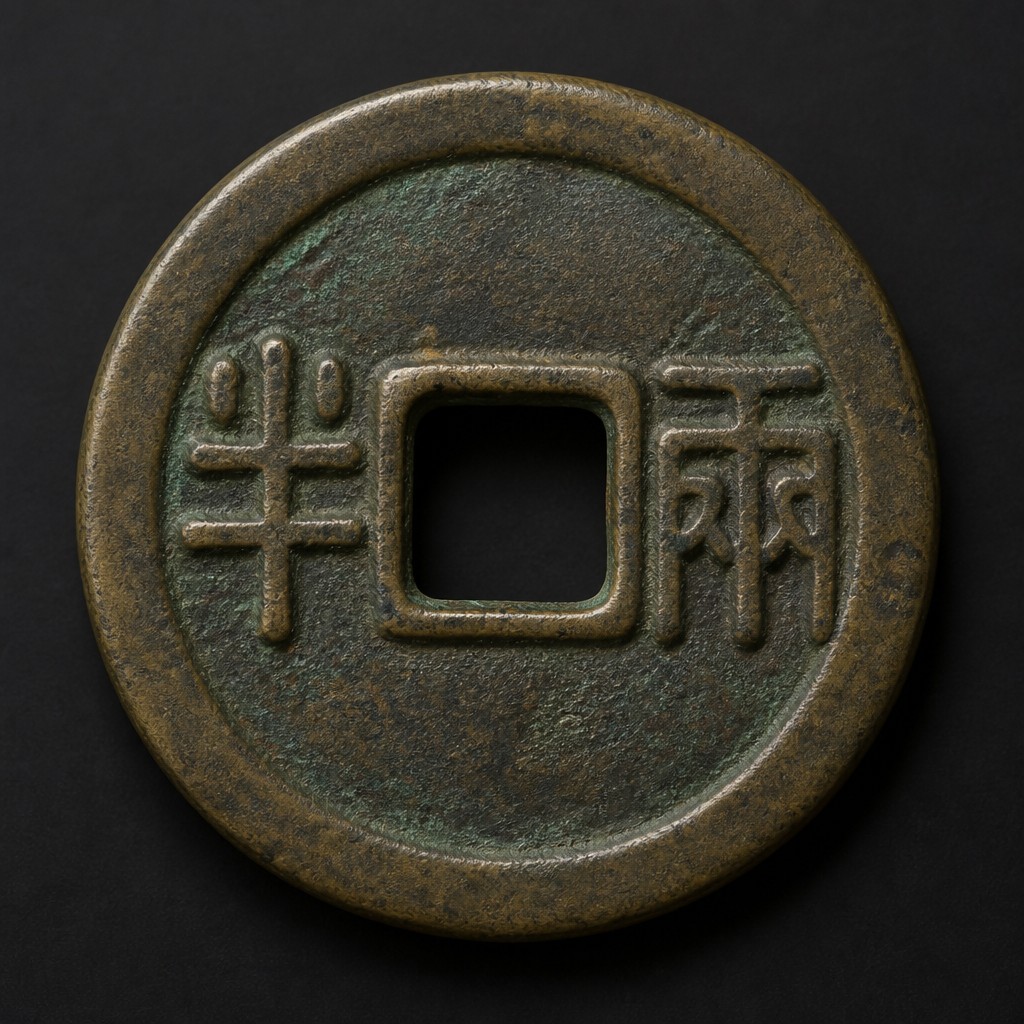
Chinese Ban Liang Cash
c. 221–118 BC
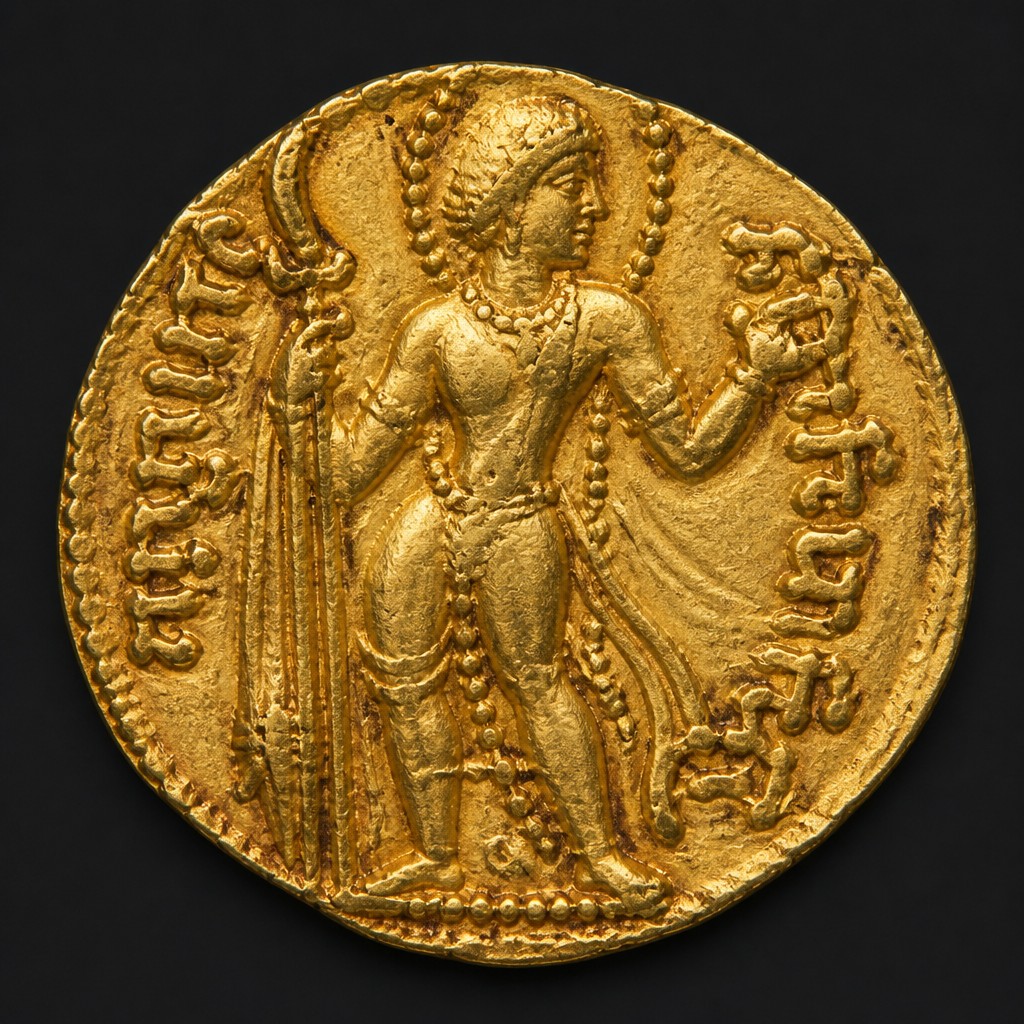
Gupta Empire Gold Dinar
c. 320–550 AD
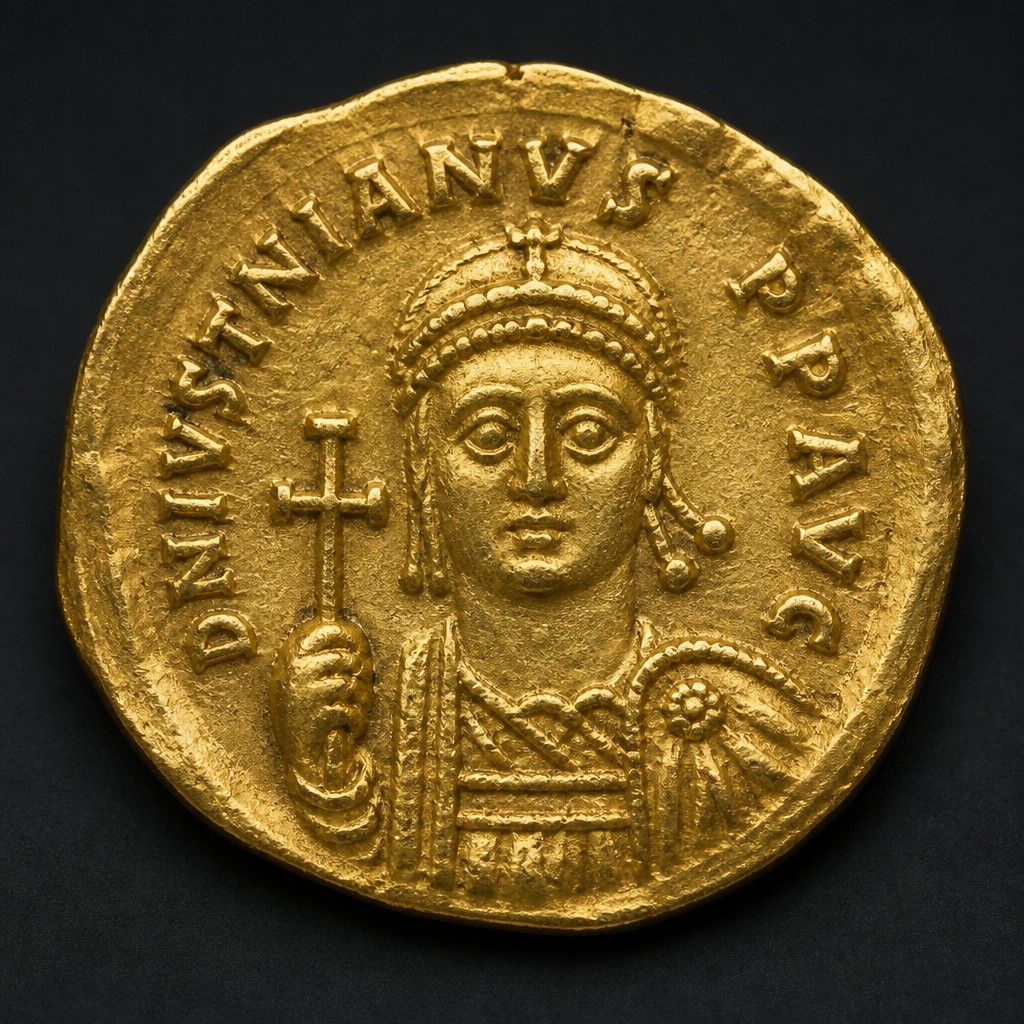
Byzantine Gold Tremissis
c. 4th–7th century AD
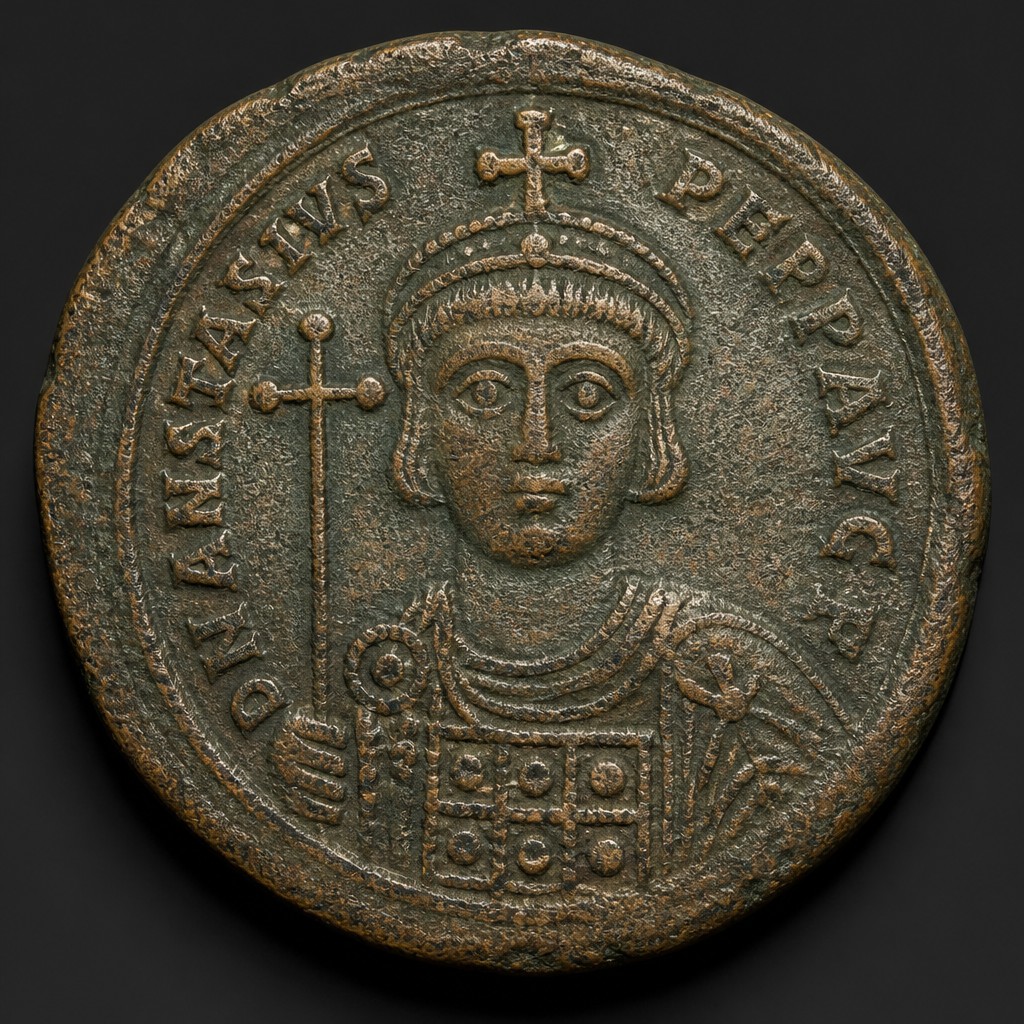
Byzantine Follis
498–c. 11th century AD
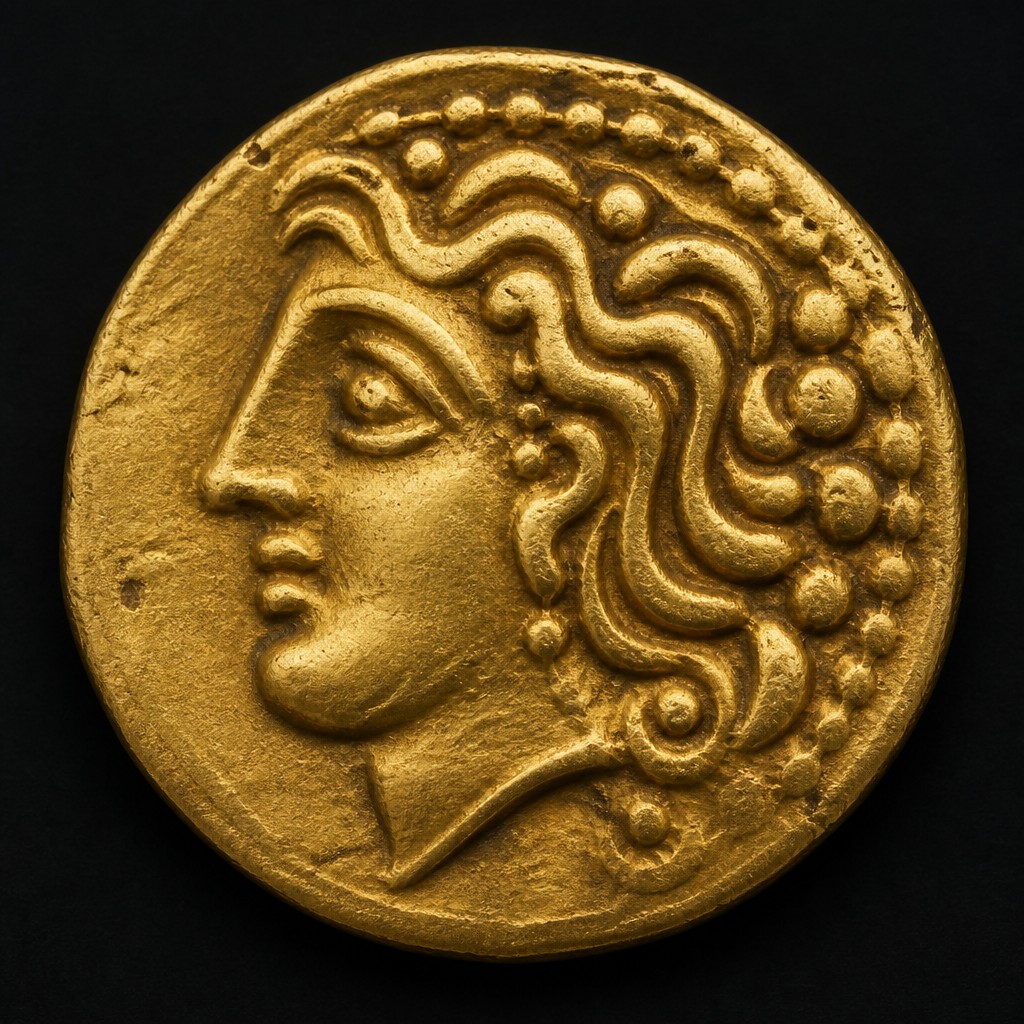
Celtic Gold Stater
c. 3rd century BC – 1st century AD
Indo-Greek Silver Drachm (Menander)
c. 165/155–130 BC