
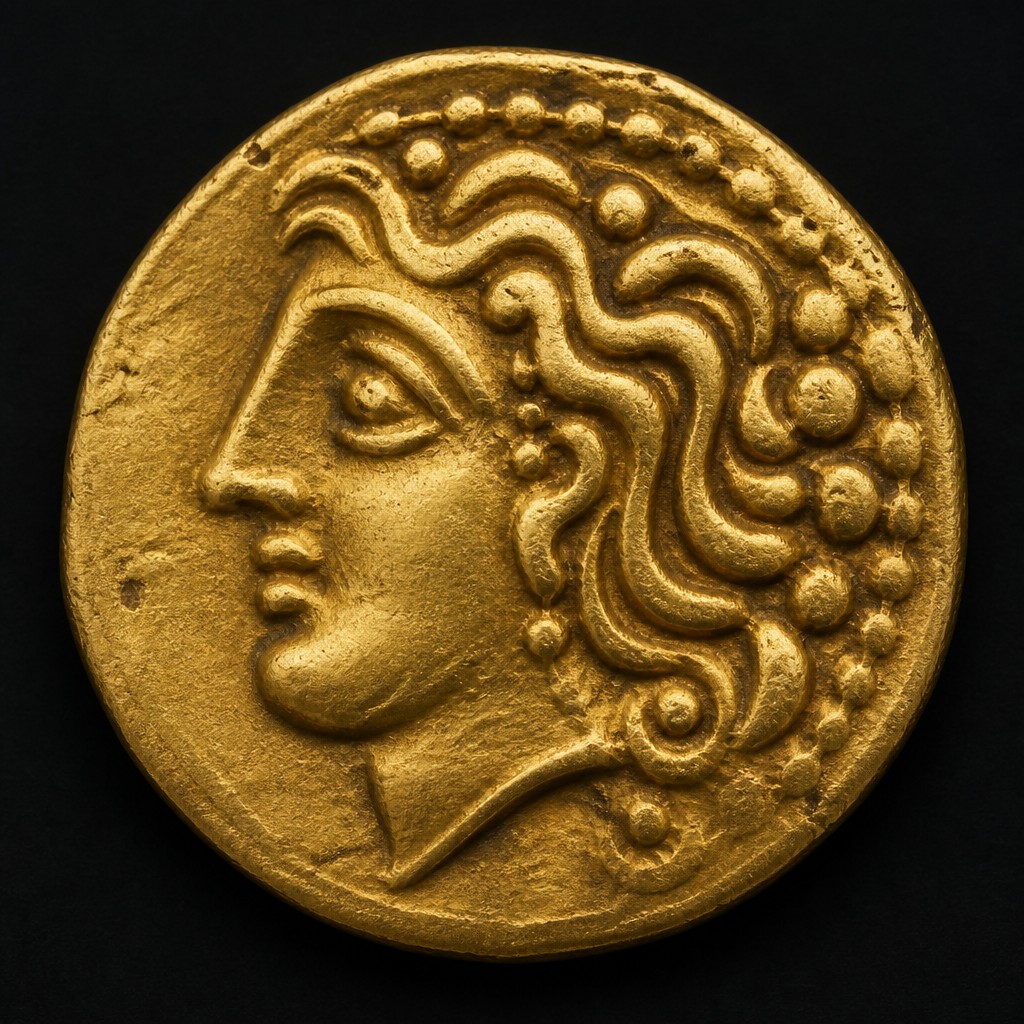
Celtic Gold Stater
Iron Age gold coins struck by Celtic tribes across Gaul and Britain, evolving from close imitations of Macedonian staters into strikingly abstract, stylized designs.
- Country
- Celtic Europe (Gaul, Britain, and Central Europe)
- Denomination
- Stater
- Metal
- Gold (often alloyed with silver as electrum in later, debased issues)
Got a coin like this?
Identify any coin from a photo, free.
Overview
Celtic gold staters offer a fascinating case study in ancient artistic transformation, beginning as fairly faithful copies of Greek Macedonian coinage and gradually evolving, generation after generation of imitation, into highly abstract, almost surreal compositions of disconnected design elements. This stylistic drift makes the series especially interesting to collectors interested in art history as much as numismatics.
The coins are also historically significant as some of the earliest coinages produced in temperate Europe and Britain, struck by Celtic tribal groups before and during the period of Roman expansion, and they provide valuable evidence about tribal territories, trade contacts, and the gradual Romanization of these regions.
History & Background
The tradition began when Celtic tribes and mercenaries who had served in the Mediterranean world, or who traded with Greek colonies, encountered and began imitating the gold staters of Philip II of Macedon, which featured a laureate head of Apollo on the obverse and a two-horse chariot (biga) on the reverse. Celtic tribes across Gaul and later Britain adapted this design over successive generations of copying.
Because each generation of die engravers worked from earlier Celtic imitations rather than the original Greek coin, and often did not fully understand the meaning of the original imagery, the design progressively fragmented and abstracted: the laurel wreath might become a string of pellets or crescents, the profile head might dissolve into disconnected curls and dots, and the chariot and horse might be reduced to a stylized, almost unrecognizable arrangement of lines, wheels, and dots.
Different Celtic tribes and confederations, including groups in Gaul such as the Ambiani and Parisii, and in Britain such as the Atrebates, Trinovantes, and Catuvellauni, produced their own regional variants, some of which incorporated tribal names or ruler names in Latin script as Roman influence grew in the 1st centuries BC and AD, shortly before or during the Roman conquest of these territories.
How to Identify
Early Celtic staters closely resemble their Macedonian prototype, showing a laureate head in profile on the obverse and a charioteer driving a two-horse biga on the reverse, though already showing some stylization. Later and more evolved examples can look dramatically different, with the obverse head reduced to abstract patterns of dots, crescents, and curved lines, and the reverse chariot scene simplified into a disjointed arrangement of a horse (sometimes with a wheel-like sun symbol above), scattered pellets, and geometric shapes.
Most Celtic staters carry no legend at all in their earlier phases, since Celtic society at the time was largely non-literate in this context; later British and some Gallic issues, produced closer to the Roman conquest period, do include tribal or ruler names in Latin letters, such as coins naming figures like Tasciovanus, Cunobelin (Cunobelinus), or Verica in Britain.
The coin is generally similar in size and weight to a classical Greek stater, roughly 20mm in diameter, though gold purity and weight vary by tribe and period, with some later issues showing debasement with silver. Collectors distinguish specific tribal or regional issues by the exact style of abstraction, the presence or absence of a legend, and known findspot patterns associated with particular Celtic groups.
Value & Collectibility
Celtic gold staters vary widely in price depending on the tribe, degree of design abstraction, condition, and rarity of the specific type. Common, well-represented types, particularly from prolific Gaulish tribes, can be found for a few hundred dollars in decent condition, making them a relatively accessible way to own ancient Celtic gold.
Rarer tribal issues, coins naming identifiable British rulers, or exceptionally well-preserved and clearly detailed examples can command significantly higher prices, sometimes into the thousands of dollars, reflecting both scarcity and strong collector interest in named-ruler British Celtic coinage. As always with ancient coins, strike quality, centering, and surface preservation heavily influence value.
Frequently asked questions
Why do some Celtic staters look so abstract?
They descend from generations of copying an original Macedonian gold stater design, and because each generation of Celtic die engravers copied the previous Celtic version rather than the Greek original, the imagery gradually fragmented into abstract patterns.
What Greek coin inspired Celtic staters?
They originated as imitations of the gold stater of Philip II of Macedon, which showed a laureate Apollo head and a two-horse chariot.
Do Celtic staters have any writing on them?
Most early Celtic staters are unlettered, but later British and some continental Gaulish issues from closer to the Roman conquest period include tribal or ruler names in Latin script.
Which Celtic tribes issued gold staters?
Many Gaulish tribes, including the Ambiani and Parisii, as well as British tribes such as the Atrebates, Trinovantes, and Catuvellauni, issued their own regional gold stater types.
Are named-ruler British Celtic staters more valuable?
Generally yes, coins naming identifiable rulers such as Cunobelin or Tasciovanus tend to attract stronger collector interest and higher prices than unlettered continental types.
Other coins you may enjoy
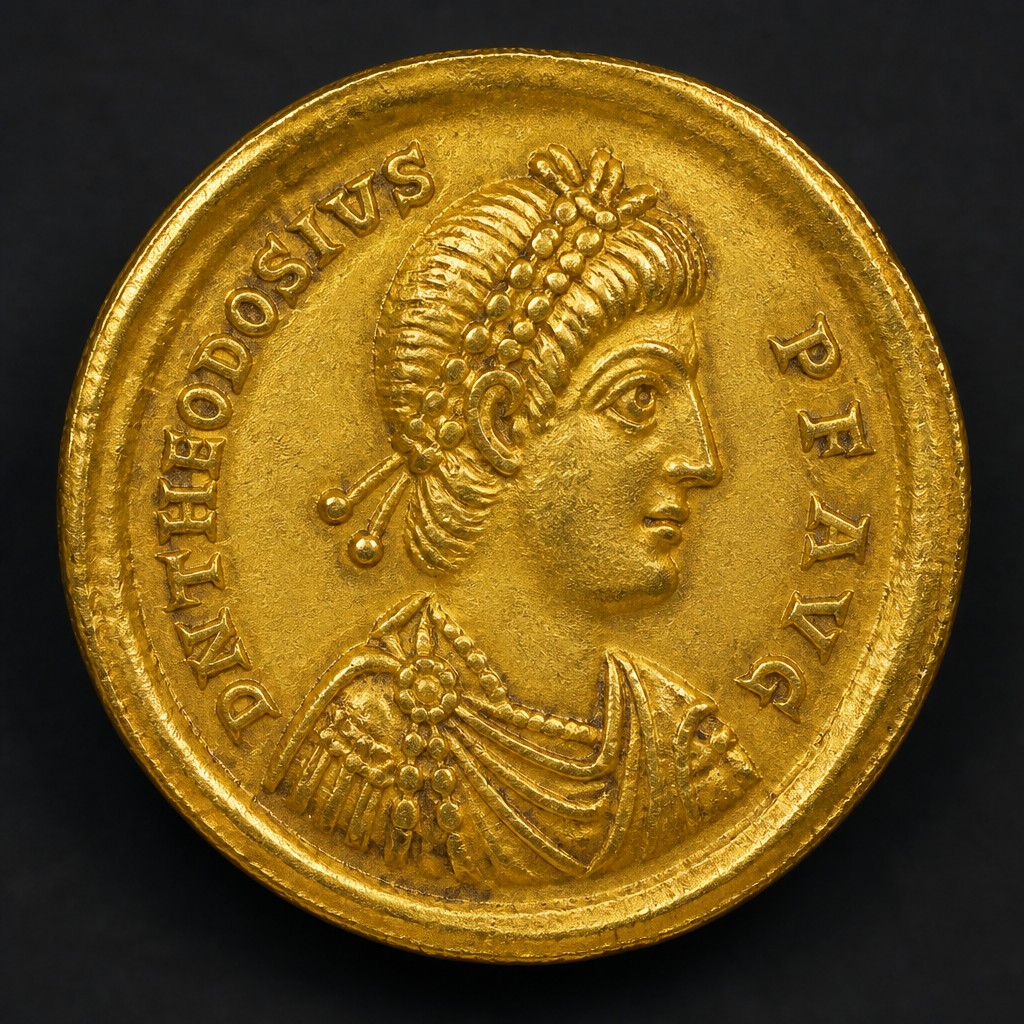
Theodosius I Solidus
379–395 AD
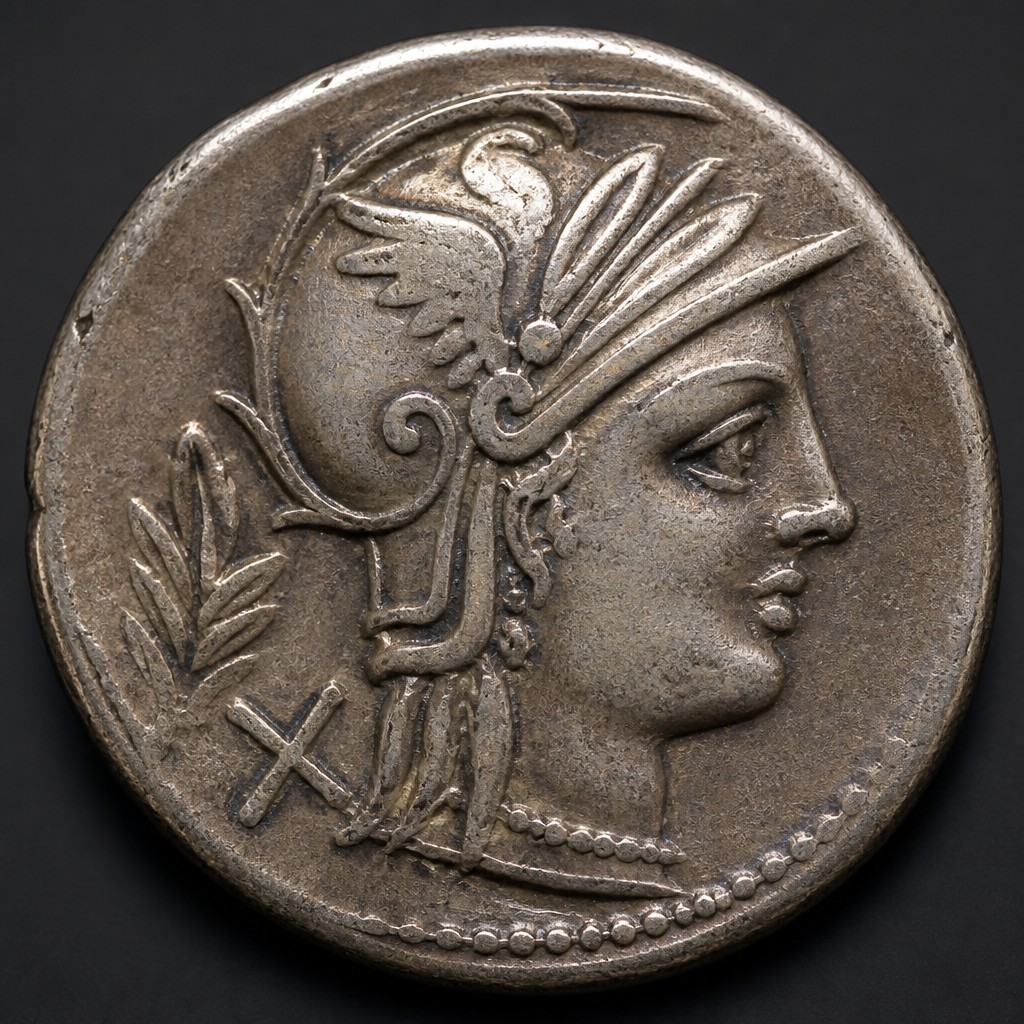
Republican Victoriatus
c. 211–170 BC
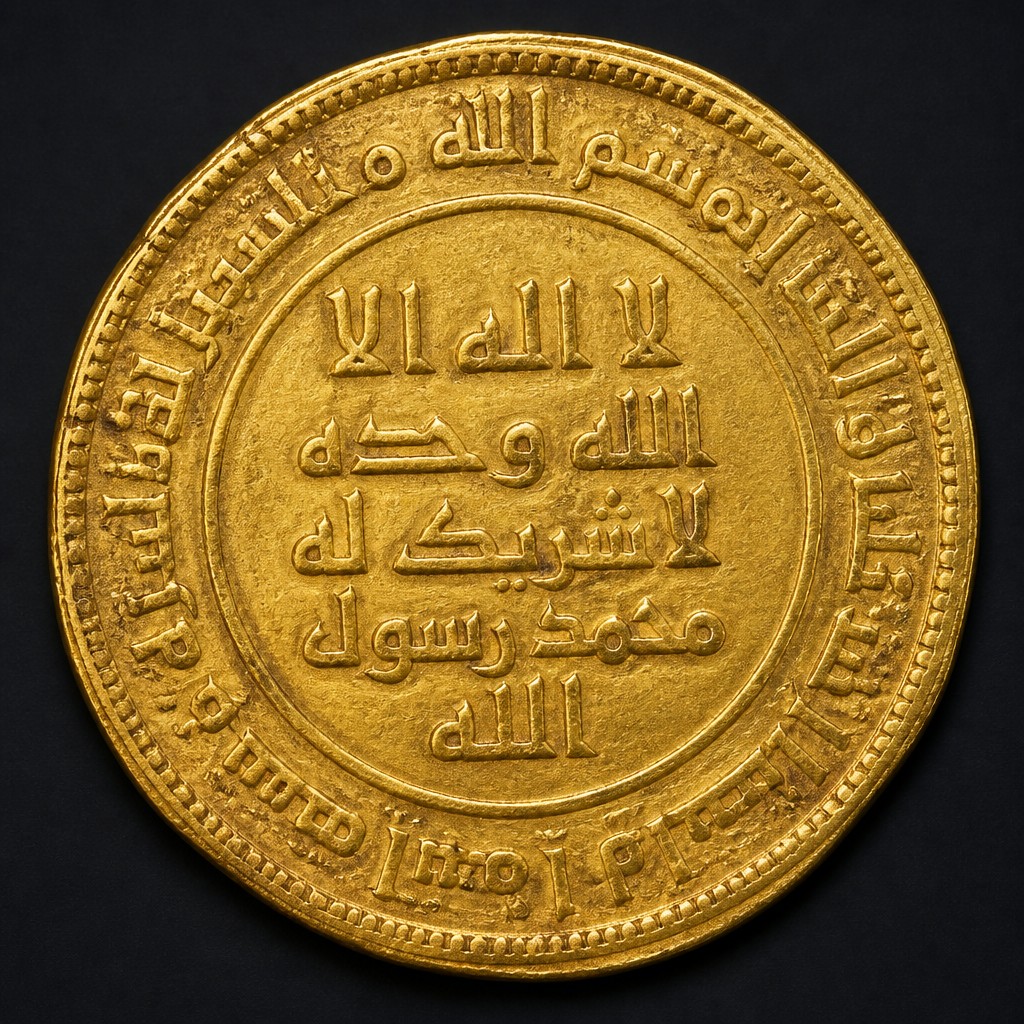
Islamic Gold Dinar (Umayyad)
c. 696–750 AD
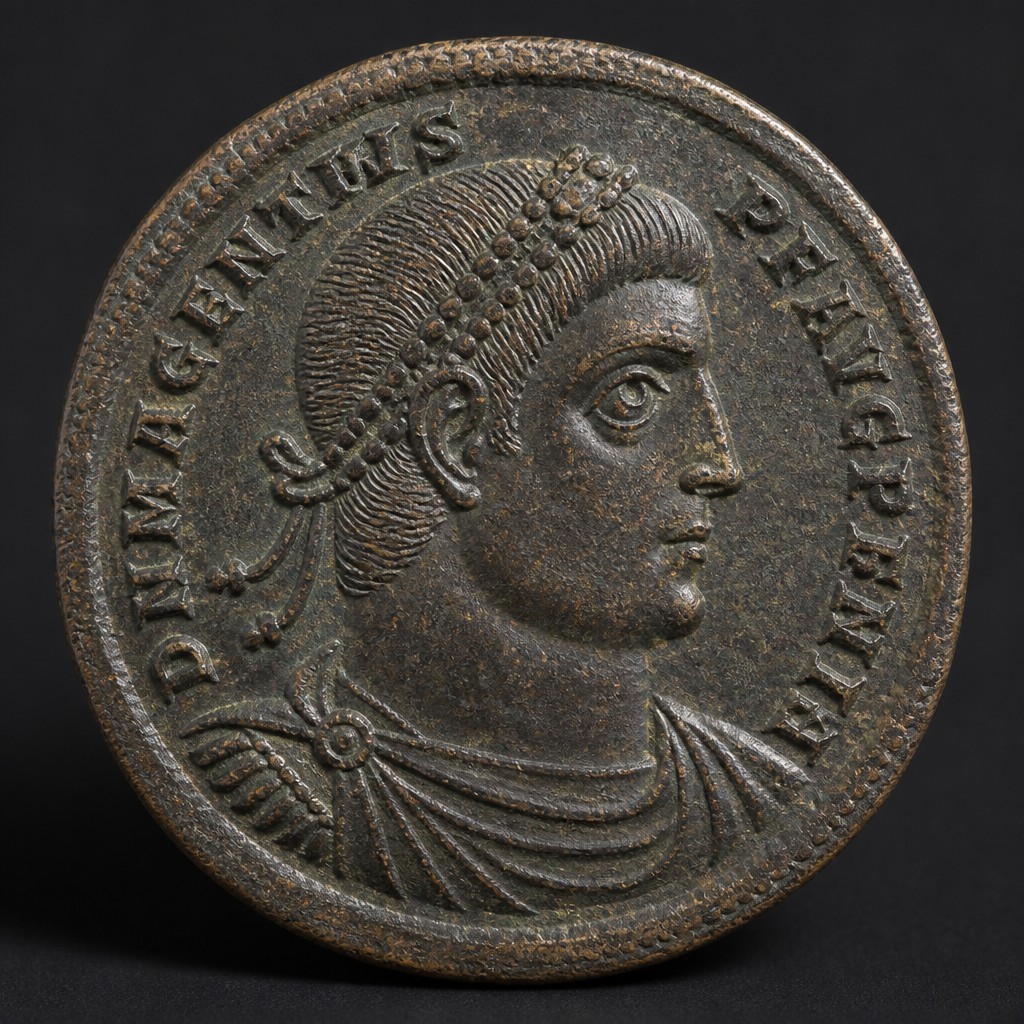
Magnentius Double Centenionalis
350–353 AD
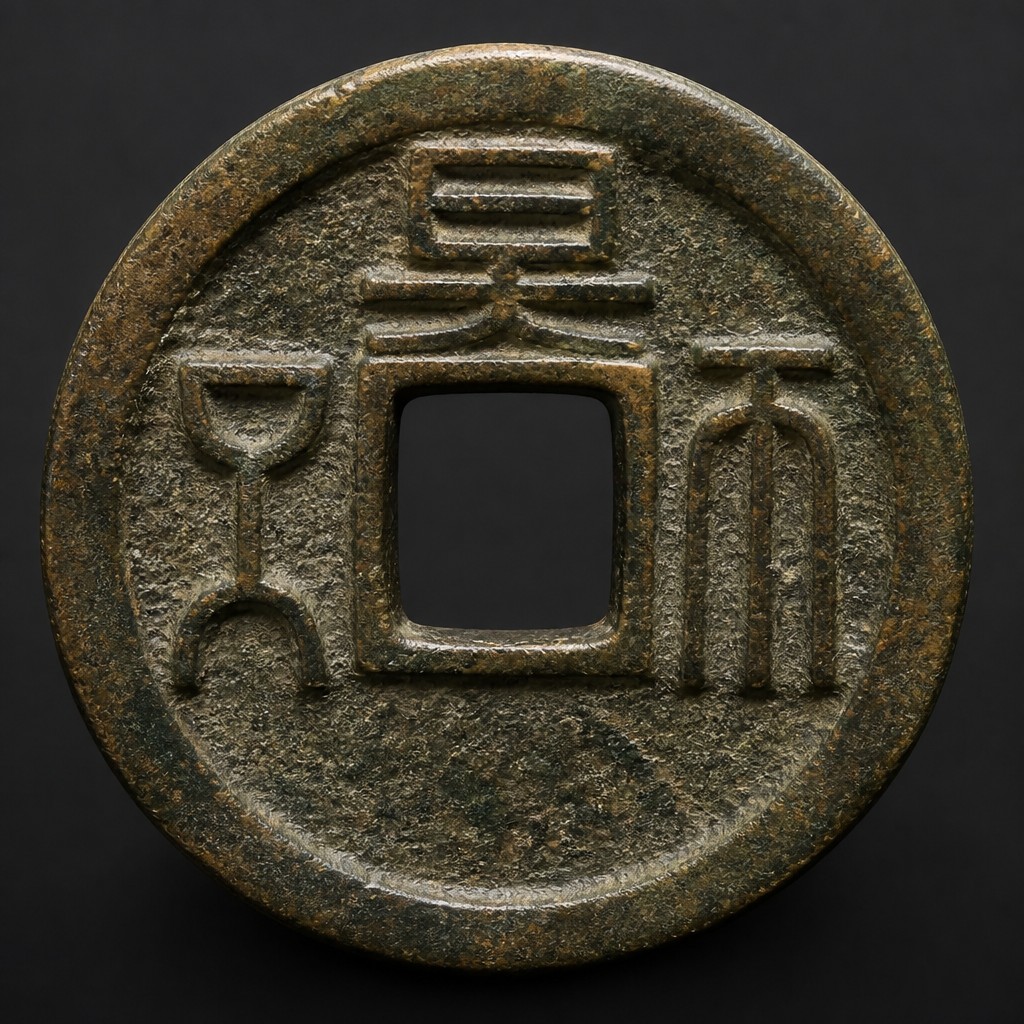
Chinese Wu Zhu Cash
118 BC – 618 AD
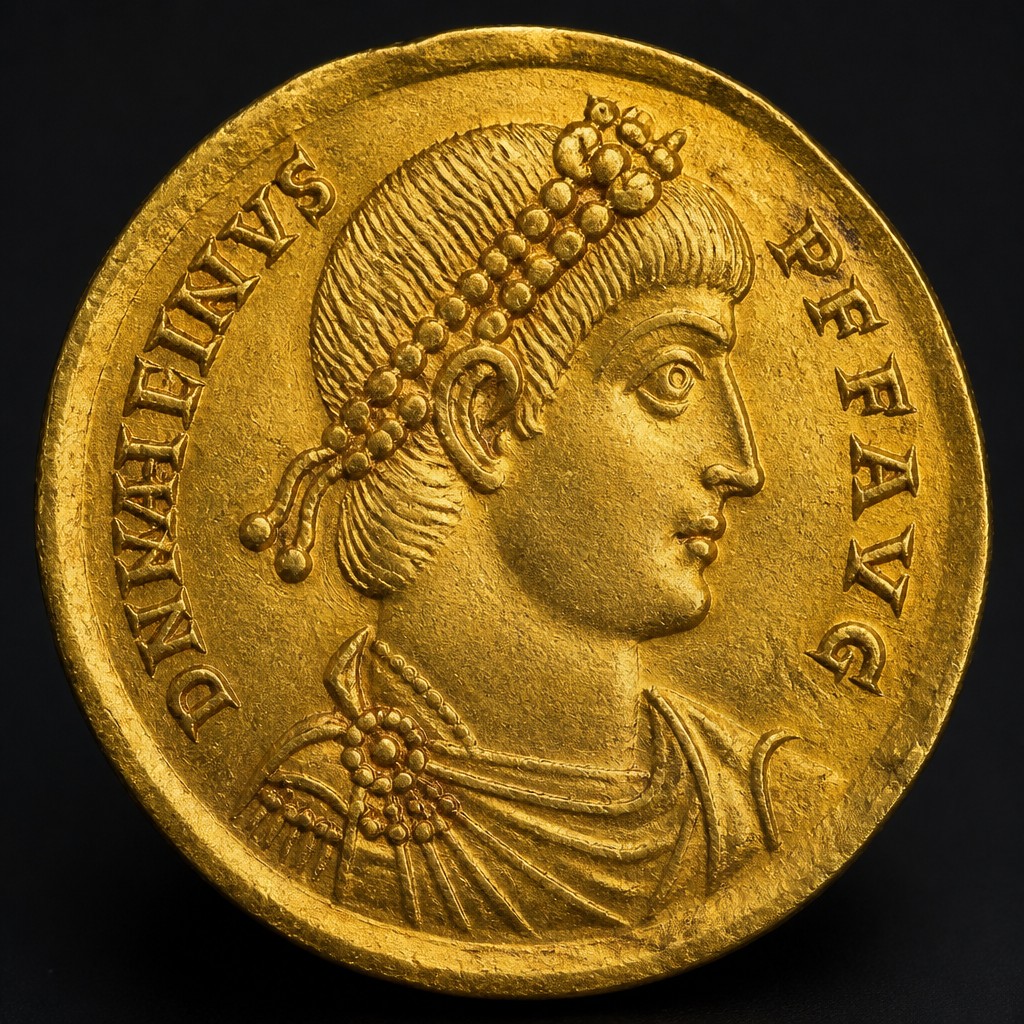
Valentinian I Solidus
364–375 AD
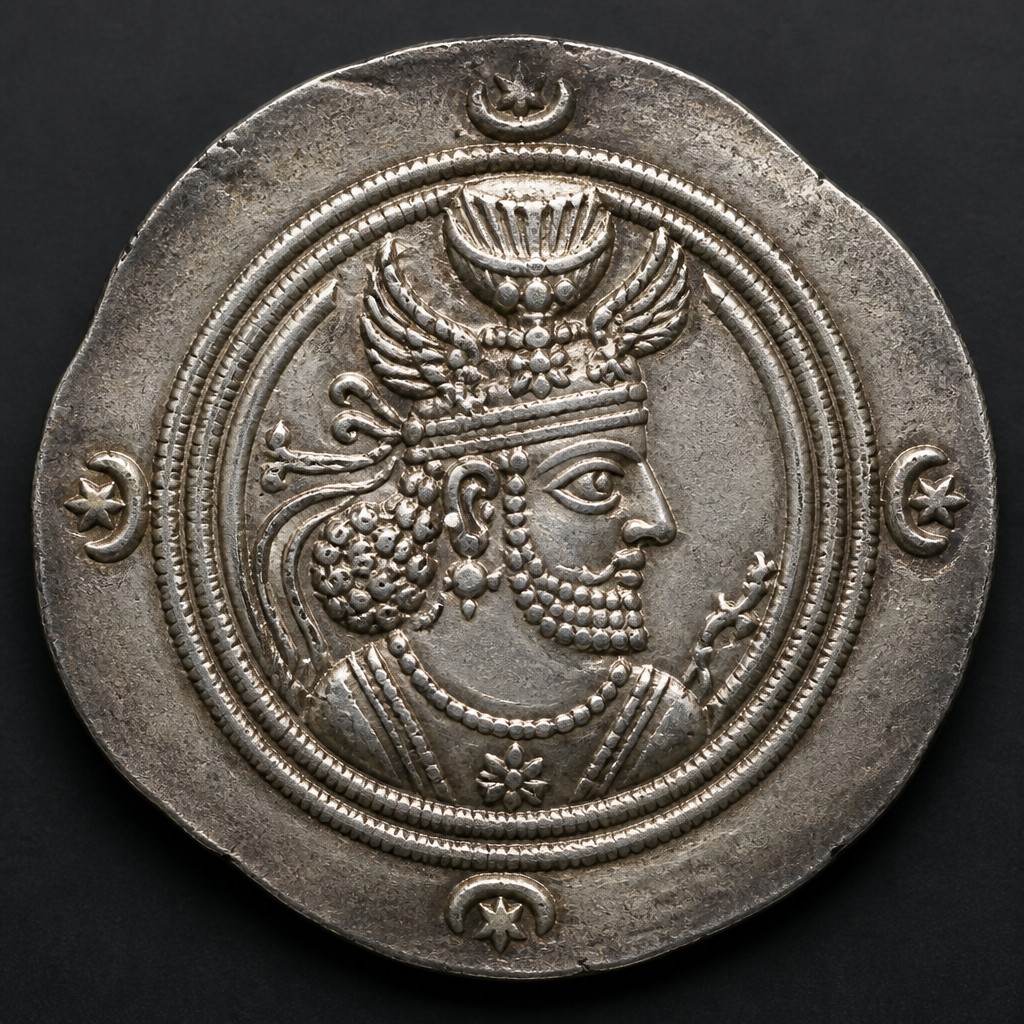
Sassanian Silver Drachm
c. 224–651 AD
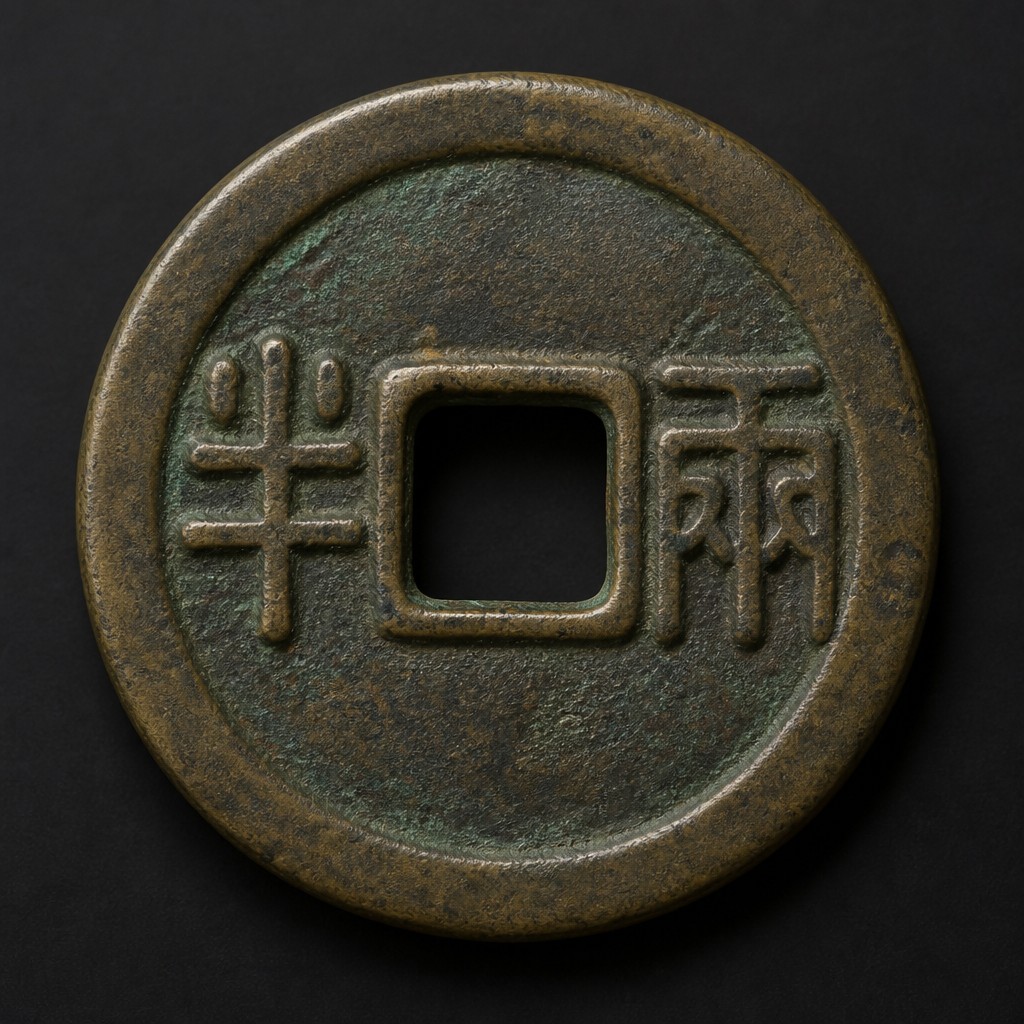
Chinese Ban Liang Cash
c. 221–118 BC
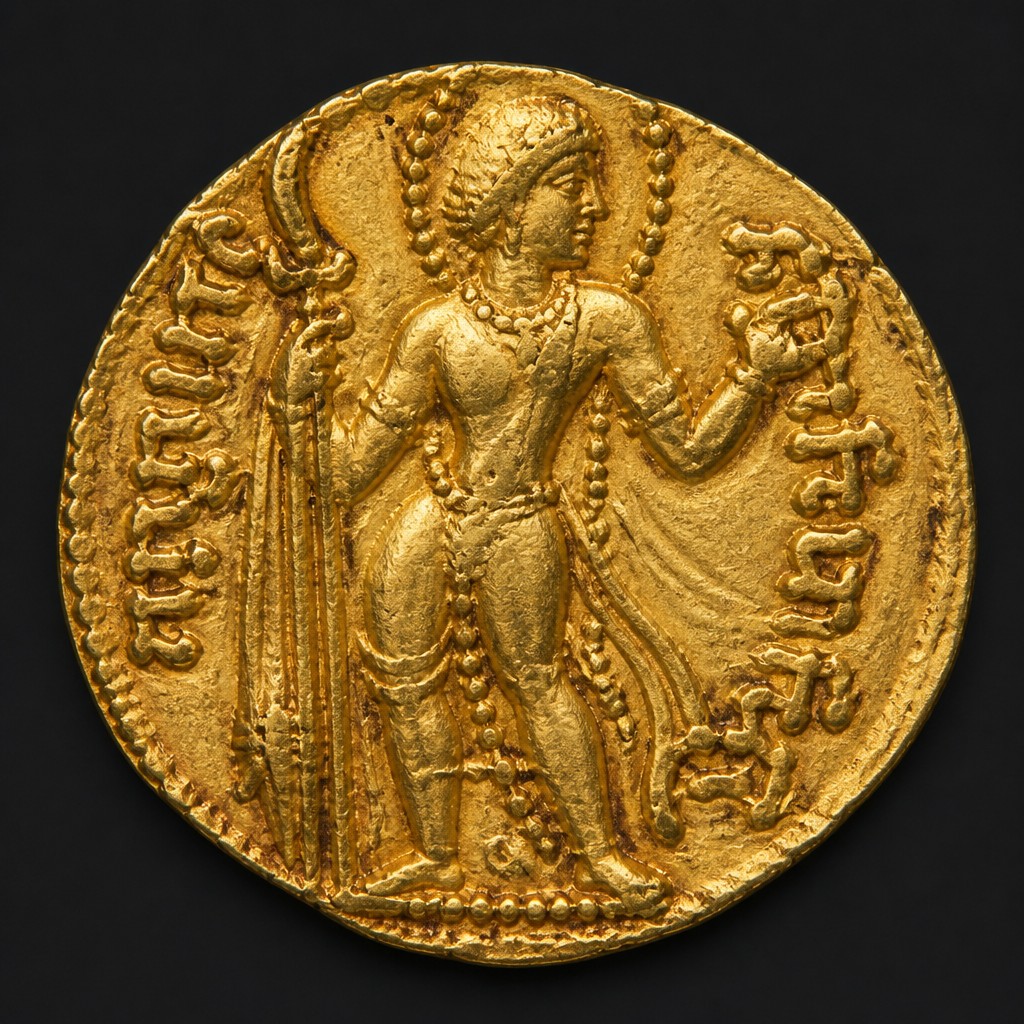
Gupta Empire Gold Dinar
c. 320–550 AD
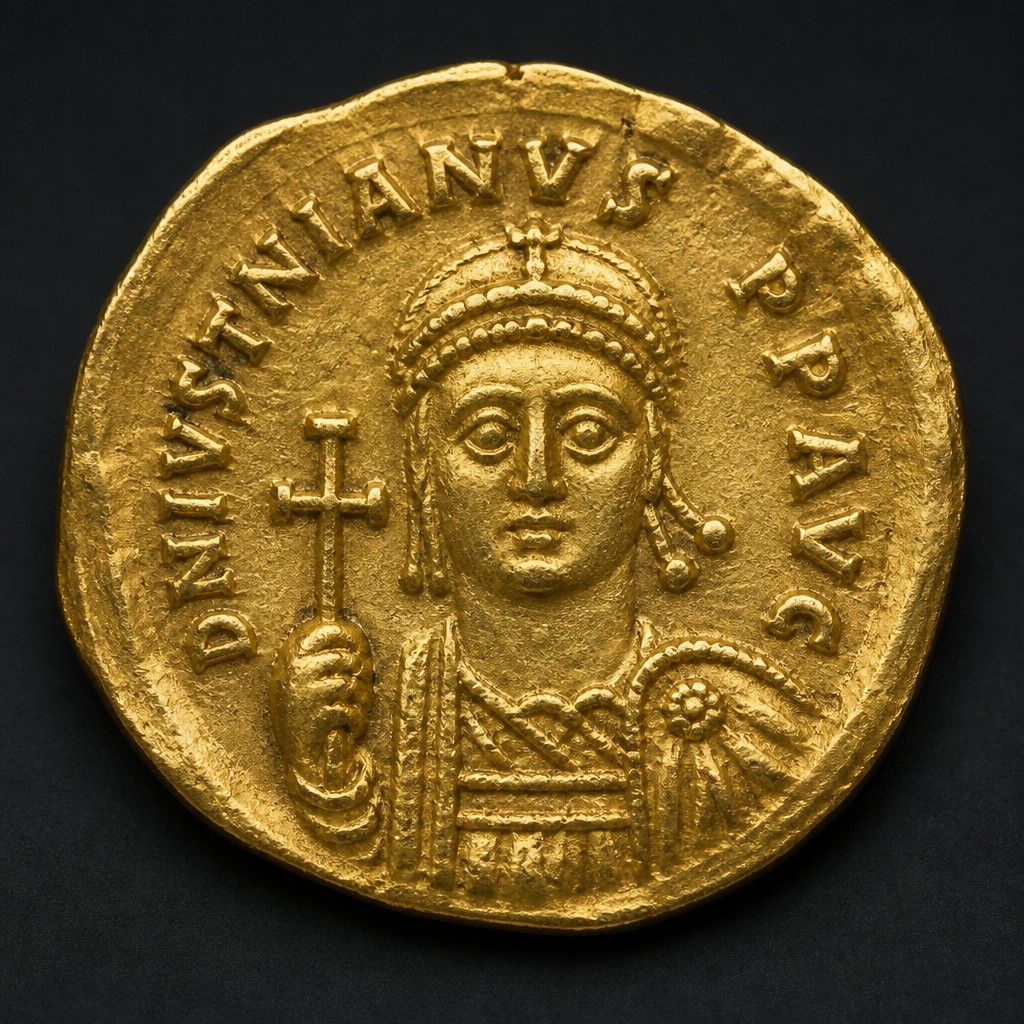
Byzantine Gold Tremissis
c. 4th–7th century AD
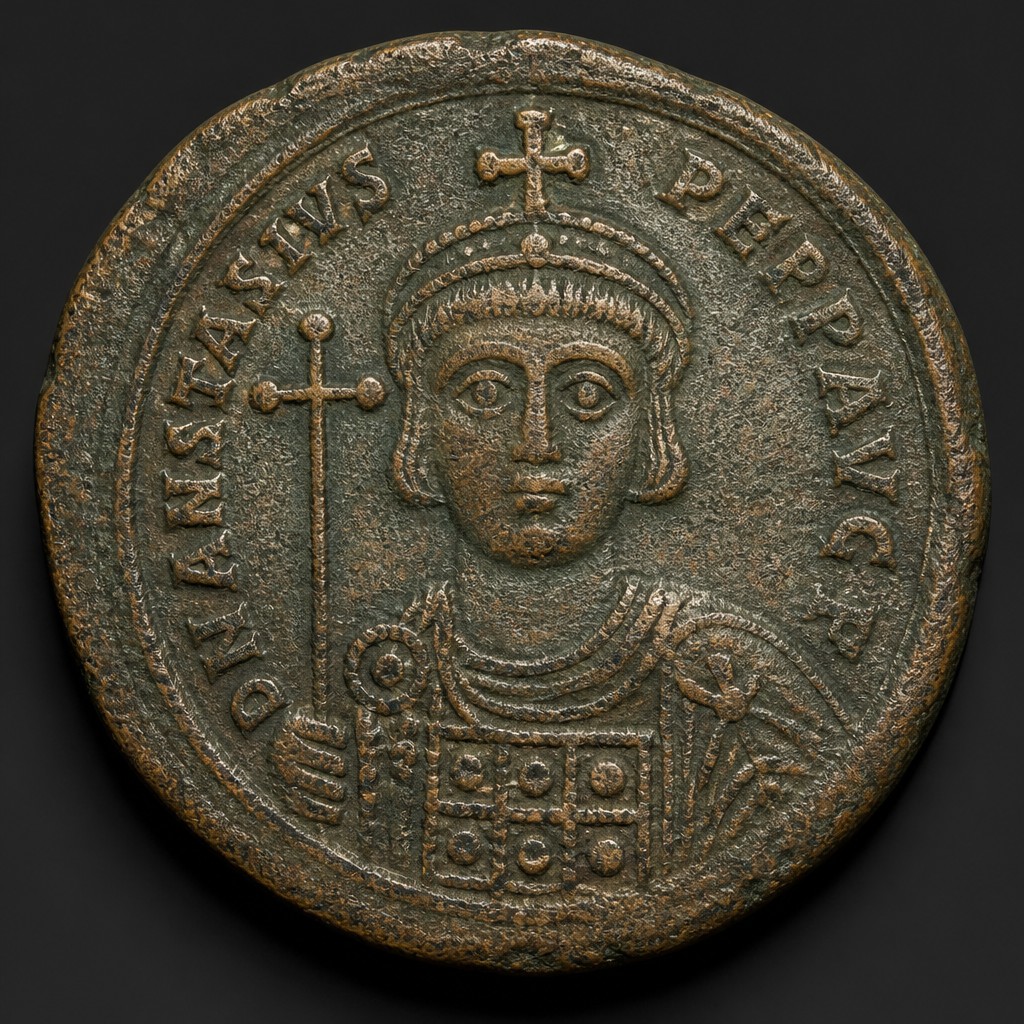
Byzantine Follis
498–c. 11th century AD
Indo-Greek Silver Drachm (Menander)
c. 165/155–130 BC