
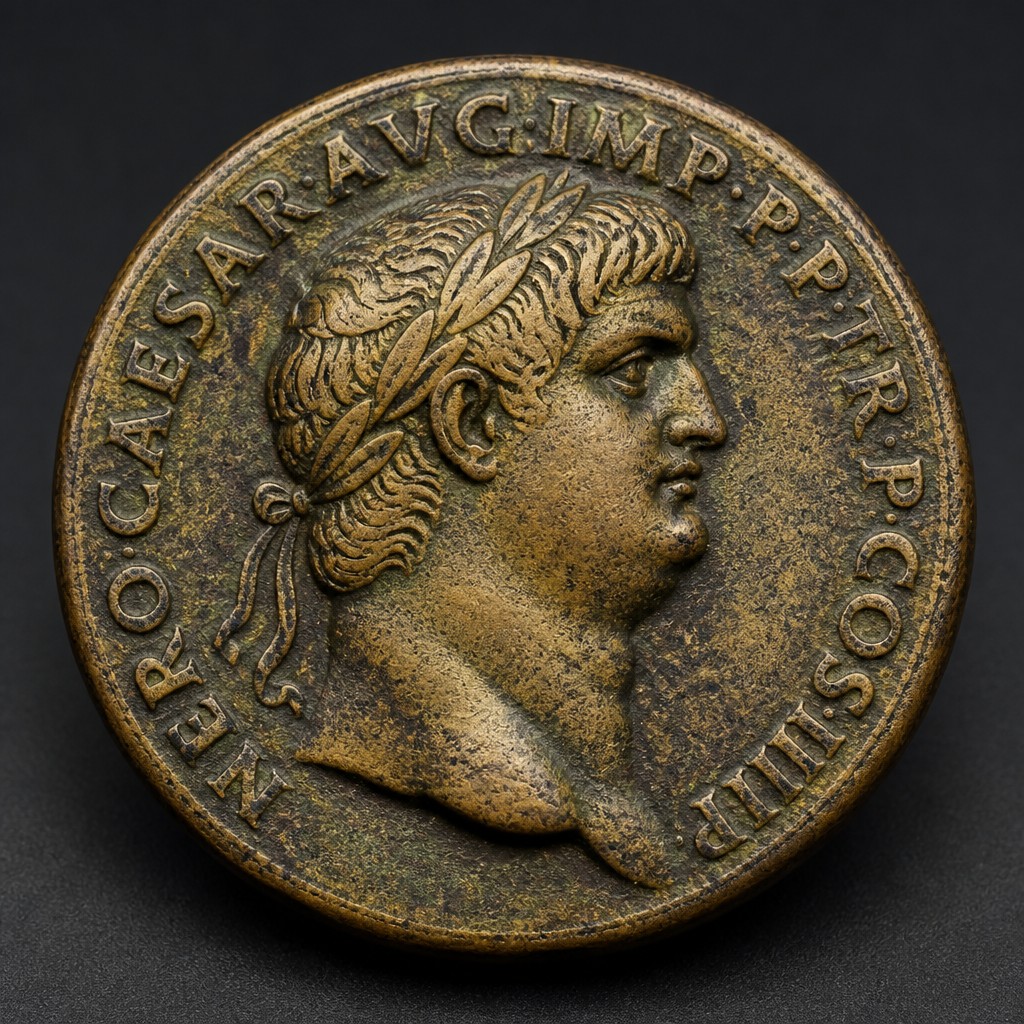
Nero Sestertius
A large bronze/brass coin of Nero widely admired for exceptional artistry, including famous reverse scenes of the Port of Ostia and the closed Temple of Janus.
- Country
- Roman Empire
- Denomination
- Sestertius
- Metal
- Orichalcum (brass alloy)
Got a coin like this?
Identify any coin from a photo, free.
Overview
The Nero sestertius is celebrated among ancient coin collectors as one of the artistic high points of Roman bronze coinage, produced during a reign otherwise remembered for scandal and excess. Its large flan gave die engravers room to render detailed architectural and figural scenes rarely matched in later Roman coinage.
Several Nero sestertius reverse types are especially famous, including a bird's-eye view of the harbor at Ostia crowded with ships, and the doors of the Temple of Janus shown closed to symbolize a period of peace across the Roman world. These designs are frequently cited in numismatic literature as among the finest examples of ancient coin engraving, making the series highly sought after regardless of the emperor's controversial reputation.
History & Background
Nero's sestertius coinage was struck during his reign from AD 54 to 68, primarily at Rome, with the large brass denomination serving as a major everyday coin for substantial transactions. The high artistic quality of many types reflects the skill of imperial die engravers and possibly Nero's own personal interest in the arts, since he was known for his passion for music, poetry, and performance.
The famous Ostia harbor sestertius commemorates the port facility built to secure Rome's grain supply, a vital infrastructure project, while the Temple of Janus type marks a rare period when Rome considered itself at peace on all its frontiers, a symbolically important claim for imperial propaganda. Other notable types depict the Macellum Magnum, a large produce market Nero built in Rome, and Roma seated on a pile of arms.
After Nero's suicide in AD 68 and the chaotic Year of the Four Emperors that followed, sestertius coinage of this artistic caliber would not be consistently matched until later Flavian and Trajanic issues, cementing Nero's bronze coinage as a distinct high point in the eyes of collectors and scholars.
How to Identify
The obverse shows Nero's laureate head, following the same portrait evolution seen on his silver coinage, from a slimmer youthful image to a heavier, fuller-faced likeness in later years. The surrounding legend names his imperial titles.
The most celebrated reverse types include a detailed aerial view of the harbor at Ostia, showing the curved harbor mole, moored ships, and a statue, and the Temple of Janus with its doors shown closed, signifying peace. Other reverses depict Roma seated, the Macellum Magnum market building, or various personifications, each identifiable by its distinct architectural or figural composition and accompanying legend.
The coin is notably large and heavy for an ancient bronze issue, generally around 34-38mm in diameter, struck in orichalcum, a golden-yellow brass alloy that Rome used specifically for its higher-value bronze denominations. This size and rich yellow-brown color help distinguish the sestertius from the smaller dupondius and as (also often orichalcum or copper) within Nero's bronze coinage.
Value & Collectibility
Nero sestertii are prized for their artistic merit, and prices vary enormously depending on the reverse type, strike quality, and preservation of surface detail on the large flan. Common types in worn condition may be available for a few hundred dollars, but the famous Ostia harbor and Temple of Janus types, especially in higher grades with clear architectural detail, can command prices from the low thousands into the tens of thousands of dollars.
Because the large bronze flan makes wear and corrosion highly visible, condition has an outsized effect on value compared to smaller coins, and collectors pay close attention to surface smoothness, patina color, and the sharpness of fine details like ship rigging or temple ornamentation. Exceptional, museum-quality examples of the rarest types are considered among the most desirable pieces in all of Roman bronze numismatics.
Frequently asked questions
Why is the Nero sestertius considered artistically important?
Its large flan allowed engravers to render highly detailed scenes, such as the Port of Ostia and the Temple of Janus, widely regarded as among the finest examples of ancient coin art.
What does the closed Temple of Janus symbolize?
The closed doors signified that Rome was, at least officially, at peace on all its frontiers, a powerful and rare propaganda claim.
What metal is a sestertius made of?
It was typically struck in orichalcum, a brass alloy with a golden-yellow color, used by Rome for its higher-value bronze coinage.
How big is a Nero sestertius?
It is a large ancient coin, generally around 34 to 38 millimeters in diameter, much bigger than the silver denarius.
Why does condition matter so much for this coin?
The large flan makes wear, corrosion, and detail loss highly visible, so surface preservation has an outsized impact on value.
Other coins you may enjoy
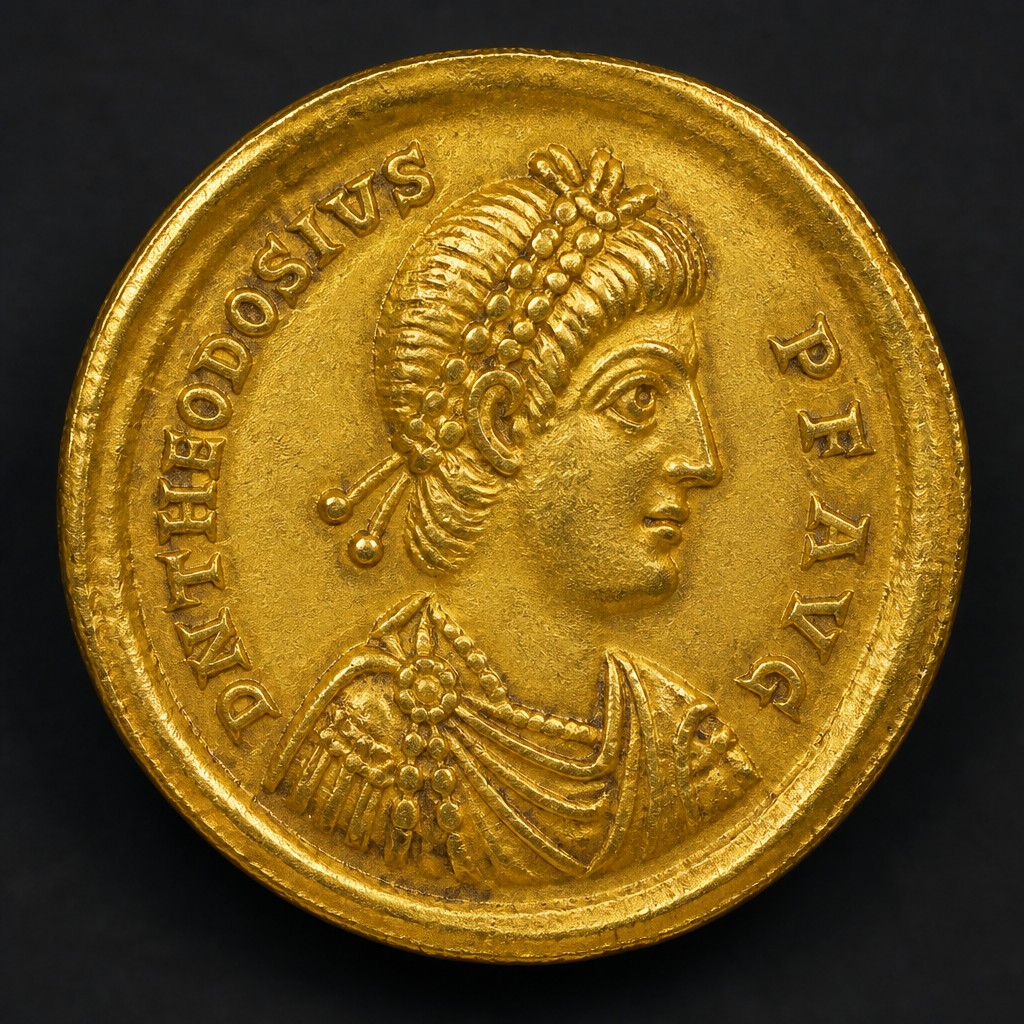
Theodosius I Solidus
379–395 AD
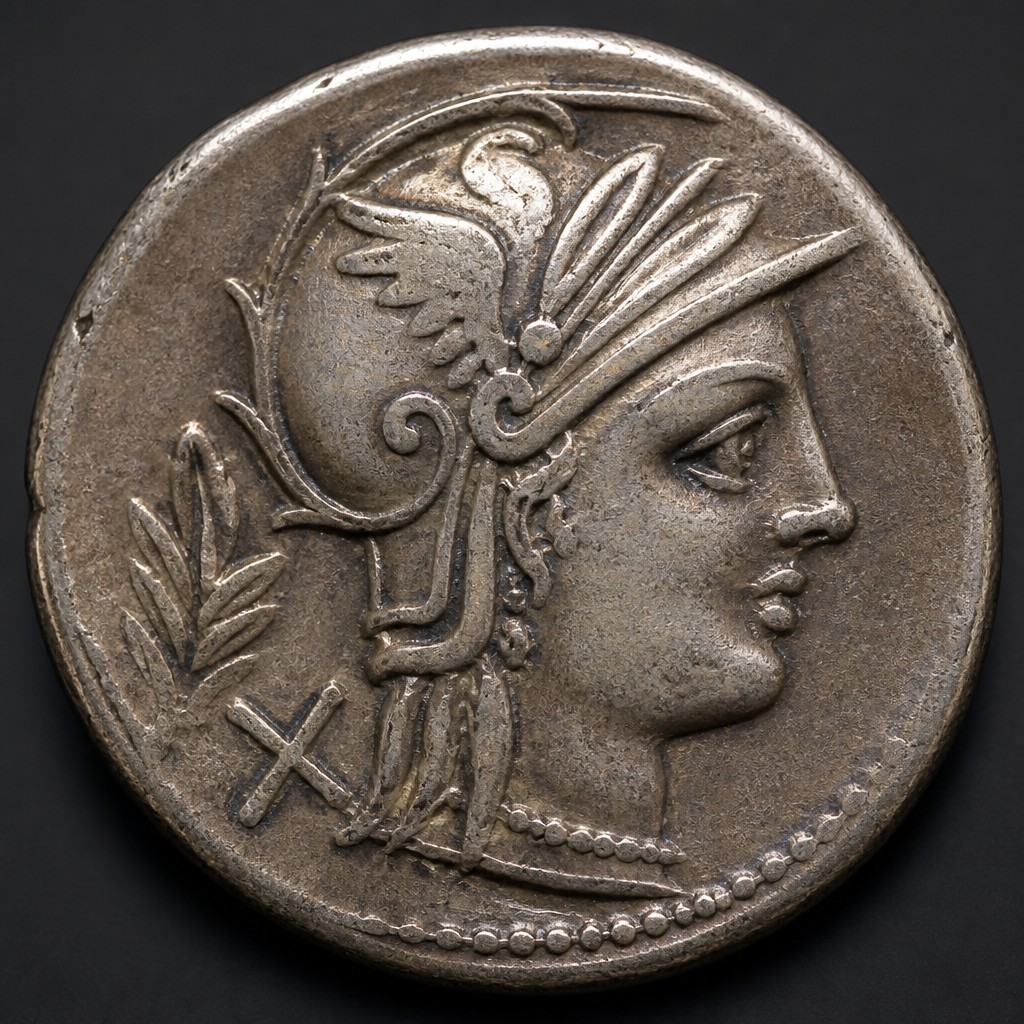
Republican Victoriatus
c. 211–170 BC
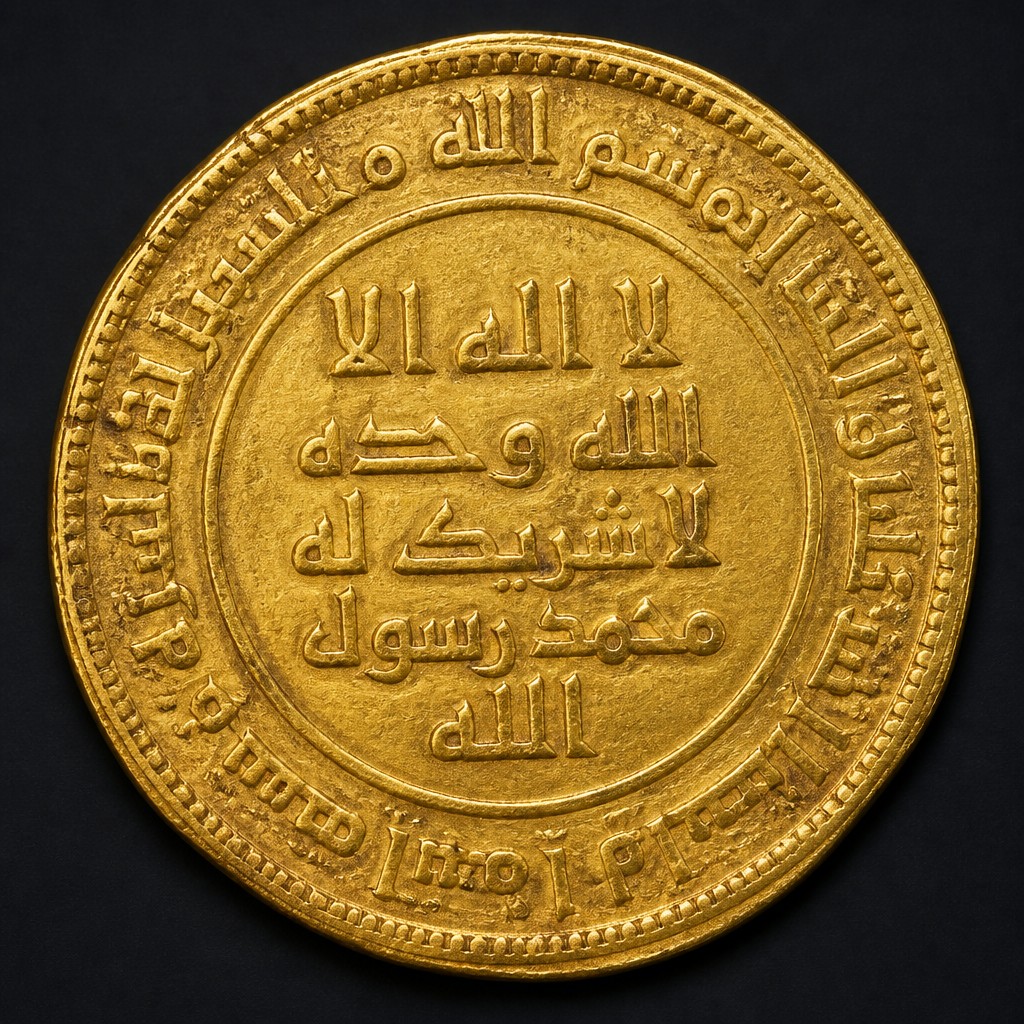
Islamic Gold Dinar (Umayyad)
c. 696–750 AD
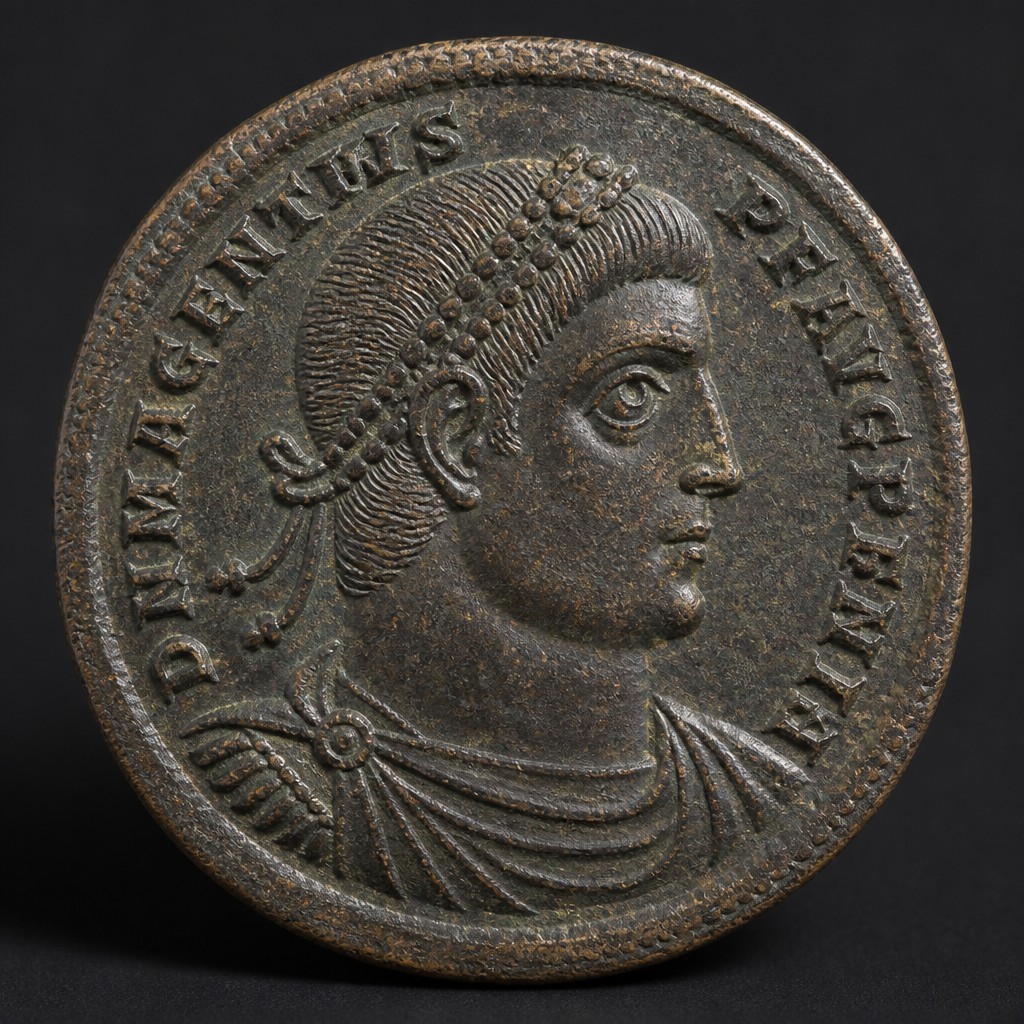
Magnentius Double Centenionalis
350–353 AD
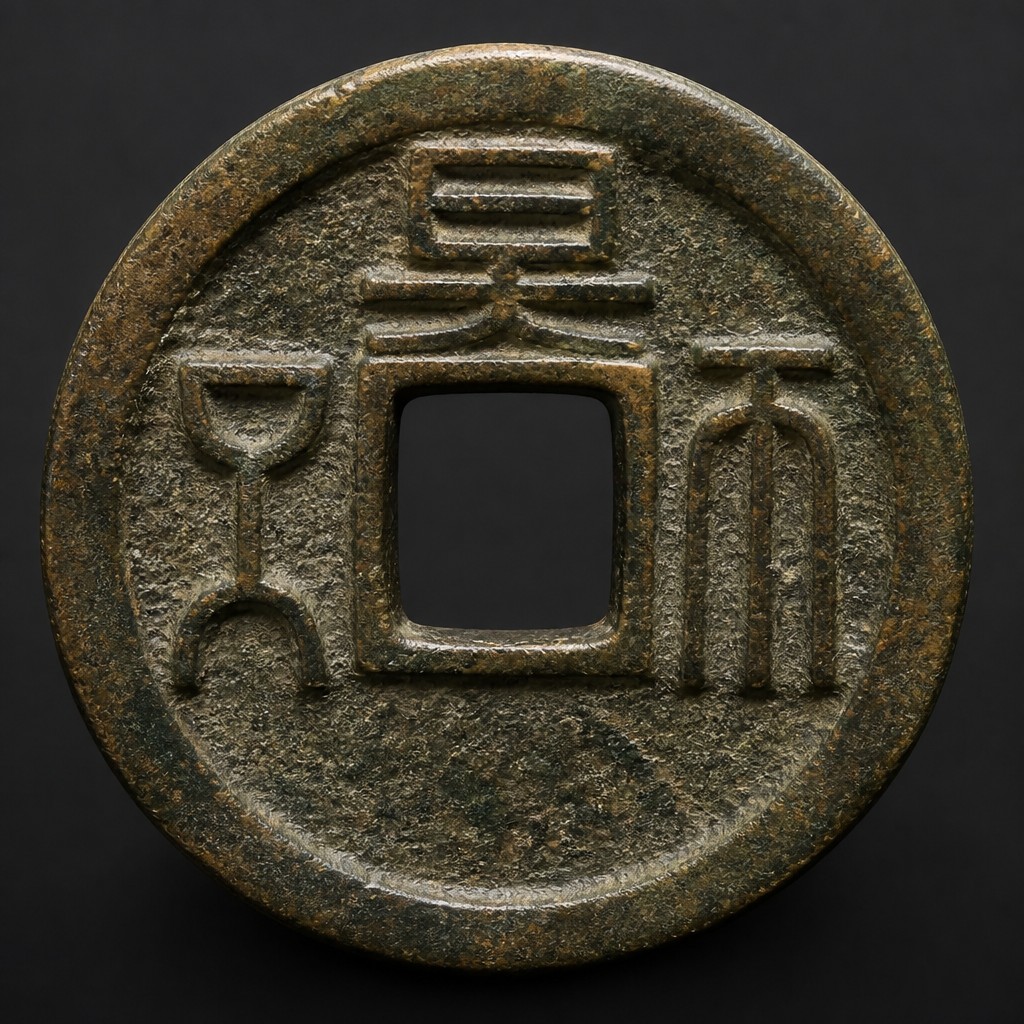
Chinese Wu Zhu Cash
118 BC – 618 AD
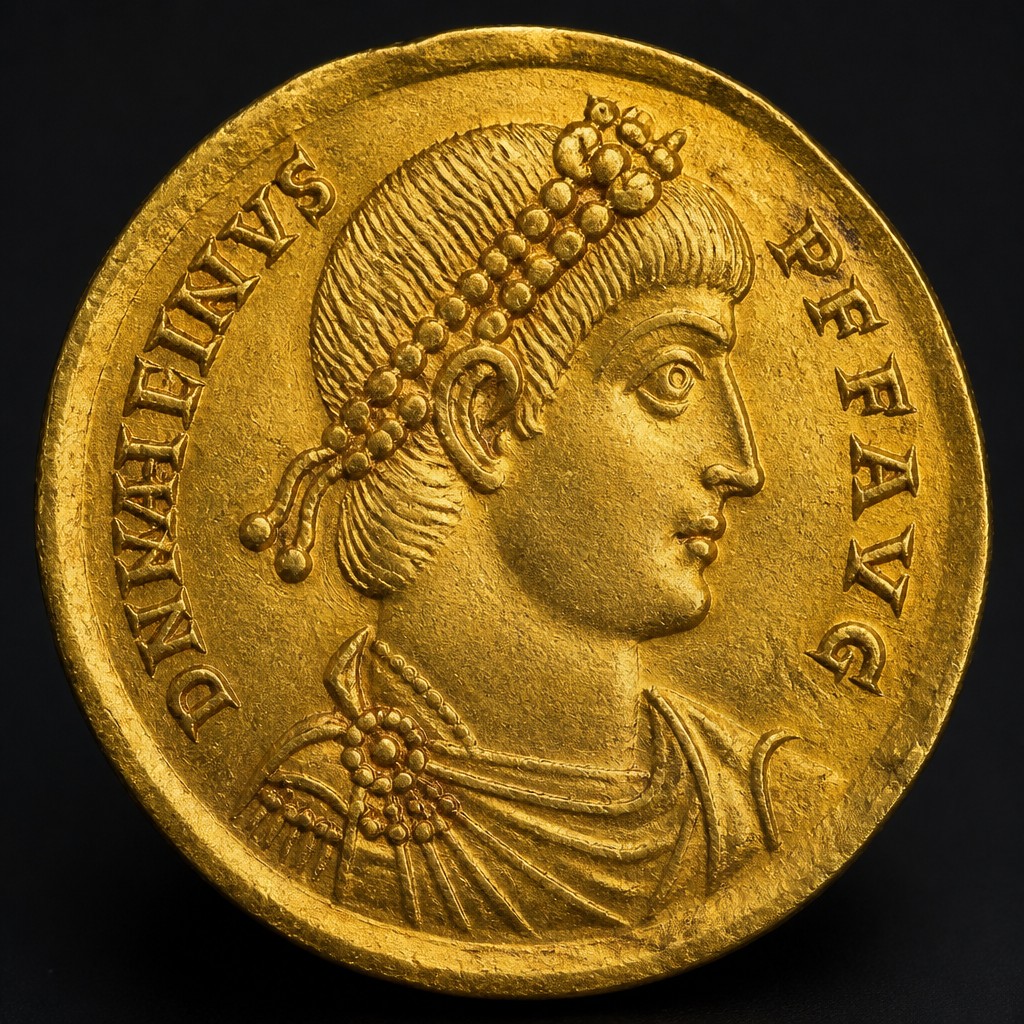
Valentinian I Solidus
364–375 AD
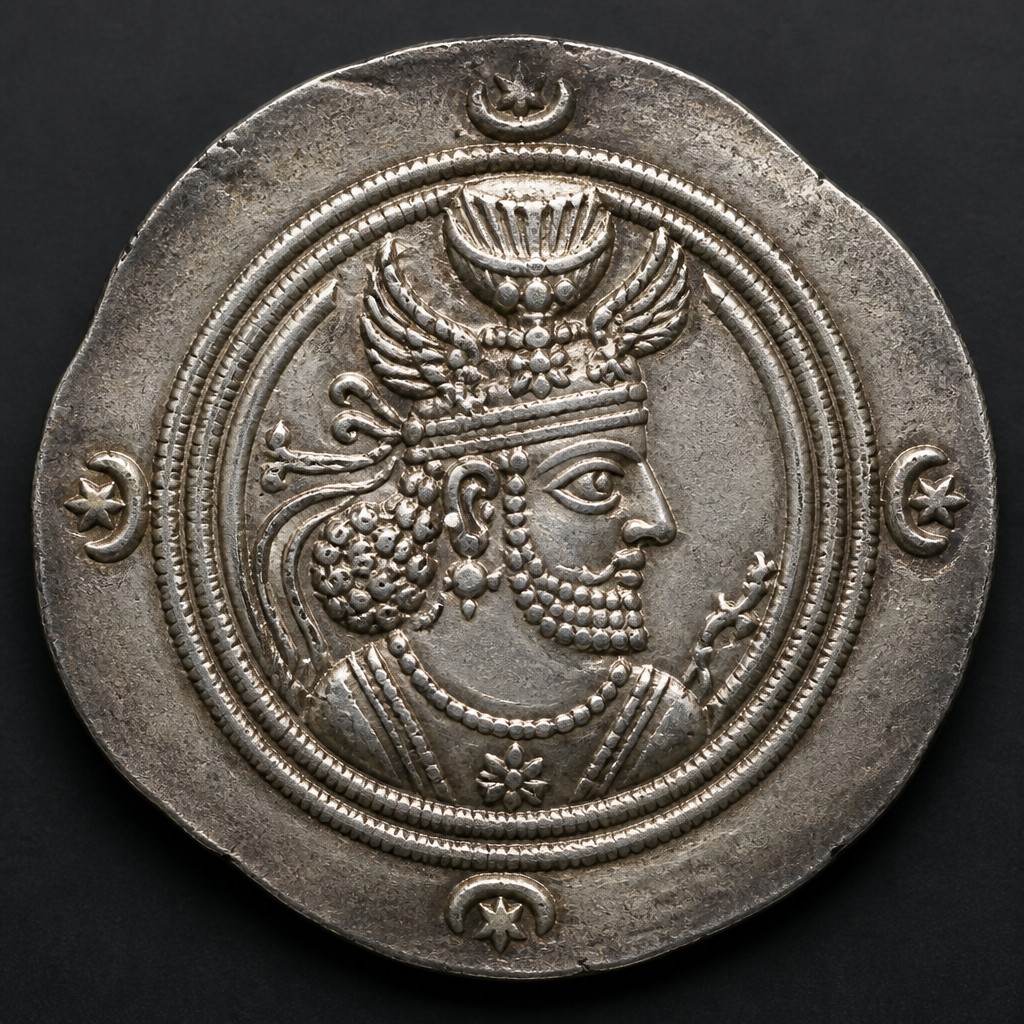
Sassanian Silver Drachm
c. 224–651 AD
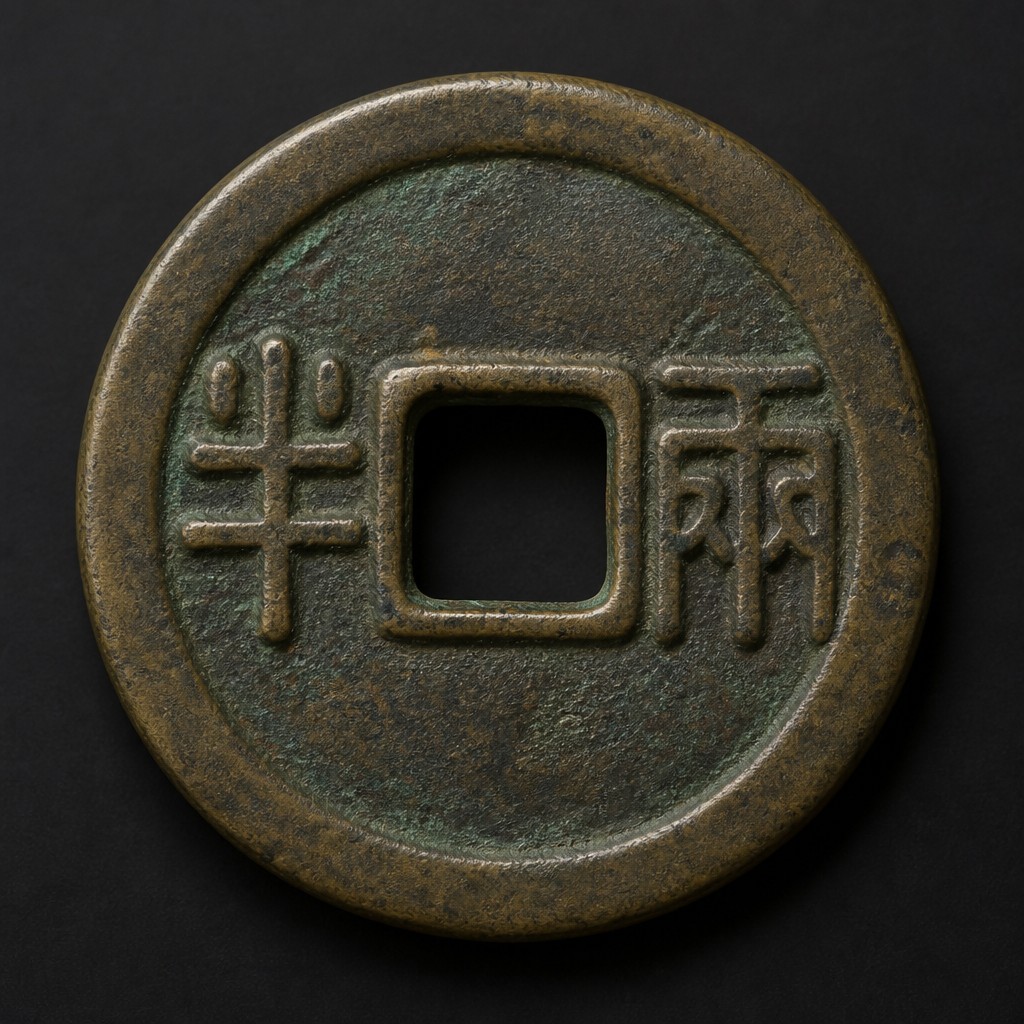
Chinese Ban Liang Cash
c. 221–118 BC
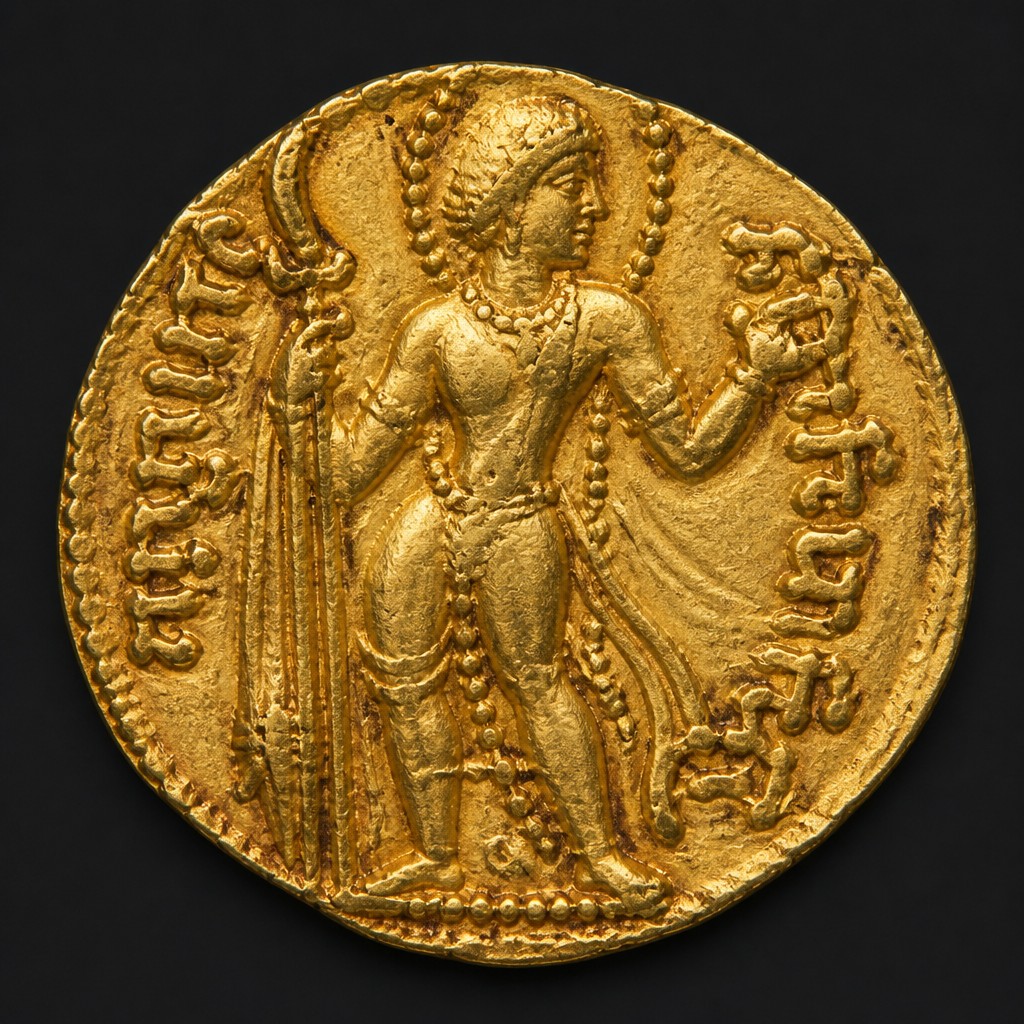
Gupta Empire Gold Dinar
c. 320–550 AD
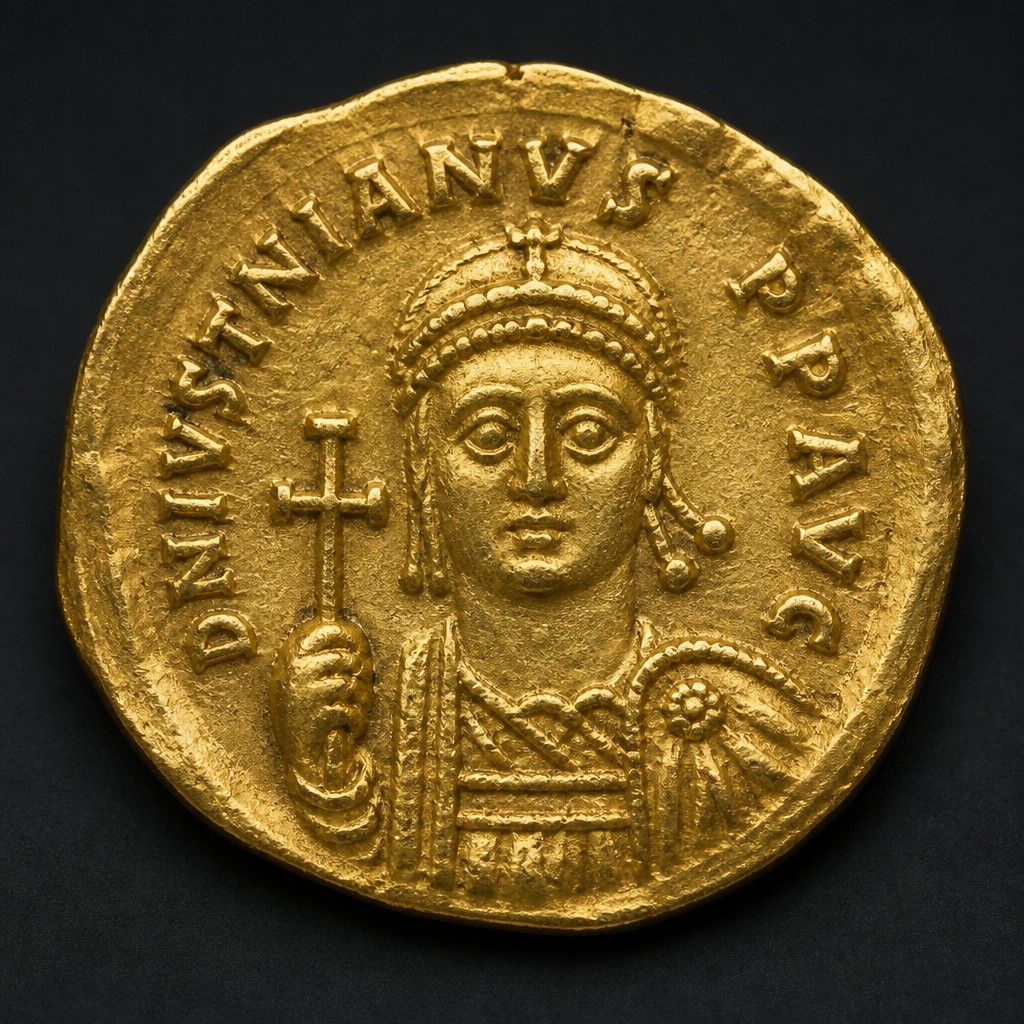
Byzantine Gold Tremissis
c. 4th–7th century AD
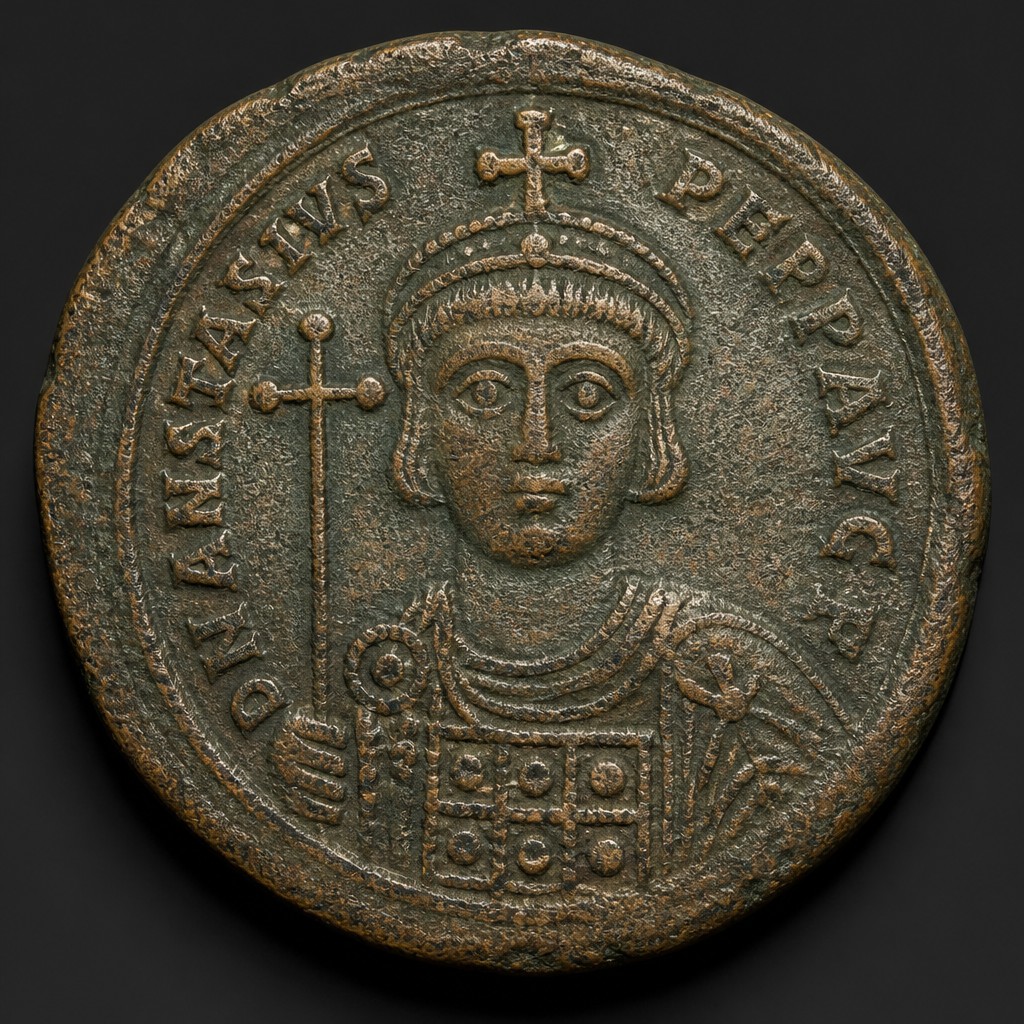
Byzantine Follis
498–c. 11th century AD
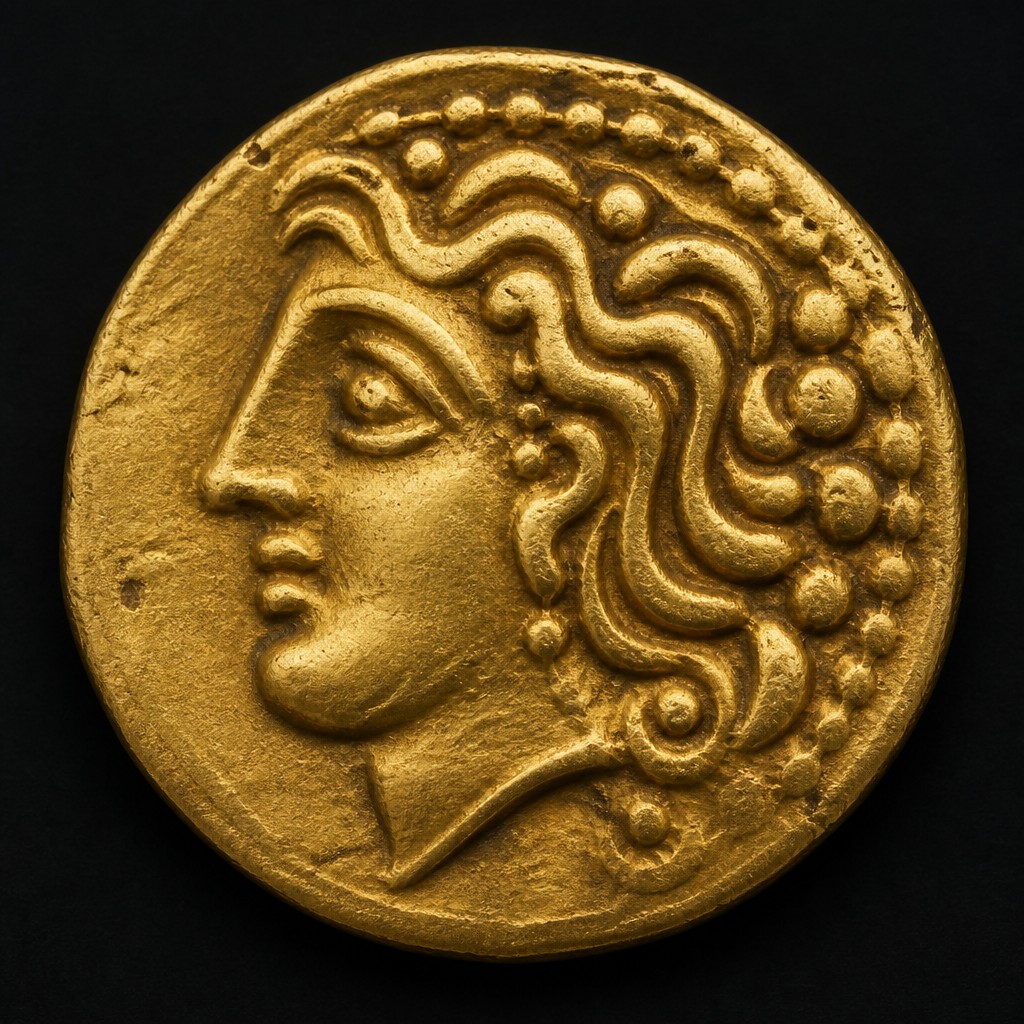
Celtic Gold Stater
c. 3rd century BC – 1st century AD