
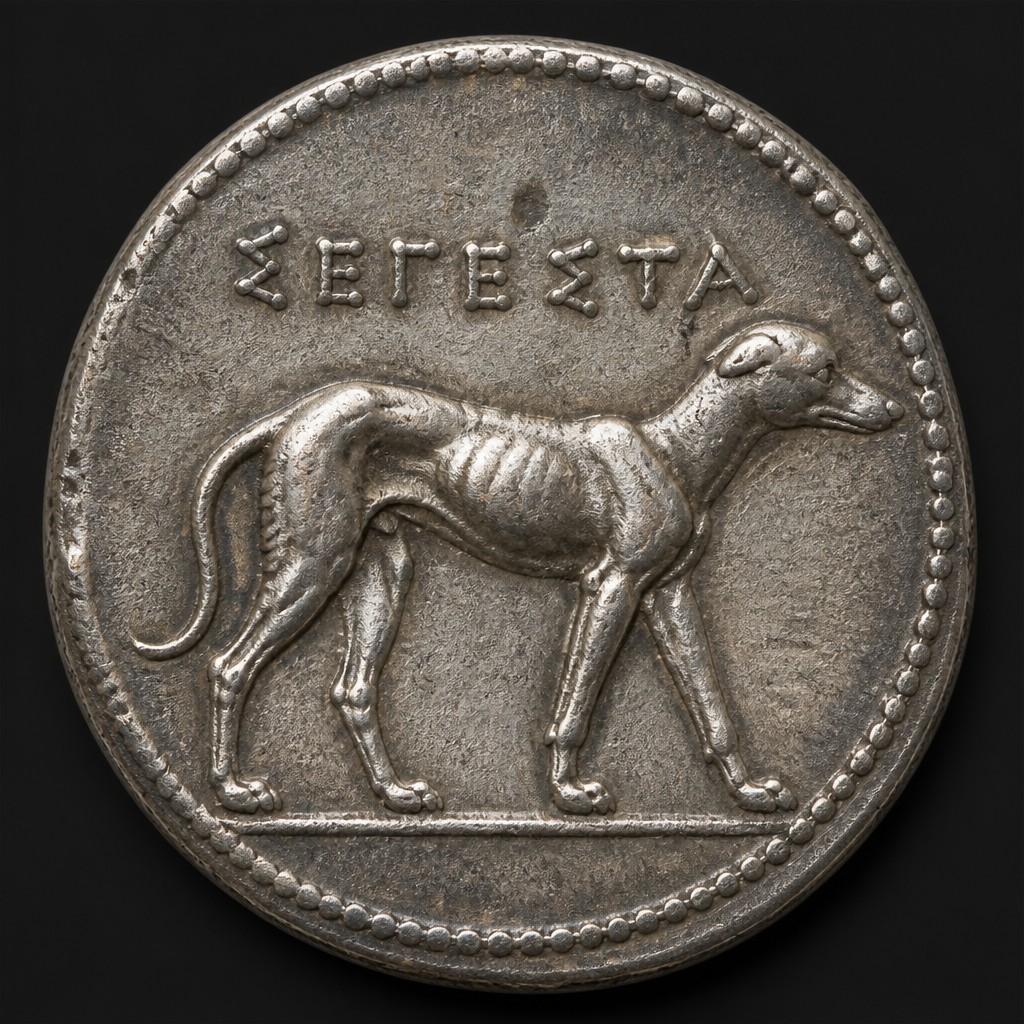
Segesta Hound Tetradrachm
Silver coin of Segesta in western Sicily, an Elymian city whose coinage features a hunting hound, linked to local legend of the river god Krimisos.
- Country
- Ancient Greece (Sicily, Elymian)
- Denomination
- Tetradrachm (also struck as didrachm)
- Metal
- Silver
Got a coin like this?
Identify any coin from a photo, free.
Overview
Segesta's coinage is notable among Sicilian issues for representing not a Greek colony but the Elymians, an indigenous people of western Sicily who adopted Greek coinage practices and artistic conventions while maintaining their own distinct culture and mythology. The signature hound design reflects local legend rather than mainstream Greek mythology, giving the coinage a special place among students of ancient Sicily.
Collectors value Segesta's coins both for their connection to the lesser-documented Elymian civilization and for the appealing, naturalistic rendering of the hunting dog that dominates the reverse of most issues.
History & Background
Segesta was a principal city of the Elymians, a people whose origins were debated even in antiquity, with some ancient writers connecting them to refugees from Troy. Despite being non-Greek, Segesta engaged extensively with Greek culture, commerce, and warfare, famously appealing to Athens for aid against Selinus, a conflict that contributed to the disastrous Athenian expedition to Sicily in 415–413 BC.
The city's coinage, produced from the 5th century BC onward, adopted Greek weight standards and artistic techniques while incorporating local mythological themes, most notably the legend of the river god Krimisos, who was said to have taken the form of a dog (or to have fathered a dog-formed hero) in connection with the city's founding myths.
How to Identify
The obverse of Segesta's coinage typically shows the head of a local nymph, sometimes identified with the personification of the city or region (Egesta/Segesta), rendered in the Classical Greek style typical of Sicilian mints. The reverse depicts a hunting hound, standing or in motion, sometimes accompanied by a small object such as a hunting spear or altar, with the ethnic ΣΕΓΕΣΤΑΙΟΝ or similar variant spelling.
Segesta issued both tetradrachm and smaller didrachm or fractional denominations across its coinage history, with weights following the Attic-Sicilian standard used broadly across the island.
The hound is the defining identification feature of Segesta's coinage and, combined with the ethnic legend, reliably distinguishes it from other Sicilian animal-themed types, such as Leontini's lion or Akragas's eagle and crab.
Value & Collectibility
Segesta coinage is collected both by Sicilian specialists and by collectors interested in non-Greek Sicilian cultures, with typical examples available in the low hundreds of dollars for average condition pieces, while well-struck, well-centered tetradrachms with strong detail on the hound can bring considerably more.
As an Elymian rather than Greek city's issue, well-preserved and clearly attributed examples hold particular interest for specialists building comprehensive Sicilian collections, which can support stronger demand for choice pieces relative to their raw silver content.
Frequently asked questions
Were the people of Segesta Greek?
No, Segesta was a principal city of the Elymians, an indigenous Sicilian people who nonetheless adopted many Greek cultural and numismatic practices.
Why does the coin show a hound?
The hound relates to local Elymian legend involving the river god Krimisos, who was associated with a dog in the city's founding mythology.
Is Segesta connected to Troy?
Ancient tradition held that the Elymians descended from Trojan refugees, though modern historians treat this as legendary rather than strictly historical.
What role did Segesta play in Athenian history?
Segesta's appeal to Athens for help against Selinus was a contributing factor in launching the ill-fated Athenian expedition to Sicily in 415 BC.
Other coins you may enjoy
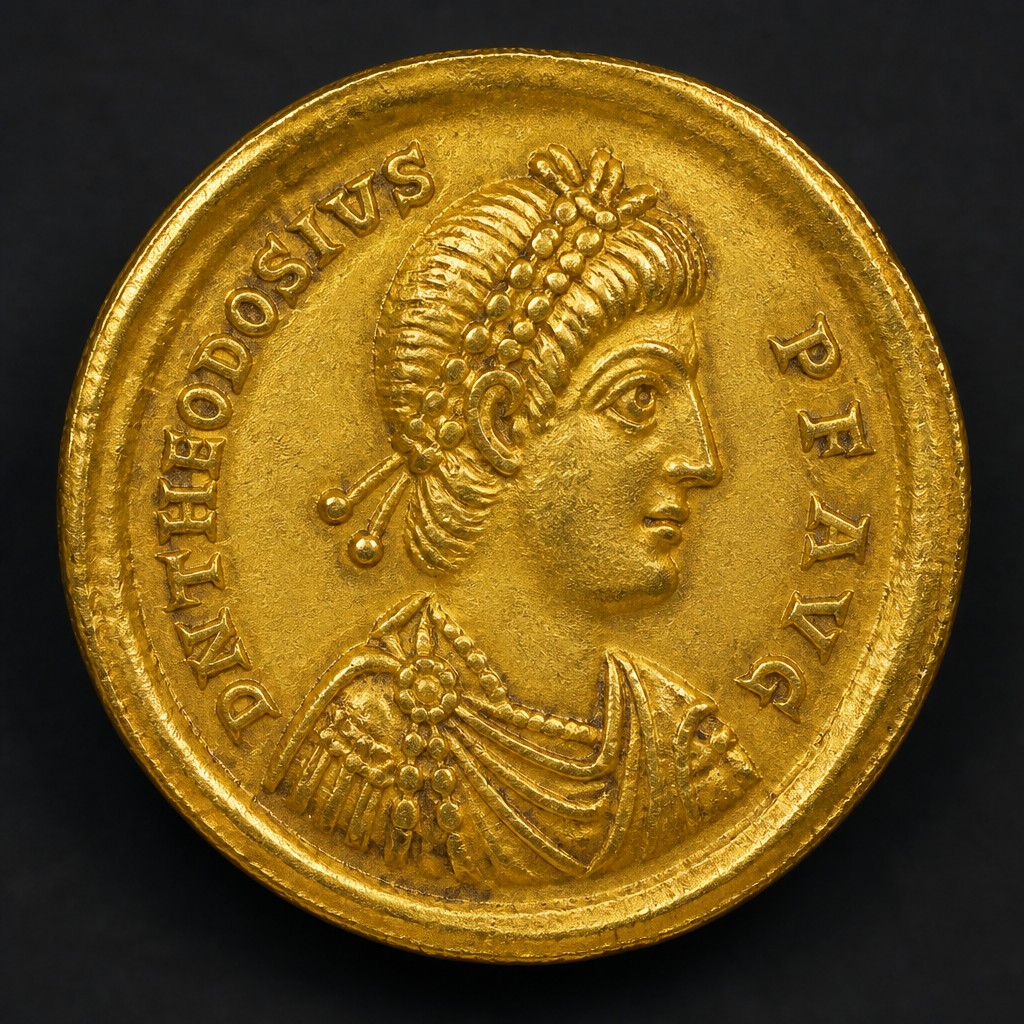
Theodosius I Solidus
379–395 AD
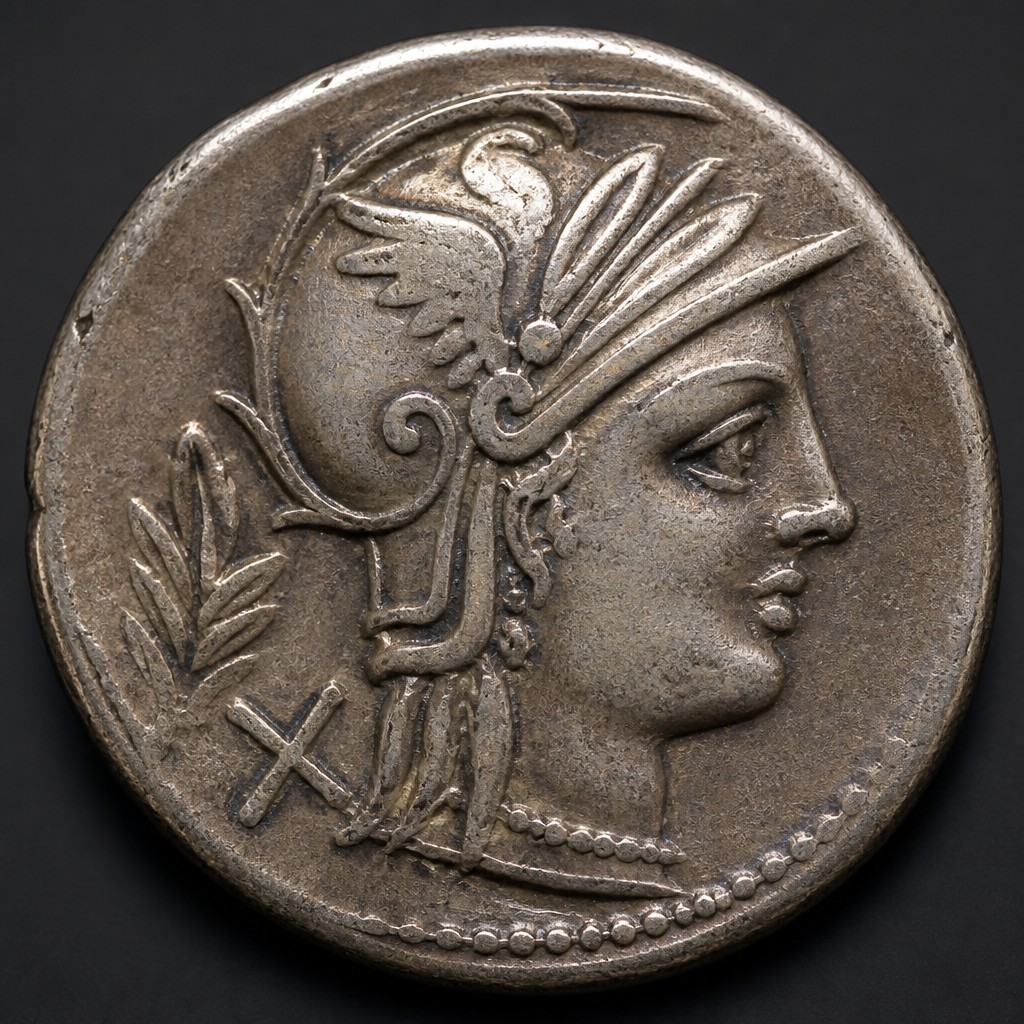
Republican Victoriatus
c. 211–170 BC
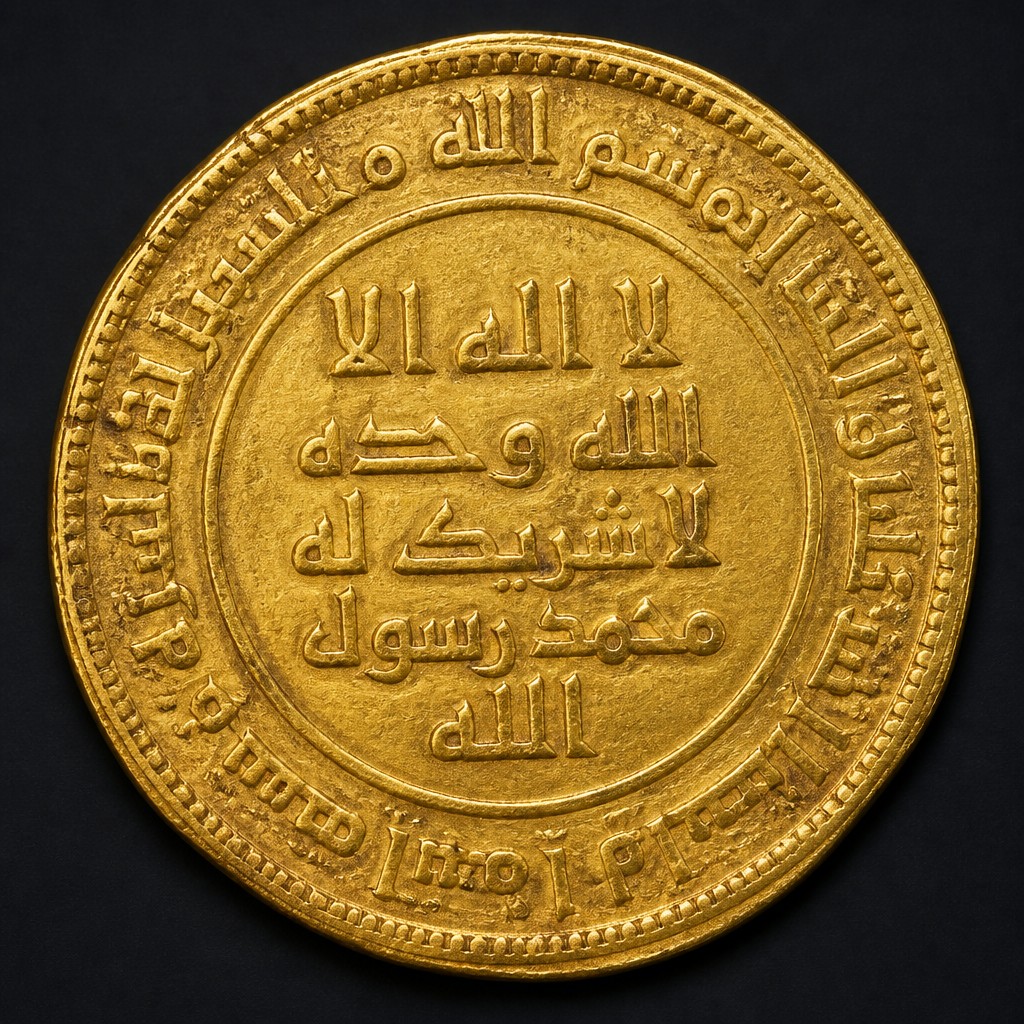
Islamic Gold Dinar (Umayyad)
c. 696–750 AD
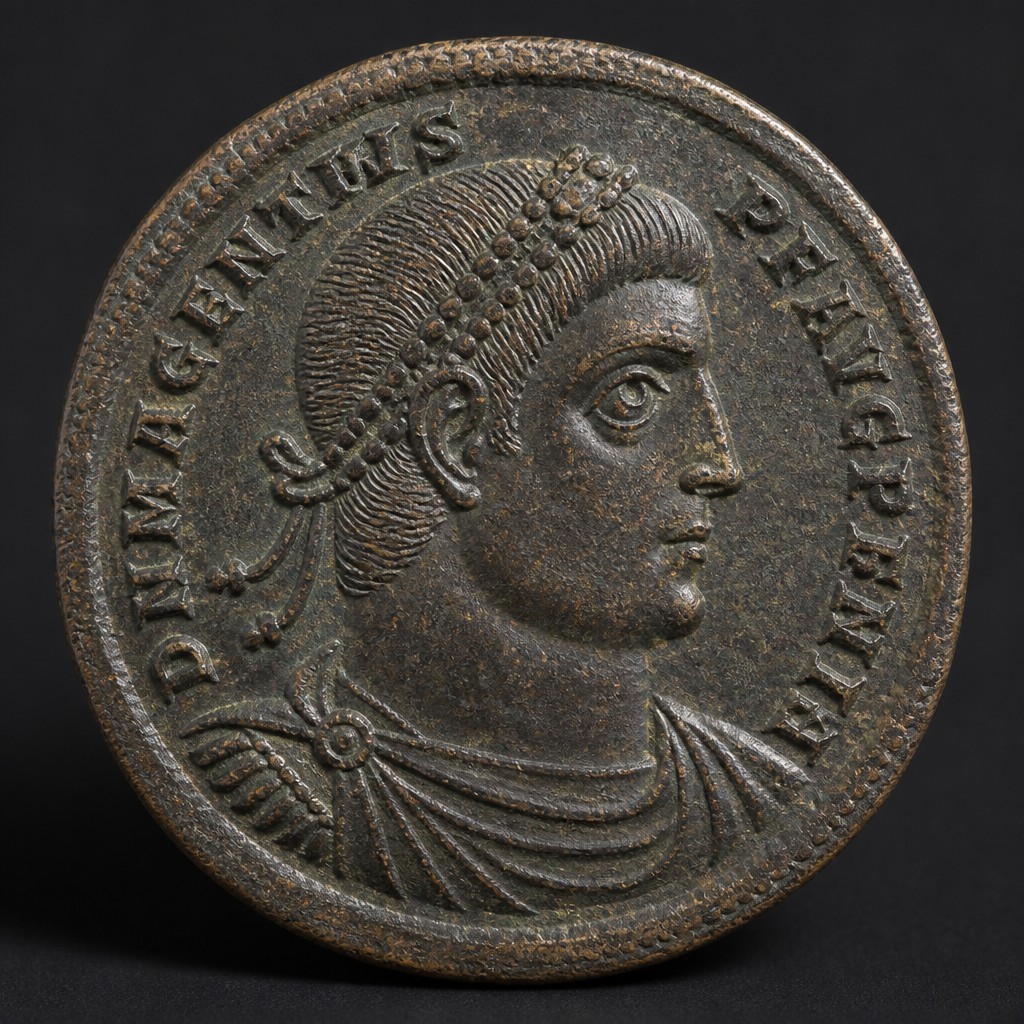
Magnentius Double Centenionalis
350–353 AD
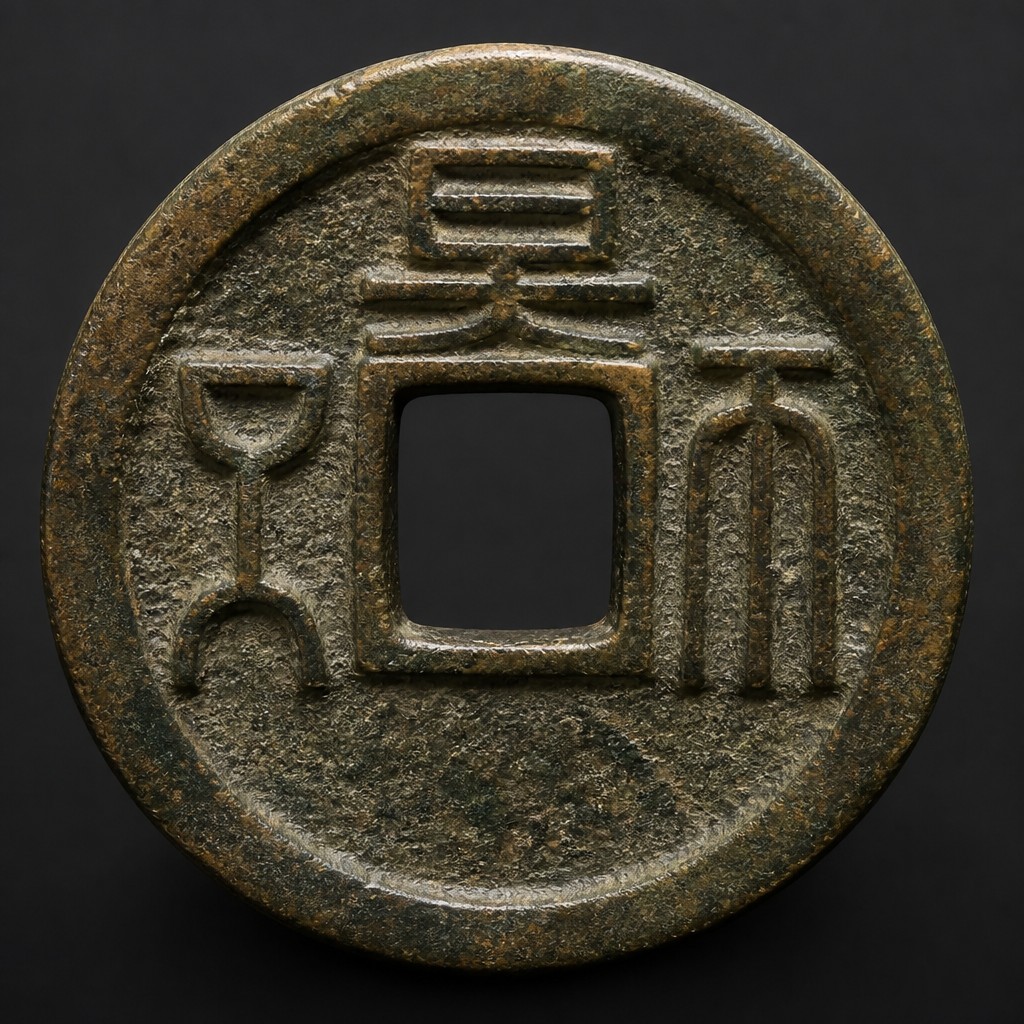
Chinese Wu Zhu Cash
118 BC – 618 AD
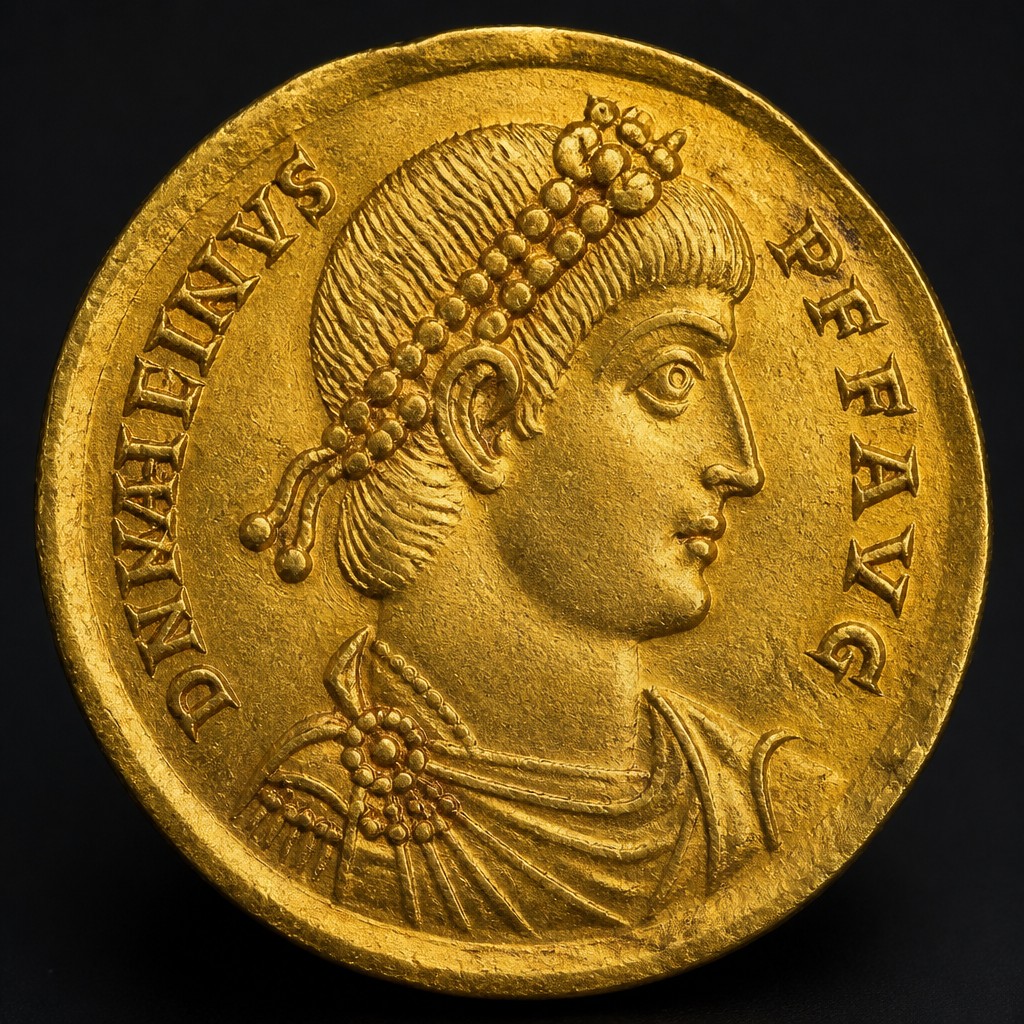
Valentinian I Solidus
364–375 AD
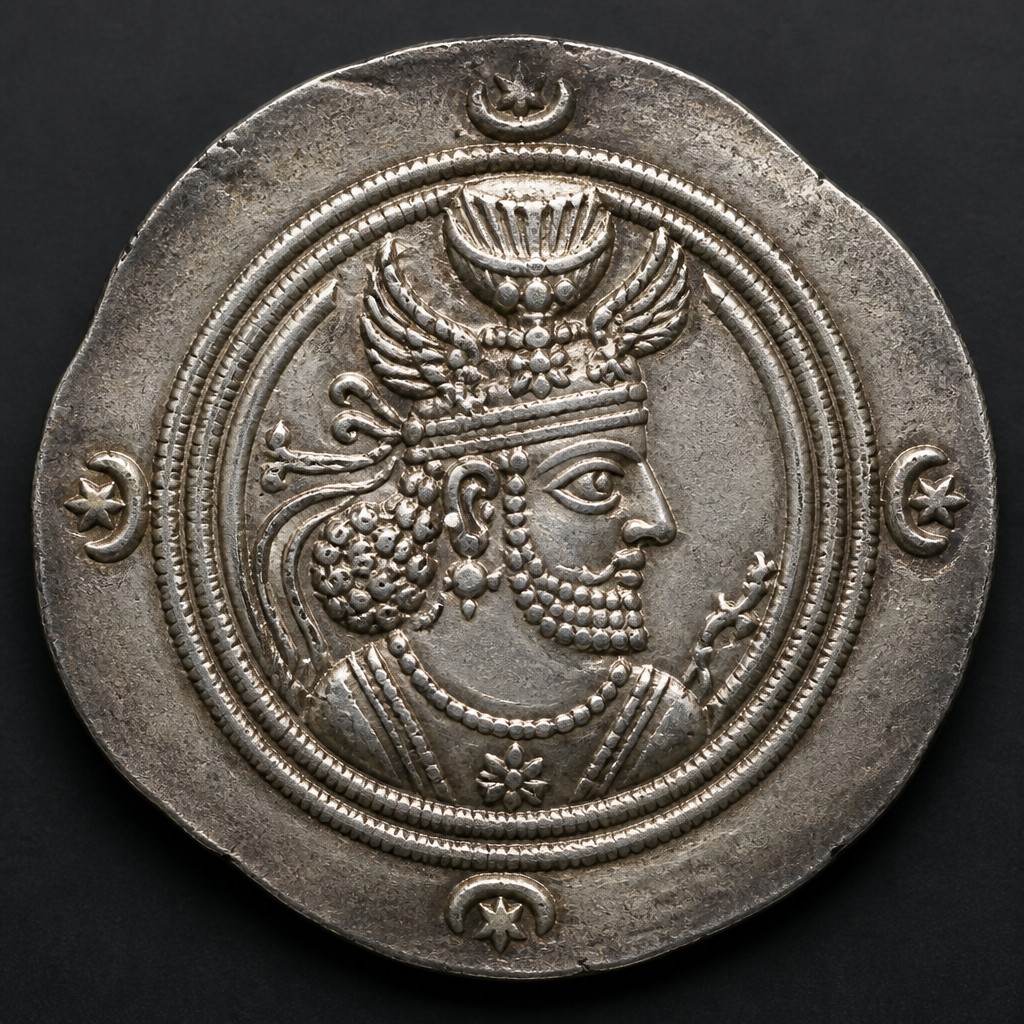
Sassanian Silver Drachm
c. 224–651 AD
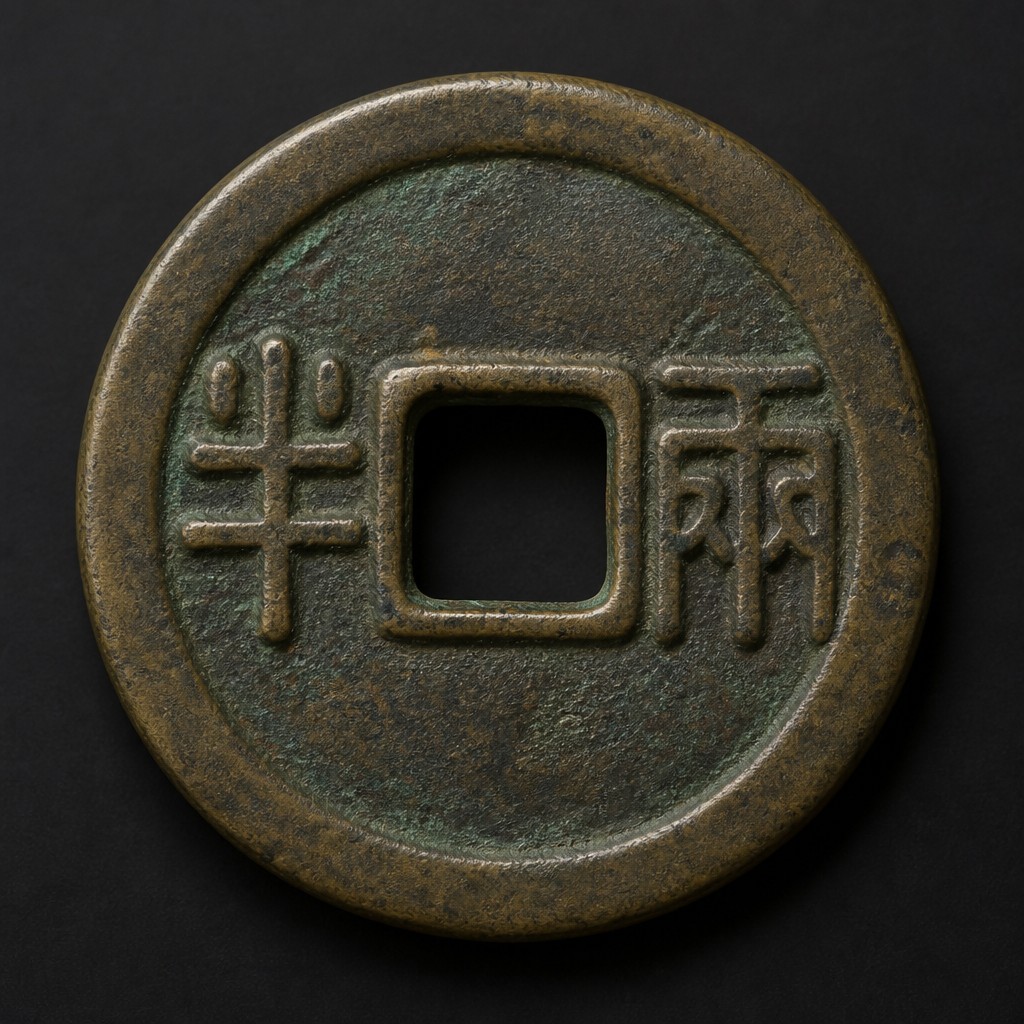
Chinese Ban Liang Cash
c. 221–118 BC
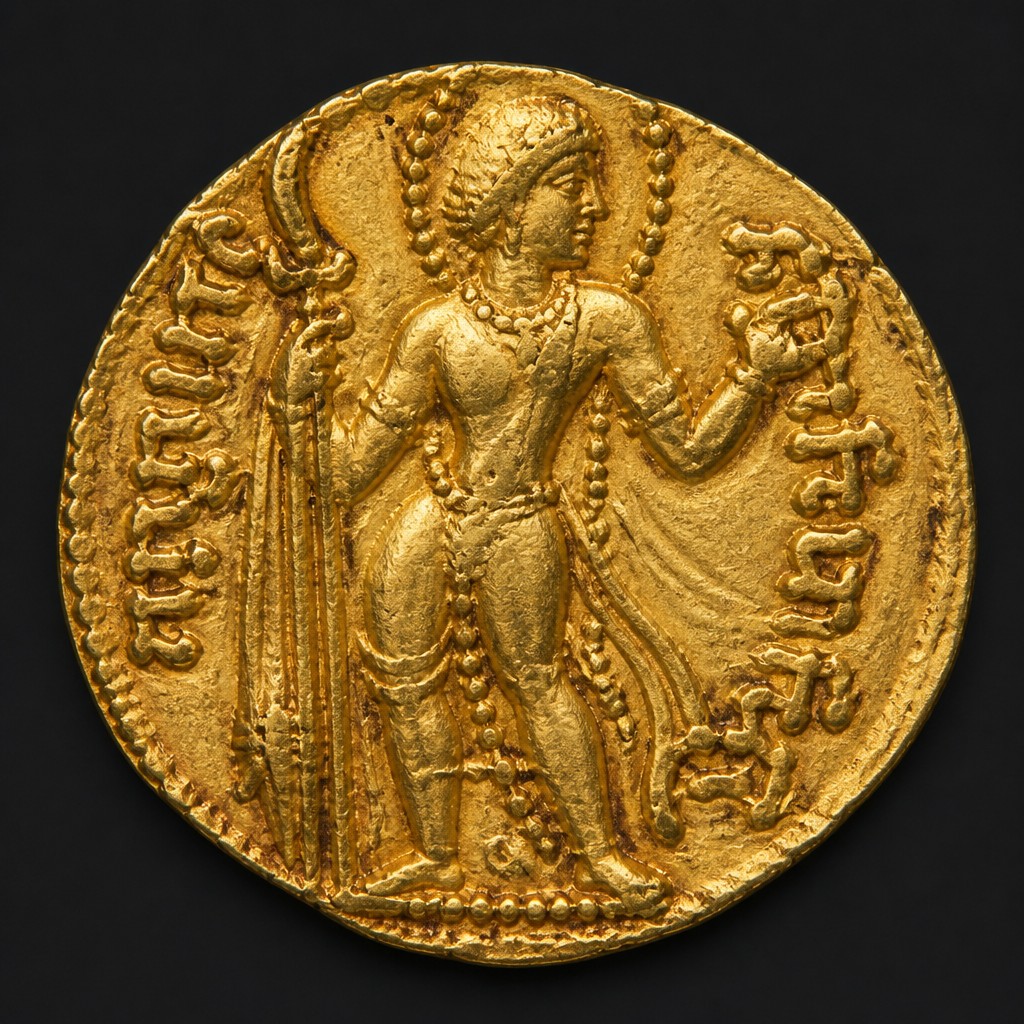
Gupta Empire Gold Dinar
c. 320–550 AD
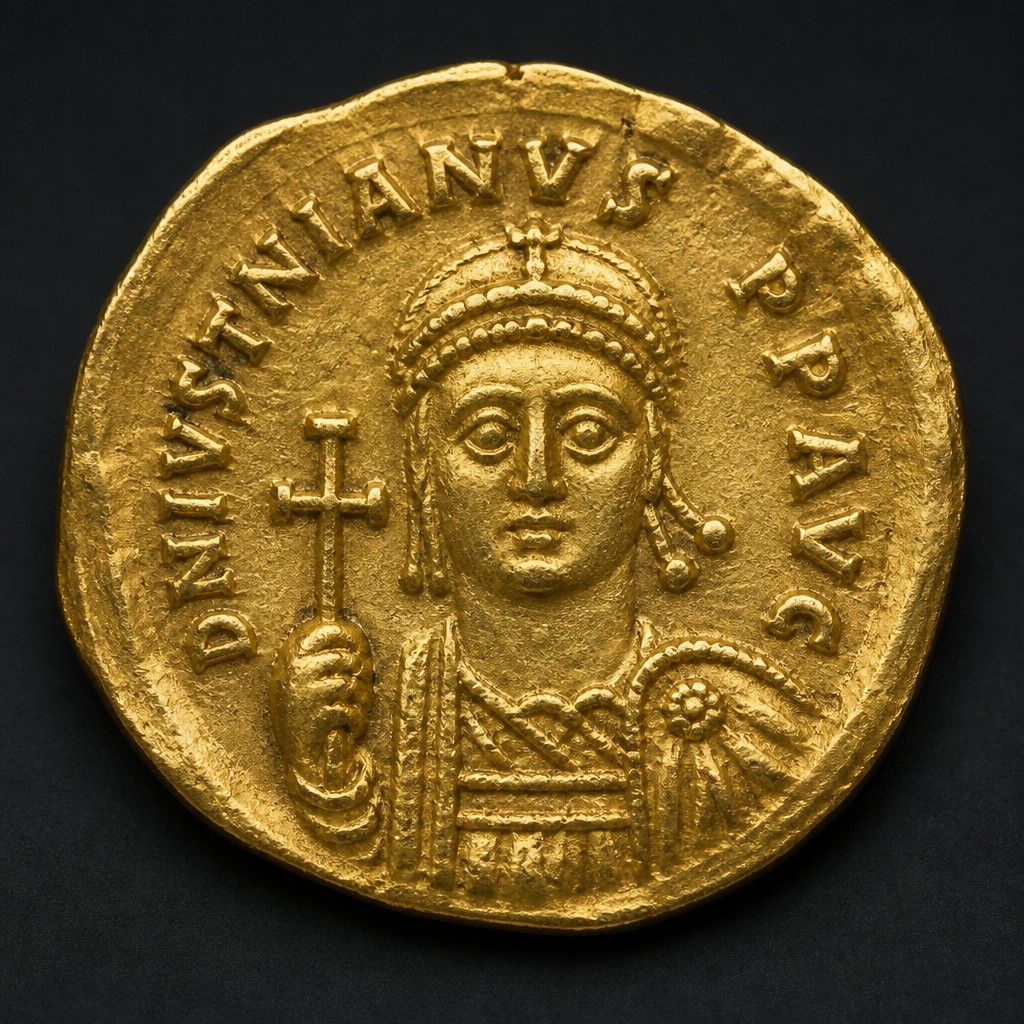
Byzantine Gold Tremissis
c. 4th–7th century AD
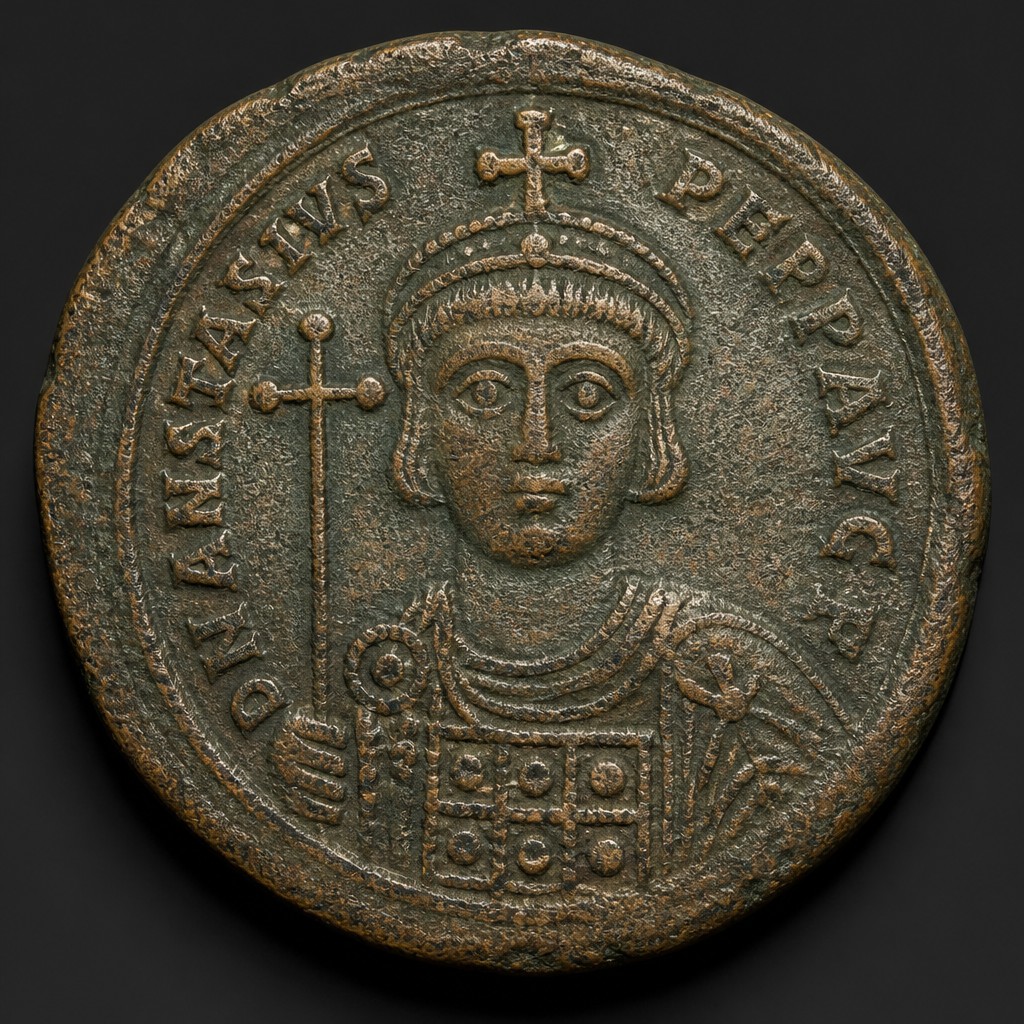
Byzantine Follis
498–c. 11th century AD
Celtic Gold Stater
c. 3rd century BC – 1st century AD