
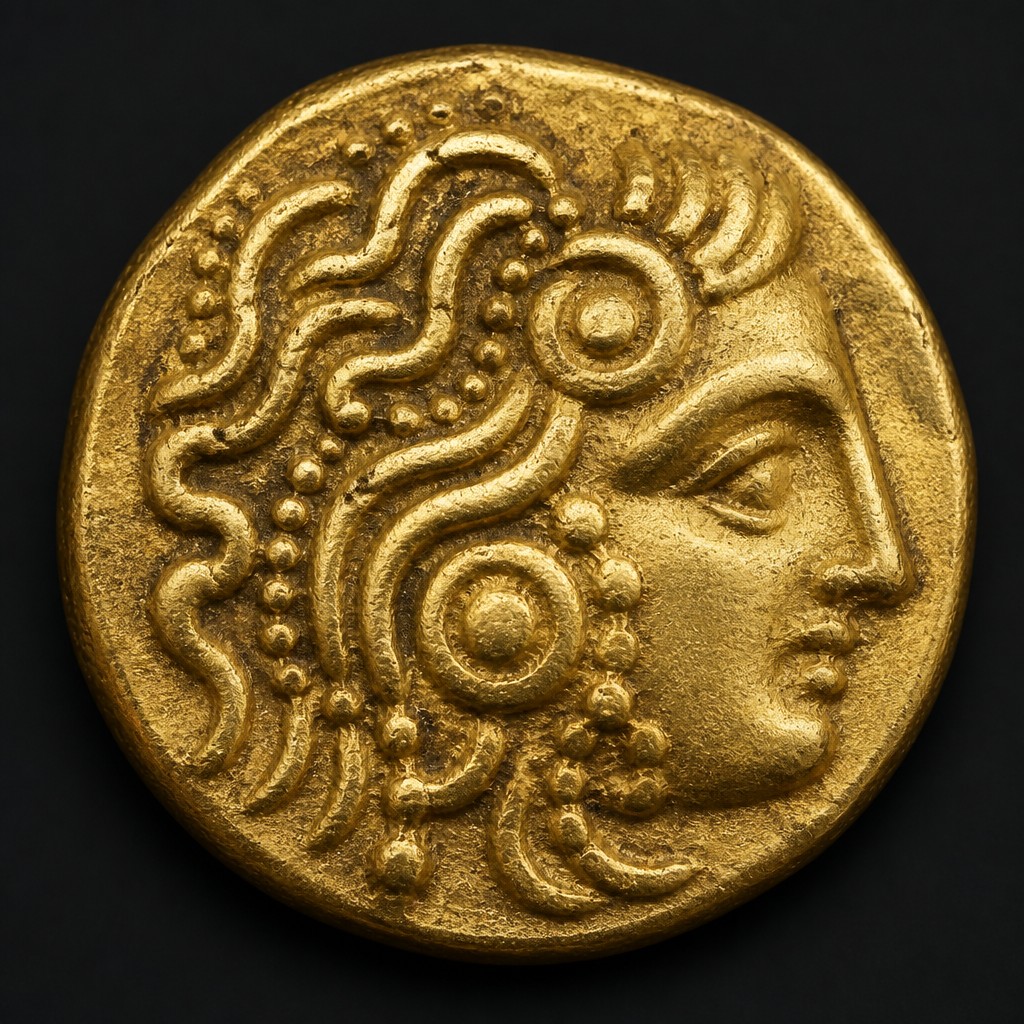
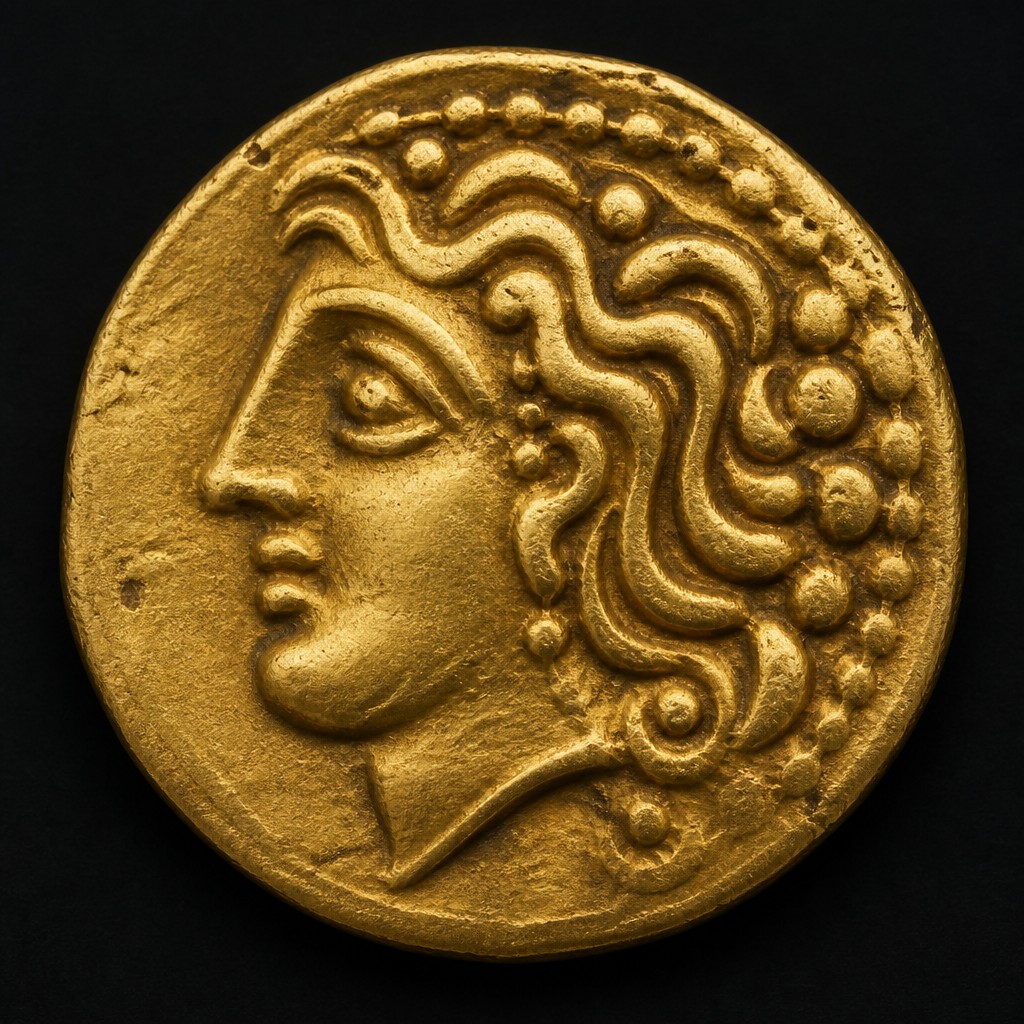
Celtic Gold Stater of the Parisii
A gold stater struck by the Parisii, the Gallic tribe that gave its name to Paris, showing highly abstracted, stylized versions of Greek prototype designs.
- Country
- Celtic Gaul (Parisii tribe)
- Denomination
- Stater
- Metal
- Gold
Got a coin like this?
Identify any coin from a photo, free.
Overview
The Parisii were a Celtic tribe settled along the Seine River in what is now the Paris region of France, and their surviving gold staters are a striking example of how Gallic peoples adapted Greek coin designs into increasingly abstract, distinctively Celtic art. These coins are notable to collectors and historians alike for the direct historical link between the tribe's name and the modern city of Paris.
Because genuine Celtic gold staters from this tribe are relatively scarce compared to some other Gallic issues, they hold particular interest for collectors of ancient Celtic coinage and French numismatic history.
History & Background
Like many Gallic tribes, the Parisii based their coin designs on imported Macedonian gold staters of Philip II, which circulated widely in Gaul through trade and as payment to Celtic mercenaries serving in Mediterranean armies. Over successive generations of copying and recopying, Celtic die engravers transformed the originally naturalistic Greek imagery into highly stylized, almost abstract patterns, a hallmark of Gallic coin art.
The Parisii are known historically from Julius Caesar's account of the Gallic Wars, in which their settlement, Lutetia (on the site of present-day Paris), is mentioned as a strategic location on the Seine. Their coinage dates to the final centuries before Roman conquest, a period when many Gallic tribes issued their own gold, silver, and billon coins to support trade, tribute payments, and warfare.
Following Julius Caesar's conquest of Gaul in the 1st century BC, independent Gallic coinage such as that of the Parisii gradually ceased as the region was integrated into the Roman provincial system, making these staters a numismatic snapshot of the final independent Celtic period in the region that would become Paris.
How to Identify
A Parisii gold stater typically shows, on the obverse, a highly abstracted head derived ultimately from the laureate head of Apollo on the original Macedonian prototype, reduced by generations of copying into a pattern of stylized curls, dots, and geometric shapes rather than a recognizable naturalistic portrait.
The reverse generally derives from the galloping horse-and-charioteer design of the Philip II original, similarly abstracted into a dynamic, almost calligraphic horse figure, often accompanied by small symbols, pellets, or disjointed elements characteristic of Celtic die-cutting style. Legends, if present at all, are minimal or absent, unlike contemporary Greek and Roman coinage.
Distinguishing Parisii staters from those of neighboring Gallic tribes requires close attention to specific stylistic details of the horse and head motifs, as cataloged in specialized references on Gallic coinage, since many tribes produced broadly similar abstracted Philip II-derived types during the same period.
Value & Collectibility
Celtic gold staters attributed specifically to the Parisii are relatively scarce and hold particular appeal due to the tribe's direct connection to the city of Paris, which enhances collector interest beyond the coin's intrinsic ancient Celtic art appeal. Prices for confidently attributed examples tend to be higher than for more common Gallic tribal staters.
Condition, striking sharpness, and the clarity of the abstracted design elements all affect value, and because Celtic coin attribution can be difficult, coins with secure provenance or expert attribution from a specialist in Gallic numismatics are generally more desirable and valuable.
Frequently asked questions
Why are the designs so abstract?
Celtic die engravers repeatedly copied imported Greek coin designs, particularly Macedonian Philip II staters, and over generations the naturalistic imagery gradually transformed into highly stylized, geometric Celtic patterns.
Is this the same Parisii as the name Paris?
Yes, the Parisii tribe settled along the Seine River gave their name to Lutetia, the settlement that later became Paris.
When did the Parisii stop minting coins?
Independent Gallic coinage generally ended following Julius Caesar's conquest of Gaul in the 1st century BC, as the region was absorbed into the Roman provincial system.
How can I tell a Parisii stater from other Gallic tribal staters?
Attribution relies on specific stylistic details of the abstracted head and horse motifs, which specialists compare against detailed reference catalogs of Gallic coinage.
Other coins you may enjoy
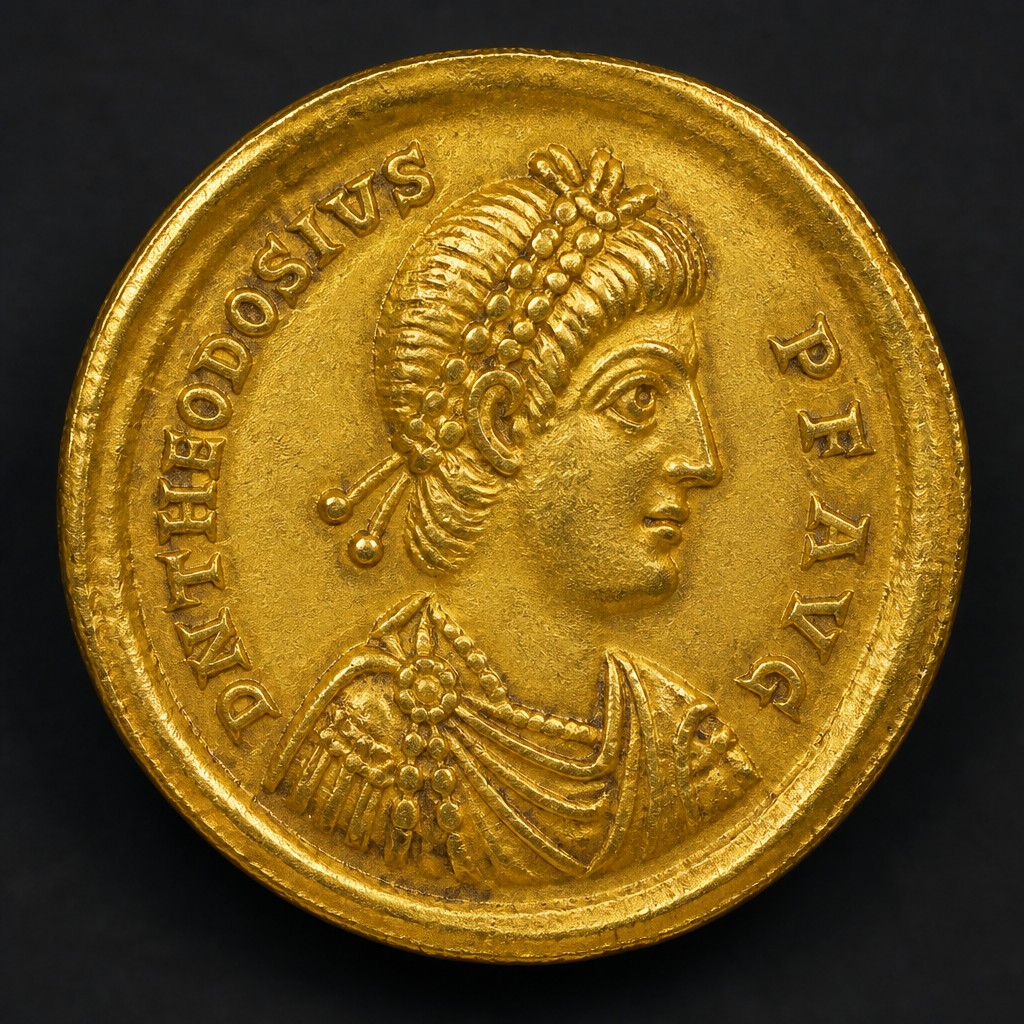
Theodosius I Solidus
379–395 AD
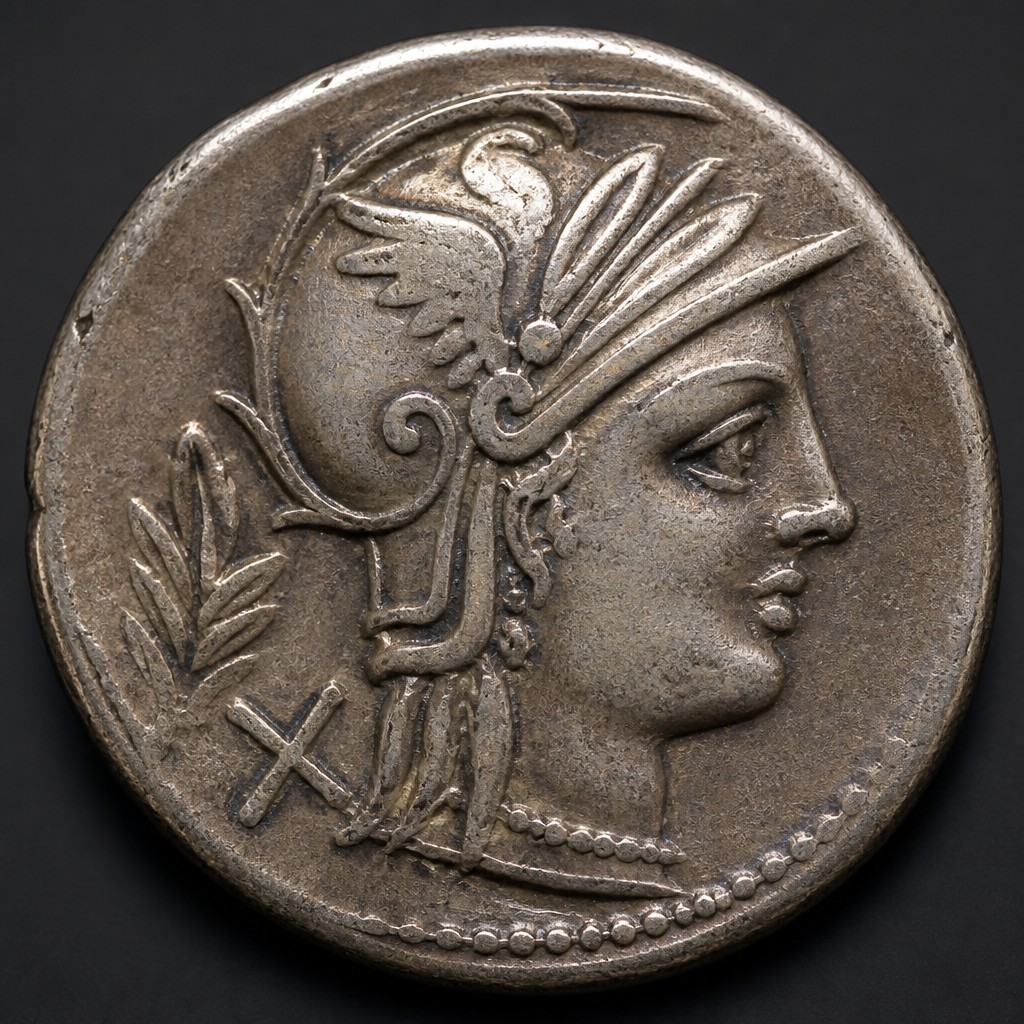
Republican Victoriatus
c. 211–170 BC
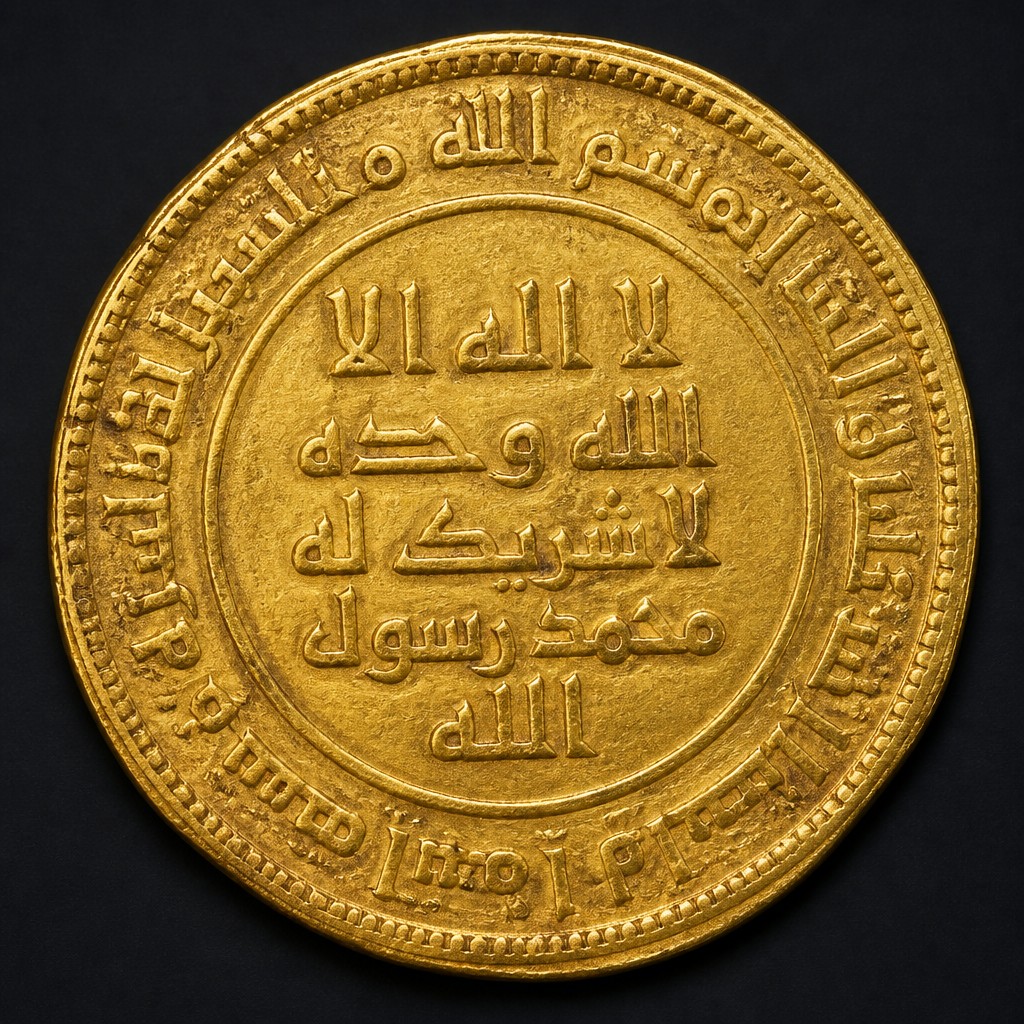
Islamic Gold Dinar (Umayyad)
c. 696–750 AD
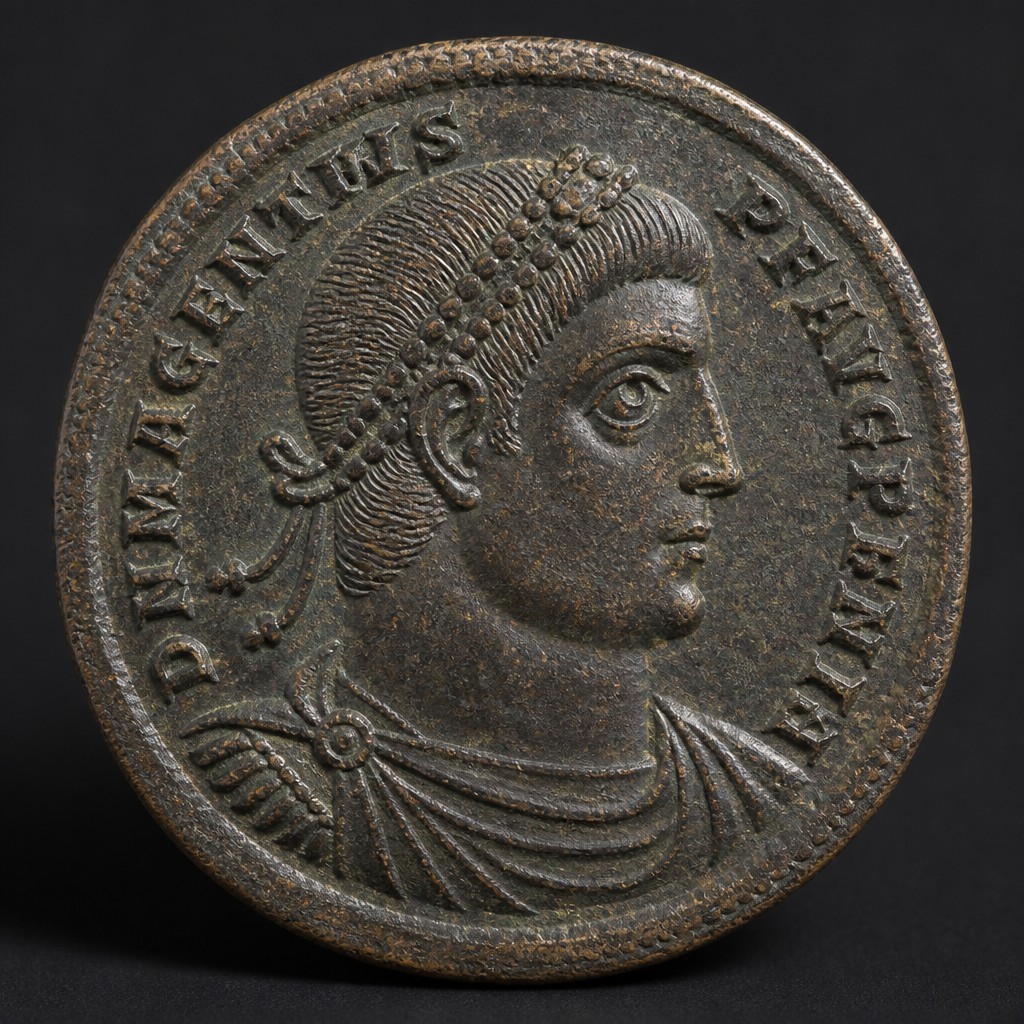
Magnentius Double Centenionalis
350–353 AD
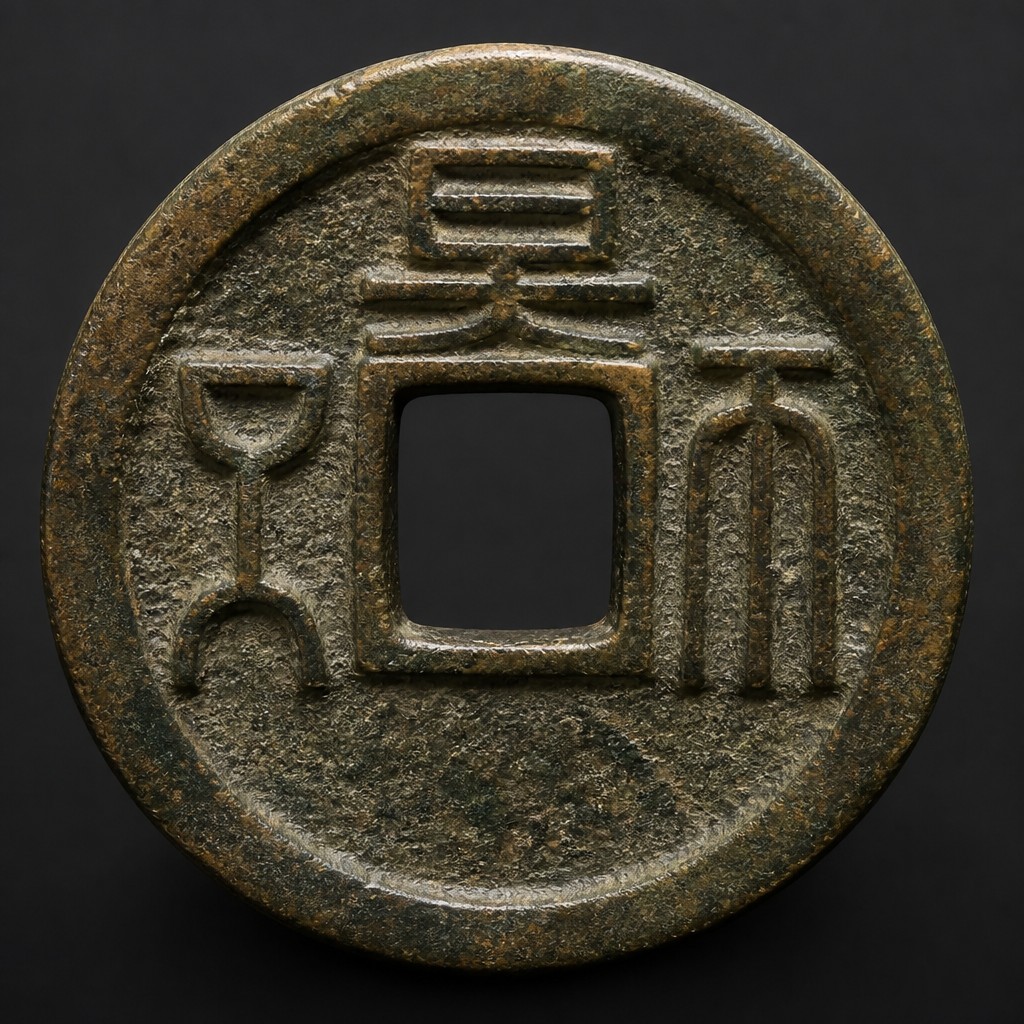
Chinese Wu Zhu Cash
118 BC – 618 AD
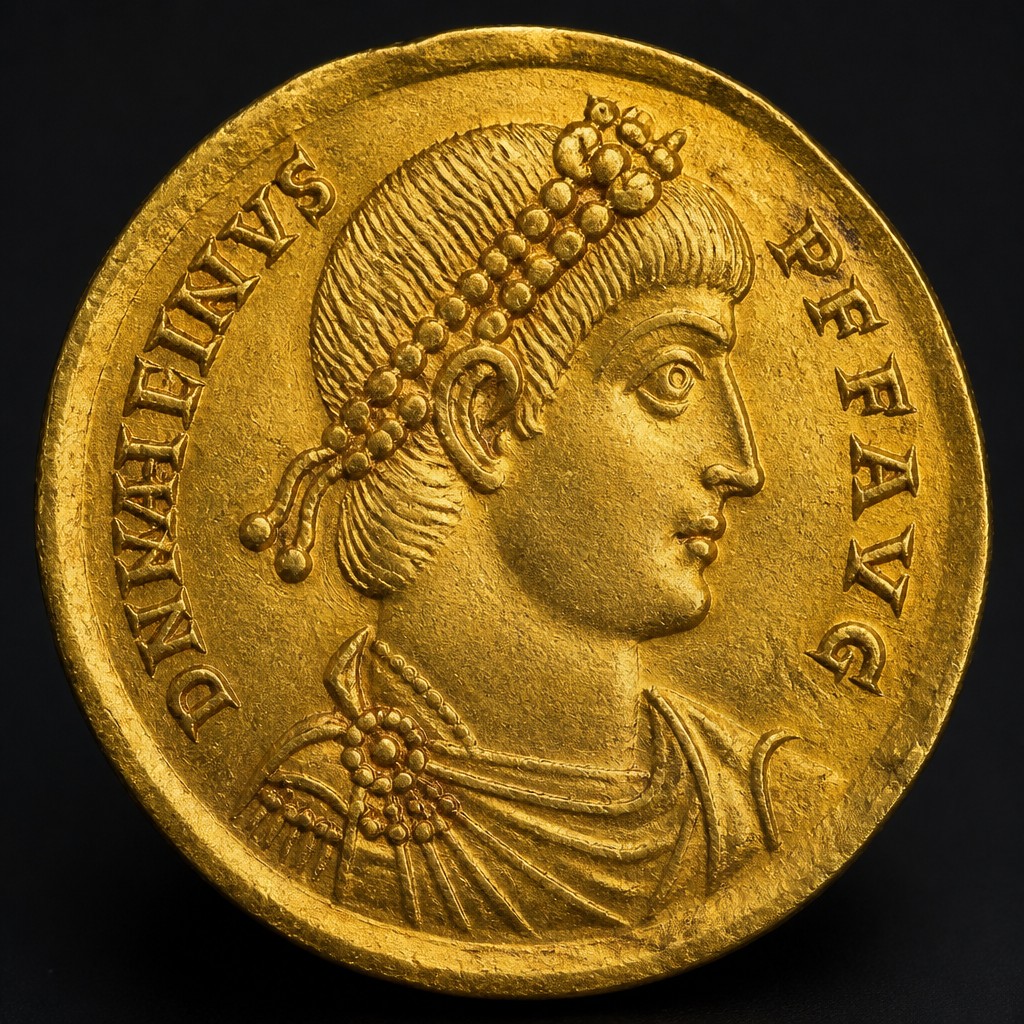
Valentinian I Solidus
364–375 AD
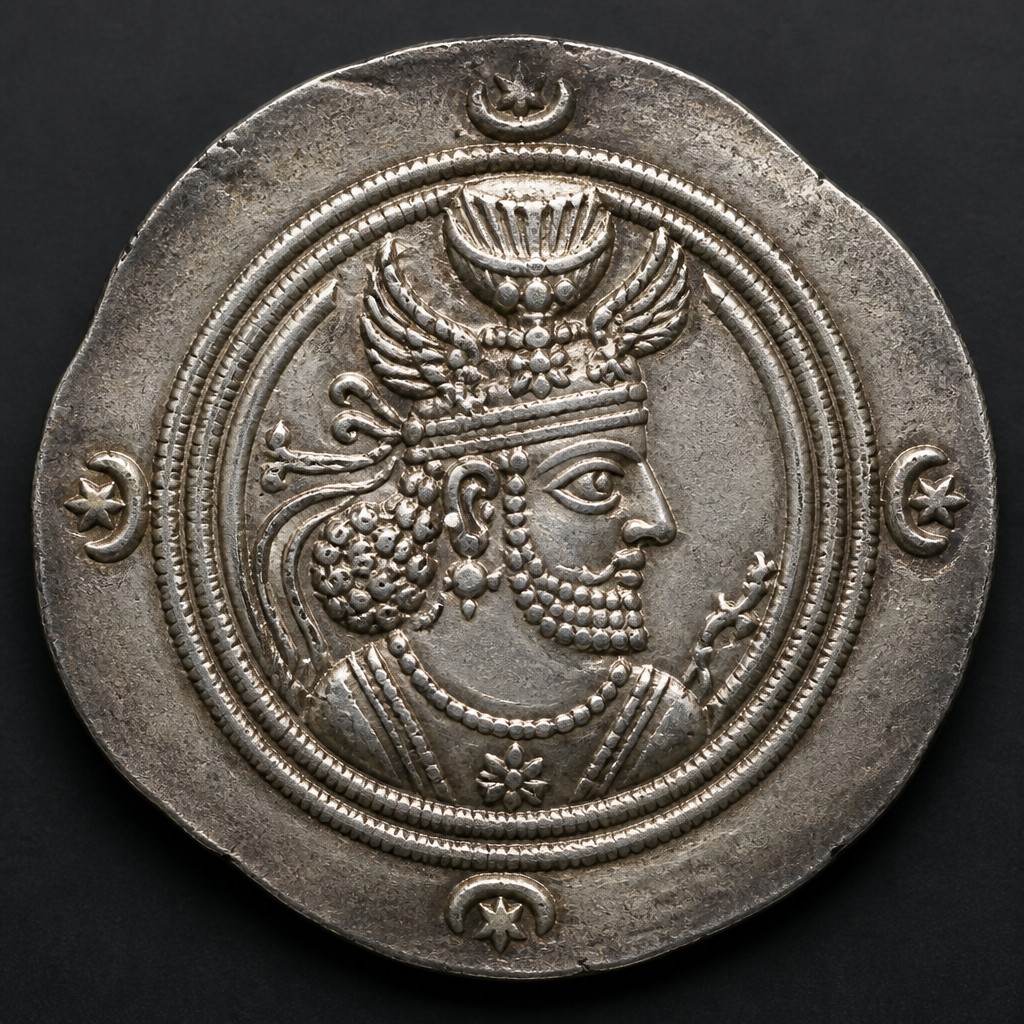
Sassanian Silver Drachm
c. 224–651 AD
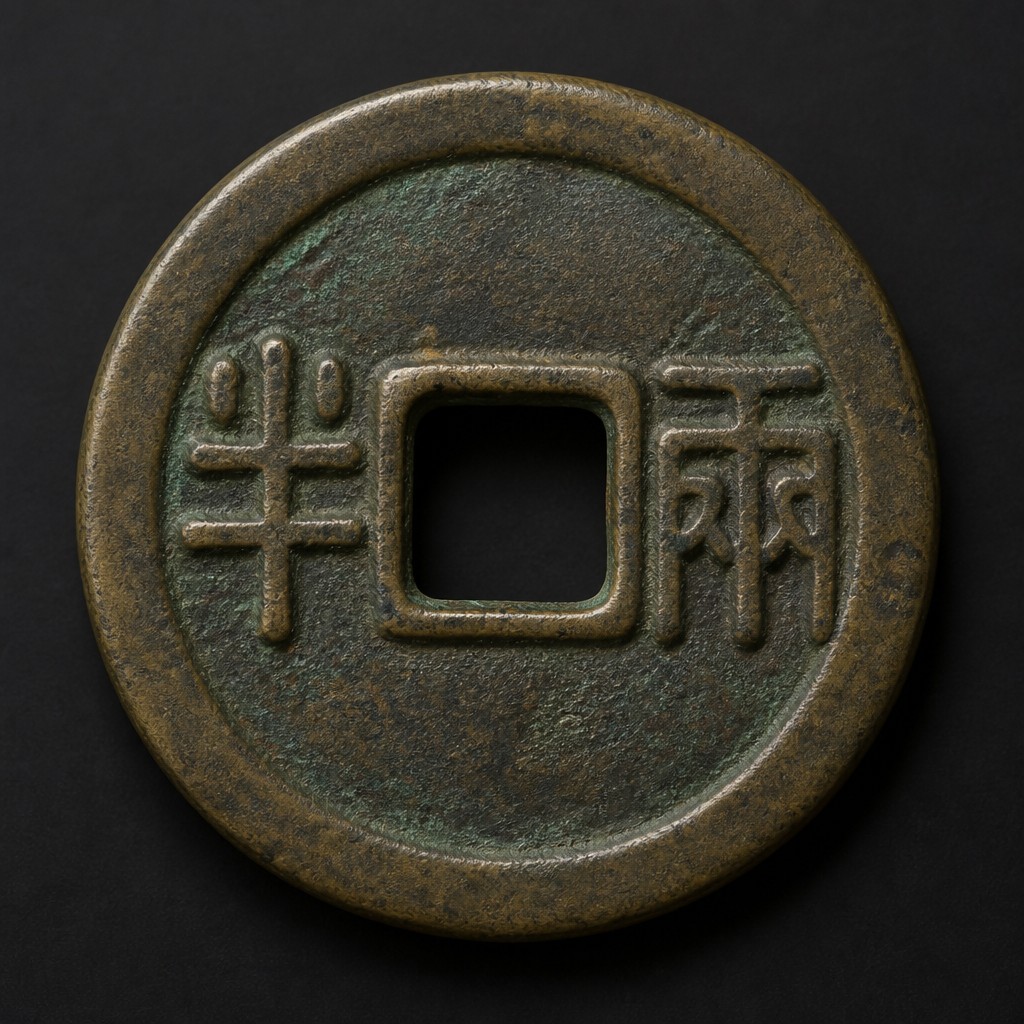
Chinese Ban Liang Cash
c. 221–118 BC
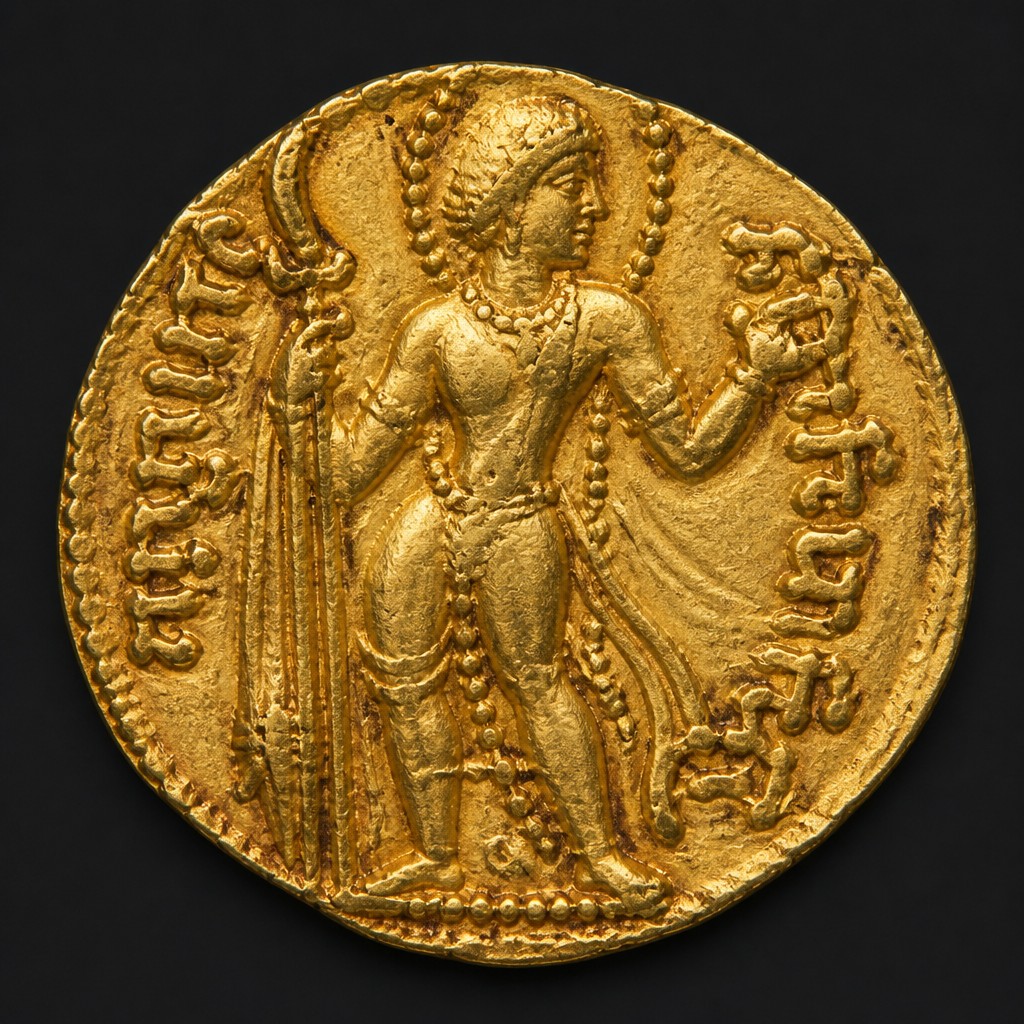
Gupta Empire Gold Dinar
c. 320–550 AD
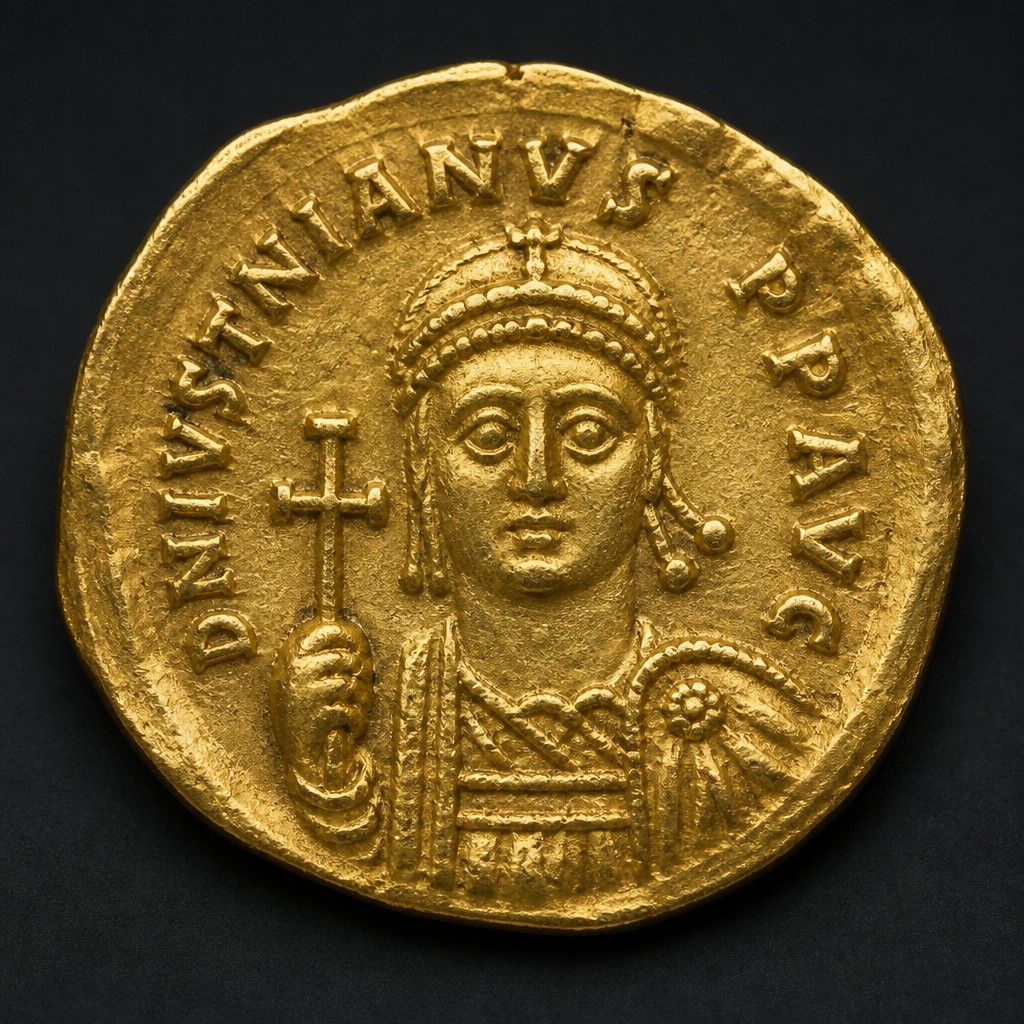
Byzantine Gold Tremissis
c. 4th–7th century AD
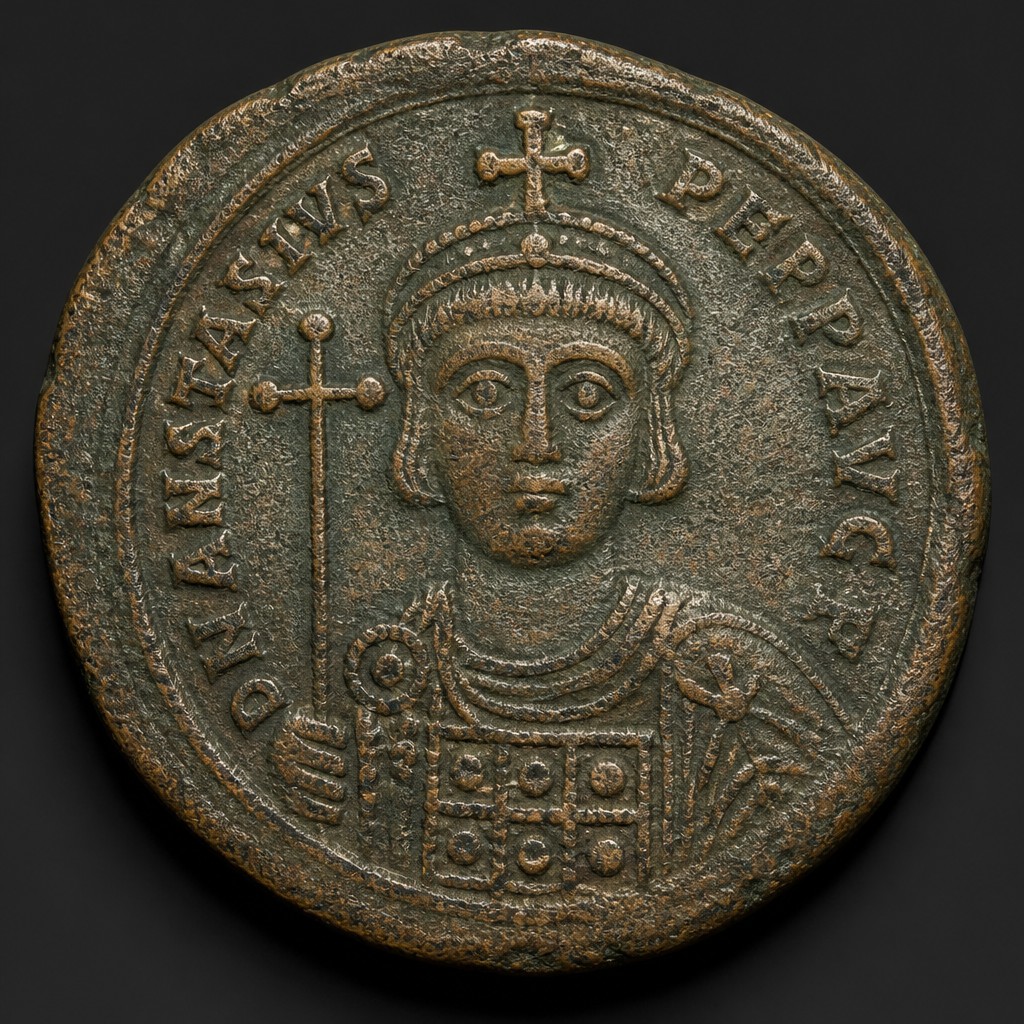
Byzantine Follis
498–c. 11th century AD
Celtic Gold Stater
c. 3rd century BC – 1st century AD