
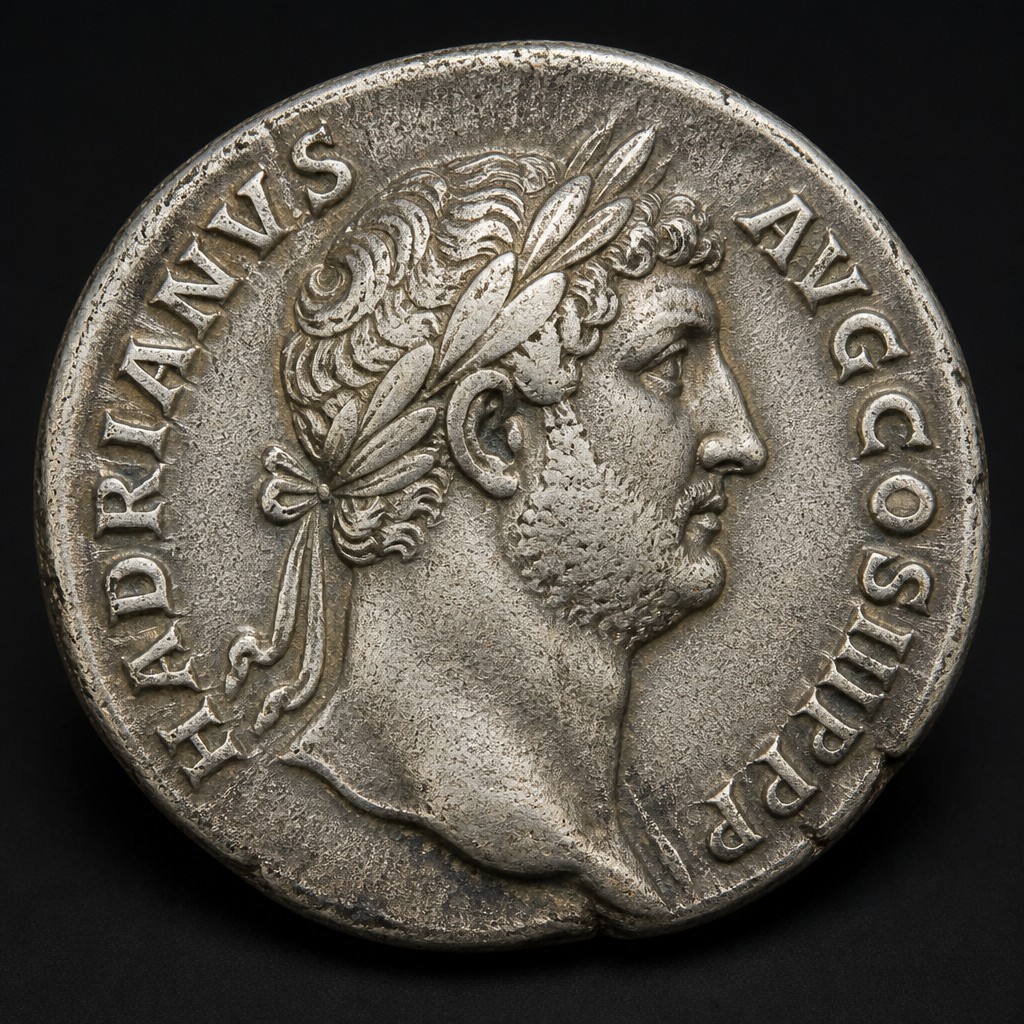
Hadrian Denarius
The silver coin of Emperor Hadrian, famous for its extensive 'travel series' honoring the provinces he visited during his unusually extensive tours of the empire.
- Country
- Roman Empire
- Denomination
- Denarius
- Metal
- Silver (approx. 85-90% fine)
Got a coin like this?
Identify any coin from a photo, free.
Overview
The Hadrian denarius is prized by collectors especially for its association with the emperor's famous "travel series," a set of coin types personifying the various provinces and regions Hadrian visited during his reign, from Britannia to Egypt. This series offers a uniquely geographic way to collect Roman coinage, letting enthusiasts assemble a set themed around the far reaches of the ancient Roman world.
Hadrian's reign marked a shift from Trajan's expansionist policy toward consolidation and defense of existing frontiers, famously including the construction of Hadrian's Wall in Britain, and his coinage reflects this more settled, administrative vision of empire through its emphasis on provincial identity, restoration, and the emperor's personal presence (adventus) across his domains.
History & Background
Hadrian became emperor in AD 117 upon the death of his predecessor and adoptive father Trajan, and he quickly reversed several of Trajan's eastern conquests, favoring consolidation of defensible borders over further expansion. He is remembered for extensive personal tours of the empire's provinces, an unusual practice among emperors of the period, during which he inspected military garrisons, commissioned public works, and reviewed local administration.
His reign produced one of the most extensive and celebrated series of provincial personification coins in Roman history, with types honoring Britannia, Africa, Hispania, Aegyptos (Egypt), Germania, and many other regions, generally shown as a reclining or standing female figure holding regional attributes. Companion "adventus" types commemorate his actual arrival in specific provinces, and "exercitus" types honor the provincial armies he reviewed.
Hadrian also famously commissioned Hadrian's Wall in northern Britain to mark and defend the empire's frontier, and rebuilt the Pantheon in Rome in the form largely still standing today. He died in AD 138, succeeded by his chosen heir Antoninus Pius.
How to Identify
The obverse shows Hadrian's laureate or bare-headed portrait, generally a mature, bearded likeness, since he was among the first emperors to adopt a full beard as standard imperial fashion, with a legend naming his titles. His beard is a useful quick visual cue distinguishing his coinage from the clean-shaven portraits of his predecessors like Trajan.
The travel series reverses depict personified provinces, typically a reclining or standing female figure accompanied by regional attributes, such as Britannia seated with a shield and spear, or Aegyptos reclining with a sistrum and an ibis. Legends generally name the province directly (e.g., BRITANNIA, AFRICA, HISPANIA), making these types straightforward to identify once familiar with the personification style.
The coin follows the standard small Roman silver denarius size of roughly 18-19mm. Because the travel series is extensive and specific province types vary widely in rarity, collectors typically rely on standard reference catalogs to identify a particular example and gauge its relative scarcity compared to more common province types.
Value & Collectibility
Hadrian denarii, including many travel series types, are moderately available on the ancient coin market, with common province personifications often obtainable in worn to moderate grade for a few hundred dollars. Rarer provinces or less commonly struck personifications can command significantly higher prices due to demand from specialist collectors assembling complete or thematic travel series sets.
Well-preserved examples with a clear, sharp portrait and legible province legend are especially desirable, and certain travel series types are considered classic "type coins" sought by general ancient coin collectors beyond just Hadrian specialists. As always, strike quality, centering, and surface preservation significantly influence final value.
Frequently asked questions
What is the 'travel series' on Hadrian's coinage?
It refers to a set of denarius (and other denomination) types personifying the various Roman provinces Hadrian visited during his extensive tours of the empire.
How can you tell a Hadrian coin from Trajan's?
Hadrian is shown with a full beard, a fashion he popularized among emperors, while Trajan and earlier emperors are typically depicted clean-shaven.
What is Hadrian best known for historically?
He is well known for consolidating the empire's borders, including building Hadrian's Wall in Britain, and for extensive personal tours of the provinces.
Are travel series coins popular with collectors?
Yes, many collectors enjoy assembling sets themed around the different provinces represented, making this one of the more thematically popular ancient Roman series.
Is the Hadrian denarius rare?
Common types are reasonably available, though certain provinces in the travel series are notably scarcer than others.
Other coins you may enjoy
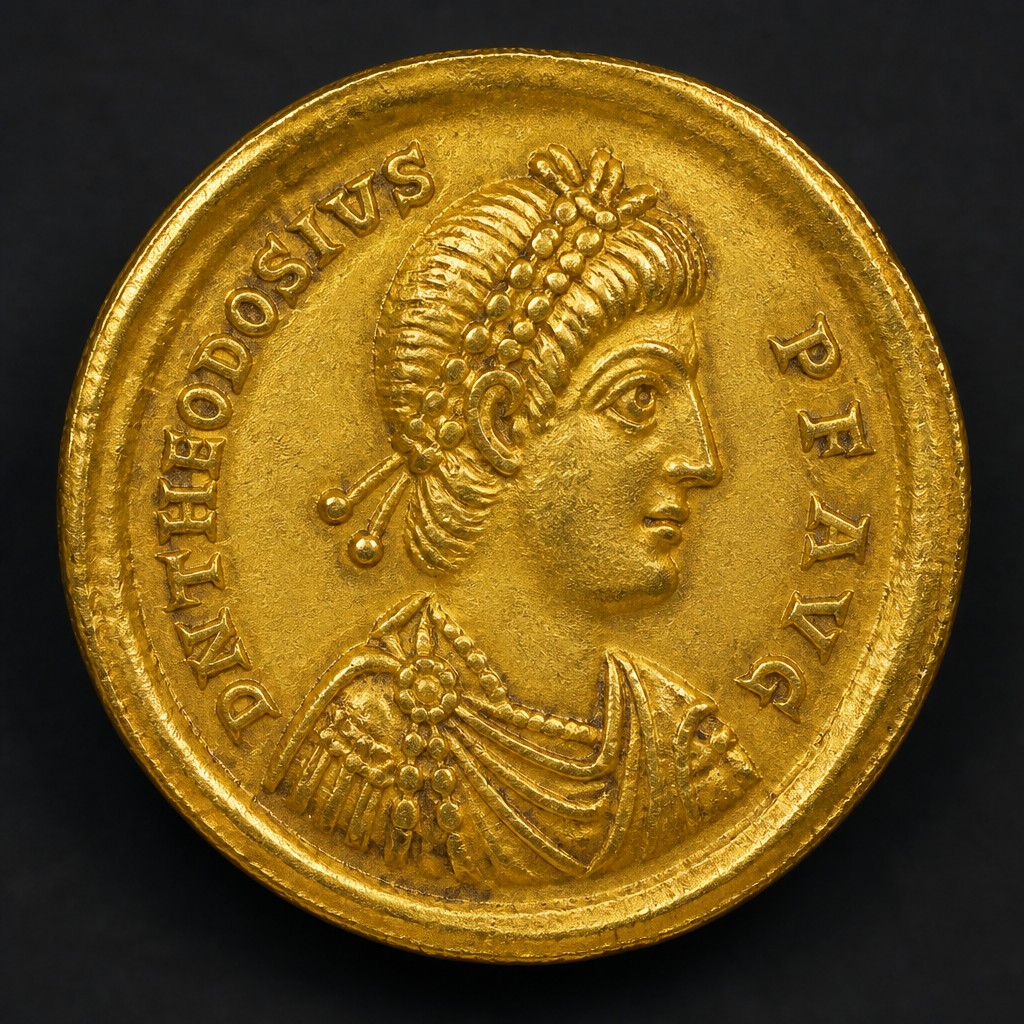
Theodosius I Solidus
379–395 AD
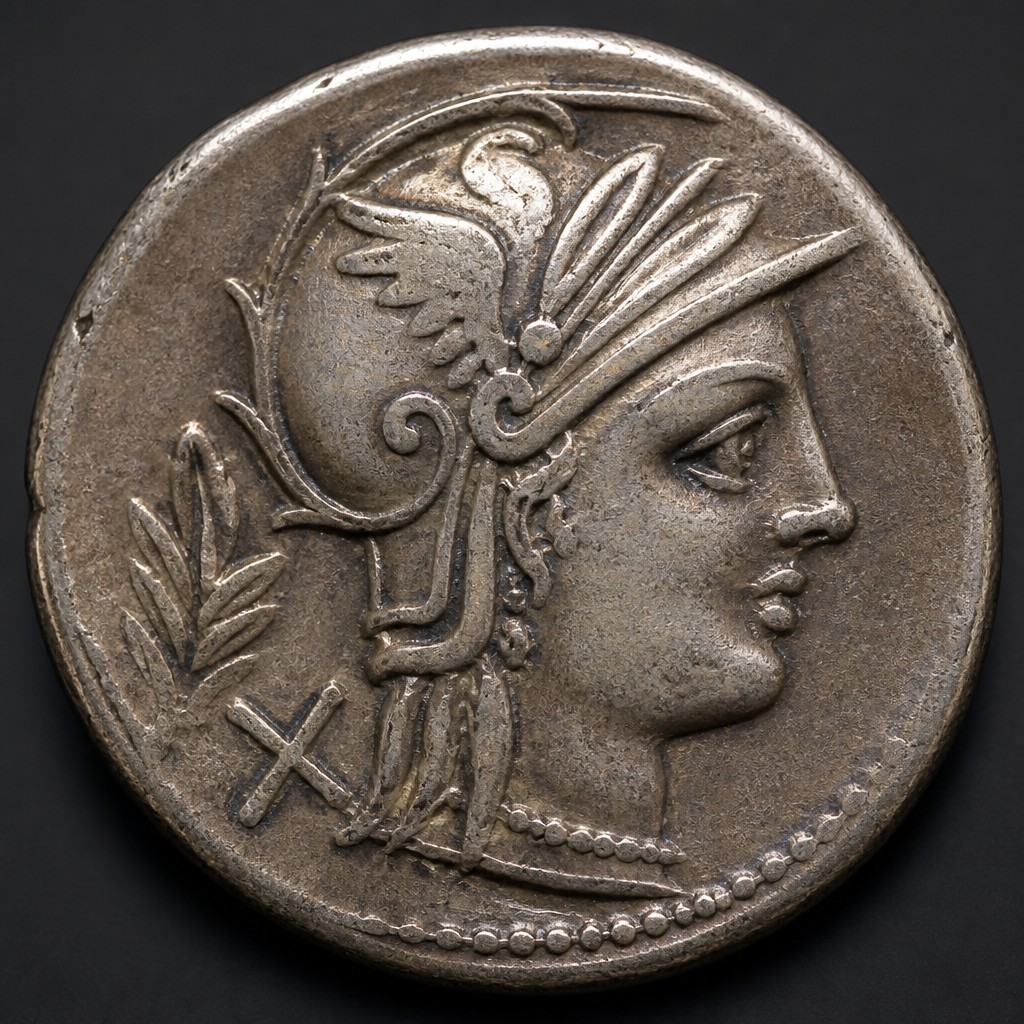
Republican Victoriatus
c. 211–170 BC
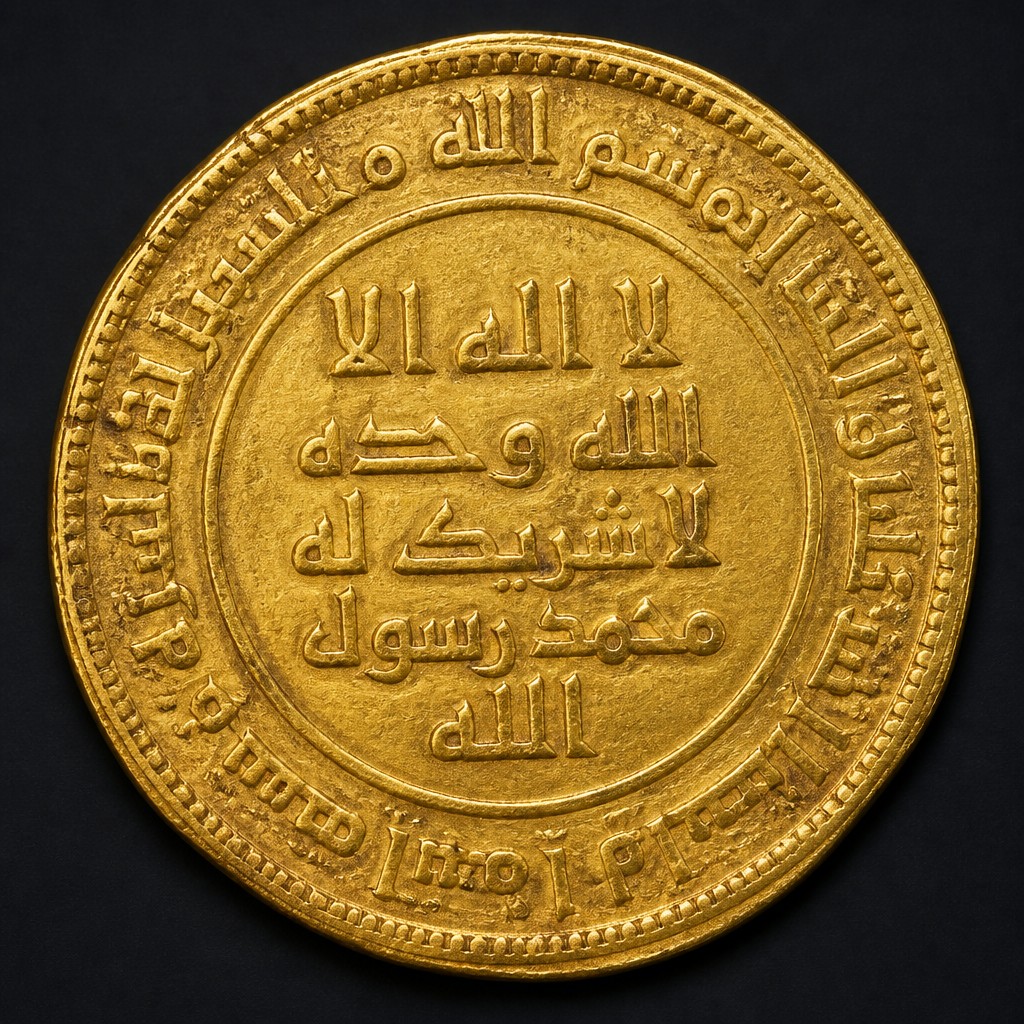
Islamic Gold Dinar (Umayyad)
c. 696–750 AD
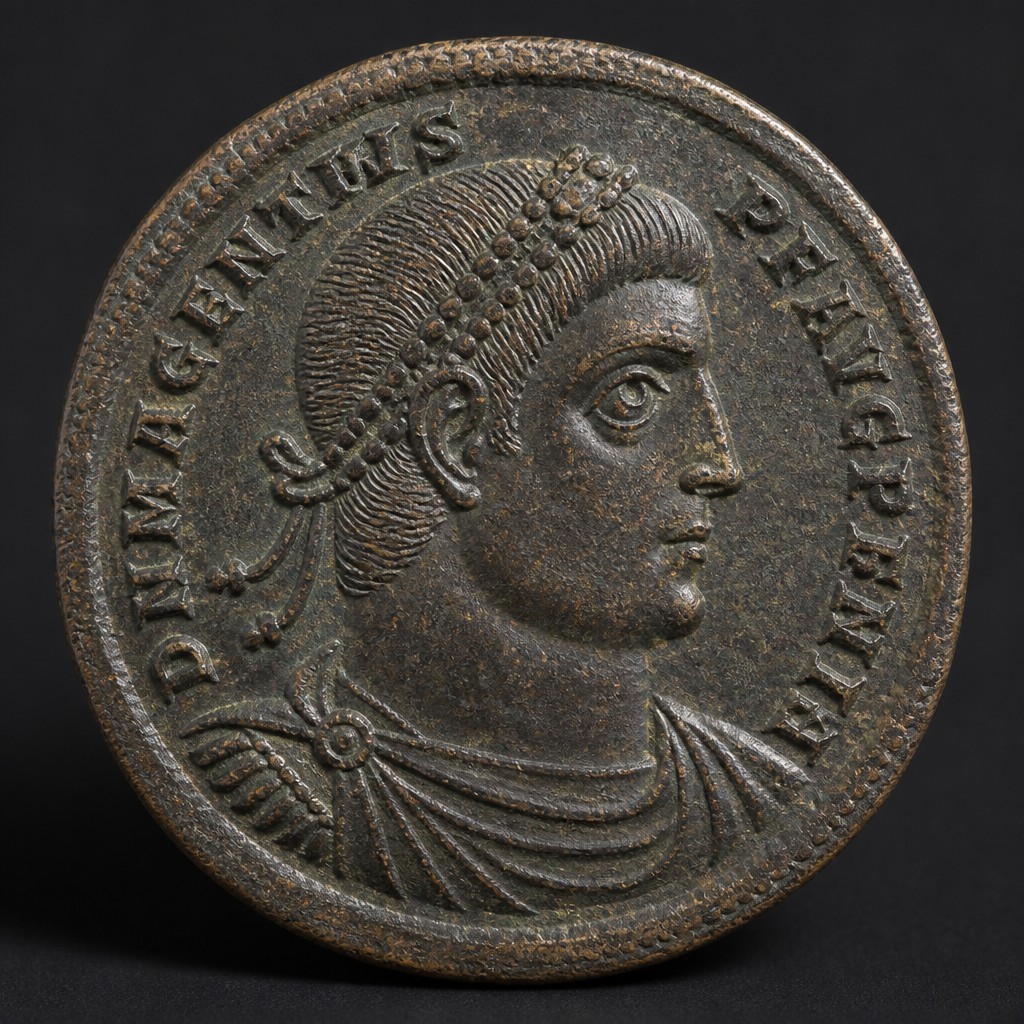
Magnentius Double Centenionalis
350–353 AD
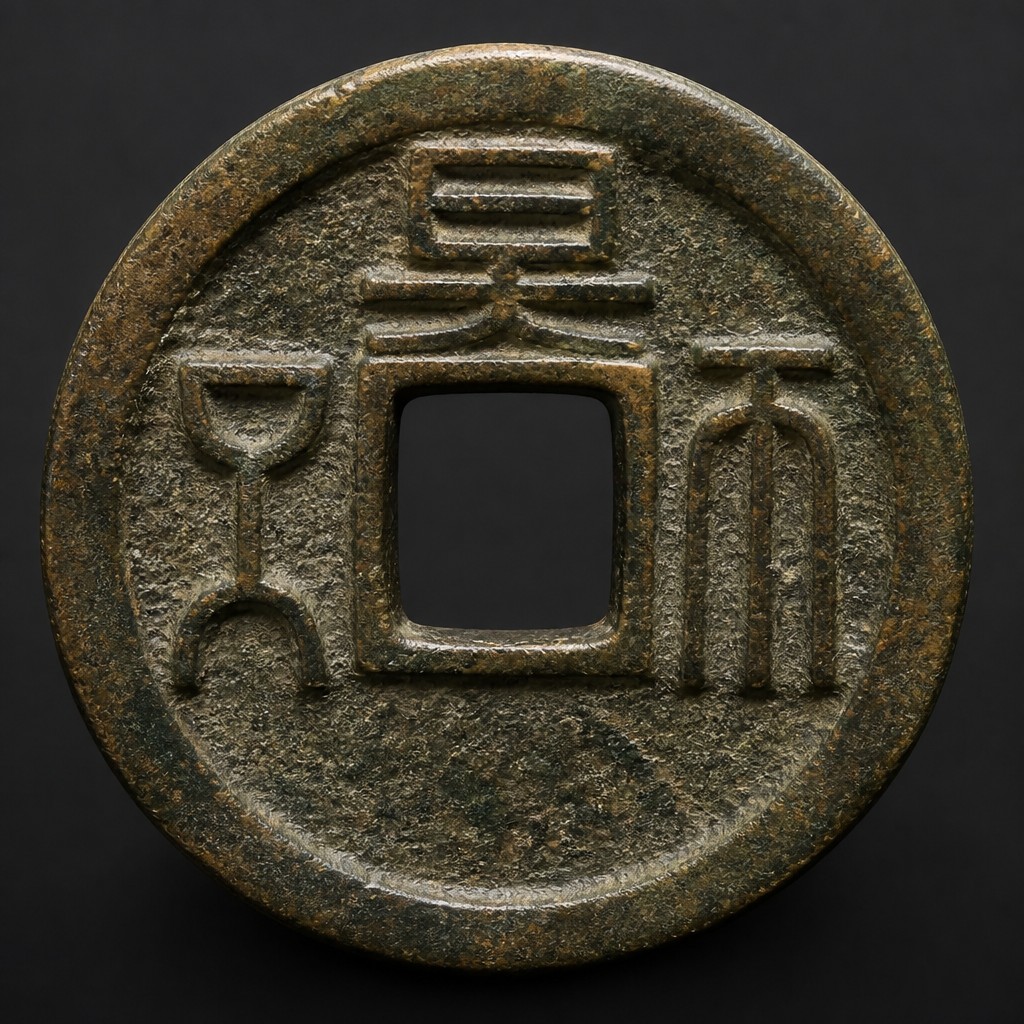
Chinese Wu Zhu Cash
118 BC – 618 AD
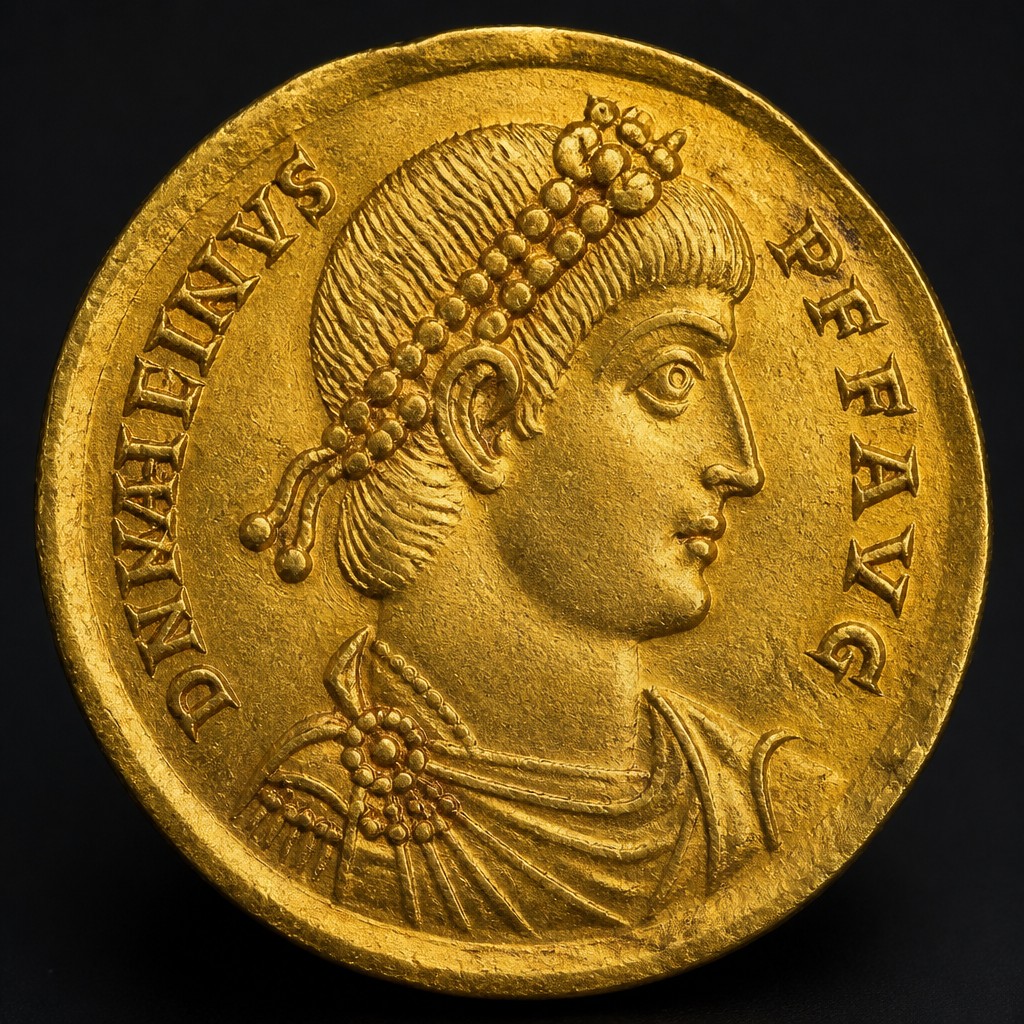
Valentinian I Solidus
364–375 AD
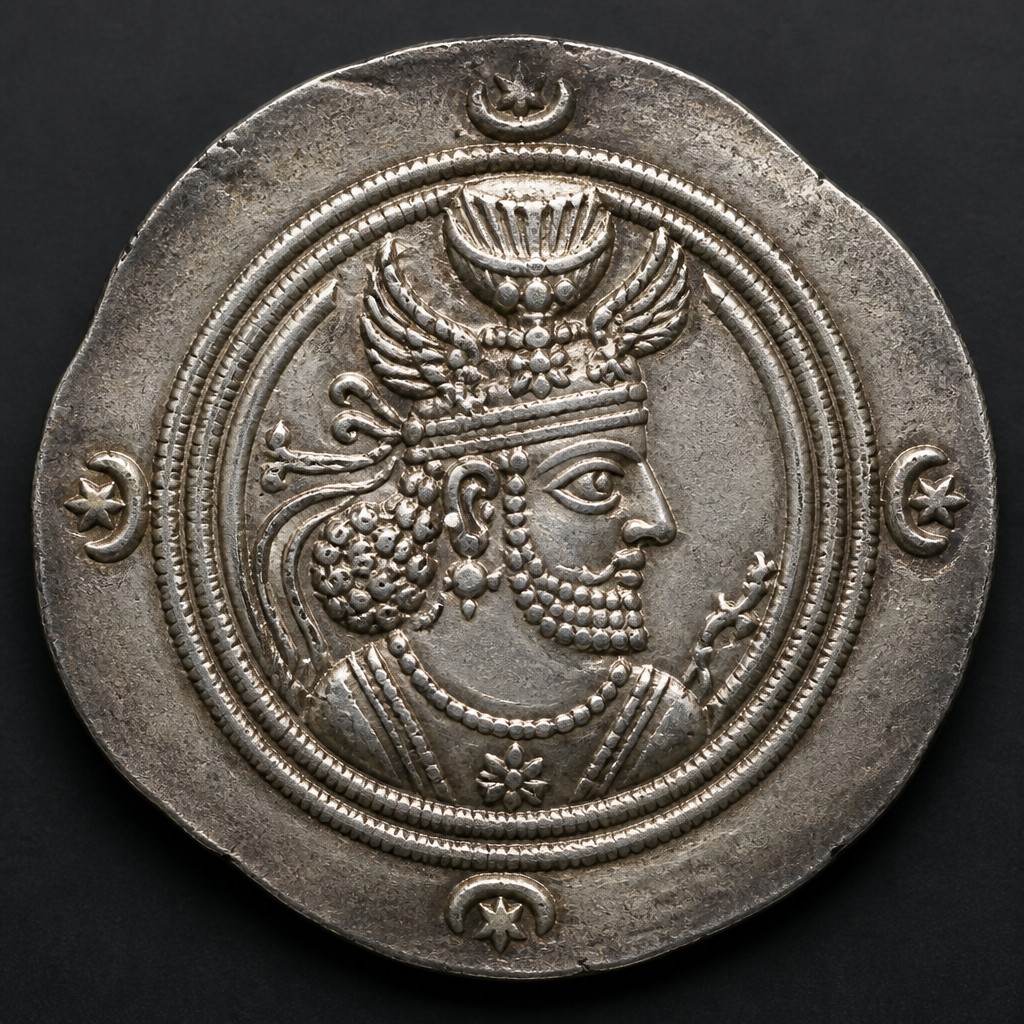
Sassanian Silver Drachm
c. 224–651 AD
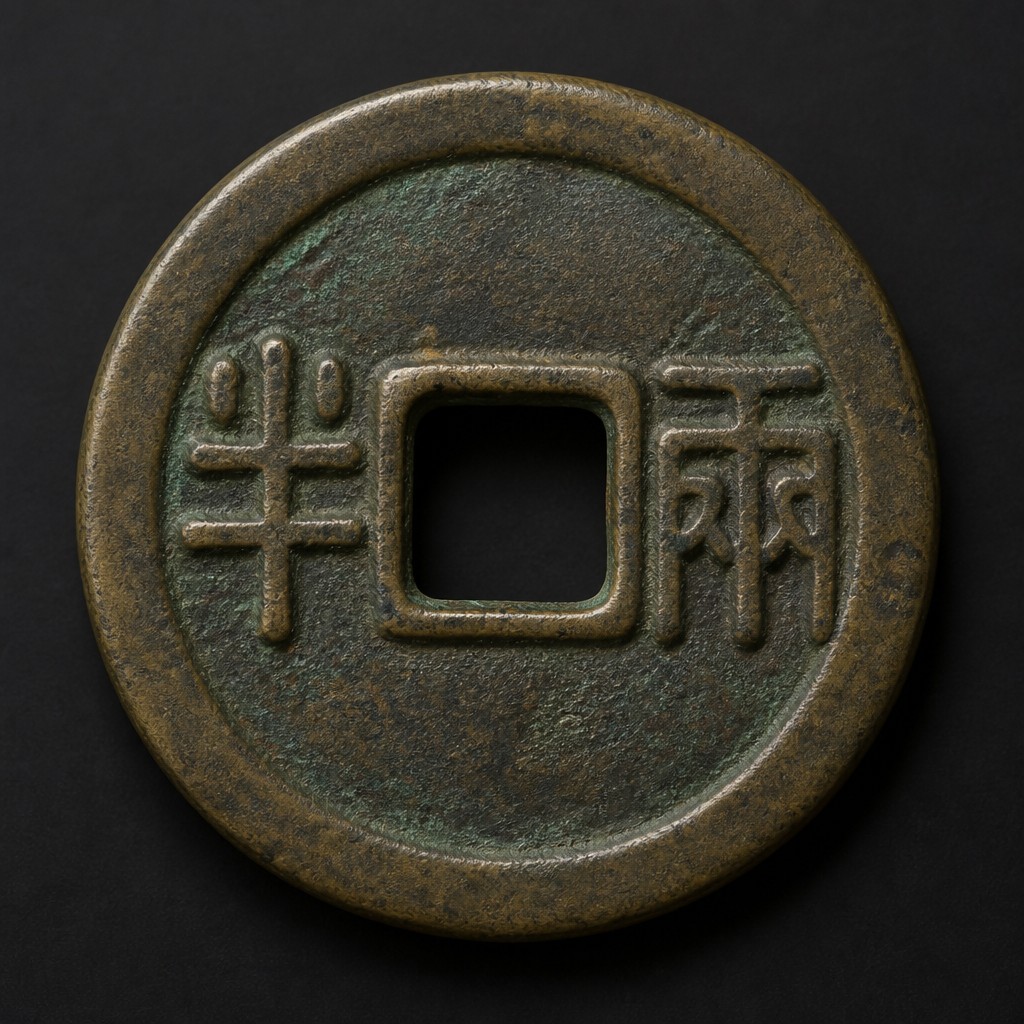
Chinese Ban Liang Cash
c. 221–118 BC
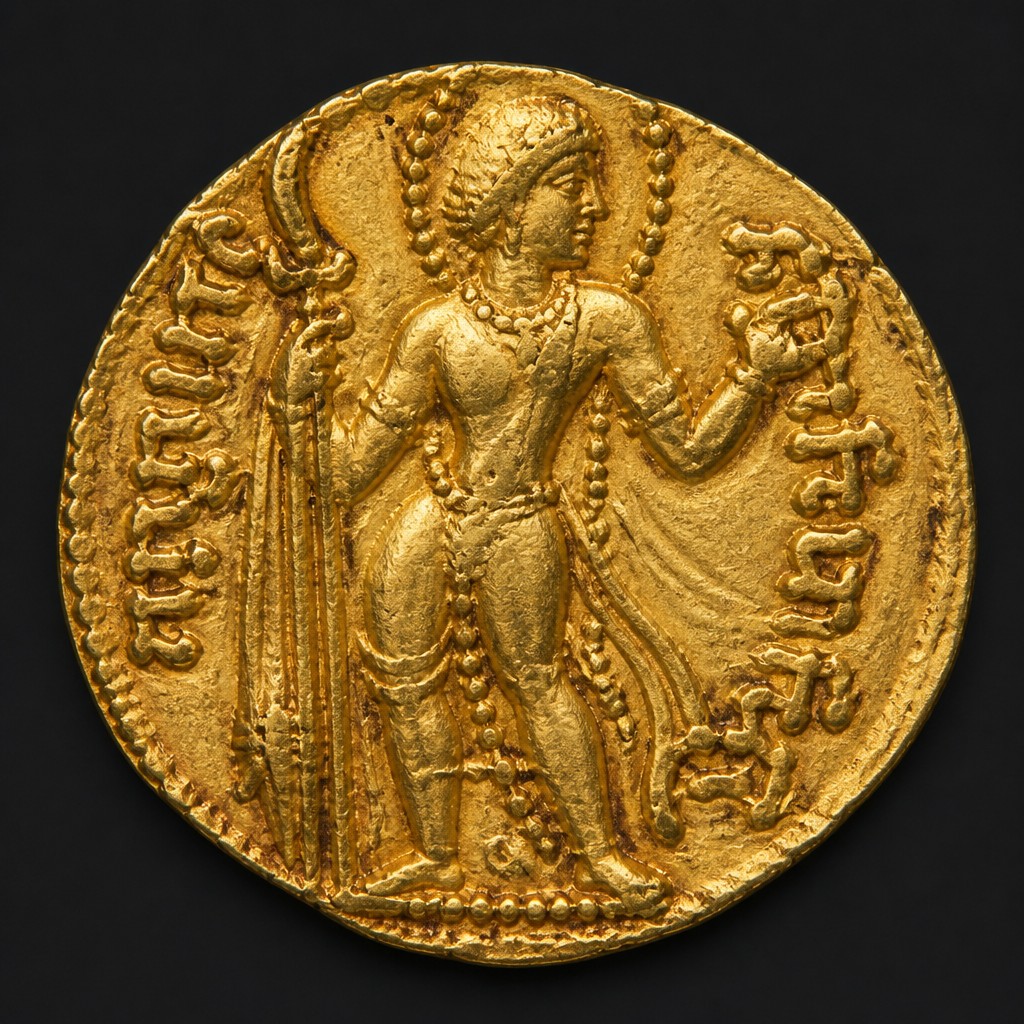
Gupta Empire Gold Dinar
c. 320–550 AD
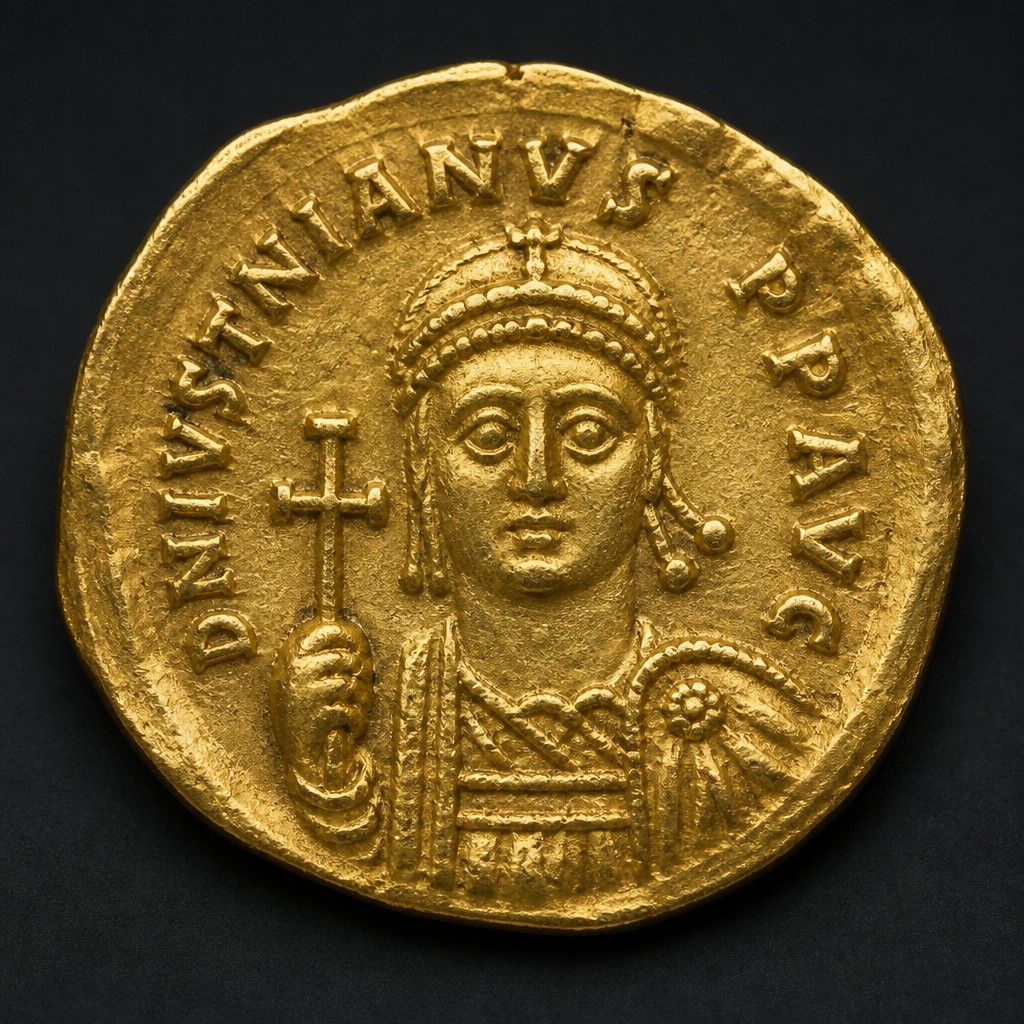
Byzantine Gold Tremissis
c. 4th–7th century AD
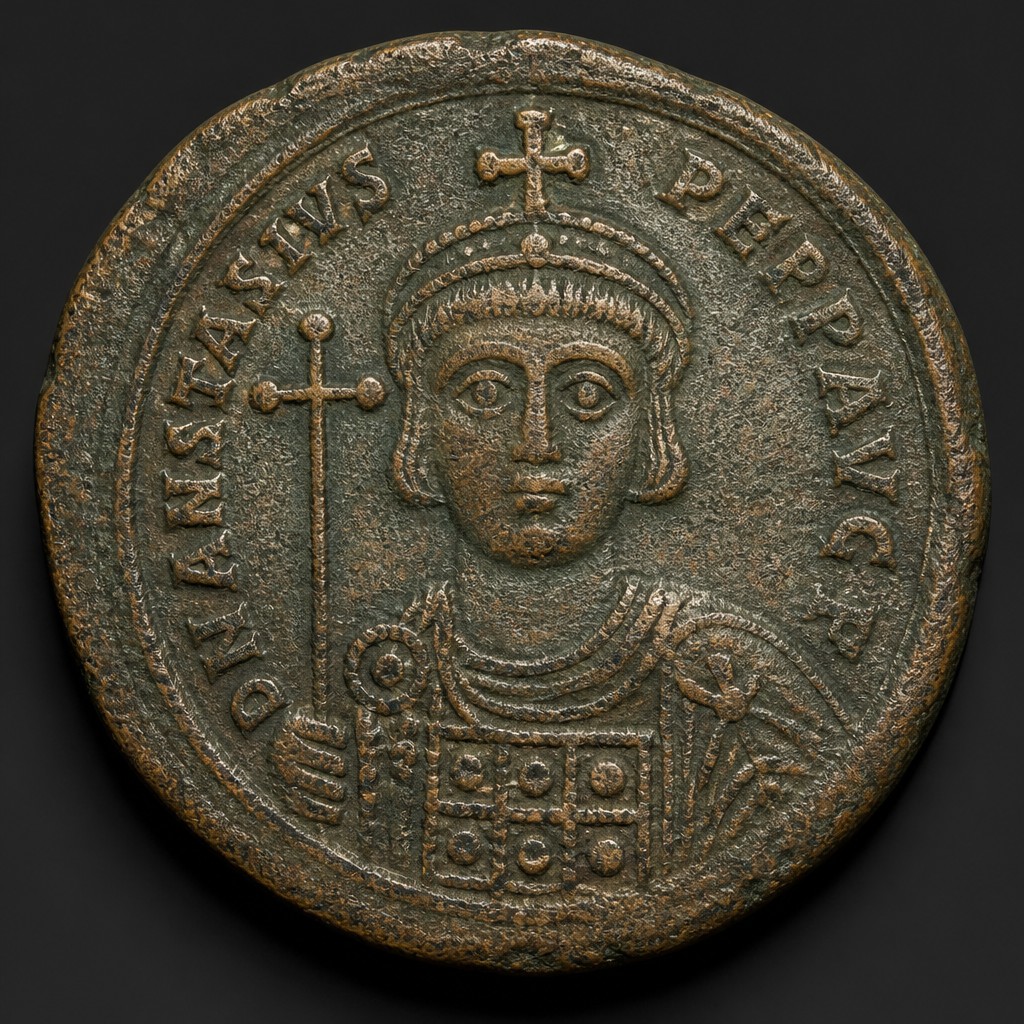
Byzantine Follis
498–c. 11th century AD
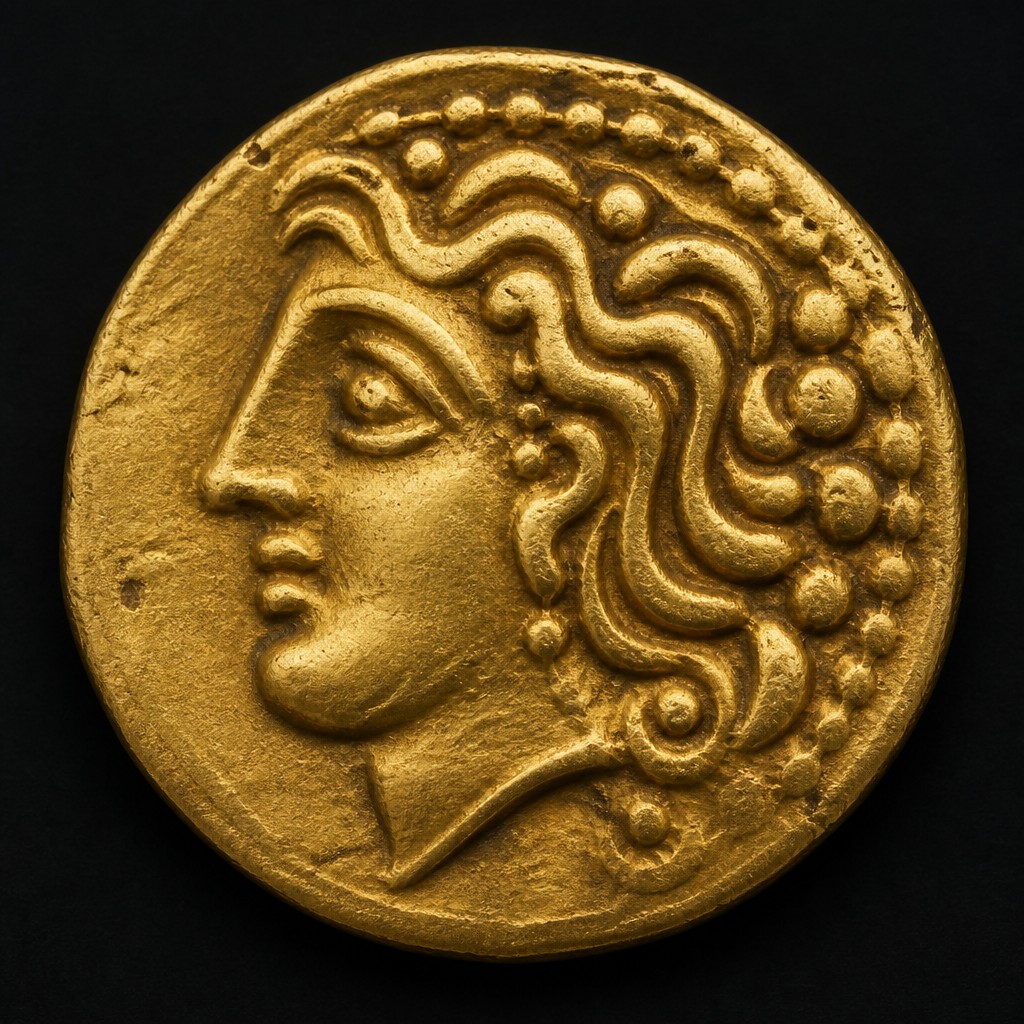
Celtic Gold Stater
c. 3rd century BC – 1st century AD