
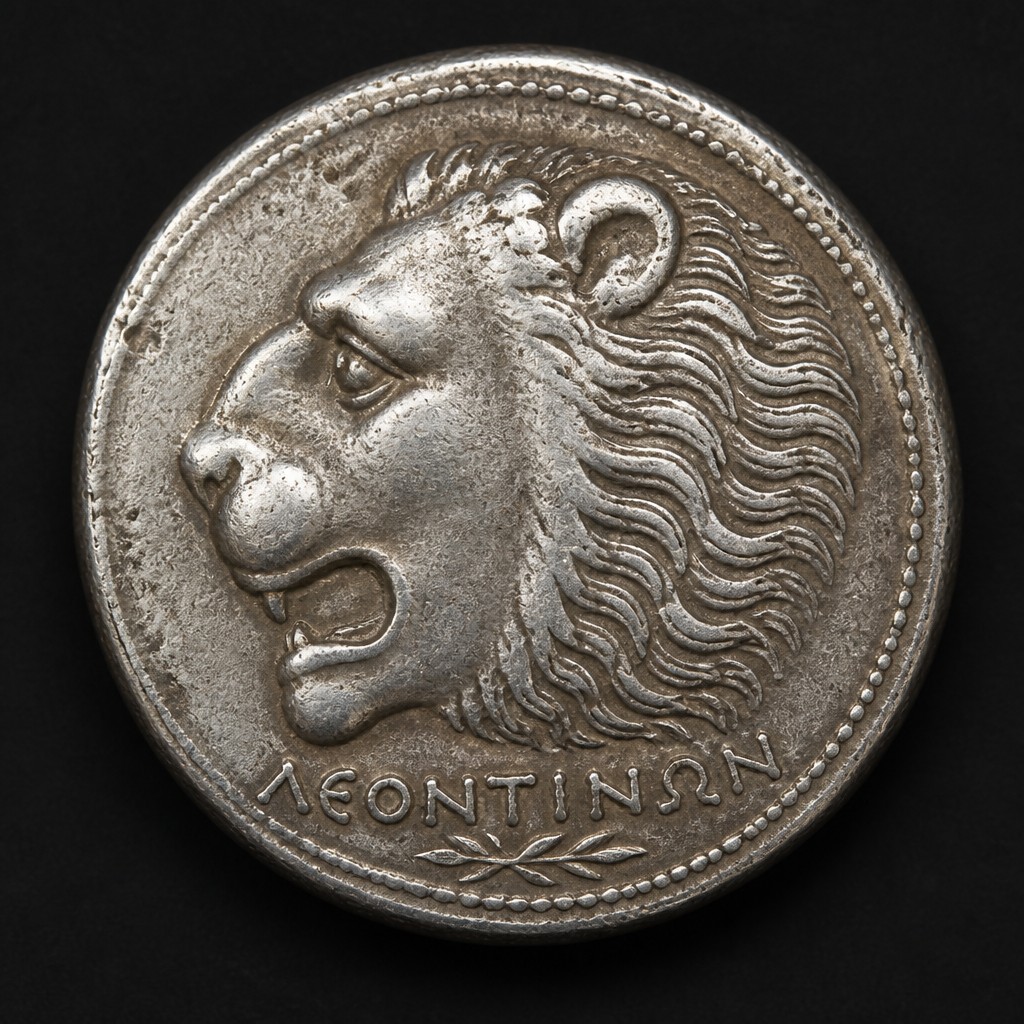
Leontini Lion Tetradrachm
Silver tetradrachm of the Sicilian city of Leontini, showing the laureate head of Apollo and a lion's head or lion with barley grains, alluding to the city's wheat production.
- Country
- Ancient Greece (Sicily)
- Denomination
- Tetradrachm
- Metal
- Silver
Got a coin like this?
Identify any coin from a photo, free.
Overview
The Leontini tetradrachm is a classic Sicilian silver coin combining a finely rendered Apollo portrait with a lion motif, most famously a roaring lion's head that has become one of the most recognizable animal-head designs in Greek numismatics. The lion likely puns on the city's name (which resembles the Greek word for lion, leon) while also serving as a symbol of strength.
Leontini was renowned in antiquity for its rich agricultural plain, and many of its coin types incorporate barley grains, tying the city's coinage directly to its economic foundation in grain production.
History & Background
Leontini was founded by Chalcidian settlers from Naxos in the 8th century BC on Sicily's eastern coast, in a region famous for exceptionally fertile farmland that made the city an important grain producer for the Greek world. Its coinage flourished during the 5th century BC, a period when many Sicilian cities issued sophisticated silver tetradrachms to facilitate trade and display civic pride.
The city experienced periods of tyranny and democratic government, and control over Leontini was contested repeatedly between Syracuse and other Sicilian powers. Its coinage reflects the broader artistic trends of Classical Sicily, including the influence of talented die engravers who worked across multiple Sicilian mints.
How to Identify
The obverse typically shows the laureate head of Apollo facing right or left, rendered with youthful, idealized Classical features. The reverse depicts a lion's head facing outward with an open, roaring mouth, often surrounded by four barley grains (kernels of wheat) symbolizing the city's agricultural wealth, along with the ethnic ΛΕΟΝΤΙΝΩΝ.
Some earlier or variant issues show a full lion figure rather than just the head, and the arrangement and number of barley grains can vary between issues. The tetradrachm generally weighs around 17 grams on the Attic-Sicilian standard.
The roaring lion's head with surrounding barley grains is distinctive enough to separate this type from other Sicilian lion coinages, though collectors should note similar-sounding types from other regions and confirm the ΛΕΟΝΤΙΝΩΝ ethnic for firm attribution.
Value & Collectibility
Leontini tetradrachms are popular within Sicilian series, and the lion's-head reverse is considered one of the more artistically striking designs from Classical Sicily, commanding solid demand. Prices for typical collectible examples often range from several hundred to over a thousand dollars, with exceptional strikes and well-centered examples reaching notably higher figures.
As with other Sicilian tetradrachms, sharpness of strike on both the Apollo portrait and lion's head, good centering, and pleasing toning are the main factors driving desirability and price beyond basic condition.
Frequently asked questions
Why does Leontini's coinage feature a lion?
The lion likely plays on the similarity between the city's name and the Greek word for lion (leon), while also symbolizing strength and civic pride.
What do the barley grains on the reverse mean?
They represent Leontini's renowned agricultural wealth, as the city sat on one of Sicily's most fertile grain-producing plains.
Who is depicted on the obverse?
The obverse shows the god Apollo, a common Classical-period obverse choice reflecting Hellenic religious and artistic ideals.
Are all Leontini lion types the same?
No, some issues show only the lion's head while earlier or different types show a full lion figure, and the number of barley grains can vary.
Other coins you may enjoy
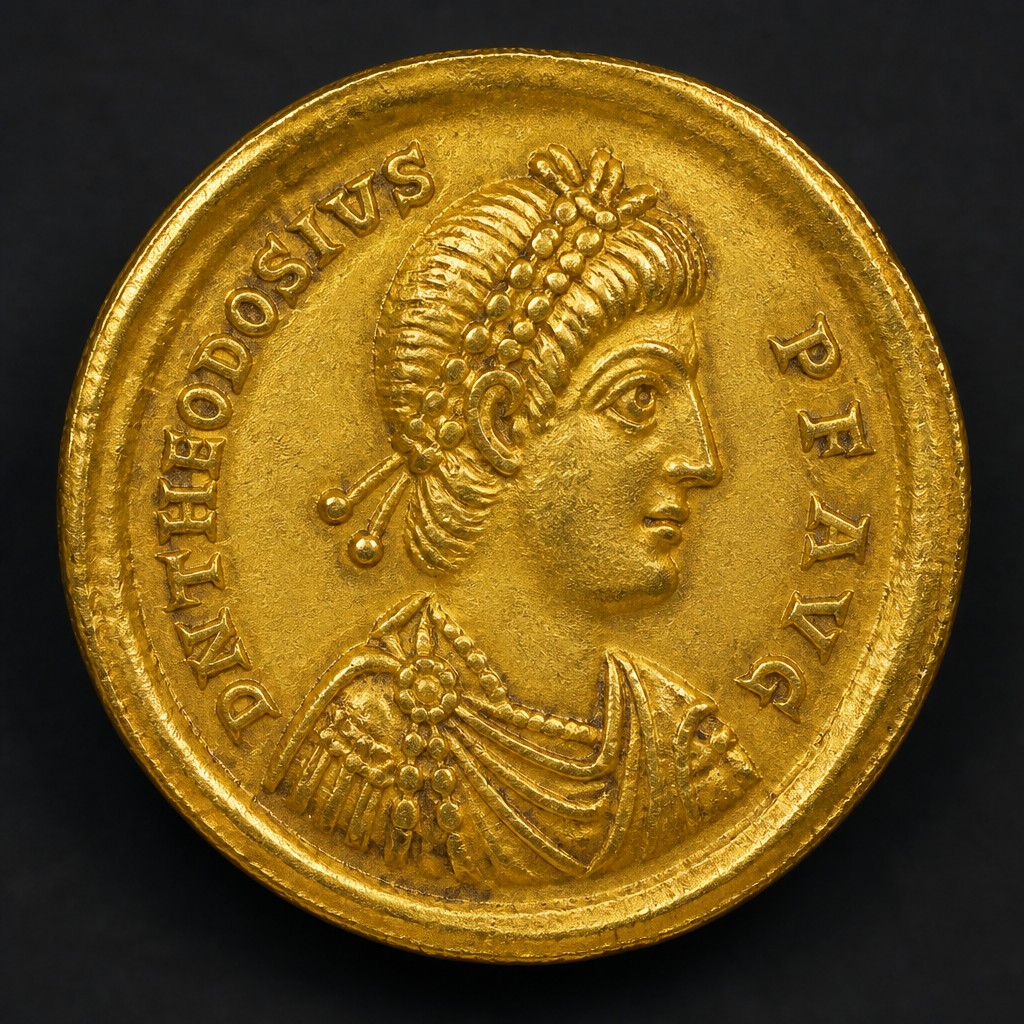
Theodosius I Solidus
379–395 AD
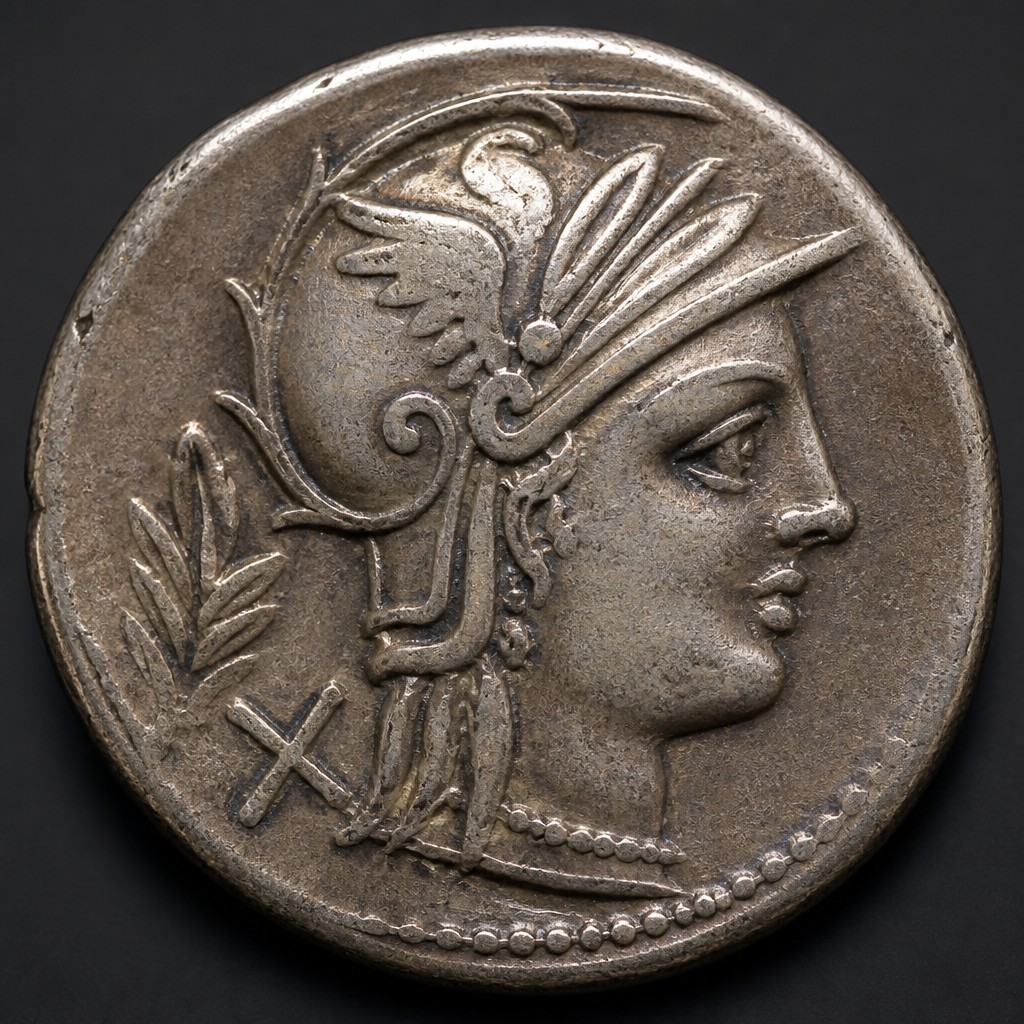
Republican Victoriatus
c. 211–170 BC
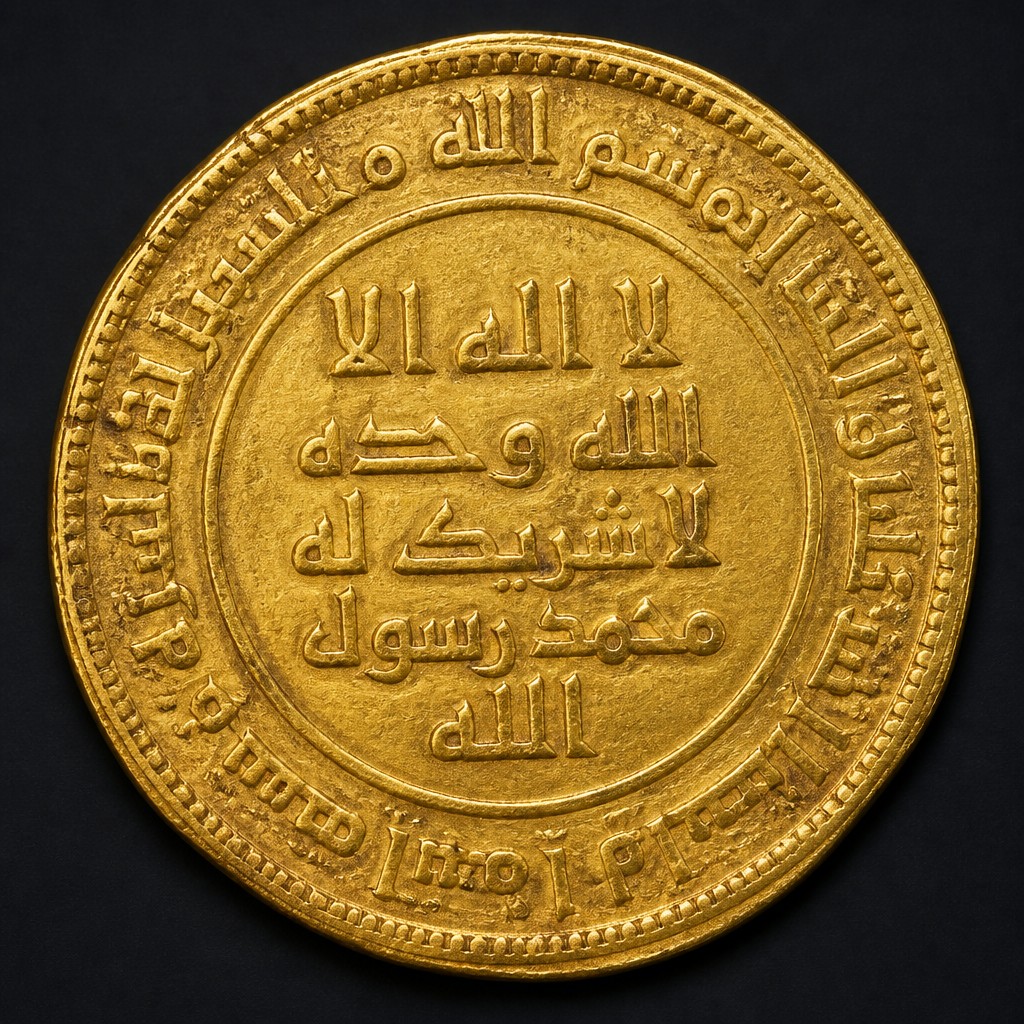
Islamic Gold Dinar (Umayyad)
c. 696–750 AD
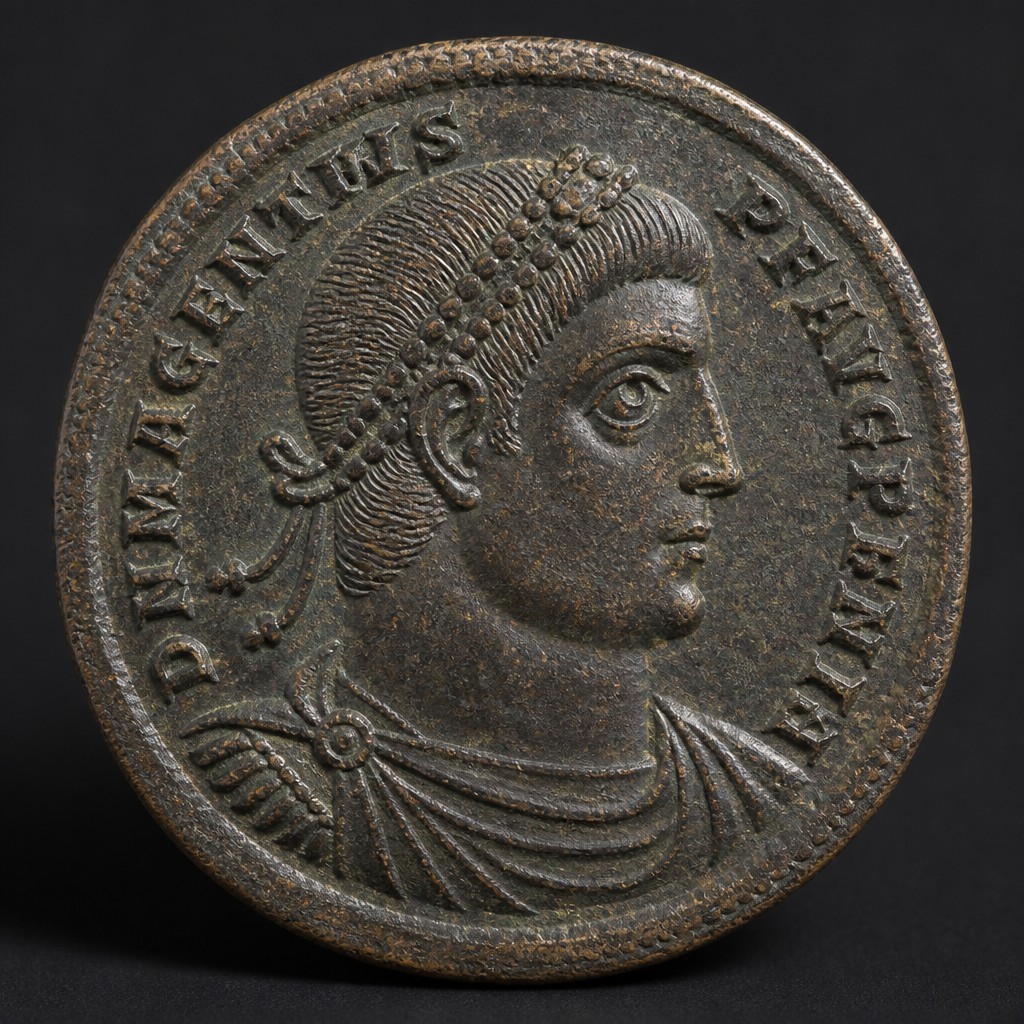
Magnentius Double Centenionalis
350–353 AD
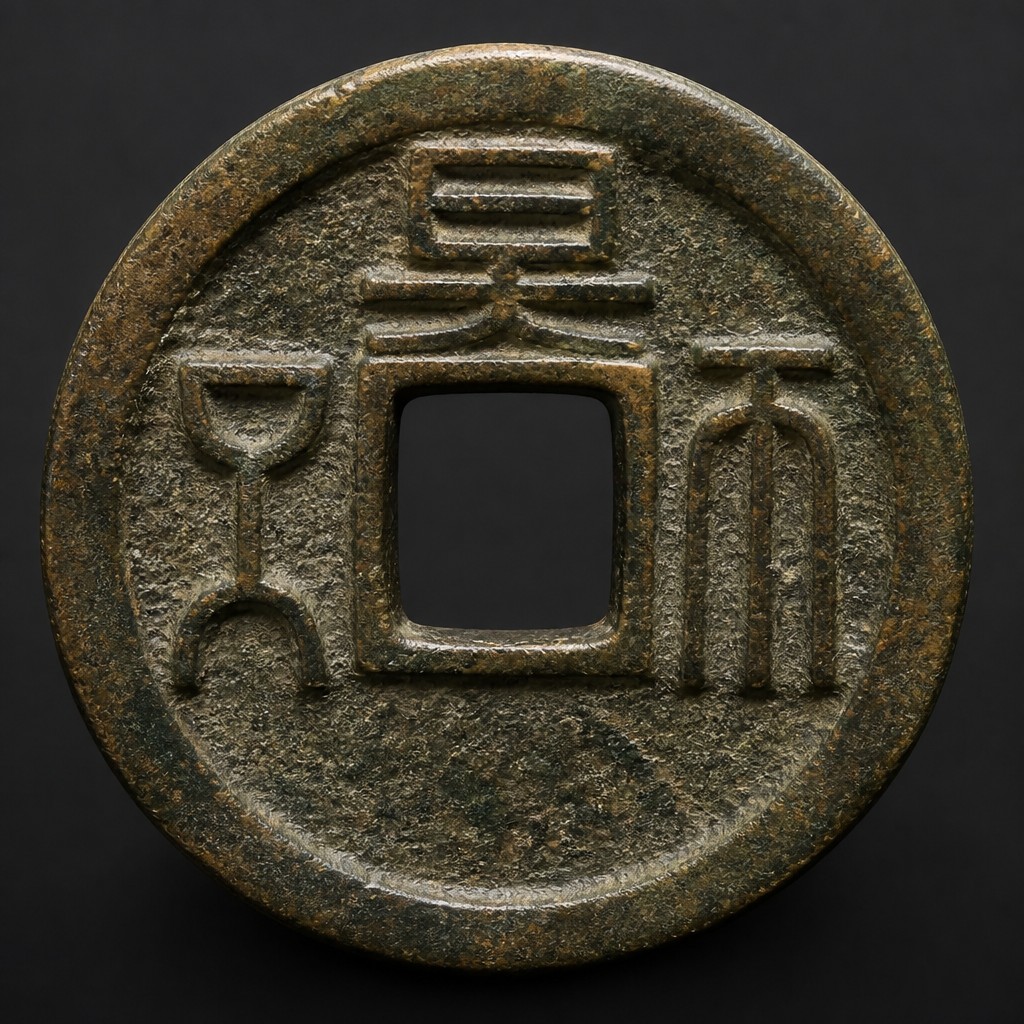
Chinese Wu Zhu Cash
118 BC – 618 AD
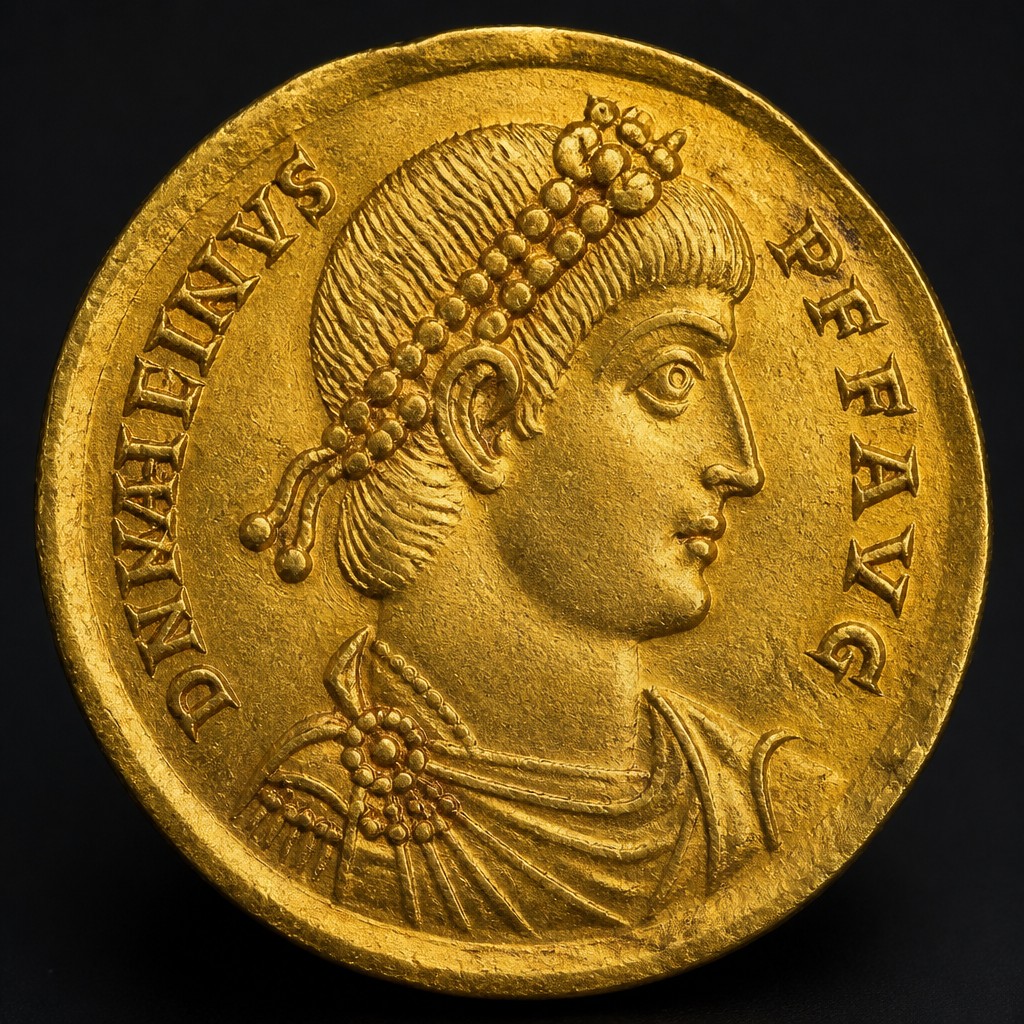
Valentinian I Solidus
364–375 AD
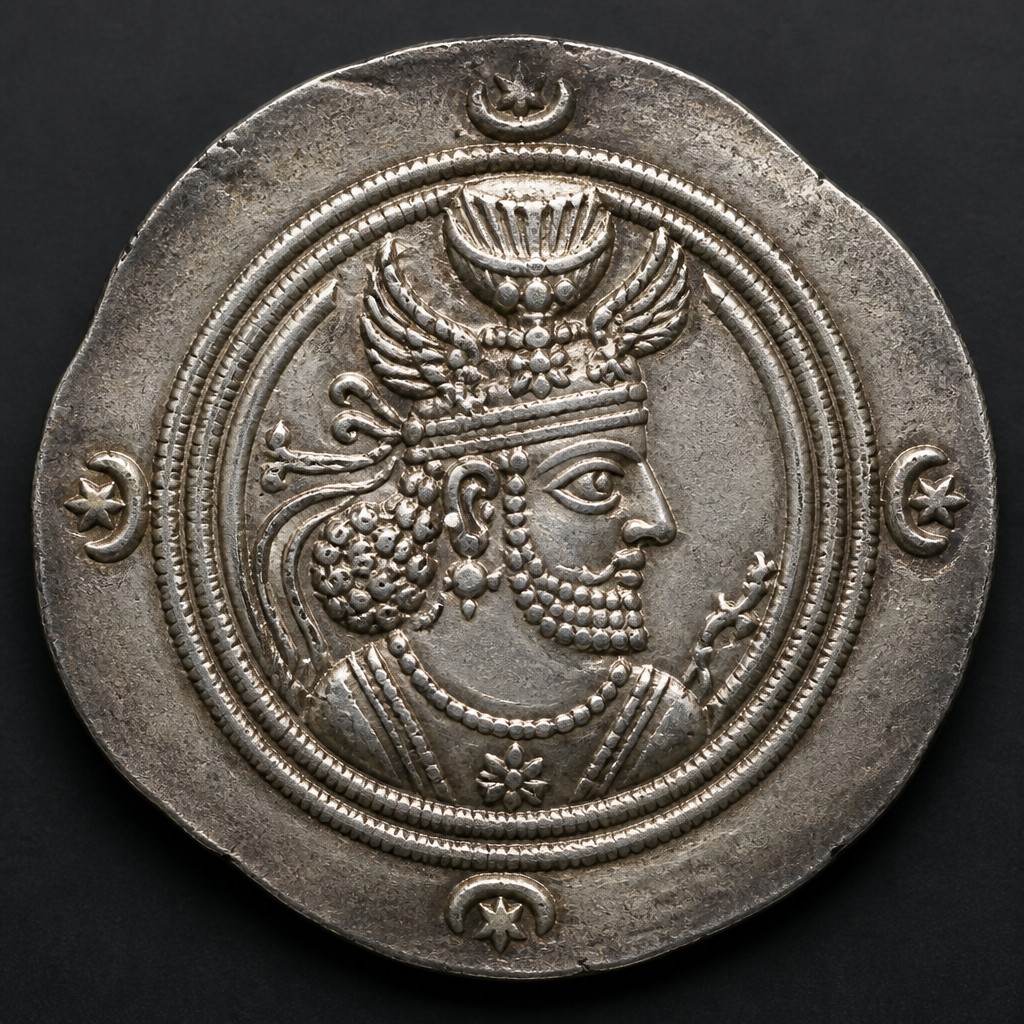
Sassanian Silver Drachm
c. 224–651 AD
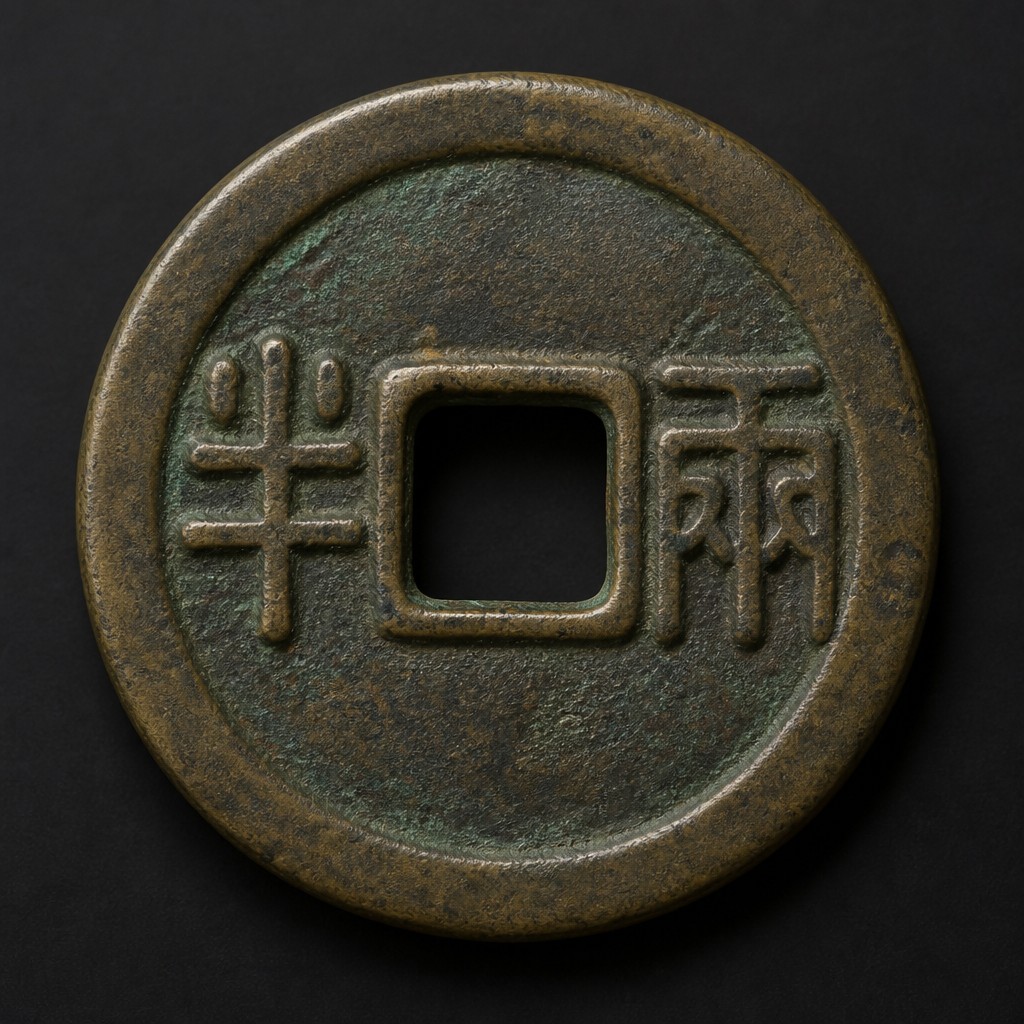
Chinese Ban Liang Cash
c. 221–118 BC
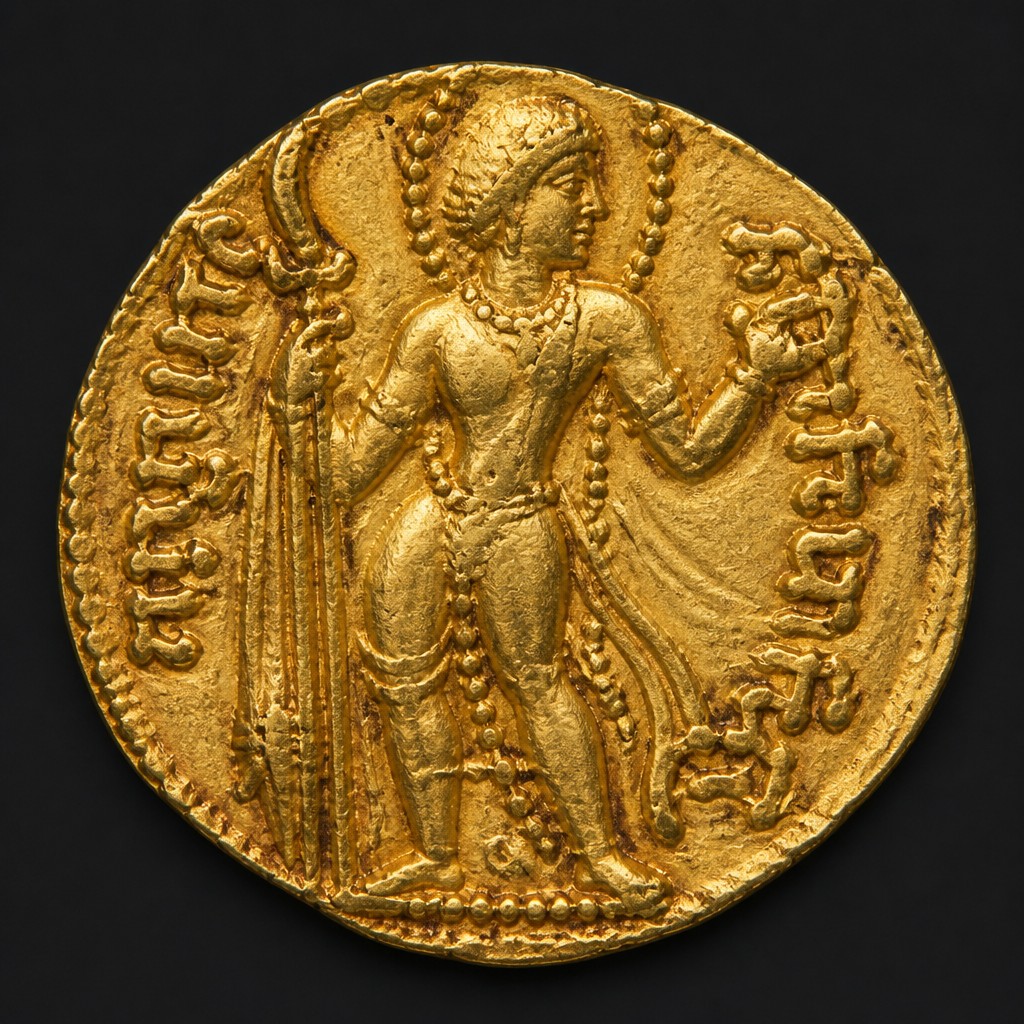
Gupta Empire Gold Dinar
c. 320–550 AD
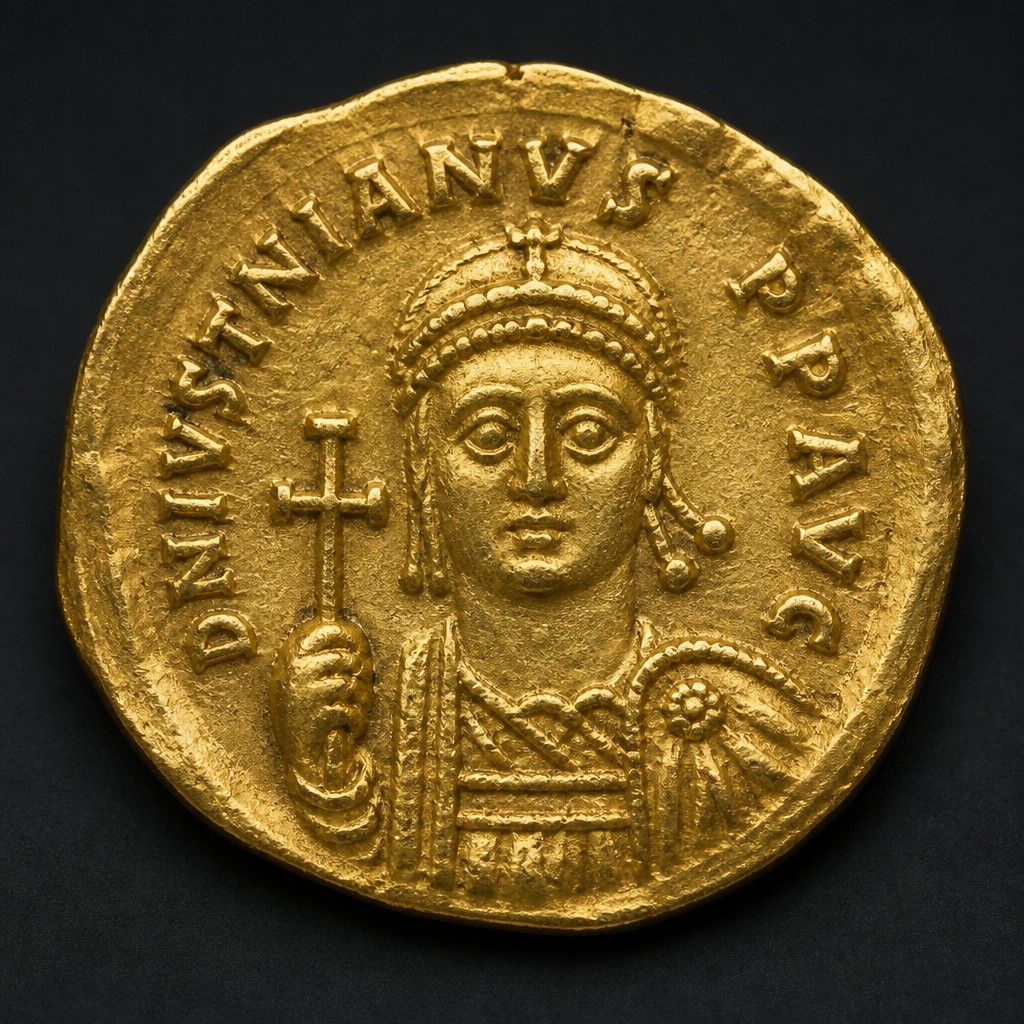
Byzantine Gold Tremissis
c. 4th–7th century AD
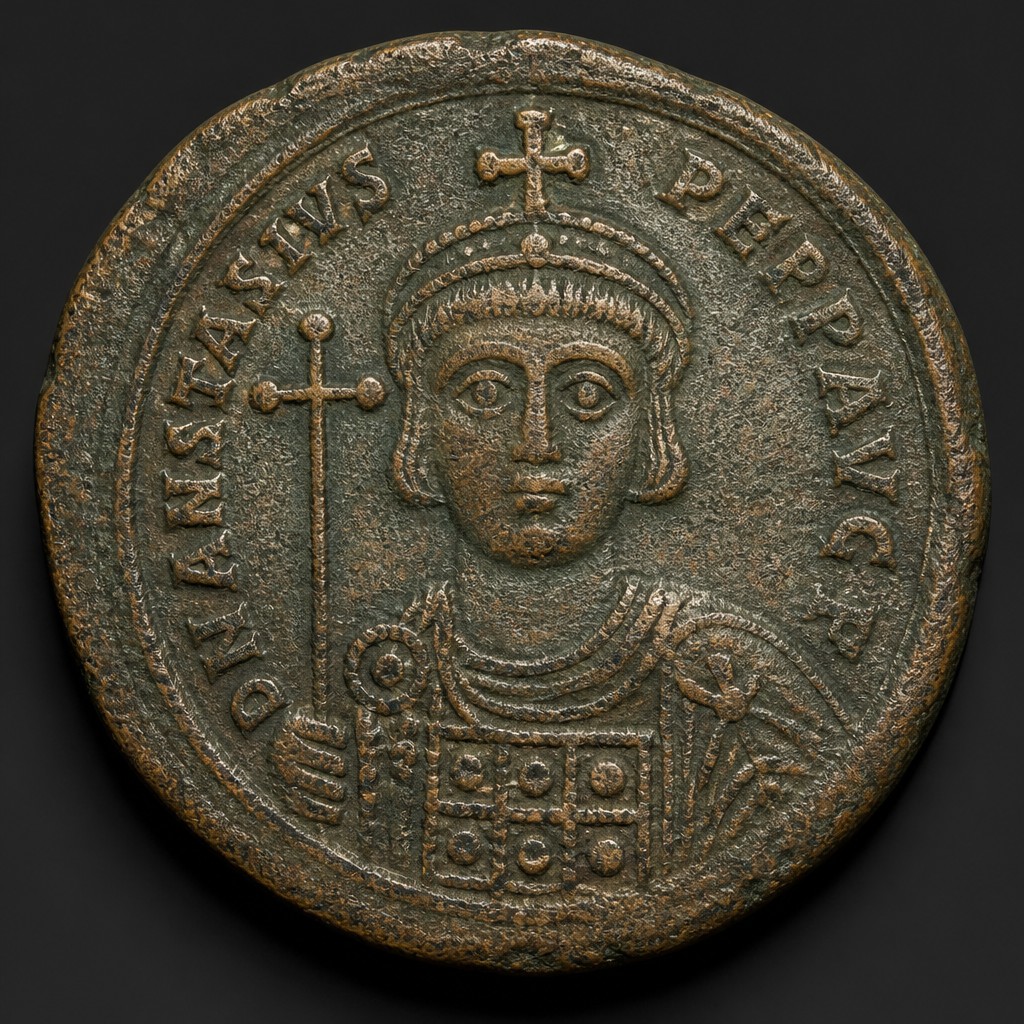
Byzantine Follis
498–c. 11th century AD
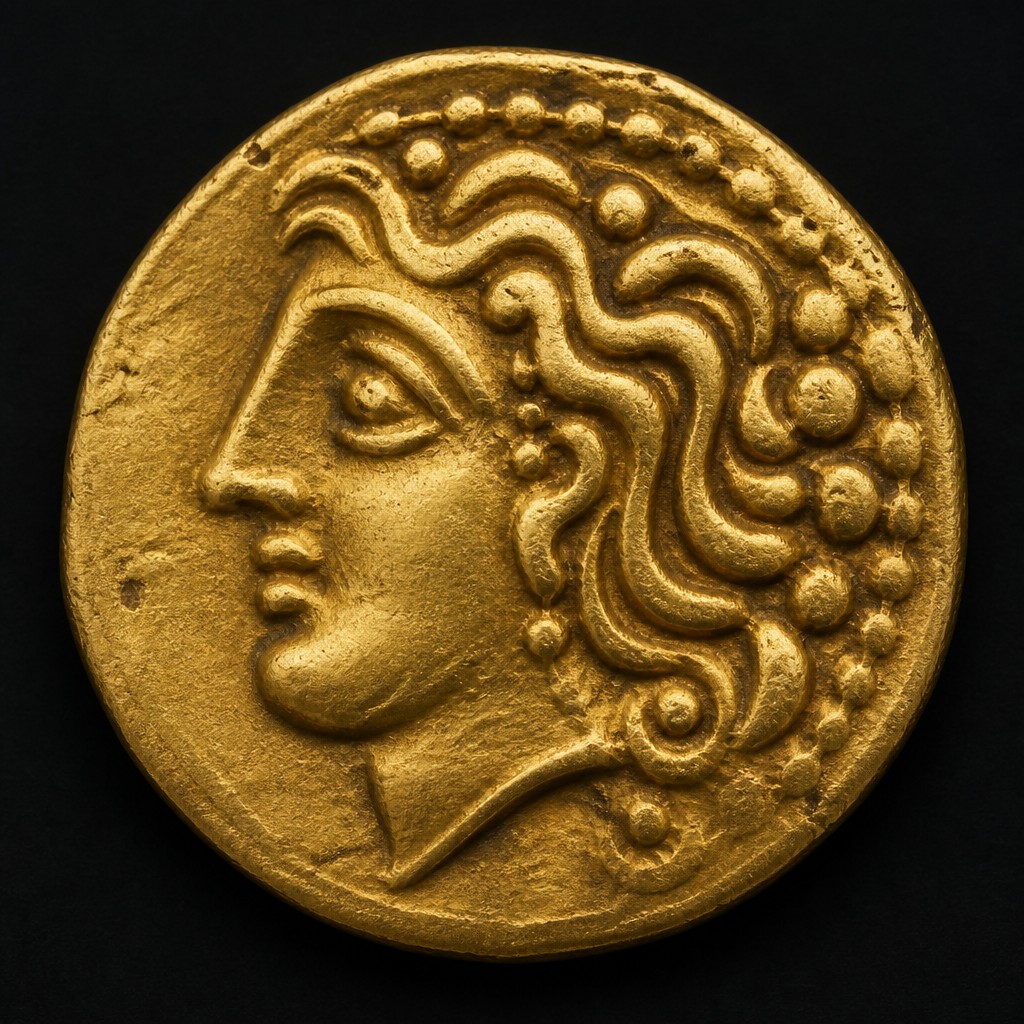
Celtic Gold Stater
c. 3rd century BC – 1st century AD