
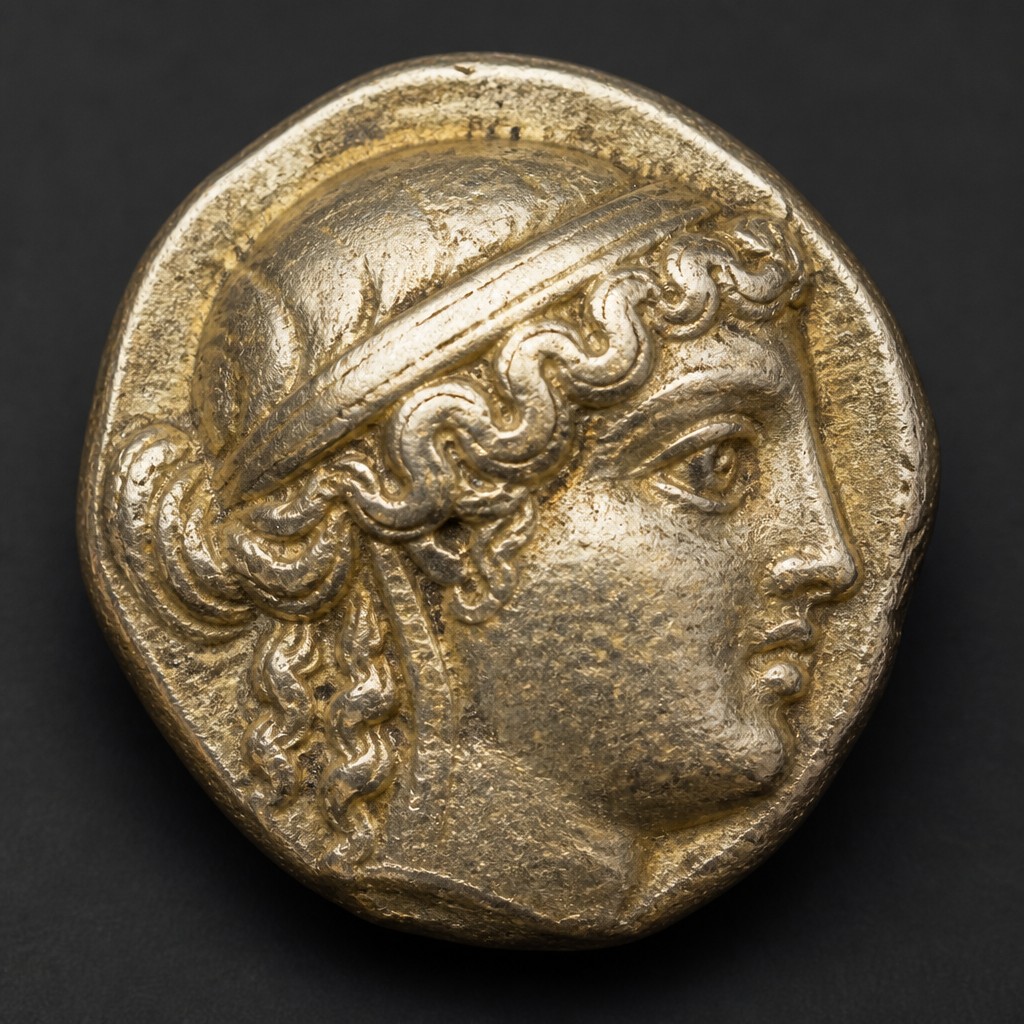
Lampsakos Electrum Stater
An electrum stater from Lampsakos on the Hellespont, another important early precious-metal trade coinage of Asia Minor, often featuring a winged horse or janiform head.
- Country
- Ancient Greece (Mysia/Troad)
- Denomination
- Stater
- Metal
- Electrum
Got a coin like this?
Identify any coin from a photo, free.
Overview
The Lampsakos electrum stater is one of the important secondary electrum trade coinages of ancient Asia Minor, produced by a city strategically positioned on the Hellespont alongside its better-known neighbor Cyzicus. While less prolific and typologically diverse than the Cyzicene series, Lampsakos staters are notable for their distinctive artistic types, particularly designs featuring a winged horse (Pegasos) and unusual double-faced (janiform) heads.
Collectors interested in early electrum coinage of Asia Minor often pursue Lampsakos issues alongside those of Cyzicus and Phokaia as a way to study the shared regional tradition of gold-silver alloy trade currency in the Archaic and Classical periods.
History & Background
Lampsakos was a Greek city on the Asian shore of the Hellespont, founded by settlers from Phokaia and Miletos, and it occupied a favorable position for controlling and profiting from trade through the narrow straits connecting the Aegean to the Sea of Marmara. Like its neighbor Cyzicus, Lampsakos issued electrum coinage from the Archaic period onward, and the city later became well known in mythology and cult as a center associated with the god Priapus.
The coinage flourished during the 5th and into the 4th century BC before the city, like other Asia Minor mints, transitioned toward silver and gold coinage under the influence of expanding Persian, and later Macedonian, monetary systems, eventually issuing notable coinage bearing its own distinctive types under later Hellenistic rule.
How to Identify
Lampsakos electrum staters commonly show a forepart or full figure of a winged horse (Pegasos) on the obverse, though other types exist, including a striking janiform (double) female head design considered one of the more unusual motifs in ancient electrum coinage. The reverse is typically a simple incuse square punch, in keeping with early Asia Minor electrum coinage conventions, without an independent pictorial design.
The coin is struck in electrum, distinguishable from pure gold or silver by its pale, slightly greenish-yellow hue, and specific types are identified by comparing the obverse device and any small accompanying symbols to specialist reference catalogs.
Value & Collectibility
Lampsakos electrum staters are less commonly encountered than Cyzicus issues but are actively sought by specialists in early Asia Minor coinage, with prices for genuine examples generally in the low thousands of dollars, varying with the specific type, rarity, and condition. As with other electrum coinages, gold content, rarity of the particular obverse design, and overall strike and surface quality are the primary drivers of value.
Frequently asked questions
What makes Lampsakos staters distinctive?
Their striking obverse types, including a winged horse (Pegasos) and an unusual double-faced (janiform) head design, set them apart within the family of Asia Minor electrum coinages.
How does this coin compare to the Cyzicus stater?
Both are electrum trade coins from neighboring Hellespont cities, but Lampsakos issues are less numerous and typologically diverse than the hundreds of Cyzicus types.
What is electrum?
A natural alloy of gold and silver with a pale yellowish color, used for early coinage in parts of Asia Minor before separate gold and silver coinages became standard.
When was this coinage produced?
Primarily during the Archaic through Classical periods, roughly the 6th through 4th centuries BC.
Are these coins rare?
They are scarcer than Cyzicus staters and command solid prices, particularly for well-preserved or unusual types.
Other coins you may enjoy
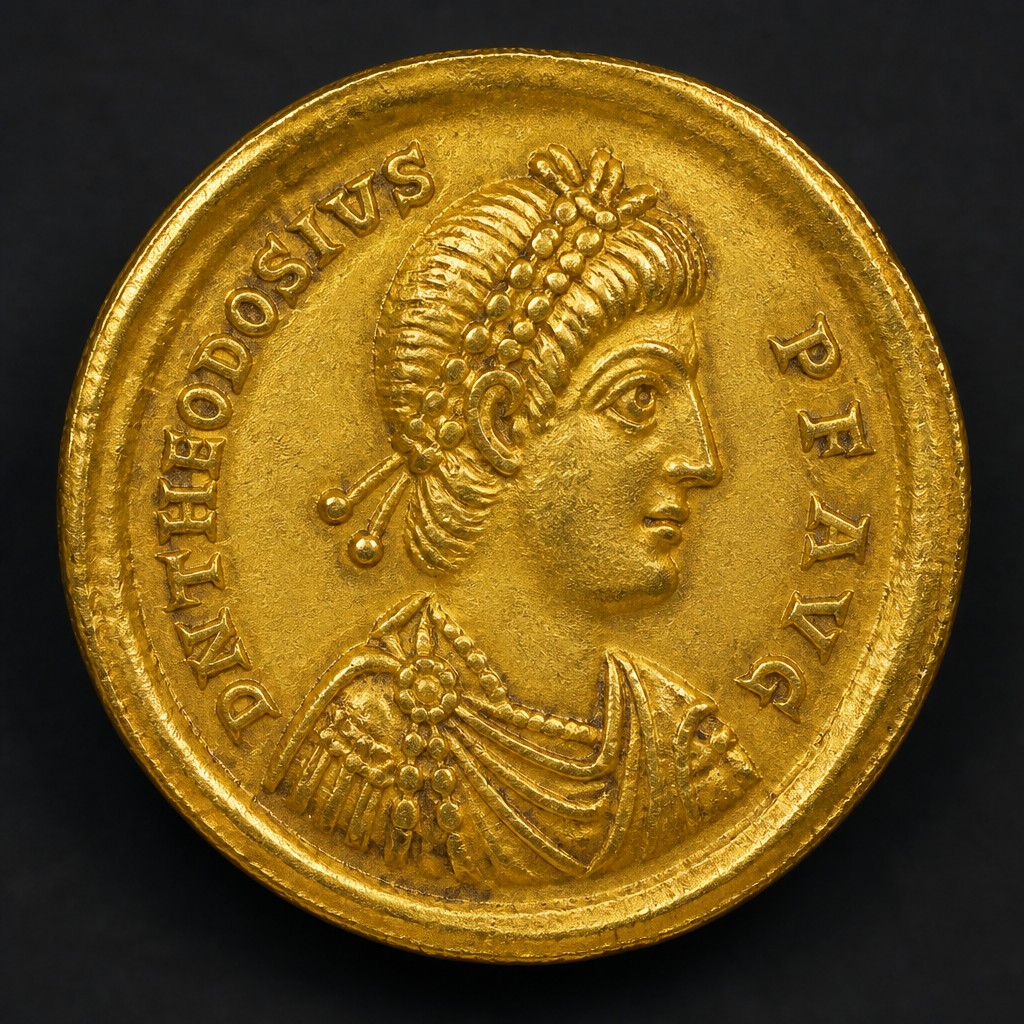
Theodosius I Solidus
379–395 AD
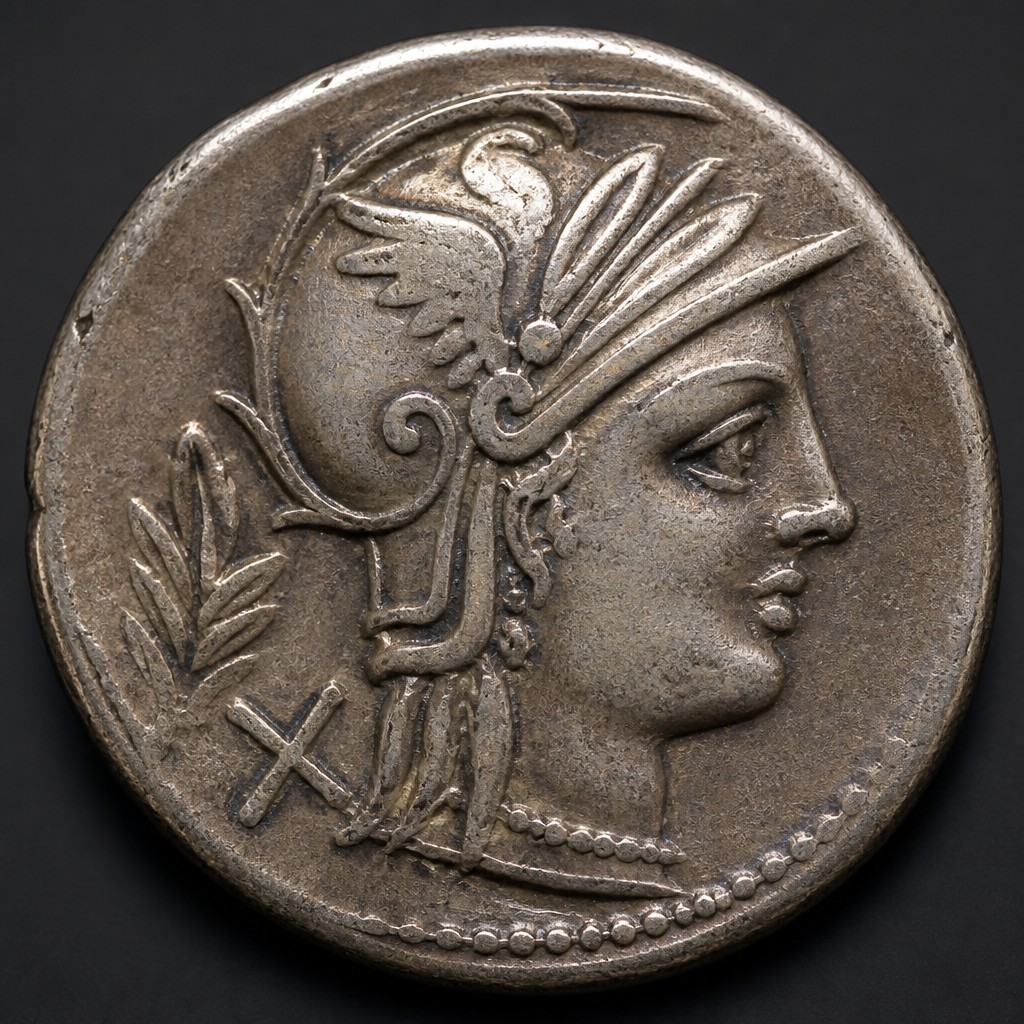
Republican Victoriatus
c. 211–170 BC
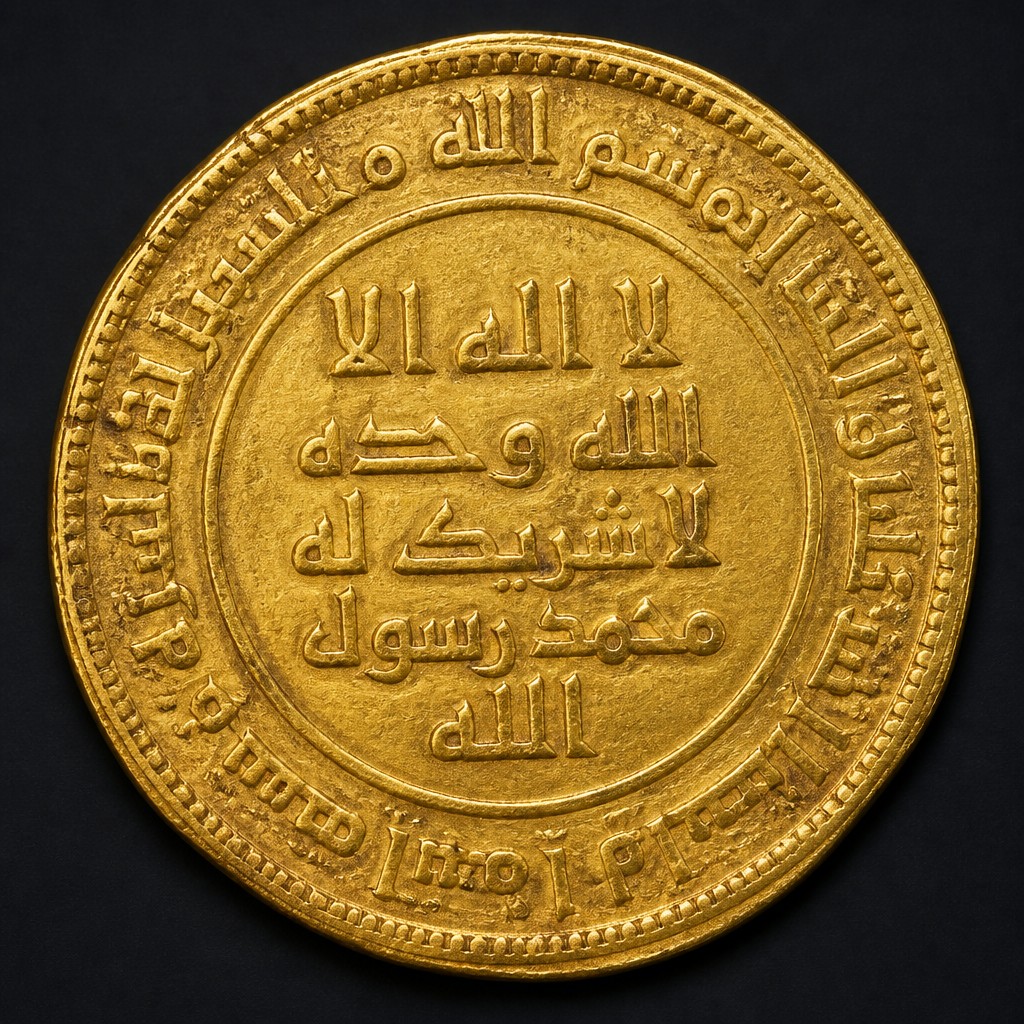
Islamic Gold Dinar (Umayyad)
c. 696–750 AD
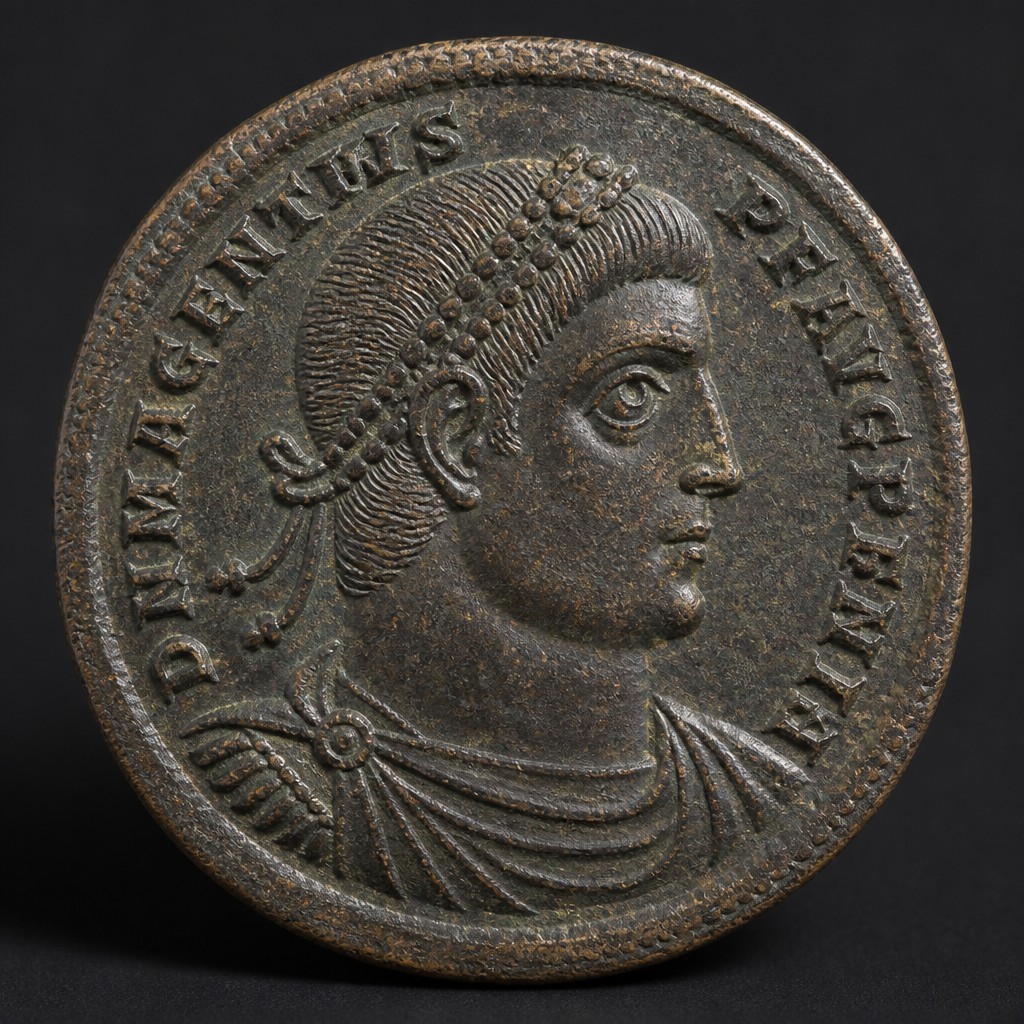
Magnentius Double Centenionalis
350–353 AD
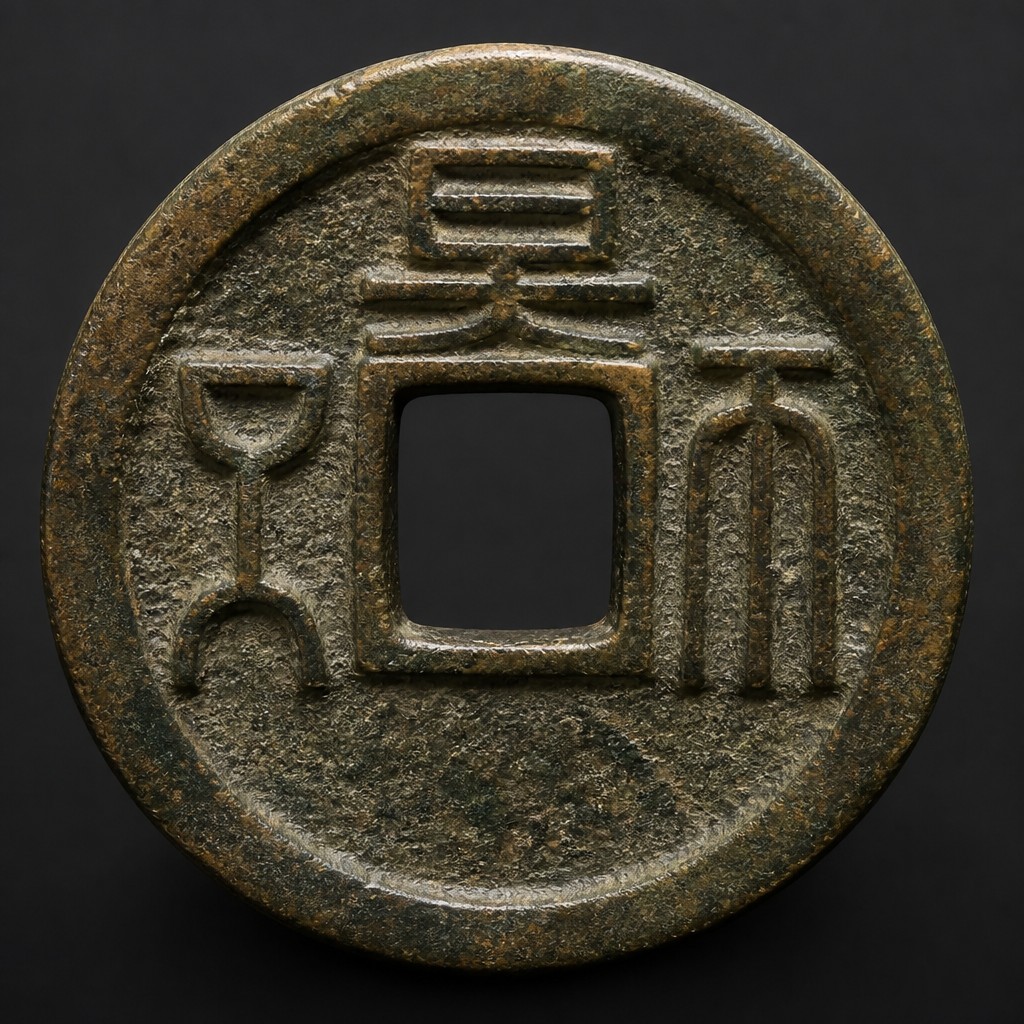
Chinese Wu Zhu Cash
118 BC – 618 AD
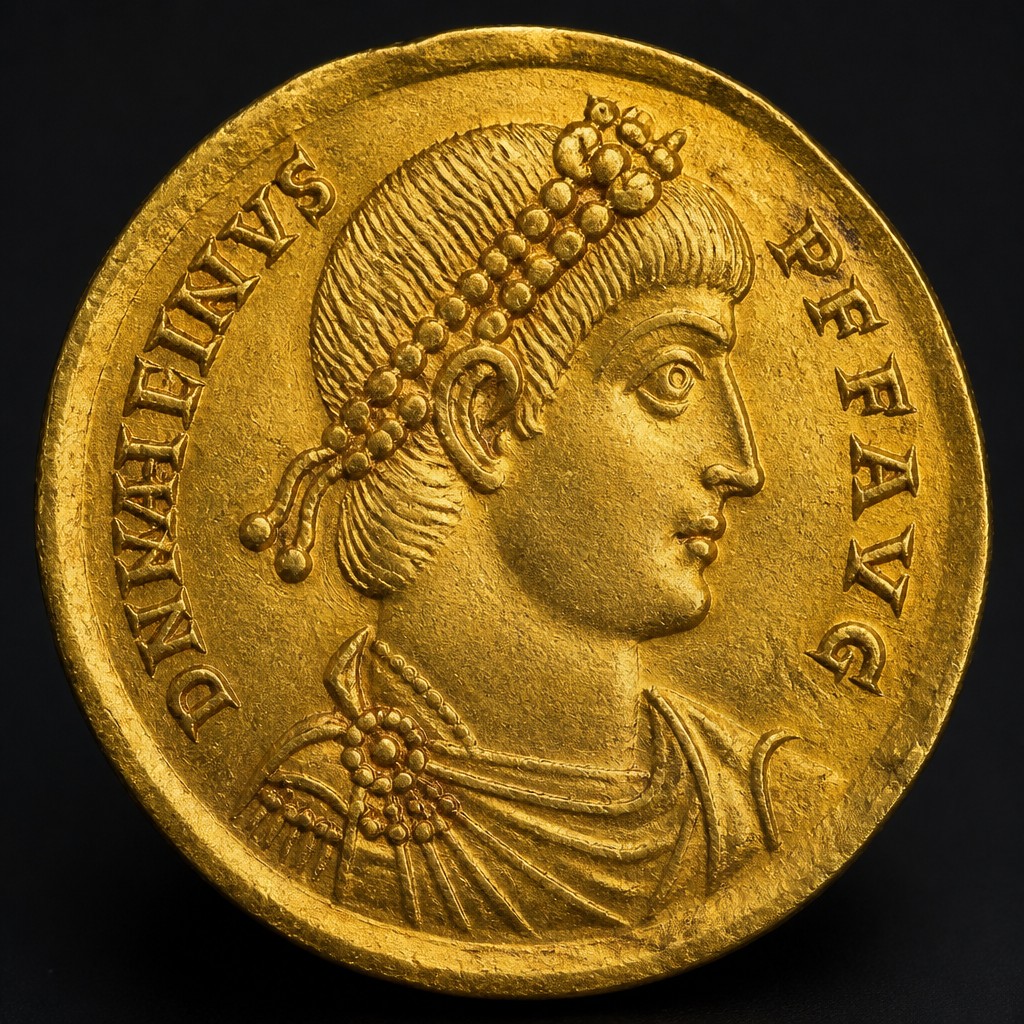
Valentinian I Solidus
364–375 AD
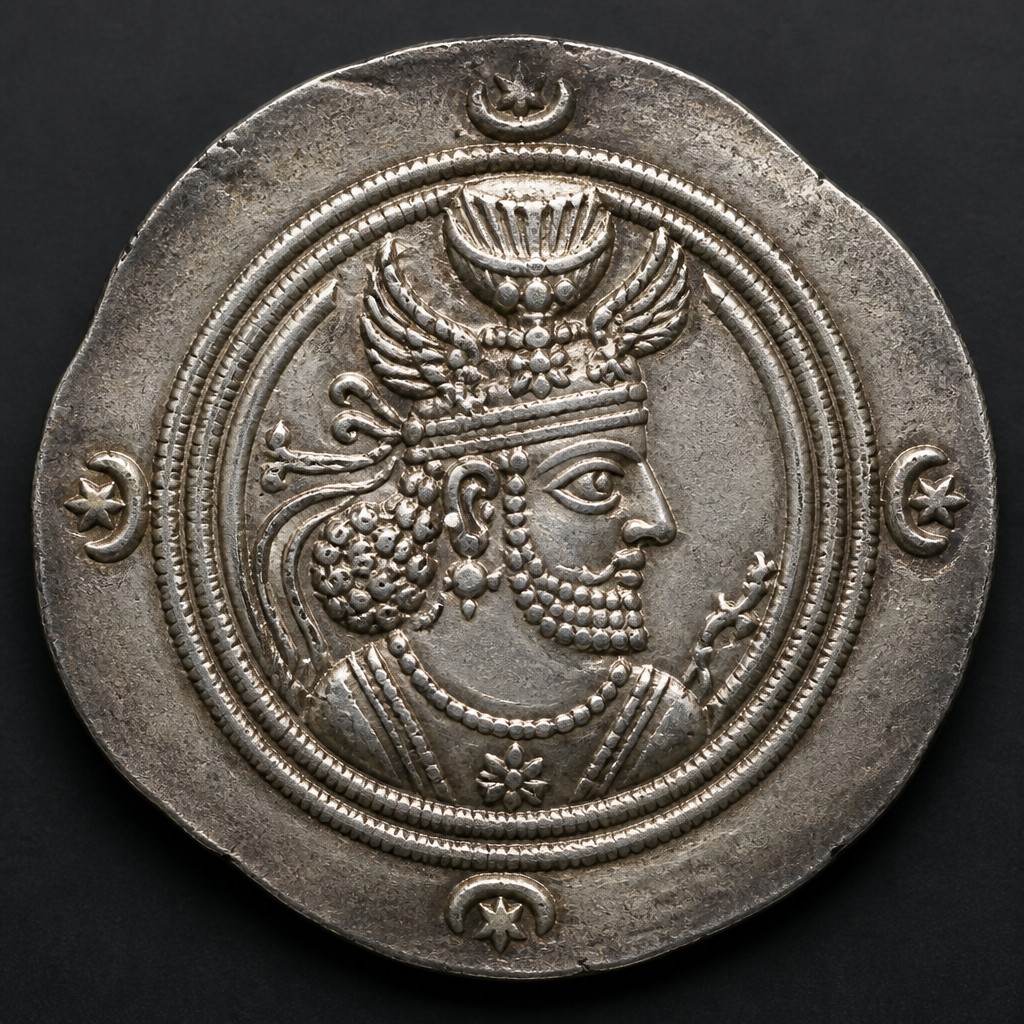
Sassanian Silver Drachm
c. 224–651 AD
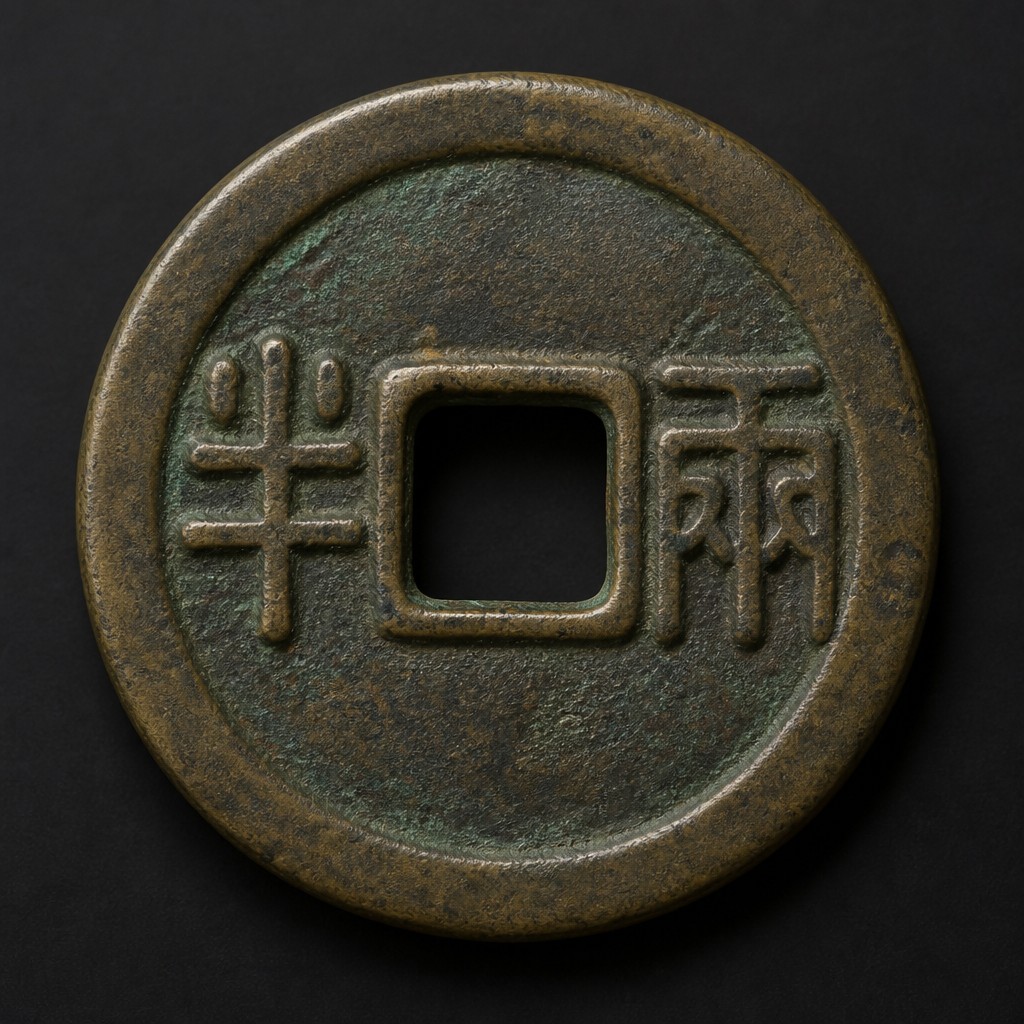
Chinese Ban Liang Cash
c. 221–118 BC
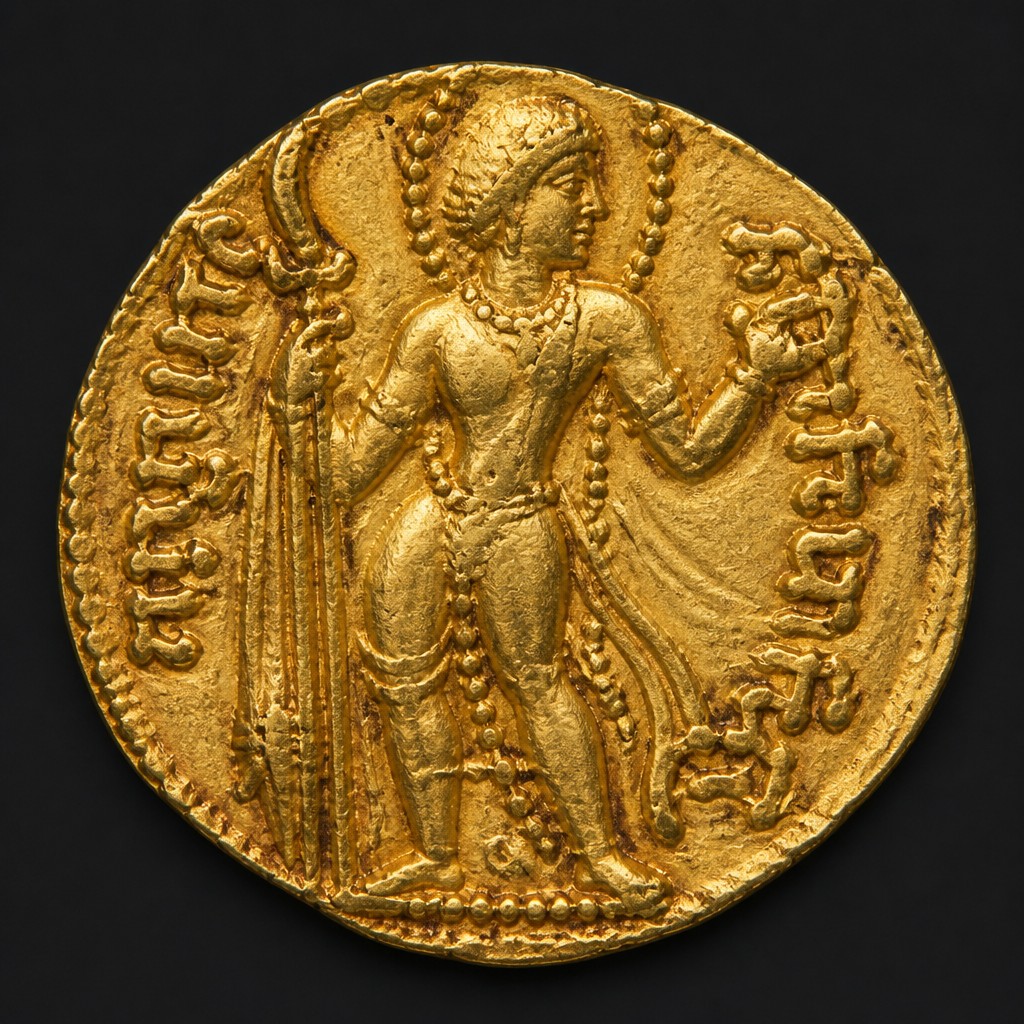
Gupta Empire Gold Dinar
c. 320–550 AD
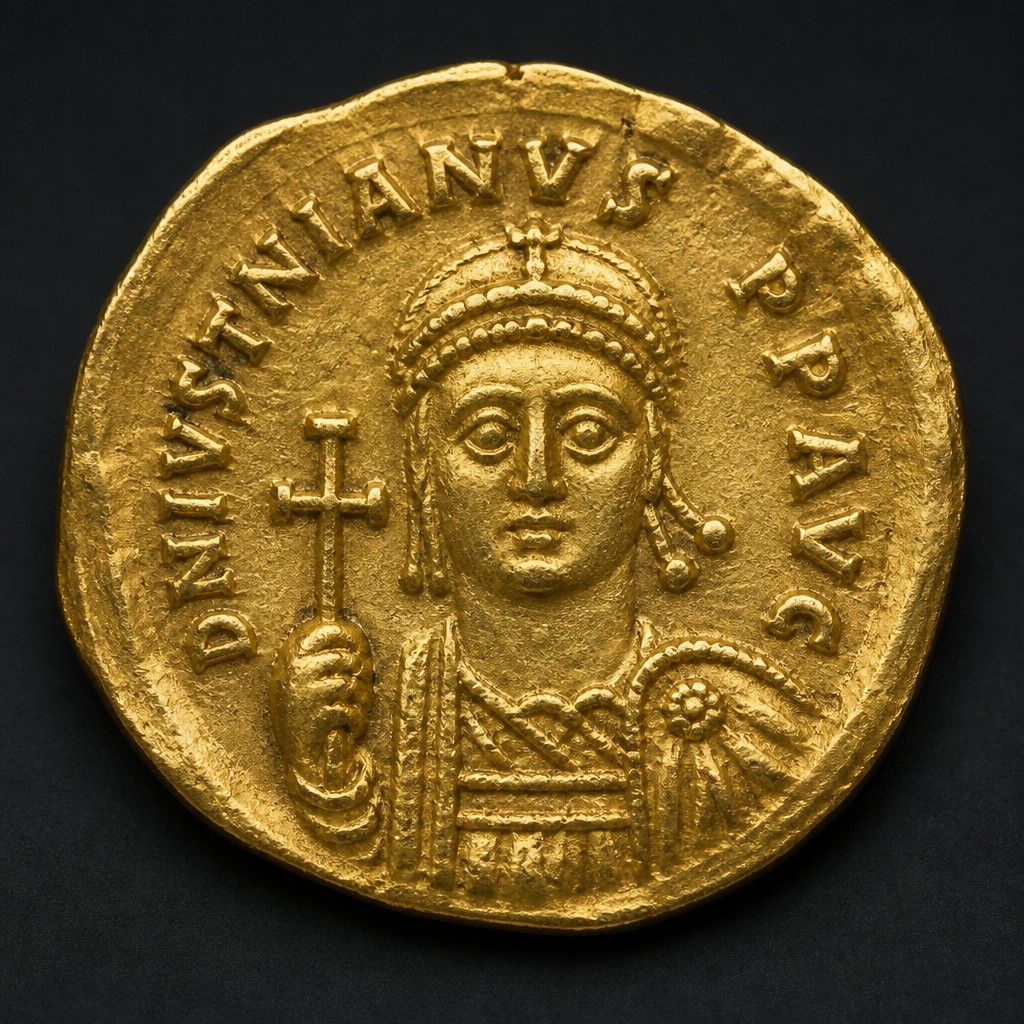
Byzantine Gold Tremissis
c. 4th–7th century AD
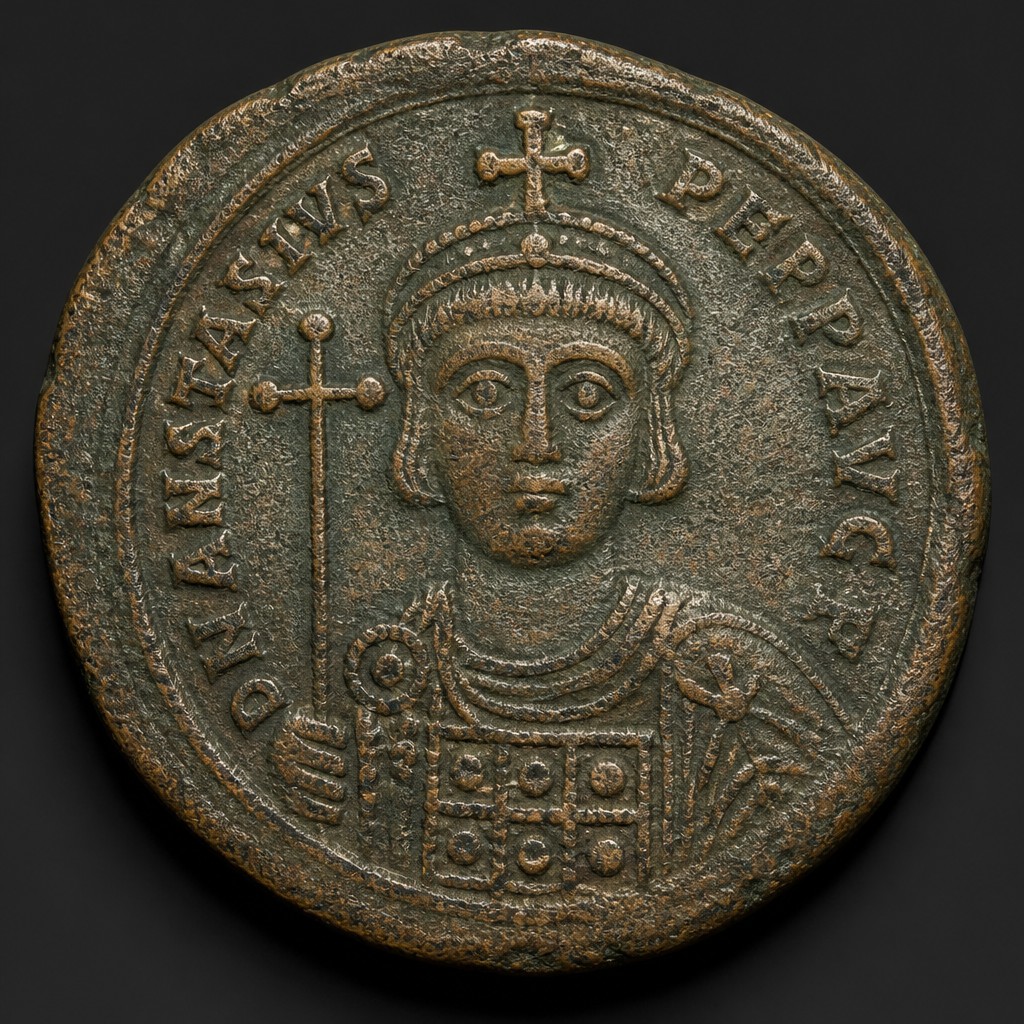
Byzantine Follis
498–c. 11th century AD
Celtic Gold Stater
c. 3rd century BC – 1st century AD