
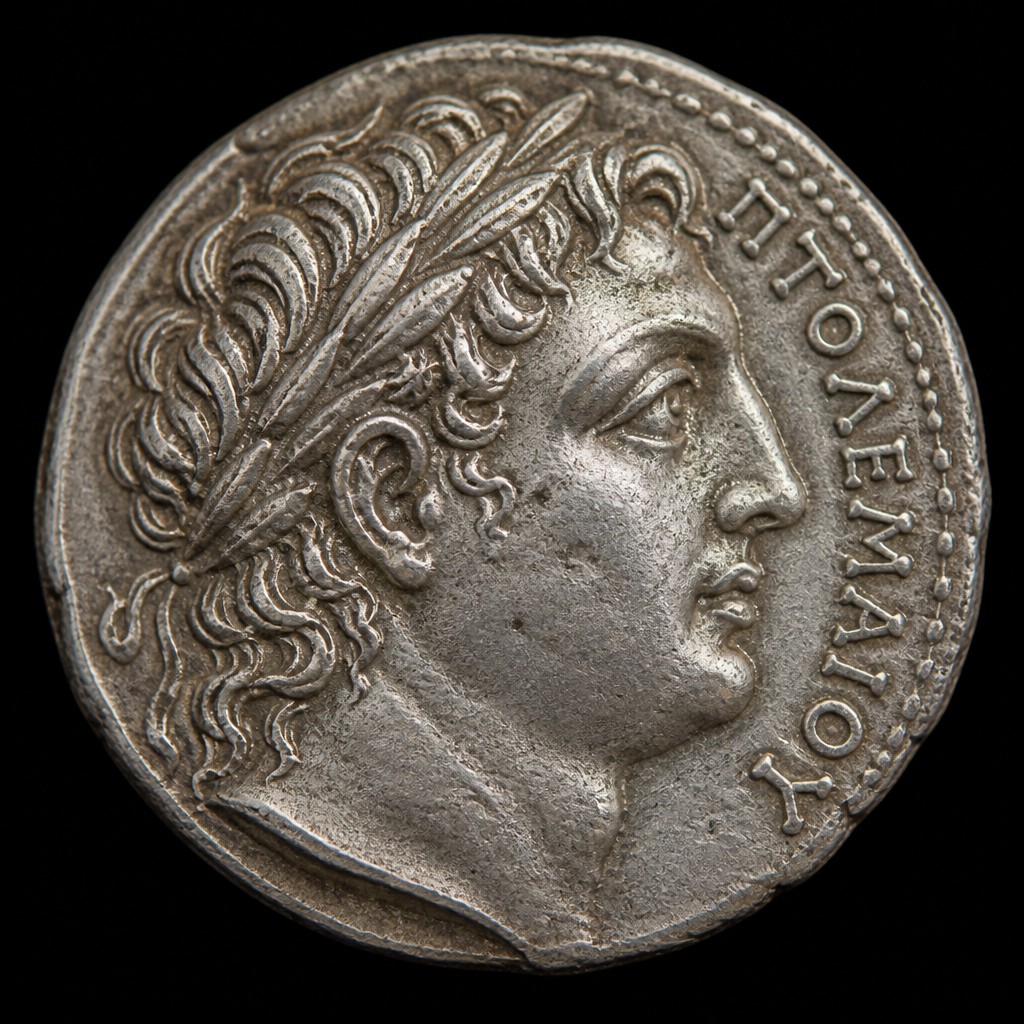
Ptolemy I Soter Tetradrachm
A silver tetradrachm bearing the realistic portrait of Ptolemy I Soter, founder of the Ptolemaic dynasty of Egypt, whose eagle-on-thunderbolt reverse became the enduring badge of Ptolemaic coinage.
- Country
- Ptolemaic Egypt
- Denomination
- Tetradrachm
- Metal
- Silver
Got a coin like this?
Identify any coin from a photo, free.
Overview
The Ptolemy I Soter tetradrachm marks an important turning point in ancient coin design, since it is among the earliest Hellenistic coinages to feature the realistic portrait of a living, self-declared king rather than an idealized deity or deceased predecessor. Struck by Ptolemy I, a former general of Alexander the Great who became ruler and eventually king of Egypt, the coin established a portrait and reverse design that would remain the standard for Ptolemaic coinage for roughly three centuries.
Collectors value the series both for its historical significance as an early royal portrait coinage and for the long, well-documented run of Ptolemaic tetradrachms it inaugurated, providing a foundation for a large area of specialist collecting focused on Hellenistic Egypt.
History & Background
Ptolemy I Soter was one of Alexander the Great's generals who, after Alexander's death in 323 BC, secured control of Egypt and eventually proclaimed himself king around 305 BC, founding the Ptolemaic dynasty that would rule Egypt until Cleopatra VII and the Roman conquest nearly three centuries later. Early in his rule Ptolemy struck coinage in Alexander's name and image, but he progressively developed his own distinctive portrait type, breaking with the tradition of deferring to Alexander's image and instead presenting his own strong, individualized likeness, a bold statement of independent royal authority.
The eagle standing on a thunderbolt that Ptolemy introduced on the reverse became the enduring emblem of Ptolemaic Egypt, appearing on the kingdom's coinage for generations after his death and closely associated with the dynasty much as the owl was associated with Athens.
How to Identify
The obverse shows the diademed portrait of Ptolemy I in profile, depicted with individualized, somewhat rugged features rather than an idealized youthful face, often wearing an aegis (a scaled cloak associated with Zeus) knotted at the shoulder. The reverse depicts an eagle standing on a thunderbolt, wings either closed or slightly spread, with the legend ΠΤΟΛΕΜΑΙΟΥ ΒΑΣΙΛΕΩΣ ("of King Ptolemy") around the design, sometimes accompanied by mint marks or control symbols specific to individual Ptolemaic mints such as Alexandria.
The coin is a silver tetradrachm, notably struck on a reduced "Ptolemaic" weight standard lighter than the Attic standard, making genuine examples feel slightly lighter than contemporary Attic-standard tetradrachms of similar diameter.
Value & Collectibility
Ptolemy I Soter tetradrachms are historically important and moderately available, since Ptolemaic mints were highly productive over a long dynasty, with typical well-preserved examples often found in the low-to-mid hundreds of dollars, while sharply struck early portraits in top condition can bring considerably more. Because the coin represents one of the first individualized royal portraits in ancient coinage, examples with strong, clear facial detail are especially prized by collectors specializing in Hellenistic portraiture.
Frequently asked questions
Why is this coin historically significant?
It is among the earliest Hellenistic coins to show the realistic portrait of a living king, breaking from the earlier tradition of using idealized gods or Alexander's image.
Who was Ptolemy I Soter?
A general of Alexander the Great who took control of Egypt after Alexander's death and founded the Ptolemaic dynasty, ruling as king from around 305 BC.
What does the eagle on the reverse represent?
An eagle standing on a thunderbolt became the lasting royal emblem of Ptolemaic Egypt, used on the kingdom's coinage for generations.
How is the weight standard different from other tetradrachms?
Ptolemaic tetradrachms were struck on a reduced weight standard, making them somewhat lighter than contemporary Attic-standard tetradrachms of similar size.
Are these coins easy to find?
Yes, relative to many Hellenistic issues, since the Ptolemaic dynasty struck coinage prolifically over roughly three centuries.
Other coins you may enjoy
Theodosius I Solidus
379–395 AD
Republican Victoriatus
c. 211–170 BC
Islamic Gold Dinar (Umayyad)
c. 696–750 AD
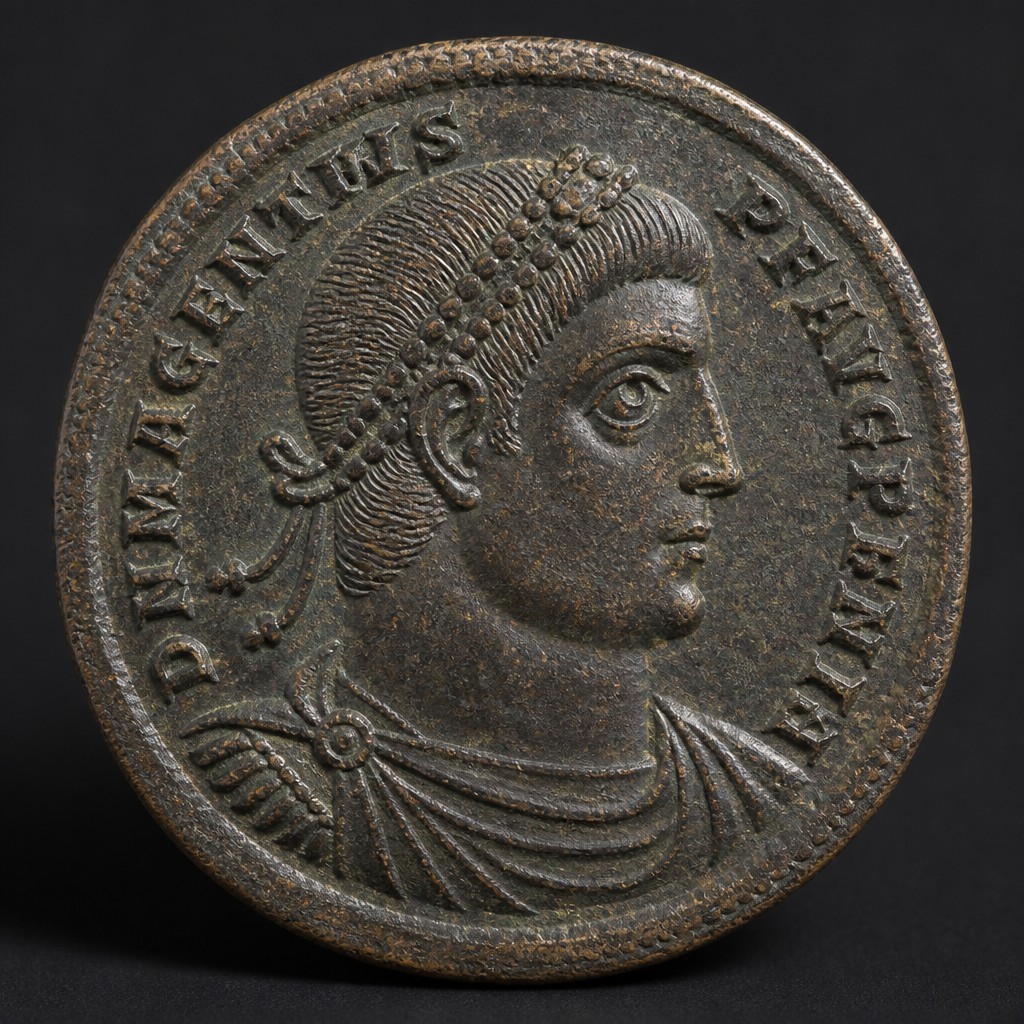
Magnentius Double Centenionalis
350–353 AD
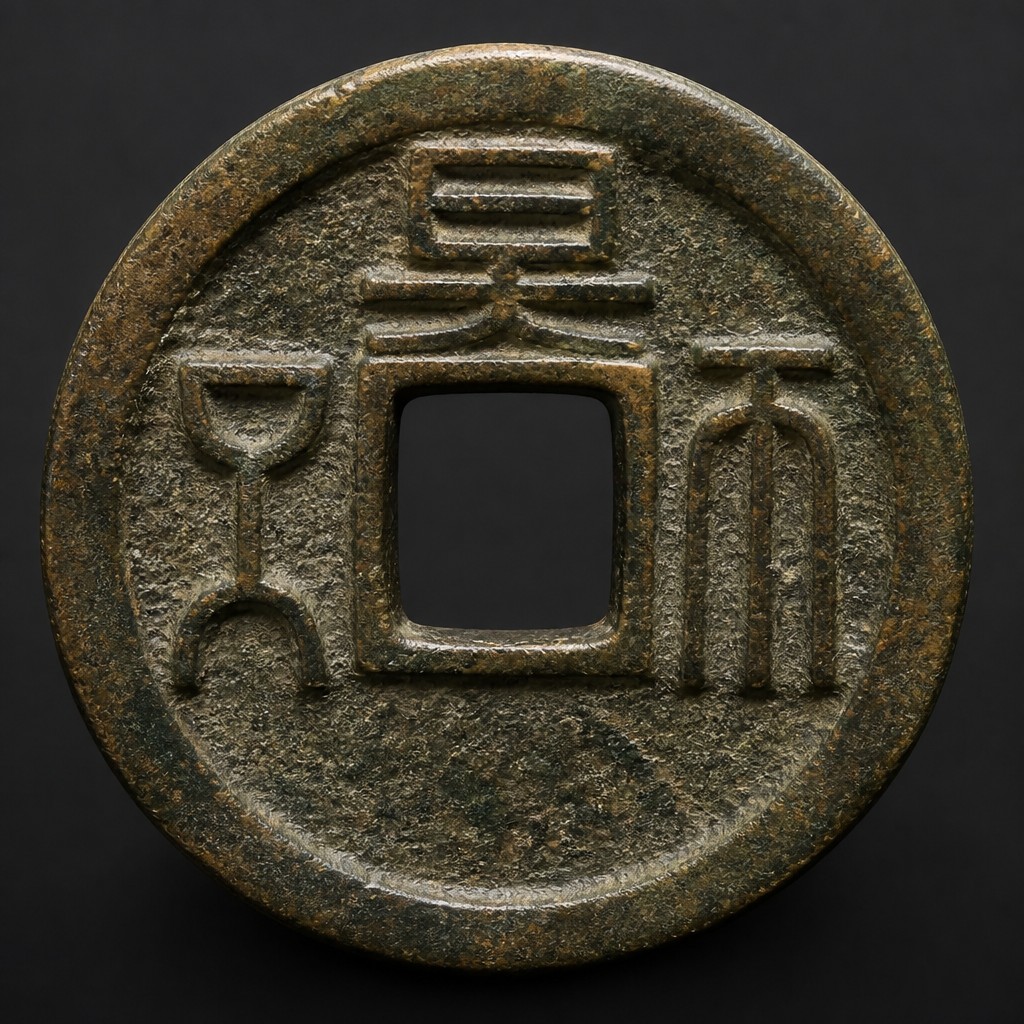
Chinese Wu Zhu Cash
118 BC – 618 AD
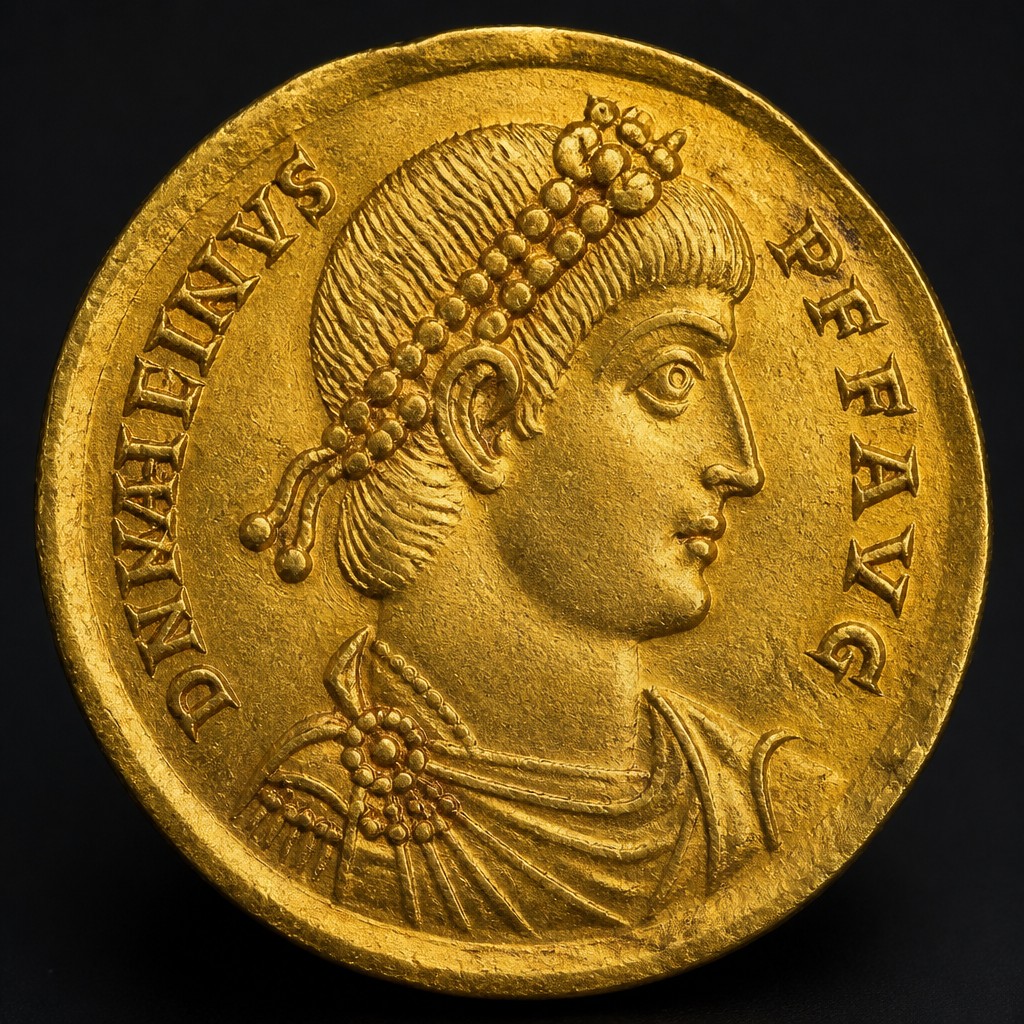
Valentinian I Solidus
364–375 AD
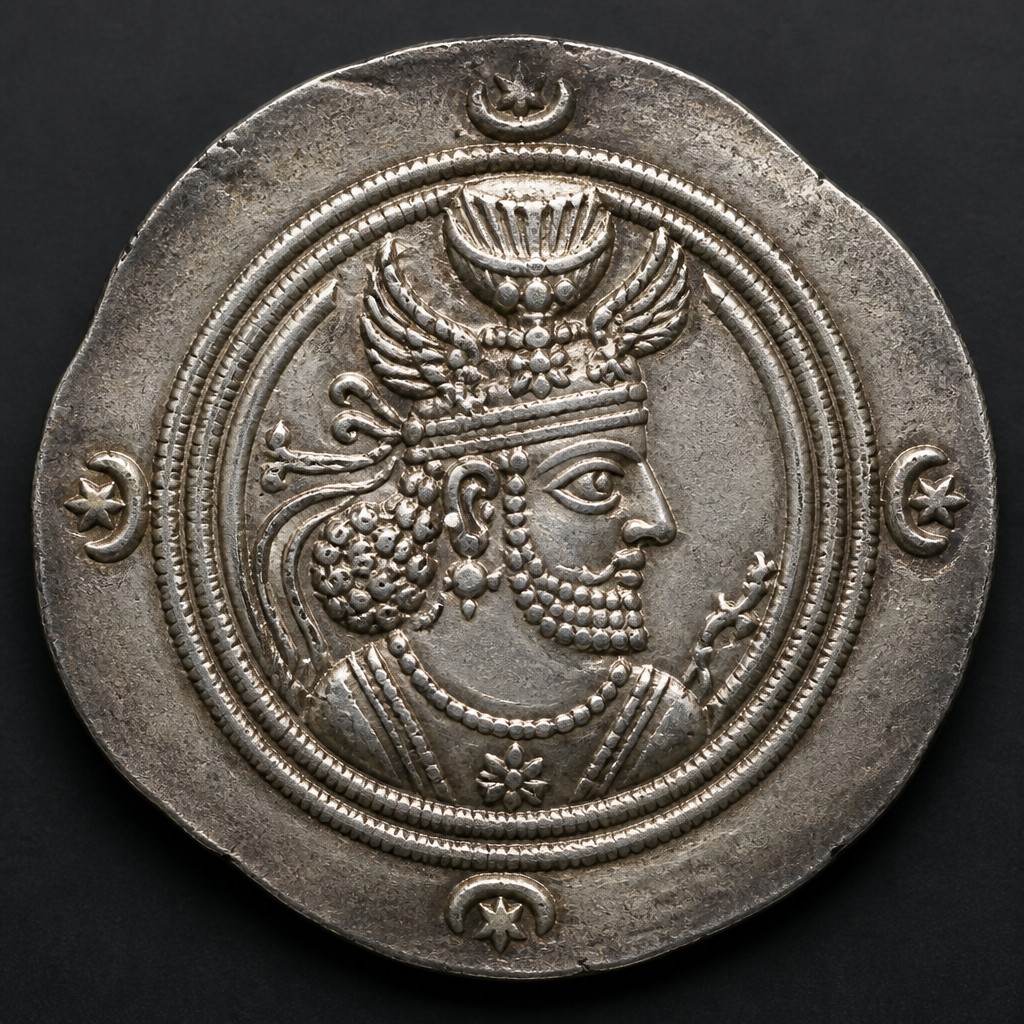
Sassanian Silver Drachm
c. 224–651 AD
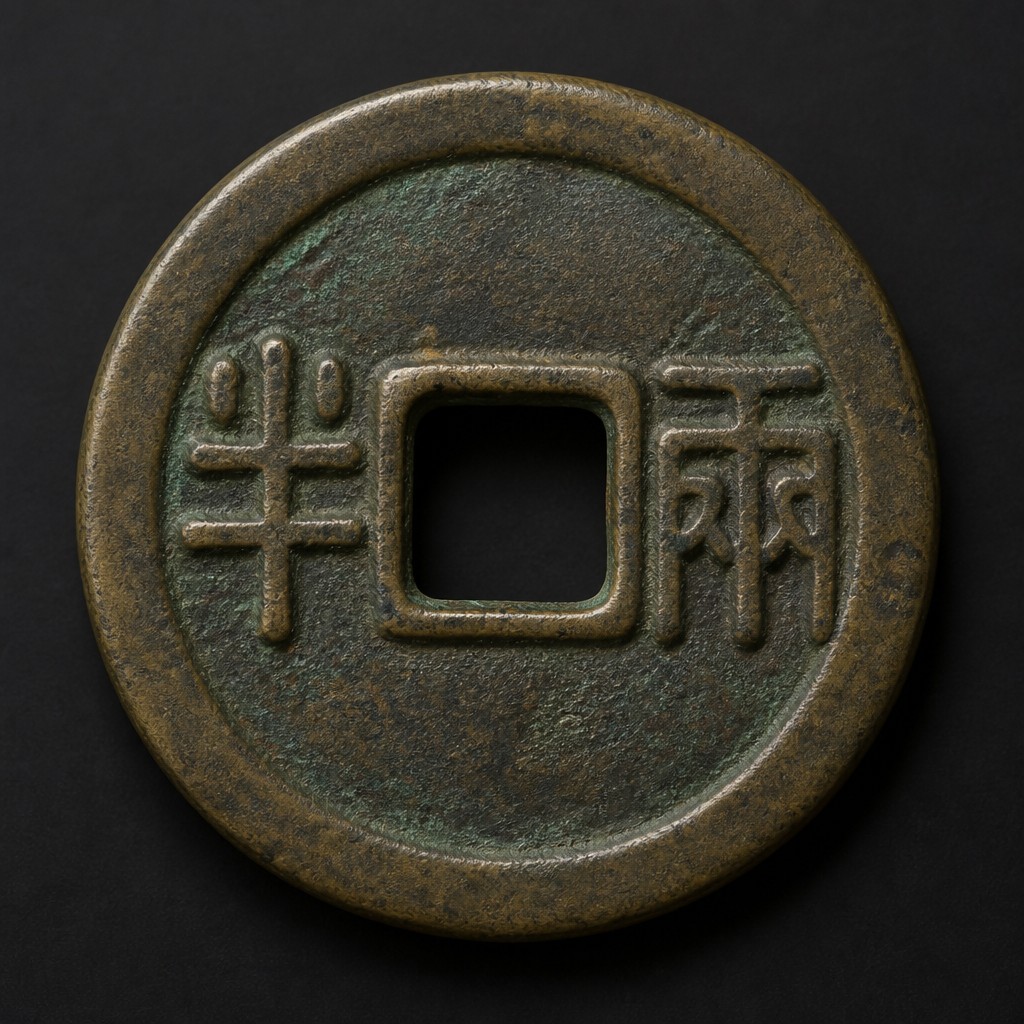
Chinese Ban Liang Cash
c. 221–118 BC
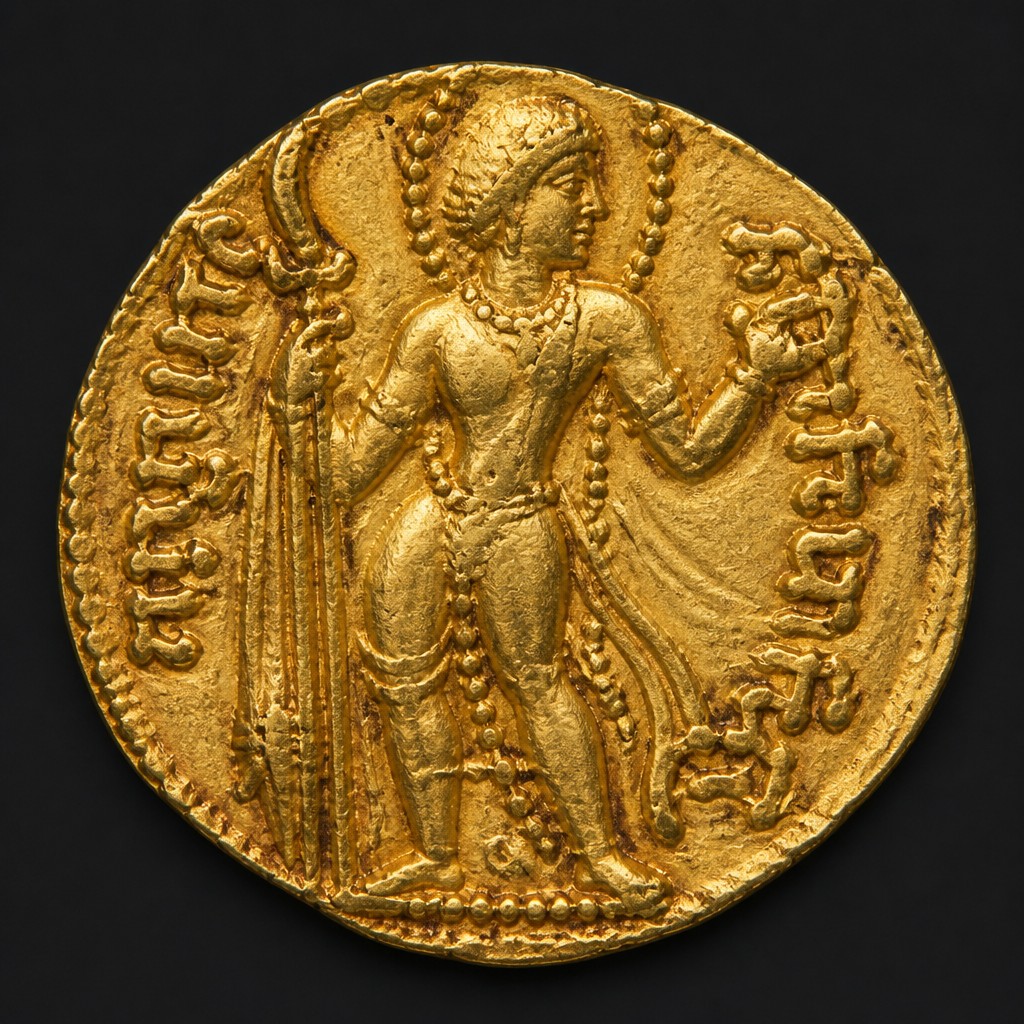
Gupta Empire Gold Dinar
c. 320–550 AD
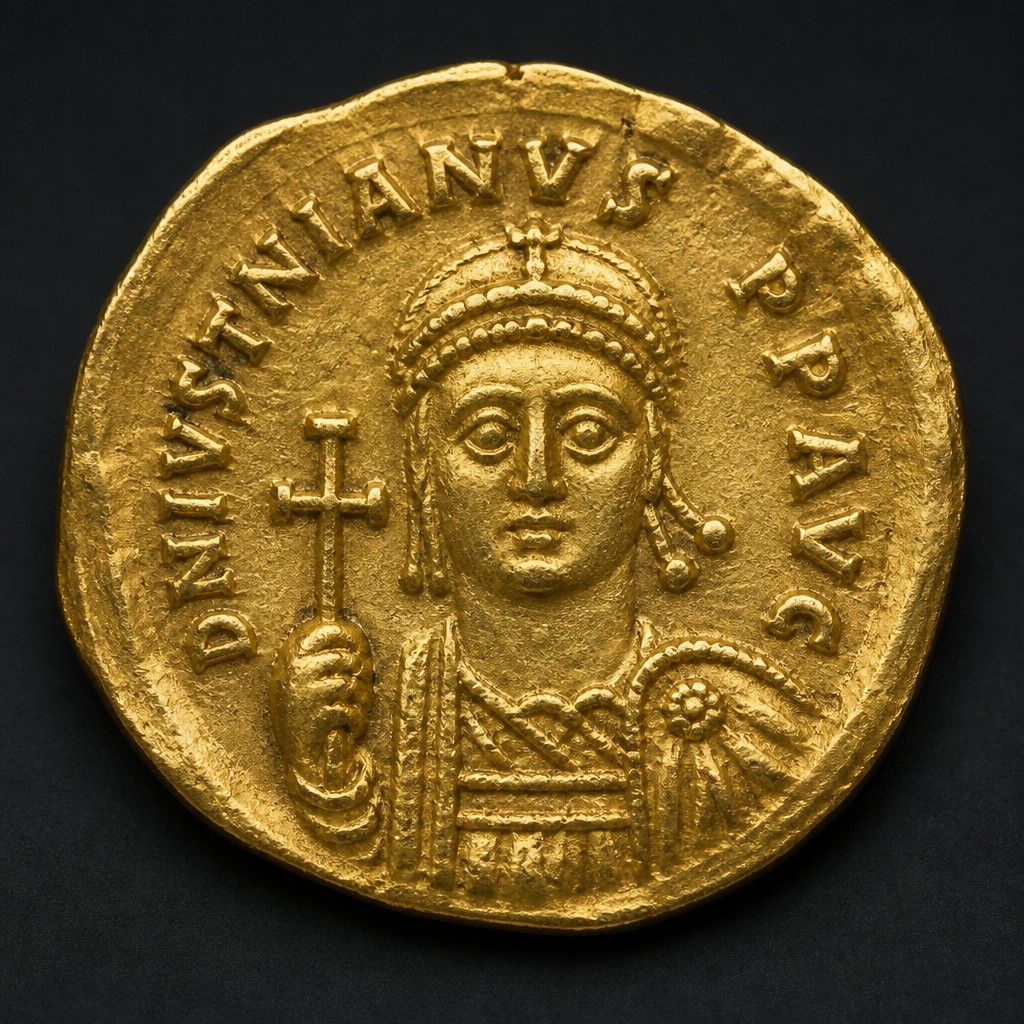
Byzantine Gold Tremissis
c. 4th–7th century AD
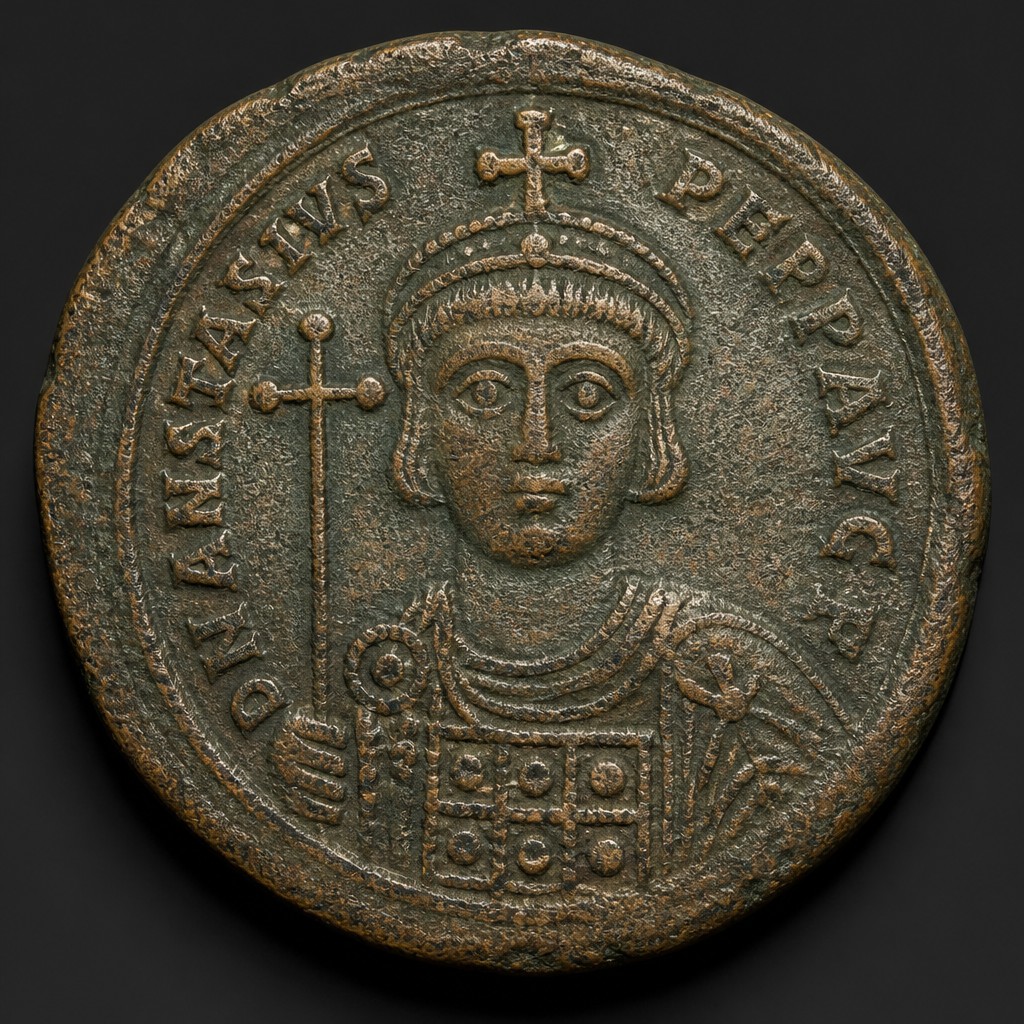
Byzantine Follis
498–c. 11th century AD
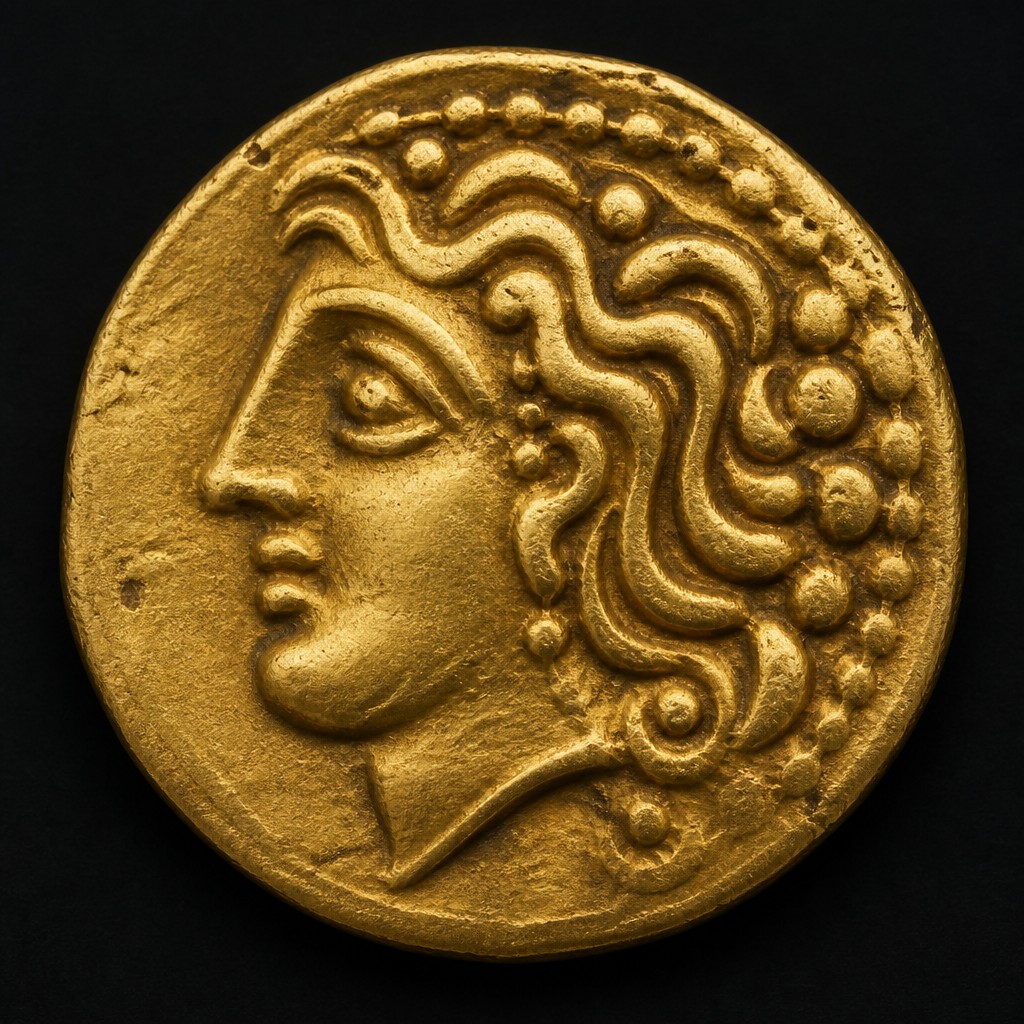
Celtic Gold Stater
c. 3rd century BC – 1st century AD