
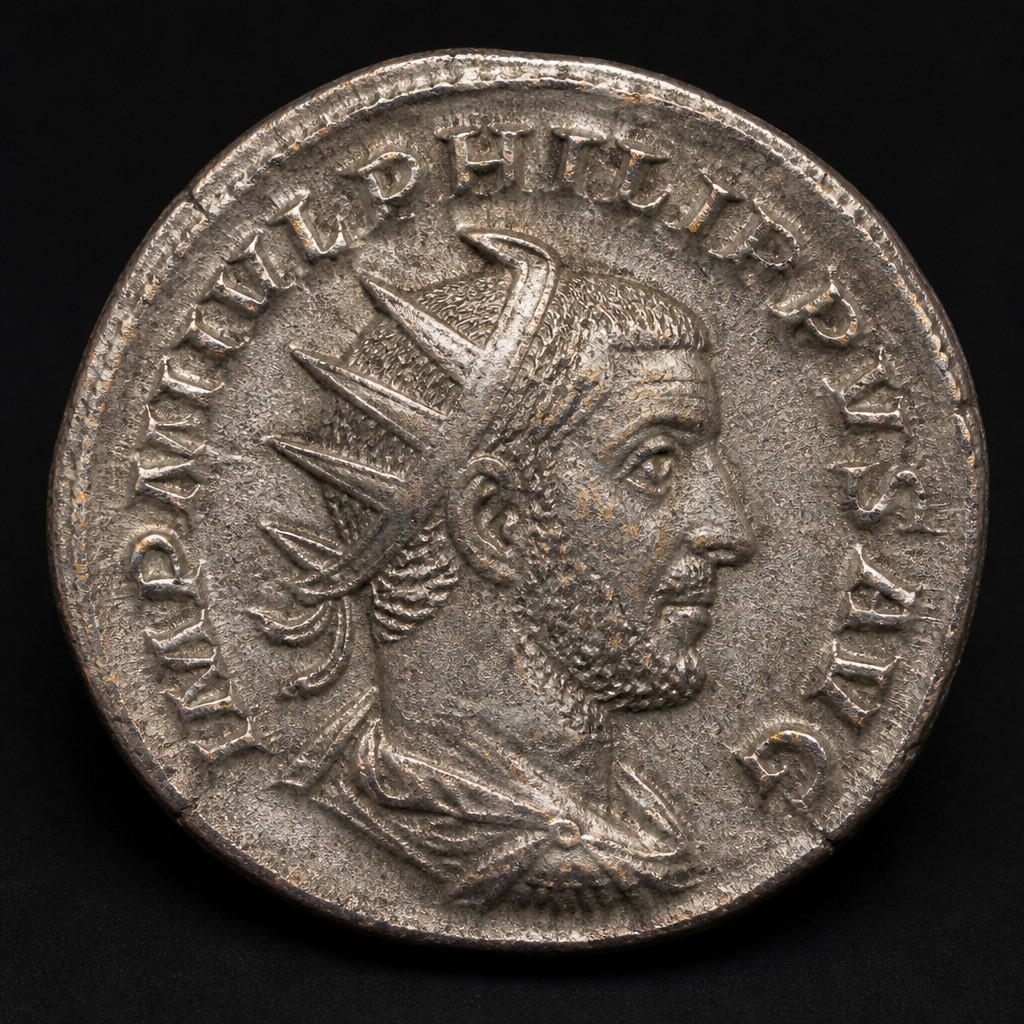
Philip the Arab Antoninianus
Radiate coin of Philip the Arab, notable for celebrating Rome's 1,000th anniversary in 248 AD with a memorable series of animal-themed 'Saecular Games' reverse types.
- Country
- Ancient Rome
- Denomination
- Antoninianus
- Metal
- Debased Silver (Billon)
Got a coin like this?
Identify any coin from a photo, free.
Overview
Philip the Arab's antoniniani are best known among collectors for the extraordinary Saecular Games series struck in 248 AD to mark Rome's legendary millennium (Ab Urbe Condita, or 'from the founding of the city'). These issues feature striking animal reverses, making them some of the most visually appealing and sought-after third-century Roman coins.
Beyond the celebrated animal types, Philip's broader coinage reflects the standard imperial themes of the era: military loyalty, prosperity, and dynastic continuity, since he also struck coins for his wife Otacilia Severa and young son Philip II.
History & Background
Marcus Julius Philippus, known to history as Philip the Arab due to his origin in Roman Arabia (the region of Trachonitis, in modern Syria), rose to power in 244 AD amid disputed circumstances surrounding the death of Gordian III during the Persian campaign. Philip negotiated peace with Shapur I of Persia and returned to Rome to consolidate his rule.
His reign's centerpiece was the lavish celebration of Rome's traditional 1,000th anniversary in 248 AD, marked with games, spectacles, and a distinctive coinage series depicting exotic animals associated with the arena. Philip's rule ended in 249 AD when he was killed in battle near Verona against the usurper Trajan Decius, one of his own generals.
How to Identify
The obverse shows a radiate, draped and cuirassed bust of Philip, with the legend IMP M IVL PHILIPPVS AVG or similar variants; companion issues for his wife Otacilia Severa show a diademed female bust, and issues for Philip II show a youthful radiate or bare-headed bust.
The famous Saecular Games reverses depict animals such as a lion, stag, antelope, hippopotamus, or she-wolf with twins, often paired with legends like SAECVLARES AVGG and a numeral indicating the games. Other, more standard reverse types include Aequitas, Pax, Roma, Salus, and Annona, common to the broader antoninianus coinage of the period.
The coin measures roughly 21-23mm in the typical debased silver-copper alloy of the era. The animal-themed Saecular Games types are visually distinctive and easily recognized even by non-specialists, setting them apart from the more generic personification reverses common to most third-century antoniniani.
Value & Collectibility
Standard Philip the Arab antoniniani with common personification reverses are readily available and often trade in the roughly $30 to $80 range in typical circulated grades. The celebrated Saecular Games animal types, however, are considerably more desirable and can command significantly higher prices, sometimes several hundred dollars or more depending on the animal depicted, rarity, and condition, since certain animals are scarcer than others.
Eye appeal, strike sharpness, and centering of the animal design particularly affect value on these special issues, and well-preserved examples are actively sought by thematic and Roman imperial collectors alike.
Frequently asked questions
Why did Philip the Arab issue coins with animals on them?
He struck them to commemorate Rome's traditional 1,000th anniversary in 248 AD, celebrated with public games featuring exotic animals.
Where was Philip the Arab from?
He was born in Roman Arabia, in the region of Trachonitis in modern-day Syria, hence his historical nickname.
Are the animal reverse coins expensive?
They are generally pricier than his standard types due to strong collector demand, though prices vary by which animal is depicted and the coin's condition.
How did Philip the Arab's reign end?
He was killed in battle in 249 AD against Trajan Decius, one of his own generals who rebelled and seized power.
Other coins you may enjoy
Theodosius I Solidus
379–395 AD
Republican Victoriatus
c. 211–170 BC
Islamic Gold Dinar (Umayyad)
c. 696–750 AD
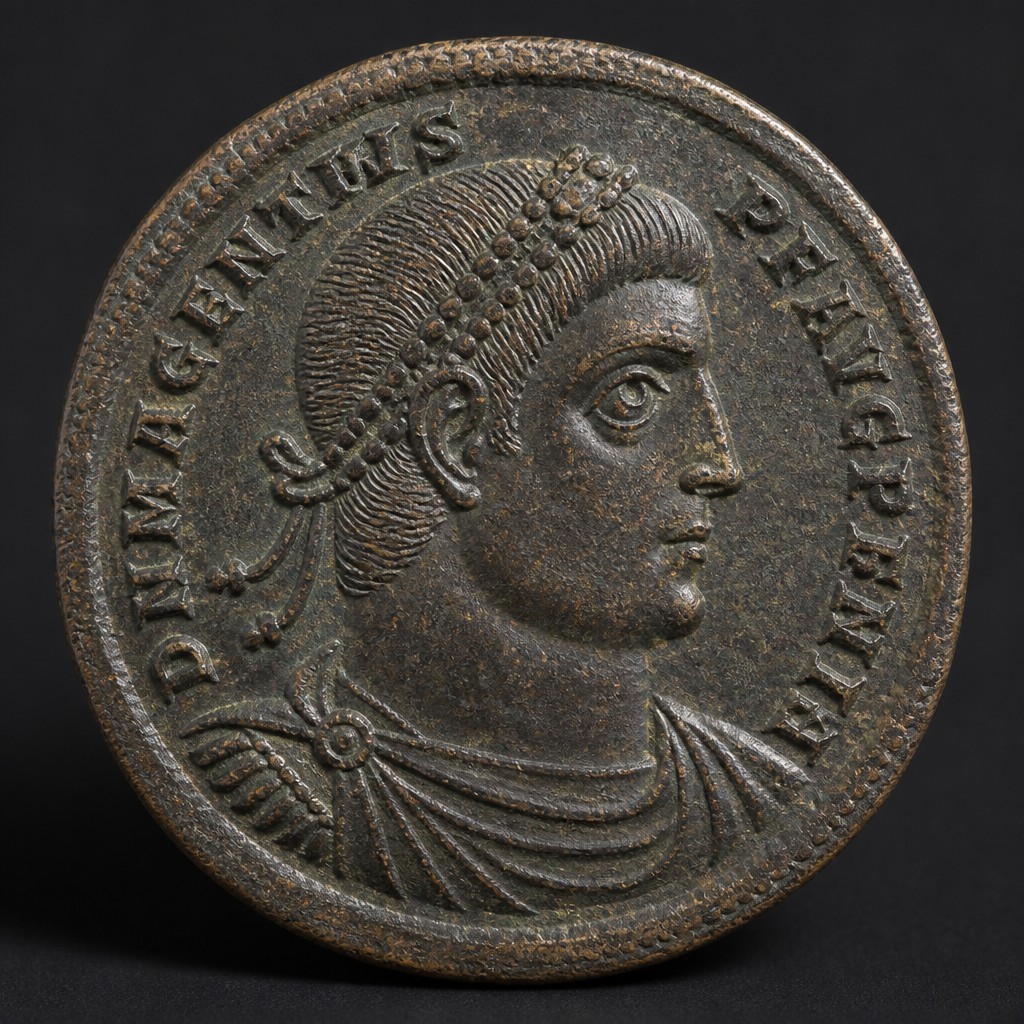
Magnentius Double Centenionalis
350–353 AD
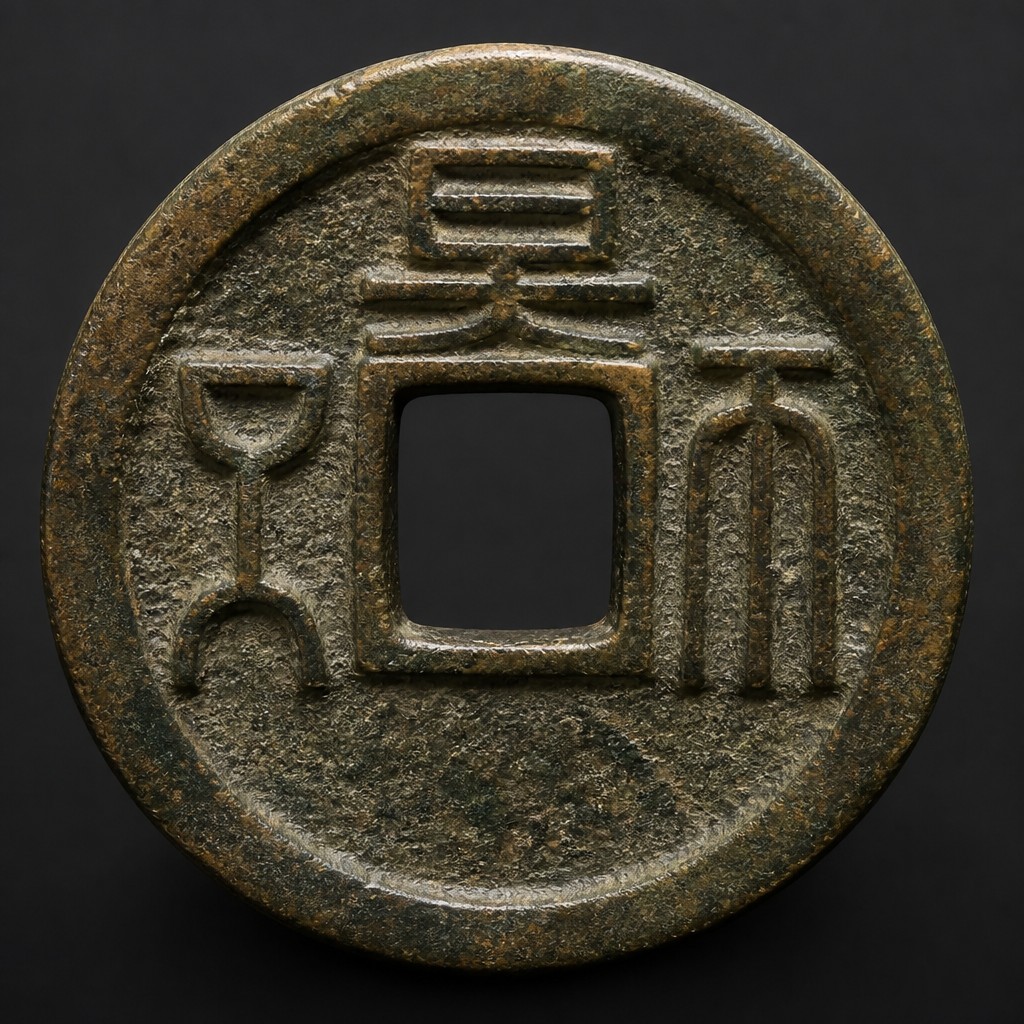
Chinese Wu Zhu Cash
118 BC – 618 AD
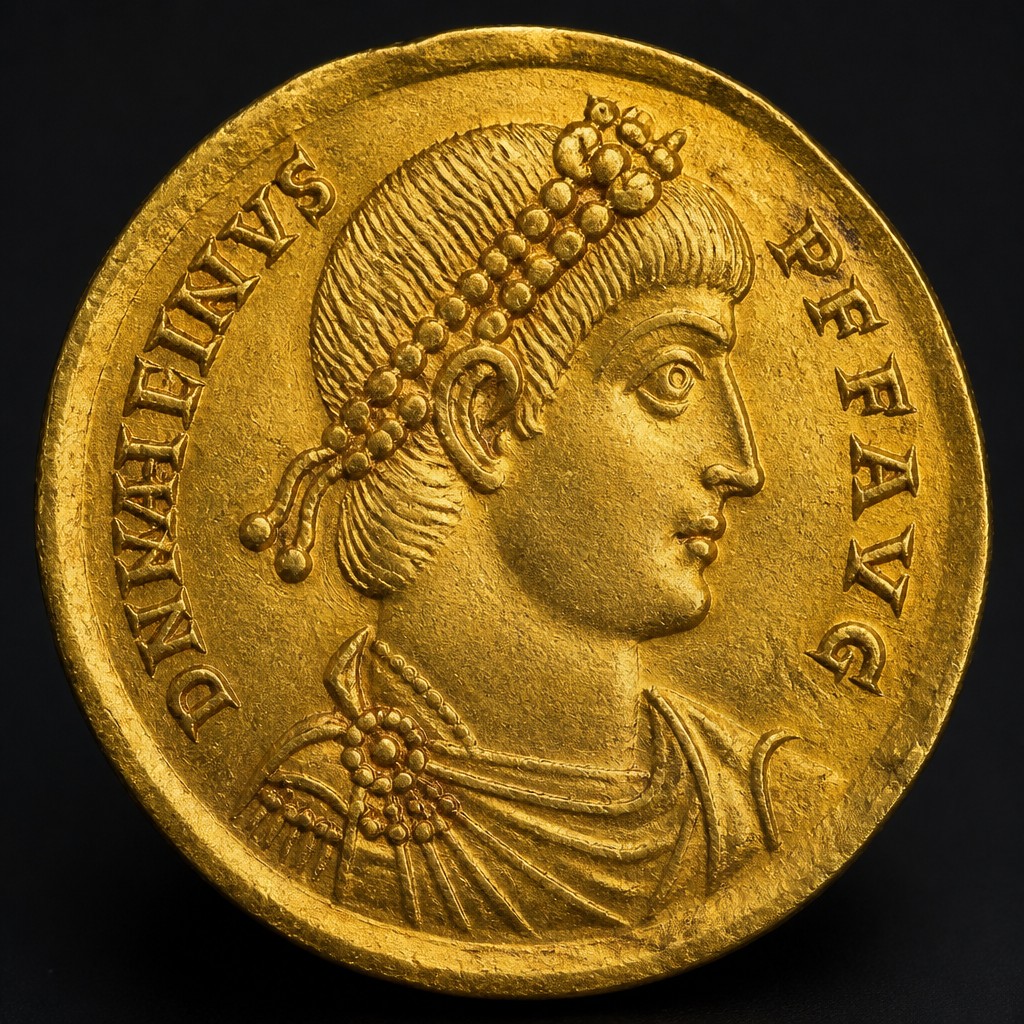
Valentinian I Solidus
364–375 AD
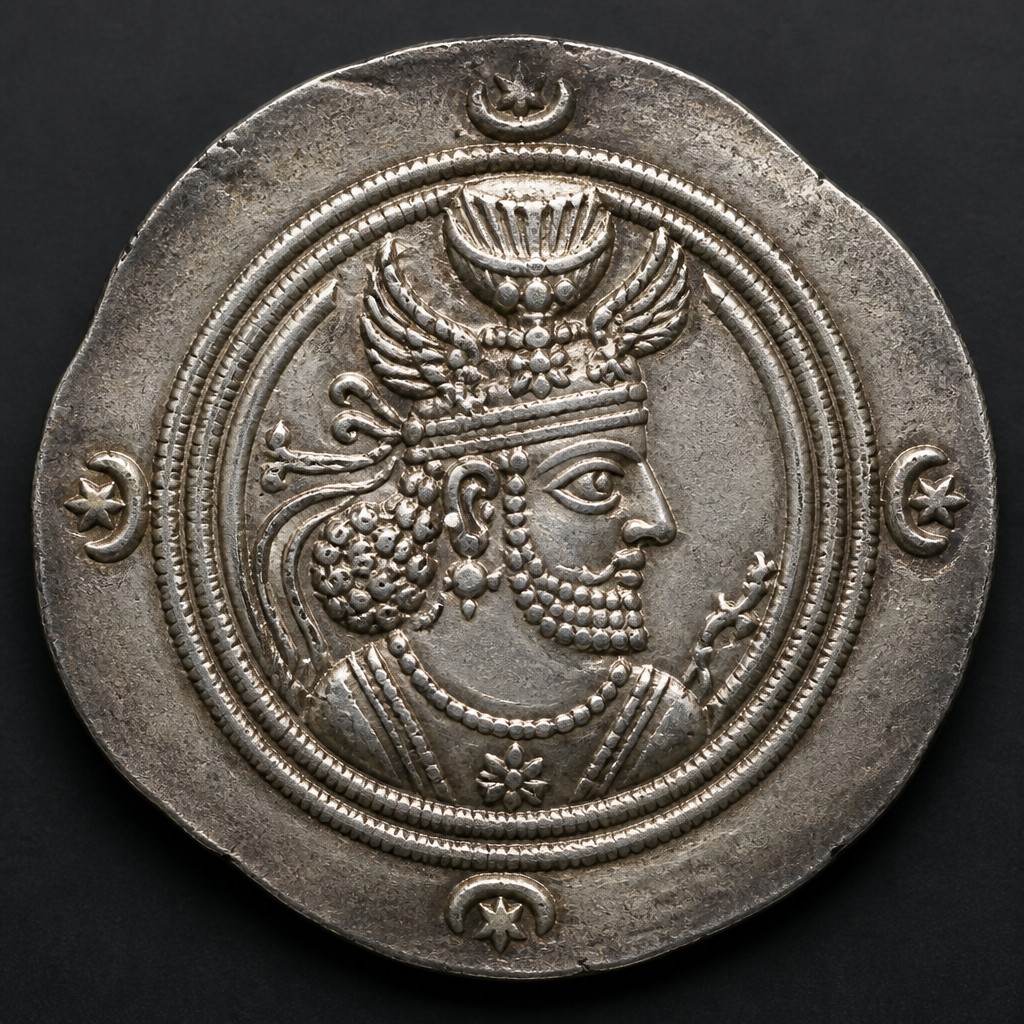
Sassanian Silver Drachm
c. 224–651 AD
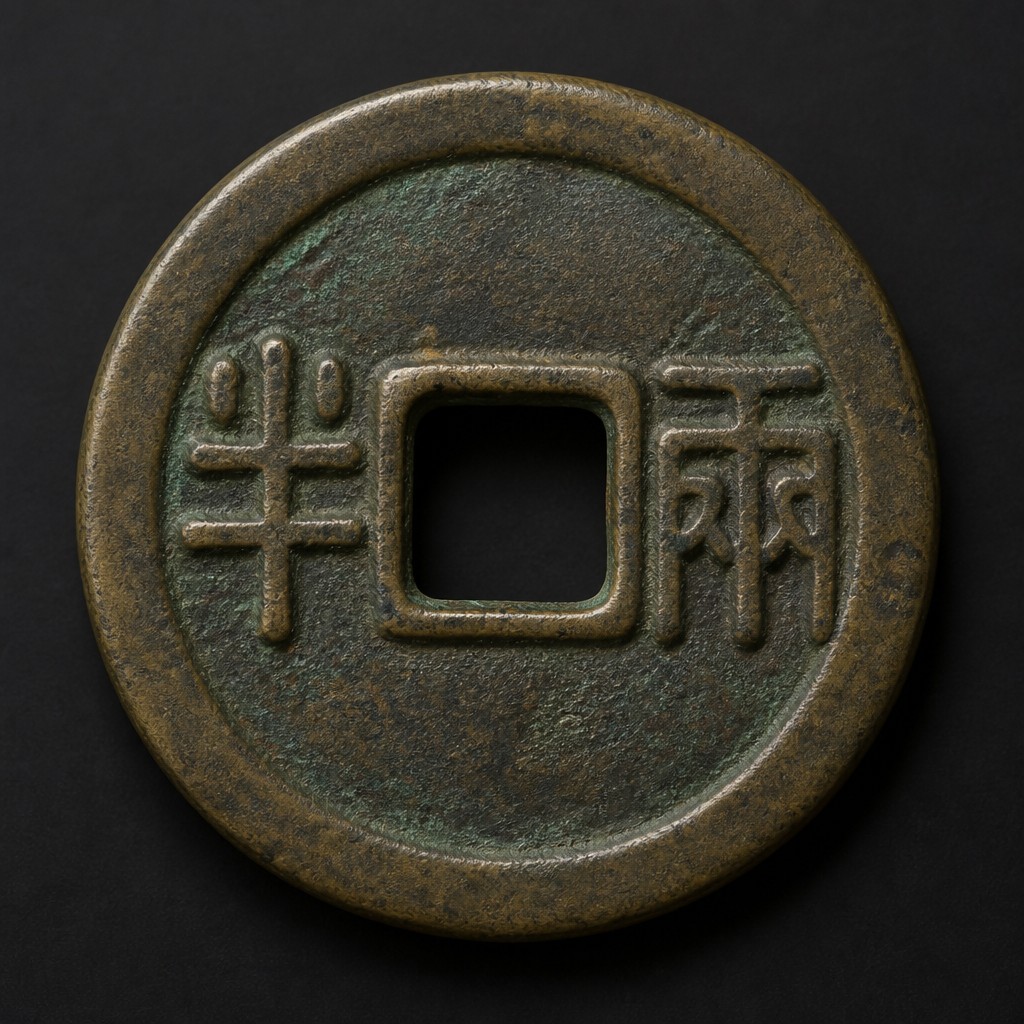
Chinese Ban Liang Cash
c. 221–118 BC
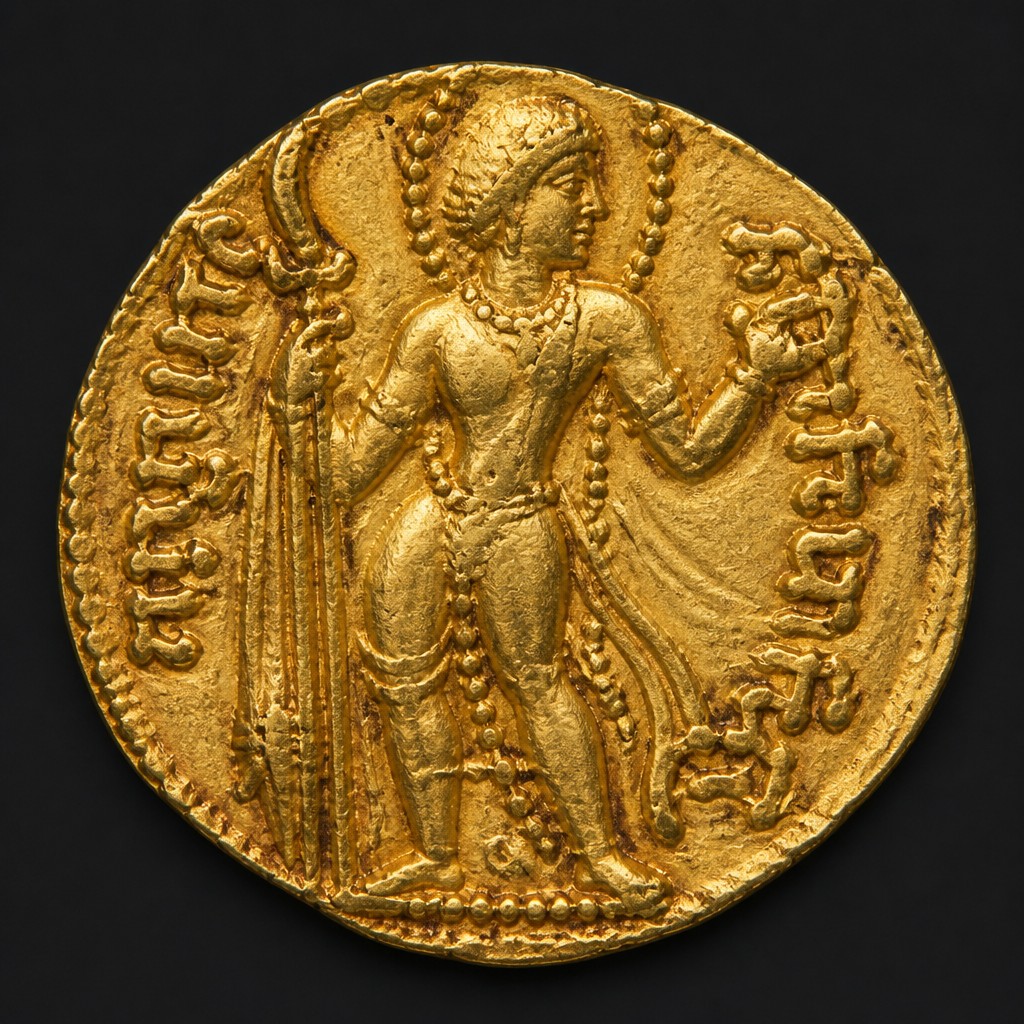
Gupta Empire Gold Dinar
c. 320–550 AD
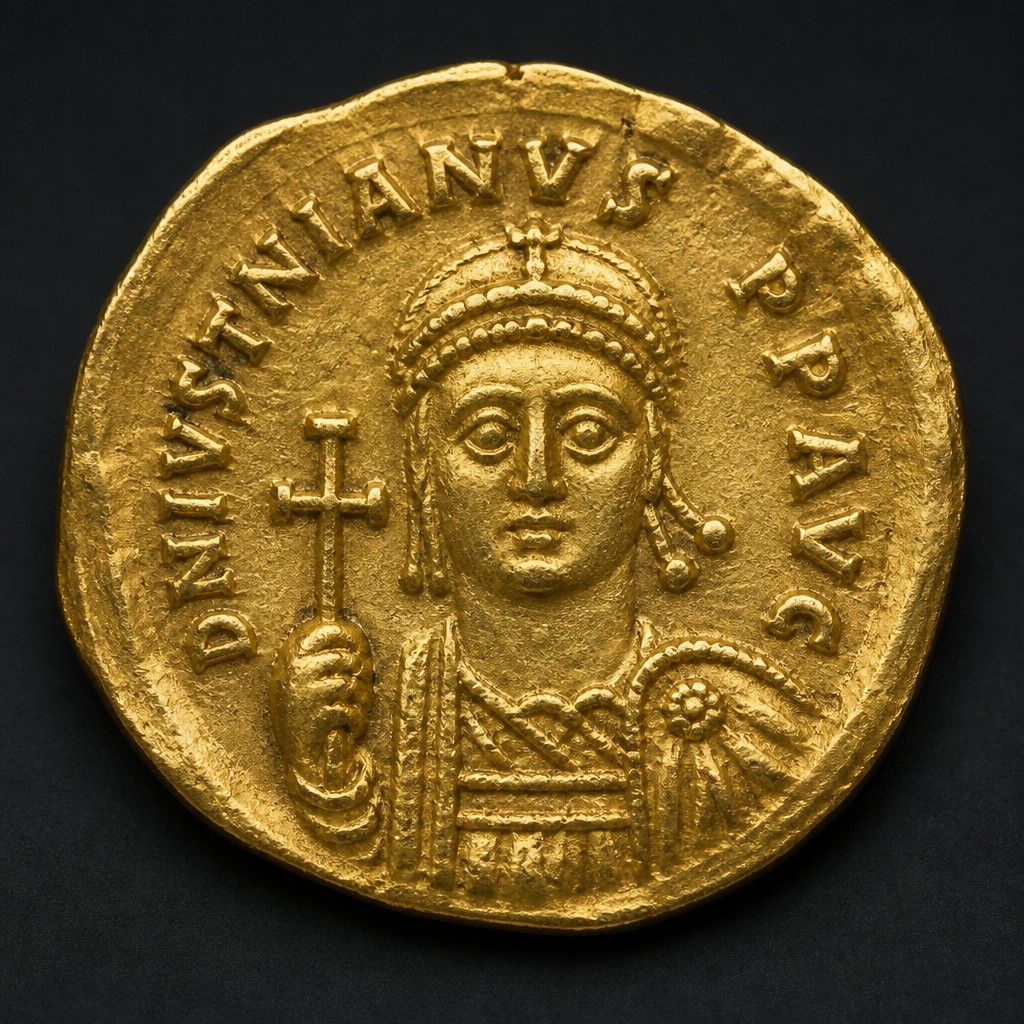
Byzantine Gold Tremissis
c. 4th–7th century AD
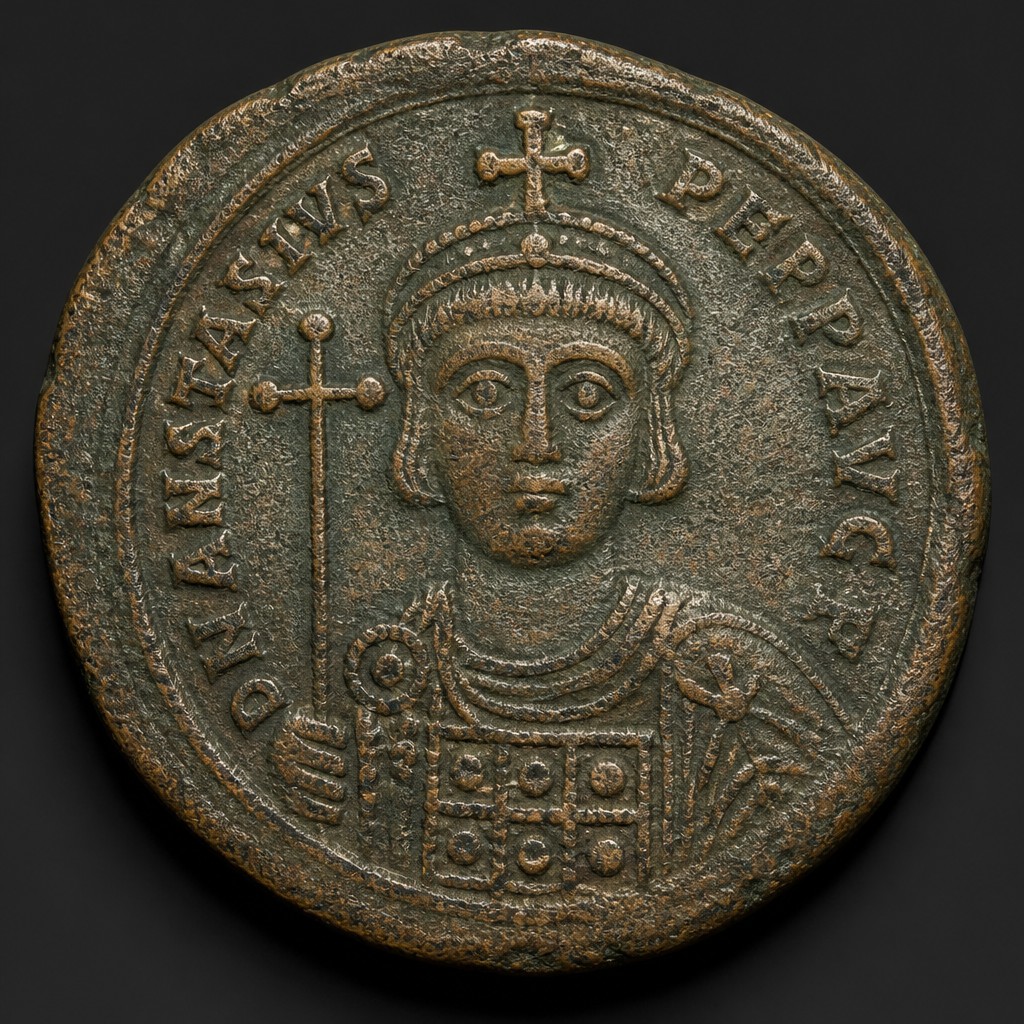
Byzantine Follis
498–c. 11th century AD
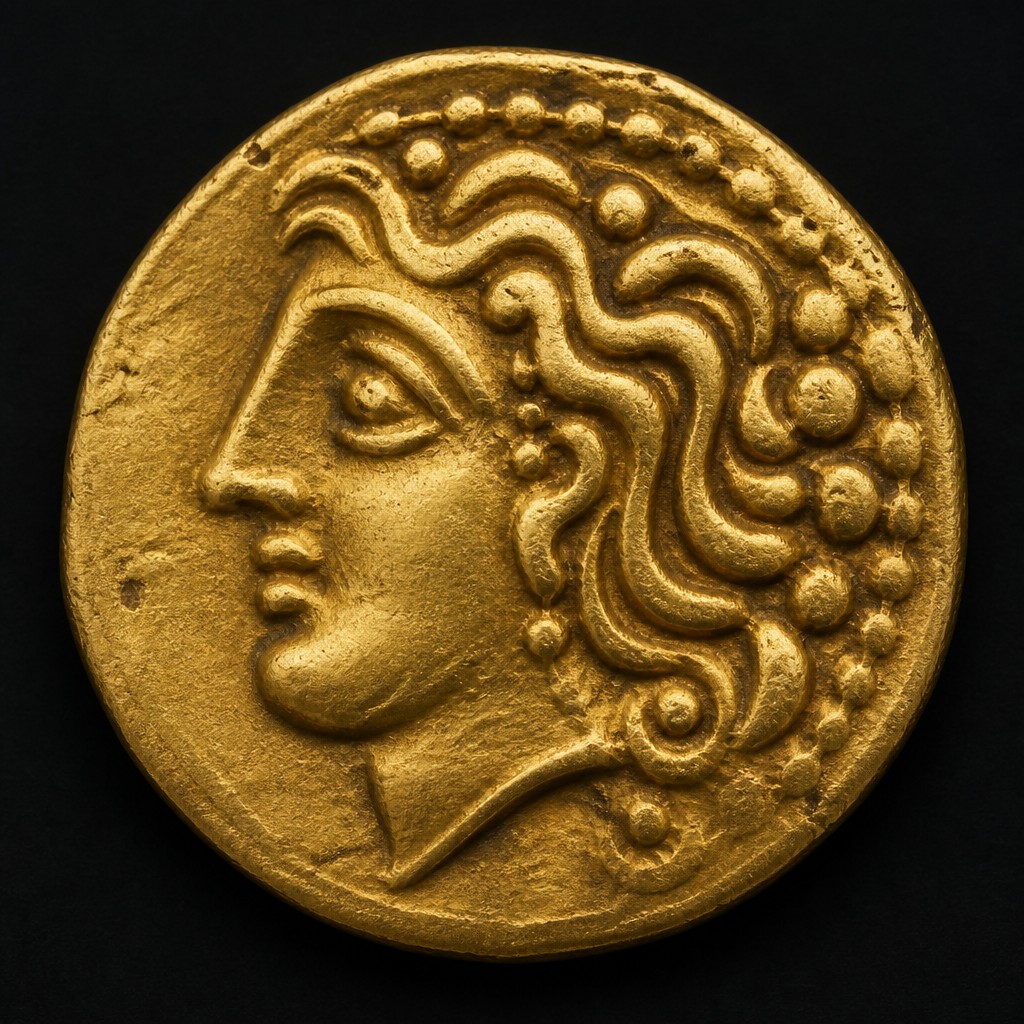
Celtic Gold Stater
c. 3rd century BC – 1st century AD