
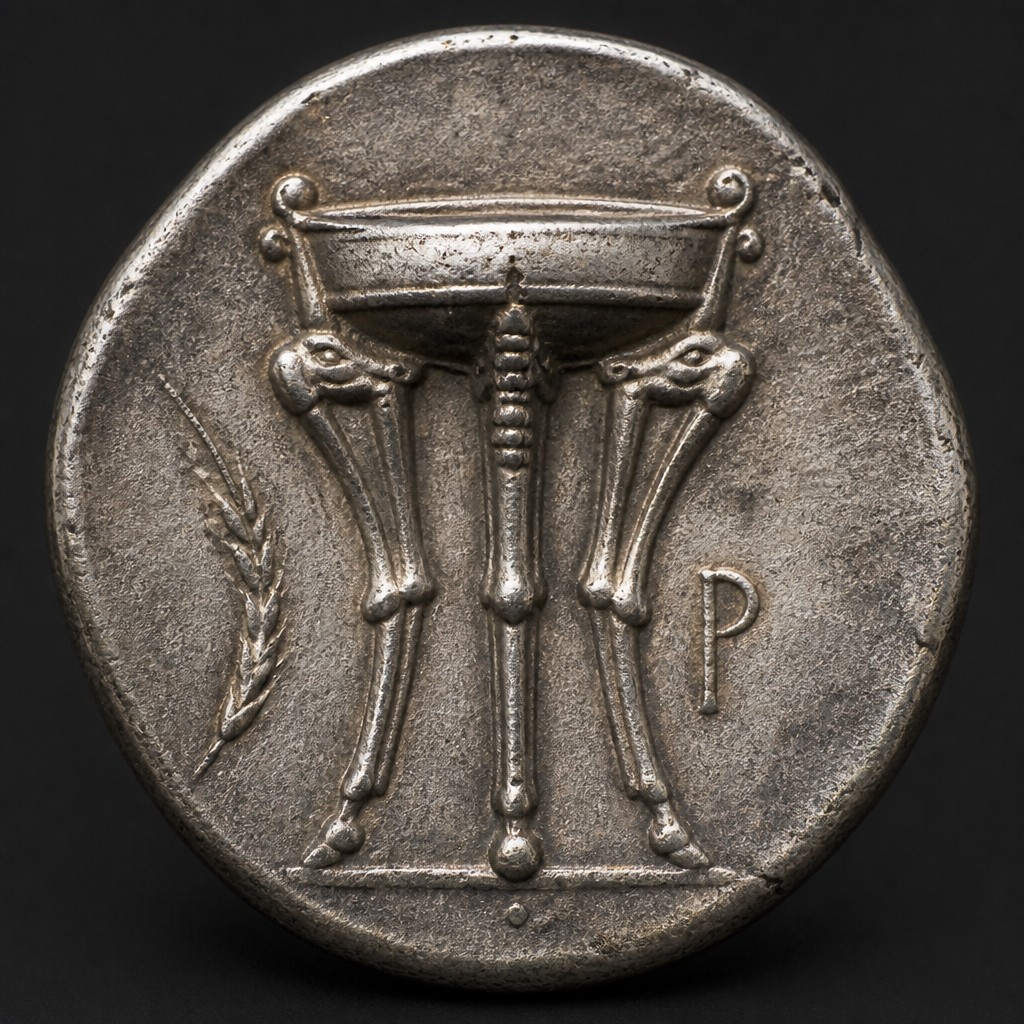
Kroton Tripod Stater
A silver stater from the Greek colony of Kroton in southern Italy, depicting Apollo's sacred tripod, among the finest examples of the early incuse coinage style.
- Country
- Ancient Greece (Magna Graecia)
- Denomination
- Stater (Nomos)
- Metal
- Silver
Got a coin like this?
Identify any coin from a photo, free.
Overview
The Kroton tripod stater is a hallmark coinage of Magna Graecia, notable both for its elegant tripod design, symbol of Apollo, and for its early use of the distinctive incuse technique shared by several Achaean colonies in southern Italy. Kroton was renowned in antiquity as a center of medicine, athletics, and philosophy, home to the mathematician and philosopher Pythagoras, and its coinage reflects the city's cultural prestige through refined, minimalist design.
Collectors value the series for its clean, sculptural presentation of the tripod and for its place within the broader family of incuse coinages produced by Kroton, Sybaris, Metapontum, and other nearby cities.
History & Background
Kroton (modern Crotone) was an Achaean Greek colony on the Gulf of Taranto, celebrated in antiquity for its medical school, its Olympic athletes, and as the base for Pythagoras's philosophical community. Its early coinage adopted the incuse technique also used by neighboring Metapontum and Sybaris, in which the reverse die reproduces the obverse design as a sunken mirror image rather than an independent motif, a shared regional style that likely reflects close political or economic ties among these Achaean colonies.
The tripod, a symbol of Apollo and specifically of the Delphic oracle, may allude to Kroton's own foundation myth or its close relationship with Delphi, and the design persisted through the city's classical-period coinage before giving way to more conventional double-sided relief types in later issues.
How to Identify
The obverse shows a tripod with legs and a bowl, often flanked by small subsidiary symbols such as a heron, snake, or wreath, with the city's ethnic (a form of ΚΡΟ or the full name) sometimes inscribed. On early issues the reverse repeats the same tripod design as an incuse (sunken) mirror image; later issues shift to independent raised reverse types.
The coin is struck in silver on the Achaean weight standard shared with Metapontum and Sybaris, giving it a distinctive weight and module compared with Attic-standard coinages.
Value & Collectibility
Kroton tripod staters are moderately scarce and are prized for their clean, elegant design; nicely centered, well-struck examples typically range from several hundred to a few thousand dollars, with the earliest and best-preserved incuse examples commanding the highest premiums. As with other Magna Graecia incuse coinages, sharp centering and full detail in the tripod's legs and bowl are especially important to value, since the incuse technique often produces weakly struck peripheral details.
Frequently asked questions
Why is a tripod shown on the coin?
The tripod was a symbol of the god Apollo, particularly associated with the oracle at Delphi, and may reflect Kroton's religious ties or foundation legend.
What is special about Kroton as a city?
It was famous in antiquity as a center of medicine and athletics, and as the home of the philosopher and mathematician Pythagoras's community.
What does "incuse" mean on this coin?
Early Kroton staters have a reverse that is a sunken mirror image of the obverse tripod, a technique shared with nearby Metapontum and Sybaris.
Are these coins hard to find?
They are moderately scarce; well-struck, well-centered examples are more difficult to find and priced accordingly.
What weight standard applies?
The Achaean standard used by several Magna Graecia colonies, distinct from the Attic standard used at Athens.
Other coins you may enjoy
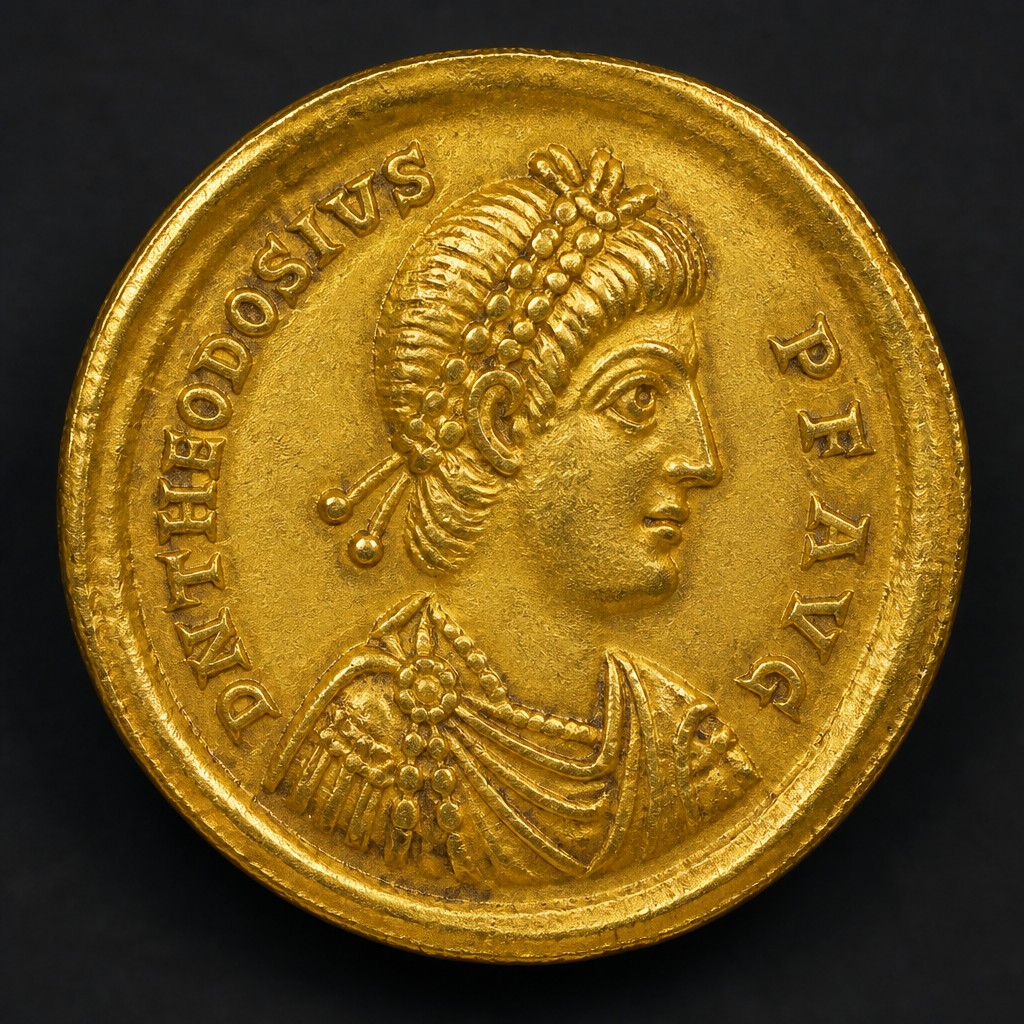
Theodosius I Solidus
379–395 AD
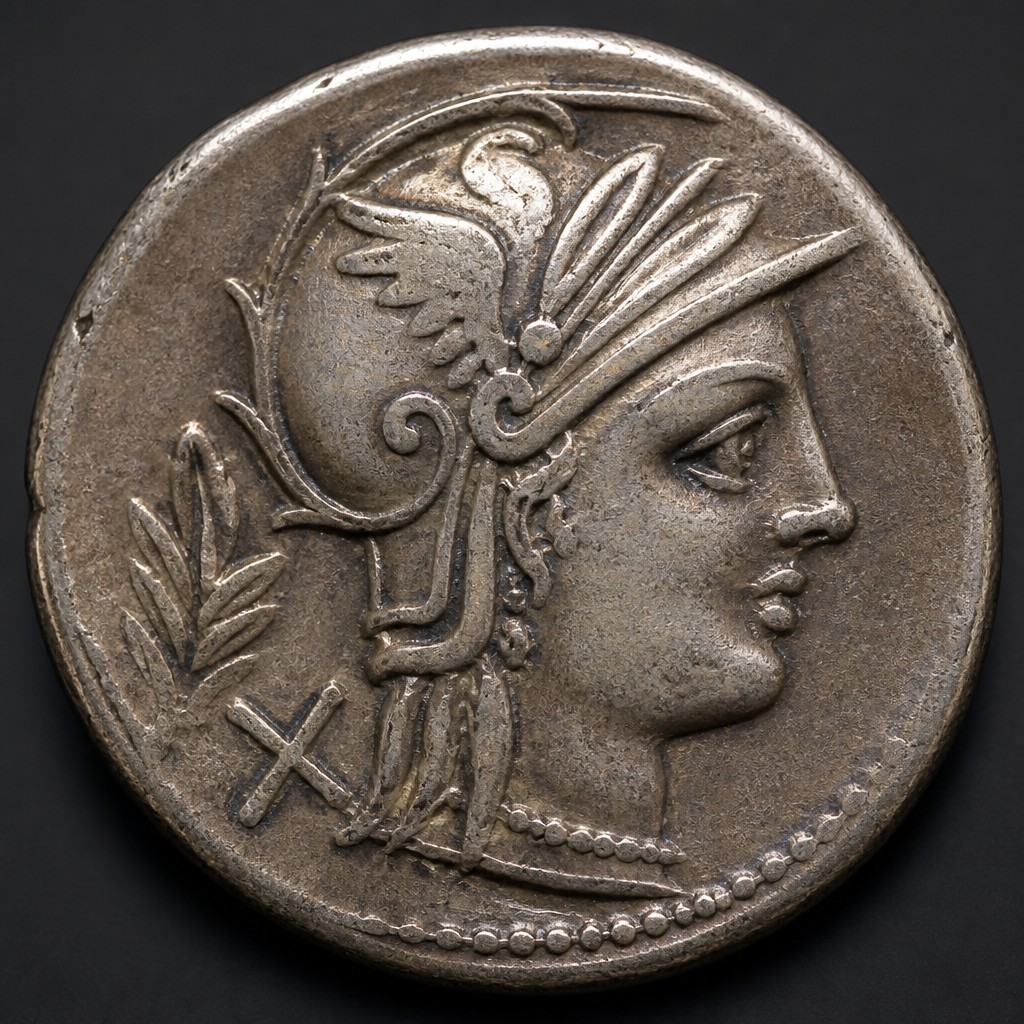
Republican Victoriatus
c. 211–170 BC
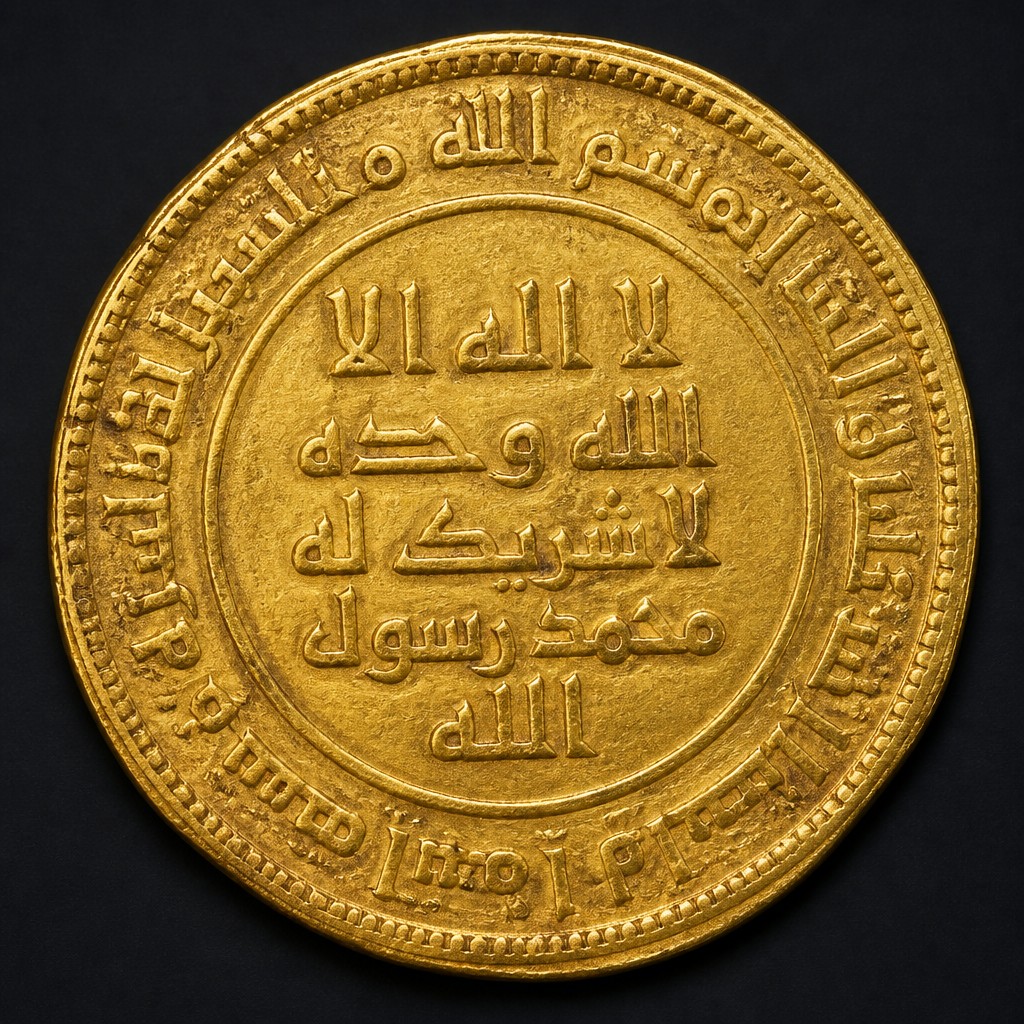
Islamic Gold Dinar (Umayyad)
c. 696–750 AD
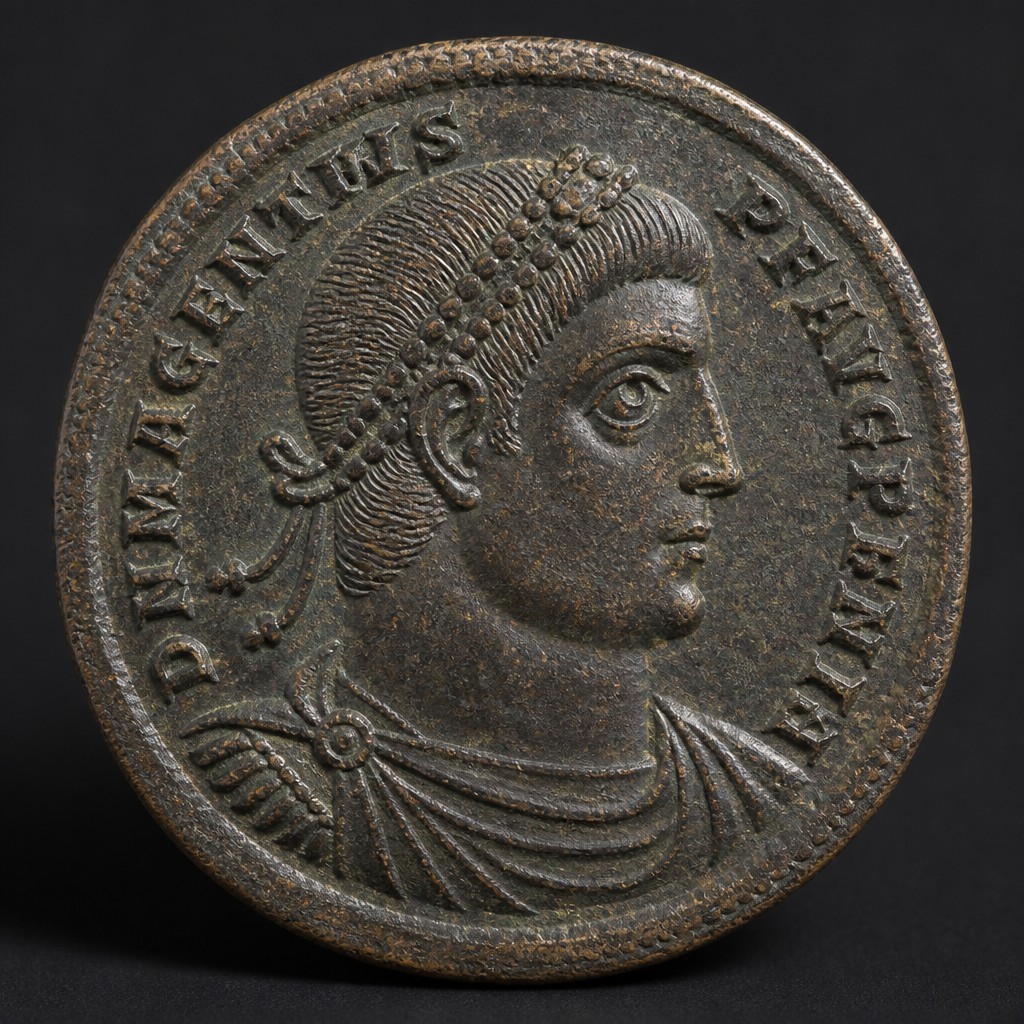
Magnentius Double Centenionalis
350–353 AD
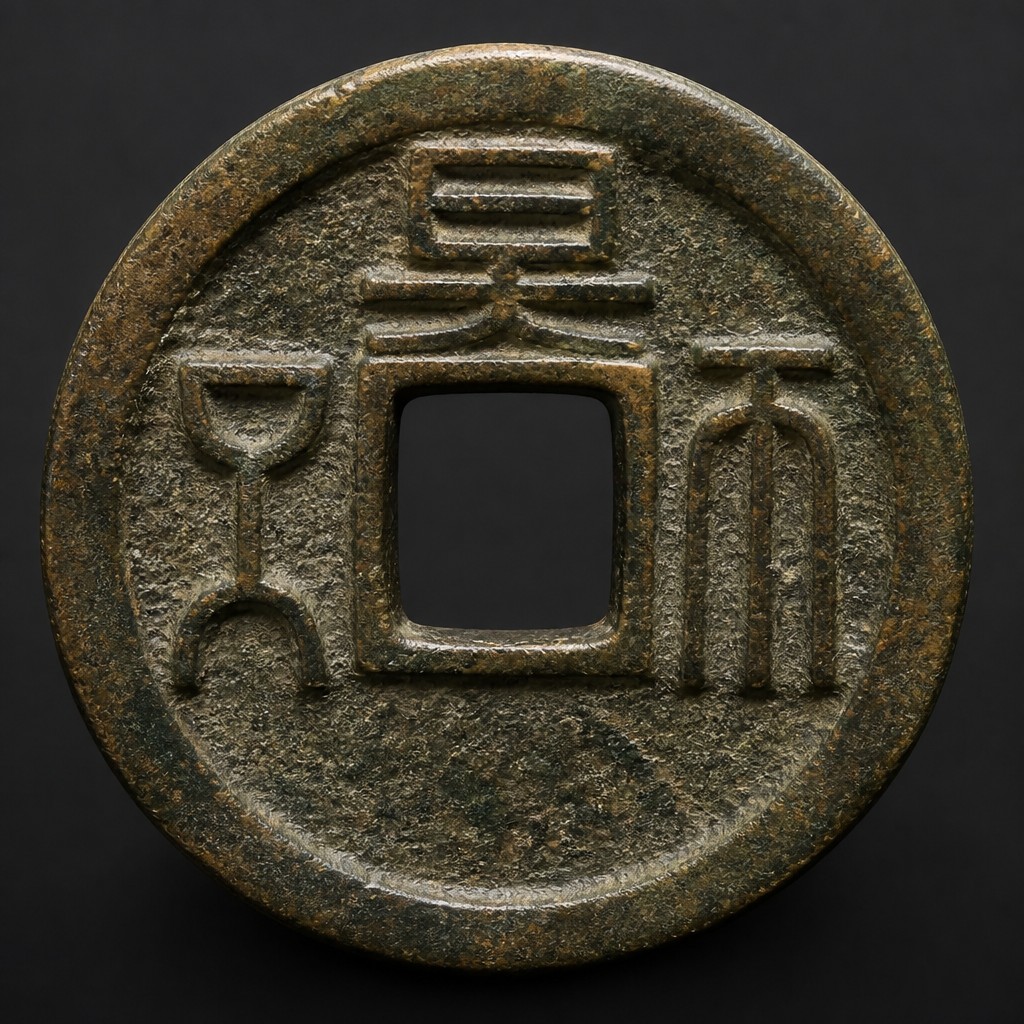
Chinese Wu Zhu Cash
118 BC – 618 AD
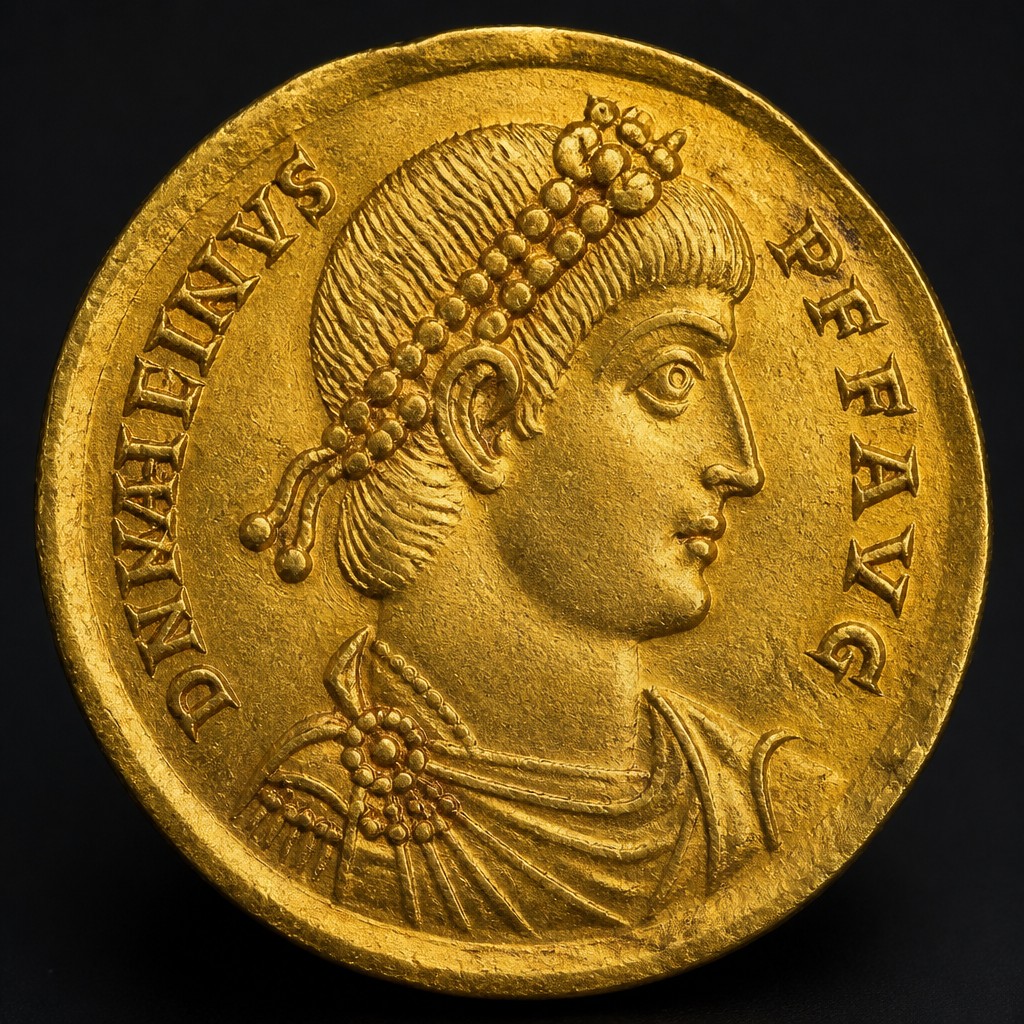
Valentinian I Solidus
364–375 AD
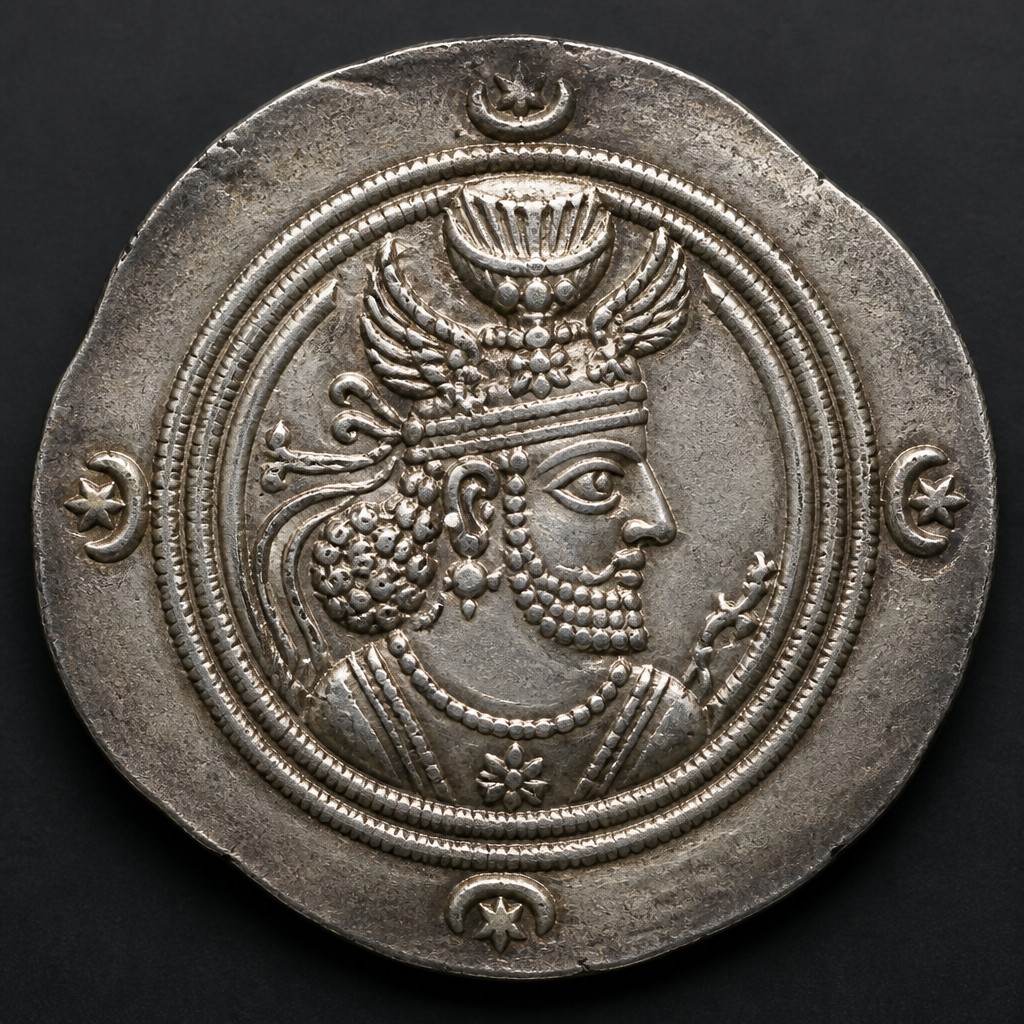
Sassanian Silver Drachm
c. 224–651 AD
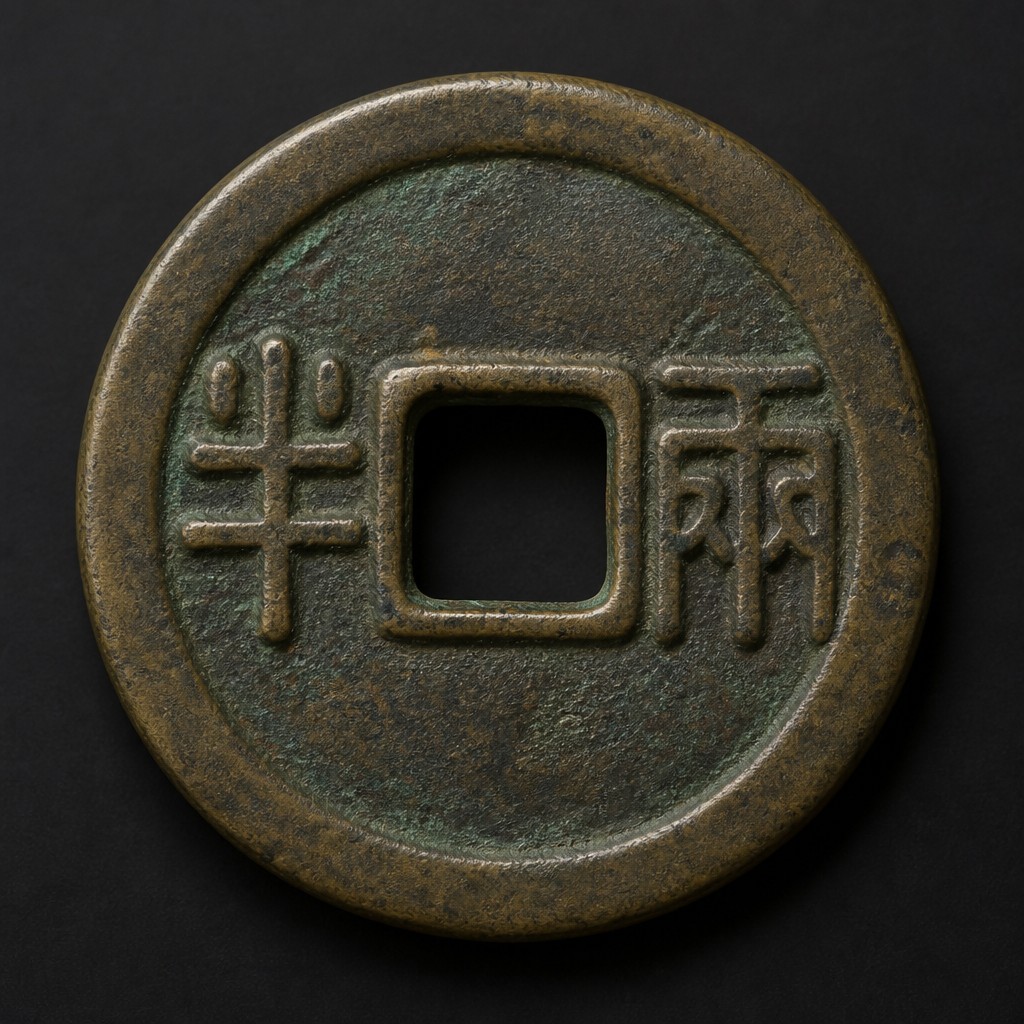
Chinese Ban Liang Cash
c. 221–118 BC
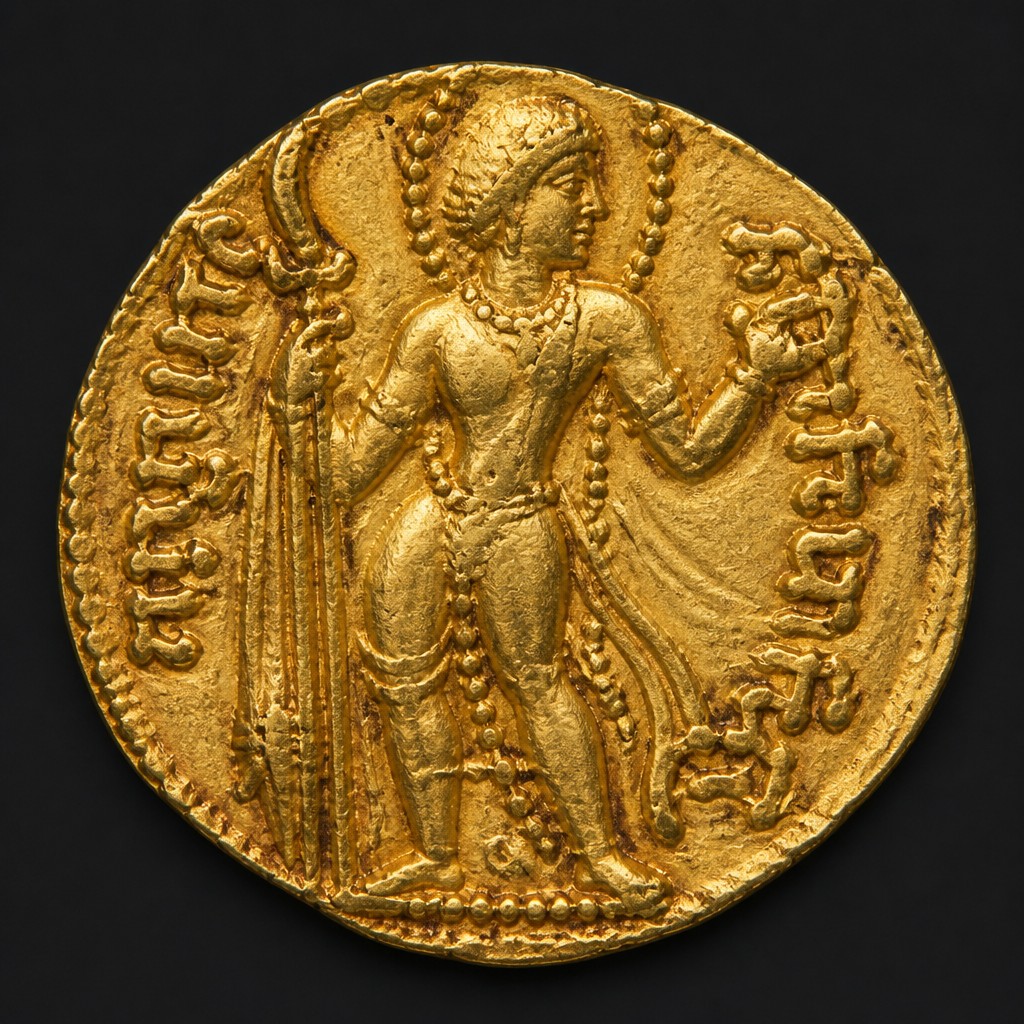
Gupta Empire Gold Dinar
c. 320–550 AD
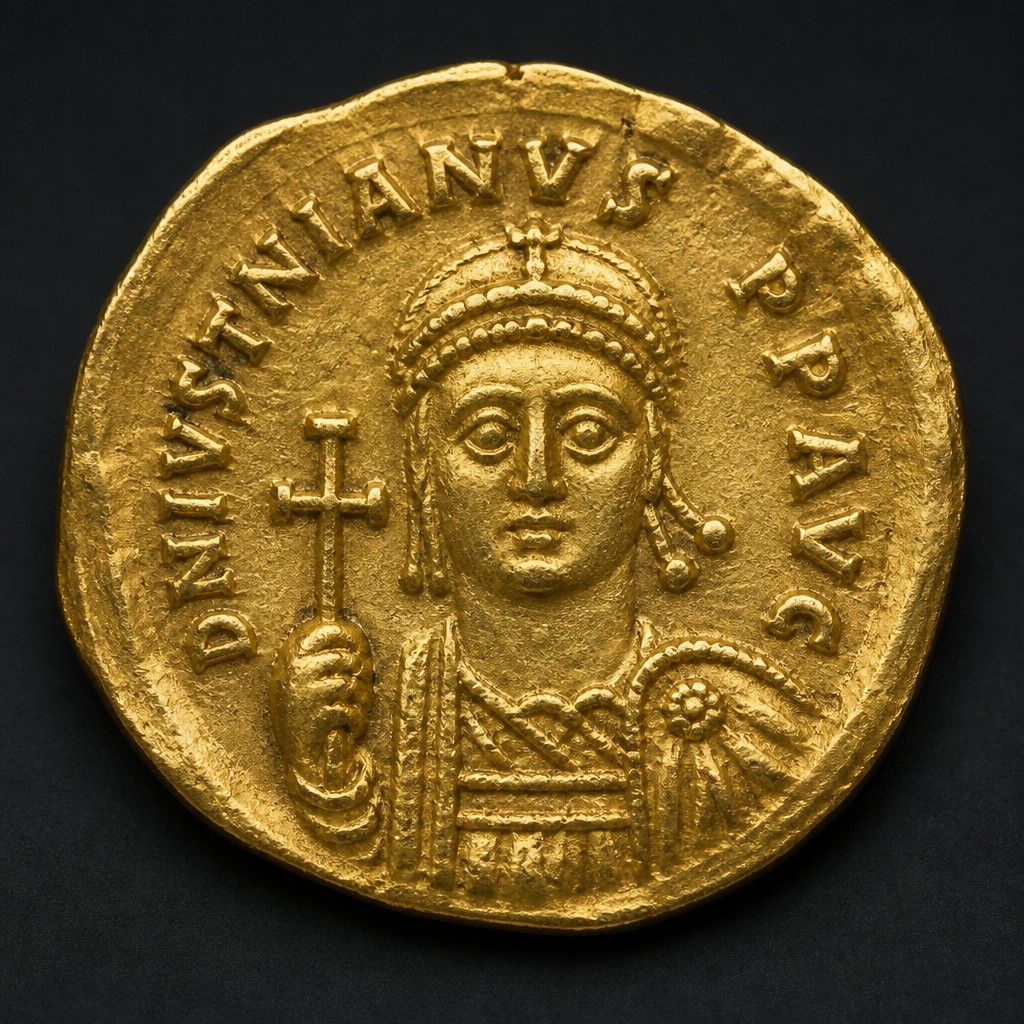
Byzantine Gold Tremissis
c. 4th–7th century AD
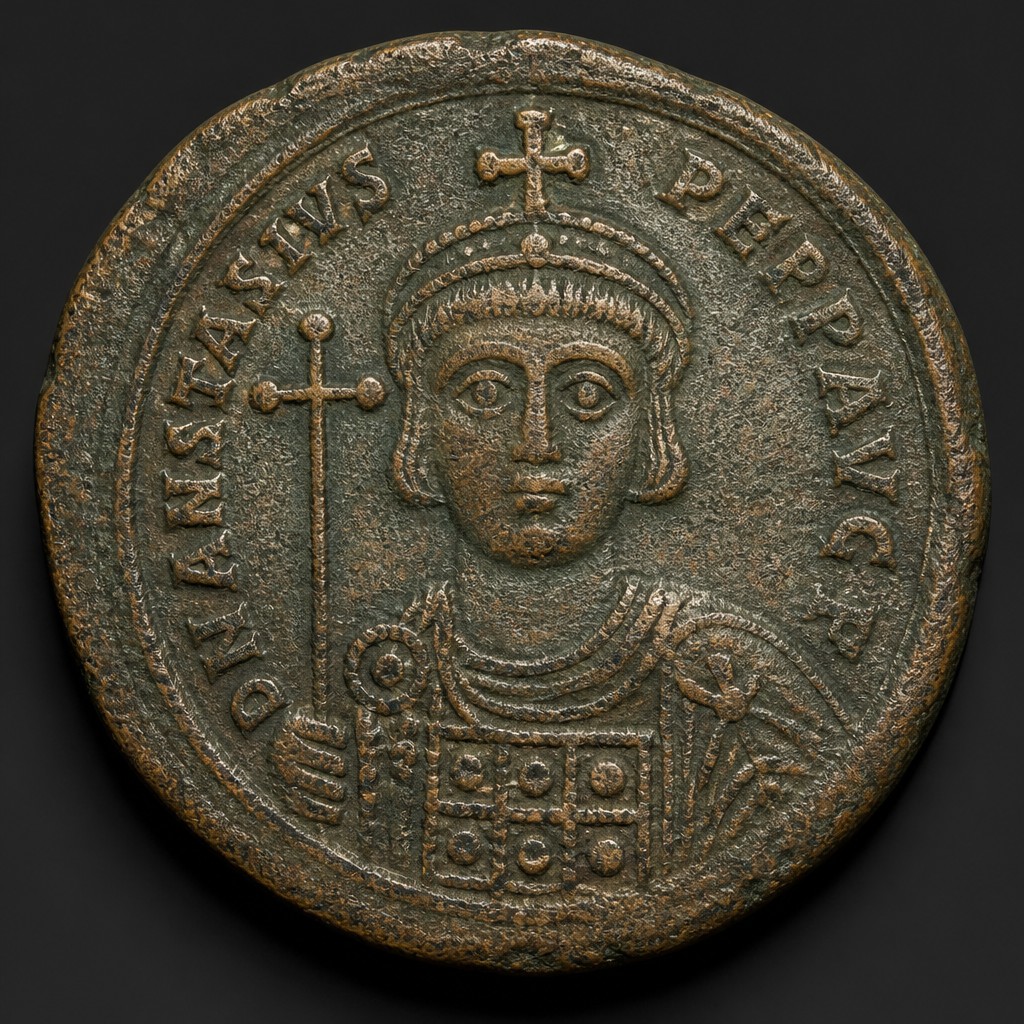
Byzantine Follis
498–c. 11th century AD
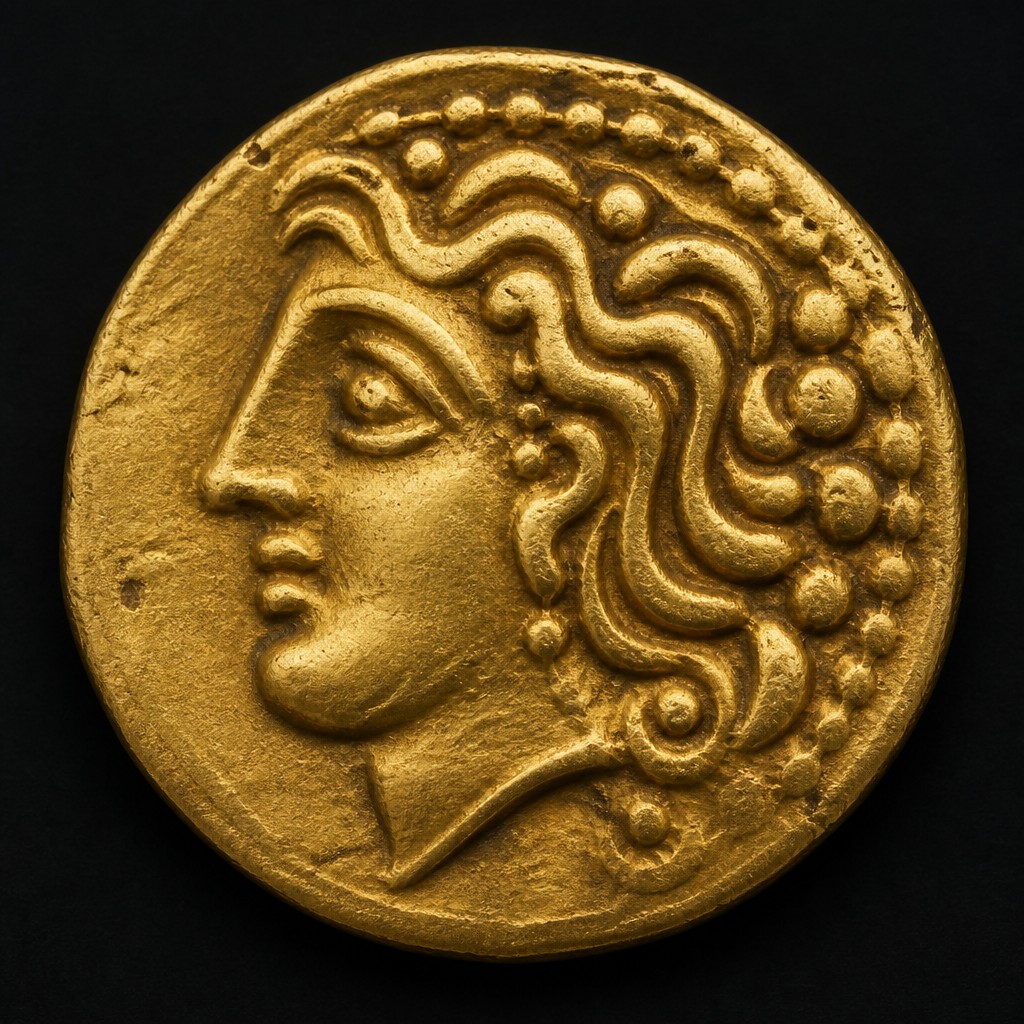
Celtic Gold Stater
c. 3rd century BC – 1st century AD