
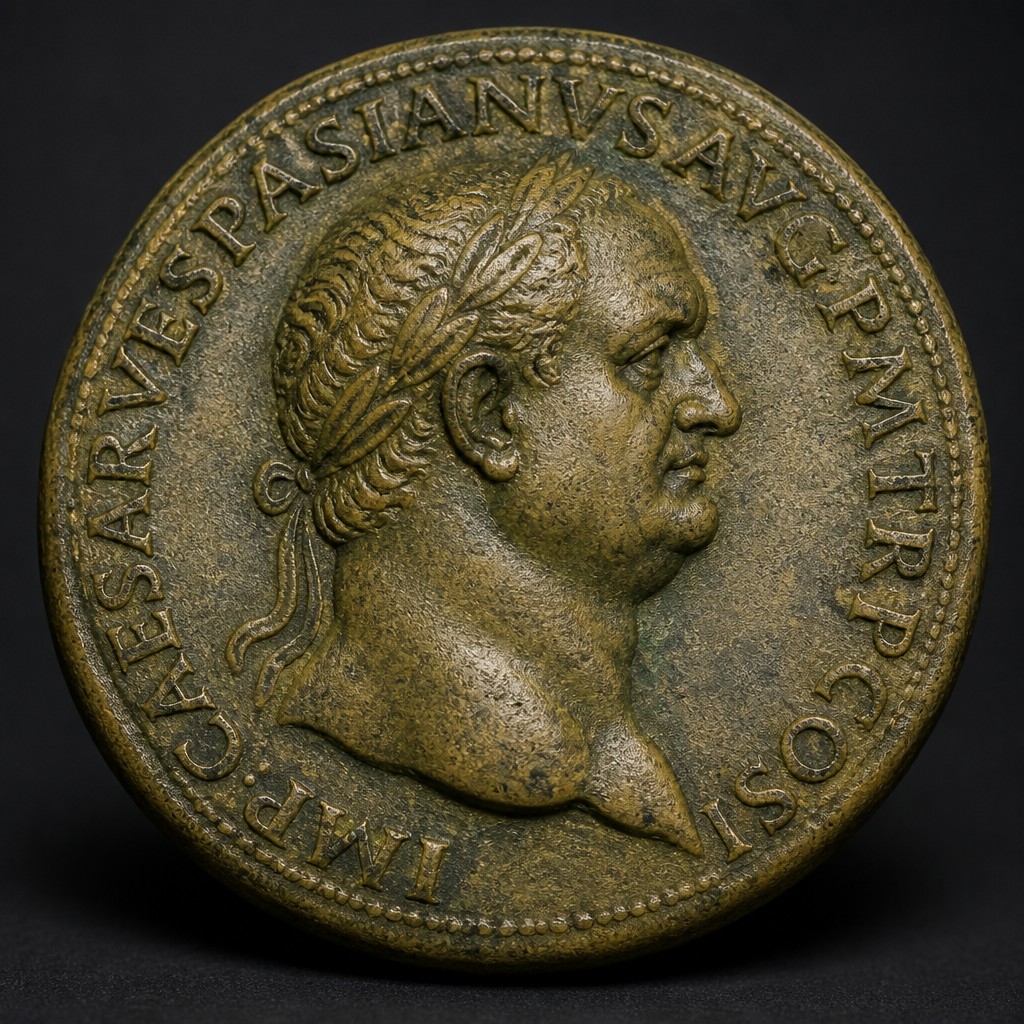
Vespasian Judaea Capta Sestertius
A large bronze coin of Emperor Vespasian commemorating Rome's suppression of the Jewish Revolt, showing a mourning captive beneath a palm tree with the legend IVDAEA CAPTA.
- Country
- Ancient Rome
- Denomination
- Sestertius
- Metal
- Orichalcum (brass)
Got a coin like this?
Identify any coin from a photo, free.
Overview
The Judaea Capta sestertius is one of the most historically resonant issues of the entire Roman series. Struck under Vespasian, and continued in smaller numbers under his son Titus, it commemorates the Roman suppression of the Great Jewish Revolt (66–73 AD) and the destruction of the Second Temple in Jerusalem in 70 AD.
The coin exists across several denominations — aurei, denarii, and the large orichalcum sestertius — but the sestertius is the piece most sought after because its broad flan gives the propaganda scene room to breathe. It is prized as much for its narrative power as for its rarity; few ancient coins tie so directly to a documented historical event.
Collectors of Judaean, Biblical, and Roman history all compete for these pieces, which has kept demand consistently strong across decades of the ancient coin market.
History & Background
Vespasian became emperor in 69 AD after the chaotic "Year of the Four Emperors," having commanded the Roman army sent to crush the Jewish uprising in Judaea. When his son Titus completed the siege and destruction of Jerusalem in 70 AD, the victory became the centerpiece of Flavian dynastic propaganda, since the new imperial family badly needed a unifying military triumph to legitimize its rule.
The Judaea Capta coinage was struck in vast quantities across the empire in gold, silver, and bronze between roughly 70 and 79 AD, making it one of the largest and most sustained propaganda campaigns in Roman numismatic history. Titus and later Domitian issued smaller commemorative echoes of the type after Vespasian's death in 79 AD.
The coinage served a practical purpose beyond glorification: it reassured the Roman public that the empire's eastern frontier had been secured and that the new dynasty could deliver victory and stability after decades of civil unrest.
How to Identify
The obverse typically bears the laureate head of Vespasian right, with a legend such as IMP CAES VESPASIAN AVG COS III or similar titulature and consulship dating. The reverse is the defining feature: a palm tree (a well-known symbol of Judaea in antiquity) with a mourning, seated female captive to one side representing conquered Judaea, and Vespasian (or Titus) standing as an armored victor, often with a spear and foot resting on a helmet, to the other side. The legend IVDAEA CAPTA runs around or across the field, with S C (Senatus Consulto) in the exergue on the bronze sestertius, indicating Senate authorization of the coinage.
The sestertius is a large, heavy orichalcum coin, typically in the range of 25–28 grams and roughly 33–36mm in diameter, giving Flavian die engravers ample space for the detailed captive-and-palm-tree scene. Because the design was struck for years across multiple mints and moneyers, style, portrait quality, and legend abbreviations vary somewhat between examples.
Collectors should be alert to modern reproductions and cast copies of this popular type, since its fame has made it a frequent target for forgers; sharp, die-struck details and correct weight/fabric for genuine ancient bronze are important checks alongside expert opinion.
Value & Collectibility
Judaea Capta sestertii command a strong premium over ordinary Flavian bronze because of the type's fame and thematic significance, and prices vary enormously with preservation. Well-worn or corroded examples can be available in the low hundreds of dollars, while sharply struck pieces with an attractive green or brown patina and full legends can bring several thousand dollars or more at auction.
Condition is paramount: because the reverse scene is so central to the coin's appeal, a clear captive figure, readable palm tree, and legible IVDAEA CAPTA legend add substantially to value even when the portrait side is softer. Smooth, even wear is generally preferred over pitting or aggressive past cleaning.
Provenance and pedigree from respected old collections can add a further premium given the type's popularity with both ancient coin specialists and collectors of Judaean and Biblical history, a crossover market that keeps demand broad.
Frequently asked questions
What does "Judaea Capta" mean?
It is Latin for "Judaea captured," referring to Rome's victory over the Jewish Revolt and the fall of Jerusalem in 70 AD.
Was this coin only issued as a sestertius?
No, the Judaea Capta design was struck in gold aurei, silver denarii, and bronze sestertii and other denominations; the sestertius is the largest and most visually dramatic.
Who is the captive figure on the reverse?
It is a personification of the conquered province of Judaea, shown seated and mourning beneath or beside a palm tree, a traditional symbol of the region.
Are these coins commonly faked?
Yes, due to their fame and historical appeal, cast copies and forgeries exist, so buying from reputable dealers and checking weight and strike quality is important.
Why is this coin significant beyond numismatics?
It is one of the few ancient coins that directly commemorates an event described in historical and religious texts, giving it broad appeal beyond typical coin collectors.
Other coins you may enjoy
Theodosius I Solidus
379–395 AD
Republican Victoriatus
c. 211–170 BC
Islamic Gold Dinar (Umayyad)
c. 696–750 AD
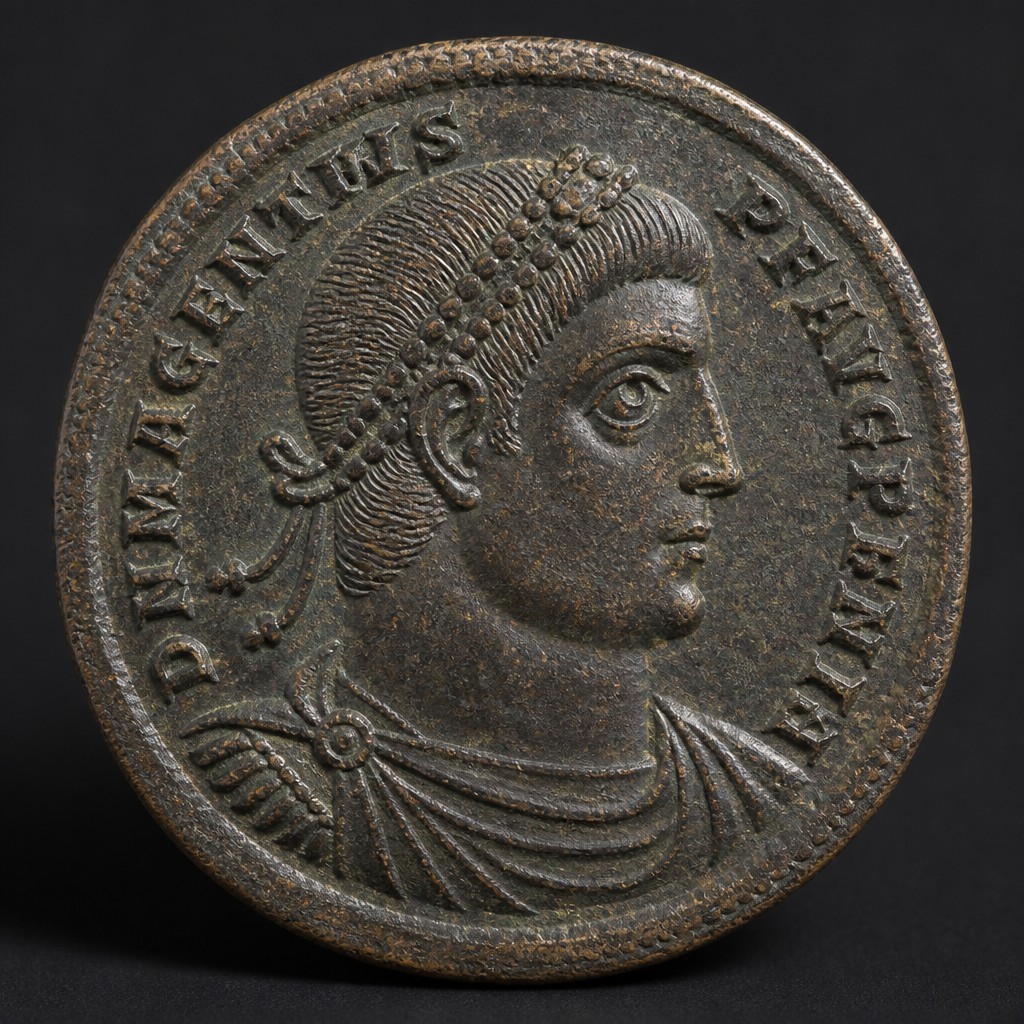
Magnentius Double Centenionalis
350–353 AD
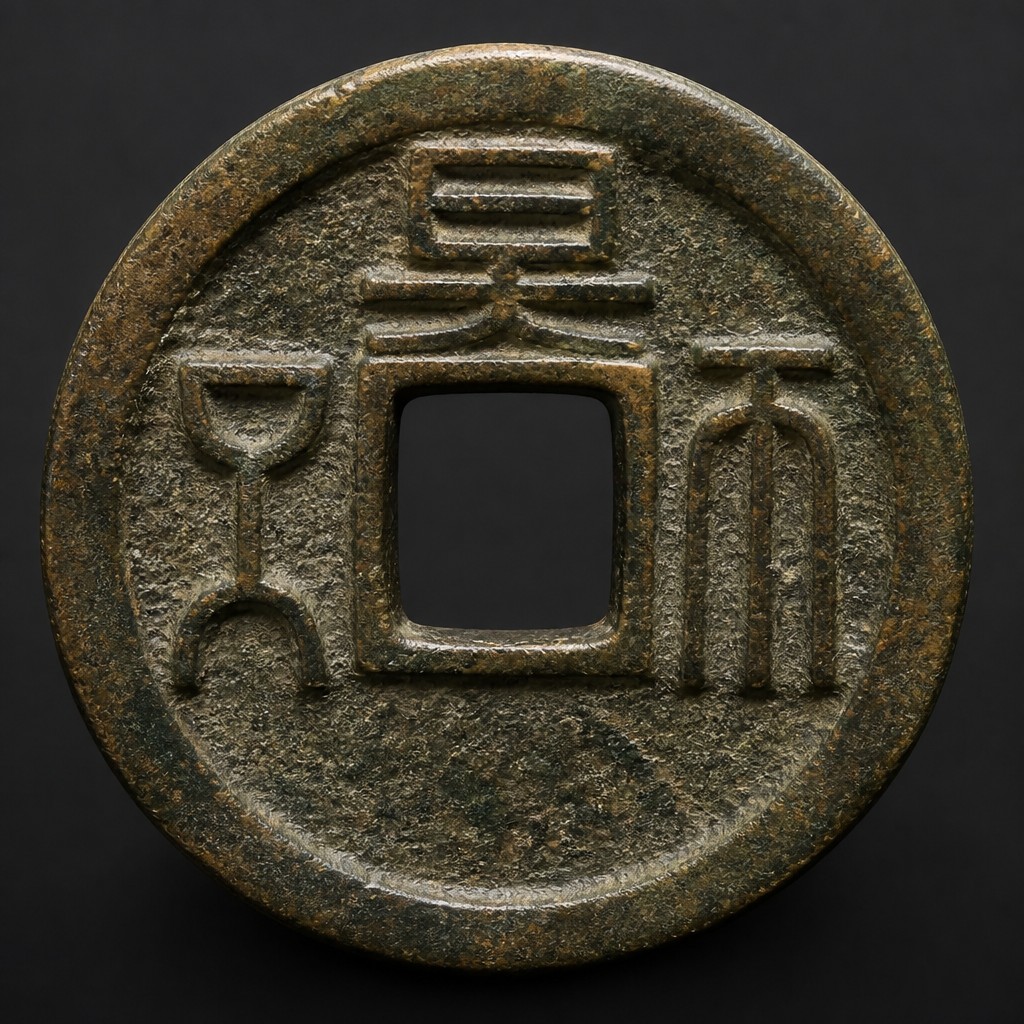
Chinese Wu Zhu Cash
118 BC – 618 AD
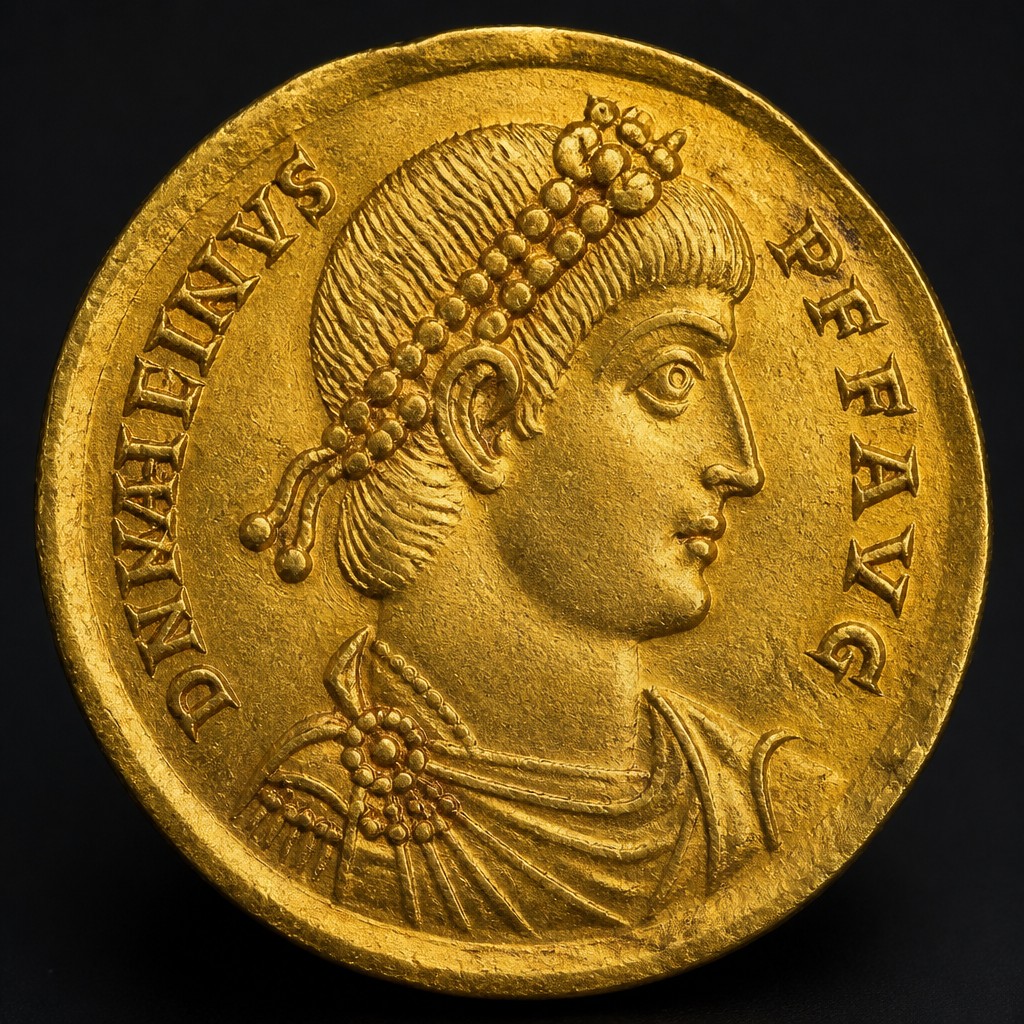
Valentinian I Solidus
364–375 AD
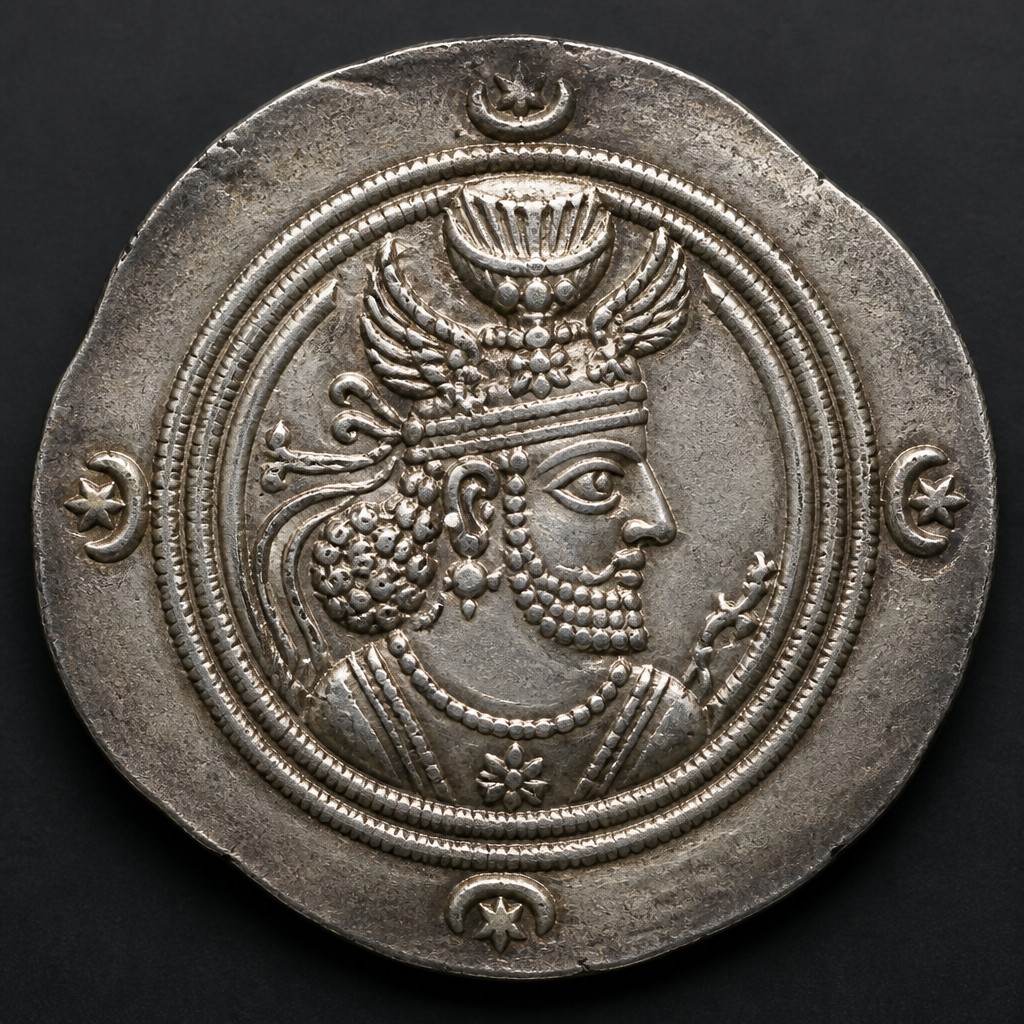
Sassanian Silver Drachm
c. 224–651 AD
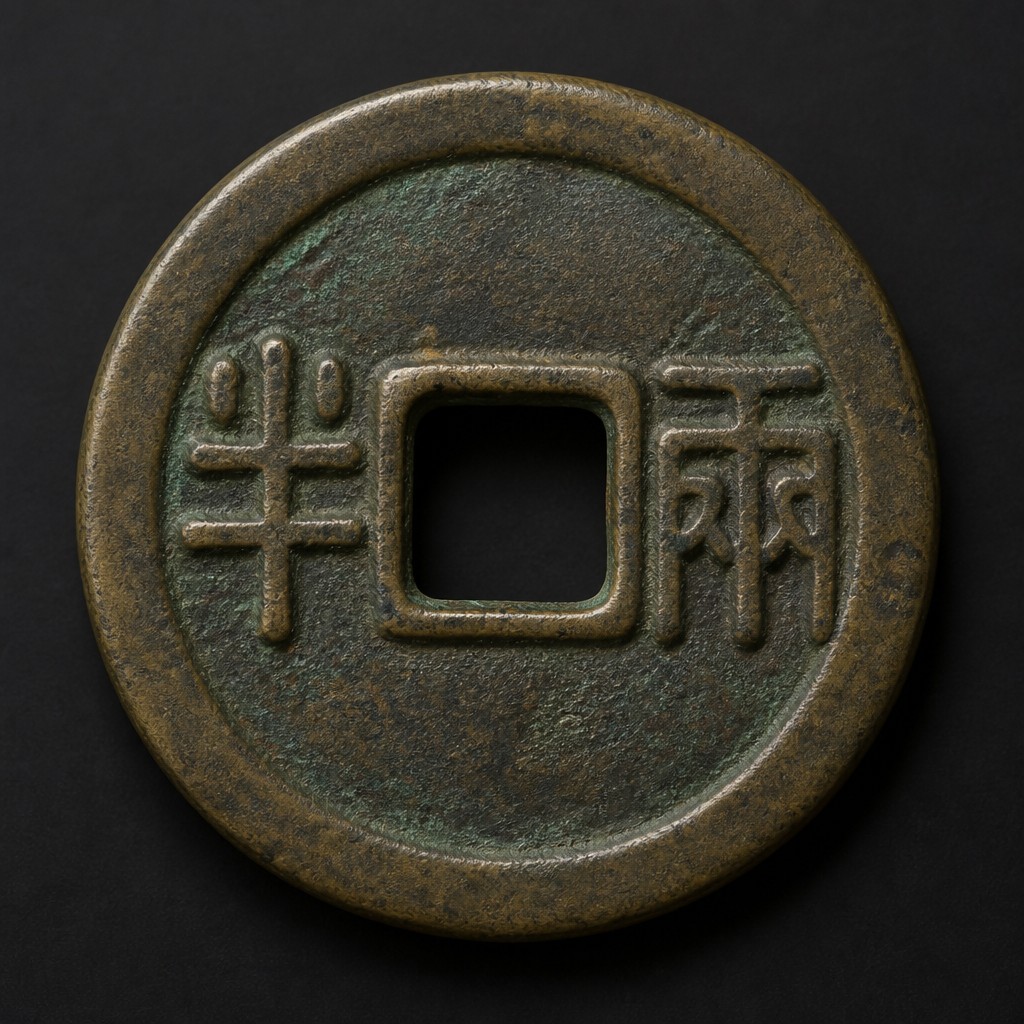
Chinese Ban Liang Cash
c. 221–118 BC
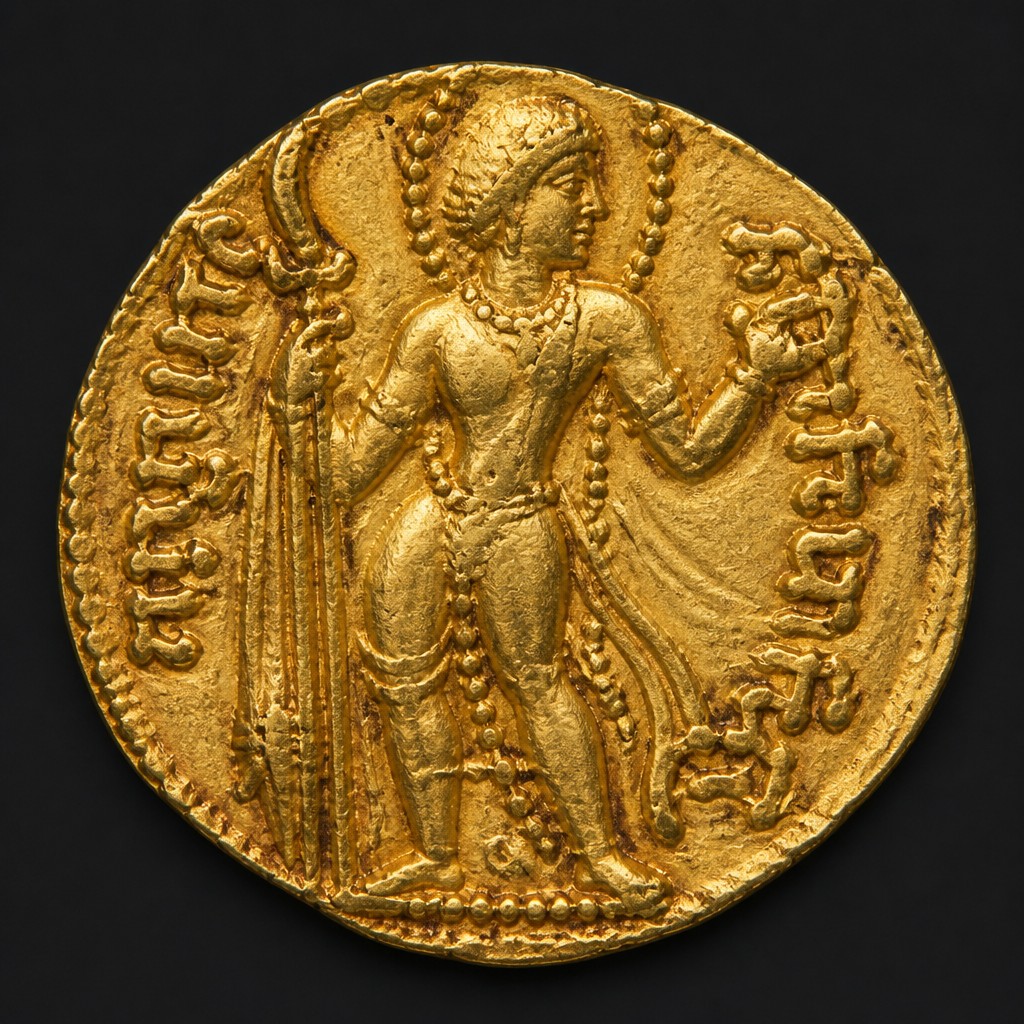
Gupta Empire Gold Dinar
c. 320–550 AD
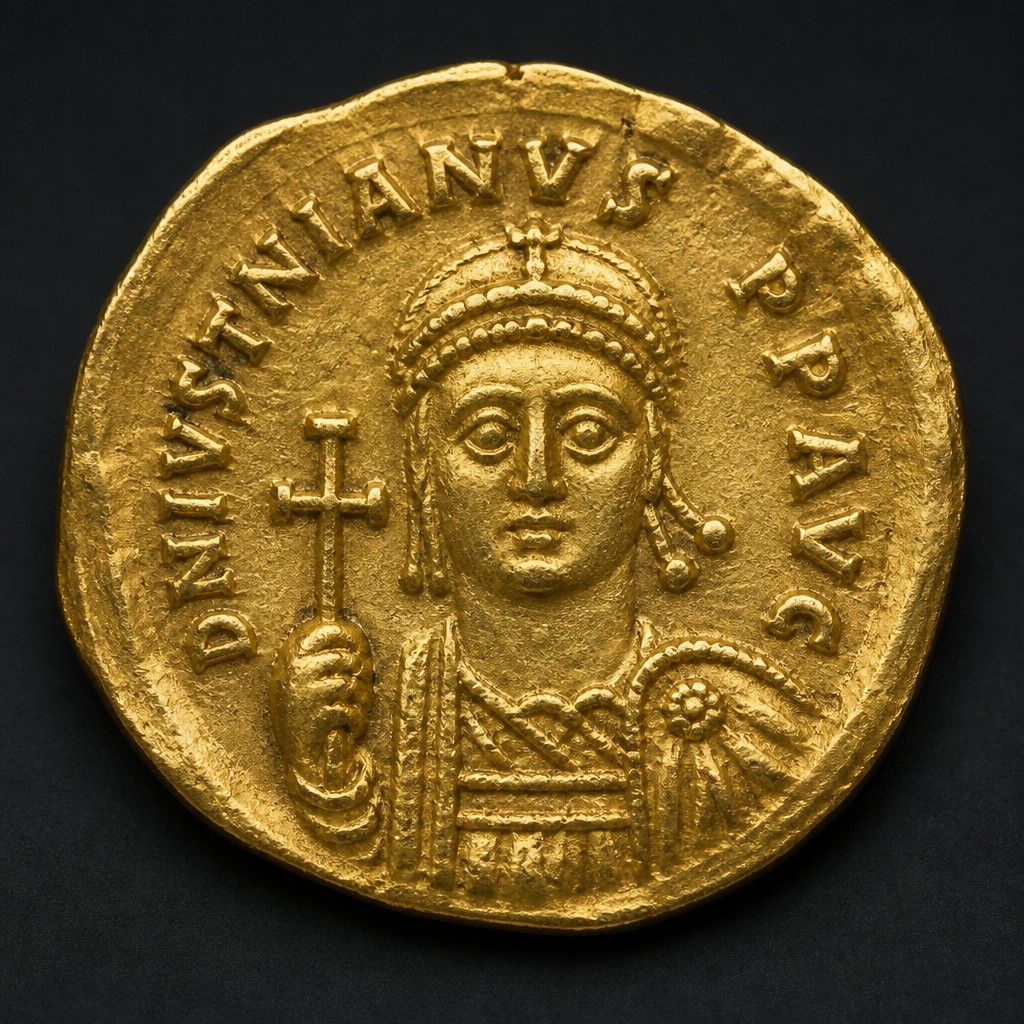
Byzantine Gold Tremissis
c. 4th–7th century AD
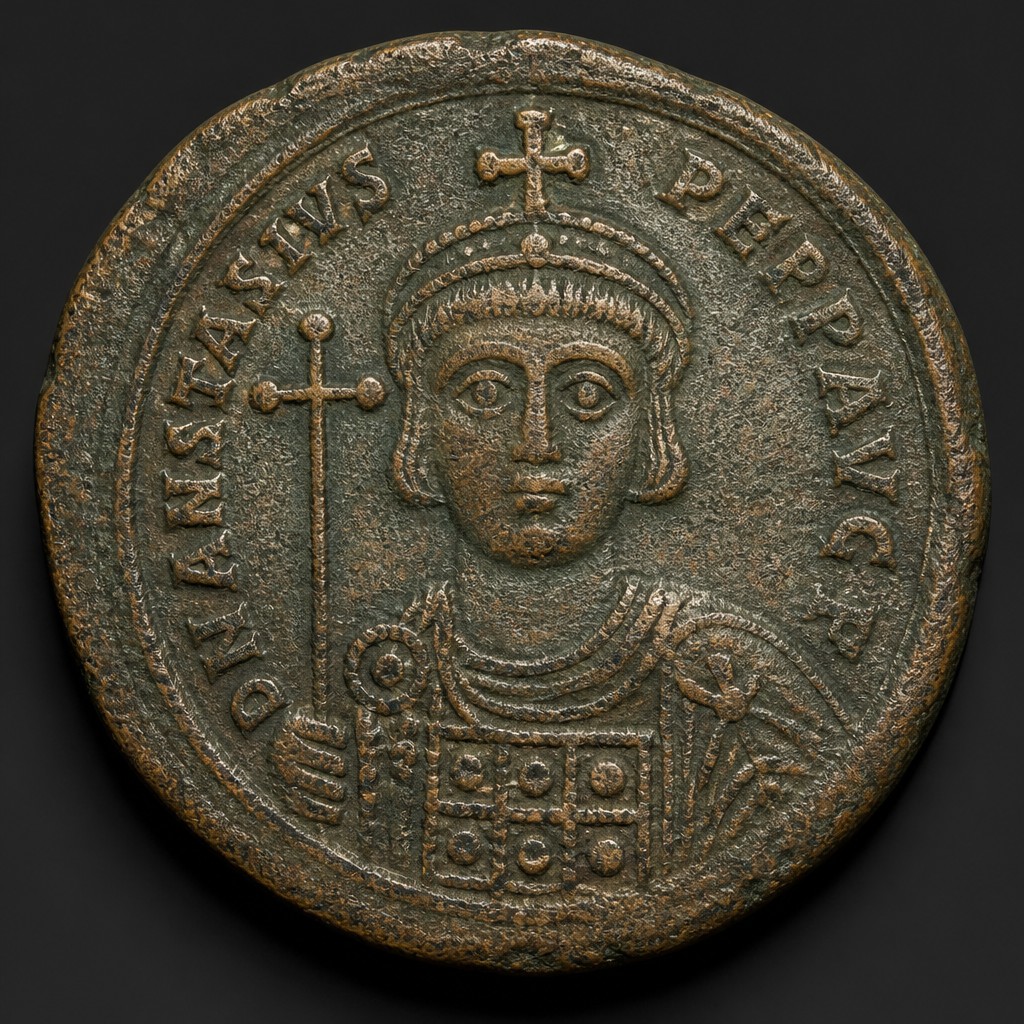
Byzantine Follis
498–c. 11th century AD
Celtic Gold Stater
c. 3rd century BC – 1st century AD