
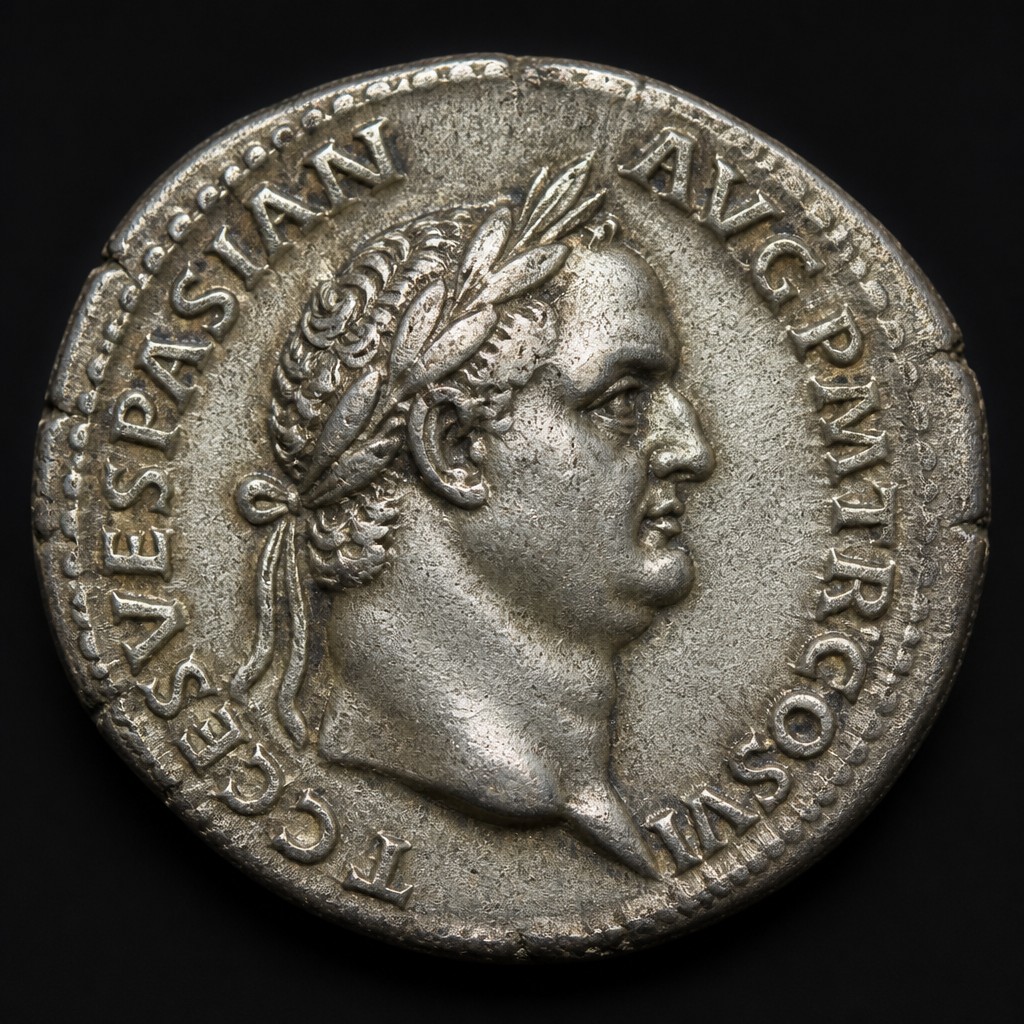
Titus Denarius
The silver denarius of Emperor Titus, second Flavian ruler, celebrated for completing the Colosseum and for a short, well-regarded reign.
- Country
- Ancient Rome
- Denomination
- Denarius
- Metal
- Silver (approx. 90%)
Got a coin like this?
Identify any coin from a photo, free.
Overview
The denarius of Titus represents the brief but celebrated reign of Vespasian's elder son, who ruled Rome for only about two years yet is remembered favorably by ancient historians for his handling of crises such as the eruption of Vesuvius and a major fire in Rome. As Flavian silver coinage, it continues the disciplined, competent portraiture style established under his father.
Collectors value Titus denarii both as an entry point into Flavian dynasty coinage and for the variety of reverse types issued during his short tenure, some referencing his earlier military role in Judaea and others standard imperial virtues.
Because his reign was so brief compared to other emperors, the overall volume of Titus denarii is smaller than for longer-reigning rulers, giving the series a modest but genuine scarcity relative to more common Flavian issues under Vespasian.
History & Background
Titus Flavius Vespasianus had already built a substantial reputation before becoming emperor, having led the final siege of Jerusalem in 70 AD under his father's authority. When Vespasian died in 79 AD, Titus succeeded smoothly as the first son to directly inherit the throne from his father since the Julio-Claudian era, a milestone for the fledgling Flavian dynasty.
His short reign, from 79 to 81 AD, was marked by the eruption of Mount Vesuvius that destroyed Pompeii and Herculaneum, a serious fire and plague in Rome, and the completion and dedication of the Flavian Amphitheater, later known as the Colosseum. Coinage from his reign reflects both continuity with his father's propaganda themes and new emphasis on his own achievements.
Titus died suddenly in 81 AD, succeeded by his younger brother Domitian, and was deified by the Senate, with later commemorative issues struck in his honor.
How to Identify
The obverse shows the laureate head of Titus facing right, typically with a legend such as IMP TITVS CAES VESPASIAN AVG P M, reflecting his full imperial titles. Reverse types are varied, including personifications such as Pax, Ceres, or Fortuna, dolphin-and-anchor motifs, a tripod referencing priestly office, and continued Judaea Capta commemorative types inherited from his father's program.
The denarius is a small silver coin, generally about 3 to 3.5 grams and 17 to 19mm in diameter, with a portrait style very close to that used for Vespasian, since Titus had already been depicted on coinage for years as heir apparent (Caesar) before becoming Augustus.
To distinguish a Titus denarius from one of Vespasian, check the obverse legend carefully for his name and imperial title as sole Augustus (post-79 AD issues) versus his earlier Caesar-era coinage, which uses different titulature and was struck while Vespasian was still alive.
Value & Collectibility
Titus denarii are collectible and generally available in the low-to-mid hundreds of dollars for well-preserved, clearly struck examples, with common reverse types being the most affordable. Rarer reverse types or exceptionally sharp portraits can bring notably higher prices among specialists.
As with most Flavian silver, condition, centering, and portrait sharpness drive value more than raw scarcity, since mint output for the type, while smaller than under longer-reigning emperors, was still substantial enough that examples are not especially hard to find.
Coins that can be tied to specific notable reverse themes, such as the Colosseum dedication era or Judaea Capta commemoratives issued under his own name, often carry a premium due to their added historical narrative.
Frequently asked questions
How long did Titus reign?
Titus ruled as sole emperor for a little over two years, from 79 AD until his death in 81 AD.
What is Titus best known for?
He is remembered for completing the Colosseum, his generally popular rule, and for having commanded Roman forces during the siege of Jerusalem before becoming emperor.
How can I tell a Titus coin from a Vespasian coin?
Check the obverse legend for the emperor's name and title; Titus coins as sole Augustus date to 79–81 AD and carry his own imperial titulature.
Are Titus denarii rare?
They are less common than Vespasian's due to his shorter reign, but genuine examples in decent grade are still obtainable through established ancient coin dealers.
Other coins you may enjoy
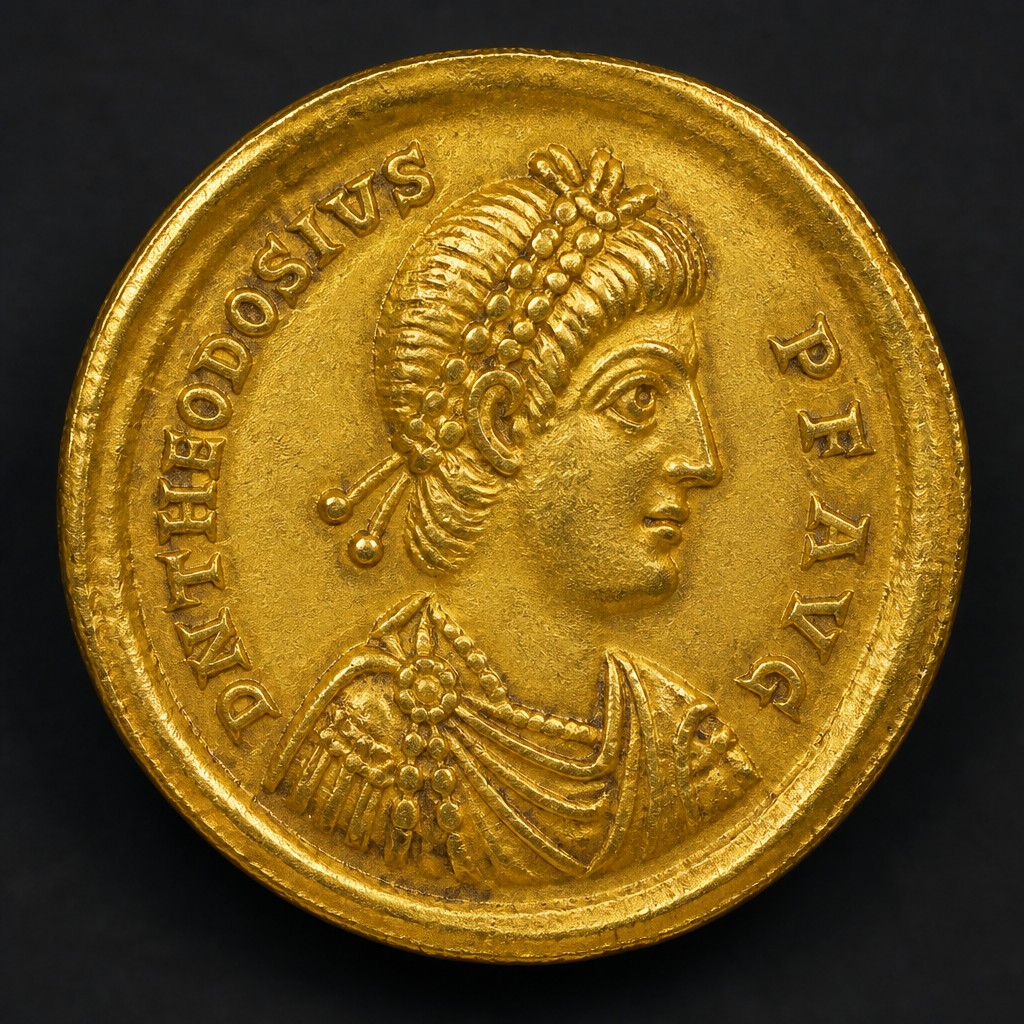
Theodosius I Solidus
379–395 AD
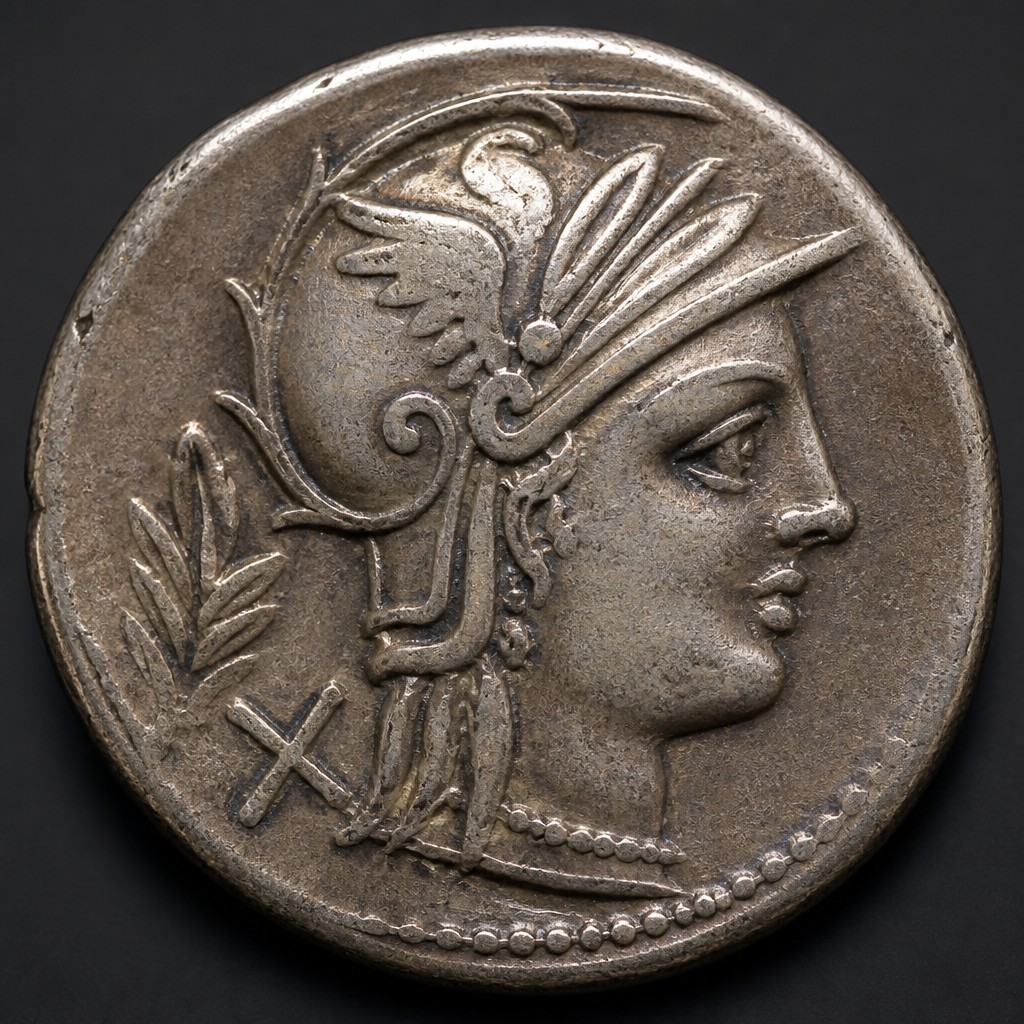
Republican Victoriatus
c. 211–170 BC
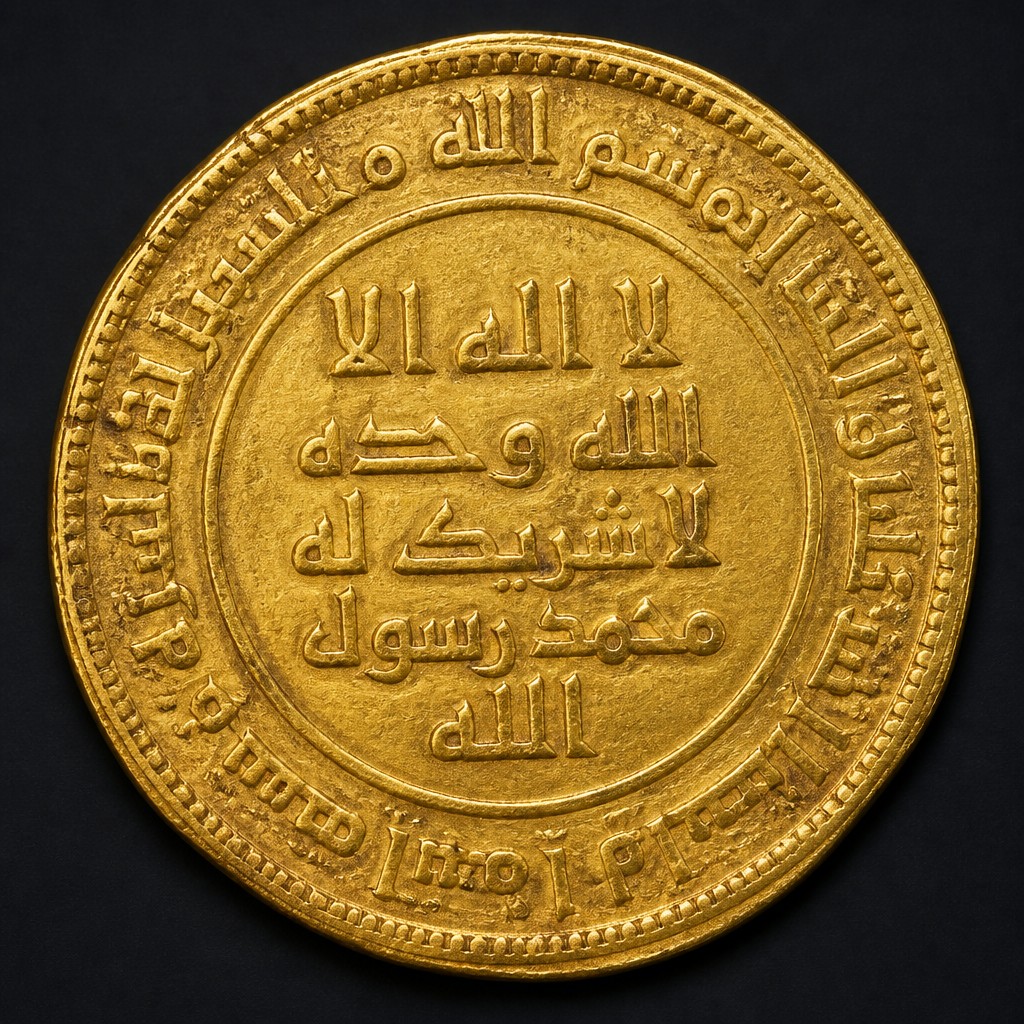
Islamic Gold Dinar (Umayyad)
c. 696–750 AD
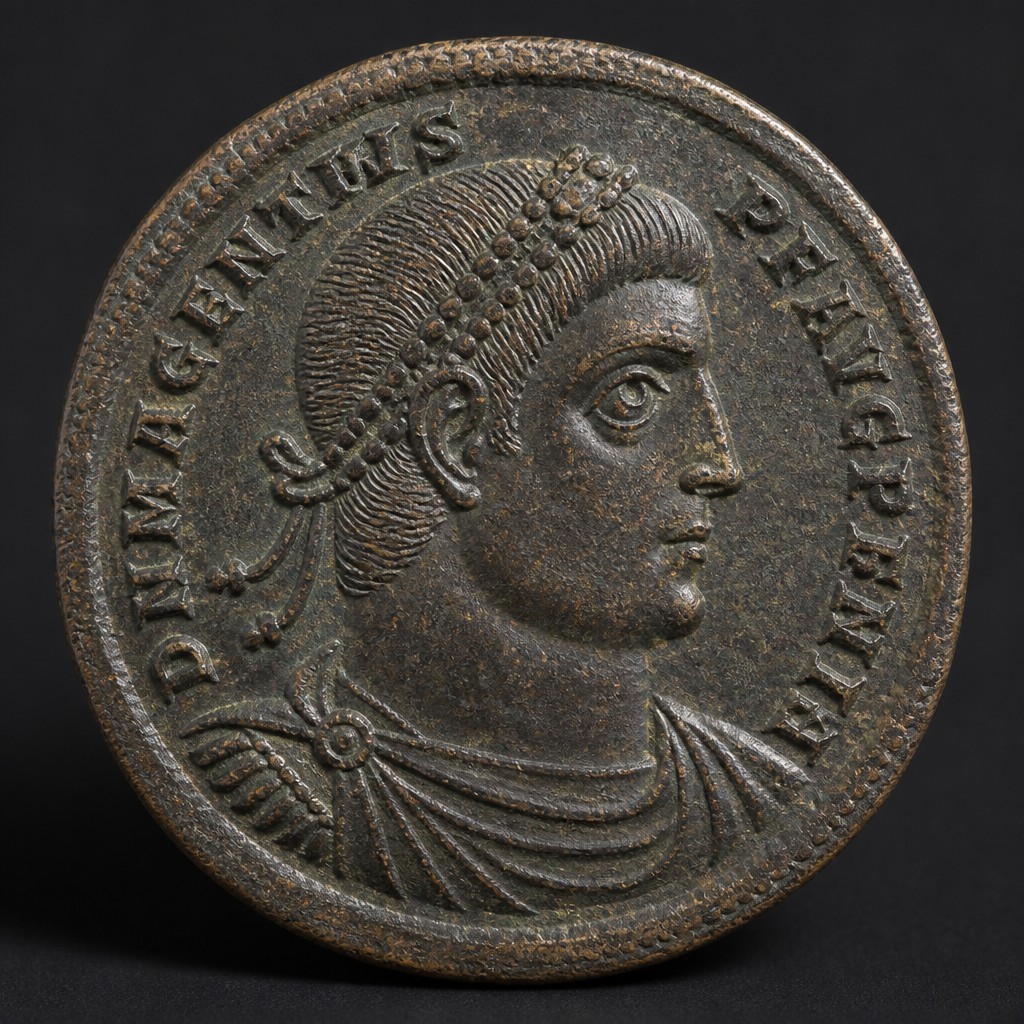
Magnentius Double Centenionalis
350–353 AD
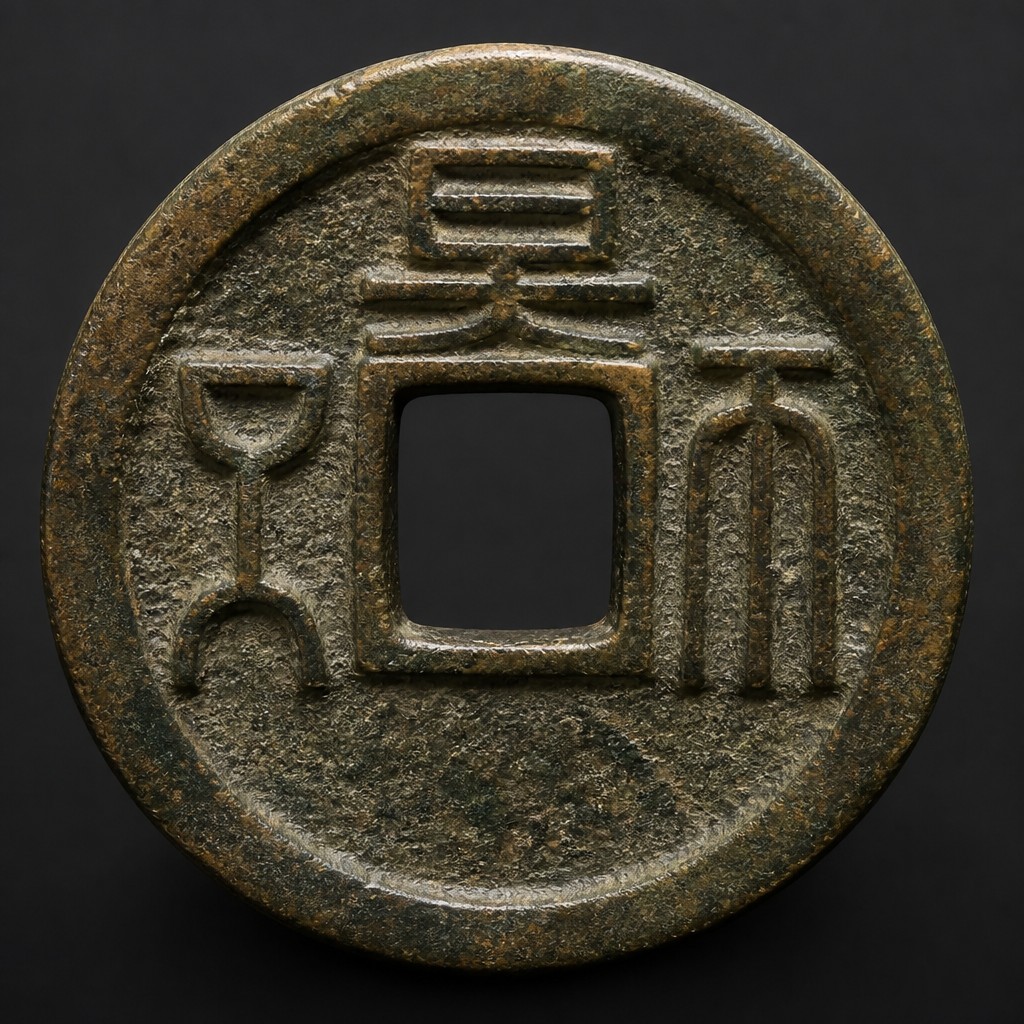
Chinese Wu Zhu Cash
118 BC – 618 AD
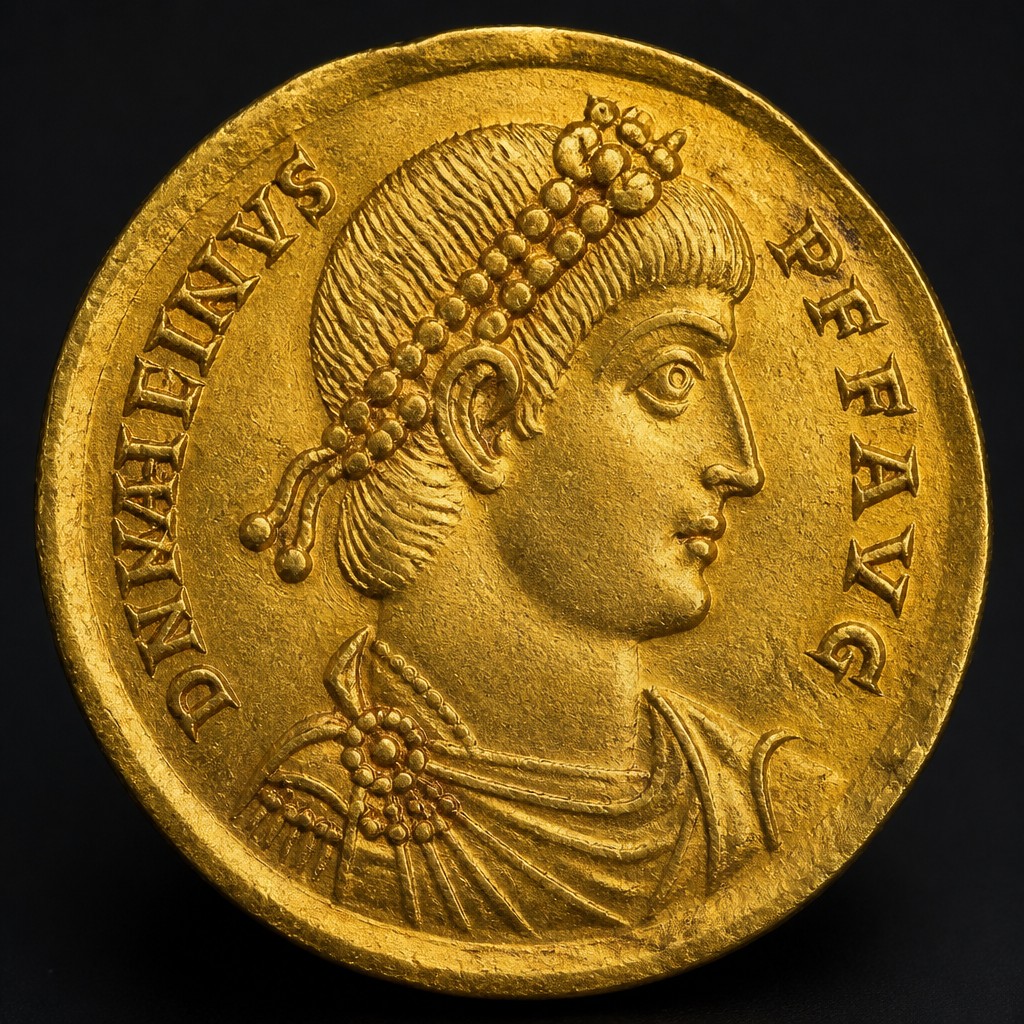
Valentinian I Solidus
364–375 AD
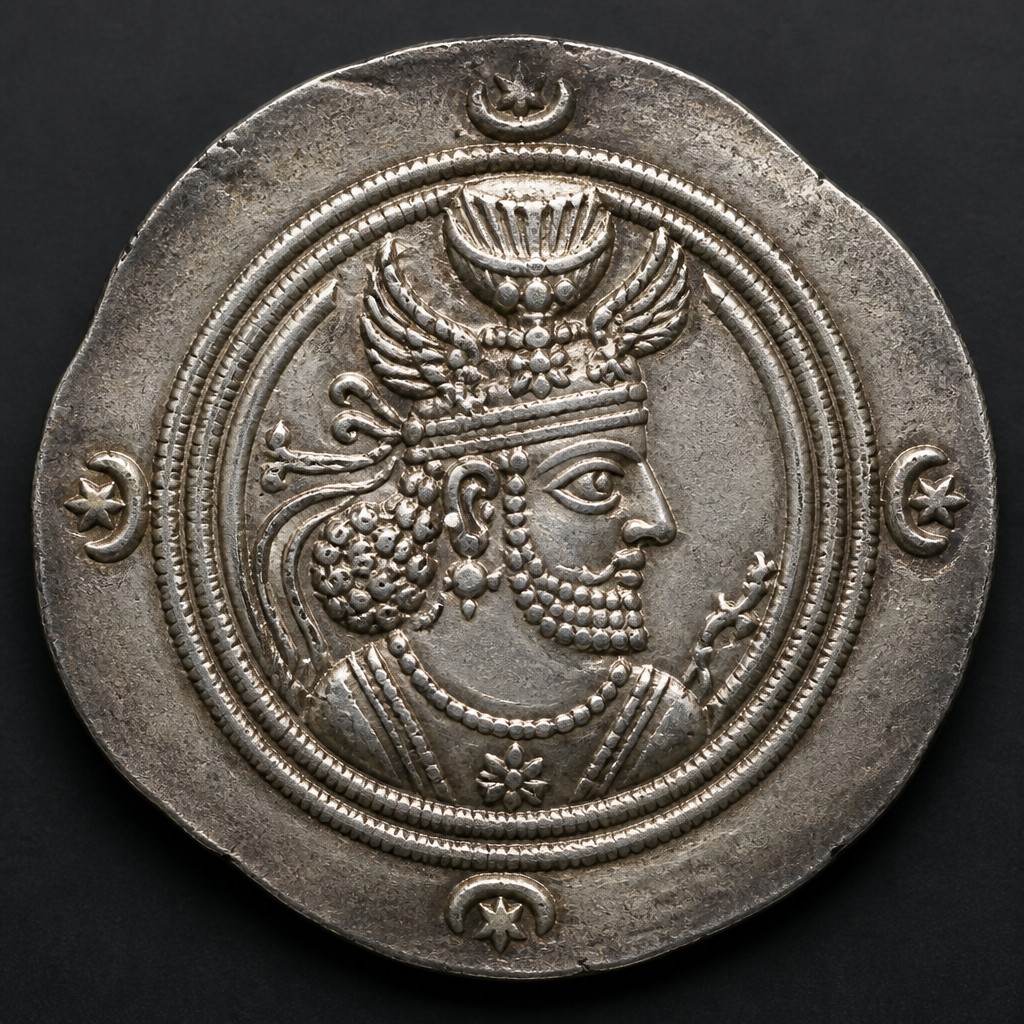
Sassanian Silver Drachm
c. 224–651 AD
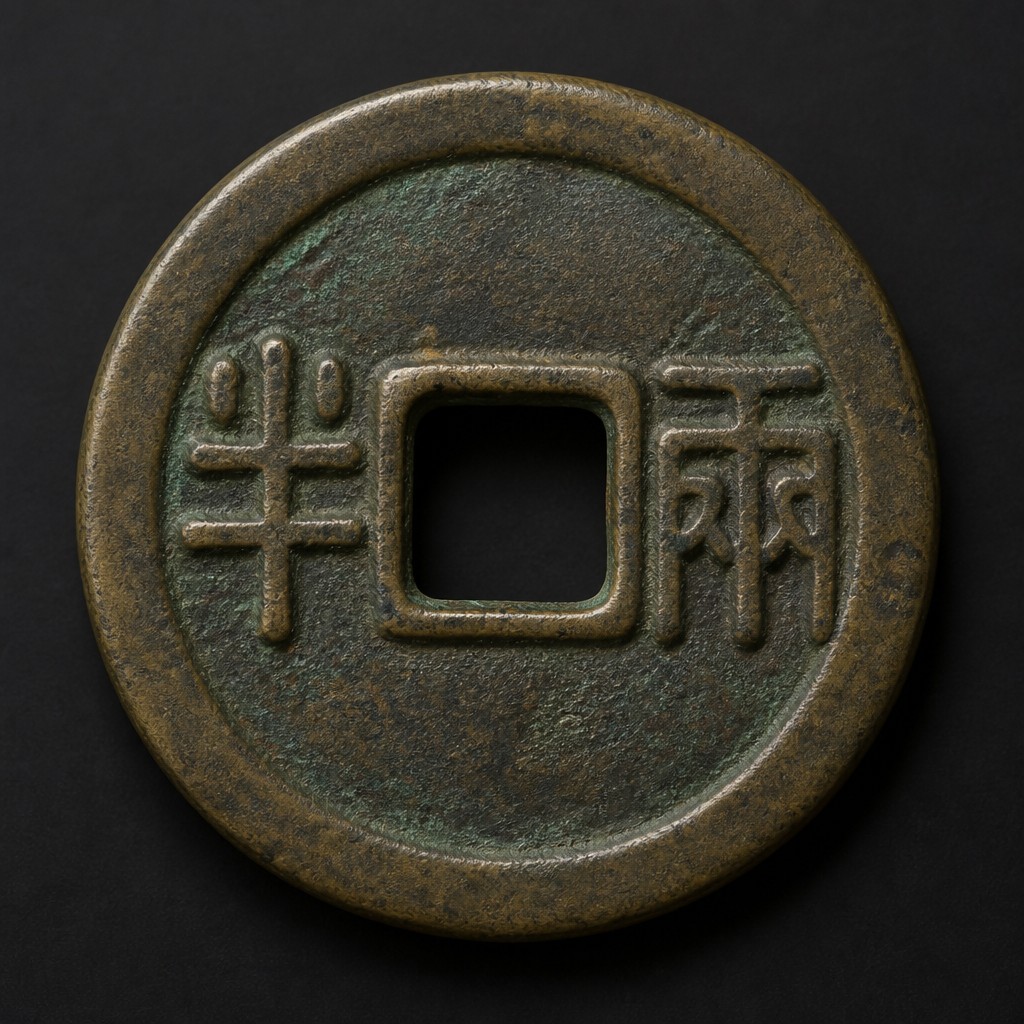
Chinese Ban Liang Cash
c. 221–118 BC
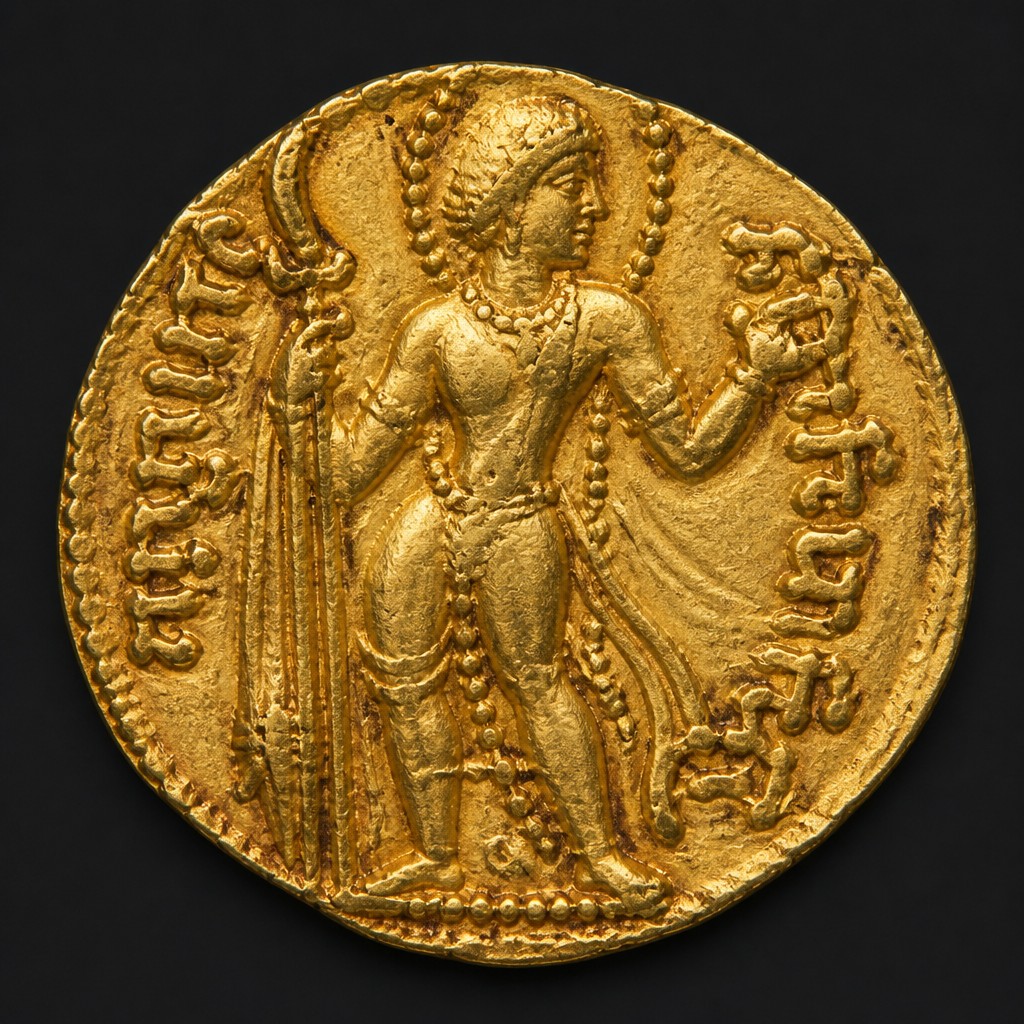
Gupta Empire Gold Dinar
c. 320–550 AD
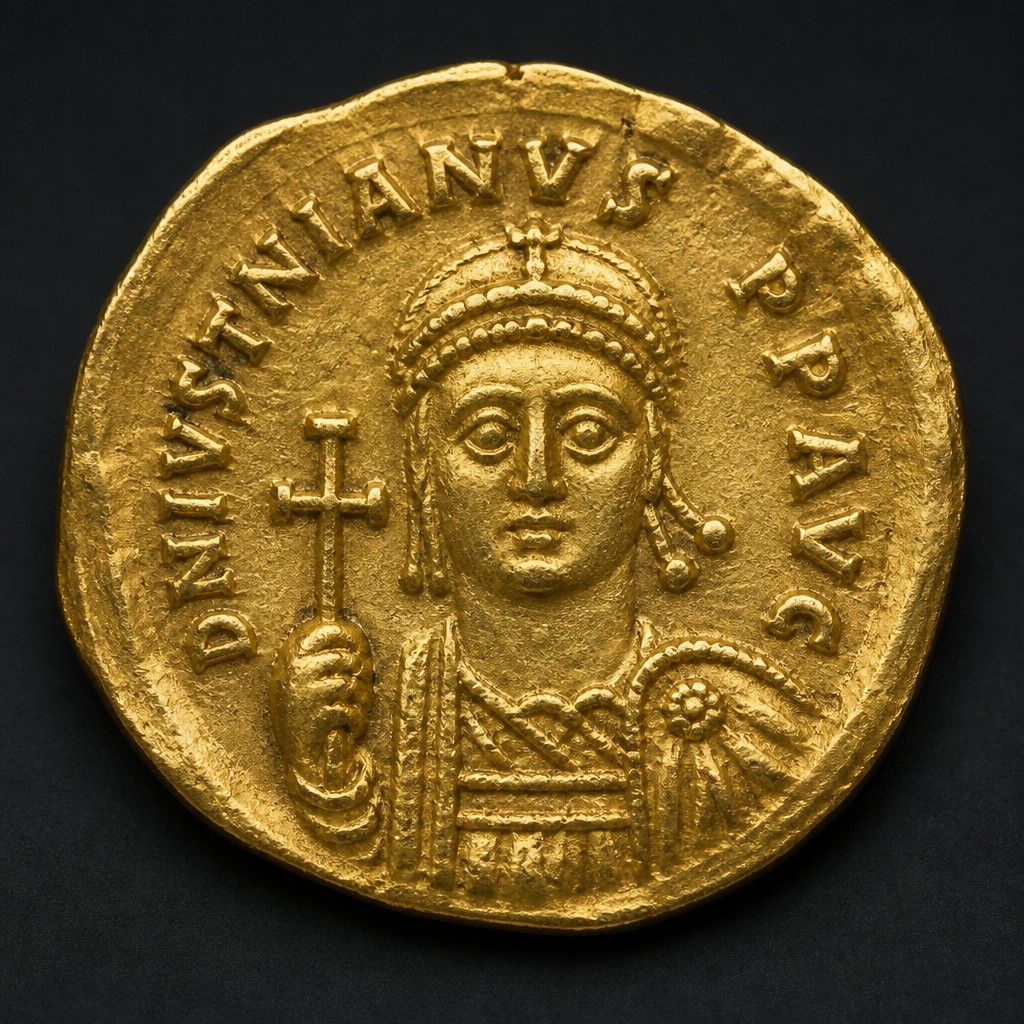
Byzantine Gold Tremissis
c. 4th–7th century AD
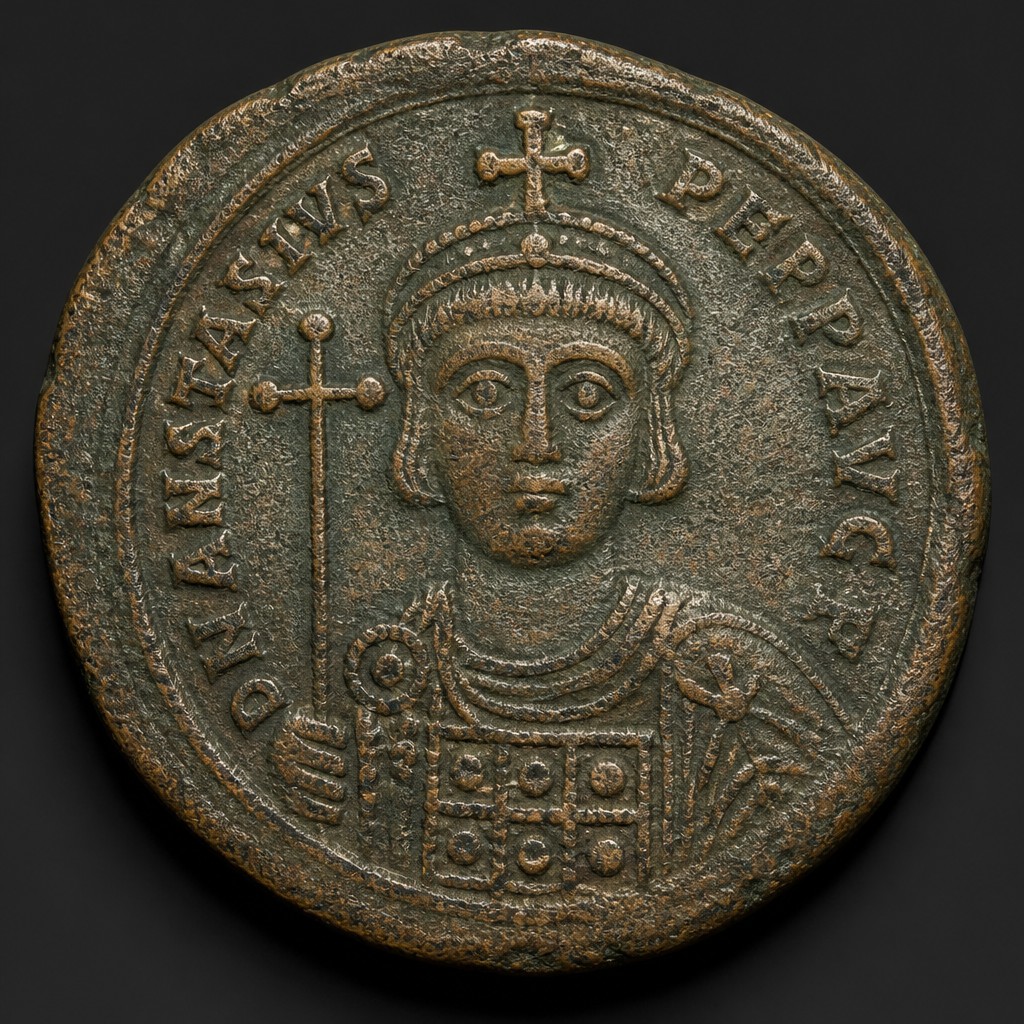
Byzantine Follis
498–c. 11th century AD
Celtic Gold Stater
c. 3rd century BC – 1st century AD