
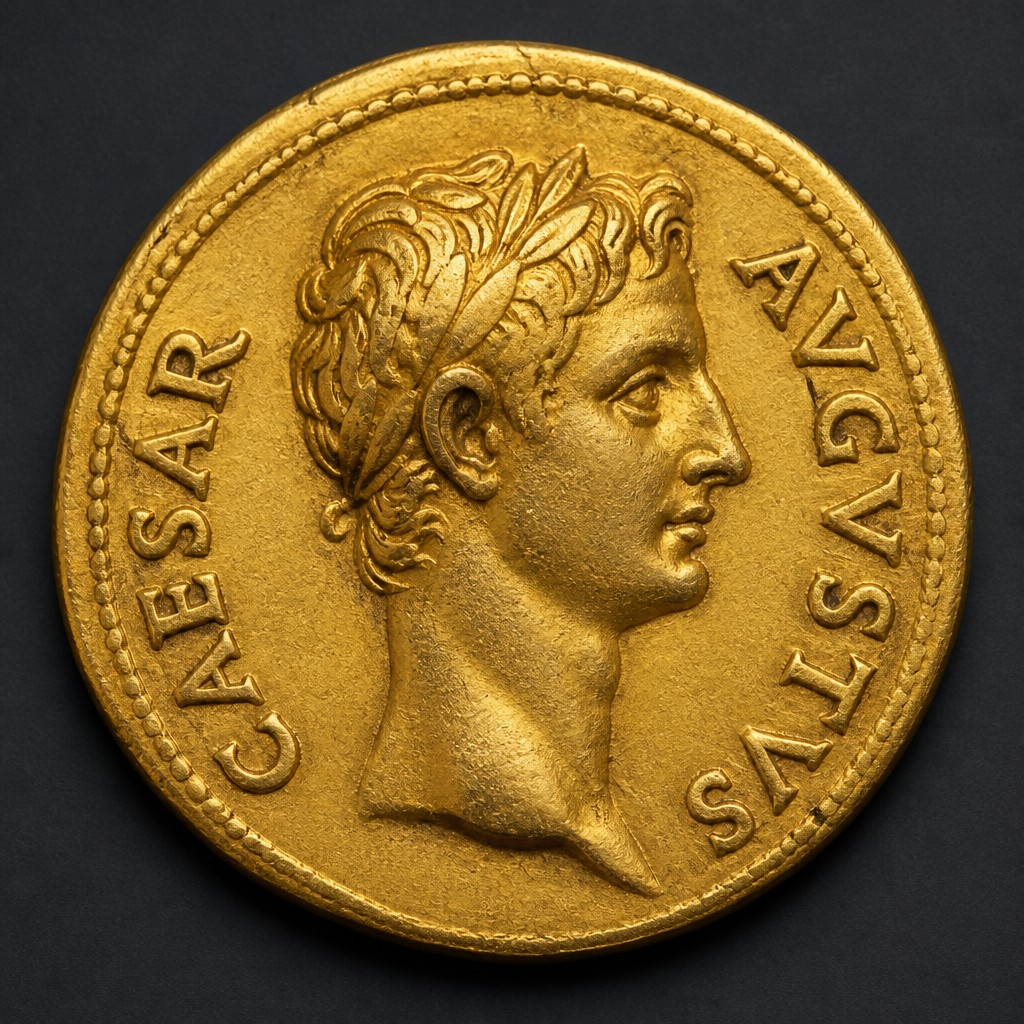
Roman Aureus of Augustus
A gold coin struck under Rome's first emperor, Augustus, marking the establishment of a stable imperial gold coinage that funded and symbolized the new Roman Empire.
- Country
- Ancient Rome
- Denomination
- Aureus
- Metal
- Gold
Got a coin like this?
Identify any coin from a photo, free.
Overview
The aureus of Augustus represents the beginning of a standardized imperial Roman gold coinage that would continue, with adjustments, for centuries. Struck under Rome's first emperor, who reigned from 27 BC until his death in AD 14, these coins circulated at the top of the Roman monetary system and were used for large transactions, military pay, and displays of imperial authority.
Collectors of ancient coins value Augustus aurei both for their historical significance, marking the transition from Roman Republic to Empire, and for the wide variety of reverse types issued during his long reign, which commemorated military victories, family members, and key political events of the early Principate.
History & Background
Augustus (born Octavian), after defeating Mark Antony and Cleopatra at the Battle of Actium in 31 BC, consolidated power and was granted the title Augustus by the Roman Senate in 27 BC, effectively founding the Roman Empire while maintaining a facade of restored Republican institutions. As part of establishing his authority and funding the state, Augustus reorganized Roman coinage, standardizing the aureus as the principal gold denomination alongside the silver denarius.
Aurei were struck at various mints during his reign, including at Rome itself in later years and at provincial mints such as Lugdunum (modern Lyon) in Gaul, reflecting the empire's growing administrative reach. The wide range of reverse designs issued under Augustus, celebrating military triumphs, family successors, and religious themes, served as a powerful tool of imperial propaganda communicated widely through coinage.
The aureus continued as the Roman Empire's standard gold coin for centuries after Augustus, with its weight and fineness gradually adjusted by later emperors, but the basic system he established endured as a hallmark of Roman monetary policy.
How to Identify
Augustus aurei typically show his portrait, often laureate (wearing a laurel wreath) or bare-headed, on the obverse, with a Latin legend naming his titles, commonly including forms of AUGUSTUS, CAESAR, and DIVI FILIUS (son of the deified, referring to his adoptive father Julius Caesar). Reverse designs vary widely across the reign, including deities, military and political imagery, family members such as his heirs Gaius and Lucius Caesar, and commemorative scenes tied to specific events.
Genuine Augustus aurei are small, dense gold coins, notably smaller than modern gold coins of similar or lesser value due to gold's density, and were struck by hand using engraved dies, so genuine examples show slight irregularities in shape and centering typical of ancient minting rather than the perfect uniformity of modern coinage. Given the value and desirability of ancient gold coinage, authentication by an experienced ancient coin specialist or major grading service that certifies ancient coins is strongly recommended before any purchase.
Value & Collectibility
Roman gold aurei of Augustus are significant ancient coins that generally command strong prices due to their gold content, historical importance, and the enduring appeal of coinage from Rome's first emperor, with well-preserved examples often reaching into the five figures at auction and exceptional or historically notable specimens considerably more. Value depends heavily on the specific reverse type, rarity of that type, preservation of the portrait and legends, and centering and strike quality.
Because ancient gold coins have long been targets for forgery given their intrinsic value, provenance and professional authentication play an outsized role in both price and marketability compared to many other coin categories.
Frequently asked questions
What is an aureus?
The aureus was the primary gold coin denomination of ancient Rome, used for large transactions and as the top tier of the Roman monetary system alongside the silver denarius.
Why is Augustus significant to Roman coinage?
As Rome's first emperor, he established a standardized imperial gold and silver coinage system that endured, in adapted form, for centuries and used coin imagery as a major tool of political messaging.
What does DIVI FILIUS mean on Augustus coins?
It means 'son of the deified one,' referring to Augustus's status as the adopted son and heir of the deified Julius Caesar, a title he used to bolster his political legitimacy.
Are ancient Roman gold coins commonly faked?
Yes, due to their gold content and desirability, ancient gold coins including aurei are frequent targets for forgery, so professional authentication is important.
Other coins you may enjoy
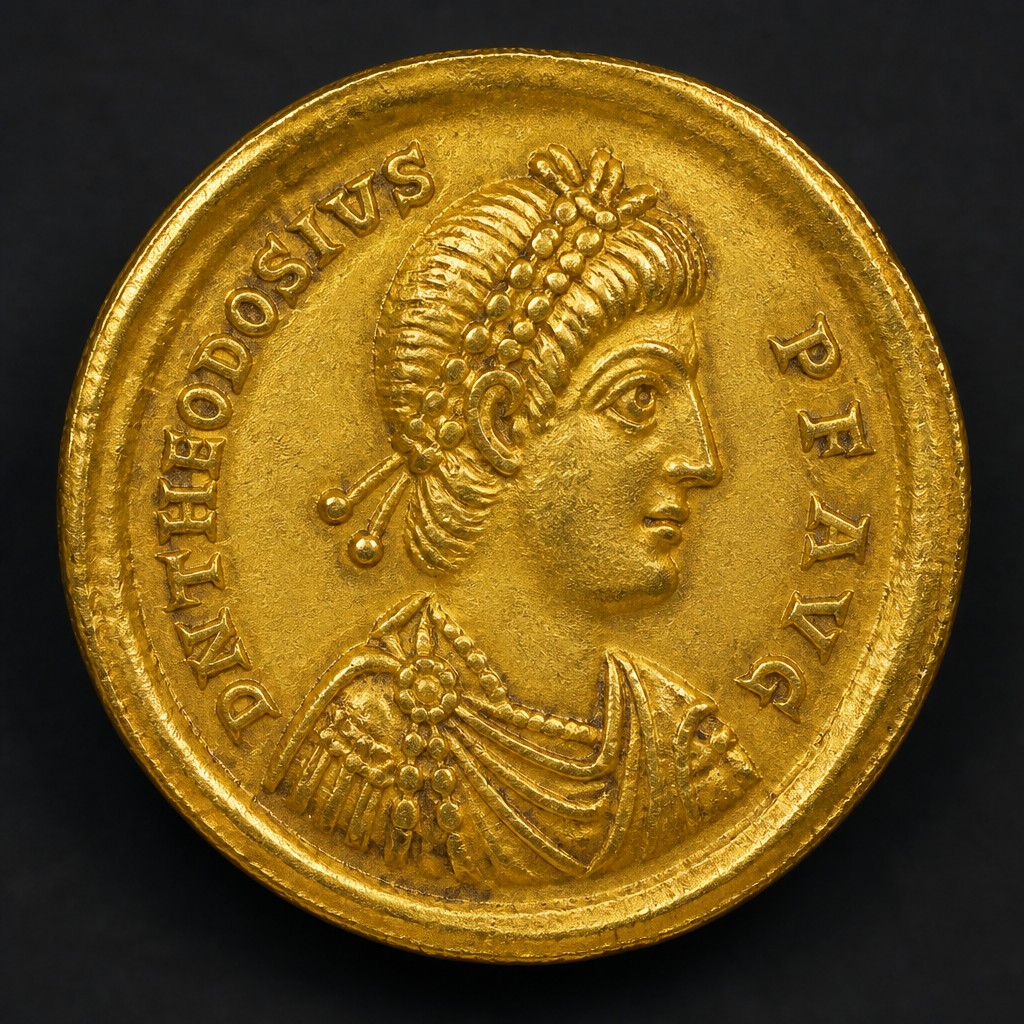
Theodosius I Solidus
379–395 AD
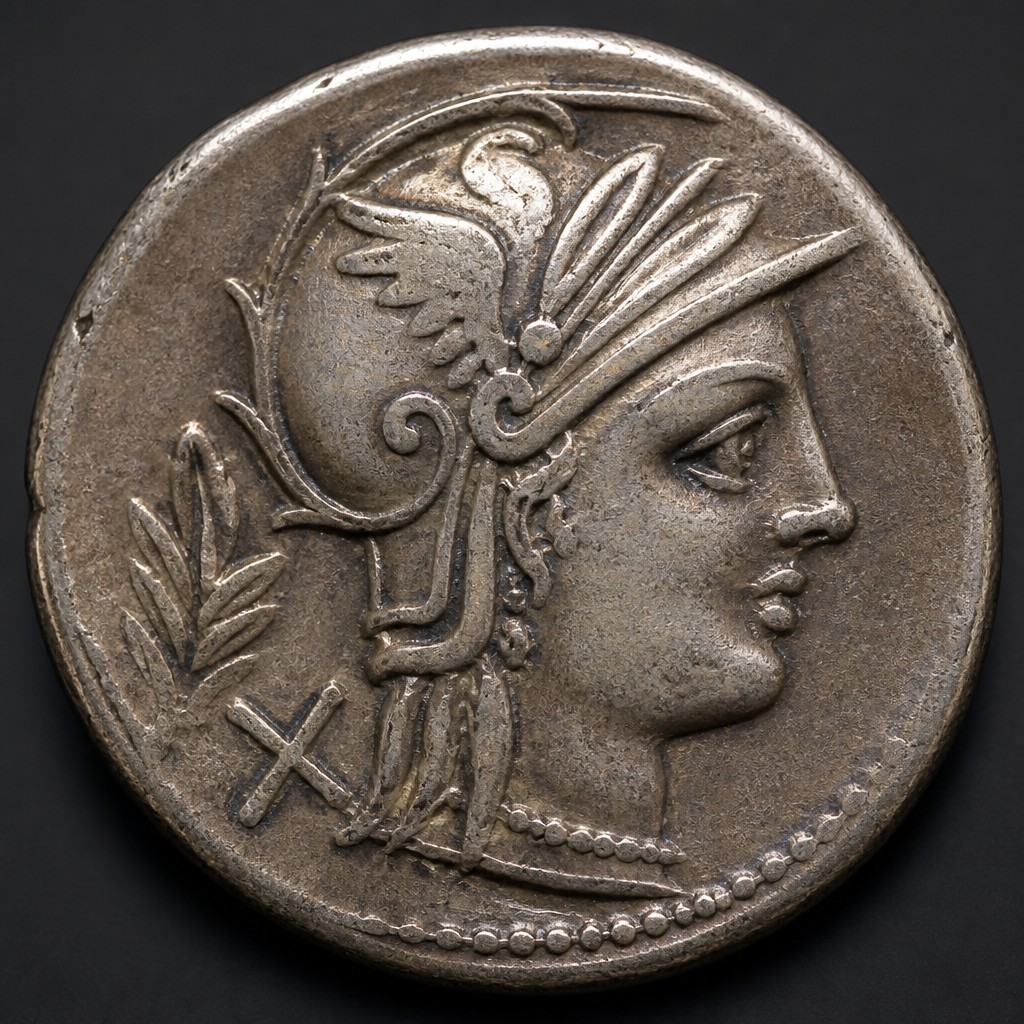
Republican Victoriatus
c. 211–170 BC
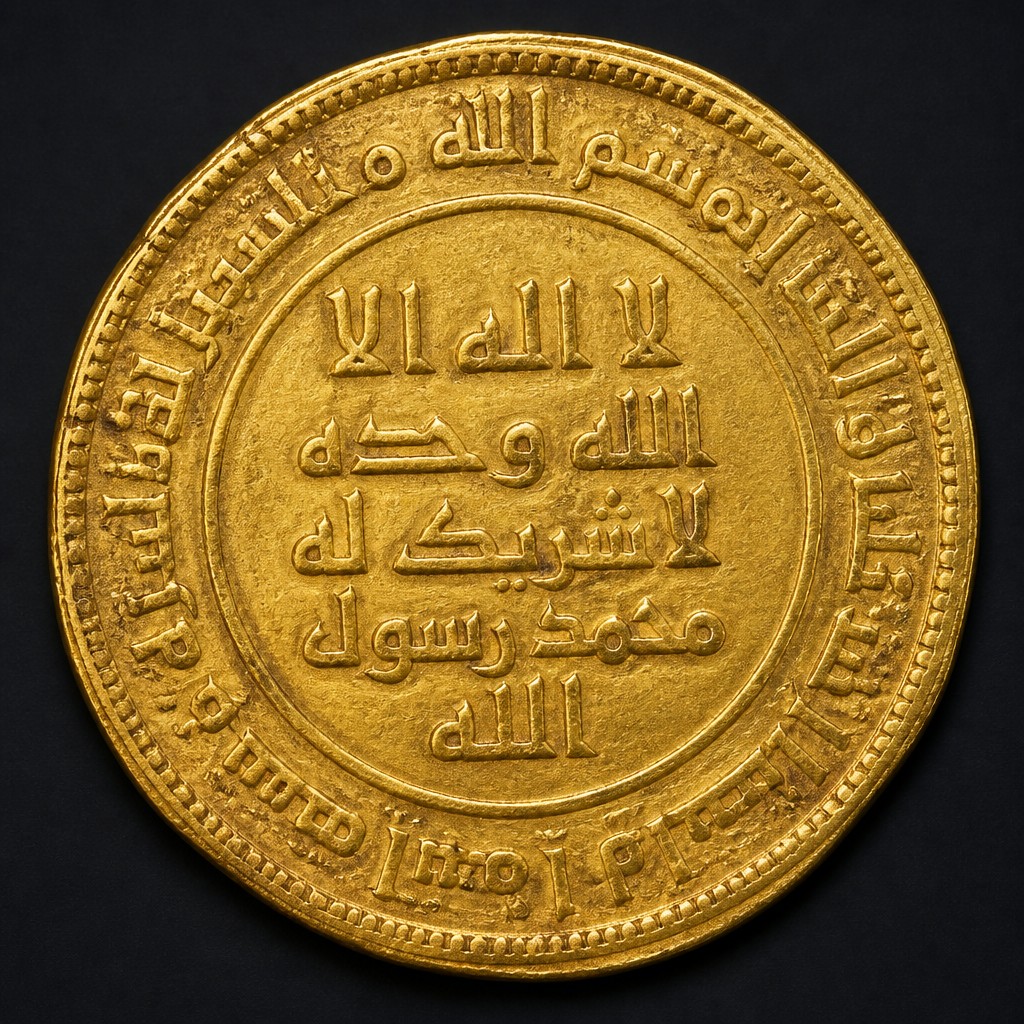
Islamic Gold Dinar (Umayyad)
c. 696–750 AD
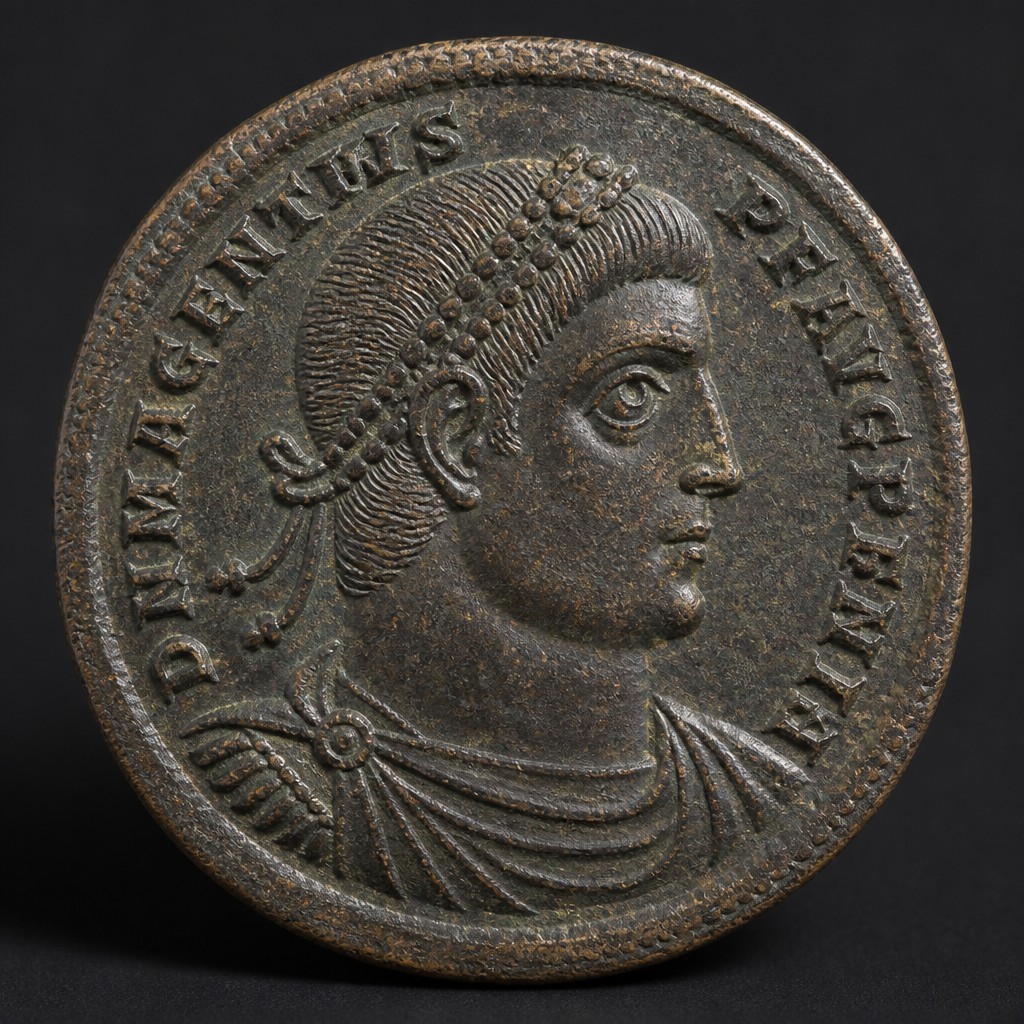
Magnentius Double Centenionalis
350–353 AD
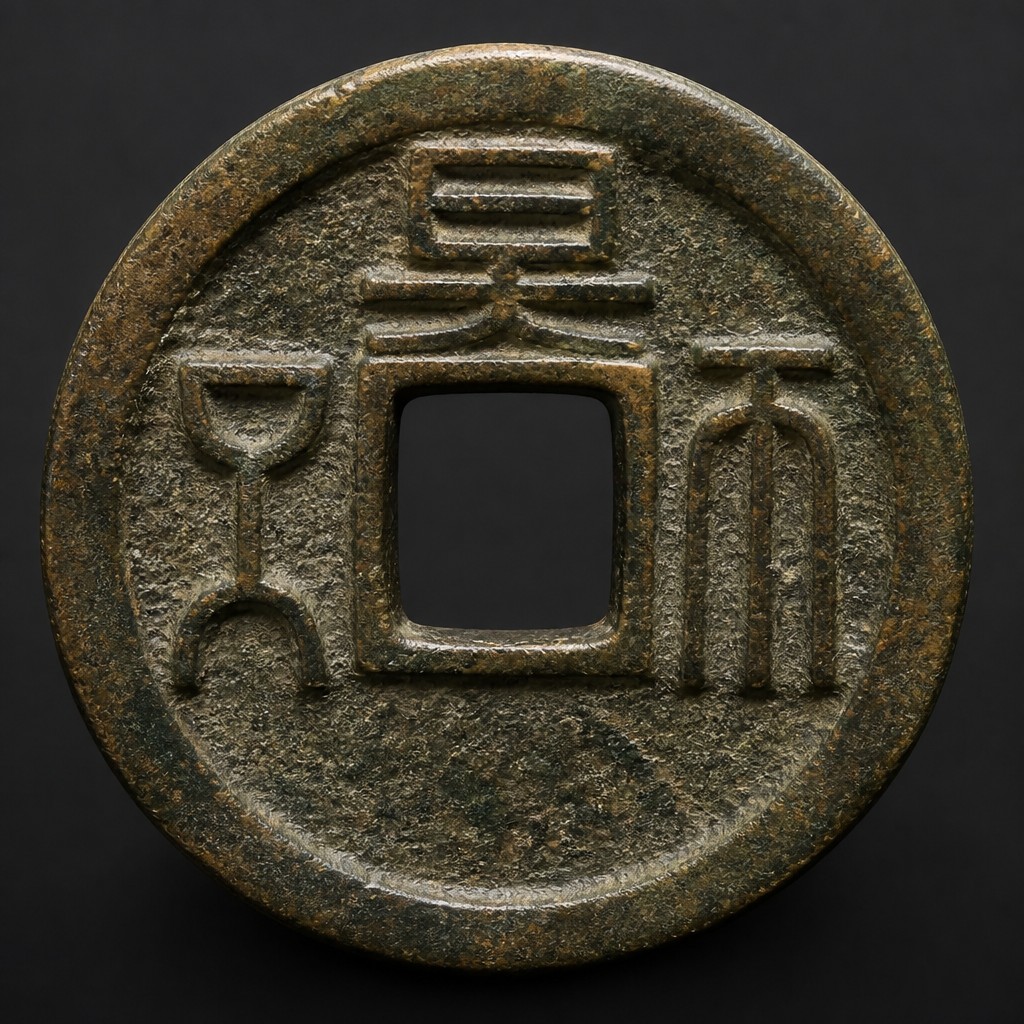
Chinese Wu Zhu Cash
118 BC – 618 AD
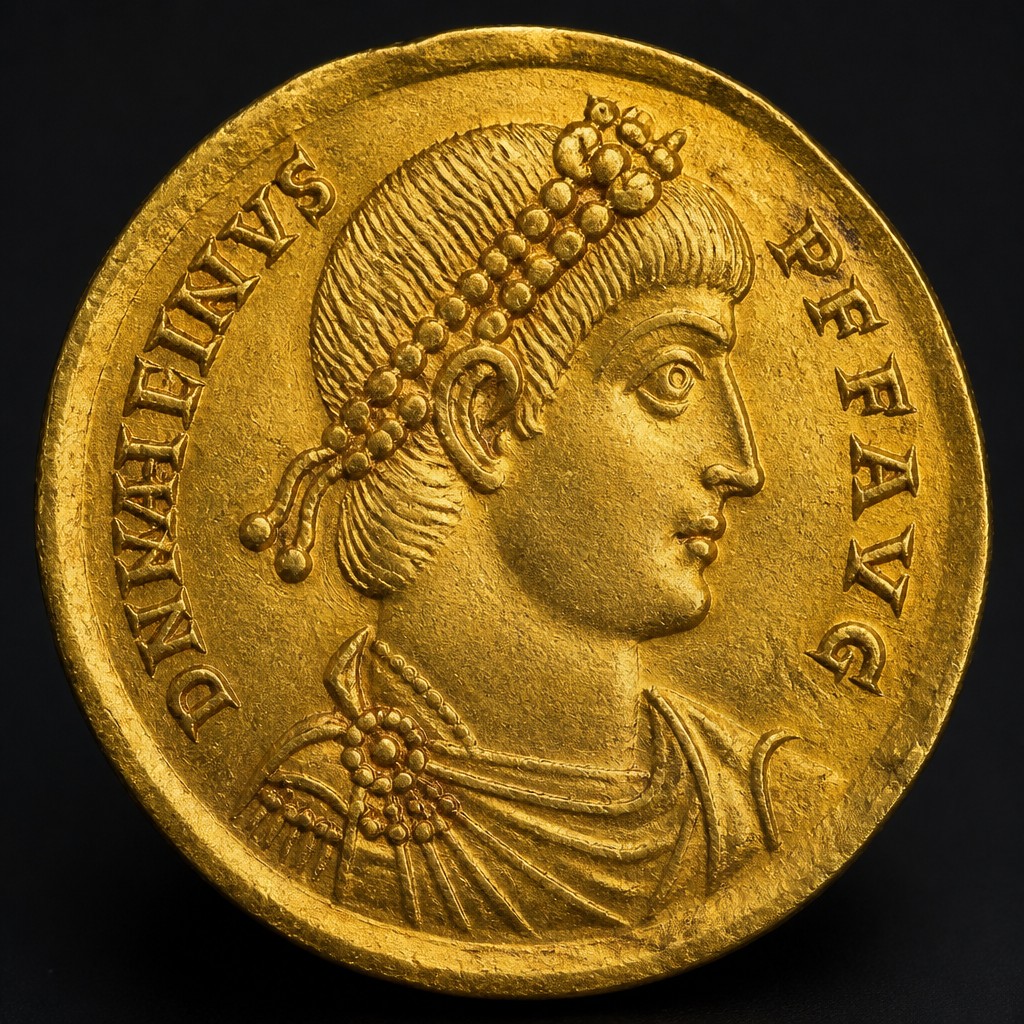
Valentinian I Solidus
364–375 AD
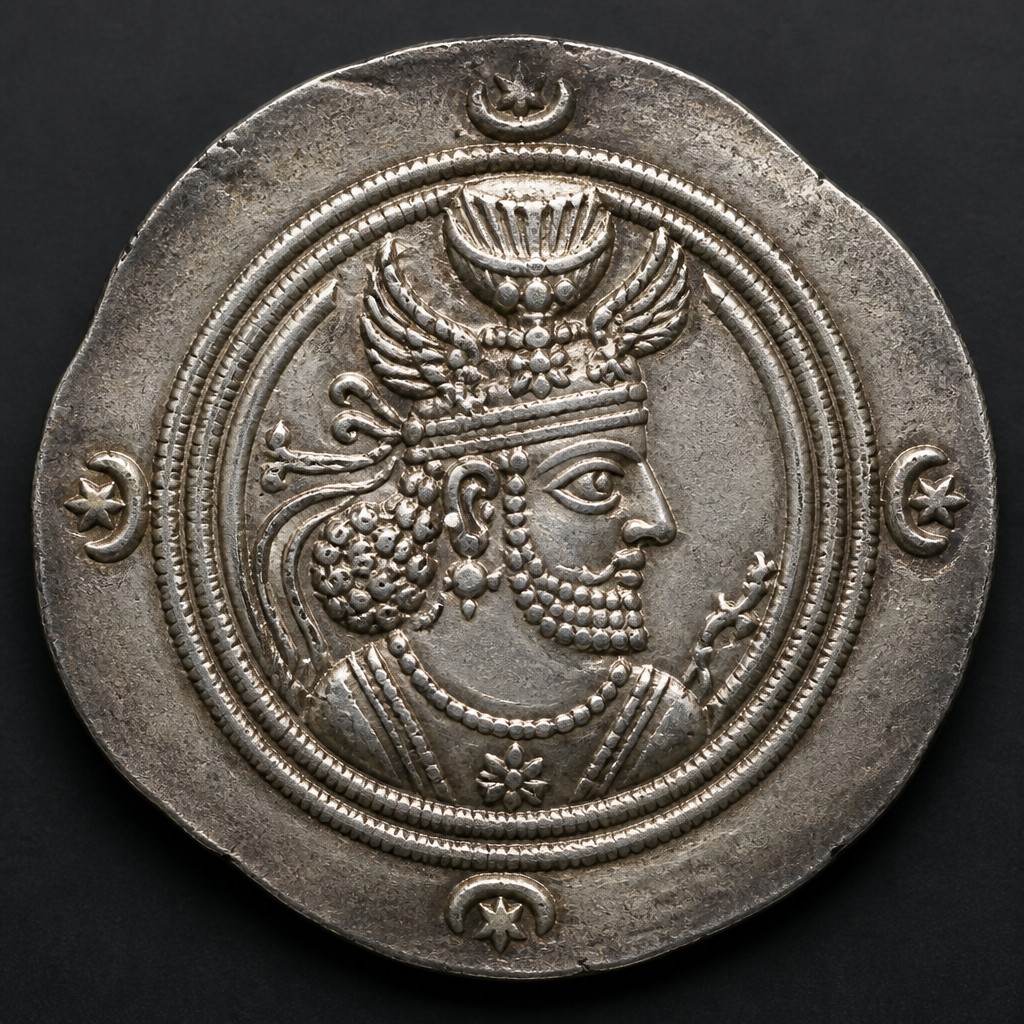
Sassanian Silver Drachm
c. 224–651 AD
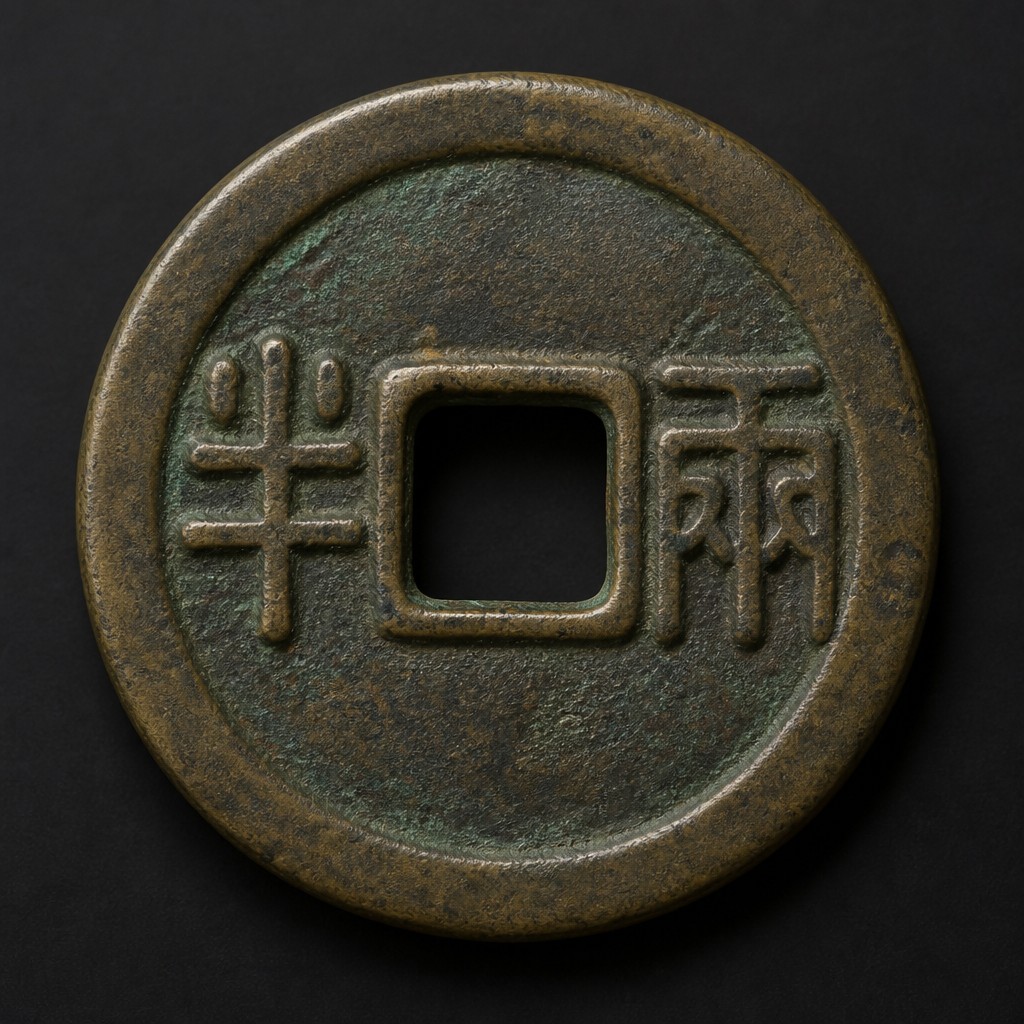
Chinese Ban Liang Cash
c. 221–118 BC
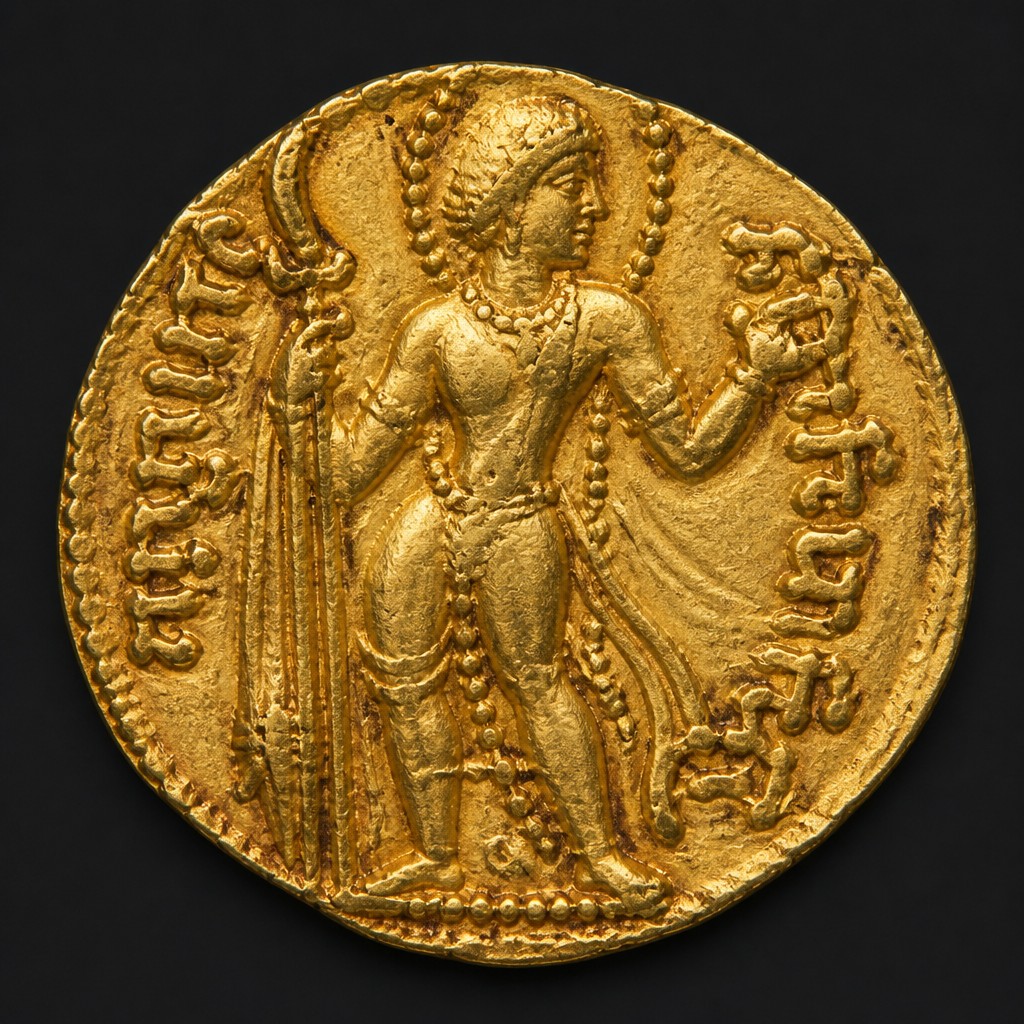
Gupta Empire Gold Dinar
c. 320–550 AD
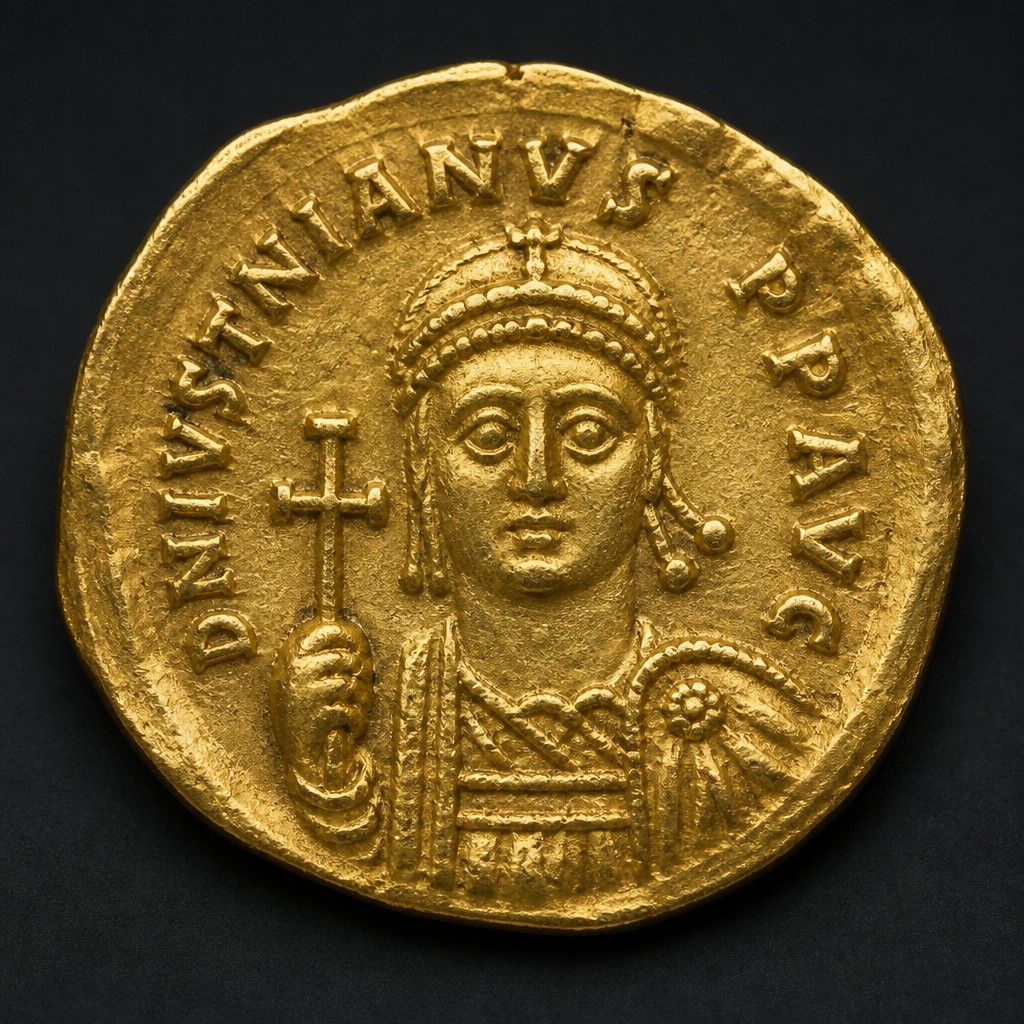
Byzantine Gold Tremissis
c. 4th–7th century AD
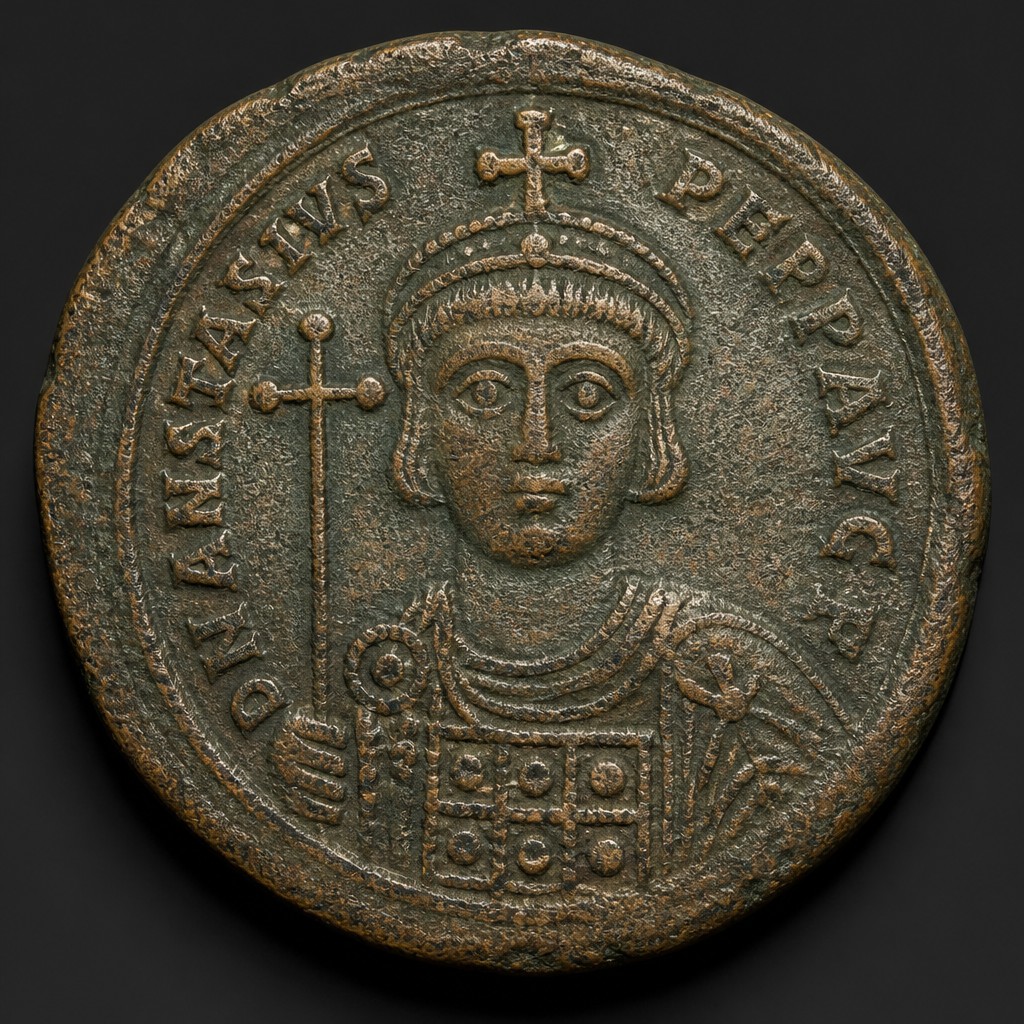
Byzantine Follis
498–c. 11th century AD
Celtic Gold Stater
c. 3rd century BC – 1st century AD