
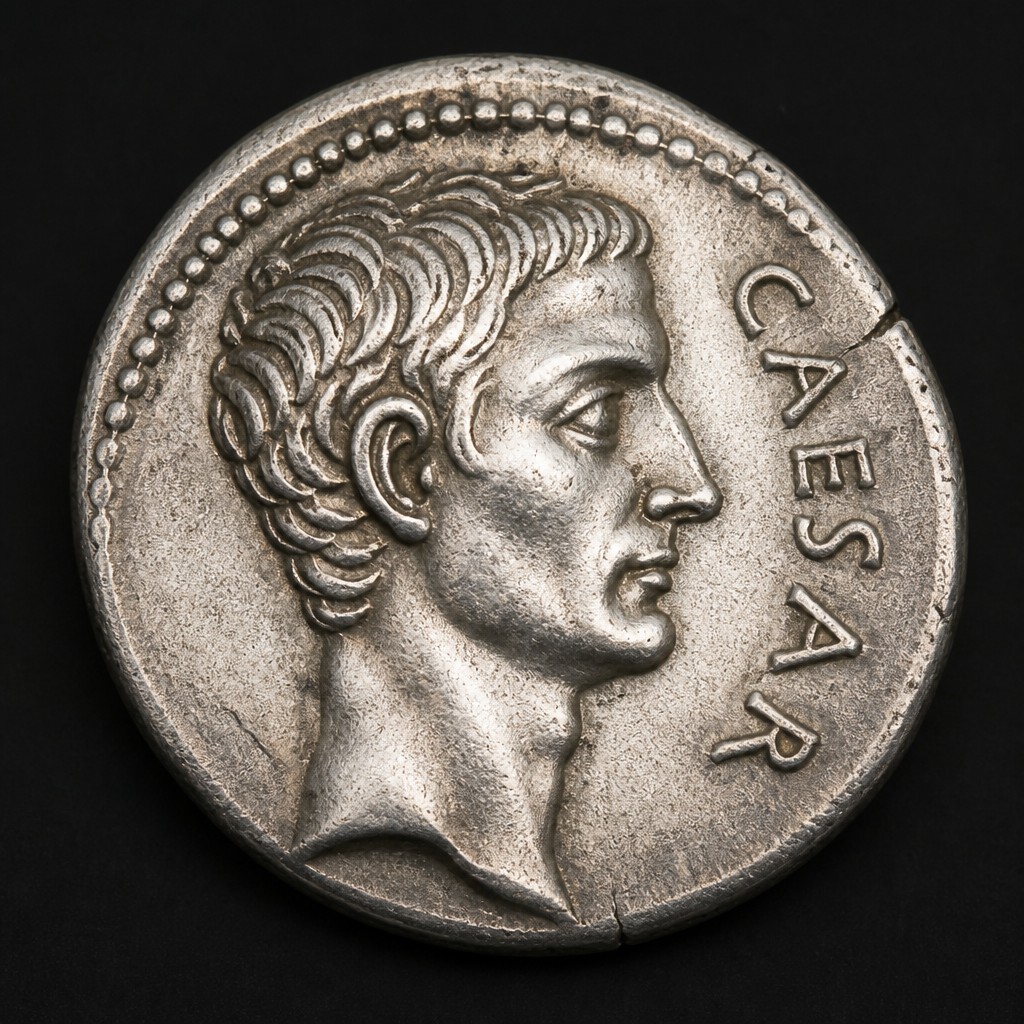
Julius Caesar Portrait Denarius
A landmark Roman coin struck in 44 BC bearing the portrait of Julius Caesar during his lifetime, the first time a living Roman had appeared on state coinage.
- Country
- Roman Republic
- Denomination
- Denarius
- Metal
- Silver (approx. 95-98% fine)
Got a coin like this?
Identify any coin from a photo, free.
Overview
The Julius Caesar portrait denarius holds a special place in numismatic history as the first Roman coin to depict a living Roman citizen, breaking with centuries of tradition that reserved coin portraiture for deities, personifications, or deceased ancestors. Struck in the final months of Caesar's life in 44 BC, it captures a pivotal and dangerous moment in Roman politics, as Caesar's accumulation of unprecedented personal power fueled the conspiracy that would end his life on the Ides of March.
For collectors, this coin represents far more than an artifact of currency; it is a direct physical link to one of history's most consequential figures at the very height, and end, of his power. Its historical weight, combined with genuine scarcity for certain varieties, makes it one of the most desirable and actively studied issues in all of ancient numismatics.
History & Background
By early 44 BC, Julius Caesar had accumulated extraordinary personal power in Rome, having been declared dictator for life (dictator perpetuo) after his victories in the civil wars against Pompey and his allies. This unprecedented consolidation of authority, combined with fears that he intended to establish a hereditary monarchy, alarmed many senators who valued the Republic's traditional collective governance.
In a striking departure from Republican convention, moneyers under Caesar's authority, including Marcus Mettius, Lucius Aemilius Buca, and Publius Sepullius Macer, struck denarii bearing his own portrait, sometimes veiled as Pontifex Maximus or laureate, with legends proclaiming his perpetual dictatorship. This broke a long-standing taboo against depicting a living Roman on coinage, a symbolic escalation of his personal authority that likely deepened opposition among traditionalist senators.
Caesar was assassinated on the Ides of March, March 15, 44 BC, by a group of senators, including Brutus and Cassius, who saw themselves as defenders of the Republic against monarchy. His lifetime portrait coinage, struck in the brief window before his death, remains a uniquely dramatic numismatic record of this turning point in Roman history.
How to Identify
The obverse shows Caesar's portrait, sometimes veiled and sometimes laureate, generally an aging, somewhat gaunt likeness with a prominent Adam's apple and receding hairline, accompanied by a legend such as CAESAR DICT PERPETVO or CAESAR DICT QVART, referencing his dictatorship. The specific legend and portrait style vary by moneyer and issue, and specialists distinguish variants carefully.
Reverse types vary by moneyer and often feature Venus, whom Caesar's family claimed as a divine ancestress, standing with a scepter and small Victory figure, though other reverse types tied to the specific issuing moneyer also occur. The moneyer's name typically appears in the reverse legend, allowing precise attribution.
The coin follows the standard small Roman silver denarius size of roughly 18-19mm. Because the series was struck in a very narrow window shortly before Caesar's assassination, and because later denarii of Octavian and others also depict a deified Caesar posthumously, correct attribution to the genuine lifetime portrait issue requires careful attention to the specific legend, portrait style, and known moneyer combinations documented in specialist references.
Value & Collectibility
Genuine lifetime portrait denarii of Julius Caesar are highly sought after and command strong prices reflecting their unique historical importance, generally starting in the low thousands of dollars for a modest, identifiable example and rising considerably for well-struck, well-centered pieces with a clear, sharp portrait. Certain rarer varieties and exceptional condition examples can reach into the tens of thousands of dollars or more at auction.
Given the historical importance and value of this issue, careful attention to authenticity is especially important, and buyers typically rely on expert numismatic opinion, established provenance, and comparison to published die studies. As with all historically significant ancient coins, strike quality, centering, and portrait clarity are major value drivers on top of the coin's inherent rarity and demand.
Frequently asked questions
Why is this coin historically significant?
It was the first Roman coin to depict a living Roman citizen, breaking centuries of tradition and reflecting Caesar's unprecedented accumulation of personal power.
When was this coin struck?
It was struck in early 44 BC, in the months shortly before Caesar's assassination on the Ides of March.
What does 'DICT PERPETVO' mean?
It translates to 'dictator in perpetuity' or 'dictator for life,' referencing the extraordinary lifetime dictatorship Caesar held at the time.
Who struck these coins?
They were issued under Roman moneyers acting with Caesar's authority, including Marcus Mettius, Lucius Aemilius Buca, and Publius Sepullius Macer.
Are these coins valuable?
Yes, due to their unique historical significance, genuine examples generally command strong prices and are actively sought by serious ancient coin collectors.
Other coins you may enjoy
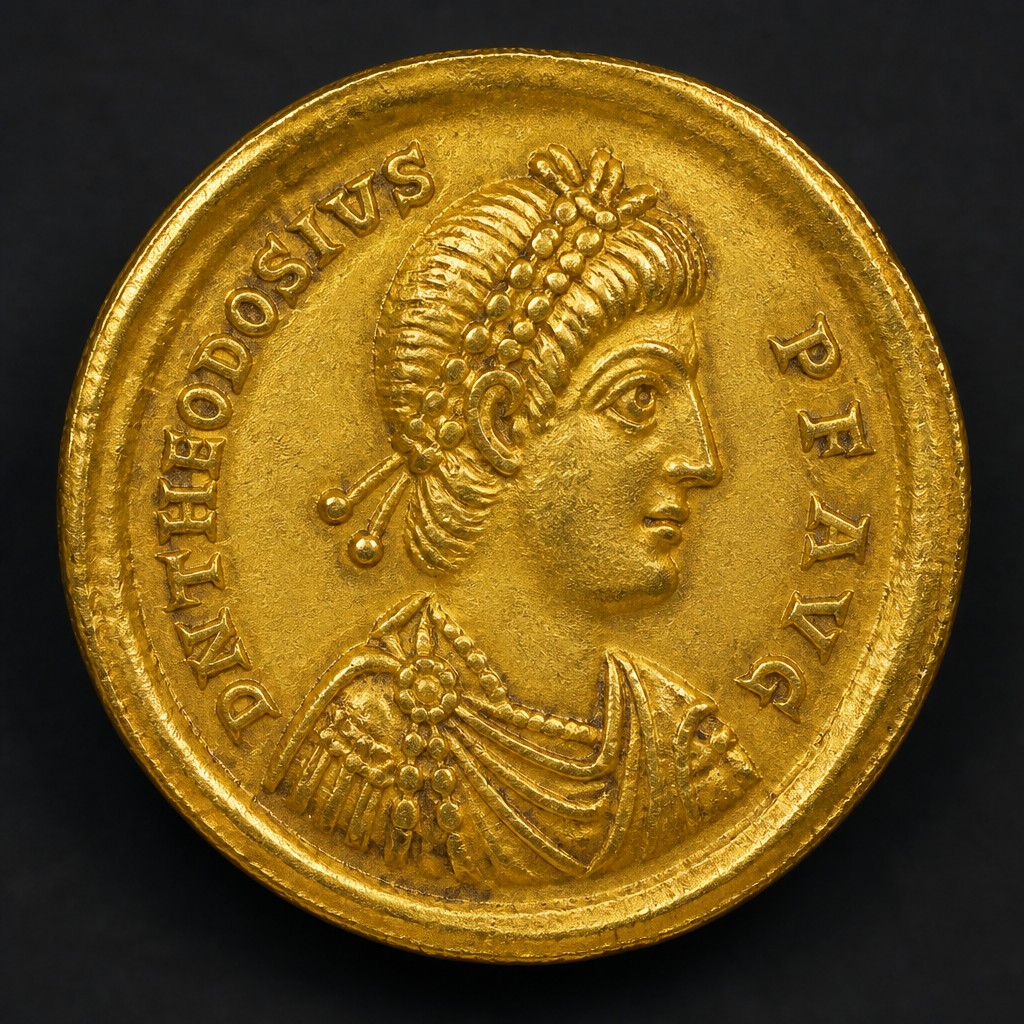
Theodosius I Solidus
379–395 AD
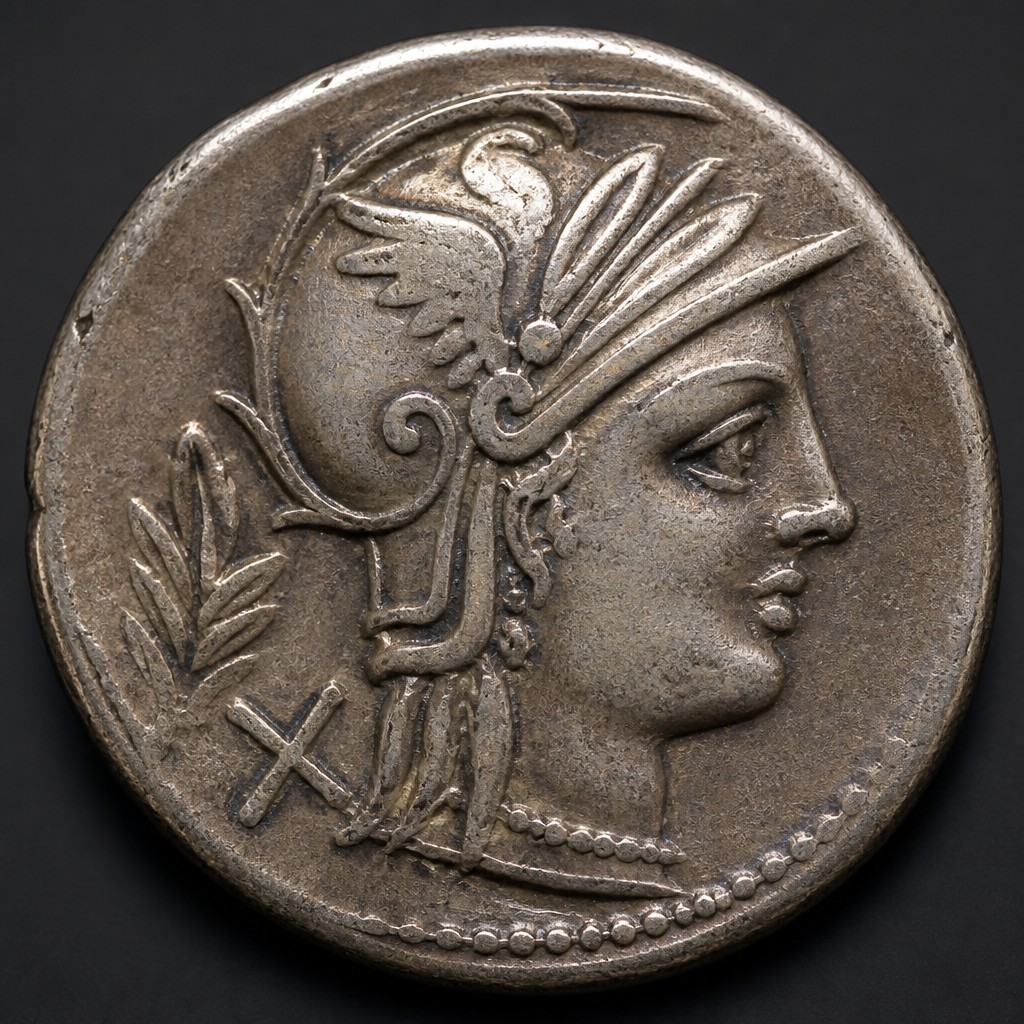
Republican Victoriatus
c. 211–170 BC
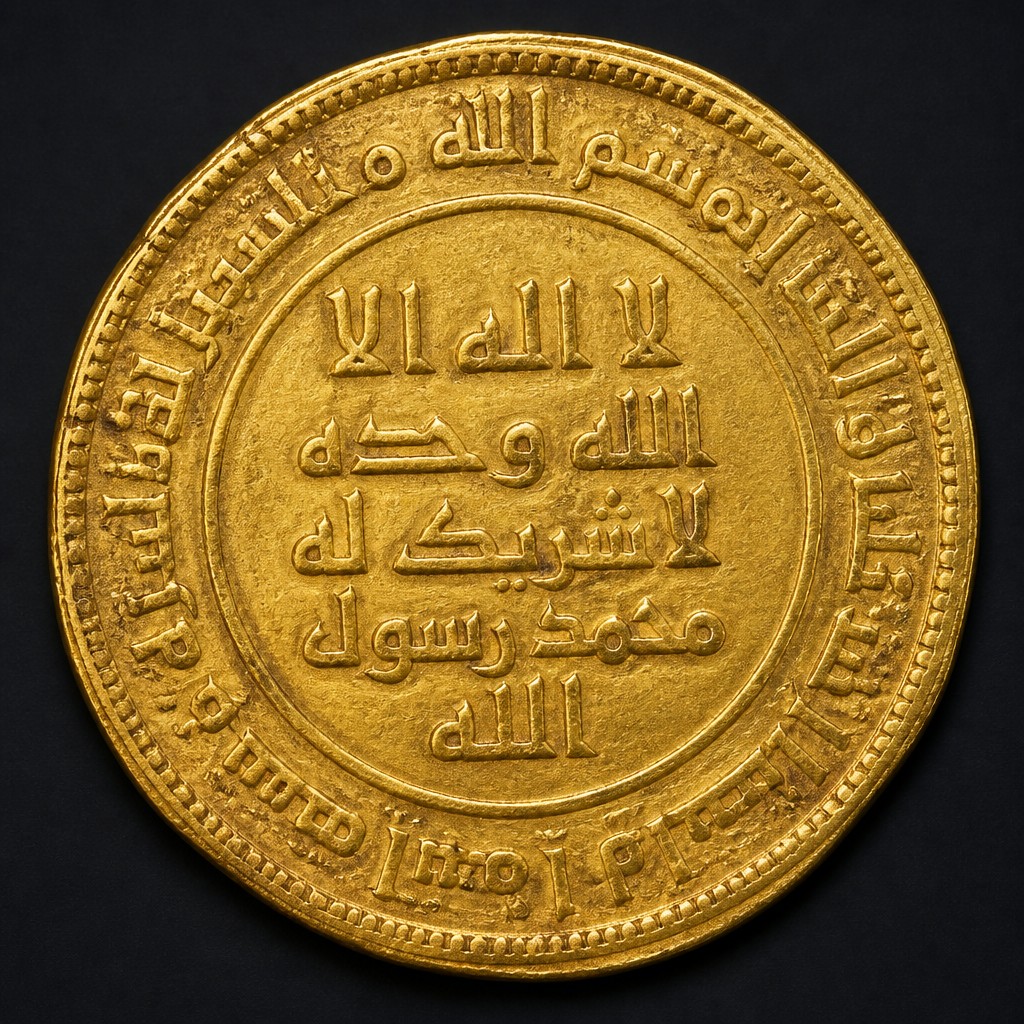
Islamic Gold Dinar (Umayyad)
c. 696–750 AD
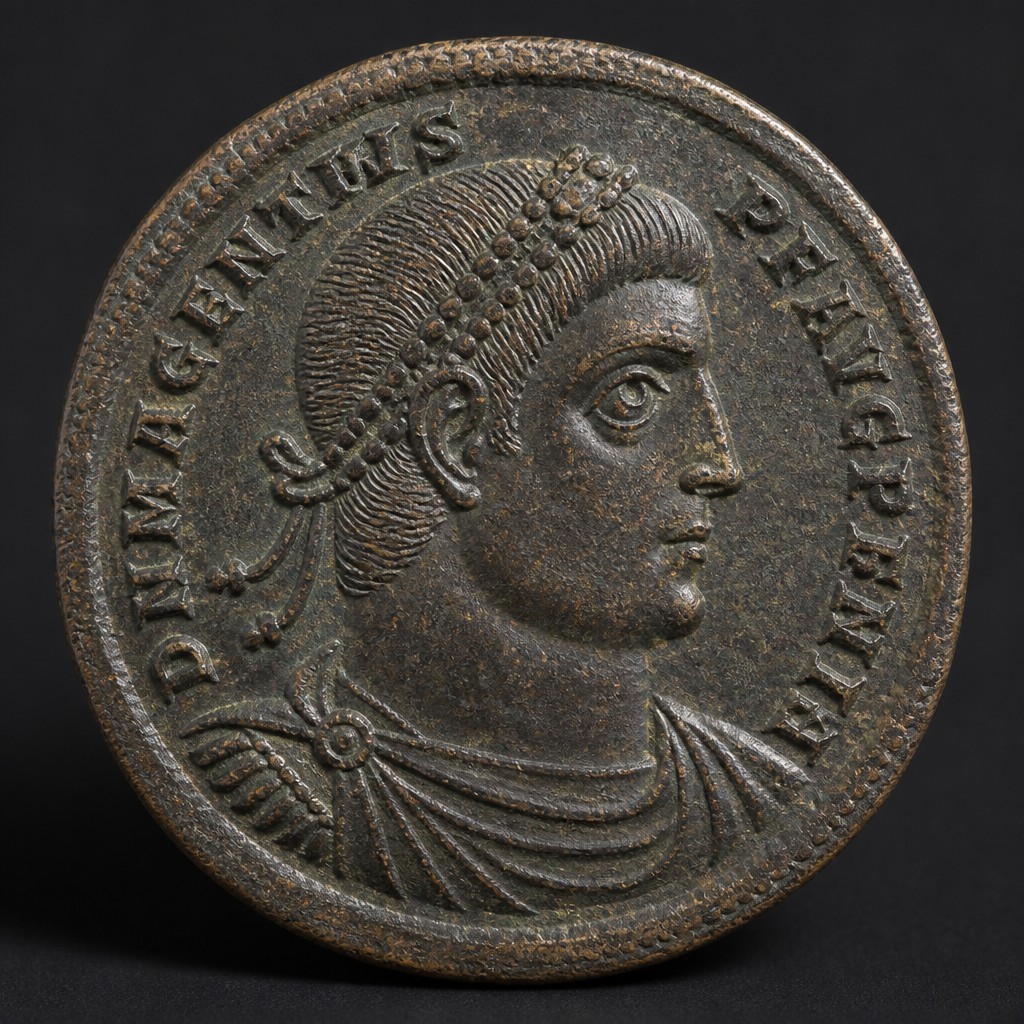
Magnentius Double Centenionalis
350–353 AD
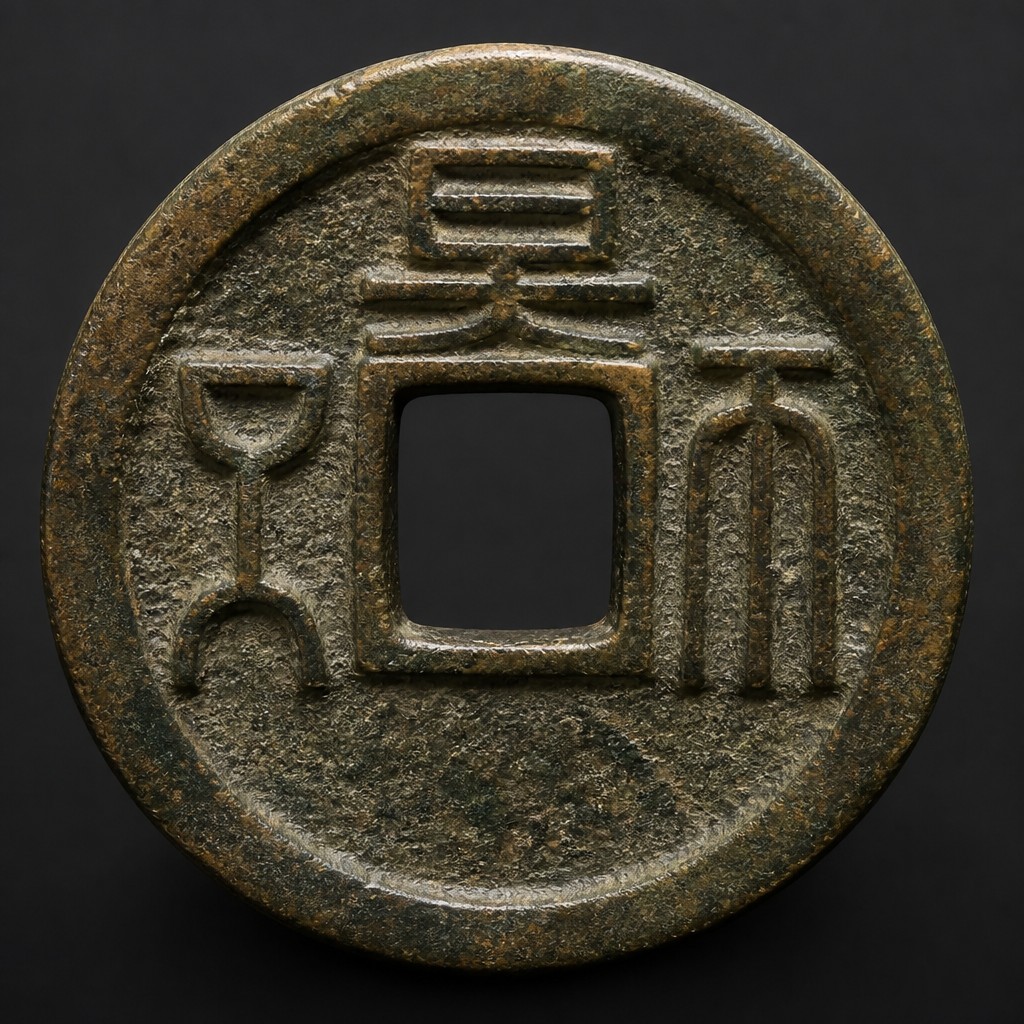
Chinese Wu Zhu Cash
118 BC – 618 AD
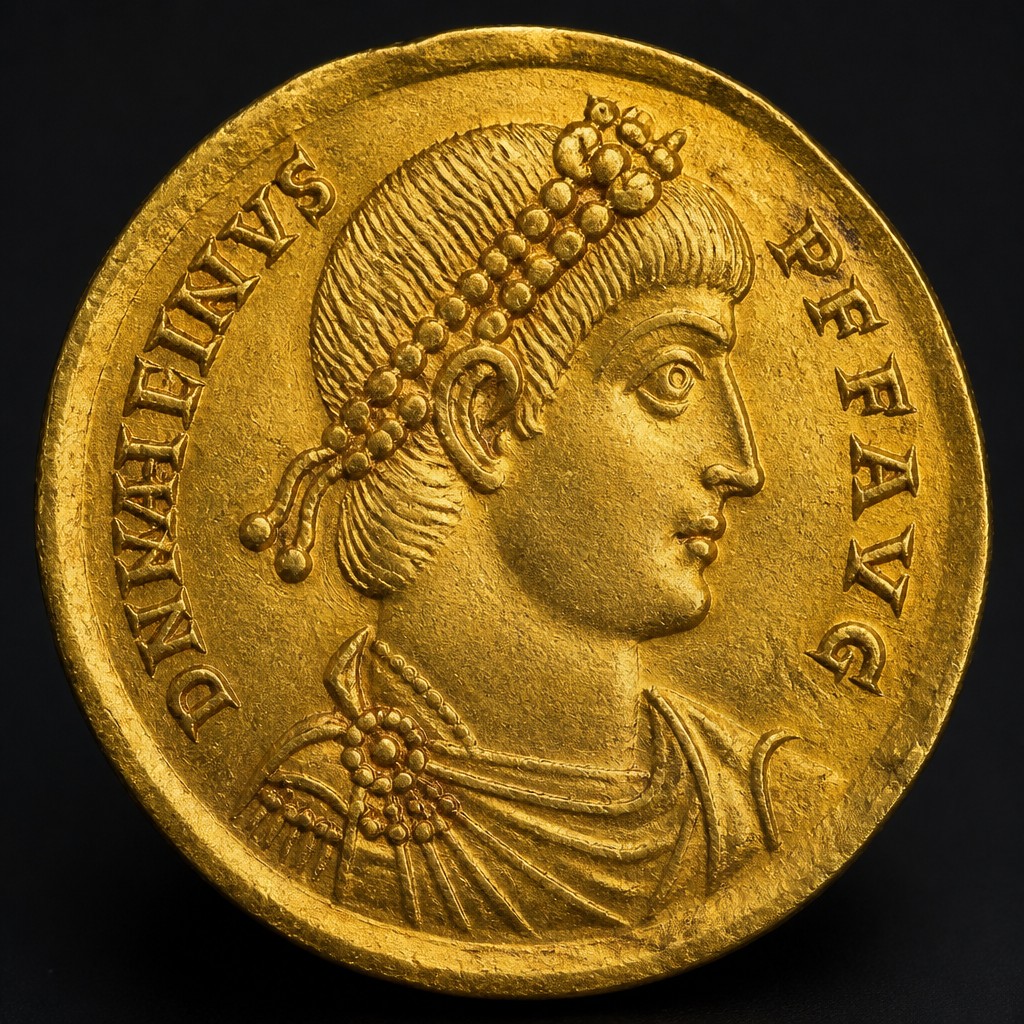
Valentinian I Solidus
364–375 AD
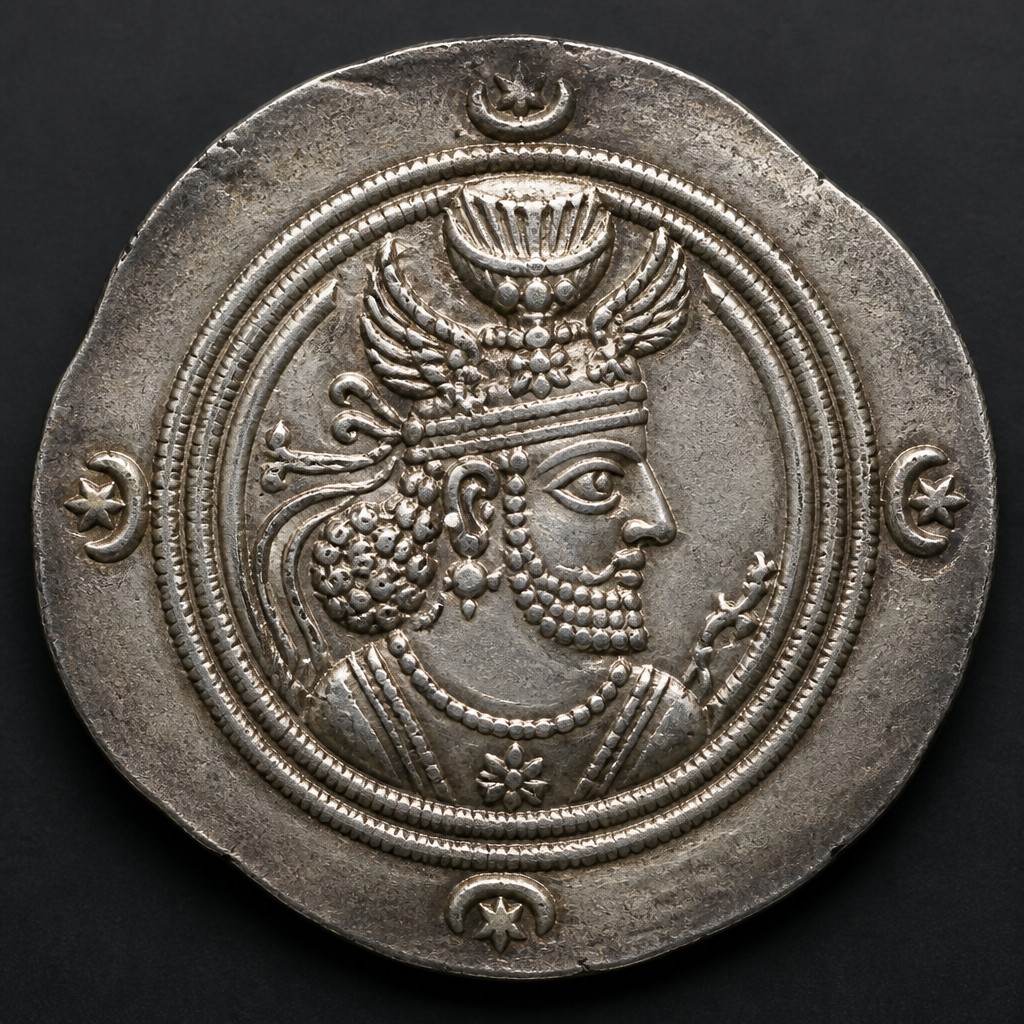
Sassanian Silver Drachm
c. 224–651 AD
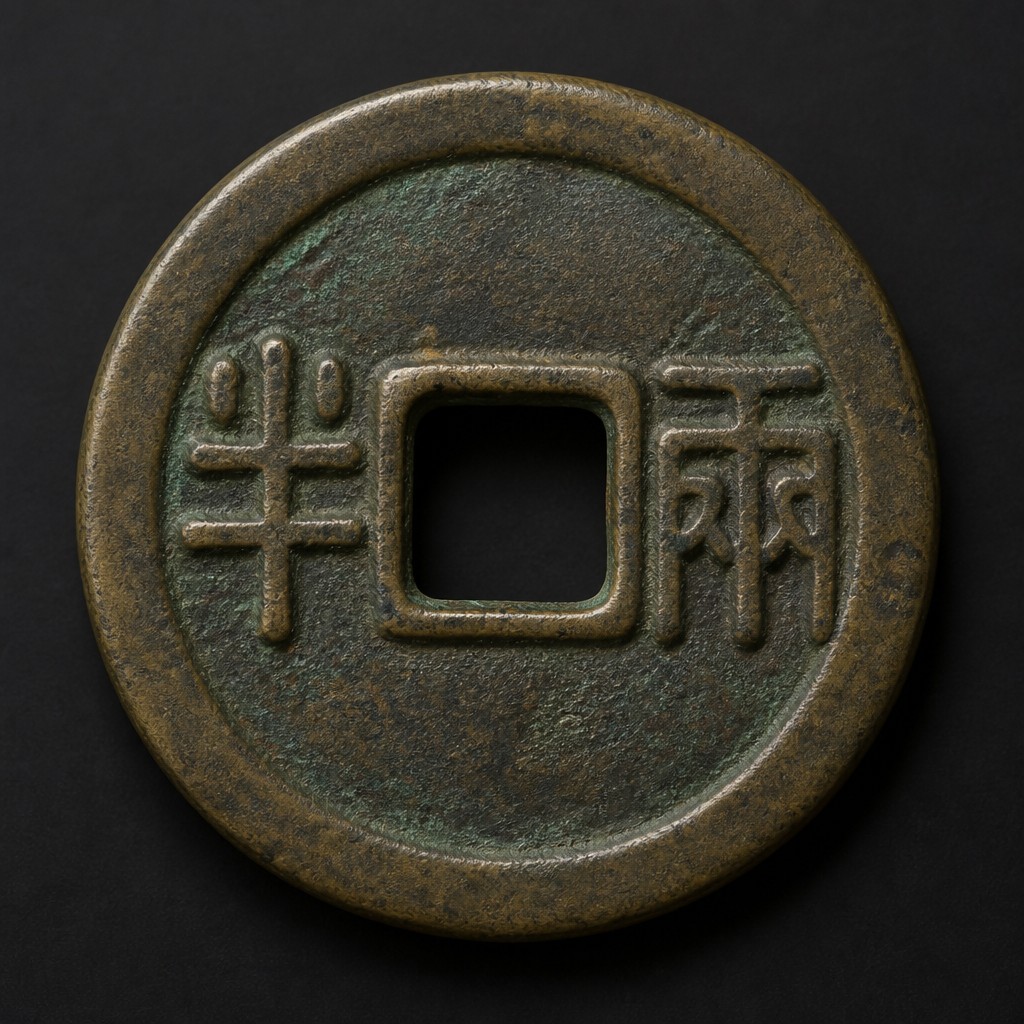
Chinese Ban Liang Cash
c. 221–118 BC
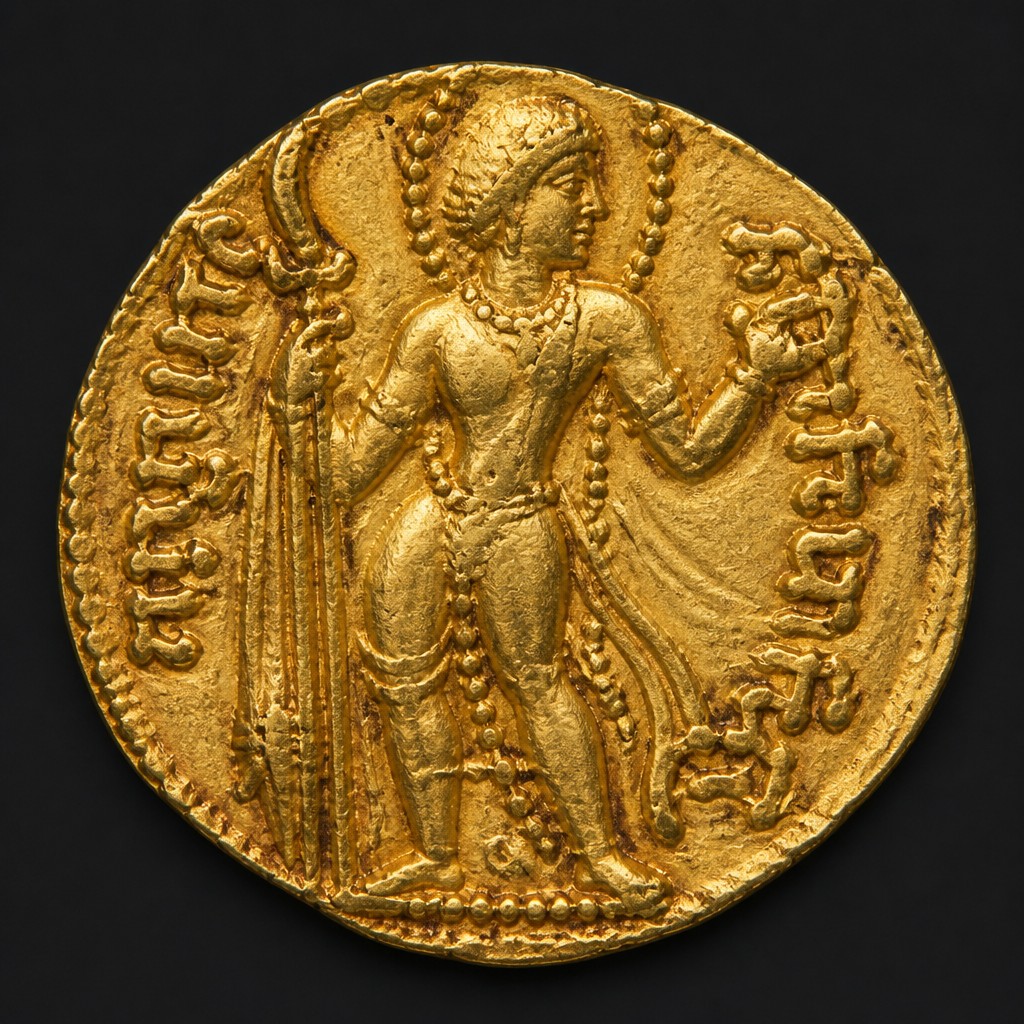
Gupta Empire Gold Dinar
c. 320–550 AD
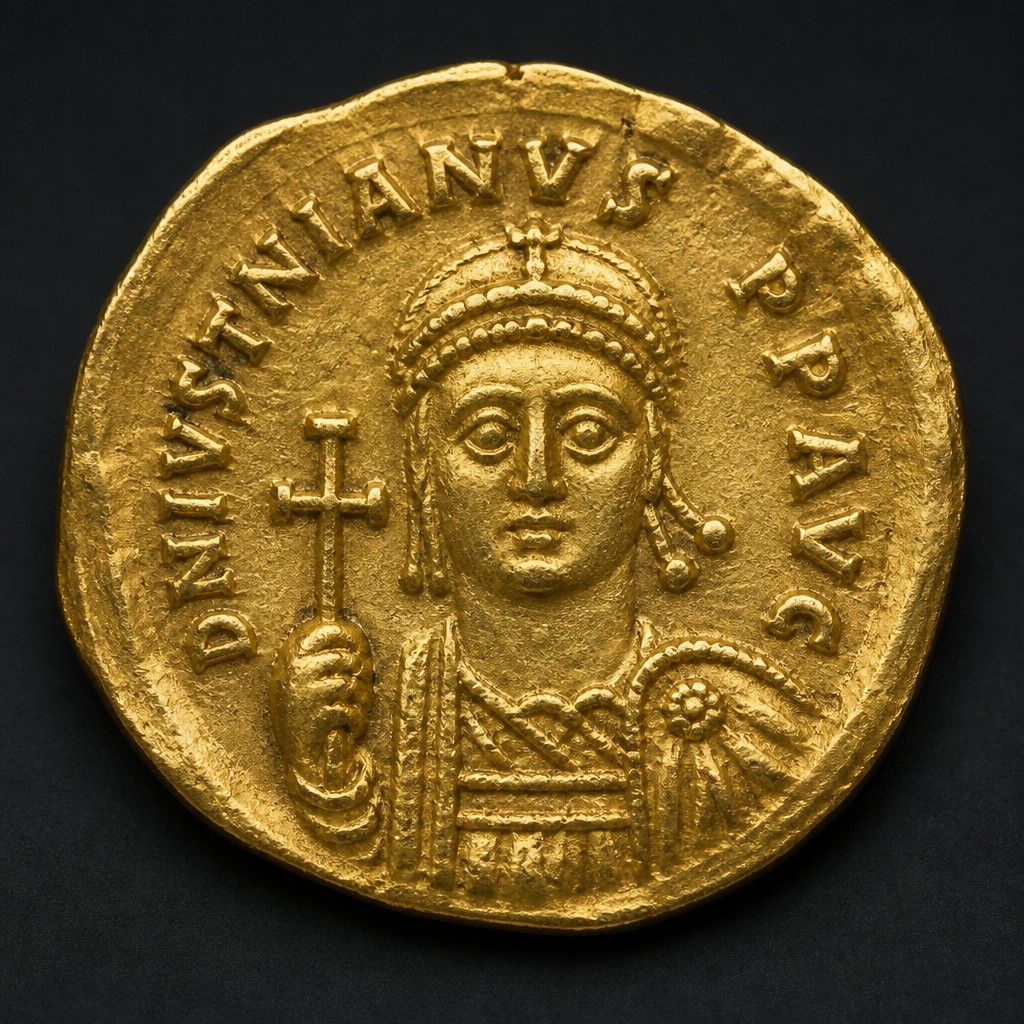
Byzantine Gold Tremissis
c. 4th–7th century AD
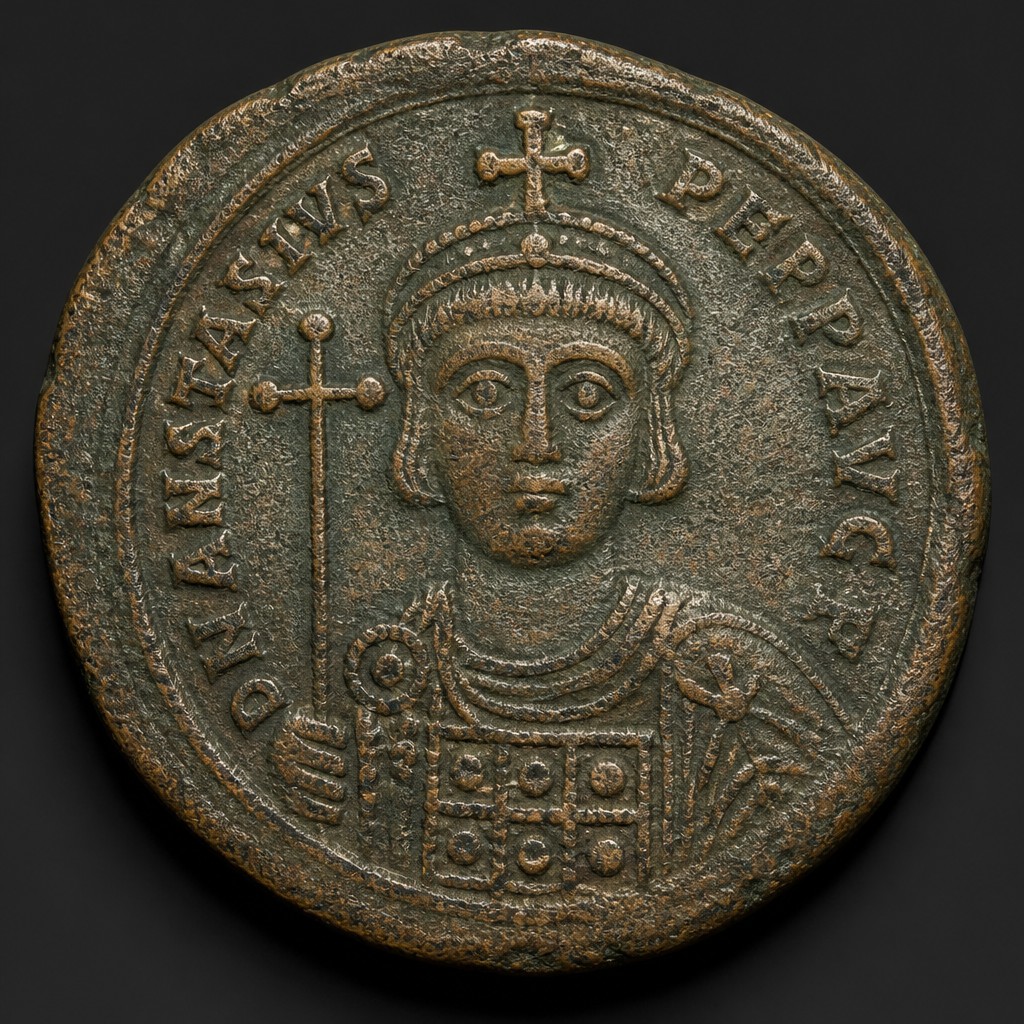
Byzantine Follis
498–c. 11th century AD
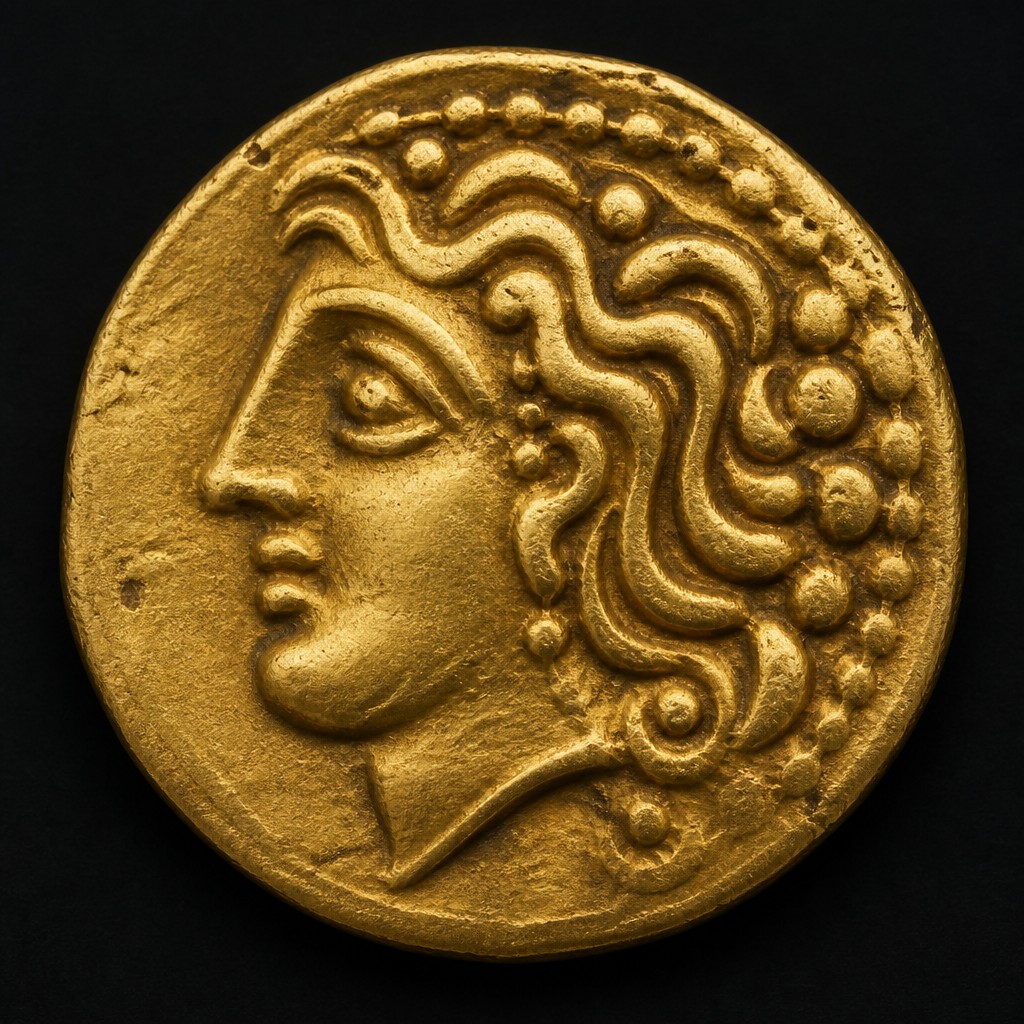
Celtic Gold Stater
c. 3rd century BC – 1st century AD