
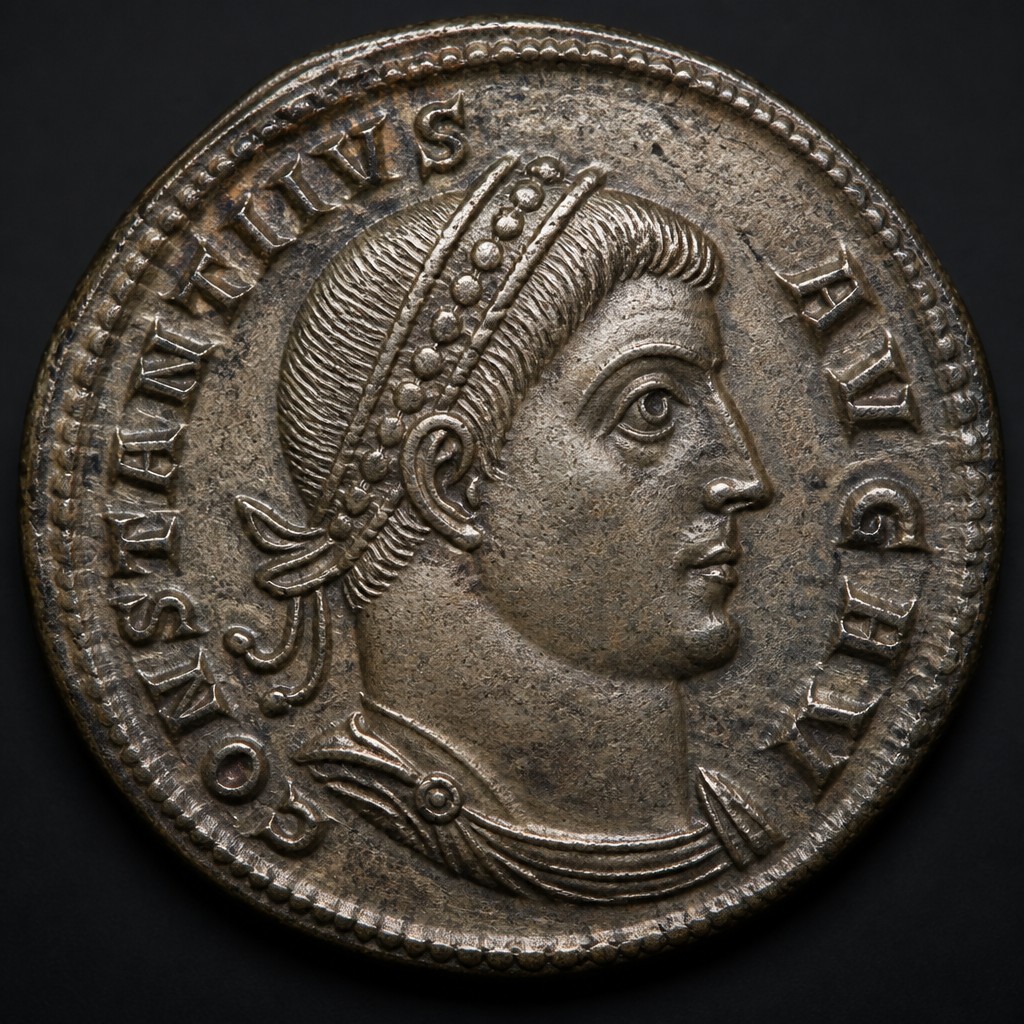
Constantine the Great Follis
A bronze coin of Constantine the Great, the emperor who legalized Christianity and founded Constantinople, struck at numerous mints across a transforming empire.
- Country
- Roman Empire
- Denomination
- Follis (Nummus)
- Metal
- Bronze (with light silver wash on some early issues)
Got a coin like this?
Identify any coin from a photo, free.
Overview
The follis of Constantine the Great documents the coinage of one of history's most consequential Roman emperors, whose reign reshaped both the religious and geographic center of gravity of the Roman world. Struck at a wide range of mints stretching from Britain to the eastern provinces, these bronze coins are relatively plentiful today, making Constantine's reign one of the most accessible entry points into late Roman coin collecting.
Beyond their availability, Constantinian folles are historically fascinating for how they reflect the empire's religious transition, moving from earlier pagan solar imagery to later types associated with his new capital, Constantinople, and standard military legends celebrating the army's loyalty. Collectors enjoy the series both for its affordability and for the way individual mint marks let enthusiasts assemble sets from across the late Roman world.
History & Background
Constantine rose to power through a series of civil wars beginning in AD 306, eventually defeating his rival Maxentius at the Battle of the Milvian Bridge in AD 312, an event later associated with his conversion to Christianity, and going on to become sole emperor by 324. His reign fundamentally altered the Roman world through the Edict of Milan in 313, which granted toleration to Christianity, and through his founding of Constantinople in AD 330 as a new eastern capital.
The follis, a bronze denomination that had already been shrinking in size and weight since its introduction under Diocletian's reforms, continued to be reduced under Constantine, reflecting ongoing pressures on the later Roman economy. Early in his reign, types like "SOLI INVICTO COMITI," honoring the sun god Sol Invictus as his companion, remained common, illustrating the gradual and incomplete nature of the empire's shift toward Christianity even under a Christian-leaning emperor.
Later in his reign, types shifted toward military and dynastic themes, such as "GLORIA EXERCITVS" showing soldiers with standards, and special commemorative issues honoring the new cities of Constantinople and Rome ("CONSTANTINOPOLIS" and "VRBS ROMA" types) were struck to mark the new imperial order. Constantine died in AD 337, having reshaped the empire's religious and political landscape for centuries to come.
How to Identify
The obverse shows Constantine's portrait, generally laureate early in his reign and later sometimes shown looking upward in a stylized, more divine-inspired pose associated with his later coinage, with a Latin legend naming his imperial titles. Portraits can vary noticeably in style depending on the mint and period.
Common reverse types include "SOLI INVICTO COMITI," showing the radiate sun god Sol standing with a raised hand and globe; "GLORIA EXERCITVS," showing two soldiers flanking one or two military standards; and commemorative city types showing a helmeted personification of Constantinopolis or the she-wolf suckling Romulus and Remus for the Roma commemorative. Mintmarks, small letter combinations in the exergue, identify the specific mint city and workshop, such as TRP for Trier or SIS for Siscia, and are essential for precise attribution.
The coin's size shrank considerably over Constantine's long reign, from a moderately sized bronze early on to a notably smaller module by his later years, a trend collectors use alongside the reverse type and mintmark to roughly date a given example. Distinguishing a Constantine follis from those of his sons and successors, who continued similar types after his death, relies on carefully checking the obverse legend and portrait style against reference catalogs.
Value & Collectibility
Constantine the Great folles are among the most affordable and widely available ancient Roman coins, with common types, especially the SOLI INVICTO COMITI and GLORIA EXERCITVS reverses, often available in decent, collectible grade for well under one hundred dollars. This affordability makes the series a popular starting point for new ancient coin collectors.
Rarer mints, unusual reverse types, or exceptionally well-preserved, sharply struck examples with attractive patina can command meaningfully higher prices, sometimes reaching into the hundreds of dollars or more for standout pieces. As with all ancient bronze, surface preservation, strike sharpness, and an appealing, even patina significantly influence desirability and price among specialists.
Frequently asked questions
Why is Constantine historically significant?
He legalized Christianity through the Edict of Milan, founded Constantinople as a new imperial capital, and reunified the Roman Empire after years of civil war.
What does 'SOLI INVICTO COMITI' mean?
It translates roughly to 'to the unconquered sun, his companion,' referencing the sun god Sol Invictus, a common reverse type on earlier Constantinian coinage.
How do mintmarks help identify these coins?
Small letter combinations in the coin's exergue identify the specific mint city that struck it, such as TRP for Trier or SIS for Siscia.
Are Constantine the Great folles rare?
No, common types are quite plentiful and affordable, making them a popular introduction to ancient Roman coin collecting.
What is a follis?
It is a late Roman bronze coin denomination, also called a nummus, that gradually shrank in size and weight over the 4th century AD.
Other coins you may enjoy
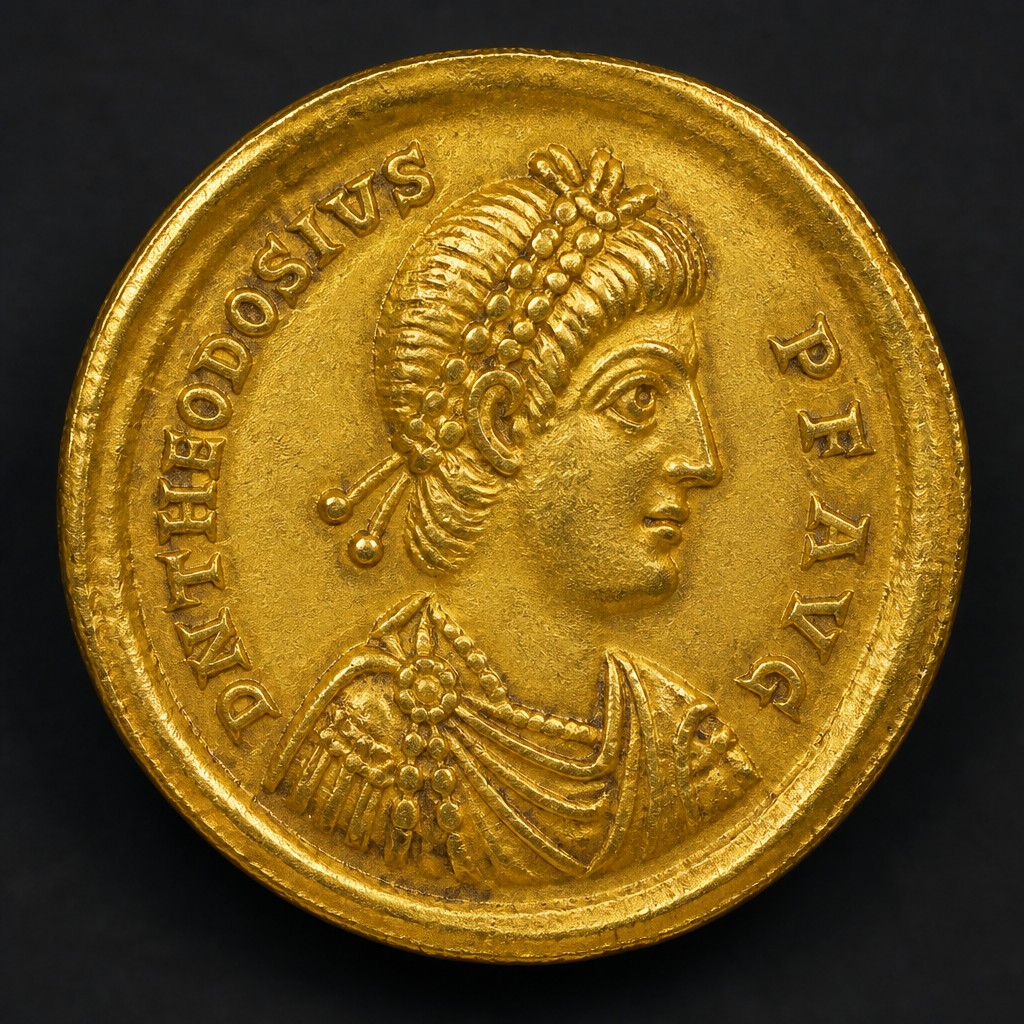
Theodosius I Solidus
379–395 AD
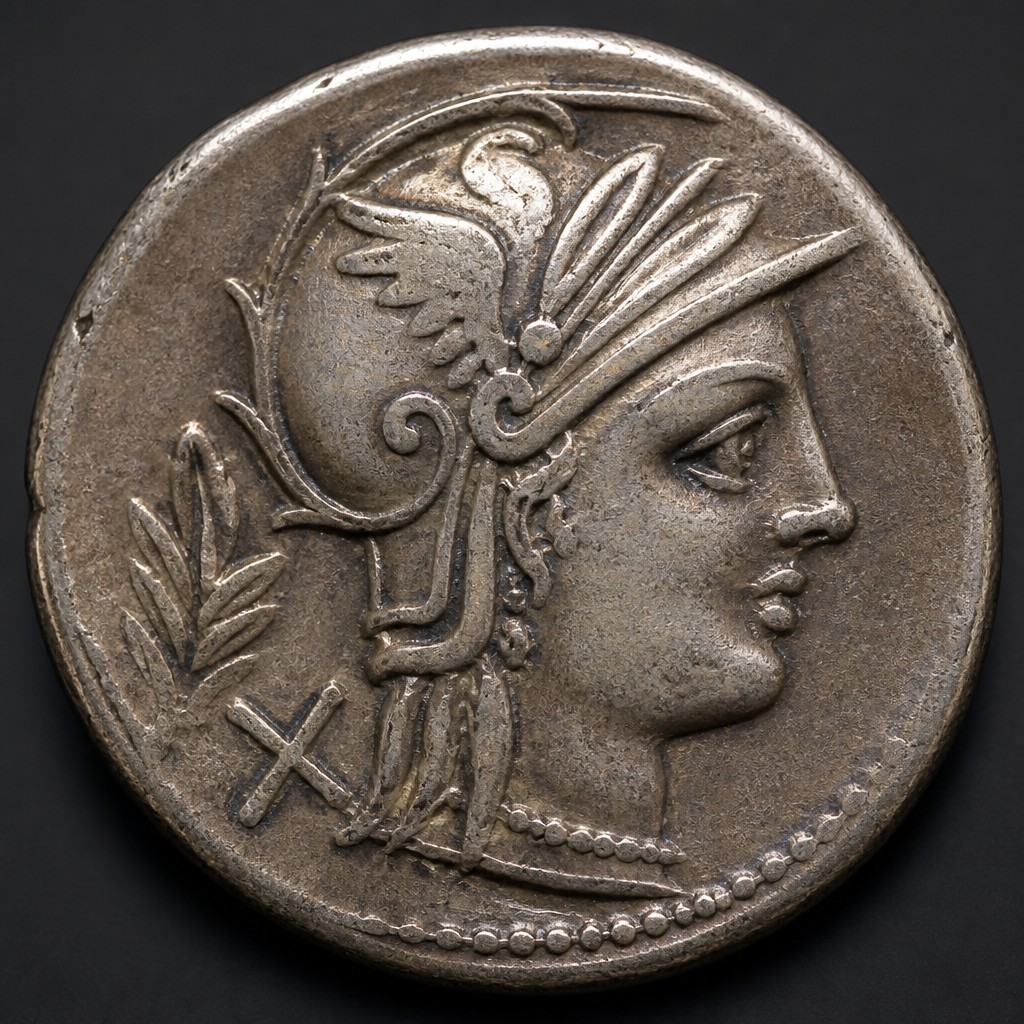
Republican Victoriatus
c. 211–170 BC
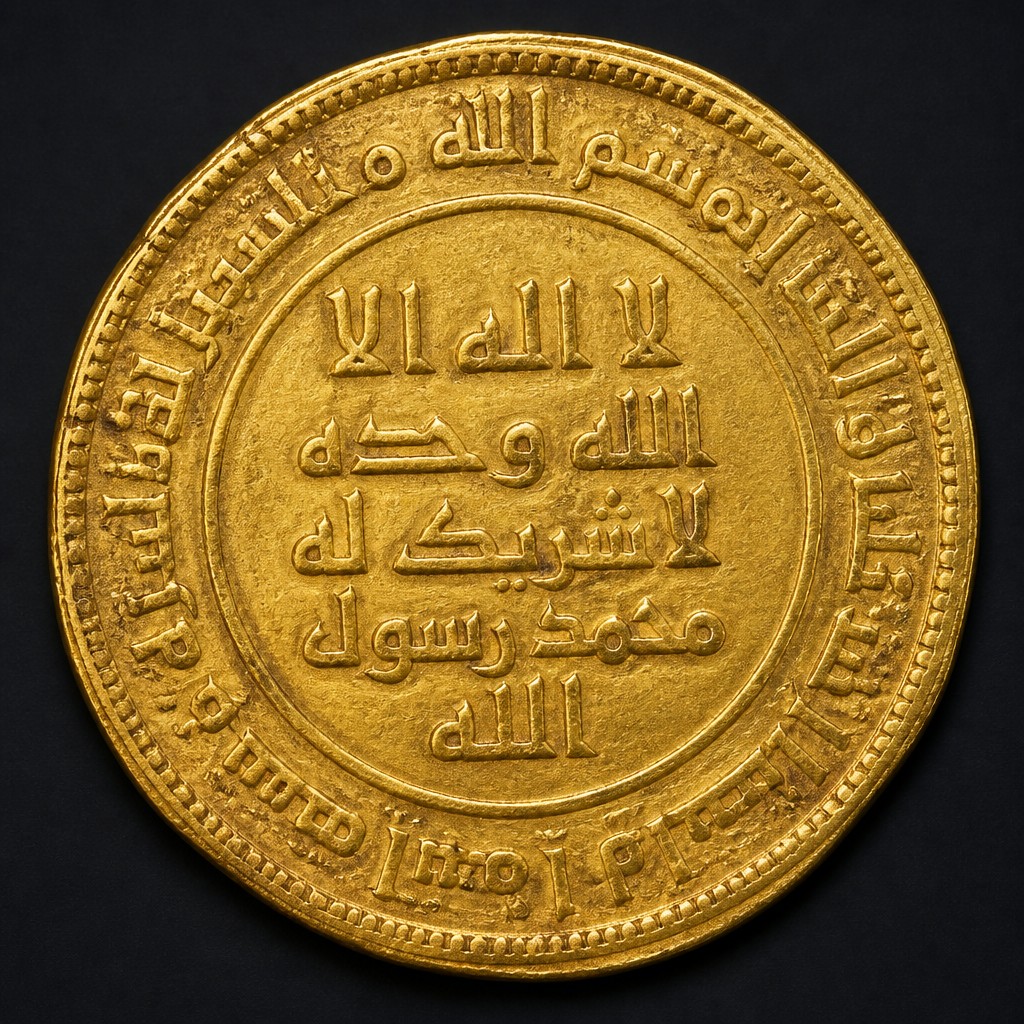
Islamic Gold Dinar (Umayyad)
c. 696–750 AD
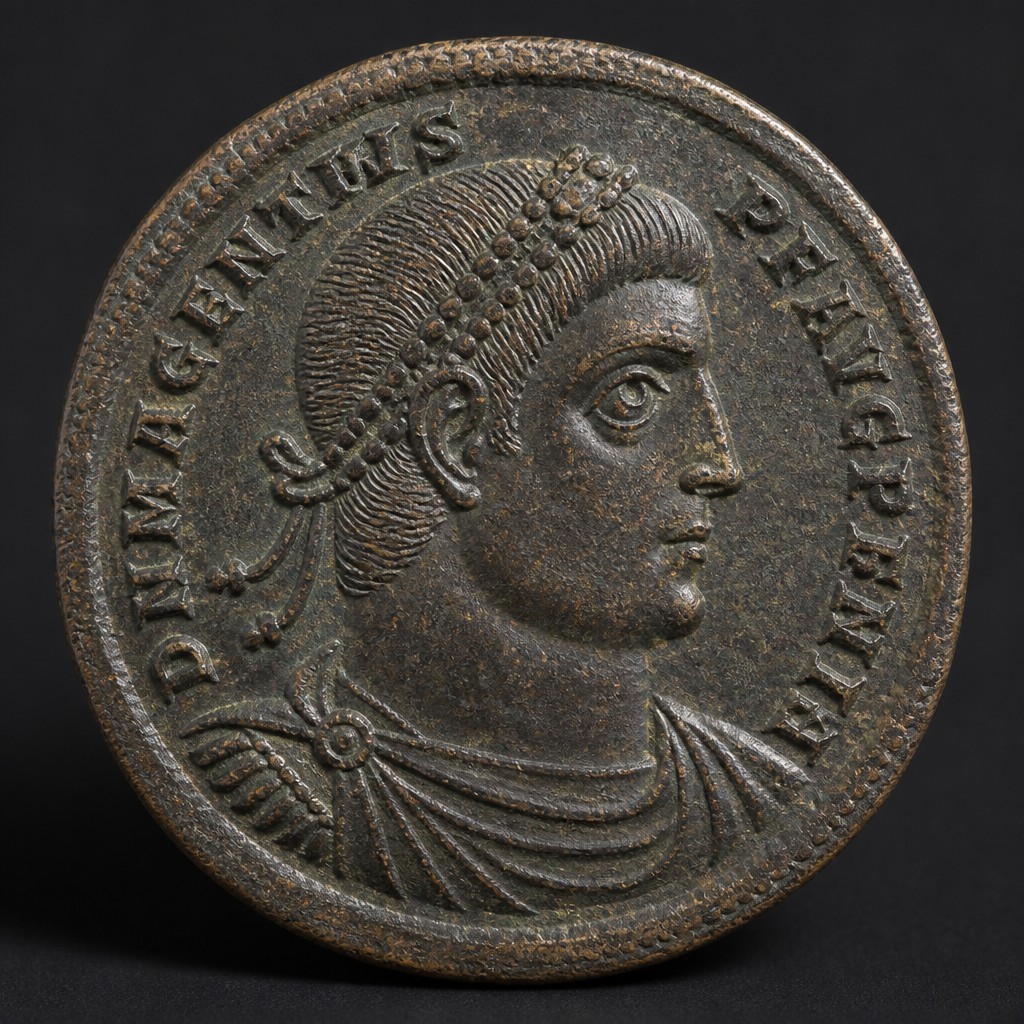
Magnentius Double Centenionalis
350–353 AD
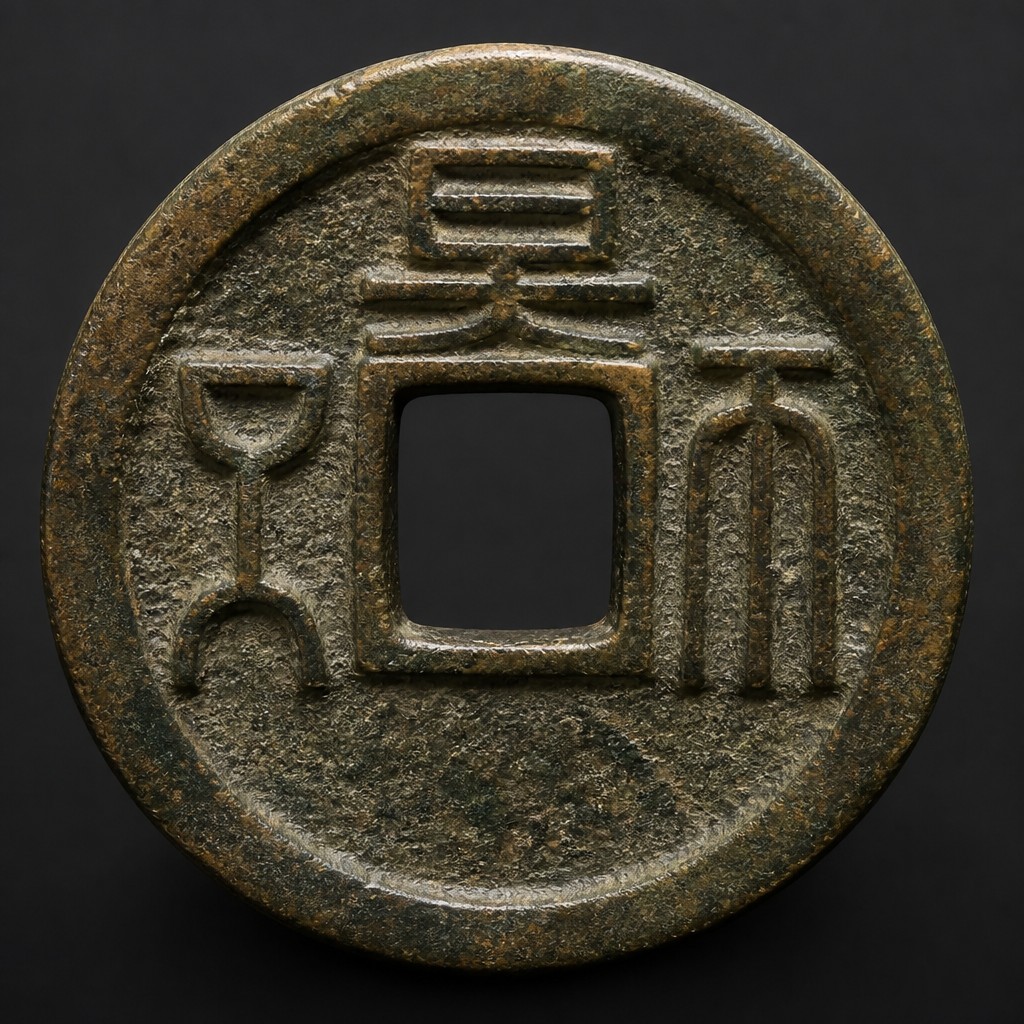
Chinese Wu Zhu Cash
118 BC – 618 AD
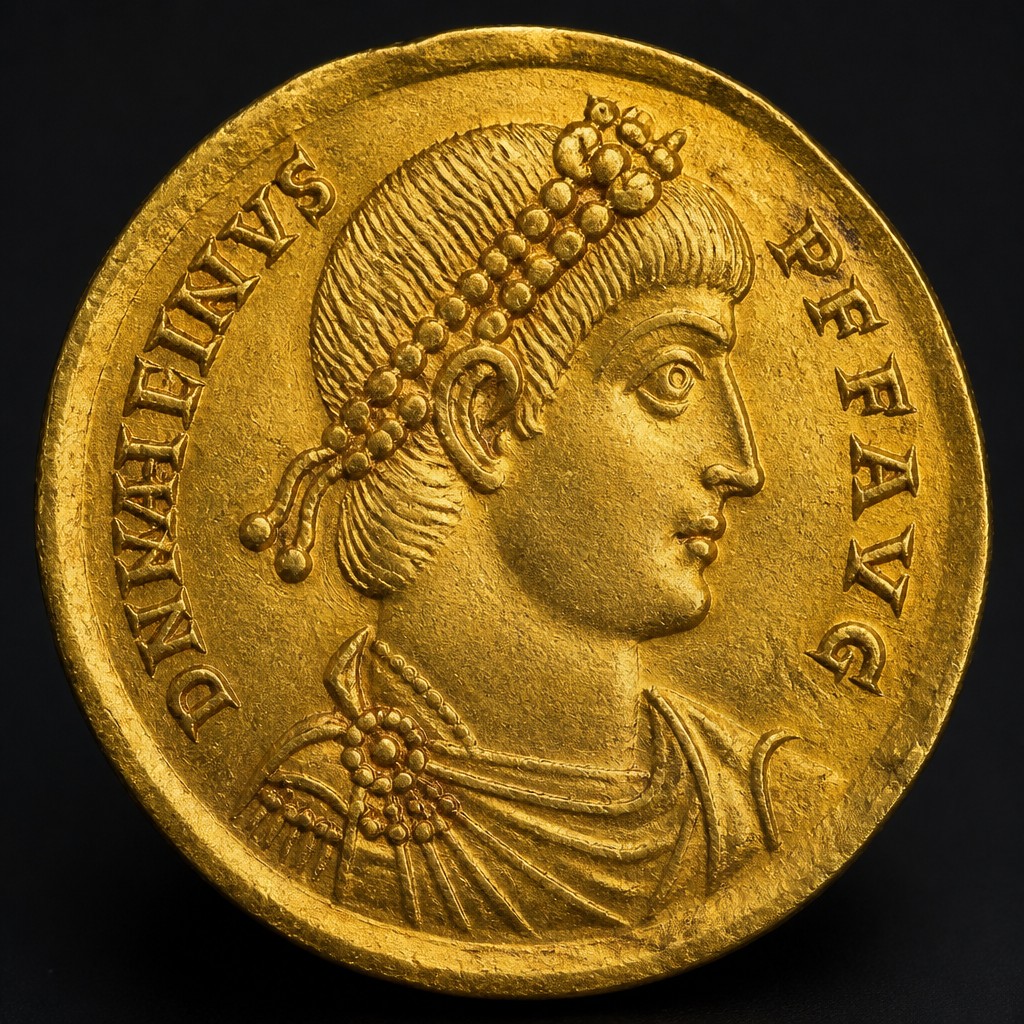
Valentinian I Solidus
364–375 AD
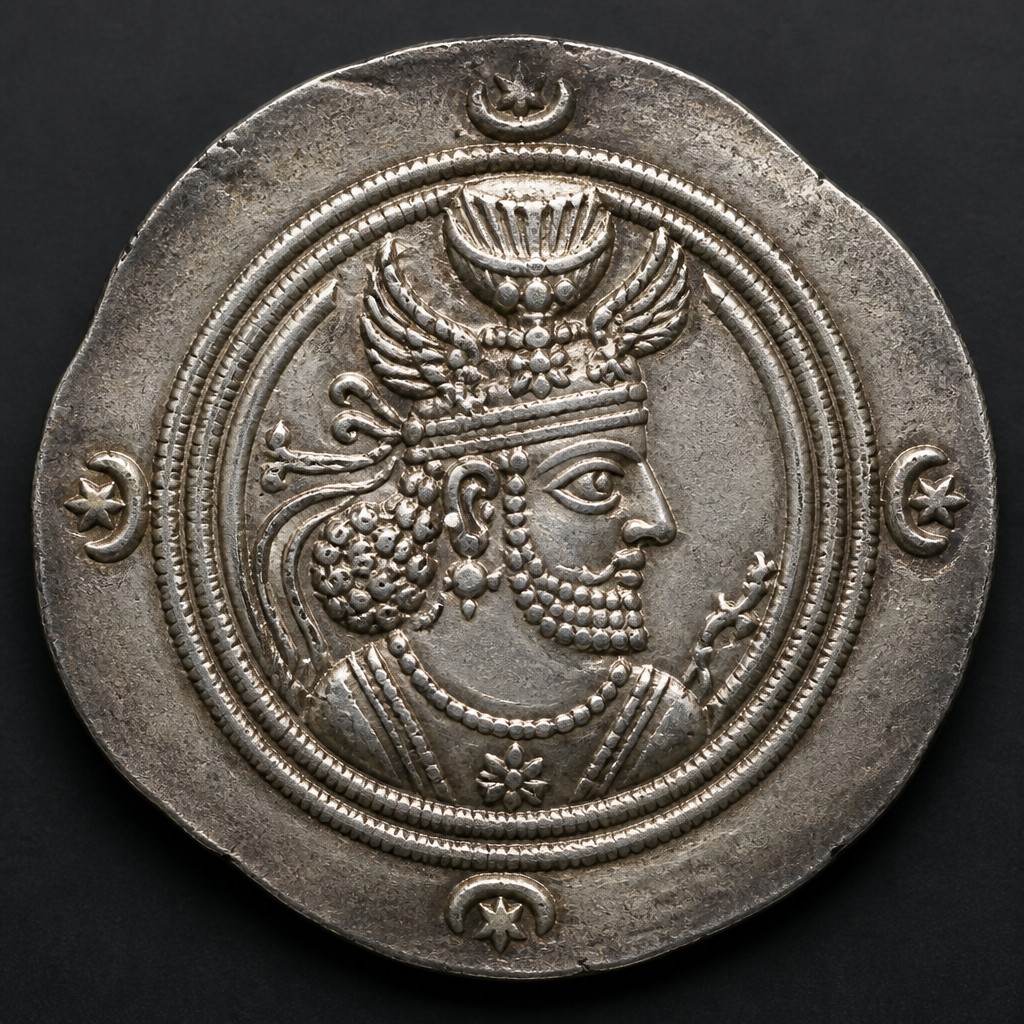
Sassanian Silver Drachm
c. 224–651 AD
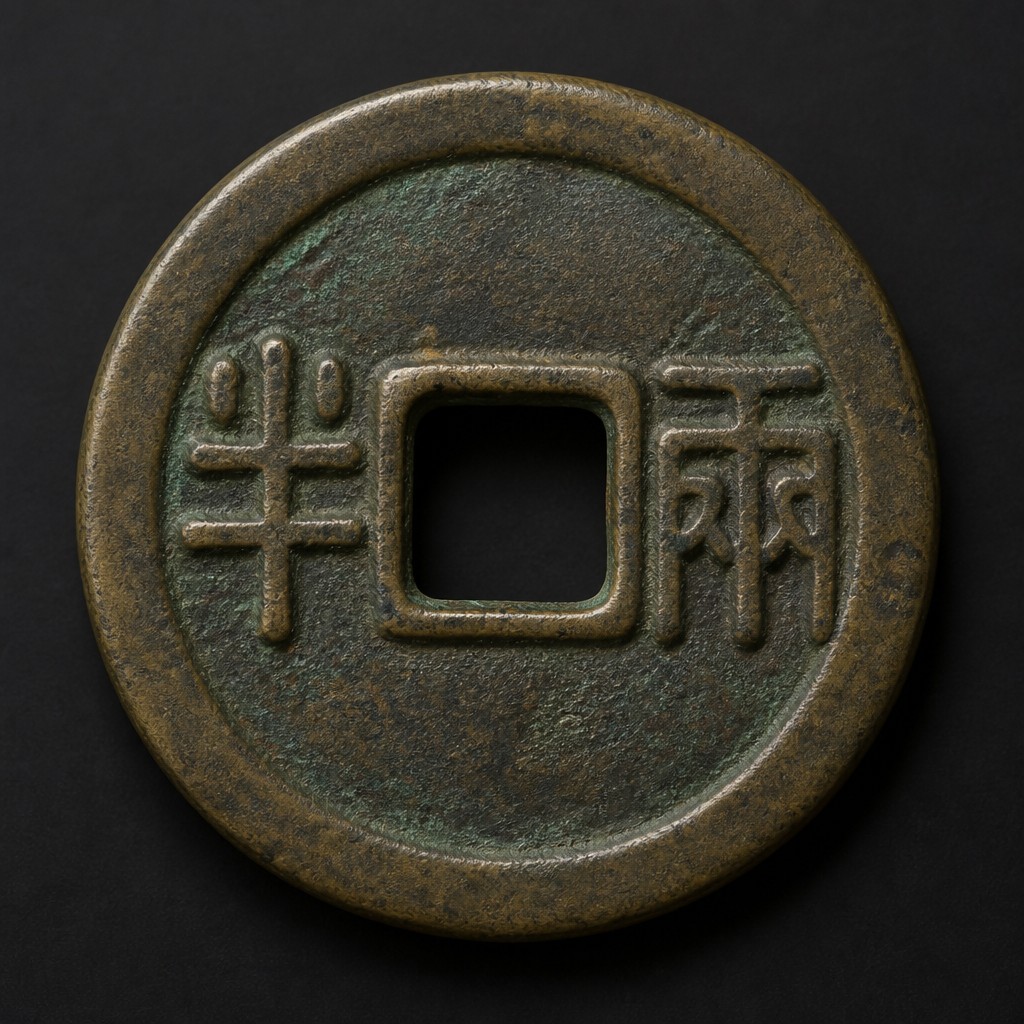
Chinese Ban Liang Cash
c. 221–118 BC
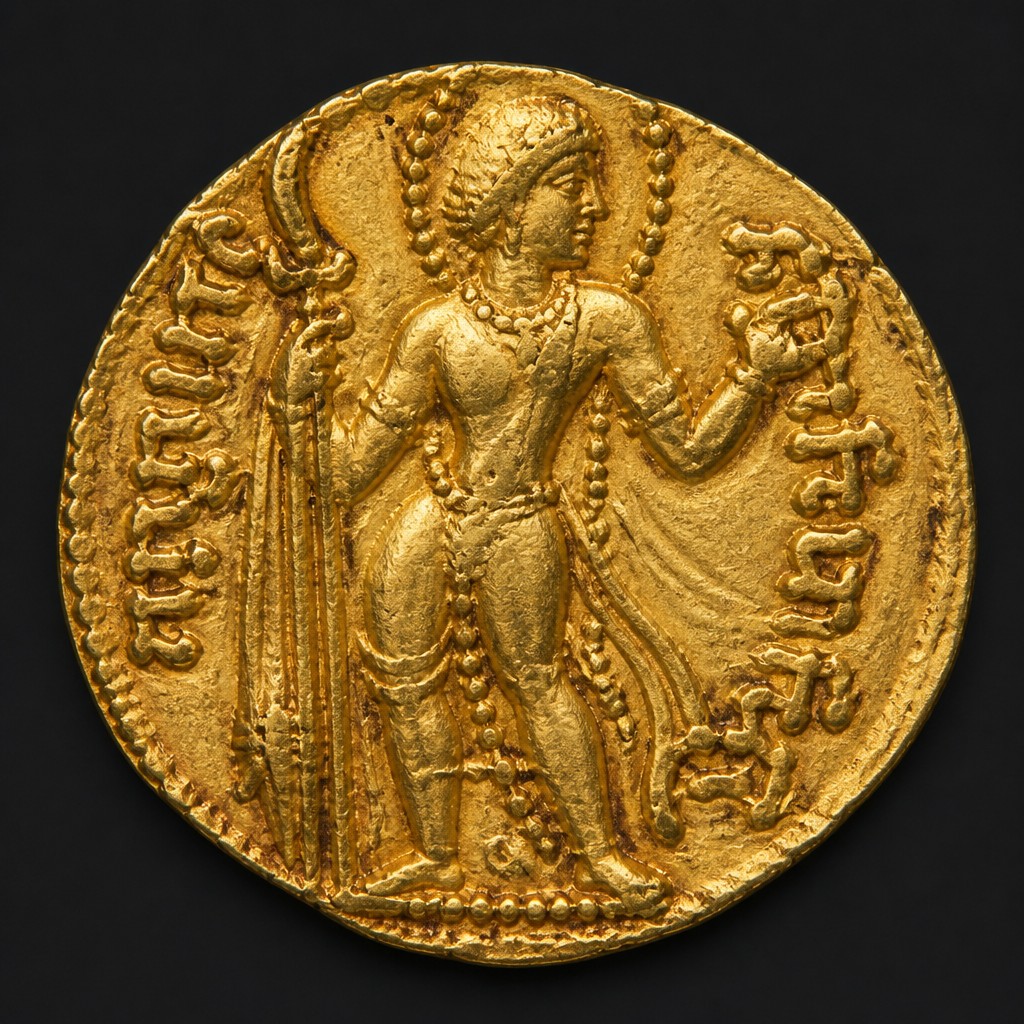
Gupta Empire Gold Dinar
c. 320–550 AD
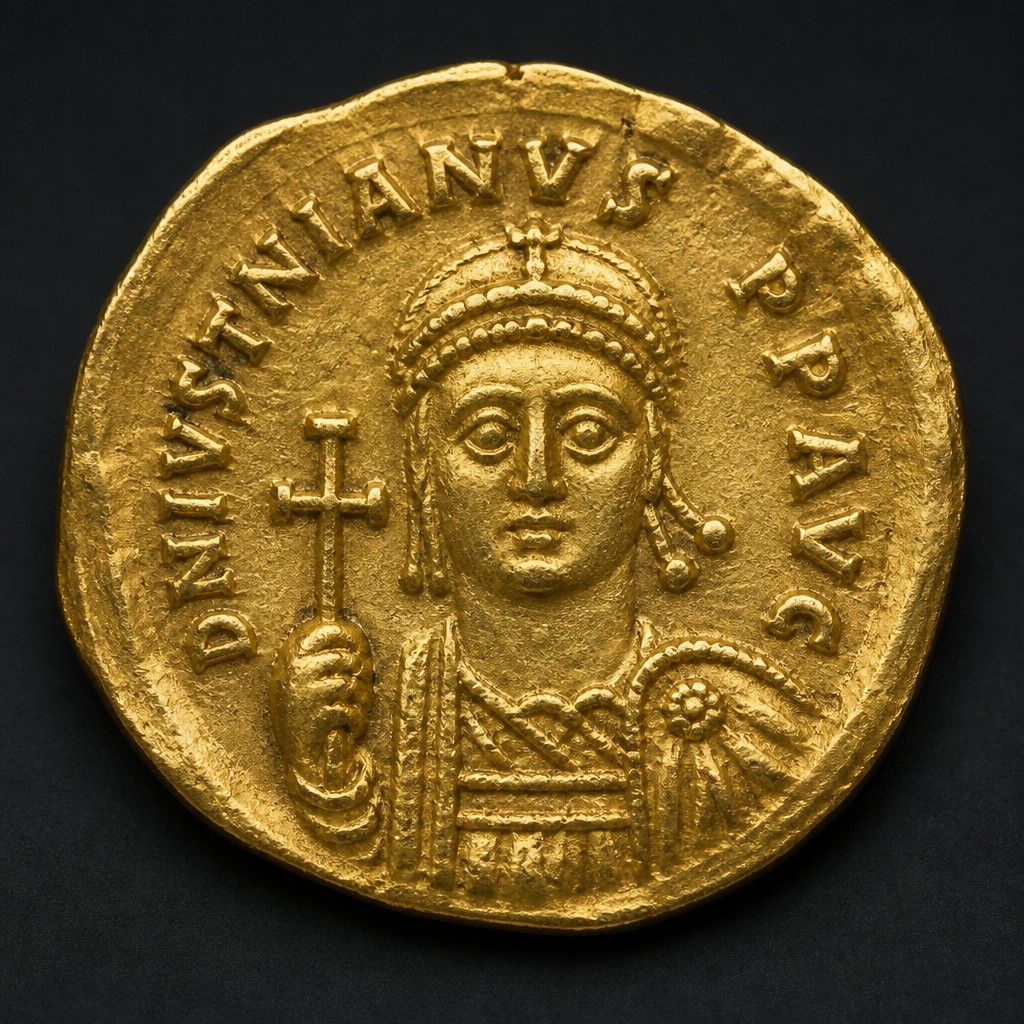
Byzantine Gold Tremissis
c. 4th–7th century AD
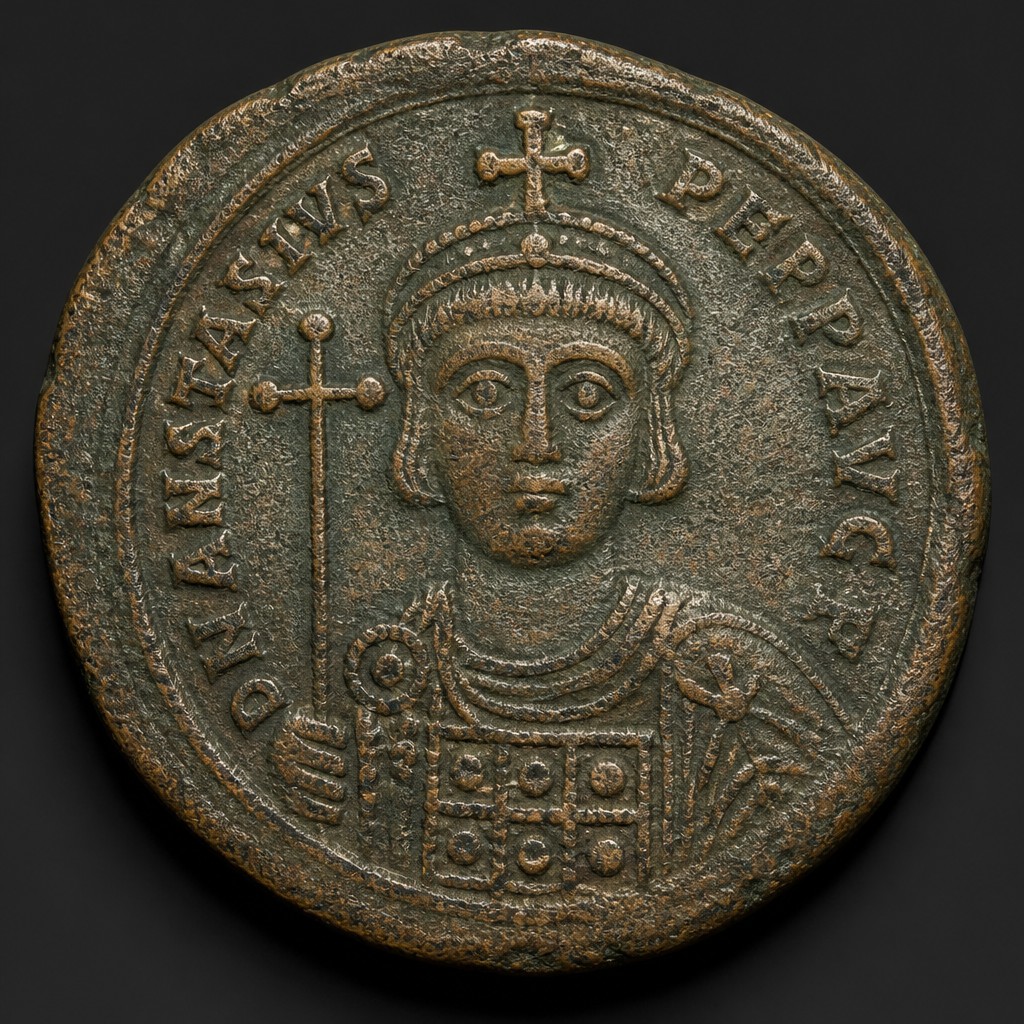
Byzantine Follis
498–c. 11th century AD
Celtic Gold Stater
c. 3rd century BC – 1st century AD