
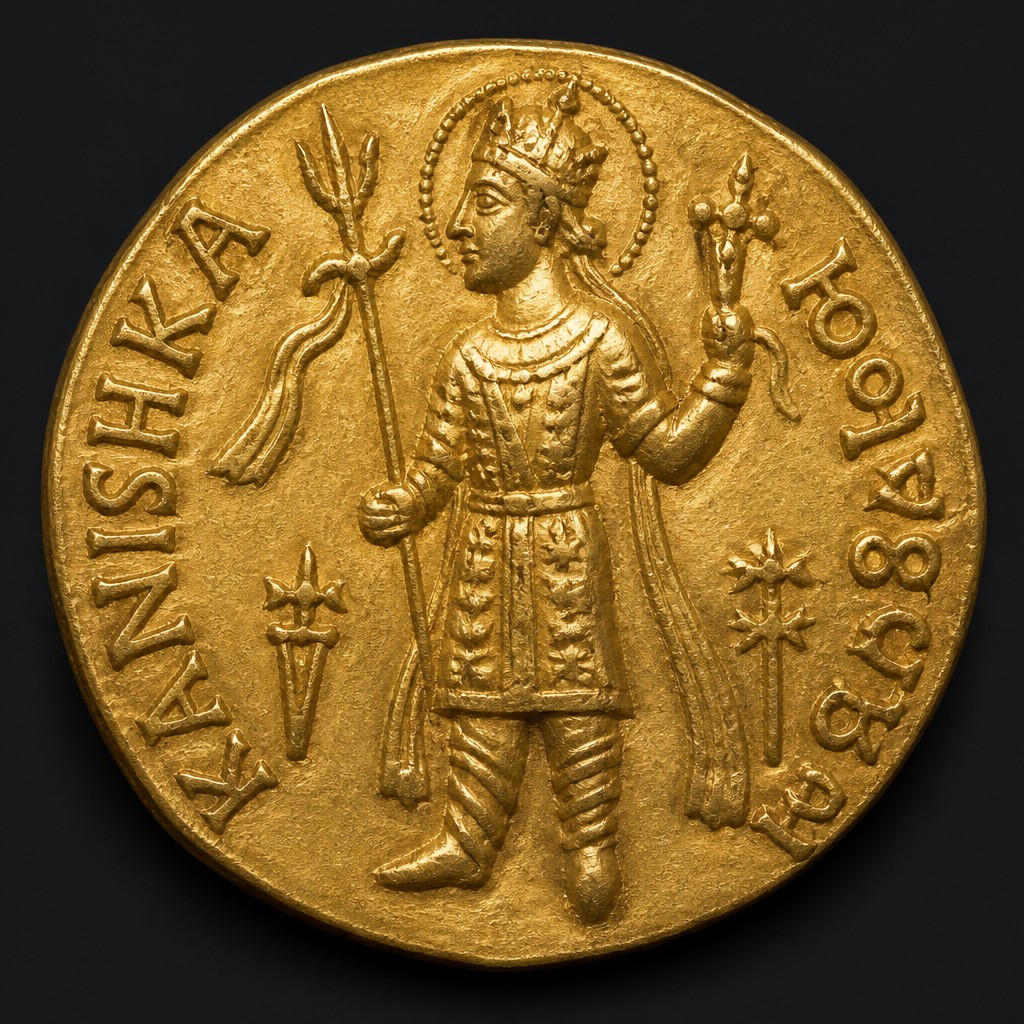
Kushan Gold Dinar of Kanishka
A gold dinar of the great Kushan emperor Kanishka I, famous for its rich mix of Greek, Iranian, Indian, and Buddhist deities depicted on the reverse.
- Country
- Kushan Empire
- Denomination
- Dinar
- Metal
- Gold
Got a coin like this?
Identify any coin from a photo, free.
Overview
Kanishka I was one of the most powerful rulers of the Kushan Empire, which controlled a vast swath of Central Asia and northern India during the 2nd century AD. His gold dinars are celebrated for their extraordinary religious diversity, with reverse types drawing on Greek, Zoroastrian/Iranian, Hindu, and Buddhist iconography, reflecting the multicultural character of the Kushan realm.
For collectors, Kanishka's coinage is especially notable because some issues bear one of the earliest datable images of the Buddha on a coin, making the series important to both numismatists and historians of religion.
History & Background
Kanishka I ruled the Kushan Empire in the early-to-mid 2nd century AD, presiding over a period of great territorial extent and cultural exchange along the Silk Road, spanning from Central Asia through Afghanistan and into northern India. His gold coinage, struck on a weight standard derived from the Roman aureus, financed an empire that connected the Mediterranean world, Persia, India, and China.
The Kushans inherited coinage traditions from earlier Greco-Bactrian and Indo-Scythian rulers, and Kanishka's mints continued and expanded this practice, issuing an unusually wide range of reverse deities over the course of his reign, likely reflecting the empire's religious pluralism and Kanishka's own patronage of Buddhism alongside other faiths.
The historical dating of Kanishka's reign has long been debated by scholars, with the specific calendar era he initiated (the so-called Kanishka era) remaining a subject of academic discussion, though most estimates place his rule in the first half of the 2nd century AD.
How to Identify
The obverse of a Kanishka gold dinar typically shows the king standing, often making a sacrifice at an altar, wearing distinctive Central Asian dress including a long coat and pointed helmet or crown, with a Bactrian-Greek script legend naming him as king of kings. The coin's fabric is thick and slightly irregular, typical of ancient hand-struck gold issues.
The reverse is the most distinguishing feature: it depicts a wide variety of deities from different pantheons, including Greek-named gods such as Helios or Selene, Iranian deities such as Mithra or Ardoksho, Hindu figures, and on rare and highly sought examples, a standing Buddha figure labeled in Greek script. Each deity type is identified by a name inscribed in Greek letters adapted to the Bactrian language.
Genuine Kushan dinars are struck rather than cast, distinguishing them from later cast Chinese-style coinage, and their gold content and weight (close to that of a Roman aureus) help confirm authenticity alongside stylistic analysis by specialists.
Value & Collectibility
Kanishka's gold dinars are prized by ancient coin collectors both for their historical significance and for the visual interest of their varied reverse deities. Common deity types are attainable for collectors of ancient gold at prices broadly comparable to other well-known ancient gold issues, while the rare Buddha-reverse type is exceptionally desirable and commands a substantial premium whenever a genuine example appears on the market.
Condition, strike quality, and clarity of the deity's name and image all affect value considerably, and given the long history of the type circulating in the antiquities trade, careful attention to authenticity from a reputable ancient coin dealer is important.
Frequently asked questions
Why do Kanishka's coins show so many different gods?
The Kushan Empire spanned diverse cultures and religions across Central Asia and India, and Kanishka's coinage reflected this pluralism by depicting Greek, Iranian, Hindu, and Buddhist deities across different issues.
Is it true some coins show the Buddha?
Yes, a small number of Kanishka's gold and copper coins depict a standing Buddha figure with a Greek-script label, making them among the earliest datable coin portraits of the Buddha.
What weight standard were these coins struck on?
Kushan gold dinars generally follow a weight standard close to the Roman aureus, reflecting trade contacts along Silk Road networks.
When exactly did Kanishka reign?
Scholars debate the precise dates, but most place his reign in the first half of the 2nd century AD.
Other coins you may enjoy
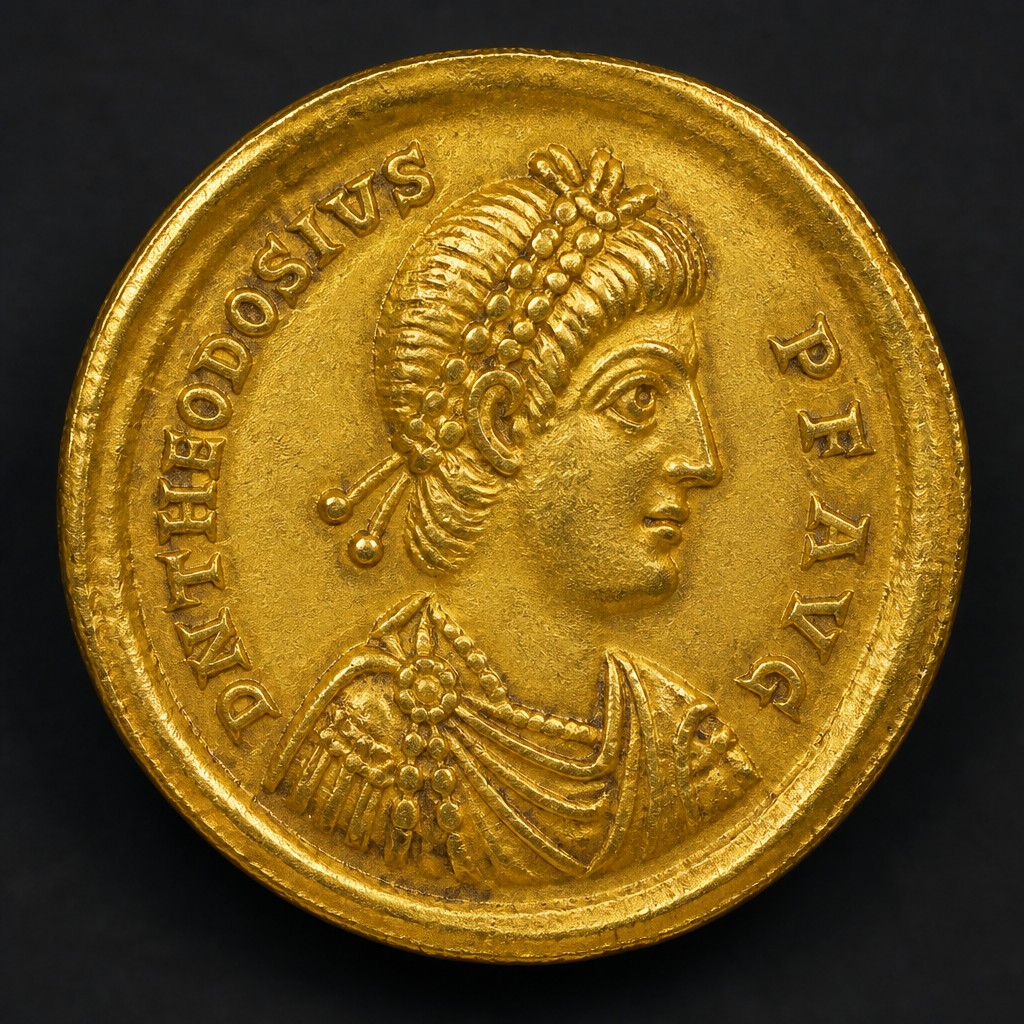
Theodosius I Solidus
379–395 AD
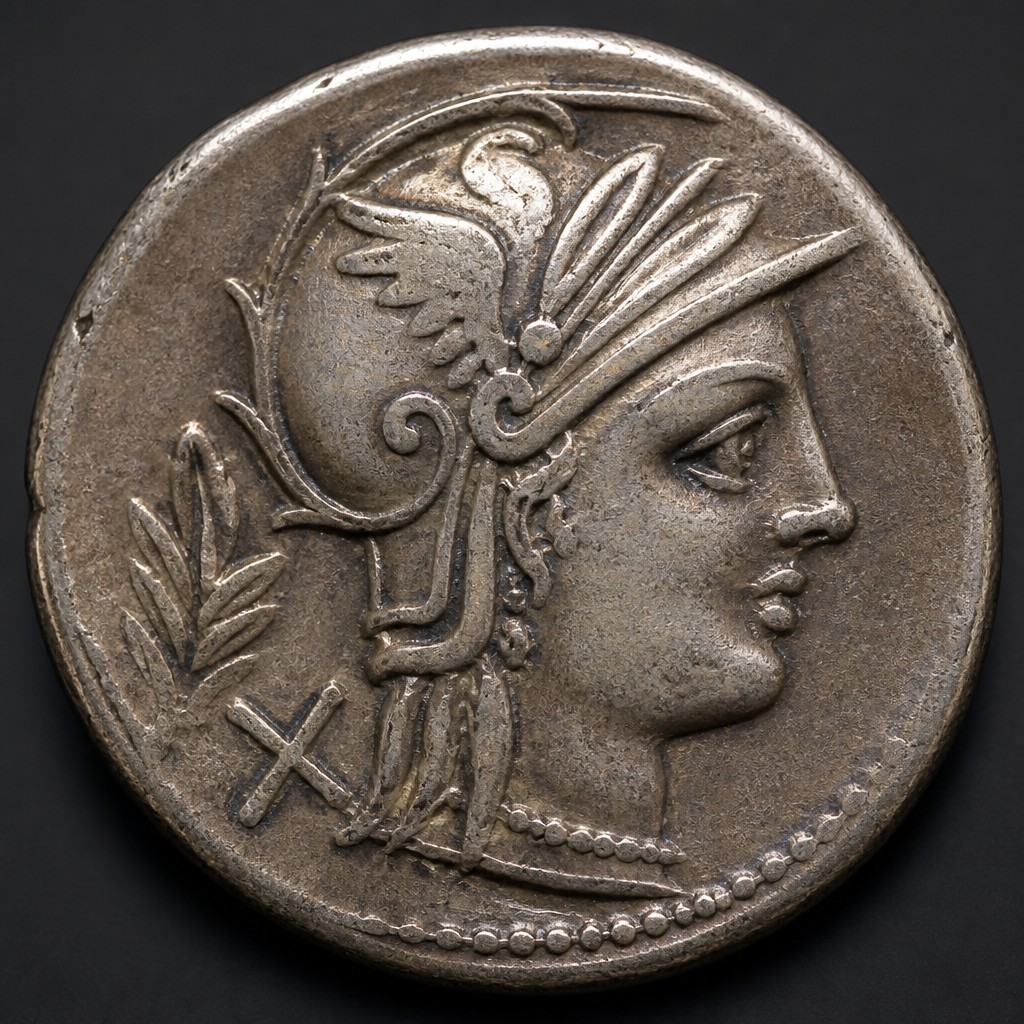
Republican Victoriatus
c. 211–170 BC
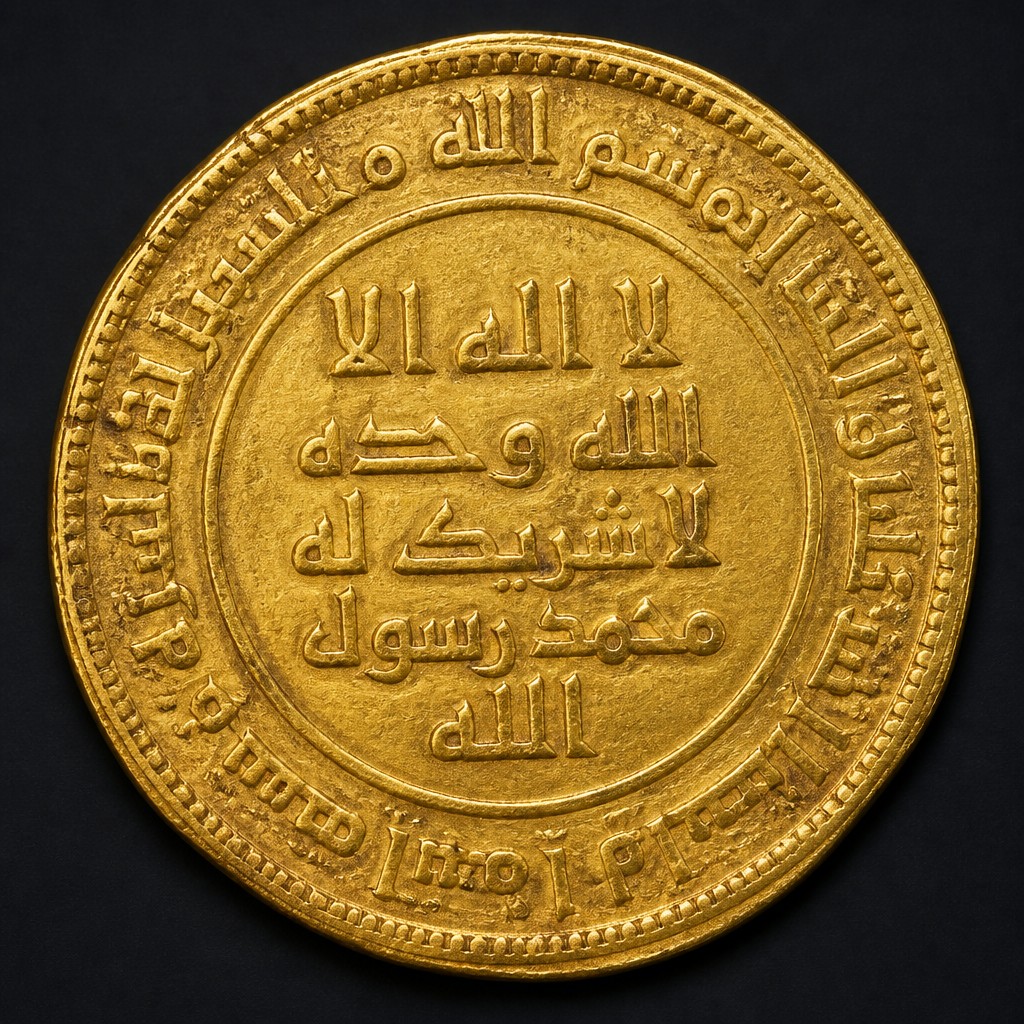
Islamic Gold Dinar (Umayyad)
c. 696–750 AD
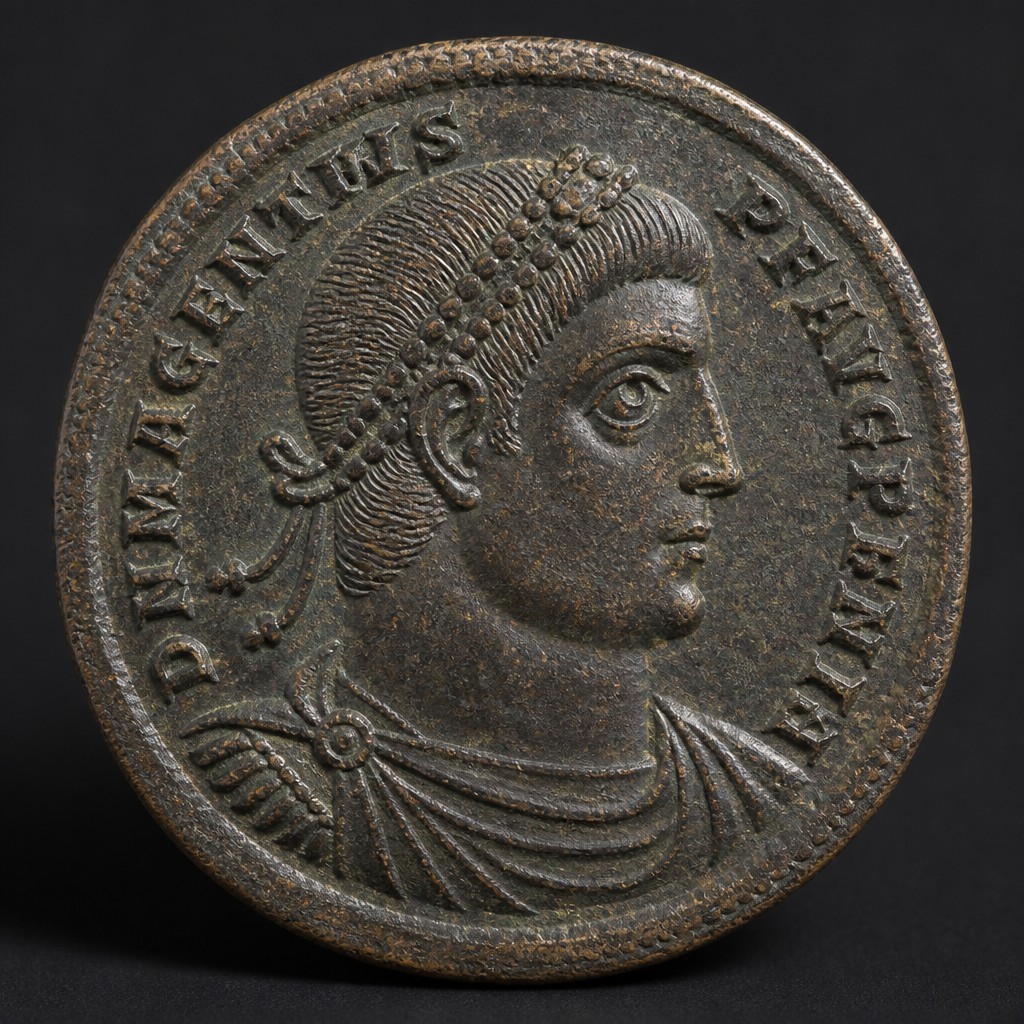
Magnentius Double Centenionalis
350–353 AD
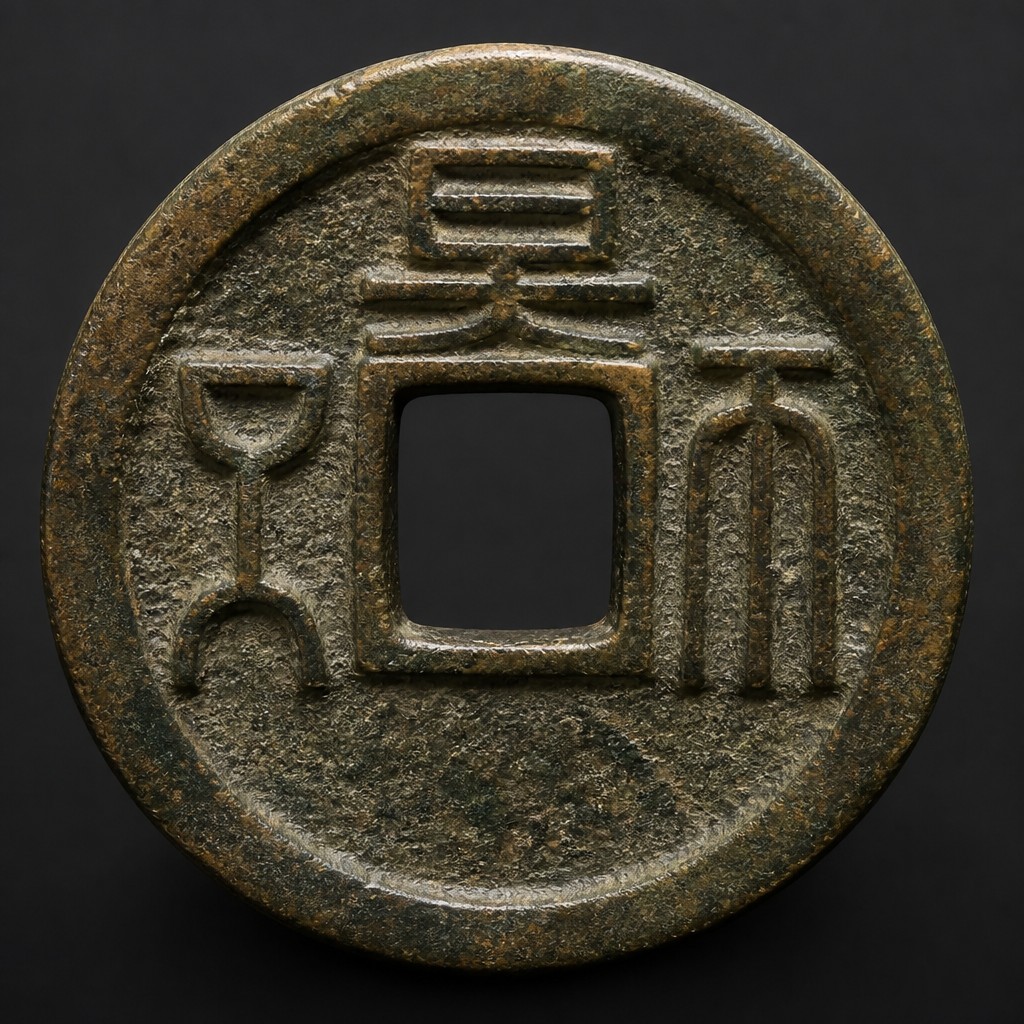
Chinese Wu Zhu Cash
118 BC – 618 AD
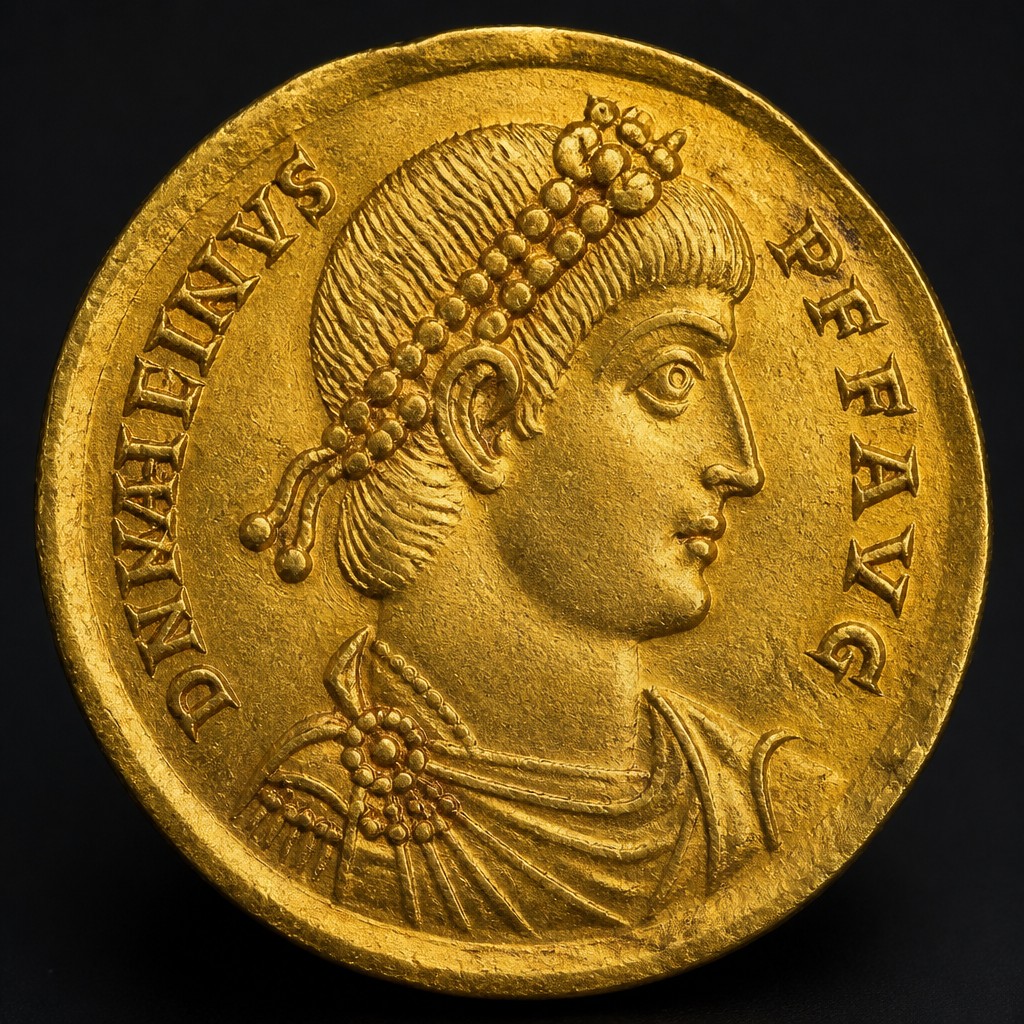
Valentinian I Solidus
364–375 AD
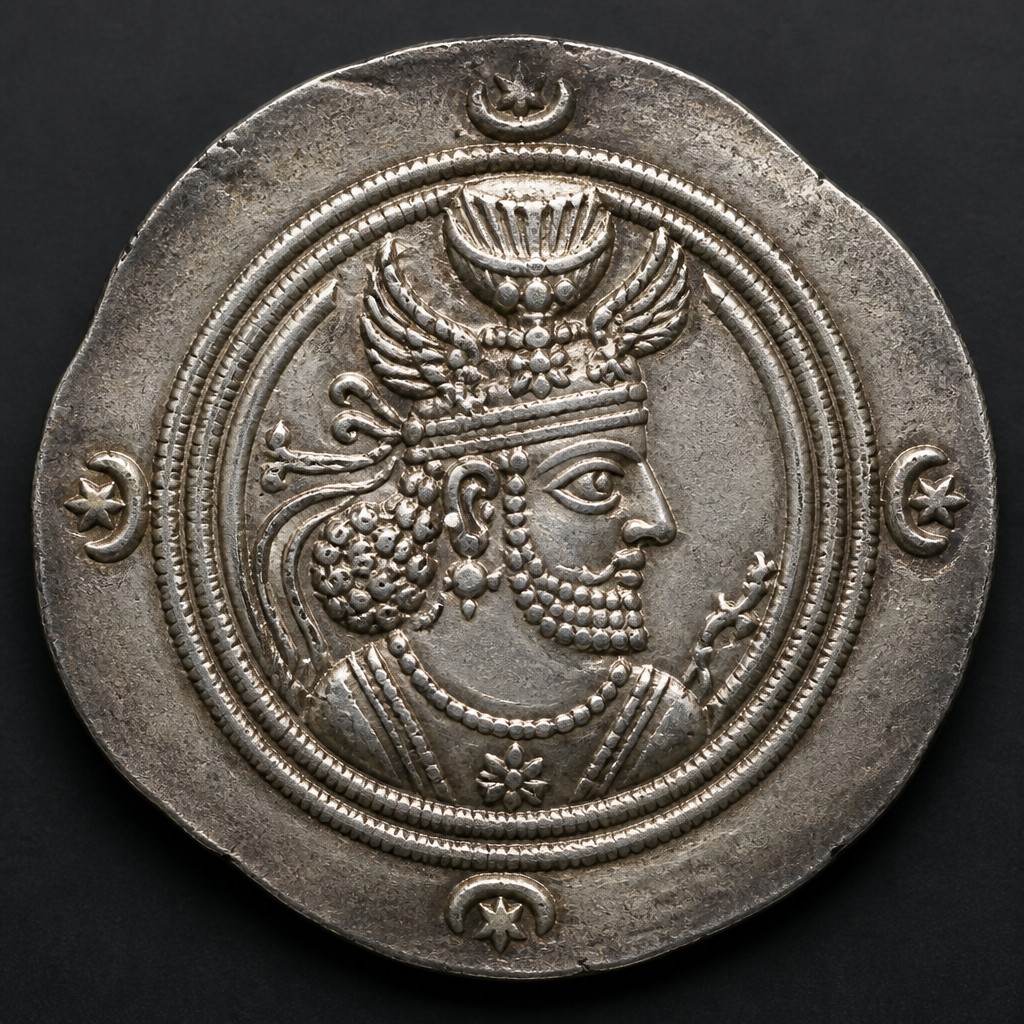
Sassanian Silver Drachm
c. 224–651 AD
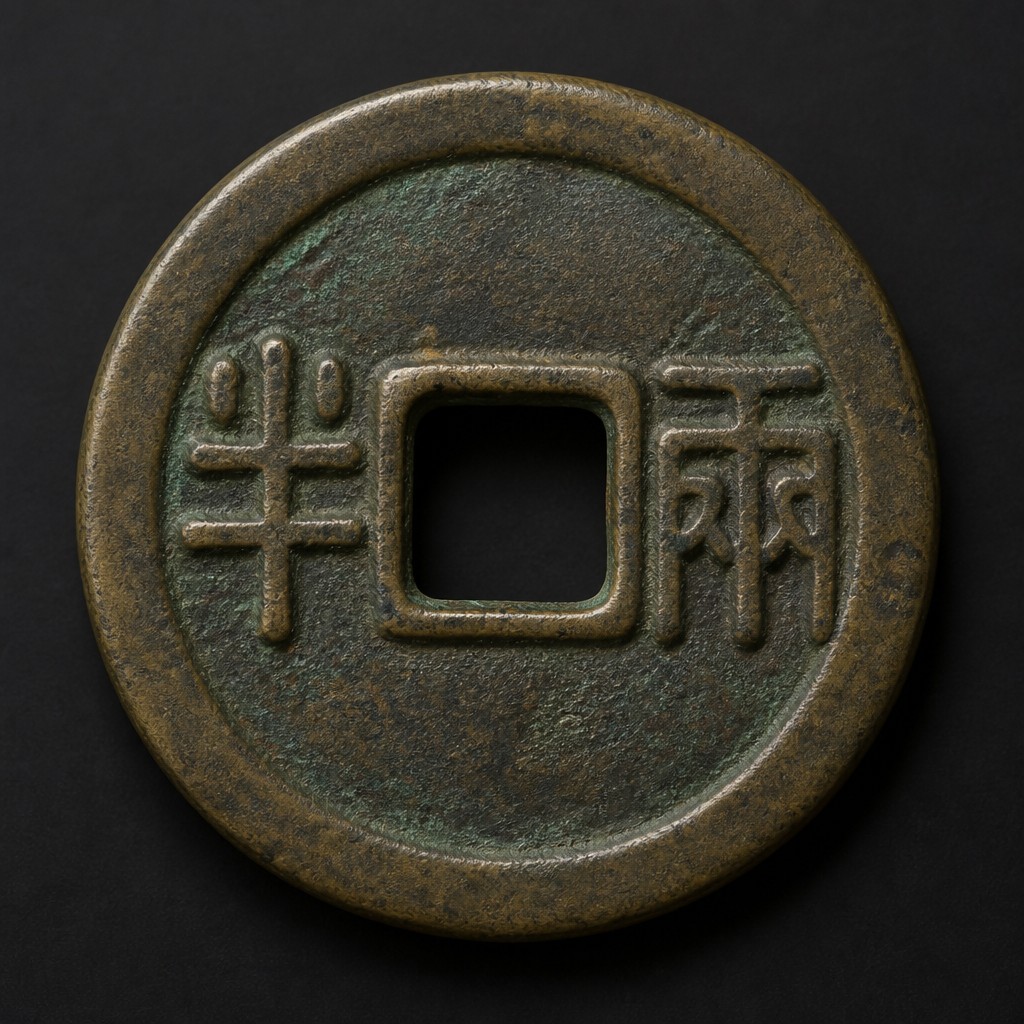
Chinese Ban Liang Cash
c. 221–118 BC
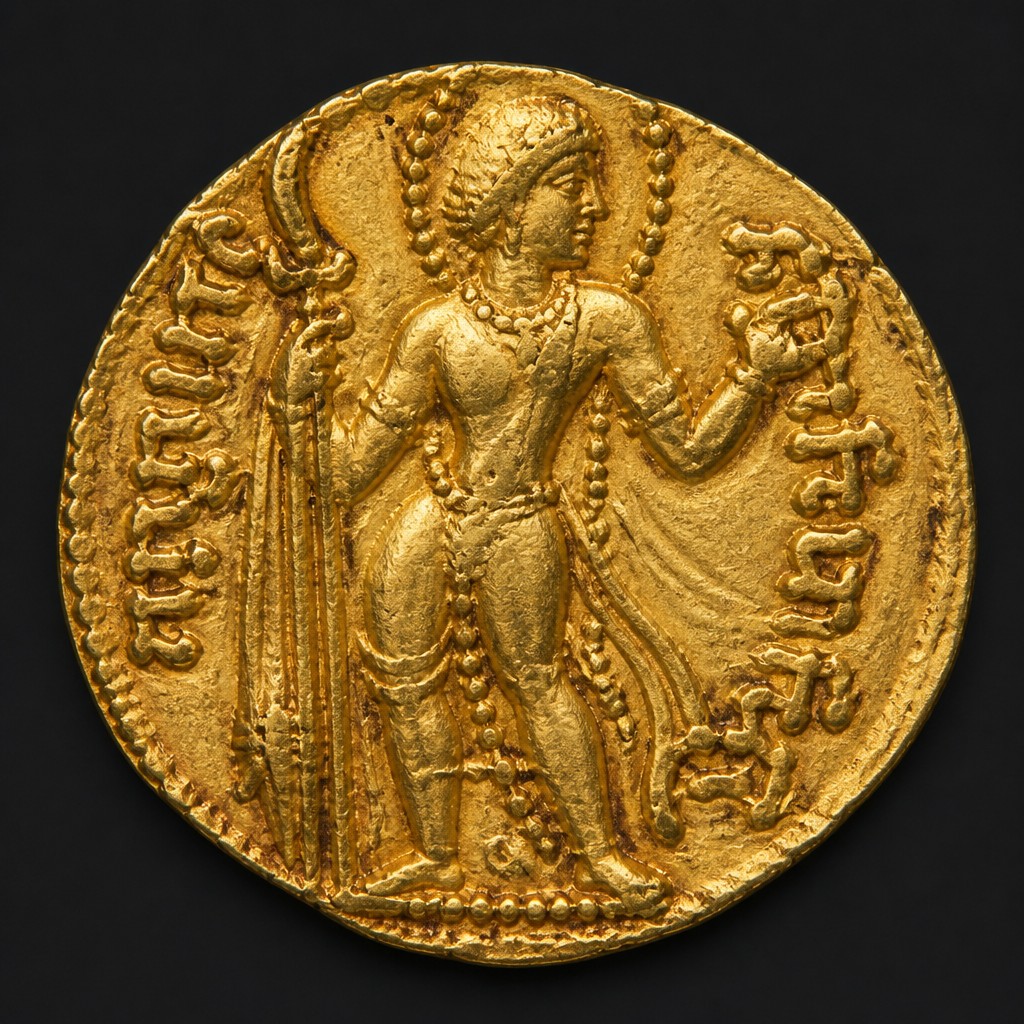
Gupta Empire Gold Dinar
c. 320–550 AD
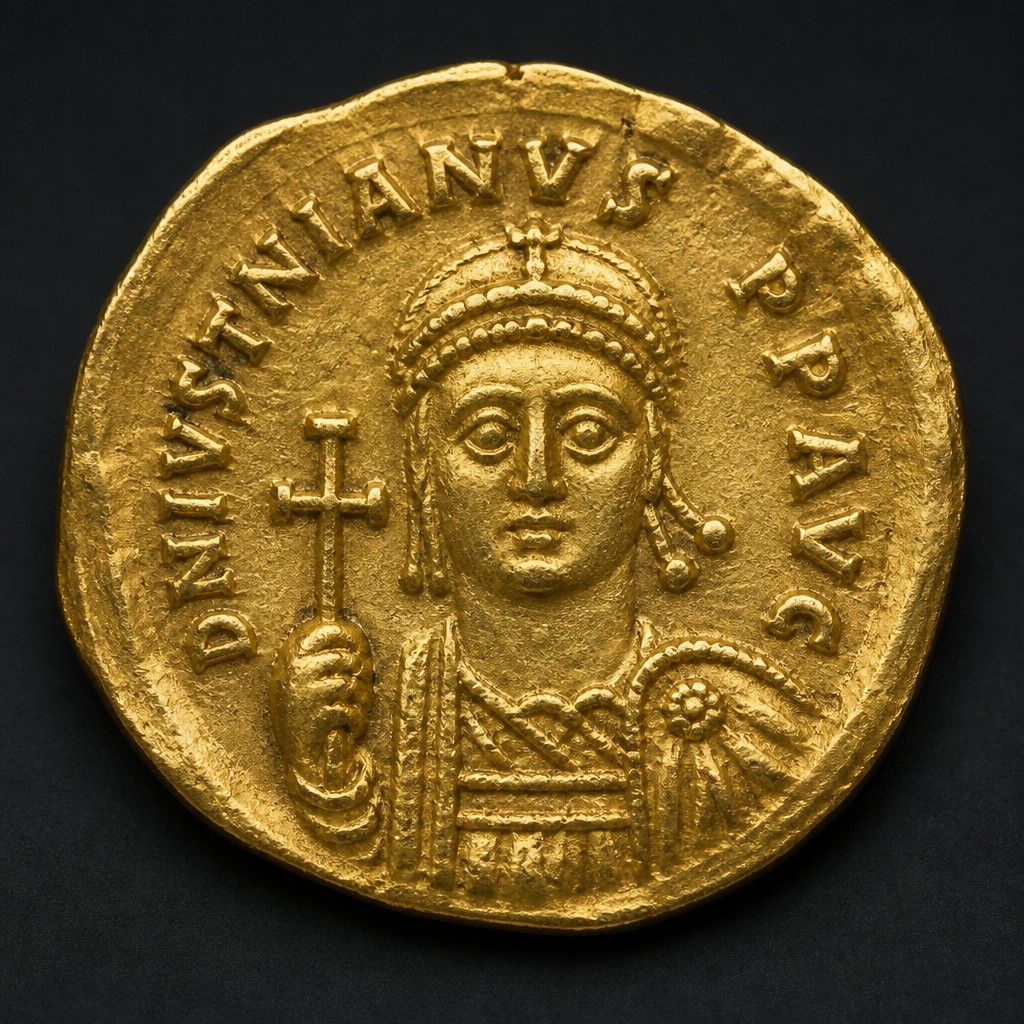
Byzantine Gold Tremissis
c. 4th–7th century AD
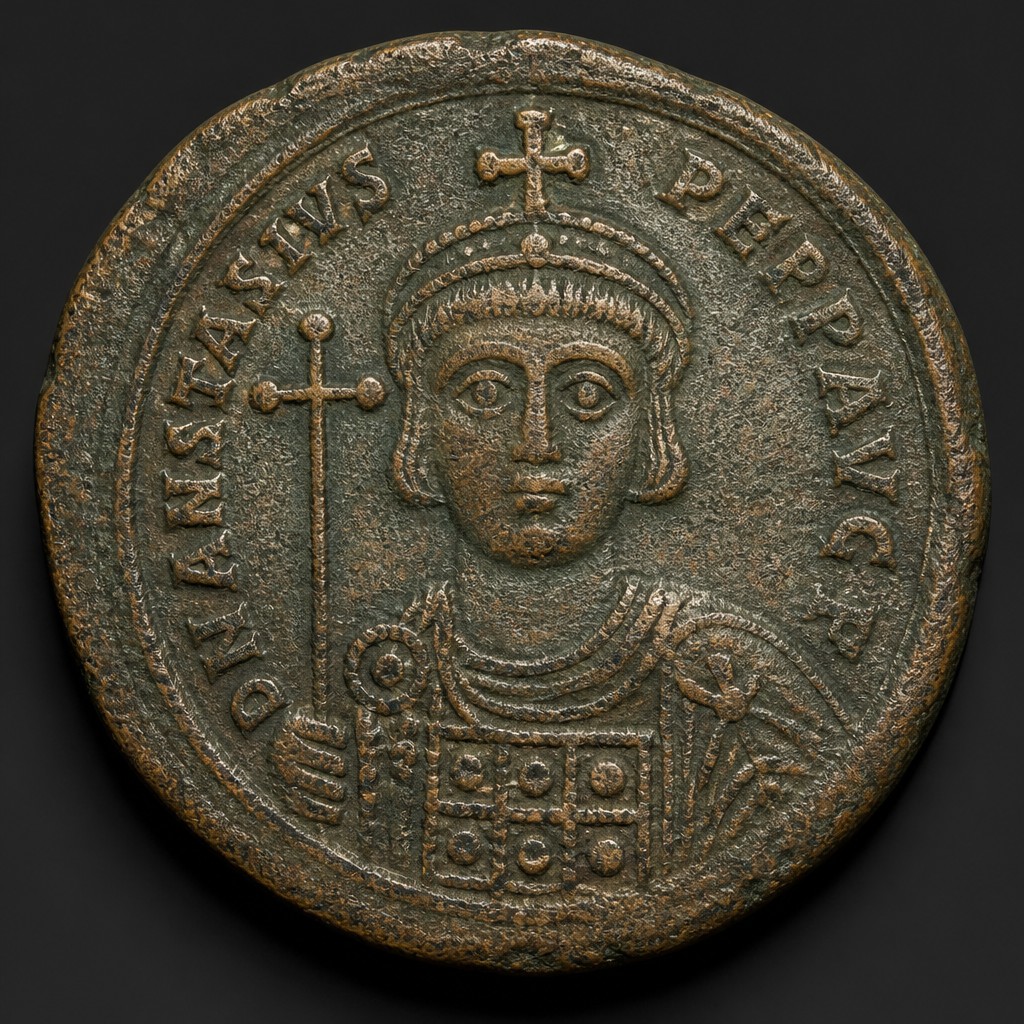
Byzantine Follis
498–c. 11th century AD
Celtic Gold Stater
c. 3rd century BC – 1st century AD