
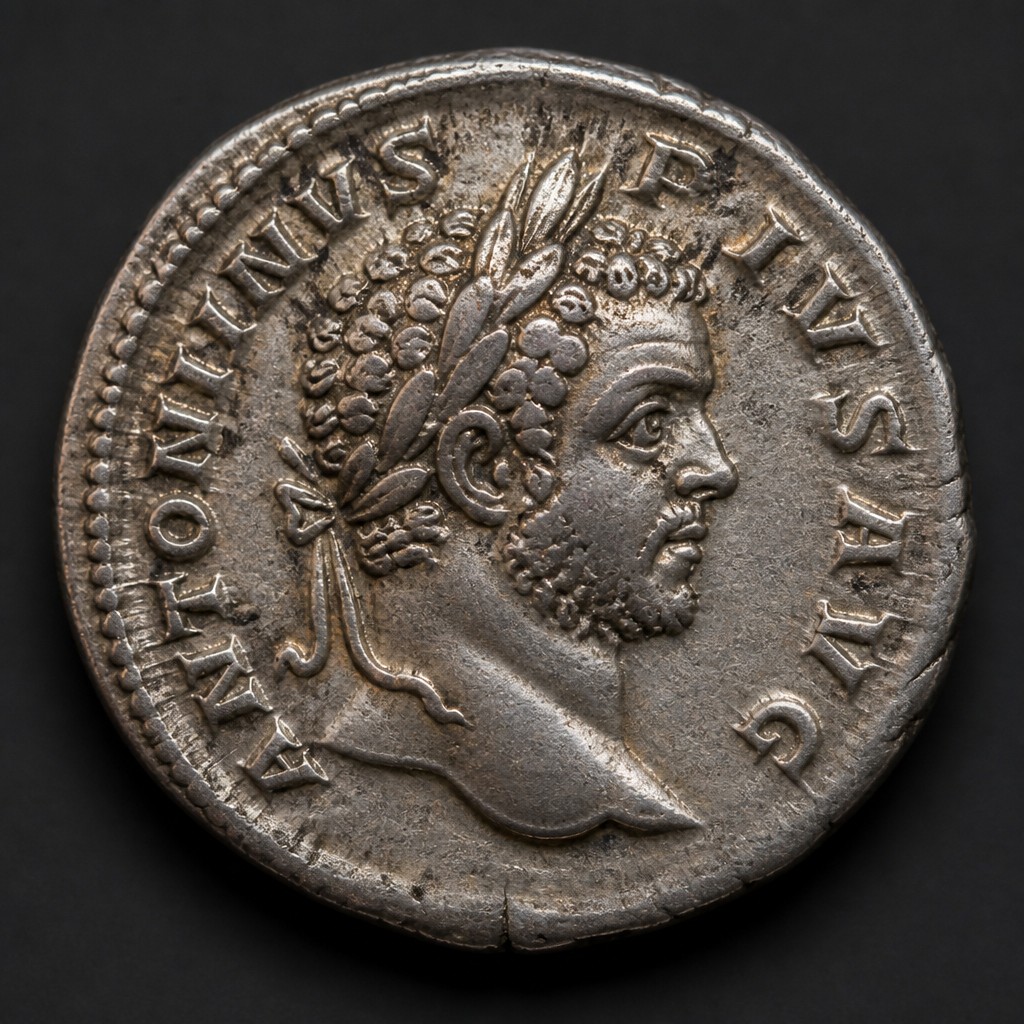
Caracalla Denarius
Silver denarius of Caracalla, son of Septimius Severus, remembered for extending Roman citizenship empire-wide and for murdering his brother Geta.
- Country
- Ancient Rome
- Denomination
- Denarius
- Metal
- Silver (approx. 50%, declining)
Got a coin like this?
Identify any coin from a photo, free.
Overview
The denarius of Caracalla spans nearly two decades, from his time as junior co-emperor alongside his father Septimius Severus to his sole and often turbulent rule after eliminating his brother and co-emperor Geta. His coinage is abundant, reflecting both this long span and the ongoing debasement of Roman silver during the Severan period.
Caracalla is best remembered historically for the Constitutio Antoniniana of 212 AD, which granted Roman citizenship to nearly all free inhabitants of the empire, a landmark legal and administrative change, though its immediate effects were arguably more fiscal (broadening the tax base) than idealistic.
Collectors value his coinage for its connection to this significant legal reform as well as for the opportunity to trace his portrait's evolution from a boyish co-emperor to the stern, battle-hardened adult ruler seen in his later issues.
History & Background
Caracalla, born Lucius Septimius Bassianus and later known formally as Marcus Aurelius Antoninus, was the elder son of Septimius Severus and Julia Domna. He was raised to the rank of co-emperor alongside his father in 198 AD and, following his father's death in 211 AD, briefly ruled jointly with his younger brother Geta before having him murdered within the year, reportedly in their mother's presence, to seize sole power.
His sole reign, from 211 to 217 AD, is remembered for the Constitutio Antoniniana of 212 AD, extending Roman citizenship to virtually all free residents of the empire, as well as for heavy military spending, a program of monumental building including the Baths of Caracalla in Rome, and increasingly harsh and erratic governance that alienated the senatorial class much as Commodus's reign had a generation earlier.
Caracalla was assassinated in 217 AD while on campaign in the east, murdered by a soldier acting on the orders of the Praetorian Prefect Macrinus, who then briefly seized the throne himself.
How to Identify
Earlier coinage shows Caracalla as a youthful co-emperor, often depicted with a relatively soft, boyish portrait alongside conventional titulature naming him Caesar. Later issues after 211 AD show a matured, often notably stern or scowling adult portrait with a short military-style beard, reflecting both his age and his deliberate cultivation of a tough, soldierly public image.
Reverse types are numerous and typical of the period, including Fides Militum, Providentia, Mars, and Victory, reflecting the era's heavy emphasis on military themes and imperial power, consistent with the broader Severan dynasty's dependence on army support.
The denarius weighs roughly 2.5 to 3.3 grams and measures about 17 to 19mm, with silver content continuing to decline from levels seen under his father. Collectors distinguish Caracalla's coinage from that of his father and brother Geta primarily through obverse legend and titulature, along with the progression of his portrait style from youth to adulthood across the reign.
Value & Collectibility
Standard Caracalla denarii are common and widely available, reflecting his long presence in imperial coinage from co-emperor through sole ruler, and can generally be found at accessible prices for typical collectible grades.
Sharper strikes, particularly of his more dramatic, mature adult portraits, along with scarcer reverse types, can command meaningfully higher prices among collectors who appreciate the artistic and psychological intensity often noted in his later coin portraits.
His historical significance tied to the Constitutio Antoniniana adds an extra layer of interest for collectors focused on Roman legal and administrative history, even though this event is not explicitly depicted on any coin type.
Frequently asked questions
What is Caracalla most remembered for historically?
He is best known for the Constitutio Antoniniana of 212 AD, which extended Roman citizenship to nearly all free inhabitants of the empire, and for murdering his brother Geta to secure sole rule.
Why does Caracalla's portrait look so different across his coinage?
His coinage spans from his youth as junior co-emperor to his mature years as sole ruler, showing a clear progression from a boyish appearance to a stern, bearded adult portrait.
Are Caracalla denarii rare?
No, they are fairly common due to his long presence in imperial coinage and are generally accessible to collectors at modest prices.
What happened to his brother Geta on coinage?
After Geta's murder, the Senate condemned his memory (damnatio memoriae), and his name and image were officially erased from monuments and, in some cases, defaced on surviving artifacts.
Other coins you may enjoy
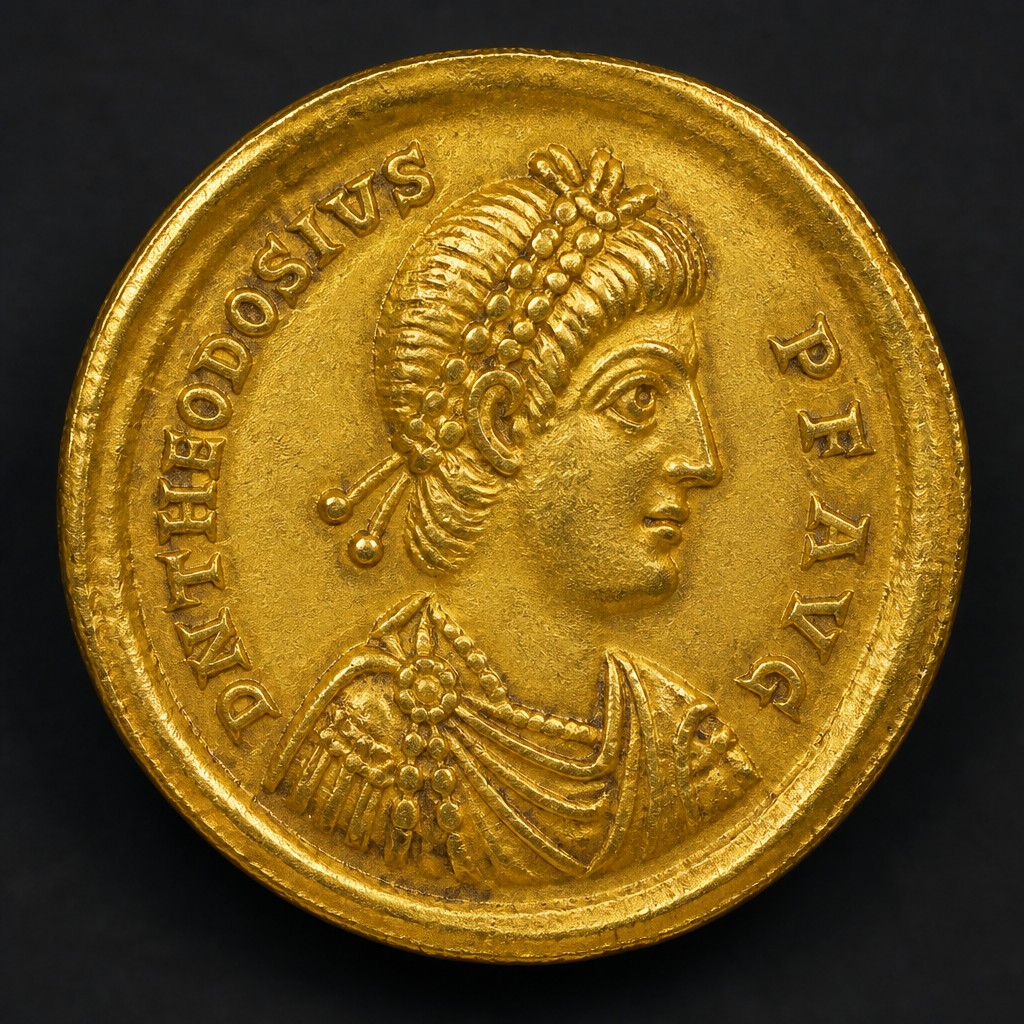
Theodosius I Solidus
379–395 AD
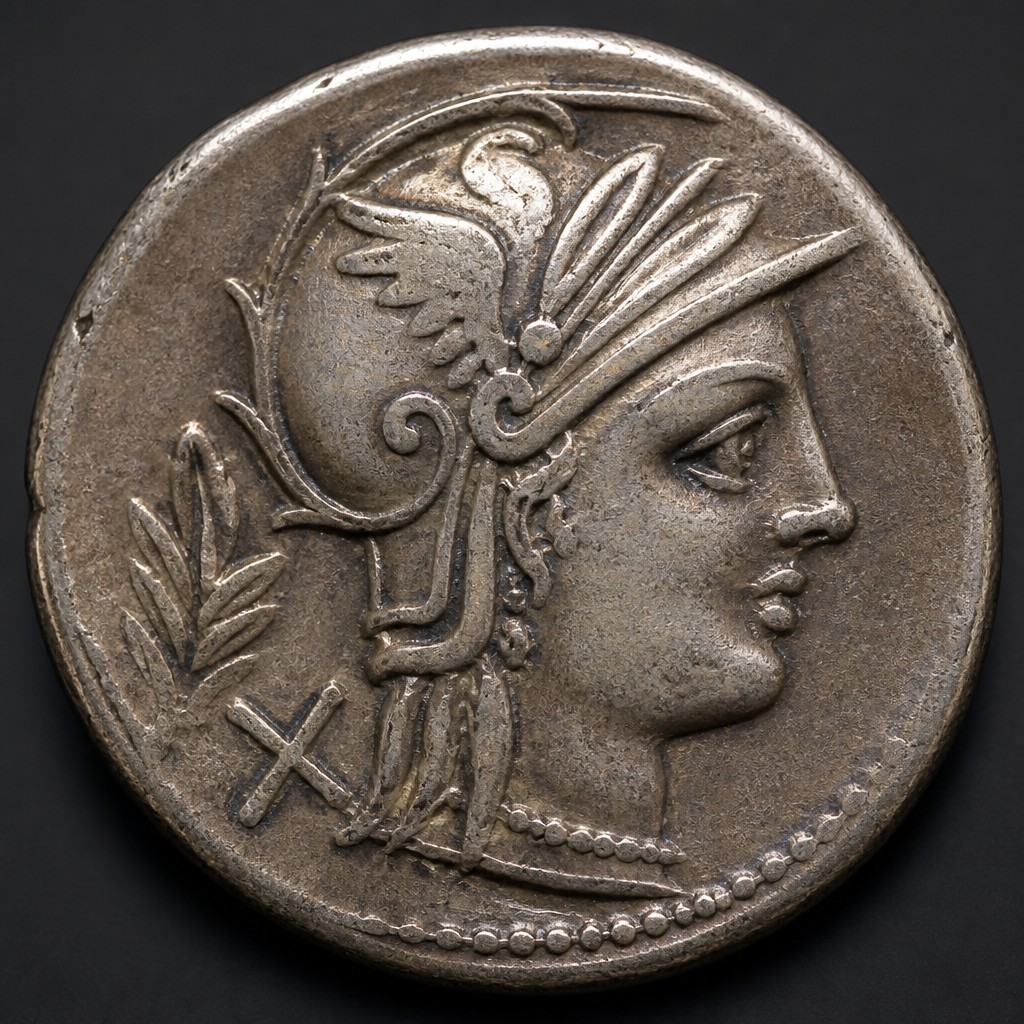
Republican Victoriatus
c. 211–170 BC
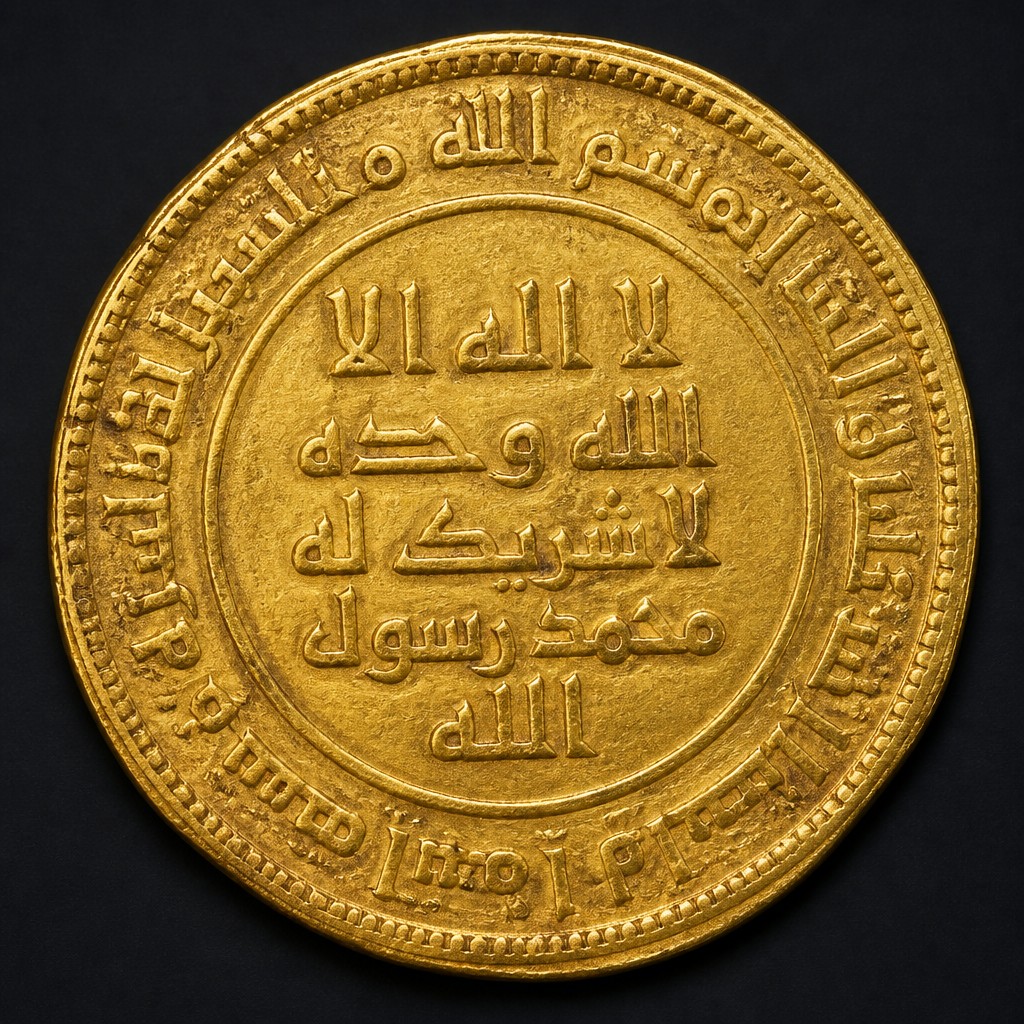
Islamic Gold Dinar (Umayyad)
c. 696–750 AD
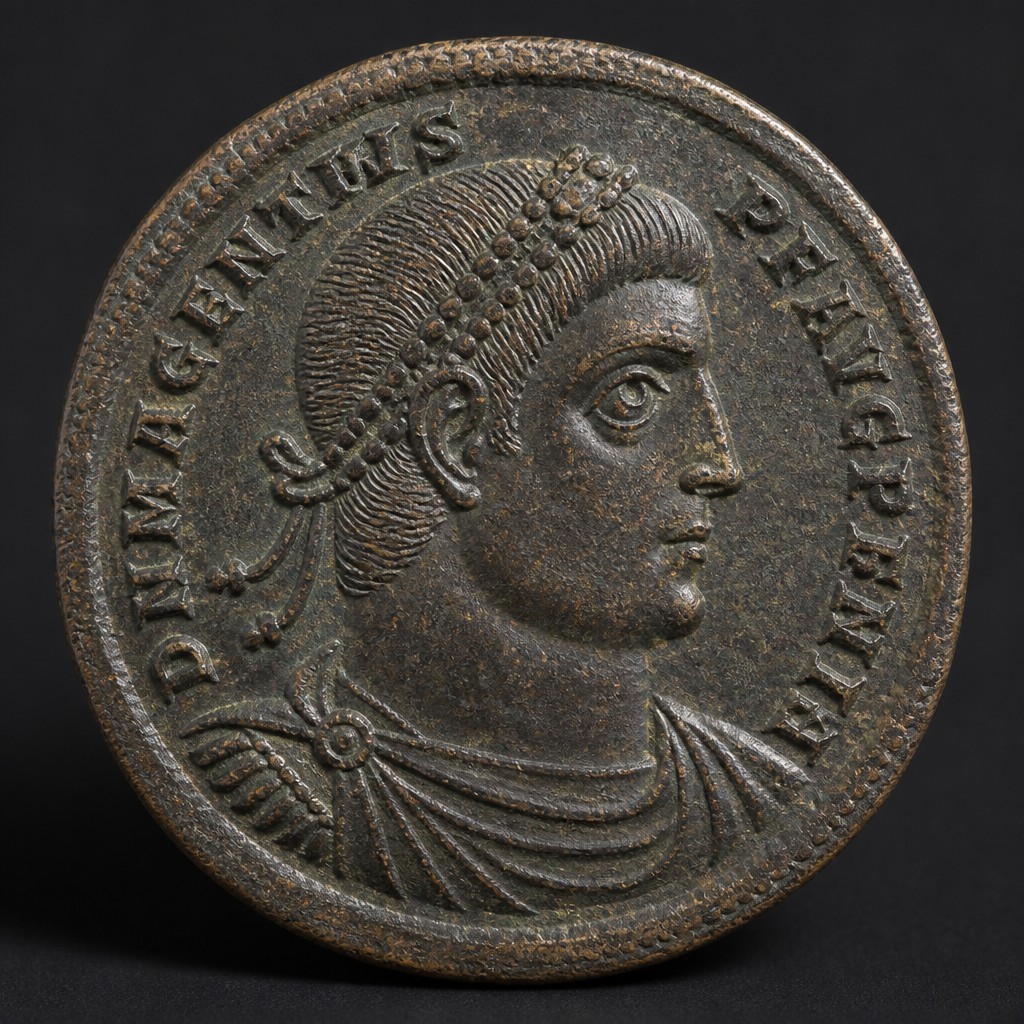
Magnentius Double Centenionalis
350–353 AD
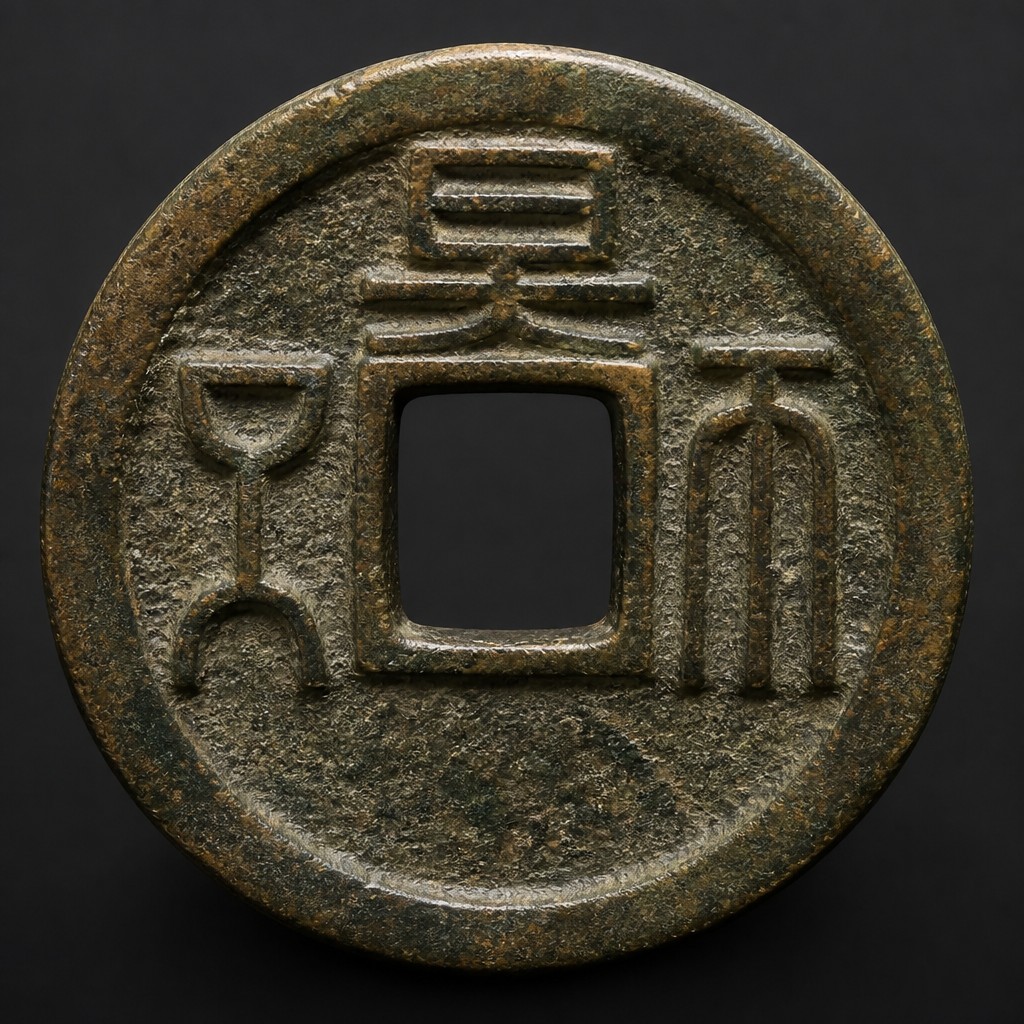
Chinese Wu Zhu Cash
118 BC – 618 AD
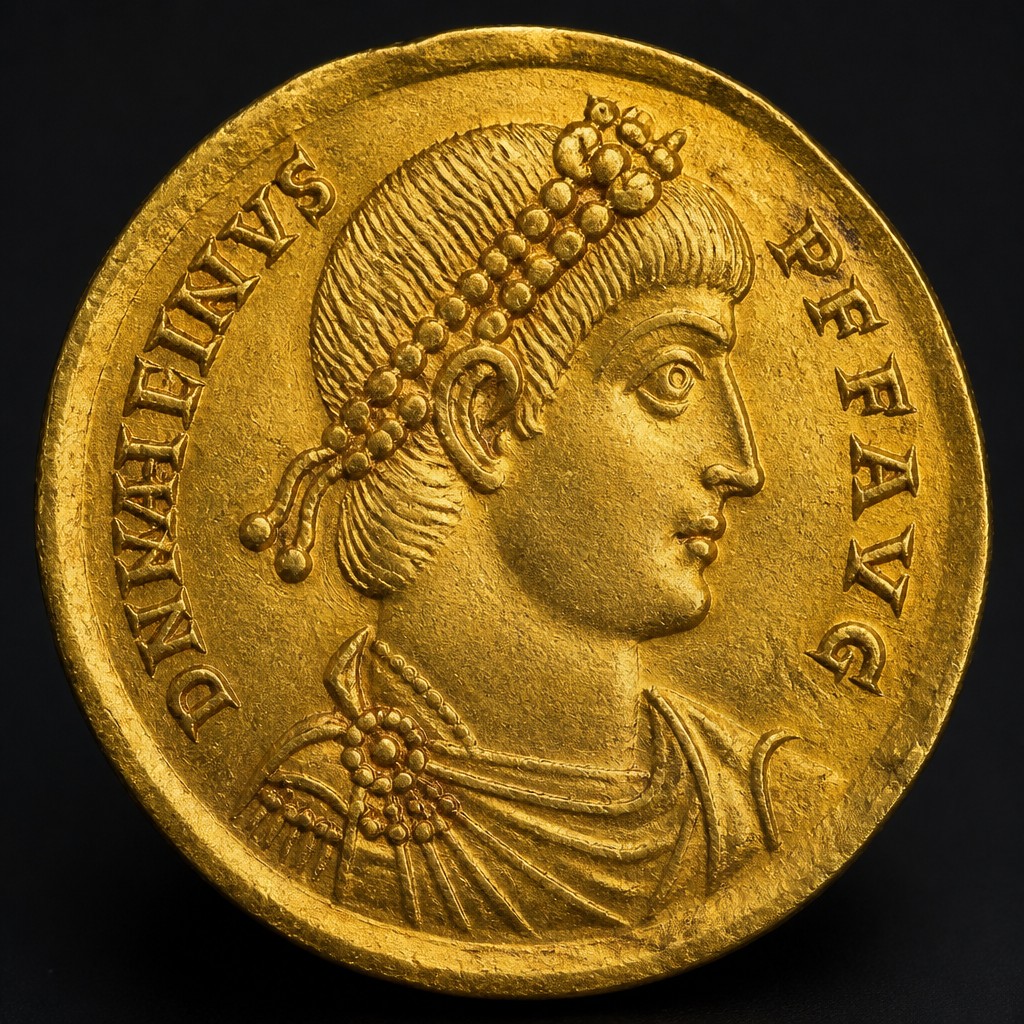
Valentinian I Solidus
364–375 AD
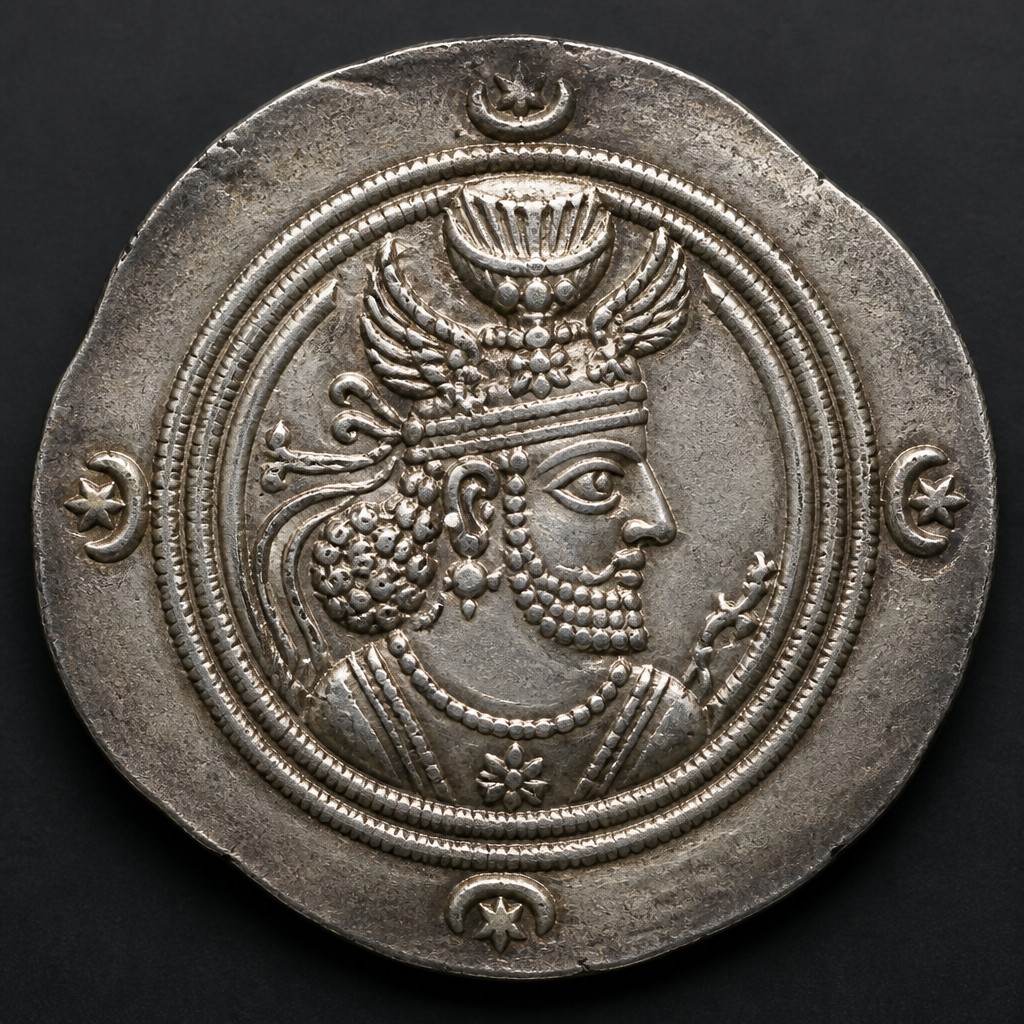
Sassanian Silver Drachm
c. 224–651 AD
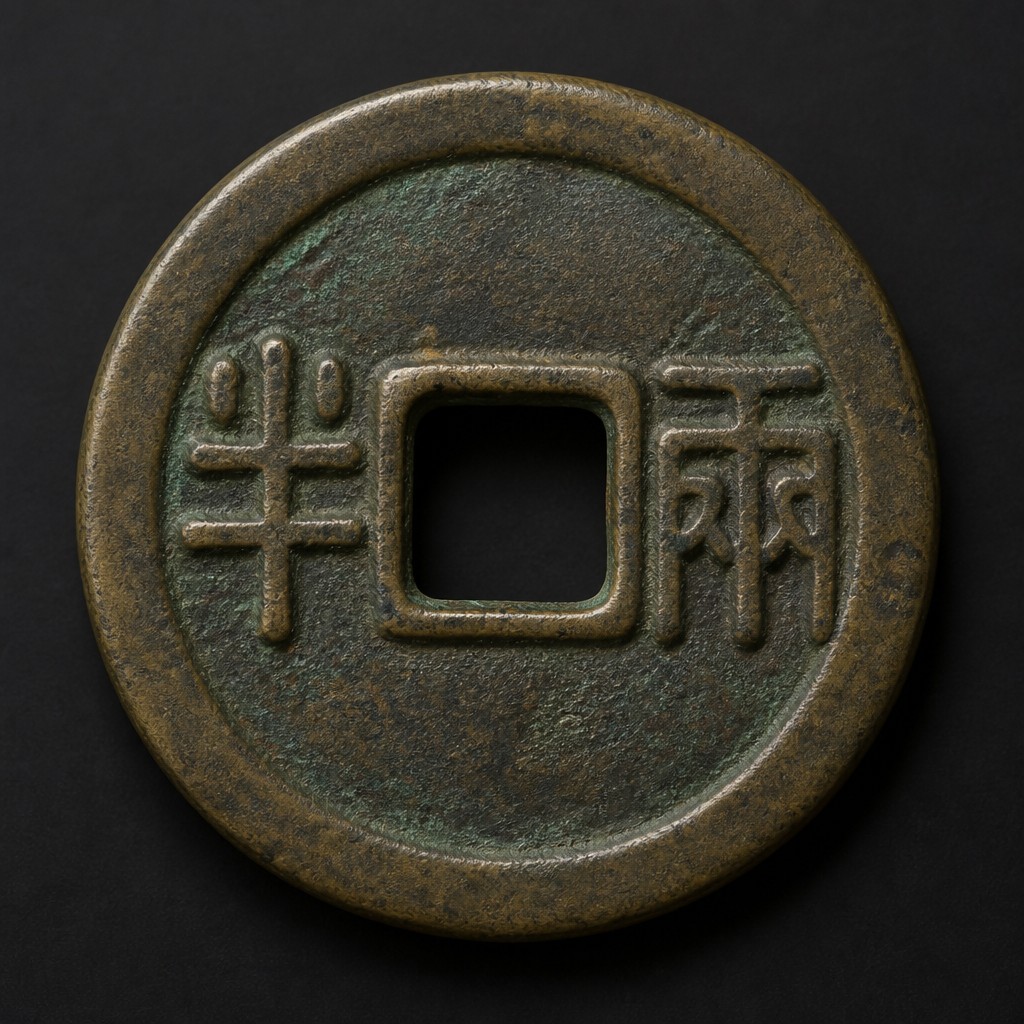
Chinese Ban Liang Cash
c. 221–118 BC
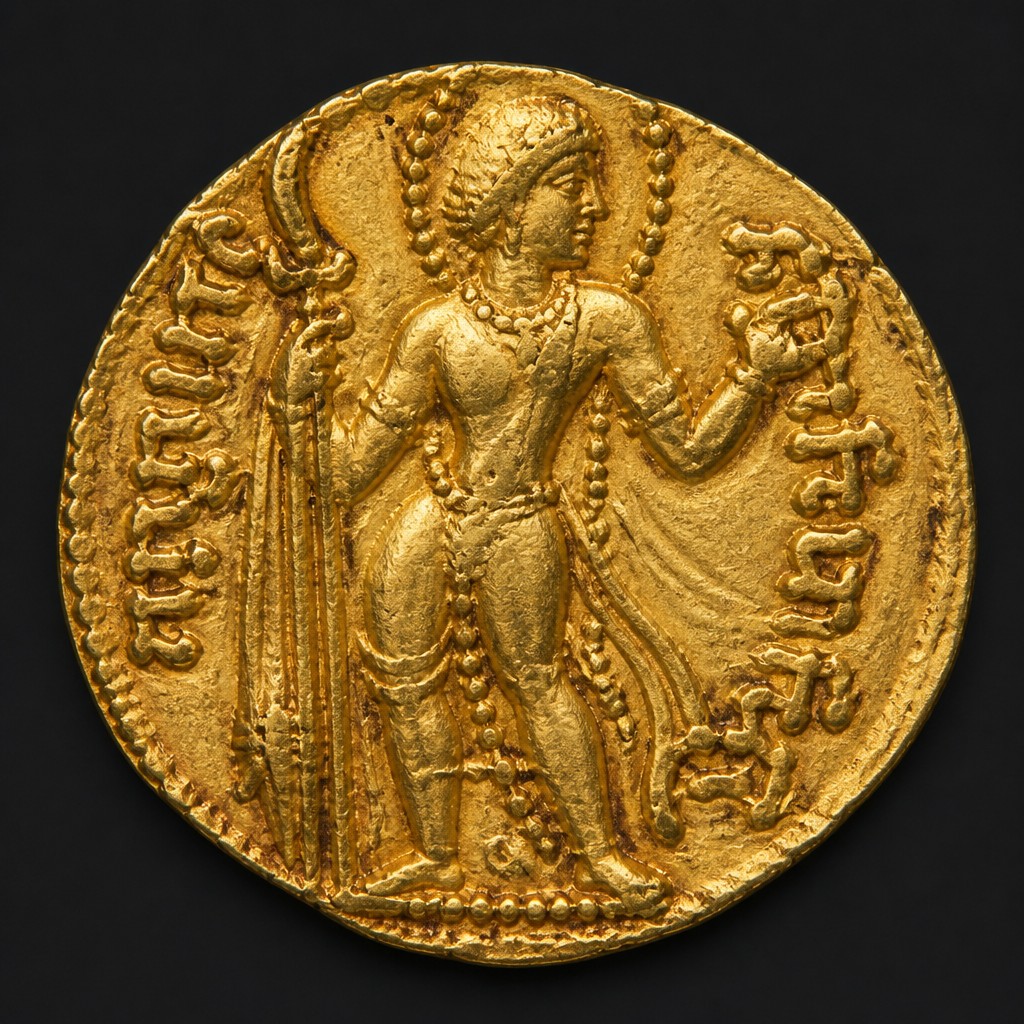
Gupta Empire Gold Dinar
c. 320–550 AD
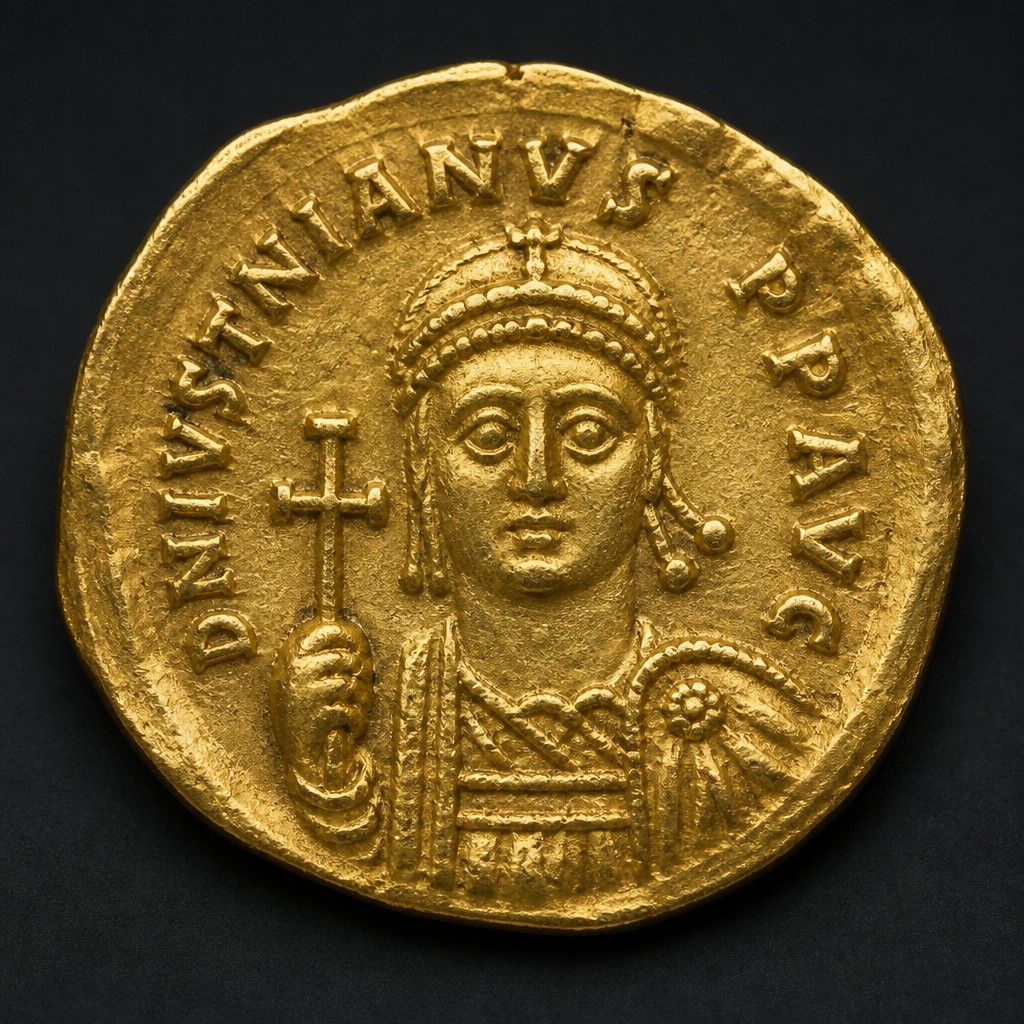
Byzantine Gold Tremissis
c. 4th–7th century AD
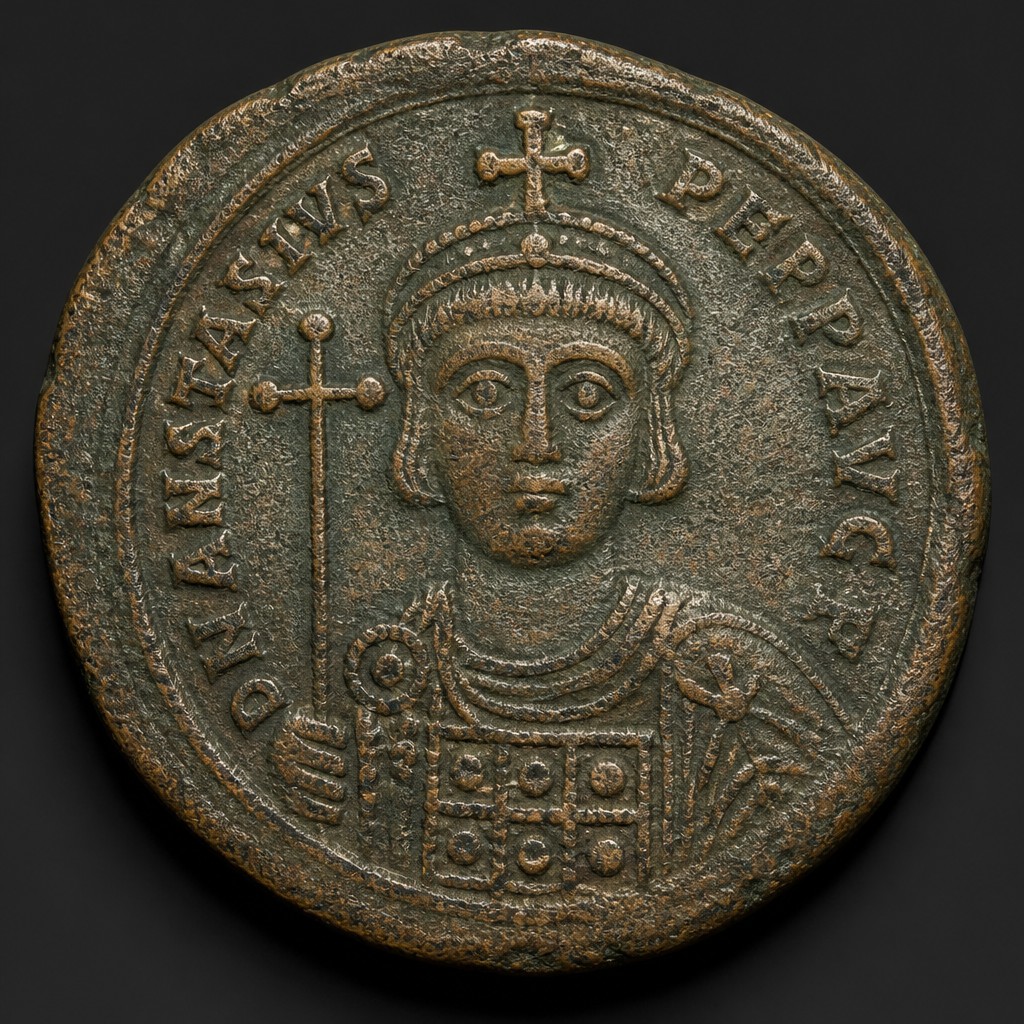
Byzantine Follis
498–c. 11th century AD
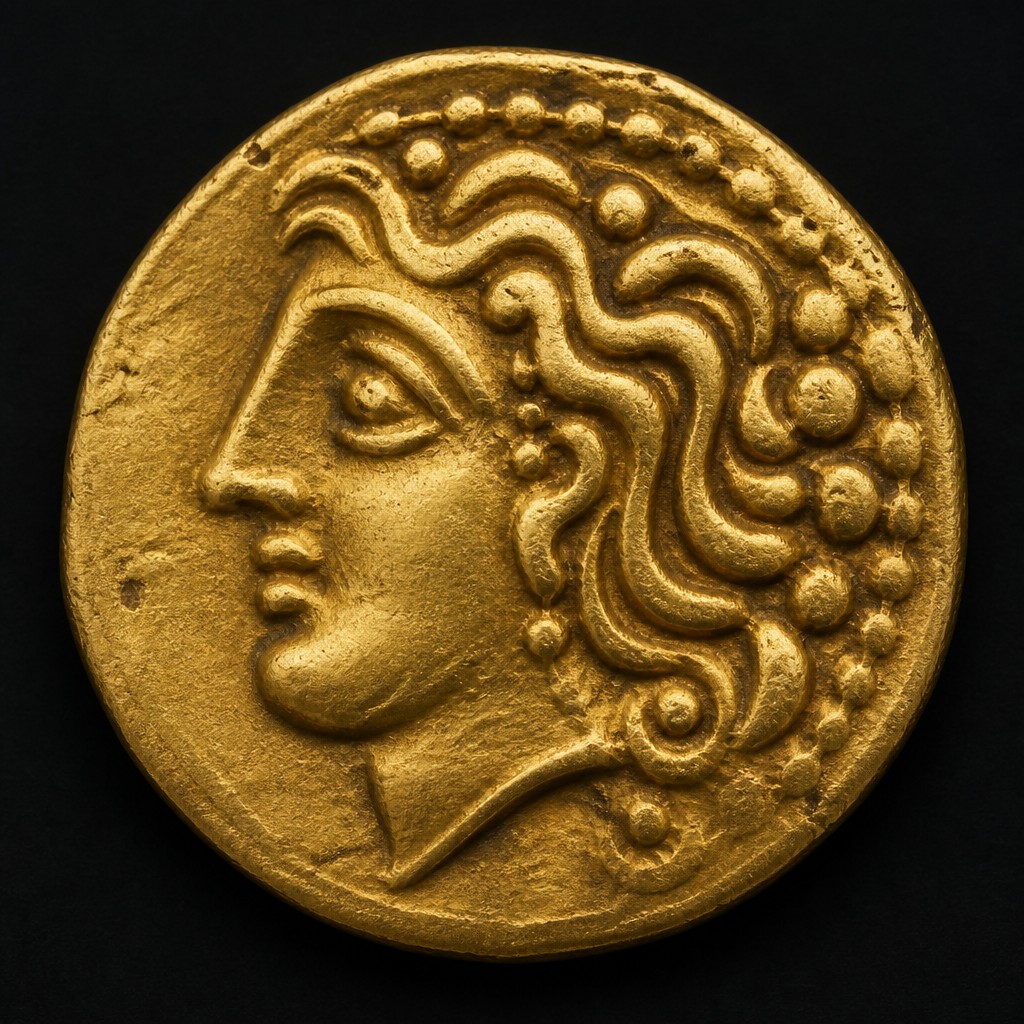
Celtic Gold Stater
c. 3rd century BC – 1st century AD