
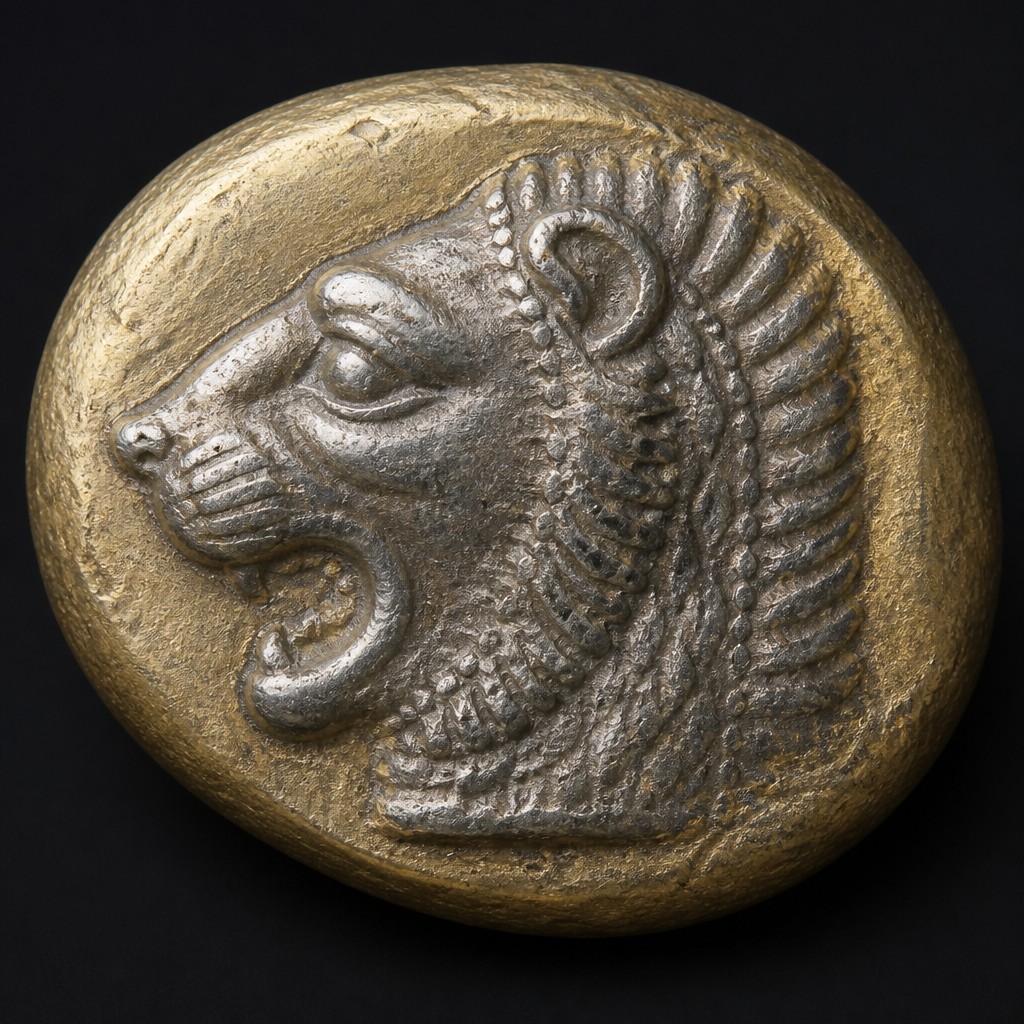
Lydian Croeseid (Croesus Stater)
One of history's earliest bimetallic coinages, struck under the legendary King Croesus of Lydia, featuring the confronting foreparts of a lion and a bull.
- Country
- Ancient Lydia
- Denomination
- Stater
- Metal
- Gold and Silver (bimetallic issues)
Got a coin like this?
Identify any coin from a photo, free.
Overview
The Croeseid is among the most historically important coin types ever struck, credited with introducing one of the first standardized bimetallic monetary systems, with gold and silver coins struck to a fixed value relationship. It is closely tied to King Croesus of Lydia, whose name became synonymous with fabulous wealth ("rich as Croesus").
For ancient coin collectors, the Croeseid represents a foundational moment in the history of money, bridging the earlier crude electrum coinage of Lydia and the more sophisticated city-state coinages that spread across the Greek world in the following centuries.
History & Background
The Kingdom of Lydia, in western Asia Minor (modern Turkey), is traditionally credited with inventing coinage itself in the 7th century BC, using naturally occurring electrum (a gold-silver alloy). King Croesus, who ruled Lydia from roughly 560 to 546 BC, refined this system by separating the electrum into pure gold and pure silver coinage struck to a fixed weight ratio, creating one of the world's first true bimetallic monetary standards.
Croesus's wealth, drawn partly from the gold-bearing sands of the Pactolus River near his capital at Sardis, became legendary throughout the ancient world, and his coinage circulated widely in trade across the eastern Mediterranean. His reign ended when the Persian king Cyrus the Great conquered Lydia around 546 BC, after which the Persian Empire adapted and continued elements of the Lydian monetary system, eventually giving rise to the Persian gold daric.
How to Identify
The obverse of the Croeseid shows the confronting foreparts of a roaring lion and a bull facing each other, a powerful and instantly recognizable design. The reverse typically bears two, and later one or more, incuse (deeply stamped) square punch marks, a common early feature reflecting the coin's origin as a stamped, weighed piece of metal rather than a fully pictorial reverse design.
Gold Croeseids and silver Croeseids were struck to a fixed weight relationship allowing them to circulate together as a unified currency system. Sizes vary by denomination, from full staters down to smaller fractional pieces, all sharing the same lion-and-bull obverse motif.
Because genuine Croeseids are ancient and relatively scarce, and because the lion-and-bull motif was later imitated by Persian and other regional issues, careful attention to weight standard, style, and punch mark details is needed to distinguish authentic Lydian royal issues from later imitations or Persian-period continuations.
Value & Collectibility
Genuine Croeseids are ancient and relatively rare compared to later Greek and Roman coinage, so well-authenticated examples, particularly in gold, command strong prices reflecting both their metal content and extraordinary historical significance as an ancestor of modern coinage.
Silver Croeseids are somewhat more available than gold examples and generally more accessible to collectors, though genuine, well-preserved specimens of either metal are considered significant historical artifacts. Because of the coin's importance and value, buyers typically seek pieces with a documented provenance and expert authentication.
Frequently asked questions
Why is Croesus associated with extreme wealth?
Croesus ruled Lydia at the height of its prosperity, drawing riches from gold deposits near his capital Sardis, and the phrase 'rich as Croesus' has survived into modern English as an expression of great wealth.
What makes the Croeseid historically important?
It represents one of the earliest known bimetallic coinage systems, with separate gold and silver coins struck to a fixed value ratio, a major advance over earlier crude electrum coinage.
What happened to Lydian coinage after Croesus's reign?
After the Persian conquest of Lydia around 546 BC, the Persian Empire adapted aspects of the Lydian monetary system, which contributed to the later development of the Persian gold daric.
What does the reverse of a Croeseid look like?
It typically shows one or more incuse square punch marks rather than a detailed picture, a common feature of very early coinage.
Other coins you may enjoy
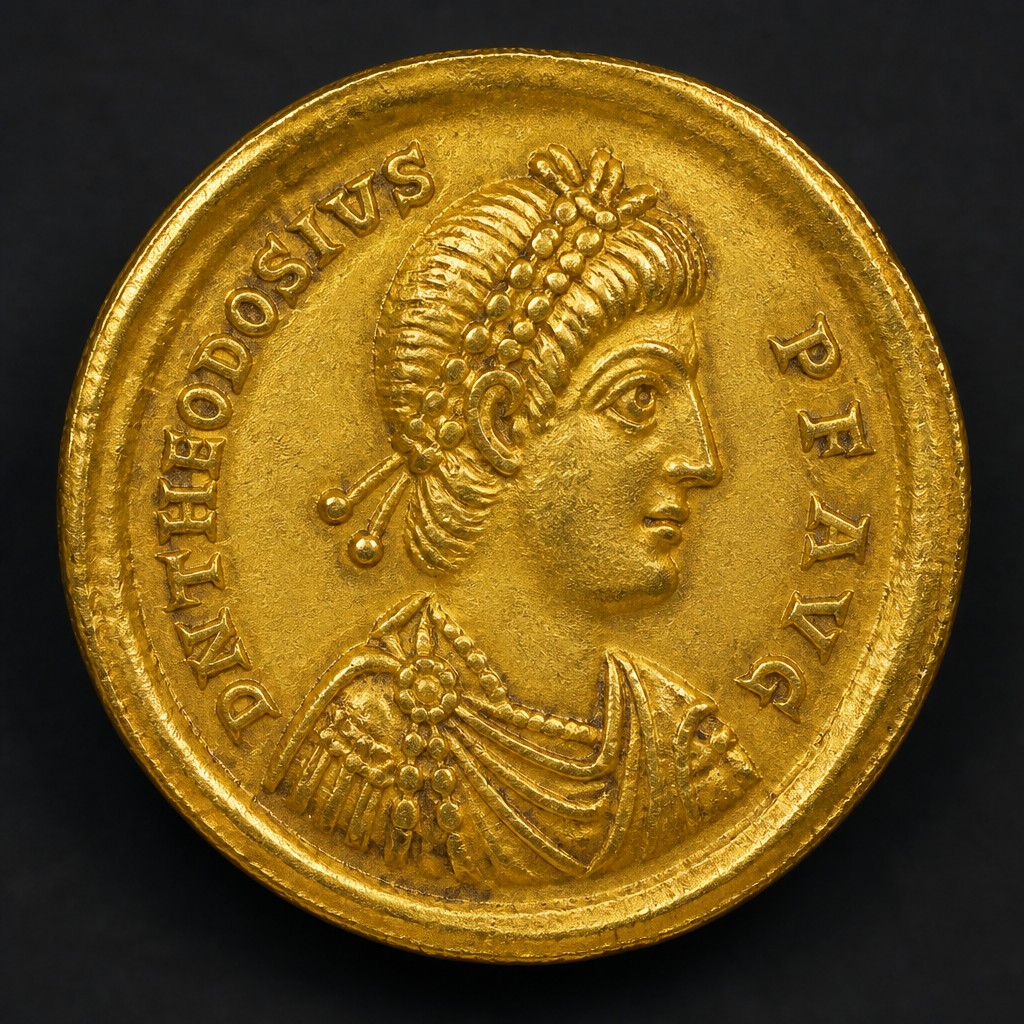
Theodosius I Solidus
379–395 AD
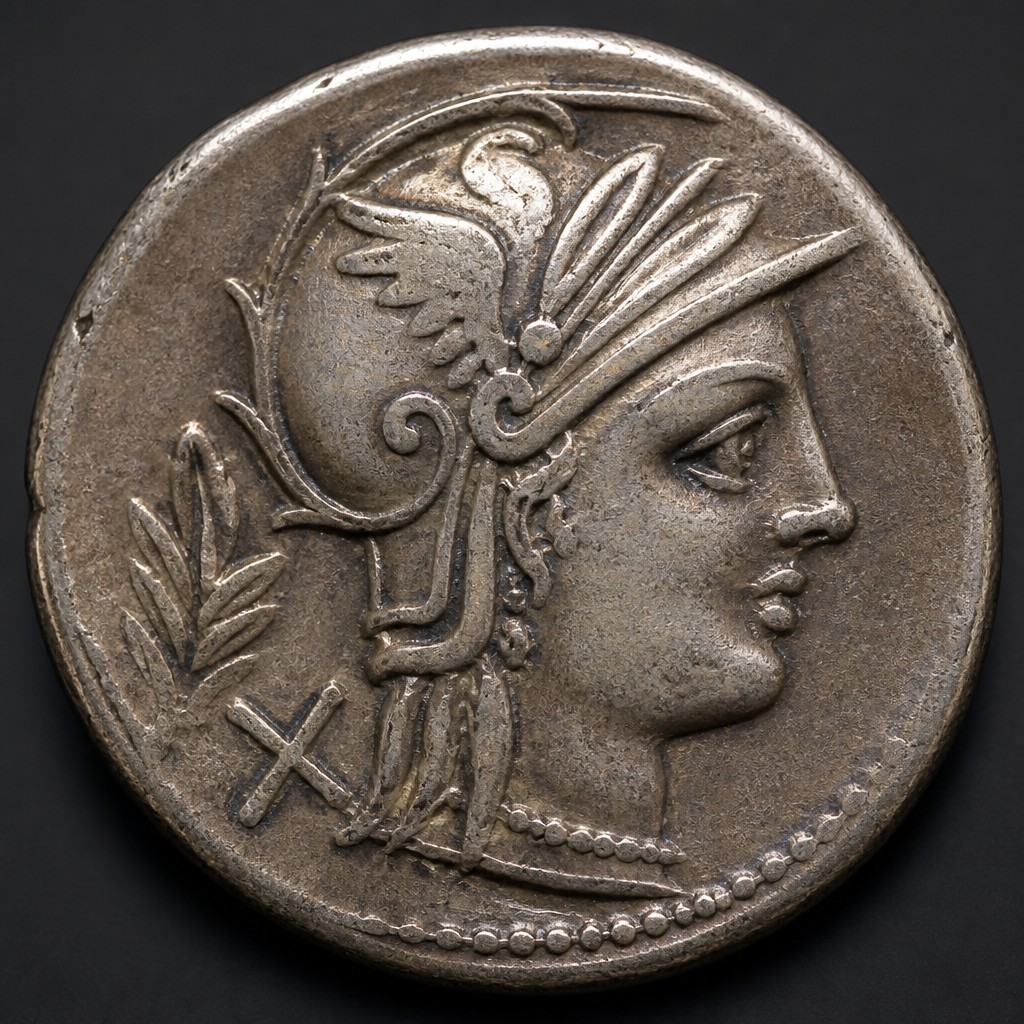
Republican Victoriatus
c. 211–170 BC
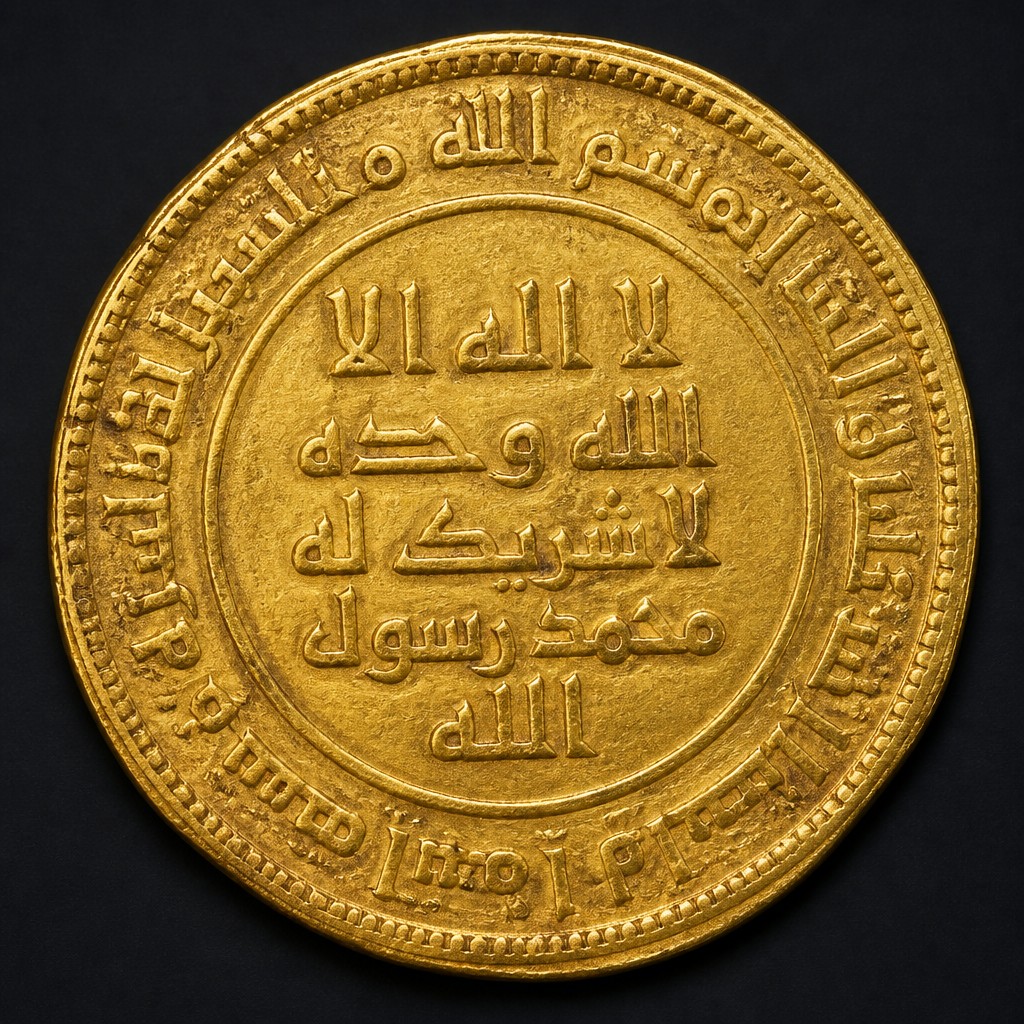
Islamic Gold Dinar (Umayyad)
c. 696–750 AD
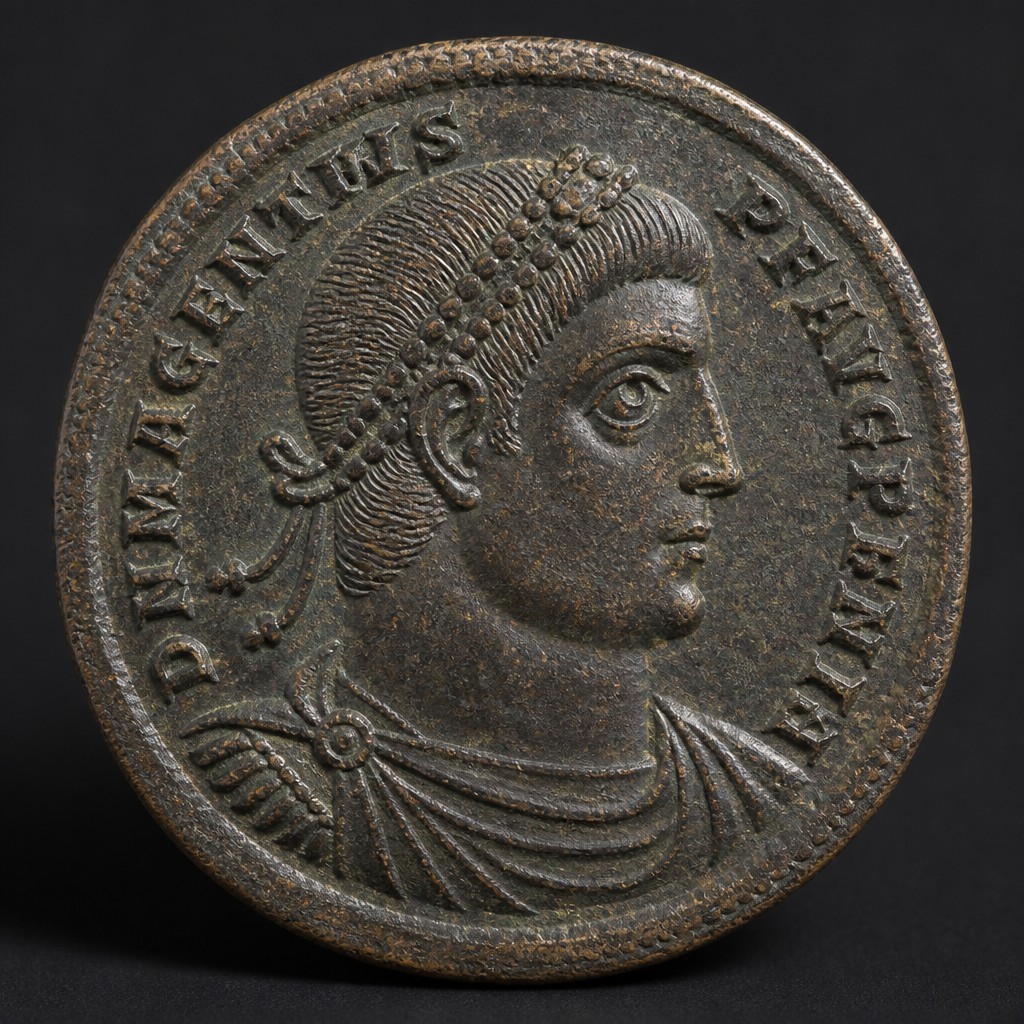
Magnentius Double Centenionalis
350–353 AD
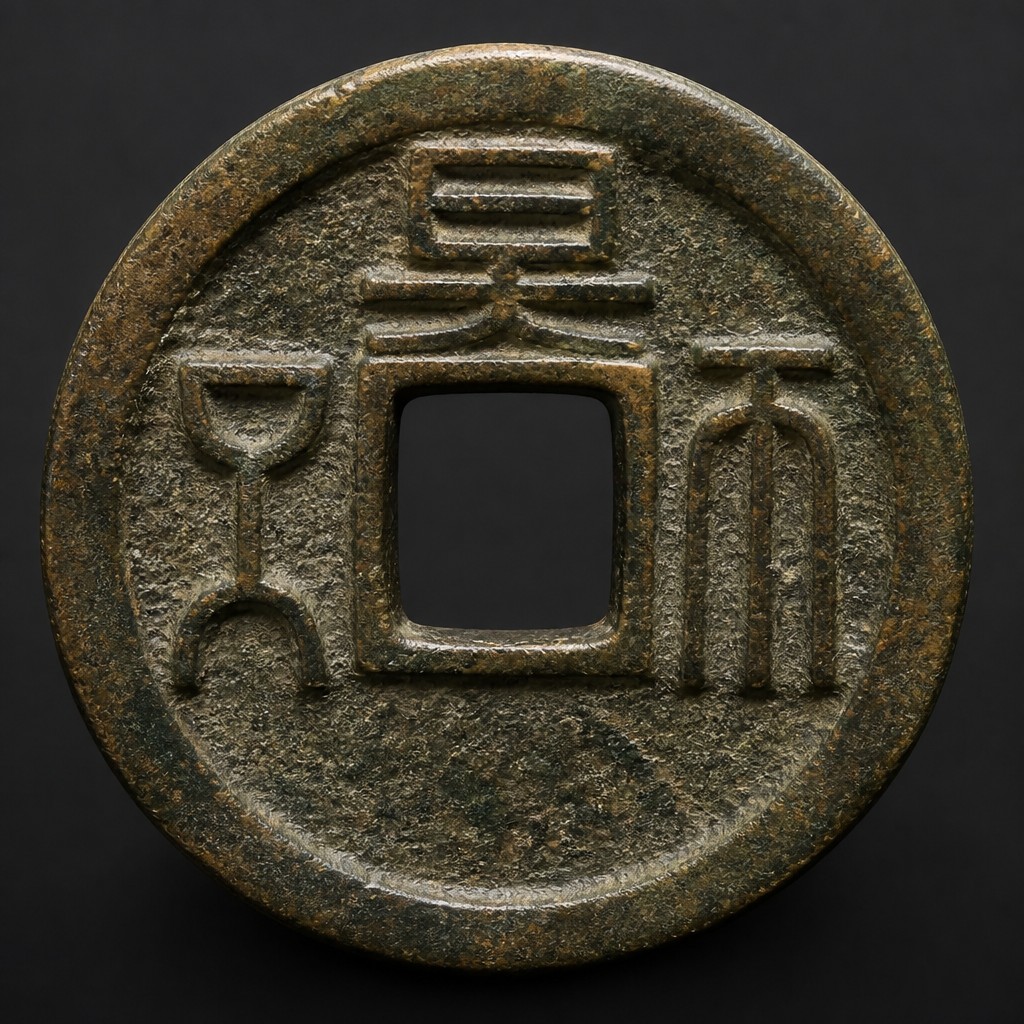
Chinese Wu Zhu Cash
118 BC – 618 AD
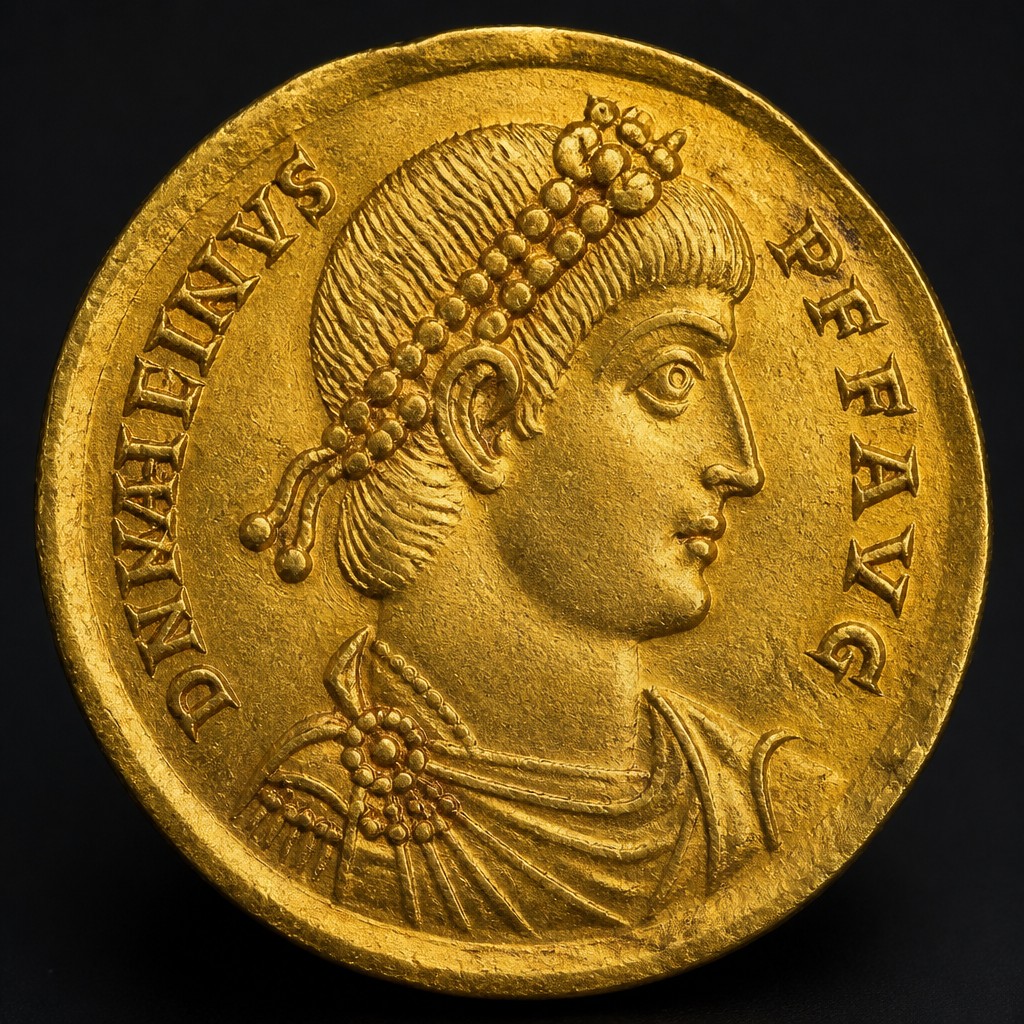
Valentinian I Solidus
364–375 AD
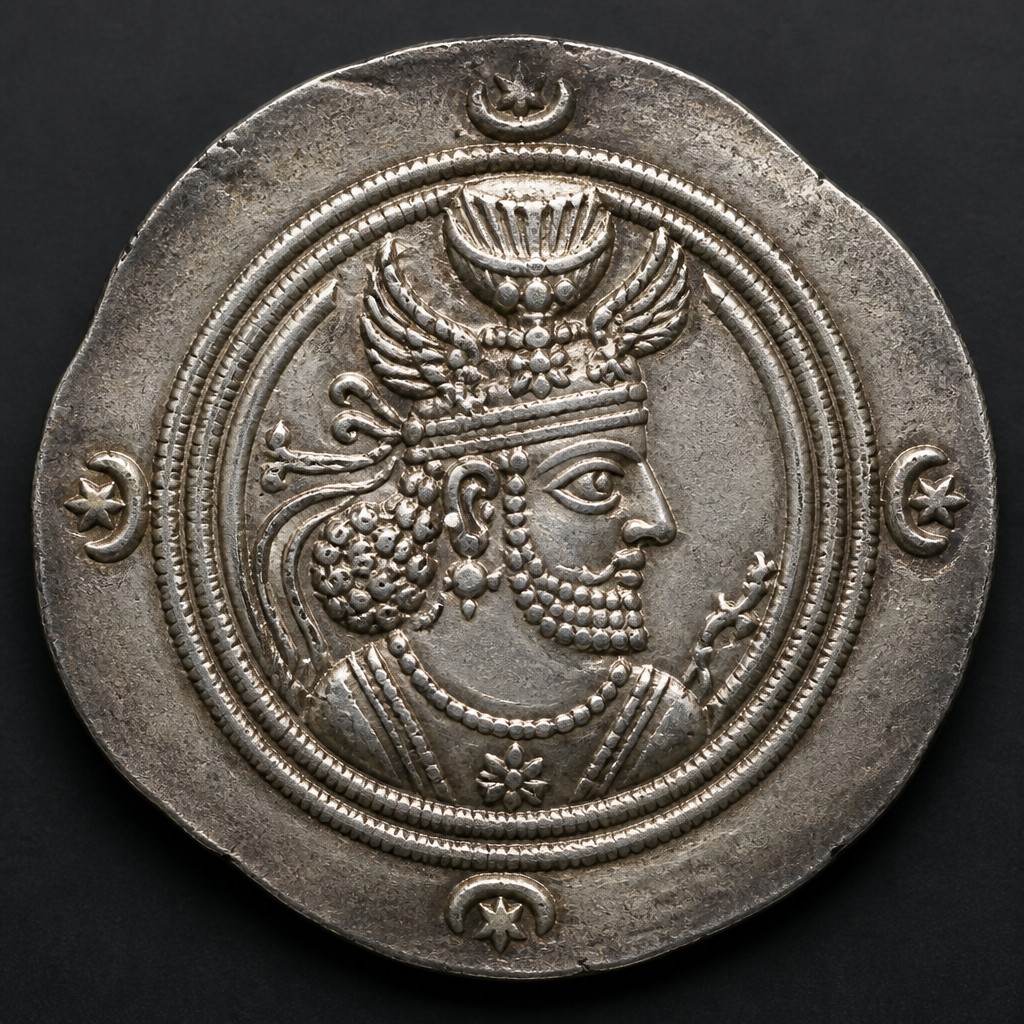
Sassanian Silver Drachm
c. 224–651 AD
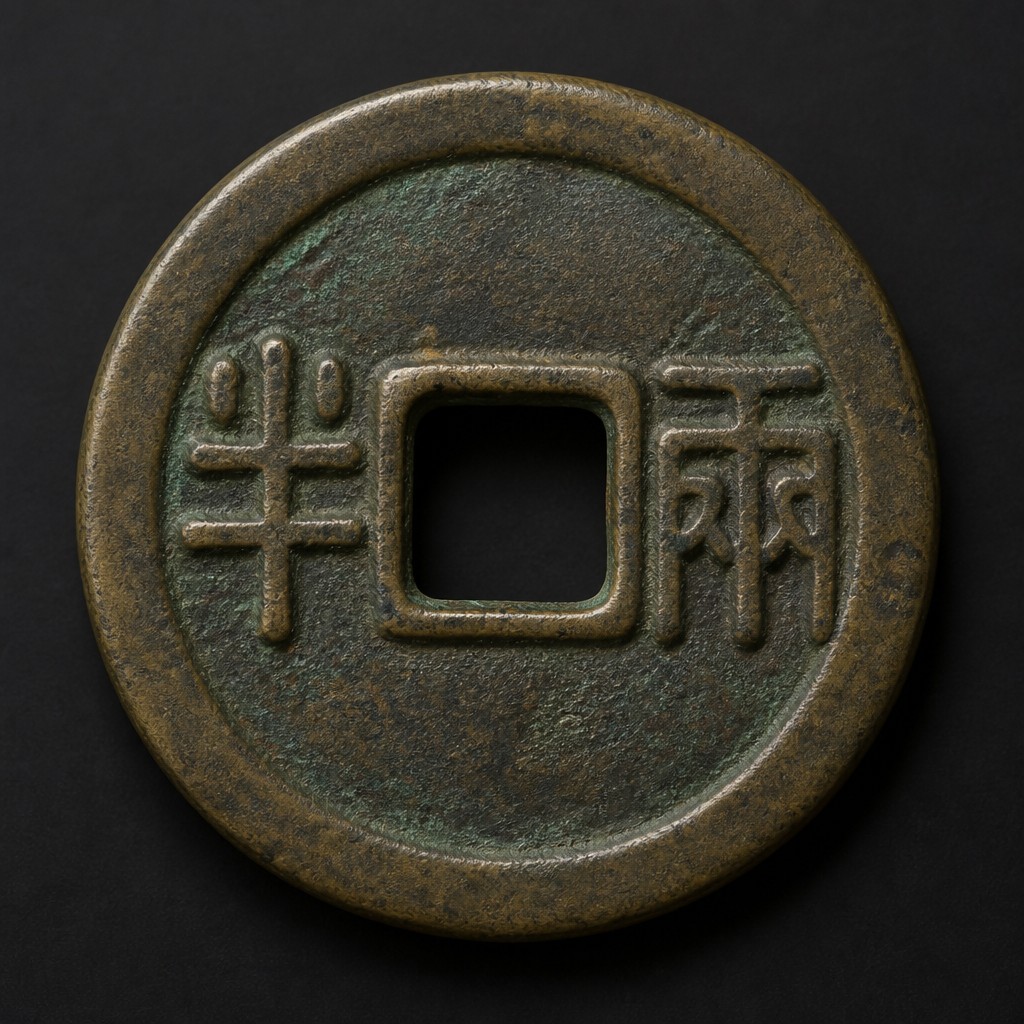
Chinese Ban Liang Cash
c. 221–118 BC
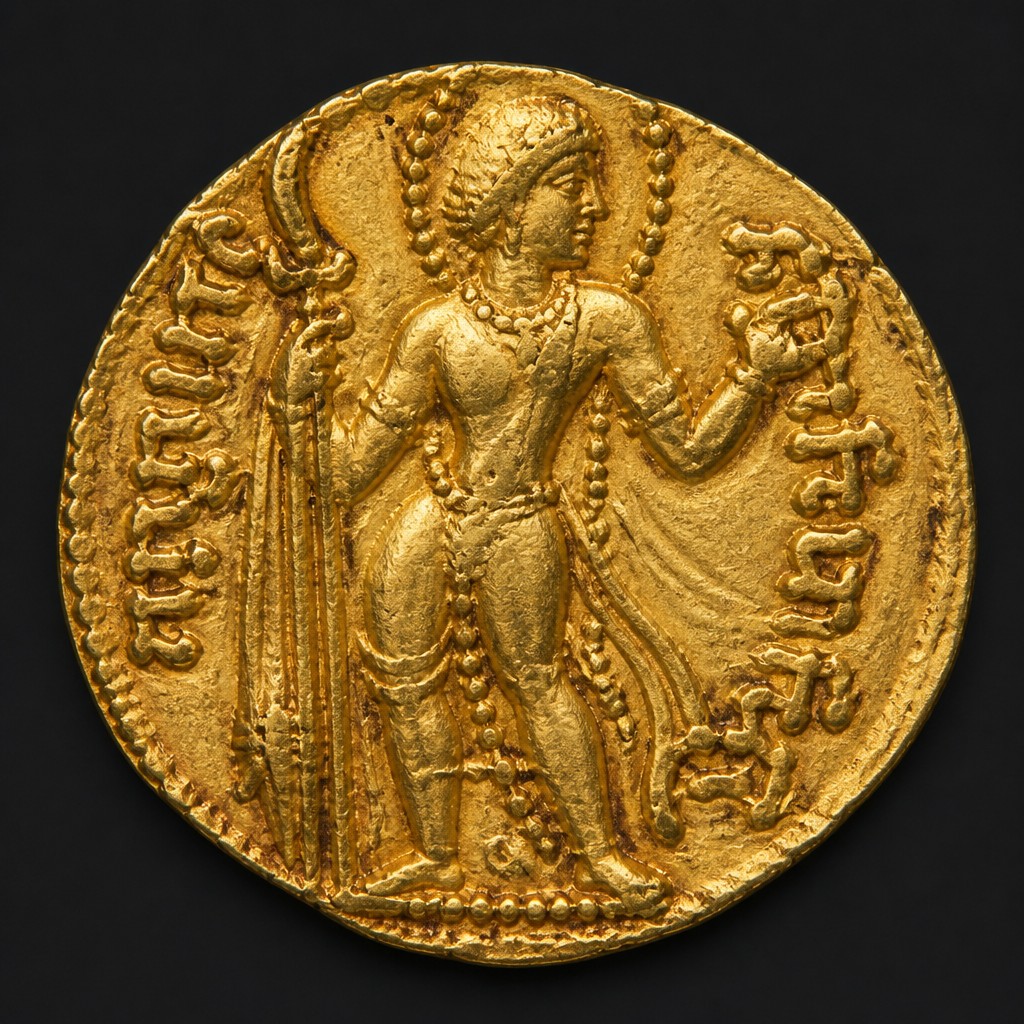
Gupta Empire Gold Dinar
c. 320–550 AD
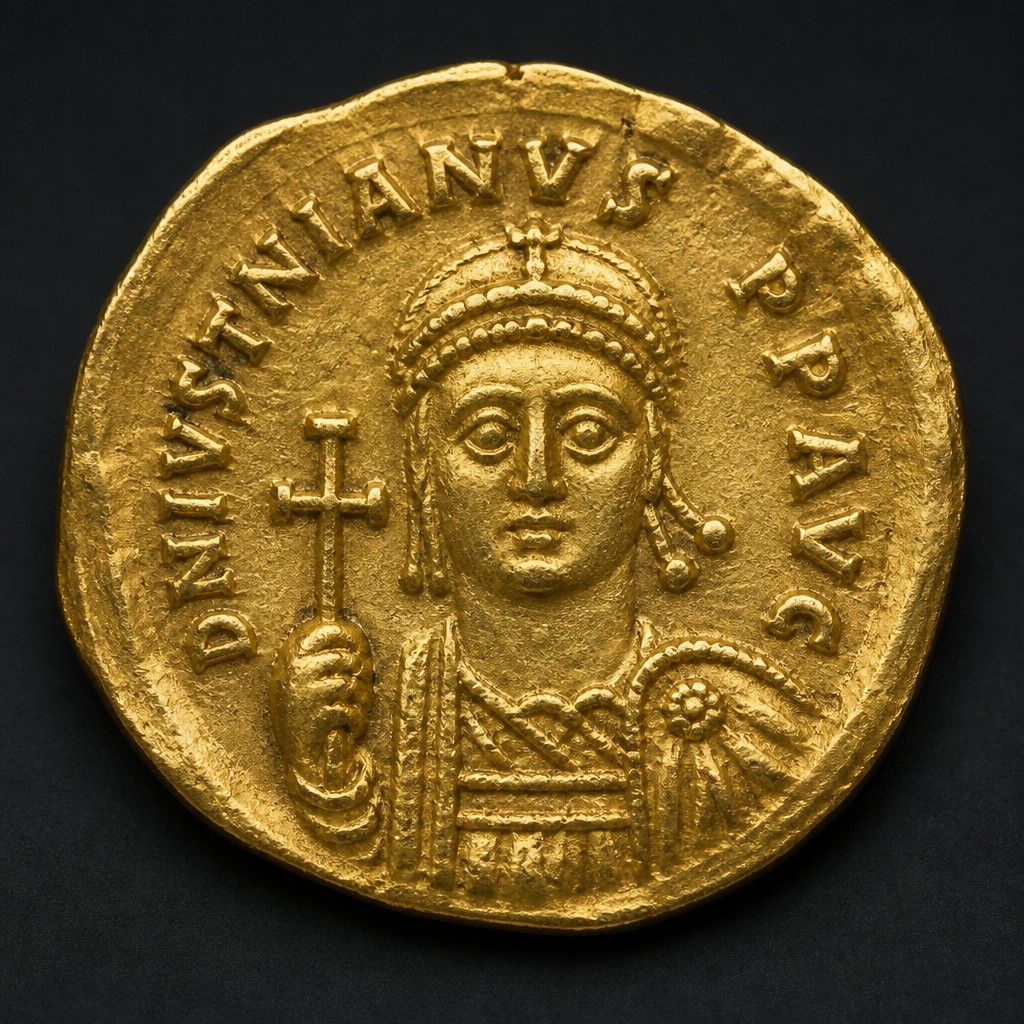
Byzantine Gold Tremissis
c. 4th–7th century AD
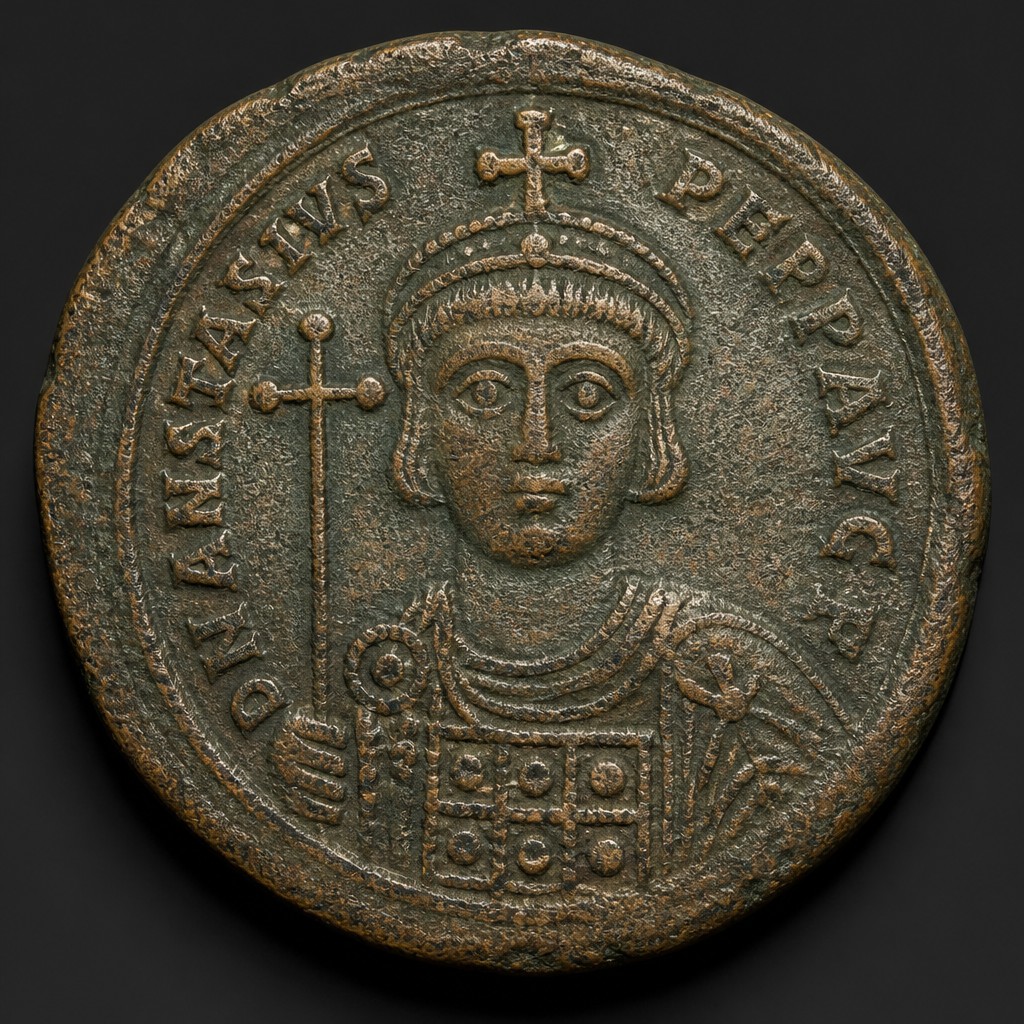
Byzantine Follis
498–c. 11th century AD
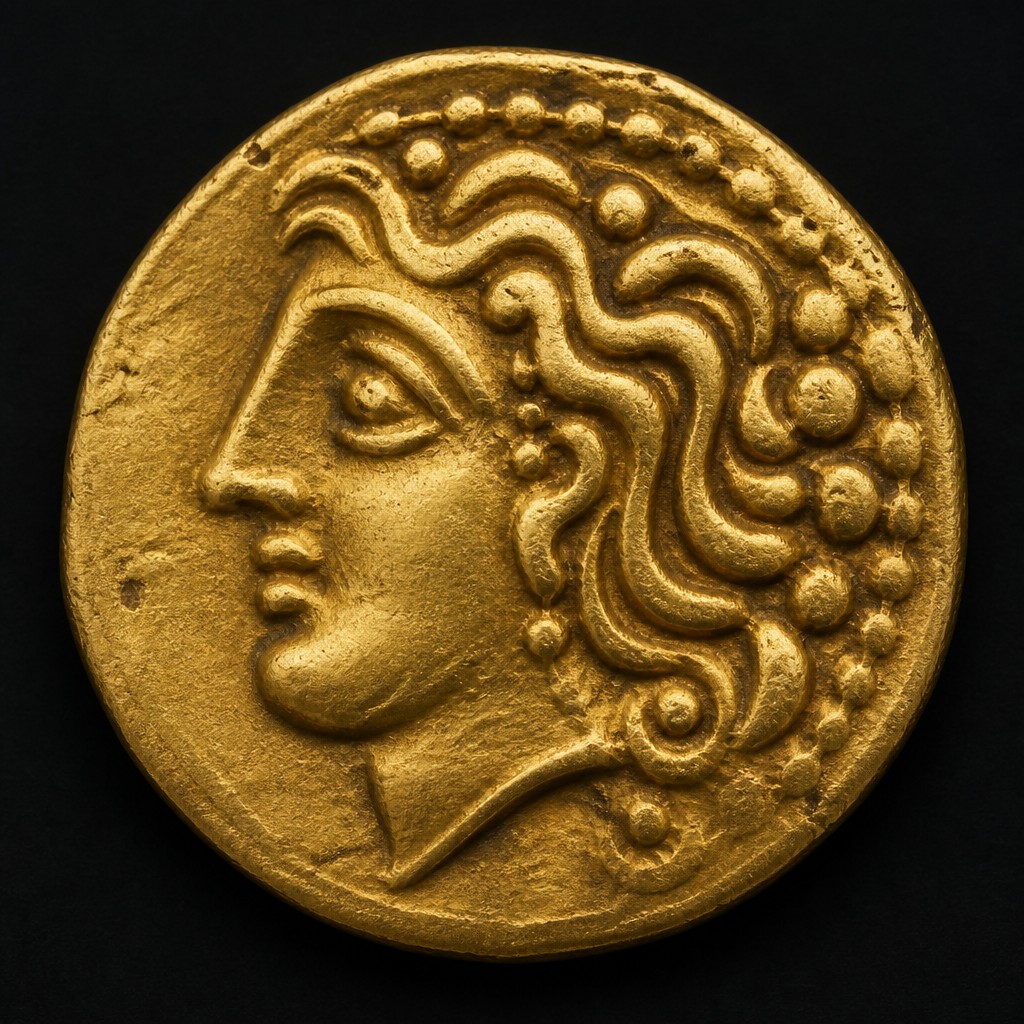
Celtic Gold Stater
c. 3rd century BC – 1st century AD