
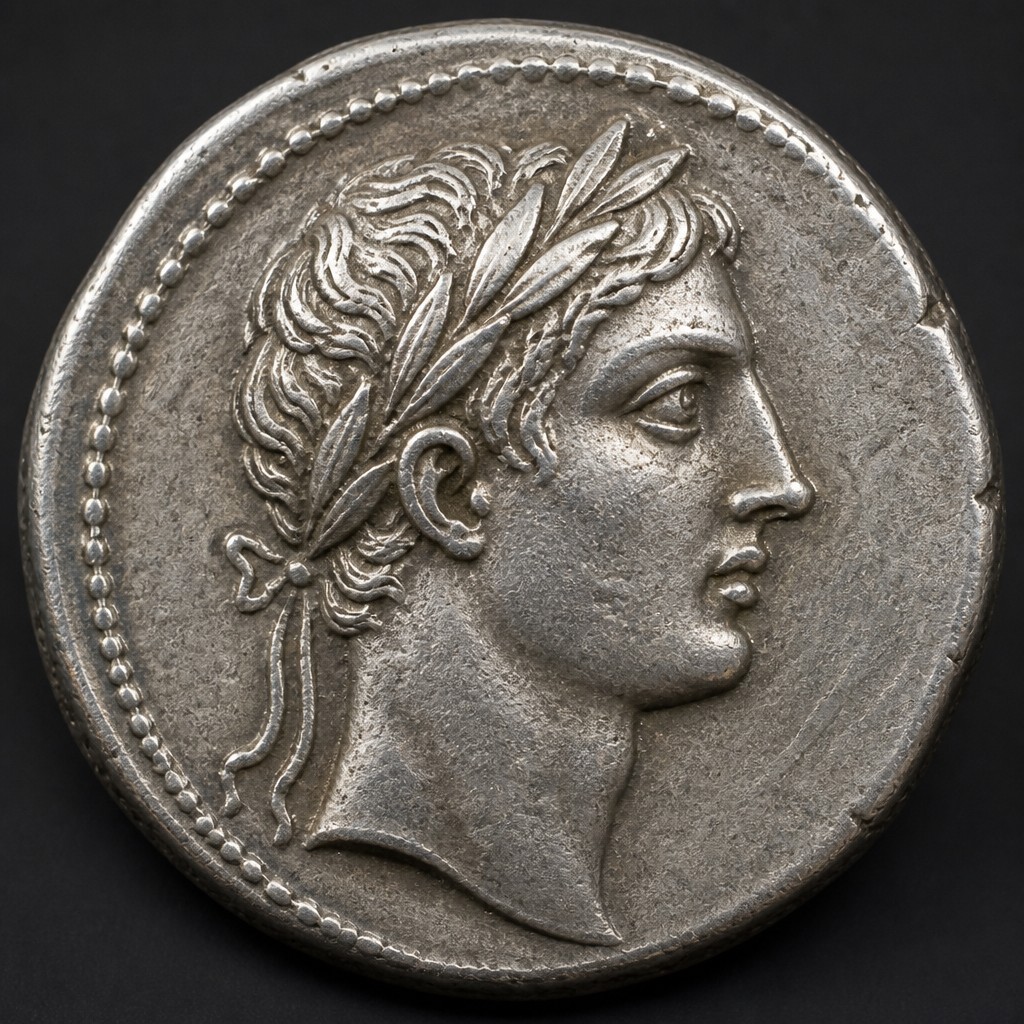
Ides of March Denarius (EID MAR)
A denarius struck by Brutus in 42 BC commemorating Julius Caesar's assassination, showing daggers and a liberty cap — one of the most famous and valuable ancient coins ever made.
- Country
- Ancient Rome (Roman Republic)
- Denomination
- Denarius (also struck as Aureus)
- Metal
- Silver (denarius); Gold (rare aureus)
Got a coin like this?
Identify any coin from a photo, free.
Overview
The EID MAR denarius is arguably the most famous coin from antiquity. Issued in the name of Marcus Junius Brutus, one of the principal assassins of Julius Caesar, it openly celebrates the killing of a Roman dictator on a piece of circulating money — an act of political propaganda without real parallel in the ancient world.
Only a small number of examples are known today, split between silver denarii and an even rarer handful of gold aurei. Because the coin ties directly to one of history's most consequential events, it commands intense interest from both ancient coin specialists and general collectors of historic artifacts.
History & Background
Brutus had these coins struck in 42 BC, in the months before his defeat at the Battle of Philippi, using a traveling military mint that moved with his army through Greece and western Asia Minor as he raised funds and troops against Mark Antony and Octavian. The issue was meant to justify the assassination as an act of liberation from tyranny rather than murder.
The moneyer named on the coin, alongside Brutus himself, was Lucius Plaetorius Cestianus, an officer responsible for overseeing the strike. Brutus's decision to place his own portrait on the obverse was itself notable, since living Romans rarely appeared on coinage before Caesar had broken that taboo.
After Philippi in 42 BC, Brutus died and the Republican cause he championed collapsed, but the coin survived as a permanent record of the conspirators' justification, ensuring the EID MAR issue would be remembered long after the men who struck it were gone.
How to Identify
The obverse shows a right-facing portrait of Brutus with the legend BRVT IMP around it and L PLAET CEST below, naming the moneyer. The reverse is the coin's most distinctive feature: a pileus, the soft cap traditionally given to freed slaves as a symbol of liberty, positioned between two unsheathed daggers, with the legend EID MAR (short for Eidibus Martiis, 'on the Ides of March') beneath.
Genuine examples are struck in silver on a standard Roman denarius flan, roughly 18-19mm in diameter and about 3.5-3.9 grams; the exceptionally rare gold aureus version is smaller in size but far greater in value. Because the design has been extensively studied and forged, any claimed example should be evaluated by specialists experienced with Roman Republican coinage and its known die varieties.
Value & Collectibility
The EID MAR type is a legendary rarity: only a couple dozen silver denarii are recorded and just a tiny handful of gold aurei exist, one of which sold at auction for well over two million dollars in 2020, making it one of the most expensive ancient coins ever sold. Even well-worn silver denarii, on the rare occasions they appear at auction, typically bring hundreds of thousands of dollars given their fame and historical weight.
Condition matters less for this issue than authenticity and pedigree, since so few genuine specimens exist and each has usually been individually published and tracked through major auction houses. Because of the coin's fame, modern fakes and casts are common, so any potential example needs rigorous expert authentication before any value can be reasonably estimated.
Frequently asked questions
What does EID MAR mean on the coin?
EID MAR is short for Eidibus Martiis, Latin for 'on the Ides of March,' referencing March 15, 44 BC, the day Julius Caesar was assassinated.
Why are there daggers and a cap on the reverse?
The two daggers represent the weapons used to kill Caesar, and the pileus, or liberty cap, symbolizes the freedom Brutus claimed to have restored to Rome.
Is the EID MAR coin rare?
Yes, it is extremely rare. Only a small number of silver denarii and an even smaller number of gold aurei are known to exist.
How much is an EID MAR denarius worth?
Genuine examples are museum-quality rarities; when they do appear at auction they have brought hundreds of thousands of dollars for silver and over two million dollars for the unique gold aureus.
Who issued the EID MAR coin?
It was struck under the authority of Marcus Junius Brutus, one of Julius Caesar's assassins, with the moneyer Lucius Plaetorius Cestianus overseeing production.
Other coins you may enjoy
Theodosius I Solidus
379–395 AD
Republican Victoriatus
c. 211–170 BC
Islamic Gold Dinar (Umayyad)
c. 696–750 AD
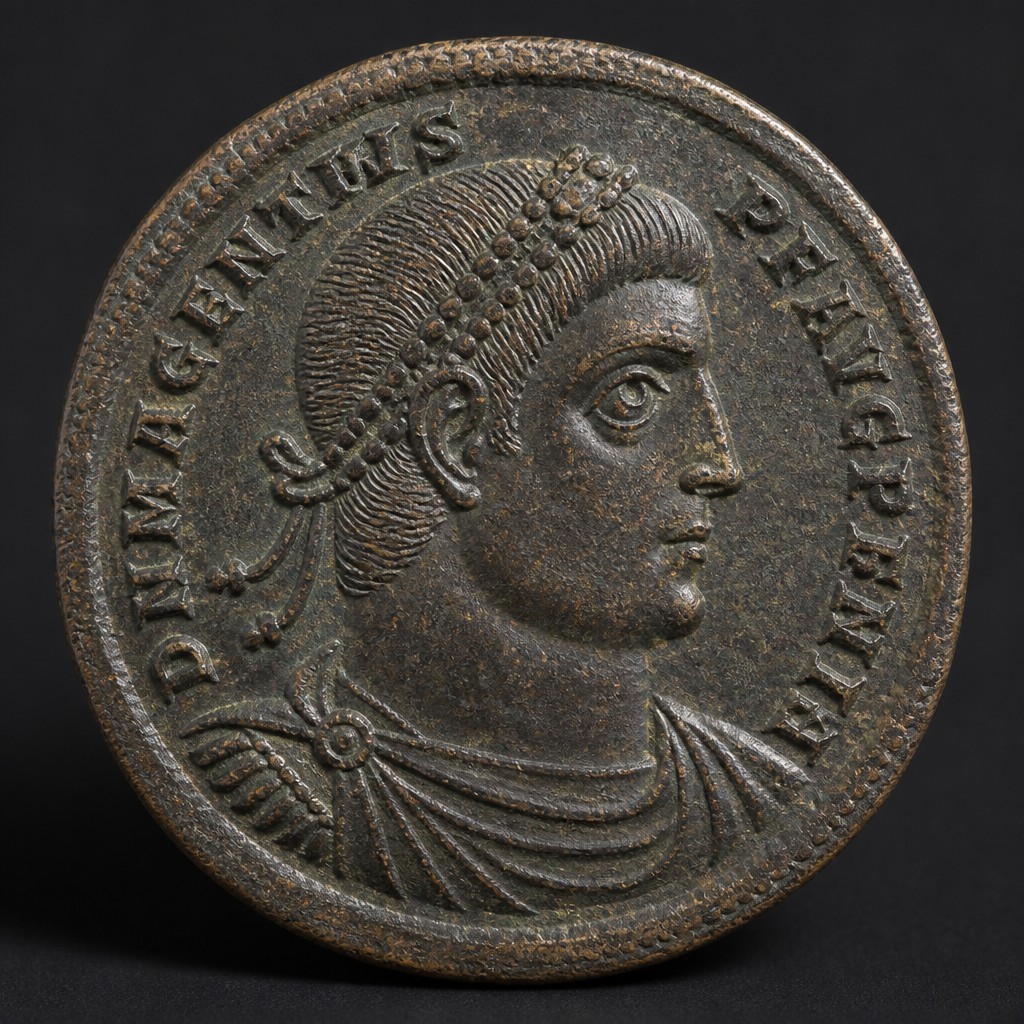
Magnentius Double Centenionalis
350–353 AD
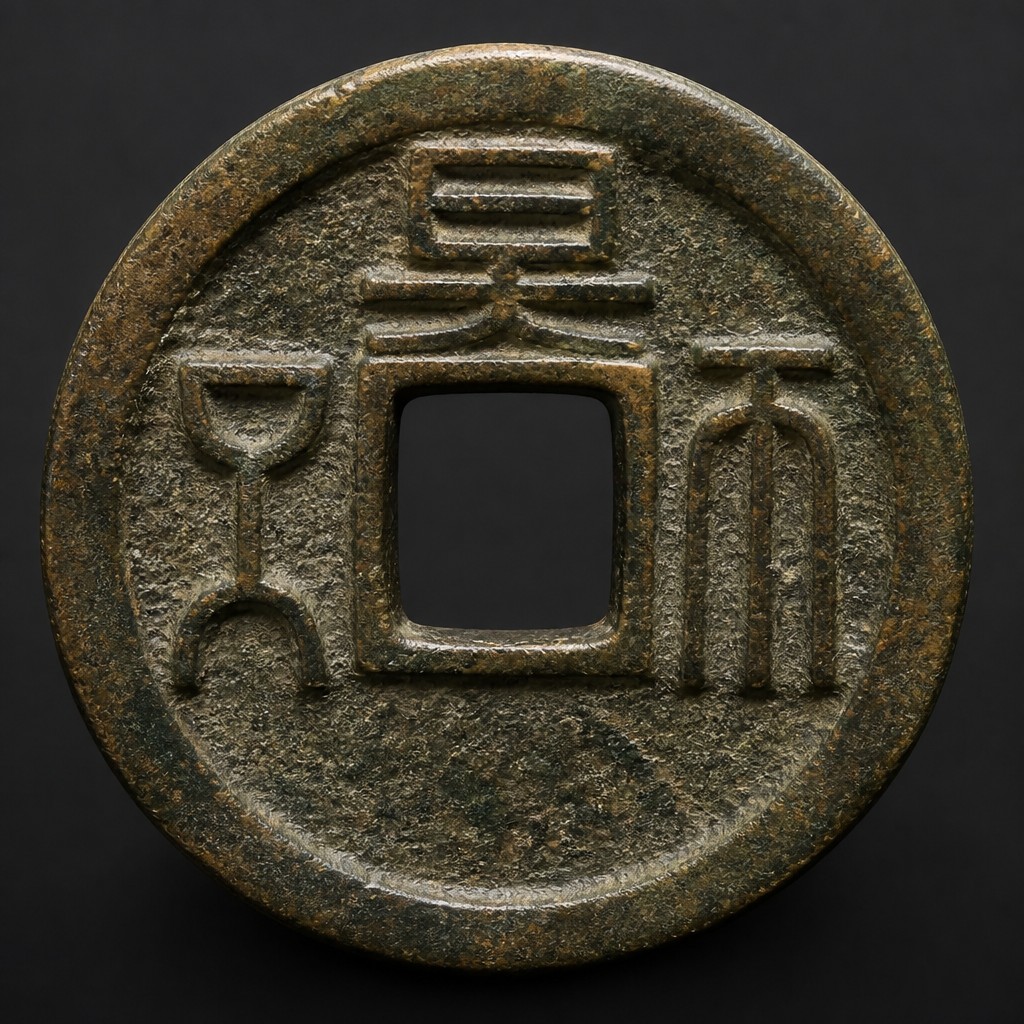
Chinese Wu Zhu Cash
118 BC – 618 AD
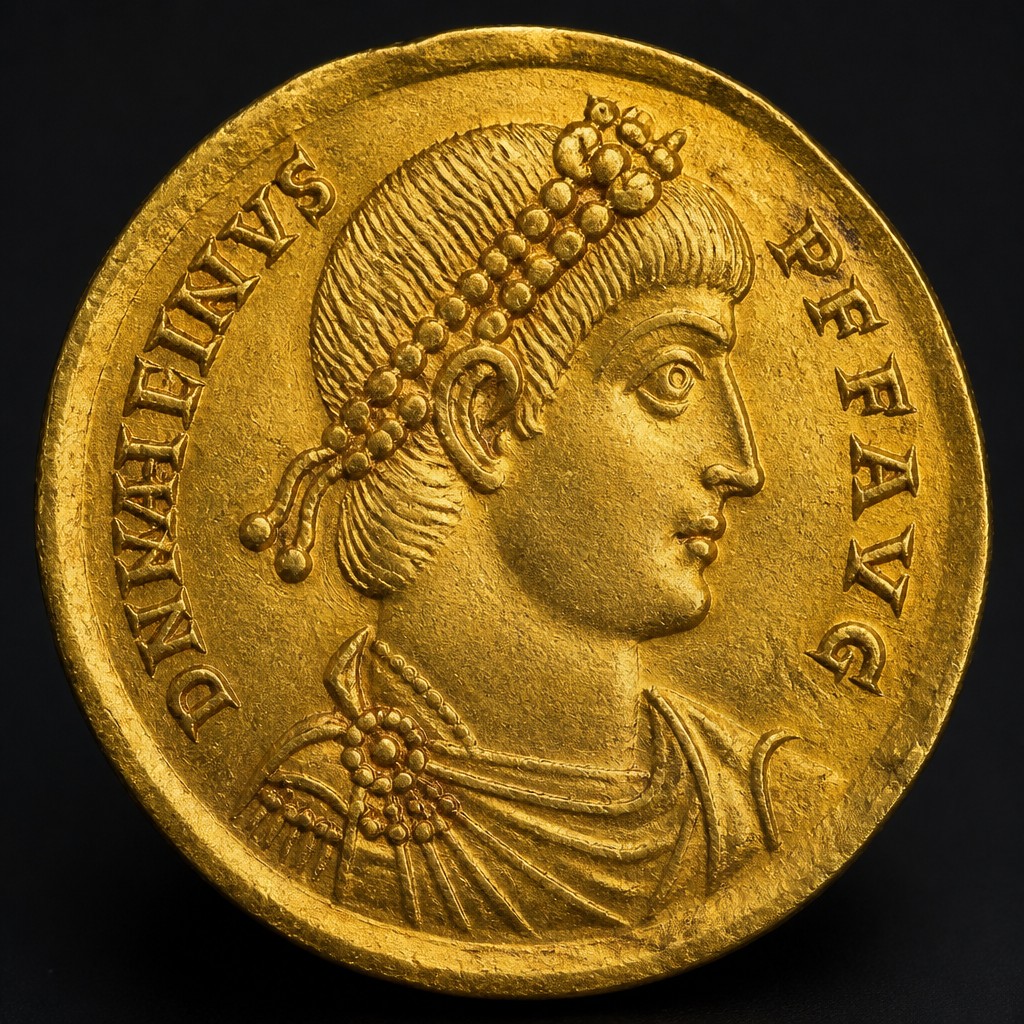
Valentinian I Solidus
364–375 AD
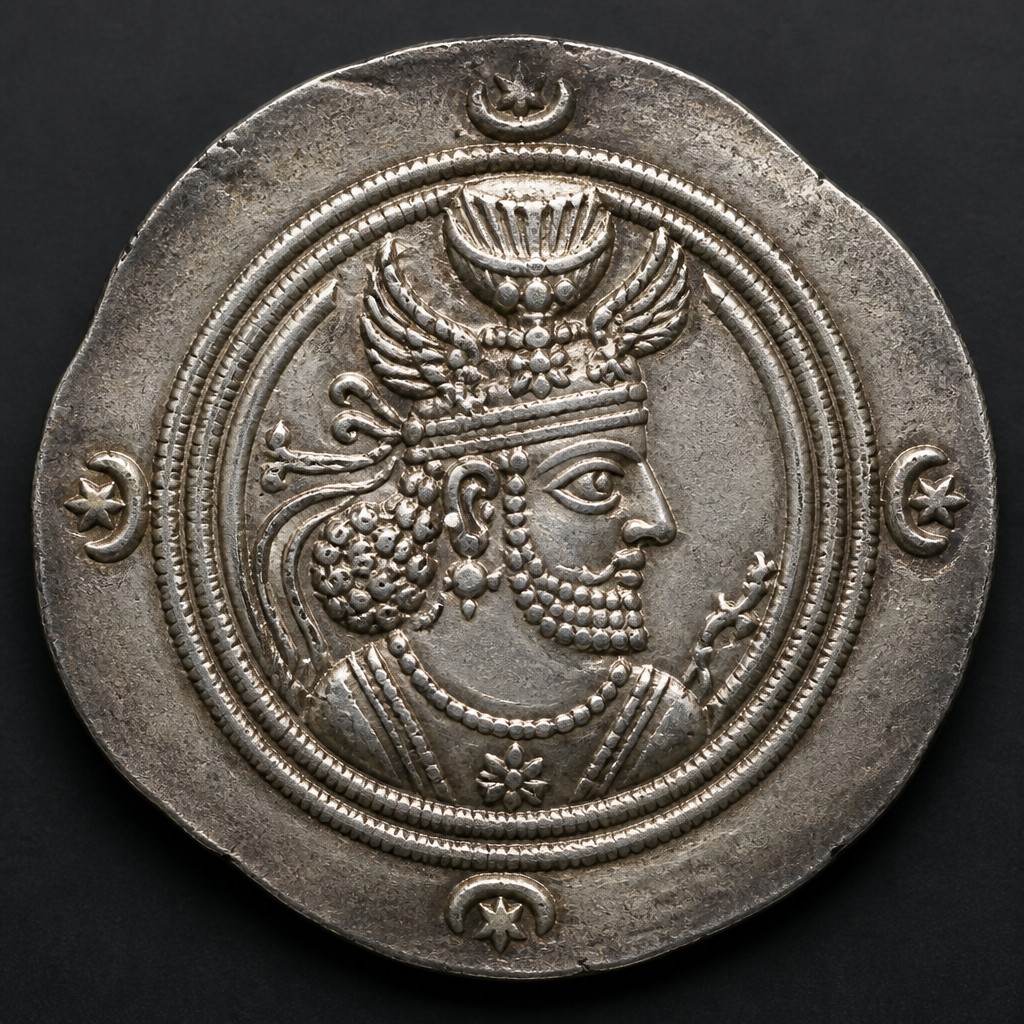
Sassanian Silver Drachm
c. 224–651 AD
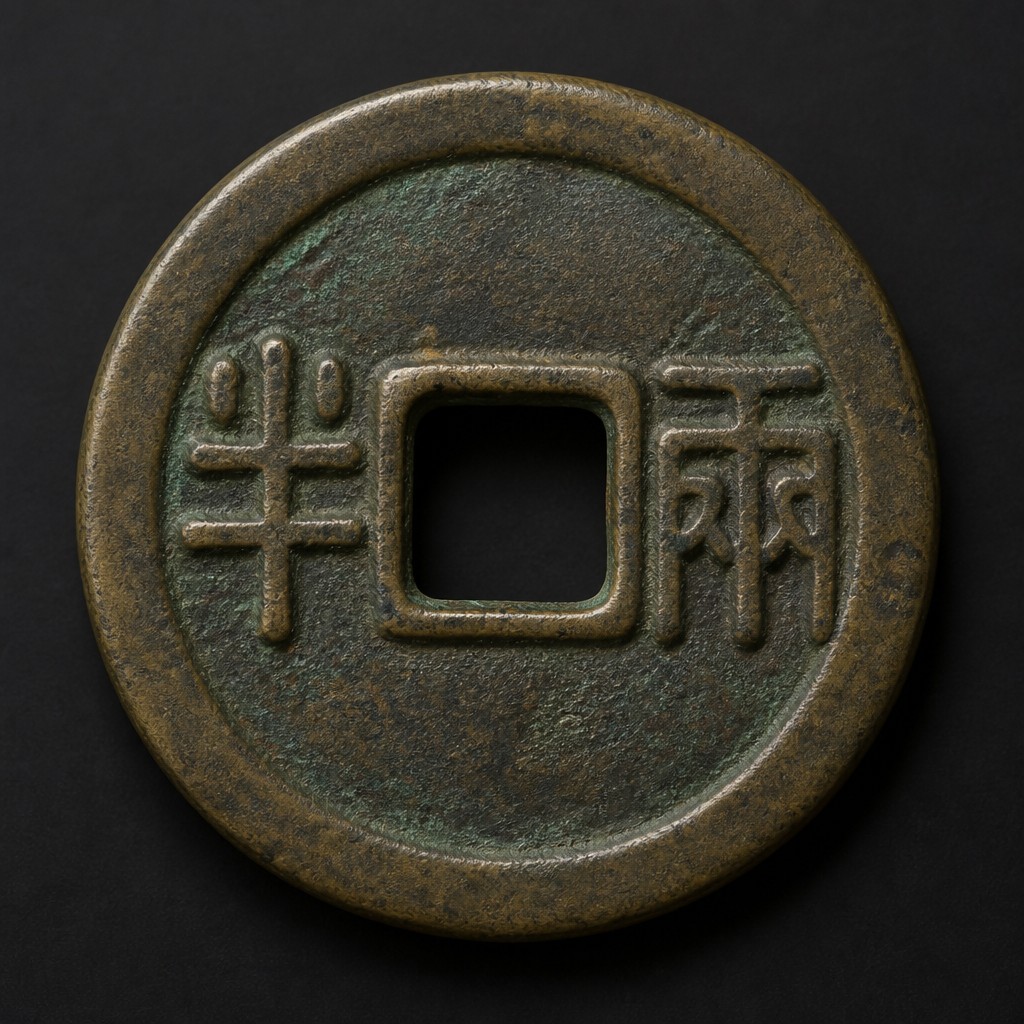
Chinese Ban Liang Cash
c. 221–118 BC
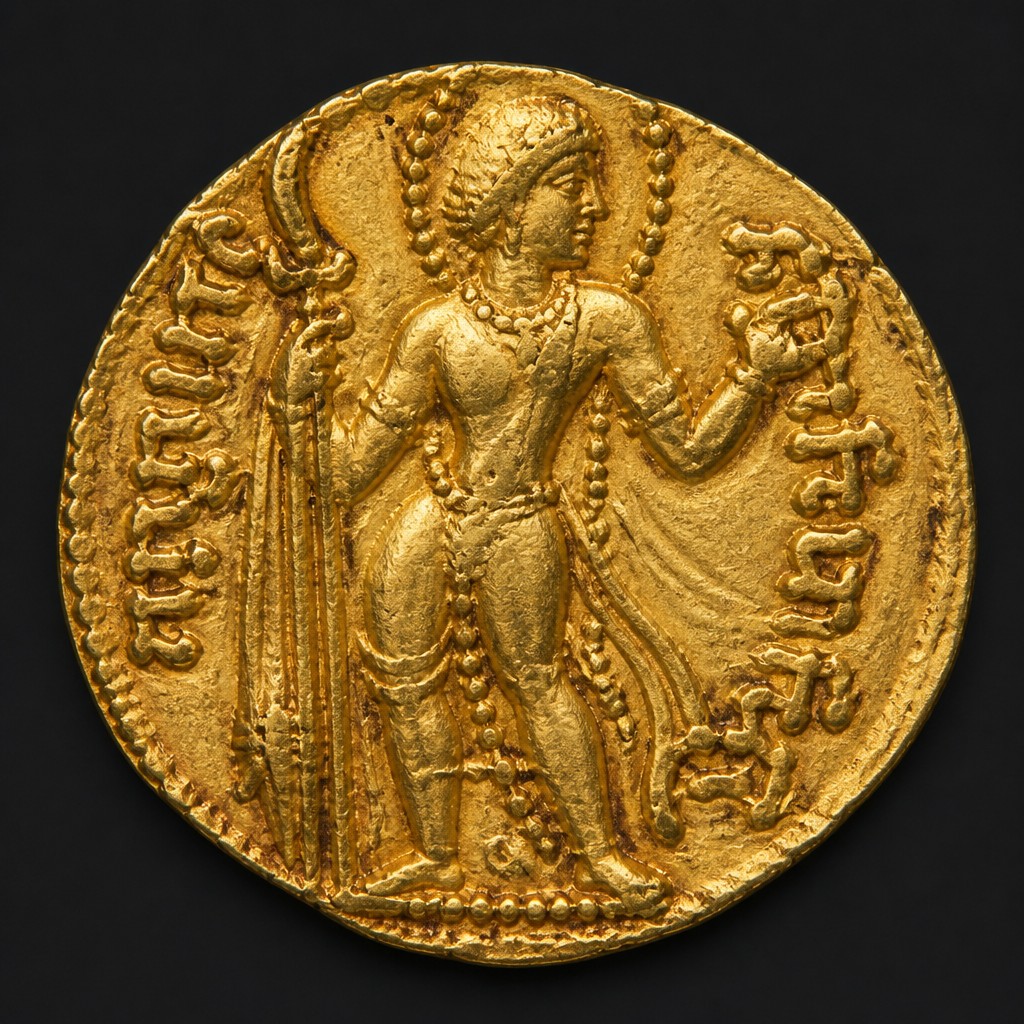
Gupta Empire Gold Dinar
c. 320–550 AD
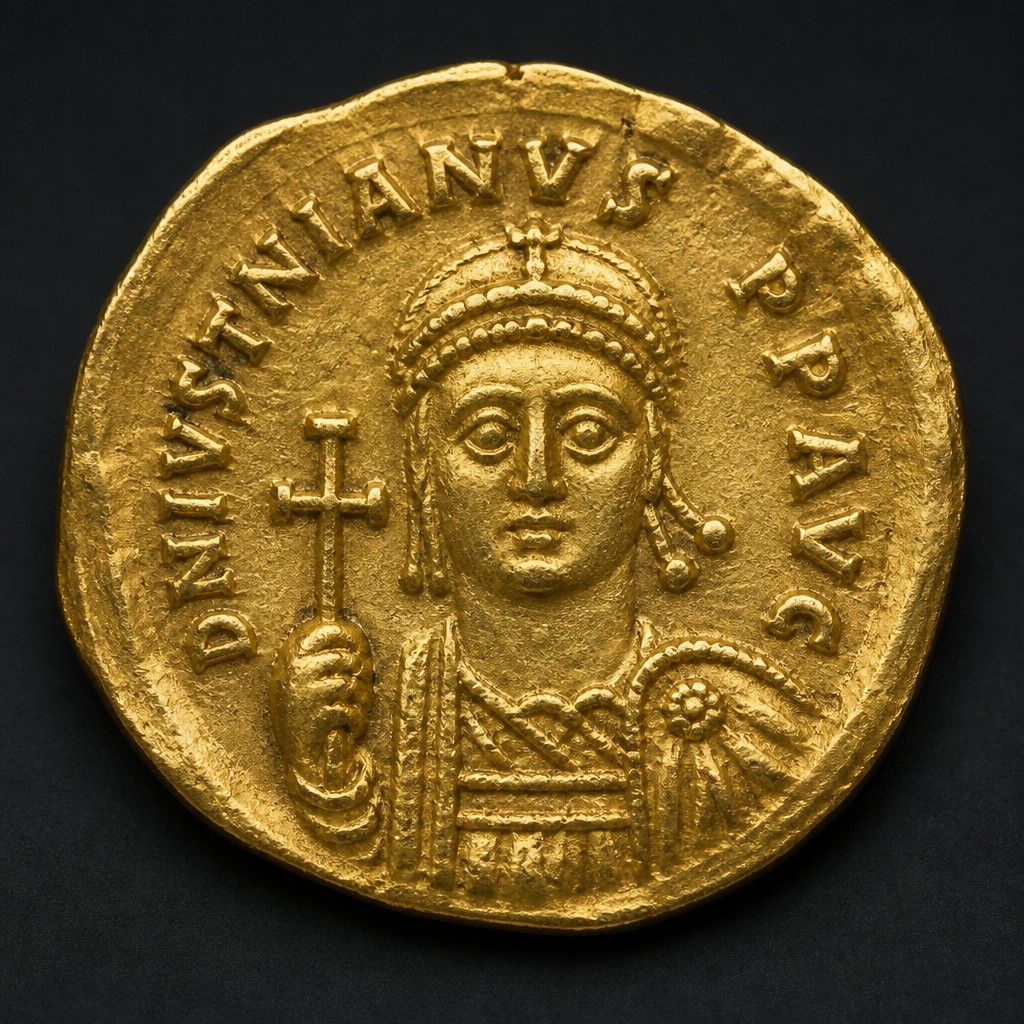
Byzantine Gold Tremissis
c. 4th–7th century AD
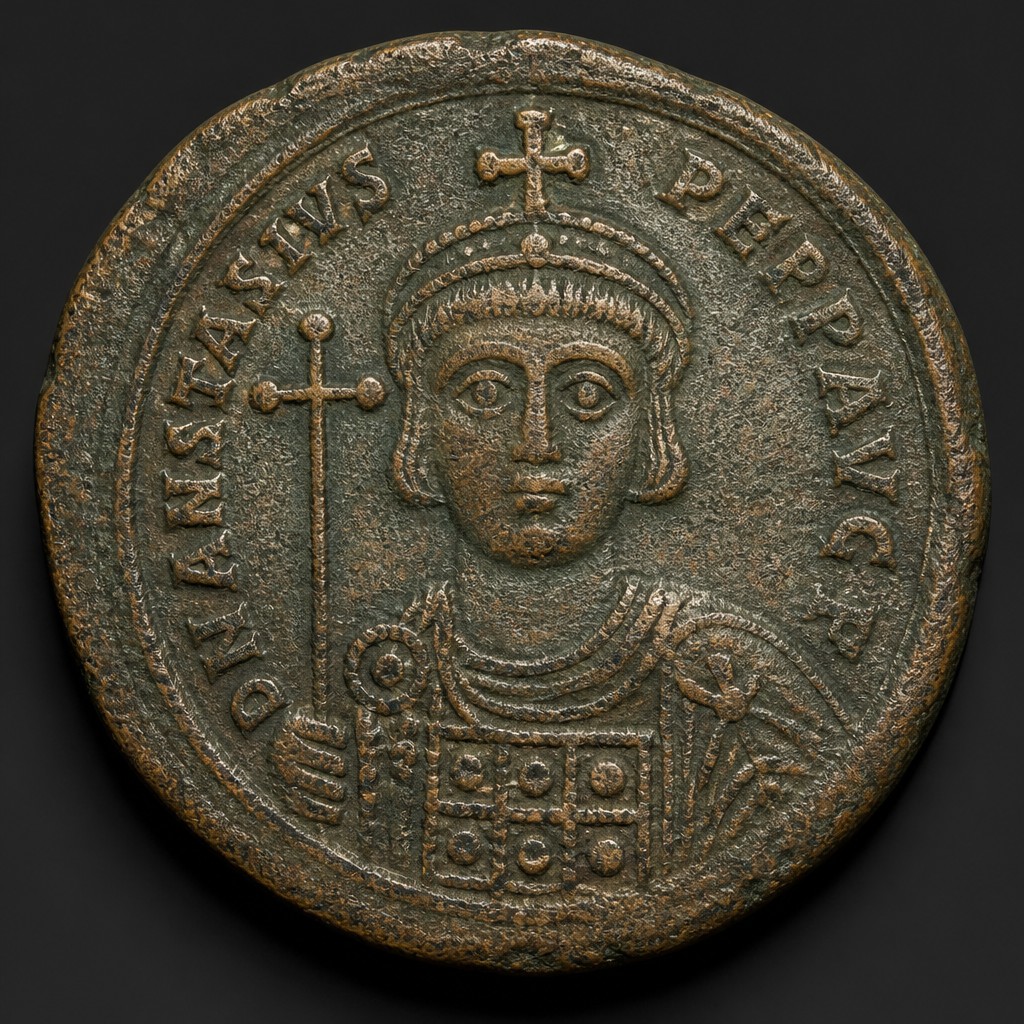
Byzantine Follis
498–c. 11th century AD
Celtic Gold Stater
c. 3rd century BC – 1st century AD