
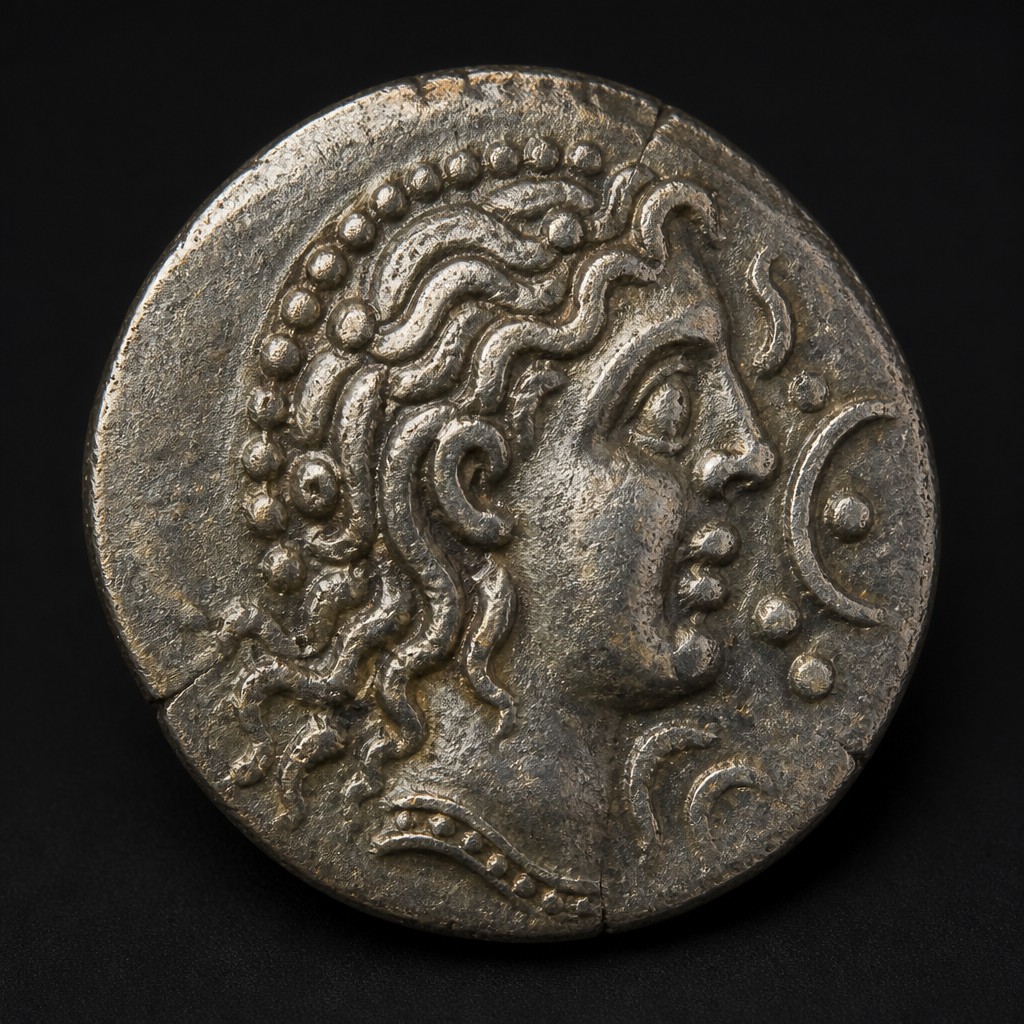
Armorican Billon Stater
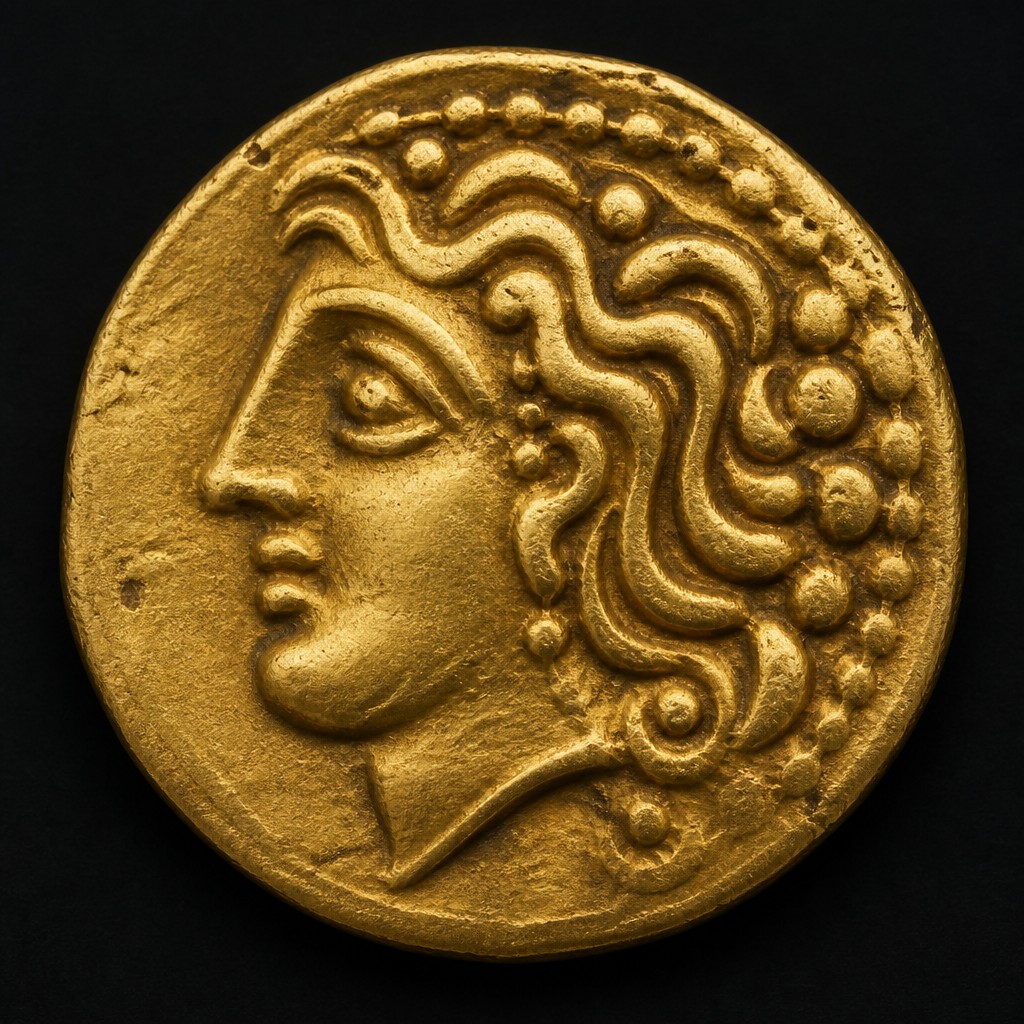
A debased silver-alloy stater struck by Celtic tribes of Armorica (modern Brittany), showing wildly abstracted horse and head designs derived from Greek prototypes.
- Country
- Celtic Gaul (Armorica)
- Denomination
- Stater
- Metal
- Billon (silver-copper alloy)
Got a coin like this?
Identify any coin from a photo, free.
Overview
The Armorican peninsula, roughly corresponding to modern Brittany in northwestern France, was home to several Celtic tribes, including the Coriosolites, Osismii, and Veneti, whose distinctive billon staters represent some of the most artistically abstract coinage of the ancient Celtic world. These coins pushed the transformation of Greek design elements into pure Celtic pattern-work further than almost any other regional Gallic series.
Collectors are particularly drawn to Armorican staters for their bold, almost modern-looking abstract art, which stands out even among the broader category of stylized Celtic coinage found across ancient Gaul and Britain.
History & Background
Armorica's Celtic tribes, most notably the maritime Veneti described by Julius Caesar as skilled sailors and traders, developed their own regional coinage traditions in the final centuries before Roman conquest, adapting imported Greek and other Gallic coin types into an increasingly localized and abstract style. These tribes controlled valuable coastal trade routes along the Atlantic and English Channel coasts, including connections to Britain, which likely explains the wide circulation of related coin types found on both sides of the Channel.
The transition to a lower-value billon alloy, rather than pure silver or gold, reflects both the more modest economic scale of these tribes compared to wealthier interior Gallic peoples and, over time, a broader debasement trend seen in many Celtic coinages as gold and silver became scarcer or coinage volume increased to meet growing trade and tribute demands.
Following Julius Caesar's brutal suppression of the Veneti and other Armorican tribes during the Gallic Wars in the 1st century BC, independent coin production in the region ceased as Armorica was absorbed into Roman Gaul, closing out this distinctive chapter of Celtic numismatic art.
How to Identify
An Armorican billon stater typically shows, on the obverse, a highly abstracted head derived ultimately from Greek prototypes such as the Apollo head found on Macedonian staters, reduced through repeated Celtic reinterpretation into bold patterns of curls, crescents, and pellets that can appear almost unrecognizable as a face to modern eyes.
The reverse generally derives from a galloping horse motif, similarly transformed into a striking, almost cubist arrangement of disjointed limbs, geometric body shapes, and small accompanying symbols such as pellets, boars, or crosses, varying by specific tribe and issue. Legends are typically absent or minimal, consistent with the broader Armorican and Gallic Celtic coinage tradition.
Distinguishing coins of the Coriosolites from the Osismii, Veneti, or other neighboring Armorican tribes generally requires close comparison of specific stylistic details in the head and horse motifs against specialized reference catalogs of ancient Gallic and Armorican coinage, since general design themes are broadly shared across the region.
Value & Collectibility
Armorican billon staters are relatively accessible to collectors of ancient Celtic coinage, given their alloyed composition and generally more modest silver content compared to pure silver or gold Celtic issues, placing typical examples in an affordable range for ancient coin enthusiasts. Their striking, boldly abstract designs make them popular display pieces despite modest intrinsic metal value.
Sharper strikes, unusual symbol combinations, and secure tribal attribution can increase value somewhat, and coins in better preservation with clearly visible abstract details are generally more desirable than heavily worn or corroded examples. As with most Celtic coinage, precise tribal attribution benefits from expert reference and comparison.
Frequently asked questions
What is billon?
Billon is a low-grade alloy of silver mixed with a larger proportion of copper or other base metal, used here instead of pure silver, likely reflecting more limited precious metal resources among Armorican tribes.
Who were the Armorican tribes?
They were Celtic peoples living in what is now Brittany, France, including the seafaring Veneti, the Coriosolites, and the Osismii, known for controlling Atlantic and Channel coastal trade.
Why do the designs look so abstract?
Like other Gallic coinage, Armorican staters derive from Greek prototypes that were copied and reinterpreted by Celtic engravers over generations, producing bold, geometric, almost modern-looking patterns.
When did this coinage end?
Production ceased after Julius Caesar's suppression of the Veneti and other Armorican tribes during the Gallic Wars in the 1st century BC, as the region came under Roman control.
Other coins you may enjoy
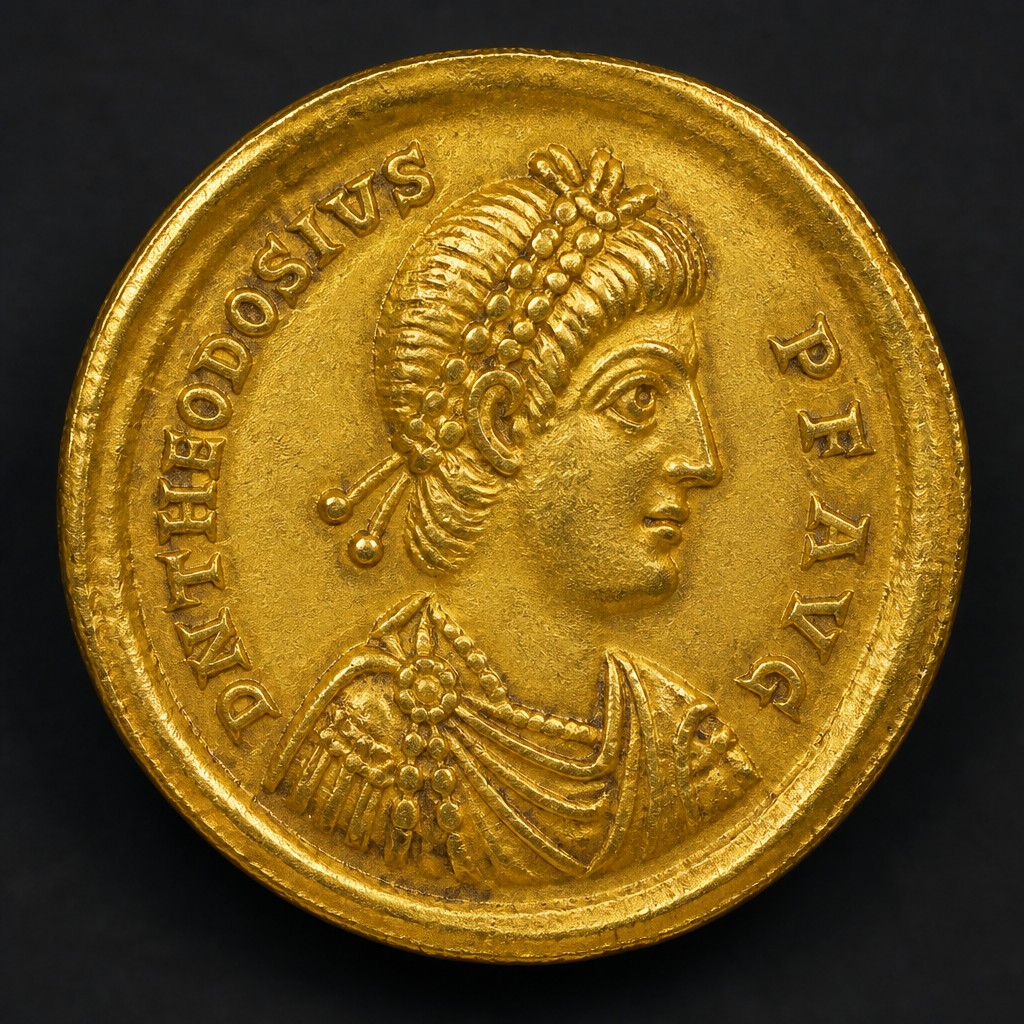
Theodosius I Solidus
379–395 AD
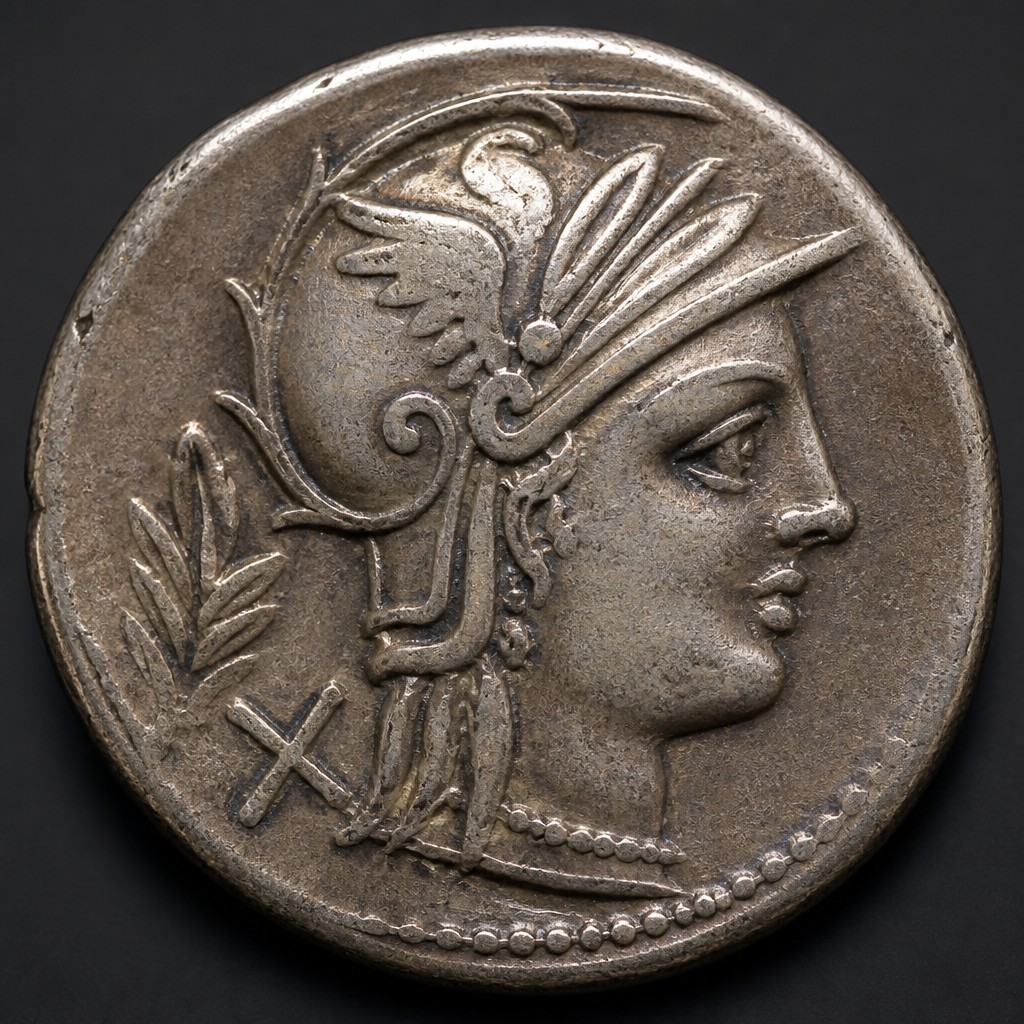
Republican Victoriatus
c. 211–170 BC
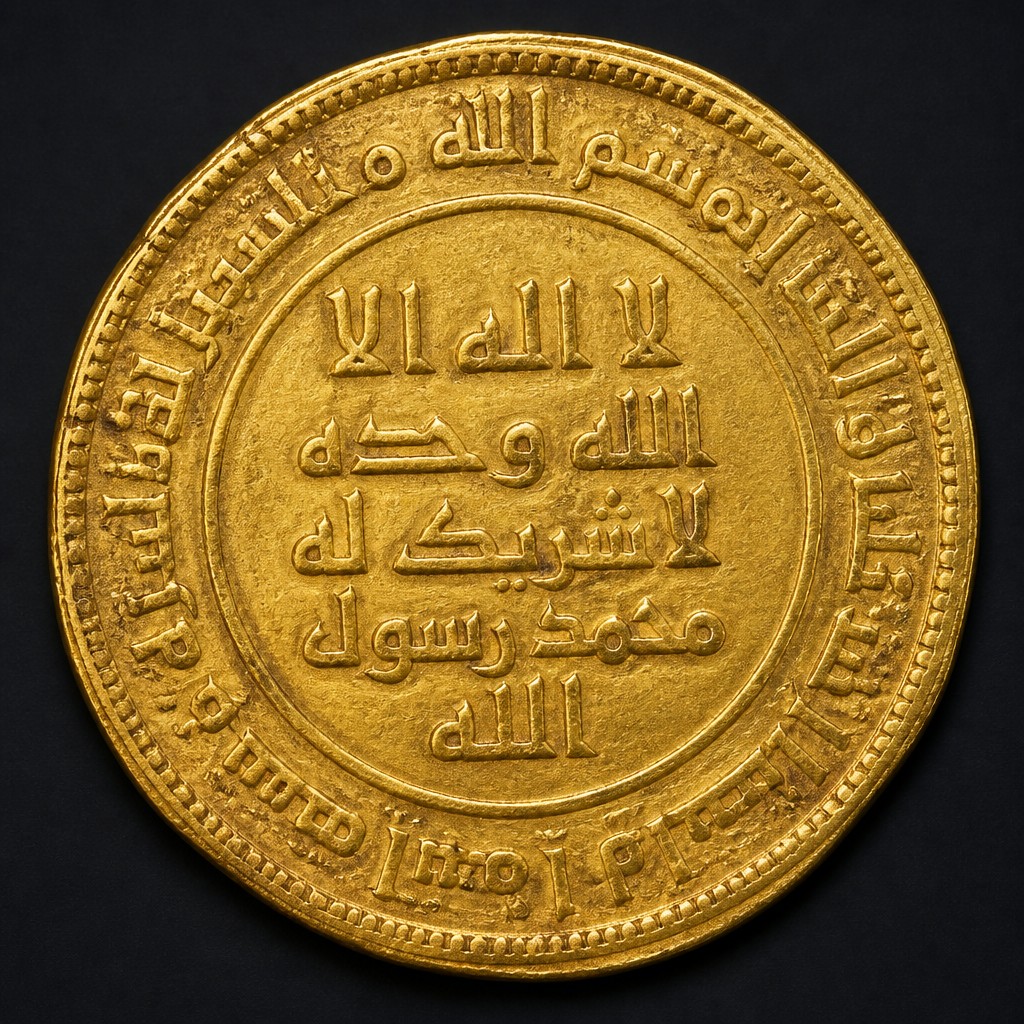
Islamic Gold Dinar (Umayyad)
c. 696–750 AD
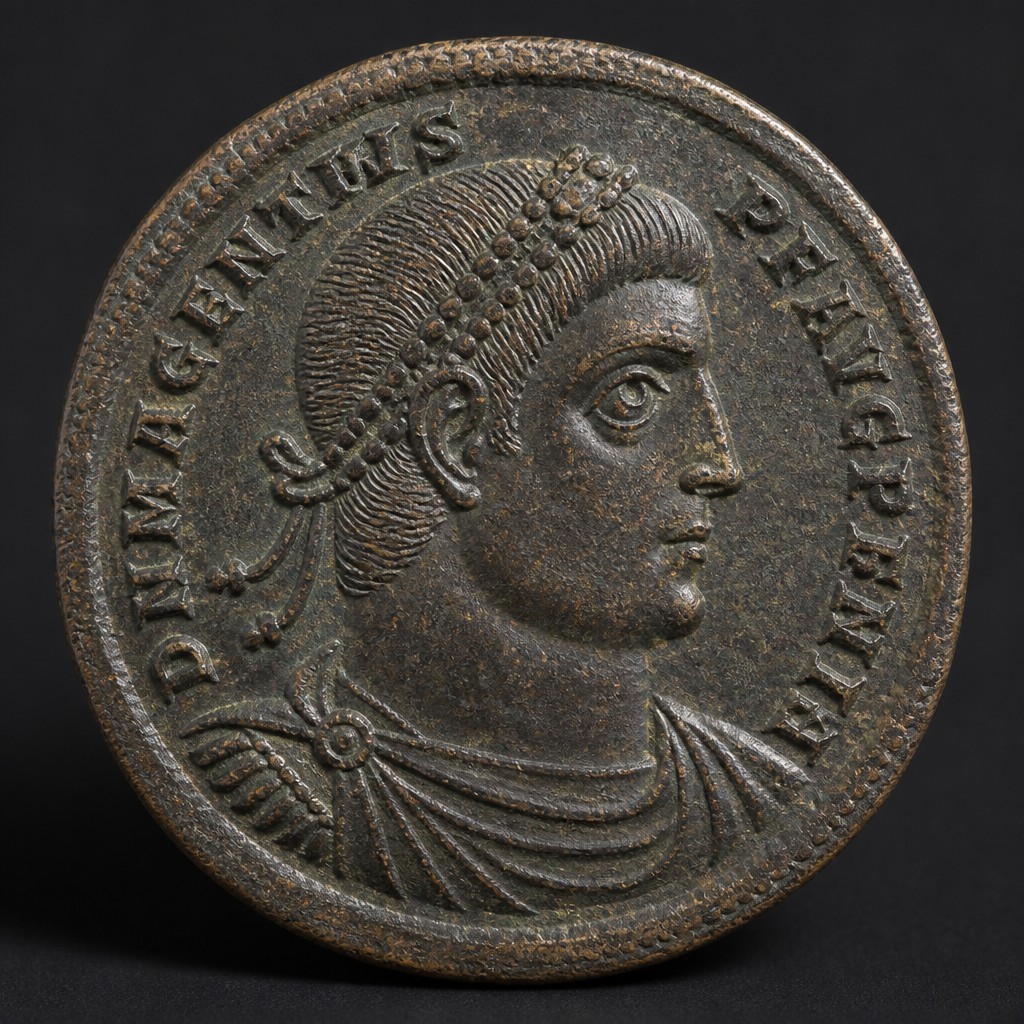
Magnentius Double Centenionalis
350–353 AD
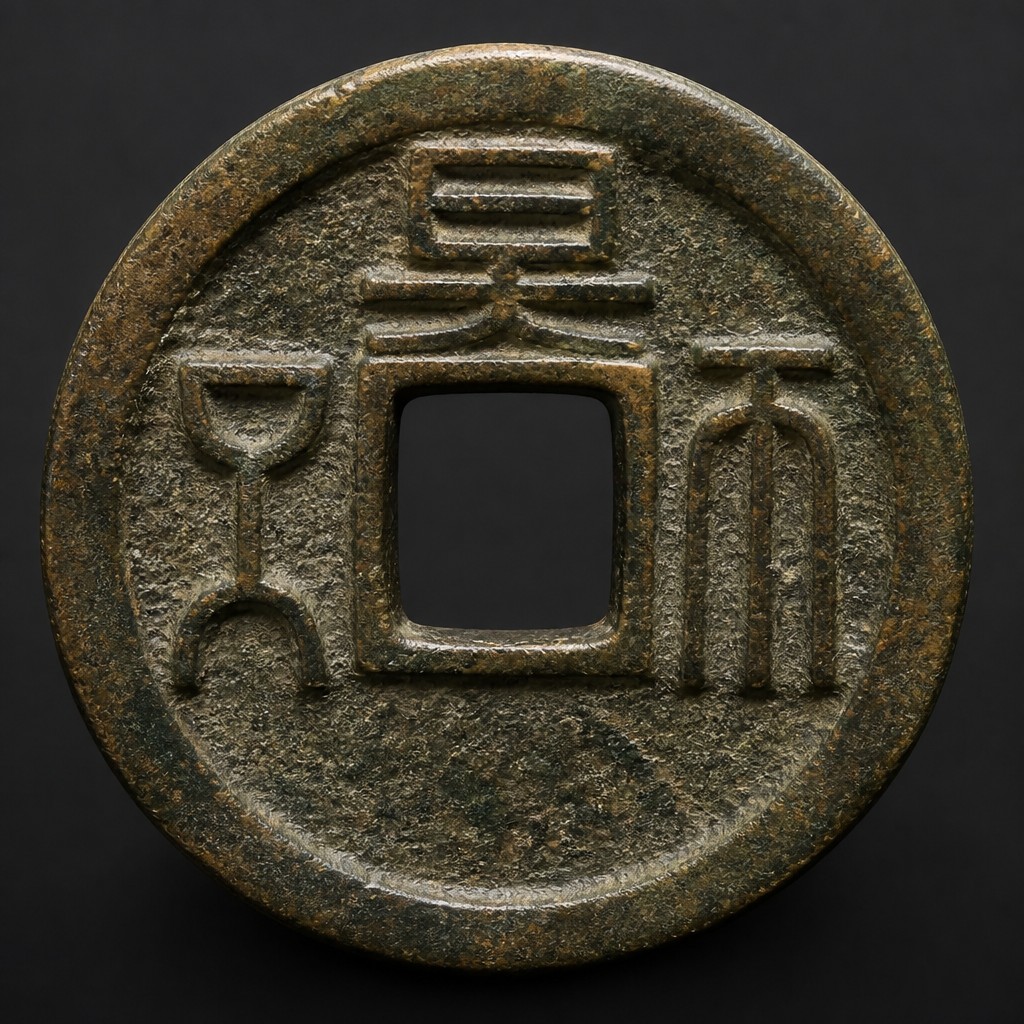
Chinese Wu Zhu Cash
118 BC – 618 AD
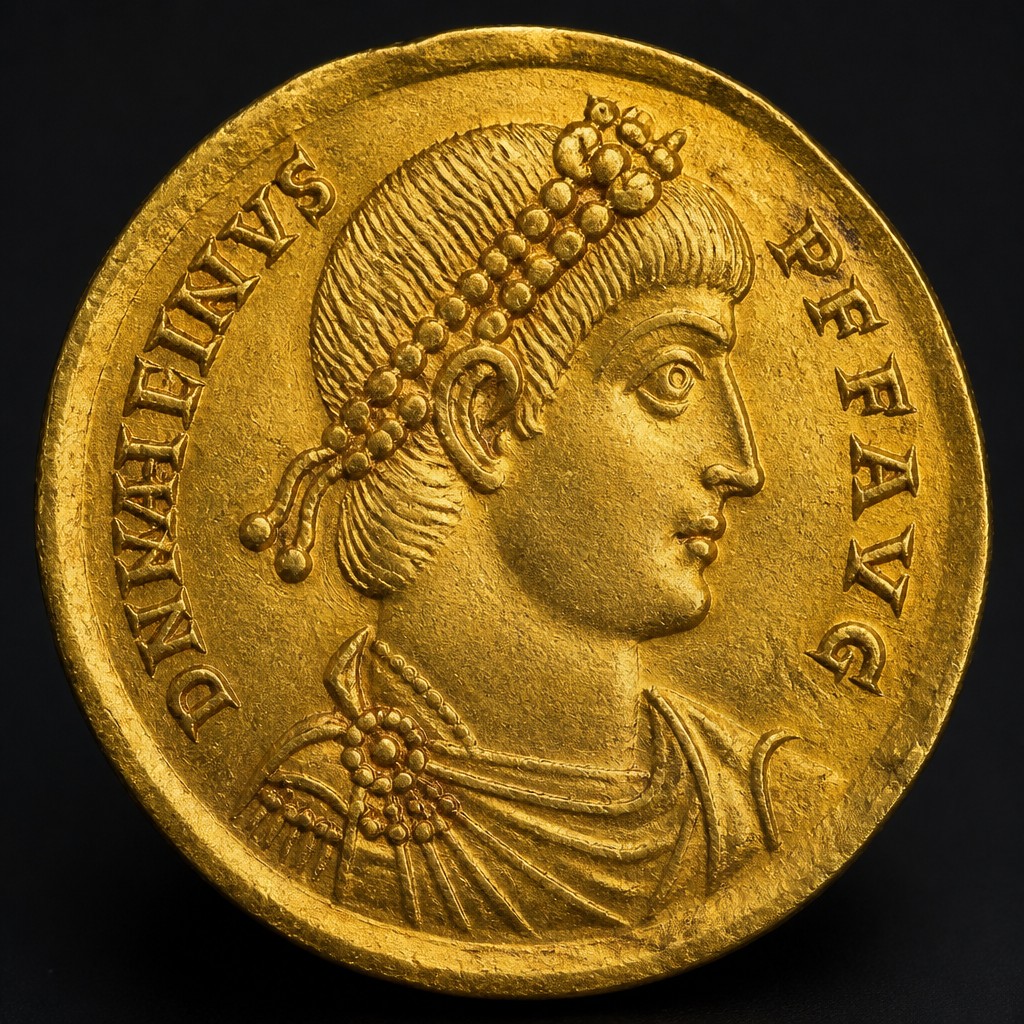
Valentinian I Solidus
364–375 AD
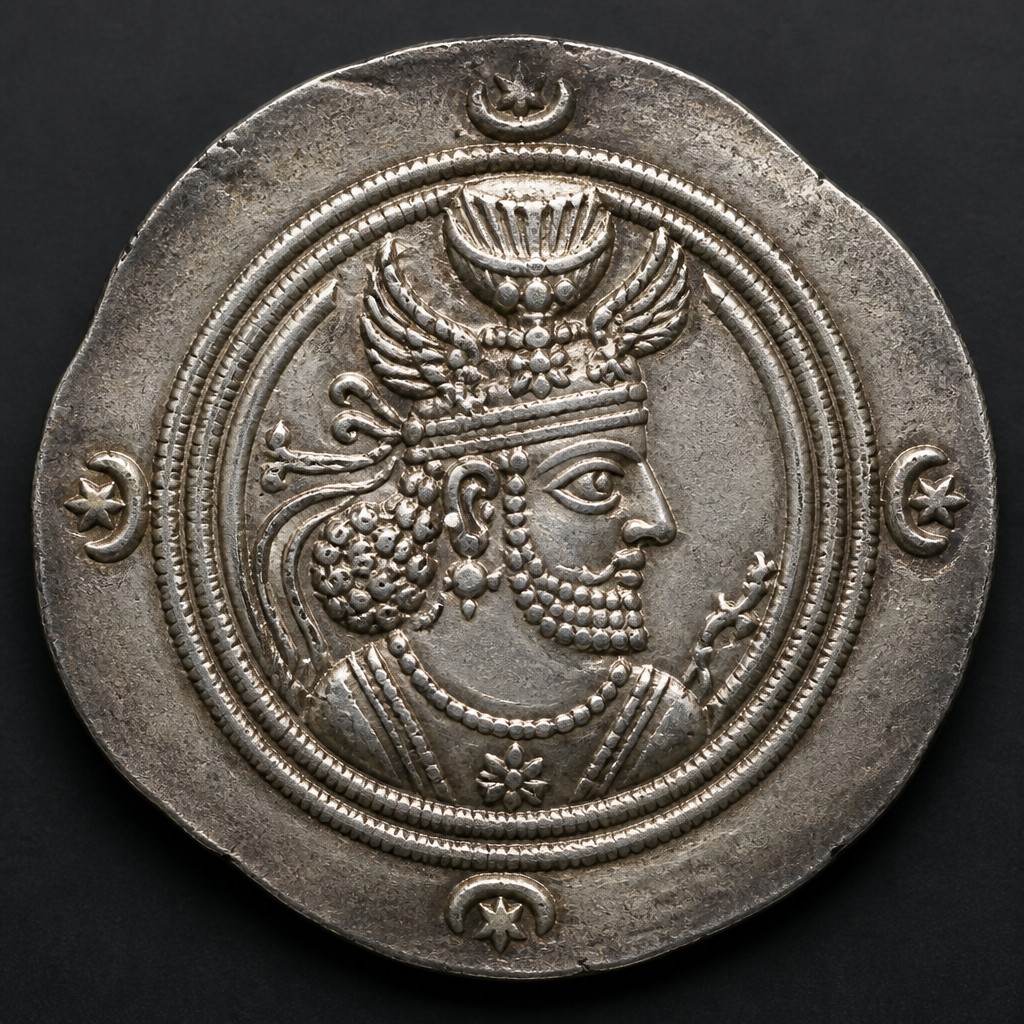
Sassanian Silver Drachm
c. 224–651 AD
Chinese Ban Liang Cash
c. 221–118 BC
Gupta Empire Gold Dinar
c. 320–550 AD
Byzantine Gold Tremissis
c. 4th–7th century AD
Byzantine Follis
498–c. 11th century AD
Celtic Gold Stater
c. 3rd century BC – 1st century AD