
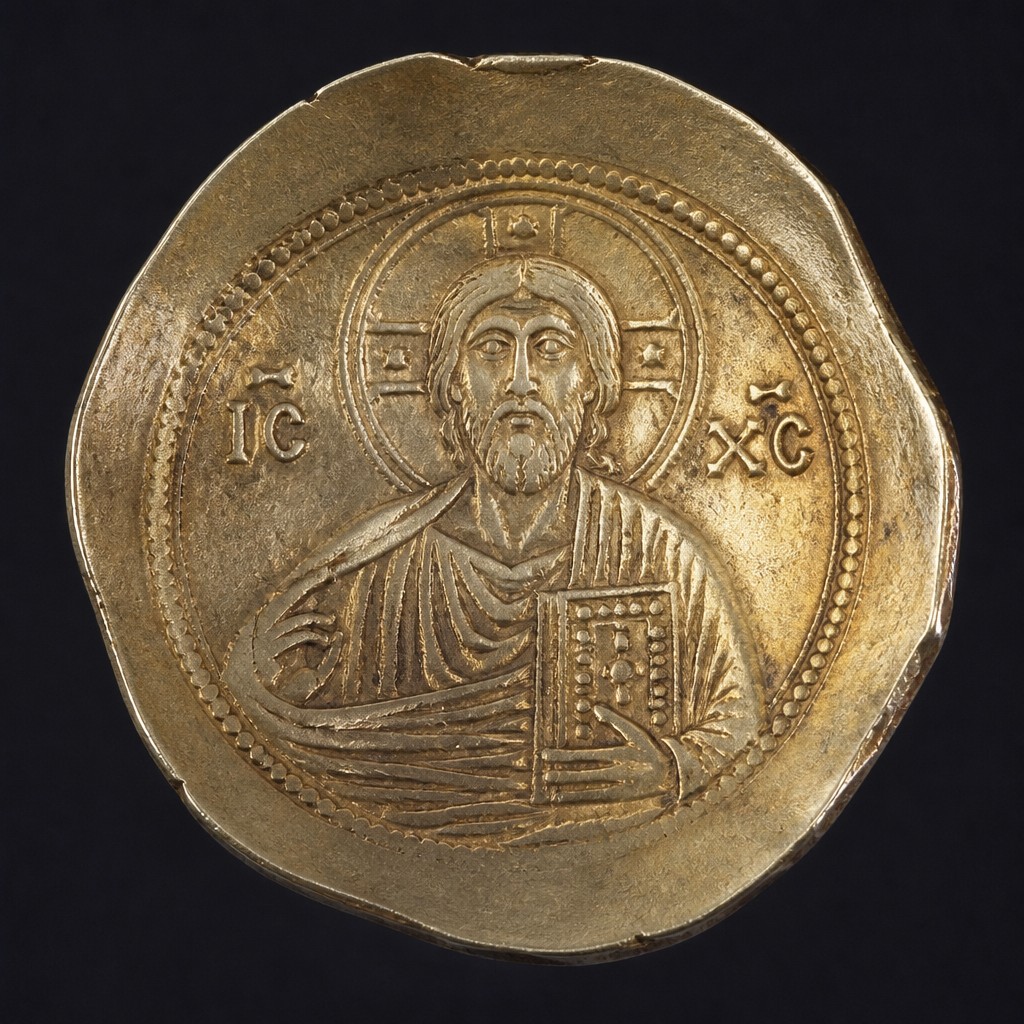
Byzantine Electrum Aspron Trachy (Scyphate)
A distinctive cup-shaped Byzantine coin struck in electrum after Alexios I Komnenos's currency reform, featuring religious imagery and a concave scyphate flan.
- Country
- Byzantine Empire
- Denomination
- Aspron Trachy
- Metal
- Electrum (gold-silver alloy)
Got a coin like this?
Identify any coin from a photo, free.
Overview
The electrum aspron trachy is one of the most visually distinctive coins of the Byzantine world thanks to its deeply concave, bowl-like "scyphate" shape. It formed the upper tier of a reformed multi-metal coinage system introduced in the late eleventh century and remained a workhorse denomination for over a century.
Collectors are drawn to these coins for their striking religious iconography, historical connection to the Komnenian and Angelid emperors, and relative affordability compared to Byzantine gold. Because so many were struck and preserved in hoards, they remain an accessible entry point into Byzantine numismatics.
History & Background
Emperor Alexios I Komnenos overhauled the badly debased Byzantine coinage around 1092, introducing a new system anchored by a pure gold hyperpyron and supported by lower-value electrum, billon, and copper trachea. The electrum aspron trachy sat just below the hyperpyron in value and was produced in large volume at Constantinople and provincial mints such as Thessalonica.
Through the twelfth century the electrum content of these coins gradually declined as the empire's finances came under pressure, a debasement that mirrors the empire's political fortunes. Production of scyphate coinage continued even after the Fourth Crusade's sack of Constantinople in 1204, with successor states such as the Empire of Nicaea and the Empire of Thessalonica issuing their own versions.
How to Identify
The most obvious identifying feature is the coin's shape: a deep concave, saucer-like flan rather than a flat disc, a technique known as scyphate striking. Because of this curvature, strikes are frequently off-center or weak in places, which is normal for the type rather than a sign of a fake.
Typical obverse designs show a bust of Christ Pantokrator or the Virgin Mary (Theotokos), often within a decorative border, while the reverse usually depicts the emperor standing or enthroned holding imperial regalia such as a labarum or globus cruciger. Greek legends abbreviate the names of Christ, the Virgin, and the ruling emperor. Diameters generally run from about 25 to 31mm, and the metal color ranges from a pale yellow-gold in earlier, higher-fineness issues to a duller, more silvery tone as debasement progressed over the twelfth century.
Value & Collectibility
Because enormous quantities survive, common aspron trachea of well-known emperors like Manuel I Komnenos or Alexios III Angelos are among the more affordable ancient coins available, with typical worn examples often trading in roughly the $30 to $150 range depending on condition and clarity of design. Sharply struck pieces with full, well-centered imagery bring more, since the scyphate striking process frequently leaves parts of the design weak or off-flan.
Rarer rulers, unusual mint attributions, or exceptional artistic quality can push prices considerably higher. As with most ancient coins, buying from reputable dealers and understanding that grading standards differ from modern coins is important for collectors new to the series.
Frequently asked questions
Why is this coin bowl-shaped?
The concave "scyphate" shape was a deliberate Byzantine minting technique, not damage, used for over a century on gold, electrum, and billon denominations.
What is electrum?
Electrum is a naturally occurring or man-made alloy of gold and silver; on these coins the gold content varied and generally decreased over time.
How can I tell which emperor issued mine?
The reverse figure and accompanying Greek legend abbreviations identify the ruling emperor; reference catalogs of Byzantine coinage list the specific types by reign.
Are these coins rare?
Most common types are not rare and are widely available to collectors; rarity varies significantly by specific emperor and mint.
Why are many examples weakly struck?
The curved scyphate flan made it difficult to strike the full design evenly, so partial weakness is typical and expected rather than a defect.
Other coins you may enjoy
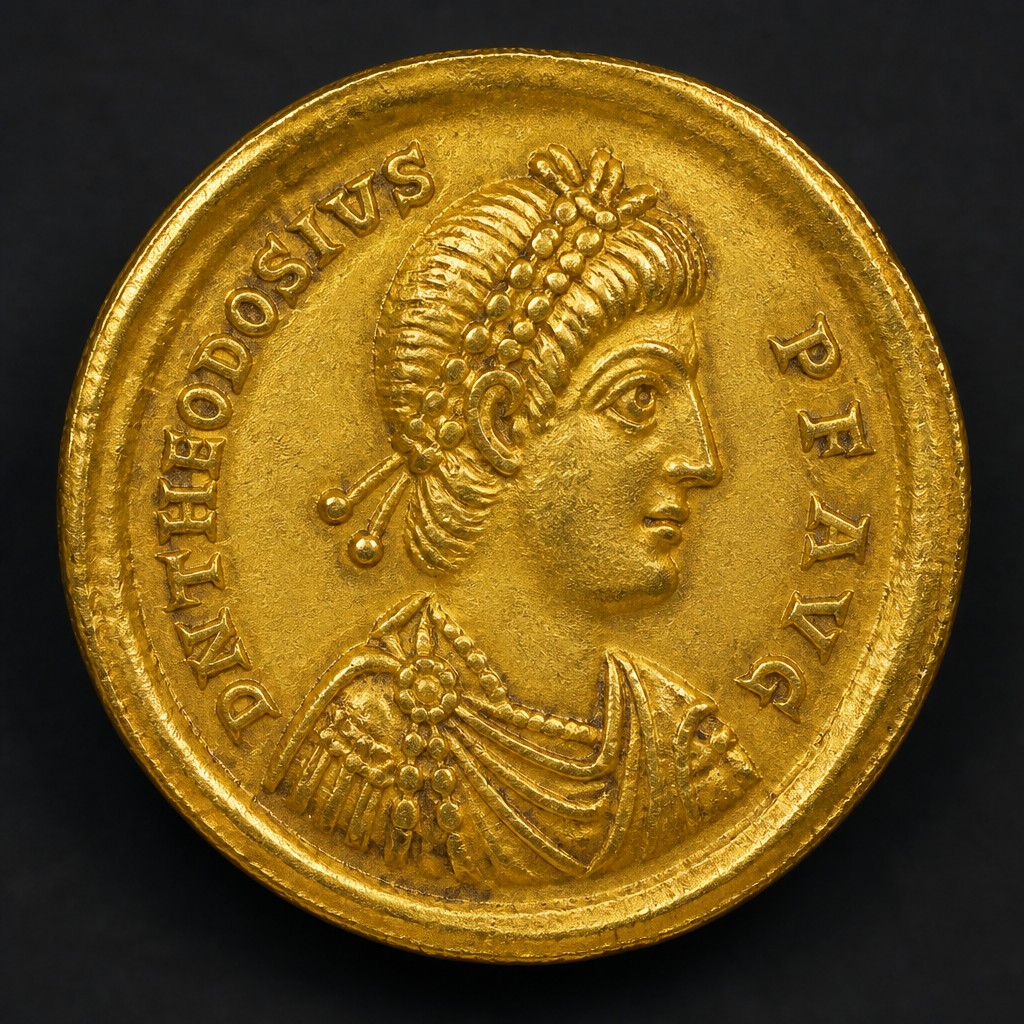
Theodosius I Solidus
379–395 AD
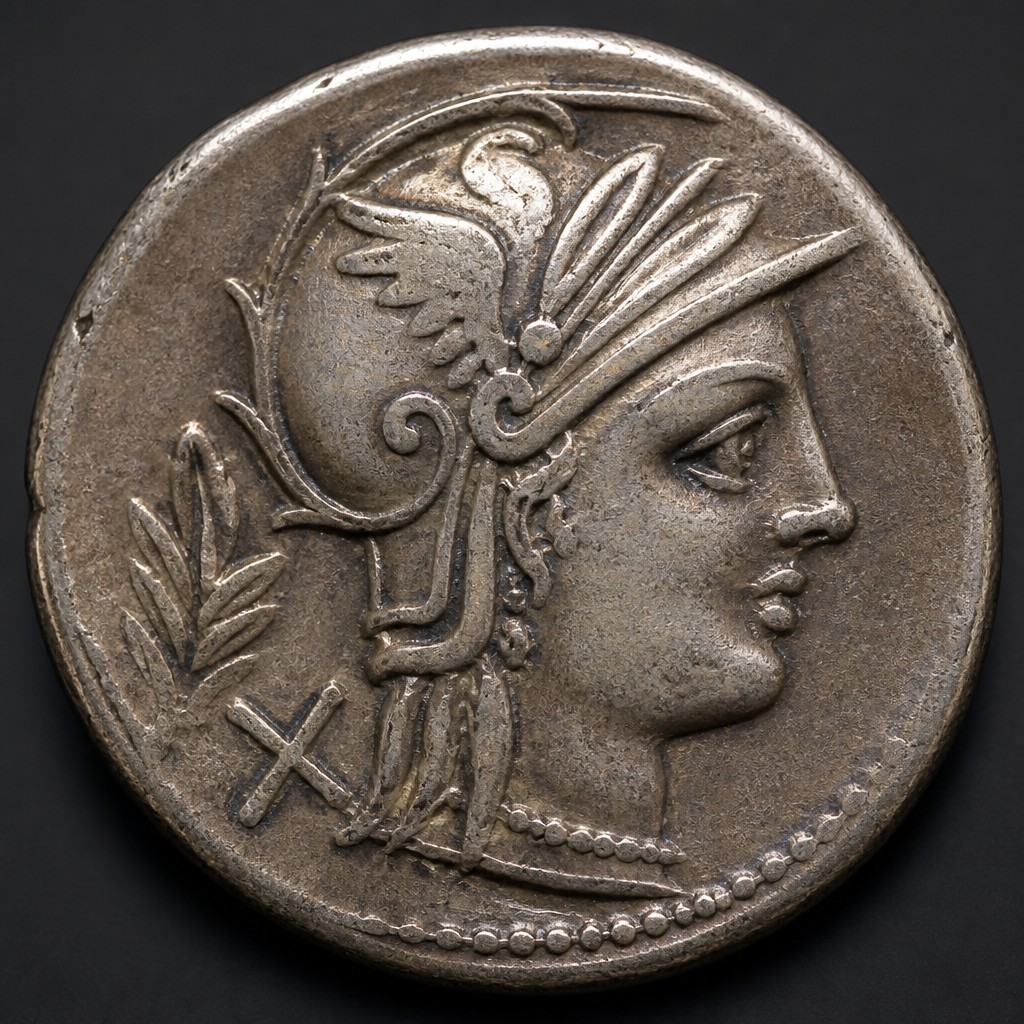
Republican Victoriatus
c. 211–170 BC
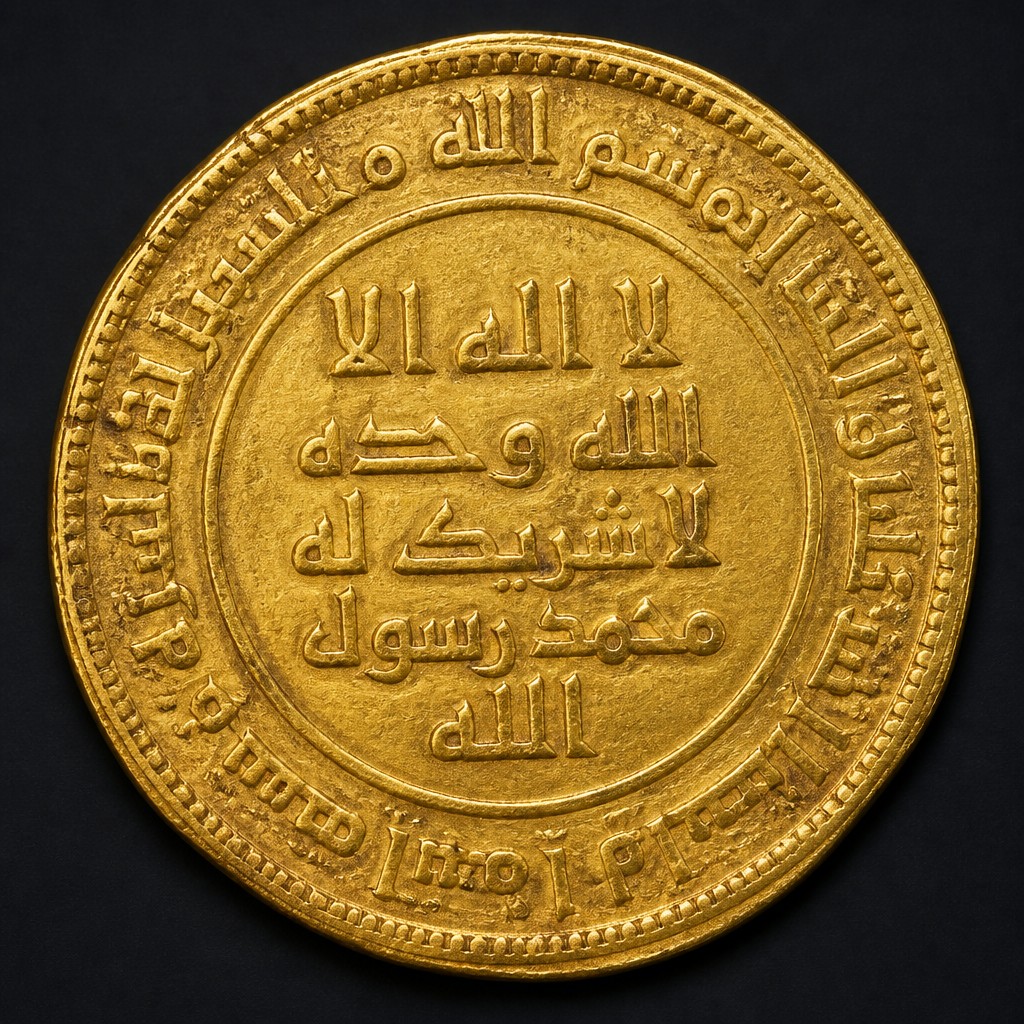
Islamic Gold Dinar (Umayyad)
c. 696–750 AD
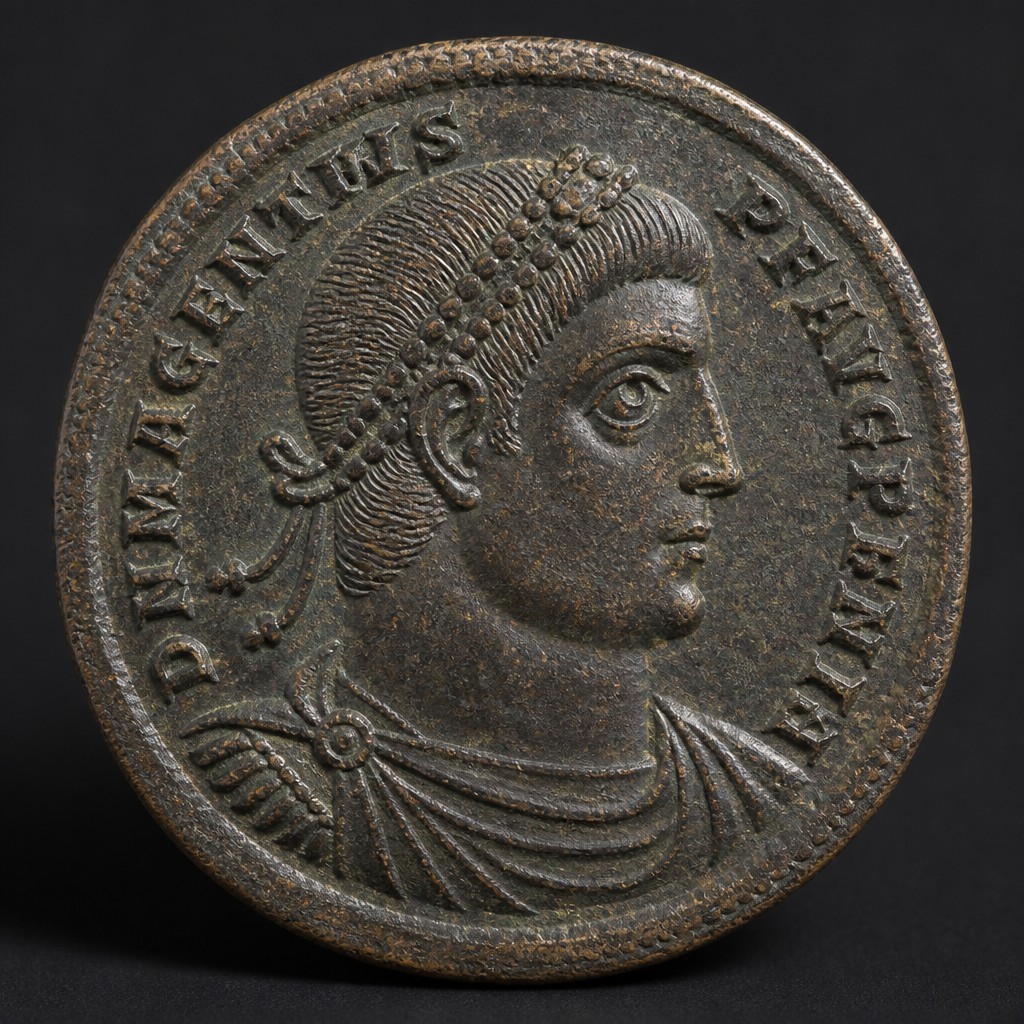
Magnentius Double Centenionalis
350–353 AD
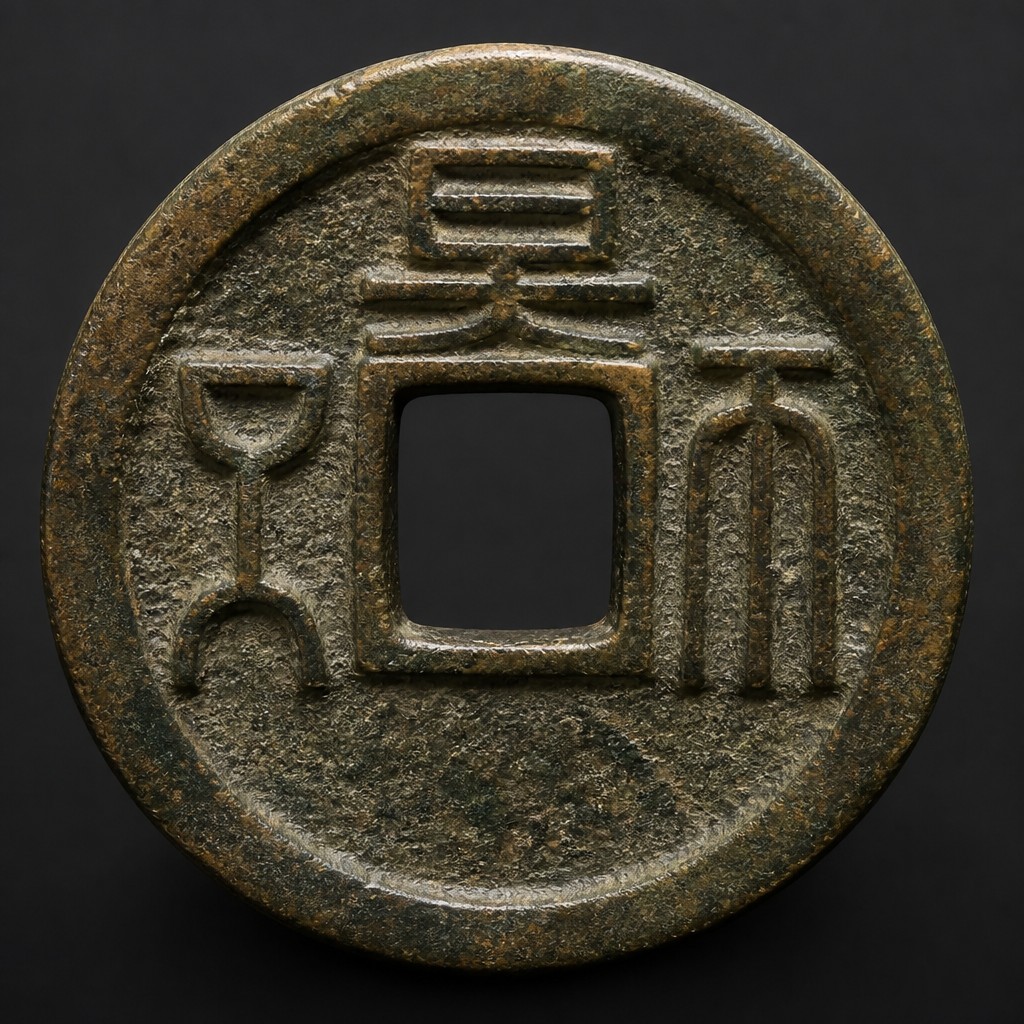
Chinese Wu Zhu Cash
118 BC – 618 AD
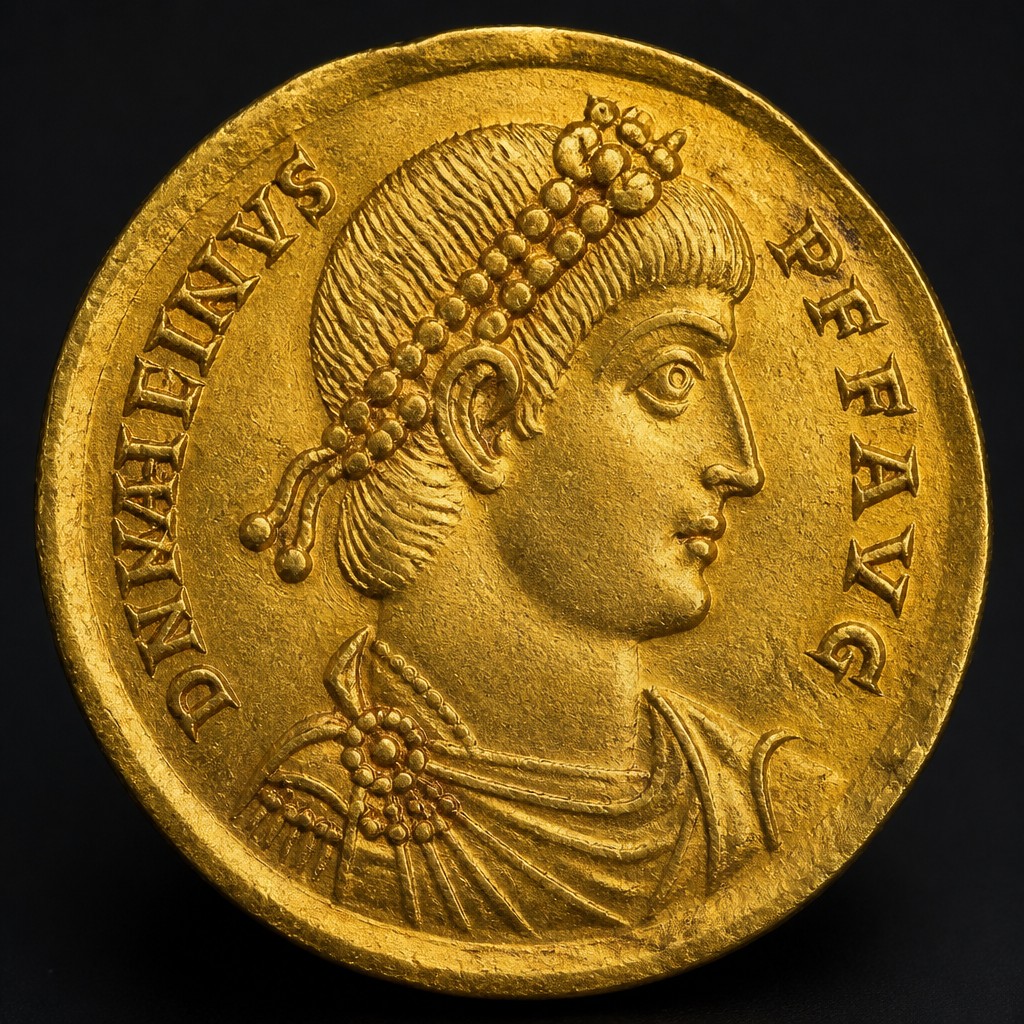
Valentinian I Solidus
364–375 AD
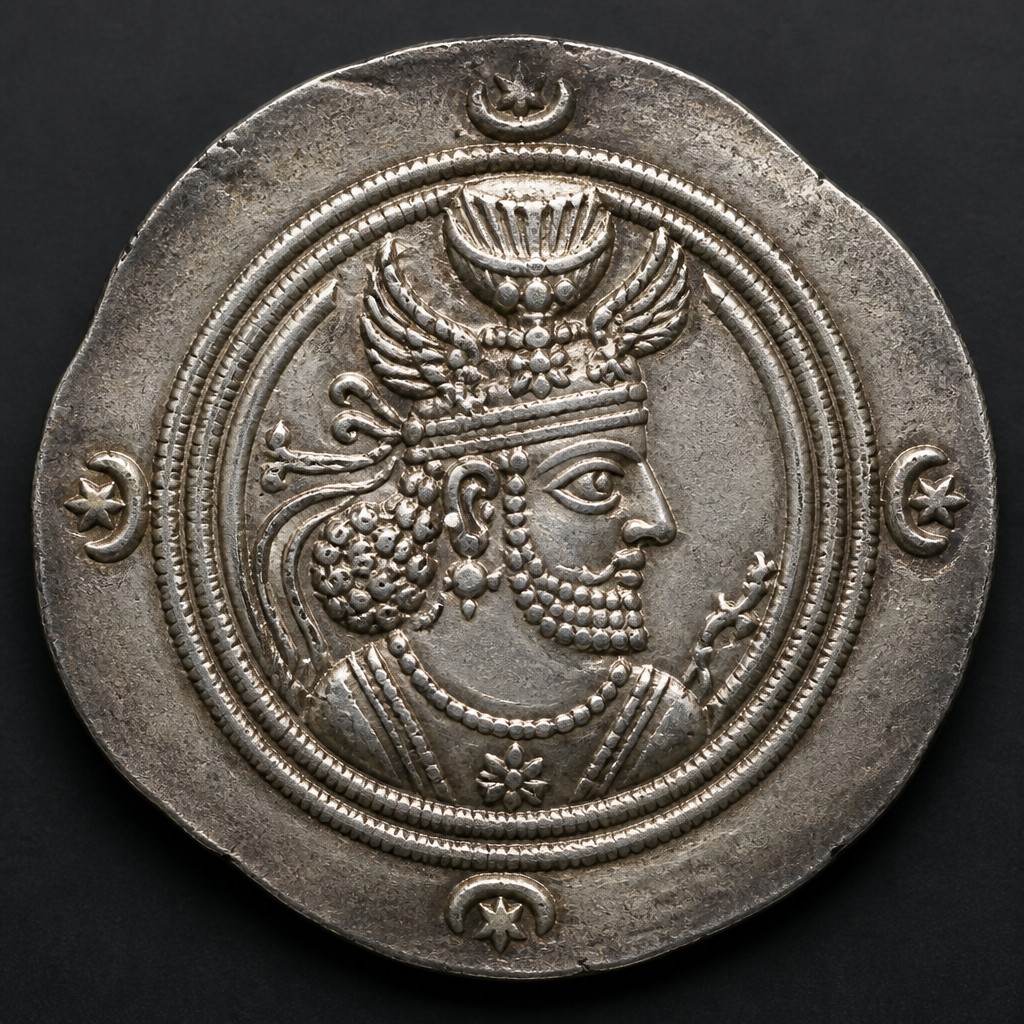
Sassanian Silver Drachm
c. 224–651 AD
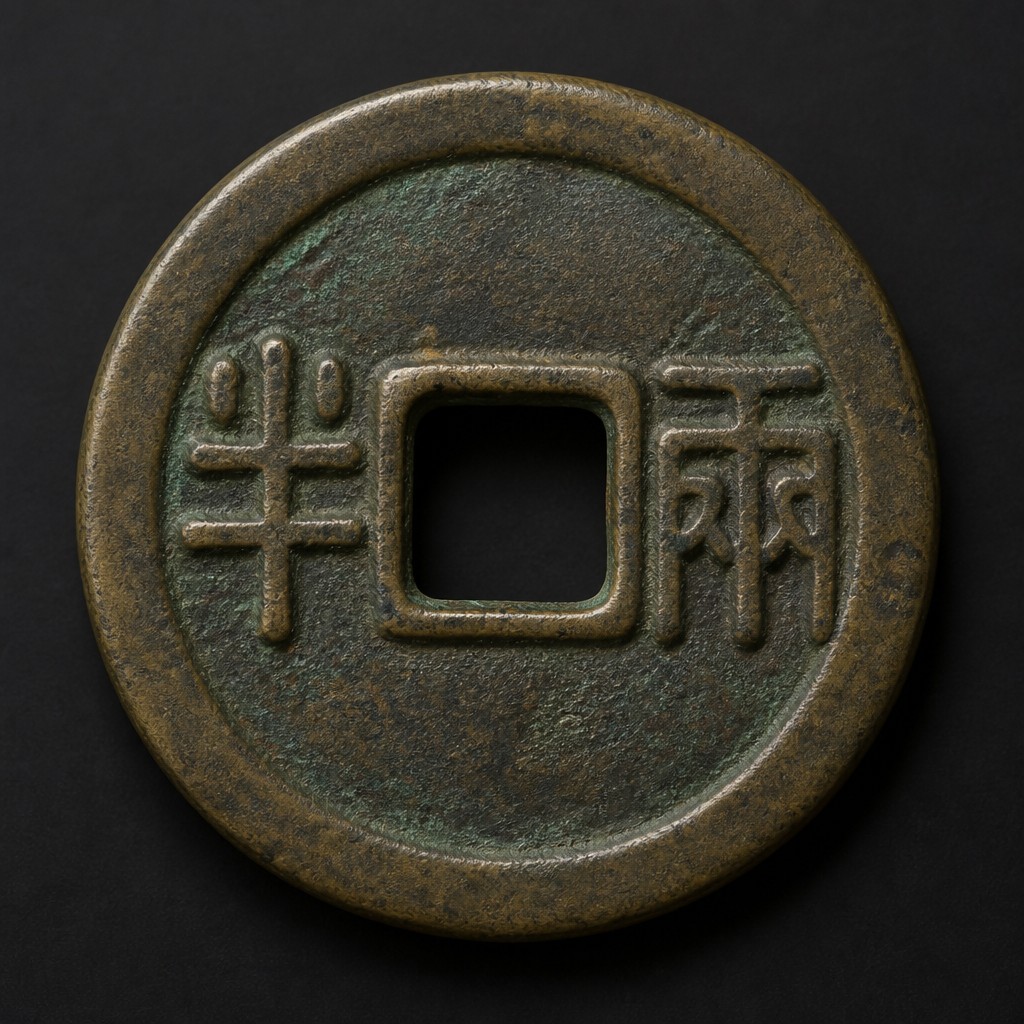
Chinese Ban Liang Cash
c. 221–118 BC
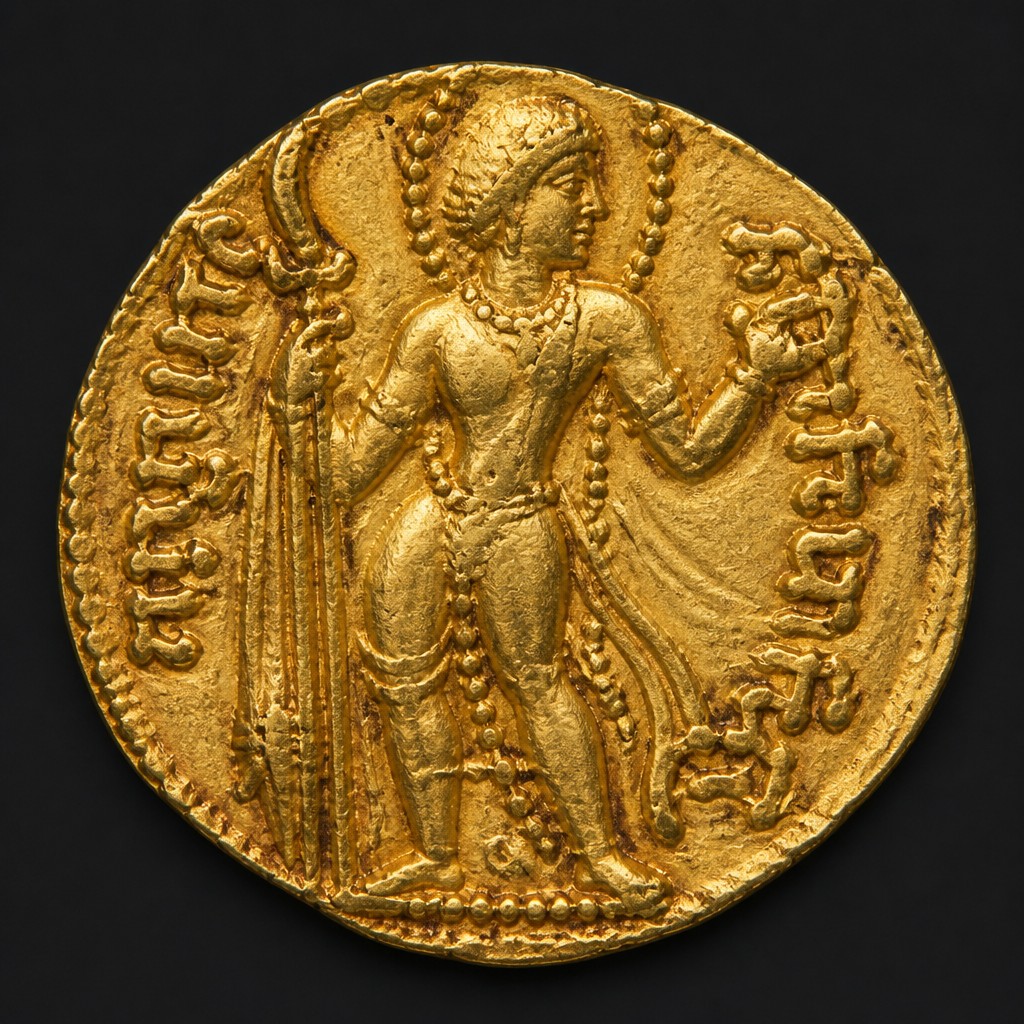
Gupta Empire Gold Dinar
c. 320–550 AD
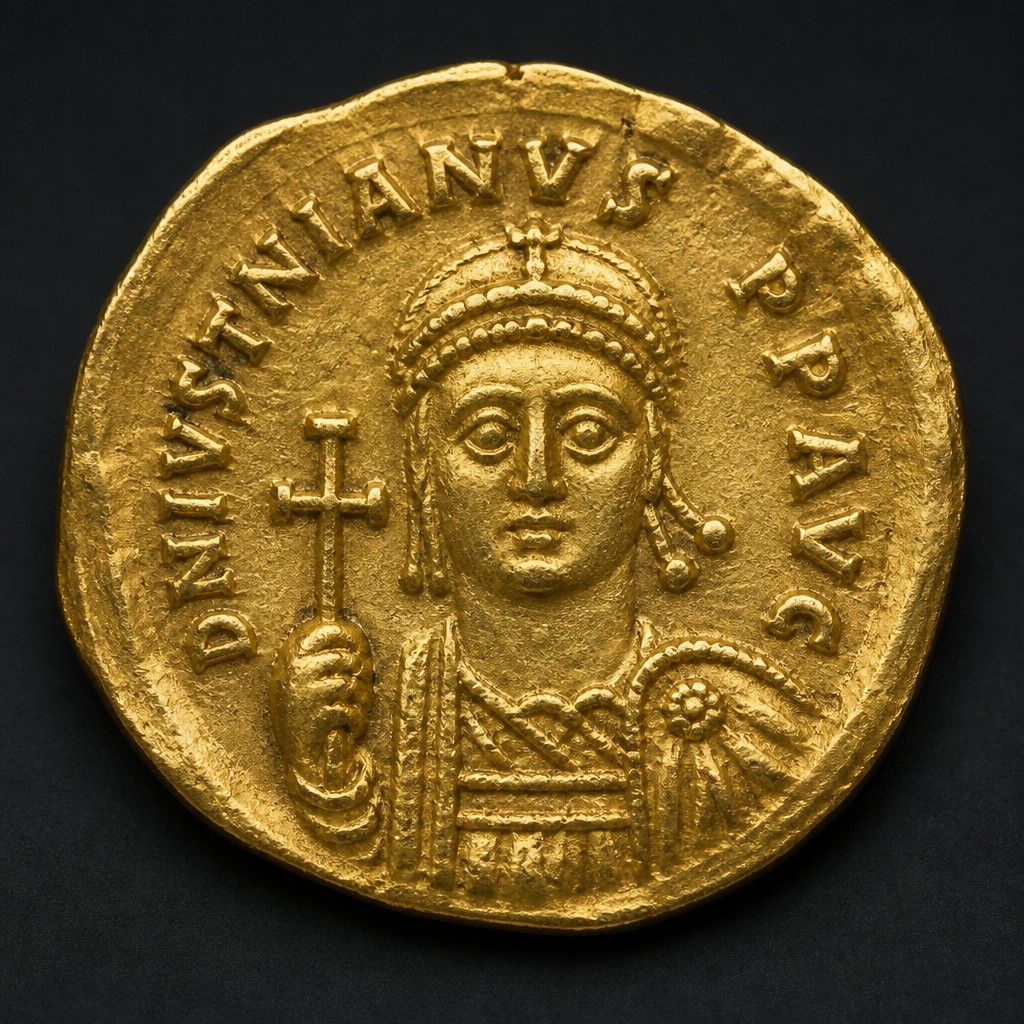
Byzantine Gold Tremissis
c. 4th–7th century AD
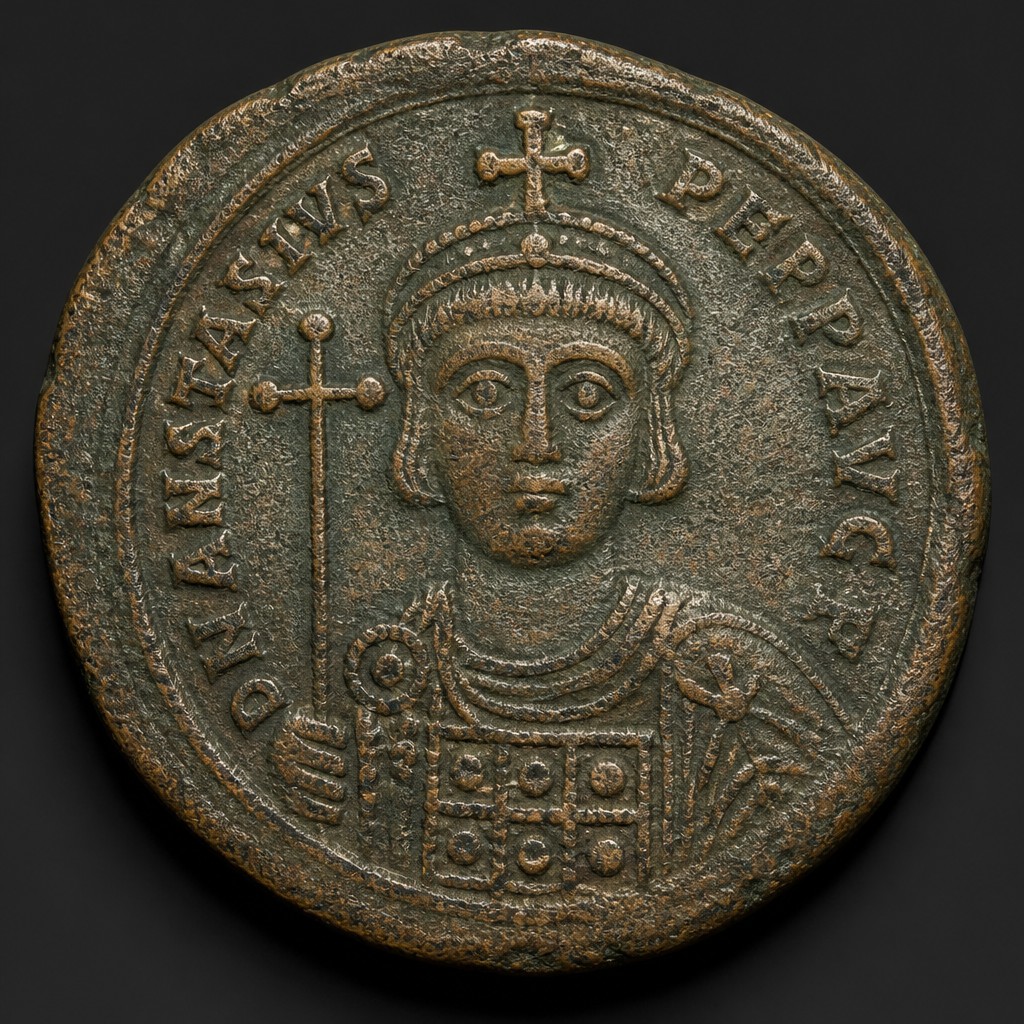
Byzantine Follis
498–c. 11th century AD
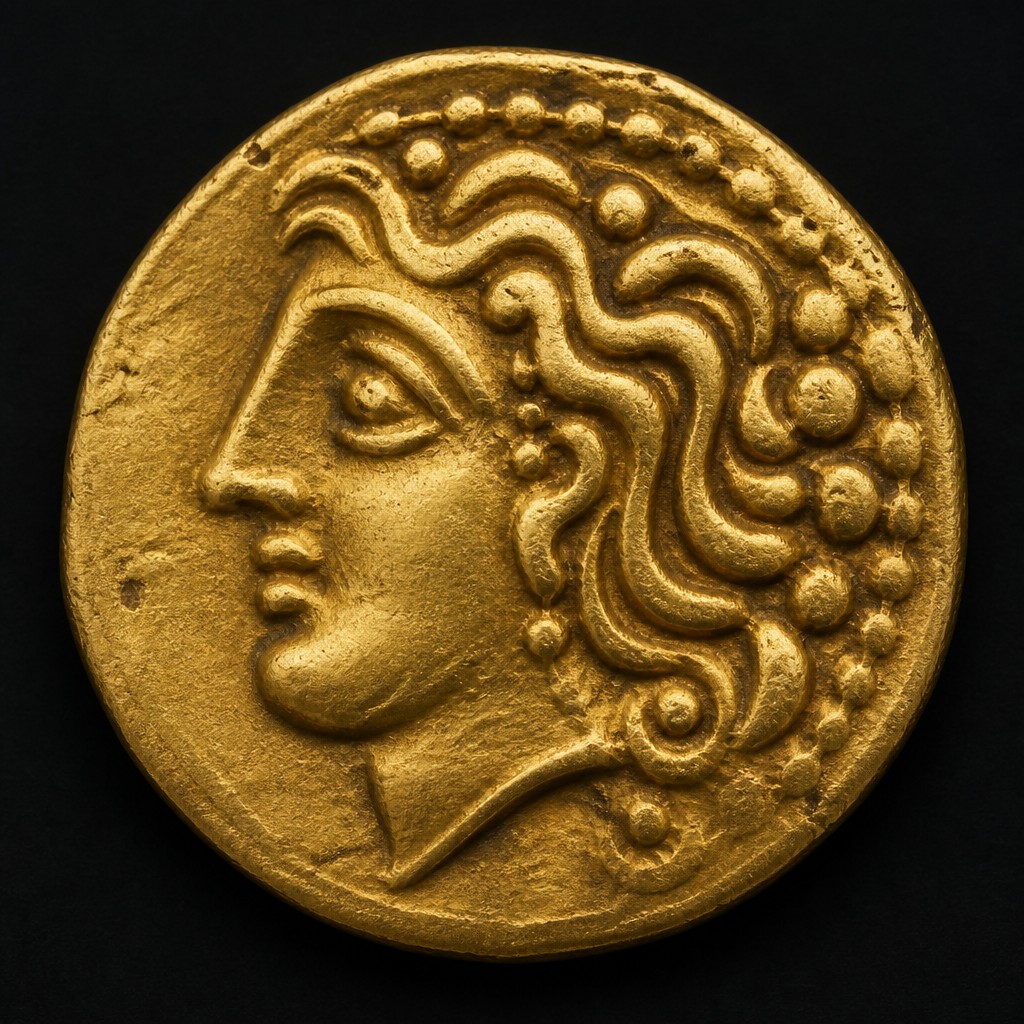
Celtic Gold Stater
c. 3rd century BC – 1st century AD