
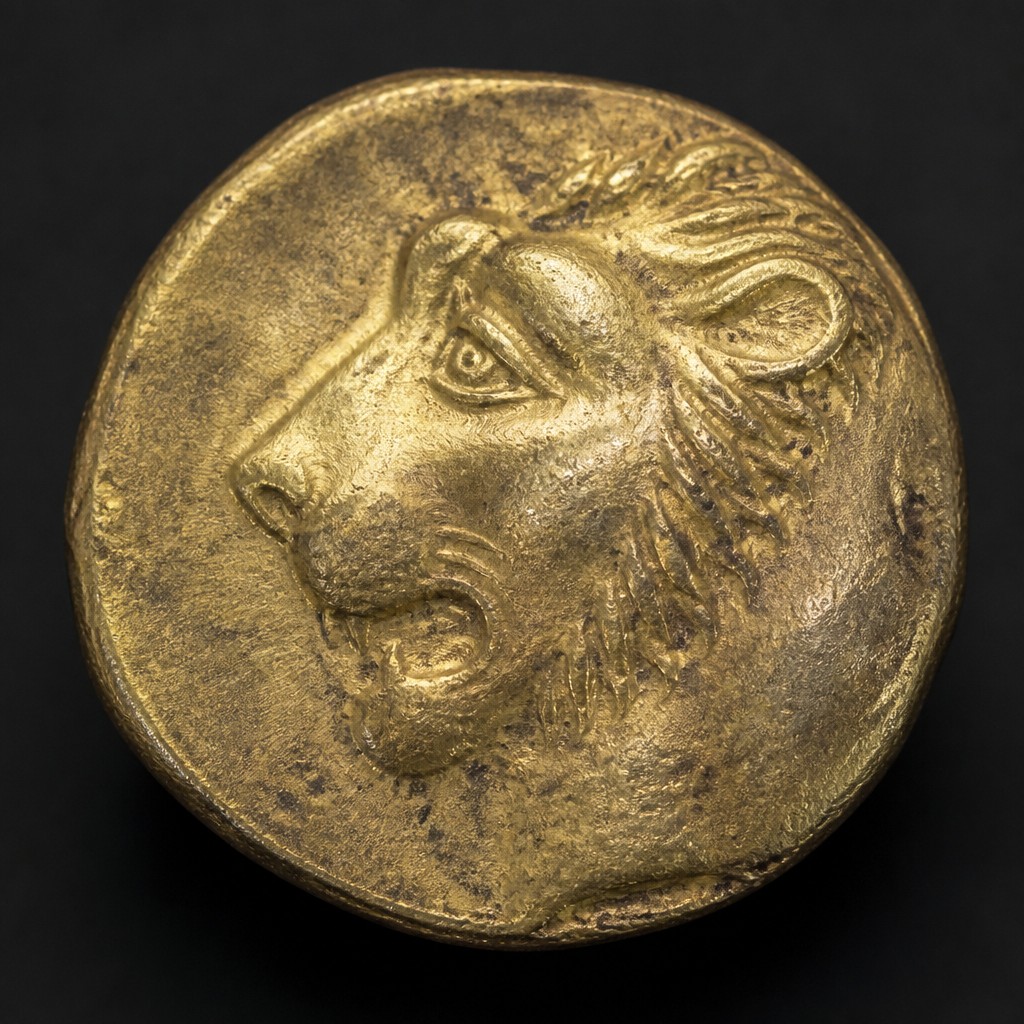
Cyzicus Electrum Stater
An electrum stater from the trading city of Cyzicus on the Sea of Marmara, part of one of the most important and long-lived precious-metal trade currencies of the ancient world.
- Country
- Ancient Greece (Mysia)
- Denomination
- Stater
- Metal
- Electrum
Got a coin like this?
Identify any coin from a photo, free.
Overview
The Cyzicus electrum stater, often called the "kyzikenos," was one of the most widely trusted and long-circulating trade currencies of the ancient Mediterranean and Near East, struck in the naturally occurring gold-silver alloy known as electrum. Because Cyzicus sat at a strategic crossroads on the Hellespont trade routes, its staters were accepted far beyond the city's own borders and used extensively for large-scale commerce and tribute.
Collectors and scholars prize the series for its astonishing variety, since Cyzicus varied the reverse design of nearly every issue while keeping a distinguishing tunny fish (a type of tuna) as a constant identifying mark, resulting in hundreds of documented types spanning centuries of production.
History & Background
Cyzicus was a prosperous Greek city on the Sea of Marmara in the region of Mysia, strategically positioned to profit from trade passing through the Hellespont between the Aegean and the Black Sea. Its electrum stater coinage began in the Archaic period and continued for roughly two and a half centuries, becoming one of antiquity's premier trade currencies alongside coinages such as the Persian daric and the Athenian owl, valued for its consistent metal content and broad acceptance.
Historical sources record that Cyzicene staters were used for major payments, including by Greek states needing to fund military campaigns, underscoring the coinage's role as a de facto international currency of its era; production ceased in the 4th century BC as gold and silver coinages, including those of Philip II and Alexander the Great, came to dominate Mediterranean trade.
How to Identify
Nearly all Cyzicus electrum staters share one defining feature: a tunny fish (tuna), shown whole or in part, that appears somewhere in the obverse design, most often below or beside the primary image. The primary obverse device varies enormously across the series' hundreds of types, including mythological figures, animals, deities, and everyday scenes, making each stater something of a small artistic puzzle to identify.
The reverse is typically a simple incuse square (quadripartite punch), especially on earlier issues, without a pictorial design. The coin is struck in electrum, a naturally occurring alloy of gold and silver with a pale yellow color distinct from either pure gold or pure silver, and its identification relies heavily on matching the obverse type and the tunny fish placement to published reference die studies.
Value & Collectibility
Cyzicus electrum staters are actively collected and often quite valuable due to their gold content, artistic variety, and historical importance as a major ancient trade currency; prices for genuine examples commonly range from roughly one to several thousand dollars depending on the specific obverse type, rarity, and condition, with the rarest and most elaborate types bringing significantly more. Because so many different types exist, specialist reference works are typically used to identify and value a specific example, and both the rarity of the design and the coin's overall preservation strongly influence price.
Frequently asked questions
What is electrum?
A naturally occurring alloy of gold and silver, pale yellow in color, that was used for early coinage in parts of Asia Minor before pure gold and silver coinages became standard.
How can I recognize a Cyzicus stater?
Nearly every example includes a tunny fish somewhere in the design, serving as the mint's consistent identifying mark even though the main obverse image varies widely.
Why were these coins so widely used?
Cyzicus's position on major trade routes and the coinage's dependable metal content made it a trusted trade currency accepted well beyond the city itself.
How many different types exist?
Scholars have catalogued hundreds of distinct obverse designs across the life of the series, making it one of the most typologically diverse ancient coinages.
When did production end?
Cyzicus stopped striking electrum staters in the 4th century BC as gold and silver coinages from powers like Macedon came to dominate Mediterranean trade.
Other coins you may enjoy
Theodosius I Solidus
379–395 AD
Republican Victoriatus
c. 211–170 BC
Islamic Gold Dinar (Umayyad)
c. 696–750 AD
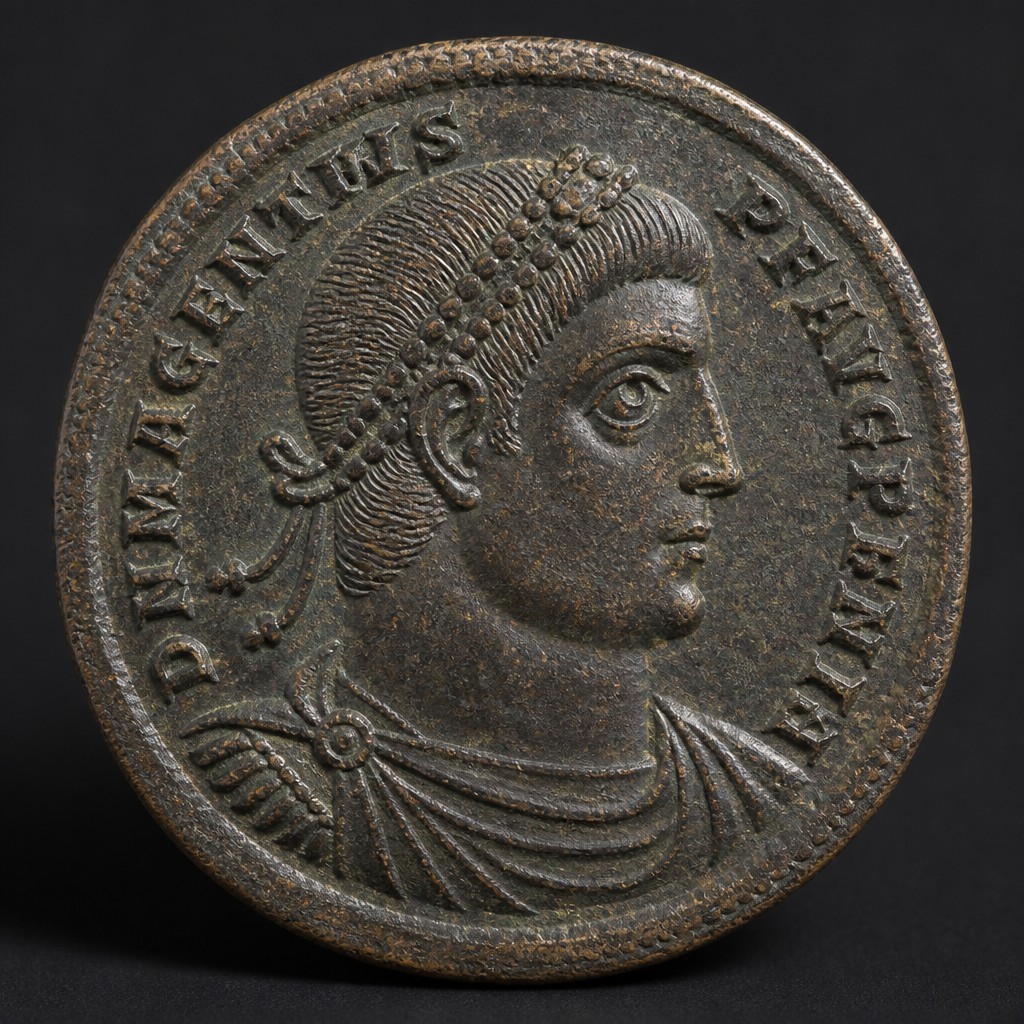
Magnentius Double Centenionalis
350–353 AD
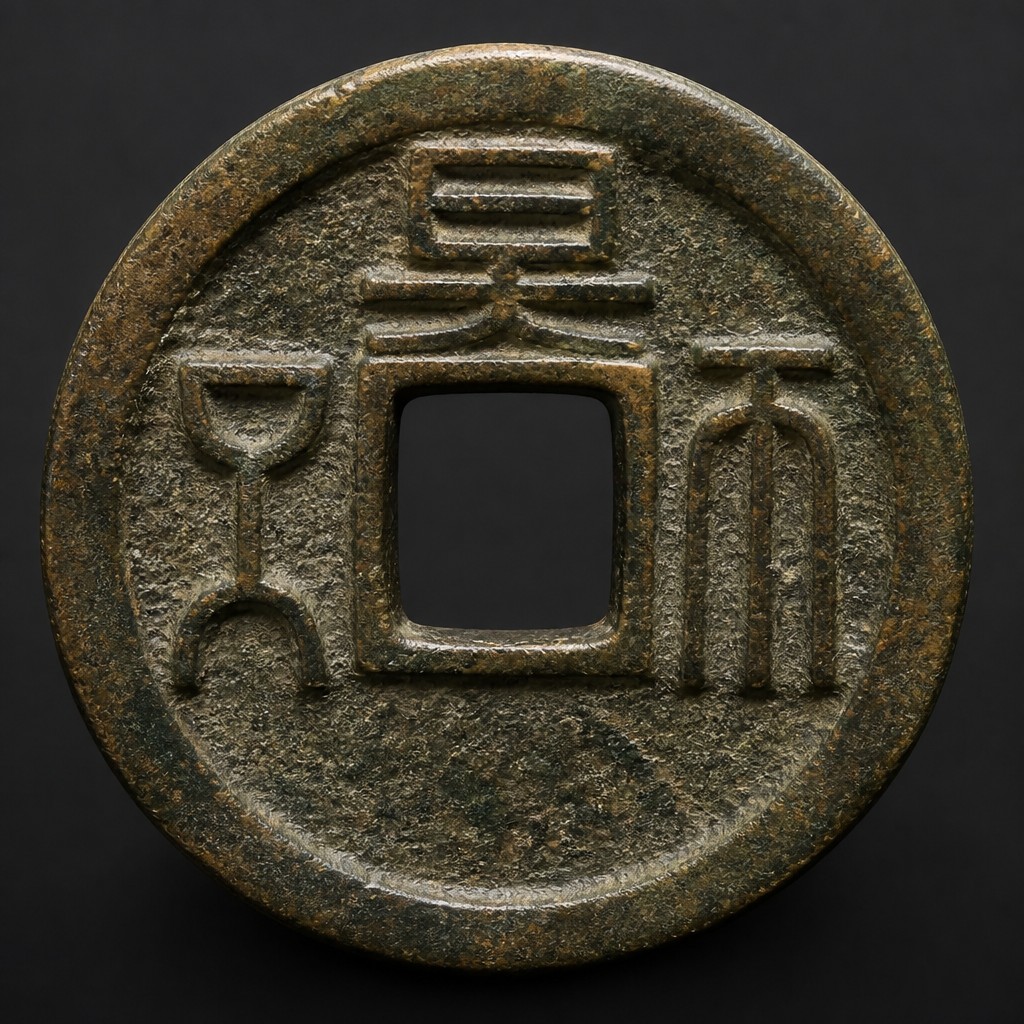
Chinese Wu Zhu Cash
118 BC – 618 AD
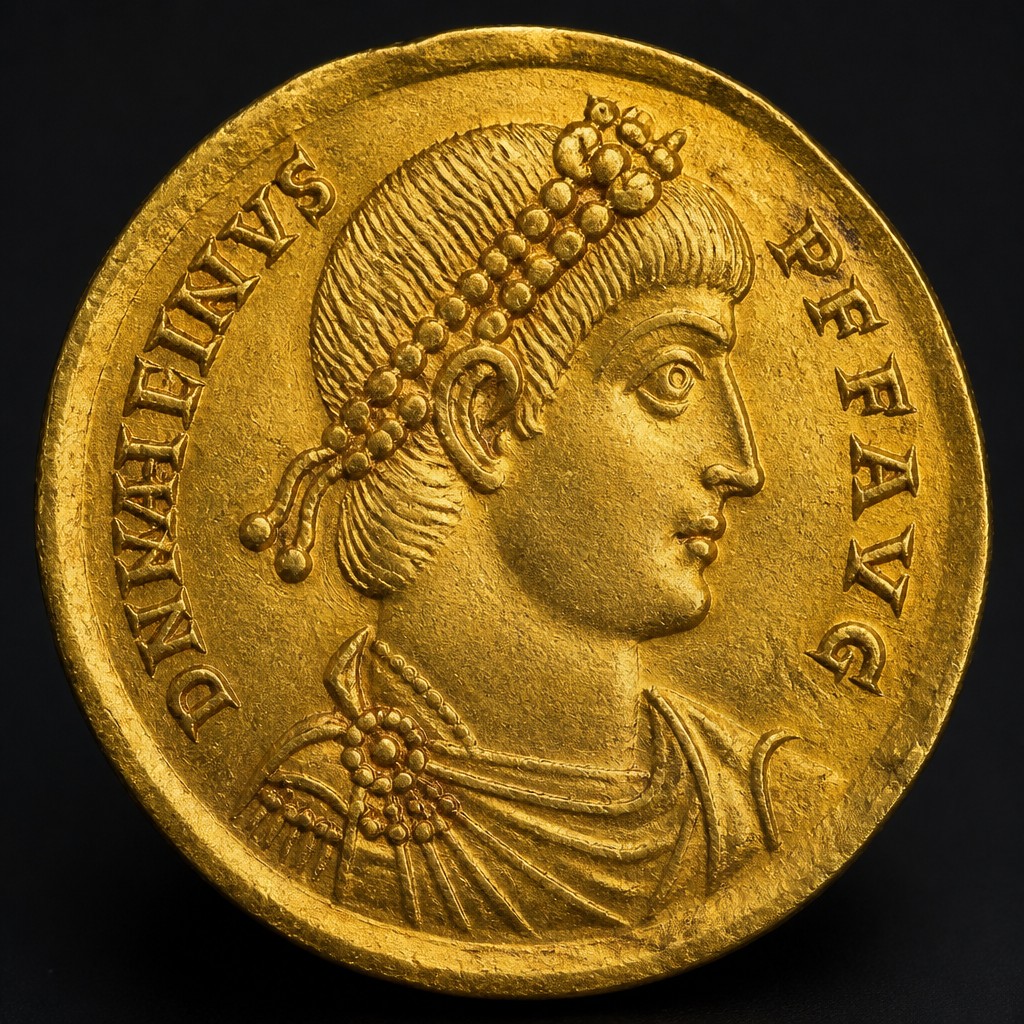
Valentinian I Solidus
364–375 AD
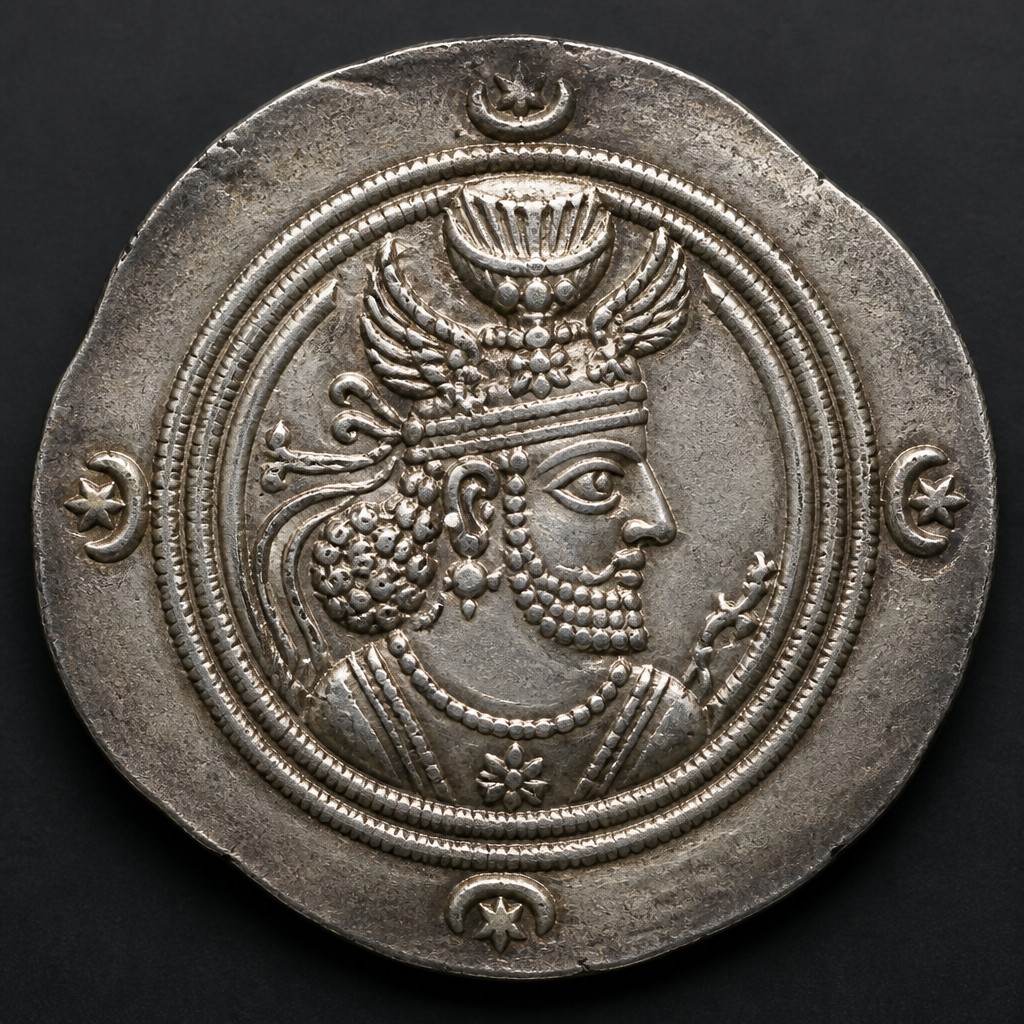
Sassanian Silver Drachm
c. 224–651 AD
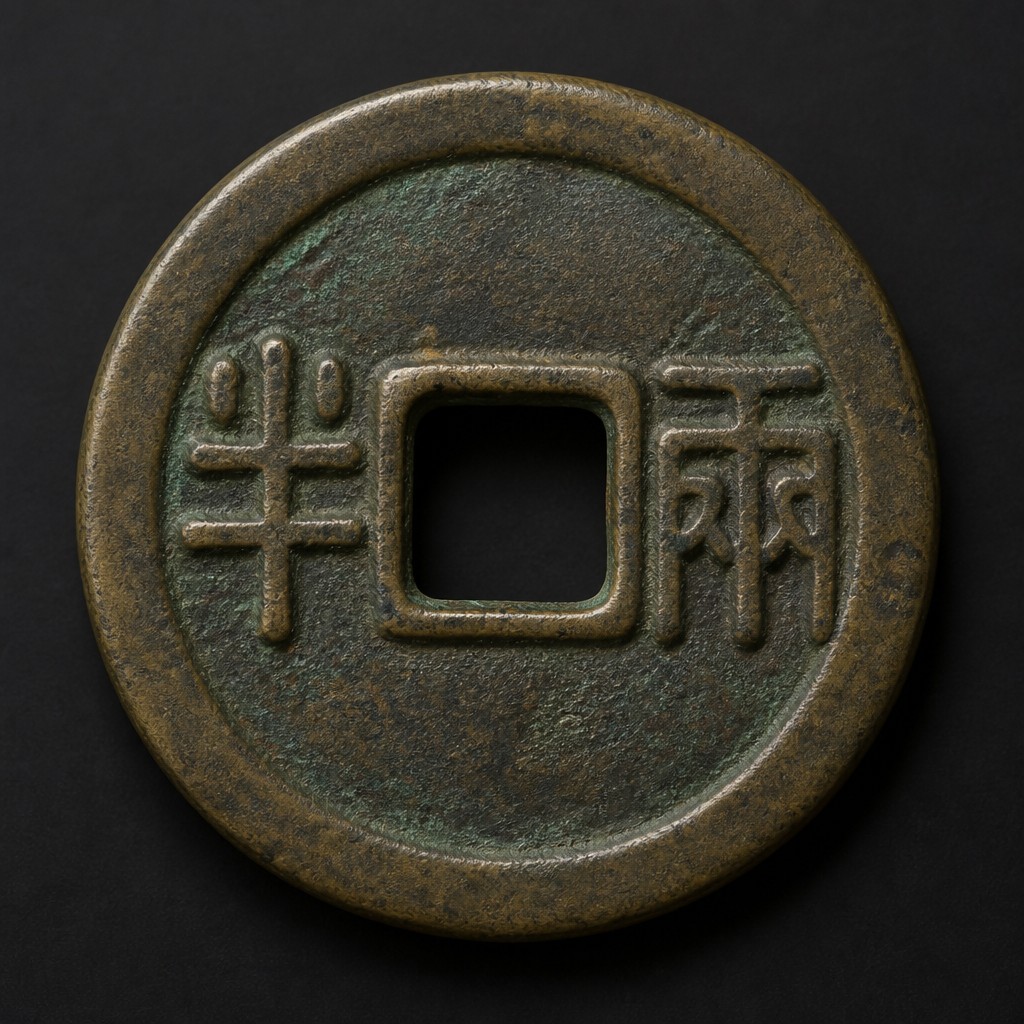
Chinese Ban Liang Cash
c. 221–118 BC
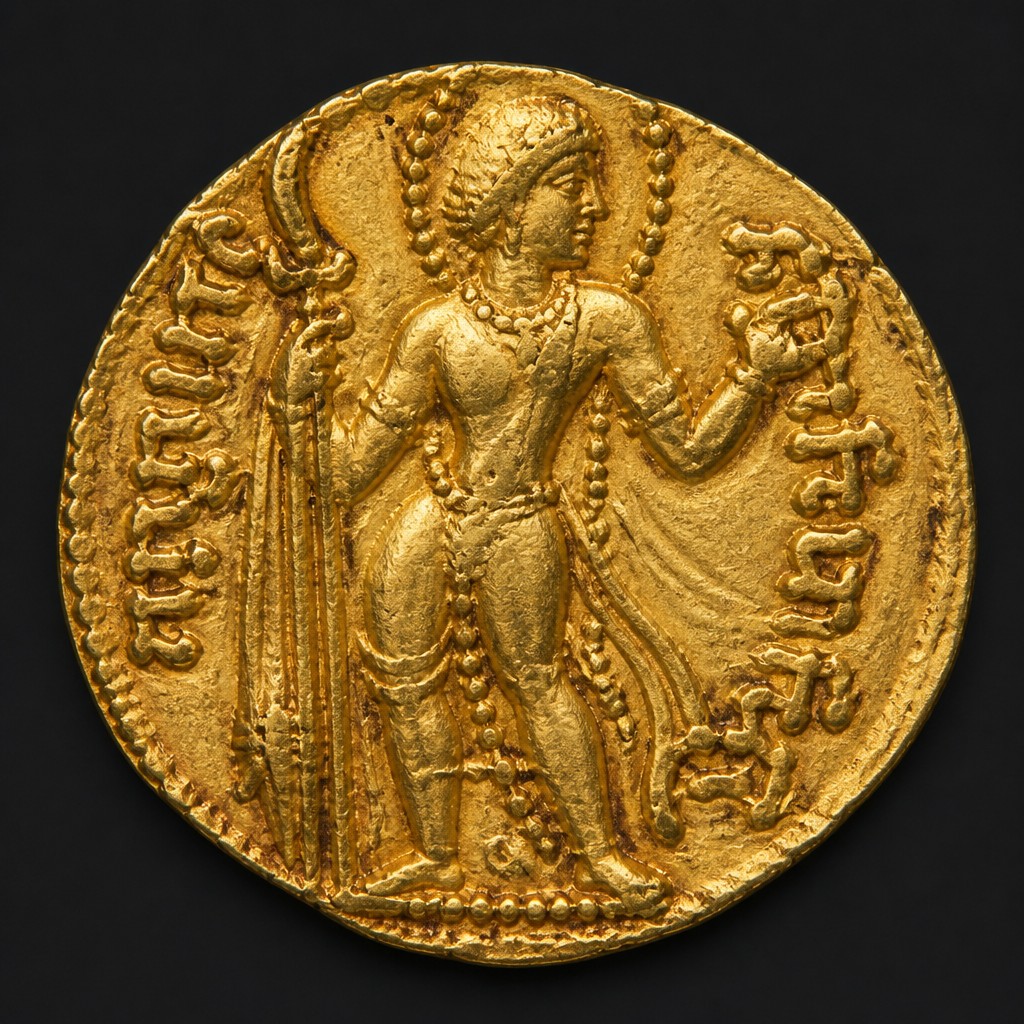
Gupta Empire Gold Dinar
c. 320–550 AD
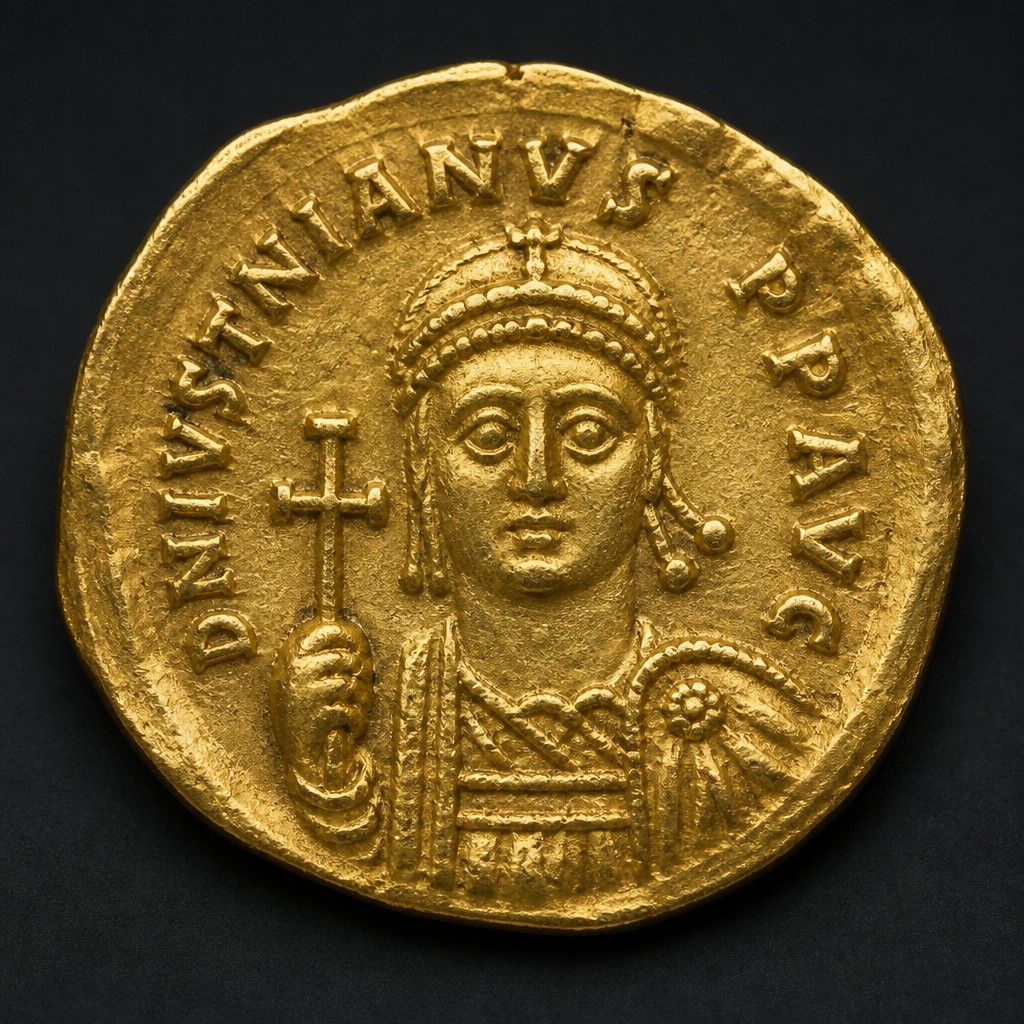
Byzantine Gold Tremissis
c. 4th–7th century AD
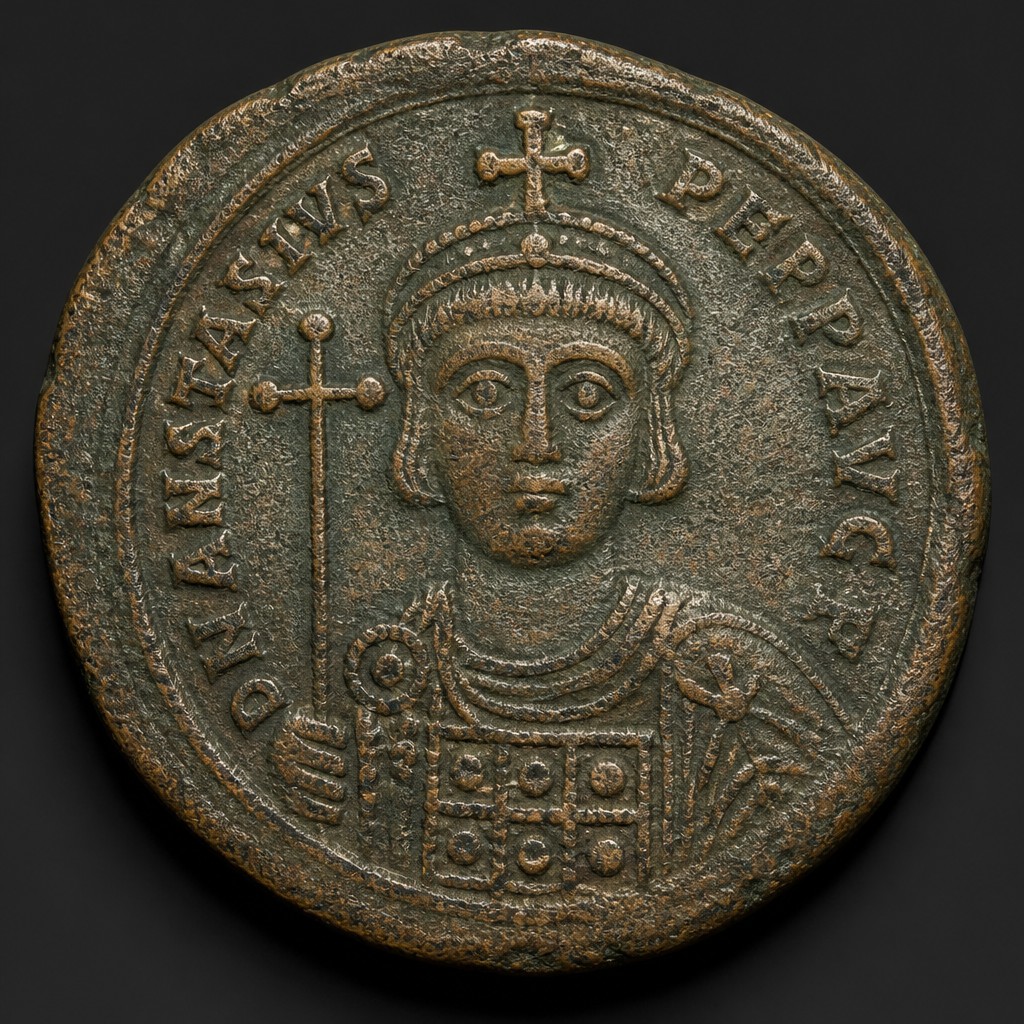
Byzantine Follis
498–c. 11th century AD
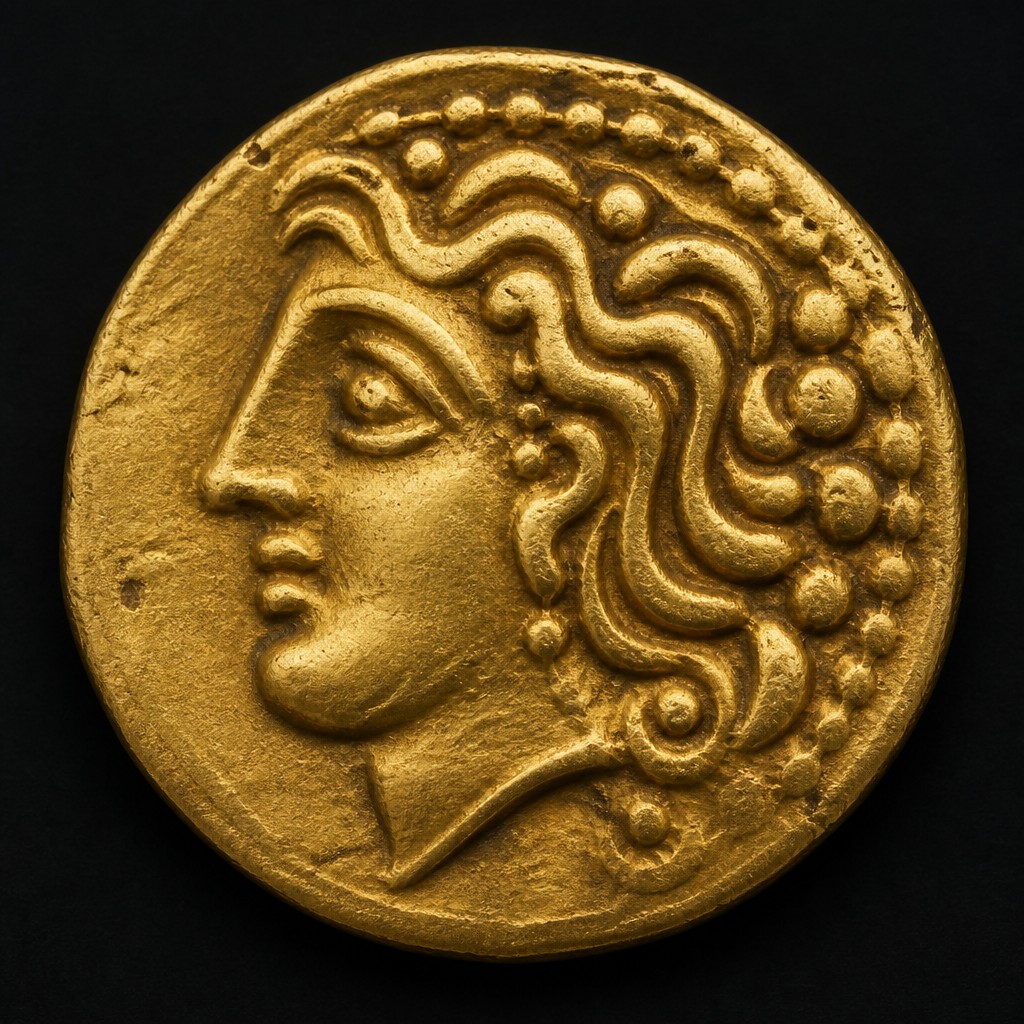
Celtic Gold Stater
c. 3rd century BC – 1st century AD