
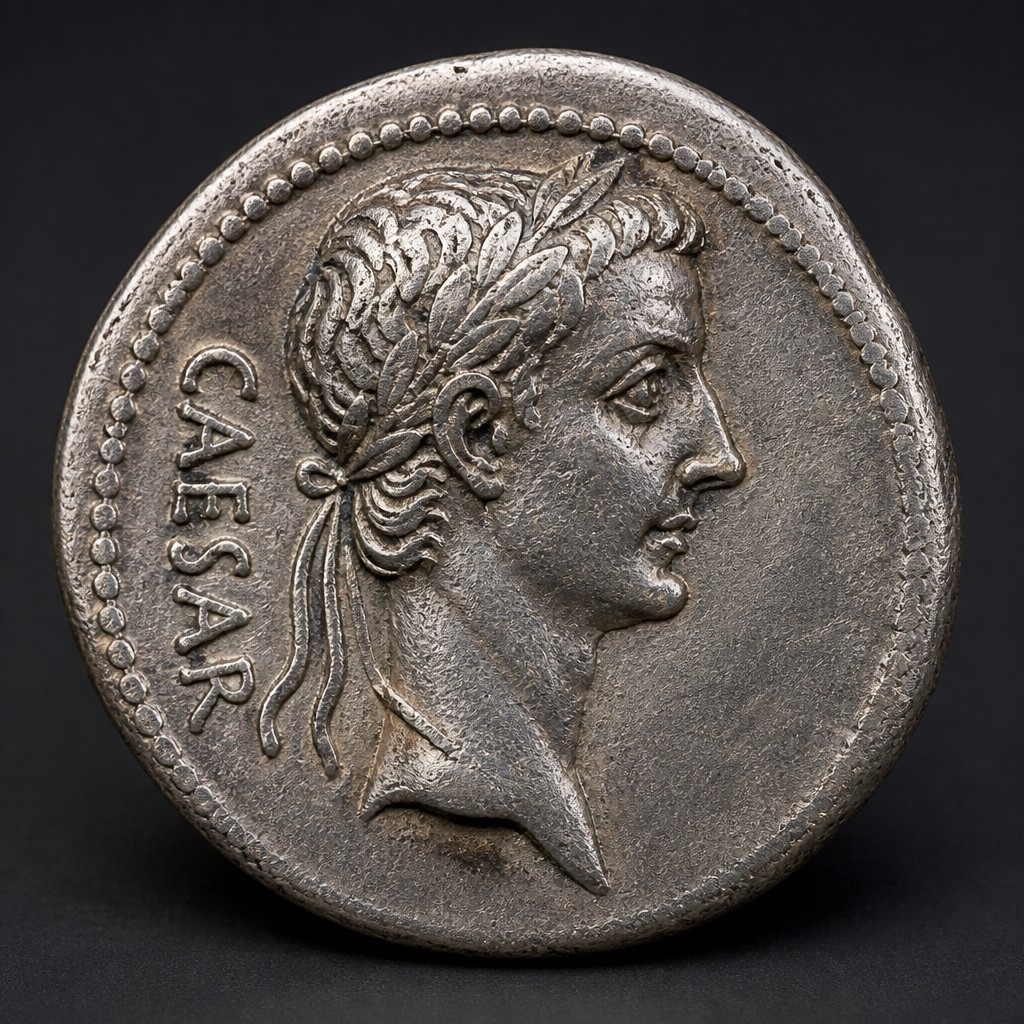
Julius Caesar Elephant Denarius
One of the most widely recognized ancient Roman coins, struck under Julius Caesar's authority and depicting an elephant trampling a serpent, likely a symbolic image tied to Caesar's political struggles.
- Country
- Ancient Rome
- Denomination
- Denarius
- Metal
- Silver
Got a coin like this?
Identify any coin from a photo, free.
Overview
The elephant denarius of Julius Caesar is among the most iconic and recognizable coins from the ancient world, prized by collectors for both its bold imagery and its direct connection to one of history's most famous figures. Struck in massive quantities relative to most Republican coinage, it remains one of the more attainable ancient coins bearing a clear tie to Caesar himself.
Its popularity stems from the combination of a dramatic and easily identified design, the elephant striding over a serpent or dragon-like creature, with the historical drama of the period in which it was issued, as Caesar marched toward confrontation with the forces of Pompey and the Senate at the outset of the Roman civil war.
History & Background
The elephant denarius is generally dated to around 49–48 BC, at the very start of the civil war between Julius Caesar and the faction led by Pompey the Great and much of the Roman Senate. It is believed to have been struck by a mobile military mint that traveled with Caesar's army, funding his campaign as he moved through Gaul and into Italy and beyond.
The coin's reverse legend, CAESAR, along with the absence of any other named moneyer, underscores that it was issued directly under Caesar's personal authority rather than through the ordinary Republican mint process overseen by annually appointed moneyers, reflecting the extraordinary and increasingly autocratic nature of his position at the time. The elephant trampling a serpent or horned creature is widely interpreted by historians as an allegorical reference to Caesar (associated with the elephant, a play possibly on the Punic word for elephant resembling his family name Caesar in some ancient traditions) triumphing over his enemies.
Because it was produced in very large numbers to help fund Caesar's military campaign, the elephant denarius survives in much greater quantity today than most other Republican-era coin types, making it one of the more commonly encountered ancient Roman coins in the collector market.
How to Identify
The obverse depicts an elephant walking right, trampling a serpent, horned snake, or dragon-like creature beneath its feet, with CAESAR inscribed in the exergue below. The reverse typically shows a set of priestly implements associated with the office of Pontifex Maximus, which Caesar held, including a simpulum (ladle), aspergillum (sprinkler), securis (axe), and apex (priest's hat), without any additional legend in most examples.
As a silver denarius, it measures roughly 18 to 20 millimeters and follows the typical irregular, hand-struck appearance of ancient Roman coinage, with strike quality and centering varying between individual examples. Because the type was struck in very large numbers, genuine examples are relatively available, but the coin's popularity has also made it a frequent target for modern forgeries, so purchasing from reputable ancient coin dealers and considering professional authentication is advisable, especially for higher-grade examples.
Value & Collectibility
Because it was minted in unusually large quantities for a Republican-era denarius, the Julius Caesar elephant denarius is one of the more accessible ancient coins bearing a direct historical connection to Caesar, with worn to moderately worn examples often available at relatively approachable prices compared to other historically significant ancient coins. Well-struck, well-centered examples in higher grades, with strong detail on the elephant and clear legends, command meaningfully higher prices.
As with all ancient coins, value depends on condition, strike quality, and toning, and because the type is popular and well known, it is also commonly counterfeited, making authentication and purchase from reputable sources especially important.
Frequently asked questions
Why does the coin show an elephant trampling a serpent?
The image is widely believed to be an allegorical reference to Julius Caesar triumphing over his political and military enemies at the outset of the Roman civil war, though the exact symbolism has been debated by historians for centuries.
Is the elephant denarius rare?
It was struck in very large numbers to fund Caesar's military campaign, so it survives in greater quantity than most Republican coin types, making it relatively accessible compared to other ancient coins tied directly to Caesar.
What is depicted on the reverse of the elephant denarius?
The reverse shows a set of religious implements associated with the office of Pontifex Maximus, a priestly role Caesar held, including a ladle, sprinkler, axe, and priest's cap.
Is this coin commonly counterfeited?
Yes, its fame and popularity make it a frequent target for modern forgeries, so buying from reputable ancient coin dealers and seeking authentication is recommended.
Other coins you may enjoy
Theodosius I Solidus
379–395 AD
Republican Victoriatus
c. 211–170 BC
Islamic Gold Dinar (Umayyad)
c. 696–750 AD
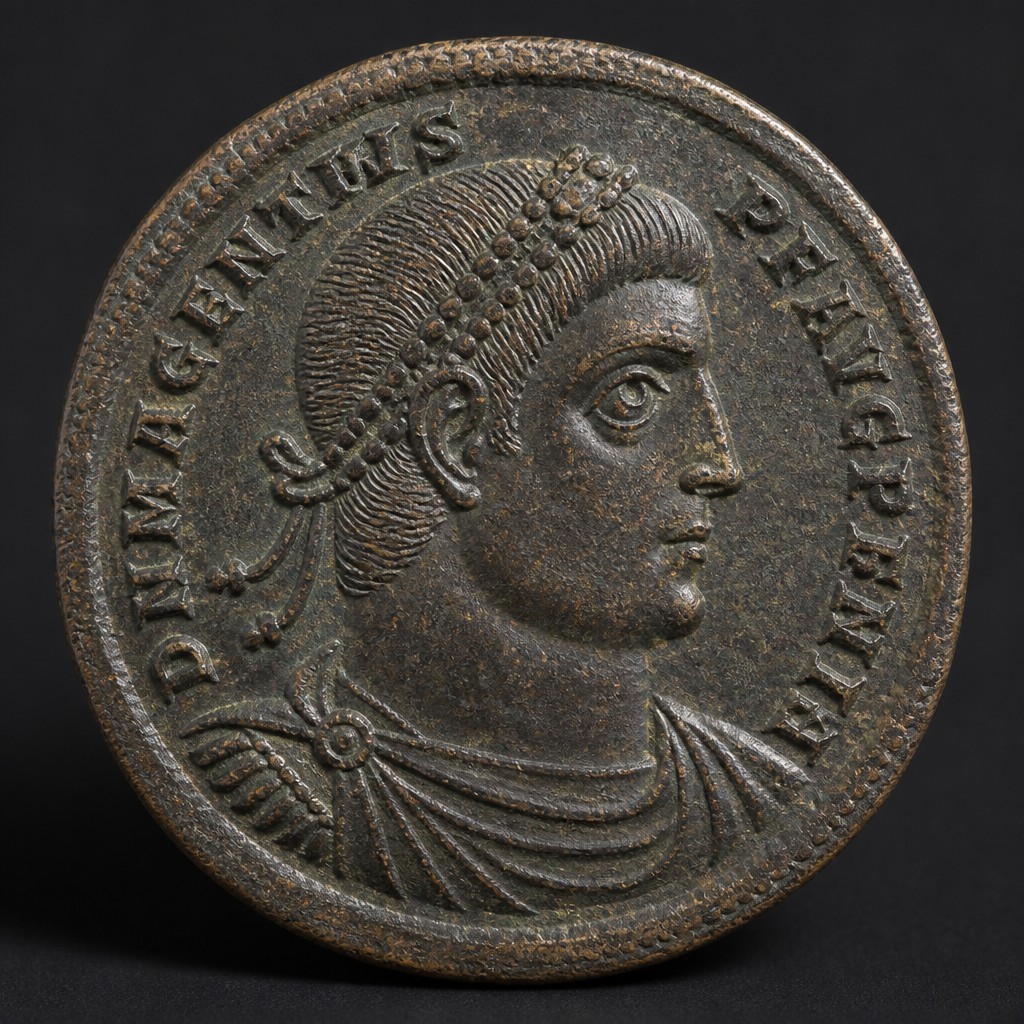
Magnentius Double Centenionalis
350–353 AD
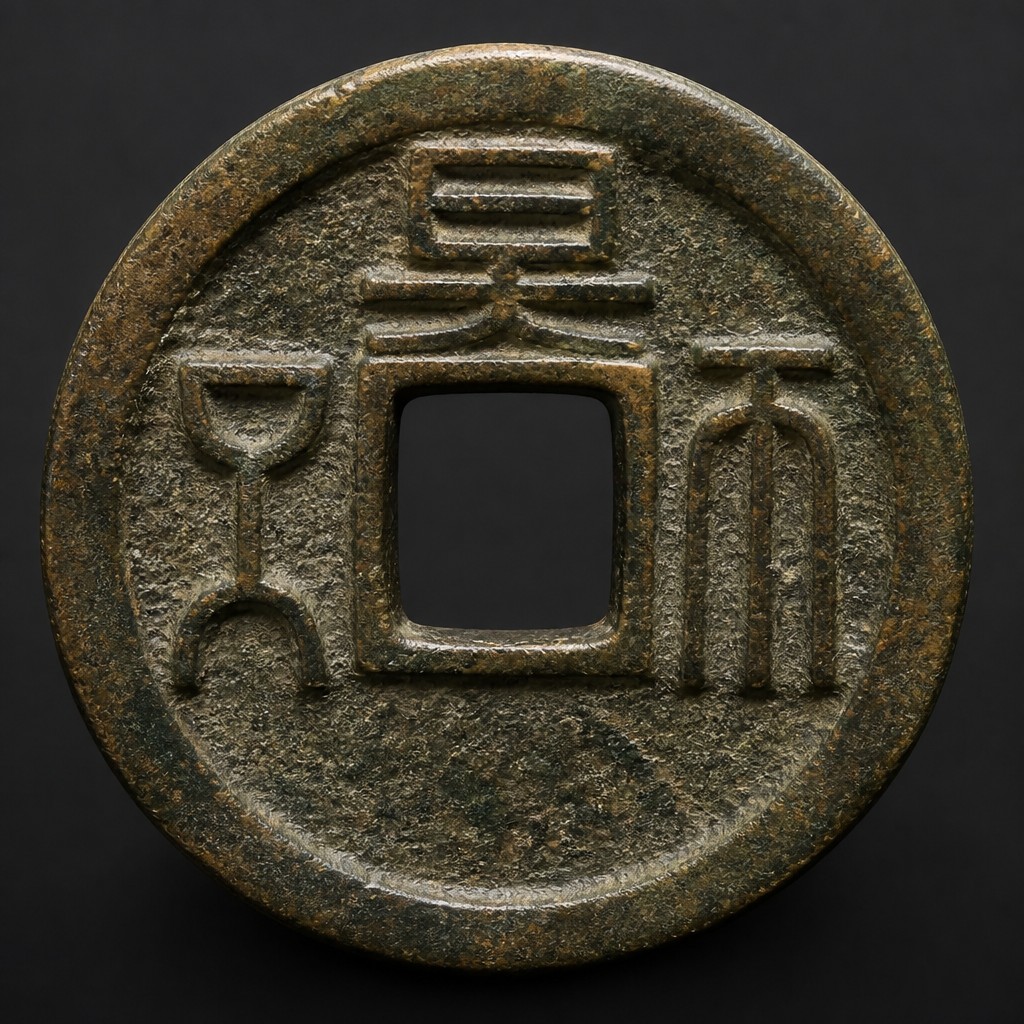
Chinese Wu Zhu Cash
118 BC – 618 AD
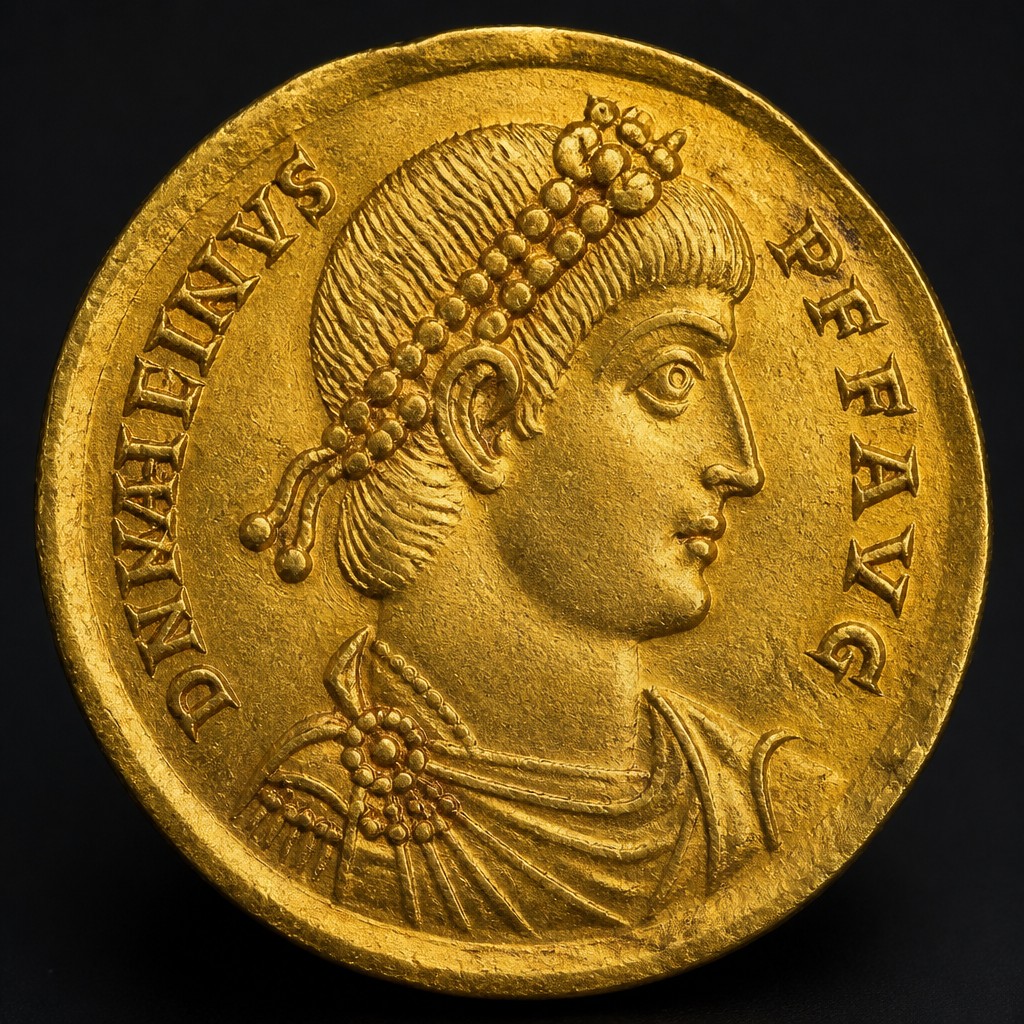
Valentinian I Solidus
364–375 AD
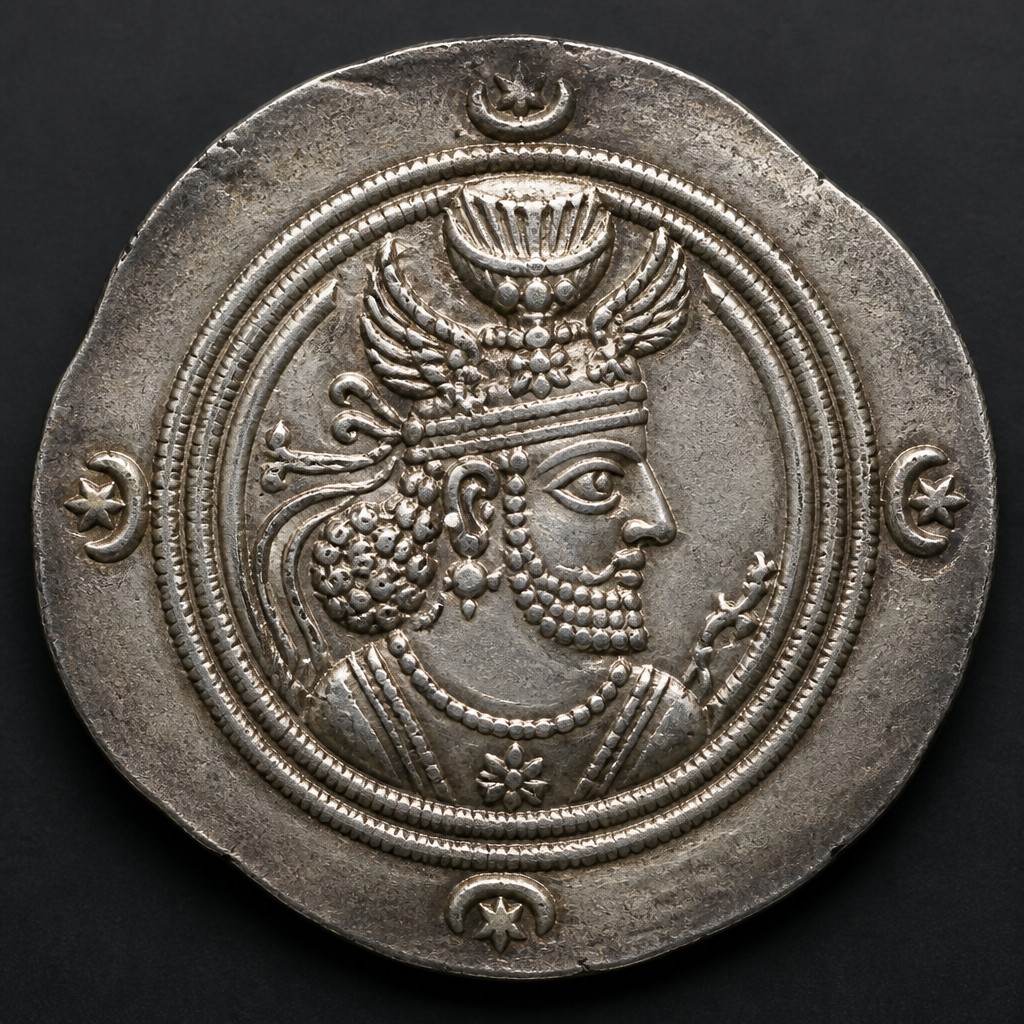
Sassanian Silver Drachm
c. 224–651 AD
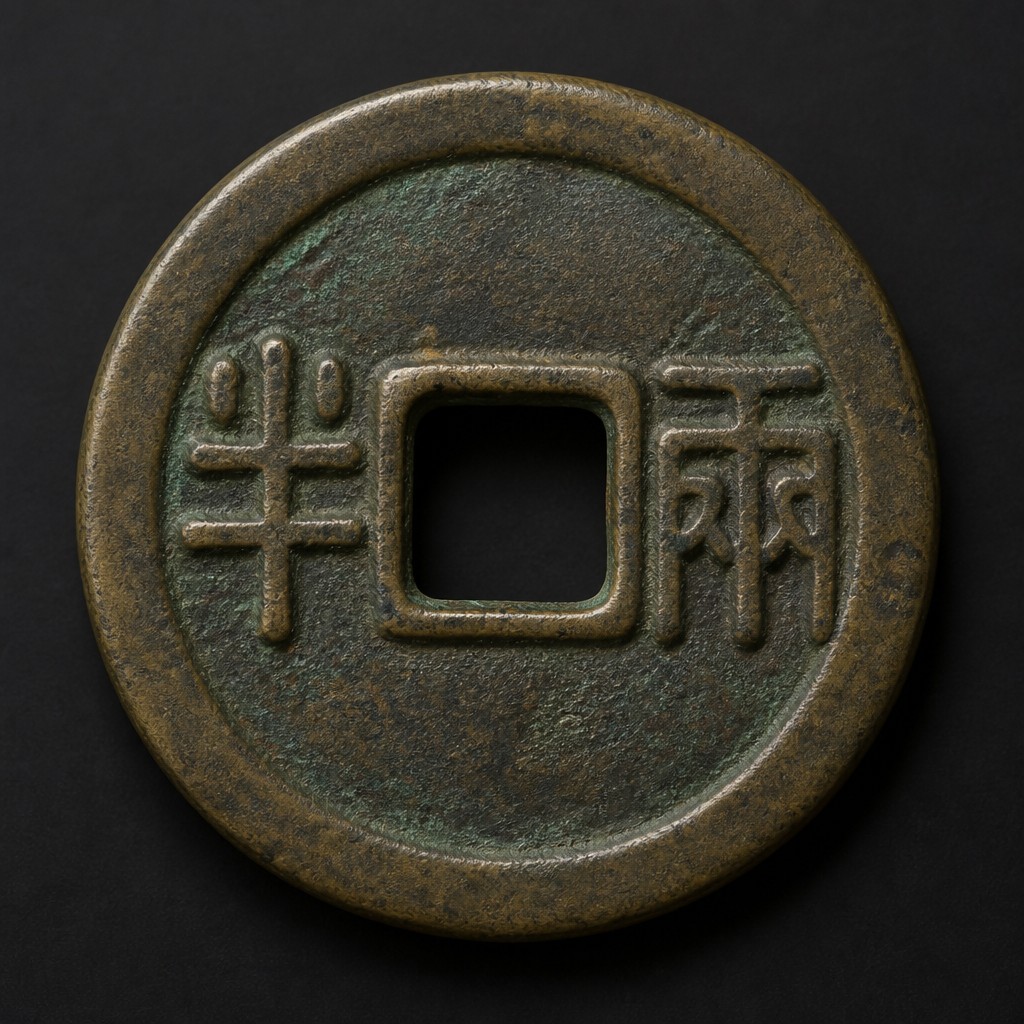
Chinese Ban Liang Cash
c. 221–118 BC
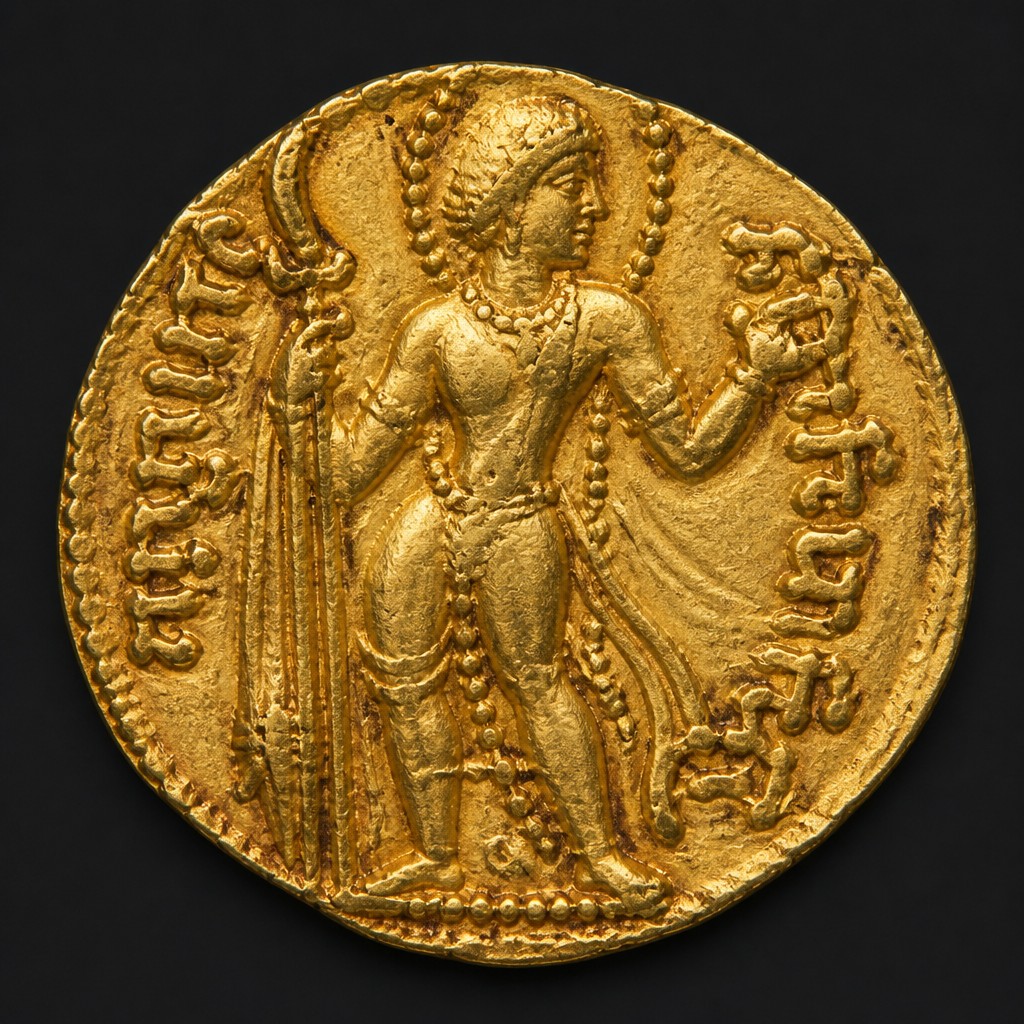
Gupta Empire Gold Dinar
c. 320–550 AD
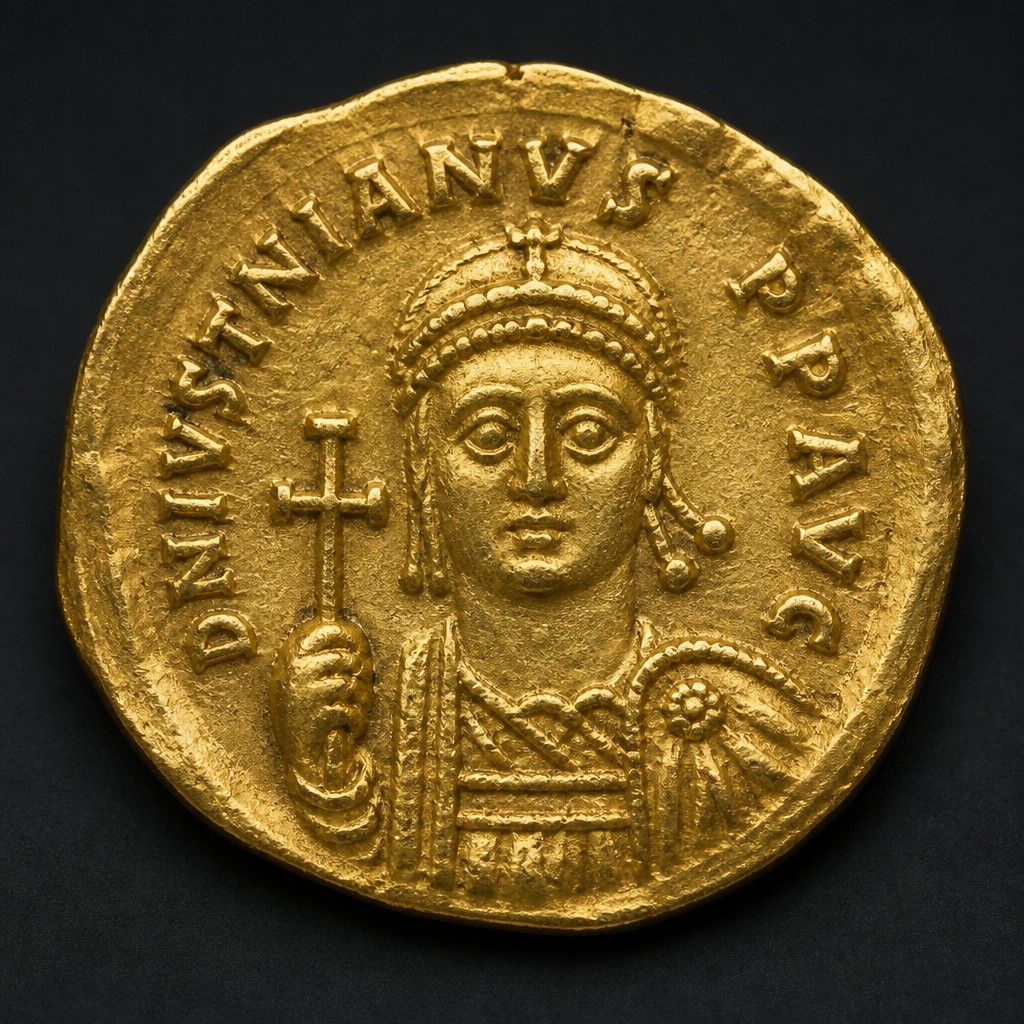
Byzantine Gold Tremissis
c. 4th–7th century AD
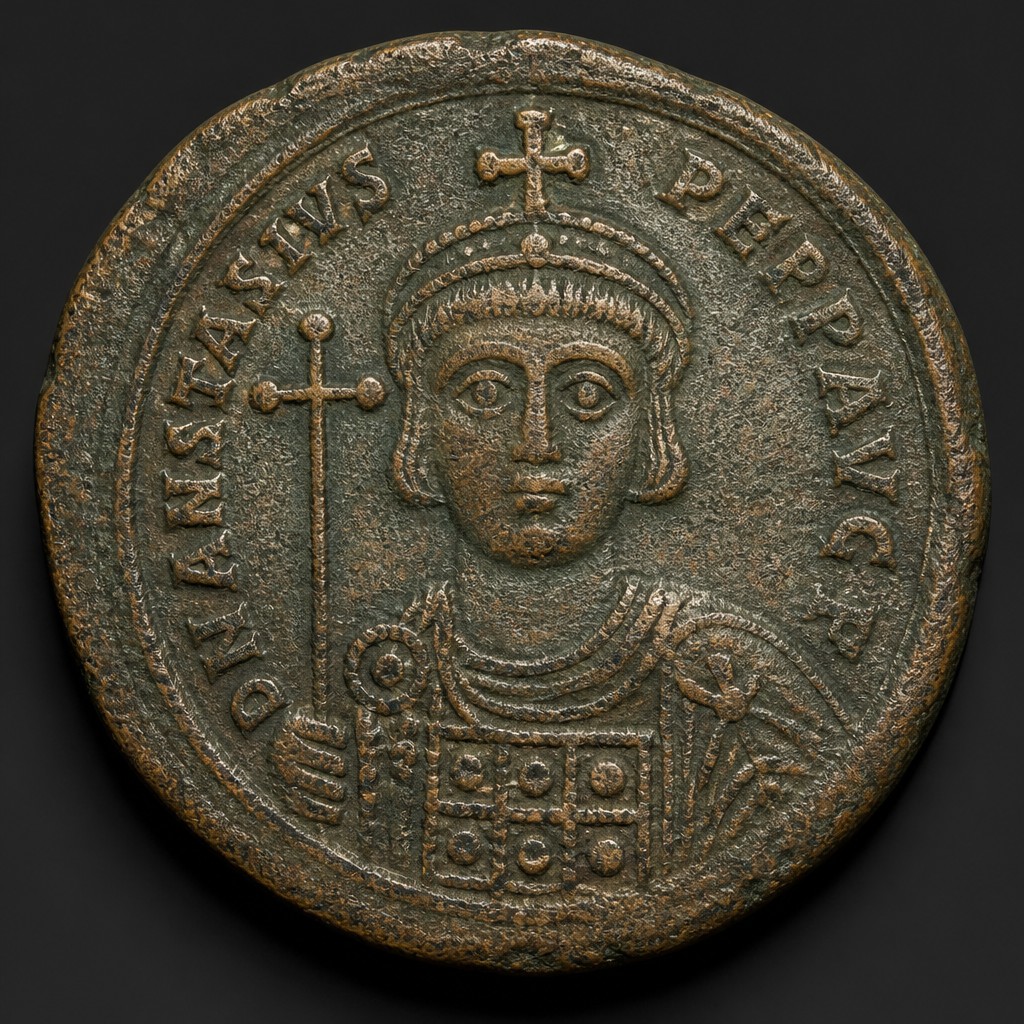
Byzantine Follis
498–c. 11th century AD
Celtic Gold Stater
c. 3rd century BC – 1st century AD