
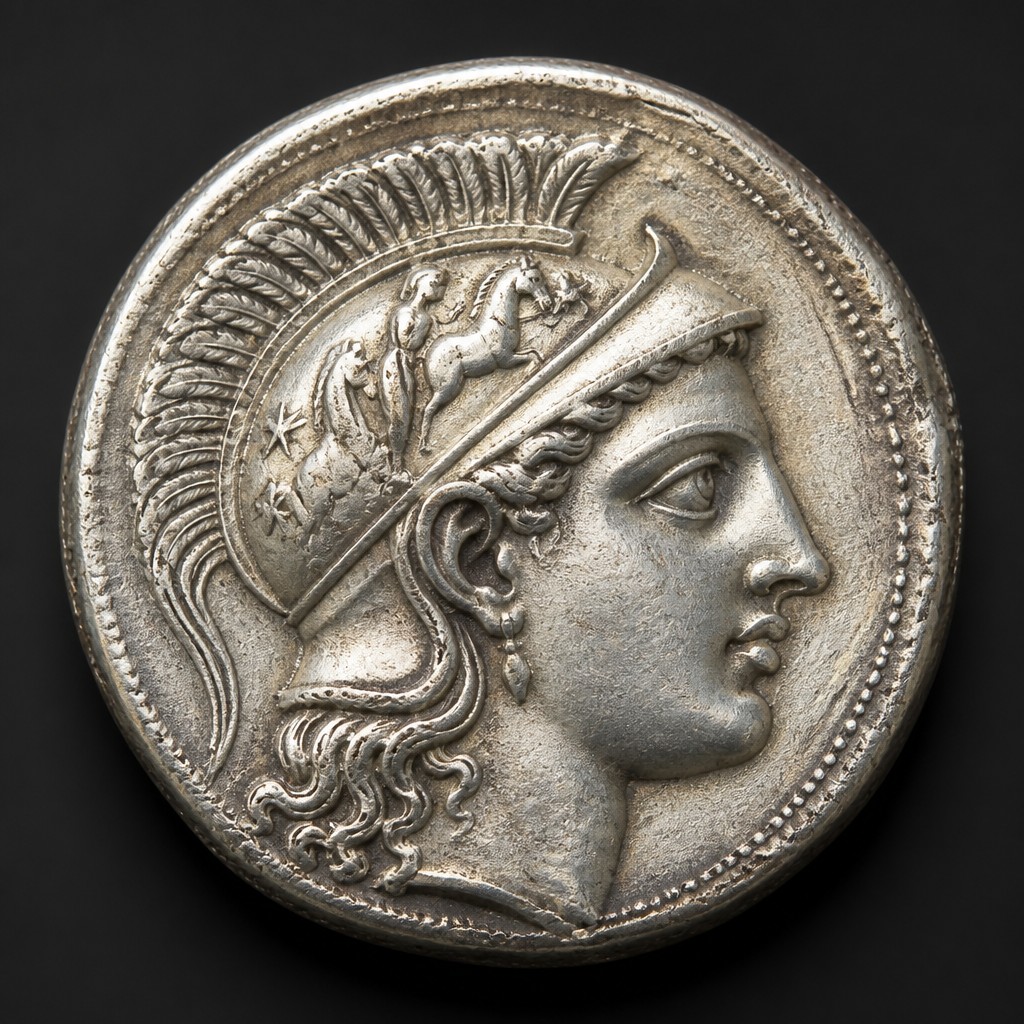
Syracuse Decadrachm
A large, exquisitely engraved silver coin from the Greek city of Syracuse, celebrated as one of the finest achievements of ancient Greek numismatic art, featuring the nymph Arethusa and a victorious chariot.
- Country
- Ancient Greek Sicily (Syracuse)
- Denomination
- Decadrachm
- Metal
- Silver
Got a coin like this?
Identify any coin from a photo, free.
Overview
The Syracuse decadrachm is widely regarded by numismatists and art historians as one of the pinnacle achievements of ancient Greek coin engraving. Struck in a large, heavy silver denomination worth ten drachms, it gave master die engravers unusually generous space to create finely detailed, almost sculptural artwork.
Because of both their artistic brilliance and their genuine rarity, these coins rank among the most sought-after and expensive pieces in the entire field of ancient numismatics, admired even by those outside the coin-collecting world.
History & Background
Syracuse, a powerful and wealthy Greek colony on the island of Sicily, issued its famous decadrachms in the late 5th and early 4th centuries BC, a period of great civic pride following military successes, most notably the decisive defeat of an Athenian invasion force in 413 BC during the Peloponnesian War. The large denomination and lavish artistry reflected the city's wealth and its celebration of victory.
The most celebrated series bears the signatures of two master engravers, Kimon and Euainetos, among the very few ancient die engravers known to have signed their work, an unusual practice that underscores how highly their artistry was regarded even in antiquity. Their decadrachms are often associated with commemorating athletic or military victories, particularly Syracuse's triumph over Athens.
How to Identify
The obverse depicts the head of the nymph Arethusa, a local spring goddess closely associated with Syracuse, her hair bound with a wreath or ornamented band and surrounded by four leaping dolphins representing the sea and the city's coastal setting. On signed examples, the engraver's name ("ΕΥΑΙΝΕΤΟΥ" for Euainetos or "ΚΙΜΩΝΟΣ" for Kimon) appears in tiny letters, often on the headband or below the truncation of the neck.
The reverse shows a fast-moving four-horse chariot (quadriga) driven by a charioteer, with the goddess Nike flying above crowning the horses or charioteer with a wreath, and often a panoply of armor (shield, helmet, and greaves) displayed in the exergue below, symbolizing military victory. The Greek legend "ΣΥΡΑΚΟΣΙΩΝ" (of the Syracusans) typically appears around the design.
The coin is struck in silver, considerably larger and heavier than a standard tetradrachm, weighing around 43 grams, reflecting its value of ten drachms. Because of the coin's fame, numerous later forgeries and clever reproductions exist, so identification of genuine examples requires close attention to die characteristics, weight, and style consistent with known genuine specimens, ideally with expert authentication.
Value & Collectibility
Genuine Syracuse decadrachms, particularly the signed Kimon and Euainetos types, are among the most valuable ancient coins in the world, with well-preserved, sharply struck examples capable of reaching prices in the tens of thousands to hundreds of thousands of dollars at major auctions, depending on condition, centering, and die variety.
Given the coin's fame and value, the market has also seen numerous forgeries over the centuries, so authentication by recognized ancient coin experts and a clear provenance are especially important considerations for buyers of this type.
Frequently asked questions
Why is this coin considered a masterpiece of ancient art?
Its large size allowed engravers Kimon and Euainetos to create unusually detailed, expressive portraits and scenes, and the fact that they signed their work is rare evidence of individual artistic recognition in antiquity.
What does the chariot scene on the reverse represent?
It generally symbolizes military or athletic victory, with the goddess Nike crowning the winning charioteer, and is often linked to Syracuse's celebrated defeat of the Athenian invasion in 413 BC.
Who is Arethusa?
Arethusa was a nymph associated with a freshwater spring in Syracuse, and her image, surrounded by dolphins, became the city's signature coin obverse for generations.
Are Syracuse decadrachms commonly faked?
Yes, due to their fame and high value, this type has attracted forgeries over the centuries, making expert authentication and documented provenance especially important.
Other coins you may enjoy
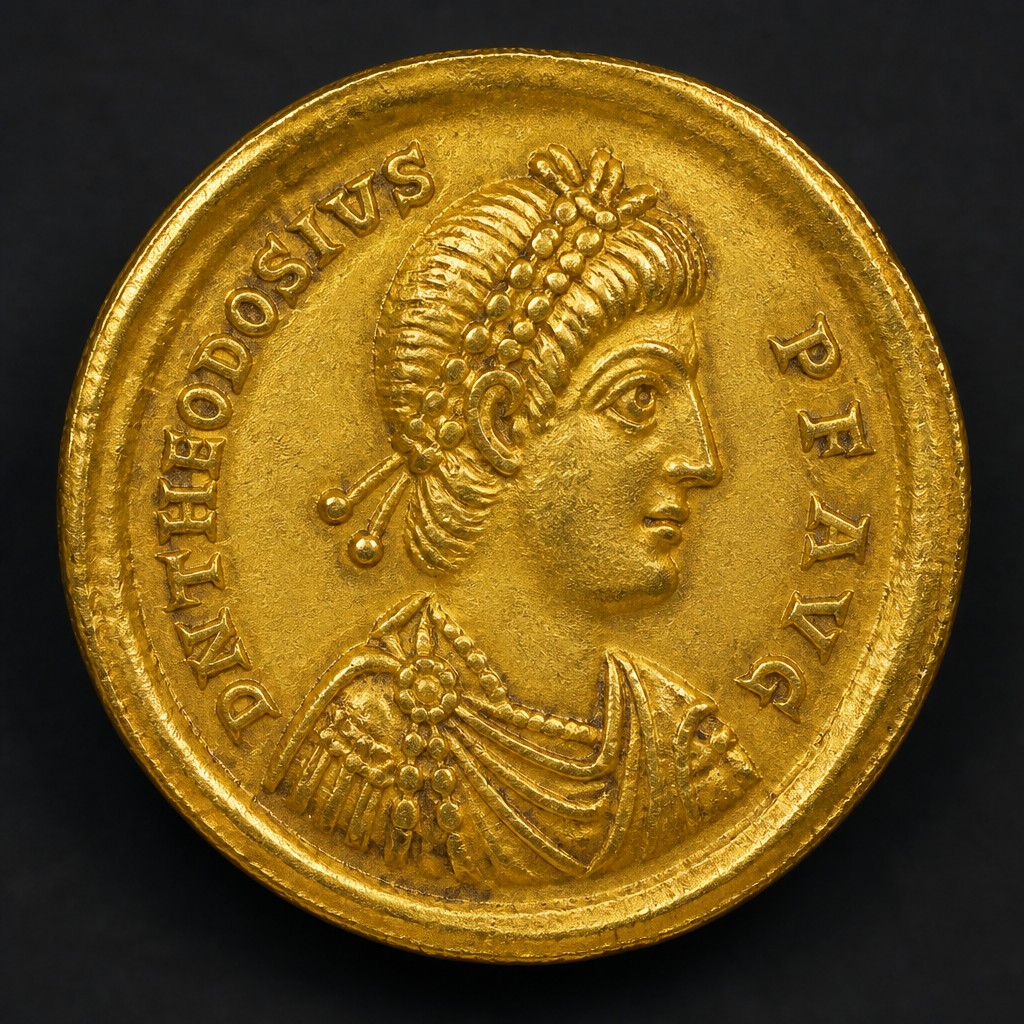
Theodosius I Solidus
379–395 AD
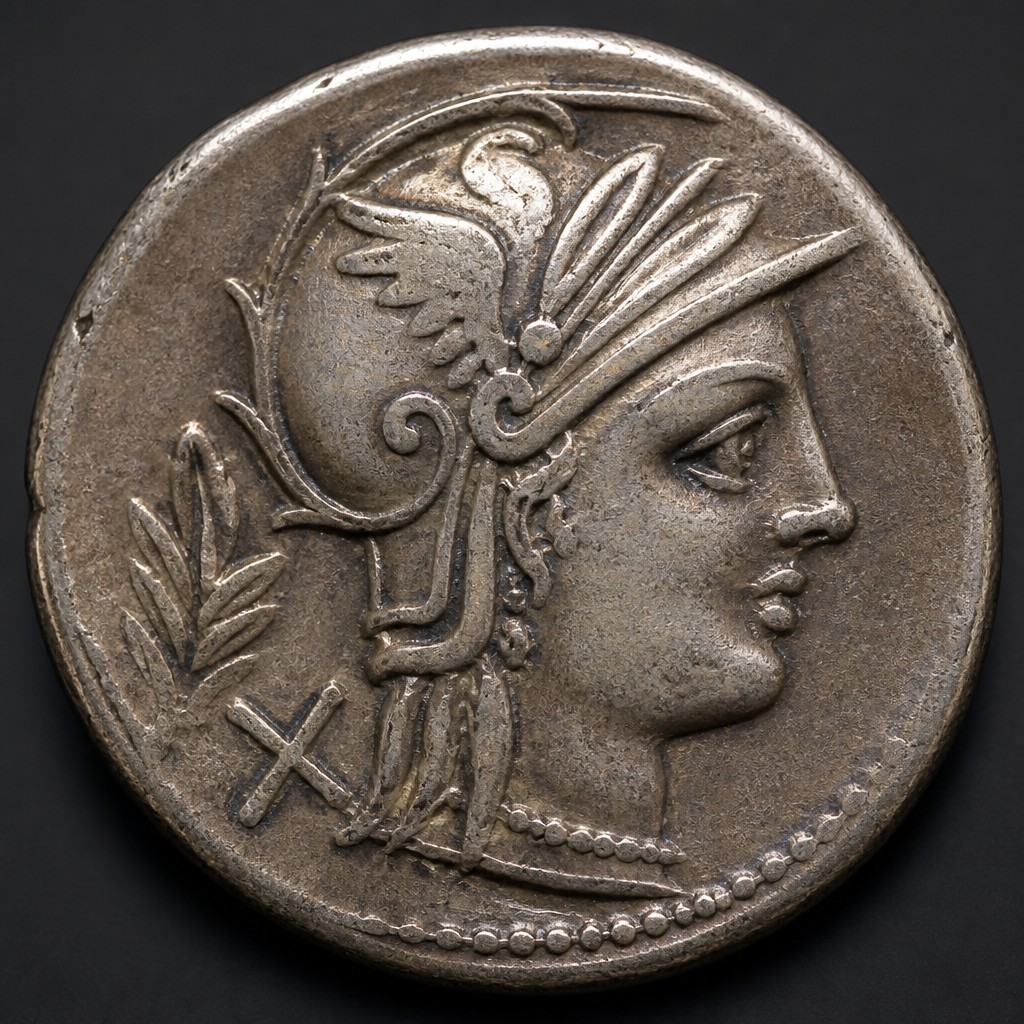
Republican Victoriatus
c. 211–170 BC
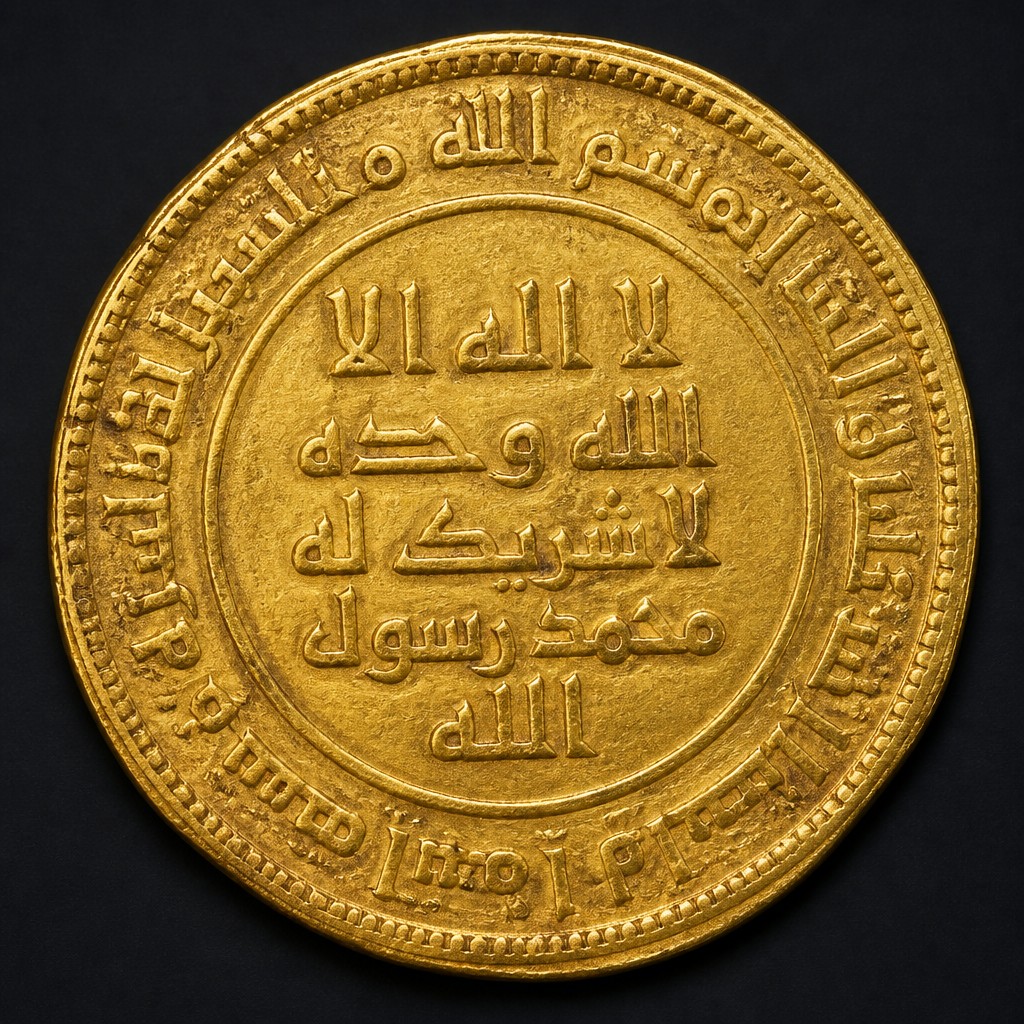
Islamic Gold Dinar (Umayyad)
c. 696–750 AD
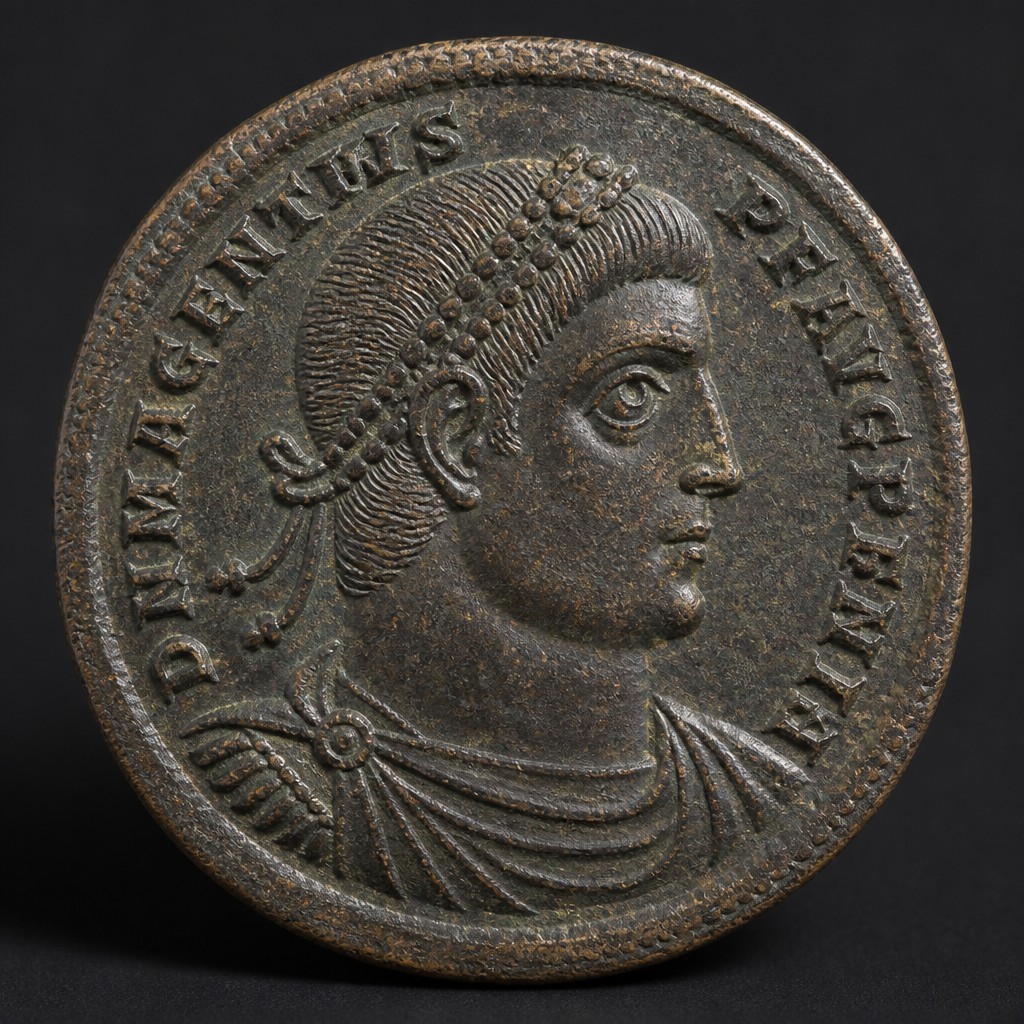
Magnentius Double Centenionalis
350–353 AD
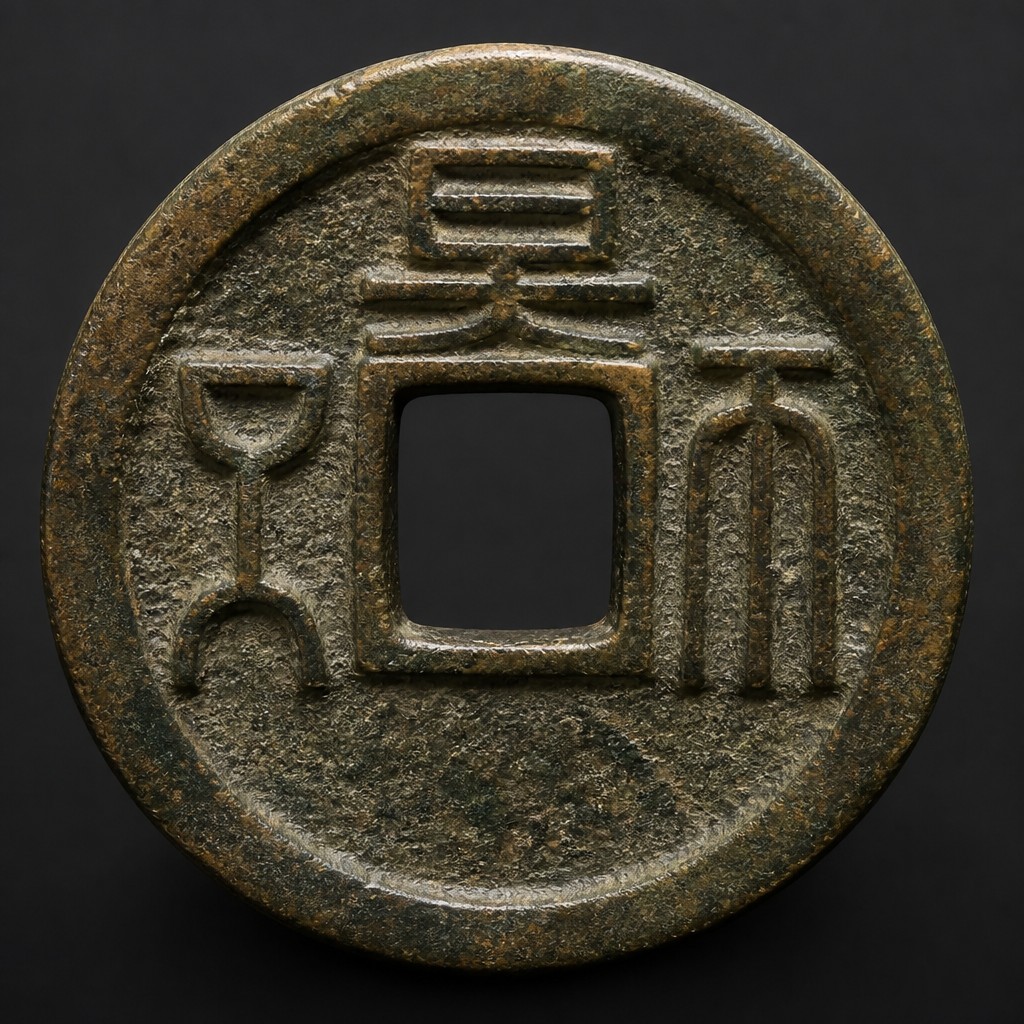
Chinese Wu Zhu Cash
118 BC – 618 AD
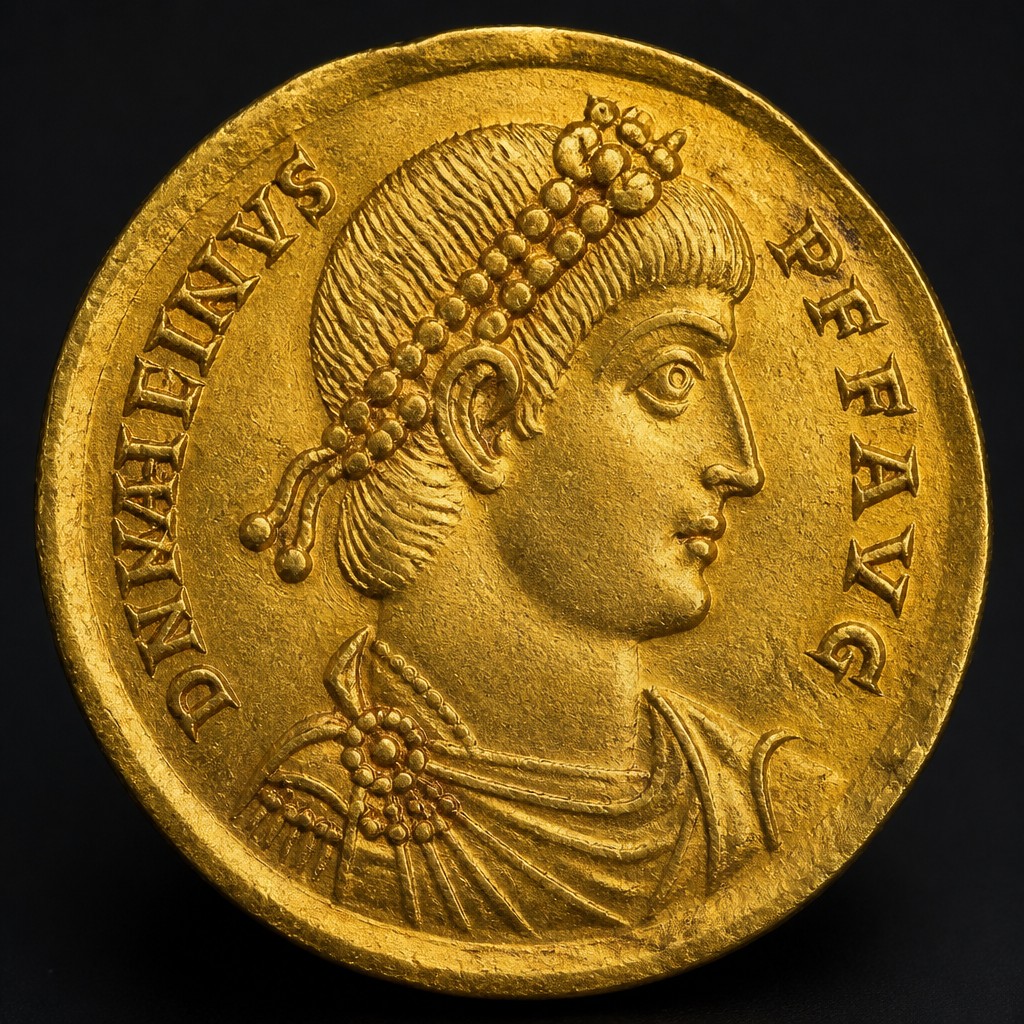
Valentinian I Solidus
364–375 AD
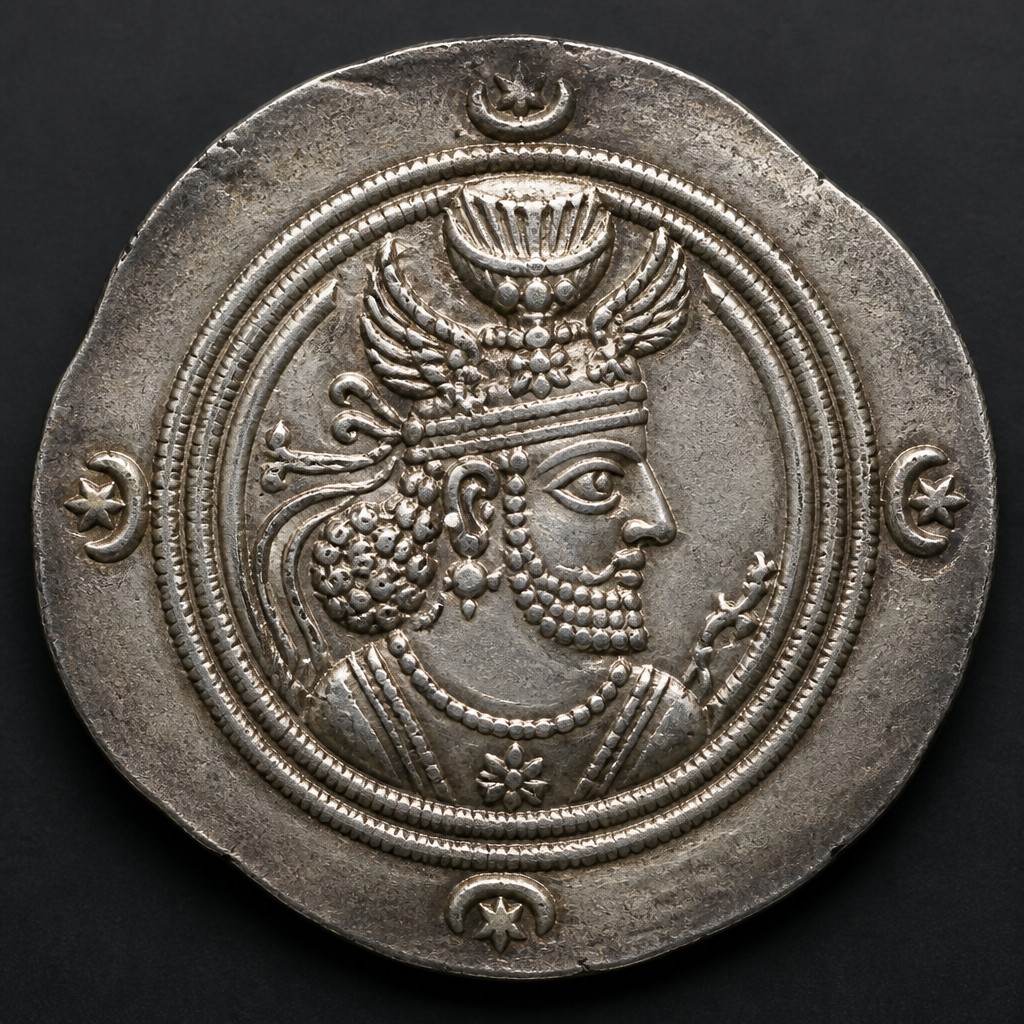
Sassanian Silver Drachm
c. 224–651 AD
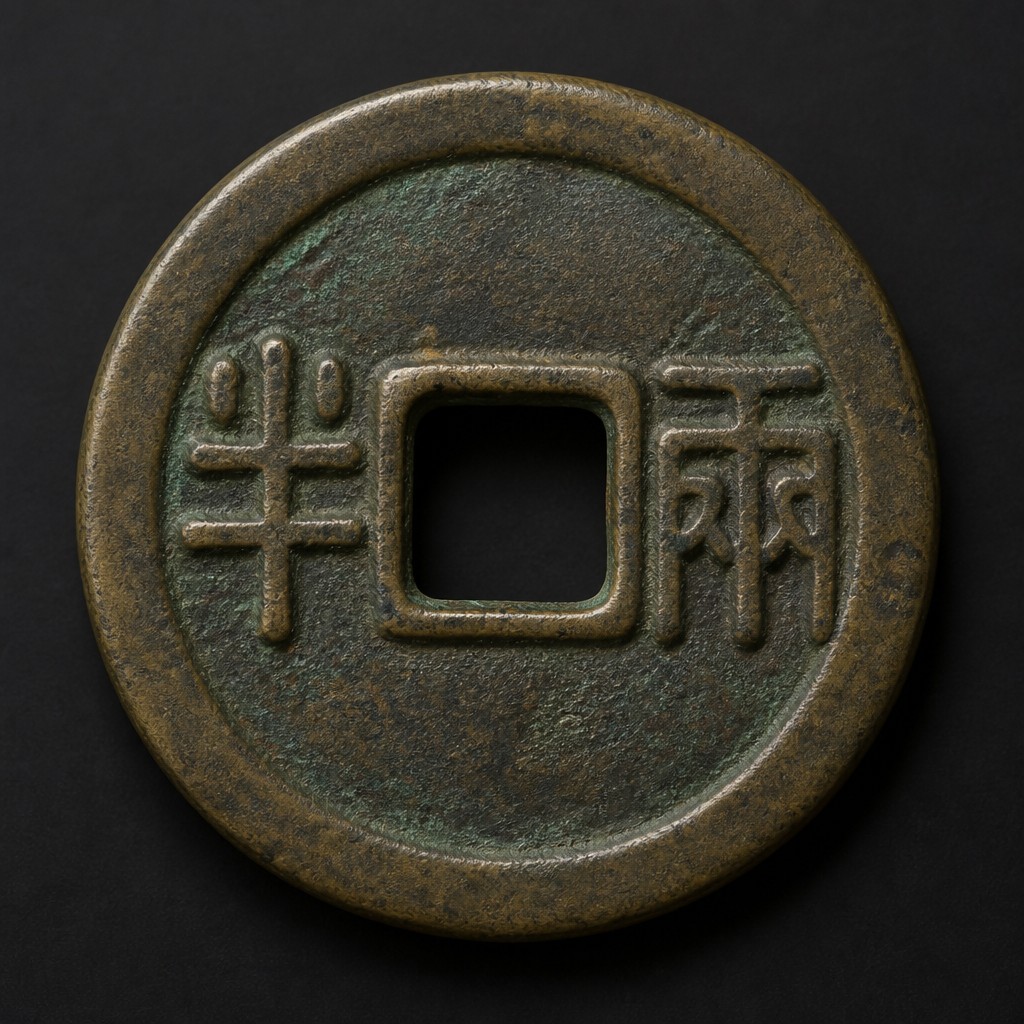
Chinese Ban Liang Cash
c. 221–118 BC
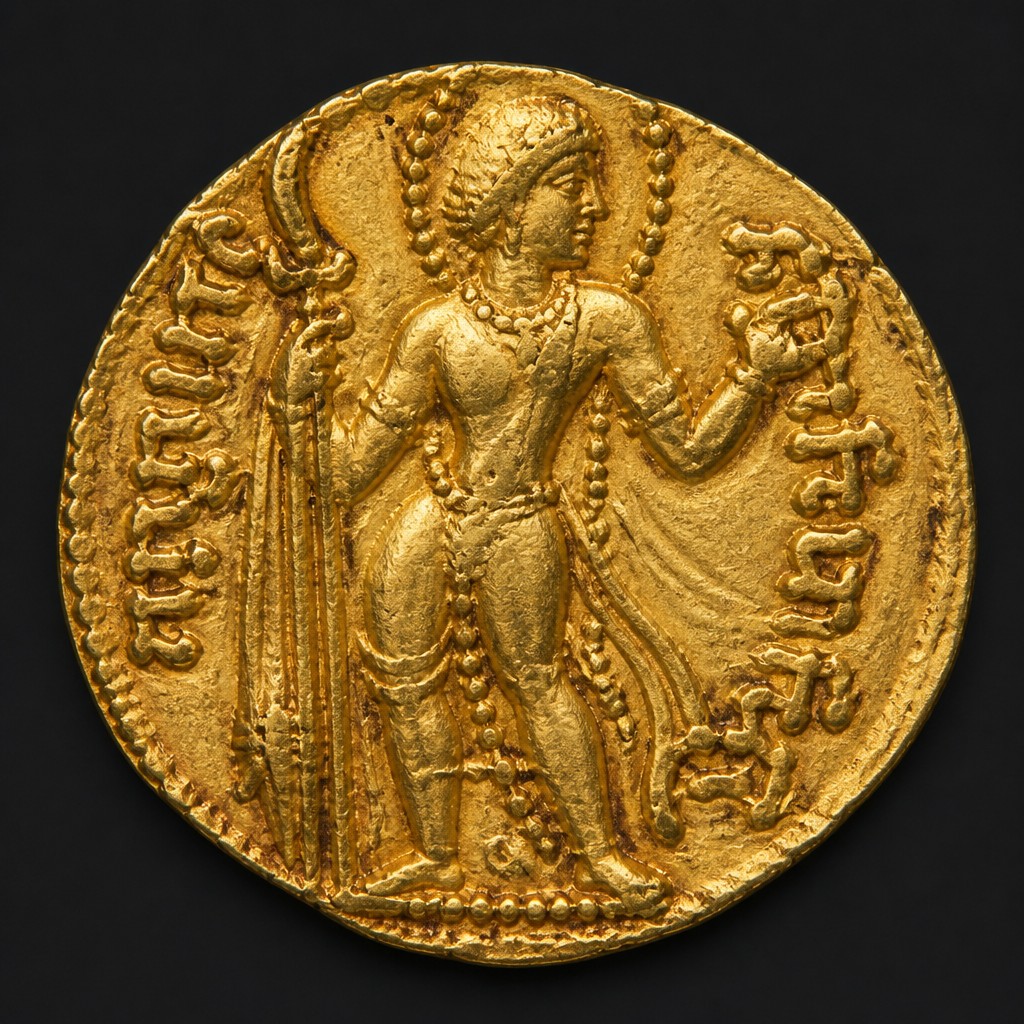
Gupta Empire Gold Dinar
c. 320–550 AD
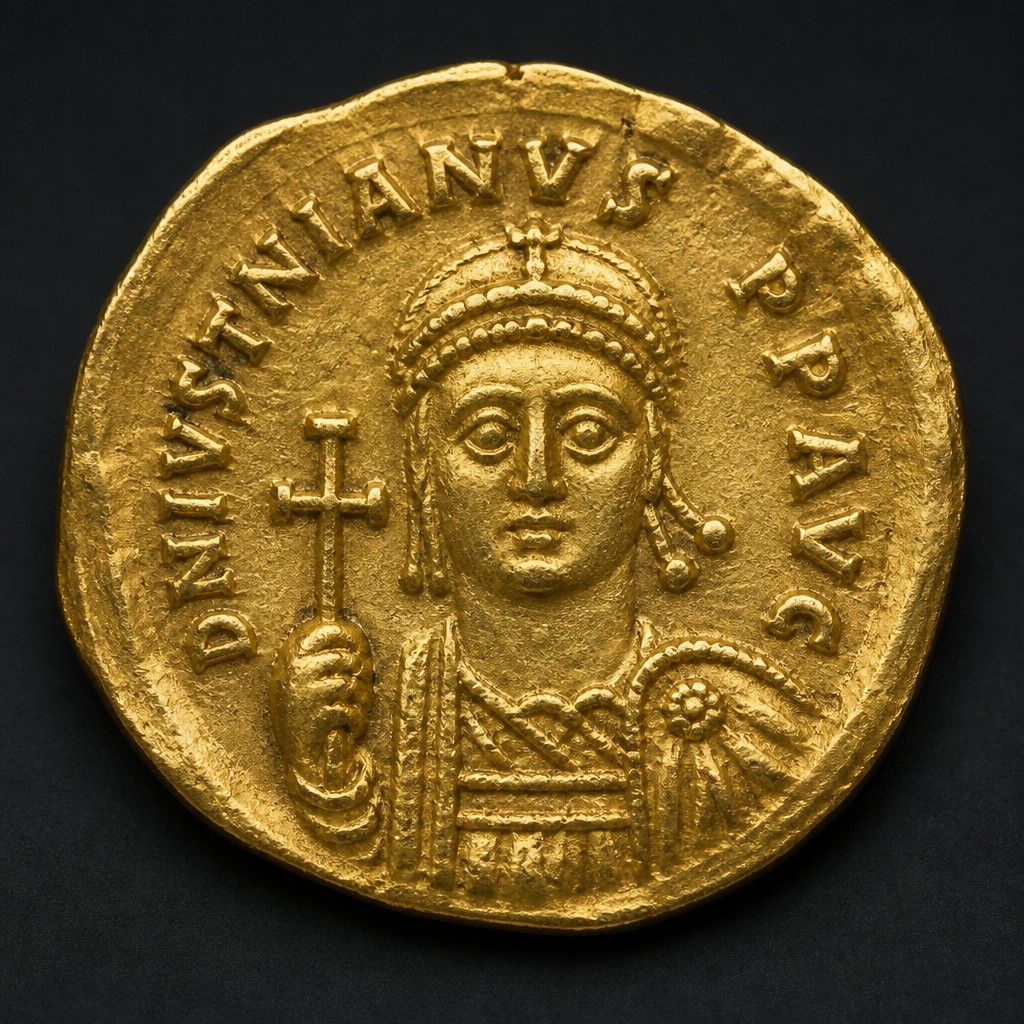
Byzantine Gold Tremissis
c. 4th–7th century AD
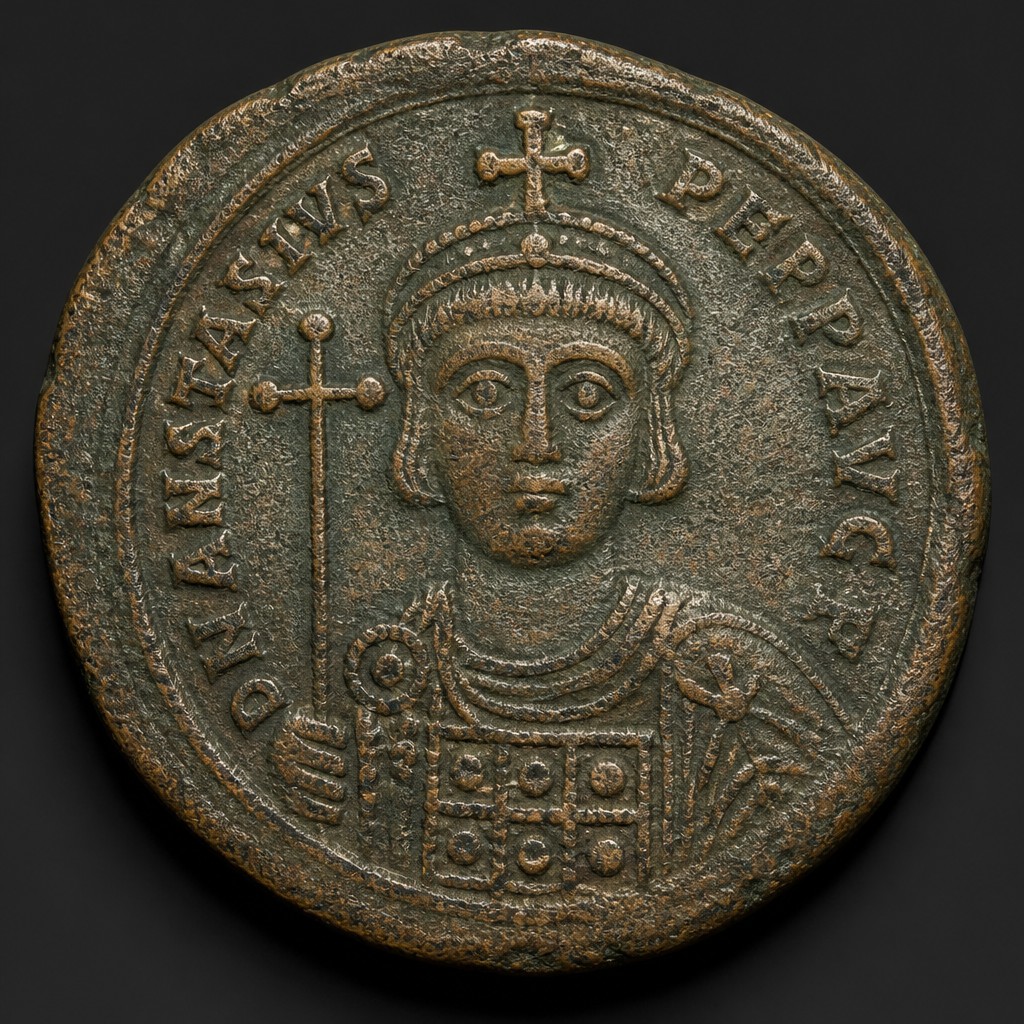
Byzantine Follis
498–c. 11th century AD
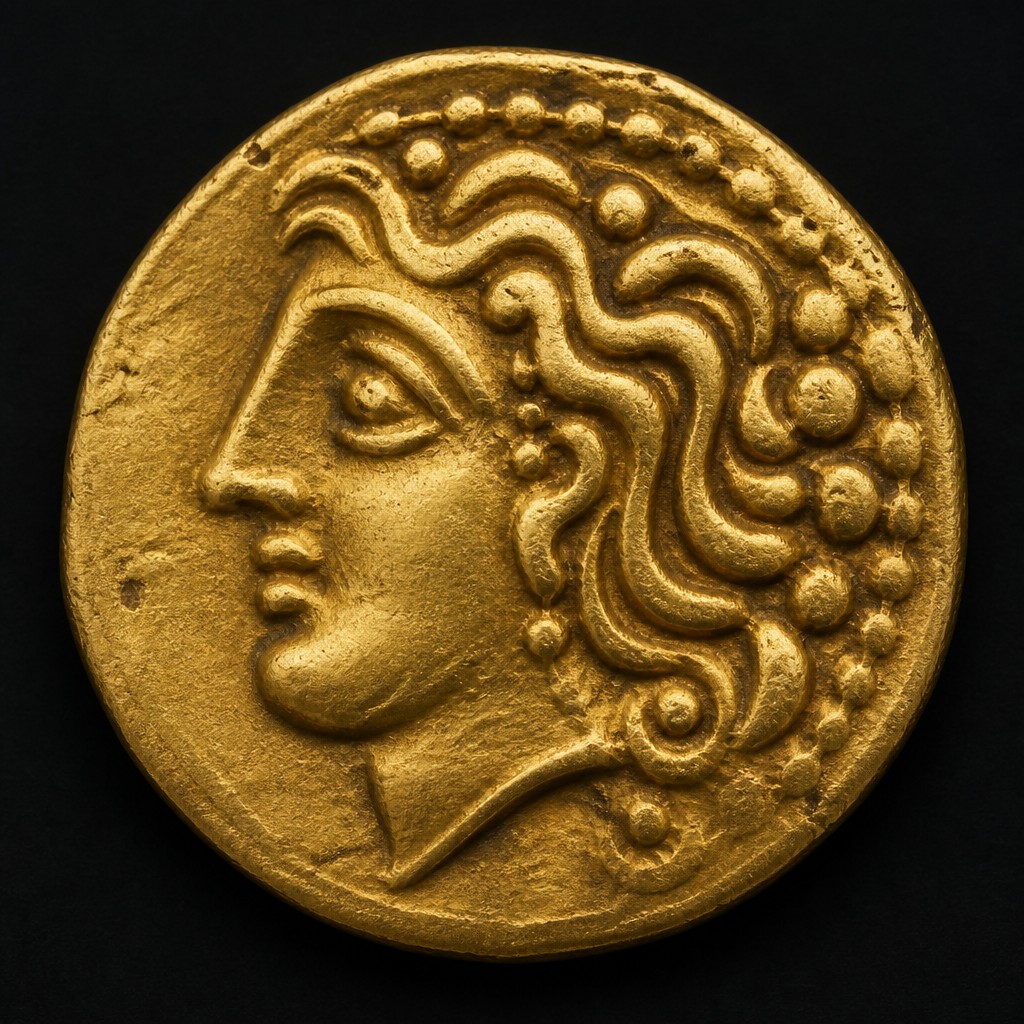
Celtic Gold Stater
c. 3rd century BC – 1st century AD