
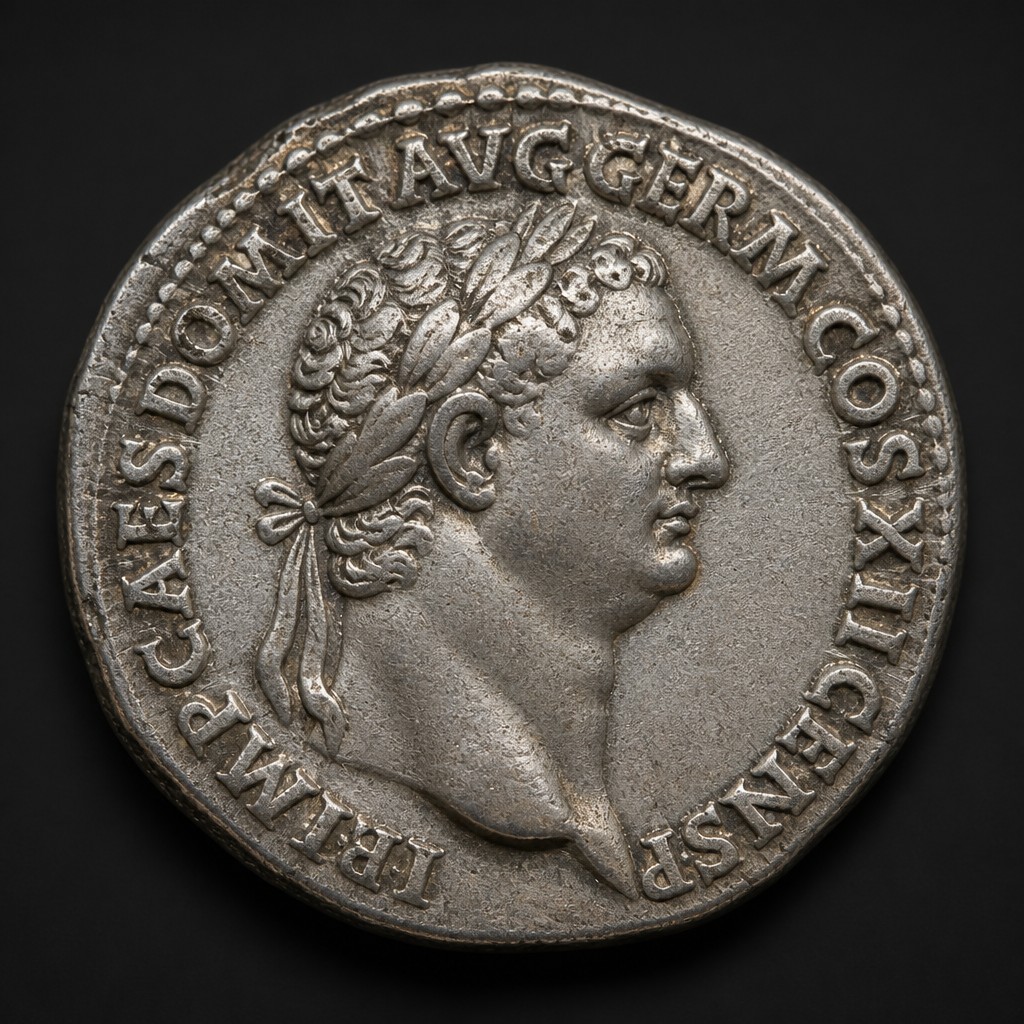
Domitian Denarius
Silver coin of the last Flavian emperor, Domitian, whose lengthy autocratic reign produced abundant, well-struck denarii before his assassination and damnatio memoriae.
- Country
- Ancient Rome
- Denomination
- Denarius
- Metal
- Silver (approx. 90%, later reduced)
Got a coin like this?
Identify any coin from a photo, free.
Overview
The denarius of Domitian covers a fifteen-year reign, one of the longer stretches of stable coin production in the first century AD, giving collectors a broad and generally affordable range of portrait styles and reverse types to pursue. Domitian's coinage is notable for its careful, high-relief portraiture and for reverse types closely tied to his patron deity, Minerva.
Despite Domitian's posthumous condemnation by the Senate (damnatio memoriae), which saw many of his monuments and inscriptions destroyed, his coinage survived in large quantities since coins were too numerous and too useful to systematically remove from circulation. This makes his denarii an accessible way to collect a ruler whose physical monuments were deliberately erased.
His reign completes the Flavian dynasty and sets the stage numismatically for the more famous "Five Good Emperors" era that follows.
History & Background
Domitian, younger son of Vespasian, became emperor in 81 AD after his brother Titus's sudden death. He ruled for fifteen years, longer than his father and brother combined, and pursued an active building program, military campaigns along the Rhine and Danube frontiers, and increasingly autocratic and secretive governance that alienated the senatorial class.
His reign saw a notable, if temporary, restoration of the denarius to a higher silver fineness early on, a move often cited by historians as evidence of his attentiveness to fiscal matters even as his political relationships deteriorated. Ancient sources, largely hostile senatorial historians such as Tacitus and Suetonius, portray him as a tyrant, though modern historians view the picture as more mixed.
Domitian was assassinated in a palace conspiracy in 96 AD, after which the Senate declared damnatio memoriae against his memory, erasing his name from public monuments, though his coinage continued to circulate widely for years afterward.
How to Identify
The obverse depicts the laureate head of Domitian facing right, with lengthy imperial titulature reflecting his many consulships and the title Germanicus, earned from campaigns along the Rhine. A distinguishing feature of his coinage is the frequent reverse depiction of Minerva, his favored goddess, shown standing or advancing with spear, shield, and often an owl, sometimes on a galley's prow.
The denarius weighs roughly 3 to 3.5 grams and measures about 18mm, consistent with standard Flavian-era silver coinage. Style tends to be crisp with strong, sometimes stern portraiture reflecting the increasingly imperial, less approachable image Domitian cultivated in his later years compared to earlier Flavian rulers.
Collectors distinguish Domitian's coins from those of Titus and Vespasian primarily by the obverse legend and by the higher regnal/tribunician power numbers found in his later issues, since his reign's length allows fairly precise dating of individual coins by these numbered titles.
Value & Collectibility
Domitian denarii are among the more affordable and available Flavian coins for collectors, with common Minerva reverse types often found in the low hundreds of dollars in decent collectible grade. Because his reign was long and the mint prolific, supply is relatively healthy compared to shorter-reigned emperors.
Value increases significantly for well-centered strikes with sharp portrait detail, choice toning, and less common reverse types or datable tribunician power variants sought by specialists building a year-by-year type set of his reign.
The damnatio memoriae backstory adds collector interest without necessarily driving up prices dramatically, since so many coins survived; it is instead a popular talking point that enhances the coin's appeal as a conversation piece and teaching example of Roman politics.
Frequently asked questions
Why does Domitian's coinage feature Minerva so often?
Minerva was his personal patron deity, and he emphasized her image throughout his coinage and monuments to signal divine favor.
What is damnatio memoriae and did it destroy his coins?
It was a Senate decree condemning a former ruler's memory by erasing inscriptions and images; coins largely survived because they were too numerous and economically necessary to recall.
Was Domitian a good emperor?
Ancient senatorial sources call him a tyrant, but modern historians note he was also an effective administrator and builder; opinions remain mixed.
Are Domitian denarii good for beginner collectors?
Yes, they are relatively common, historically interesting, and available in a range of budgets, making them a popular entry point into Roman imperial coinage.
Other coins you may enjoy
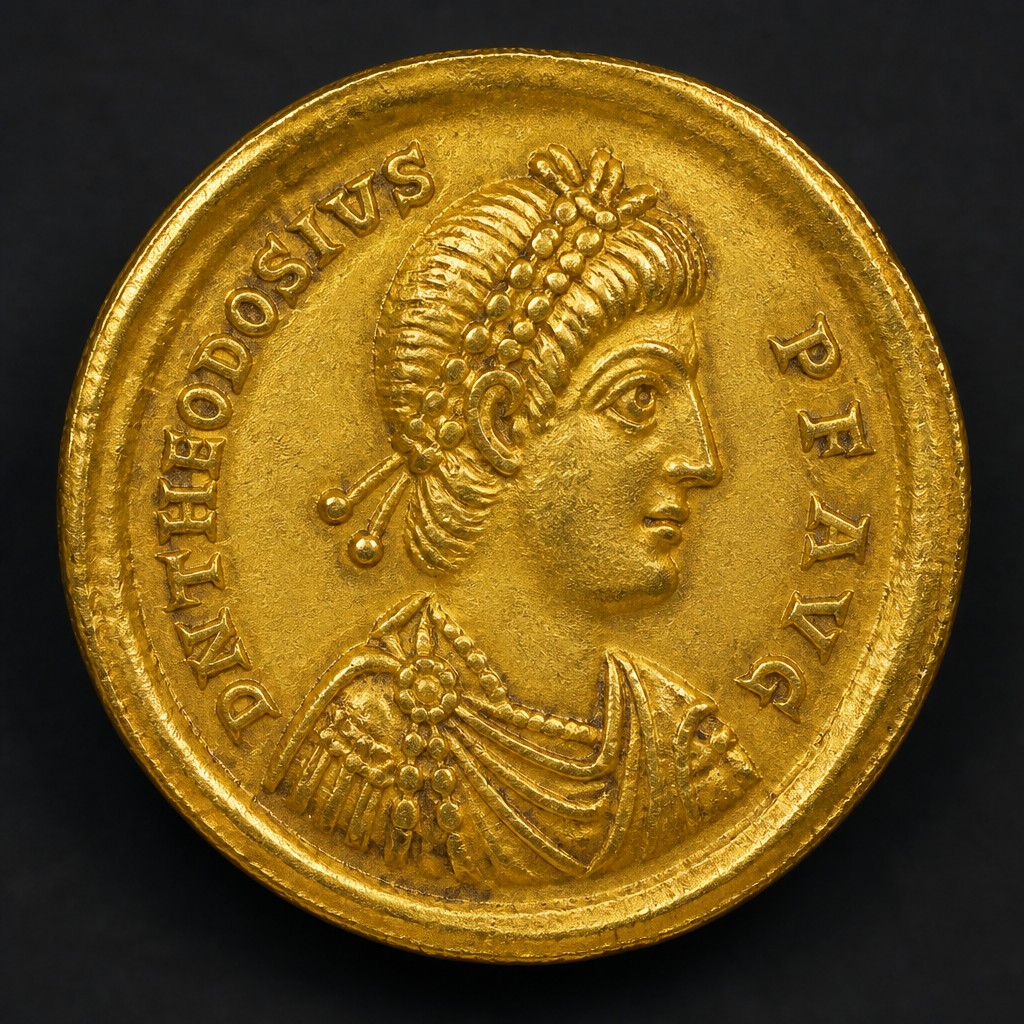
Theodosius I Solidus
379–395 AD
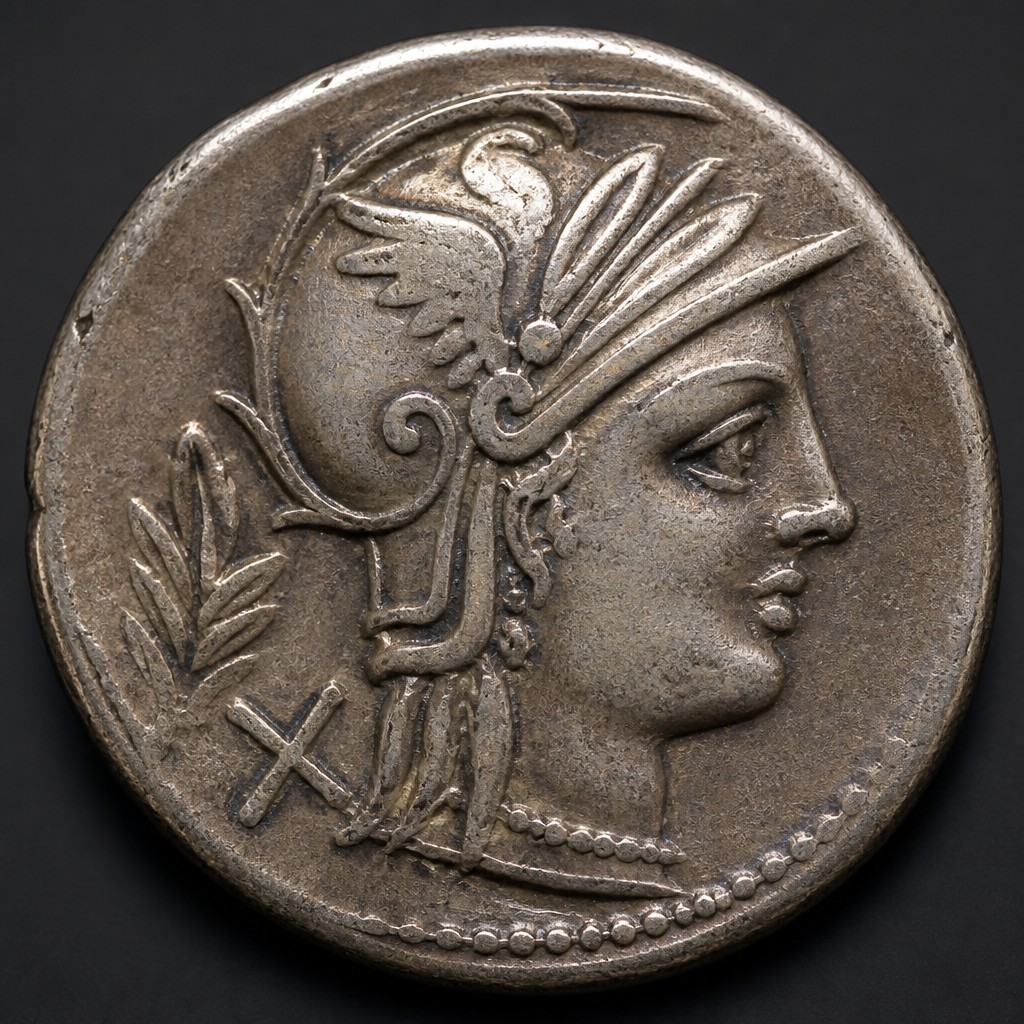
Republican Victoriatus
c. 211–170 BC
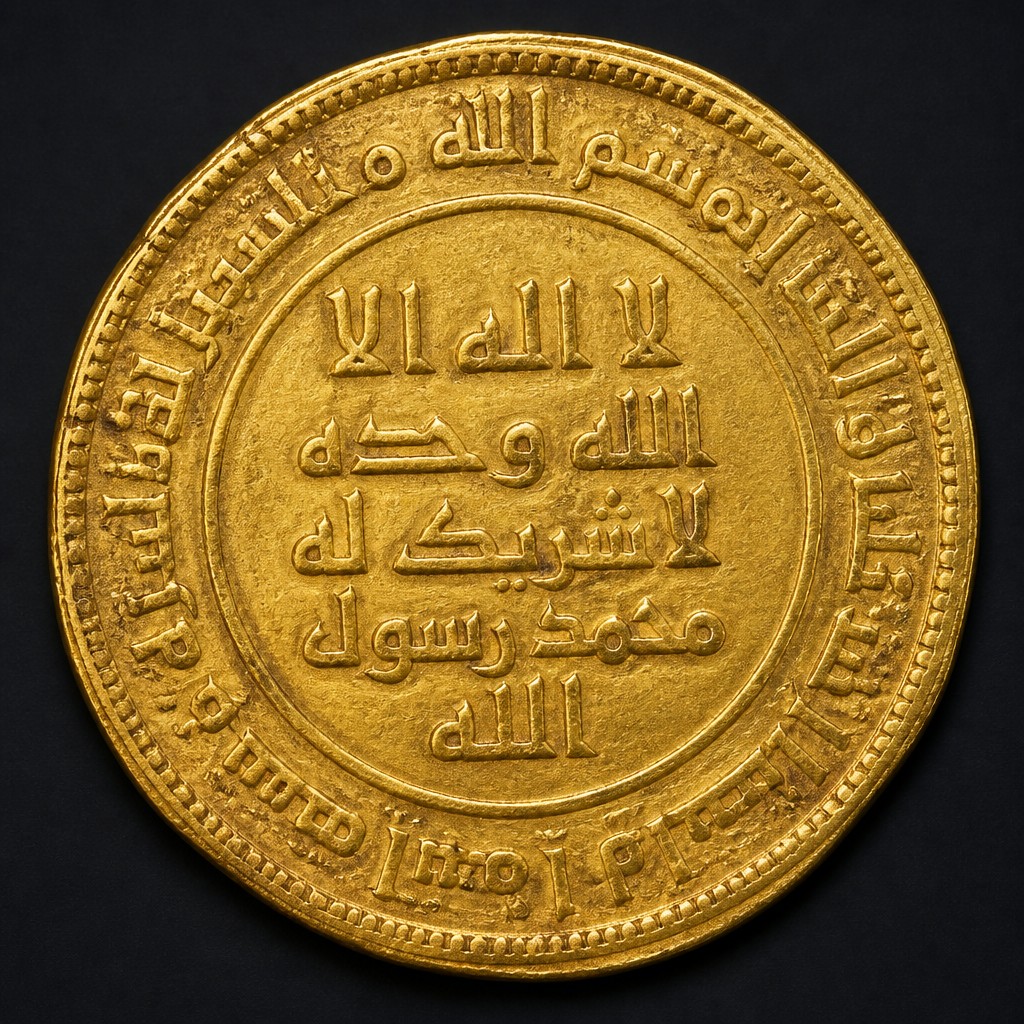
Islamic Gold Dinar (Umayyad)
c. 696–750 AD
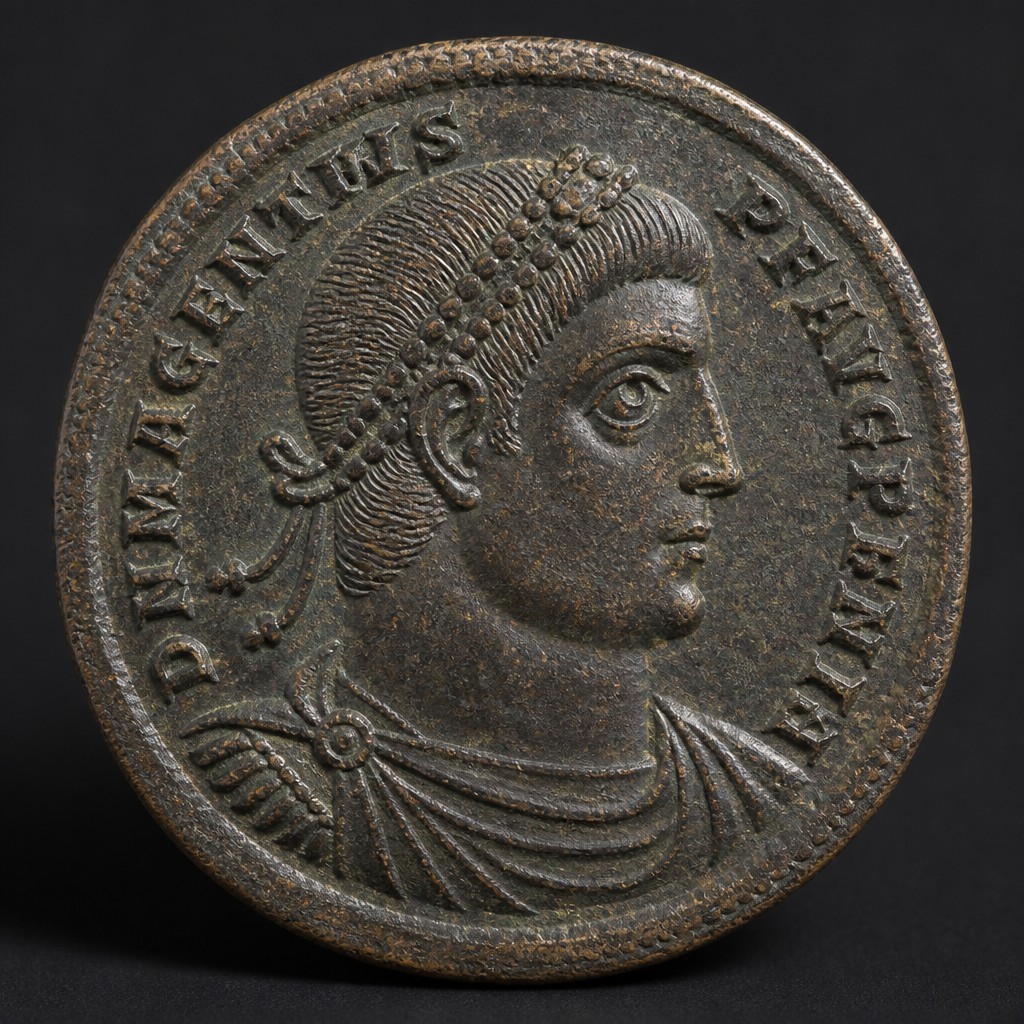
Magnentius Double Centenionalis
350–353 AD
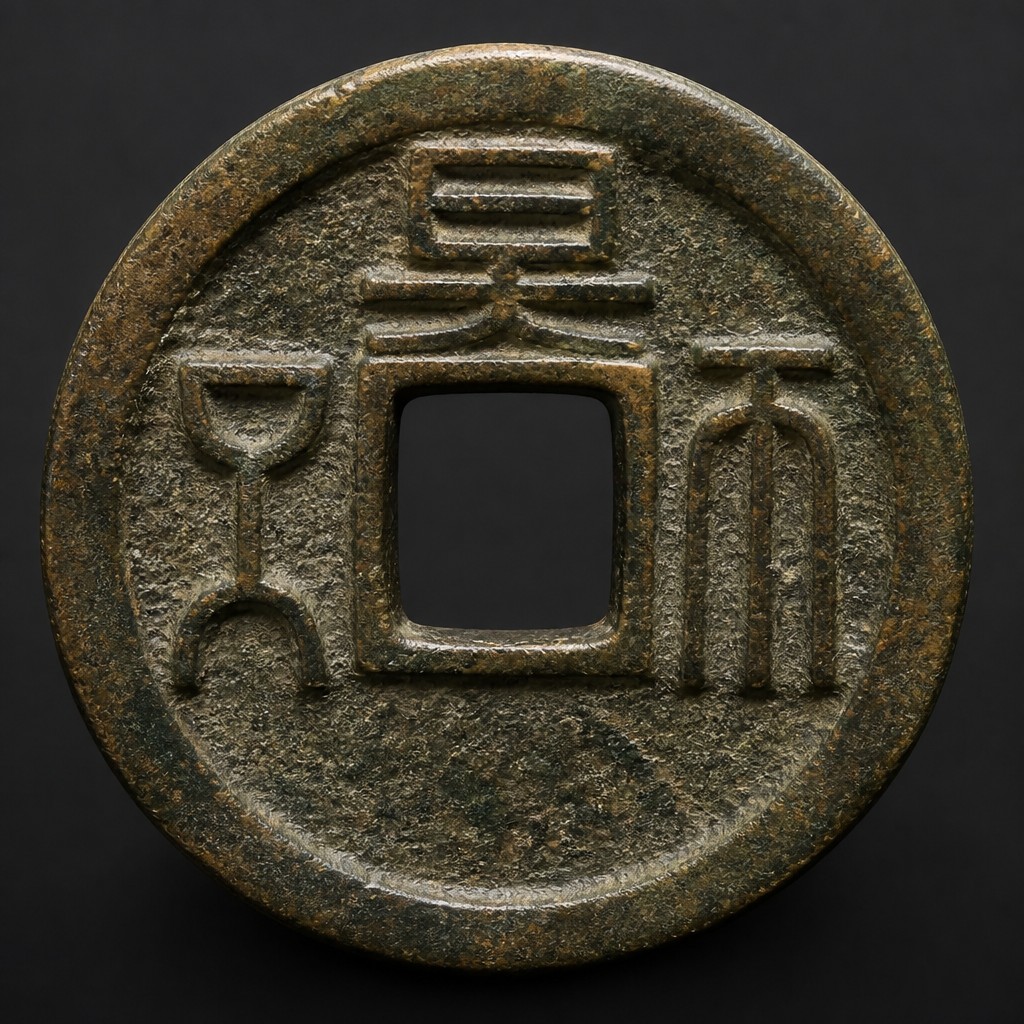
Chinese Wu Zhu Cash
118 BC – 618 AD
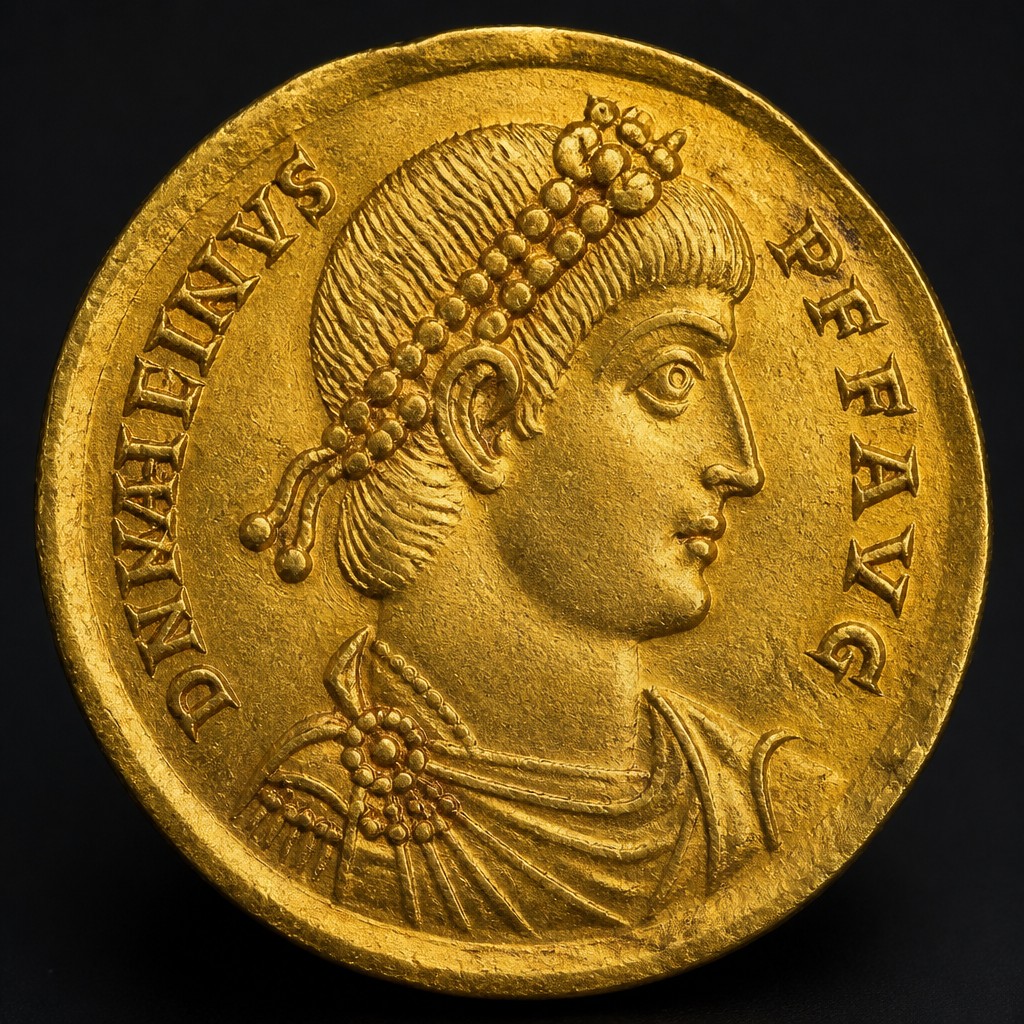
Valentinian I Solidus
364–375 AD
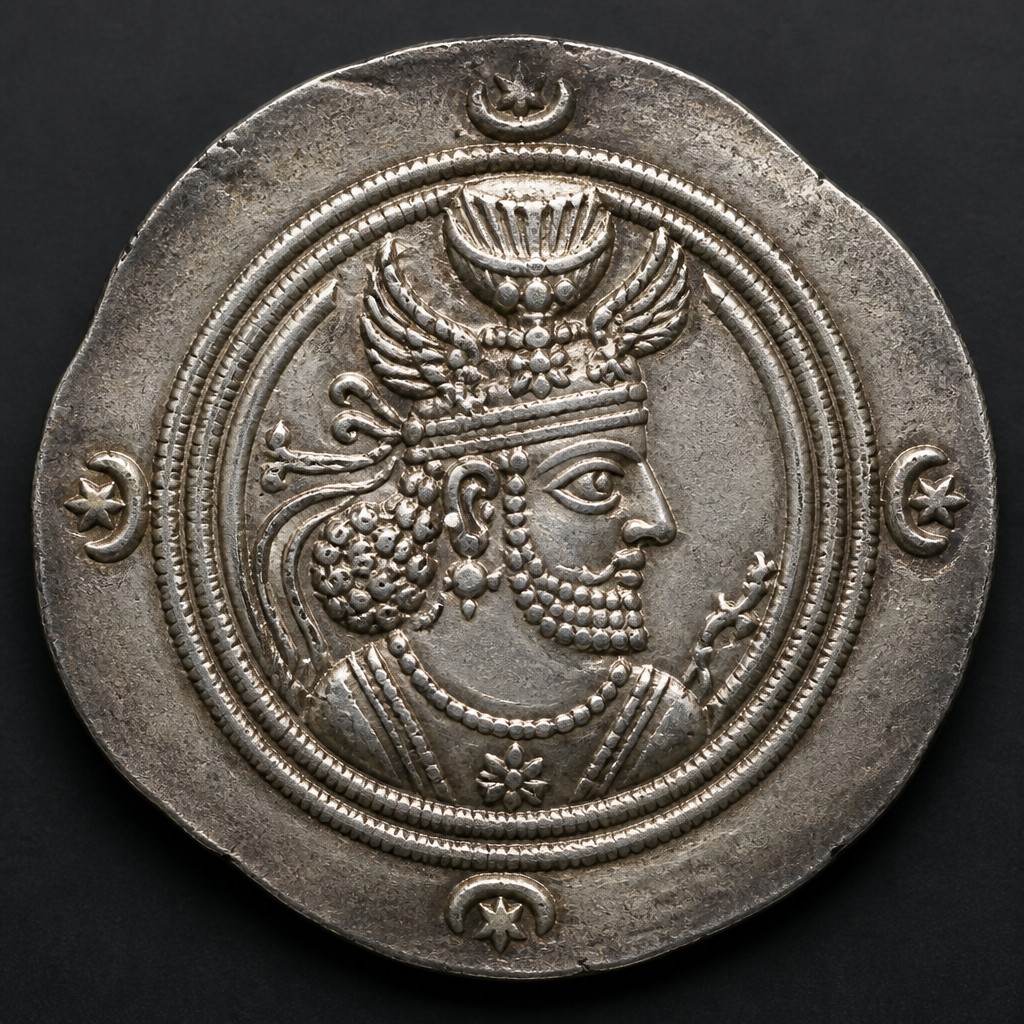
Sassanian Silver Drachm
c. 224–651 AD
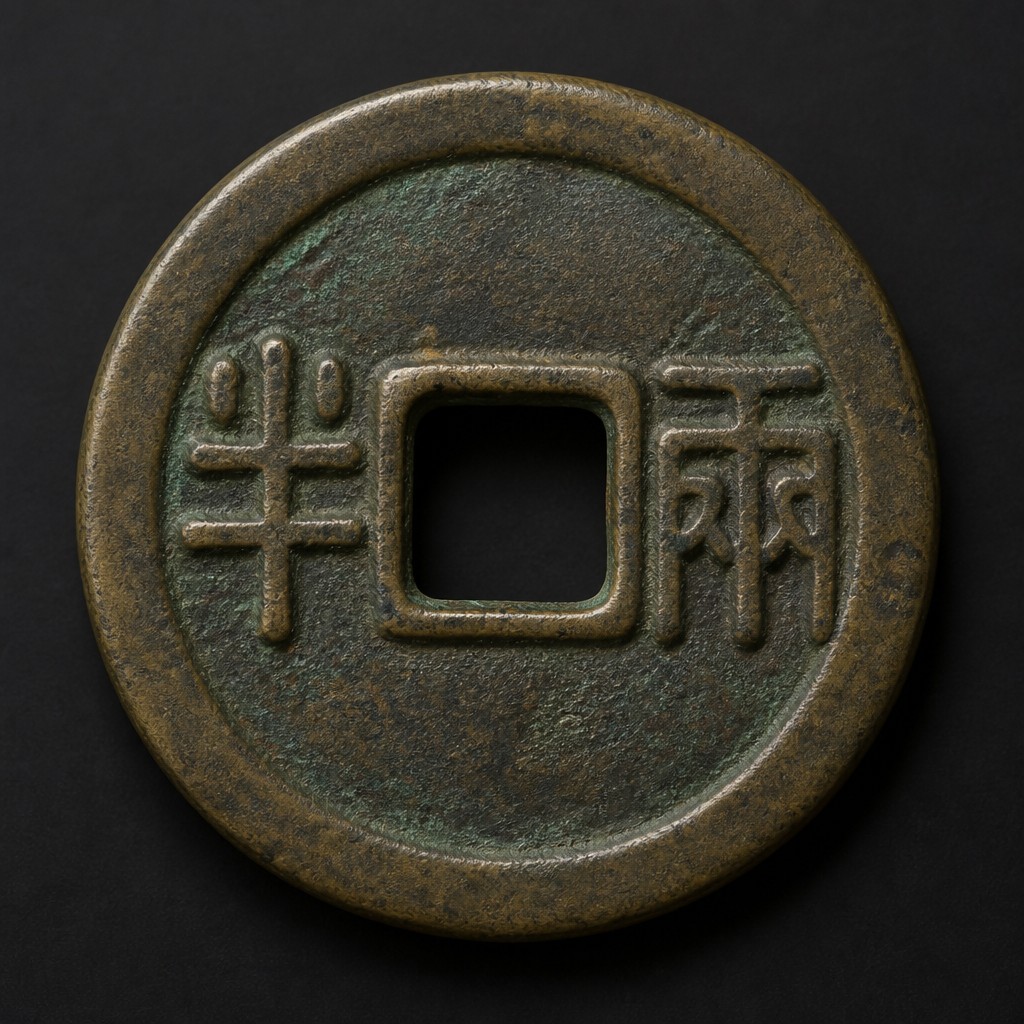
Chinese Ban Liang Cash
c. 221–118 BC
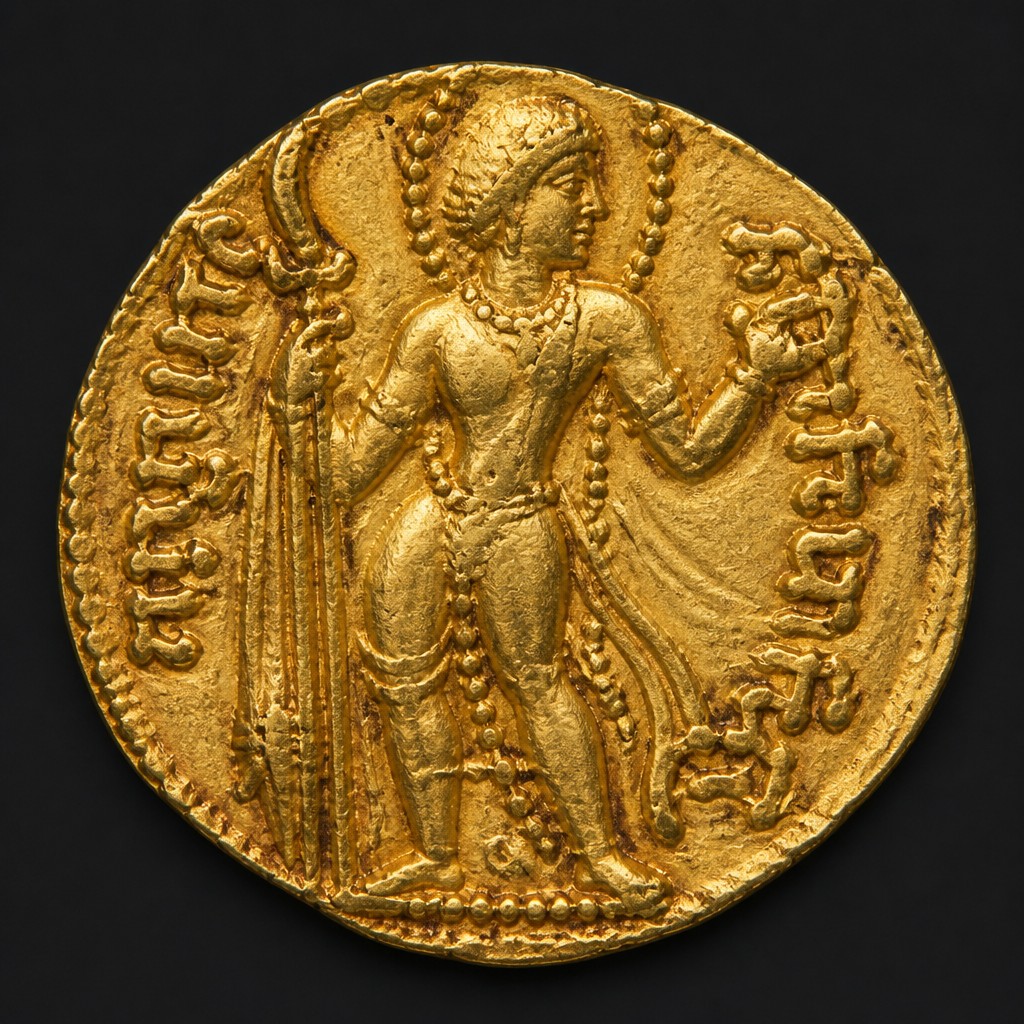
Gupta Empire Gold Dinar
c. 320–550 AD
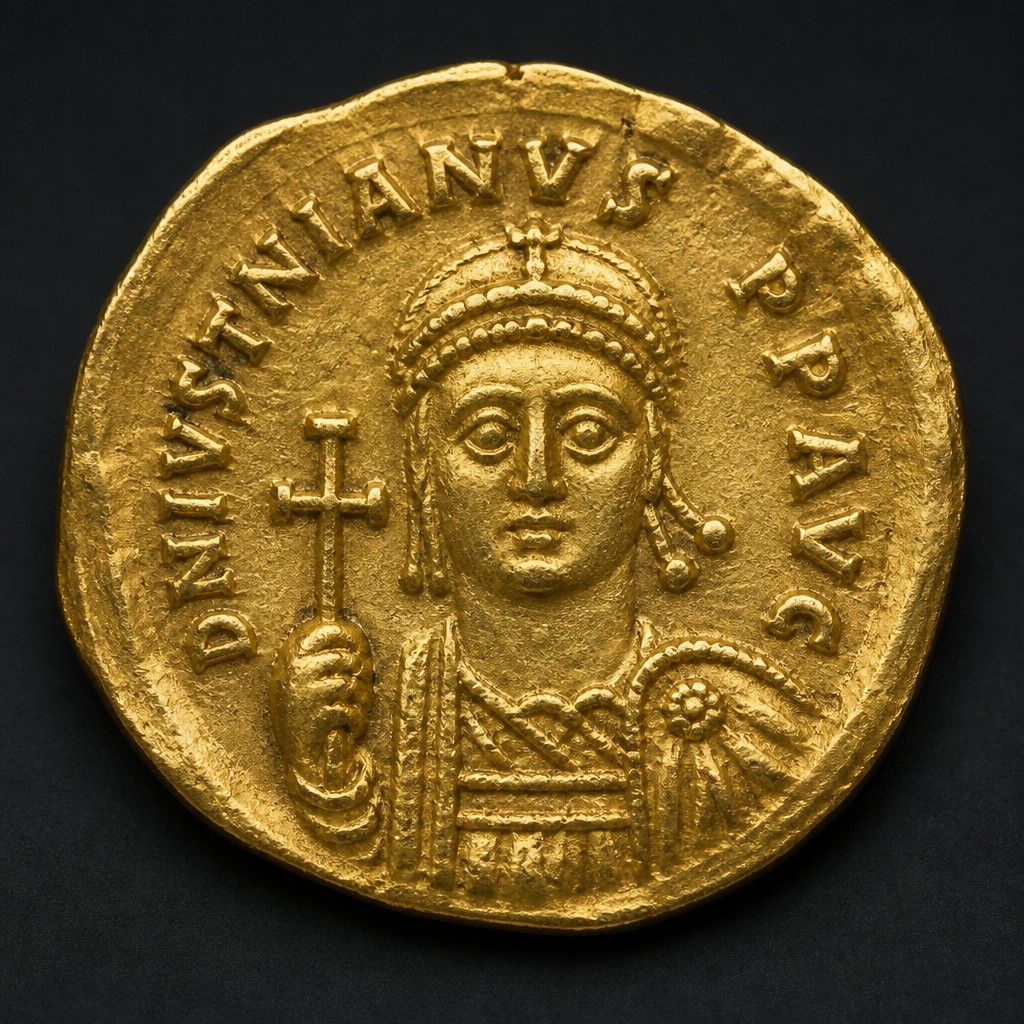
Byzantine Gold Tremissis
c. 4th–7th century AD
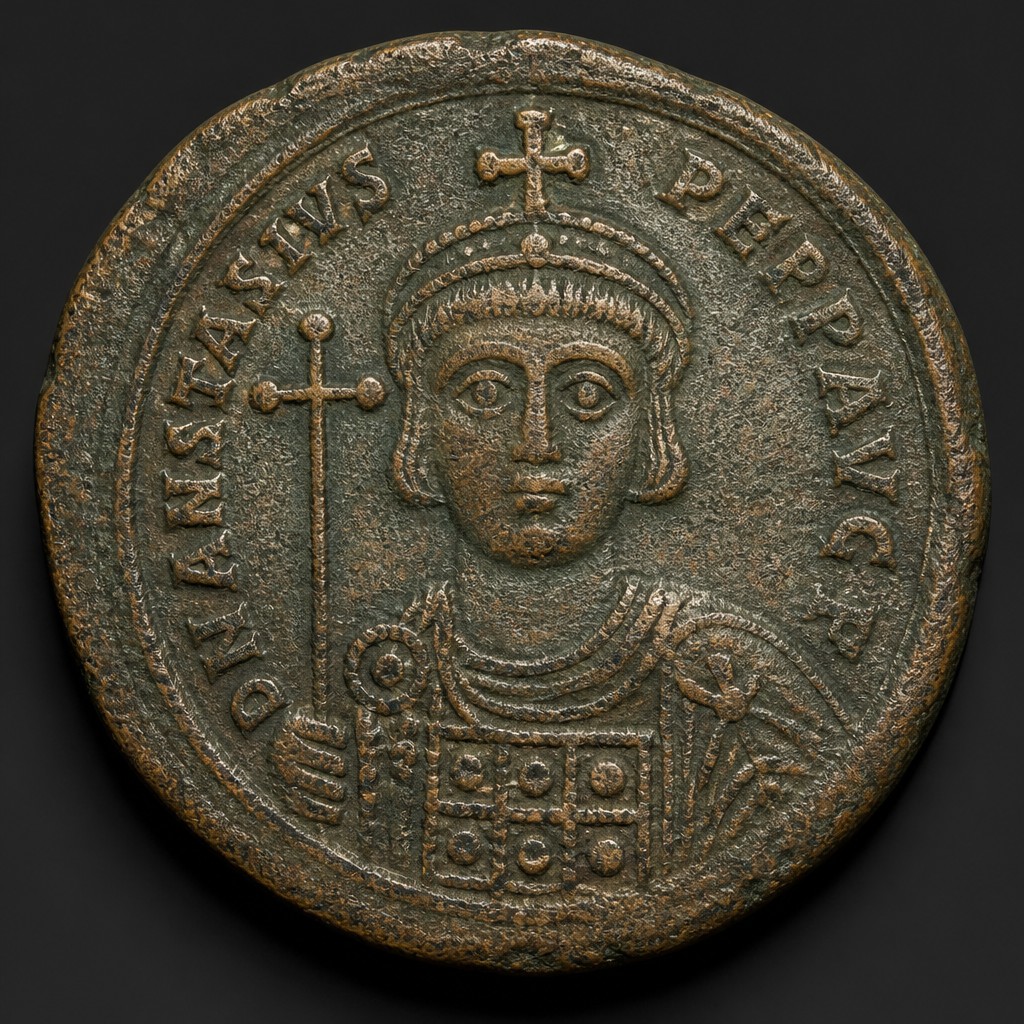
Byzantine Follis
498–c. 11th century AD
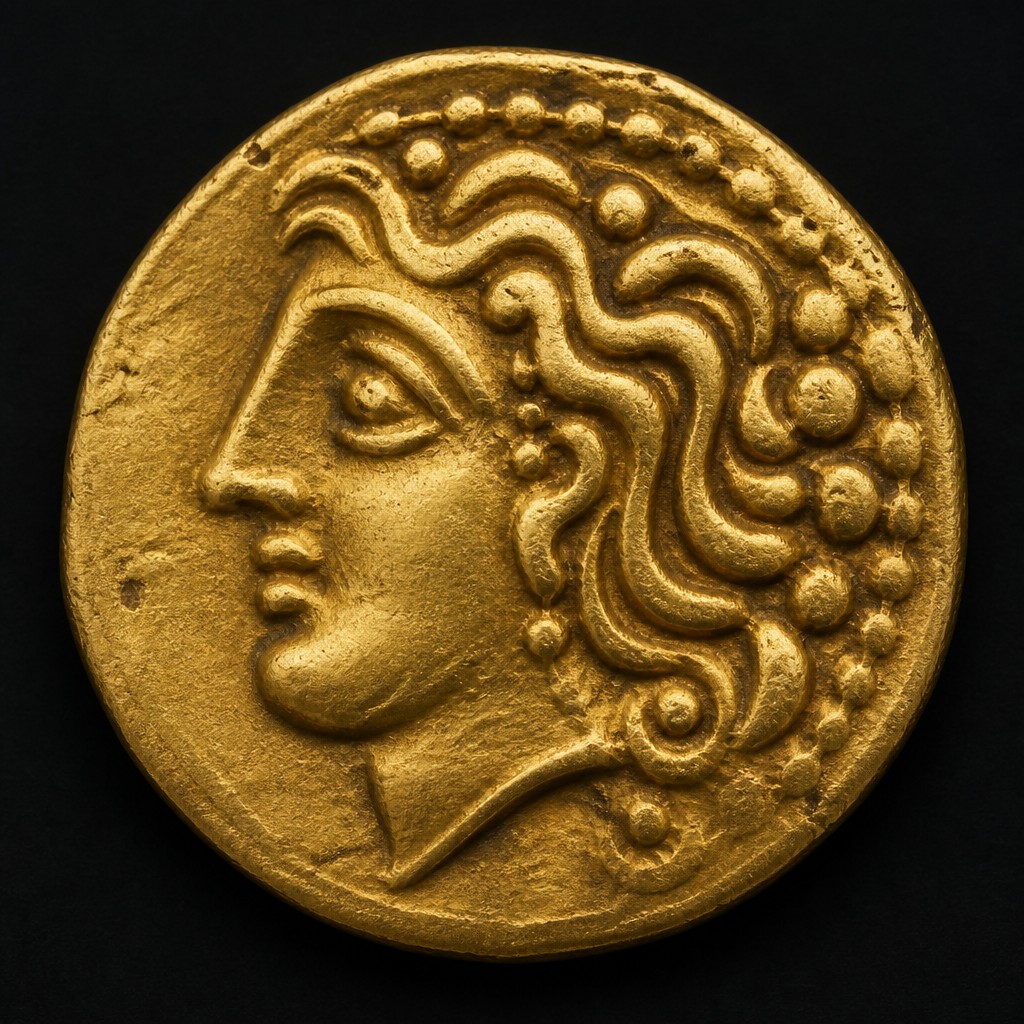
Celtic Gold Stater
c. 3rd century BC – 1st century AD