
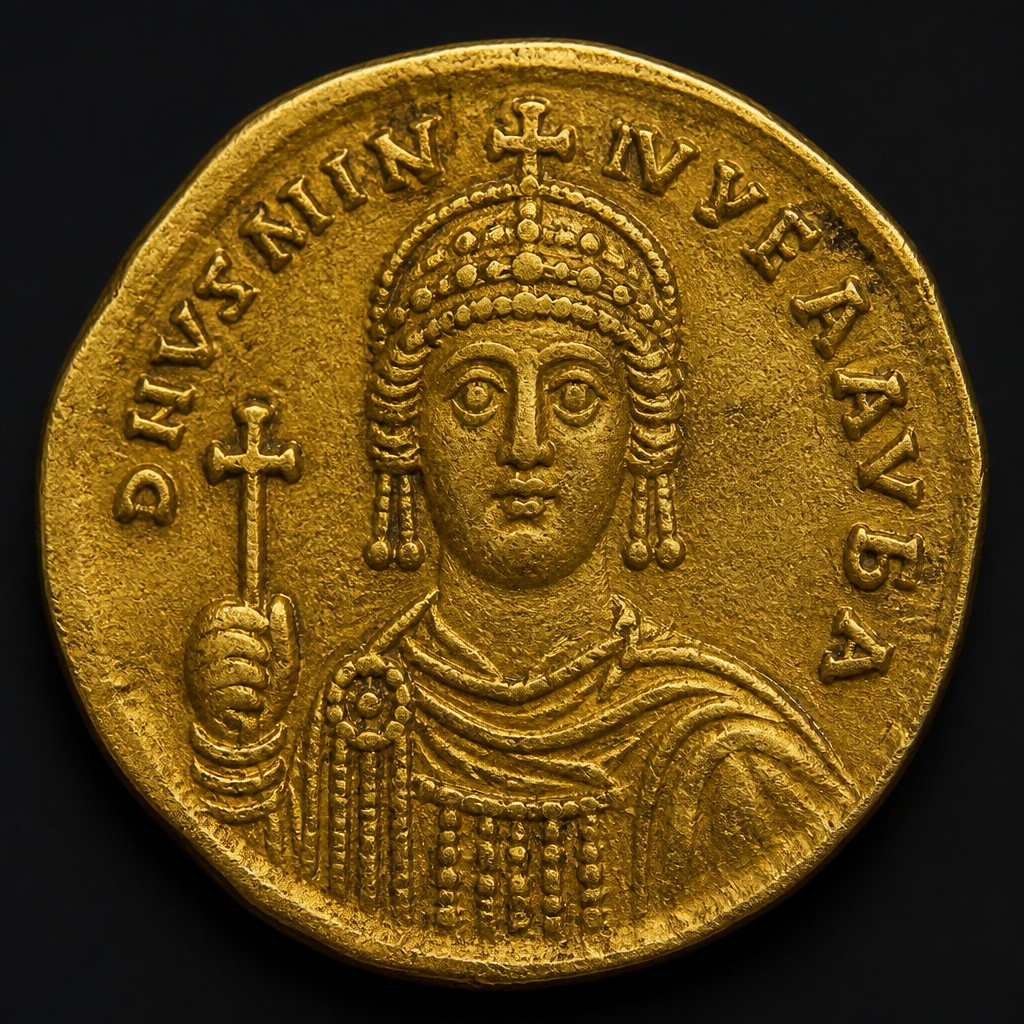
Byzantine Gold Semissis
A scarce half-value gold fraction of the Byzantine solidus, struck in smaller numbers than the tremissis and often associated with ceremonial or donative purposes.
- Country
- Byzantine Empire
- Denomination
- Semissis (one-half solidus)
- Metal
- Gold
Got a coin like this?
Identify any coin from a photo, free.
Overview
The semissis occupies a lesser-known corner of Byzantine gold coinage, valued at exactly half a solidus but struck in noticeably smaller quantities than either the full solidus or the more common tremissis. Its relative scarcity makes it an interesting target for specialist collectors of Byzantine and late Roman gold fractions.
Because it was minted less consistently and in smaller volumes than its sibling denominations, the semissis is often associated with special occasions, donatives to officials or soldiers, or ceremonial gift-giving, adding an extra layer of historical interest for those studying Byzantine court and military culture.
History & Background
The semissis was introduced as part of the same late Roman gold coinage system that established the solidus and tremissis, providing a half-value gold fraction for transactions or gifts that fell between the full solidus and the smaller tremissis. Its production continued into the early Byzantine period following the same broad design conventions used on other gold denominations of the time.
Unlike the tremissis, which remained in fairly steady production for centuries, the semissis appears to have been struck more intermittently, often in more limited numbers, suggesting it served a narrower or more specialized economic role, possibly tied to imperial donatives, military pay ceremonies, or diplomatic gifts rather than routine daily commerce.
Regular semissis production largely faded by the 7th and 8th centuries alongside broader contraction in fractional gold coinage, though the denomination or similar half-value gold pieces occasionally reappeared in later Byzantine contexts under specific circumstances.
How to Identify
The obverse of a Byzantine semissis typically shows a diademed and draped bust of the emperor in profile, similar in general style to the solidus and tremissis of the same period, accompanied by a Latin legend naming the ruler. The reverse commonly features a cross within a wreath, a Victory figure, or similar imagery associated with contemporary solidi and tremisses, along with a Latin legend and often a mint signature.
Size-wise, the semissis falls between the solidus and tremissis, generally a bit larger than the tremissis but smaller and lighter than the full solidus, weighing roughly 2.25 grams, half the weight of a standard solidus. This intermediate weight and size, confirmed by careful comparison or weighing, is the main practical way to distinguish it from its two more commonly encountered sibling denominations.
Value & Collectibility
Byzantine semisses are less commonly encountered than solidi or tremisses, and their relative scarcity generally makes them somewhat more sought after by specialist collectors of Byzantine gold fractions, though absolute prices still depend heavily on the specific emperor and condition. Common types can still be found at reasonable prices, but tend to command a premium over comparably common tremisses.
Rarer emperors, exceptionally well-struck examples, or coins tied to specific historically documented donative events are the most desirable within this already scarce denomination. As with all ancient gold fractions, careful attention to weight and style helps confirm correct denomination attribution before purchase.
Frequently asked questions
What is a semissis worth compared to a solidus?
The semissis was valued at exactly one-half of a standard gold solidus.
Why are semisses less common than tremisses?
Semisses appear to have been struck more intermittently and in smaller numbers, possibly reflecting a more specialized role tied to donatives or ceremonial gifts rather than routine circulation.
How is a semissis distinguished from a tremissis?
The semissis is somewhat larger and heavier, weighing about 2.25 grams compared to roughly 1.5 grams for a tremissis, reflecting its higher one-half value versus one-third value.
What images typically appear on a semissis?
Designs generally mirror contemporary solidi and tremisses, with an imperial bust on the obverse and a cross, wreath, or Victory figure on the reverse.
When did regular semissis production end?
Routine production largely faded by the 7th to 8th centuries, alongside a broader Byzantine move away from smaller gold fractional coinage.
Other coins you may enjoy
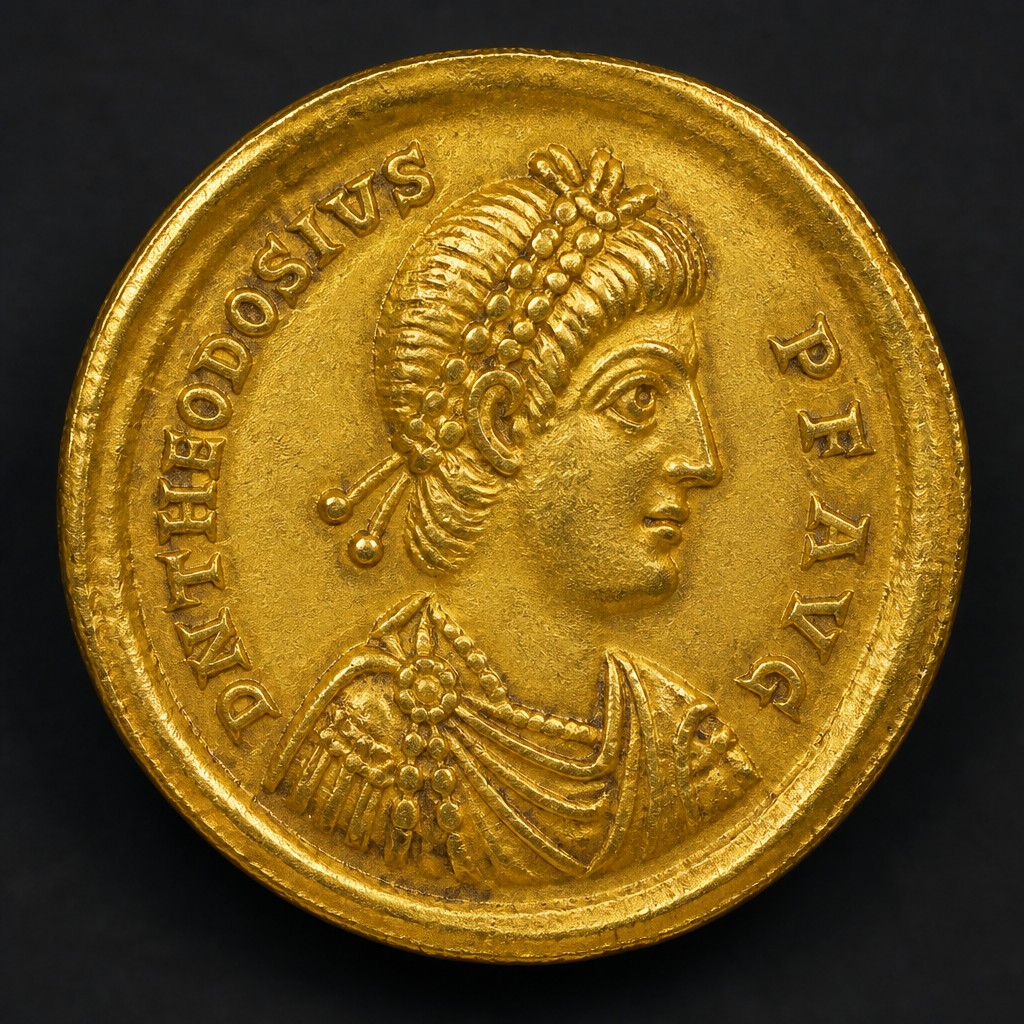
Theodosius I Solidus
379–395 AD
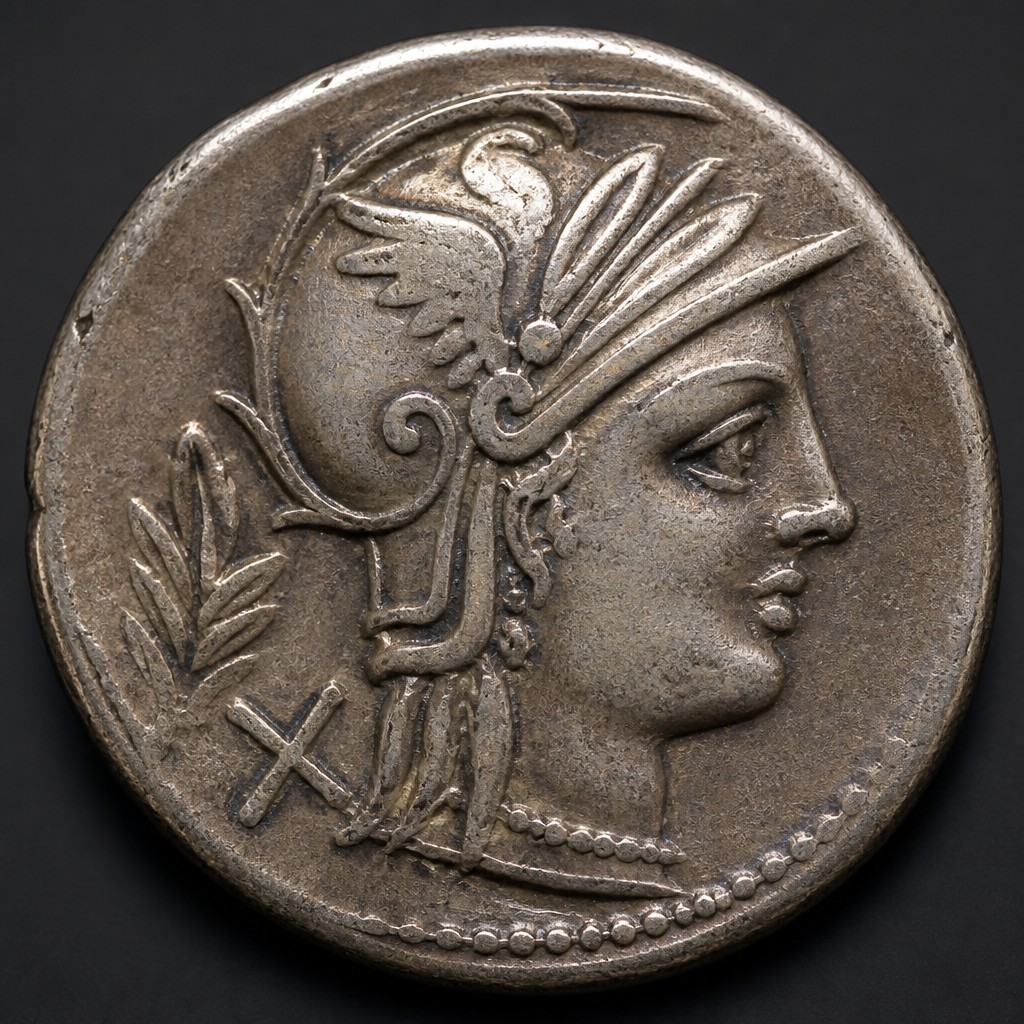
Republican Victoriatus
c. 211–170 BC
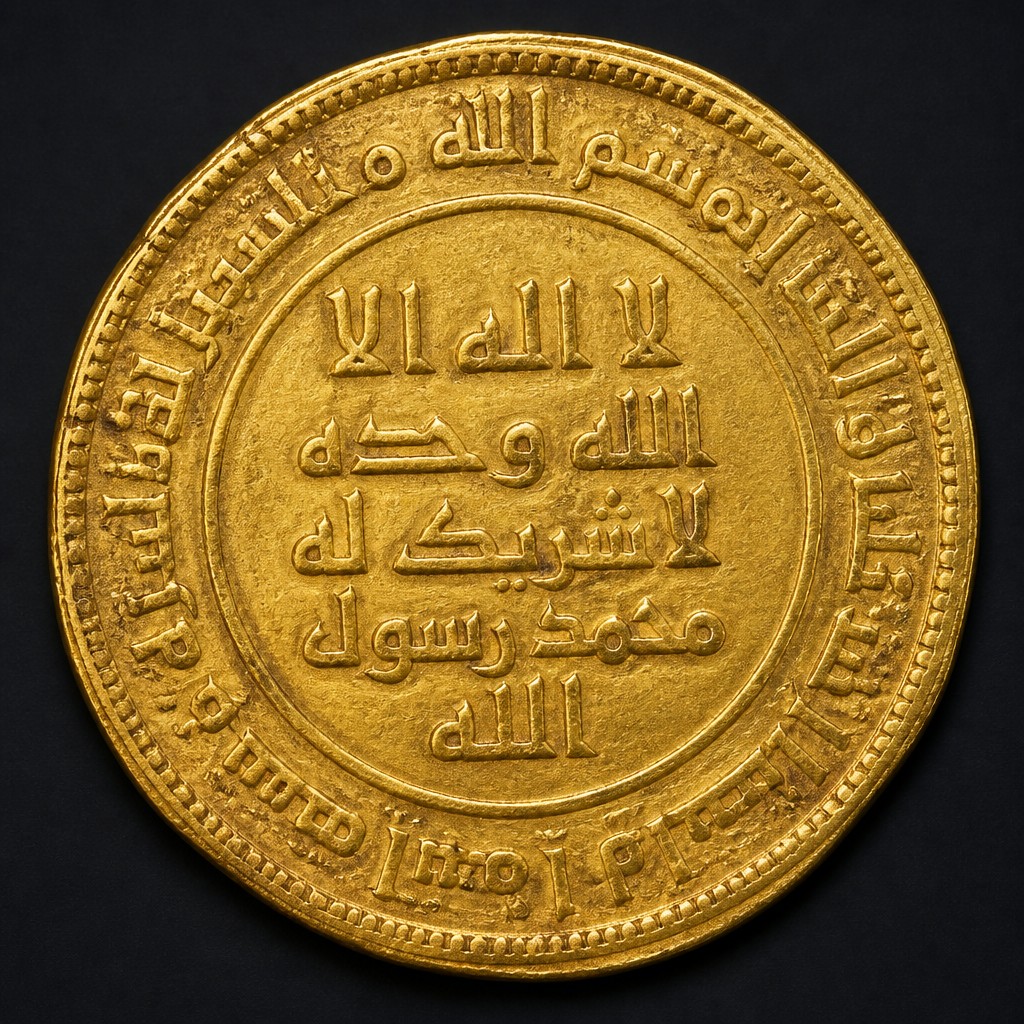
Islamic Gold Dinar (Umayyad)
c. 696–750 AD
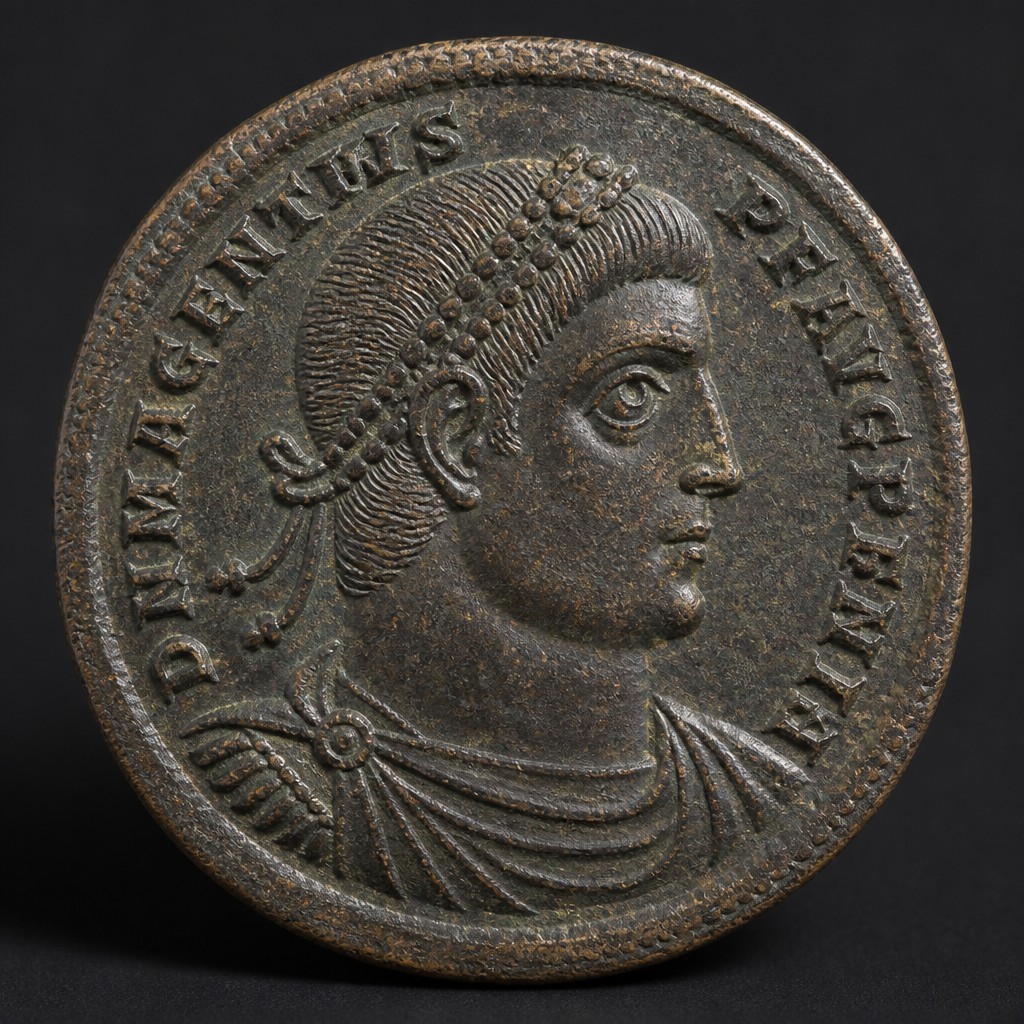
Magnentius Double Centenionalis
350–353 AD
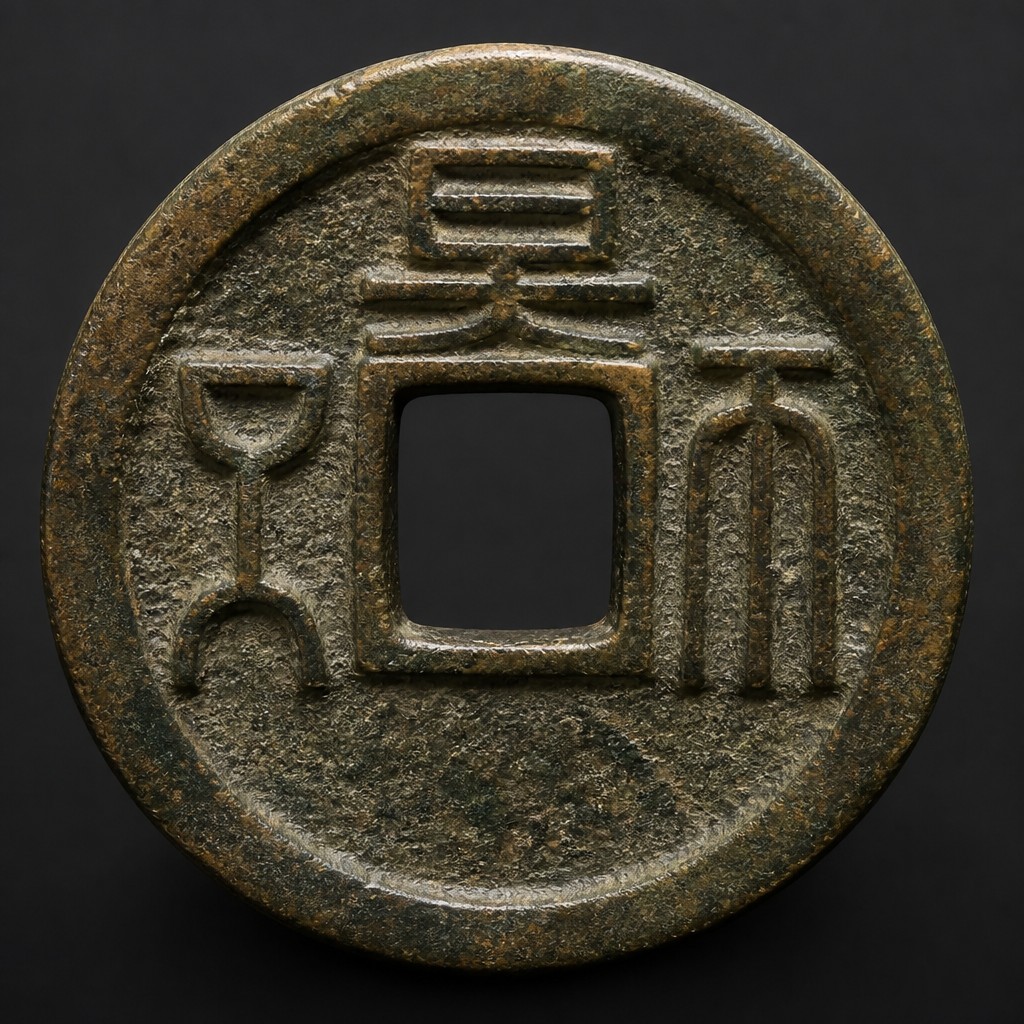
Chinese Wu Zhu Cash
118 BC – 618 AD
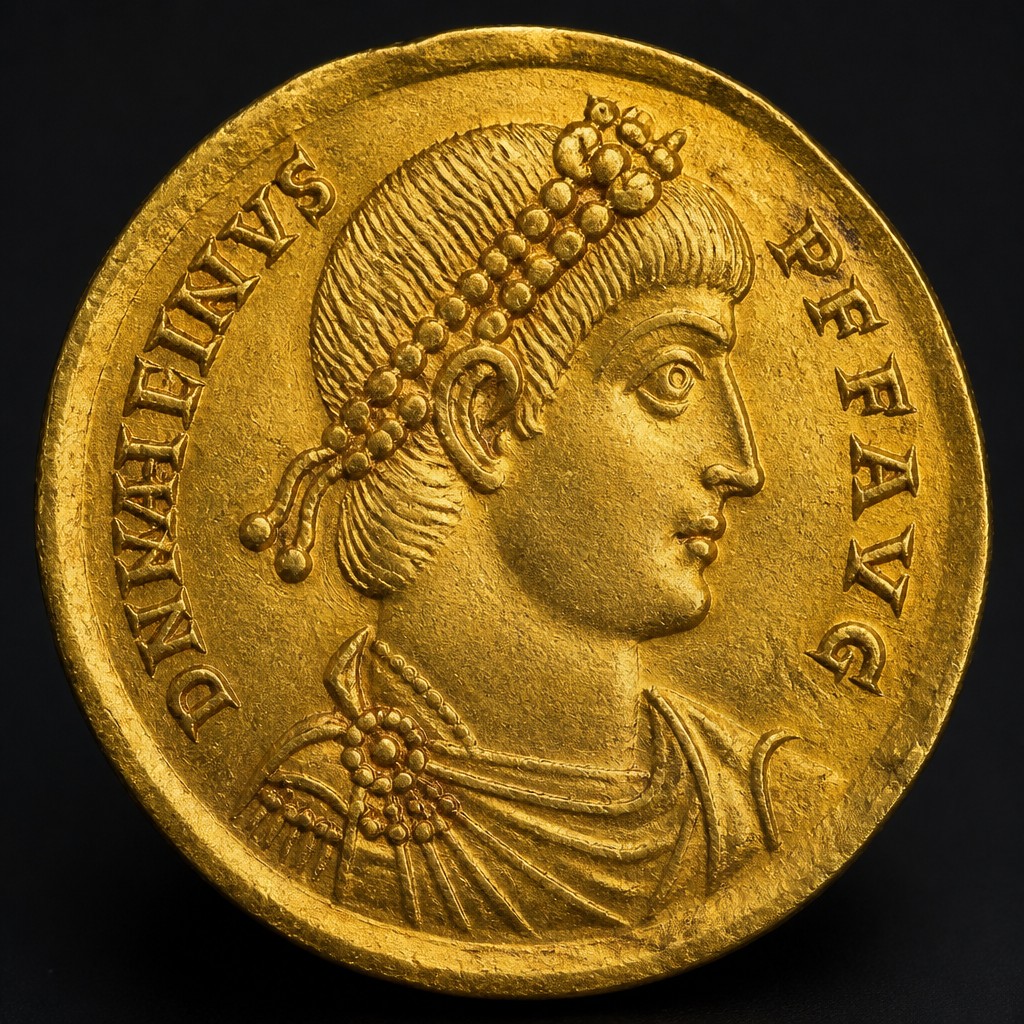
Valentinian I Solidus
364–375 AD
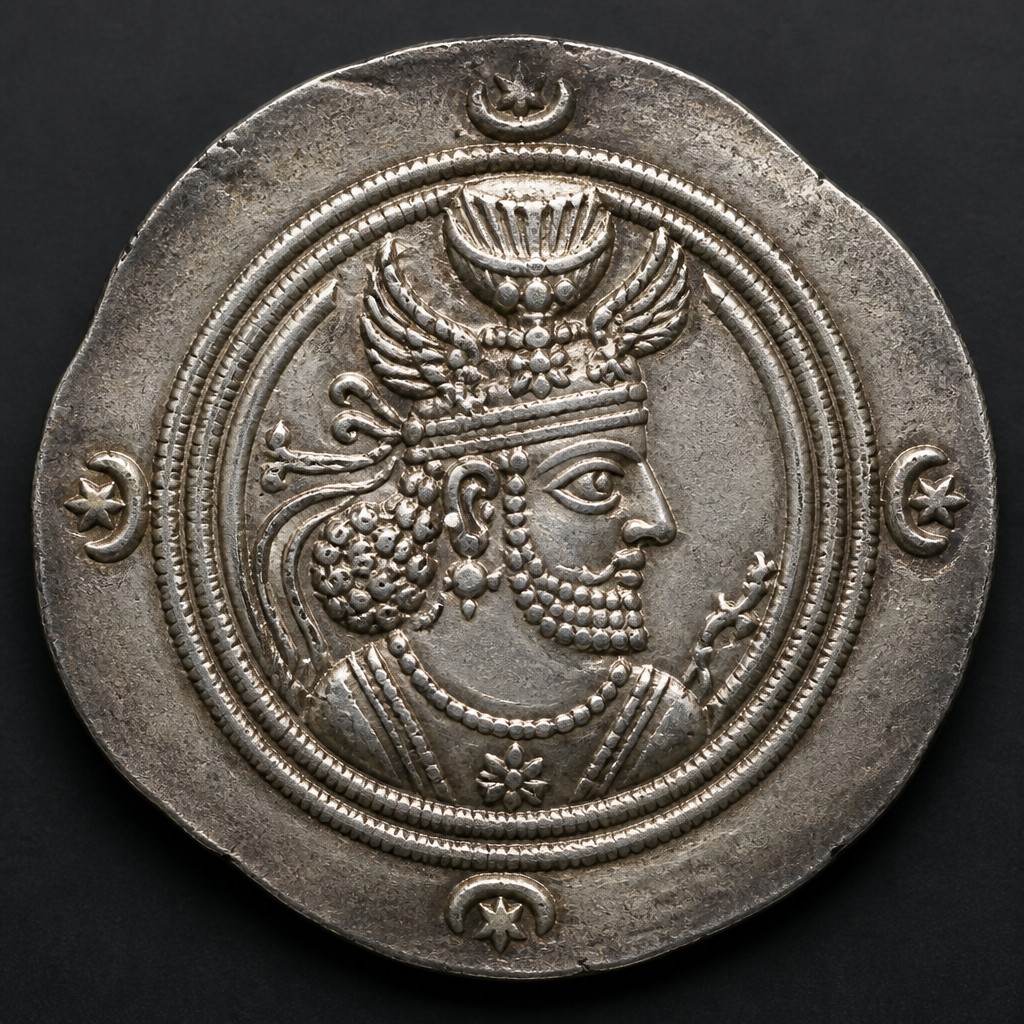
Sassanian Silver Drachm
c. 224–651 AD
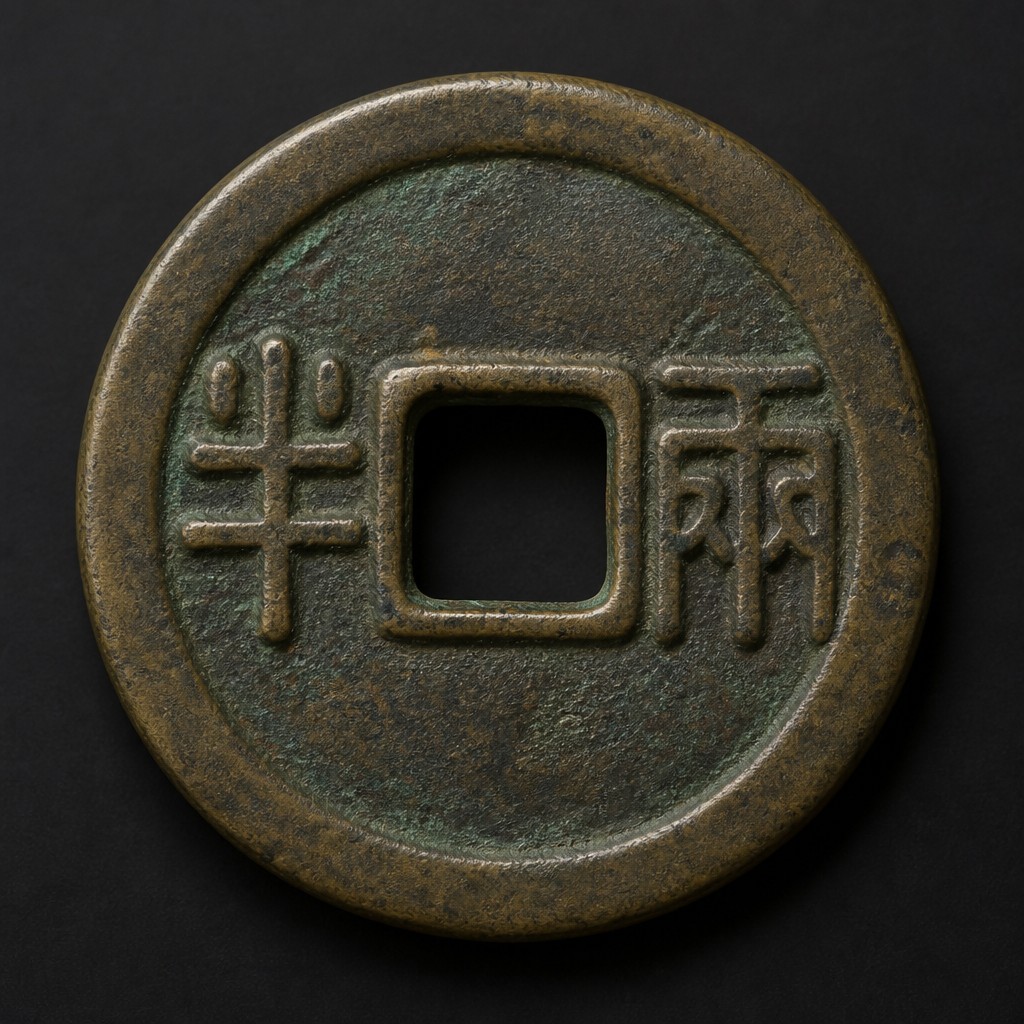
Chinese Ban Liang Cash
c. 221–118 BC
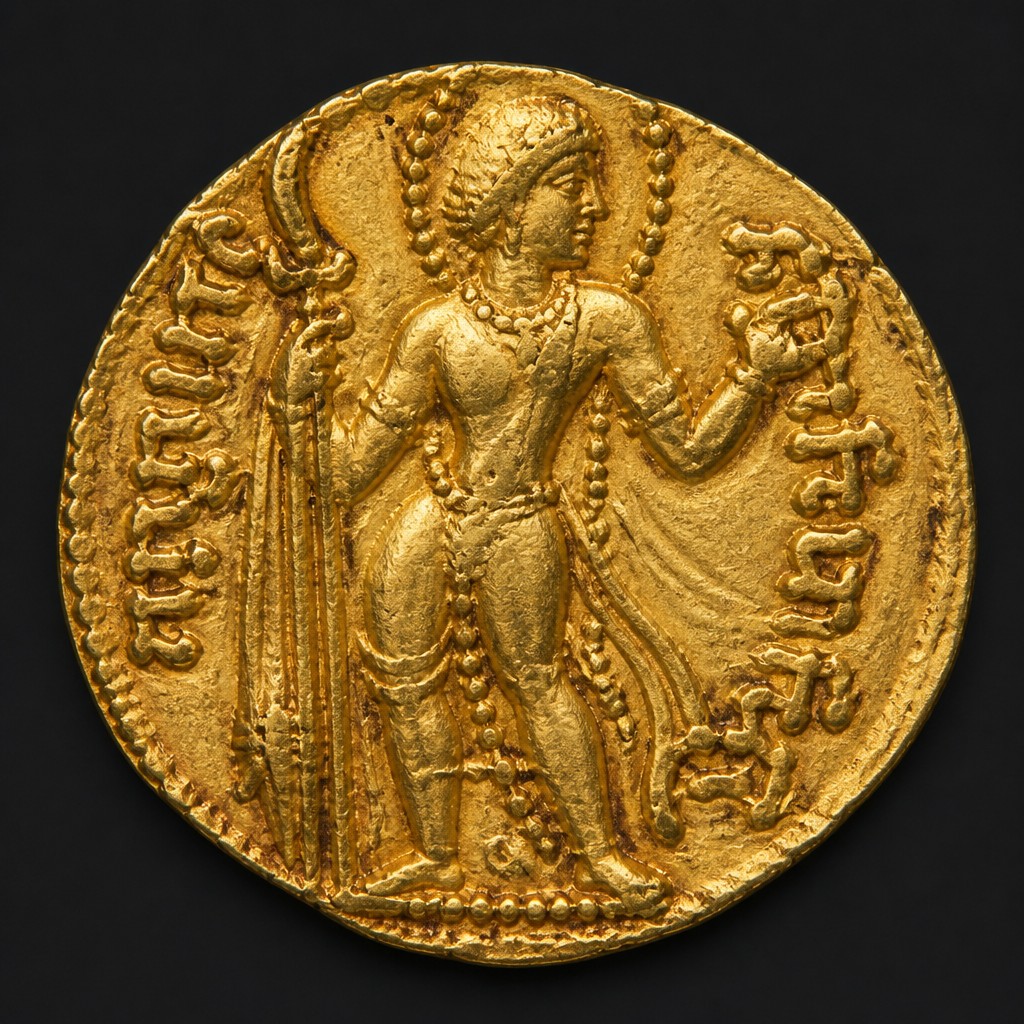
Gupta Empire Gold Dinar
c. 320–550 AD
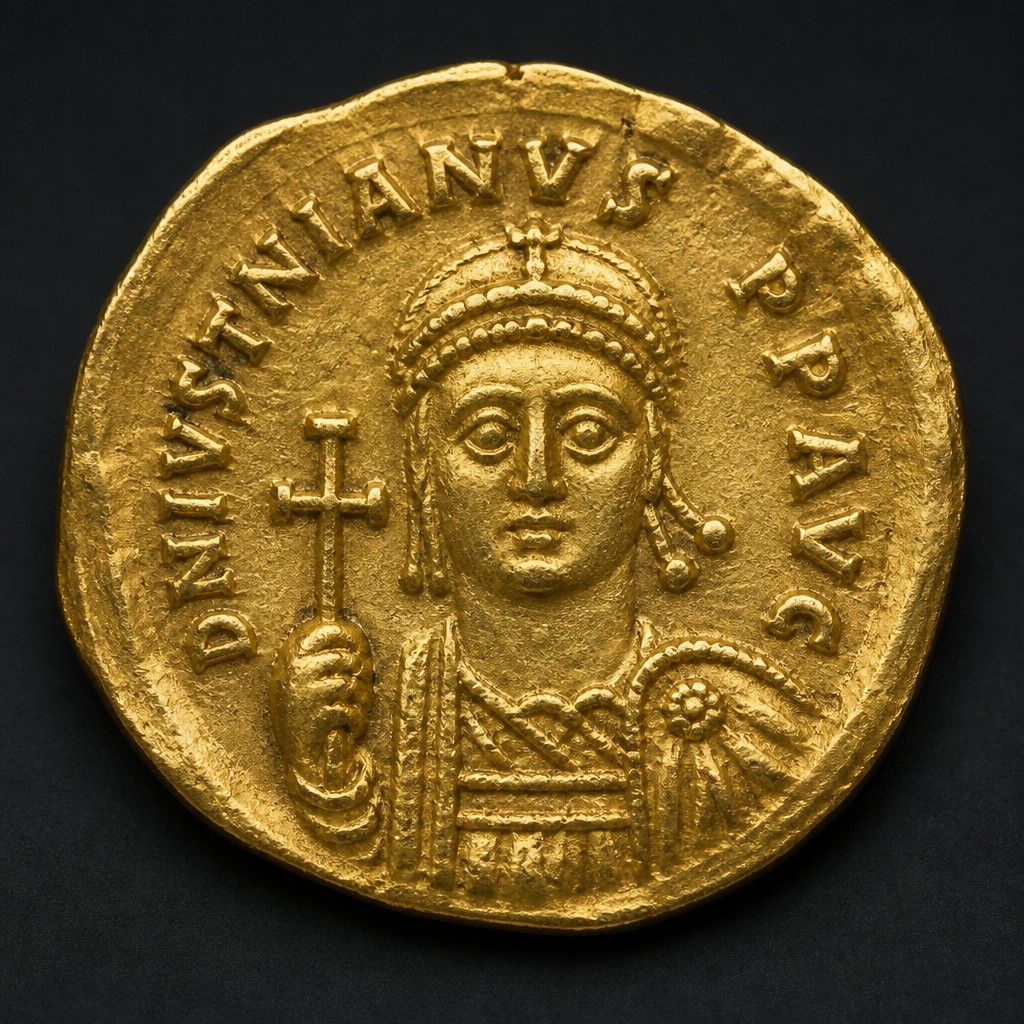
Byzantine Gold Tremissis
c. 4th–7th century AD
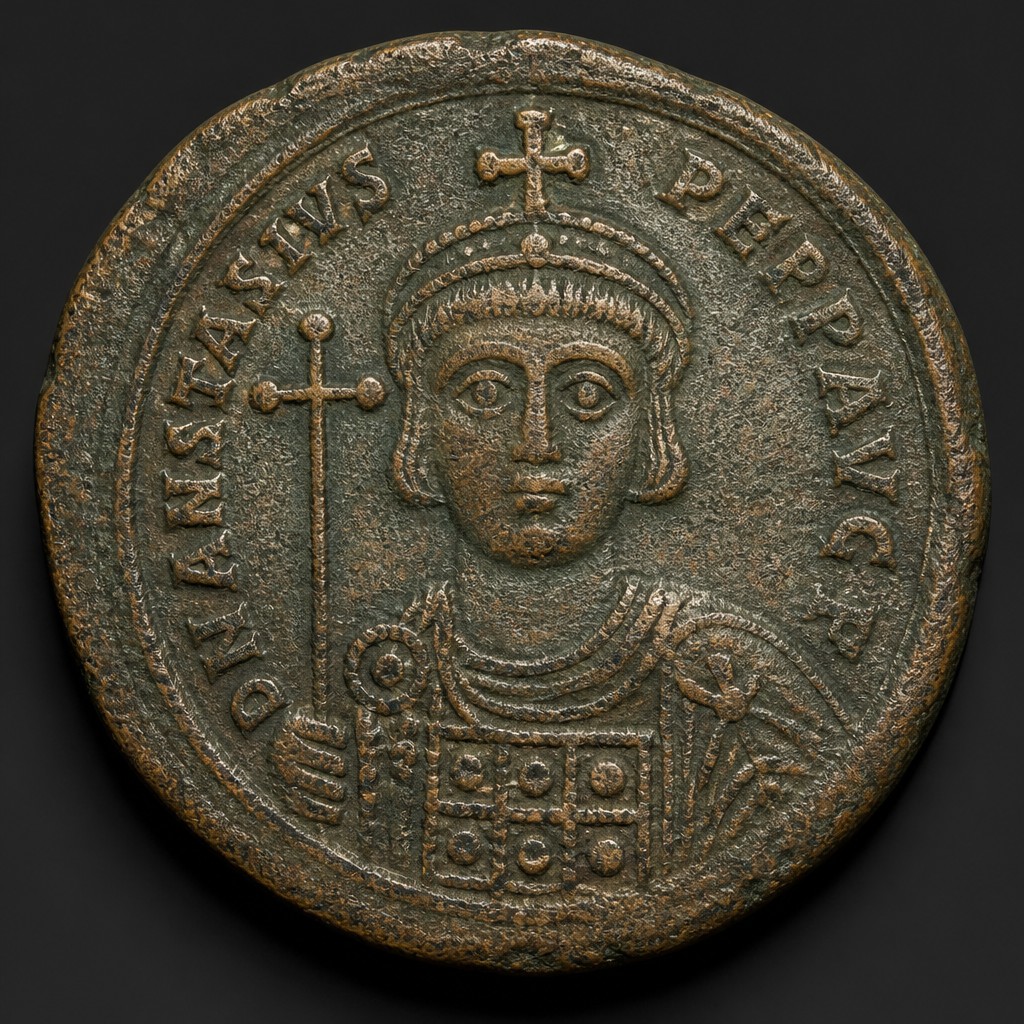
Byzantine Follis
498–c. 11th century AD
Celtic Gold Stater
c. 3rd century BC – 1st century AD