
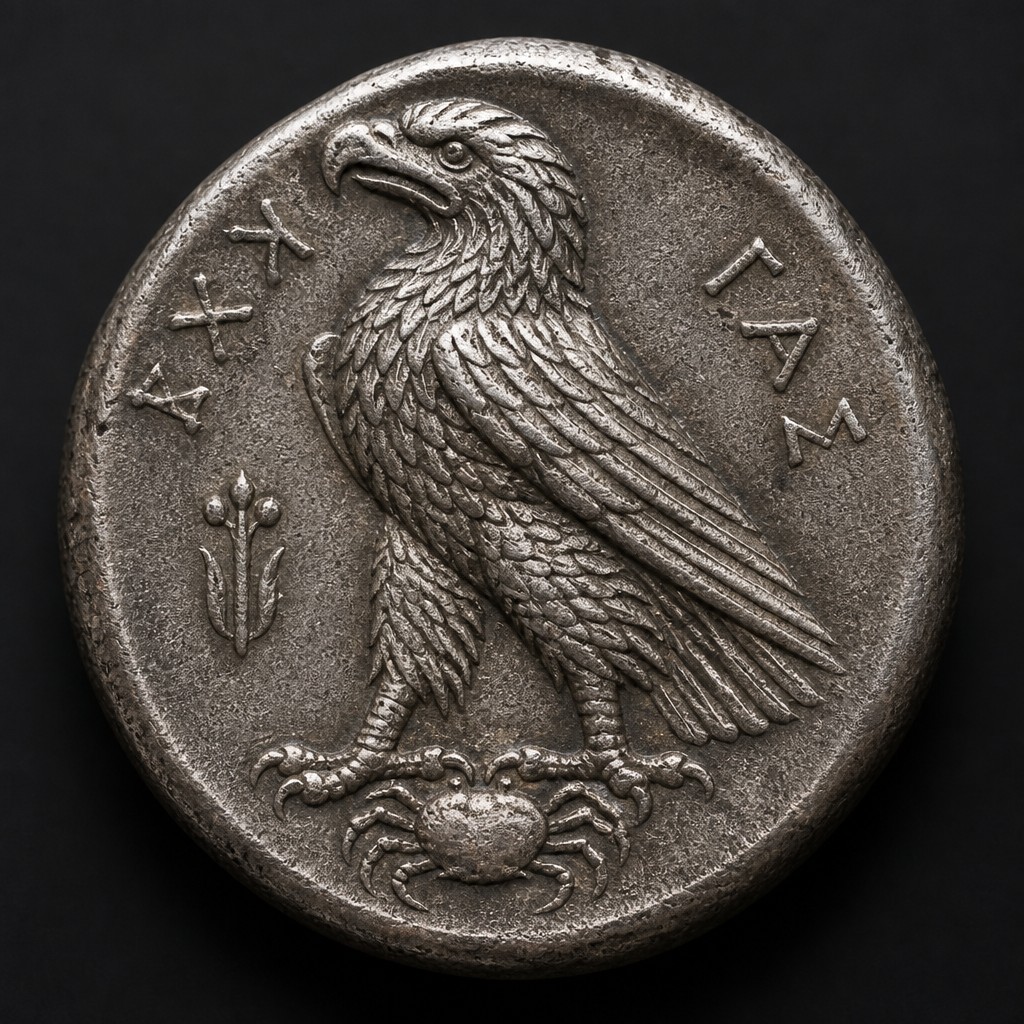
Akragas (Agrigentum) Eagle and Crab Tetradrachm
A silver tetradrachm from the wealthy Sicilian city of Akragas, pairing an eagle, symbol of Zeus, with a river crab representing the city's local waterways.
- Country
- Ancient Greece (Sicily)
- Denomination
- Tetradrachm
- Metal
- Silver
Got a coin like this?
Identify any coin from a photo, free.
Overview
The Akragas eagle-and-crab tetradrachm is among the most admired coinages of ancient Sicily, produced by one of the richest and most architecturally ambitious Greek cities on the island. The pairing of an eagle, associated with Zeus, and a crab, referencing the local rivers that gave the city its name, creates a balanced and visually memorable design that has made the coinage a longtime favorite among collectors of Sicilian Greek coins.
Akragas was famed in antiquity for its wealth, grand temples (several of which survive today in the Valley of the Temples), and lavish public life, and its coinage reflects that prosperity through consistently high-quality die work across a long production run.
History & Background
Akragas (Roman Agrigentum, modern Agrigento) was founded by Greek colonists from Gela in the early 6th century BC and rapidly became one of the wealthiest cities in Sicily, drawing on rich agricultural land and active trade. The city's coinage flourished particularly under its tyrants and during periods of prosperity in the 5th century BC, with the eagle-and-crab tetradrachm becoming its signature type; the eagle likely alludes to Zeus, while the crab is generally understood as a punning or symbolic reference to the Akragas River that flowed by the city.
Akragas's coinage and prosperity were dramatically interrupted when the city was sacked by Carthage in 406 BC, an event that marks the effective end of the classical-period eagle-and-crab tetradrachm series, though the city was later resettled and issued coinage again in reduced form.
How to Identify
The obverse shows an eagle, usually standing with wings closed or in the act of tearing at prey such as a hare, symbolizing Zeus's power. The reverse depicts a crab, shown from above with its legs and claws spread, sometimes accompanied by small subsidiary symbols such as a shell, fish, or floral ornament, with the ethnic ΑΚΡΑΓΑΝΤΟΣ or an abbreviation nearby.
The tetradrachm is struck in silver on the Attic-influenced Sicilian weight standard, and later issues in the series show increasingly elaborate and finely engraved detail as the coinage matured through the 5th century BC.
Value & Collectibility
Akragas eagle-and-crab tetradrachms are popular and moderately available, with prices for solid, well-struck examples commonly falling in the low-to-mid thousands of dollars, while exceptionally artistic or well-preserved specimens, particularly from the finest late Classical dies, can bring considerably more. Collectors particularly prize coins with sharp detail in both the eagle's plumage and the crab's legs, since strong double-sided strikes are less common than coins with one weaker side.
Frequently asked questions
Why does the coin show an eagle and a crab together?
The eagle is associated with Zeus, while the crab is thought to reference the rivers near Akragas, together forming the city's distinctive civic emblem.
What happened to Akragas that affected this coinage?
The city was sacked by Carthage in 406 BC, which brought an end to the classical-period version of this tetradrachm type.
Is Akragas the same as Agrigento?
Yes, Akragas was the ancient Greek name; the Romans called it Agrigentum, and the modern Sicilian city is Agrigento.
What makes some examples more valuable?
Sharp, well-centered strikes showing full detail on both the eagle and the crab bring the strongest premiums.
What weight standard does this coin use?
A Sicilian variant of the Attic-influenced weight standard common among Sicilian Greek cities.
Other coins you may enjoy
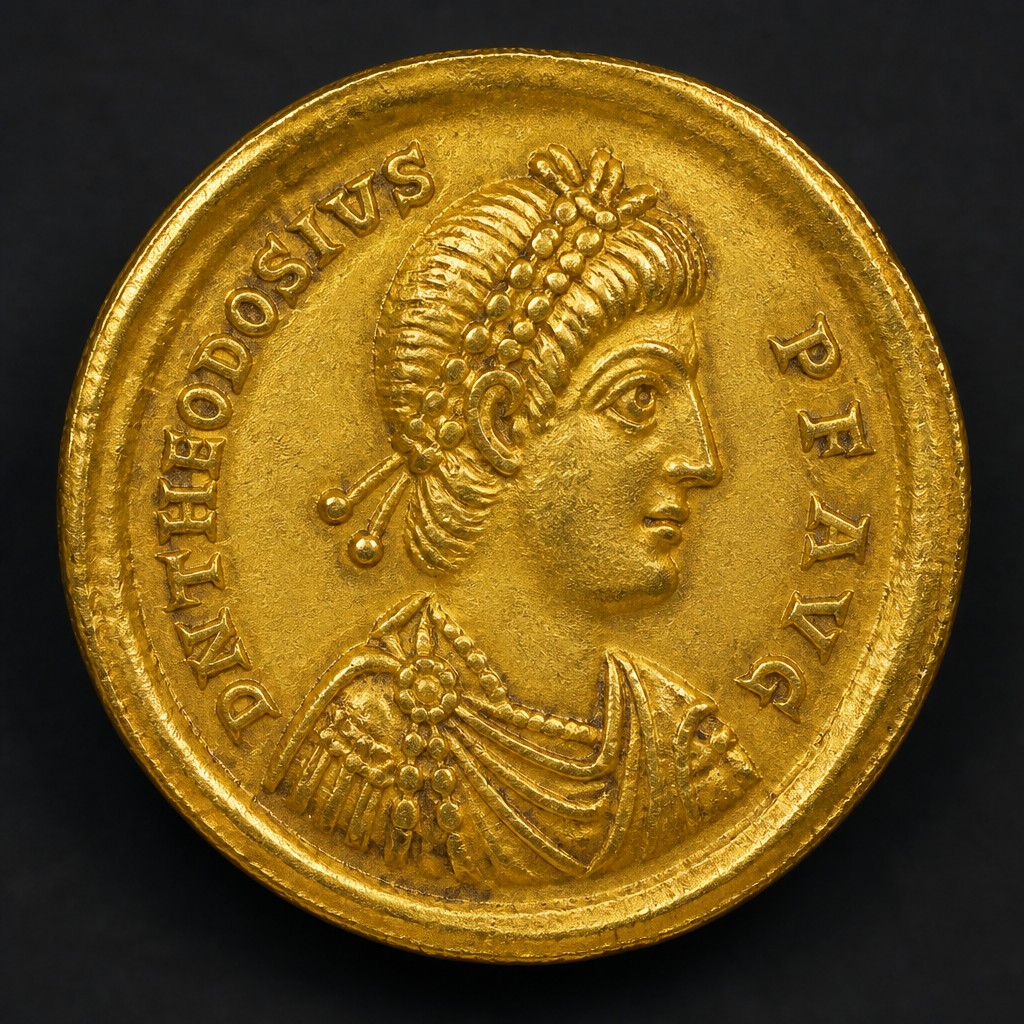
Theodosius I Solidus
379–395 AD
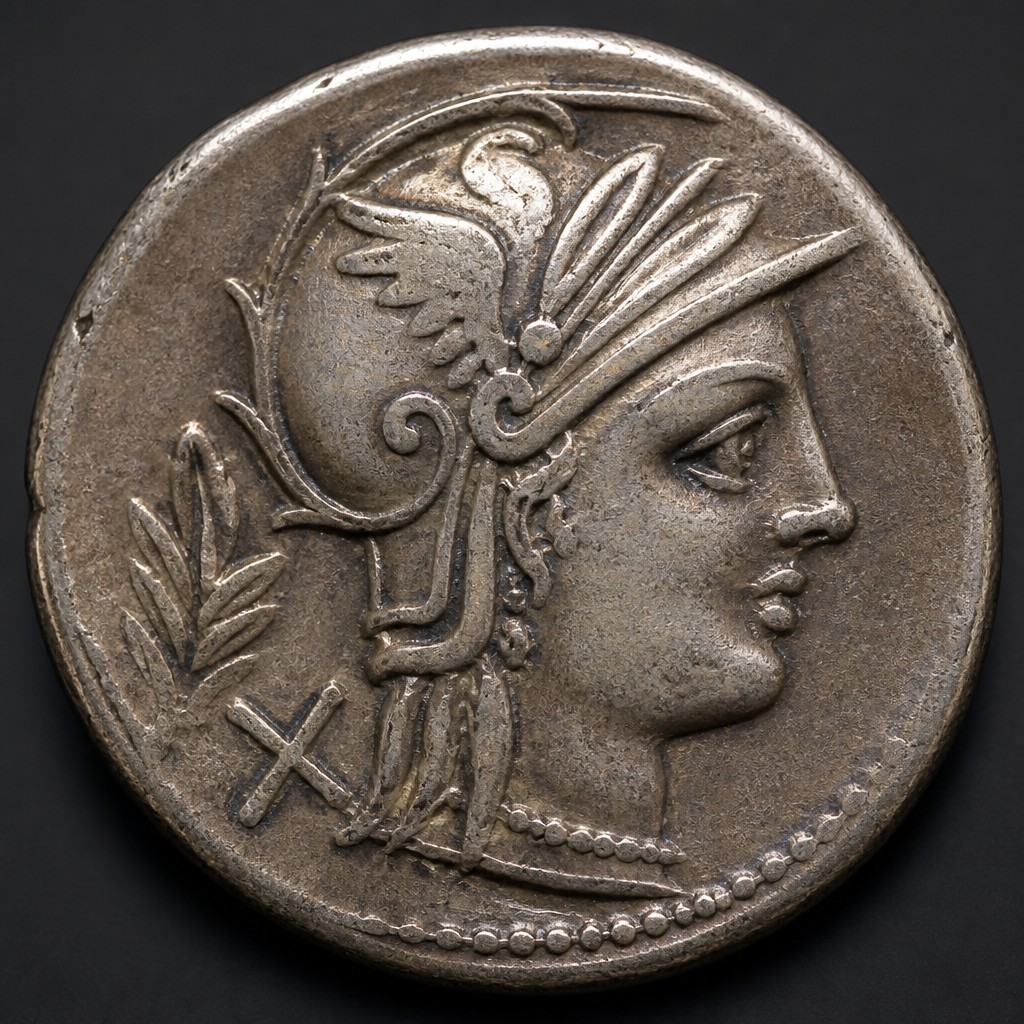
Republican Victoriatus
c. 211–170 BC
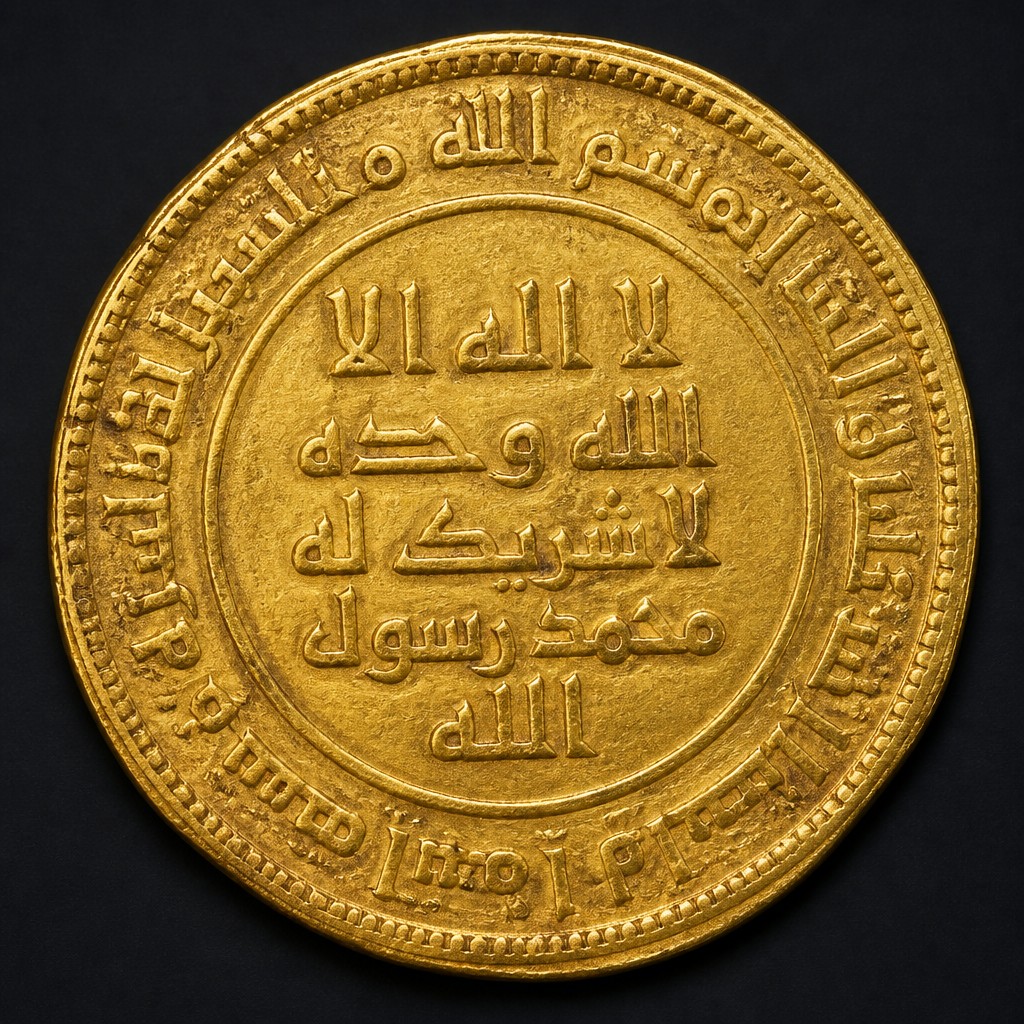
Islamic Gold Dinar (Umayyad)
c. 696–750 AD
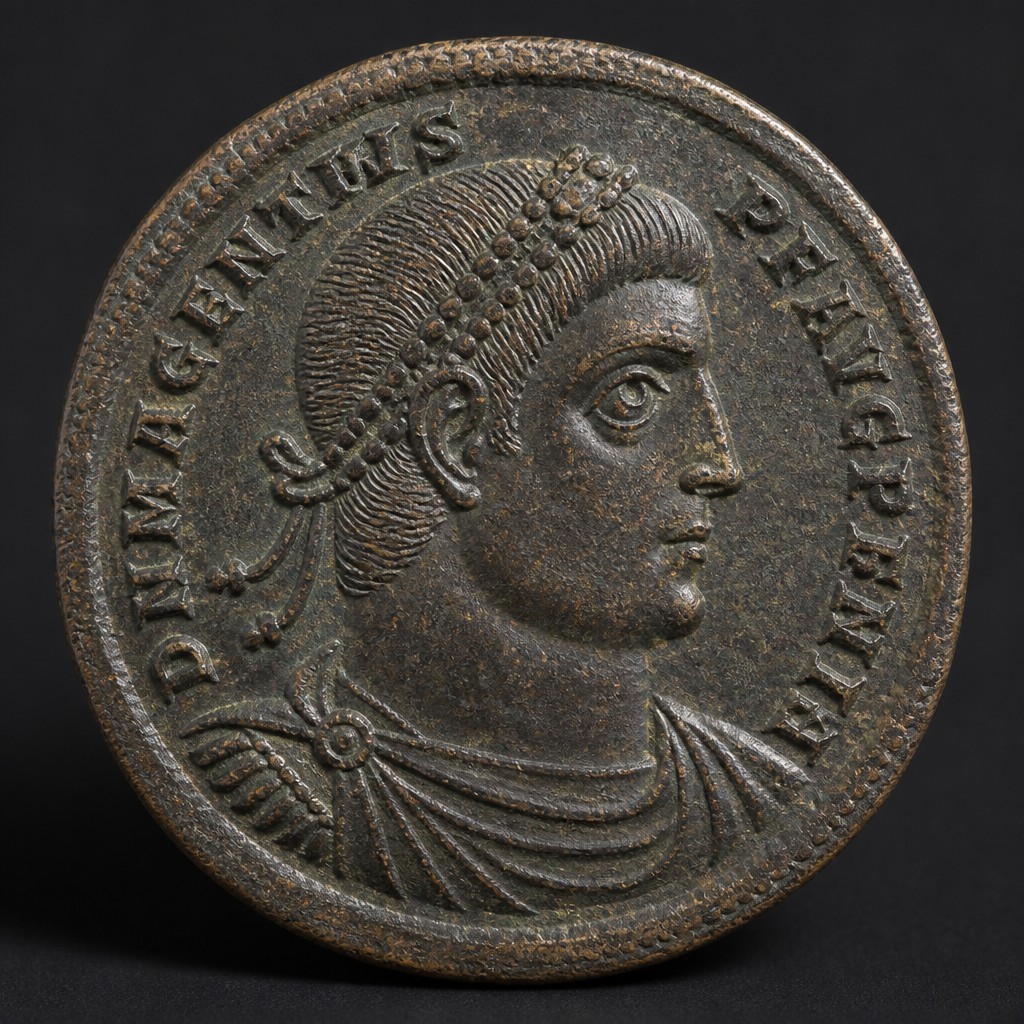
Magnentius Double Centenionalis
350–353 AD
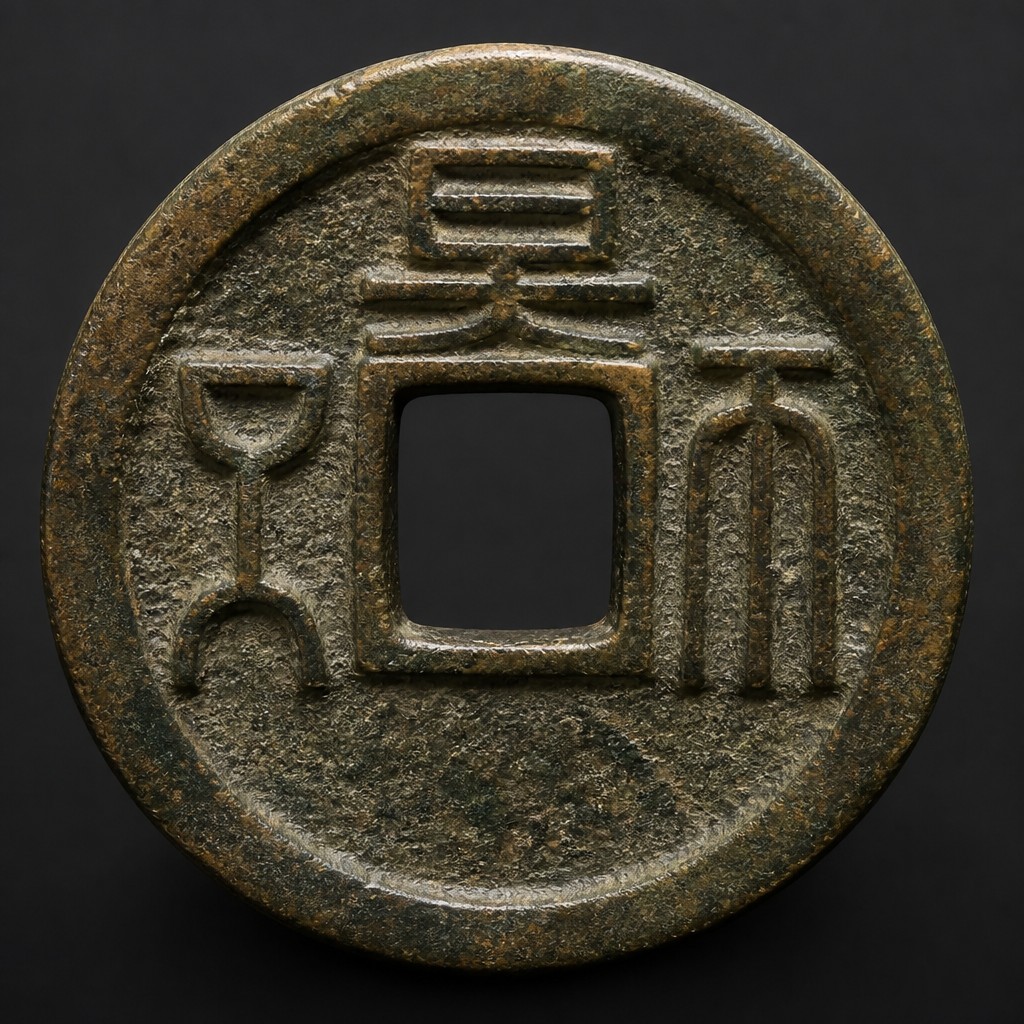
Chinese Wu Zhu Cash
118 BC – 618 AD
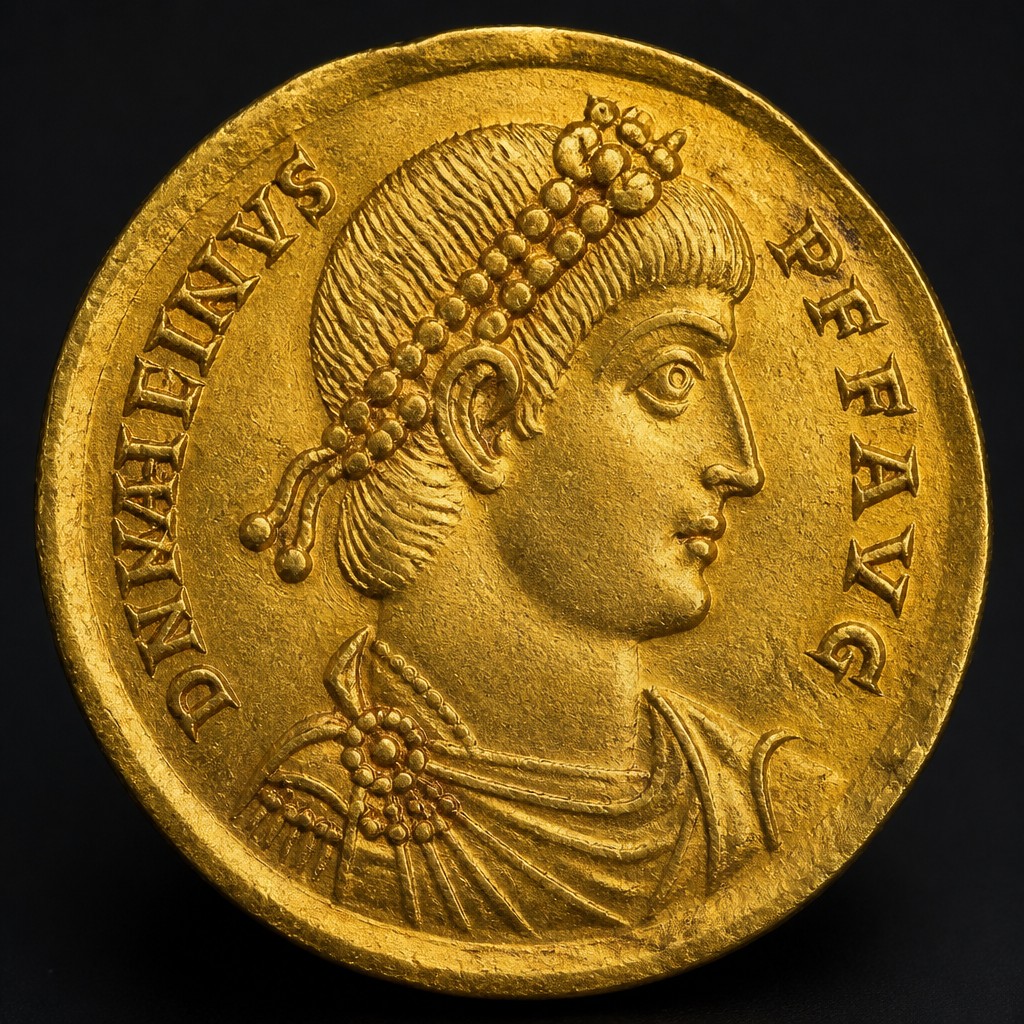
Valentinian I Solidus
364–375 AD
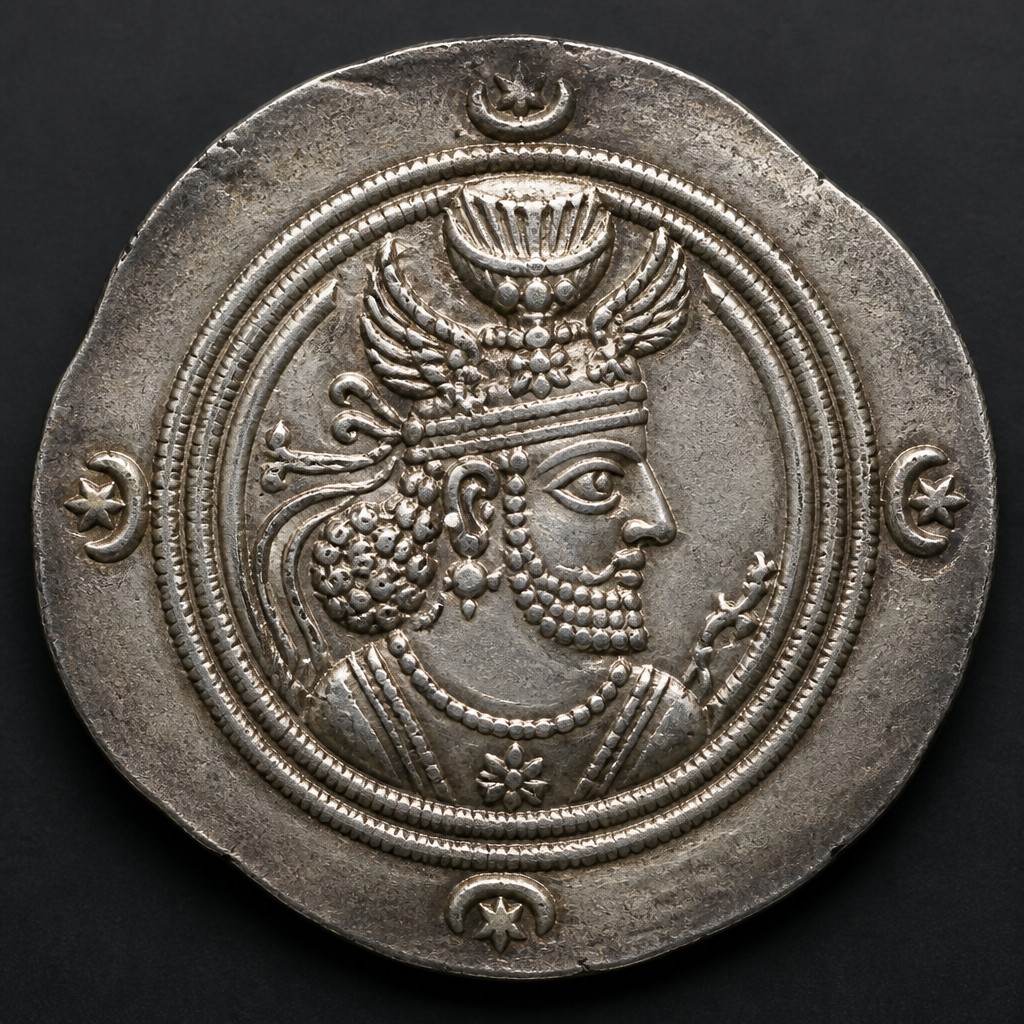
Sassanian Silver Drachm
c. 224–651 AD
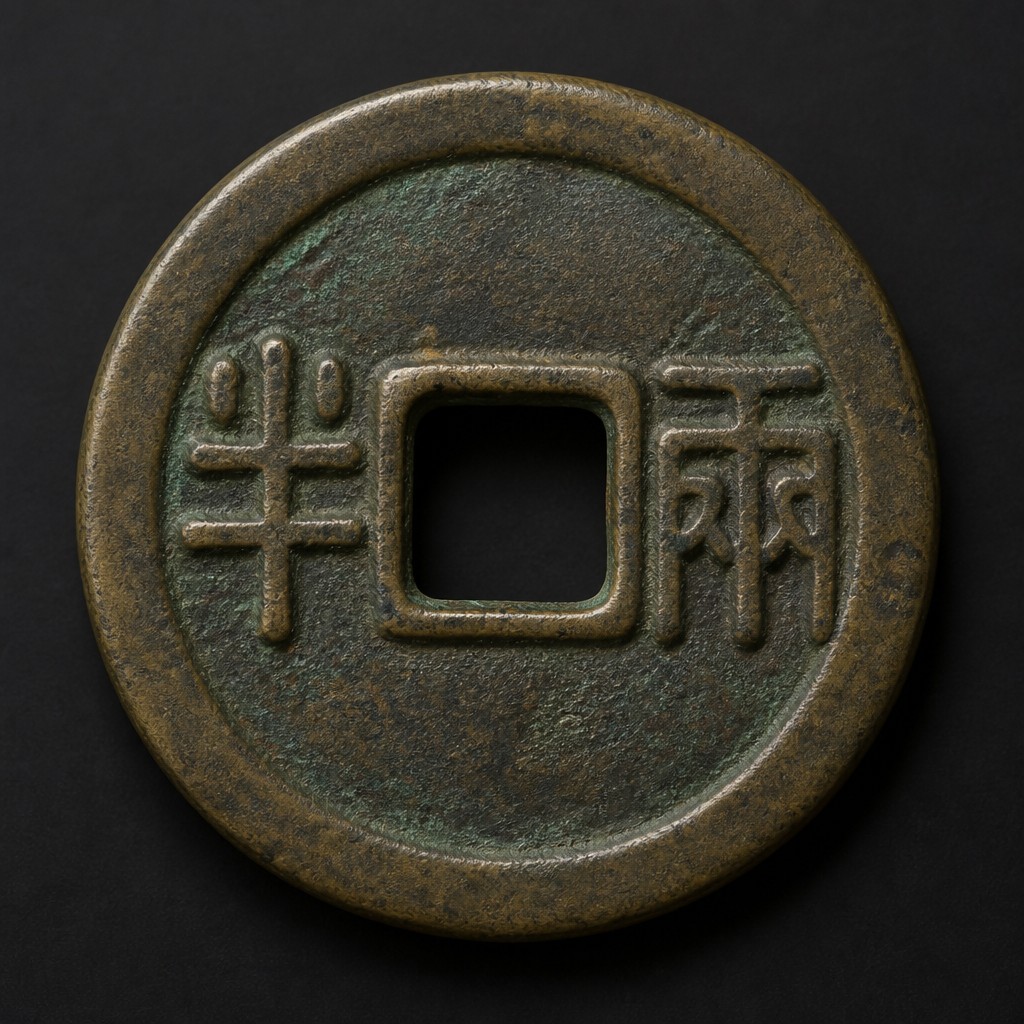
Chinese Ban Liang Cash
c. 221–118 BC
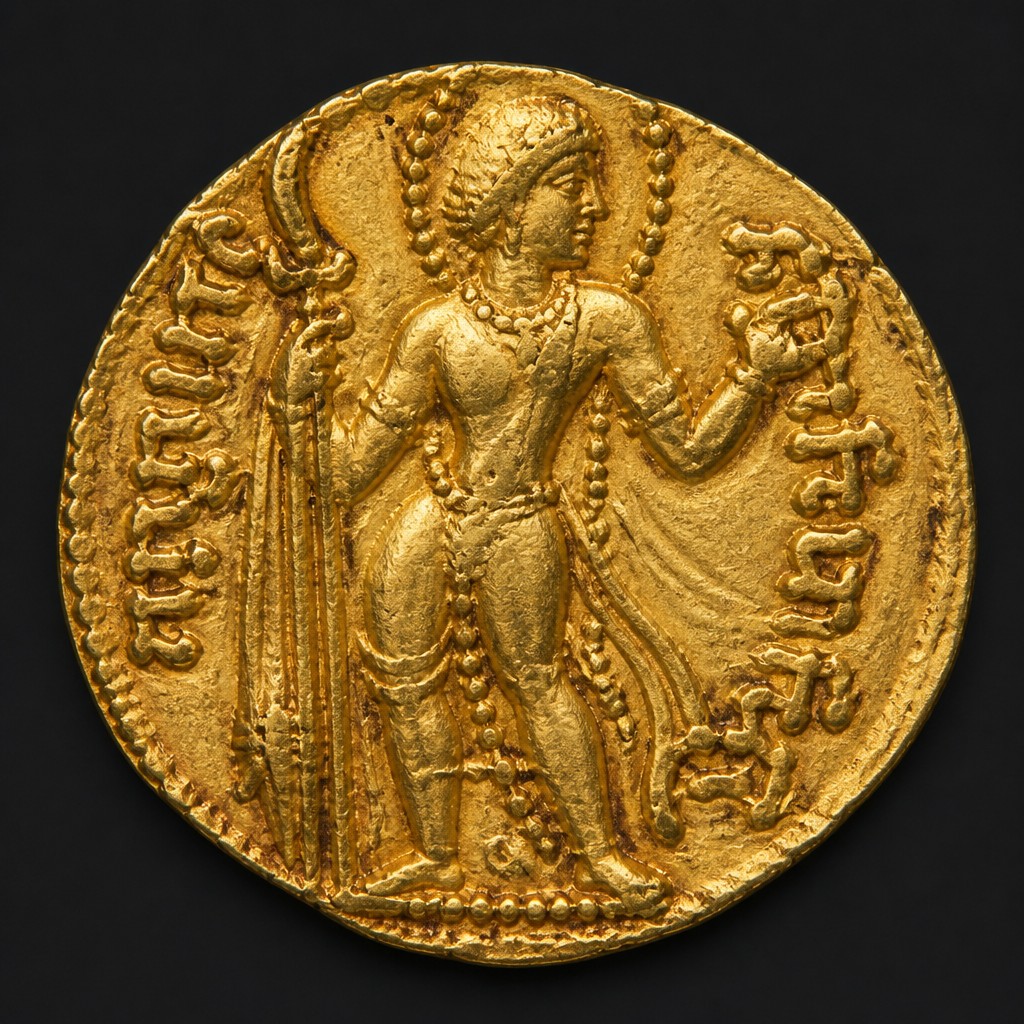
Gupta Empire Gold Dinar
c. 320–550 AD
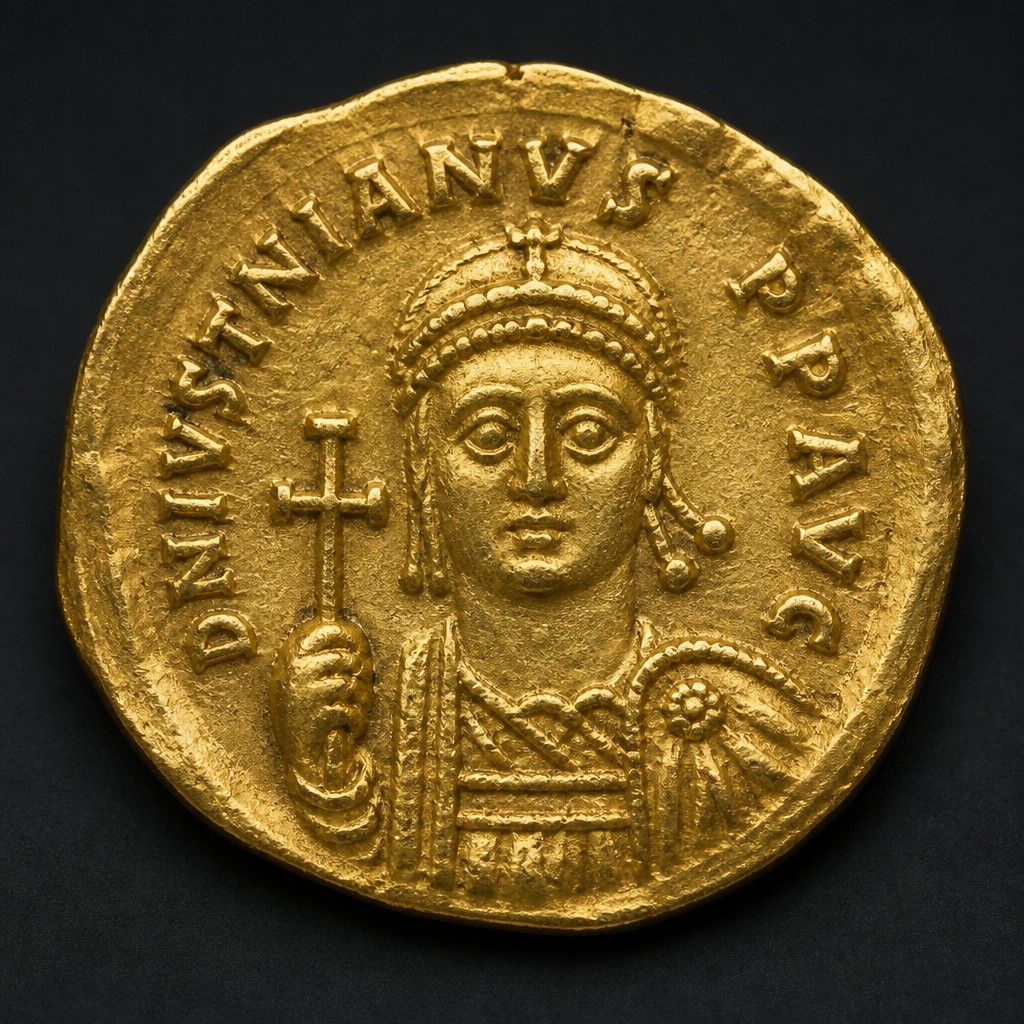
Byzantine Gold Tremissis
c. 4th–7th century AD
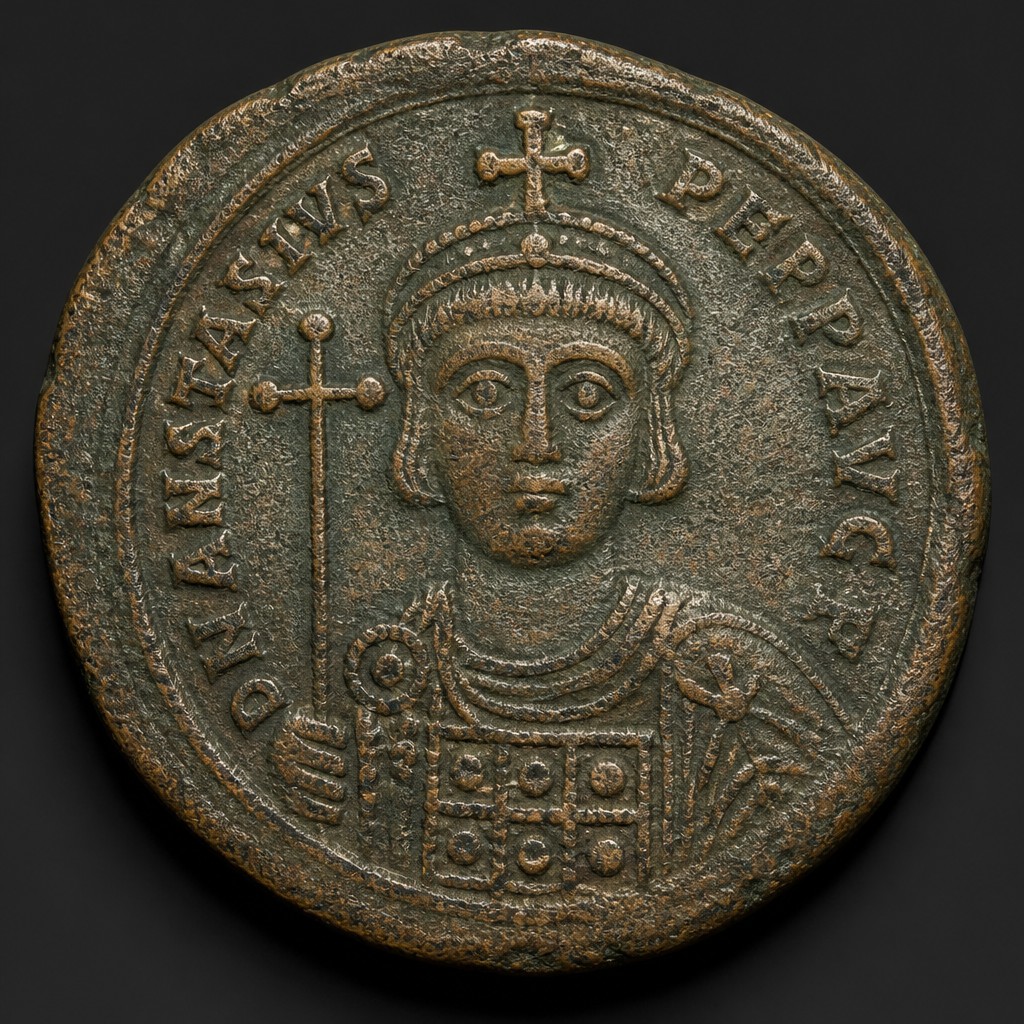
Byzantine Follis
498–c. 11th century AD
Celtic Gold Stater
c. 3rd century BC – 1st century AD