
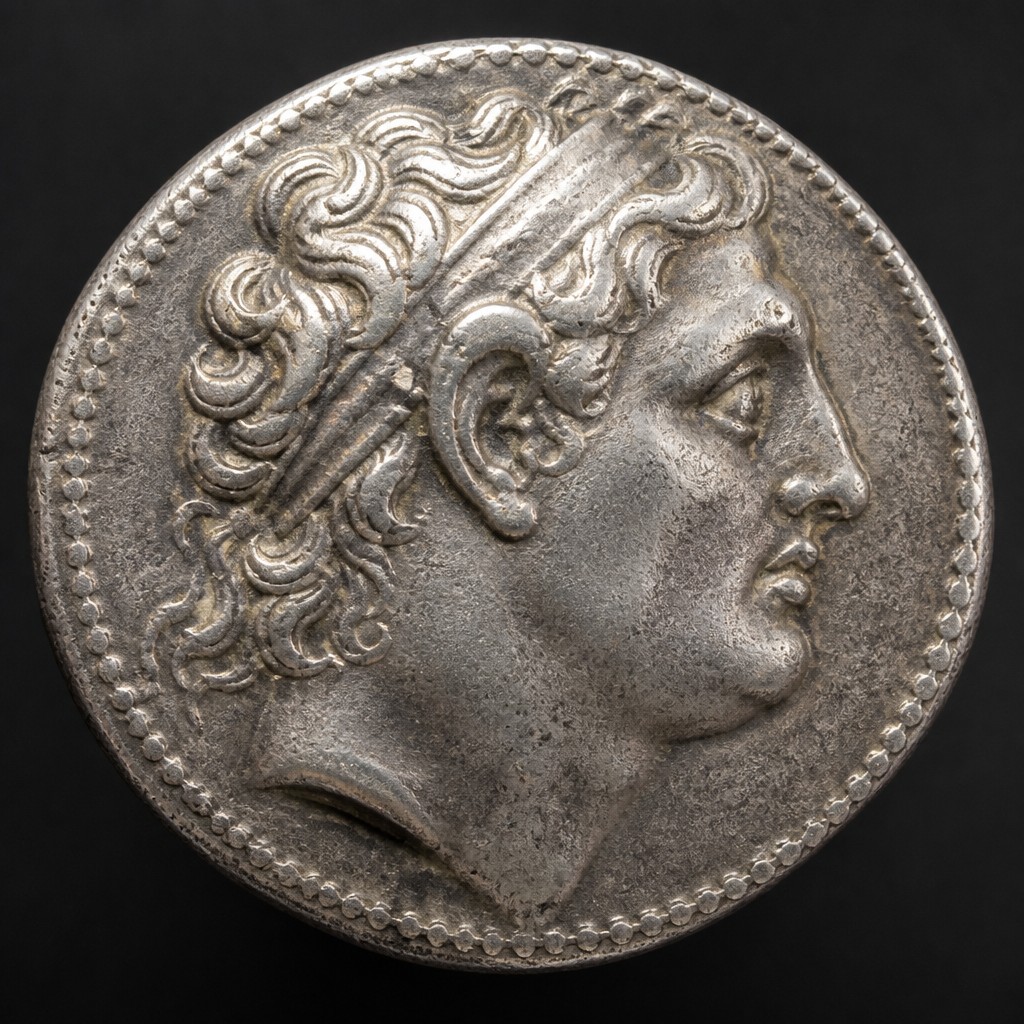
Lysimachos Tetradrachm (Alexander/Athena)
A silver tetradrachm struck by King Lysimachos, one of Alexander the Great's successors, showing the deified Alexander with a ram's horn and a seated Athena on the reverse.
- Country
- Ancient Greece (Kingdom of Thrace)
- Denomination
- Tetradrachm
- Metal
- Silver
Got a coin like this?
Identify any coin from a photo, free.
Overview
The Lysimachos tetradrachm is one of the most iconic coinages of the Hellenistic Successor period, struck by Lysimachos, a former bodyguard and general of Alexander the Great who carved out his own kingdom in Thrace, western Asia Minor, and parts of the Black Sea region after Alexander's death. The coin's obverse, showing a deified image of Alexander wearing the horn of the god Ammon, is one of the most celebrated portrait types in all of ancient numismatics.
Because the coinage was struck at numerous mints over a long period, including posthumous issues produced long after Lysimachos's death, collectors can pursue the series across a wide range of styles, mints, and price points while enjoying one of the most historically resonant designs to emerge from the wars of Alexander's successors.
History & Background
Lysimachos was one of Alexander the Great's leading generals (a diadochus, or "successor") who, following Alexander's death in 323 BC, eventually established his own kingdom centered on Thrace and extending at times into Asia Minor. Around 305 BC, after proclaiming himself king, Lysimachos began issuing a distinctive silver tetradrachm honoring the deified memory of Alexander, deliberately invoking the legitimacy and prestige of his former commander rather than placing his own portrait on the coinage.
The type proved so popular and trusted that it continued to be struck, including posthumous issues by other authorities and cities, for well over a century after Lysimachos's death in 281 BC, making it one of the most long-lived and widely copied Hellenistic coin types.
How to Identify
The obverse shows the diademed head of the deified Alexander the Great in profile, distinguished by the ram's horn of the god Ammon curling around his ear, a symbol of Alexander's claimed divine parentage. The reverse depicts the goddess Athena seated on a throne, holding a small figure of Nike (Victory) in her outstretched hand and resting her other arm on a shield, with a spear behind her and the royal legend ΒΑΣΙΛΕΩΣ ΛΥΣΙΜΑΧΟΥ ("of King Lysimachos") around the design, often accompanied by mint marks or monograms specific to the striking city.
The coin is a silver tetradrachm on the Attic weight standard, and later posthumous issues can sometimes be distinguished from Lysimachos's own lifetime coinage by subtle stylistic differences and specific mint monograms documented in specialist references.
Value & Collectibility
Lysimachos tetradrachms are relatively available compared with many Hellenistic coinages, since they were struck at numerous mints over a long period, and solid, well-struck examples are often found in the low-to-mid hundreds of dollars, while exceptional strikes with sharp portraiture, or issues from particularly desirable or rare mints, can bring considerably more. Collectors especially value coins with a bold, well-centered portrait of Alexander showing crisp detail in the ram's horn and hair, since strike quality varies widely across the series' many mints and dies.
Frequently asked questions
Why does the portrait have a ram's horn?
It represents the horn of the god Ammon, referencing Alexander the Great's claimed divine parentage and his visit to the oracle of Ammon in Egypt.
Who is Lysimachos?
A general and bodyguard of Alexander the Great who became one of his successors, ruling a kingdom centered on Thrace after Alexander's death.
Why did Lysimachos put Alexander's image on his coins instead of his own?
Using Alexander's deified image lent legitimacy and prestige to Lysimachos's rule, invoking the authority of his famous former commander.
What does the reverse show?
The goddess Athena seated on a throne, holding a small figure of Nike (Victory) and resting on a shield, with Lysimachos's royal title inscribed around the design.
Did this coin type continue after Lysimachos died?
Yes, posthumous issues of this popular type continued to be struck by various cities for well over a century after his death in 281 BC.
Other coins you may enjoy
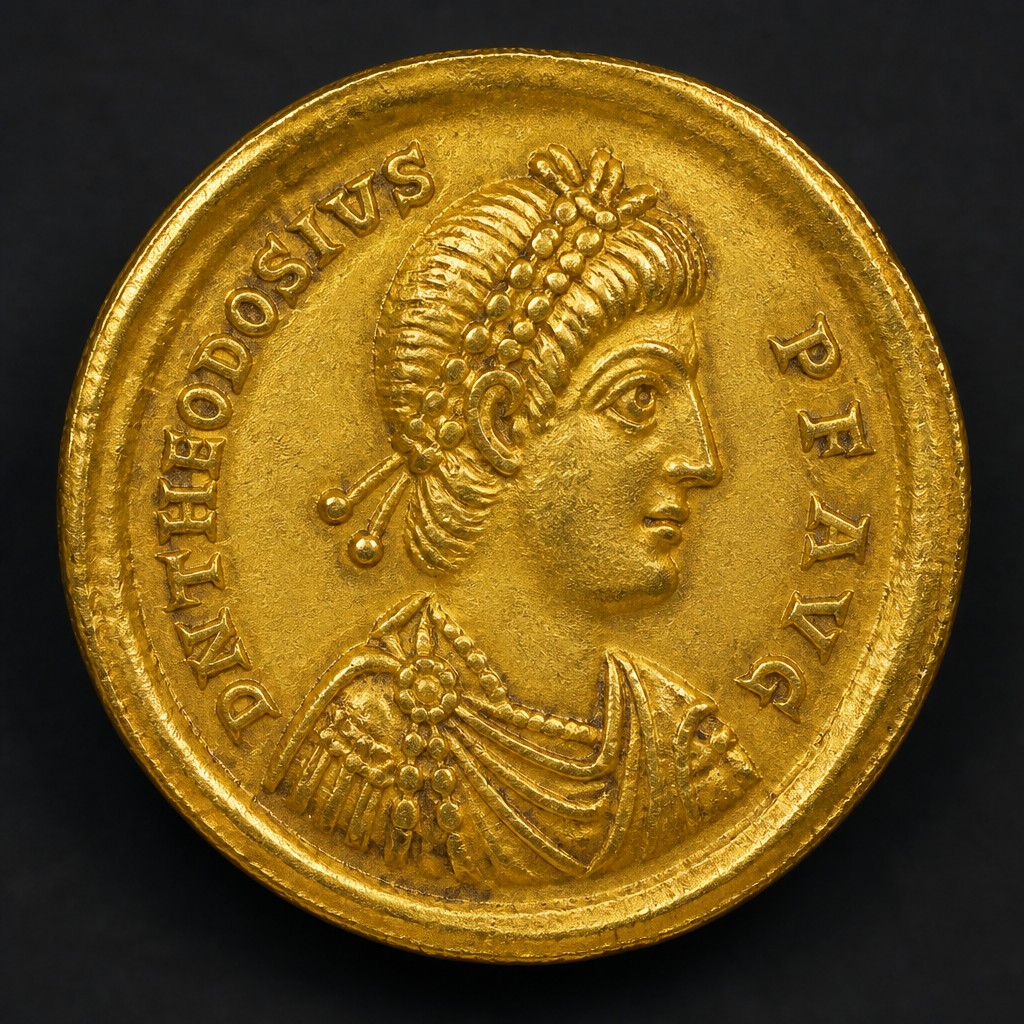
Theodosius I Solidus
379–395 AD
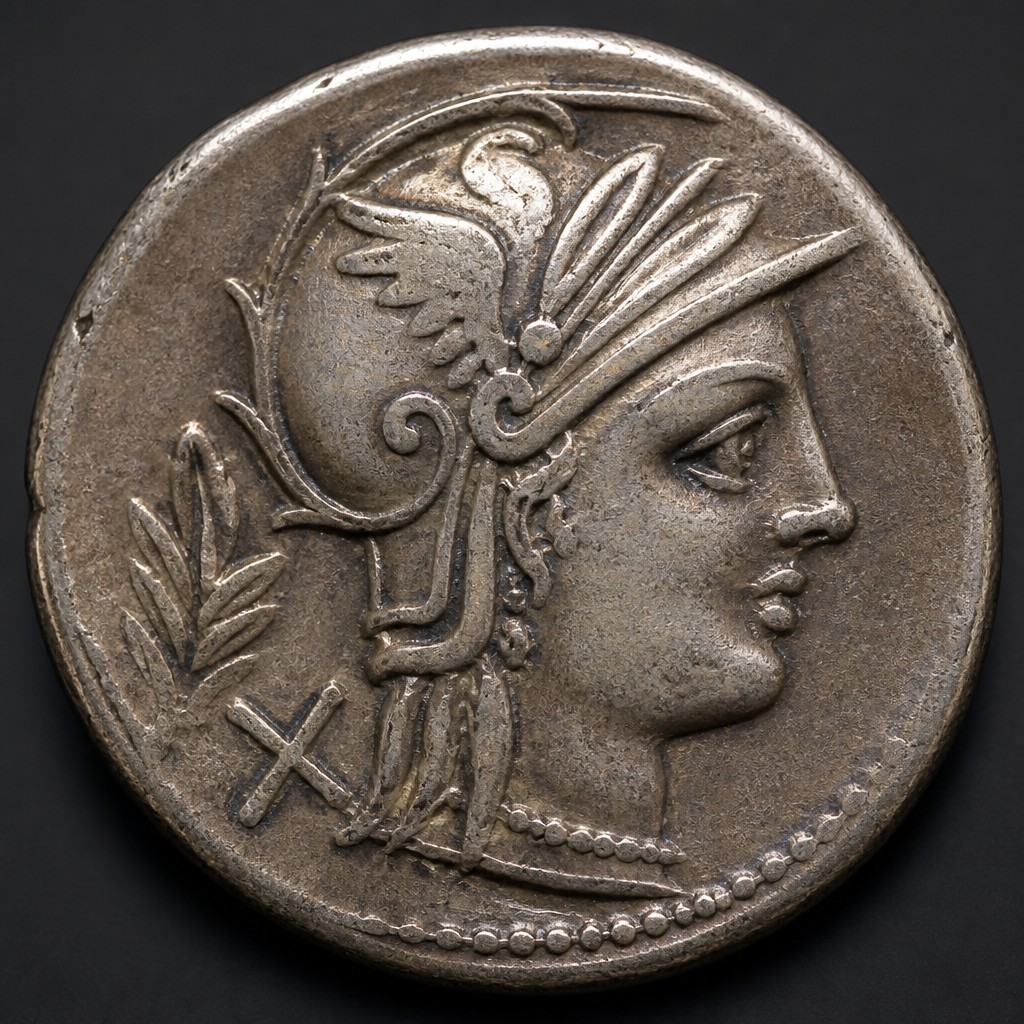
Republican Victoriatus
c. 211–170 BC
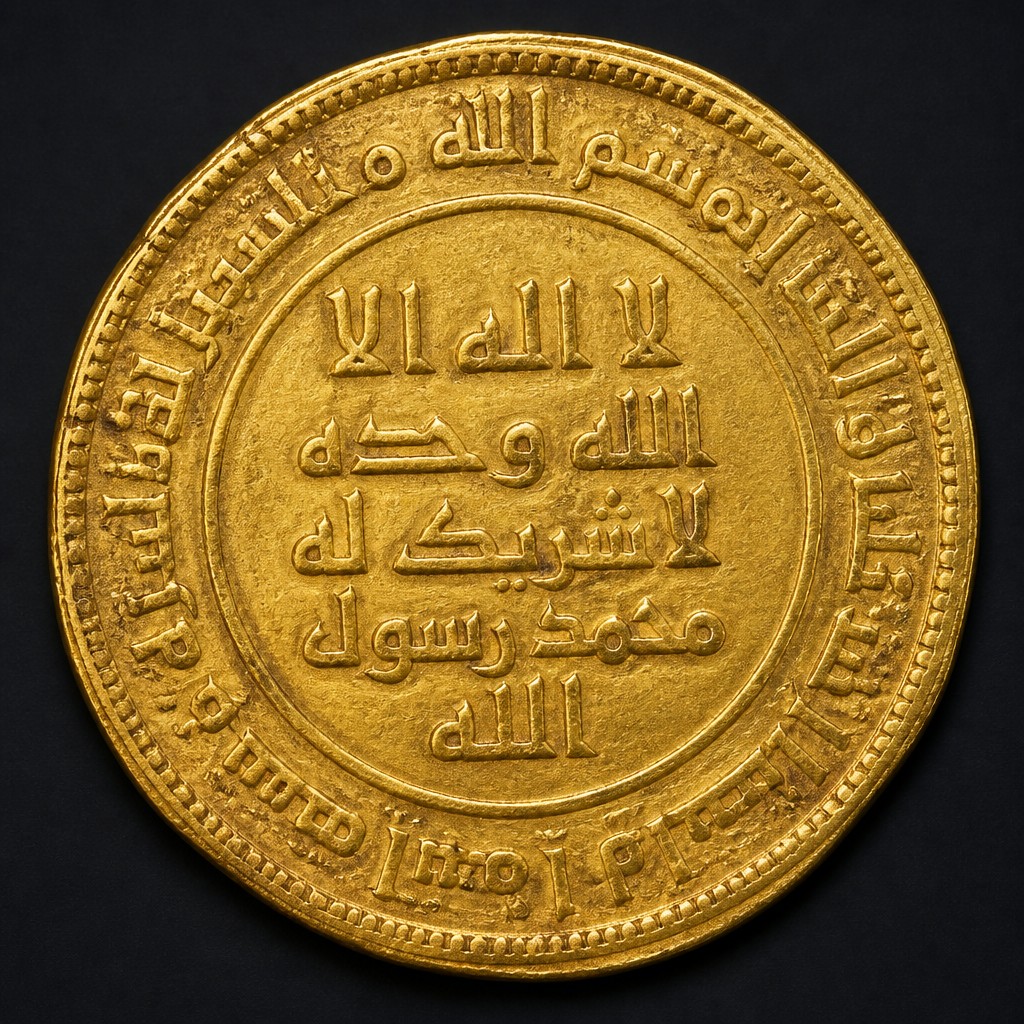
Islamic Gold Dinar (Umayyad)
c. 696–750 AD
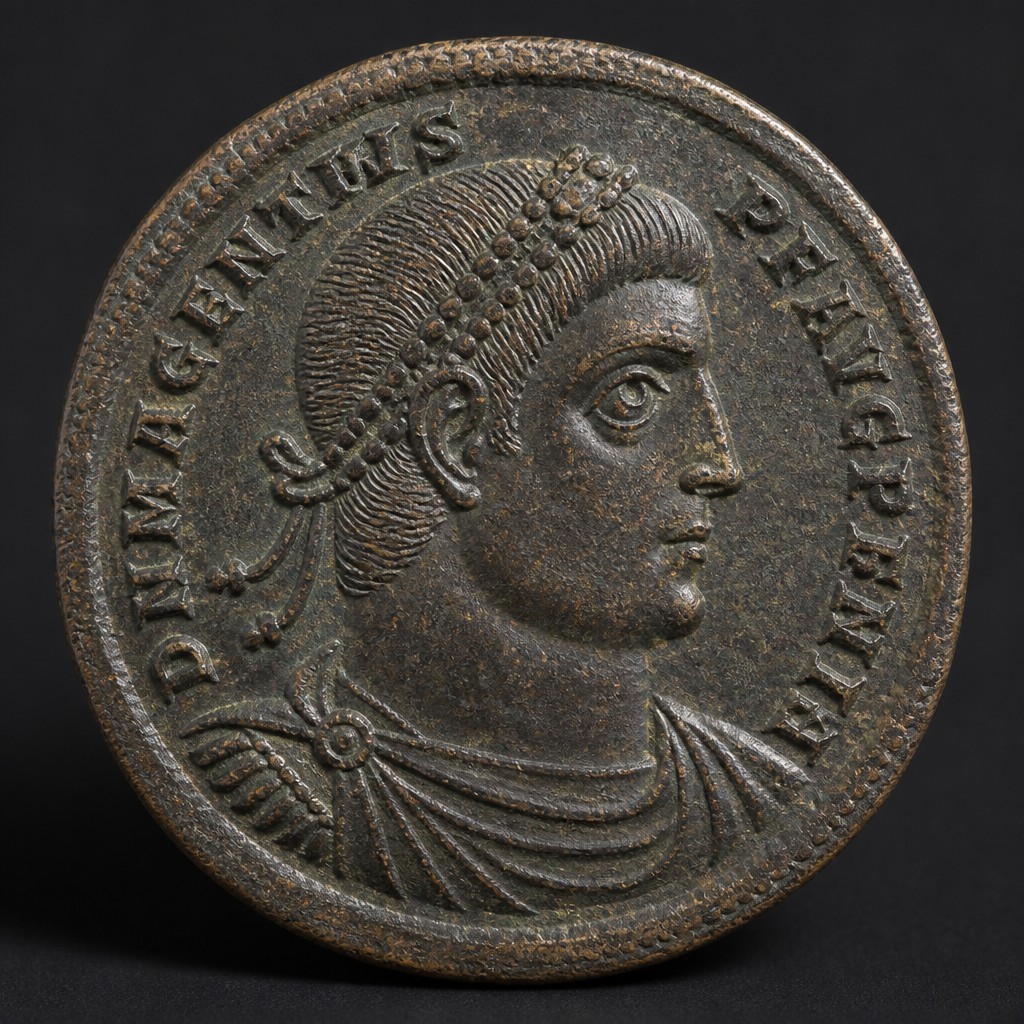
Magnentius Double Centenionalis
350–353 AD
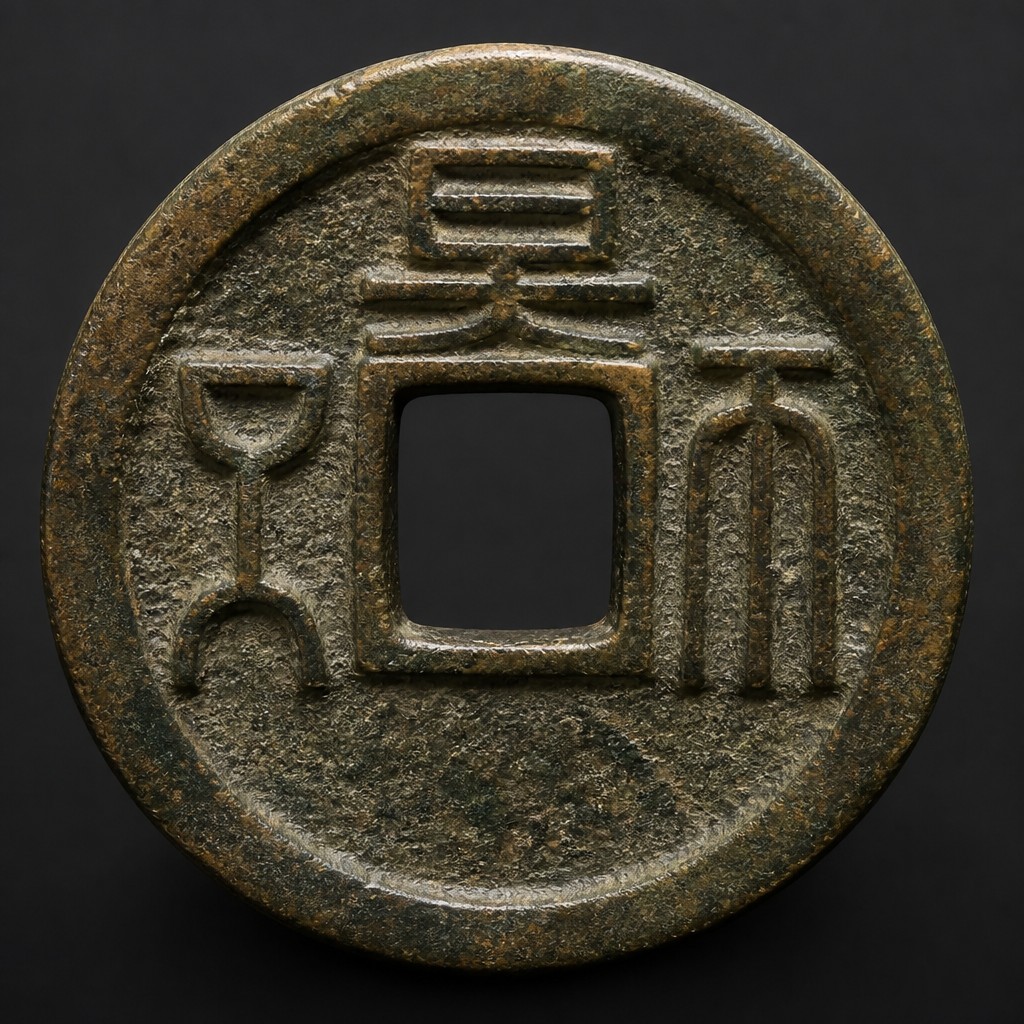
Chinese Wu Zhu Cash
118 BC – 618 AD
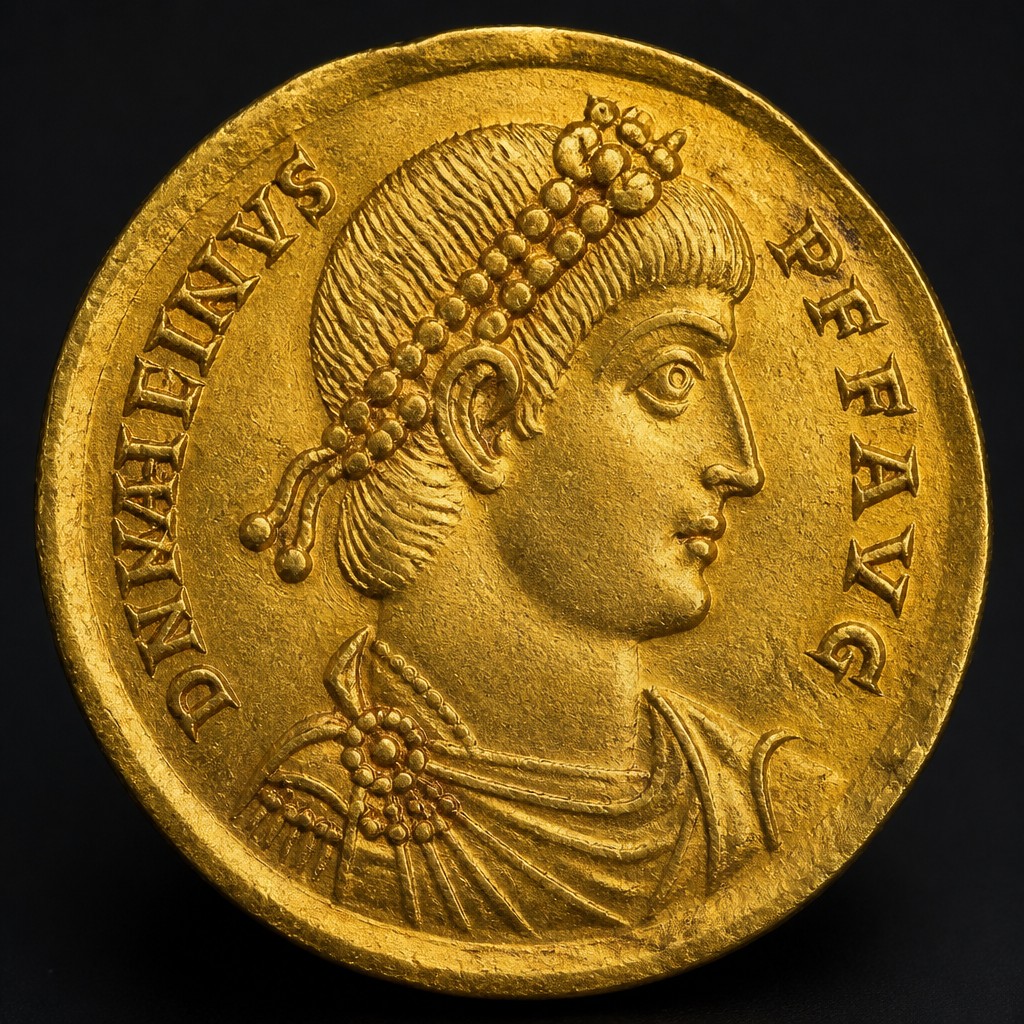
Valentinian I Solidus
364–375 AD
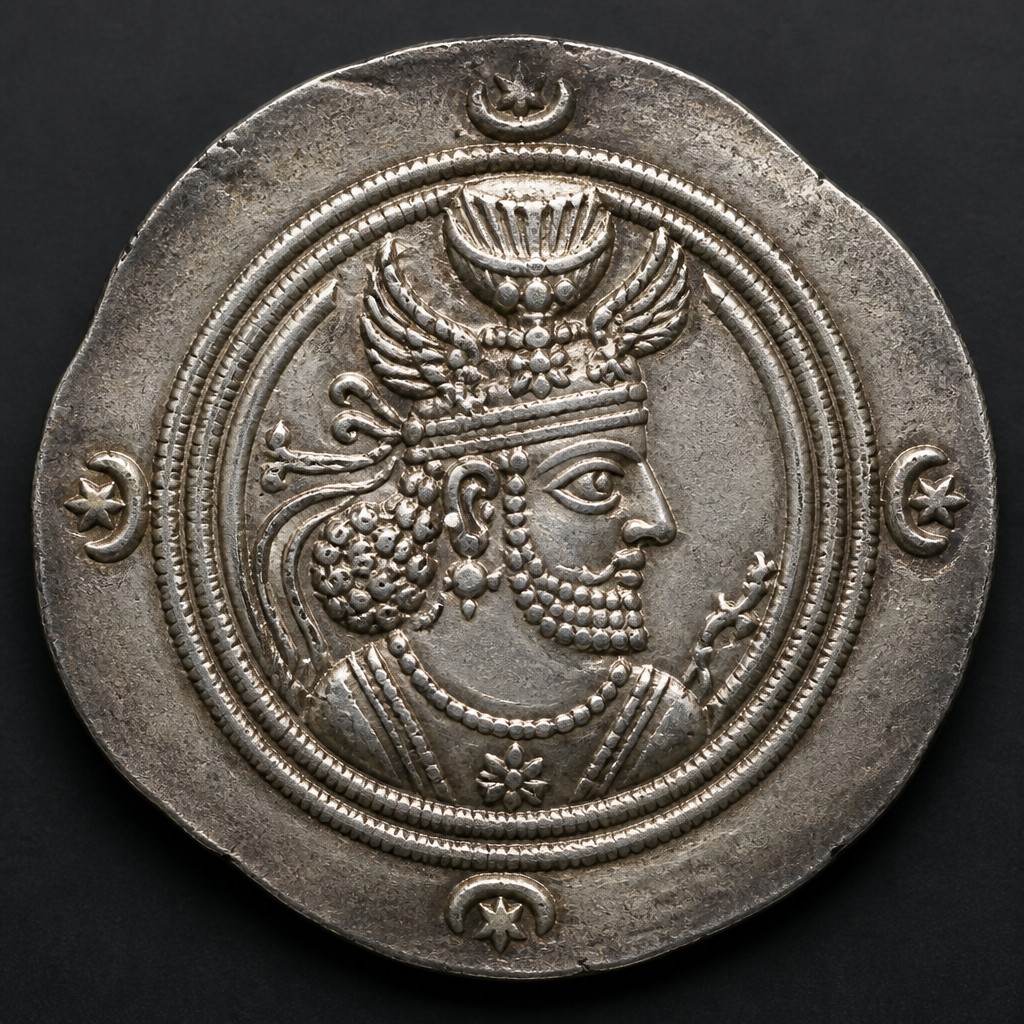
Sassanian Silver Drachm
c. 224–651 AD
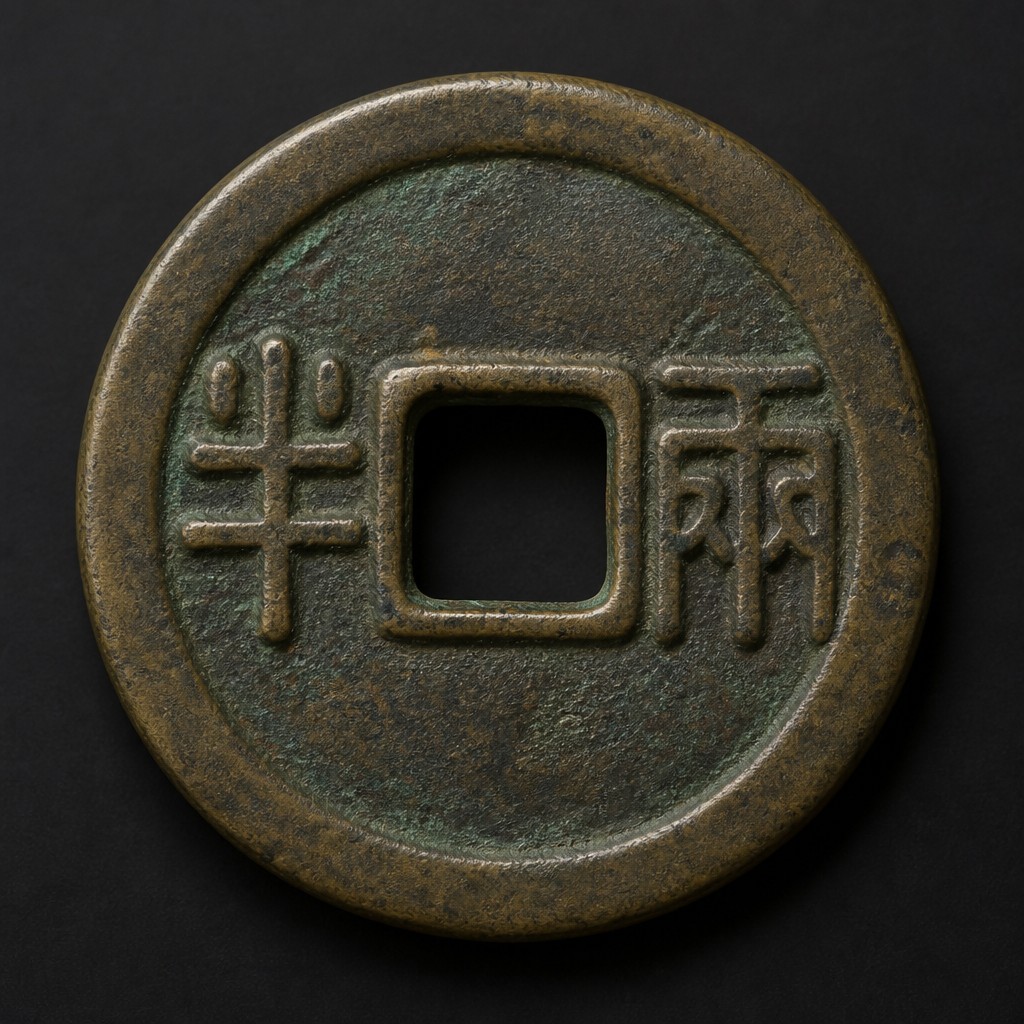
Chinese Ban Liang Cash
c. 221–118 BC
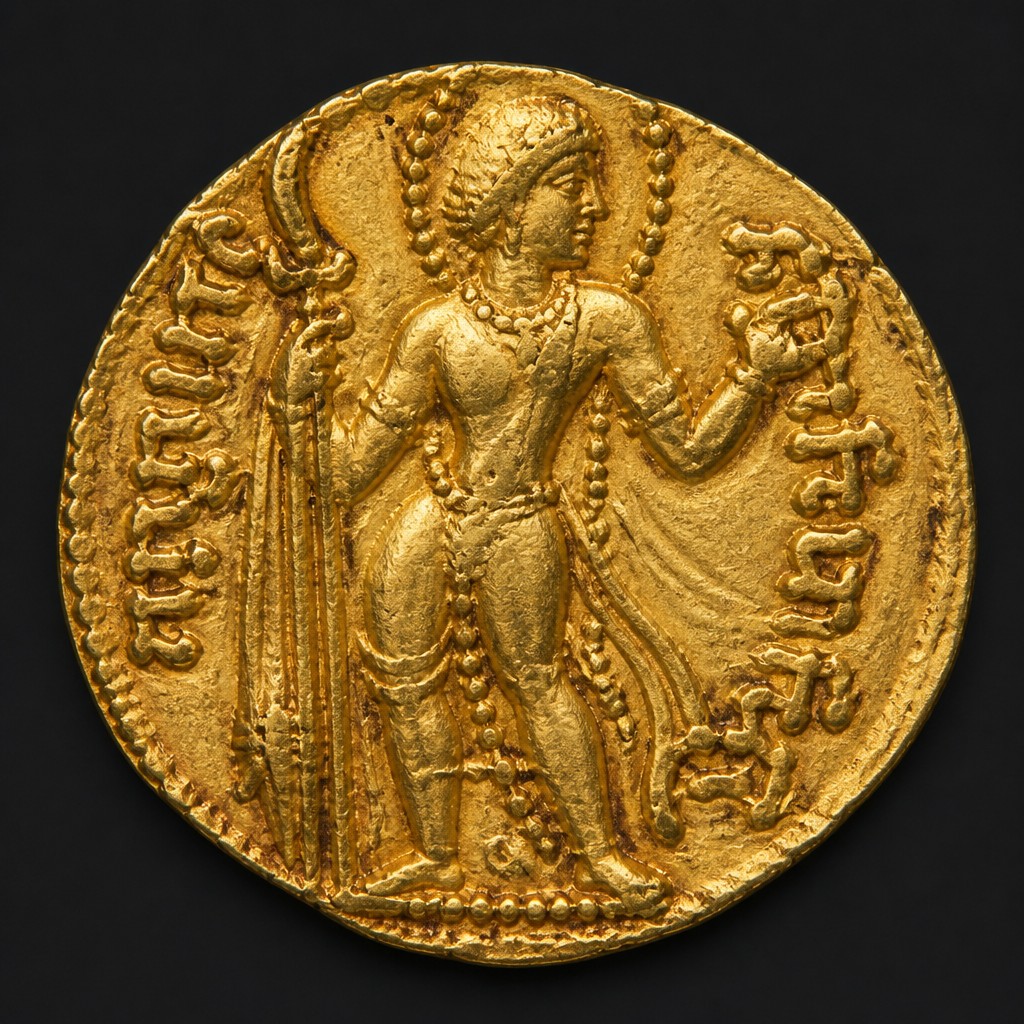
Gupta Empire Gold Dinar
c. 320–550 AD
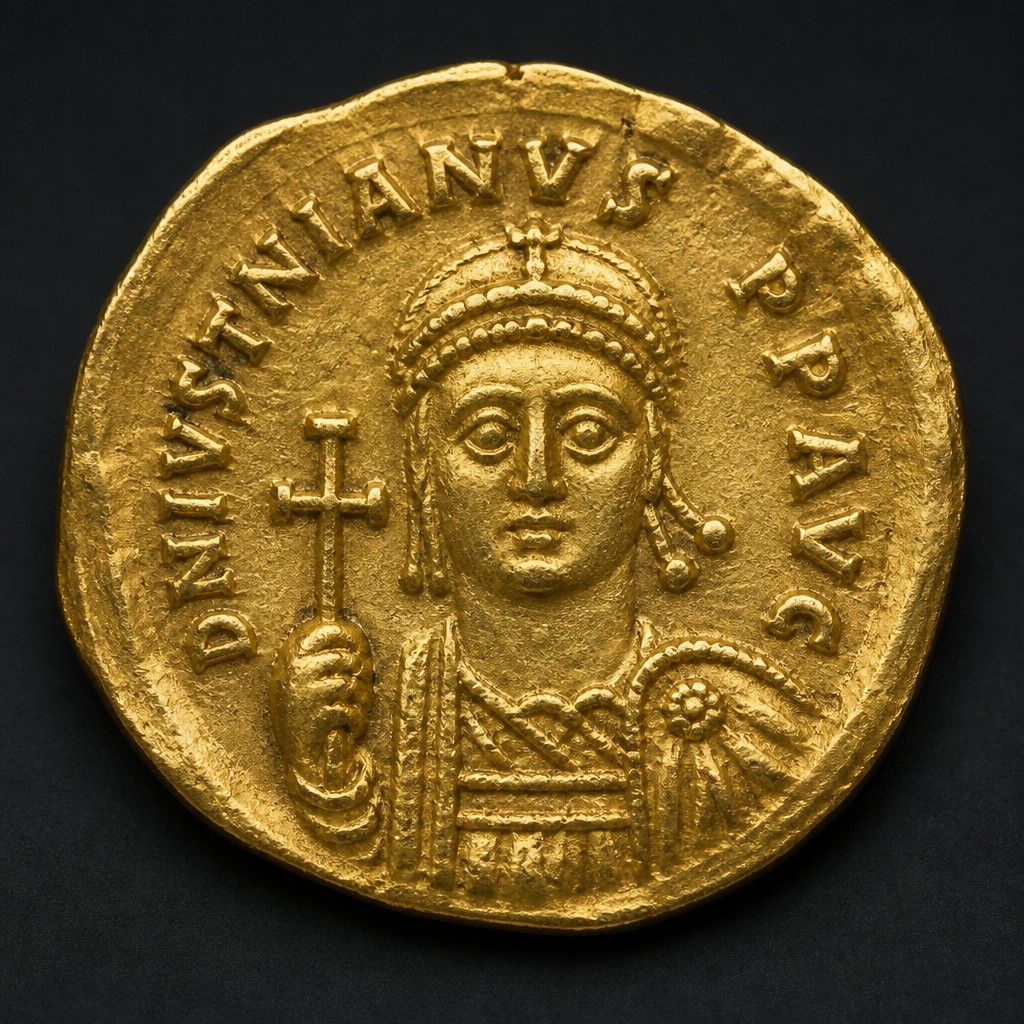
Byzantine Gold Tremissis
c. 4th–7th century AD
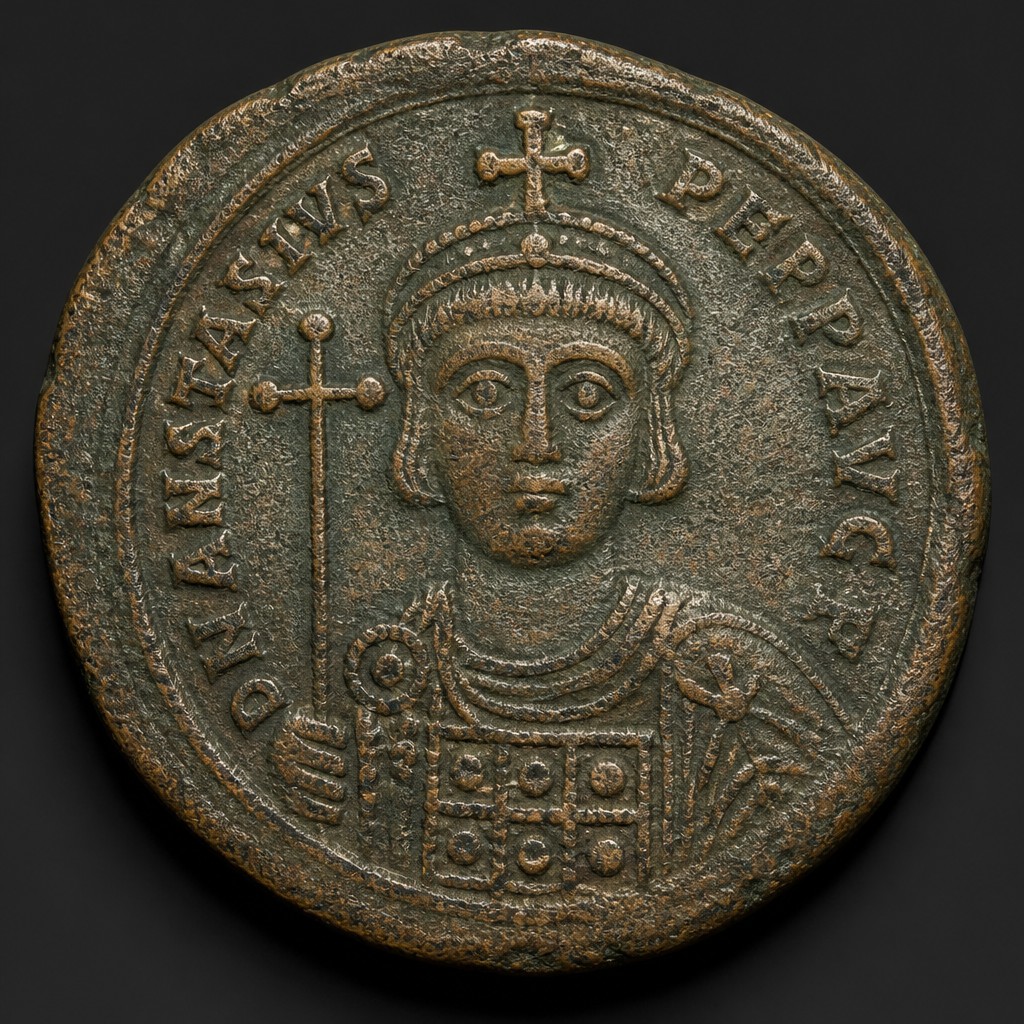
Byzantine Follis
498–c. 11th century AD
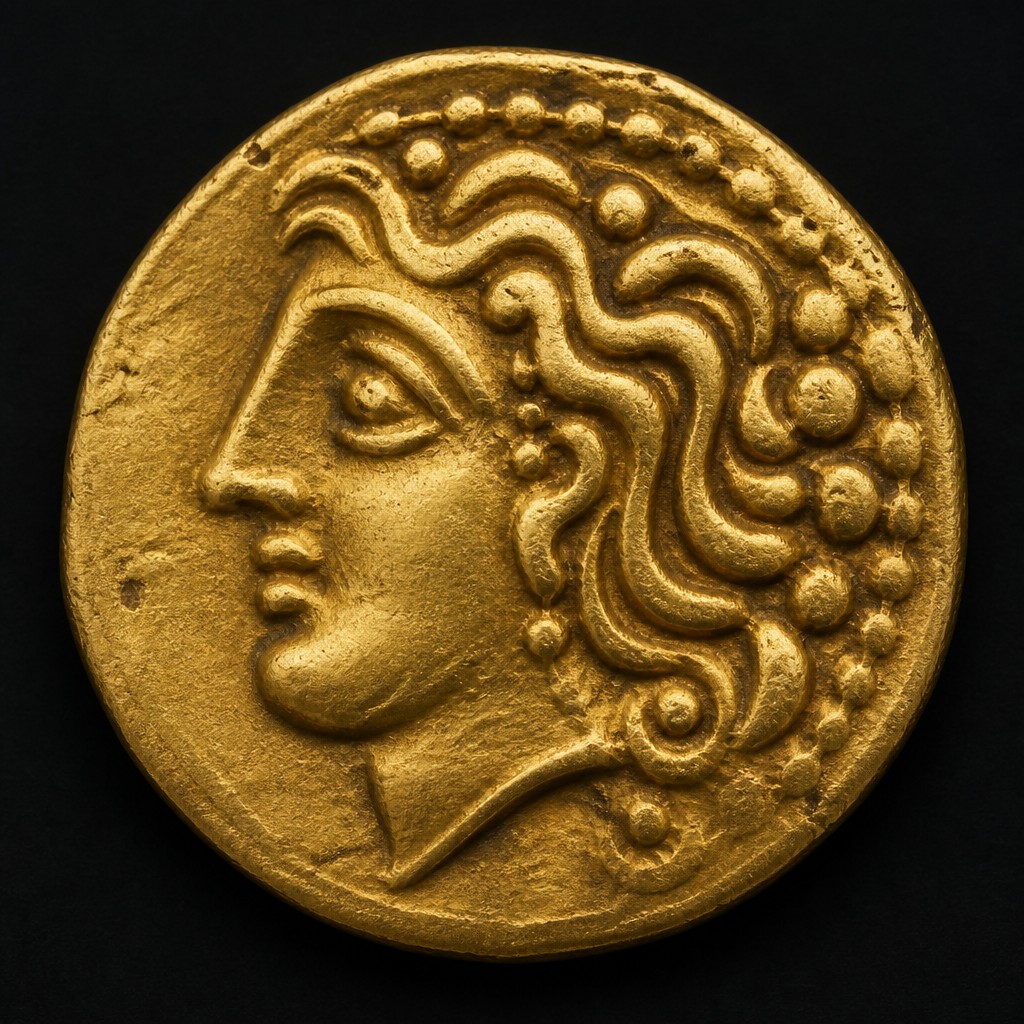
Celtic Gold Stater
c. 3rd century BC – 1st century AD