
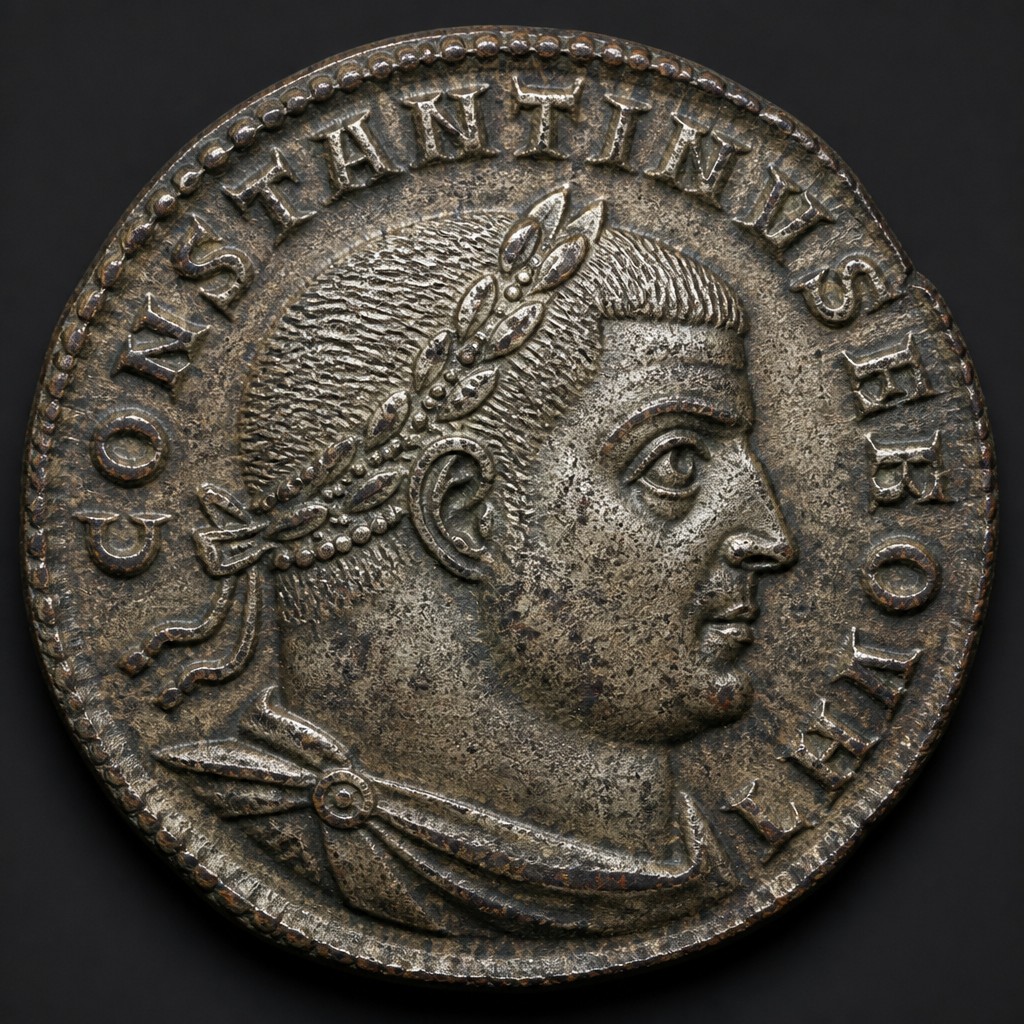
Constantine Sol Invictus Follis
A common bronze follis of Constantine the Great honoring Sol Invictus, the radiate sun god, struck empire-wide before his turn toward Christianity.
- Country
- Ancient Rome
- Denomination
- Follis
- Metal
- Bronze (originally lightly silver-washed)
Got a coin like this?
Identify any coin from a photo, free.
Overview
This bronze follis, struck under Constantine I in the years before and just after his victory at the Milvian Bridge, is one of the most affordable and historically evocative coins of the later Roman Empire. Its reverse pairs the emperor with Sol Invictus, the "Unconquered Sun," a deity closely tied to the Tetrarchic dynasty and to Constantine's own family.
Collectors are drawn to the coin because it captures Constantine at a religious crossroads: still openly favoring a pagan solar cult even as he began favoring Christians politically. Because it was struck in huge quantities at mints across the empire, it remains one of the easiest ways to own a genuine coin of Constantine the Great.
History & Background
Constantine inherited devotion to Sol Invictus from his father, Constantius Chlorus, who had promoted solar imagery as part of Tetrarchic propaganda. After Constantine's rise to sole rule in the western empire following 306 AD, and especially after his 312 AD victory over Maxentius, his coinage continued to celebrate Sol as a divine companion and protector of the emperor.
This type was struck at nearly every mint in the Roman world through the 310s, reflecting Constantine's expanding territorial control. As Constantine's relationship with Christianity deepened over the following decade, explicit solar imagery like this gradually disappeared from the coinage by the early-to-mid 320s, making this follis a snapshot of a transitional religious moment in Roman history.
How to Identify
The obverse shows a laureate and cuirassed (occasionally radiate-crowned) bust of Constantine facing right, with a legend such as IMP CONSTANTINVS P F AVG or similar imperial titulature. The reverse depicts Sol Invictus standing facing left, nude but for a chlamys draped over one shoulder, raising his right hand and holding a globe in his left, with the legend SOLI INVICTO COMITI ("to the Unconquered Sun, companion [of the emperor]").
The coin is a small bronze module, typically 19–23mm depending on date and mint, with a mintmark in the exergue identifying the city and workshop (officina) that struck it. Because so many mints produced this type, styles vary somewhat, but the basic Sol-standing composition is consistent and easy to recognize once seen.
Value & Collectibility
This is one of the most common and affordable genuine ancient Roman coins on the market, with worn examples often available for modest sums and sharper, well-centered pieces commanding more. Collectors pay a premium for coins with strong detail on Sol's radiate crown and face, full legends, and traces of original silvering.
Rarity varies by mint and officina rather than by the basic type, so specialists may seek out particular mint combinations. Because of its low cost relative to its historical importance, this follis is frequently recommended as a starter piece for anyone building a collection of Constantinian coinage.
Frequently asked questions
Why does a Christian emperor's coin show a pagan sun god?
Constantine issued this coin before and during his gradual shift toward Christianity; Sol Invictus was a state-favored deity tied to his father's dynasty, and the imagery only faded from coinage in the 320s.
How can I tell which mint struck my example?
Look for a mintmark in the exergue (the small area beneath the reverse figure), which is usually an abbreviation of the mint city followed by an officina letter or number.
Is this coin rare?
No, it was struck in enormous quantities across many mints and is one of the most commonly encountered coins of Constantine's reign.
What metal is it made of?
It is bronze that originally carried a thin wash of silver, most of which has worn away on surviving examples.
Other coins you may enjoy
Theodosius I Solidus
379–395 AD
Republican Victoriatus
c. 211–170 BC
Islamic Gold Dinar (Umayyad)
c. 696–750 AD
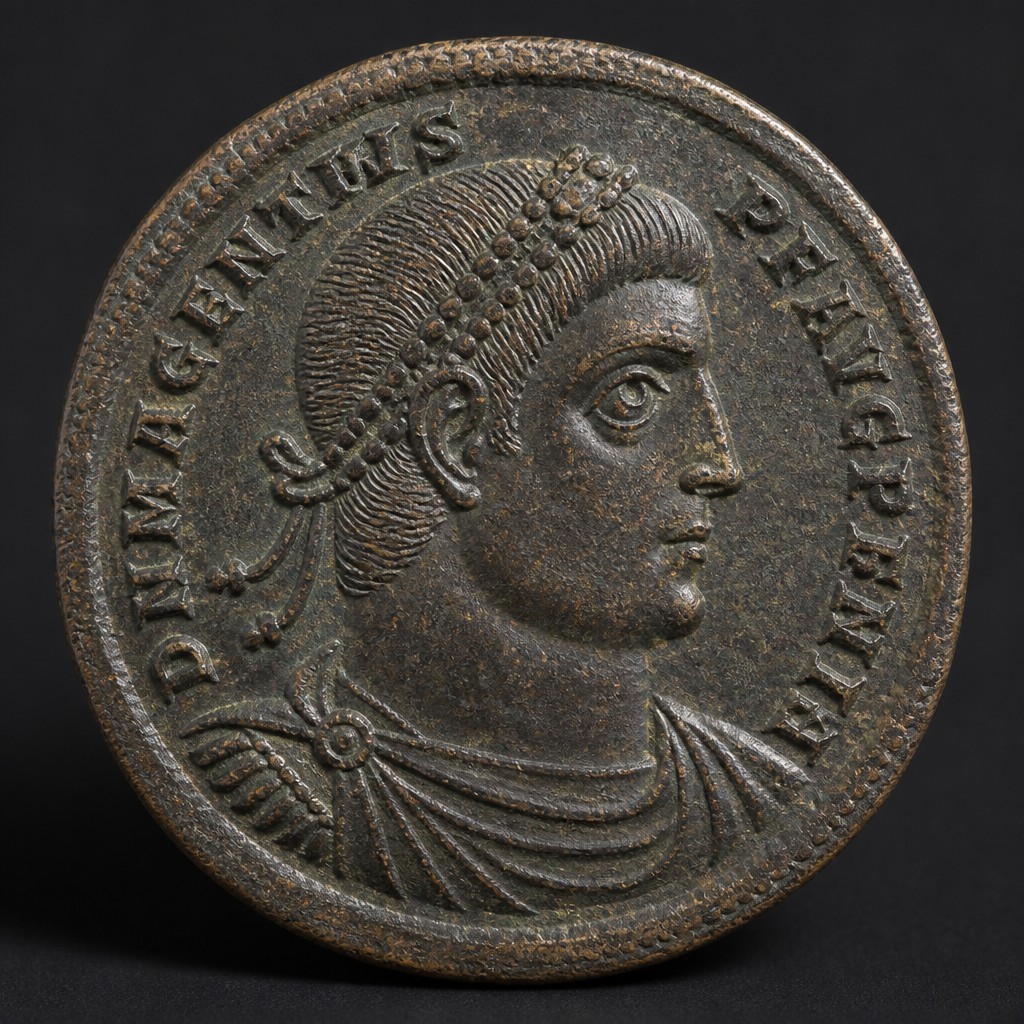
Magnentius Double Centenionalis
350–353 AD
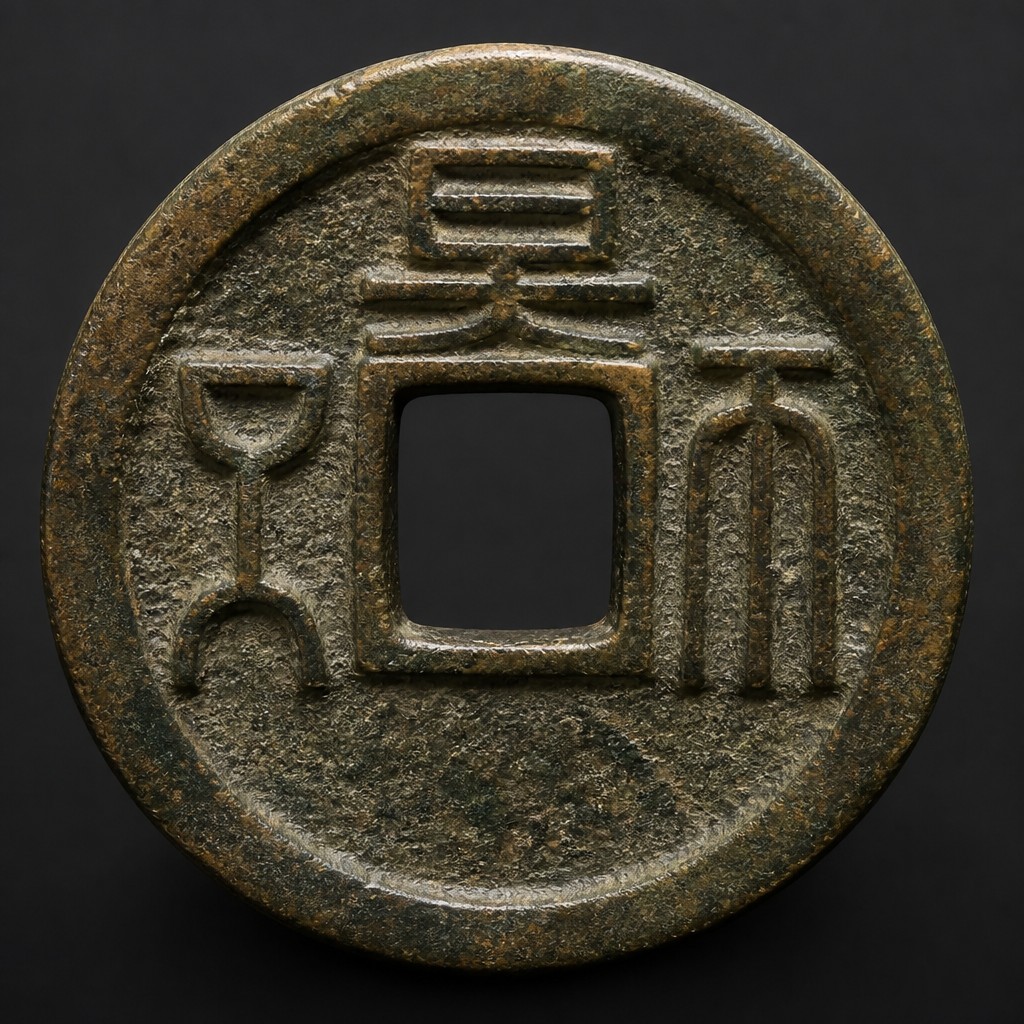
Chinese Wu Zhu Cash
118 BC – 618 AD
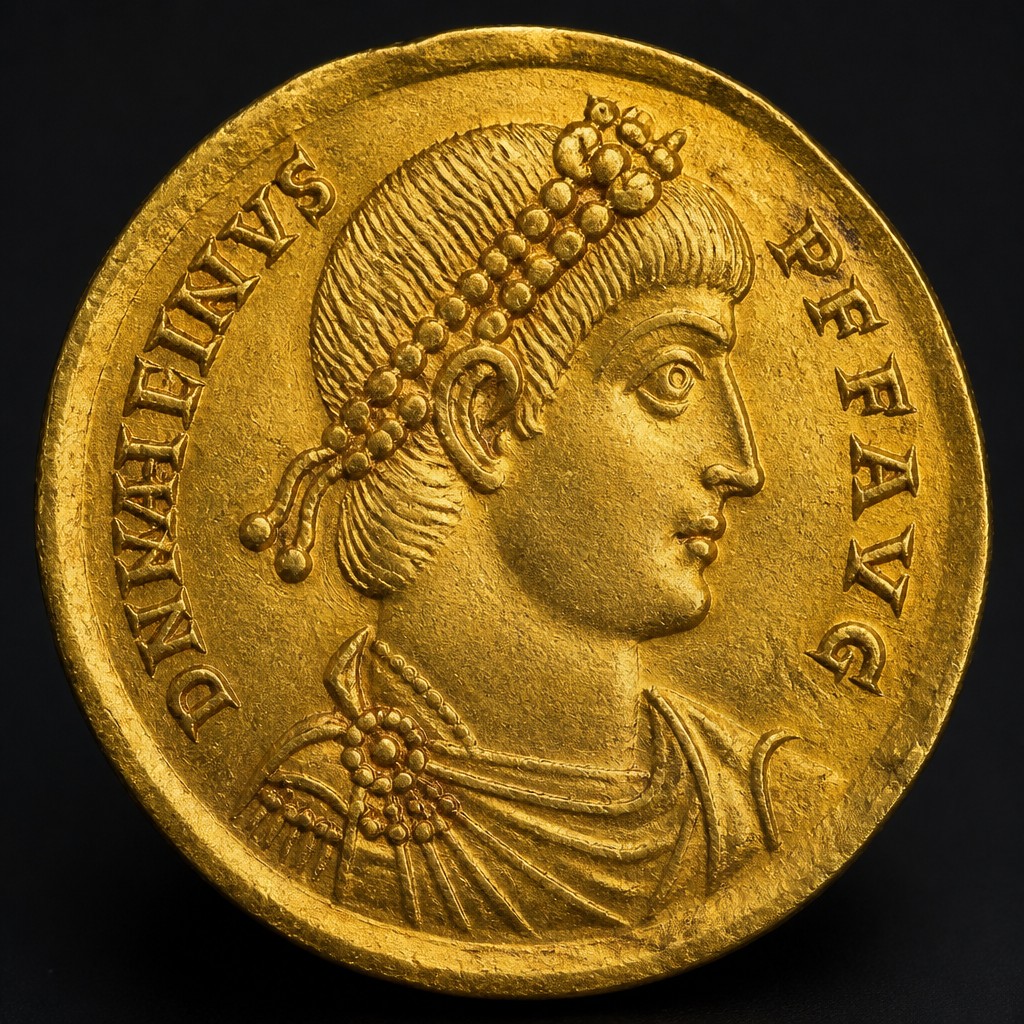
Valentinian I Solidus
364–375 AD
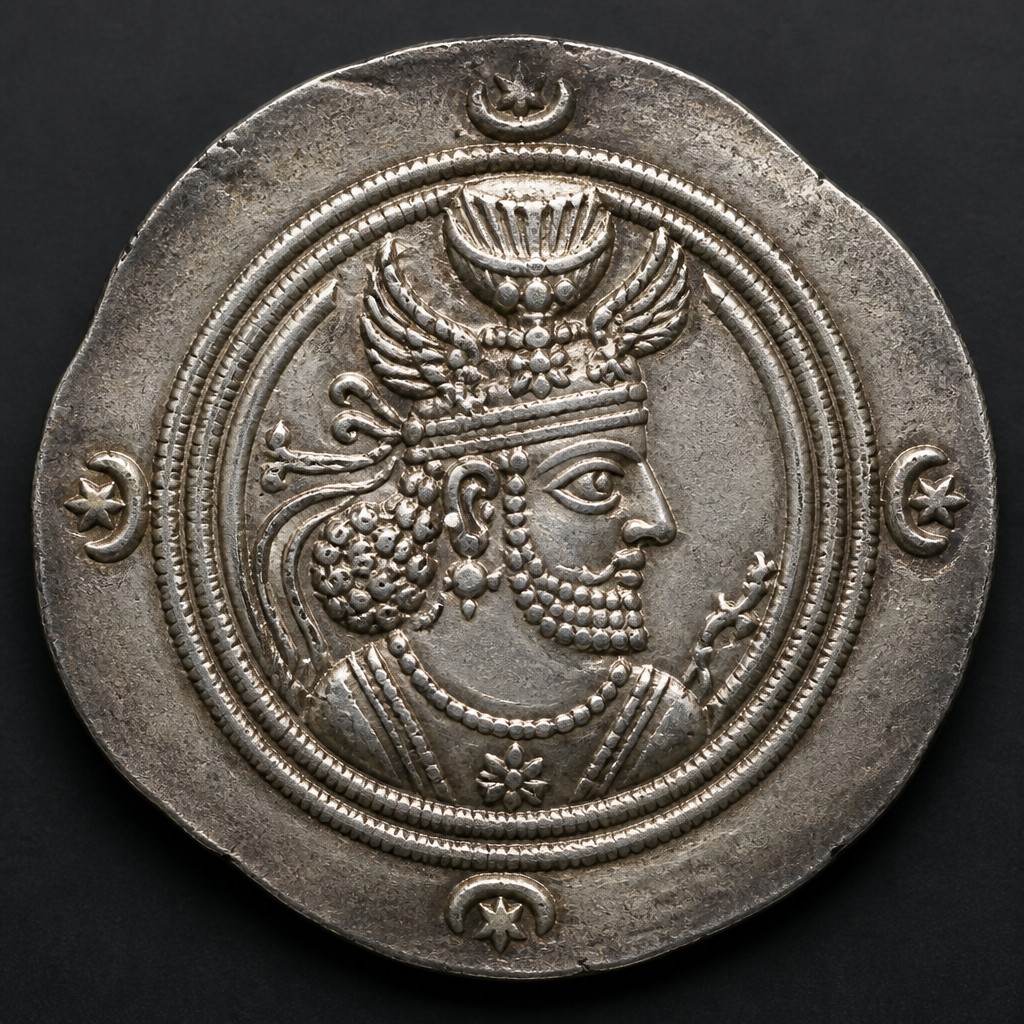
Sassanian Silver Drachm
c. 224–651 AD
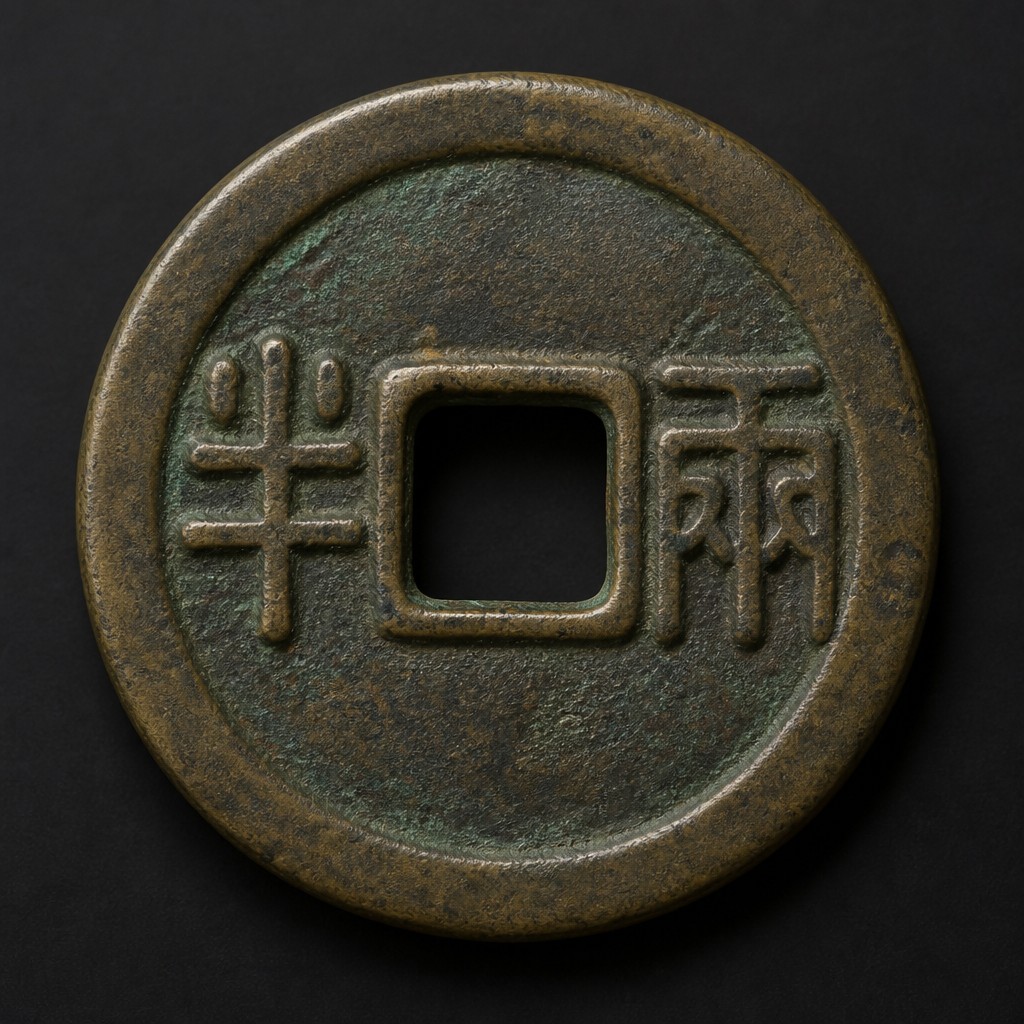
Chinese Ban Liang Cash
c. 221–118 BC
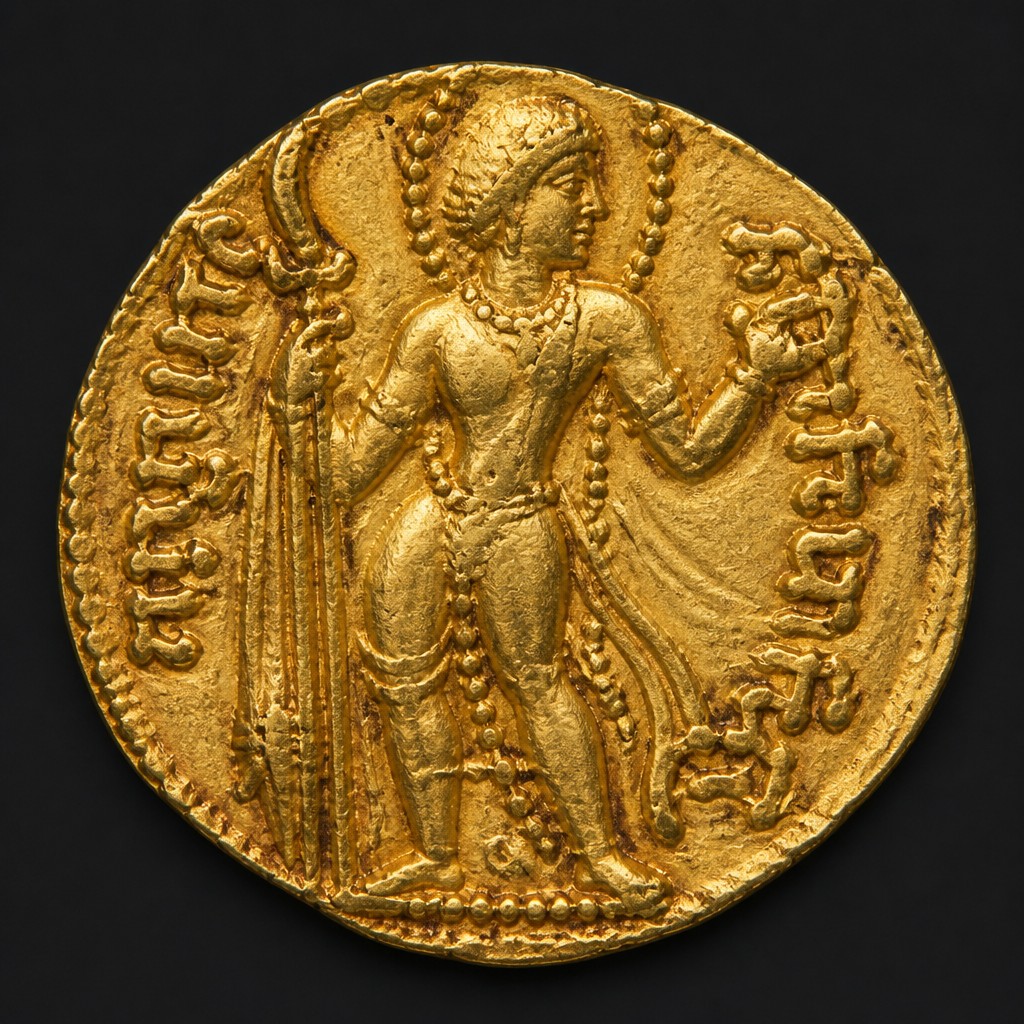
Gupta Empire Gold Dinar
c. 320–550 AD
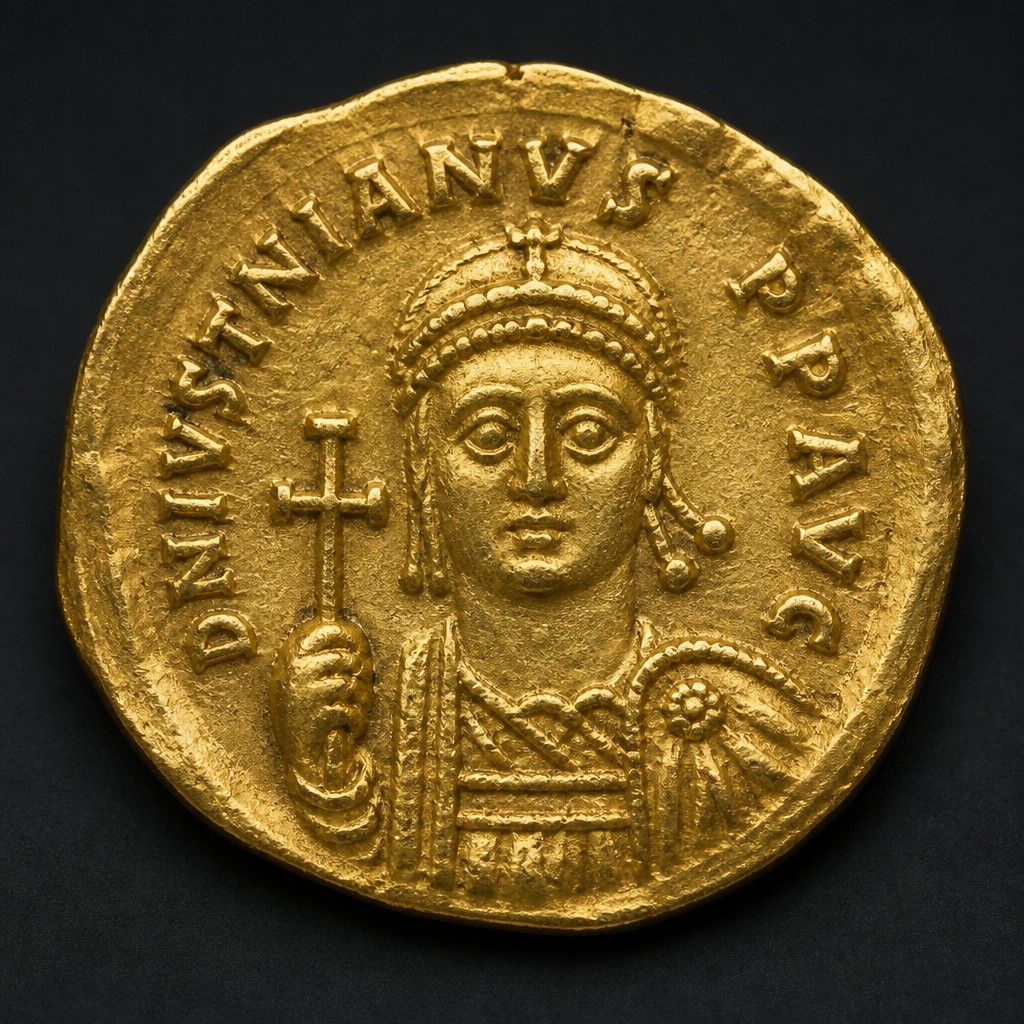
Byzantine Gold Tremissis
c. 4th–7th century AD
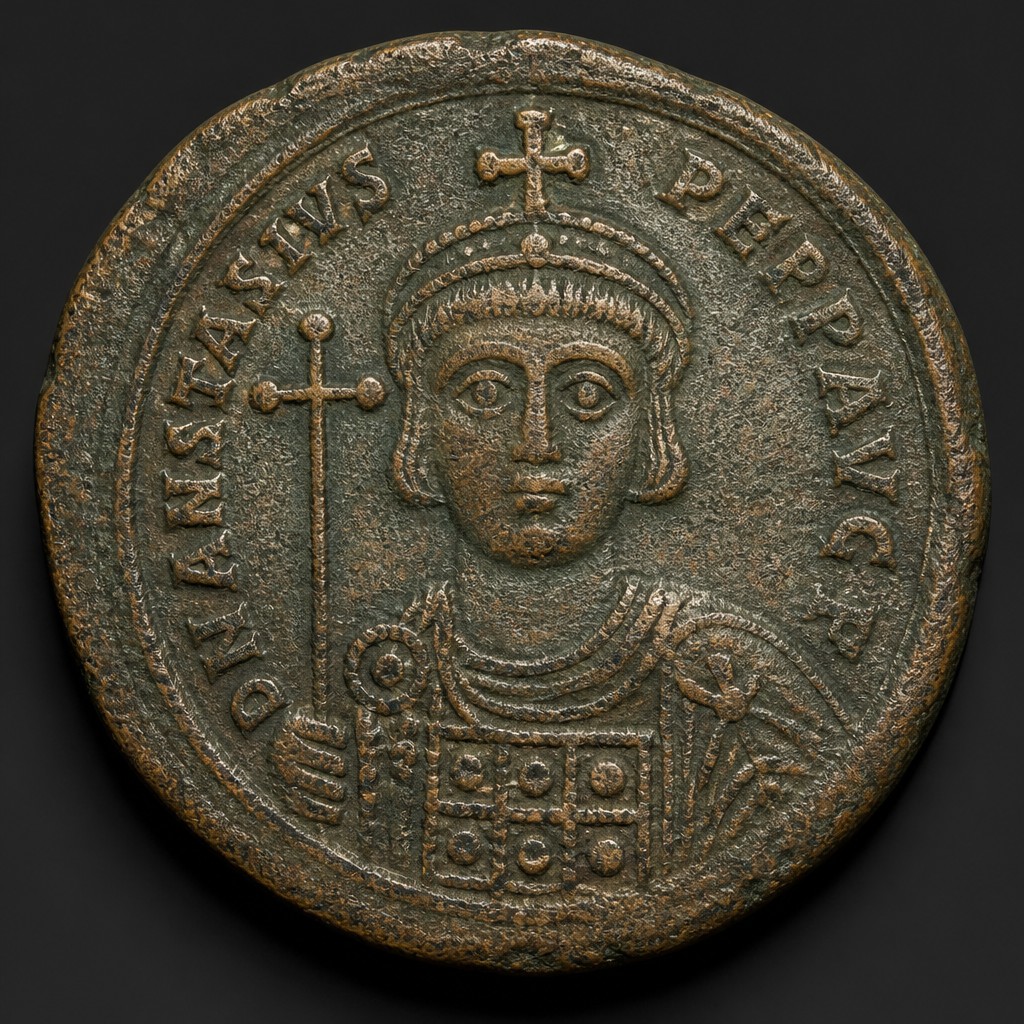
Byzantine Follis
498–c. 11th century AD
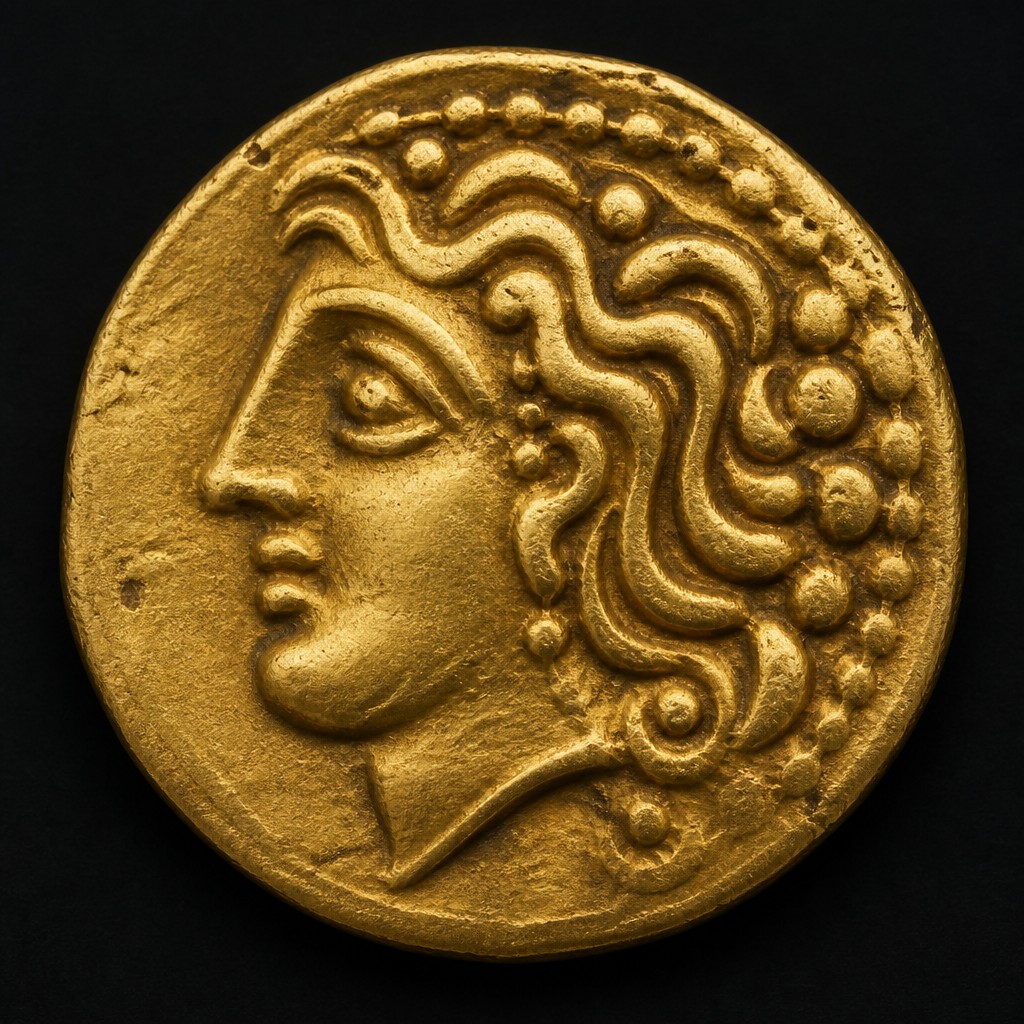
Celtic Gold Stater
c. 3rd century BC – 1st century AD