
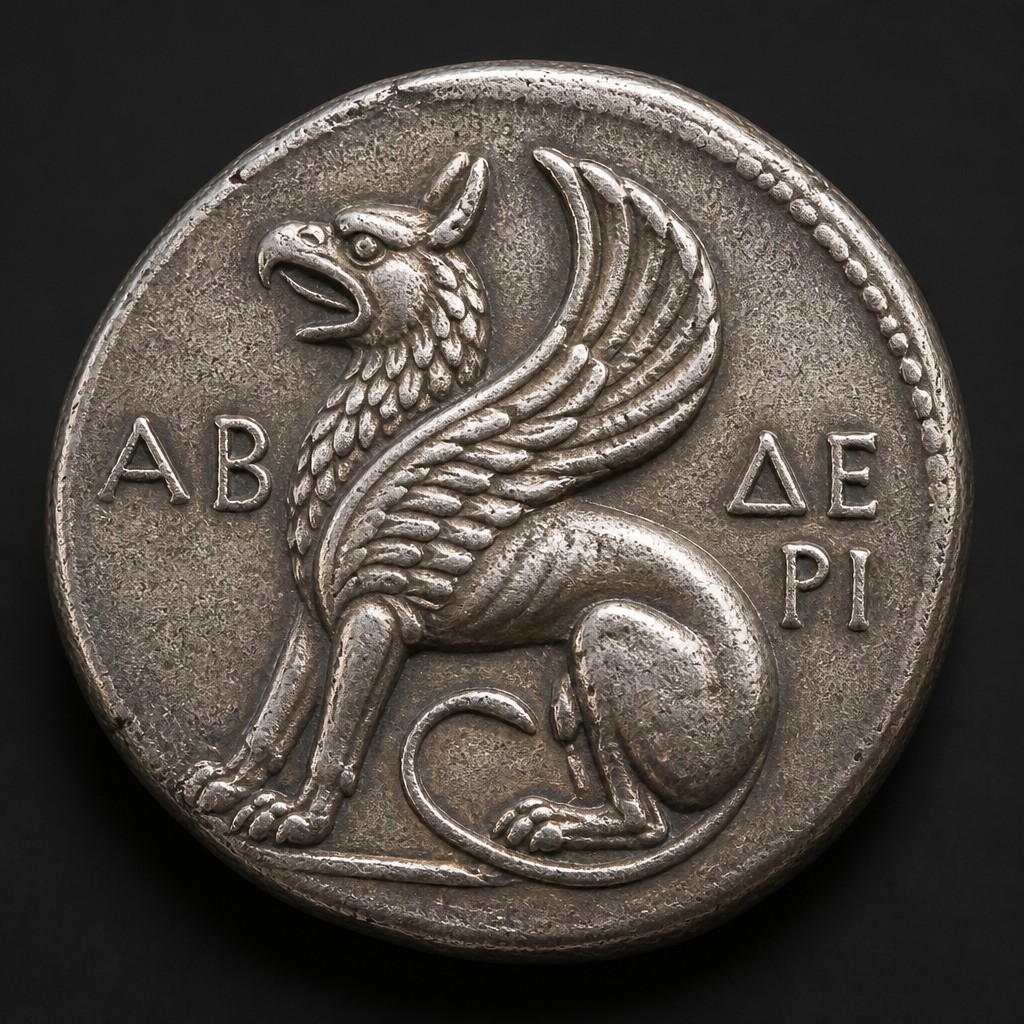
Abdera Griffin Tetradrachm
Silver tetradrachm of the Thracian city of Abdera, featuring the mythical griffin inherited from its mother-city Teos, with magistrates' names on the reverse.
- Country
- Ancient Greece (Thrace)
- Denomination
- Tetradrachm
- Metal
- Silver
Got a coin like this?
Identify any coin from a photo, free.
Overview
The Abdera tetradrachm is a significant coinage of the Thracian coast, notable for continuing the griffin emblem of its Ionian mother-city Teos and for recording the names of individual civic magistrates on nearly every issue, giving the series unusual documentary depth. It is a well-studied series among specialists of Thracian and northern Aegean coinage.
Collectors value Abdera's coinage for its bold griffin imagery, historical connection to Ionian Greek colonization of Thrace, and the scholarly interest generated by its extensive sequence of named magistrates.
History & Background
Abdera was founded on the Thracian coast by colonists from Teos in Ionia (in western Asia Minor) in the 6th century BC, partly as a response to pressure from the expanding Persian Empire. The city adopted the griffin, a symbol already used on Teos's own coinage, as its civic emblem, maintaining a visual link to its founding city even as Abdera developed its own independent political and economic life.
Through the 5th and into the 4th century BC, Abdera issued extensive silver coinage, with the reverse of nearly every tetradrachm naming a specific magistrate, allowing modern scholars to build a detailed relative chronology of the city's officials and coin production. Abdera later became a member of the Athenian-led Delian League and continued minting through changing political circumstances in the northern Aegean.
How to Identify
Early Abdera issues show the griffin, a mythical eagle-headed, lion-bodied creature, seated or springing, on the obverse, with a simple incuse square or geometric pattern on the reverse in the earliest issues, later replaced by more developed reverse types. Later coinage adds the head of Apollo or other deities alongside the magistrate's name within a linear or dotted border on the reverse.
The ethnic ΑΒΔΗΡΙΤΕΩΝ or an abbreviated form typically appears alongside the magistrate's name. The tetradrachm follows regional Thraco-Macedonian weight standards, with specific weights varying somewhat by period.
The griffin obverse ties Abdera visually to its mother-city Teos, whose own coinage also features a griffin; the two can generally be distinguished by the ethnic legend and specific stylistic and reverse-type differences between the two mints.
Value & Collectibility
Abdera tetradrachms are moderately available to collectors of Thracian and northern Greek coinage, with typical examples often found in the low hundreds of dollars, while well-struck, well-centered pieces with clear magistrate names and strong griffin detail can bring notably more, particularly for rarer named-magistrate issues sought by series specialists.
As with many civic Greek issues that name officials, completeness and legibility of the magistrate's name add scholarly and collector interest beyond basic condition, alongside the usual factors of strike quality, centering, and surface preservation.
Frequently asked questions
Why does Abdera's coinage feature a griffin?
Abdera was founded by colonists from Teos, which already used the griffin as its civic emblem, and the new colony continued the symbol to maintain a link to its mother-city.
What is significant about the magistrate names?
Nearly every tetradrachm names a specific civic official, allowing scholars to reconstruct a detailed sequence of Abdera's coinage and civic administration over time.
Where was Abdera located?
It was a Greek city on the Thracian coast of the northern Aegean, in what is now northeastern Greece.
Is Abdera's griffin the same as Teos's?
Both cities used a similar griffin emblem reflecting their shared heritage, though specific stylistic details and reverse types differ between the two mints' coinages.
Other coins you may enjoy
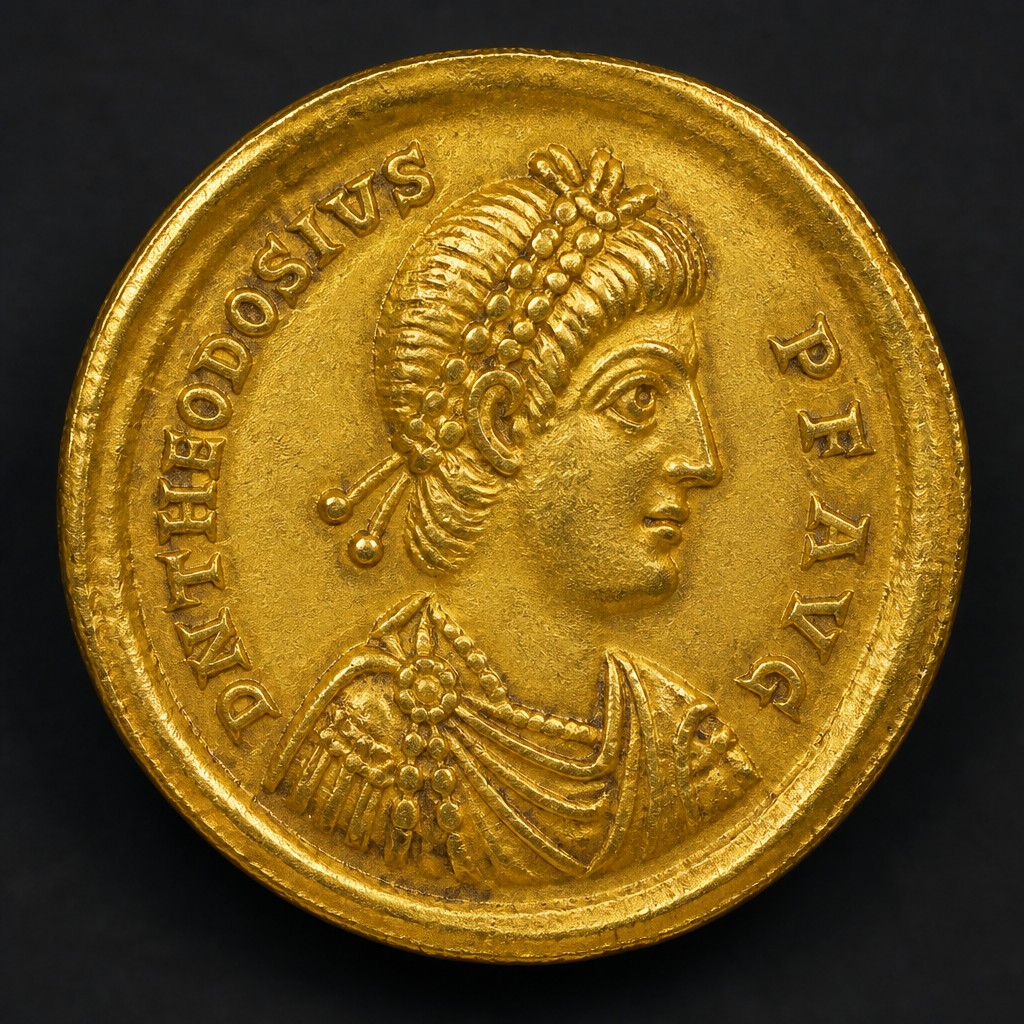
Theodosius I Solidus
379–395 AD
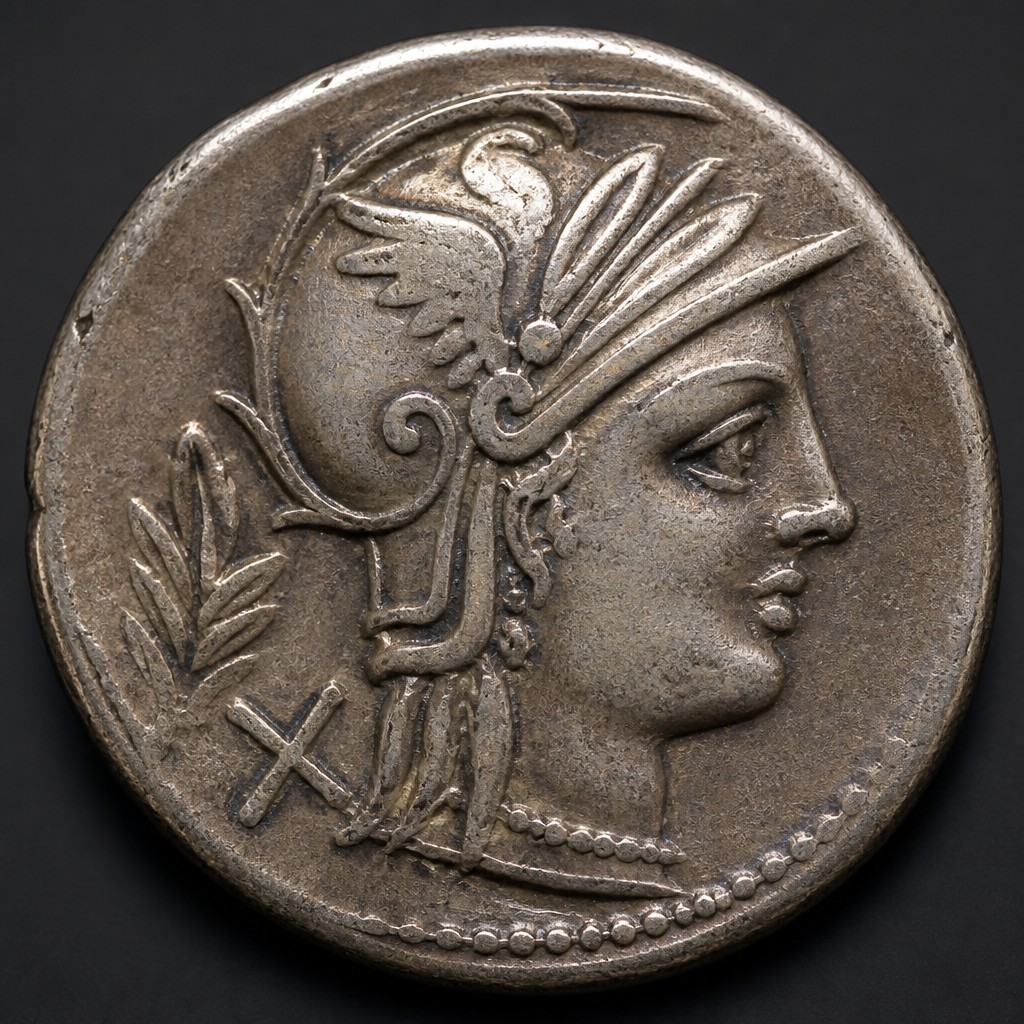
Republican Victoriatus
c. 211–170 BC
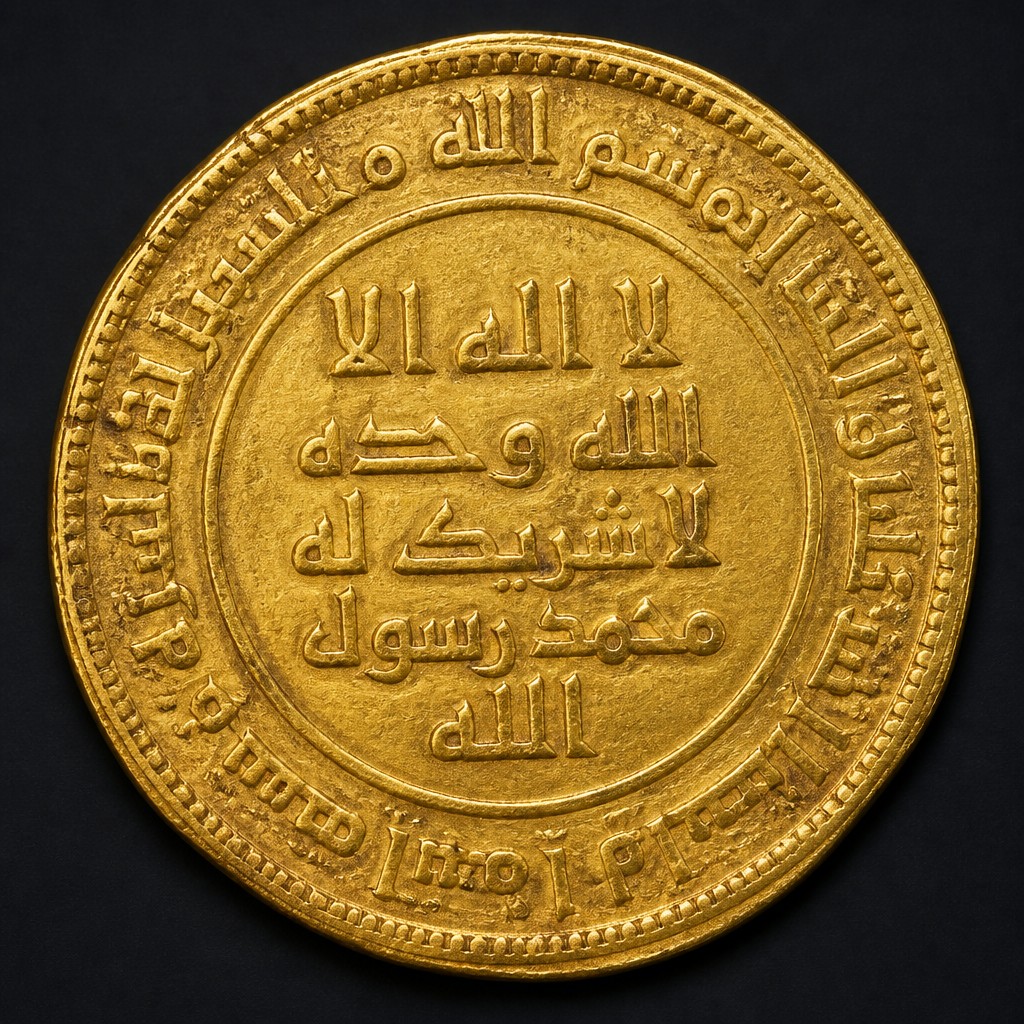
Islamic Gold Dinar (Umayyad)
c. 696–750 AD
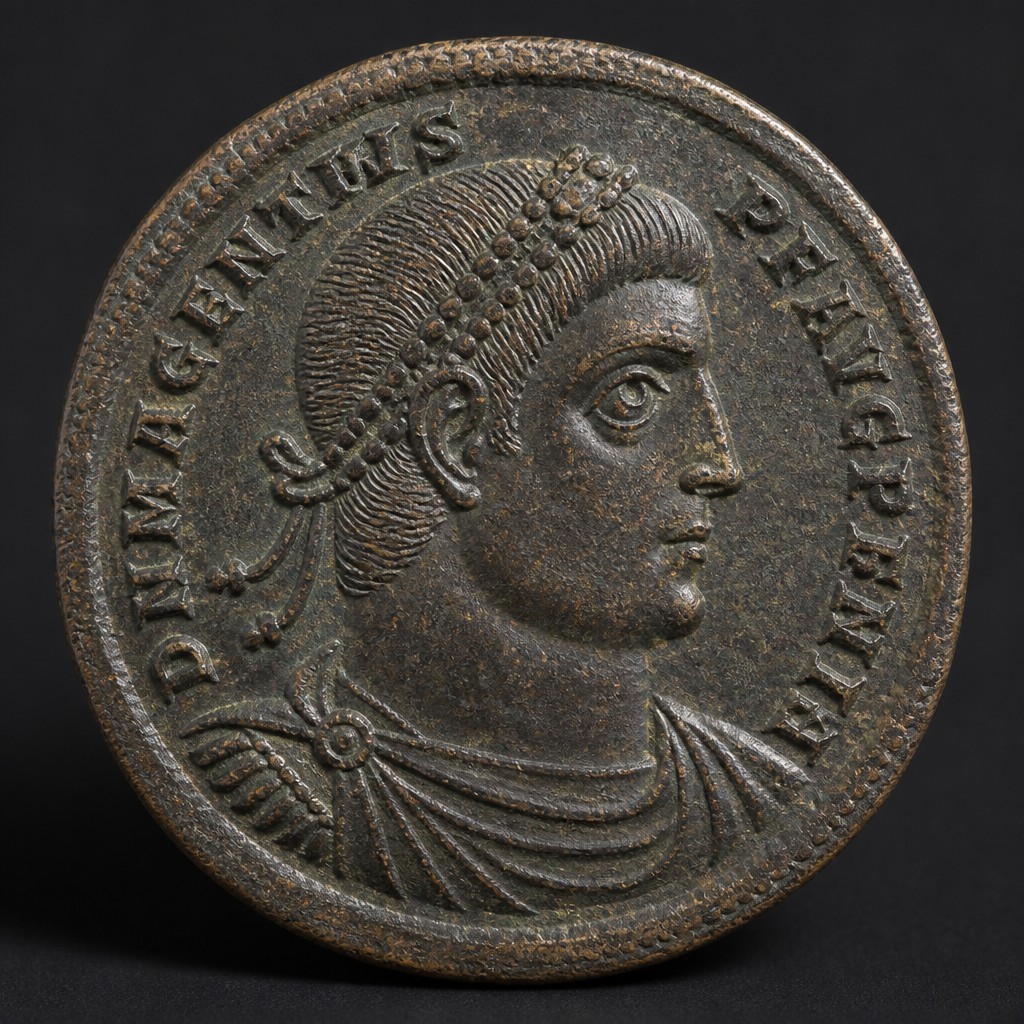
Magnentius Double Centenionalis
350–353 AD
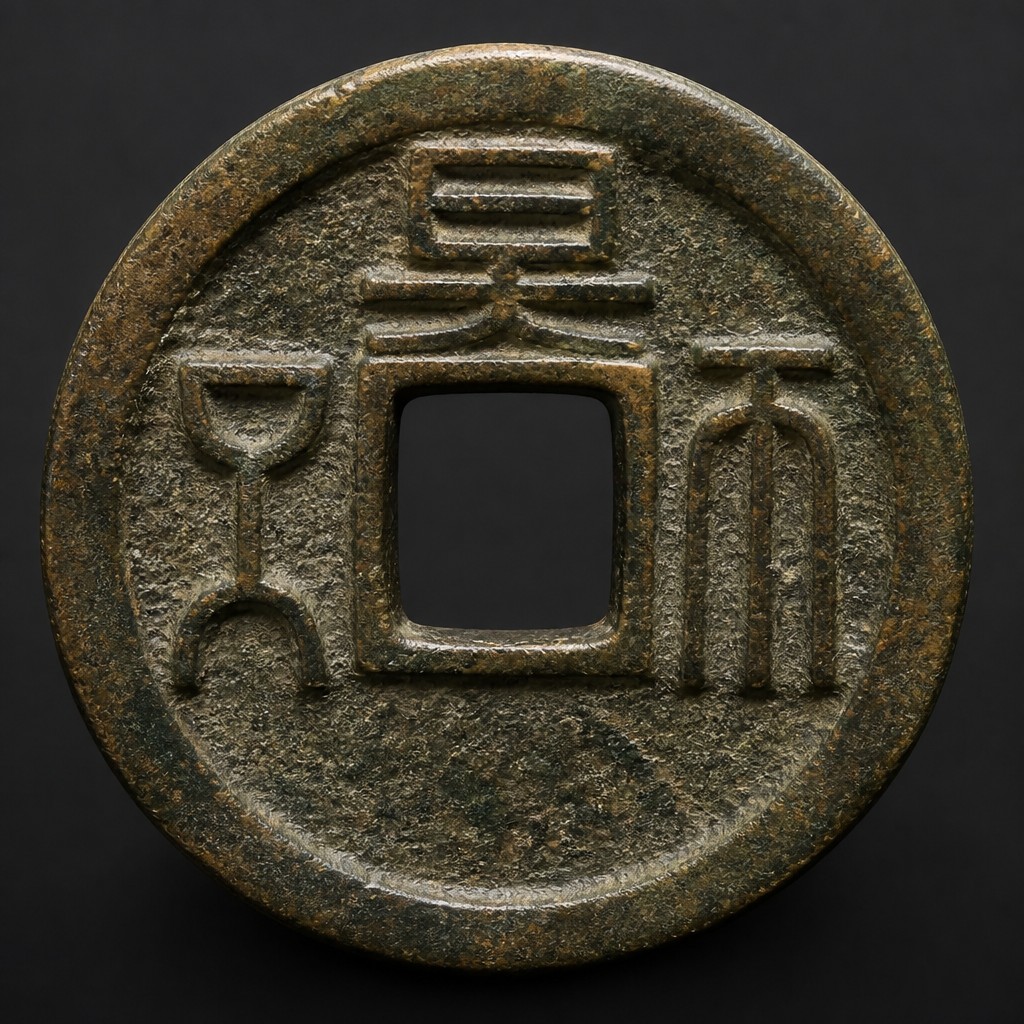
Chinese Wu Zhu Cash
118 BC – 618 AD
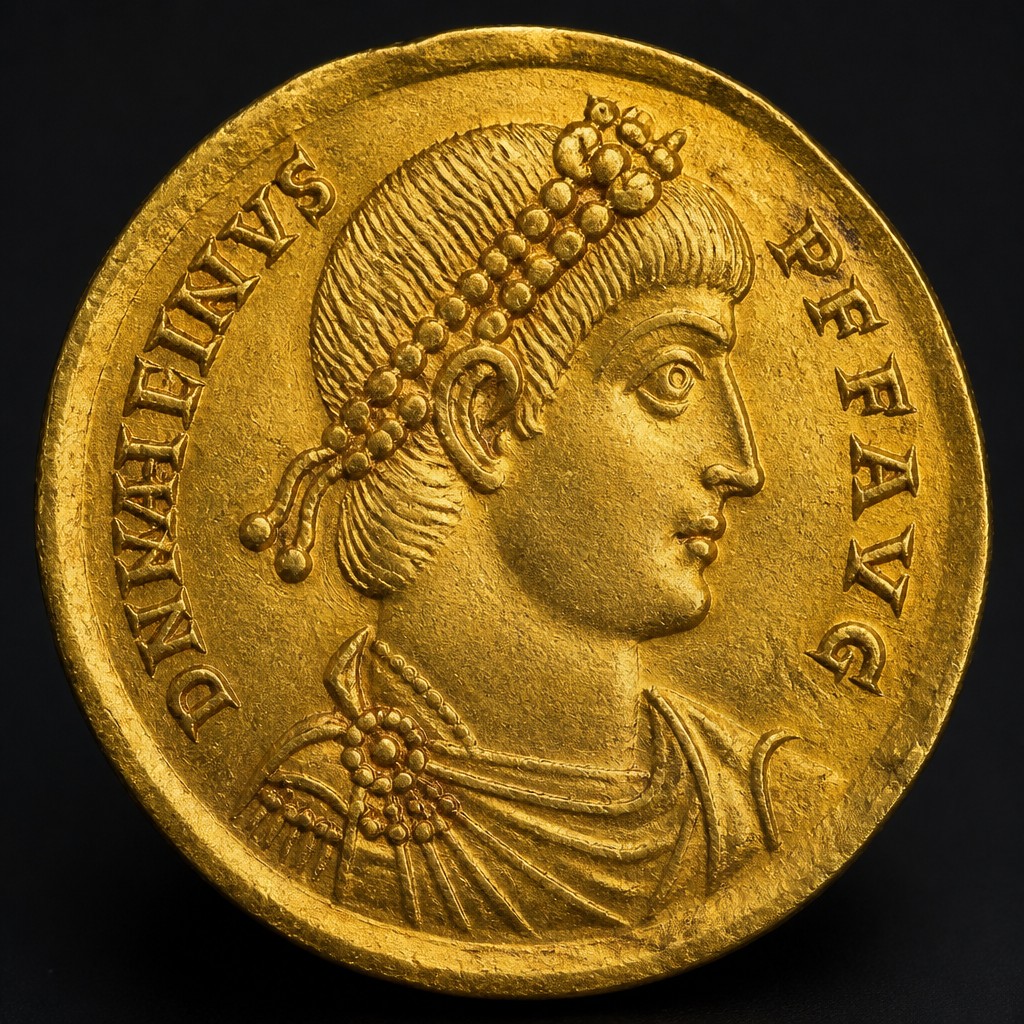
Valentinian I Solidus
364–375 AD
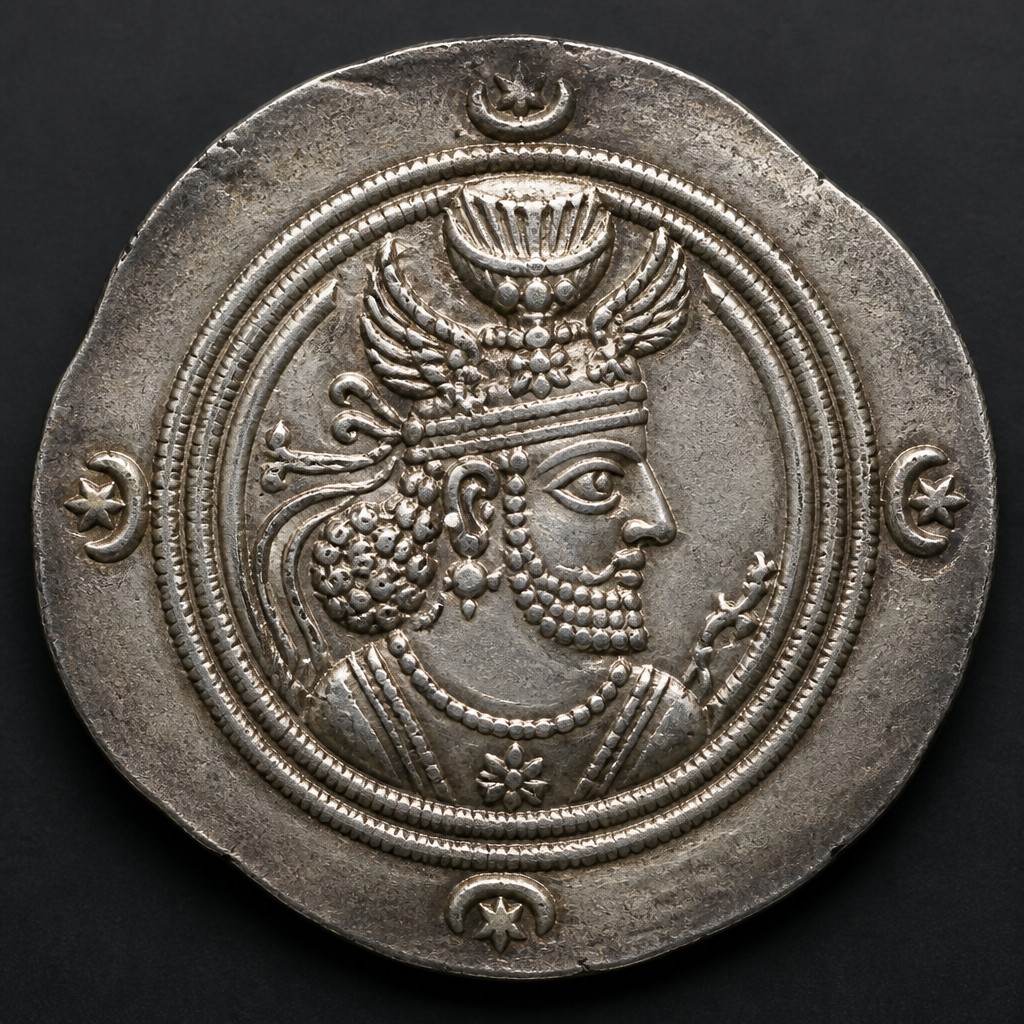
Sassanian Silver Drachm
c. 224–651 AD
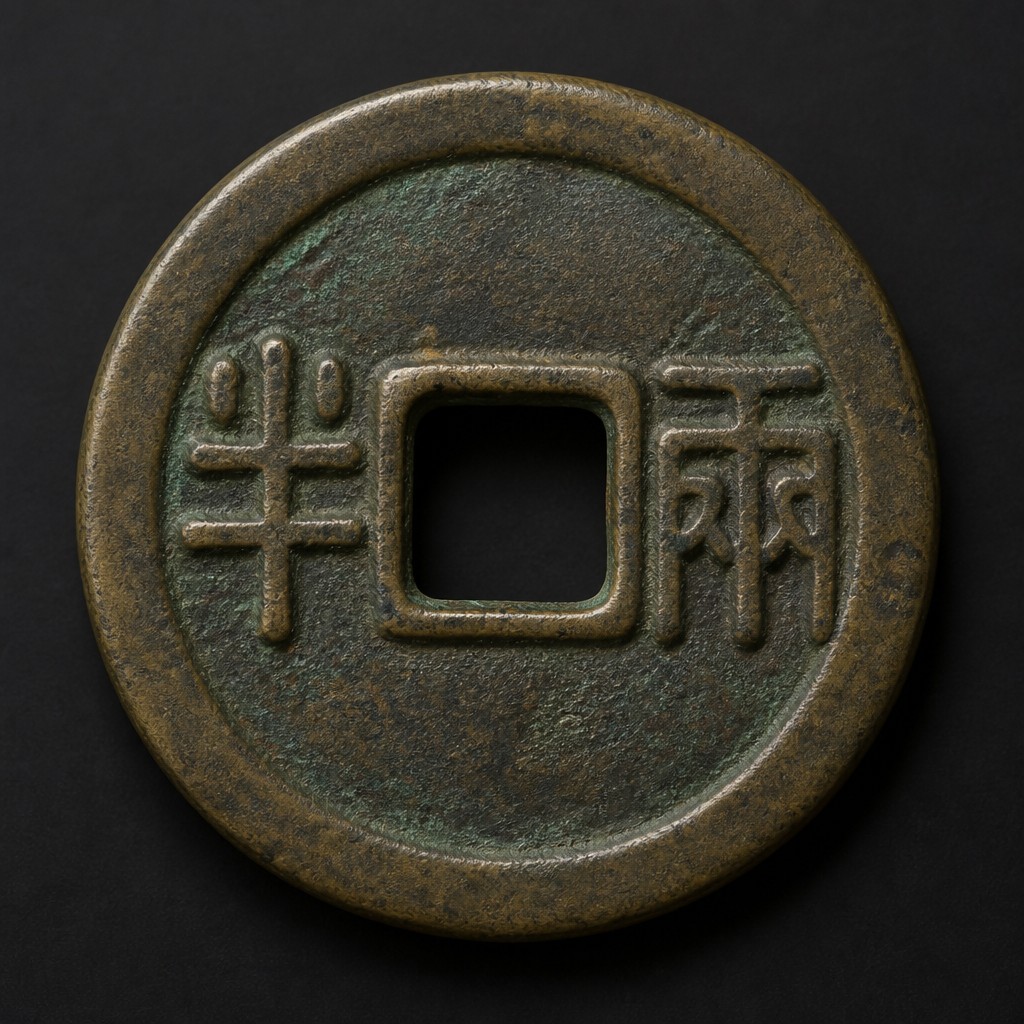
Chinese Ban Liang Cash
c. 221–118 BC
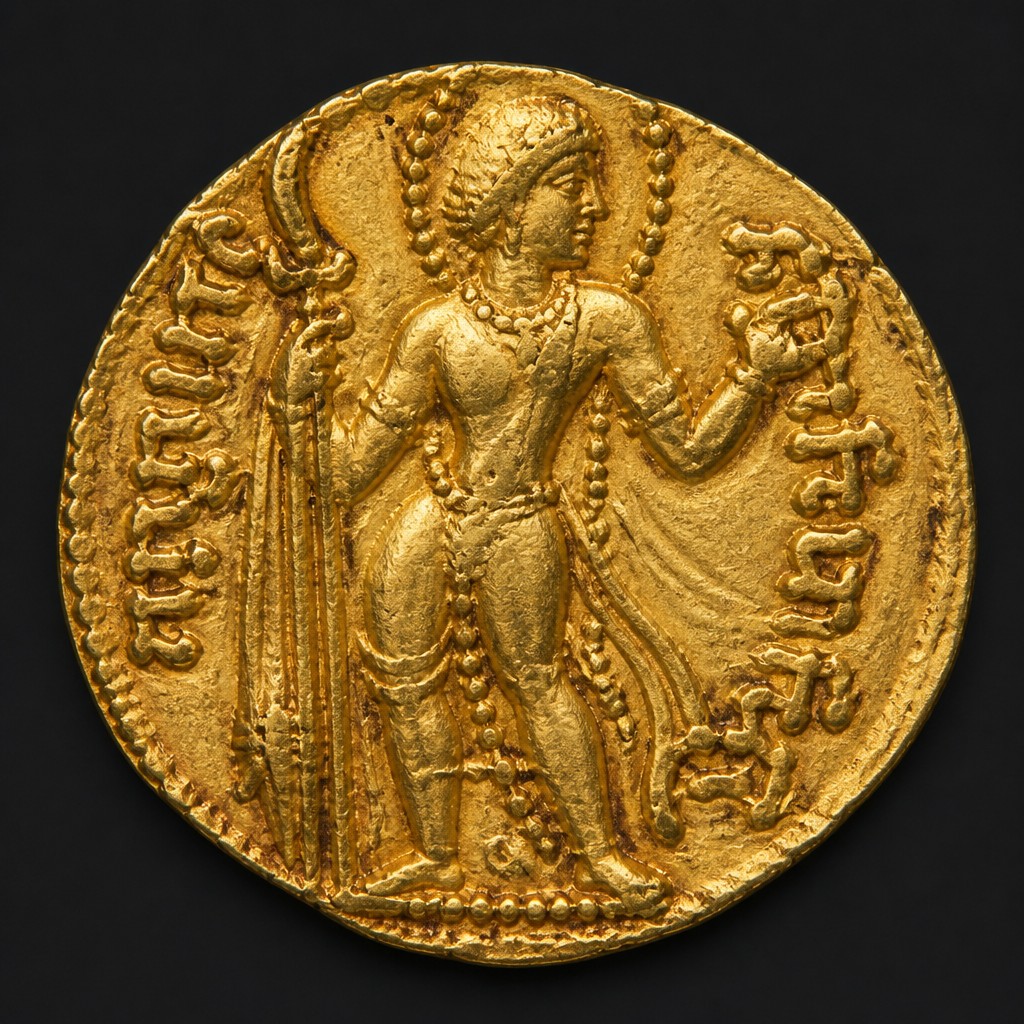
Gupta Empire Gold Dinar
c. 320–550 AD
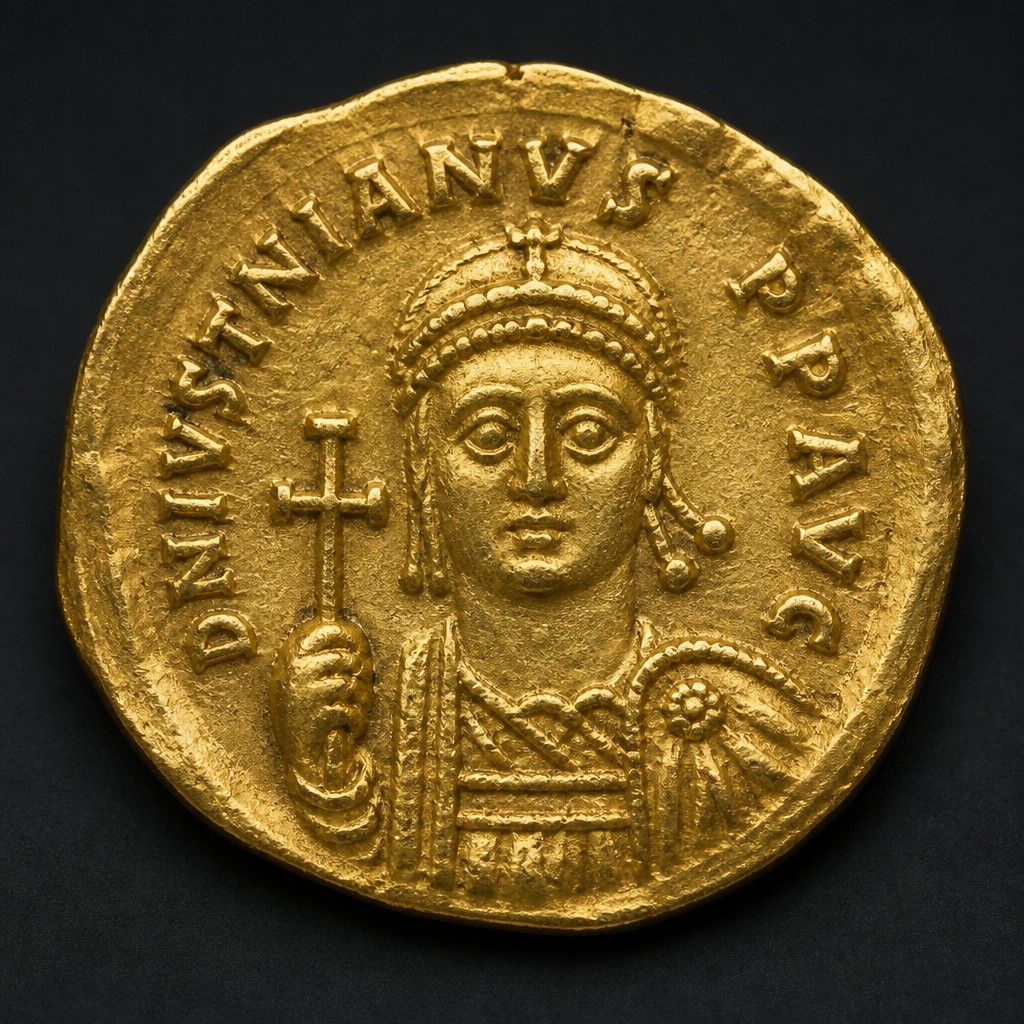
Byzantine Gold Tremissis
c. 4th–7th century AD
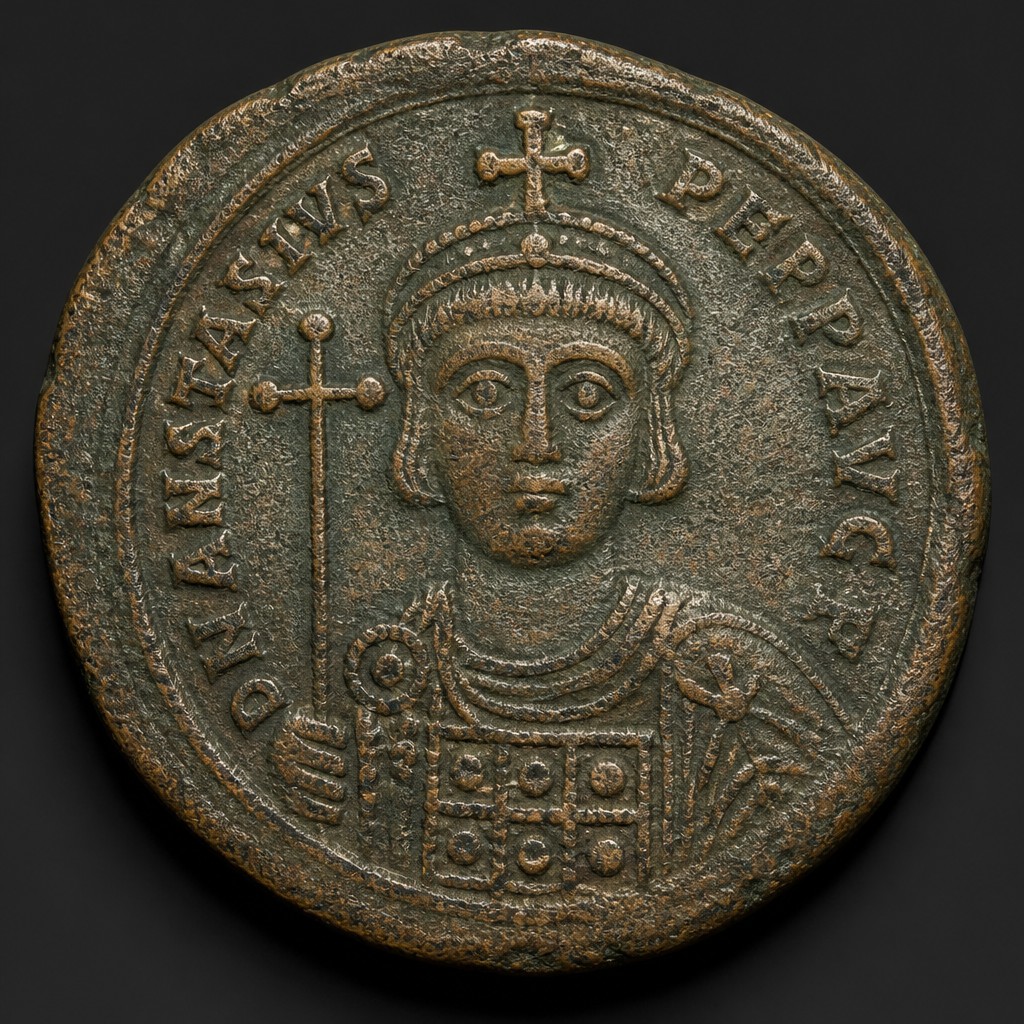
Byzantine Follis
498–c. 11th century AD
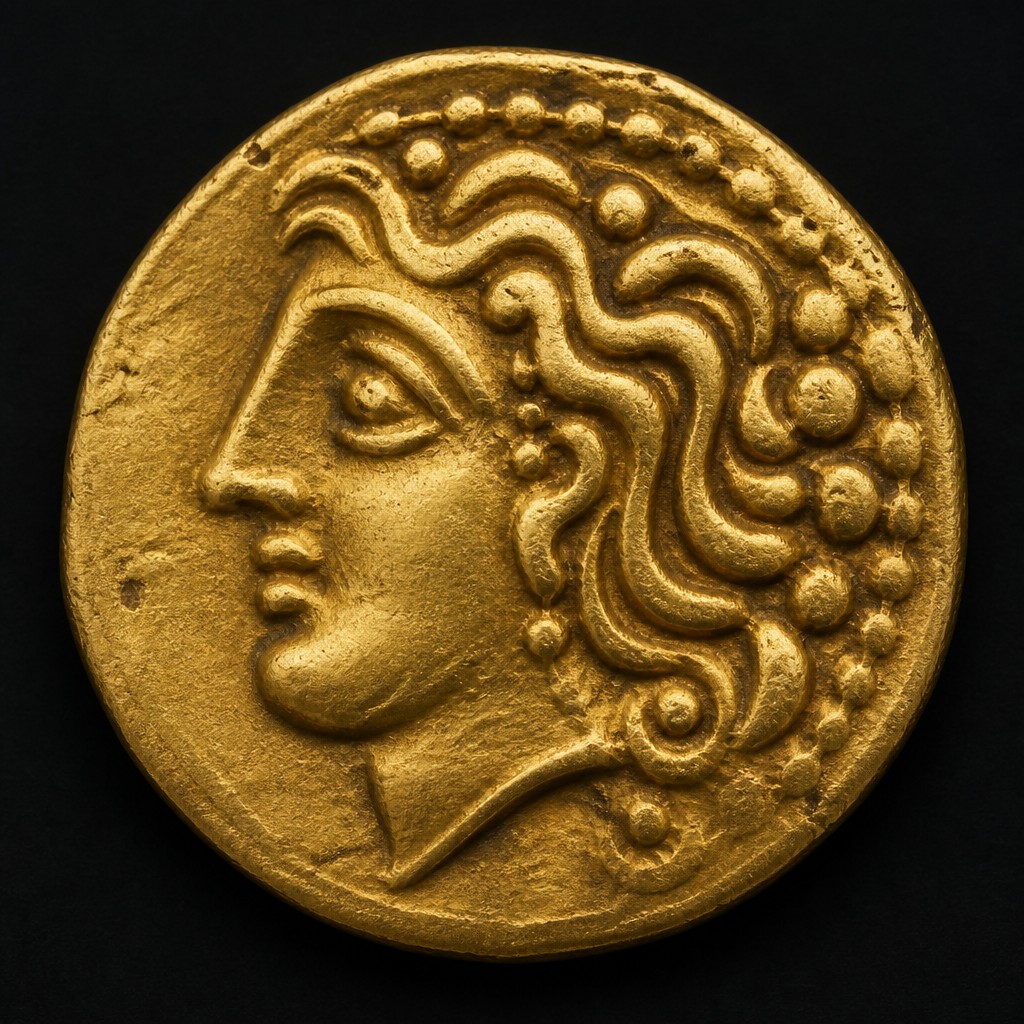
Celtic Gold Stater
c. 3rd century BC – 1st century AD