
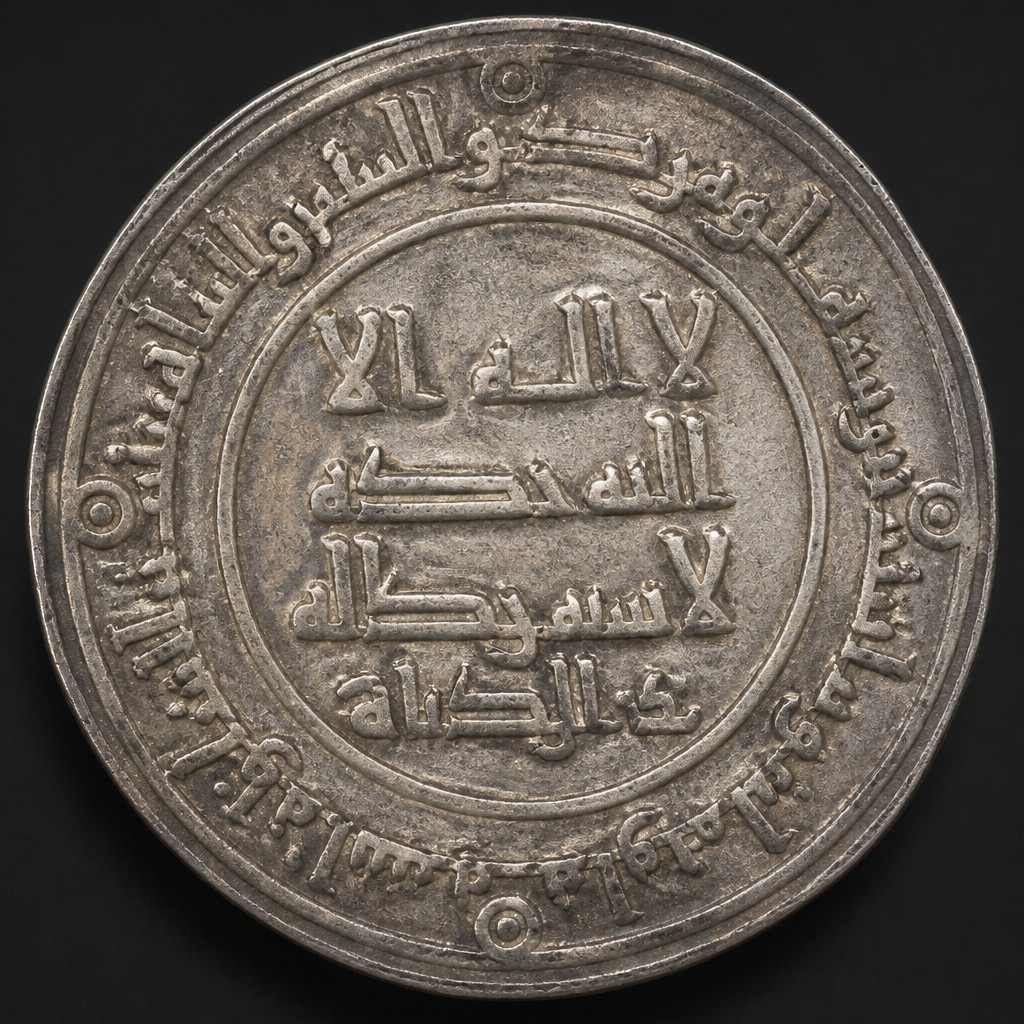
Islamic Silver Dirham (Abbasid)
The standard silver coin of the Abbasid Caliphate, continuing the text-only Kufic script tradition and widely used across a vast medieval trade network stretching from Europe to Central Asia.
- Country
- Abbasid Caliphate
- Denomination
- Dirham
- Metal
- Silver
Got a coin like this?
Identify any coin from a photo, free.
Overview
The Abbasid silver dirham was one of the most widely circulated coins of the early medieval world, used extensively in trade routes connecting the Islamic caliphate with Europe, Africa, and Asia. Large numbers of Abbasid dirhams have even been found in Viking-era hoards in Scandinavia and Russia, testifying to the coin's remarkable geographic reach.
For collectors, the dirham offers an accessible way to own coinage from the Abbasid Caliphate, the dynasty that ruled much of the Islamic world from Baghdad during its cultural and scientific golden age, and the mint names and dates inscribed on each coin provide a detailed record of medieval Islamic administration.
History & Background
The Abbasid Caliphate came to power in 750 AD after overthrowing the Umayyad dynasty, moving the caliphate's center of gravity eastward and eventually founding Baghdad as its capital. The Abbasids continued the aniconic, text-only coinage tradition established under the Umayyads, striking silver dirhams inscribed with Quranic phrases, the ruling caliph's name, and often the name of an heir apparent or powerful official.
Dirhams were struck at numerous mints throughout the enormous Abbasid territory, and because each coin records its mint city and the Islamic (Hijri) year of striking, these coins are exceptionally useful historical documents, allowing precise dating and geographic attribution.
Abbasid dirhams circulated well beyond the caliphate's borders, forming a key part of long-distance trade networks; enormous quantities have been recovered from hoards in Russia, the Baltic region, and Scandinavia, reflecting their use by Viking traders moving silver along river trade routes. The Abbasid Caliphate's political power declined gradually over centuries and its Baghdad-based rule effectively ended with the Mongol sack of Baghdad in 1258.
How to Identify
Like other early Islamic coinage, the Abbasid dirham bears no images, only Arabic Kufic script arranged in concentric circles or blocks of text on both sides. The obverse typically features the Islamic declaration of faith in the central field with a Quranic quotation in the surrounding margin, while the reverse center often names the caliph and sometimes a governor or heir apparent, with another Quranic passage in the margin.
The mint name and the Hijri date of striking usually appear in the margin as well, allowing precise attribution. The coin is a thin, broad silver flan, typically around 24 to 28mm in diameter and weighing close to 2.9 to 3 grams, following the classical Islamic dirham weight standard.
Collectors distinguish Abbasid dirhams from Umayyad predecessors mainly by the names and titles inscribed (caliphs, governors, and sometimes viziers named on Abbasid issues differ from Umayyad ones) and by the dates, which fall after 750 AD in the Islamic calendar. Regional variations in calligraphy style and added inscriptions can help pinpoint specific mints or periods.
Value & Collectibility
Common Abbasid dirhams, particularly from major mints like Baghdad or Samarqand and from well-documented caliphs, are quite affordable and among the more accessible medieval Islamic coins for new collectors, often available for modest sums in decent grade. Their abundance in archaeological hoards keeps supply relatively healthy.
Rarer mints, unusual officials named on the coin, exceptional strikes, or coins tied to significant historical events can carry higher premiums. Condition, legibility of the mint and date inscriptions, and overall strike quality are the main drivers of value within this generally affordable series.
Frequently asked questions
Why are so many Abbasid dirhams found in Scandinavia?
Viking-era traders moved silver dirhams along river trade routes connecting the Islamic world to the Baltic and beyond, and many were later buried as hoards that have since been recovered by archaeologists.
Can you tell exactly when and where a dirham was struck?
Yes, most Abbasid dirhams name their mint city and record the Hijri year of striking directly in the coin's inscriptions.
Do Abbasid dirhams show a ruler's portrait?
No, following the earlier Islamic aniconic tradition, the coin is entirely text-based with no images of rulers or figures.
How does an Abbasid dirham differ from an Umayyad dirham?
Both use similar text-only designs, but the names, titles, and dates inscribed differ since they were issued under different caliphs and dynasties after 750 AD.
What is the coin's approximate silver weight?
The classical Islamic dirham standard was roughly 2.9 to 3 grams of silver, though this could vary somewhat by period and mint.
Other coins you may enjoy
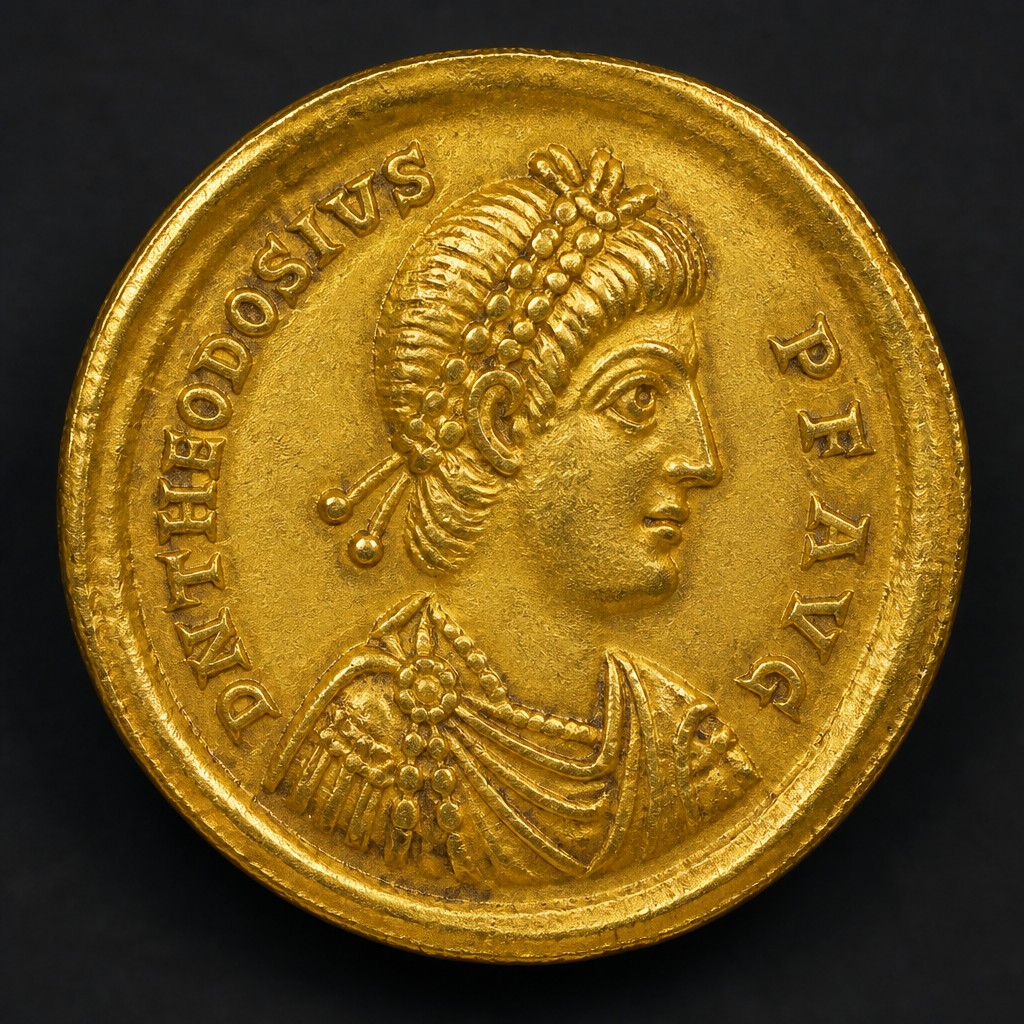
Theodosius I Solidus
379–395 AD
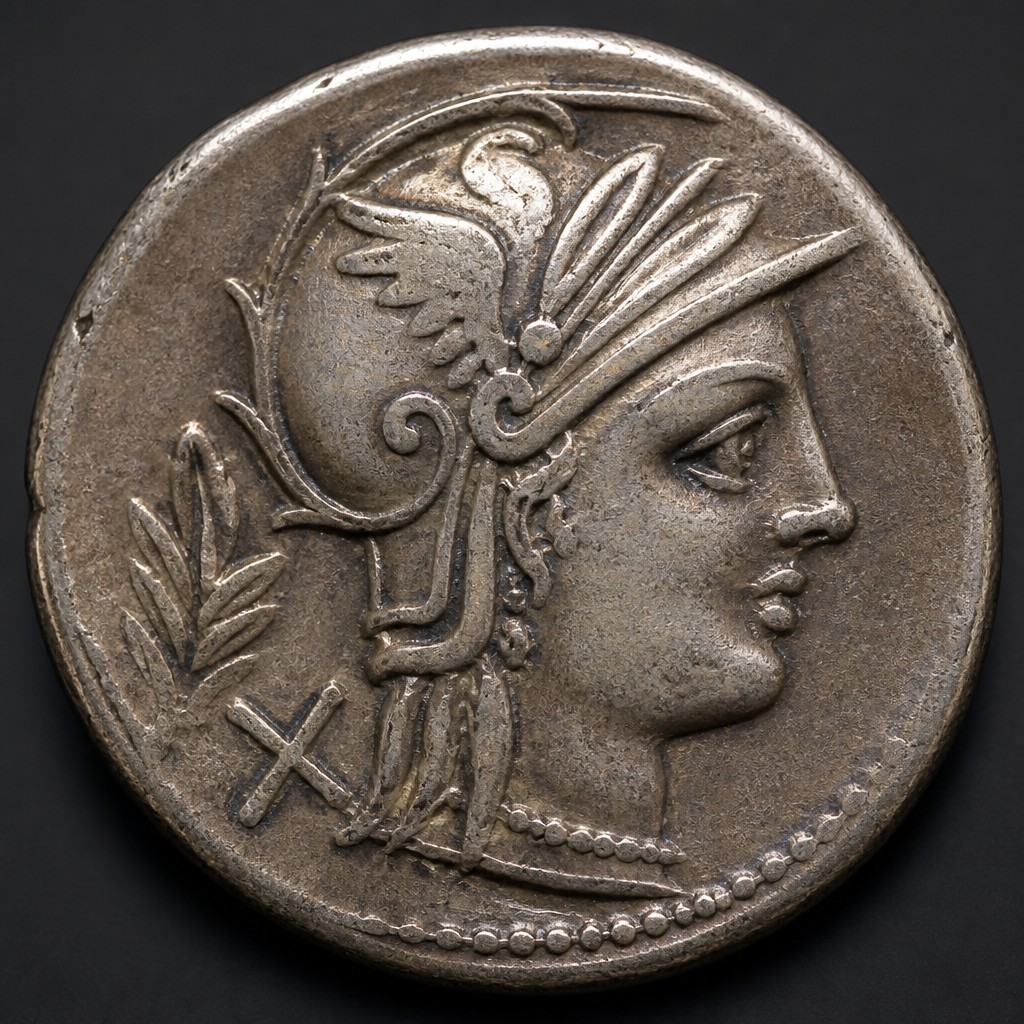
Republican Victoriatus
c. 211–170 BC
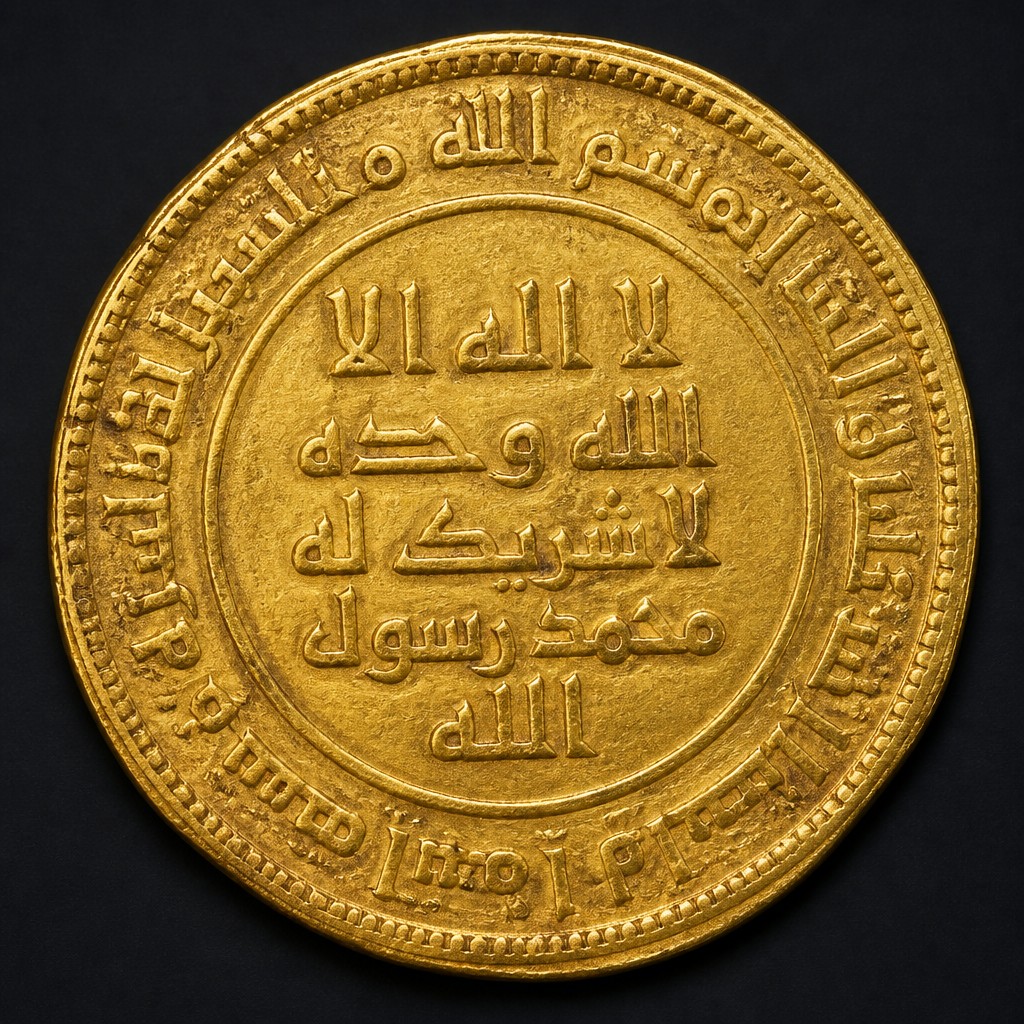
Islamic Gold Dinar (Umayyad)
c. 696–750 AD
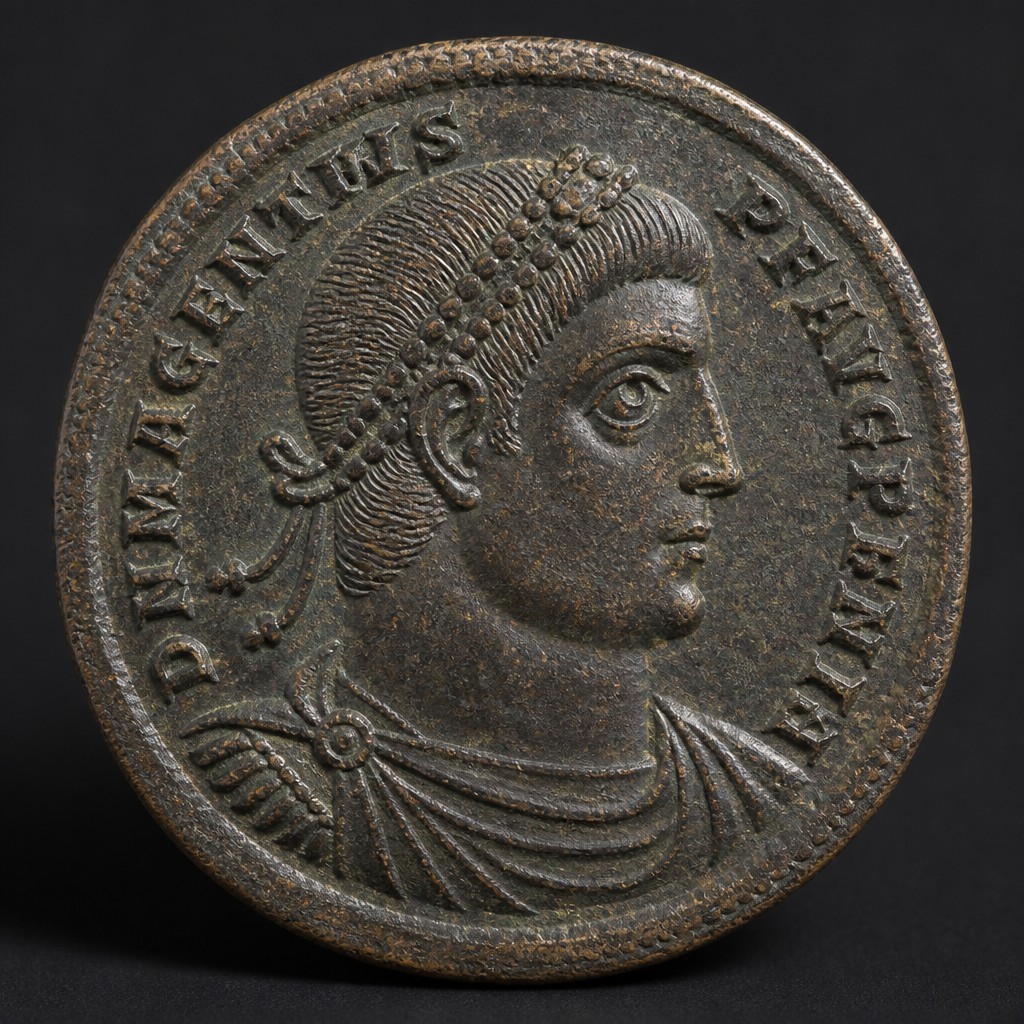
Magnentius Double Centenionalis
350–353 AD
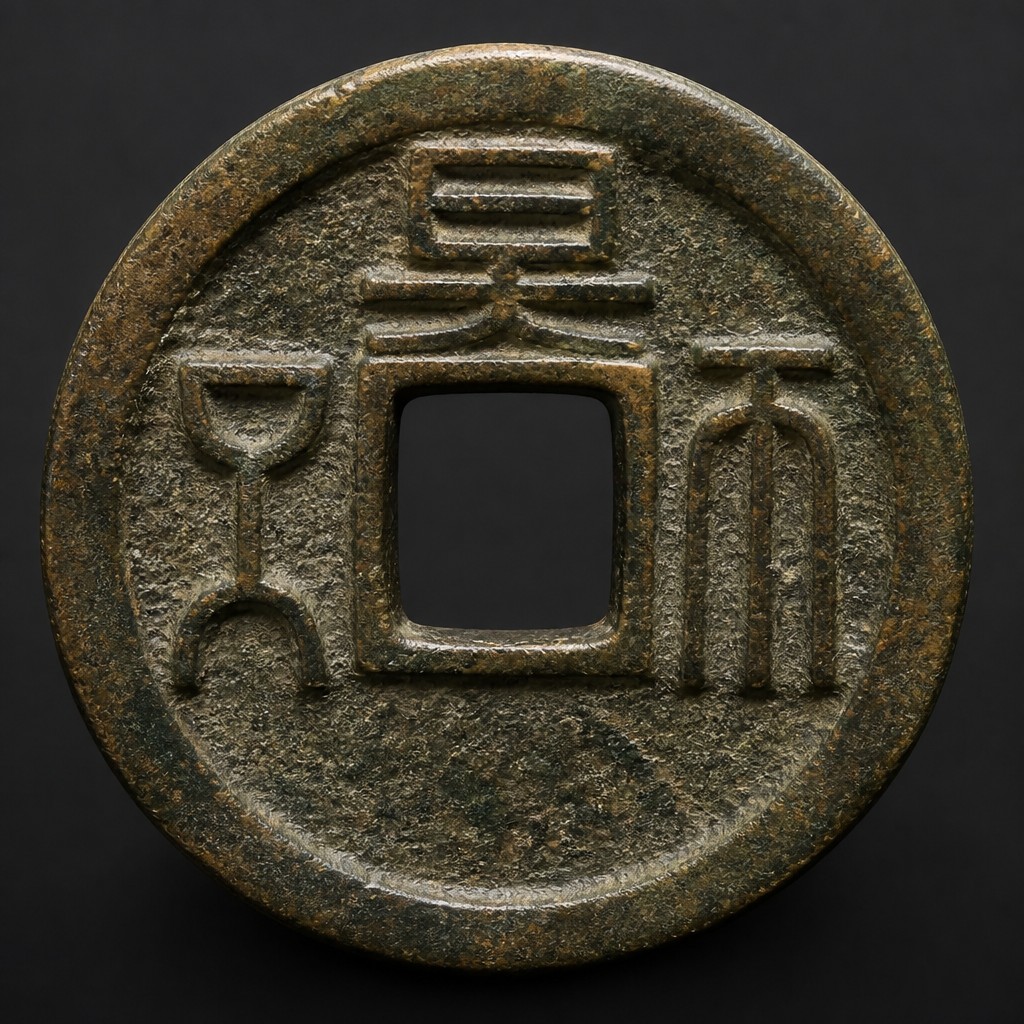
Chinese Wu Zhu Cash
118 BC – 618 AD
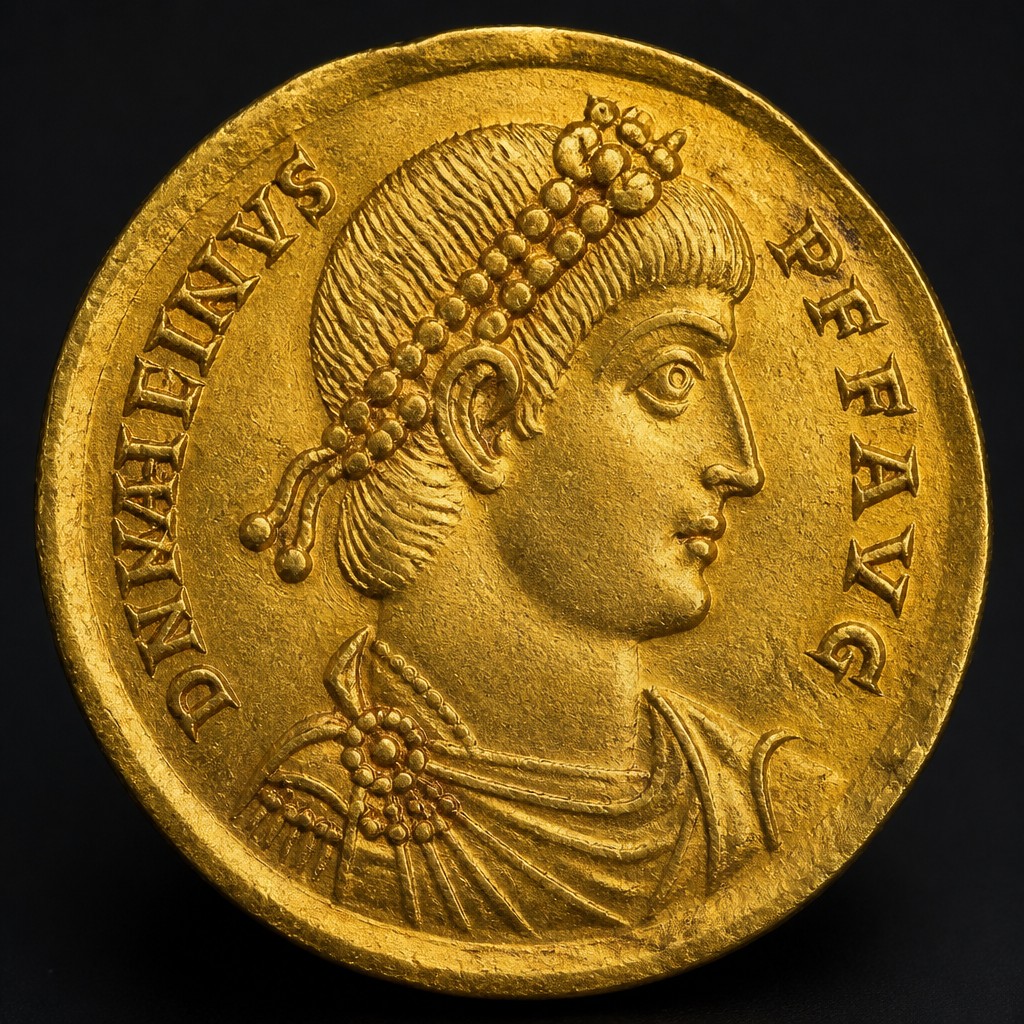
Valentinian I Solidus
364–375 AD
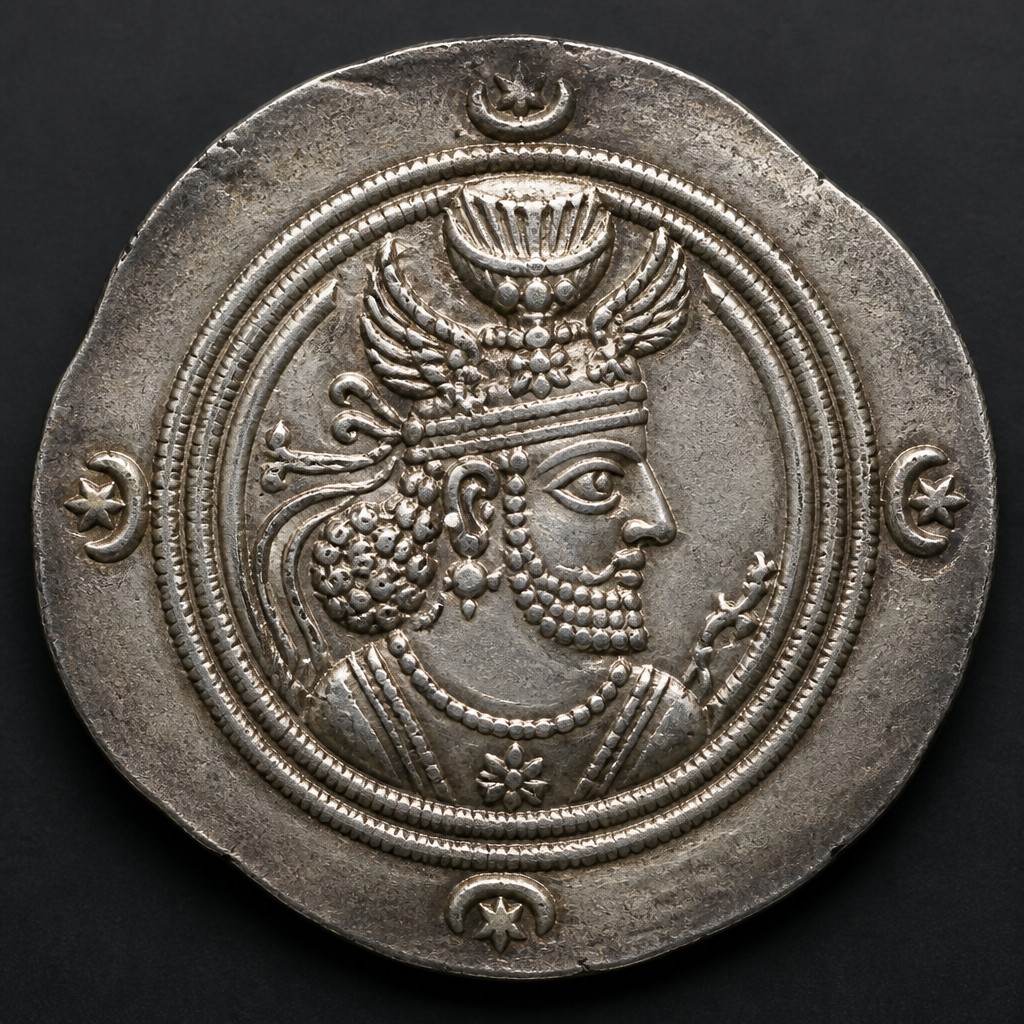
Sassanian Silver Drachm
c. 224–651 AD
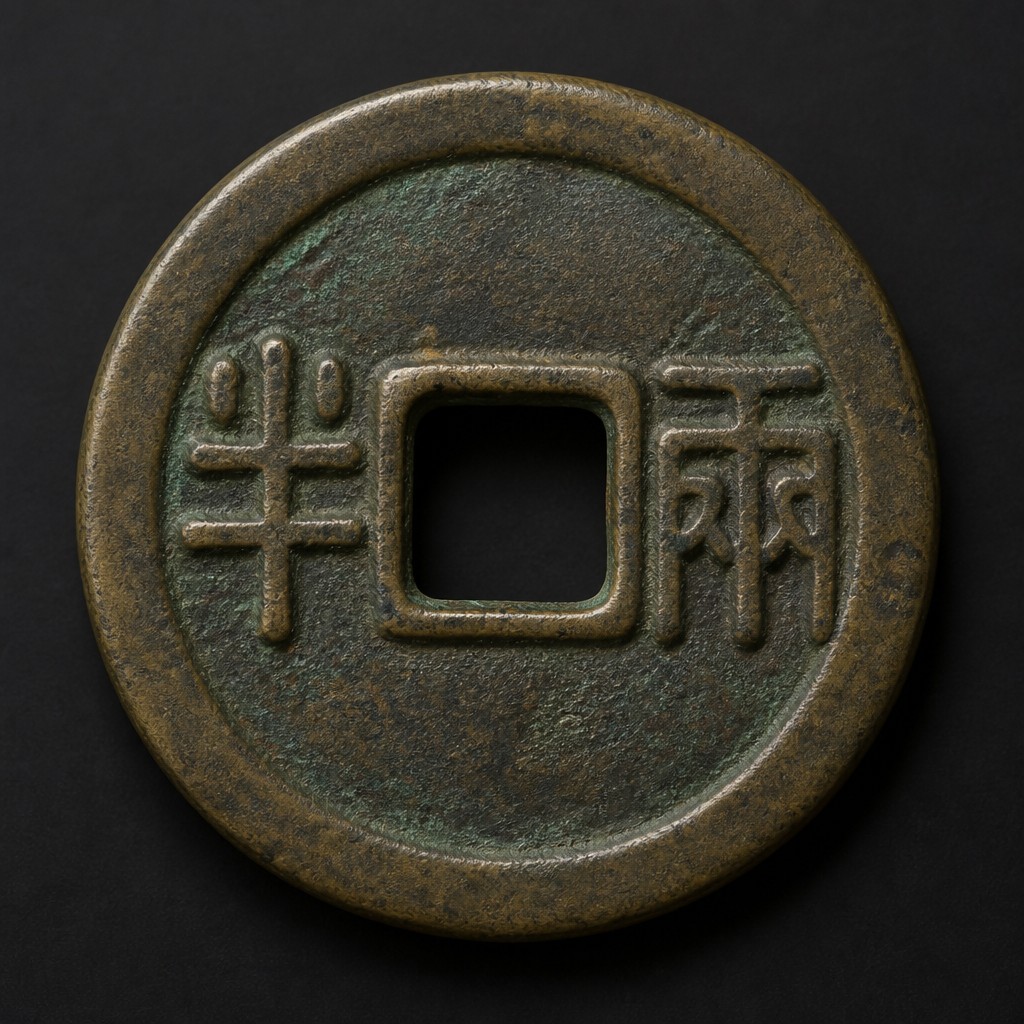
Chinese Ban Liang Cash
c. 221–118 BC
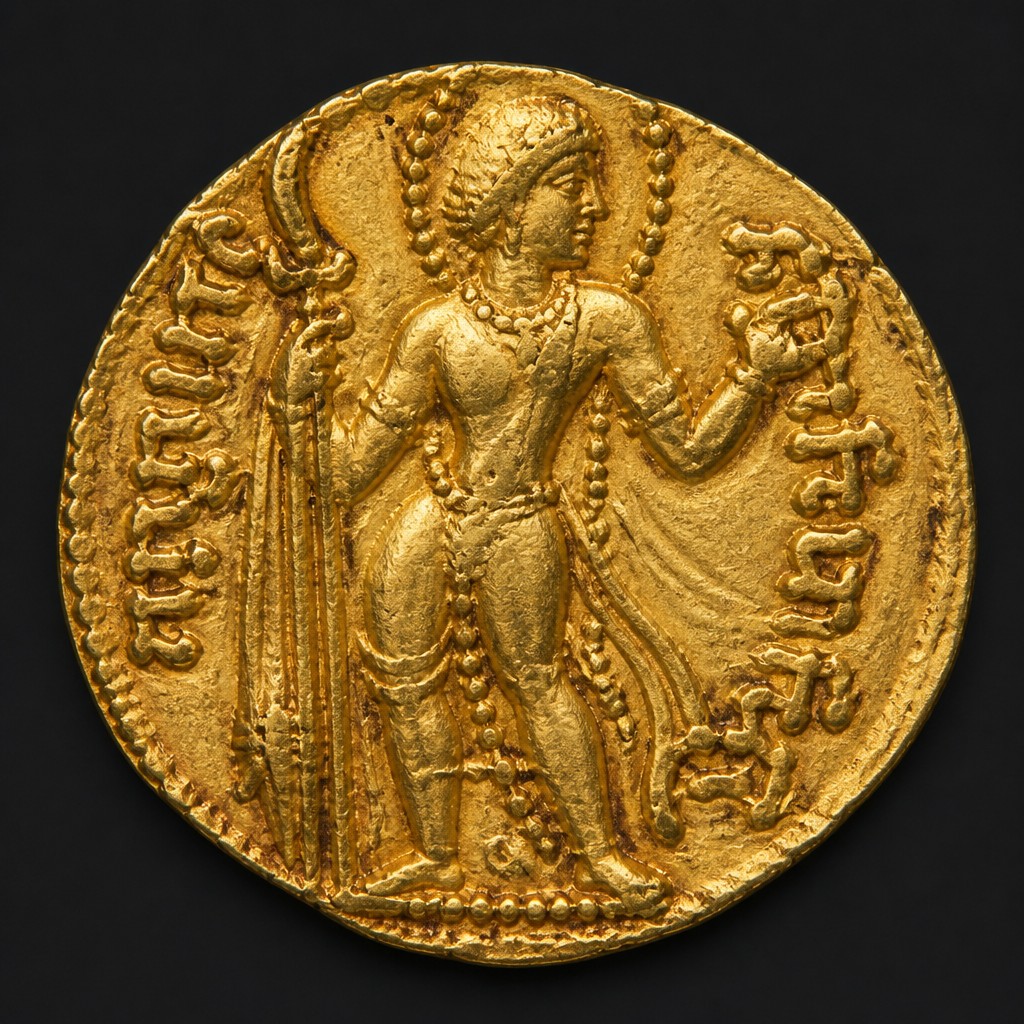
Gupta Empire Gold Dinar
c. 320–550 AD
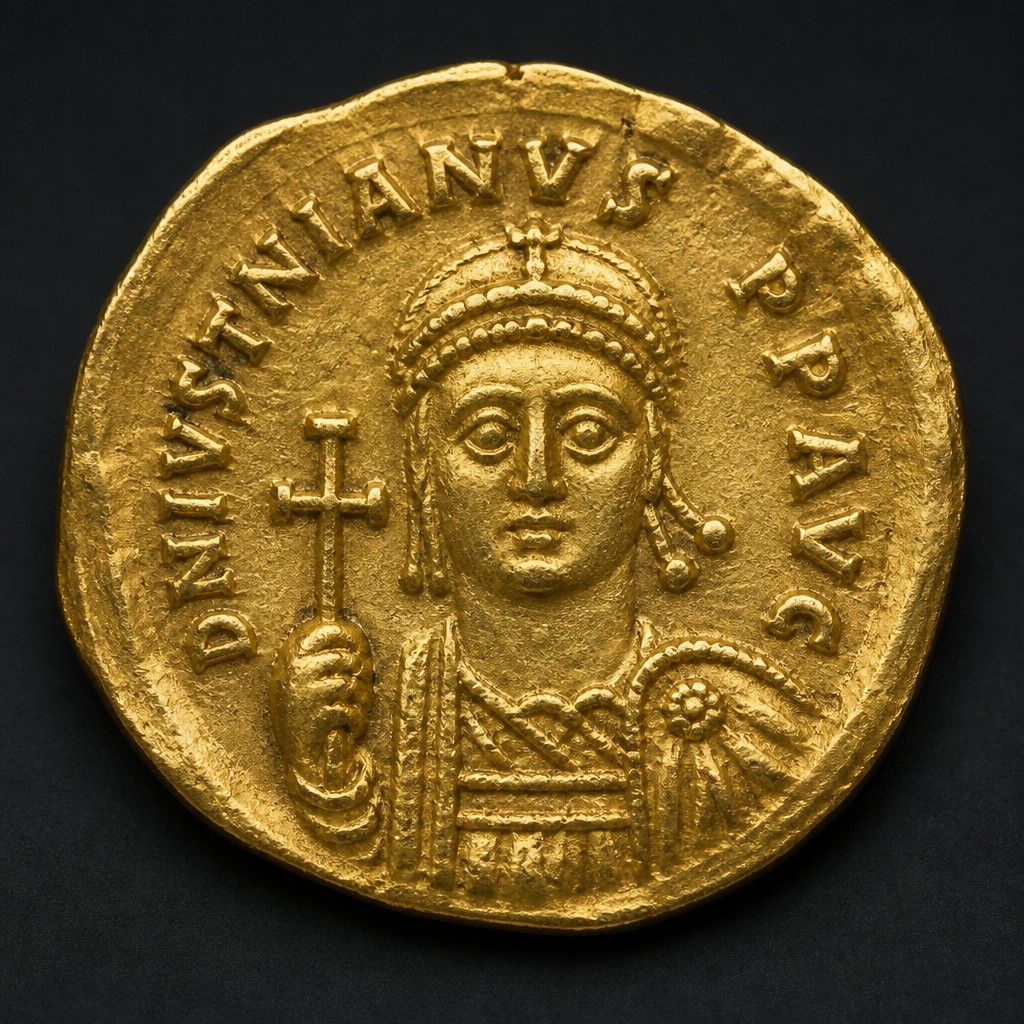
Byzantine Gold Tremissis
c. 4th–7th century AD
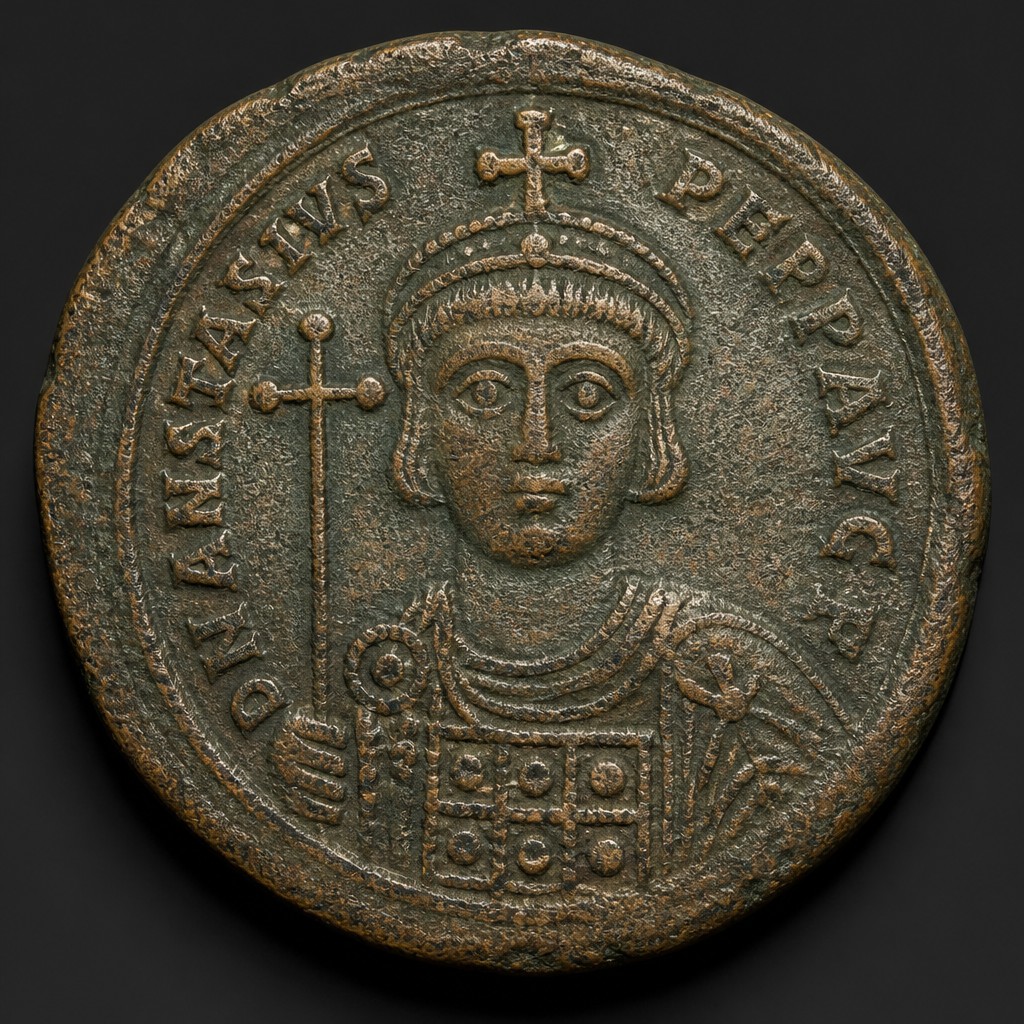
Byzantine Follis
498–c. 11th century AD
Celtic Gold Stater
c. 3rd century BC – 1st century AD