
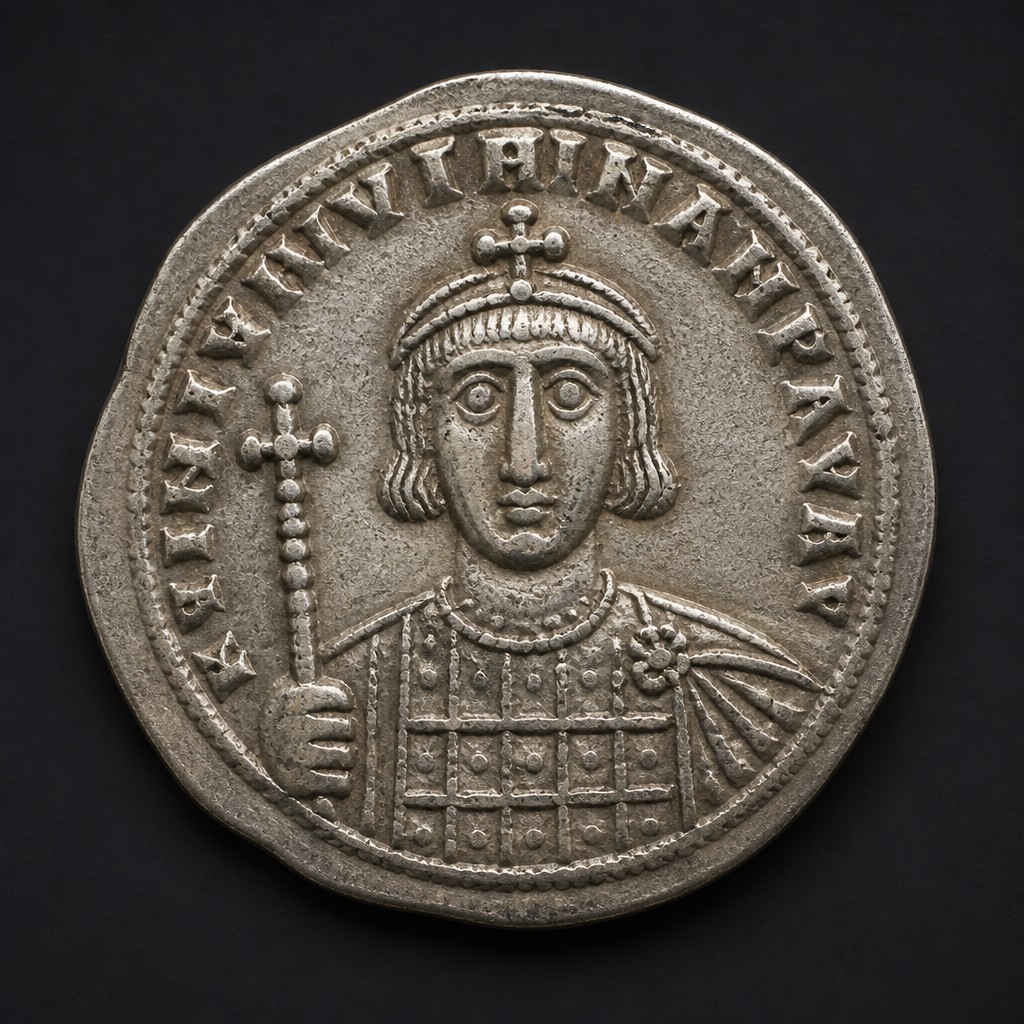
Byzantine Miliaresion
The main large silver coin of the middle Byzantine Empire, introduced in the 8th century and typically featuring a plain cross on steps, reflecting the era's Iconoclast religious tensions.
- Country
- Byzantine Empire
- Denomination
- Miliaresion
- Metal
- Silver
Got a coin like this?
Identify any coin from a photo, free.
Overview
The miliaresion filled an important gap in Byzantine currency as a substantial silver denomination bridging the high-value gold solidus and lower-value bronze follis, at a time when silver coinage had become relatively uncommon in Byzantine monetary practice. Its broad, thin format and simple, dignified cross design give it a distinctive appearance among Byzantine coin types.
Collectors find the miliaresion interesting both as a relatively less common Byzantine metal (compared to the far more frequently encountered gold and bronze denominations) and for its connection to the empire's Iconoclast period, when religious images were controversial and simpler cross-based designs were politically and religiously significant.
History & Background
The miliaresion was introduced as a standard broad silver coin under Emperor Leo III around 720 AD, during a period when the Byzantine Empire was in the grip of the Iconoclast controversy, a religious and political movement opposed to the veneration of religious images. This context likely influenced the coin's simple, aniconic design centered on a plain cross rather than a figural religious scene.
The miliaresion continued to be struck through subsequent centuries, with its design gradually evolving to include imperial portraits or inscriptions naming co-emperors as Iconoclasm waned and the political and religious climate shifted back toward image veneration in the 9th century onward. It served as the empire's primary large silver coin throughout the middle Byzantine period, a time when gold and bronze coinage otherwise dominated everyday Byzantine commerce.
Production of the miliaresion, like other traditional Byzantine denominations, was affected by the broader currency reforms of the late 11th century under Alexios I Komnenos, after which the denomination was effectively phased out in favor of new coinage introduced by that reform.
How to Identify
The classic early miliaresion features a plain cross set upon a base of several steps on the obverse or reverse, often within a border of dots, accompanied by a Latin or Greek legend invoking Christ's protection of the reigning emperors. Later examples sometimes replace or supplement the plain cross with imperial busts or additional inscriptions naming multiple co-emperors, reflecting the political arrangements of the time.
The coin is notably broad and thin compared to Byzantine gold and bronze denominations, generally in the range of 23 to 25mm in diameter, giving it a distinctive wide, flat profile that sets it apart at a glance from the smaller, thicker solidus or tremissis. Its silver color and lighter weight relative to its diameter also help distinguish it from bronze folles of similar size.
Value & Collectibility
Byzantine miliaresia are less commonly encountered than gold solidi or bronze folles, since silver coinage played a smaller overall role in Byzantine monetary circulation, and this relative scarcity often makes decent examples moderately more expensive than comparably common bronze issues, though generally more affordable than gold. Prices vary considerably based on the ruling emperor and legend clarity.
Earlier, plain cross-on-steps types from well-documented emperors of the Iconoclast era are reasonably available to collectors, while later types naming multiple co-emperors or tied to shorter, less common reigns can be more difficult to find and correspondingly more valuable. As with all ancient silver, sharpness of strike and legend legibility are important value considerations.
Frequently asked questions
Why does the miliaresion often show just a plain cross?
It was introduced around 720 AD during the Byzantine Iconoclast controversy, a period when religious image veneration was contested, which likely encouraged the use of a simple, non-figural cross design instead of a portrait or religious scene.
What metal is the miliaresion made of?
It is a silver coin, making it somewhat unusual among Byzantine denominations, which were dominated by gold solidi and bronze folles.
How can I tell a miliaresion from a bronze follis at a glance?
The miliaresion is broader and thinner, with a distinct silver-white color and lighter weight for its size, compared to the thicker, darker, heavier bronze follis.
Did the design change over time?
Yes, later miliaresia from the 9th century onward often added imperial portraits or named multiple co-emperors, reflecting a shift away from the strict Iconoclast-era plain cross design.
When did the miliaresion stop being produced?
It was phased out as part of the broader Byzantine currency reform under Alexios I Komnenos in the late 11th century.
Other coins you may enjoy
Theodosius I Solidus
379–395 AD
Republican Victoriatus
c. 211–170 BC
Islamic Gold Dinar (Umayyad)
c. 696–750 AD
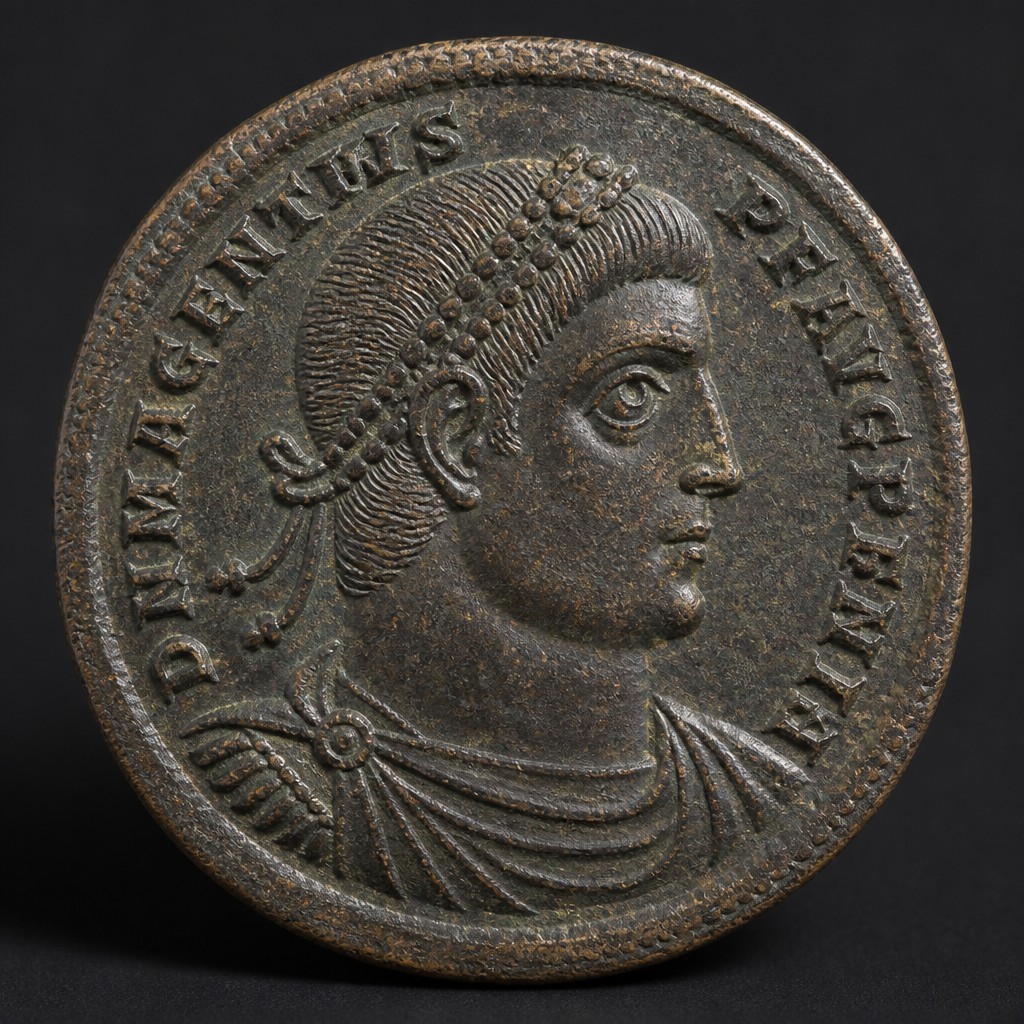
Magnentius Double Centenionalis
350–353 AD
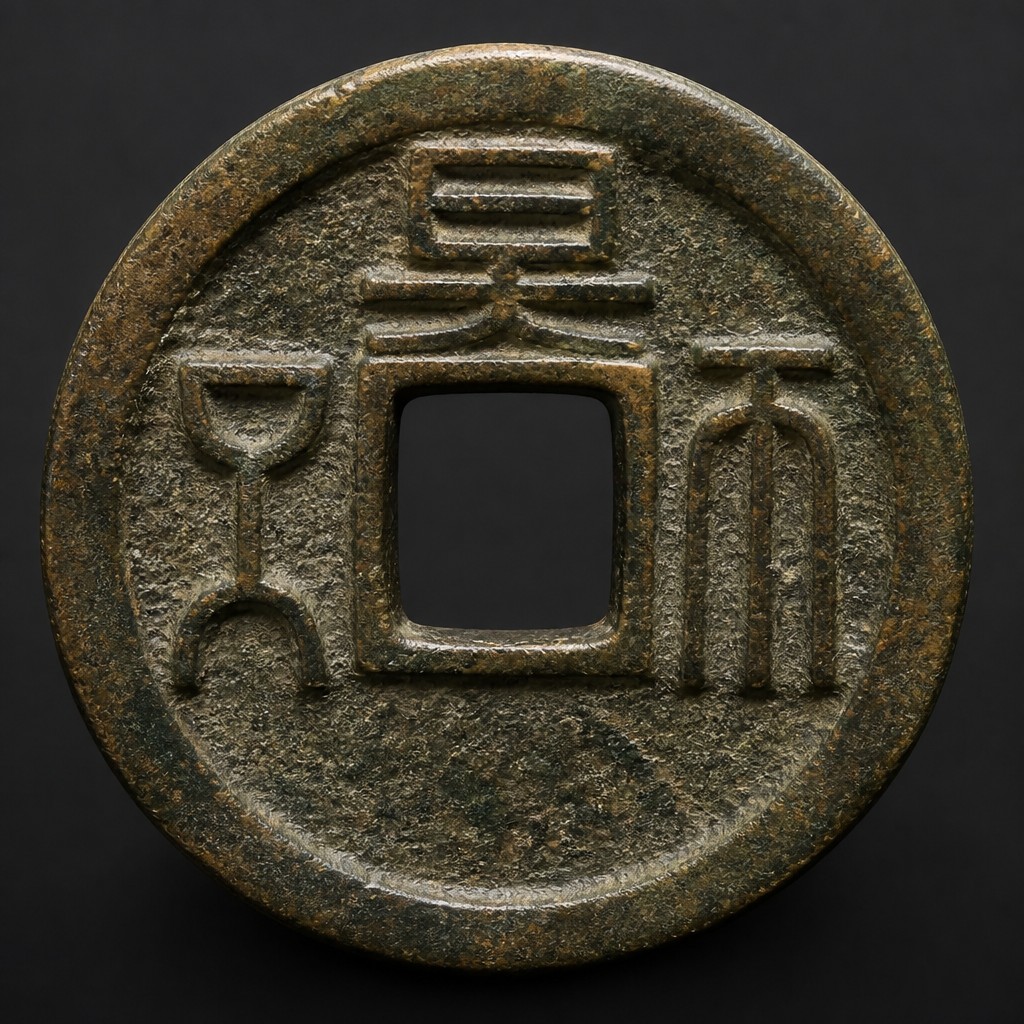
Chinese Wu Zhu Cash
118 BC – 618 AD
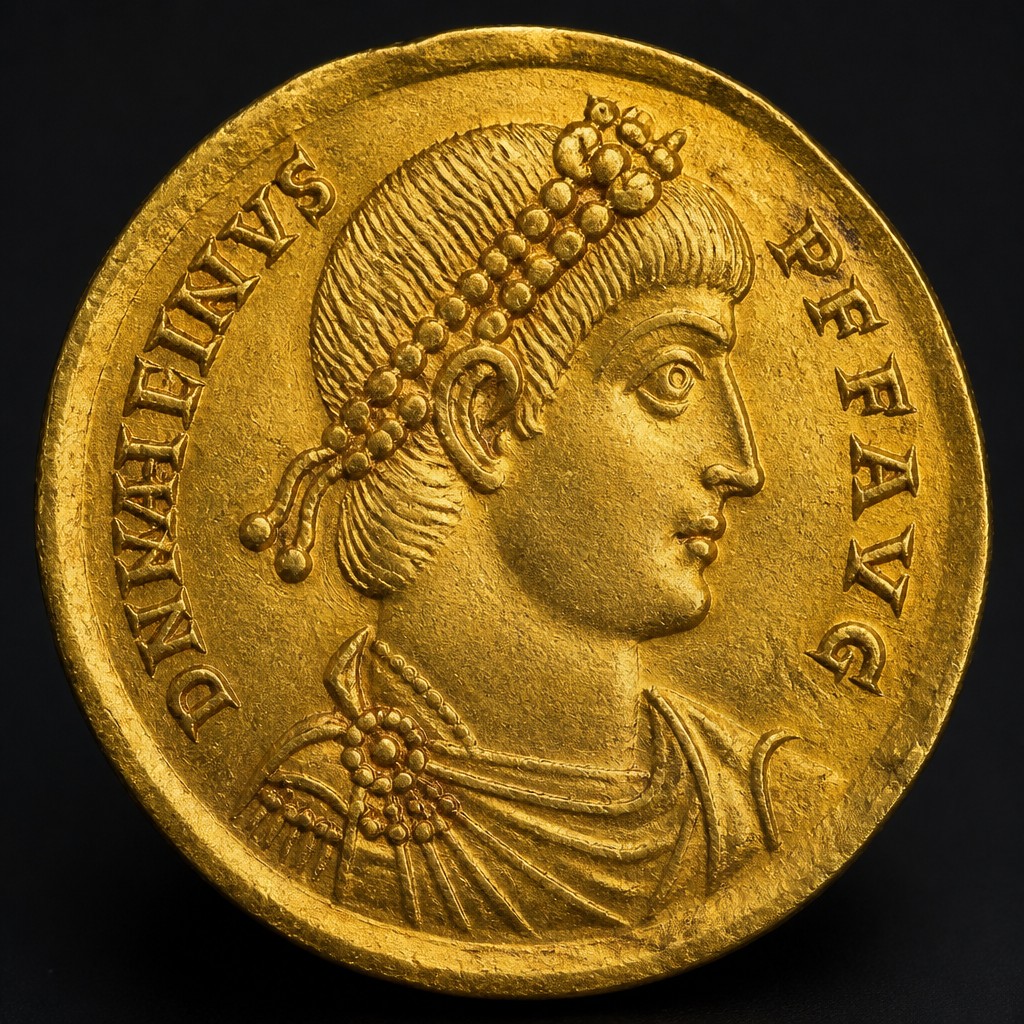
Valentinian I Solidus
364–375 AD
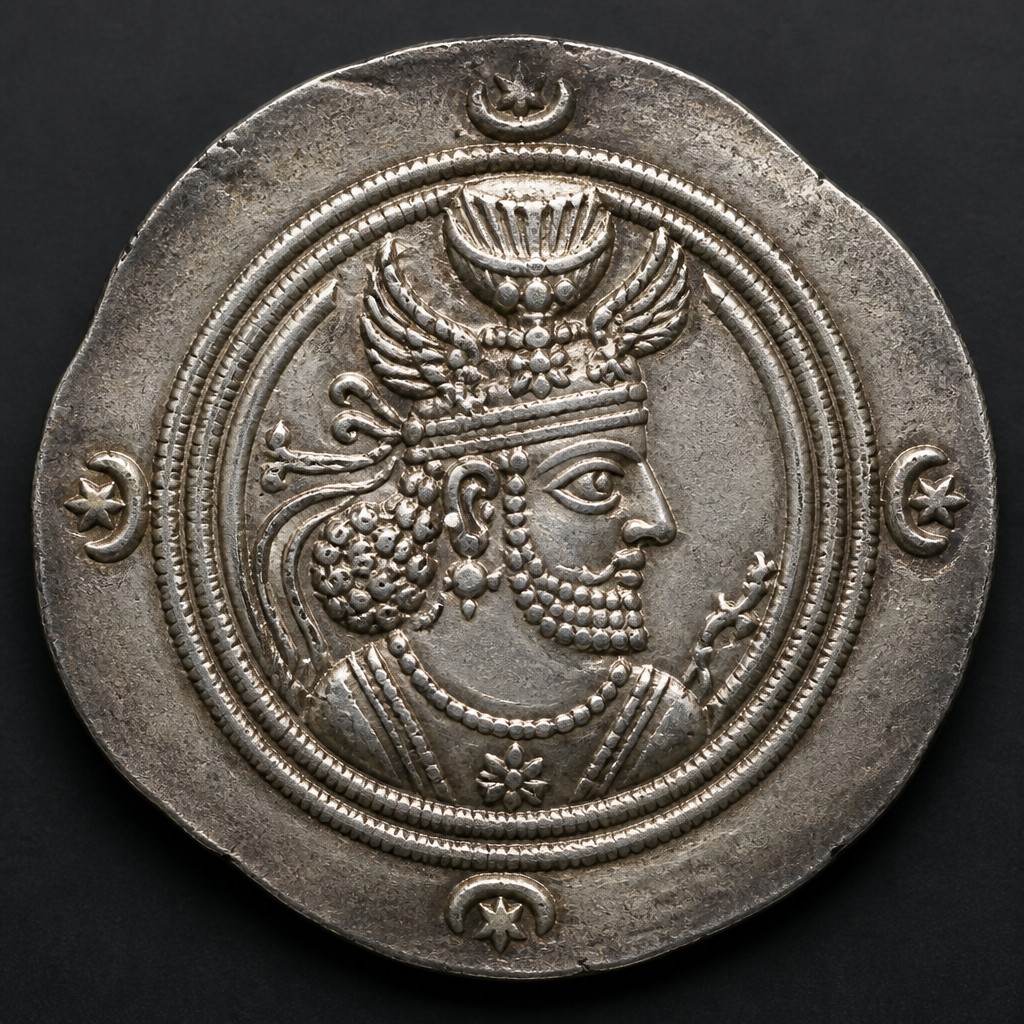
Sassanian Silver Drachm
c. 224–651 AD
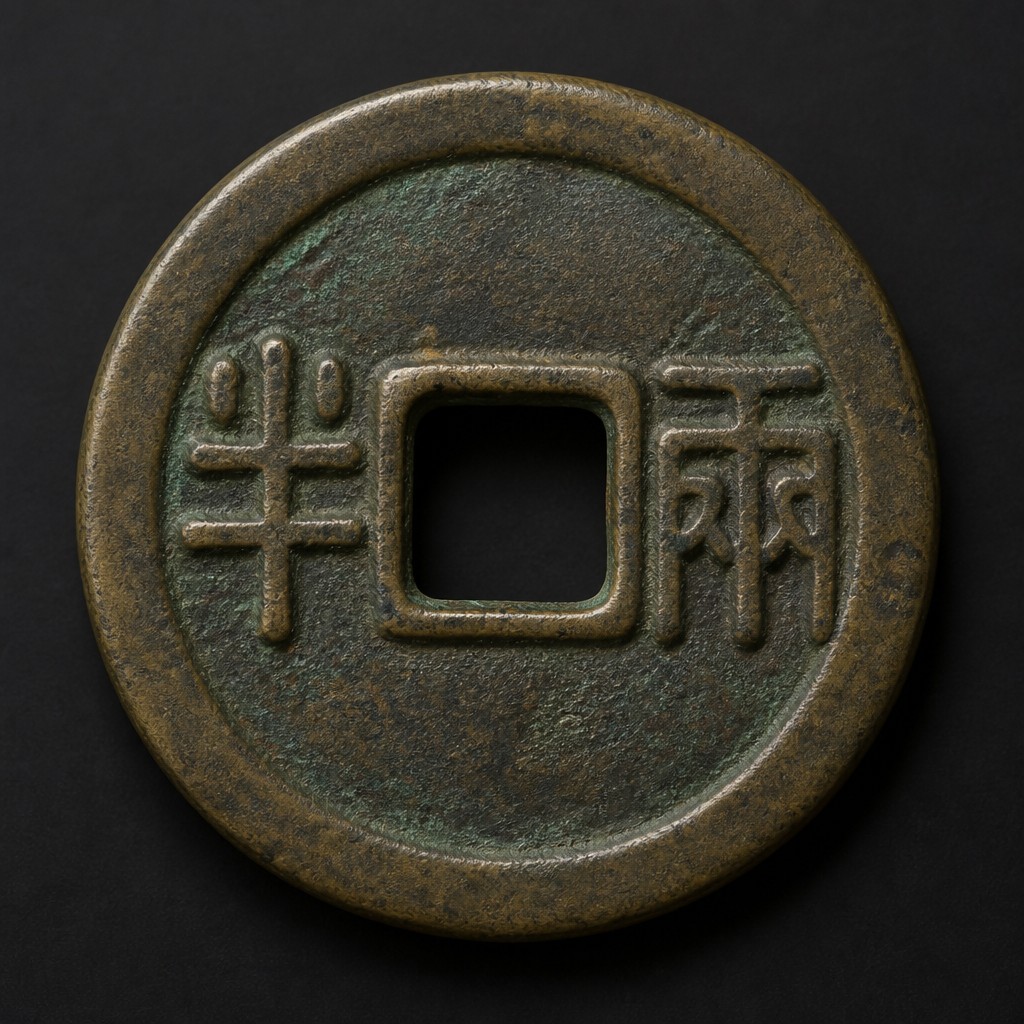
Chinese Ban Liang Cash
c. 221–118 BC
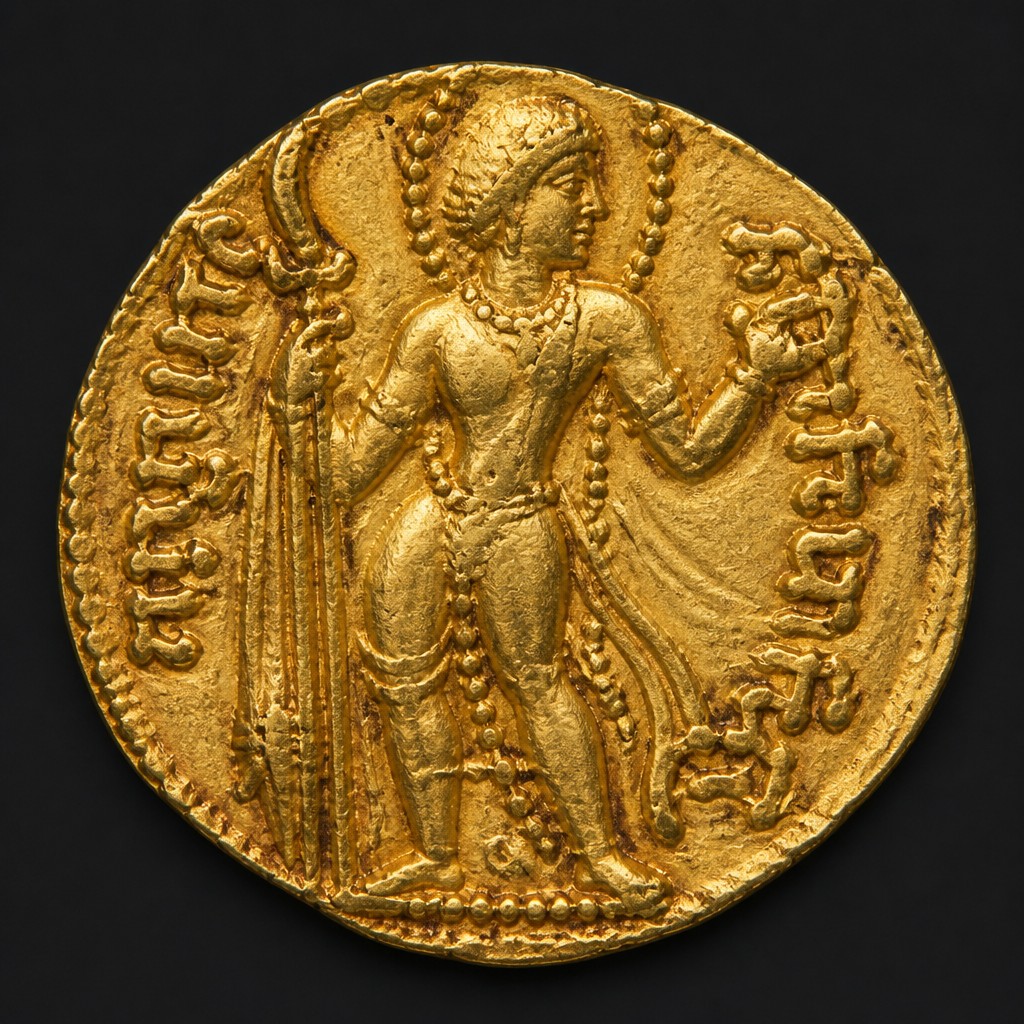
Gupta Empire Gold Dinar
c. 320–550 AD
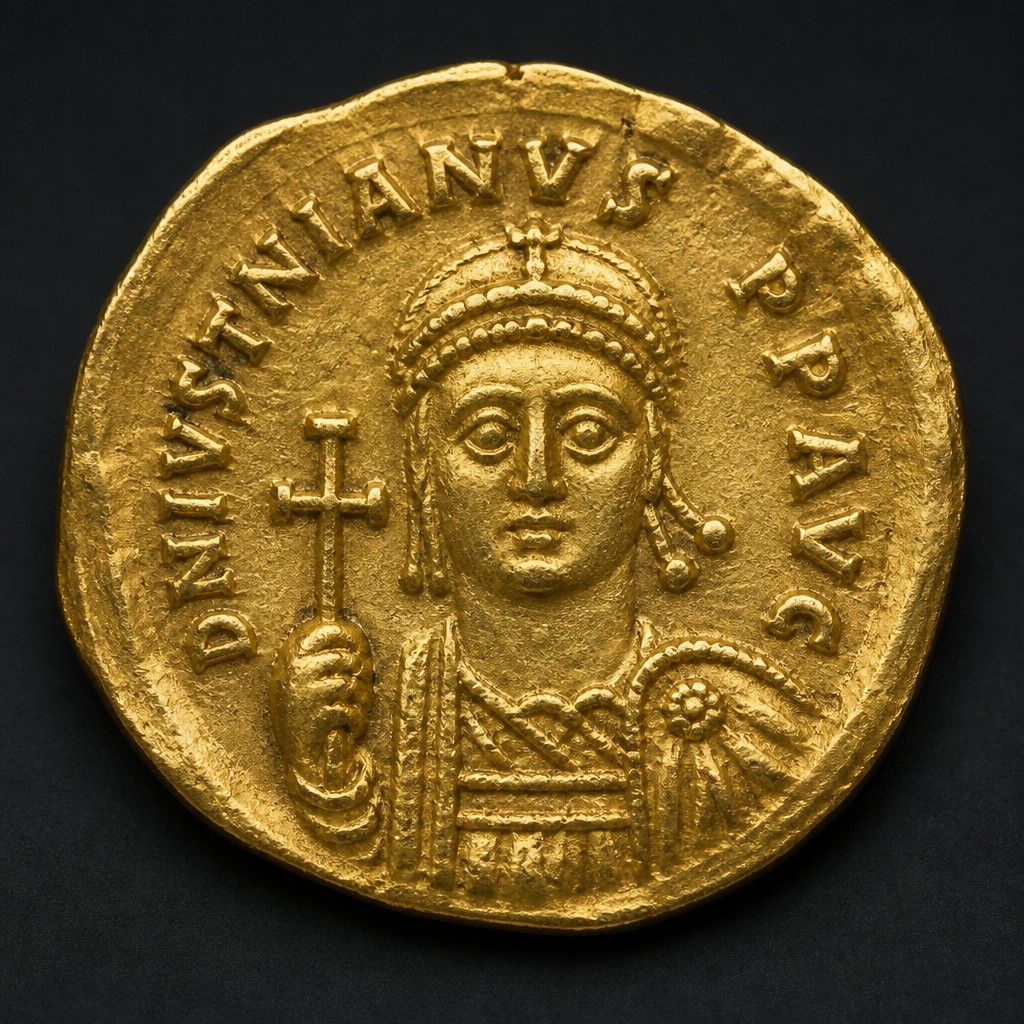
Byzantine Gold Tremissis
c. 4th–7th century AD
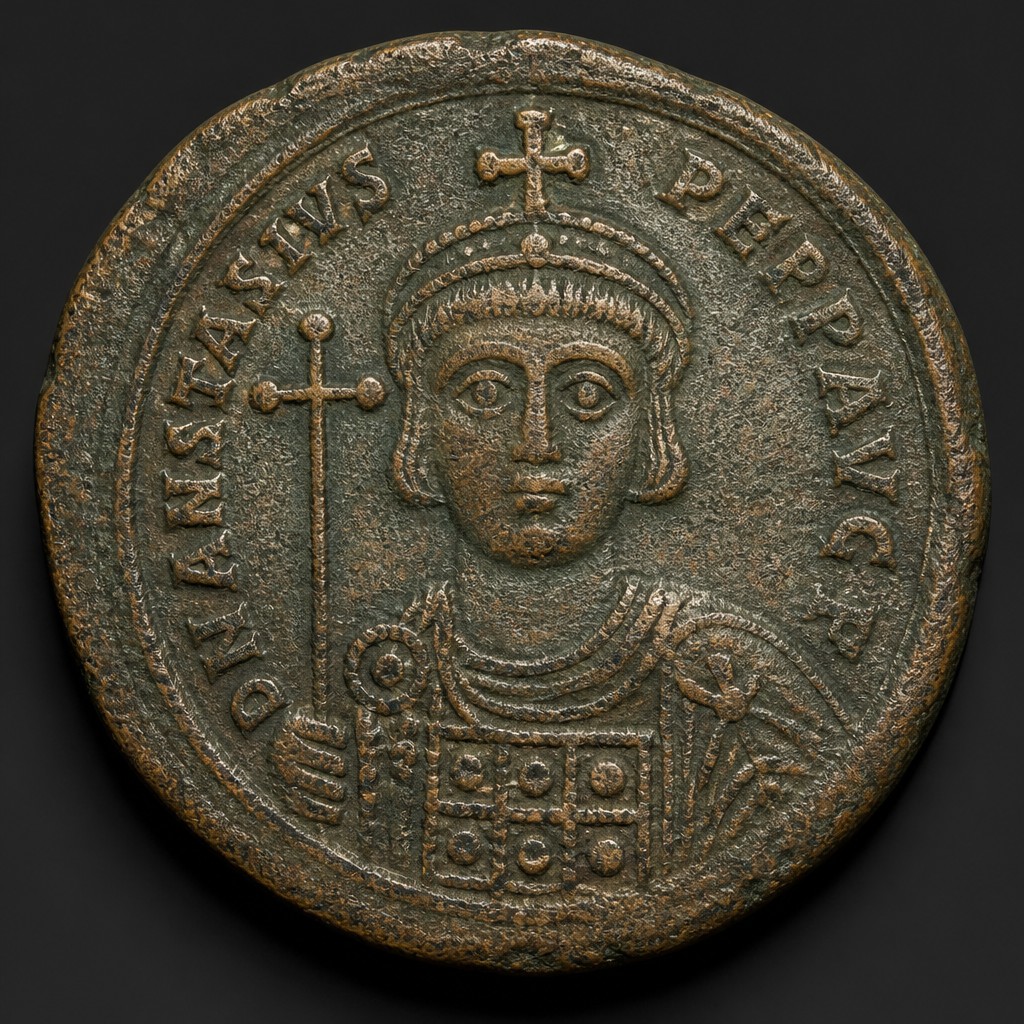
Byzantine Follis
498–c. 11th century AD
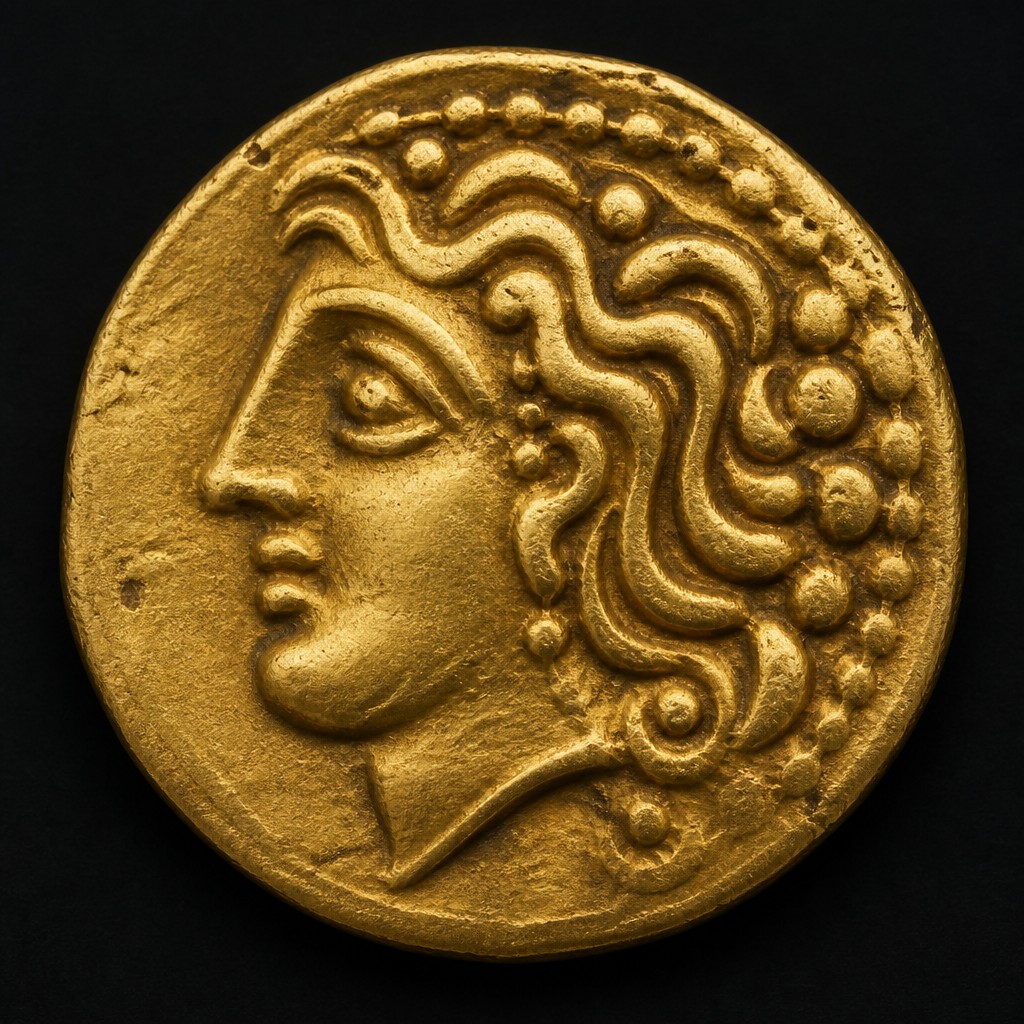
Celtic Gold Stater
c. 3rd century BC – 1st century AD