
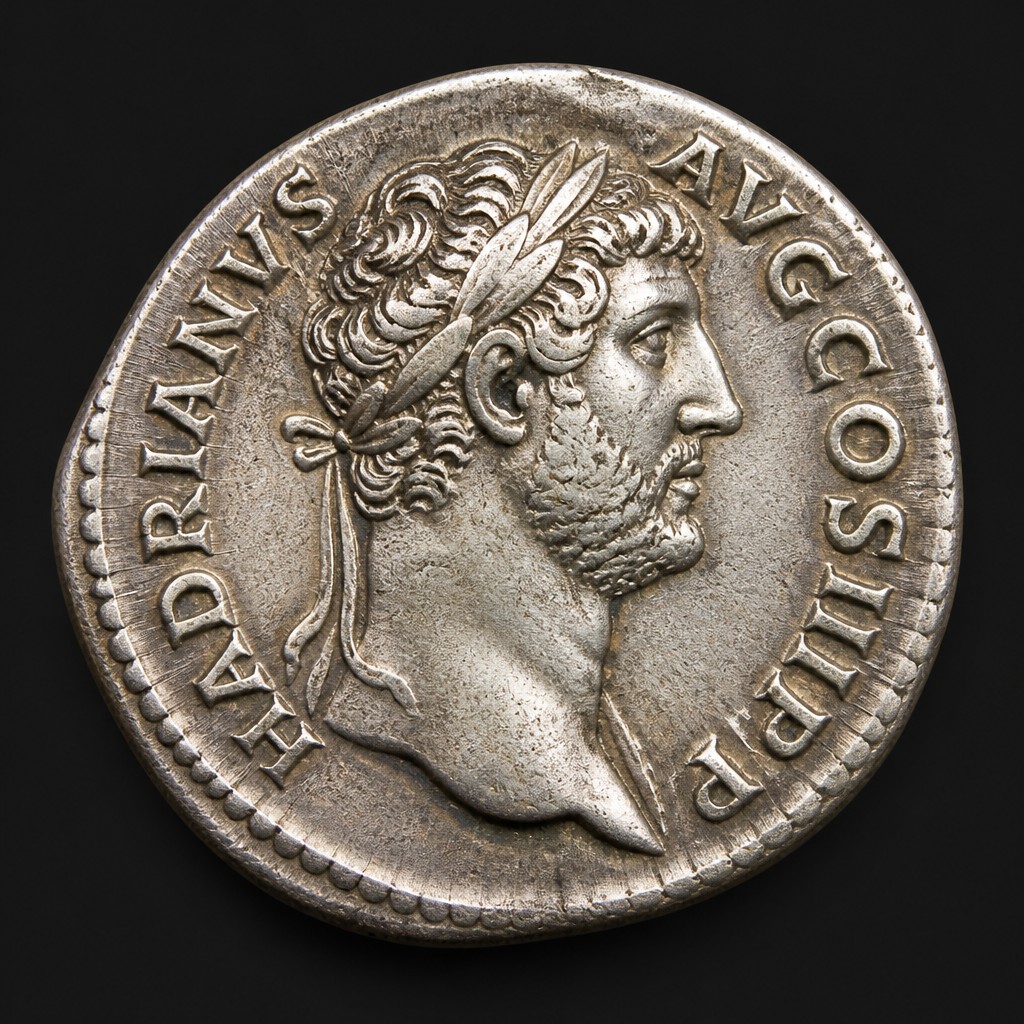
Hadrian Travel Series Denarius
A celebrated series of silver denarii issued late in Hadrian's reign, personifying the many provinces he famously toured throughout the Roman Empire.
- Country
- Ancient Rome
- Denomination
- Denarius
- Metal
- Silver (approx. 80–90%)
Got a coin like this?
Identify any coin from a photo, free.
Overview
The Hadrian Travel Series is one of the most admired and artistically distinctive coinages of the Roman world, produced to commemorate the emperor's extensive personal tours of the provinces, an unprecedented undertaking for a sitting Roman ruler. Rather than glorifying conquest, these coins celebrate the empire's geographic diversity, depicting personified provinces with regional attributes such as animals, local dress, or landscape features.
Struck in gold, silver, and bronze denominations, the series is best known today through its silver denarii and larger sestertii, which show emperors interacting with province personifications under legends like ADVENTVI AVG (marking his arrival) or RESTITVTORI (as restorer of the province). The series covers regions from Africa and Egypt to Britannia, Hispania, and Germania, among others.
Collectors prize the travel series both for its artistic quality, considered among the finest in Roman coin design, and for the way it captures a genuinely unusual and enlightened aspect of imperial governance.
History & Background
Hadrian, who became emperor in 117 AD after Trajan's death, pursued a strikingly different policy from his predecessor, consolidating rather than expanding the empire's frontiers and spending much of his twenty-one-year reign personally touring the provinces rather than remaining in Rome. His travels, which included extended visits to Gaul, Germania, Britain, North Africa, Greece, Asia Minor, and Egypt, were unprecedented in scope for a Roman emperor.
Late in his reign, likely around 134 to 138 AD, the Roman mint issued this remarkable series of coins commemorating his provincial visits, reflecting his personal interest in the empire's diverse cultures and his administrative philosophy of hands-on governance and border consolidation, exemplified also by projects such as Hadrian's Wall in Britain.
Hadrian died in 138 AD, having already arranged for Antoninus Pius to succeed him, continuing the adoptive succession pattern begun under Nerva; the travel series remains one of the most studied and celebrated coinages of his reign.
How to Identify
The obverse carries the laureate or bare head of Hadrian facing right, typically with the legend HADRIANVS AVG COS III P P, common to his later coinage. The reverse is the defining feature of the series: a personification of a specific province, often a standing or reclining female figure, accompanied by identifying attributes such as a local animal (a crocodile for Egypt, a bull for a Gallic province, or other regional symbols), local dress, or landscape elements, with the province's name inscribed, such as AFRICA, HISPANIA, BRITANNIA, or AEGYPTOS.
Related "adventus" (arrival) and "exercitus" (army) types show Hadrian himself, often on horseback or sacrificing, greeting a province or reviewing troops in a specific region, with legends such as ADVENTVI AVG or EXERC[ITUS] followed by the province name.
The denarius measures roughly 18mm and weighs about 3 to 3.3 grams, typical for the period, but the series is also known through larger sestertii and aurei showing the same designs in greater detail; collectors distinguish specific province types by the reverse legend and accompanying attribute, since the general format is consistent throughout the series.
Value & Collectibility
The Hadrian Travel Series enjoys a devoted following, and prices vary considerably by province depicted, since some regions are represented by far fewer surviving dies than others. Common provinces in decent grade may be available for a few hundred dollars, while rarer or more visually striking types, particularly those with fully legible province names and well-detailed attributes, can command prices well into four figures.
Condition sensitivity is high because the identifying attributes and legends are often the smallest details on the coin; a well-centered, sharply struck example that clearly shows the animal or regional symbol is far more desirable than a similar coin with a weak or off-center strike.
Because the series is widely regarded as combining historical significance with exceptional artistry, it remains one of the more actively collected and researched corners of Roman imperial coinage, with specialist reference works devoted to cataloging its many provincial types.
Frequently asked questions
Why did Hadrian issue this unusual series?
It commemorated his extensive personal tours of the Roman provinces, an unusual undertaking for an emperor, and celebrated the empire's geographic and cultural diversity.
How many provinces are represented in the series?
A substantial number of provinces and regions appear across the full series in various denominations, though not every coin type survives in equal numbers today.
What does ADVENTVI AVG mean?
It is Latin for "on the arrival of the emperor," marking Hadrian's visit to a particular province.
Is this series only found on denarii?
No, the travel series was also struck on larger sestertii and gold aurei, with the same personification designs shown in greater detail on the larger flans.
What makes some province types rarer than others?
Survival rates vary by original mintage and historical circumstance; some provinces are represented by comparatively few surviving examples, making them more sought after.
Other coins you may enjoy
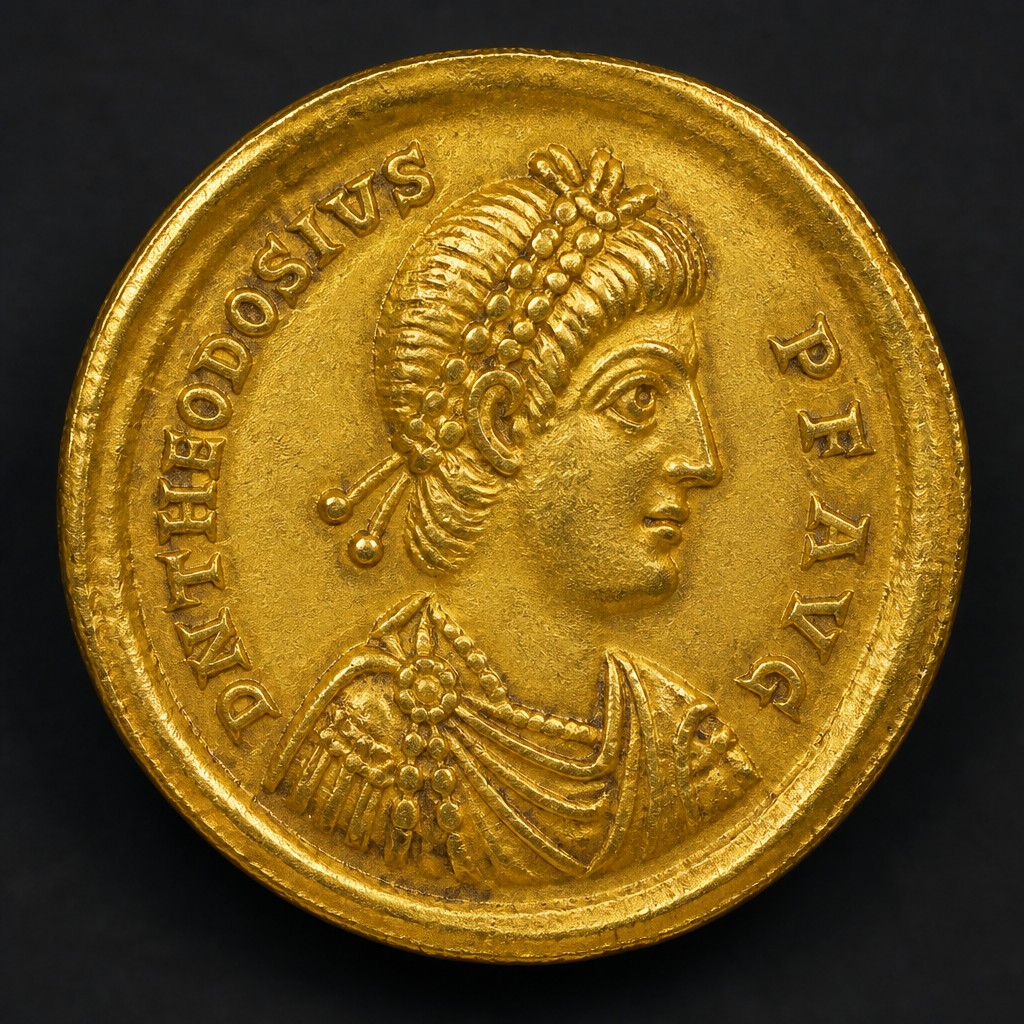
Theodosius I Solidus
379–395 AD
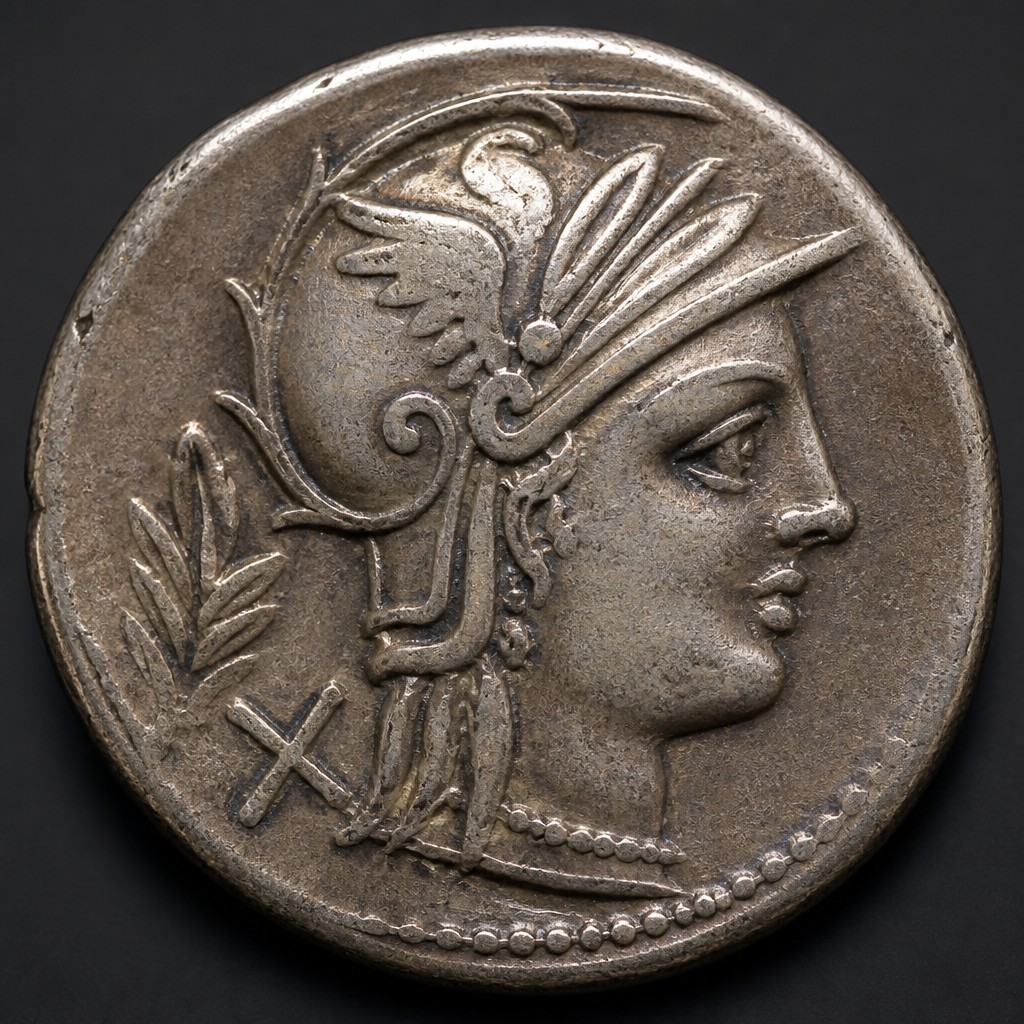
Republican Victoriatus
c. 211–170 BC
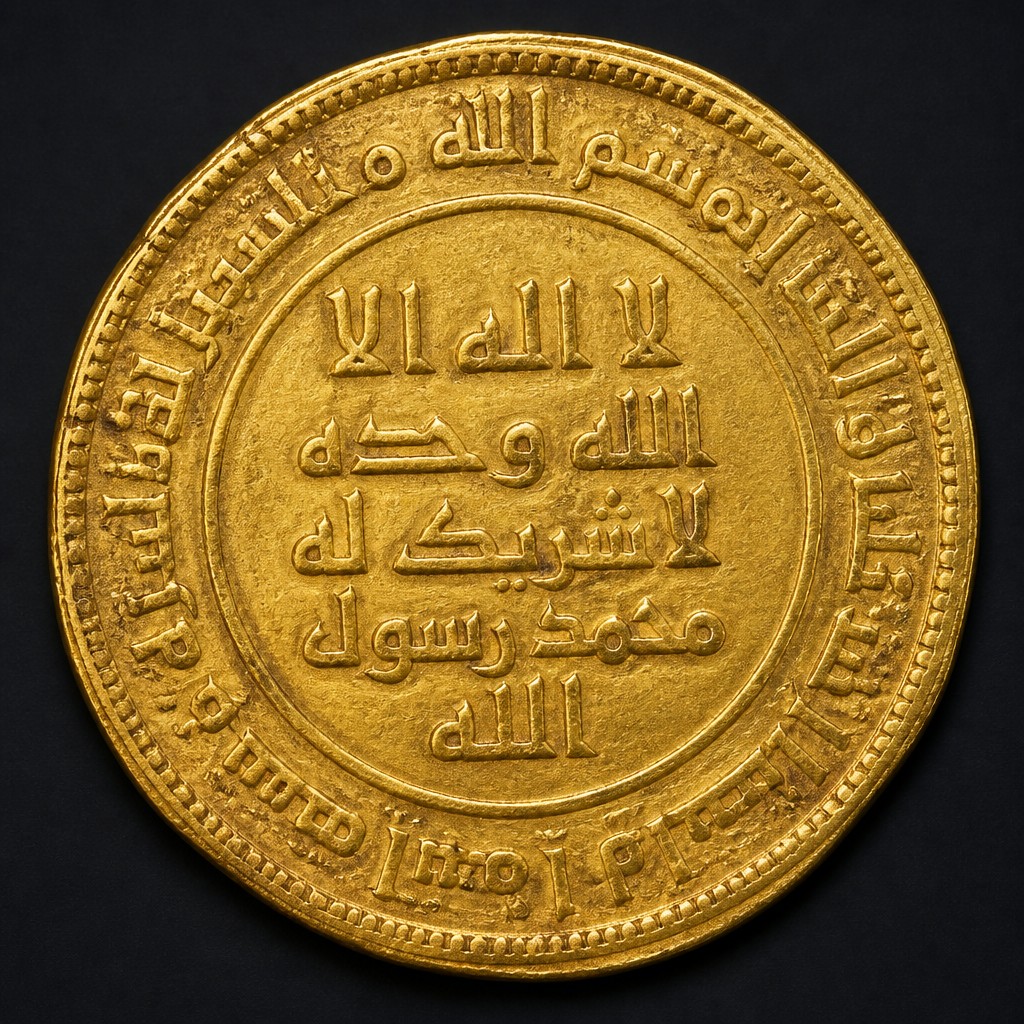
Islamic Gold Dinar (Umayyad)
c. 696–750 AD
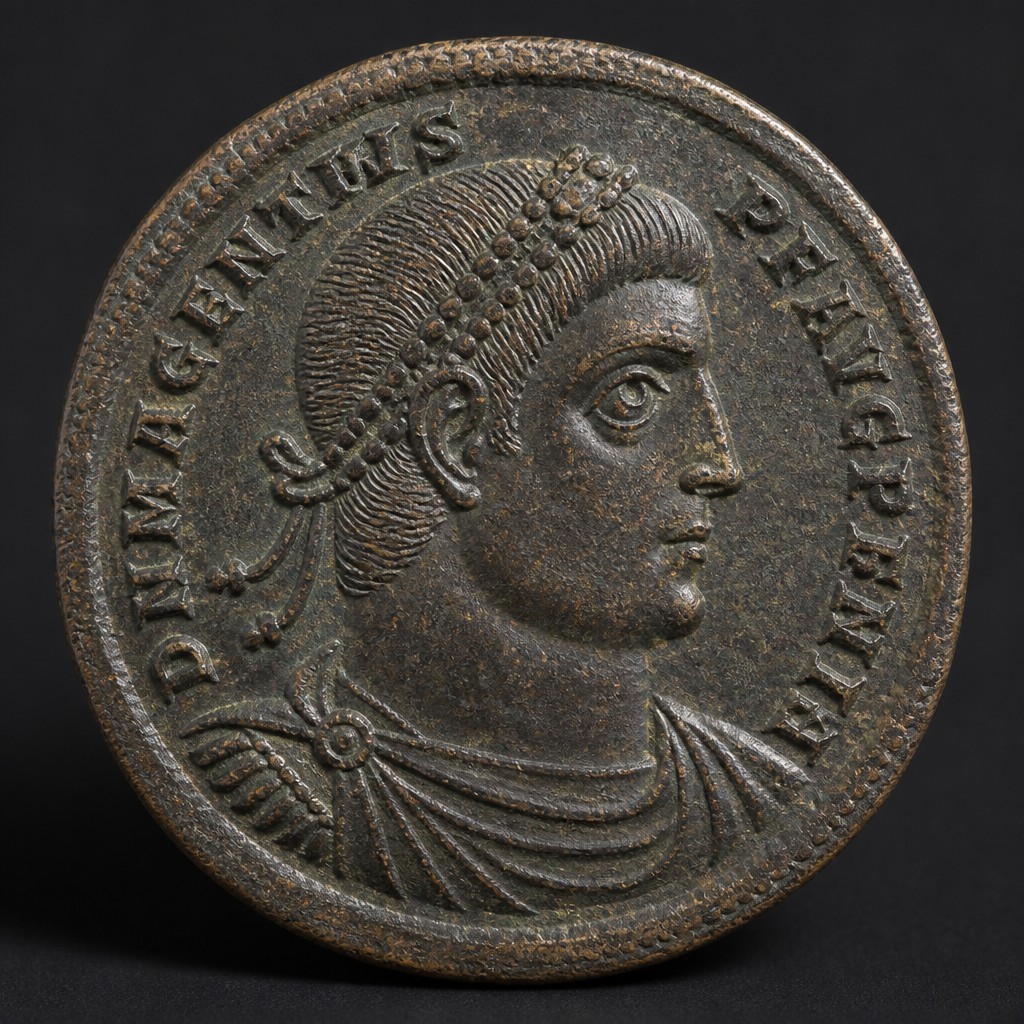
Magnentius Double Centenionalis
350–353 AD
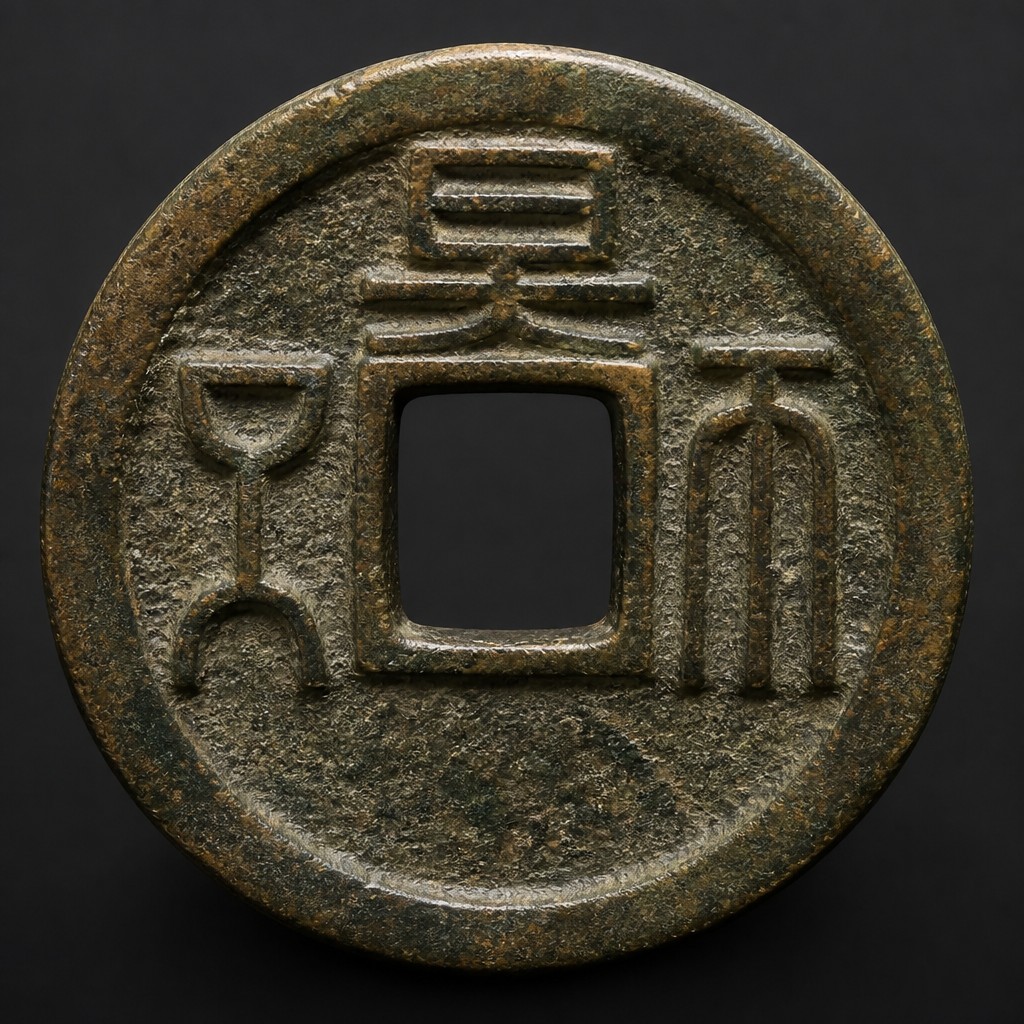
Chinese Wu Zhu Cash
118 BC – 618 AD
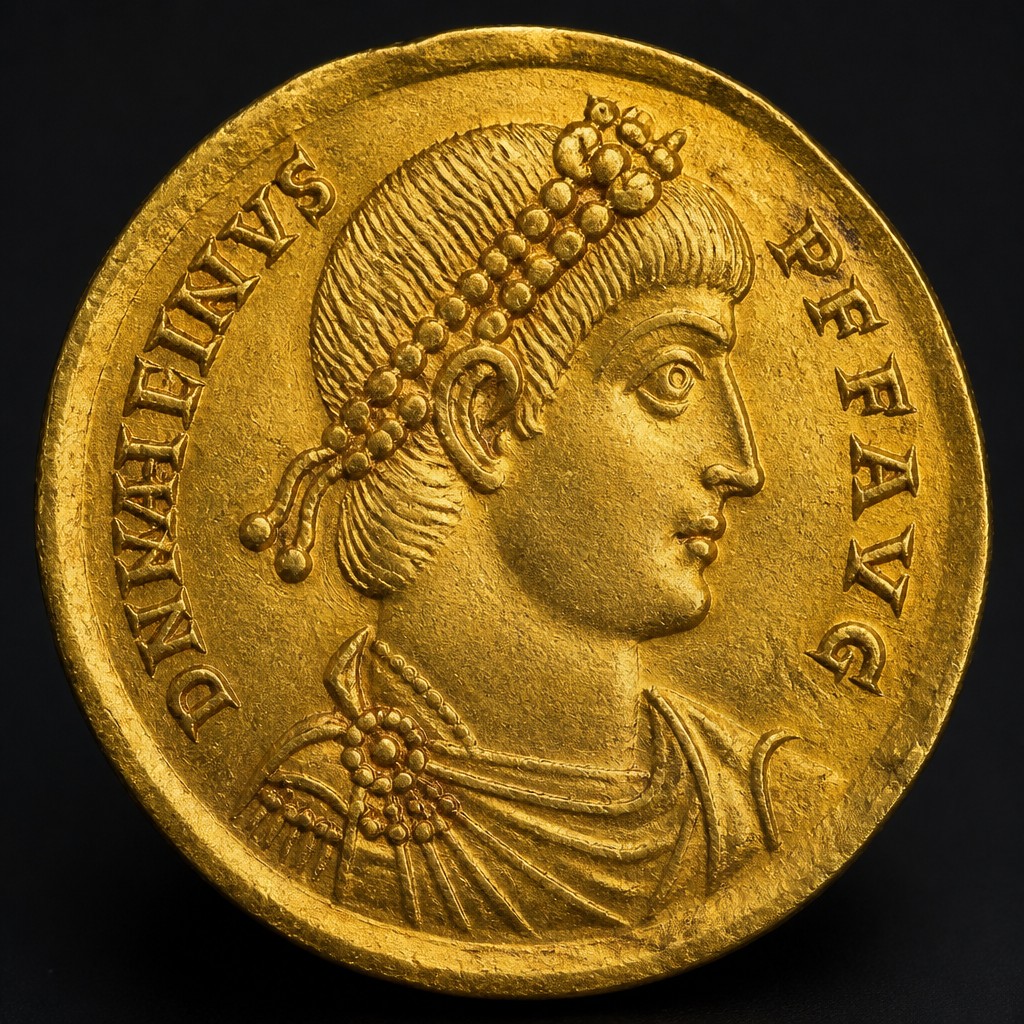
Valentinian I Solidus
364–375 AD
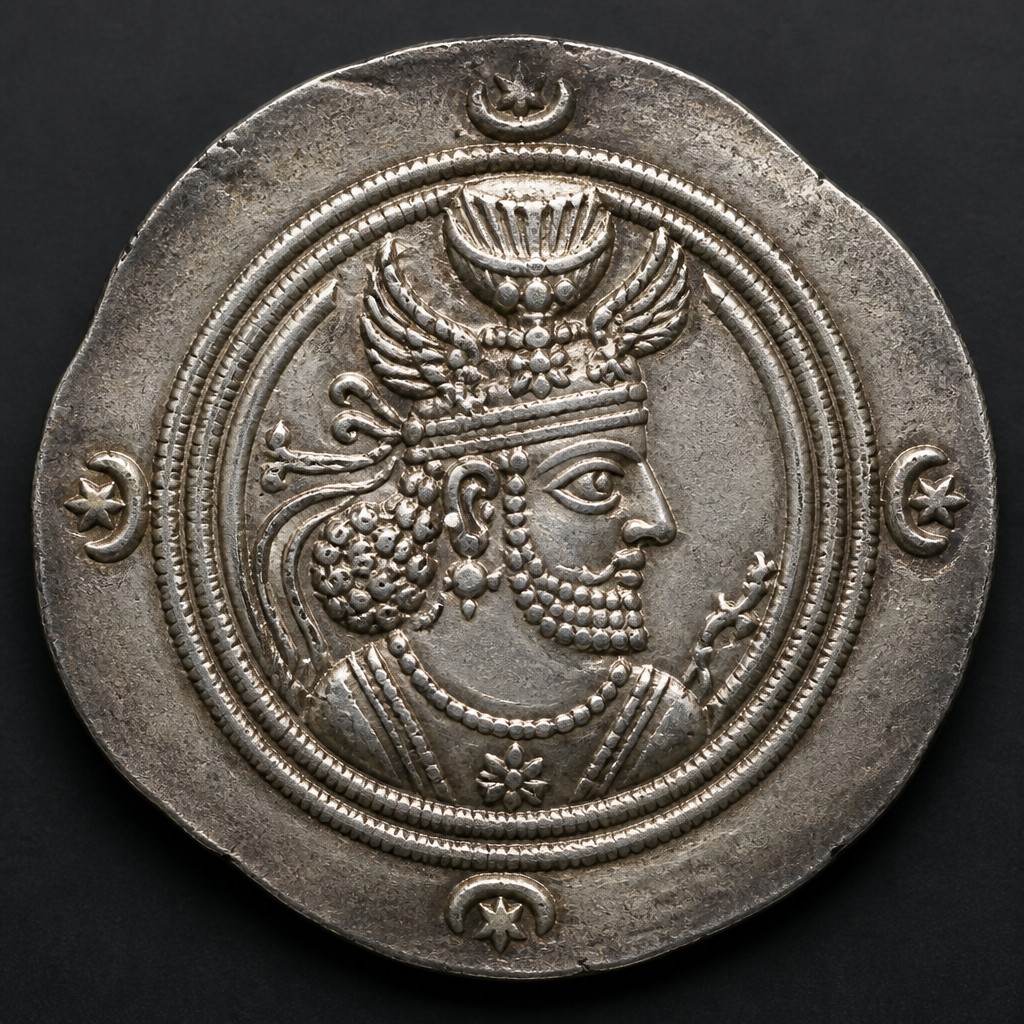
Sassanian Silver Drachm
c. 224–651 AD
Chinese Ban Liang Cash
c. 221–118 BC
Gupta Empire Gold Dinar
c. 320–550 AD
Byzantine Gold Tremissis
c. 4th–7th century AD
Byzantine Follis
498–c. 11th century AD
Celtic Gold Stater
c. 3rd century BC – 1st century AD